Boxwood Tree
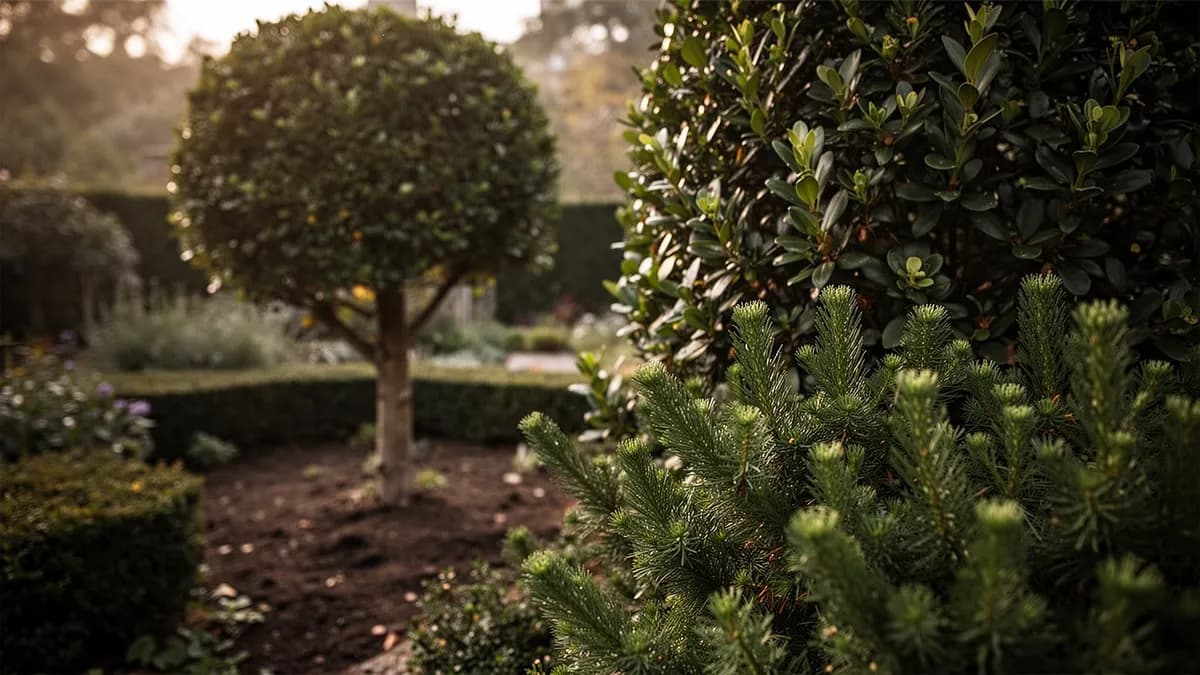
The quintessential formal garden evergreen, boxwood has been shaped into hedges, borders, and topiary for centuries in European and American gardens.





On this pageOverview
Meet Boxwood Tree
The quintessential formal garden evergreen, boxwood has been shaped into hedges, borders, and topiary for centuries in European and American gardens. It tolerates heavy pruning and shearing better than almost any other broadleaf evergreen and maintains a tight, dense form year-round. Boxwood blight is an increasingly serious fungal disease, so choose resistant varieties and maintain good air circulation. Plant in well-drained soil with consistent moisture and protect from desiccating winter sun and wind in cold climates.
When to plant Boxwood Tree
Boxwood is rarely grown from seed due to slow germination and extremely slow seedling growth. Seeds ripen in fall inside small three-horned capsules. Collect capsules when they begin to turn brown and split, revealing shiny black seeds. Seeds require 90 days of warm stratification followed by 90 days of cold stratification to break dormancy. Sow treated seeds in spring on the surface of a fine seedling mix and cover lightly. Germination is slow and erratic, taking 3 to 6 months. Seedlings grow only 1 to 2 inches per year. Propagation by semi-hardwood cuttings taken in late summer is far more practical, with rooting occurring in 6 to 8 weeks under mist with bottom heat.
Your Boxwood Tree Year
Composed for Zone 7 · typical seasons · frost passes Apr 2, returns Nov 1
Plant Boxwood Tree Mar – Apr, Oct – Nov, pick —. Check the planting methods below and set your climate to personalize these windows.
How to grow Boxwood Tree
Boxwood is one of the most versatile and enduring landscape plants, used for formal hedges, borders, edging, topiary, and foundation plantings for over two thousand years. It grows best in partial shade to full sun with moist, well-drained soil and a pH of 6.5 to 7.0. In hot climates, afternoon shade prevents the foliage bronzing and stress that occurs in full sun. Space plants 2 to 4 feet apart for hedging or allow 6 to 8 feet for specimen planting.
Plant container-grown boxwood in spring or fall. Dig the hole twice as wide as the root ball and set at the same depth or slightly high to ensure good drainage away from the crown. Backfill with native soil amended lightly with compost. Water deeply and mulch with 2 to 3 inches of organic material, keeping it away from the stems to prevent rot.
Boxwood responds exceptionally well to shearing and can be maintained as formal hedges, geometric shapes, or intricate topiary. Shear in late spring after the flush of new growth and again in mid-summer if needed. Avoid heavy pruning in late summer or fall, as new growth will not harden off before winter. Thin out dense plants annually by selectively removing interior branches to improve air circulation and reduce disease pressure.
Boxwood Tree needs more room than a 4 × 8 ft bed gives
Each Boxwood Tree wants 300 cm of elbow room. The planner keeps that spacing for you — every plant, every bed.
Boxwood Tree's best neighbours
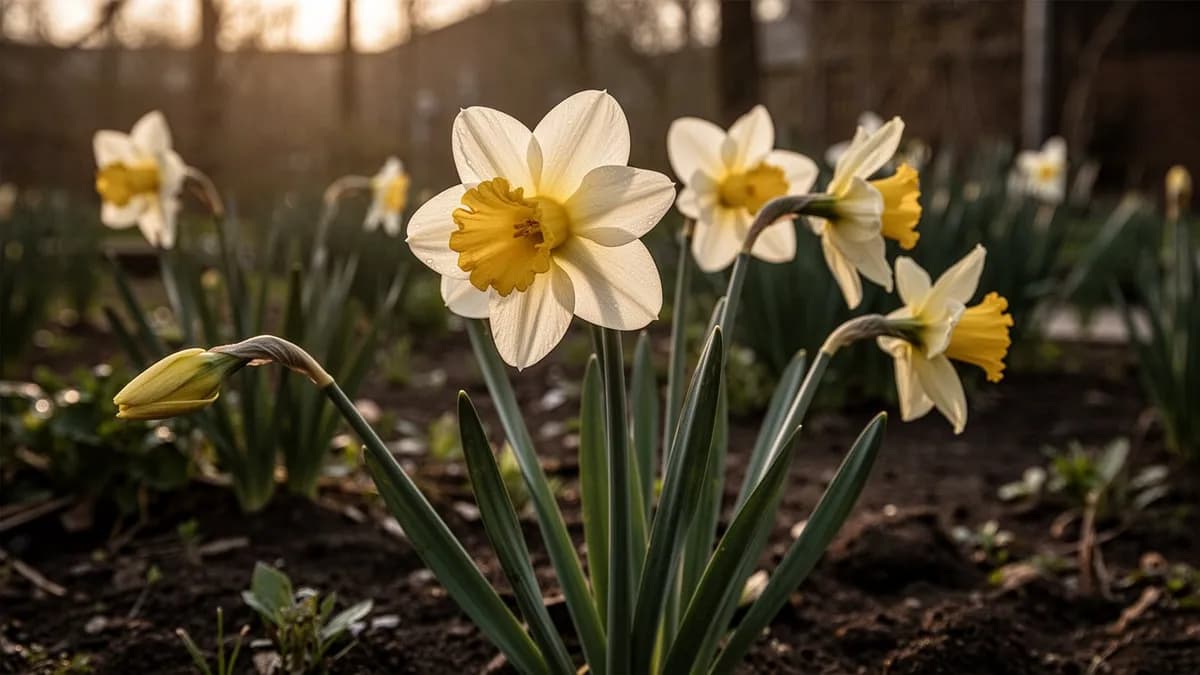
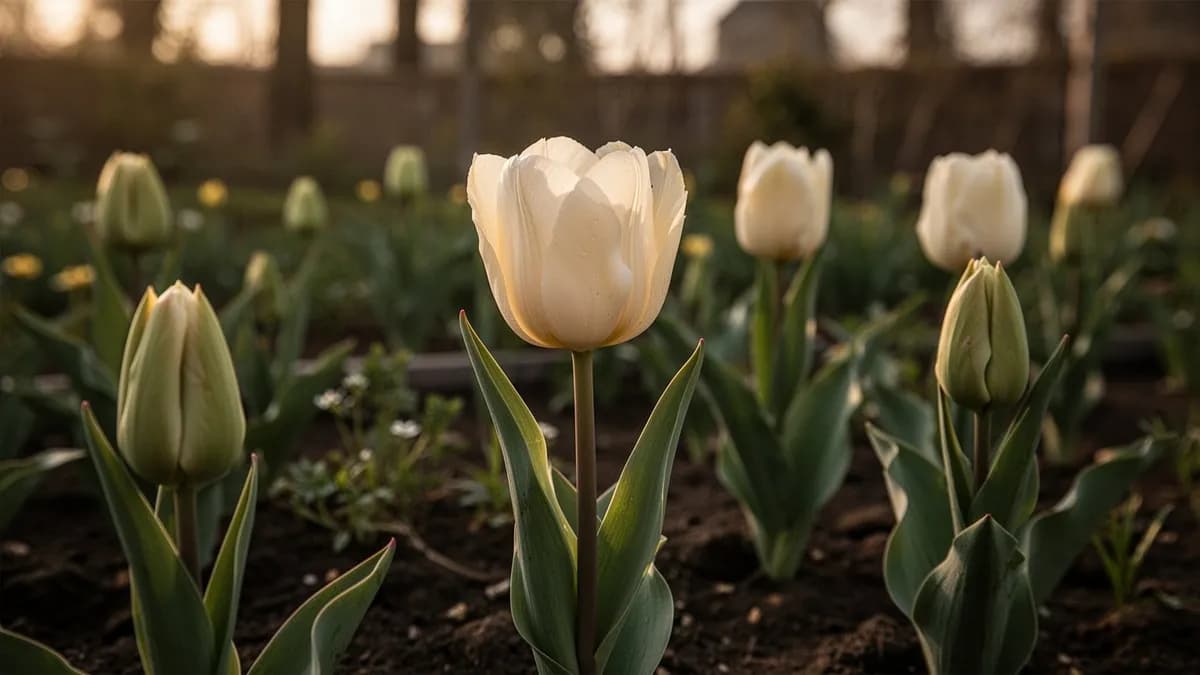
Boxwood's neutral green foliage and formal structure serve as the perfect backdrop for colorful flowering plants. Classic combinations include boxwood hedges enclosing rose gardens, perennial borders, or herb gardens. Underplant with spring bulbs like tulips, hyacinths, and crocuses that emerge before boxwood starts active growth. Dwarf boxwood borders frame pathways beautifully when paired with lavender, catmint, or low ornamental grasses. In shaded gardens, combine boxwood with hostas, ferns, and hellebores for year-round structure and seasonal interest.
Daffodil belongs beside it.
Old growers' knowledge, checked against Boxwood Tree's real companion table below — test any plant you're growing.
Try Boxwood Tree in a bed — right here
A real planner bed with Boxwood Tree already in it. Tap a companion to place it and watch the pairing checks answer — green for good neighbours, red for a clash.


Related growing guides
Feed it well
Boxwood prefers well-drained, loamy soil with a pH of 6.5 to 7.0. It tolerates slightly acidic to slightly alkaline conditions but struggles in heavy, waterlogged clay. Amend compacted soils with compost and coarse organic matter to improve drainage. Apply a balanced slow-release fertilizer in early spring, using an evergreen or hedge formula. Avoid heavy nitrogen applications that promote soft, disease-susceptible growth. Mulch with 2 to 3 inches of composted leaves or shredded bark to maintain soil moisture and regulate temperature. Top-dress with granular lime every few years if soil pH drops below 6.0.
Ideal Temperature
Hardiness Zone Compatibility
From seed to harvest, stage by stage
Cutting Propagation
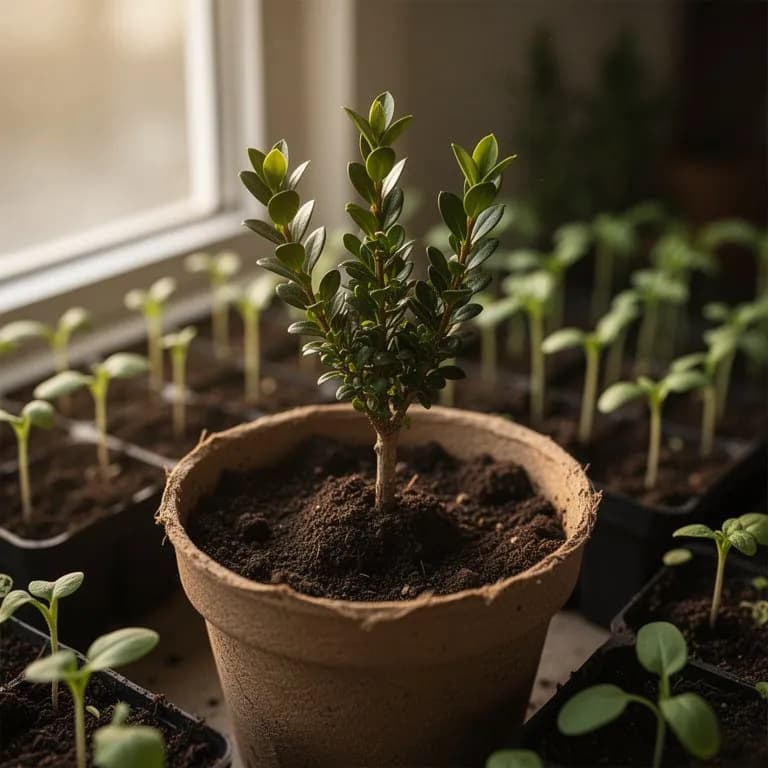
Boxwood is most commonly propagated from semi-hardwood cuttings taken in late summer or early autumn. Cuttings of 7-10 cm are stripped of lower leaves and inserted into a moist rooting medium of perlite and peat. Rooting hormone applied to the base significantly improves success rates. Root development is slow but steady, typically requiring six to eight weeks in a humid, shaded propagation environment.
Establishment Phase
Once rooted, young boxwood plants are potted up into individual containers or transplanted into nursery beds. During this first year, the plant focuses on developing a strong root system and producing its initial framework of branches. Growth is relatively slow, typically adding only 5-10 cm of height. The small, oval, glossy leaves emerge in opposite pairs along the stems, and the characteristic dense branching pattern begins to form.
Juvenile Growth
During years two and three, boxwood begins to fill out and develop its characteristic dense habit. Annual growth increases to 10-15 cm as the root system matures. The plant becomes increasingly tolerant of shearing and can be lightly shaped during this period. Foliage color deepens to a rich dark green, and the woody stems begin to develop their distinctive pale, corky bark.
Active Shaping Period
From years three through seven, boxwood enters its most active shaping phase. The plant responds vigorously to pruning, producing dense regrowth that fills in gaps and creates the tight, manicured appearance prized in formal gardens. This is the ideal period for training topiary forms, establishing hedge lines, and refining the overall shape. The root system is well established and the plant can tolerate more aggressive pruning.
Mature Specimen
Mature boxwood plants are long-lived evergreen specimens that can persist for decades or even centuries with proper care. Growth rate slows to 2-5 cm per year, and the plant maintains its form with minimal intervention. The wood becomes extremely hard and dense, historically valued for woodworking and engraving. Mature specimens develop a gnarled, characterful trunk structure beneath the foliage canopy.
Heritage Specimen
Boxwood is renowned for its extraordinary longevity. Heritage specimens over fifty years old are found in historic estates and public gardens worldwide. These ancient plants develop thick, sculptural trunks and can reach heights of 5-8 meters if left unpruned. The dense, fine-grained wood turns a warm honey color with age. Many historic parterre gardens feature boxwood plantings that are centuries old, representing living horticultural heritage.
Maintain consistent humidity around cuttings by covering with a clear dome or plastic bag. Avoid direct sunlight which can overheat the cuttings. Check moisture levels daily and mist as needed. Bottom heat of 18-21°C accelerates root formation considerably.
Caring for Boxwood Tree month by month
What to do each month for your Boxwood Tree
October
You are hereApply a final deep watering before the ground freezes to ensure plants enter dormancy well hydrated. Clean up fallen leaves and debris from around the base of plants to reduce overwintering sites for fungal spores. Consider applying an anti-desiccant spray to foliage on exposed specimens.
Know exactly what to do in your garden — every month
One email at the start of each month: what to sow, plant, and tackle right now — for your Boxwood Tree and everything growing around it. Plus a short starter course that helps you dodge the classic mistakes.
- What to do, right now
- Matched to your season
- Starter course included
Harvesting Boxwood Tree
Boxwood is not grown for food harvest and all parts of the plant are toxic if ingested. Boxwood clippings from pruning and shearing are the primary byproduct. Fresh boxwood trimmings are highly valued for holiday wreaths, garlands, and floral arrangements due to their dense, glossy foliage and excellent keeping quality. Clip branches for arrangements in early morning and condition in water for several hours before using. Boxwood has been used medicinally in traditional herbalism, but modern use is discouraged due to toxicity.
assuming you plant when the window opens — set your real date
Pick Boxwood Tree promptly and the plant keeps producing.
Storage & Preservation
Fresh boxwood cuttings for decorative use last 2 to 4 weeks indoors when kept in water or misted regularly. For holiday wreaths and garlands, boxwood maintains its green color better than most evergreens, lasting 3 to 6 weeks depending on conditions. Mist wreaths periodically and keep away from heat sources. Dried boxwood turns an attractive tan color and can be used in everlasting arrangements. Boxwood clippings decompose slowly and can be composted or used as mulch around acid-loving plants.
What goes wrong — and the fix
Boxwood Blight
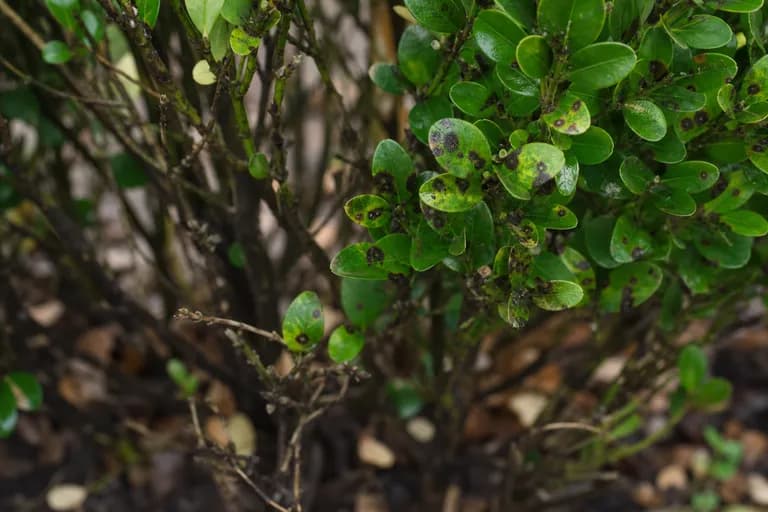
DiseaseDark brown to black circular leaf spots with lighter centers, rapid defoliation starting on lower branches, and dark streaks on green stems. Can devastate plants within weeks in warm, humid conditions.
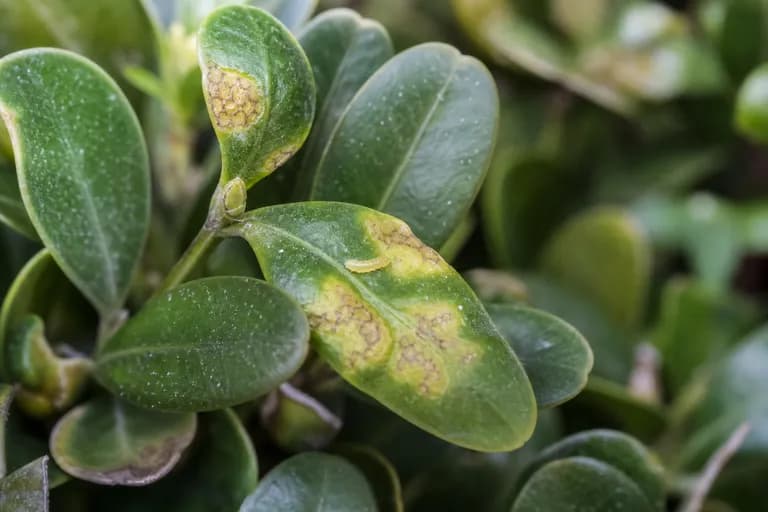
Boxwood Leafminer
PestBlistered, puffy leaves with yellowish or orange mines visible when leaves are held up to light. Leaves appear swollen and may drop prematurely. Most active in late spring.
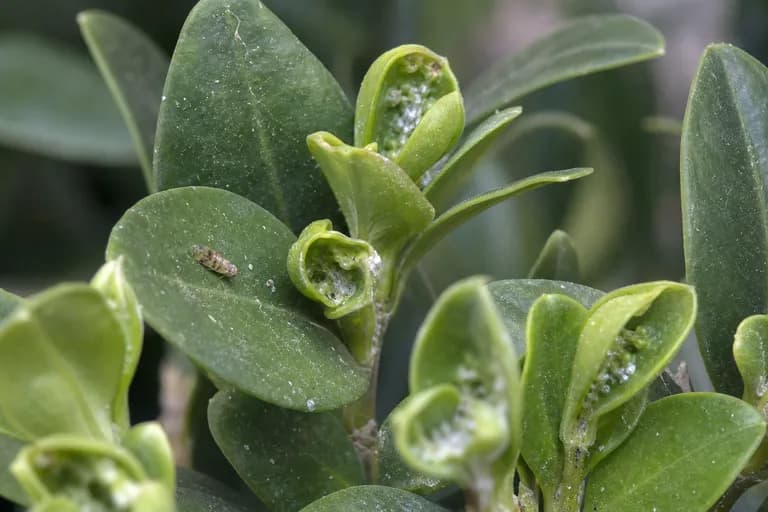
Boxwood Psyllid
PestNew growth appears cupped or curled into tight rosettes at branch tips. Tiny green nymphs feed inside the cupped leaves, producing white waxy secretions.
Troubleshooting Common Problems
Boxwood blight is the most devastating current threat, and gardeners in affected regions should plant only resistant cultivars. Winter bronzing occurs when foliage is exposed to harsh sun and wind during cold weather; protect with burlap screens or anti-desiccant sprays. Root rot kills plants in poorly drained soils, especially during wet winters. Dog urine causes severe leaf burn and can kill entire sections of hedge. Boxwood decline syndrome presents as general yellowing, thinning, and dieback caused by a complex of root diseases, nematodes, and stress factors. Irregular watering leads to leaf scorching during drought followed by root problems during wet periods.
Growing Tips
- Plant boxwood in well-drained soil with a slightly alkaline to neutral pH between 6.5 and 7.5 for optimal growth. Heavy clay soils should be amended with coarse sand and organic matter to improve drainage, as waterlogged roots are a primary cause of boxwood decline and increase susceptibility to root rot diseases.
- Position boxwood in partial shade to full sun, but provide afternoon shade in hot climates where temperatures regularly exceed 30°C. Morning sun with afternoon shade is the ideal exposure in warmer regions, protecting foliage from heat stress and sunscald while ensuring adequate light for dense growth.
- Water deeply but infrequently, allowing the top 5 cm of soil to dry between waterings. Boxwood roots are shallow and benefit from consistent moisture, but overwatering promotes root rot and creates conditions favorable to Phytophthora and other soil-borne pathogens that can rapidly kill established plants.
- Apply a 5-8 cm layer of organic mulch such as aged bark chips or composted leaves around the base of boxwood plants, maintaining a 10 cm gap between the mulch and the stem to prevent moisture-related bark diseases and stem rot at the soil line.
- Sanitize all pruning tools with rubbing alcohol or a ten percent bleach solution between each plant when trimming boxwood hedges. This simple practice is the single most effective measure for preventing the spread of boxwood blight, whose sticky spores are readily transferred on contaminated tools, gloves, and clothing.
- Avoid overhead irrigation at all costs. Water at the soil level using drip irrigation or soaker hoses. Wet foliage promotes the germination and spread of boxwood blight spores and other fungal diseases. If overhead watering is unavoidable, water early in the morning so foliage dries quickly in the sun.
- Thin out dense interior growth annually by selectively removing small branches from the center of the plant. This improves air circulation within the canopy, reduces humidity levels around the foliage, and allows light to penetrate the interior, all of which help prevent fungal diseases and encourage healthy growth throughout the plant.
- Feed boxwood once annually in early spring with a granular fertilizer formulated for evergreen shrubs, such as a 10-6-4 or similar balanced formulation. Avoid late-season fertilization after mid-July, as the resulting flush of soft new growth will not harden off before winter and is highly susceptible to frost damage and winter burn.
- When planting a boxwood hedge, space plants at 30-45 cm intervals for a dense, formal hedge or 60-90 cm for a looser, more natural screen. Stagger plants in a double row for maximum density. Dig the planting trench to the same depth as the root ball but twice as wide to encourage lateral root development.
- Select boxwood cultivars with proven resistance to boxwood blight whenever possible. Varieties such as NewGen Freedom (Buxus hybrid SB 108), Green Mountain, and cultivars derived from Buxus sinica var. insularis (Korean boxwood) show significantly greater tolerance to Calonectria pseudonaviculata than traditional English boxwood selections.
Grow your best Boxwood Tree yet — and everything around it.
Start a free plan today. Lay out your beds, drop in your Boxwood Tree, and let PlotMyGarden handle the timing, spacing, companions and reminders from seed to harvest basket.
Pick your Boxwood Tree
Green Velvet
Dense, rounded habit reaching 3 to 4 feet tall and wide. Excellent cold hardiness and dark green winter color. One of the most popular choices for low formal hedges in northern climates.
Wintergreen
A Korean boxwood cultivar with outstanding cold hardiness to Zone 4. Maintains excellent green winter color without bronzing. Grows 2 to 4 feet tall with a dense, compact habit.
Dee Runk
Columnar habit reaching 7 to 9 feet tall and only 2 to 3 feet wide. Excellent for vertical accents, narrow hedges, and framing entryways without excessive width.
NewGen Independence
A boxwood blight-resistant selection with dense, rounded form growing 3 to 4 feet tall. Glossy dark green foliage year-round. An essential choice in regions affected by blight.
Suffruticosa
The classic English boxwood used for centuries in parterre gardens. Very slow-growing to 2 to 3 feet, with fine-textured, fragrant foliage. Susceptible to blight and leafminer.
Boxwood is a long-term investment rather than a source of direct cost savings through harvest. A single well-maintained boxwood hedge can last for decades or even centuries, eliminating the recurring cost of annual replanting that comes with seasonal bedding plants. Propagating boxwood from cuttings is straightforward and can yield dozens of new plants from a single specimen at no cost beyond time and basic supplies. Compared to installing and maintaining wooden or metal fencing, a boxwood hedge provides an attractive, self-renewing boundary that appreciates in value over time. Mature boxwood specimens and established hedges significantly increase property values, with well-maintained formal hedging adding an estimated 5-15 percent to curb appeal assessments. Be aware that boxwood blight treatment and management can represent a significant ongoing cost; preventive care and selecting blight-resistant cultivars like NewGen Freedom or Insularis are worthwhile investments.
Quick recipes
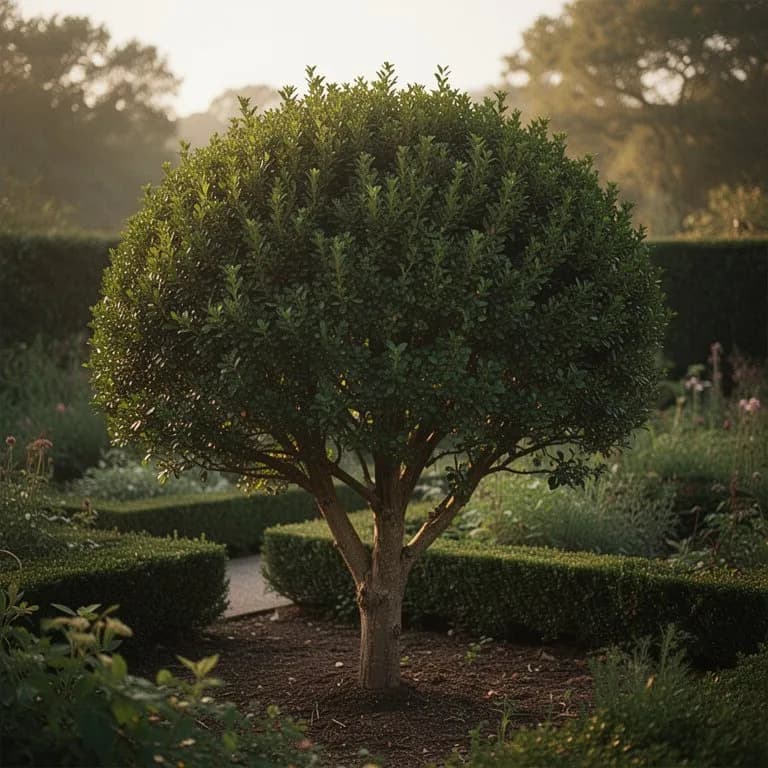
Boxwood Wreath for Seasonal Decoration
45 minutesCreate a classic evergreen wreath using freshly pruned boxwood clippings wired onto a circular frame. The dense, glossy foliage holds its color and shape for weeks when kept in a cool environment. This is a traditional craft project, not a food recipe, as boxwood is toxic and must never be consumed. Wear gloves when handling large quantities of fresh cuttings to avoid skin irritation from the plant sap.
5 ingredientsBoxwood Topiary Ball Table Centerpiece
30 minutesFashion a miniature decorative topiary ball using boxwood trimmings inserted into a floral foam sphere. This elegant centerpiece adds a touch of formal garden style to indoor tablescapes and mantelpieces. The dense boxwood foliage covers completely and lasts up to two weeks if the foam is kept moist. This is a decorative craft only — boxwood is highly toxic and must never be used in any food preparation or garnishing.
5 ingredients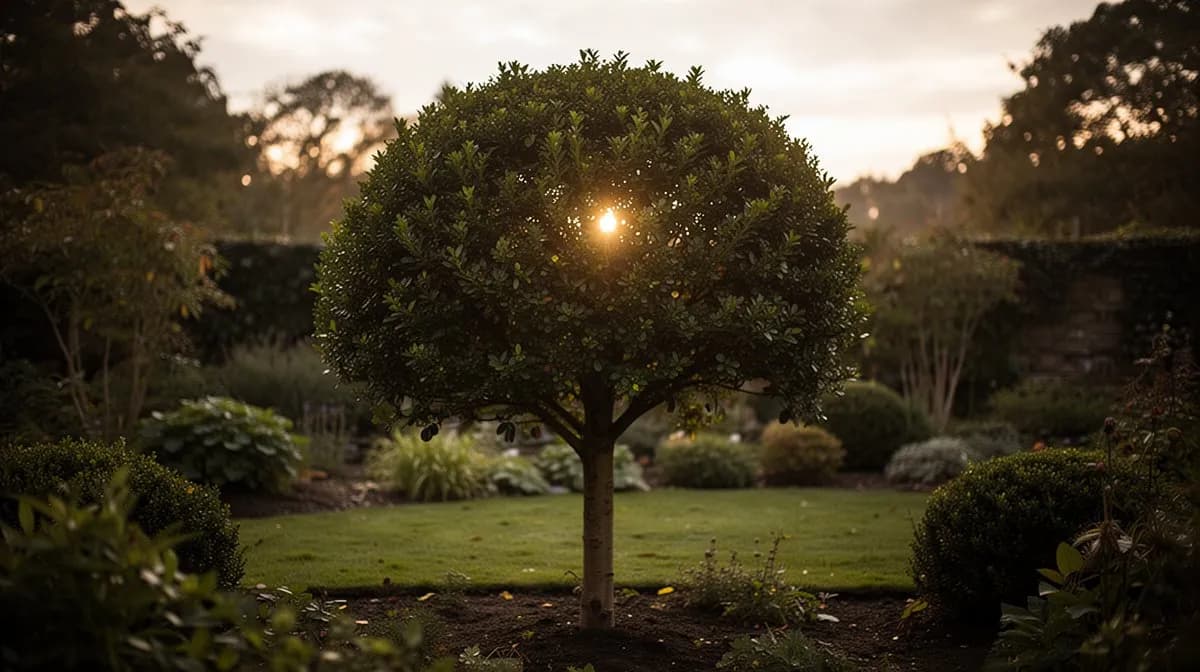
Dried Boxwood Garland for Interior Styling
20 minutes active, plus 2-3 weeks drying timeHarvest long boxwood branches during summer pruning and air-dry them to create a preserved garland for year-round interior decoration. Dried boxwood retains a beautiful muted sage-green color and maintains its leaf structure indefinitely. Bundle branches together with twine, hang in a warm, dry, well-ventilated space, and then wire the dried branches along a cord to create a garland of any desired length. Always handle as a decorative item only — boxwood is toxic.
5 ingredientsWhat's inside
Health Benefits
- TOXIC PLANT WARNING: Boxwood provides no dietary health benefits and must never be ingested. All parts contain dangerous steroidal alkaloids that can cause organ failure and death.
- As an evergreen garden plant, boxwood contributes to improved air quality by filtering particulate matter and producing oxygen year-round, including during winter months when deciduous plants are dormant.
- Dense boxwood hedges serve as effective sound barriers, reducing noise pollution by up to 6-8 decibels in residential settings, which contributes to reduced stress levels and improved mental well-being for nearby residents.
- The presence of structured evergreen plantings like boxwood in residential and institutional landscapes has been associated with measurable reductions in anxiety and improvements in mood, consistent with research on the psychological benefits of green spaces and biophilic design.
- Boxwood hedges and screens create sheltered microclimates in gardens that can reduce wind speed by up to 50 percent, providing more comfortable outdoor living spaces that encourage physical activity and time spent outdoors throughout the year.
- Gardening activities associated with boxwood care, including hand-pruning, shearing, and topiary maintenance, provide moderate physical exercise that engages fine motor skills, upper body strength, and spatial reasoning, contributing to overall physical and cognitive health.
Where Boxwood Tree comes from
Buxus sempervirens, commonly known as common boxwood or European box, is an evergreen shrub or small tree native to a broad region spanning western and southern Europe, northwestern Africa, and southwestern Asia. Its natural range extends from southern England through France, the Iberian Peninsula, and the Mediterranean basin eastward into Turkey, the Caucasus, and northern Iran, where it grows as an understory species in mixed deciduous and evergreen forests on calcareous soils. Archaeological evidence suggests that boxwood was among the earliest plants deliberately cultivated for ornamental purposes. The ancient Egyptians are believed to have used boxwood in garden design, and the plant features prominently in the writings of Roman authors including Pliny the Elder, who described elaborate topiary gardens shaped from boxwood in the first century. During the Middle Ages, boxwood was cultivated in monastery gardens across Europe for both its medicinal properties and its ornamental value. The Renaissance period saw a dramatic revival of interest in formal garden design, and boxwood became the defining plant of the Italian Renaissance garden, used to create the intricate geometric parterres, knot gardens, and sculptural topiary that remain iconic to this day. French garden designers of the seventeenth century, most notably Andre Le Notre, elevated boxwood hedging to an art form in the grand gardens of Versailles and Vaux-le-Vicomte. Colonial settlers brought boxwood to North America in the seventeenth century, where it became a staple of estate gardens throughout Virginia, Maryland, and the Carolinas. Today, boxwood remains one of the most widely planted ornamental shrubs in the temperate world, though its cultivation faces unprecedented challenges from boxwood blight and invasive pests.
Boxwood Tree: did you know?
Fascinating facts about Boxwood Tree
Boxwood is one of the oldest ornamental plants in continuous cultivation, with records of its use in Roman gardens dating back over two thousand years. The ancient Romans used boxwood hedges to create elaborate parterre designs that would later inspire Renaissance and French formal garden traditions.
Boxwood Tree questions, answered
When should I plant Boxwood Tree?
What are good companion plants for Boxwood Tree?
What hardiness zones can Boxwood Tree grow in?
How much sun does Boxwood Tree need?
How far apart should I space Boxwood Tree?
What pests and diseases affect Boxwood Tree?
How do I store Boxwood Tree after harvest?
What are the best Boxwood Tree varieties to grow?
What soil does Boxwood Tree need?
Is boxwood toxic to pets and children?
What is boxwood blight and how do I prevent it?
How often should I prune or shear my boxwood hedge?
Why are my boxwood leaves turning yellow or brown?
Can I grow boxwood in containers and pots?
What are the best boxwood varieties for different purposes?
You just read the theory. Now grow it on autopilot.
Everything that makes Boxwood Tree fiddly — the timing, the spacing, the companions, the harvest window — is exactly what PlotMyGarden handles for you, for every plant in your garden.
A plan that knows your weather
Set your location once. Get sow, feed and harvest dates built around your real last-frost date and live forecast — no more guessing from a generic seed packet.
From the “When to plant” sectionDrag-and-drop bed planner
Design beds on a grid. Every plant snaps to its proper spacing, and you can see your whole season laid out before you spend a cent on seed.
From the “Growing guide” sectionCompanion conflicts, caught early
200+ good-and-bad pairings checked live as you plant — so a season-wrecking mistake never makes it into the ground.
From the “Companions” sectionReminders you'll actually act on
“Water the beans.” “Pick today before it turns.” Timely, specific, and tied to the plants you're really growing.
From the “Harvest” sectionSuccession, scheduled
Want a harvest for six weeks, not six days? It spaces your sowings automatically and reminds you when each new block is due.
From the “When to plant” sectionA record that gets smarter
Every harvest you log teaches it your garden. Next year's plan starts from what actually worked in your soil, not a textbook's.
From the “Overview” sectionPlant these alongside Boxwood Tree
More Evergreens
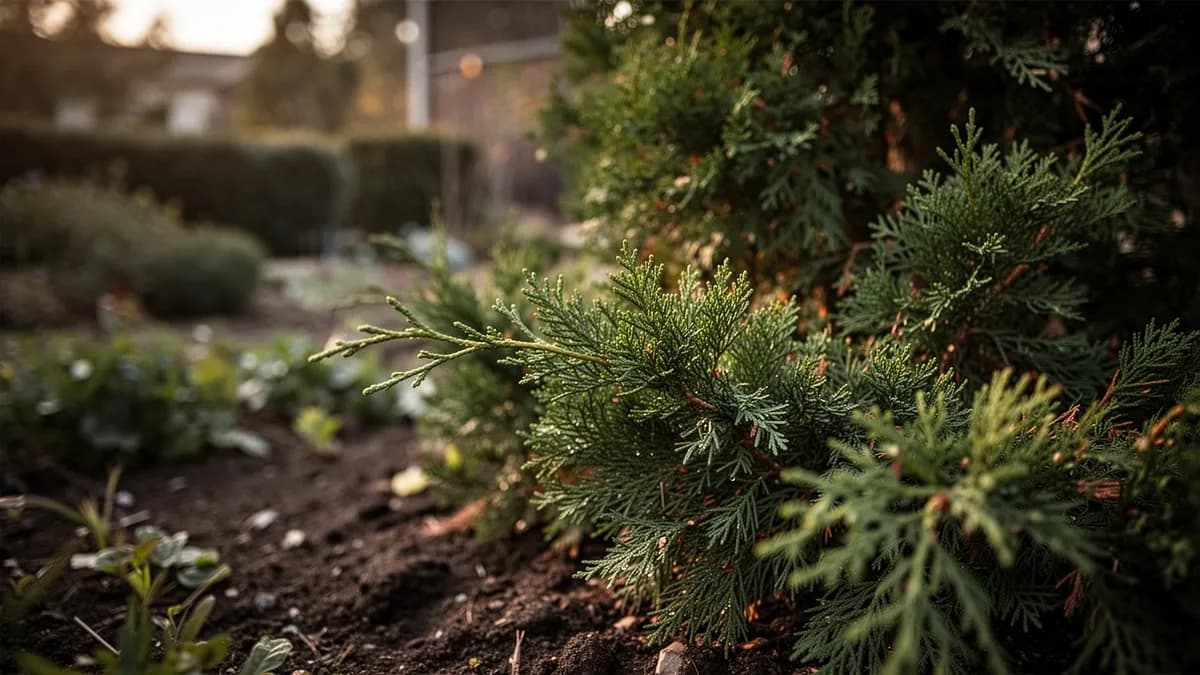
Grow your best Boxwood Tree yet — and everything around it.
Start a free plan today. Lay out your beds, drop in your Boxwood Tree, and let PlotMyGarden handle the timing, spacing, companions and reminders from seed to harvest basket.