Flaschenkürbis
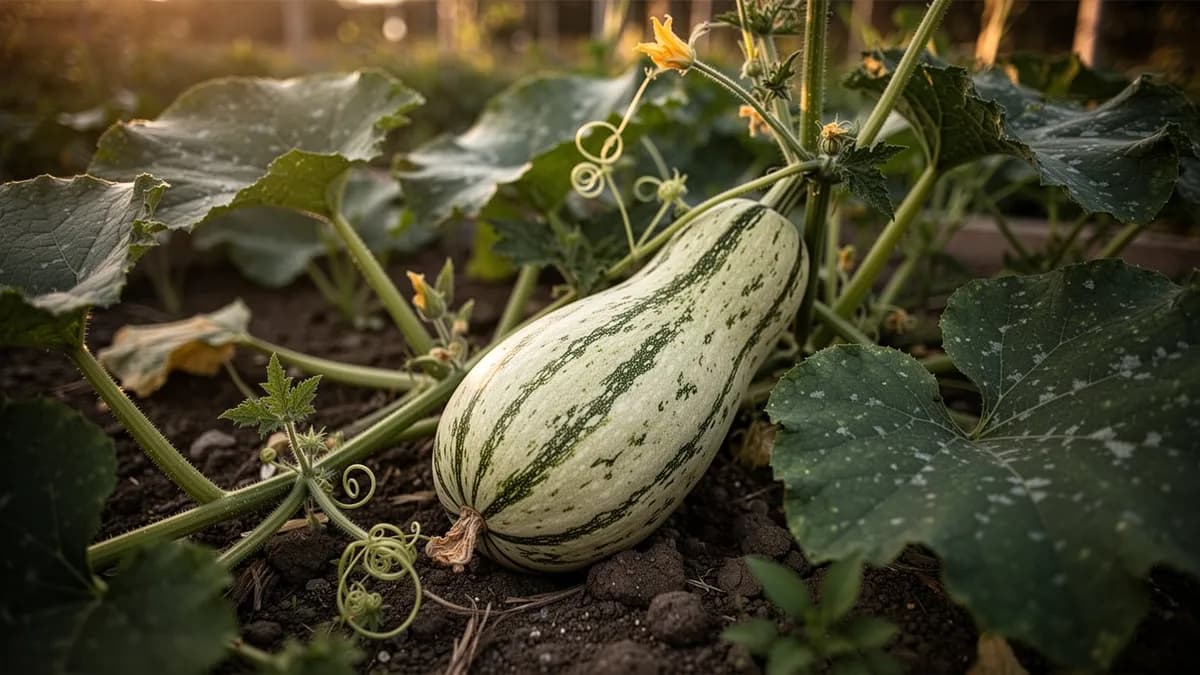
Eine der ältesten Kulturpflanzen, die sowohl wegen ihrer essbaren jungen Früchte als auch wegen ihrer getrockneten Schale, die als Behälter und Musikinstrumente verwendet wird, angebaut wird.





Auf dieser SeiteÜberblick
Flaschenkürbis im Überblick
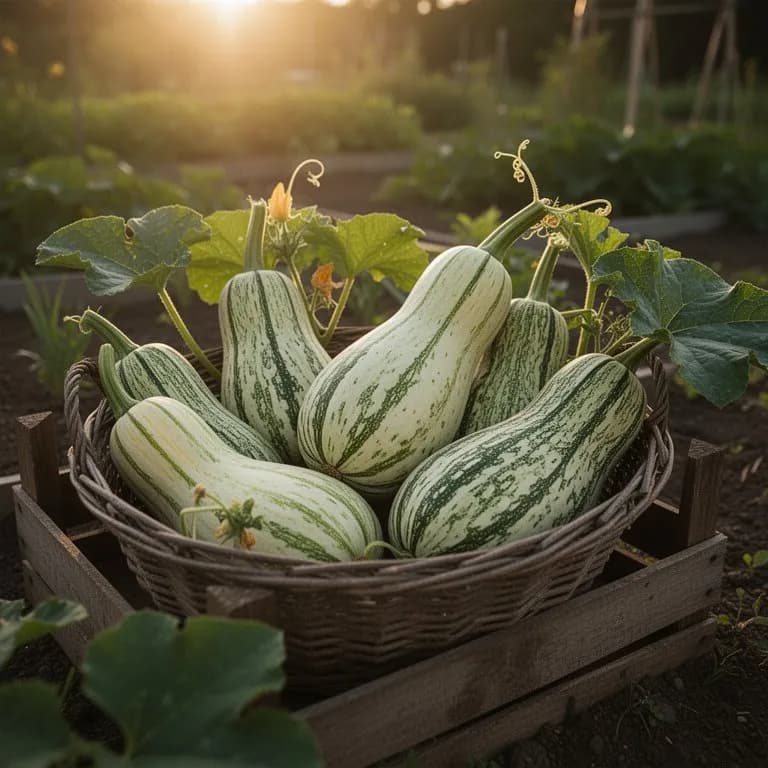
Eine der ältesten Kulturpflanzen, die sowohl wegen ihrer essbaren jungen Früchte als auch wegen ihrer getrockneten Schale, die als Behälter und Musikinstrumente verwendet wird, angebaut wird. Junge Früchte mit weichem Fruchtfleisch werden für die indische und asiatische Küche geerntet, wo sie in Currys und Pfannengerichte geschnitten werden. Ausgereifte getrocknete Kürbisse sind extrem hart und wasserdicht und wurden traditionell als Wasserflaschen, Schüsseln und Vogelhäuschen verwendet. Stellen Sie ein stabiles Überkopf-Spalier für gerade Früchte bereit oder lassen Sie sie auf dem Boden wachsen, um natürliche geschwungene Formen zu erhalten.
Wann Flaschenkürbis pflanzen
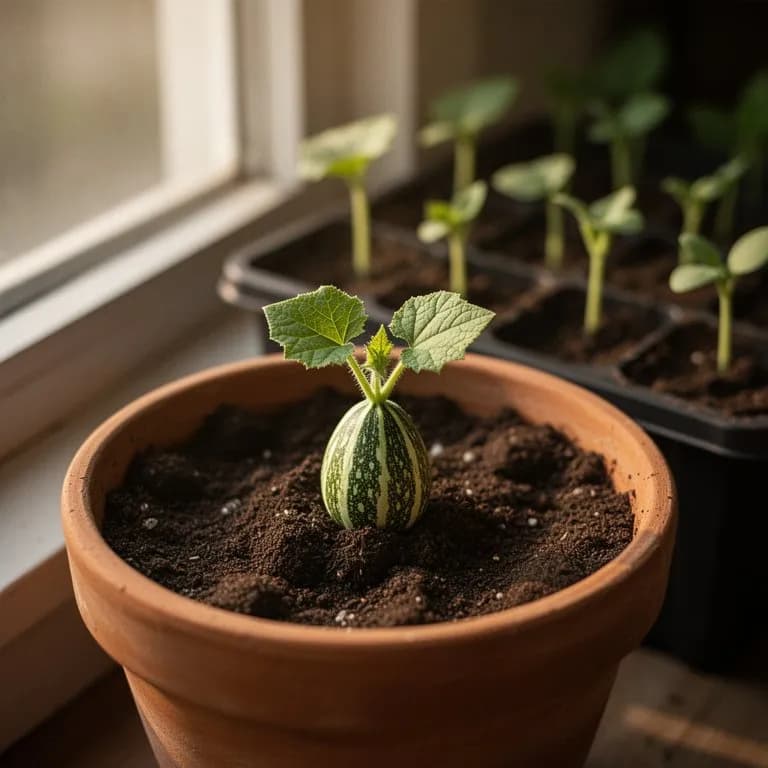
Flaschenkürbissamen haben eine sehr harte Samenschale, die für eine zuverlässige Keimung behandelt werden muss. Samen 24–48 Stunden in warmem Wasser einweichen oder die Samenschale vorsichtig mit einer Feile anritzen. Drinnen in einzelnen Töpfen 3–4 Wochen vor dem Umpflanzen starten und eine Bodentemperatur von 27–32 °C aufrechterhalten. Samen keimen mit richtiger Behandlung in 7–14 Tagen. Wurzeln beim Umtopfen nicht stören. Beim Direktaussäen warten, bis der Boden konstant 21 °C oder wärmer ist. 2,5 cm tief mit 3–4 Samen pro Hügel säen und nach dem Auflaufen auf die 2 stärksten Keimlinge ausdünnen.
Dein Flaschenkürbis-Jahr
Abgestimmt auf Zone 7 · typische Saison · Frost geht um den 2. Apr. und kehrt um den 1. Nov. zurück
Flaschenkürbis Apr – Jun pflanzen, Aug – Okt ernten. Beachte die Pflanzmethoden unten und wähle dein Klima für passende Zeiträume.
So baust du Flaschenkürbis an
Flaschenkürbis gedeiht bei warmem Wetter und benötigt eine lange frostfreie Vegetationsperiode von 80–120 Tagen für essbare Früchte oder über 150 Tage für reife Hartschalenkürbisse. Starten Sie die Samen 3–4 Wochen vor dem letzten Frost drinnen oder säen Sie sie direkt aus, wenn die Bodentemperatur 21 °C erreicht. Pflanzen Sie die Samen 2,5 cm tief in Hügeln mit einem Abstand von 180–240 cm. Nach dem Keimen auf 2 Pflanzen pro Hügel ausdünnen. Die Ranken können 9 m oder mehr wachsen und benötigen eine kräftige Stütze.
Für gerade, gleichmäßige Früchte, die ideal für den kulinarischen Gebrauch sind, züchten Sie sie auf einem stabilen Überkopf-Spalier, das die Früchte frei hängen lässt. Für Zier- oder Behälterkürbisse erzeugt das Bodenwachstum natürliche Kurven. Tief und regelmäßig gießen und 2,5–5 cm pro Woche bereitstellen. Flaschenkürbis ist eine nachtblühende Pflanze, die von Nachtfaltern bestäubt wird, daher kann eine Handbestäubung in Gebieten ohne ausreichende Nachtfalterpopulationen notwendig sein.
Bringen Sie beim Pflanzen einen ausgewogenen Dünger auf und düngen Sie mit Kompost nach, wenn die Ranken zu wachsen beginnen. Wechseln Sie beim Blühen zu einem phosphorreichen Dünger, um den Fruchtansatz zu fördern. Kneifen Sie Wachstumsspitzen ab, nachdem 3–4 Früchte pro Ranke angesetzt haben, um die Energie auf die Fruchtentwicklung statt auf übermäßiges Rankenwachstum zu lenken. In heißen Klimazonen kann Nachmittagsschatten helfen, Sonnenbrand an sich entwickelnden Früchten zu verhindern.
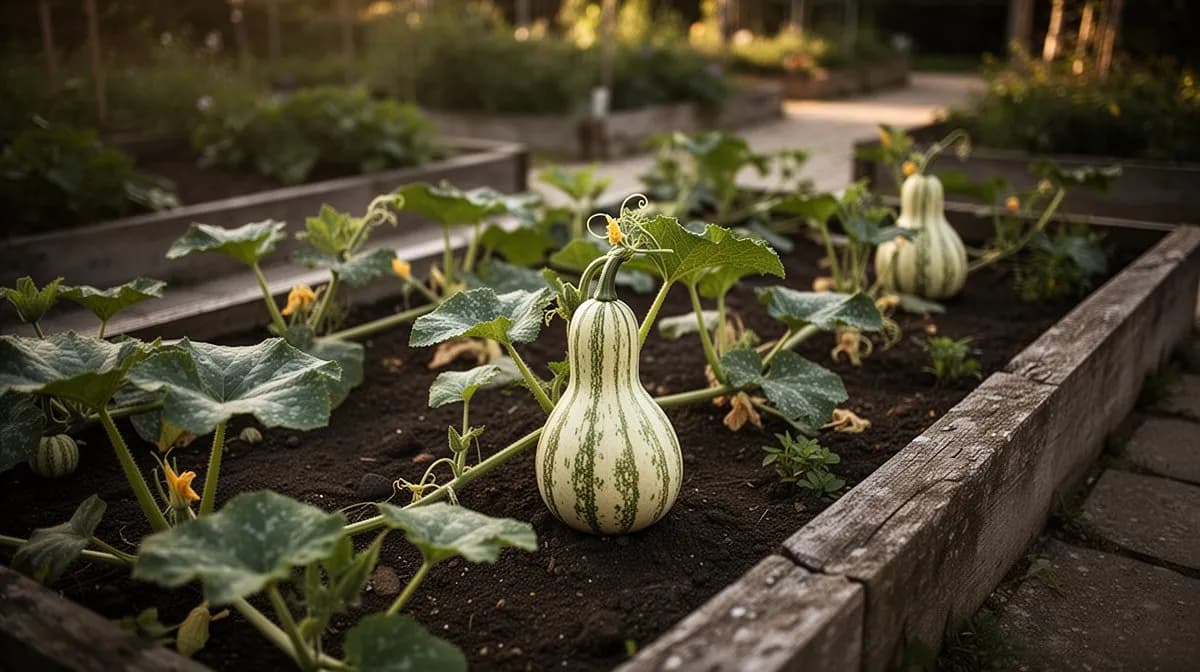
2 Pflanzen passen in ein Beet von 120 × 240 cm
Flaschenkürbis braucht 120 cm Platz pro Pflanze. Der Planer hält diesen Abstand für dich ein — jede Pflanze, jedes Beet.
Die besten Nachbarn für Flaschenkürbis
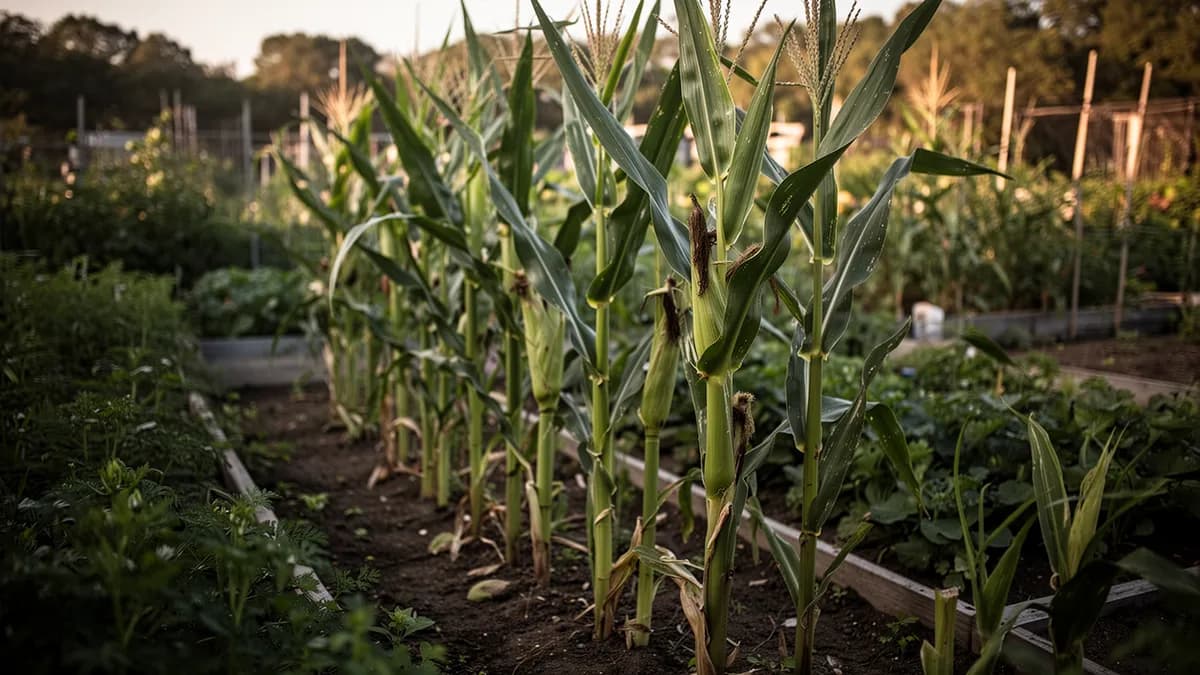
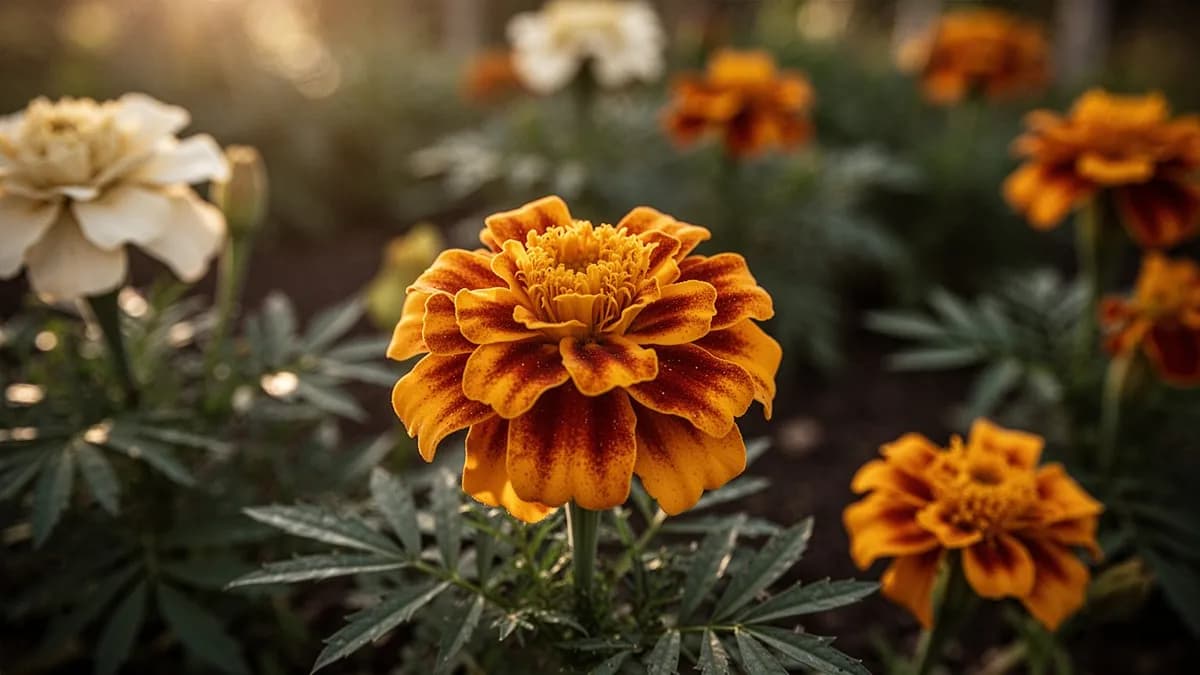
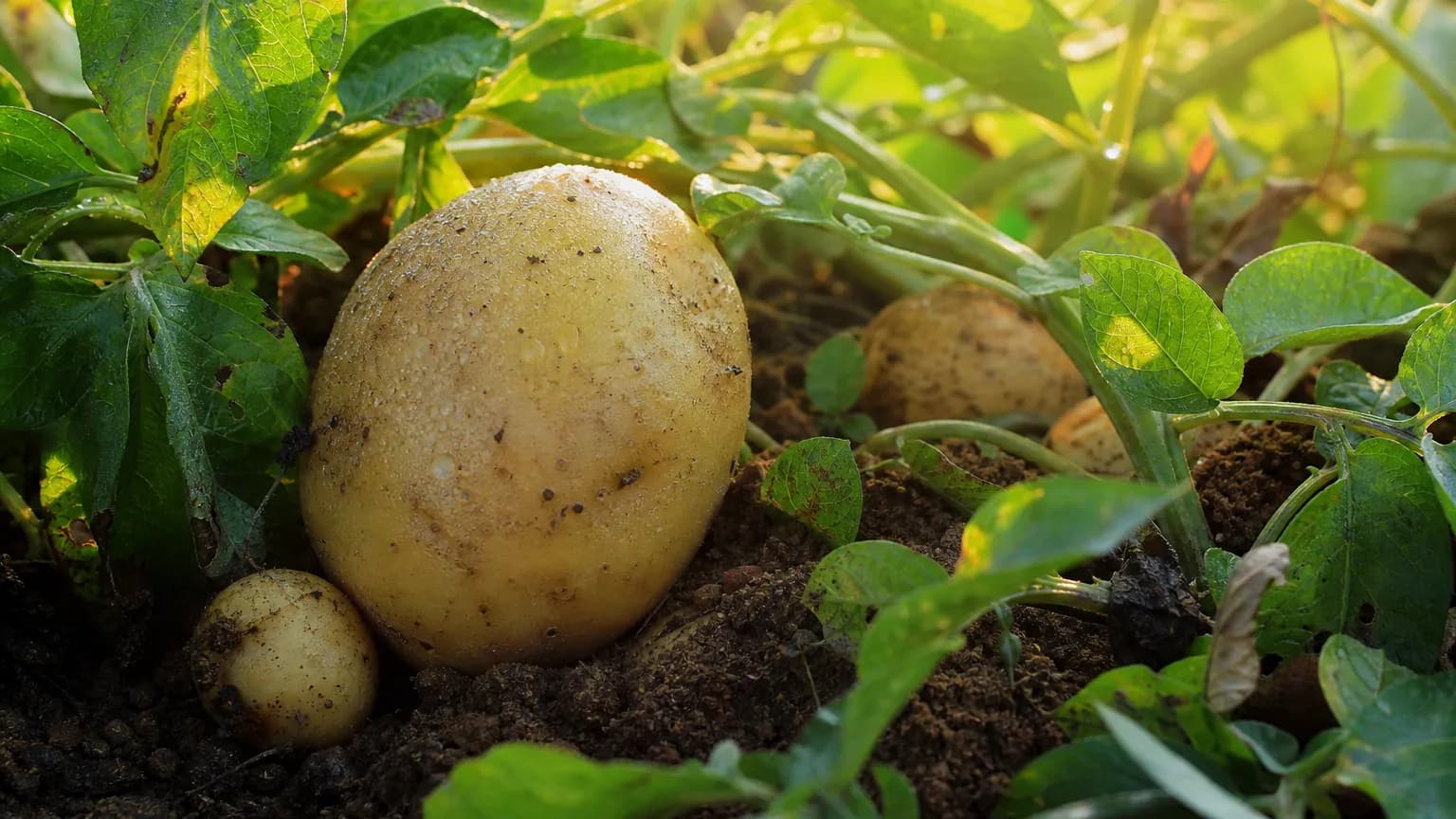
Flaschenkürbis profitiert von Mais, der als Windschutz und teilweise Stützstruktur gepflanzt wird. Ringelblumen halten Gurkenkäfer und Blattläuse fern, wenn sie rund um den Rand gepflanzt werden. Vermeiden Sie es, in der Nähe von Kartoffeln zu pflanzen, die bodenübertragene Krankheiten teilen und stark um Nährstoffe konkurrieren. Kapuzinerkresse dient als Fangpflanze für Blattläuse. Radieschen, die in der Nähe von Hügeln gepflanzt werden, helfen, den Boden aufzulockern, und reifen ab, bevor die Kürbisranken den Platz benötigen. Von anderen Lagenaria-Arten getrennt halten, um unerwünschte Fremdbestäubung beim Samensparen zu verhindern.
Mais gehört daneben. Kartoffel nicht.
Altes Gärtnerwissen, geprüft an der echten Nachbartabelle von Flaschenkürbis — teste jede Pflanze, die du anbaust.
Probiere Flaschenkürbis direkt hier im Beet
Ein echtes Planer-Beet, Flaschenkürbis steht schon drin. Tippe einen Begleiter an, platziere ihn und sieh, wie die Nachbarschaftsprüfung antwortet — grün für gute Nachbarn, rot bei Streit.


Passende Anbau-Ratgeber
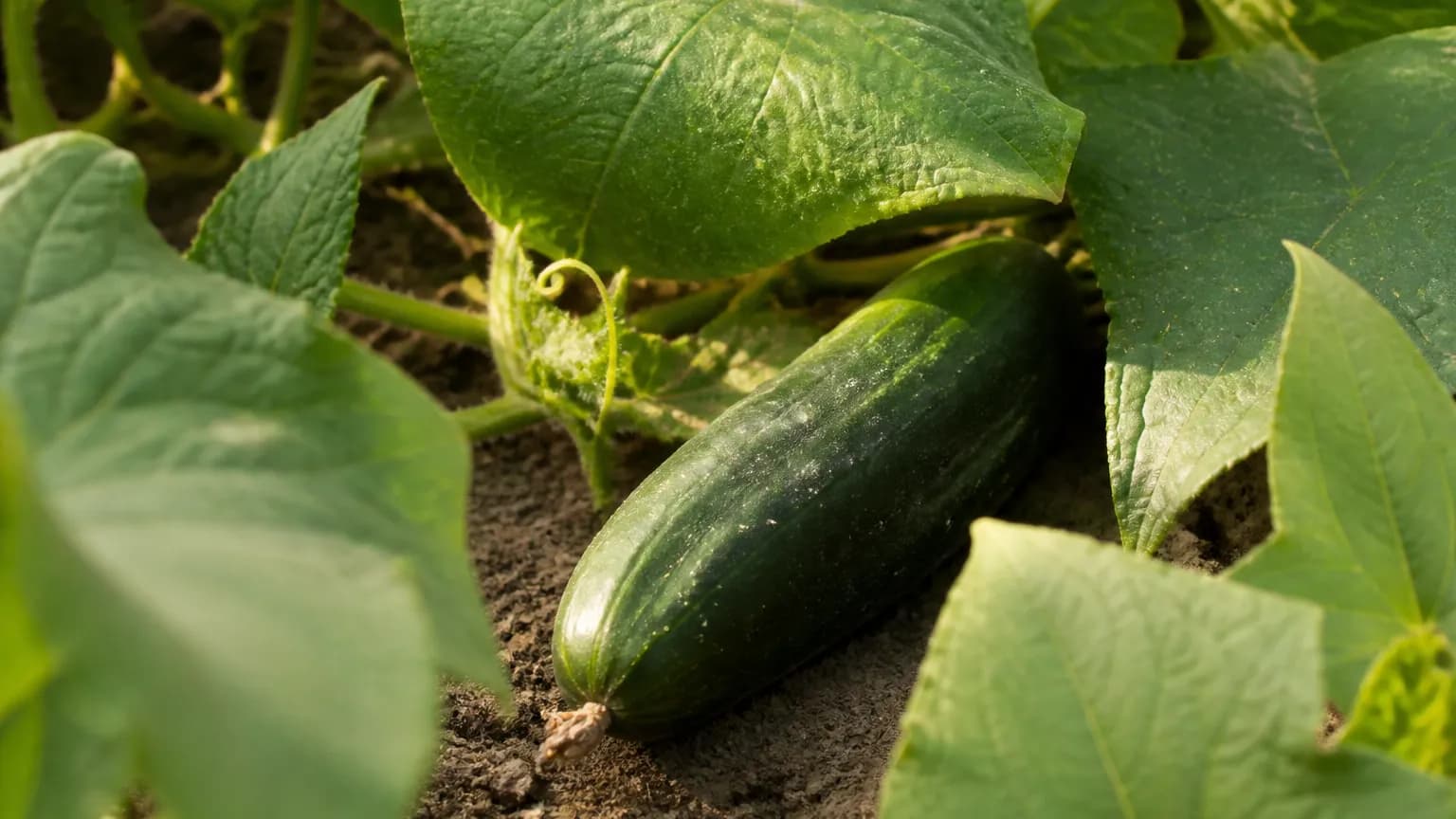
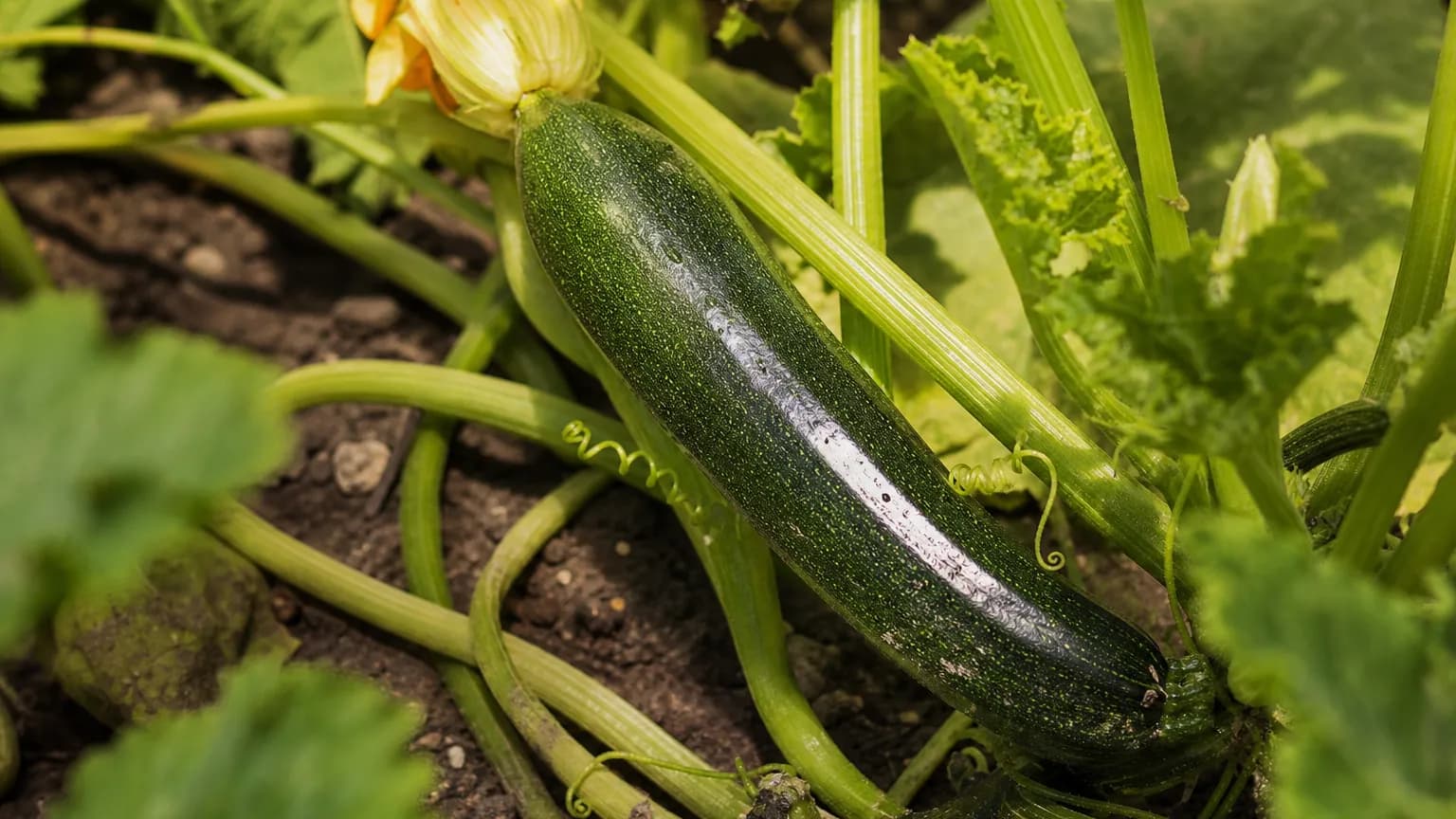
Richtig düngen
Flaschenkürbis bevorzugt fruchtbaren, gut drainierten Lehmbodenreichen an organischem Material mit einem pH-Wert von 6,0–7,0. Bereiten Sie die Pflanzenhügel vor, indem Sie 2–3 Schaufeln Kompost oder gereiften Mist in jeden Hügel einarbeiten. Tragen Sie beim Pflanzen einen ausgewogenen 10-10-10-Dünger auf und wechseln Sie beim Blühen zu einer phosphorreichen Formel. Düngen Sie während der Wachstumsphase alle 3 Wochen mit Kompost nach. Ausreichend Kalzium ist wichtig, um Blütenendenfäule zu verhindern, daher Kalk hinzufügen, wenn der Boden-pH unter 6,0 liegt. Wassergesättigte Böden vermeiden, die Wurzelfäule fördern.
Ideale Temperatur
Winterhärtezone-Kompatibilität
Von der Saat zur Ernte, Schritt für Schritt
Saatgutstart
Große, flache Samen keimen schnell in warmem Boden und treiben eine dicke weiße Keimwurzel gefolgt von überdimensionierten Keimblättern aus. Samen benötigen Bodentemperaturen von mindestens 20 °C (68 °F) und keimen am besten bei 25–30 °C (77–86 °F). Die Keimung dauert typischerweise 5–10 Tage, wenn Samen vorher eingeweicht wurden.
Keimlingswachstum
Echte Blätter entwickeln sich mit der charakteristischen großen, abgerundeten, weich flaumigen Form. Der Stängel verdickt sich schnell und Ranken beginnen an Blattknoten zu erscheinen. Keimlinge wachsen bei warmen Bedingungen schnell und benötigen früh Stütze, da sich die Rankgewohnheit etabliert.
Rankenexpansion
Die Ranke tritt in explosives Wachstum ein und verlängert sich bei heißem Wetter um 5–10 cm pro Tag. Große herzförmige Blätter entfalten sich schnell entlang kräftiger Stängel, die 5–10 Meter lang werden können. Starke Ranken wickeln sich fest um jede verfügbare Stütze. Die Pflanze entwickelt ein ausgedehntes Wurzelsystem, um dieses schnelle oberirdische Wachstum zu unterstützen.
Blütezeit
Große weiße Blüten öffnen sich am späten Nachmittag und Abend und bleiben die Nacht über für die Nachtfalterbestäubung offen. Männliche Blüten erscheinen zuerst und in größerer Anzahl, wobei weibliche Blüten 1–2 Wochen später folgen. Weibliche Blüten sind durch die kleine Verdickung (Miniatur-Frucht) an der Blütenbasis erkennbar.
Fruchtentwicklung
Bestäubte weibliche Blüten entwickeln sich schnell zu länglichen oder flaschenförmigen Früchten mit glatter, blassgrüner Haut. Früchte können bei heißem Wetter 3–5 cm pro Tag wachsen und innerhalb von 2–3 Wochen nach der Bestäubung erntereife Größe (15–30 cm) erreichen. Das Fruchtfleisch ist in diesem zarten Stadium weiß, schwammig und mild im Geschmack.
Ernte und Ausreifung
Die Ernte im essbaren Stadium setzt sich 6–8 Wochen lang fort, während die Ranke neue Früchte produziert. Für die Trockenkürbisproduktion werden Früchte auf der Ranke belassen, bis der Stängel trocknet und die Schale eine holzige Konsistenz annimmt. Die Pflanze blüht weiterhin und setzt neue Früchte an, bis die Temperaturen unter 15 °C (60 °F) fallen.
Samen 24 Stunden vor dem Pflanzen in warmem Wasser einweichen — das erweicht die harte Samenschale und beschleunigt die Keimung erheblich. 2–3 cm tief in große biologisch abbaubare Töpfe säen, wenn drinnen gestartet wird, da Flaschenkürbis-Keimlinge Wurzelstörungen beim Umpflanzen ablehnen.
Flaschenkürbis Monat für Monat pflegen
Was du jeden Monat für deine Flaschenkürbis tun solltest
Oktober
Aktueller MonatLetzte essbare Ernten in den meisten Zonen, wenn die Temperaturen abkühlen. Zum Trocknen vorgesehene Kürbisse so lange wie möglich auf der Ranke lassen — der Stängel sollte vollständig trocken und braun sein, bevor er abgeschnitten wird. Abgestorbenes Rankenwachstum von Spalieren entfernen.
Immer wissen, was jetzt im Garten zu tun ist
Eine E-Mail zum Monatsanfang: was du jetzt säen, pflanzen und anpacken solltest — für deine Flaschenkürbis und alles, was drumherum wächst. Dazu ein kurzer Startkurs, der dich vor den klassischen Fehlern bewahrt.
- Was jetzt zu tun ist
- Passend zu deiner Saison
- Startkurs inklusive
Flaschenkürbis ernten
Für den kulinarischen Gebrauch ernten Sie den Flaschenkürbis jung und zart, typischerweise 30–38 cm lang mit weicher Haut, die leicht mit einem Fingernagel eingestochen werden kann. Früchte werden bitter und ungenießbar, wenn sie zum Verzehr auf der Ranke ausreifen. Mit einem scharfen Messer von der Ranke schneiden und dabei einen kurzen Stiel lassen. Für Hartschalenkürbisse, die als Behälter oder für Handarbeiten verwendet werden, die Früchte auf der Ranke lassen, bis die Ranke abstirbt und der Stiel vollständig trocknet. Getrocknete Kürbisse fühlen sich leicht an und rasseln, wenn man sie schüttelt. Schneiden und in einem trockenen, gut belüfteten Bereich mehrere Monate lang nachreifen lassen.
angenommen, du pflanzt zu Beginn des Zeitraums — trage dein tatsächliches Datum ein
Ernte Flaschenkürbis zügig, dann trägt die Pflanze weiter.
Lagerung & Konservierung
Junge essbare Flaschenkürbisse sind im Kühlschrank bis zu einer Woche haltbar. Für eine längere Konservierung das Fruchtfleisch schälen, würfeln und blanchieren, bevor es bis zu 6 Monate eingefroren wird. In der indischen Küche wird aus Flaschenkürbis Halwa (süßes Dessert) hergestellt, das im Kühlschrank eine Woche haltbar ist. Getrocknete reife Kürbisse sind die ultimative Langzeitlagerung und halten bei richtiger Aushärtung Jahre oder Jahrzehnte. Zum Aushärten die Oberfläche reinigen, kleine Löcher zur Belüftung bohren und an einem warmen, luftigen Ort 3–6 Monate trocknen lassen, bis sie vollständig leicht und hart sind.
Was schiefgeht — und die Lösung
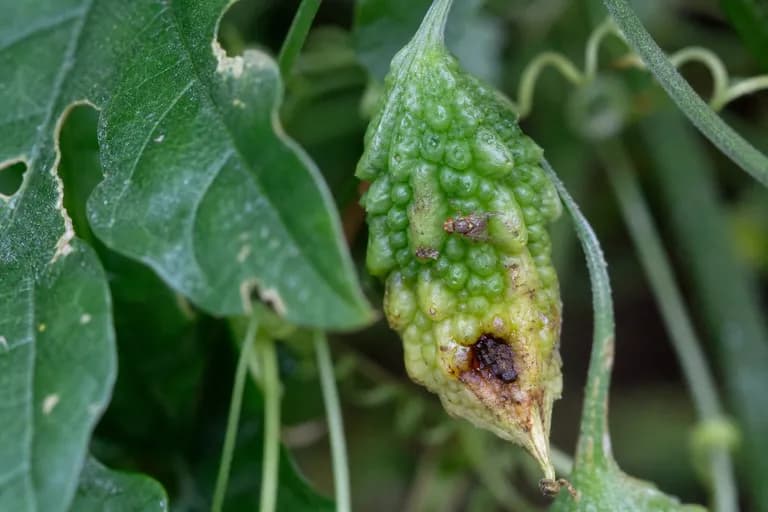
Fruchtfliege
SchädlingWinzige Einstichstellen auf jungen Früchten, Maden im Fruchtfleisch, vorzeitiger Fruchtverfall und -abfall.
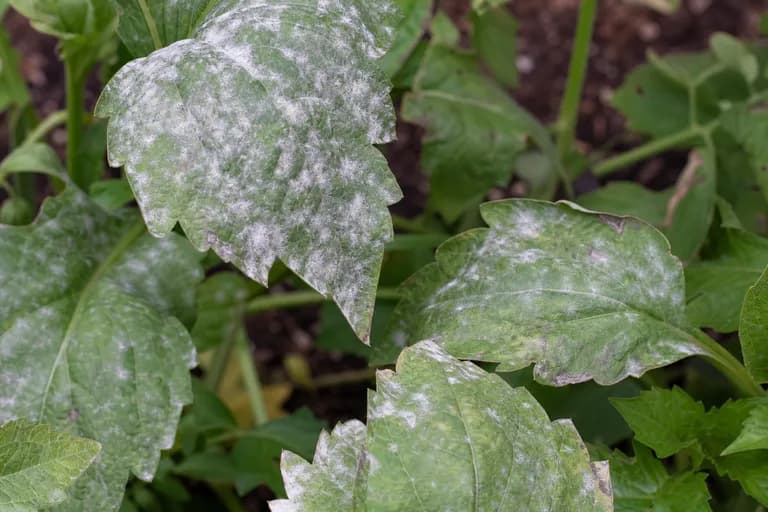
Echter Mehltau
KrankheitWeißer pudriger Belag auf Blättern und Stängeln, vergilbendes Laub, verminderter Ranken- und Fruchtwuchs.
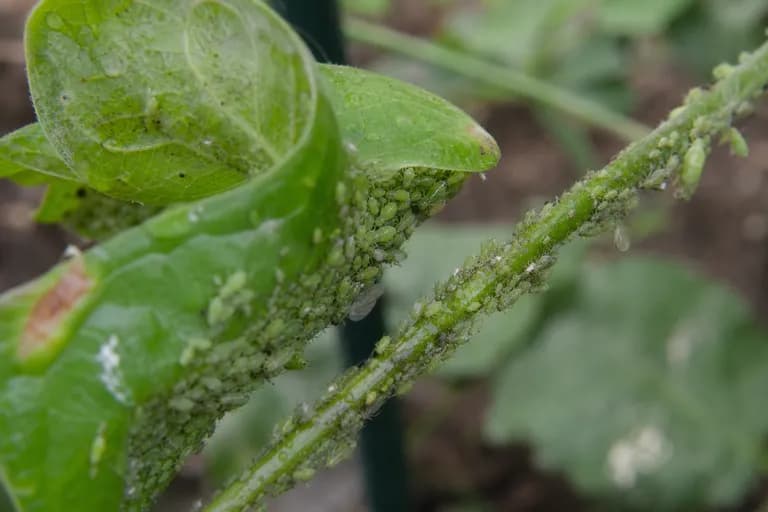
Blattläuse
SchädlingAnsammlungen an Triebspitzen und Blütenknospen, klebriger Honigtau auf Blättern, Rußtauwachstum, deformierter Neuaustrieb.
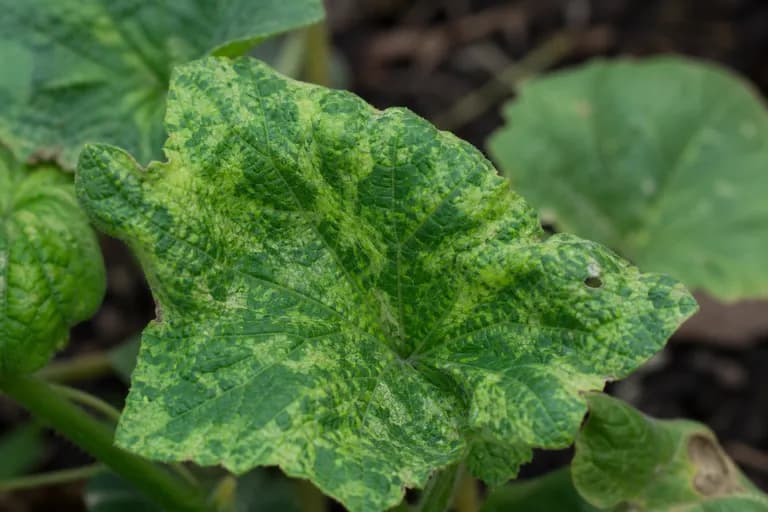
Mosaik-Virus
KrankheitGefleckte gelb-grüne Blätter, deformiertes und verkümmertes Wachstum, warzige oder missgebildete Früchte.
Fehlerbehebung bei häufigen Problemen
Bitterkeit bei Flaschenkürbisfrüchten ist ein ernstes Problem, da bittere Verbindungen (Cucurbitacine) bei Verzehr toxische Reaktionen verursachen können. Vor dem Kochen immer ein kleines Stück probieren und bitter schmeckende Früchte wegwerfen. Schlechter Fruchtansatz resultiert häufig aus unzureichender Bestäubung, insbesondere in Gebieten ohne ausreichende Nachtfalterpopulationen für die nachtblühenden Blüten. Fruchtfliegenschäden sind die primäre Schädlingssorge in tropischen Regionen. Übermäßiges Rankenwachstum ohne Fruchtbildung zeigt zu viel Stickstoff an. Risse entstehen durch unregelmäßige Bewässerungsmuster.
Anbautipps
- Bauen Sie Ihre Stützstruktur vor dem Pflanzen auf, nicht danach. Flaschenkürbisranken wachsen explosiv und schwere Früchte können schwache Stützen ohne Vorwarnung brechen. Verwenden Sie robuste Holzbalken oder Metallrohrrahmen, die für mindestens 50 kg hängendes Gewicht pro laufenden Meter ausgelegt sind.
- Bestäuben Sie jede Abendstunde während der Blütezeit von Hand. Flaschenkürbisblüten öffnen sich in der Dämmerung und werden natürlich von Nachtfaltern bestäubt — in den meisten Hausgärten sind die Nachtfalterpopulationen für einen zuverlässigen Fruchtansatz unzureichend. Pollen zwischen 18–20 Uhr mit einem weichen Pinsel von männlichen auf weibliche Blüten übertragen.
- Wann immer möglich vertikal anbauen. Spalier-Flaschenkürbisse produzieren gerade, sauberere Früchte und sind weniger anfällig für Fäulnis und Schädlingsschäden als am Boden wachsende Ranken. Vertikales Wachstum spart auch enorme Mengen an Gartenfläche für eine so kräftige Pflanze.
- Essbare Kürbisse jung und zart ernten — durch Drücken eines Fingernagels in die Haut testen. Wenn er leicht eindringt, ist der Kürbis bereit. Wenn die Haut dem Eindringen widersteht, wird das Fruchtfleisch schwammig und faserig mit einem bitteren Nachgeschmack, der ihn unangenehm zum Essen macht.
- Jede Ranke auf 4–6 sich entwickelnde Früchte gleichzeitig begrenzen, indem überschüssige Babykürbisse entfernt werden. Dies lenkt die Energie der Pflanze auf weniger, größere, qualitativ hochwertigere Früchte statt auf viele kleine, harte.
- Tief und konsequent gießen, besonders während der Fruchtentwicklung. Die riesige Blattoberfläche des Flaschenkürbisses verdunstet enorme Mengen an Wasser — eine ausgewachsene Ranke bei heißem Wetter kann 10–15 Liter pro Tag benötigen. Ungleichmäßige Bewässerung verursacht missgebildete oder bittere Früchte.
- Seitentriebe über dem zweiten Blattknoten nach dem Fruchtansatz zurückschneiden. Dies konzentriert die Energie der Ranke auf vorhandene Früchte statt auf endloses vegetatives Wachstum. Die Hauptranke kann weiterhin wachsen, um weitere Früchte höher am Spalier anzusetzen.
- Auf Fruchtfliegen achten, die Eier in sich entwickelnde Kürbisse legen und innere Fäulnis verursachen. Junge Früchte mit Netzbeuteln oder alten Nylonstrümpfen als physische Barriere abdecken. Früchte, die weiche Stellen oder Fraßlöcher zeigen, sofort entfernen und vernichten.
Bau deine beste Flaschenkürbis an — und alles drumherum.
Starte heute kostenlos. Lege deine Beete an, setze deine Flaschenkürbis ein und lass PlotMyGarden Timing, Abstände, Begleiter und Erinnerungen von der Saat bis zum Erntekorb übernehmen.
Finde deine Flaschenkürbis
Long Handle Dipper
Erzeugt Kürbisse mit langen, geschwungenen Hälsen, ideal für traditionelle Schöpfkellen und Suppenlöffel, wird 45–60 cm groß.
Pusa Naveen
Indische Kochsorte mit geraden, hellgrünen Früchten, ideal zum Kochen, früh reifend in 60–65 Tagen.
Birdhouse
Runde, dickwandige Sorte, ideal zur Herstellung von Vogelhäuschen und Behältern, reift auf 20–30 cm Durchmesser.
Arka Bahar
Ertragreiche indische Sorte mit zylindrischen Früchten, ausgezeichnet für die kommerzielle Produktion und Hausgärten.
Italian Cucuzza
Extrem lange Sorte, die 90–120 cm groß wird, beliebt in italo-amerikanischen Gärten für traditionelle sizilianische Gerichte.
Flaschenkürbissamen kosten nur 2–4 € pro Päckchen, doch eine einzelne Ranke kann in einer Saison 10–20 Kürbisse produzieren. Frischer Flaschenkürbis wird in asiatischen Lebensmittelgeschäften und Spezialitätenmärkten für 3–6 € pro kg verkauft, was bedeutet, dass eine produktive Ranke leicht 30–80 € Ertrag erzielen kann. Für Bastler werden getrocknete Zierkürbisse je nach Größe und Form für 5–20 € pro Stück verkauft — eine einzelne Ranke, die 6–10 ausgereifte getrocknete Kürbisse produziert, kann einen Bastlerwert von 50–150 € darstellen.
Schnelle Rezepte
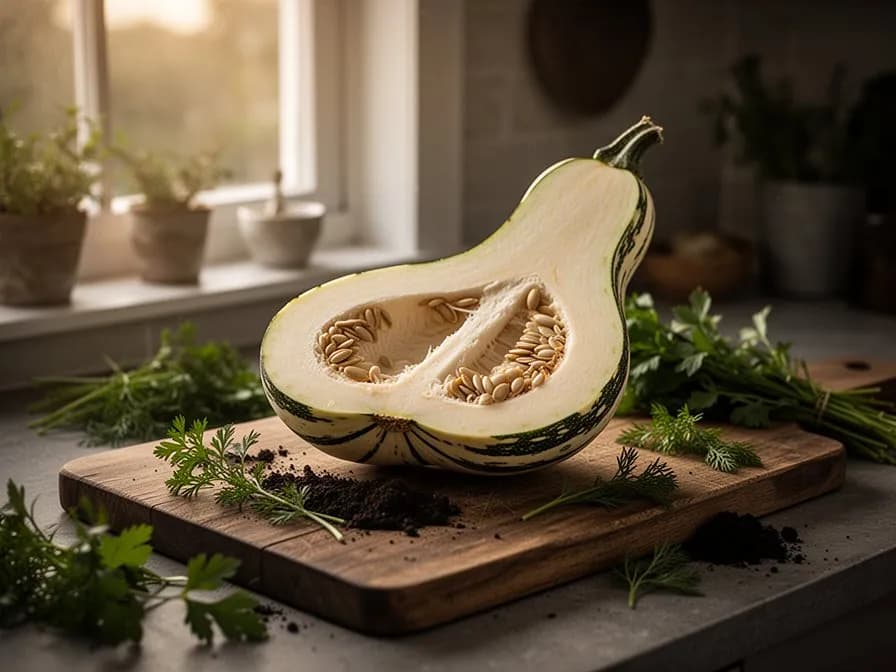
Lauki ki Sabzi (Gewürztes Flaschenkürbis-Curry)
30 Min.Ein klassisches nordindisches Haushalts-Curry, bei dem zarte Flaschenkürbis-Würfel in einer würzigen Tomaten-Zwiebel-Sauce mit Kreuzkümmel, Kurkuma und frischem Ingwer schmoren. Der Kürbis nimmt die Gewürze wunderbar auf und behält dabei eine zarte, auf der Zunge zerschmelzende Textur.
11 ZutatenFlaschenkürbis-Linsensuppe (Dal Lauki)
40 Min.Eine nahrhafte Eintopfsuppe, die seidigen Flaschenkürbis mit proteinreichen gelben Linsen und einem rauchigen Tadka (temperierter Gewürzabschluss) kombiniert. Dies ist Alltagskomfortessen in ganz Südasien — leicht und doch tief befriedigend.
11 ZutatenGebratener Flaschenkürbis mit Knoblauch und Garnelen
20 Min.Ein schnelles südostasiatisches Pfannengericht, das das milde, saugende Fruchtfleisch des Flaschenkürbisses mit würzigem Knoblauch und zarten Garnelen verbindet. Der Kürbis saugt die umami-reiche Sauce auf und bleibt dabei angenehm zart-knusprig.
9 ZutatenKulinarische Verwendung
In der indischen Küche (wo er Lauki oder Dudhi genannt wird) wird junger Flaschenkürbis geschält und in Scheiben für Currys, Kofta, Raita und das beliebte Halwa-Dessert mit Milch und Zucker gesüßt geschnitten. Die chinesische Küche verwendet ihn in Suppen und Pfannengerichten. Italo-amerikanische Traditionen kochen Cucuzza in Tomatensauce mit Knoblauch. Das milde, schwammige Fruchtfleisch nimmt Aromen wunderbar auf und ist vielseitig in herzhaften und süßen Zubereitungen einsetzbar. In der ayurvedischen Tradition wird Flaschenkürbissaft als kühlendes, verdauungsförderndes Gesundheitsgetränk getrunken.
Was drinsteckt
Gesundheitsvorteile
- Extrem geringe Kaloriendichte mit nur 14 Kalorien pro 100g bei über 92% Wassergehalt, was ihn zu einem der besten Gemüse für Gewichtsmanagement und kaloriekontrollierte Ernährung macht.
- Reich an löslichen Ballaststoffen, die die Verdauungsregelmäßigkeit unterstützen, nützliche Darmbakterien ernähren und bei einer ausgewogenen Ernährung möglicherweise helfen, den LDL-Cholesterin zu senken.
- Weit verbreitet in der traditionellen ayurvedischen Medizin als kühlendes Lebensmittel, das hilft, überschüssige Körperwärme zu reduzieren, die Harnwegergesundheit zu unterstützen und Verdauungsbeschwerden bei heißem Wetter zu lindern.
- Enthält bedeutsame Mengen an Vitamin C (11% TW pro 100g), das die Immunfunktion, Kollagenproduktion unterstützt und die Aufnahme von pflanzenbasiertem Eisen aus Mahlzeiten verbessert.
- Liefert B-Komplex-Vitamine einschließlich Thiamin, Niacin und Pantothensäure, die wesentliche Rollen im Energiestoffwechsel und der Nervensystemfunktion spielen.
- Der hohe Wasser- und Kaliumgehalt kombiniert mit niedrigem Natriumgehalt macht Flaschenkürbis natürlich unterstützend für gesunde Blutdruckwerte und Herzkreislauffunktion.
Woher Flaschenkürbis stammt
Flaschenkürbis (Lagenaria siceraria) ist im tropischen Afrika beheimatet, wo wilde Populationen noch immer in den Savannen und Waldrändern der Regionen südlich der Sahara wachsen. Er gehört zu den frühesten vom Menschen domestizierten Pflanzen — archäologische Beweise von Stätten in Peru, Thailand, Mexiko, Ägypten und Ostafrika datieren seinen Anbau auf mindestens 10.000 Jahre zurück, was ihn zu einer der wenigen Nutzpflanzen macht, die vor der Entwicklung der Landwirtschaft, wie wir sie kennen, kultiviert wurden. Die ursprüngliche Domestizierung könnte eher wegen der getrockneten Schale als wegen des Fruchtfleisches erfolgt sein, da der gehärtete Kürbis leichte, wasserdichte Behälter bot, lange bevor Töpferwaren erfunden wurden.
Die Verbreitung des Flaschenkürbisses über den Globus ist eines der großen Rätsel der Botanik. Samen und getrocknete Früchte sind bemerkenswert schwimmfähig und können monatelang im Salzwasser treiben, ohne ihre Keimfähigkeit zu verlieren. Wissenschaftler glauben, dass Kürbisse von Afrika nach Südamerika über den Atlantischen Ozean getrieben sind, wo indigene Völker die Pflanze unabhängig domestizierten. DNA-Studien, die 2005 veröffentlicht wurden, bestätigten, dass amerikanische Flaschenkürbisse aus afrikanischen Populationen stammen, was die Theorie der ozeanischen Verbreitung unterstützt. Dies macht den Flaschenkürbis zu einer der wenigen Nutzpflanzen, die Amerika ohne direkten menschlichen Transport erreichten.
In der gesamten aufgezeichneten Geschichte war Flaschenkürbis untrennbar mit dem Alltagsleben in Asien, Afrika und Amerika verbunden. In Indien ist er seit Jahrtausenden ein Ernährungsgrundnahrungsmittel und Heilpflanze, die in ayurvedischen Texten als kühlendes, leicht verdauliches Lebensmittel prominent vorkommt. Chinesische Aufzeichnungen beschreiben seinen Anbau sowohl für Nahrung als auch für Behälter, der über 7.000 Jahre zurückdatiert. In Afrika dienten Kürbisse als Wassergefäße, Lagerbehälter, Musikinstrumente und Zeremonialobiekte. Europäische Entdecker im 15.–17. Jahrhundert dokumentierten Flaschenkürbisse in fast jeder tropischen Kultur, der sie begegneten. Heute sind Indien und China die größten Produzenten, wobei das Gemüse in ganz Süd- und Südostasien eine Küchengrundlage bleibt, wo Dutzende von regionalen Zubereitungen seinen milden, anpassungsfähigen Geschmack zur Geltung bringen.
Flaschenkürbis: Schon gewusst?
Faszinierende Fakten über Flaschenkürbis
Flaschenkürbis (Lagenaria siceraria) ist eine der ältesten Kulturpflanzen der Erde — archäologische Beweise zeigen, dass er vor mindestens 10.000 Jahren angebaut wurde, was der Domestizierung der meisten Getreidepflanzen und sogar der Töpferei in vielen Kulturen vorausgeht.
Flaschenkürbis: Fragen & Antworten
Wann sollte ich Flaschenkürbis pflanzen?
Was sind gute Begleitpflanzen für Flaschenkürbis?
In welchen Winterhärtezonen kann Flaschenkürbis wachsen?
Wie viel Sonne braucht Flaschenkürbis?
Welchen Abstand sollte ich zwischen Flaschenkürbis lassen?
Welche Schädlinge und Krankheiten befallen Flaschenkürbis?
Wie lagere ich Flaschenkürbis nach der Ernte?
Was sind die besten Flaschenkürbis-Sorten zum Anbauen?
Welchen Boden braucht Flaschenkürbis?
Warum fallen meine Flaschenkürbisblüten ab, ohne Früchte anzusetzen?
Kann ich Flaschenkürbis roh essen oder muss er gekocht werden?
Wie trockne ich Flaschenkürbisse für Handarbeiten und Behälter?
Warum schmeckt mein Flaschenkürbis bitter und ist er sicher zu essen?
Wie groß muss das Spalier für Flaschenkürbis sein?
Kann Flaschenkürbis in Containern angebaut werden?
Du hast die Theorie gelesen. Jetzt baue sie auf Autopilot an.
Alles, was Flaschenkürbis knifflig macht — das Timing, die Abstände, die Begleiter, das Erntefenster — genau das übernimmt PlotMyGarden für dich, für jede Pflanze im Garten.
Ein Plan, der dein Wetter kennt
Standort einmal festlegen. Aussaat-, Dünge- und Erntedaten rund um deinen echten letzten Frosttermin und die Live-Vorhersage — kein Raten mehr nach Saattüte.
Aus dem Abschnitt „Pflanzzeit“Beetplaner per Drag & Drop
Beete auf einem Raster gestalten. Jede Pflanze rastet im richtigen Abstand ein, und du siehst die ganze Saison, bevor du einen Cent für Saatgut ausgibst.
Aus dem Abschnitt „Anbau“Begleiter-Konflikte früh erkannt
Über 200 gute und schlechte Kombinationen werden beim Pflanzen live geprüft — so landet ein saisonruinierender Fehler nie in der Erde.
Aus dem Abschnitt „Begleiter“Erinnerungen, nach denen du wirklich handelst
„Gieß die Bohnen.“ „Heute ernten, bevor's umschlägt.“ Pünktlich, konkret und auf deine echten Pflanzen bezogen.
Aus dem Abschnitt „Ernte“Staffel-Aussaat, geplant
Sechs Wochen ernten statt sechs Tage? Die App verteilt deine Aussaaten automatisch und erinnert dich, wenn der nächste Satz fällig ist.
Aus dem Abschnitt „Pflanzzeit“Ein Verlauf, der schlauer wird
Jede protokollierte Ernte bringt der App deinen Garten bei. Der Plan fürs nächste Jahr startet bei dem, was in deinem Boden wirklich funktioniert hat.
Aus dem Abschnitt „Überblick“Pflanze diese neben Flaschenkürbis
Weitere Kürbisgewächse
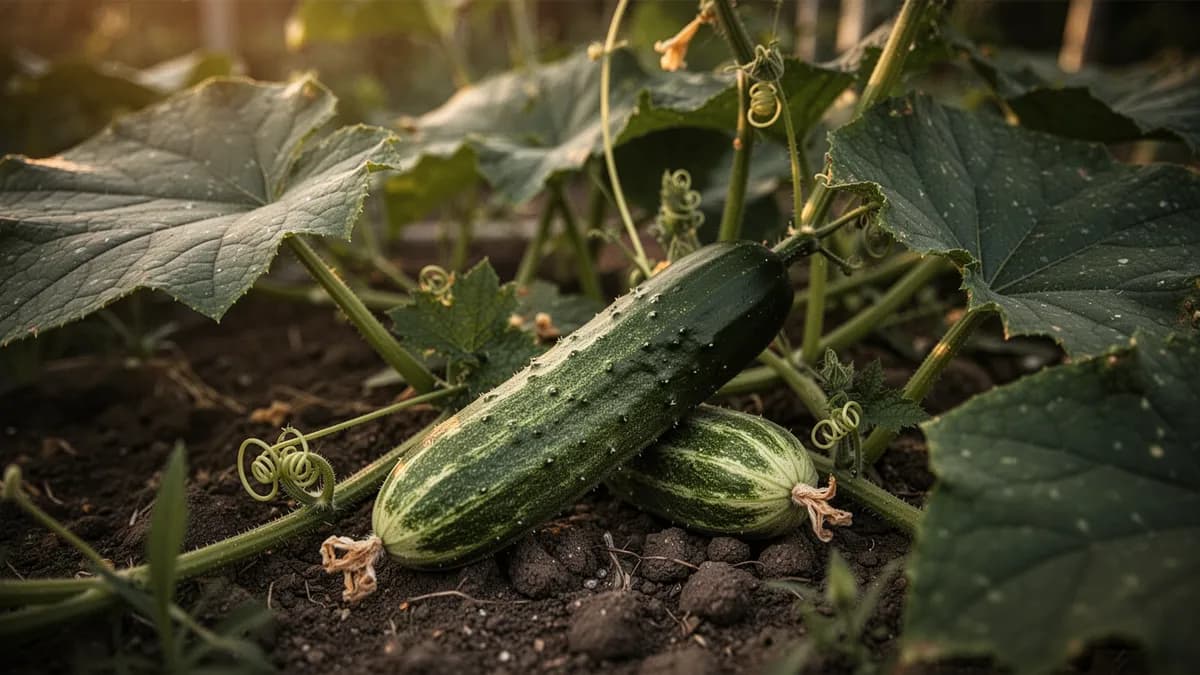
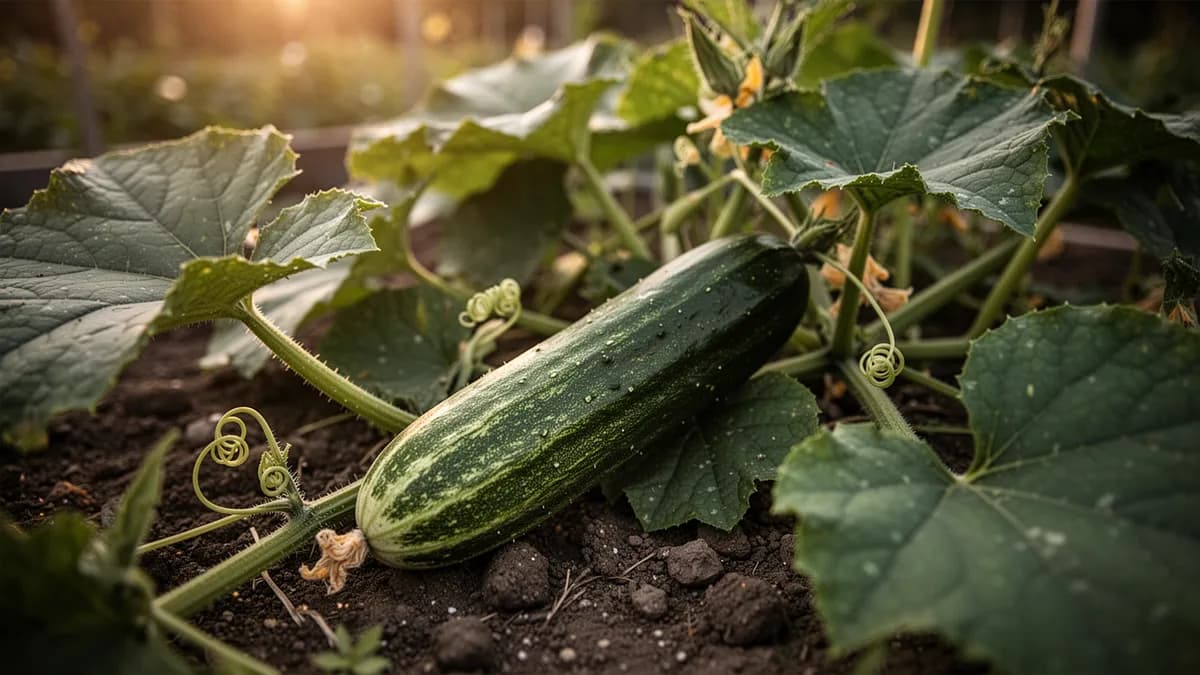
Halte Flaschenkürbis von diesen fern
Bau deine beste Flaschenkürbis an — und alles drumherum.
Starte heute kostenlos. Lege deine Beete an, setze deine Flaschenkürbis ein und lass PlotMyGarden Timing, Abstände, Begleiter und Erinnerungen von der Saat bis zum Erntekorb übernehmen.