Niedrige Heidelbeere
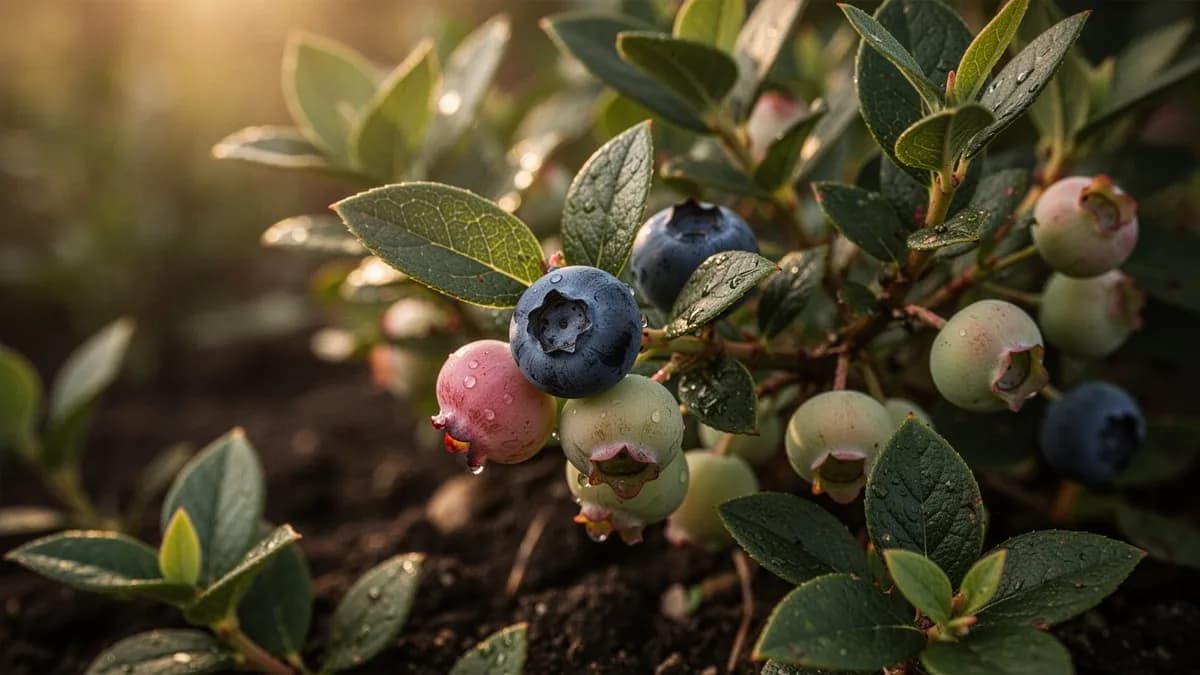
Eine niedrig wachsende, sich ausbreitende Heidelbeerart, die nur dreißig bis sechzig Zentimeter hoch wird und im Nordosten Nordamerikas heimisch ist.





Auf dieser SeiteÜberblick
Niedrige Heidelbeere im Überblick
Eine niedrig wachsende, sich ausbreitende Heidelbeerart, die nur dreißig bis sechzig Zentimeter hoch wird und im Nordosten Nordamerikas heimisch ist. Sie produziert kleine, intensiv aromatische Beeren, die zum Backen und für Konfitüren sehr geschätzt werden. Hervorragend als Bodendecker in sauren Böden geeignet und verträgt harte Winter bis zur Klimazone 2.
Wann Niedrige Heidelbeere pflanzen
Niedrige Heidelbeeren breiten sich auf natürlichem Weg durch unterirdische Rhizome aus, und die einfachste Vermehrungsmethode ist das Teilen etablierter Horste im frühen Frühling. Abschnitte der Rhizomatte mit anhängenden Trieben und Wurzeln ausgraben und sofort in vorbereiteten sauren Boden umpflanzen. Stecklinge, die im späten Frühling entnommen werden, können in einer Torf-Perlite-Mischung unter Nebelbewässerung bewurzelt werden. Eine Samenvermehrung ist möglich, aber sehr langsam: Samen aus reifen Beeren extrahieren, drei Monate kalt stratifizieren und auf der Oberfläche einer sauren Torfmischung aussäen. Sämlinge sind winzig und brauchen zwei Jahre, um Umpflanzgröße zu erreichen.
Dein Niedrige Heidelbeere-Jahr
Abgestimmt auf Zone 7 · typische Saison · Frost geht um den 2. Apr. und kehrt um den 1. Nov. zurück
Niedrige Heidelbeere Mär – Apr pflanzen, Jul – Aug ernten. Beachte die Pflanzmethoden unten und wähle dein Klima für passende Zeiträume.
So baust du Niedrige Heidelbeere an
Niedrige Heidelbeeren sind die wilden Heidelbeeren des nordöstlichen Nordamerikas und wachsen als sich ausbreitender Bodendecker, der nur fünfzehn bis fünfundvierzig Zentimeter hoch wird. Im Gegensatz zu ihren kultivierten Hochbusch-Verwandten breiten sich niedrige Heidelbeeren hauptsächlich durch unterirdische Rhizome aus und besiedeln nach und nach saure Böden, um dichte, ertragreiche Matten zu bilden. Sie gehören zu den widerstandsfähigsten Fruchtpflanzen überhaupt und überleben Wintertemperaturen von minus 37 Grad Celsius, gedeihen unter Bedingungen, die für die meisten anderen Beerenfrüchte zu hart wären.
Pflanzen Sie niedrige Heidelbeeren in stark sauren Boden mit einem pH-Wert von 4,0 bis 5,5 und setzen Sie junge Pflanzen im Abstand von dreißig bis fünfundvierzig Zentimeter. Die Etablierung erfolgt langsam und es kann drei bis fünf Jahre dauern, bis sich ein ertragreicher Bodendecker gebildet hat. Geduld ist unerlässlich, da diese Pflanzen zunächst stark in die Wurzel- und Rhizombildung investieren, bevor sie nennenswerte Ernten produzieren. Während der Etablierungsphase regelmäßig wässern; einmal ausgewachsen sind niedrige Heidelbeeren bemerkenswert trockenheitsverträglich.
Die traditionelle Bewirtschaftungsmethode für niedrige Heidelbeeren ist ein zweijähriger Zyklus: Den gesamten Bestand im frühen Frühling jedes zweiten Jahres auf Bodenhöhe mähen oder abbrennen. Das erste Jahr nach dem Schnitt bringt kräftigen vegetativen Wiederaustrieb, und das zweite Jahr liefert eine reiche Fruchternte an den Trieben des Vorjahres. Dieser Ansatz des Mähens als Schnittmaßnahme ist einfach und effektiv für große Bestände. Für kleine Gartenbeete einfach jedes Frühjahr die ältesten Triebe auslichten und den Bestand jährlich fruchten lassen.
8 Pflanzen passen in ein Beet von 120 × 240 cm
Niedrige Heidelbeere braucht 60 cm Platz pro Pflanze. Der Planer hält diesen Abstand für dich ein — jede Pflanze, jedes Beet.
Die besten Nachbarn für Niedrige Heidelbeere
Niedrige Heidelbeeren passen natürlich zu anderen säureliebenden Bodendeckern wie Bärentraube, Wintergrün und Bunchberry in einem Waldrandgarten. Preiselbeeren haben ähnliche Bodenanforderungen und ergeben einen produktiven, niedrig wachsenden Beerengarten. Kiefern liefern nützlichen säuernden Nadelfall und gefleckten Schatten. Farne und Moose vervollständigen ein naturalistisches Pflanzkonzept. Alkalisch liebende Pflanzen und solche, die reichen, fruchtbaren Boden benötigen, meiden, da die Kulturbedingungen unvereinbar sind.
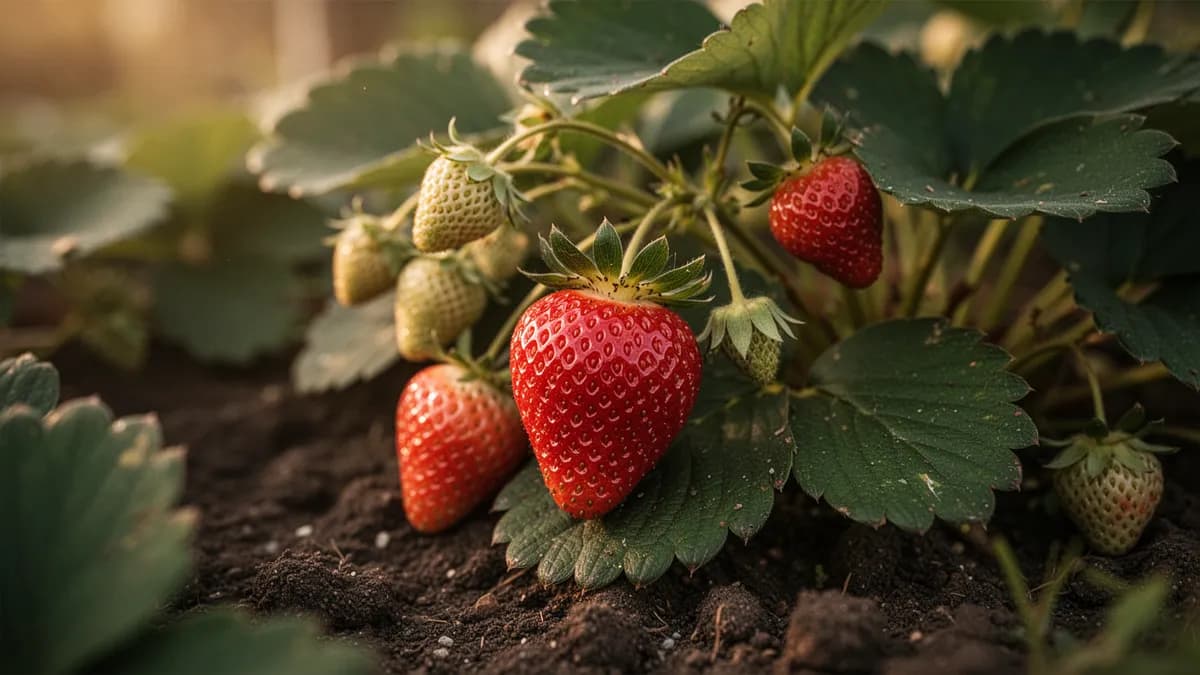
Erdbeere gehört daneben. Walnussbaum nicht.
Altes Gärtnerwissen, geprüft an der echten Nachbartabelle von Niedrige Heidelbeere — teste jede Pflanze, die du anbaust.
Probiere Niedrige Heidelbeere direkt hier im Beet
Ein echtes Planer-Beet, Niedrige Heidelbeere steht schon drin. Tippe einen Begleiter an, platziere ihn und sieh, wie die Nachbarschaftsprüfung antwortet — grün für gute Nachbarn, rot bei Streit.


Passende Anbau-Ratgeber
Richtig düngen
Niedrige Heidelbeeren benötigen sehr sauren Boden mit einem pH-Wert von 4,0 bis 5,5, noch saurer als Hochbusch-Typen. Sie wachsen natürlicherweise in dünnen, sandigen, sauren Böden und benötigen keine nährstoffreichen Bedingungen. Mit Torfmoos und Schwefel verbessern, wenn der Boden nicht ausreichend sauer ist. Sparsam mit Ammoniumsulfat oder einem säurebildenden Dünger im frühen Frühling düngen. Übermäßige Düngung, insbesondere mit Phosphor, kann die Produktivität tatsächlich verringern. Eine leichte jährliche Kopfdüngung mit Schwefel und eine dünne Schicht Kiefernnadelmulch erhält optimale Bodenbedingungen.
Ideale Temperatur
Winterhärtezone-Kompatibilität
Von der Saat zur Ernte, Schritt für Schritt
Dormanz & Knospenbruch
Die niedrige Heidelbeere verbringt den Winter in tiefer Dormanz, geschützt durch ihre verholzten Triebe und das unterirdische Rhizomnetz. Wenn die Bodentemperaturen im frühen Frühling über 7 °C steigen, beginnen ruhende Knospen zu schwellen und zu brechen, wobei winzige rosa-gespitzte Blatt- und Blütenknospen entlang der drahtigen Triebe entstehen. Diese Phase erfordert ausreichende Winterkühlstunden — typischerweise 800–1.000 Stunden unter 7 °C — um einen ordnungsgemäßen Knospenbruch auszulösen und eine produktive Blütezeit zu gewährleisten.
Blüte
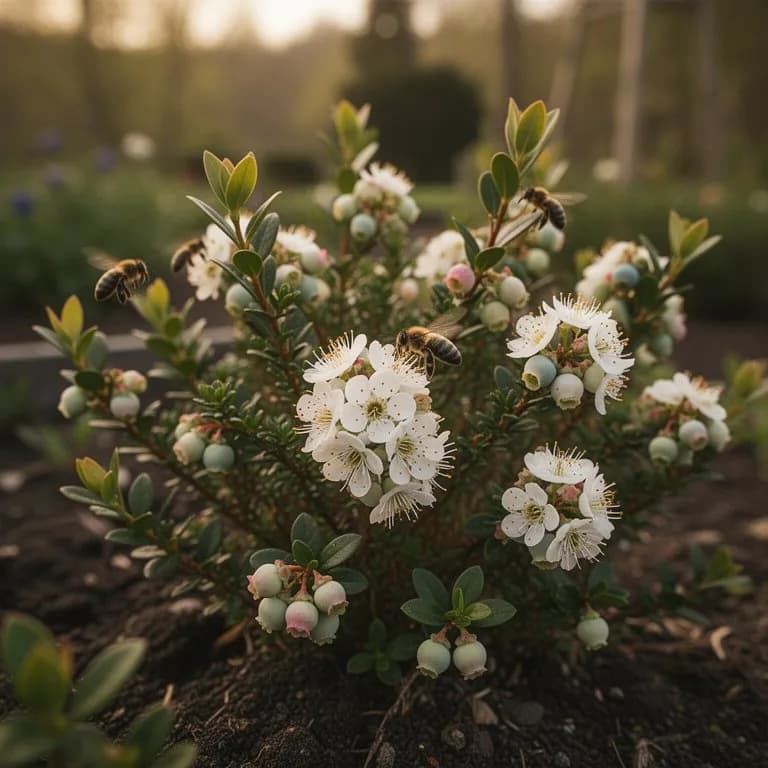
Büschel kleiner, urnenförmiger weißer bis rosa Blüten öffnen sich Mitte bis Ende Frühling, vor oder gleichzeitig mit den austreibenden Blättern. Jede Blüte ist etwa 6–8 mm lang mit einer nach unten gerichteten Öffnung, die perfekt für die Bestäubung durch Hummeln geformt ist. Die niedrige Heidelbeere ist weitgehend selbstinkompatibel, was bedeutet, dass Kreuzbestäubung zwischen genetisch verschiedenen Klonen — die natürlich in Wildbeständen vorkommt — den Fruchtansatz dramatisch erhöht. Ein einzelner Klon kann weniger Beeren produzieren, wenn keine benachbarte Pflanze anderer genetischer Herkunft in der Nähe steht.
Fruchtentwicklung
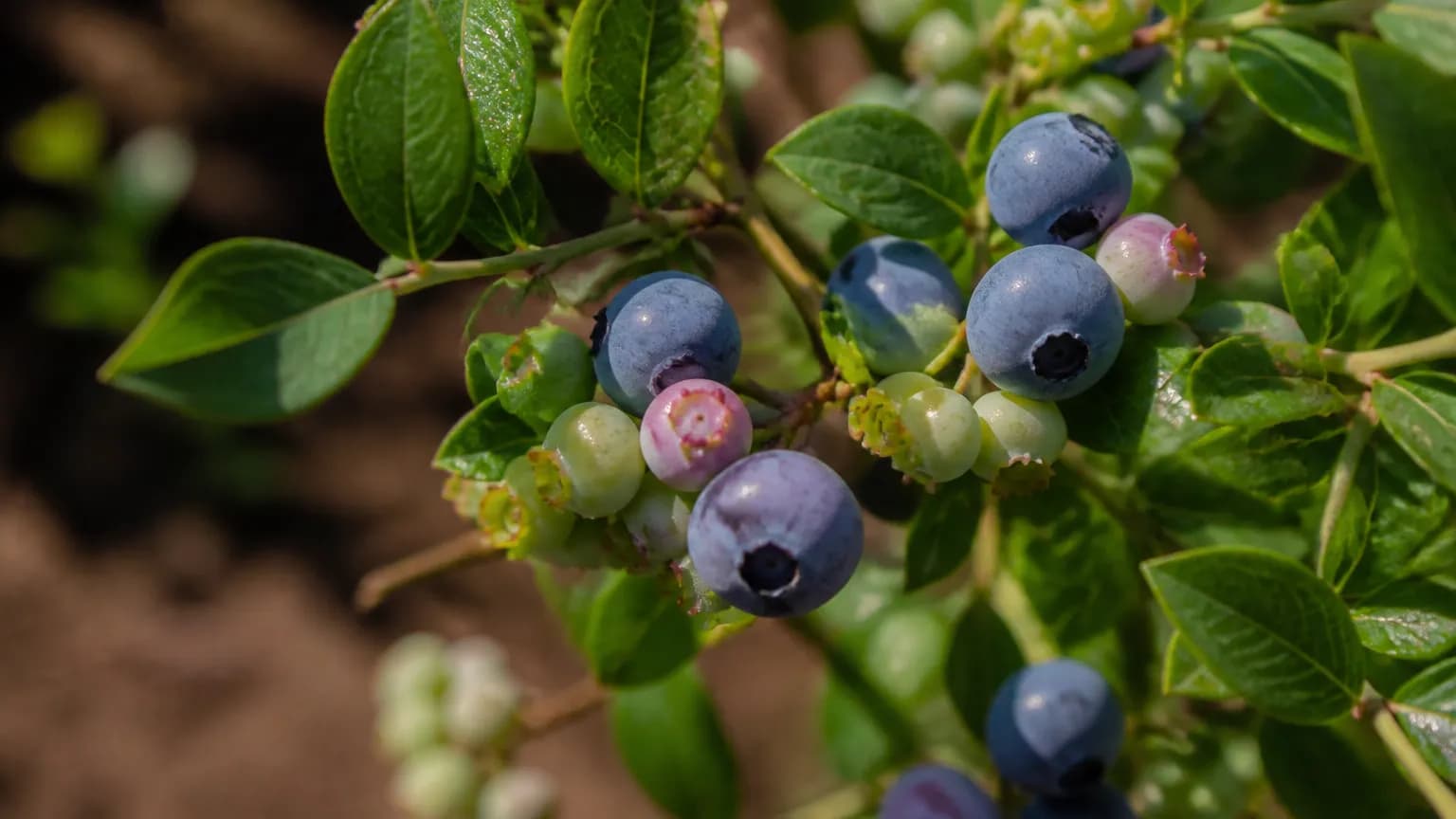
Nach erfolgreicher Bestäubung schwillt der Fruchtknoten zu einer kleinen grünen Beere an, die sich über 6–8 Wochen allmählich vergrößert. Die Beeren wechseln von Grün zu Weißlich, dann zu Rosa und entwickeln schließlich die charakteristische tiefblaue-violette Farbe, wenn sich Anthocyanpigmente in der Schale ansammeln. Die Beeren der Niedrigbusch-Arten sind deutlich kleiner als Hochbusch-Kultivare — typischerweise 6–10 mm im Durchmesser — tragen aber ein konzentrierteres, komplexes Wildaroma, das sich beim vollständigen Reifen noch weiter intensiviert.
Reife & Ernte
Die Beeren erreichen ihre volle Reife in der Mitte bis zum Ende des Sommers, typischerweise Juli bis August in den meisten Anbaugebieten. Reife niedrige Heidelbeeren lösen sich mit einer sanften Rollbewegung leicht vom Trieb. Sie reifen nicht alle gleichzeitig — ein Büschel reift über 1–2 Wochen, was das Erntezeitfenster verlängert. Die vollreife Beere sollte vollständig tiefblau ohne rötliche Färbung am Ansatz sein, was auf verbleibende Herbe hinweist. Wilde Heidelbeerfelder in Maine und Atlantic Canada werden kommerziell mit einem Heidelbeerkamm geerntet, einem traditionellen Werkzeug, das effizient Beeren von den niedrigen Trieben kämmt.
Nach der Ernte & Herbstfärbung
Nach der Ernte verlagert die Pflanze Ressourcen zurück in das Wurzel- und Rhizomsystem in Vorbereitung auf das folgende Jahr. Die Blätter färben sich von Ende September bis Oktober in spektakuläre Schattierungen von Karmesin, Orange und Bronze, was die niedrige Heidelbeere zu einem der ornamental attraktivsten fruchttragenden Bodendecker im Herbst macht. Einige kommerzielle Anbauer im Nordosten praktizieren zweijähriges Abbrennen oder Mähen der Felder nach der Ernte in abwechselnden Abschnitten, um das Wachstum zu verjüngen und die Produktivität im folgenden Jahr zu maximieren — eine Technik, die aus den indigenen Landpflegetraditionen übernommen wurde.
Winterdormanz
Die niedrige Heidelbeere ist außergewöhnlich frosthart und überlebt Winter bis zu -40 °C unter Schneebedeckung. Die niedrige Wuchshöhe der Pflanze — typischerweise 15–45 cm — bedeutet, dass sie in ihrem natürlichen Verbreitungsgebiet natürlich durch Schnee isoliert wird. Das unterirdische Rhizomnetz, das sich mehrere Meter von den sichtbaren Trieben entfernen kann, speichert Kohlenhydrate und bleibt vollständig vor Gefriertemperaturen geschützt. Dieses Rhizomsystem ermöglicht es der Pflanze, sich über Jahre hinweg schrittweise zu einer selbsterhaltenden Kolonie auszubreiten.
Etablierte Pflanzen im Spätwinter nicht dick mulchen — indem man die Bodenoberfläche natürlich erwärmen lässt, wird der Knospenbruch beschleunigt. Beim Umpflanzen von wurzelnackten Pflanzen dies während der Dormanz vornehmen, um die beste Etablierung zu erzielen. Einen granulierten sauren Dünger für Heidelbeeren ausbringen, sobald die Knospen anschwellen.
Niedrige Heidelbeere Monat für Monat pflegen
Was du jeden Monat für deine Niedrige Heidelbeere tun solltest
Oktober
Aktueller MonatBlätter fallen und Pflanzen treten in die Dormanz ein. Gefallenes Laub vom Kronbereich entfernen, um überwinternde Pilzkrankheiten zu reduzieren. Eine dünne Schicht Kiefernnadelmulch nach dem ersten harten Frost auftragen, wenn in einer Region mit harten Wintern und unzuverlässiger Schneebedeckung angebaut wird.
Immer wissen, was jetzt im Garten zu tun ist
Eine E-Mail zum Monatsanfang: was du jetzt säen, pflanzen und anpacken solltest — für deine Niedrige Heidelbeere und alles, was drumherum wächst. Dazu ein kurzer Startkurs, der dich vor den klassischen Fehlern bewahrt.
- Was jetzt zu tun ist
- Passend zu deiner Saison
- Startkurs inklusive
Niedrige Heidelbeere ernten
Niedrige Heidelbeeren ernten, wenn sie vollständig blau mit einem staubigen Reif sind und sich leicht vom Büschel lösen lassen. Die kleinen Beeren haben ein viel intensiveres, konzentrierteres Aroma als Hochbusch-Typen und werden von Bäckern und Marmeladenherstellern sehr geschätzt. Für eine effiziente Ernte großer Bestände einen Heidelbeerkamm verwenden, der die Beeren von den Trieben in eine Sammeltonne streicht. Für kleinere Bestände ist das Handpflücken vorzuziehen, um Schäden an Trieben und Blättern zu minimieren. Die Beeren reifen über einen Zeitraum von zwei bis drei Wochen in der Mitte bis zum Ende des Sommers.
angenommen, du pflanzt zu Beginn des Zeitraums — trage dein tatsächliches Datum ein
Ernte Niedrige Heidelbeere zügig, dann trägt die Pflanze weiter.
Lagerung & Konservierung
Niedrige Heidelbeeren lassen sich aufgrund ihrer kleinen Größe und festen Schale bis zu zwei Wochen ausgezeichnet im Kühlschrank aufbewahren. Sie können genau wie Hochbusch-Beeren eingefroren werden: trocken auf einem Tablett ausbreiten und nach dem Durchfrieren in Beutel abfüllen. Wildtyp-Niedrigbusch-Beeren ergeben aufgrund ihres konzentrierten, komplexen Aromas die feinste Heidelbeermarmelade und Kuchenfüllung. Sie lassen sich gut im Dörrgerät trocknen und eignen sich für Studentenfutter und Müslitoppings. Eingemachte niedrige Heidelbeeren behalten ihre Form und ihr Aroma besser als größere Sorten.
Was schiefgeht — und die Lösung
Heidelbeer-Flohkäfer
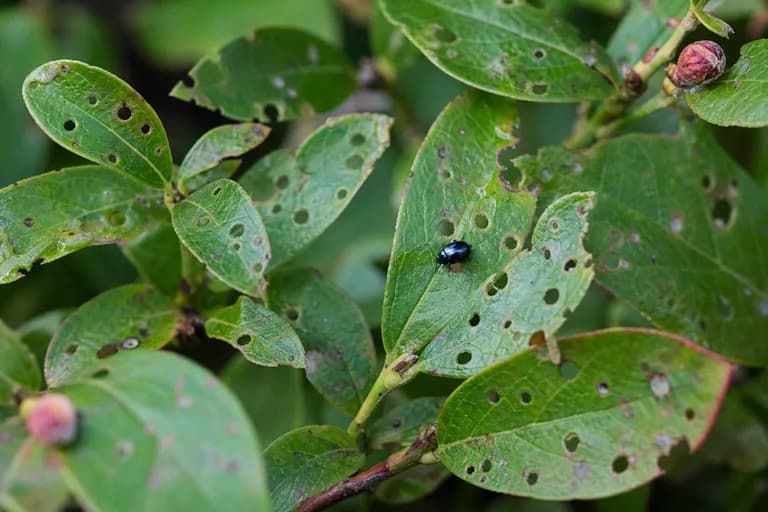
SchädlingKleine, runde Löcher in Blättern, die von winzigen metallisch glänzenden Käfern gefressen werden; starker Befall erzeugt ein Schrotschussmuster und schwächt die Pflanzen.
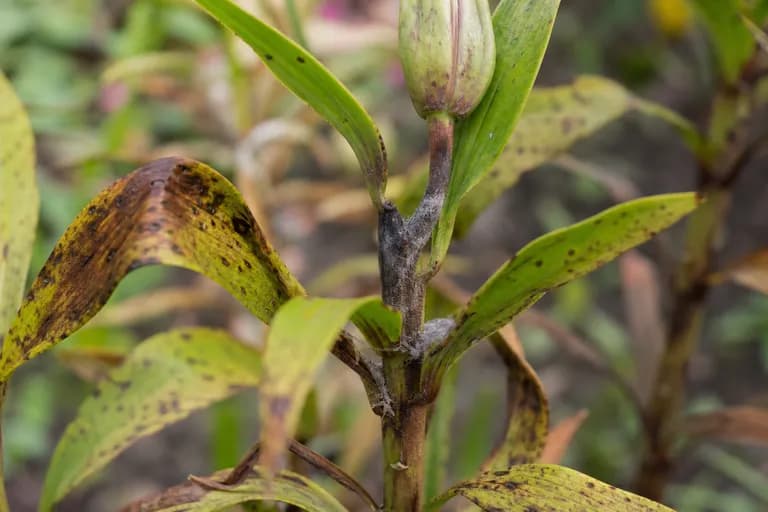
Botrytis-Fäule
KrankheitGrauer, flaumiger Schimmel an Blüten, Triebspitzen und sich entwickelnden Früchten bei kühlem, feuchtem Frühlingswetter; Blütenbefall reduziert den Fruchtansatz.
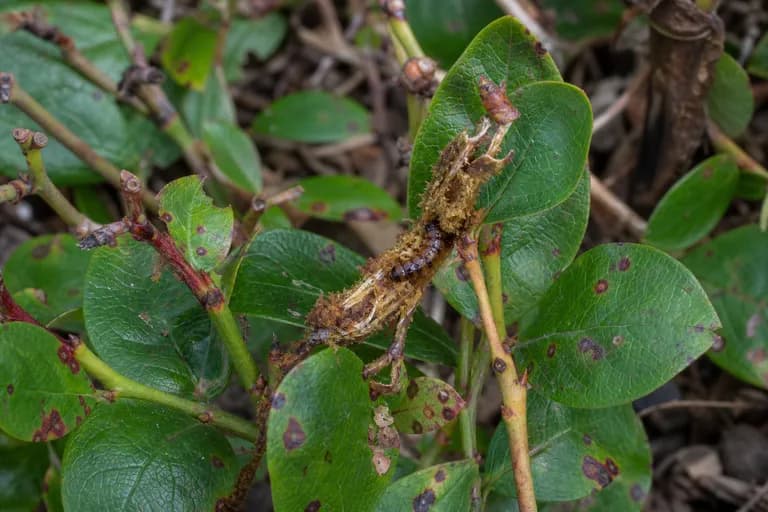
Heidelbeer-Triebbohrer
SchädlingWelkende Ruthenspitzen im Frühsommer; sägemehlartiger Fraß an Einbohrlöchern sichtbar; Tunnelgänge durch die Ruthenmitte.
Fehlerbehebung bei häufigen Problemen
Langsame Etablierung ist die häufigste Frustration, da niedrige Heidelbeeren drei bis fünf Jahre brauchen können, bis sie eine nennenswerte Ernte liefern. Ein zu hoher Boden-pH-Wert ist die häufigste Ursache für das Scheitern. Vogel- und Wildtierkonkurrenz ist erheblich, da die Beeren eine beliebte Wildnahrung sind. Unkrautkonkurrenz ist während der Etablierung problematisch, da die niedrig wachsenden Pflanzen leicht beschattet werden. Kiefernnadelmulch verwenden, um Unkraut zu unterdrücken und die Säure zu erhalten. In gepflegten Beständen führt das Versäumnis, jedes zweite Jahr zu mähen, zu sinkenden Erträgen.
Anbautipps
- Der Boden-pH-Wert ist der bei weitem wichtigste Faktor für den Erfolg mit niedrigen Heidelbeeren — die Pflanze benötigt einen pH-Wert von 4,2–5,0 und wird in Böden über 5,5 langsam zurückgehen und schließlich absterben. Boden-pH-Wert vor der Pflanzung testen und mit elementarem Schwefel mehrere Monate im Voraus ansäuern, da Schwefel langsam durch mikrobielle Wirkung arbeitet.
- Niedrige Heidelbeeren niemals in Böden pflanzen, die mit Holzasche, Pilzkompost, Kalk oder einem anderen alkalischen Material verbessert wurden — selbst kleine Mengen davon können den pH-Wert über die Toleranzgrenze der Pflanze anheben und sind nach dem Einarbeiten sehr schwer rückgängig zu machen.
- Mindestens zwei genetisch verschiedene Pflanzen (verschiedene Sorten oder wildstämmige Pflanzen von verschiedenen Standorten) innerhalb von 3–5 Metern voneinander pflanzen. Niedrige Heidelbeere ist weitgehend selbstinfertil und Kreuzbestäubung zwischen verschiedenen Klonen kann den Fruchtansatz im Vergleich zu einem Einzelklonbestand um 50–300 % steigern.
- Stark mit Kiefernrinde, Kiefernnadeln oder gehackten Eichenblättern mulchen — Materialien, die den Boden beim Zersetzen ansäuern. Eine Mulchschicht von 5–8 cm das ganze Jahr über erhalten, um Feuchtigkeit zu sparen, Unkraut zu unterdrücken und den Bodenversauerungsprozess fortzusetzen. Holzspanmulch aus alkalischen Baumarten vermeiden.
- In Gärten, in denen natürliche Hummelpopulationen niedrig sind, frühblühende einheimische Wildblumen in der Nähe pflanzen, um Hummelkolonien zu unterstützen — Hummeln sind bei weitem effektivere Bestäuber für diese Art als Honigbienen und für maximalen Fruchtansatz unverzichtbar.
- Niedrige Heidelbeere breitet sich durch unterirdische Rhizome aus und wird sich über Jahre hinweg langsam auf den umgebenden Boden ausdehnen — diese Ausbreitung beim Anlegen des Bestands einplanen, indem Platz zum Ausdehnen gelassen wird oder eine physische Wurzelsperre an den Rändern des Beets verwendet wird, wenn es eingedämmt werden muss.
- In kalten Klimazonen nicht nach Mitte des Sommers düngen. Späte Stickstoffgaben fördern zartes Neuwachstum, das wintergeschädigt wird und die Pflanze im Laufe der Zeit schwächt. Eine einzige leichte Gabe sauren Düngers (Ammoniumsulfat oder ein für säureliebende Pflanzen gekennzeichnetes Produkt) im frühen Frühling reicht für die meisten etablierten Bestände aus.
- Wenn ein Bestand nach vielen Jahren verholzt und unproduktiv wird, durch Abschneiden aller Triebe auf Bodenhöhe im Spätherbst oder sehr frühen Frühling verjüngen. Neue Triebe werden im folgenden Frühling aus dem Rhizomnetz mit kräftigem vegetativem Wachstum austreiben, und die Fruchtbildung wird im Jahr nach dem Schnitt wieder aufgenommen. Dies in Abschnitten statt auf einmal tun, um eine kontinuierliche Produktion aufrechtzuerhalten.
- Die niedrige Heidelbeere ist ein hervorragender Begleiter für andere säureliebende einheimische Pflanzen wie Preiselbeere, Schafslorbeer, Bärentraube und einheimische Farne — gemeinsam schaffen diese eine pflegeleichte einheimische Bodendeckerpflanzung, die nach der Etablierung in einem geeigneten Klima keine Bewässerung benötigt.
- Reifende Beeren vor Vögeln mit leichtem Netz schützen, das locker über die Pflanzen gelegt wird — Vögel können einen Niedrigbusch-Bestand innerhalb von Tagen nach der Reife kahl fressen. Das Netz während der Blüte entfernen, um Bienenzugang zu ermöglichen, und erst wieder anbringen, wenn die Beeren im Sommer beginnen, Farbe zu entwickeln.
Bau deine beste Niedrige Heidelbeere an — und alles drumherum.
Starte heute kostenlos. Lege deine Beete an, setze deine Niedrige Heidelbeere ein und lass PlotMyGarden Timing, Abstände, Begleiter und Erinnerungen von der Saat bis zum Erntekorb übernehmen.
Finde deine Niedrige Heidelbeere
Burgundy
Ein ausgewählter Klon mit außergewöhnlicher ornamentaler Herbstfärbung und zuverlässig reichen Ernten intensiv aromatischer kleiner Beeren.
Brunswick
Eine kräftig wachsende, sich ausbreitende Sorte, die sich schnell als Bodendecker etabliert und gute Erträge süßer, dunkler Beeren liefert.
Top Hat
Ein kompakter Niedrig-Hoch-Hybrid, ideal für Kübel, der nur sechzig Zentimeter hoch wird und große Beeren an einer kleinen Pflanze trägt.
Northblue
Ein Halbhoher Hybrid, der die Winterhärte des Niedrigbuschs mit einer größeren Frucht vereint — hervorragend für nördliche Gärten mit harten Wintern.
Ein einzelner etablierter Niedrigbusch-Heidelbeerbestand von 3 Quadratmetern kann nach der Reife (typischerweise ab Jahr 3–4) jährlich 2–5 kg Beeren liefern. Wilde Heidelbeeren werden für 8–14 Euro pro Kilogramm frisch und 6–10 Euro pro Kilogramm gefroren verkauft, was bedeutet, dass ein kleiner etablierter Bestand 20–70 Euro wert an Beeren pro Saison liefern kann. Starterpflanzen kosten 8–18 Euro pro Stück, und der Bestand benötigt praktisch keine Betriebsmittel über eine anfängliche Bodenversauerungsbehandlung hinaus — keine jährliche Neupflanzung, minimale Düngung und keine Bewässerung, sobald er in einem geeigneten Klima etabliert ist. Über einen Zeithorizont von 10 Jahren stellt ein gut angelegter Niedrigbusch-Bestand eines der rentabelsten fruchttragenden Bodendeckerpflanzungen für den Hausgärtner dar.
Schnelle Rezepte
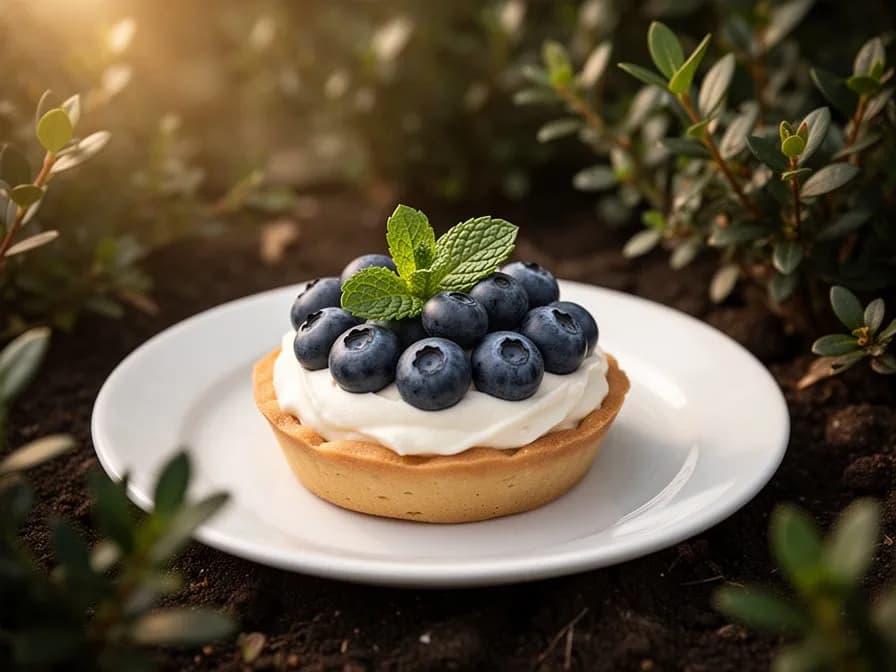
Wildheidelbeere-Zitronen-Konfitüre
45 Min.Eine einfache Herdkonfiüre, die das intensive, leicht herbe Aroma niedrig wachsender Heidelbeeren in den Mittelpunkt stellt, aufgehellt mit frischer Zitronenschale. Die kleine Beerengröße bedeutet, dass kein Hacken erforderlich ist — einfach leicht zerdrücken, mit Zucker und Zitrone kochen und heiß in Gläser füllen. Diese Konfitüre hat eine lockerere, streichfähigere Konsistenz als kommerzielle Konfitüre, mit einer tiefvioletten Farbe und einer komplexen, fast weinigen Aromatiefe, die Hochbusch-Heidelbeeren nicht replizieren können.
5 ZutatenWildheidelbeere-Buckle
55 Min.Ein Buckle ist ein einstöckiger Kuchen mit in den Teig gefalteten Beeren und einem Streuselkrümel obendrauf — er ‚beult' unter dem Gewicht der Früchte beim Backen ein. Niedrige Heidelbeeren sind hier ideal, weil ihr intensives Aroma wunderbar zu dem buttrigen Kuchen und den gewürzten Streuseln passt. Warm aus dem Ofen mit einer Kugel Vanilleeis oder einem Klecks Crème fraîche servieren.
9 Zutaten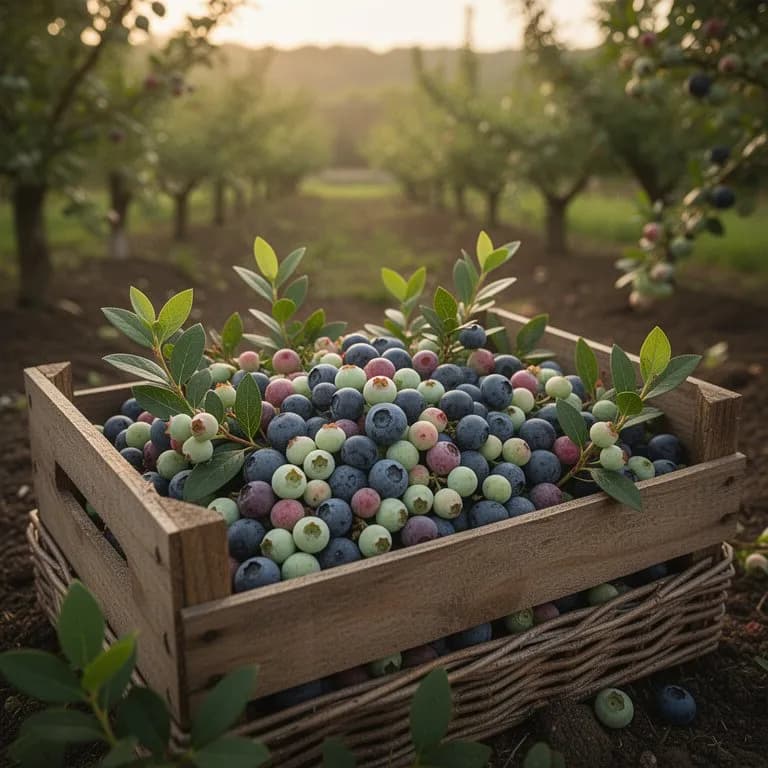
Wildheidelbeere-Smoothiebowl
10 Min.Gefrorene niedrige Heidelbeeren, dickflüssig mit Banane und Joghurt püriert, ergeben eine Smoothiebowl mit einer atemberaubenden tiefvioletten Farbe und einem Aroma, das weit komplexer ist als eines aus kultivierten Beeren. Die konzentrierten Anthocyane vertiefen sich beim Kontakt mit dem sauren Joghurt auch visuell. Mit Granola, geschnittener Banane und einem Strahl Honig für ein Frühstück toppen, das ernährungsmäßig so dicht ist wie es optisch beeindruckend ist.
5 ZutatenKulinarische Verwendung
Niedrige Wildheidelbeeren gelten als der Goldstandard beim Backen, da ihre kleine Größe, feste Textur und das konzentrierte Aroma nicht platzen und den Teig nicht einfärben. Sie ergeben hervorragende Muffins, Pfannkuchen, Torten und Scones. Das intensive Aroma produziert außergewöhnliche Marmeladen und Konfitüren. Getrocknete niedrige Heidelbeeren sind zäh, süß und vollgepackt mit Antioxidantien. Ihre kleinere Größe bedeutet, dass sie sich gleichmäßiger in Teig und Massen verteilen als größere Beeren.
Was drinsteckt
Gesundheitsvorteile
- Außergewöhnlich reich an Anthocyanen — den blau-violetten Pigmentverbindungen, die als starke Antioxidantien wirken und freie Radikale neutralisieren sowie oxidativen Stress reduzieren, der mit Alterung und chronischen Krankheiten verbunden ist
- Regelmäßiger Konsum wilder Heidelbeeren wurde in mehreren klinischen Studien mit verbessertem Gedächtnis, Verarbeitungsgeschwindigkeit und exekutiver Funktion in Verbindung gebracht, besonders bei älteren Erwachsenen — Effekte, die auf ihren Polyphenolgehalt zurückgeführt werden, der die Blut-Hirn-Schranke überquert
- Die Kombination aus Ballaststoffen und Polyphenolen in niedrigen Heidelbeeren unterstützt ein gesundes Darmmikrobiom, indem sie selektiv nützliche Bifidobacterium- und Lactobacillus-Stämme nährt und gleichzeitig pathogene Stämme hemmt
- Studien deuten darauf hin, dass die Anthocyane in wilden Heidelbeeren die Insulinempfindlichkeit verbessern und postprandiale Blutzuckerspitzen reduzieren können, was sie zu einer besonders vorteilhaften Frucht für Personen macht, die ihr Risiko für Typ-2-Diabetes managen
- Reich an Vitamin K und Mangan, beides essenziell für die Knochenmineralisierung und die Aufrechterhaltung der Knochendichte — regelmäßiger Heidelbeerkonsum wurde in epidemiologischen Studien mit reduziertem Osteoporoserisiko in Verbindung gebracht
- Wilde Heidelbeeren enthalten Pterostilben und Resveratrol, bioaktive Verbindungen mit entzündungshemmenden Eigenschaften, die auf ihre potenzielle Rolle bei der Reduzierung der LDL-Cholesterinoxidation und der Unterstützung der kardiovaskulären Gesundheit untersucht wurden
Woher Niedrige Heidelbeere stammt
Die niedrige Heidelbeere (Vaccinium angustifolium) ist eine der ausgeprägtesten nordamerikanischen Kulturfrüchte, heimisch in den borealen und gemischten Wäldern, Felsvorsprüngen und Küstenheiden des nordöstlichen Nordamerikas — von Neufundland und Labrador westwärts bis Manitoba und südwärts durch Neuengland bis zu den Appalachen-Hochländern Virginias. Im Gegensatz zur kultivierten Hochbusch-Heidelbeere, die erst im frühen 20. Jahrhundert durch die Züchtungsarbeit von Frederick Coville und Elizabeth White in New Jersey domestiziert wurde, wurde die niedrige Heidelbeere im herkömmlichen Sinne nie wirklich „domestiziert". Die kommerzielle Produktion dieser Art stützt sich fast vollständig auf die Bewirtschaftung natürlich vorkommender Wildpopulationen, wobei periodisches Abbrennen oder Mähen zur Verjüngung des Wachstums und zur Unterdrückung konkurrierender Vegetation eingesetzt wird — eine Landpflegepraxis, die direkt von den Techniken der Wabanaki, Mi'kmaq und anderer indigener Völker übernommen wurde, die Feuer einsetzten, um produktive Heidelbeer-Barrens über Generationen zu erhalten.
Die indigene Nutzung wilder Heidelbeeren im nordöstlichen Nordamerika war sowohl kulinarischer als auch medizinischer Natur. Die Beeren wurden frisch gegessen, zum Einwintern getrocknet und zu Pemmikan verarbeitet — einer dichten Mischung aus getrocknetem Fleisch, ausgelassenem Fett und Trockenfrüchten, die als konzentrierte Wegzehrung diente. Verschiedene Nationen nutzten Heidelbeerblätter und -wurzeln medizinisch, und archäologische Beweise deuten darauf hin, dass Wildheidelbeerernte-Stätten in Maine mindestens 10.000 Jahre zurückreichen, was mit dem Rückzug des Laurentidischen Eisschildes und der Wiederbesiedlung neu freigelegter Flächen zusammenfällt.
Europäische Siedler übernahmen schnell wilde Heidelbeeren als Nahrungsquelle, und Ende des 19. Jahrhunderts entstanden in Maine kleinere kommerzielle Ernteoperationen, die bis heute das globale Zentrum der Wildheidelbeereproduktion bilden. Die Entwicklung zuverlässiger Eisenbahntransporte im späten 19. Jahrhundert ermöglichte es frischen und verarbeiteten Wildheidelbeeren, städtische Märkte im nordöstlichen Teil der USA zu erreichen und festigte die kommerzielle Bedeutung der Kultur. Heute produzieren Maine und die kanadischen Meeresprovinzen — insbesondere Nova Scotia und New Brunswick — den größten Teil des weltweiten Wildheidelbeere (Niedrigbusch)-Angebots, das größtenteils verarbeitet und tiefgefroren für die Verwendung in Muffins, Pfannkuchenmischungen, Säften und Nahrungsergänzungsmitteln weltweit eingesetzt wird.
Niedrige Heidelbeere: Schon gewusst?
Faszinierende Fakten über Niedrige Heidelbeere
Wilde niedrige Heidelbeeren werden von indigenen Völkern im nordöstlichen Nordamerika seit Tausenden von Jahren geerntet — sie wurden getrocknet und mit Fett und Fleisch gemischt, um Pemmikan herzustellen, eines der kalorienreichsten Wegzehrungen, die je entwickelt wurden.
Niedrige Heidelbeere: Fragen & Antworten
Wann sollte ich Niedrige Heidelbeere pflanzen?
Was sind gute Begleitpflanzen für Niedrige Heidelbeere?
In welchen Winterhärtezonen kann Niedrige Heidelbeere wachsen?
Wie viel Sonne braucht Niedrige Heidelbeere?
Welchen Abstand sollte ich zwischen Niedrige Heidelbeere lassen?
Welche Schädlinge und Krankheiten befallen Niedrige Heidelbeere?
Wie lagere ich Niedrige Heidelbeere nach der Ernte?
Was sind die besten Niedrige Heidelbeere-Sorten zum Anbauen?
Welchen Boden braucht Niedrige Heidelbeere?
Was ist der Unterschied zwischen Niedrigbusch- und Hochbusch-Heidelbeeren, und welche sollte ich anbauen?
Meine niedrigen Heidelbeerpflanzen sind seit zwei Jahren eingepflanzt und haben kaum Beeren produziert. Was ist falsch?
Kann ich niedrige Heidelbeeren in Kübeln oder Hochbeeten anbauen?
Wie weiß ich, wann niedrige Heidelbeeren vollständig reif und pflückreif sind?
Müssen niedrige Heidelbeeren beschnitten werden, und wenn ja, wie?
Ist die niedrige Heidelbeere für die Landschaftsgestaltung geeignet, oder ist sie rein eine Nutzpflanze?
Du hast die Theorie gelesen. Jetzt baue sie auf Autopilot an.
Alles, was Niedrige Heidelbeere knifflig macht — das Timing, die Abstände, die Begleiter, das Erntefenster — genau das übernimmt PlotMyGarden für dich, für jede Pflanze im Garten.
Ein Plan, der dein Wetter kennt
Standort einmal festlegen. Aussaat-, Dünge- und Erntedaten rund um deinen echten letzten Frosttermin und die Live-Vorhersage — kein Raten mehr nach Saattüte.
Aus dem Abschnitt „Pflanzzeit“Beetplaner per Drag & Drop
Beete auf einem Raster gestalten. Jede Pflanze rastet im richtigen Abstand ein, und du siehst die ganze Saison, bevor du einen Cent für Saatgut ausgibst.
Aus dem Abschnitt „Anbau“Begleiter-Konflikte früh erkannt
Über 200 gute und schlechte Kombinationen werden beim Pflanzen live geprüft — so landet ein saisonruinierender Fehler nie in der Erde.
Aus dem Abschnitt „Begleiter“Erinnerungen, nach denen du wirklich handelst
„Gieß die Bohnen.“ „Heute ernten, bevor's umschlägt.“ Pünktlich, konkret und auf deine echten Pflanzen bezogen.
Aus dem Abschnitt „Ernte“Staffel-Aussaat, geplant
Sechs Wochen ernten statt sechs Tage? Die App verteilt deine Aussaaten automatisch und erinnert dich, wenn der nächste Satz fällig ist.
Aus dem Abschnitt „Pflanzzeit“Ein Verlauf, der schlauer wird
Jede protokollierte Ernte bringt der App deinen Garten bei. Der Plan fürs nächste Jahr startet bei dem, was in deinem Boden wirklich funktioniert hat.
Aus dem Abschnitt „Überblick“Pflanze diese neben Niedrige Heidelbeere
Weitere Beeren
Halte Niedrige Heidelbeere von diesen fern
Bau deine beste Niedrige Heidelbeere an — und alles drumherum.
Starte heute kostenlos. Lege deine Beete an, setze deine Niedrige Heidelbeere ein und lass PlotMyGarden Timing, Abstände, Begleiter und Erinnerungen von der Saat bis zum Erntekorb übernehmen.