Stachelloser Brombeere
Eine stachellosenlose Brombeersorte, die das Ernten und Schneiden erheblich angenehmer macht und dabei gleich große, süße Beeren hervorbringt.





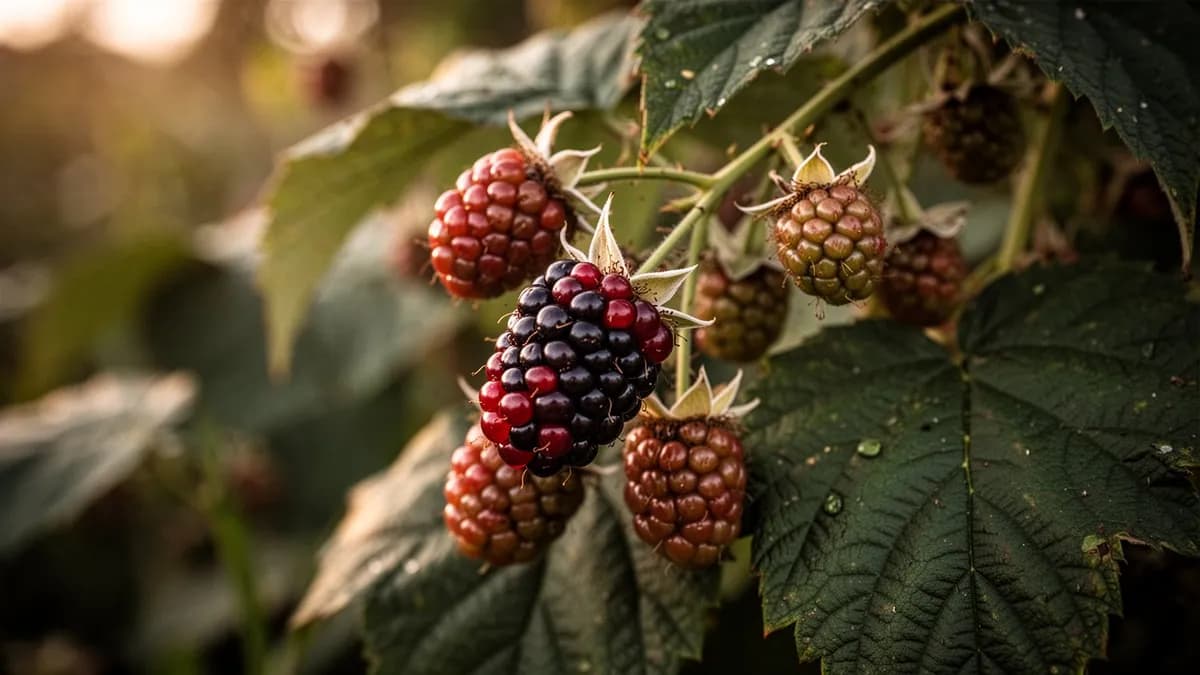
Auf dieser SeiteÜberblick
Stachelloser Brombeere im Überblick
Eine stachellosenlose Brombeersorte, die das Ernten und Schneiden erheblich angenehmer macht und dabei gleich große, süße Beeren hervorbringt. Halbaufrechte Ruten profitieren von einer Rankhilfe und können bei fehlendem Rückschnitt bis zu viereinhalb Meter wachsen. Stachellosenlose Sorten sind im Allgemeinen etwas weniger kältehart als bedornte Typen; deshalb sollten die Kronen in nördlichen Gärten gut mit Mulch bedeckt werden.
Wann Stachelloser Brombeere pflanzen
Stachellosenlose Brombeeren werden durch Wurzelschnittlinge oder Absenker vermehrt, um die stachellosenlose Eigenschaft zu erhalten, da die Samenvermehrung bedornte Nachkommen hervorbringen kann. Für Wurzelschnittlinge bleistiftdicke Wurzelstücke von 10 bis 15 cm Länge im späten Winter ausgraben und horizontal in feuchtes Anzuchtsubstrat legen; neue Triebe erscheinen nach vier bis sechs Wochen. Beim Absenken wird die überhängende Rutenspitze im Spätsommer 5 bis 8 cm tief in den Boden eingebracht; innerhalb von sechs Wochen bilden sich Wurzeln, und die neue Pflanze kann im Frühjahr abgetrennt werden. Weichholzstecklinge, die im Frühsommer entnommen werden, können unter Bedunstung mit Bewurzelungshormon bewurzelt werden.
Dein Stachelloser Brombeere-Jahr
Abgestimmt auf Zone 7 · typische Saison · Frost geht um den 2. Apr. und kehrt um den 1. Nov. zurück
Stachelloser Brombeere Mär – Apr pflanzen, Jul – Aug ernten. Beachte die Pflanzmethoden unten und wähle dein Klima für passende Zeiträume.
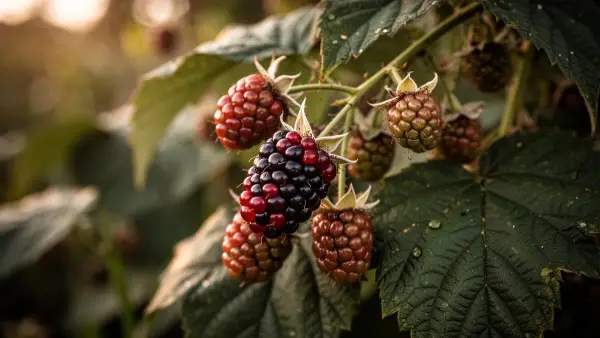
So baust du Stachelloser Brombeere an
Stachellosenlose Brombeeren bieten den üppigen Fruchtertrag traditioneller Brombeeren, ohne die schmerzhaften Dornen, die das Ernten und Schneiden zur Qual machen. Diese halbaufrechten Sorten bilden steife, aufrechte Primokanen, die an den Spitzen überhängen, und profitieren von einer Rankhilfe für einen geordneten, ertragreichen Anbau. Montieren Sie vor der Pflanzung ein Doppeldrähte-Spalier mit Drähten in 90 cm und 150 cm Höhe, und pflanzen Sie die Sträucher im Reihenabstand von 120 bis 180 cm.
Pflanzen Sie Wurzelnacktware oder Containerpflanzen im Frühjahr an einem vollsonnigen Standort mit nährstoffreichem, gut durchlässigem Boden. Stachellosenlose Brombeeren sind Florikane-Früchter, das heißt, sie tragen Früchte an einjährigem Holz. Im ersten Jahr werden neue Primokanen am unteren Spalierdrähte entlanggeleitet. Im folgenden Sommer blühen und fruchten diese Ruten an Seitentrieben. Nach der Ernte werden alle abgetragenen Florikanen bodennah entfernt und die neuen Primokanen für die Ernte des nächsten Jahres am Spalier festgebunden.
Kappen Sie die Primokanen in der Hochsommermitte bei etwa 150 cm Höhe, um kräftige Seitenverzweigungen zu fördern, was die Anzahl der Fruchtstellen im Folgejahr erhöht. Im späten Winter werden die Seitentriebe auf 30 bis 45 cm eingekürzt. Gießen Sie einmal pro Woche gründlich und mulchen Sie mit 8 bis 10 cm organischem Material. Stachellosenlose Sorten sind im Allgemeinen etwas weniger kältehart als bedornte Typen; deshalb sollten in den Zonen 5 und 6 die Krone und die unteren Ruten vor dem Winter stark gemulcht oder die Ruten flach auf den Boden gelegt und mit Stroh abgedeckt werden.
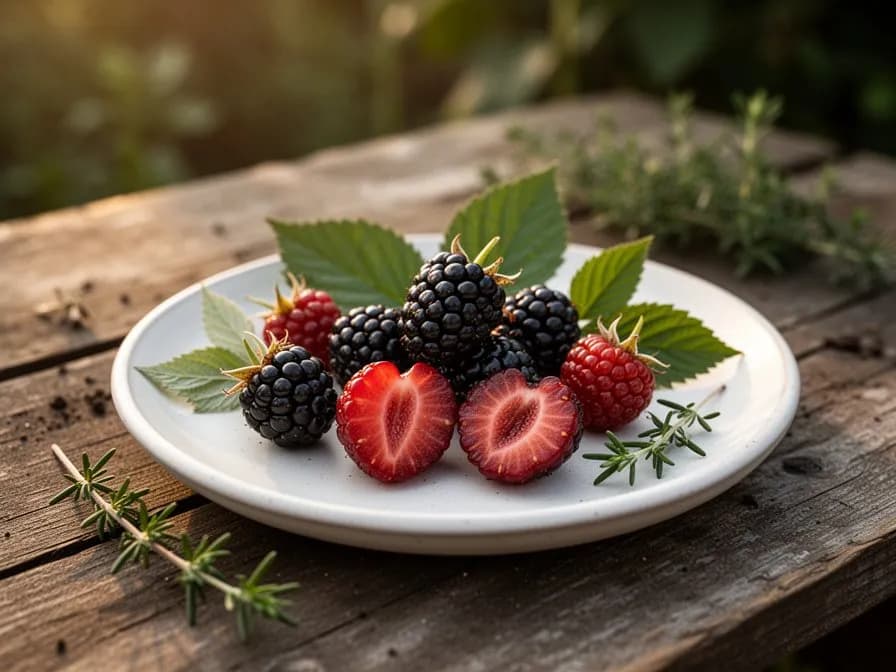
2 Pflanzen passen in ein Beet von 120 × 240 cm
Stachelloser Brombeere braucht 120 cm Platz pro Pflanze. Der Planer hält diesen Abstand für dich ein — jede Pflanze, jedes Beet.
Die besten Nachbarn für Stachelloser Brombeere
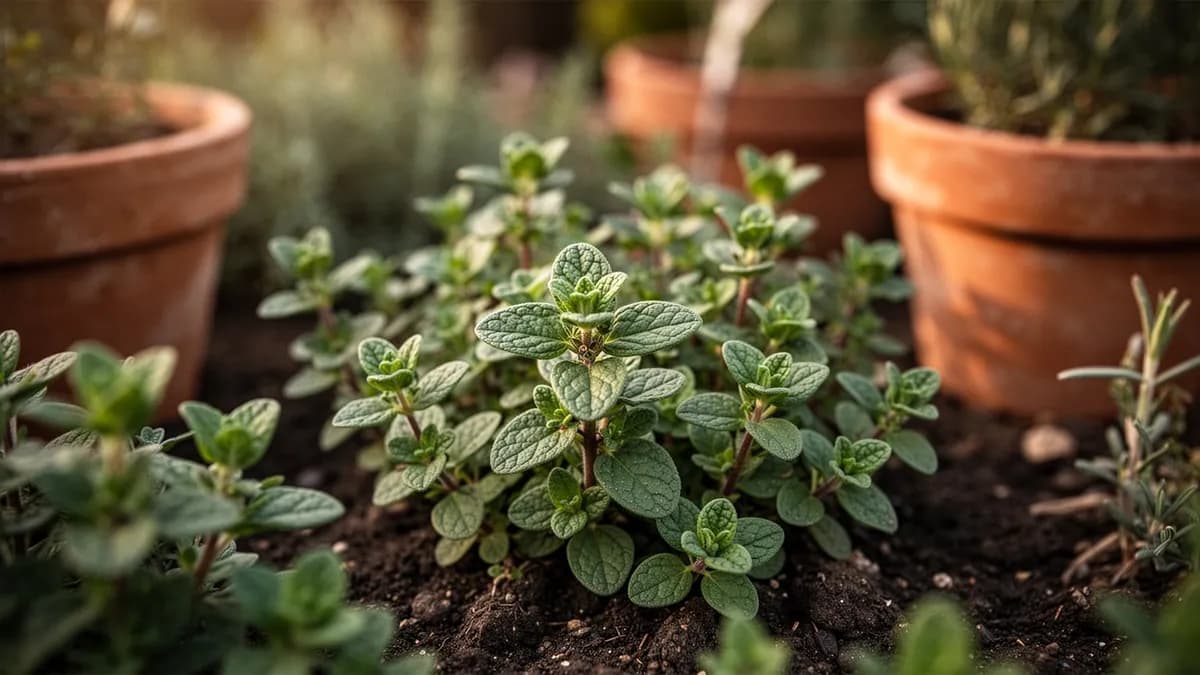
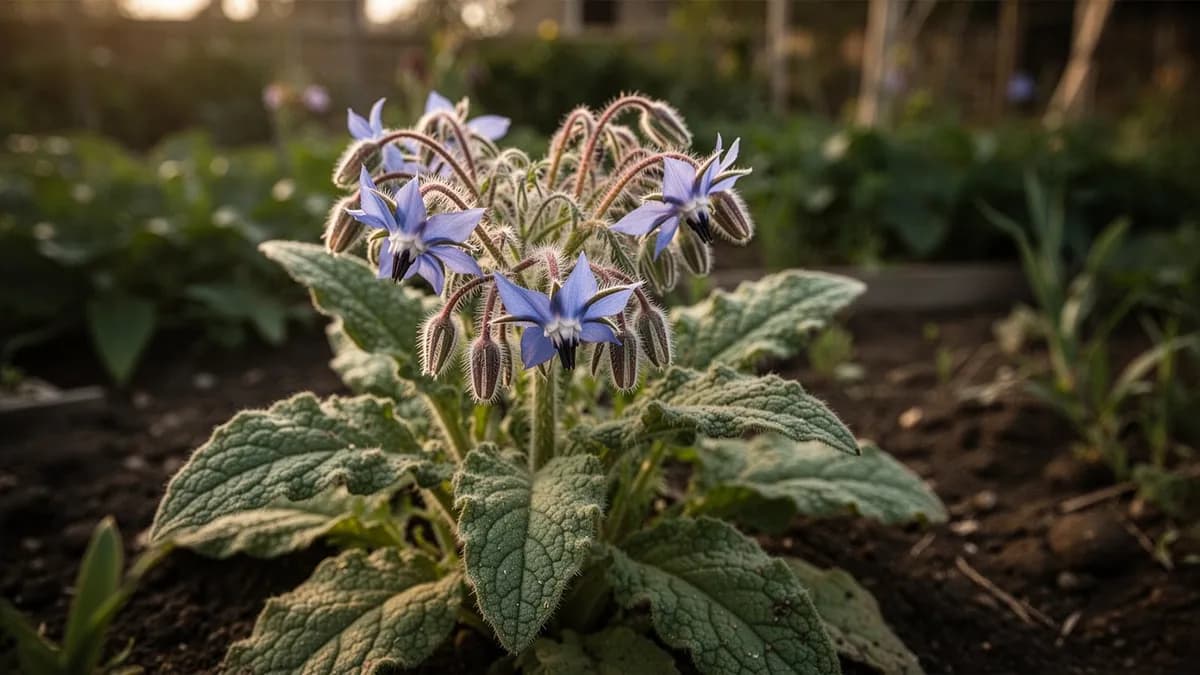
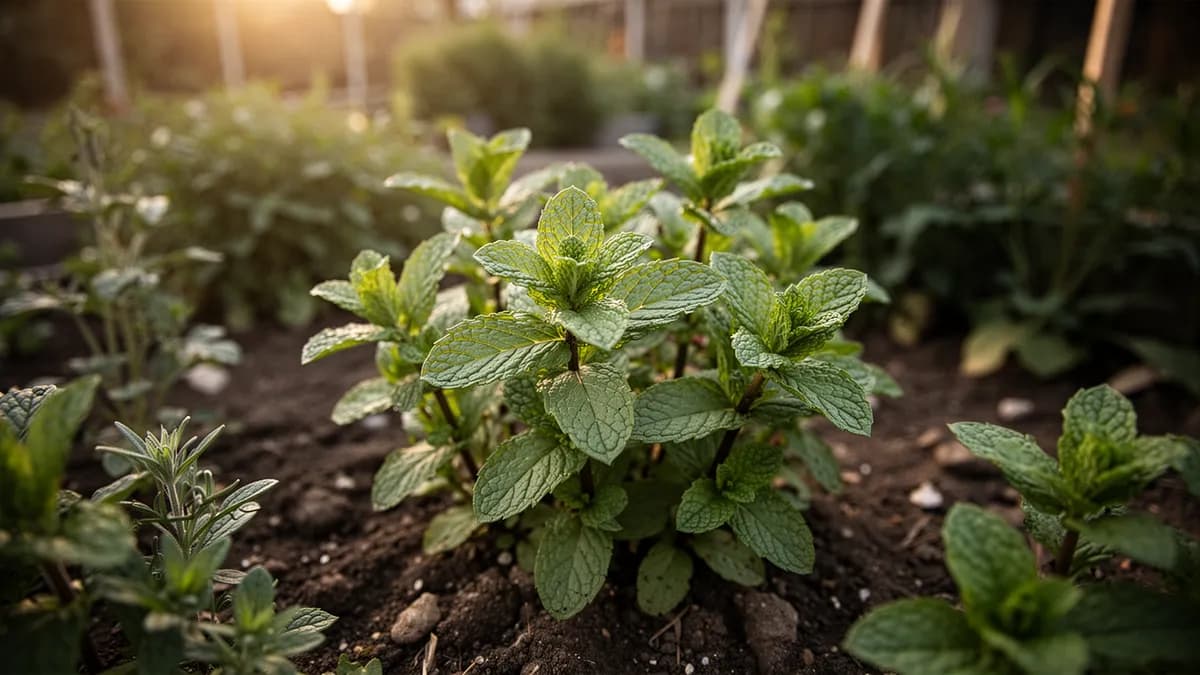
Thymian, Borretsch und Minze in der Nähe von stachellosenlosenBrombeereranken pflanzen, um Bestäuber anzulocken und Schädlingsinsekten abzuschrecken. Borretsch ist besonders wertvoll, zieht Bienen an, die den Fruchtansatz verbessern, und kann den Beerengeschmack positiv beeinflussen. Nicht in der Nähe von Himbeeren oder Wildbrombeergehölzen anpflanzen, um die Krankheitsübertragung zwischen Rubus-Arten zu verhindern. In der Nähe gepflanzter Beinwell reichert Nährstoffe an und liefert ausgezeichnetes Mulchmaterial. Von Nachtschattengewächsen fernhalten, die Verticillium-Welke im Boden beherbergen können.
Thymian gehört daneben. Himbeere nicht.
Altes Gärtnerwissen, geprüft an der echten Nachbartabelle von Stachelloser Brombeere — teste jede Pflanze, die du anbaust.
Probiere Stachelloser Brombeere direkt hier im Beet
Ein echtes Planer-Beet, Stachelloser Brombeere steht schon drin. Tippe einen Begleiter an, platziere ihn und sieh, wie die Nachbarschaftsprüfung antwortet — grün für gute Nachbarn, rot bei Streit.


Passende Anbau-Ratgeber
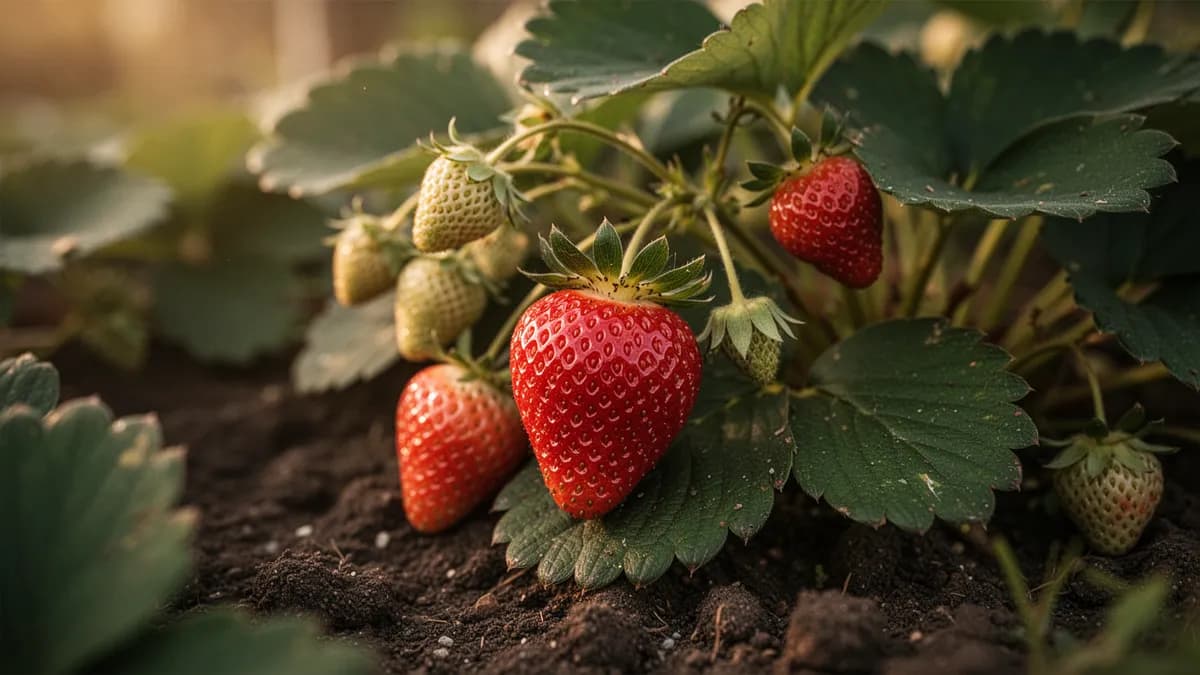
Richtig düngen
Stachellosenlose Brombeeren gedeihen in nährstoffreichem, gut durchlässigem Boden mit einem pH-Wert von 6,0 bis 7,0. Lehmige Böden mit Kompost und gealterter Rinde verbessern, da Brombeeren bei Staunässe anfällig für Wurzelfäule sind. Im Frühjahr beim Anschwellen der Knospen einen ausgewogenen Dünger ausbringen und im Spätsommer Kompost oder gereiften Stallmist nachdüngen. Starke Stickstoffgaben vermeiden, da sie üppiges Rutenwachstum auf Kosten der Fruchtqualität fördern. Eine dicke Mulchschicht aus Stroh oder Holzhäckseln zum Feuchtigkeitserhalt und zur Unkrautunterdrückung im flachen Wurzelbereich aufrechterhalten.
Ideale Temperatur
Winterhärtezone-Kompatibilität
Von der Saat zur Ernte, Schritt für Schritt
Winterruhe
Die Ruten sind blattlos und ruhen. Die Wurzeln bleiben unterirdisch aktiv. Dies ist das beste Zeitfenster für das Pflanzen von Wurzelnacktware und für den harten Rückschnitt alter Florikanen.
Knospenaustrieb
Neue Primokanen treiben aus der Krone aus, und die Knospen der zweijährigen Florikanen schwellen an und öffnen sich. Einen ausgewogenen Dünger ausbringen und neue Triebe ans Spalier leiten.
Vegetatives Wachstum
Rasches Rutenwachstum setzt ein. Primokanen können bei warmem Wetter mehrere Zentimeter pro Tag wachsen. Ruten regelmäßig anbinden, gleichmäßig gießen und auf Blattläuse an zarten Trieben achten.
Blüte
Florikanen bilden Trauben aus weißen bis blassrosa Blüten. Die Bestäubung erfolgt hauptsächlich durch Bienen. Während der Blüte Überkopfberegnung vermeiden, um die Pollenkeimfähigkeit zu erhalten.
Fruchtentwicklung
Grüne Steinfrüchtchen bilden sich und wachsen heran. Die Farbe wechselt von Grün über Rot zu tiefem Glänzend-Schwarz, wenn die Zucker angereichert werden. Gleichmäßige Bodenfeuchtigkeit aufrechterhalten, um Fruchtplatzen zu verhindern.
Ernte
Die Beeren sind erntereif, wenn sie sich mit minimalem Kraftaufwand von der Traube lösen und eine tiefschwarze Farbe ohne rote Stellen aufweisen. Zur Haupterntezeit alle zwei bis drei Tage pflücken.
Nachernte & Erneuerung
Abgetragene Florikanen nach der Ernte bodennah entfernen. Die vier bis sechs kräftigsten Primokanen pro Pflanze als diesjährige Fruchtruten für das nächste Jahr auswählen. Seitentriebe einkürzen.
Stachelloser Brombeere Monat für Monat pflegen
Was du jeden Monat für deine Stachelloser Brombeere tun solltest
Oktober
Aktueller MonatAusgewählte überwinternde Primokanen sicher am Spalier festbinden. Eine Schicht kompostierter Stallmist um die Basis auftragen. Gießen mit sinkenden Temperaturen reduzieren.
Immer wissen, was jetzt im Garten zu tun ist
Eine E-Mail zum Monatsanfang: was du jetzt säen, pflanzen und anpacken solltest — für deine Stachelloser Brombeere und alles, was drumherum wächst. Dazu ein kurzer Startkurs, der dich vor den klassischen Fehlern bewahrt.
- Was jetzt zu tun ist
- Passend zu deiner Saison
- Startkurs inklusive
Stachelloser Brombeere ernten
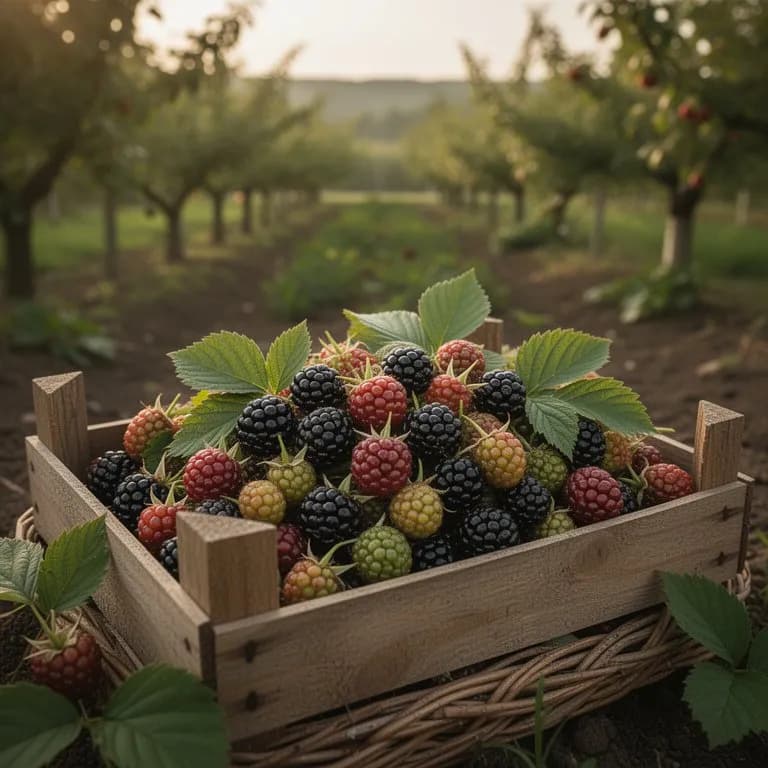
Stachellosenlose Brombeeren ernten, wenn die Beeren vollständig schwarz geworden sind und eher matt als glänzend wirken. Glänzend schwarze Beeren sind noch nicht vollreif und schmecken säuerlich. Reife Beeren sollten sich mit leichtem Zug von der Pflanze lösen und dabei den Kern im Inneren behalten. Das Fehlen von Dornen macht das Ernten stachellosenloser Sorten deutlich einfacher und schneller als bei bedornten Typen. Während der drei bis vier Wochen dauernden Ernteperiode im Hochsommer alle drei bis vier Tage pflücken.
angenommen, du pflanzt zu Beginn des Zeitraums — trage dein tatsächliches Datum ein
Ernte Stachelloser Brombeere zügig, dann trägt die Pflanze weiter.
Lagerung & Konservierung
Frische Brombeeren halten sich im Kühlschrank drei bis fünf Tage, wenn sie einlagig gelagert werden. Zum Einfrieren die ungewaschenen Beeren auf einem Backblech ausbreiten, vollständig gefrieren lassen und anschließend in Beutel füllen; haltbar bis zu zwölf Monate. Brombeeren eignen sich hervorragend für Marmelade, Cobbler, Kuchen und Wein. Ihr hoher Pektingehalt macht sie zuverlässig für die Gelierung ohne zusätzliches Pektin. Getrocknete Brombeeren sind ein ausgezeichneter Zusatz zu Trailmix und Granola. Brombeersirup ist ein vielseitiges Küchenmittel für Pfannkuchen, Cocktails und als Topping für Desserts.
Was schiefgeht — und die Lösung
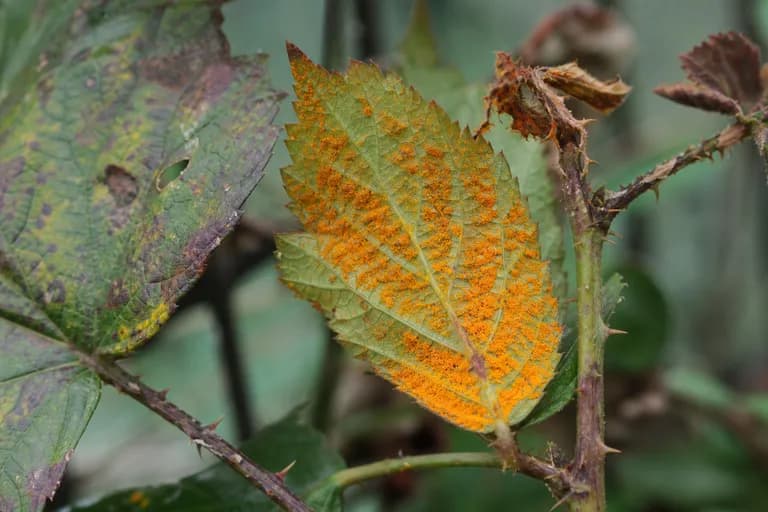
Orangerost
KrankheitLeuchtend orangefarbene Pusteln auf den Blattunterseiten im Frühjahr; befallene Pflanzen bleiben im Wachstum zurück und tragen keine Früchte mehr.
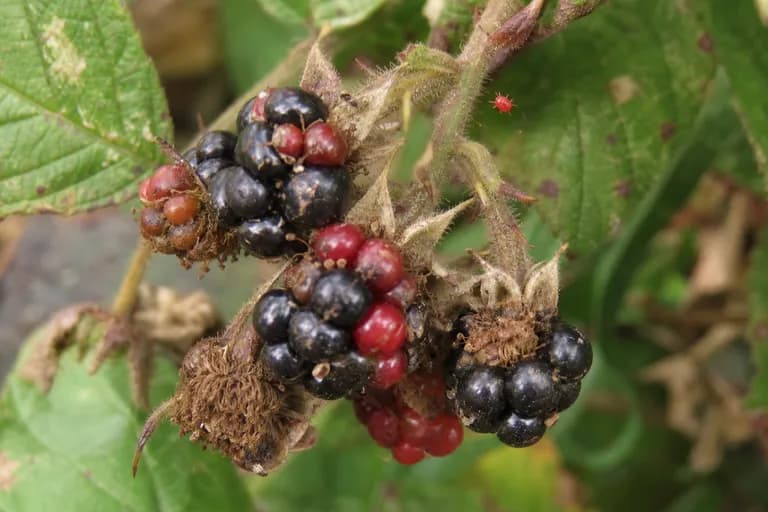
Brombeerrosenmilbe
SchädlingEinzelne Steinfruchtbeeren bleiben rot, hart und unreif, während der Rest der Frucht schwarz wird; das Gesamtbild der Beere ist ungleichmäßig und nicht vermarktungsfähig.
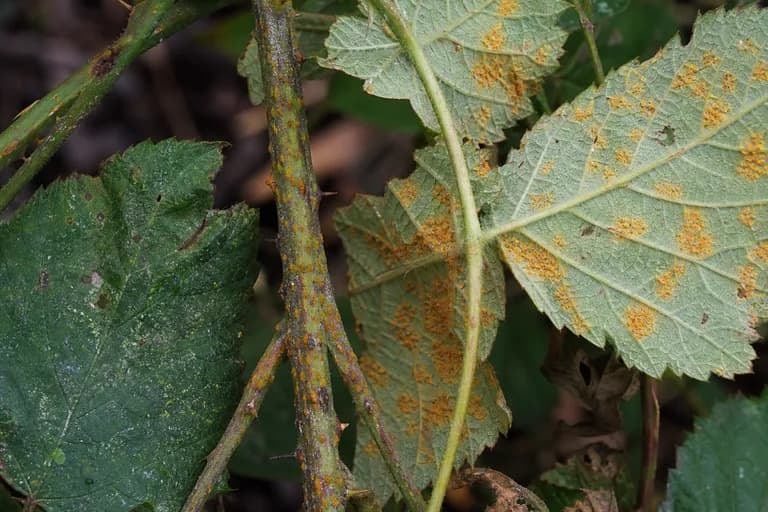
Ruten- und Blattrost (Kuehneola uredinis)
KrankheitGelbe bis orangefarbene Pusteln auf Rutenoberflächen und Blattunterseiten im Spätsommer; starker Befall schwächt die Ruten und vermindert die Winterhärte.
Fehlerbehebung bei häufigen Problemen
Die im Vergleich zu bedornten Sorten geringere Kältetoleranz ist die wichtigste Einschränkung, insbesondere in Zone 5 und den kälteren Teilen von Zone 6. Kronen und untere Ruten mit viel Mulch schützen oder Ruten vor starken Frösten flach ablegen und abdecken. Orangerost ist eine verheerende und unheilbare systemische Krankheit; befallene Pflanzen sofort entfernen, um den restlichen Bestand zu schützen. Doppelblüte oder Rosette verursacht abnorm buschige Blütentrauben ohne Fruchtansatz, die herausgeschnitten werden müssen. In sehr heißen Klimaregionen kann Sonnenbrand die Beeren schädigen.
Anbautipps
- Stachellosenlose Brombeeren für maximalen Ertrag in voller Sonne pflanzen – sie tolerieren Halbschatten, doch Fruchtmenge und Süße nehmen bei weniger als sechs Stunden direkter Sonneneinstrahlung pro Tag merklich ab.
- Vor der Pflanzung ein stabiles Spalier mit mindestens zwei horizontalen Drähten (bei 90 cm und 150 cm) installieren; nachträgliche Stützkonstruktionen um bereits eingewurzelte Ruten sind mühsam und gefährden neues Wachstum.
- Primokanen und Florikanen auf gegenüberliegenden Seiten des Spalierdrahtes führen – diesjährige Triebe in eine Richtung, Fruchtruten in die andere leiten, um die Luftzirkulation zu verbessern und den Rückschnitt zu vereinfachen.
- Tief, aber selten gießen statt häufig und oberflächlich; tiefes Wurzelwachstum fördern macht die Pflanzen bei sommerlicher Hitze deutlich trockenheitsresistenter.
- Jeden Frühling eine 10 cm dicke Schicht Holzhäcksel oder Stroh um die Basis verteilen, um Feuchtigkeit zu speichern, Unkraut zu unterdrücken und die Bodenstruktur beim Zersetzen schrittweise zu verbessern.
- Nach der Hochsommermitte keine stickstoffbetonten Dünger mehr ausbringen – überschüssiger Stickstoff fördert üppiges Blattwachstum auf Kosten der Fruchtknospenbild und kann die Ruten frostanfälliger machen.
- Die Pflanzung alle acht bis zehn Jahre erneuern, indem im Spätsommer Ableger von gesunden jungen Ruten gewonnen werden; das stellt die Vitalität wieder her und erhält den krankheitsfreien Status des Pflanzguts.
- In Regionen mit Spätfrühlingsfrösten den Mulch erst dann von der Krone zurückziehen, wenn das Frostrisiko wirklich vorüber ist – eine dicke Mulchschicht kann Kronen bis -20 °C schützen.
- Die Anzahl der Primokanen auf vier bis sechs der kräftigsten pro Pflanze ausdünnen; überfüllte Ruten konkurrieren um Licht und Nährstoffe, was zu kleineren Beeren und erhöhtem Krankheitsdruck führt.
- In den kühlen Morgenstunden ernten, wenn die Beeren fest sind und ihr Zuckergehalt am höchsten ist; am Nachmittag bei Wärme gepflückte, weichgewordene Beeren verderben schneller und drücken leichter.
Bau deine beste Stachelloser Brombeere an — und alles drumherum.
Starte heute kostenlos. Lege deine Beete an, setze deine Stachelloser Brombeere ein und lass PlotMyGarden Timing, Abstände, Begleiter und Erinnerungen von der Saat bis zum Erntekorb übernehmen.
Finde deine Stachelloser Brombeere
Triple Crown
Eine wüchsige, halbaufrechte stachellosenlose Sorte mit großen, süßen Beeren von ausgezeichnetem Geschmack; gilt als eine der besten Hausgartenbrombeeren.
Chester
Eine sehr kältetolerante stachellosenlose Sorte für nördliche Anbauregionen, mit gutem Ertrag fester, süßer Beeren und spätem Reifezeit.
Ouachita
Eine aufrechte stachellosenlose Sorte mit hervorragendem Geschmack, großen Beeren und guter Resistenz gegenüber der Doppelblüten-Krankheit.
Navaho
Die erste aufrechte, stachellosenlose Brombeere auf dem Markt, mit festen, mittelgroßen Beeren von außergewöhnlichem Geschmack und langer Haltbarkeit.
Eine einzelne stachellosenlose Brombeerpflanze kostet in einer Baumschule 8–15 € und kann nach dem Einwurzeln ab dem zweiten Jahr jährlich 3–5 kg Früchte liefern – und das für fünfzehn oder mehr Jahre. Premium-Brombeeren werden im Handel für 4–6 € pro 150-g-Schale verkauft. Eine ausgewachsene Pflanze, die 4 kg pro Jahr erzeugt, ersetzt damit jährlich Früchte im Wert von etwa 100–160 €, was über die Lebensdauer der Pflanze einer kumulierten Ersparnis von 1.000 € oder mehr aus einem einzigen Kauf entspricht.
Schnelle Rezepte
Brombeere & Honig Overnight Oats
5 Min.Schnelles Brombeer-Kompott
12 Min.Brombeere & Brie Fladenbrot
12 Min.Kulinarische Verwendung
Stachellosenlose Brombeeren sind vielseitige Küchenfrüchte zum Frischverzehr, Backen und Einmachen. Ihre Größe macht sie ideal für Tartes, Crumbles und frische Obstplatten. Brombeercobbler und -kuchen sind klassische Sommerdesserts. Die Beeren harmonieren gut mit Zitrone, Pfirsich, Apfel und Vanille. Geeignet für Smoothies, Saucen zu Grillgerichten sowie als Zusatz zu Joghurt oder Haferbrei. Brombeeressig und -shrubs sind beliebte handwerkliche Getränke mit komplexem, fruchtigem Geschmack.
Was drinsteckt
Gesundheitsvorteile
- Außergewöhnlich reich an Anthocyanen, wirkungsvollen Antioxidantien, die freie Radikale neutralisieren und möglicherweise das Risiko chronischer Erkrankungen einschließlich Herz-Kreislauf-Leiden senken.
- Über 5 Gramm Ballaststoffe pro 100-g-Portion unterstützen eine gesunde Verdauung, ernähren nützliche Darmbakterien und tragen zu einem lang anhaltenden Sättigungsgefühl bei.
- Der Vitamin-K-Gehalt unterstützt die ordnungsgemäße Blutgerinnung und spielt eine Schlüsselrolle bei der Erhaltung der Knochenmineraldichte, was möglicherweise das Osteoporoserisiko verringert.
- Beachtliche Vitamin-C-Spiegel tragen zur Kollagensynthese, Immunfunktion und verbesserten Aufnahme von Nicht-Häm-Eisen aus pflanzlichen Lebensmitteln bei.
- Natürliche Polyphenole in Brombeeren, darunter Ellagsäure und Quercetin, haben in mehreren Laborstudien entzündungshemmende Eigenschaften gezeigt.
- Niedriger Zuckergehalt im Vergleich zu vielen anderen Früchten (rund 4,9 g pro 100 g) in Verbindung mit einem hohen Ballaststoffgehalt ergibt einen niedrigen glykämischen Index, was Brombeeren zu einer klugen Wahl für Menschen mit Blutzuckermanagement macht.
Woher Stachelloser Brombeere stammt
Die Brombeere (Rubus fruticosus agg.) gehört zur Familie der Rosengewächse (Rosaceae) und ist in gemäßigten Regionen Europas, Westasiens und Amerikas beheimatet. Archäologische Funde belegen den Brombeerverzehr weit in der Vorgeschichte – Samen aus eisenzeitlichen Siedlungen und sogar aus dem Verdauungssystem von Ötzi dem Eismann, einer kupferzeitlichen Moorleiche aus den Alpen, belegen, dass Menschen seit Jahrtausenden auf diese Frucht zurückgegriffen haben. Im mittelalterlichen Europa wurden Brombeeren aus Hecken als Nahrungsmittel, Heilmittel und Farbstoff gesammelt und galten als Symbol der herbstlichen Fülle.
Der kultivierte Brombeeranbau begann ernsthaft im neunzehnten Jahrhundert in den Vereinigten Staaten, wo Anbauer im pazifischen Nordwesten das kommerzielle Potenzial der Frucht erkannten. Frühe Arbeiten konzentrierten sich auf die Vergrößerung der Früchte, die Verbesserung des Geschmacks und der Krankheitsresistenz. Das stachellosenlose Merkmal, das gelegentlich als natürliche Mutation in Wildpopulationen auftrat, zog Züchter an, die das Ernten für gewerbliche Anbauer und Hobbygärtner sicherer und effizienter machen wollten.
Die ersten stabilen stachellosenlosensten Sorten wurden Anfang des zwanzigsten Jahrhunderts entwickelt, doch es war die Arbeit des USDA Agricultural Research Service sowie von Universitäten in Maryland, Oregon und Arkansas, die die zuverlässigen, hochertragreichen Sorten hervorbrachte, die heute erhältlich sind. Wegweisende Sorten wie 'Thornfree' (1966), 'Black Satin' (1974) und 'Chester Thornless' (1985) veränderten den Haus- und Erwerbsbeerenanbau grundlegend. Neuere Einführungen – darunter 'Triple Crown', 'Loch Ness' und 'Apache' – vereinen die stachellosenlose Eigenschaft mit außergewöhnlichem Geschmack, größeren Beeren und verbesserter Krankheitstoleranz.
Heute werden stachellosenlose Brombeeren auf allen besiedelten Kontinenten angebaut und sind eine beliebte Wahl für Hobbygärtner, die eine pflegeleichte, ertragreiche Weichfrucht suchen. Sie gedeihen in einem breiten Klimaspektrum, erfordern nur wenig Spezialausrüstung und belohnen ihre Anbauer mit großzügigen Ernten nährstoffreicher Früchte für fünfzehn oder mehr Jahre aus einer einzigen Pflanzung. Ihre Vielseitigkeit in der Küche – Frischverzehr, Marmeladen, Kuchen, Weine, Liköre und Smoothies – sowie ihre nachgewiesenen gesundheitlichen Vorzüge sorgen dafür, dass stachellosenlose Brombeeren zu den beliebtesten Früchten im Hausgarten zählen.
Stachelloser Brombeere: Schon gewusst?
Faszinierende Fakten über Stachelloser Brombeere
Stachellosenlose Brombeeren sind das Ergebnis natürlicher Mutation und gezielter Selektion – 'Chester Thornless', eingeführt 1985, gehört weltweit noch immer zu den am weitesten verbreiteten Sorten.
Stachelloser Brombeere: Fragen & Antworten
Wann sollte ich Stachelloser Brombeere pflanzen?
Was sind gute Begleitpflanzen für Stachelloser Brombeere?
In welchen Winterhärtezonen kann Stachelloser Brombeere wachsen?
Wie viel Sonne braucht Stachelloser Brombeere?
Welchen Abstand sollte ich zwischen Stachelloser Brombeere lassen?
Welche Schädlinge und Krankheiten befallen Stachelloser Brombeere?
Wie lagere ich Stachelloser Brombeere nach der Ernte?
Was sind die besten Stachelloser Brombeere-Sorten zum Anbauen?
Welchen Boden braucht Stachelloser Brombeere?
Schmecken stachellosenlose Brombeeren genauso wie bedornte Sorten?
Wie groß sollte der Pflanzabstand bei stachellosenlosensten Brombeeren sein?
Wann ist der beste Zeitpunkt zum Pflanzen stachellosenlosenster Brombeeren?
Warum tragen meine stachellosenlosensten Brombeeren im ersten Jahr keine Früchte?
Wie verhindere ich, dass sich mein stachellosenlosensteres Brombeerbeet unkontrolliert ausbreitet?
Was ist der weißliche pudrige Überzug, der manchmal auf reifen Brombeeren zu sehen ist?
Du hast die Theorie gelesen. Jetzt baue sie auf Autopilot an.
Alles, was Stachelloser Brombeere knifflig macht — das Timing, die Abstände, die Begleiter, das Erntefenster — genau das übernimmt PlotMyGarden für dich, für jede Pflanze im Garten.
Ein Plan, der dein Wetter kennt
Standort einmal festlegen. Aussaat-, Dünge- und Erntedaten rund um deinen echten letzten Frosttermin und die Live-Vorhersage — kein Raten mehr nach Saattüte.
Aus dem Abschnitt „Pflanzzeit“Beetplaner per Drag & Drop
Beete auf einem Raster gestalten. Jede Pflanze rastet im richtigen Abstand ein, und du siehst die ganze Saison, bevor du einen Cent für Saatgut ausgibst.
Aus dem Abschnitt „Anbau“Begleiter-Konflikte früh erkannt
Über 200 gute und schlechte Kombinationen werden beim Pflanzen live geprüft — so landet ein saisonruinierender Fehler nie in der Erde.
Aus dem Abschnitt „Begleiter“Erinnerungen, nach denen du wirklich handelst
„Gieß die Bohnen.“ „Heute ernten, bevor's umschlägt.“ Pünktlich, konkret und auf deine echten Pflanzen bezogen.
Aus dem Abschnitt „Ernte“Staffel-Aussaat, geplant
Sechs Wochen ernten statt sechs Tage? Die App verteilt deine Aussaaten automatisch und erinnert dich, wenn der nächste Satz fällig ist.
Aus dem Abschnitt „Pflanzzeit“Ein Verlauf, der schlauer wird
Jede protokollierte Ernte bringt der App deinen Garten bei. Der Plan fürs nächste Jahr startet bei dem, was in deinem Boden wirklich funktioniert hat.
Aus dem Abschnitt „Überblick“Pflanze diese neben Stachelloser Brombeere
Weitere Beeren
Halte Stachelloser Brombeere von diesen fern
Bau deine beste Stachelloser Brombeere an — und alles drumherum.
Starte heute kostenlos. Lege deine Beete an, setze deine Stachelloser Brombeere ein und lass PlotMyGarden Timing, Abstände, Begleiter und Erinnerungen von der Saat bis zum Erntekorb übernehmen.