Black Cohosh
typical season: sow Oct – Apr · harvest Sep – Oct · set your climate
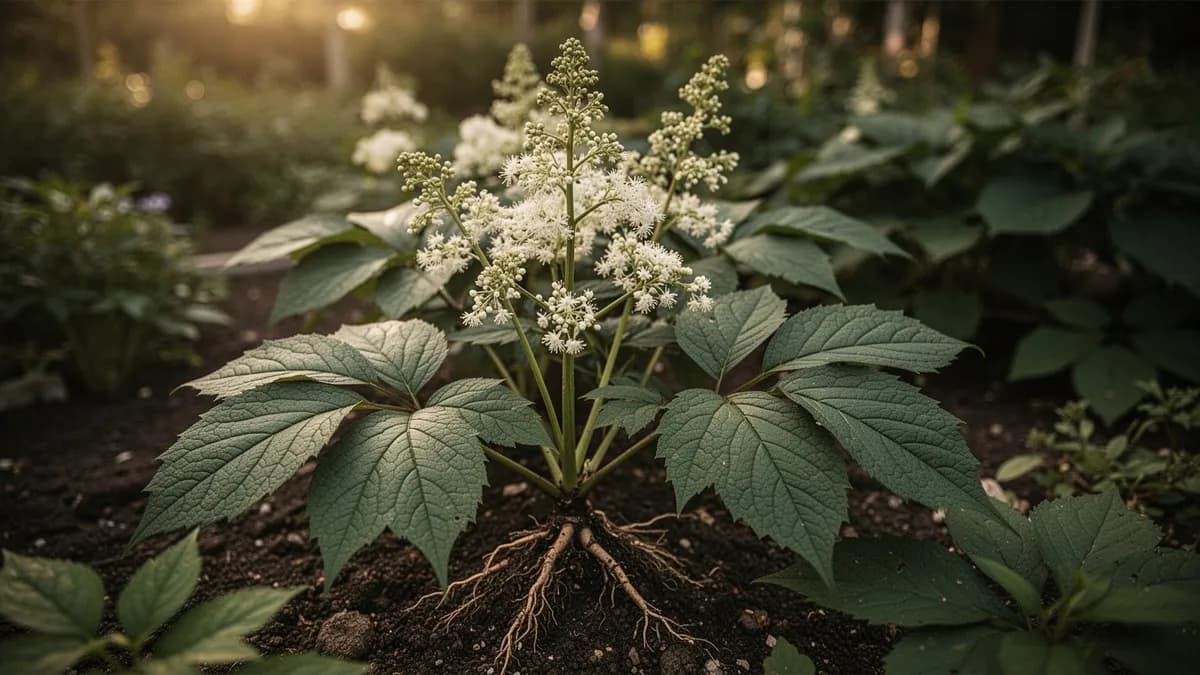
A tall woodland perennial with dramatic white candle-like flower spikes, traditionally used by Native Americans for women's health.
On this pageOverview
Meet Black Cohosh
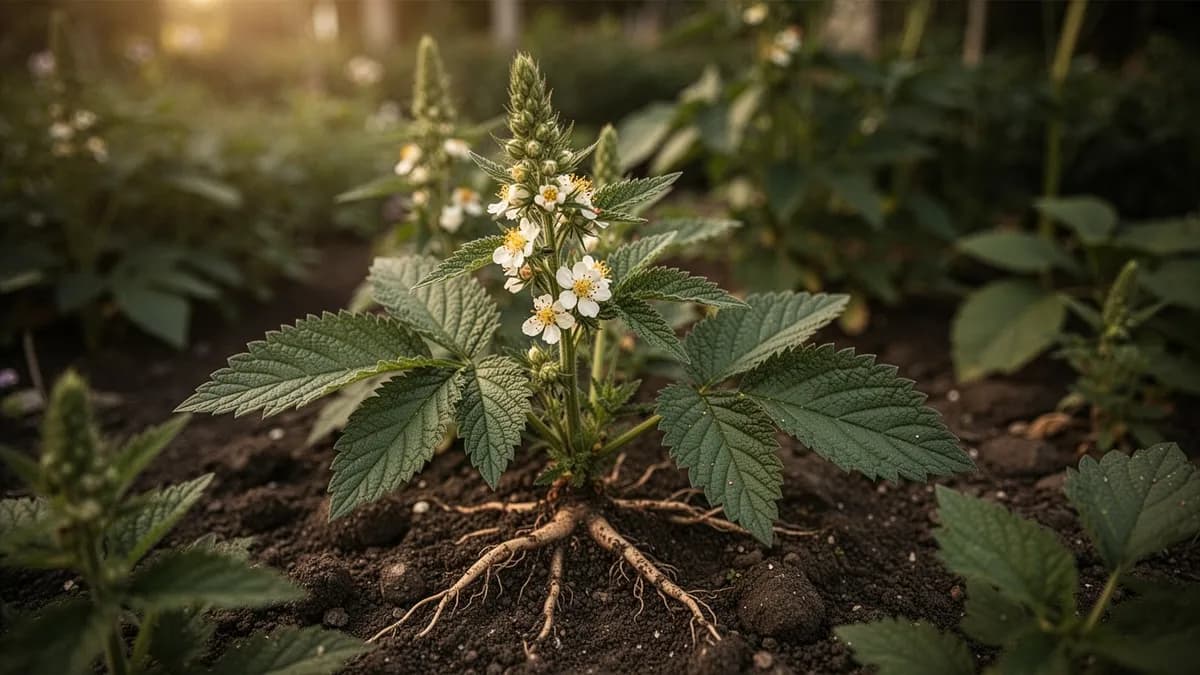
A tall woodland perennial with dramatic white candle-like flower spikes, traditionally used by Native Americans for women's health. The rhizomes are harvested after several years of growth for use in tinctures and capsules. Grow in deep shade with rich, moist, humus-heavy soil mimicking its native forest floor habitat.
When to plant Black Cohosh
Black cohosh seeds have complex dormancy requiring both warm and cold stratification. Sow fresh seeds in pots and leave outdoors through two seasons of temperature fluctuation (warm summer followed by cold winter) before germination occurs the second spring. Germination is slow and erratic. Division of established clumps in spring is far more practical—carefully separate rhizome sections with at least one growing bud each. Nursery-propagated plants from tissue culture are increasingly available from specialty suppliers.
Your Black Cohosh Year
Composed for Zone 7 · typical seasons · frost passes Apr 2, returns Nov 1
Plant Black Cohosh Mar – Apr, Oct, pick Sep – Oct. Check the planting methods below and set your climate to personalize these windows.

Picking Black Cohosh this season? Get next year's dates
One email when the next sowing window opens where you garden, and one before the first autumn frost.
Set your climate above so the dates are yours, not the typical-season default.
One email per milestone, never more than one a week. Unsubscribe with one tap. No account needed.
How to grow Black Cohosh
Black cohosh is a dramatic woodland perennial with elegant, deeply divided leaves and tall, wand-like spires of white flowers that can reach 2 meters, creating striking vertical accents in shade gardens. Native to the deciduous forests of eastern North America, it requires deep shade, rich humus soil, and consistent moisture—mimicking the forest floor where it grows naturally. Space plants 60cm apart.
Provide deep, humus-rich soil heavily amended with leaf mold, aged compost, and well-rotted organic matter. Black cohosh grows from a thick, knotty rhizome that slowly expands over years, eventually forming impressive clumps. The plant emerges in mid-spring with compound leaves that remain attractive until frost. The tall flower spikes appear in midsummer and have an unusual sweet-musky fragrance that attracts pollinators.
Black cohosh is slow to establish but long-lived and trouble-free once settled. Allow 2-3 years for newly planted rhizomes to reach flowering maturity. The medicinal rhizomes require 3-5 years of growth before harvest. This is a conservation-concern species in the wild—always purchase from nursery-propagated sources, never wild-harvested plants.

8 plants fit a 4 × 8 ft bed
Each Black Cohosh wants 60 cm of elbow room. The planner keeps that spacing for you — every plant, every bed.
Black Cohosh's best neighbours
Black cohosh thrives alongside other shade-loving woodland plants including hostas, ferns, astilbes, Solomon's seal, and trilliums. The tall flower spikes provide dramatic vertical accent among lower woodland companions. Plant with other medicinal woodland herbs like ginseng and goldenseal for a dedicated shade medicinal garden. The mature clumps provide excellent ground cover that suppresses weeds in shady areas once established.
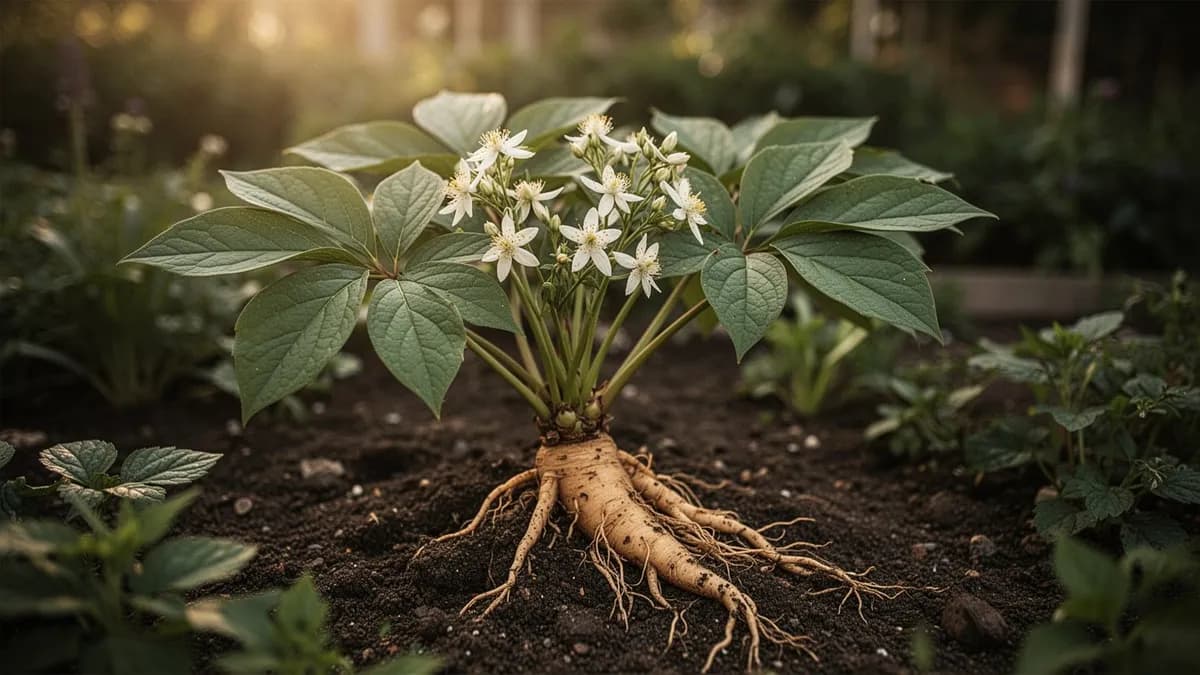
Ginseng belongs beside it.
Old growers' knowledge, checked against Black Cohosh's real companion table below — test any plant you're growing.
Related growing guides
Feed it well
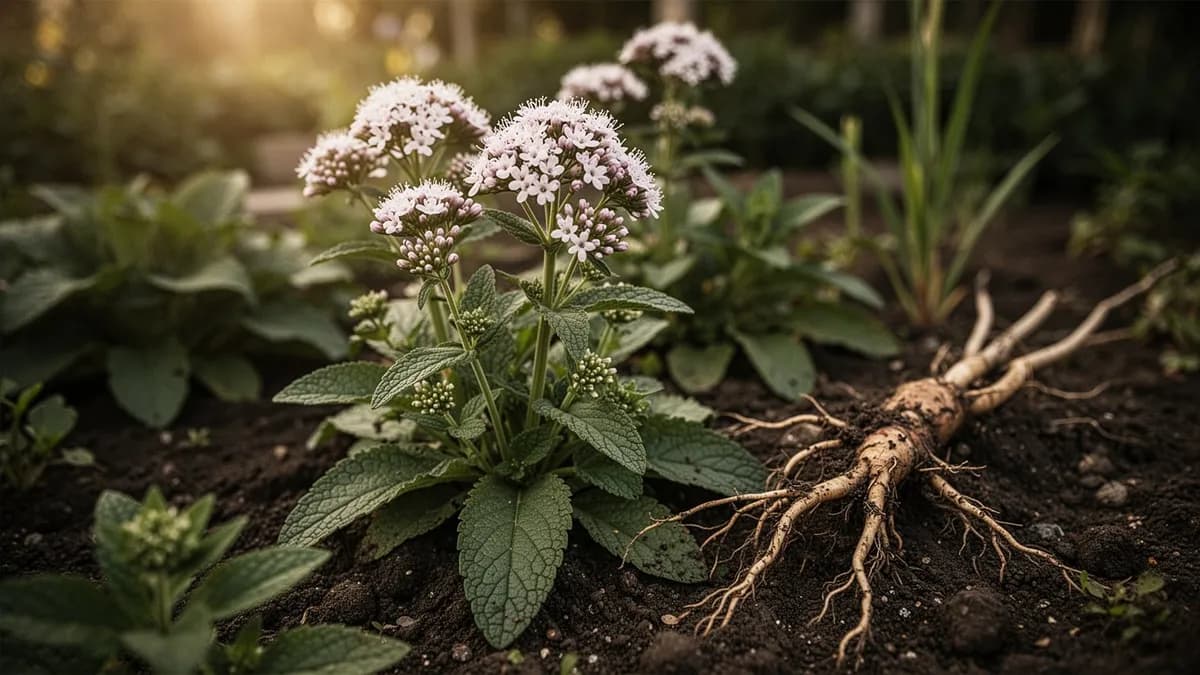
Grow in deep, rich, humus-laden, moisture-retentive soil with pH 5.0-6.5 (acidic to slightly acidic). Amend generously with leaf mold, aged bark, and compost to create woodland floor conditions. Top-dress annually with compost or leaf mold. Black cohosh is a moderate feeder that benefits from consistent organic nutrition. Keep soil consistently moist but not waterlogged. Deep mulch with shredded leaves or bark helps maintain the cool, moist root conditions this species demands.
Ideal Temperature
Hardiness Zone Compatibility
From seed to harvest, stage by stage
Germination
Black cohosh seeds have a complex double dormancy that makes germination a lengthy process. Seeds require a warm stratification period of 12-16 weeks followed by a cold stratification of 12-16 weeks before they will sprout. Even under ideal conditions, germination is irregular and may take 6-12 months. The first growth emerges as a small pair of rounded cotyledon leaves close to the soil surface.
Juvenile Growth
The young plant develops its first true compound leaves, which are smaller versions of the mature foliage. Growth is slow during the first two years as the plant channels energy into establishing a deep, spreading rhizome system. Leaves are divided into sharply toothed leaflets that emerge with a bronze tinge before maturing to dark green. The plant typically produces only 2-3 leaves in its first year.
Vegetative Maturation
Over the second and third years, the plant develops increasingly larger compound leaves and a robust rhizome network. The leaves can grow impressively large, with individual leaflets reaching 10-12 cm long and entire compound leaves spanning up to 60 cm. The dark, knotted rhizome thickens and branches underground, building the reserves needed for eventual flowering. Plants do not typically flower until their third or fourth year.
Flowering
Mature plants send up dramatic flower spikes from late spring through midsummer, rising 1-2.5 meters above the foliage. The tall, branching racemes bear hundreds of small white flowers that lack true petals, consisting instead of showy clusters of stamens. The flowers produce a strong, somewhat unpleasant scent that attracts flies and beetles for pollination. Flowering typically occurs from early to late summer depending on climate.
Seed Development and Dispersal
After pollination, each flower develops into a small, dry seed capsule containing several dark brown to black seeds. The capsules dry and split open in autumn, releasing seeds that are dispersed by wind and gravity. The dried seed stalks rattle in the breeze, giving rise to the common name 'rattletop.' Seeds fall close to the parent plant and require two winters of natural stratification before germinating.
Dormancy and Rhizome Rest
The aerial parts die back completely after the first hard frosts of autumn. The plant survives winter as a dormant rhizome buried 5-10 cm below the soil surface. The dark, gnarled rhizome stores starches and medicinal compounds built up during the growing season. Dormant buds at the crown of the rhizome will produce the following spring's growth. Autumn through early spring is the traditional harvest window for the medicinal rhizome.
Sow seeds in autumn in a shaded outdoor bed and allow natural seasonal temperature cycles to break dormancy over two winters. Alternatively, replicate the warm-cold cycle indoors using damp peat moss. Patience is essential — most growers prefer to start from purchased rhizome divisions rather than seed due to the extremely slow germination.

Caring for Black Cohosh month by month
What to do each month for your Black Cohosh
October
You are hereThe aerial parts die back after frost. Cut spent stems to ground level and allow fallen leaves from surrounding trees to accumulate naturally over the crowns. This is the traditional harvest season for medicinal rhizomes from mature plants at least four years old. Dig rhizomes carefully, leaving enough root mass for the plant to recover.
Harvesting Black Cohosh
Harvest black cohosh rhizomes in autumn after the foliage dies back, when active compounds are at peak concentration. Plants need at least 3-5 years of growth before harvest for adequately sized rhizomes. Dig carefully around the plant and lift the knotty rhizome cluster. Wash thoroughly and cut into manageable pieces. Dry in a dehydrator or warm, well-ventilated area. This is a slow-growing species—practice sustainable harvesting by leaving a portion of each clump to regenerate.
assuming you plant when the window opens — set your real date
Pick Black Cohosh promptly and the plant keeps producing.
Storage & Preservation
Clean and slice rhizomes into thin pieces before drying at 35-45°C in a dehydrator or in a warm, airy room. Properly dried rhizome pieces should be hard, dark, and have a bitter, slightly acrid smell. Store in airtight jars away from light for up to 2 years. Tincture fresh or dried rhizome in alcohol for the most potent and shelf-stable preparations. Powder dried rhizome for capsule use. Always purchase from sustainable, nursery-propagated sources.
What goes wrong — and the fix
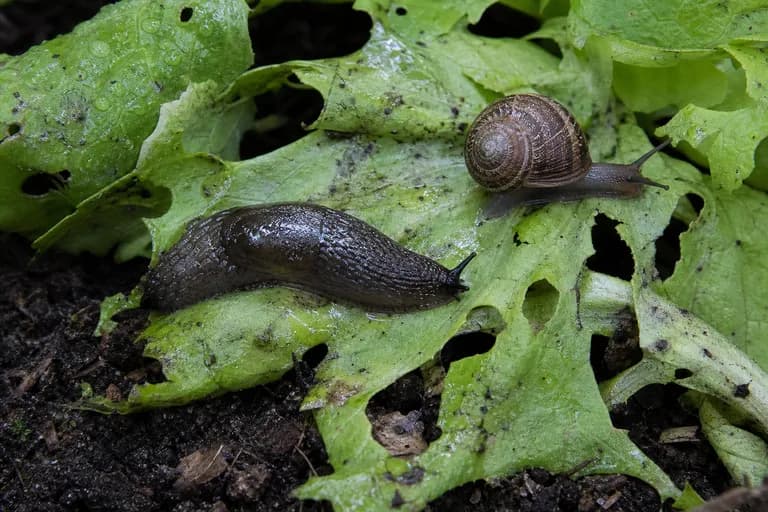
Slugs and Snails
PestHoles in emerging spring leaves, slime trails. The moist, shady habitat is ideal slug territory.
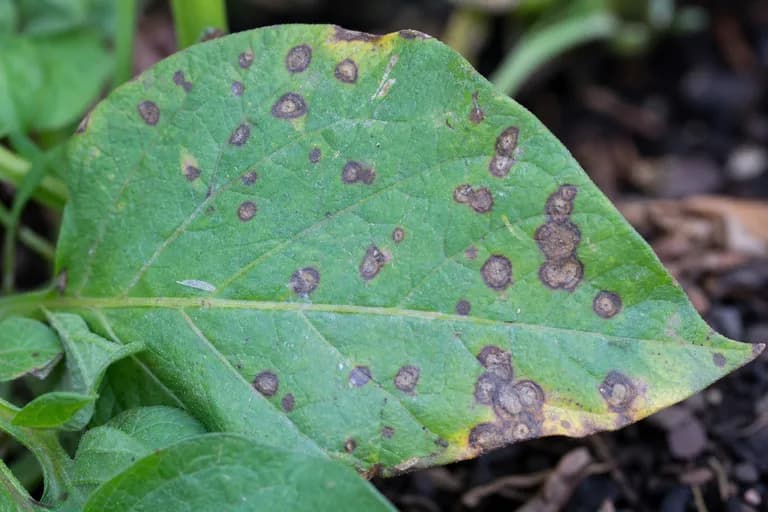
Leaf Spot
DiseaseBrown or black spots on leaves, sometimes with yellow halos. More common in humid conditions.
Troubleshooting Common Problems
Slow establishment tests patience—allow 2-3 years for flowering maturity and 3-5 years for harvestable rhizomes. Plants in too much sun develop scorched, bleached foliage. Dry soil causes rapid wilting and leaf crisp. Over-harvesting of wild populations is a conservation concern—always source nursery-propagated plants. The medicinal rhizomes are in high demand, creating pressure on wild populations. Support sustainable cultivation by growing your own.
Growing Tips
- Black cohosh is a dedicated shade plant that requires 70-80% shade to thrive. Plant it under a deciduous tree canopy, on the shady side of buildings, or in any consistently shaded garden area. Direct sunlight causes severe leaf scorch and stunted growth — this is not a plant that tolerates sun exposure.
- The soil should mimic a forest floor: rich in organic matter, consistently moist but well-drained, and slightly acidic to neutral with a pH of 5.5-7.0. Amend heavy clay or sandy soils generously with leaf mold, aged bark mulch, and compost before planting to create the humus-rich conditions the rhizome requires.
- Starting from seed is extremely challenging due to double dormancy requiring two full seasonal cycles. Most successful home growers begin with purchased rhizome divisions planted in early spring or autumn, which establish far more quickly and flower within 2-3 years rather than 4-5 from seed.
- Space plants 60-90 cm apart to accommodate their mature spread. Black cohosh develops into substantial clumps over time, and crowding reduces air circulation, which can promote fungal diseases. The large compound leaves need room to fully expand for maximum photosynthesis.
- Maintain a 7-10 cm layer of leaf mulch over the root zone year-round to conserve moisture, regulate soil temperature, and replicate the natural leaf litter of the forest floor. Replenish the mulch each autumn with fallen leaves from nearby deciduous trees — this is the single most important cultural practice for healthy black cohosh.
- Water deeply and regularly during the growing season, providing at least 2.5 cm of water per week if rainfall is insufficient. Black cohosh evolved in consistently moist forest environments and does not tolerate drought. However, avoid waterlogged conditions, which can cause rhizome rot.
- Do not harvest rhizomes from plants younger than four years old. Sustainable harvesting involves taking only a portion of the rhizome from each mature plant and allowing 2-3 years of recovery between harvests. This patience is rewarded with higher concentrations of active compounds in mature roots.
- Black cohosh pairs beautifully with other woodland natives such as ferns, wild ginger, trillium, Solomon's seal, and hostas. Planting in diverse guilds creates a more resilient and aesthetically pleasing shade garden while replicating the ecological conditions the plant prefers.
- Watch for leaf spot diseases (Cimicifuga leaf spot) during humid summers and remove affected foliage promptly to prevent spread. Good air circulation, proper spacing, and avoiding overhead watering help minimize fungal problems. Deer tend to avoid black cohosh due to its bitter compounds.
- If growing for medicinal use, harvest rhizomes in autumn after the aerial parts have died back, when the concentration of active triterpene glycosides is at its peak. Wash the knotted roots thoroughly, split larger pieces to speed drying, and dry at low temperatures below 40°C to preserve the bioactive compounds.
Pick your Black Cohosh
Actaea racemosa (Black Cohosh)
The primary medicinal species native to eastern North America. Tall white flower spikes in summer. The standard for herbal use.
Actaea racemosa 'Brunette'
An ornamental selection with deep purple-bronze foliage and white flower spikes. Stunning in shade gardens.
Actaea simplex (Kamchatka Bugbane)
A related Asian species with late-season pink-white flowers. Used ornamentally and in some Asian herbal traditions.
Dried black cohosh root sells for $25-50 per 100g from herbal suppliers, and standardized supplement capsules cost $15-30 for a one-month supply. A single mature plant producing 80-120g of dried rhizome on a sustainable harvest cycle provides $20-60 worth of medicinal material per harvest. Since black cohosh is a long-lived perennial that can produce for 15-20 years, an initial investment of $8-15 per rhizome division yields significant long-term savings for regular users. Growing your own also ensures the highest quality, freshness, and ethical sourcing — important considerations given the conservation pressures on wild-harvested black cohosh populations.
Quick recipes

Black Cohosh Root Decoction
30 minA traditional medicinal decoction made by simmering dried black cohosh root to extract its deep-seated compounds. This preparation has been used by Indigenous peoples of eastern North America for centuries and remains one of the most effective ways to access the full spectrum of the rhizome's triterpene glycosides and other active constituents.
4 ingredientsBlack Cohosh Tincture
15 min (plus 6 weeks steeping)An alcohol-based extract that preserves the medicinal compounds of black cohosh rhizome in a concentrated, shelf-stable form. Tinctures are the most widely used preparation in modern Western herbalism because they deliver consistent dosing and the alcohol efficiently extracts both water-soluble and alcohol-soluble constituents from the tough rhizome.
4 ingredientsBlack Cohosh and Chamomile Evening Tea
15 minA gentle evening blend combining a small amount of black cohosh root with soothing chamomile to create a relaxing bedtime tea. The chamomile helps soften the bitter flavor of the black cohosh while contributing its own calming properties, making this blend more palatable than black cohosh root taken alone.
5 ingredientsWhat's inside
Health Benefits
- Contains triterpene glycosides including actein and 23-epi-26-deoxyactein that have been extensively studied for their ability to help alleviate menopausal symptoms such as hot flashes, night sweats, and mood disturbances, with several clinical trials demonstrating meaningful relief compared to placebo.
- Exhibits significant anti-inflammatory activity through its content of phenolic acids and cimicifugic acids, which may help reduce joint pain and musculoskeletal discomfort — reflecting its long traditional use among Indigenous peoples for treating rheumatism and arthritis.
- Demonstrates mild sedative and anxiolytic properties that may help support emotional well-being and reduce anxiety, particularly during hormonal transitions, through interaction with serotonin and GABA neurotransmitter pathways.
- Contains formononetin and other isoflavones with phytoestrogenic activity that may support bone density maintenance and cardiovascular health during and after menopause by interacting with estrogen receptor beta.
- Traditionally used to support healthy menstrual cycles and relieve menstrual cramps, with modern research suggesting the rhizome extracts may help modulate luteinizing hormone levels and reduce uterine muscle spasms.
- Provides antioxidant compounds that help protect cells from oxidative stress, including caffeic acid derivatives and flavonoids that scavenge free radicals and may support liver health and overall cellular resilience.
Where Black Cohosh comes from
Black cohosh (Actaea racemosa, formerly Cimicifuga racemosa) is native to the rich deciduous forests of eastern North America, ranging from southern Ontario and New England south through the Appalachian Mountains to Georgia and west to Missouri and Arkansas. It grows naturally in the deep shade of mature hardwood forests, favoring moist, humus-rich soils on cool, shady slopes and in ravines where the canopy provides consistent protection from direct sunlight.
The medicinal use of black cohosh stretches back centuries among the Indigenous peoples of eastern North America. The Cherokee used the root to treat rheumatism, kidney ailments, malaise, and gynecological conditions. The Iroquois prepared root decoctions for joint pain and to promote lactation. The Algonquin nations valued it as a general tonic and treatment for respiratory complaints. These deep traditions of use caught the attention of European colonists, who quickly adopted black cohosh into their own healing practices.
By the mid-1800s, black cohosh had become one of the most prominent herbs in American medicine. Eclectic physicians — a major school of American medical practice in the 19th century — championed the root as a treatment for rheumatism, neuralgia, and conditions of the female reproductive system. Dr. John King, a leading Eclectic practitioner, popularized its use in his influential 1854 text, and the herb was listed in the United States Pharmacopeia from 1820 to 1936. Its inclusion in Lydia Pinkham's Vegetable Compound brought it enormous public recognition and commercial demand.
In the 20th century, interest shifted to Europe, particularly Germany, where pharmaceutical companies developed standardized root extracts for clinical use. The proprietary extract Remifemin, introduced in the 1950s, became one of the most widely studied herbal preparations in the world. Today, black cohosh remains one of the top-selling herbal supplements globally, used primarily for menopausal symptom support. Growing conservation concerns over wild harvesting have spurred the development of cultivated production, particularly in the Appalachian region where the plant originates.
Black Cohosh: did you know?
Fascinating facts about Black Cohosh
The name 'black cohosh' comes from the Algonquin word 'cohosh' meaning rough or knotty, referring to the gnarled, dark rhizome, while 'black' distinguishes it from blue cohosh (Caulophyllum thalictroides), an entirely unrelated plant used for different purposes.
Black Cohosh questions, answered
When should I plant Black Cohosh?
What are good companion plants for Black Cohosh?
What hardiness zones can Black Cohosh grow in?
How much sun does Black Cohosh need?
How far apart should I space Black Cohosh?
What pests and diseases affect Black Cohosh?
How do I store Black Cohosh after harvest?
What are the best Black Cohosh varieties to grow?
What soil does Black Cohosh need?
What is black cohosh used for medicinally?
Is black cohosh safe, and are there side effects?
How long does it take to grow black cohosh from a rhizome division?
Can black cohosh grow in full sun?
Is wild-harvested black cohosh sustainable?
When and how should I harvest black cohosh rhizomes?
Plant these alongside Black Cohosh
More Medicinal Herbs
Grow your best Black Cohosh yet — and everything around it.
Start a free plan today. Lay out your beds, drop in your Black Cohosh, and let PlotMyGarden handle the timing, spacing, companions and reminders from seed to harvest basket.
