Genovese Basil
The classic Italian basil variety prized for making authentic pesto, with large, cupped, intensely aromatic leaves.





On this pageOverview
Meet Genovese Basil
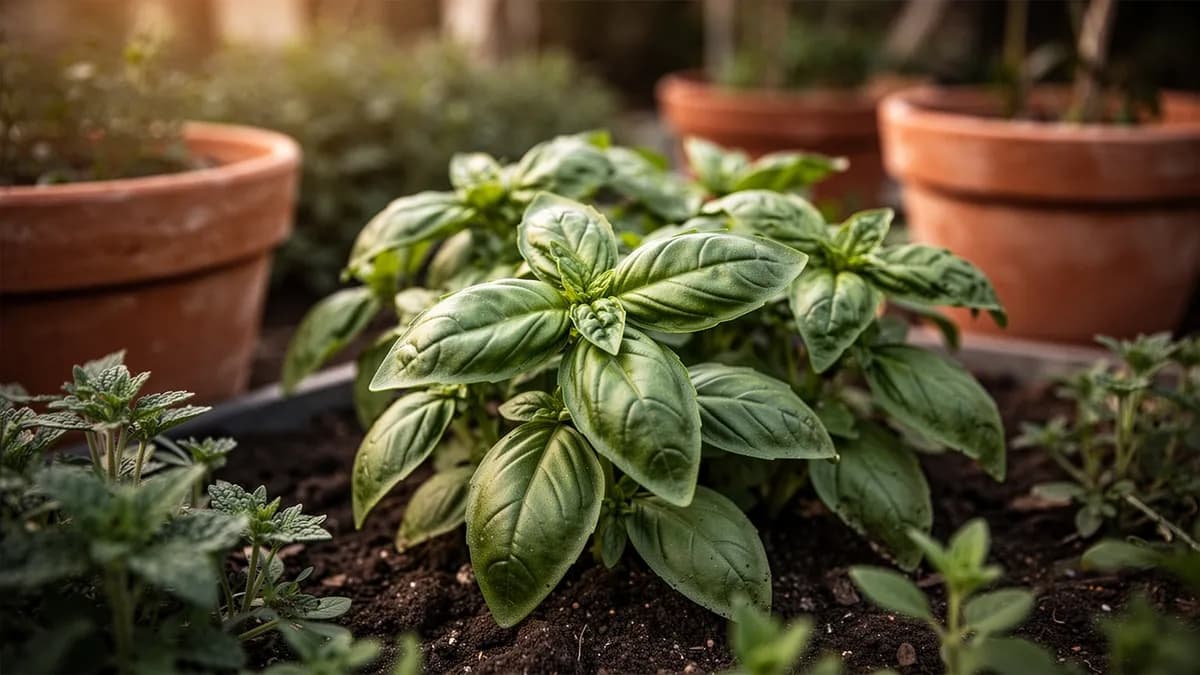
The classic Italian basil variety prized for making authentic pesto, with large, cupped, intensely aromatic leaves. Genovese produces larger leaves than common sweet basil and has a sweeter, less peppery flavor profile. Plant after last frost and pinch growing tips every two weeks to encourage bushy, productive plants.
When to plant Genovese Basil
Sow Genovese basil seeds indoors 6-8 weeks before the last frost date. Scatter seeds on moist seed-starting mix and press gently without covering, as they require light. Maintain 70-75°F soil temperature with a heat mat. Germination occurs in 5-10 days. Provide 14-16 hours of strong light daily. Thin seedlings to one per cell when the first true leaves appear. Genovese basil transplants well and can also be direct-sown outdoors after soil temperatures exceed 65°F. Harden off for 7-10 days before transplanting.
Your Genovese Basil Year
Composed for Zone 7 · typical seasons · frost passes Apr 2, returns Nov 1
Plant Genovese Basil Apr – Jun, pick Jun – Sep. Check the planting methods below and set your climate to personalize these windows.
How to grow Genovese Basil
Start Genovese basil seeds indoors 6-8 weeks before the last frost, sowing on the surface of moist seed-starting mix. Press seeds gently without covering, as they require light to germinate. Maintain soil temperatures of 70-75°F for germination in 5-10 days. Genovese basil seeds are generally reliable germinators with rates of 80% or higher.
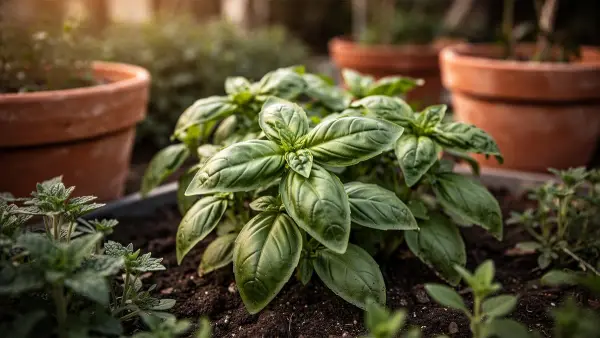
Prepare the outdoor planting site by working 3-4 inches of rich compost into well-drained soil with a pH of 6.0-7.0. Transplant seedlings after all frost danger has passed, spacing them 15-18 inches apart. Genovese basil grows larger than many basil varieties, reaching 24-30 inches tall with broad, cupped leaves up to 3 inches long. This generous leaf size is what makes it the preferred variety for pesto production.
Water deeply and consistently, keeping soil evenly moist but not waterlogged. Feed generously every 2 weeks with a balanced liquid fertilizer, as Genovese basil is a heavy feeder that needs consistent nutrition to produce its characteristically large, flavorful leaves. Pinch the central growing tip and any flower buds every two weeks to maintain bushy growth and maximize leaf production throughout the season.
36 plants fit a 4 × 8 ft bed
Each Genovese Basil wants 25 cm of elbow room. The planner keeps that spacing for you — every plant, every bed.
Genovese Basil's best neighbours
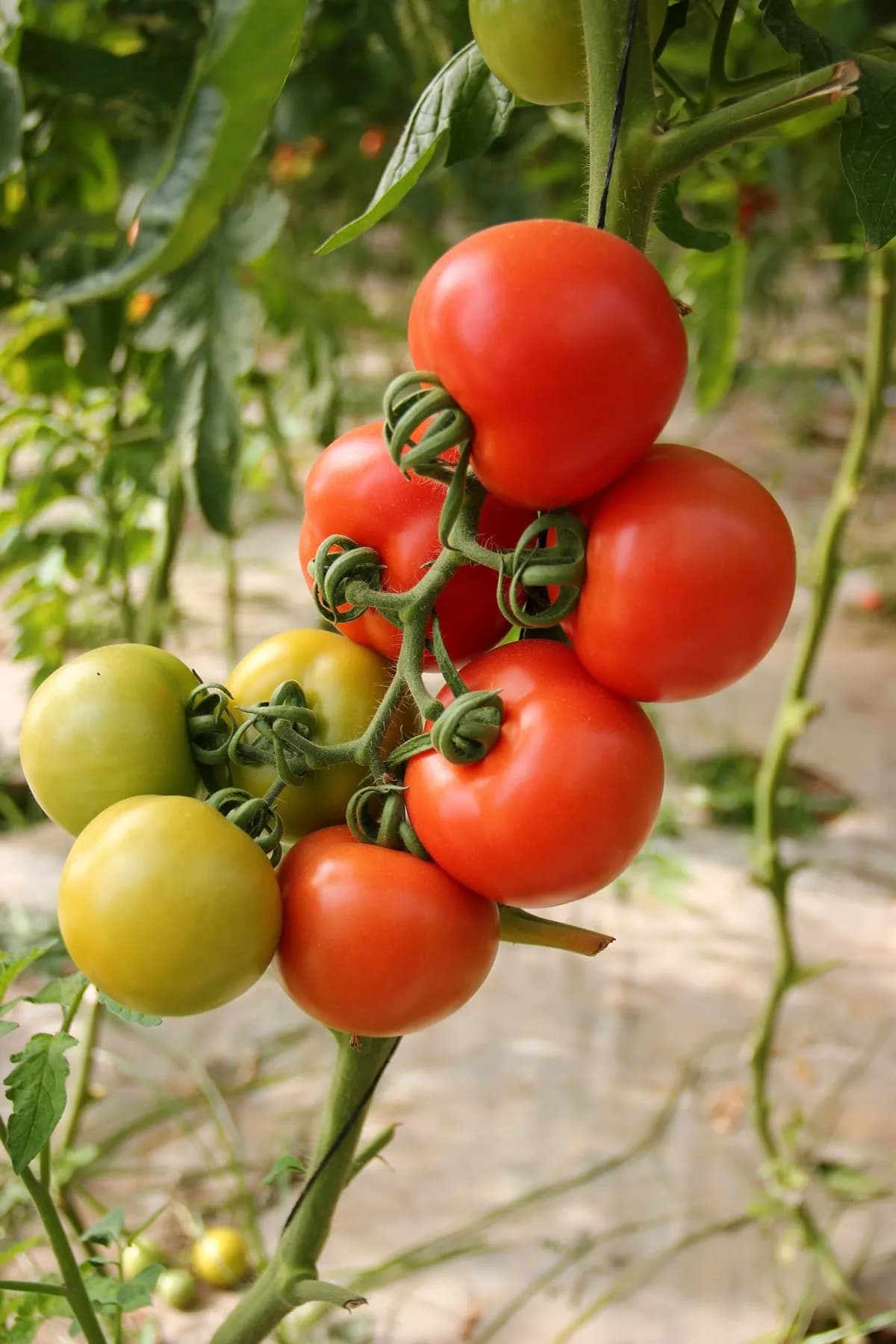
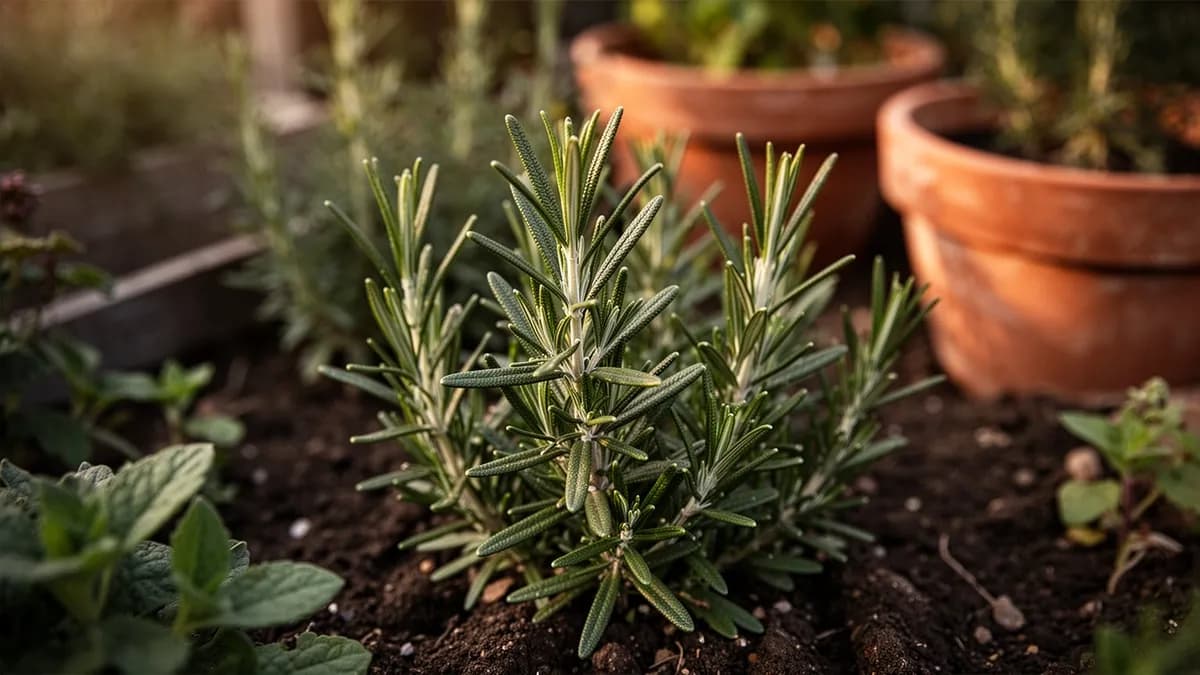
Genovese basil is one of the best companion plants for tomatoes, as both thrive in the same warm, sunny, well-fed conditions. Basil's aromatic oils repel aphids, whiteflies, and tomato hornworms. Plant at the base of tomato plants or in alternating rows. Genovese basil also benefits peppers and eggplant. Its flowers attract pollinators that improve fruit set in nearby crops. Avoid planting near sage and rosemary, which prefer lean, dry soil conditions that conflict with Genovese basil's appetite for rich, moist soil.
Tomato belongs beside it. Sage doesn't.
Old growers' knowledge, checked against Genovese Basil's real companion table below — test any plant you're growing.
Try Genovese Basil in a bed — right here
A real planner bed with Genovese Basil already in it. Tap a companion to place it and watch the pairing checks answer — green for good neighbours, red for a clash.


Related growing guides
Feed it well
Genovese basil is a heavy feeder that produces the largest, most flavorful leaves in rich, fertile, well-drained soil with a pH of 6.0-7.0. Amend beds with 3-4 inches of rich compost before planting. Feed every 2 weeks with fish emulsion, compost tea, or a balanced liquid fertilizer (10-10-10). Genovese basil responds well to generous feeding and will produce noticeably larger leaves with consistent nutrition. Mulch with 2 inches of straw or shredded leaves to conserve moisture and maintain even soil temperatures.
Ideal Temperature
Hardiness Zone Compatibility
From seed to harvest, stage by stage
Seed Germination
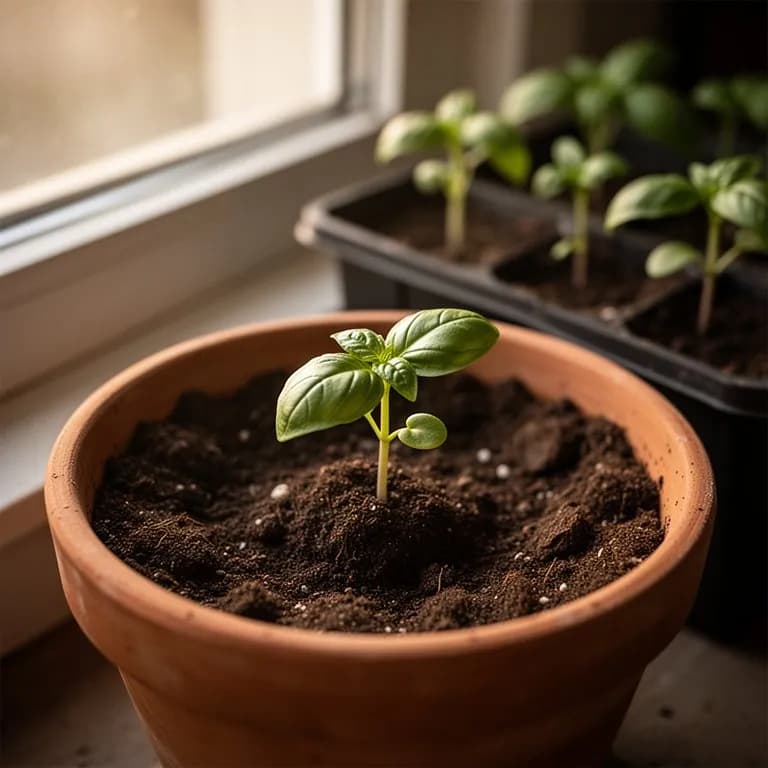
Basil seeds are tiny and dark, developing a gelatinous coating when moistened that helps them cling to soil. Under warm conditions (21-27°C), white radicle roots emerge within 3-5 days, followed by the hypocotyl pushing two small, rounded cotyledon leaves above the soil surface. Germination requires consistent warmth and light — cold soil below 10°C results in very poor or no germination.
Seedling Development
The first pair of true leaves appears, noticeably different from the rounded cotyledons — they are slightly pointed, lightly serrated, and already carry the characteristic basil fragrance when touched. Seedlings grow slowly at first, developing a thin but strengthening stem. The root system begins branching and establishing in the growing medium.
Vegetative Growth
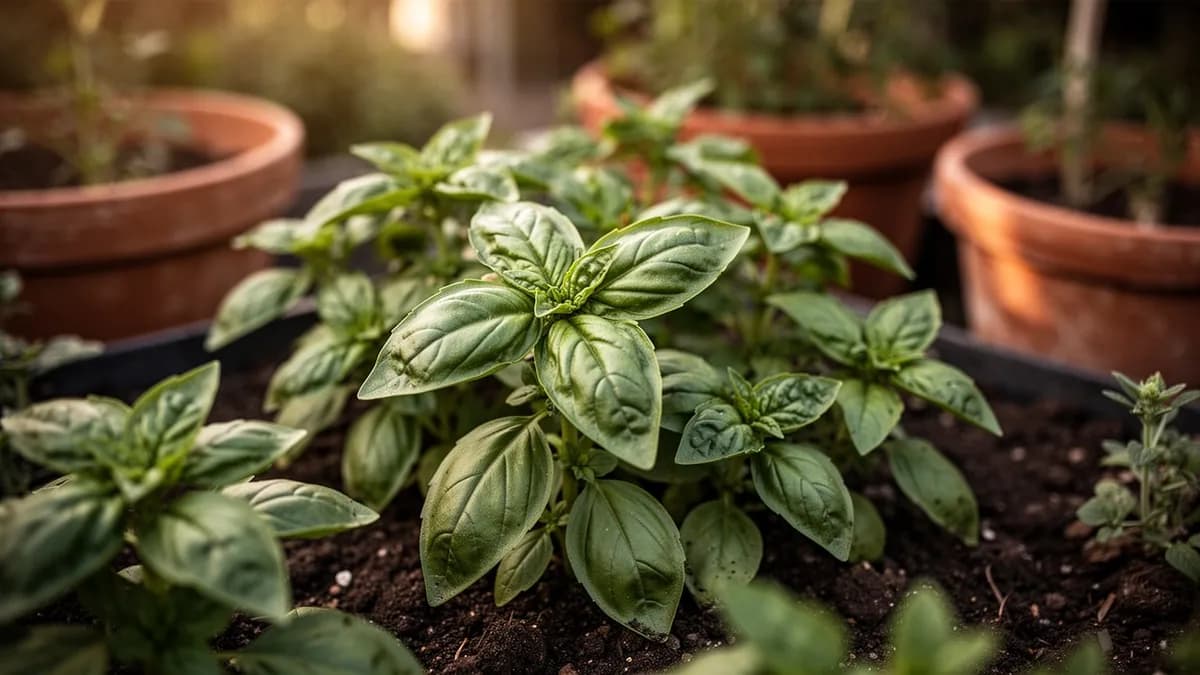
Plants enter rapid growth, producing pairs of large, glossy, deeply cupped leaves that are the hallmark of the Genovese variety. Stems thicken and lateral branches begin forming at each leaf node. The aromatic oil glands in the leaves reach peak concentration during this phase, producing the intense clove-and-anise fragrance that distinguishes Genovese basil from other varieties. Plants can reach 30-45 cm tall.
Peak Harvest Period
Well-pinched plants form dense, bushy mounds 45-60 cm tall and wide, covered in large, highly aromatic leaves. This is the prime window for harvesting — leaf flavor and essential oil content are at their maximum before flower buds form. Plants can be harvested repeatedly every 7-10 days, cutting stems back by one-third each time, and they will continue producing new growth throughout summer.
Flowering and Seed Set
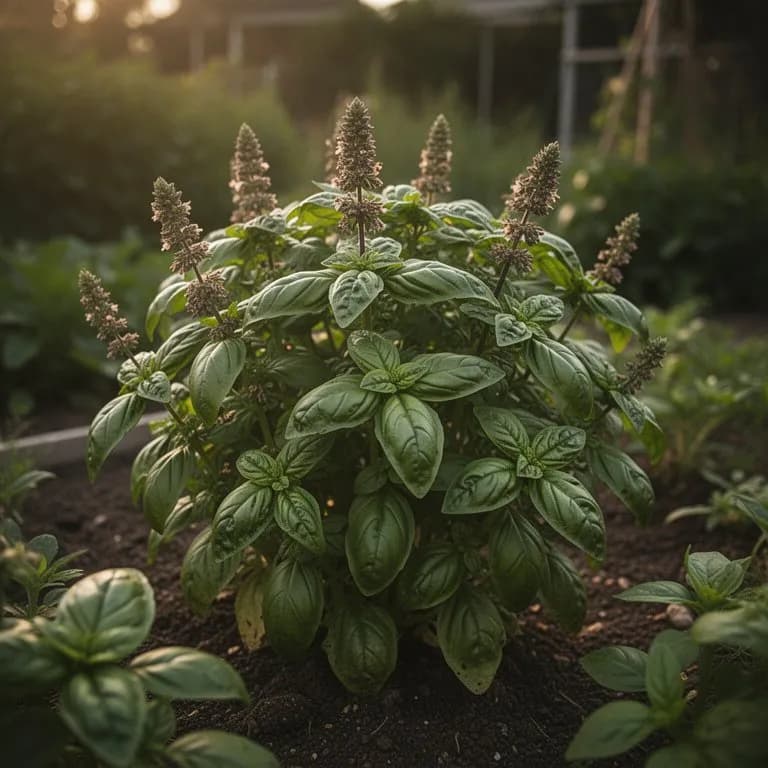
If not continuously pinched, plants begin producing terminal flower spikes with small white to pale pink tubular flowers arranged in whorls along the spike. Flowering signals a shift from vegetative to reproductive growth — leaf production slows, existing leaves become smaller and slightly bitter, and stems become woody. Bees and other pollinators are highly attracted to basil flowers.
Sow seeds on the surface of moist seed-starting mix and press gently — basil seeds need light to germinate, so cover with no more than 3mm of fine vermiculite. Keep soil temperature at 21-27°C using a heat mat if needed. Mist gently to keep the surface moist without disturbing the tiny seeds.
Caring for Genovese Basil month by month
What to do each month for your Genovese Basil
October
You are hereIn zones 9-12, basil may still be productive. In cooler zones, pull spent plants and compost them. Save seeds from any dried flower spikes. Clean up the garden bed and note what worked well for next season. Enjoy frozen pesto and dried basil through winter.
Know exactly what to do in your garden — every month
One email at the start of each month: what to sow, plant, and tackle right now — for your Genovese Basil and everything growing around it. Plus a short starter course that helps you dodge the classic mistakes.
- What to do, right now
- Matched to your season
- Starter course included
Harvesting Genovese Basil
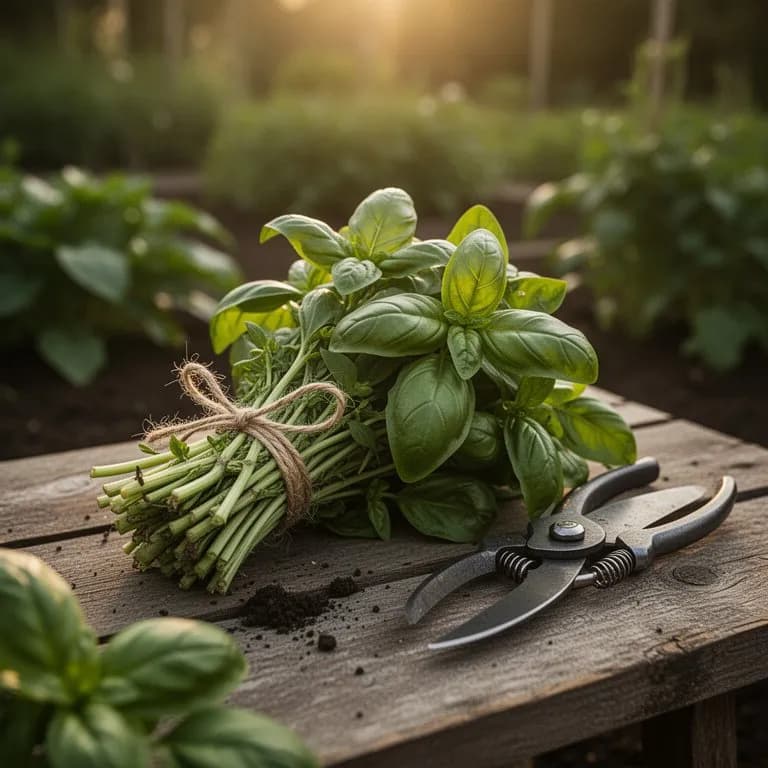
Harvest Genovese basil once plants have at least 3 pairs of true leaves, typically 30-40 days after sowing. For pesto, harvest large, fully expanded leaves by cutting stems just above a leaf node. The ideal time for a major pesto harvest is mid-morning, after dew dries but before intense midday heat reduces essential oil levels. Regular harvesting every 1-2 weeks encourages branching and leaf production. For a bulk harvest, cut the plant back by one-third to one-half, always leaving at least 2 sets of leaves per stem for recovery.
assuming you plant when the window opens — set your real date
Pick Genovese Basil promptly and the plant keeps producing.
Storage & Preservation
For the freshest Genovese basil, store cut stems in a glass of water at room temperature, loosely tented with a plastic bag. Never refrigerate, as cold blackens the delicate leaves. The classic preservation method is pesto: blend leaves with pine nuts, garlic, Parmesan, and olive oil, then freeze in small containers or ice cube trays for year-round use. Alternatively, layer whole leaves with coarse salt in a jar for a preserved salt that flavors dishes for months. Blanch and freeze leaves in airtight bags for later use in cooked dishes.
What goes wrong — and the fix
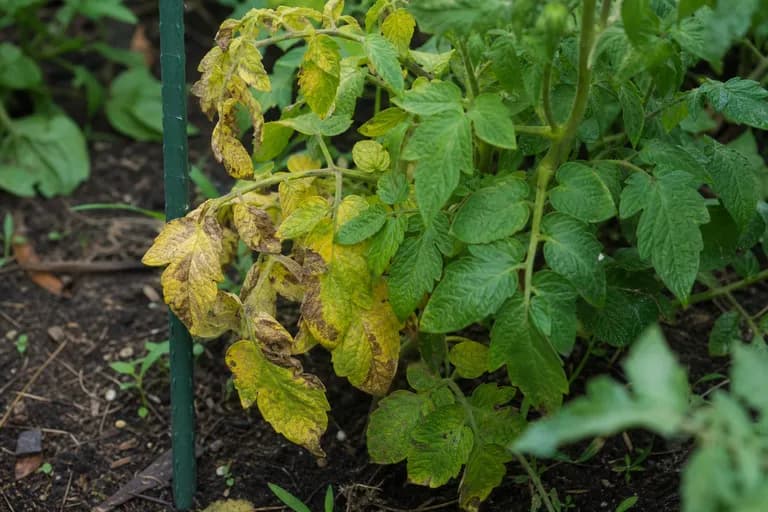
Fusarium Wilt
DiseaseProgressive wilting, browning, and death of leaves, often starting on one side. Dark brown streaks inside the stem when cut.
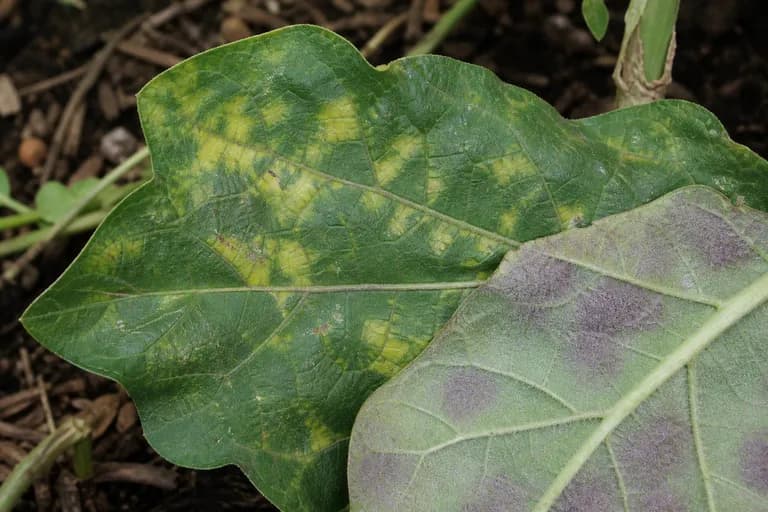
Downy Mildew
DiseaseYellow areas between leaf veins, grey-purple fuzzy spore masses on leaf undersides, defoliation beginning at the base.
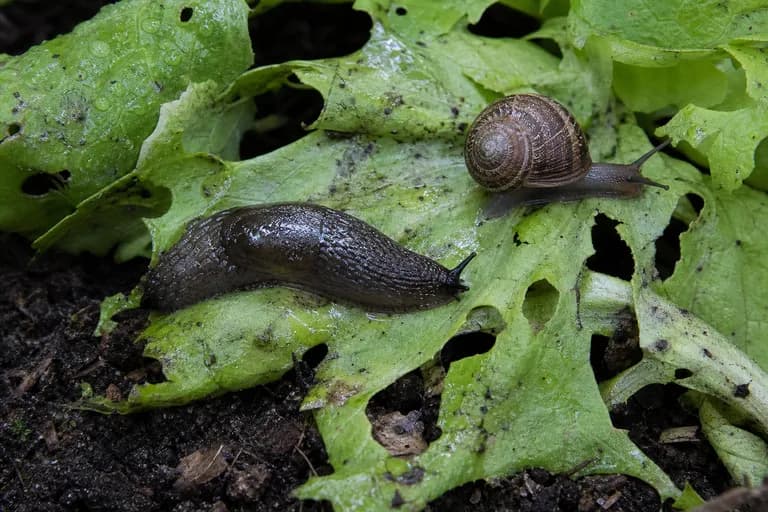
Slugs and Snails
PestLarge ragged holes in leaves, especially lower leaves, silvery slime trails, damage most severe in wet conditions and overnight.
Troubleshooting Common Problems
Premature bolting is the main challenge; once flower buds form, leaf production slows and flavor changes. Pinch flower buds diligently every few days during warm weather. Fusarium wilt is increasingly problematic worldwide; choose resistant varieties whenever available. Cold damage occurs rapidly below 45°F, causing blackened, droopy leaves. Large-leaved Genovese basil is particularly attractive to slugs; protect with barriers in wet gardens. In containers, the plants' heavy feeding demands frequent fertilization and may show yellowing if underfed.
Growing Tips
- Start seeds indoors 6-8 weeks before the last frost date using a heat mat set to 21-27°C. Basil seeds need light and warmth to germinate — press them onto the surface of moist seed-starting mix and cover with only a thin layer of vermiculite. Expect germination in 5-10 days.
- Never transplant basil outdoors until nighttime temperatures consistently remain above 10°C. Basil is extremely cold-sensitive — even a brief exposure to temperatures below 4°C causes irreversible blackening and death of leaves and stems.
- Pinch the central growing tip once seedlings have 3-4 pairs of true leaves, and continue pinching every growing tip once it develops 2-3 leaf pairs. This single practice is the most important technique for producing bushy, high-yielding basil plants rather than tall, lanky ones.
- Plant basil in full sun with rich, well-drained soil amended with compost. Basil needs at least 6-8 hours of direct sunlight daily for the best flavor and essential oil production. In extremely hot climates (above 35°C), light afternoon shade prevents wilting.
- Water deeply and consistently, aiming for the base of plants to keep foliage dry. Basil is susceptible to downy mildew and fusarium wilt, both of which are exacerbated by wet leaves and poor air circulation. Drip irrigation or soaker hoses are ideal.
- Companion plant basil with tomatoes, peppers, and eggplant for mutual benefit. Basil may help repel aphids, whiteflies, and mosquitoes while attracting beneficial pollinators. The classic basil-tomato pairing works as well in the garden as it does on the plate.
- Harvest basil frequently to maintain vigorous leaf production. Cut stems just above a leaf node using sharp scissors or pruners — never tear or pull leaves, which damages the plant and creates entry points for disease.
- Remove flower buds immediately when they appear at stem tips. Once basil begins flowering, leaf production slows dramatically and existing leaves develop a bitter flavor. Regular pinching of flower buds can extend the productive harvest season by 4-6 weeks.
- Preserve surplus basil by making pesto and freezing it in ice cube trays, or by flash-freezing whole leaves on a baking sheet before transferring to freezer bags. Dried basil retains some flavor but loses much of the fresh, aromatic character that defines Genovese basil.
- Sow successive plantings every 3-4 weeks from spring through midsummer for a continuous supply of young, tender leaves throughout the growing season. Young plants produce the most tender and flavorful leaves for fresh eating and pesto.
Grow your best Genovese Basil yet — and everything around it.
Start a free plan today. Lay out your beds, drop in your Genovese Basil, and let PlotMyGarden handle the timing, spacing, companions and reminders from seed to harvest basket.
Pick your Genovese Basil
Classic Genovese
The traditional Italian pesto basil with large, cupped, dark green leaves and intense sweet aroma. The benchmark variety against which all pesto basils are measured.
Genovese Compact
A bushier, more compact selection that produces the same large, flavorful leaves on shorter plants. Ideal for container growing and small garden spaces.
Prospera Genovese
A modern disease-resistant variety with downy mildew tolerance while maintaining the classic Genovese leaf size and flavor. Recommended for humid climates.
Fresh Genovese basil sells for $2-4 per small clamshell package (about 20g) at grocery stores, and premium organic basil can cost $5-8 per bunch. A single $2-3 seed packet produces 15-25 plants, each yielding 200-400g of fresh leaves over a season — that is roughly $150-600 worth of store-bought basil from one packet of seeds. The savings are even more dramatic for pesto: a small jar of commercial pesto costs $5-10, while a batch made from home-grown basil costs only the price of pine nuts, cheese, and olive oil. Growing your own also means harvesting at peak freshness, which produces noticeably more aromatic and flavorful pesto than anything made from supermarket basil.
Quick recipes
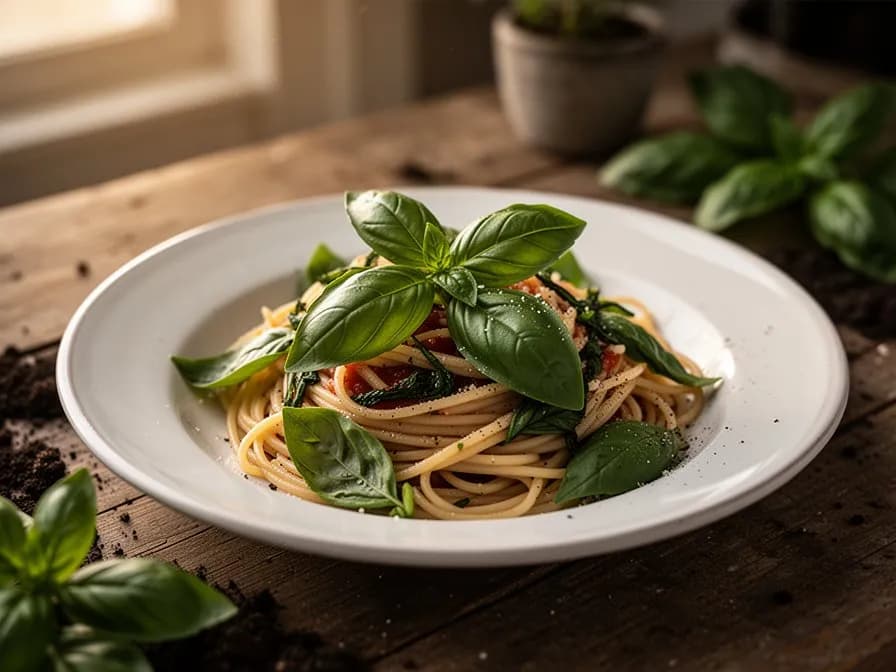
Classic Pesto alla Genovese
15 minThe iconic Ligurian sauce that defines Genovese basil's culinary purpose. Fresh basil leaves are pounded with garlic, pine nuts, Parmigiano-Reggiano, Pecorino, and extra virgin olive oil into a vibrant, intensely aromatic sauce. Traditionally made in a marble mortar for the best texture and flavor release.
7 ingredientsCaprese Salad with Fresh Basil
10 minThe simplest and most elegant way to showcase fresh Genovese basil — thick slices of ripe tomato and fresh mozzarella layered with whole basil leaves and dressed with nothing more than excellent olive oil and a pinch of flaky salt. The quality of each ingredient is paramount.
5 ingredientsBasil-Infused Olive Oil
5 minA quick way to preserve basil flavor for drizzling over pasta, grilled vegetables, bruschetta, and soups. Blanching the basil briefly locks in the vivid green color and fresh flavor while the oil captures the aromatic essential oils for weeks of use.
4 ingredientsCulinary Uses
Genovese basil is the undisputed king of pesto, producing the most authentic, aromatic traditional Italian pesto Genovese when blended with pine nuts, garlic, Parmesan, and Ligurian olive oil. Beyond pesto, use the large leaves to wrap fresh mozzarella in caprese salad, tear them over pizza and pasta, or layer in bruschetta. The sweet, complex flavor with hints of anise, clove, and pepper makes it the finest finishing basil for Italian cuisine.
What's inside
Health Benefits
- Rich in anti-inflammatory compounds — eugenol, the primary essential oil in Genovese basil, has been shown in studies to inhibit cyclooxygenase enzymes similarly to ibuprofen, potentially helping to reduce inflammation and associated pain when consumed regularly.
- Powerful antioxidant activity from flavonoids including orientin, vicenin, and beta-carotene that help neutralize free radicals and protect cells from oxidative damage associated with aging and chronic disease.
- Natural antibacterial properties — basil essential oils have demonstrated effectiveness against a range of harmful bacteria including E. coli and Staphylococcus aureus in laboratory studies, supporting the traditional practice of adding fresh basil to foods for both flavor and preservation.
- Supports cardiovascular health through its significant magnesium content (64mg per 100g), which helps relax blood vessels, regulate heart rhythm, and maintain healthy blood pressure levels when consumed as part of a balanced diet.
- Exceptionally high vitamin K content (414mcg per 100g, 345% DV) plays a critical role in proper blood clotting and bone metabolism — regular basil consumption contributes meaningfully to maintaining strong bones and preventing excessive bleeding.
- Contains adaptogenic compounds that may help the body manage stress — research on basil species suggests that regular consumption can help lower cortisol levels and support adrenal function, though most studies have focused on holy basil (tulsi), a close relative.
Where Genovese Basil comes from
Genovese basil (Ocimum basilicum 'Genovese') traces its origins to the tropical regions of central Africa and Southeast Asia, where wild basil species still grow today. The herb spread along ancient trade routes to India, where it became sacred in Hindu tradition as tulsi (holy basil), a related species revered as an incarnation of the goddess Lakshmi. From India, basil traveled westward through Persia and the Middle East, reaching the Mediterranean world by the time of ancient Greece and Rome.
The Greeks regarded basil with ambivalence — associating it with both royalty and misfortune — while the Romans embraced it as a culinary herb and symbol of love. It was in Italy, particularly in the Liguria region around Genoa, that basil found its ultimate culinary expression. The unique microclimate of the Ligurian coast — mild Mediterranean air tempered by sea breezes and protected by the Apennine mountains — proved ideal for producing basil with an exceptionally sweet, complex aroma and tender, large-cupped leaves. Over centuries of selective cultivation, Genoese growers developed the distinct Genovese cultivar prized for its large, slightly convex dark green leaves, intense aroma, and low tendency toward bitterness.
The invention of pesto alla genovese — basil pounded with garlic, pine nuts, cheese, and olive oil — elevated Genovese basil from a common garden herb to the cornerstone of Ligurian cuisine. The earliest written pesto recipes date to the 19th century, though the tradition is believed to be much older, likely evolving from ancient Roman herb pastes. Genoa's maritime trading empire helped spread both the herb and the sauce throughout the Mediterranean.
Today, Genovese basil is the world's most widely grown basil variety, cultivated on every inhabited continent. The Pra district of Genoa remains famous for producing what many consider the finest Genovese basil, grown in traditional greenhouses and harvested young for the most delicate pesto. The variety has been granted DOP (Protected Designation of Origin) status as 'Basilico Genovese DOP' by the European Union, recognizing the unique qualities imparted by Ligurian terroir and traditional cultivation methods.
Genovese Basil: did you know?
Fascinating facts about Genovese Basil
Genovese basil is considered so culturally important in Genoa, Italy, that the Consortium of Genoese Pesto (Consorzio del Pesto Genovese) was established to protect the authenticity of traditional pesto recipes — only Genovese basil grown in Liguria qualifies for their official certification.
Genovese Basil questions, answered
When should I plant Genovese Basil?
What are good companion plants for Genovese Basil?
What hardiness zones can Genovese Basil grow in?
How much sun does Genovese Basil need?
How far apart should I space Genovese Basil?
What pests and diseases affect Genovese Basil?
How do I store Genovese Basil after harvest?
What are the best Genovese Basil varieties to grow?
What soil does Genovese Basil need?
Why do my basil leaves keep turning black?
How often should I harvest Genovese basil?
Can I grow Genovese basil indoors year-round?
What is the difference between Genovese basil and sweet basil?
How do I prevent basil downy mildew?
Why does my basil taste bitter instead of sweet?
You just read the theory. Now grow it on autopilot.
Everything that makes Genovese Basil fiddly — the timing, the spacing, the companions, the harvest window — is exactly what PlotMyGarden handles for you, for every plant in your garden.
A plan that knows your weather
Set your location once. Get sow, feed and harvest dates built around your real last-frost date and live forecast — no more guessing from a generic seed packet.
From the “When to plant” sectionDrag-and-drop bed planner
Design beds on a grid. Every plant snaps to its proper spacing, and you can see your whole season laid out before you spend a cent on seed.
From the “Growing guide” sectionCompanion conflicts, caught early
200+ good-and-bad pairings checked live as you plant — so a season-wrecking mistake never makes it into the ground.
From the “Companions” sectionReminders you'll actually act on
“Water the beans.” “Pick today before it turns.” Timely, specific, and tied to the plants you're really growing.
From the “Harvest” sectionSuccession, scheduled
Want a harvest for six weeks, not six days? It spaces your sowings automatically and reminds you when each new block is due.
From the “When to plant” sectionA record that gets smarter
Every harvest you log teaches it your garden. Next year's plan starts from what actually worked in your soil, not a textbook's.
From the “Overview” sectionPlant these alongside Genovese Basil
More Culinary Herbs
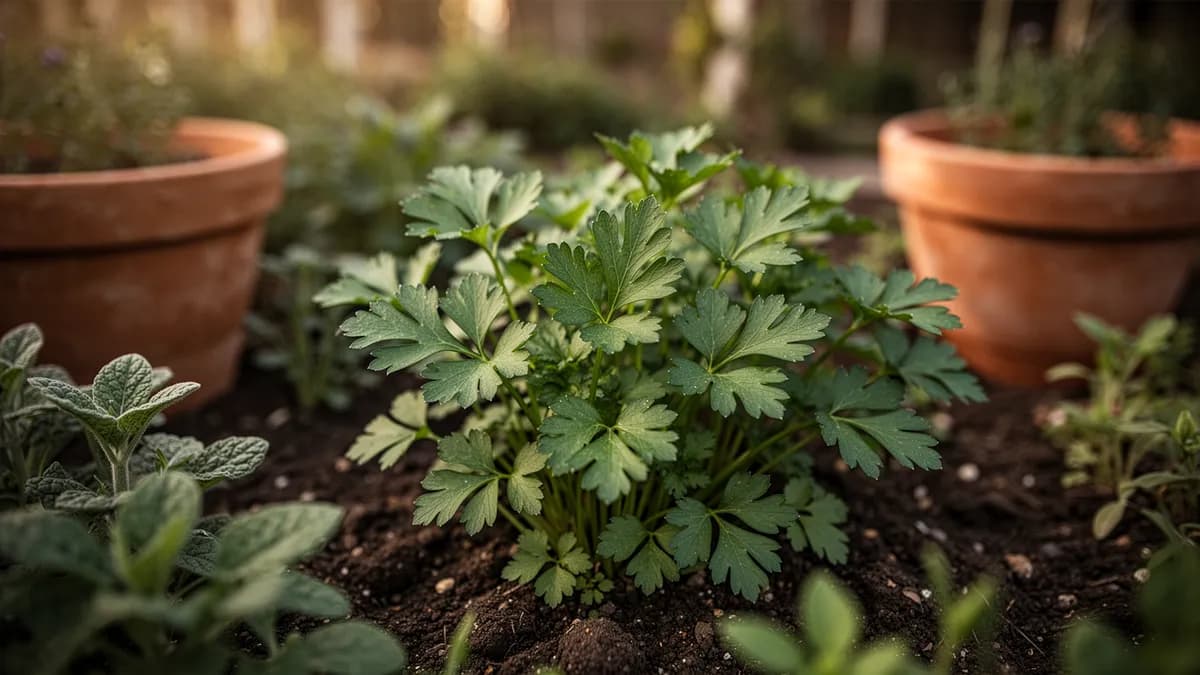
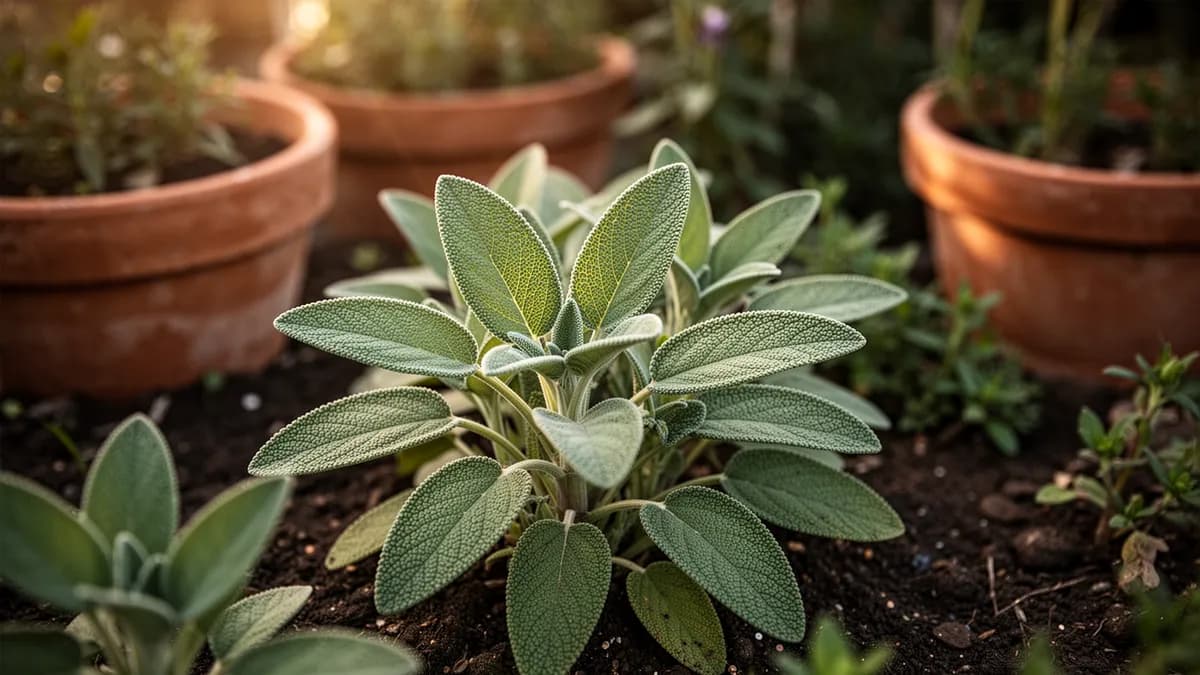
Keep Genovese Basil away from these
Garden plans featuring Genovese Basil
Grow your best Genovese Basil yet — and everything around it.
Start a free plan today. Lay out your beds, drop in your Genovese Basil, and let PlotMyGarden handle the timing, spacing, companions and reminders from seed to harvest basket.