Aronia Chokeberry
A native North American shrub producing extremely astringent dark berries that are among the highest in antioxidants of any fruit.





On this pageOverview
Meet Aronia Chokeberry
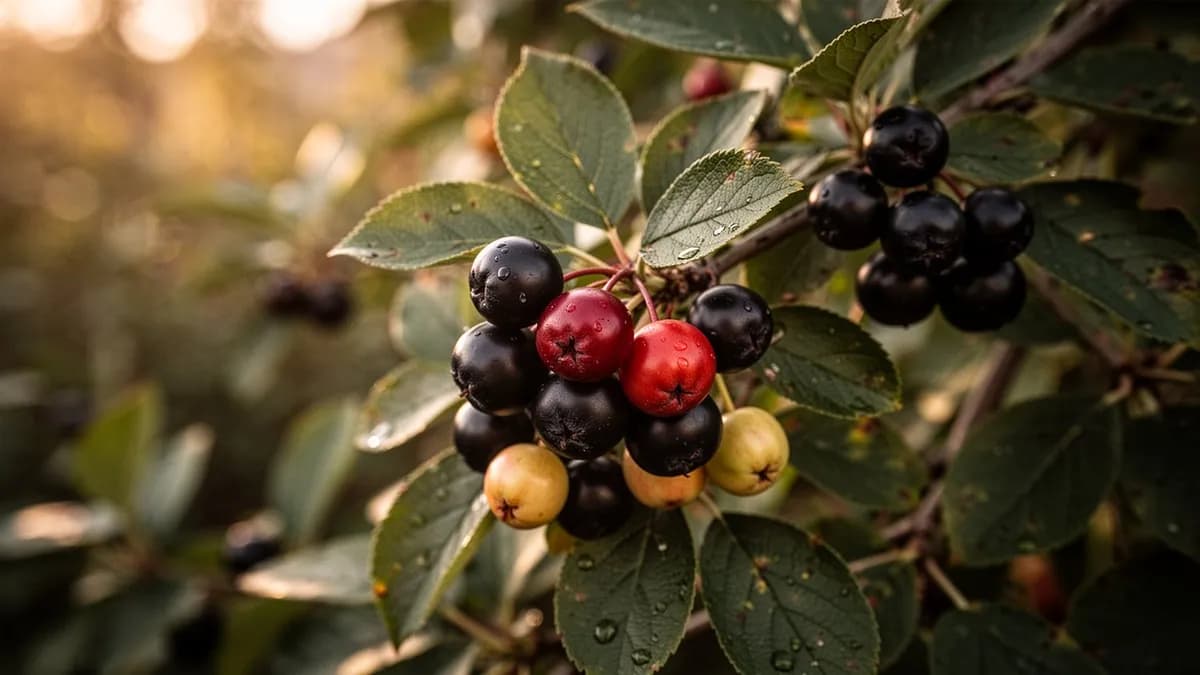
A native North American shrub producing extremely astringent dark berries that are among the highest in antioxidants of any fruit. Aronia is incredibly easy to grow, tolerating wet soils, drought, and extreme cold with virtually no pest or disease problems. The berries are best used dried, juiced, or in jams where added sugar balances the intense tannins.
When to plant Aronia Chokeberry
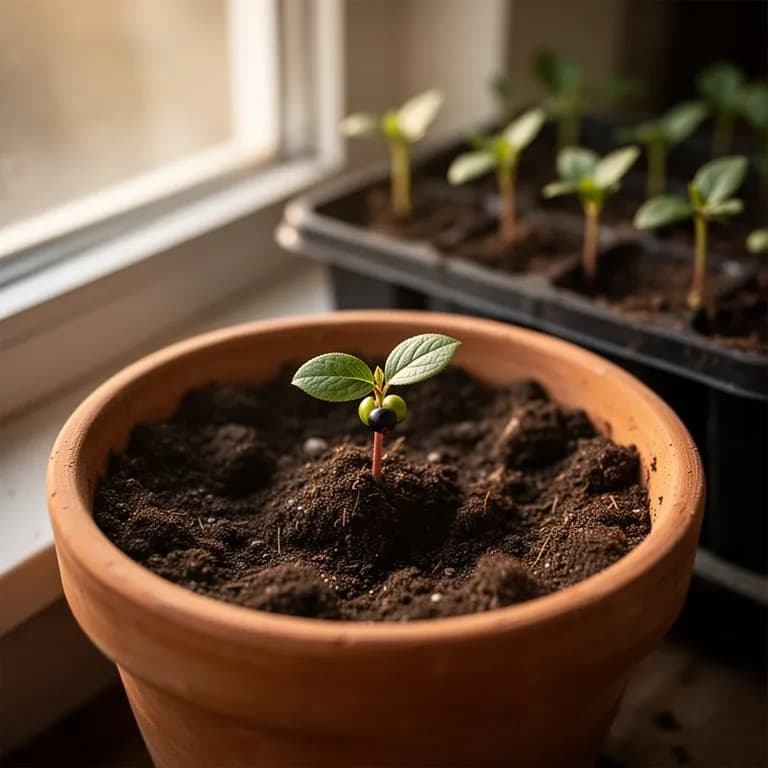
Aronia seeds require cold stratification for ninety to one hundred twenty days to break dormancy. Clean seeds from ripe berries and mix with moist sand in the refrigerator over winter. Sow stratified seeds in spring in moist seed-starting mix at sixty to seventy degrees Fahrenheit. Germination takes two to four weeks. Seedlings grow moderately fast and can be transplanted outdoors after the first growing season. Vegetative propagation by division, suckers, or softwood cuttings is faster and maintains cultivar characteristics.
Your Aronia Chokeberry Year
Composed for Zone 7 · typical seasons · frost passes Apr 2, returns Nov 1
Plant Aronia Chokeberry Mar – Apr, pick Aug – Sep. Check the planting methods below and set your climate to personalize these windows.
How to grow Aronia Chokeberry
Aronia chokeberry is one of the easiest and most adaptable fruiting shrubs available to home gardeners. It tolerates an extraordinary range of conditions including wet clay, sandy soil, drought, extreme cold, and partial shade. For best fruit production, plant in full sun in moderately fertile, well-drained soil. Space plants four to six feet apart for a productive hedge or eight feet apart for individual specimens.
Plant bare-root or container-grown bushes in spring or fall. Aronia establishes quickly and requires minimal care. The shrubs grow to six to eight feet tall and spread by suckering, eventually forming a thicket if not managed. For a tidy appearance, remove suckers annually and thin the oldest stems at the base every few years.
Aronia is virtually pest-free and disease-free, making it ideal for organic gardens. Water during prolonged drought but otherwise leave established plants to their own devices. Fertilize lightly in spring with compost or a balanced organic fertilizer. The white spring flowers attract pollinators, and the brilliant red fall foliage provides outstanding ornamental value even after the berry crop is harvested.
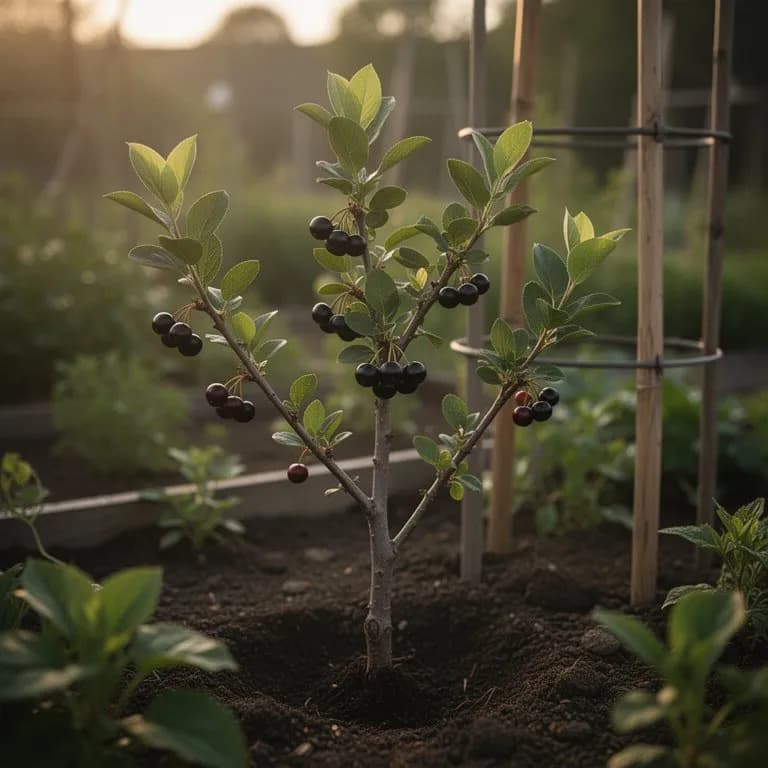
2 plants fit a 4 × 8 ft bed
Each Aronia Chokeberry wants 120 cm of elbow room. The planner keeps that spacing for you — every plant, every bed.
Aronia Chokeberry's best neighbours
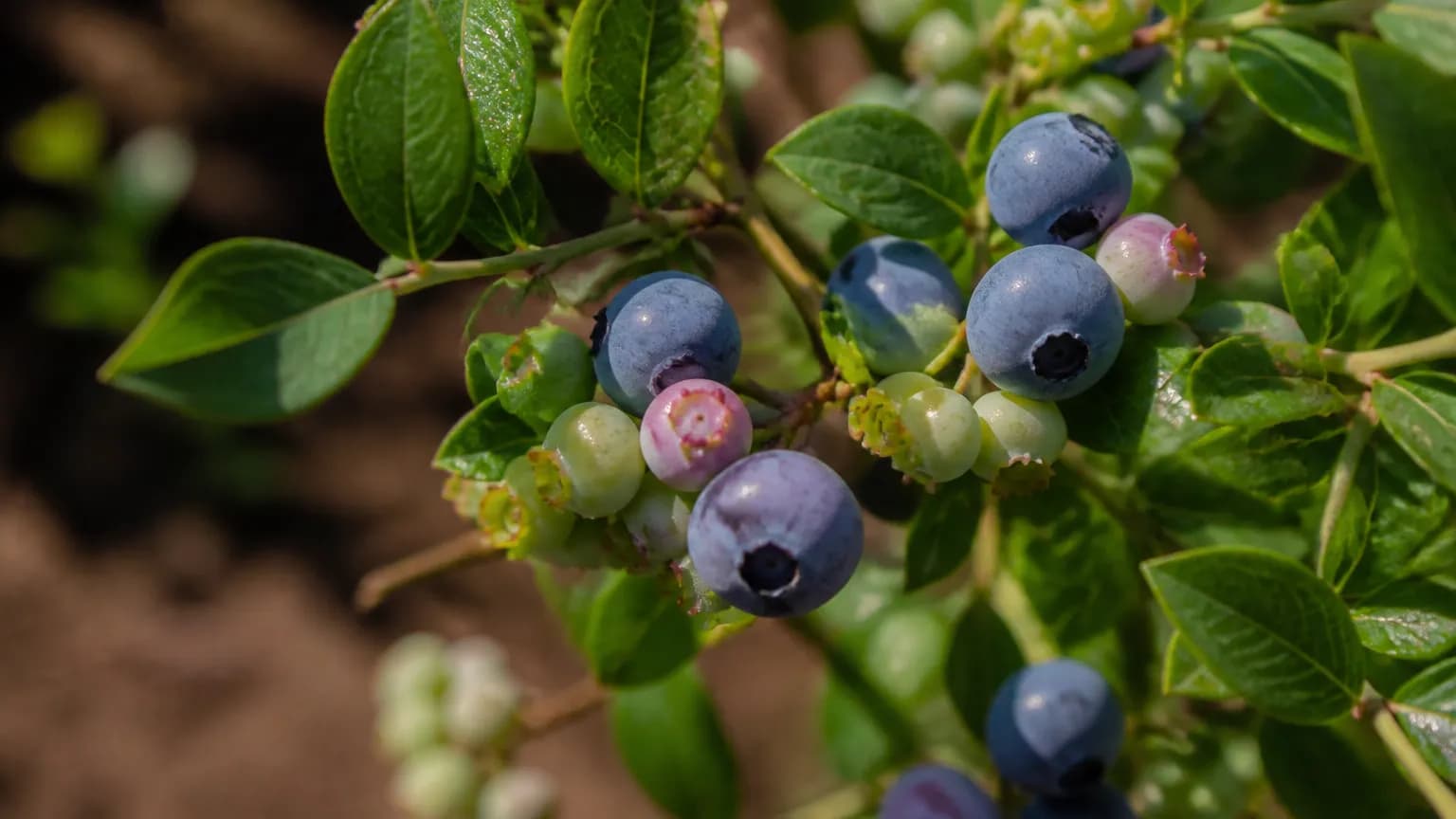
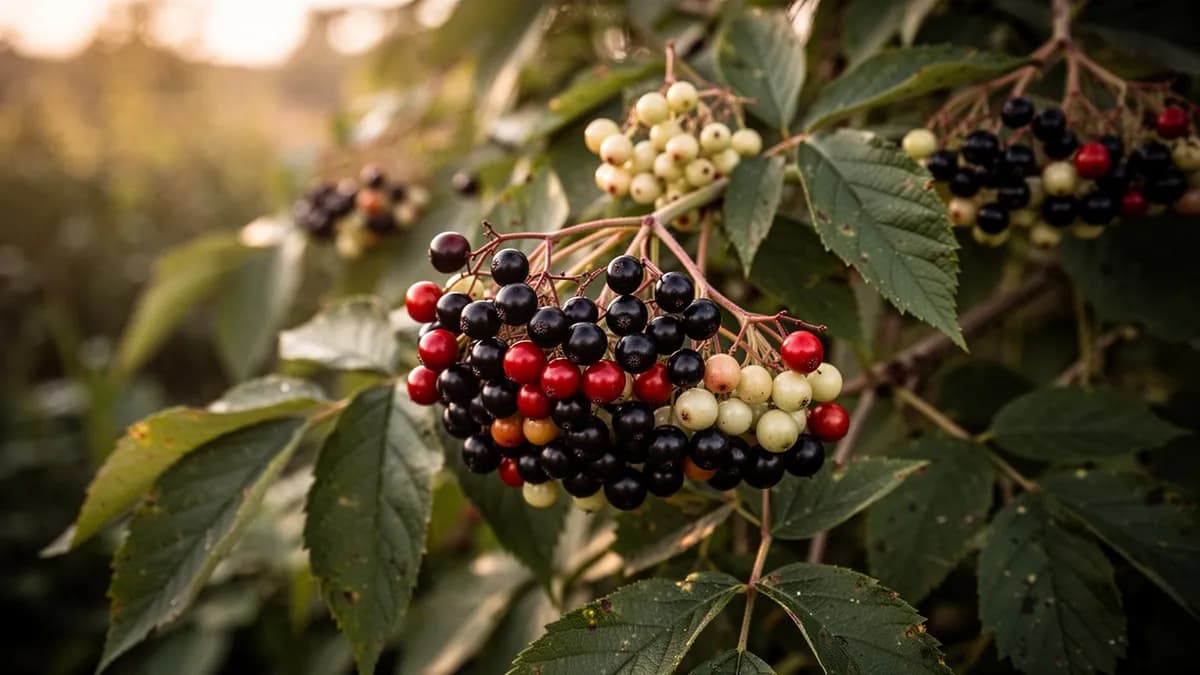
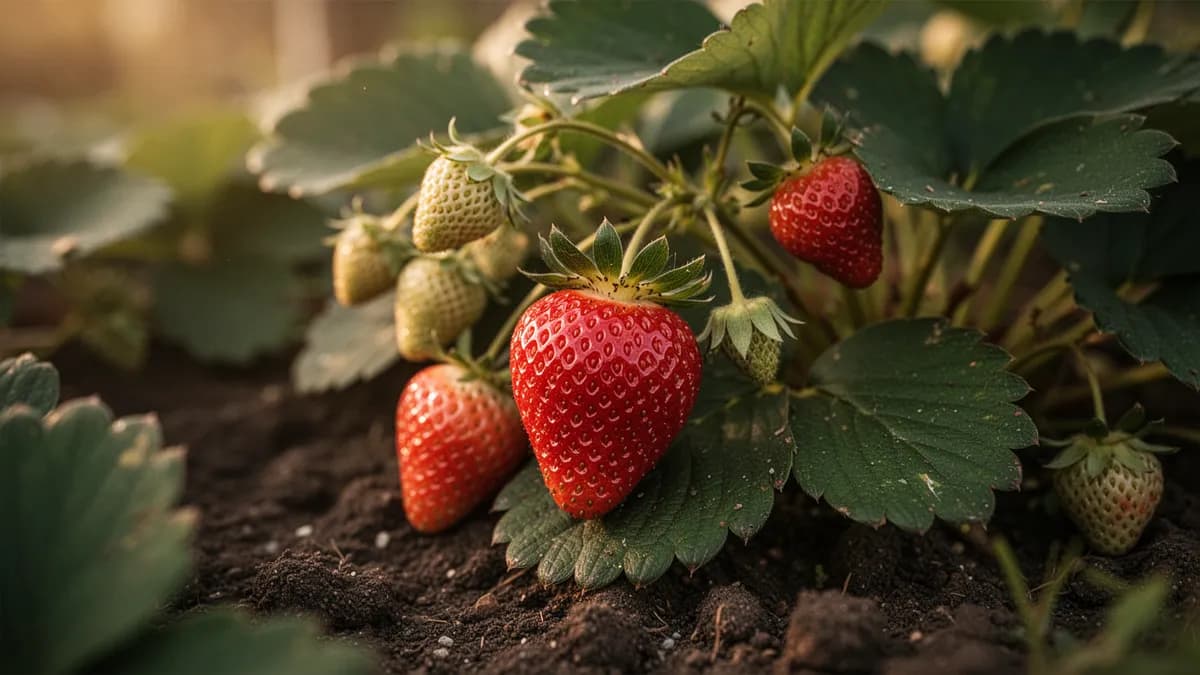
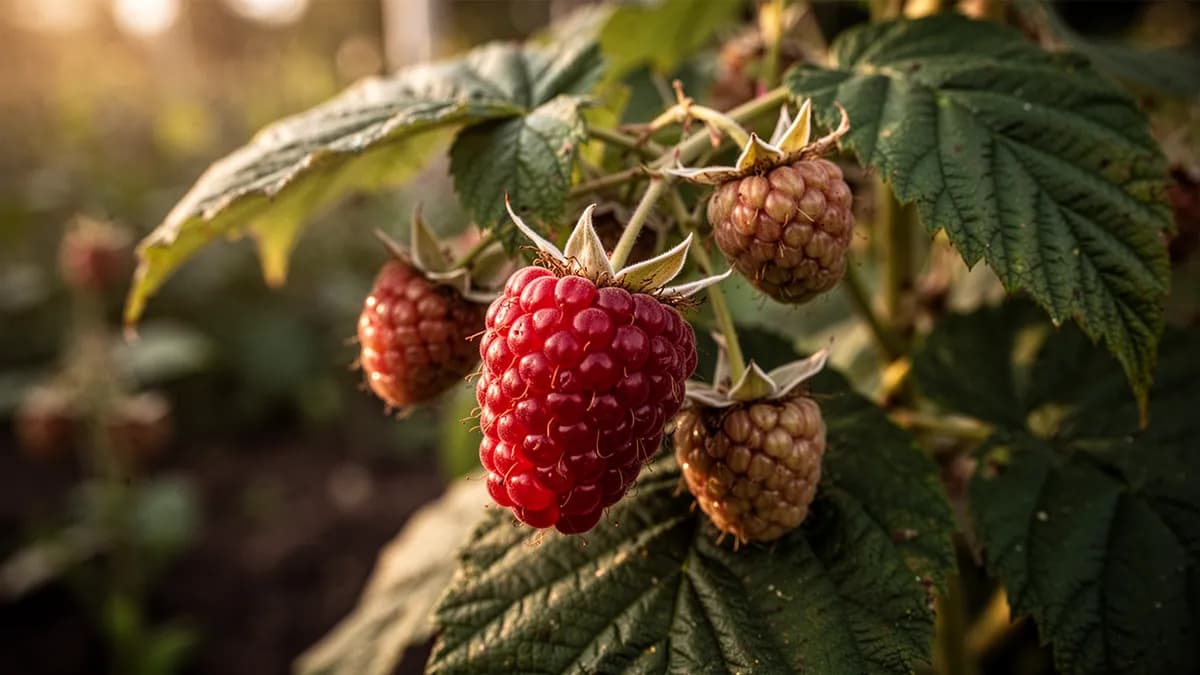
Aronia pairs well with other native shrubs in naturalized plantings and hedgerows. Blueberries and elderberries make excellent companions in mixed fruit gardens. The spring blossoms attract native pollinators that benefit all nearby fruit crops. Aronia tolerates wet areas where many other fruit plants fail, making it valuable for rain gardens and low-lying spots. Avoid combining with highly ornamental plantings where the suckering habit could be problematic.
Blueberry belongs beside it.
Old growers' knowledge, checked against Aronia Chokeberry's real companion table below — test any plant you're growing.
Try Aronia Chokeberry in a bed — right here
A real planner bed with Aronia Chokeberry already in it. Tap a companion to place it and watch the pairing checks answer — green for good neighbours, red for a clash.


Related growing guides
Feed it well
Aronia thrives in an exceptional range of soils from wet clay to dry sand with a pH of 5.0 to 8.0. They grow best in moderately fertile, well-drained soil but tolerate poor conditions remarkably well. Heavy fertilization is unnecessary and may promote excessive suckering. A light application of balanced organic fertilizer or compost topdressing in spring is sufficient. In poor soils, incorporating compost at planting time helps establish strong growth in the first few years.
Ideal Temperature
Hardiness Zone Compatibility
From seed to harvest, stage by stage
Establishment and Root Development
Newly planted aronia shrubs — whether from bare-root stock, container plants, or rooted cuttings — spend their first weeks pushing energy into root establishment rather than above-ground growth. Leaf emergence is slow and modest during this stage. The fine root network spreads outward and downward to anchor the shrub and locate water. Visible top growth may be limited to a few centimetres of new shoot extension, which is entirely normal and no cause for concern.
Vegetative Growth
Through the first full growing season, aronia puts on significant vegetative growth, extending multiple upright canes and producing its characteristic oval to obovate glossy leaves with finely toothed margins. The leaves are deep green and have a distinctive midrib with tiny dark glands along its length — a useful identification feature. Plants can put on 30-60 cm of new growth in a good first season in fertile, moist soil. Flowering typically does not occur in the first year from cuttings or very young plants.
First Flowering
From the second year onward, aronia produces its attractive spring blossom. Clusters of 10-25 small white flowers, each about 1 cm across with five petals and prominent pink-tipped stamens, appear in May as the leaves are expanding. The flowers are held in corymb-shaped clusters and are mildly fragrant. Pollination is by bees and other insects, though aronia is also self-fertile and will set fruit without a pollinator partner. The blossom season lasts 2-3 weeks.
Berry Development and Ripening
After pollination, the small green fruitlets develop through the summer months, swelling into clusters of round berries 6-12 mm in diameter. Berries begin dark green, transition through purple, and reach full blue-black ripeness in late August through September depending on variety and climate. The skin develops a faint waxy bloom at full maturity. At peak ripeness the berries are firm, deeply coloured, and intensely astringent-sweet. A mature bush can carry dozens of berry clusters.
Harvest and Autumn Display
Berries are harvested in a single main flush in August-September. Whole clusters can be snipped with scissors or the berries stripped by hand in seconds. After harvest, the shrub delivers one of the finest autumn foliage displays of any fruiting plant — the glossy leaves turn brilliant shades of orange, scarlet, and burgundy before falling in October-November. The bare winter framework of arching dark canes retains its own quiet structural elegance.
Winter Dormancy
Aronia melanocarpa is one of the hardiest fruiting shrubs in cultivation, entering a deep dormancy that allows it to withstand temperatures well below -30°C without injury. The leafless winter canes show attractive dark reddish-brown bark. Any remaining dried berry clusters may persist and provide minimal forage for wintering birds. The dormant period is an ideal time to carry out structural pruning, assess the plant's framework, and plan any renovations.
Water deeply two to three times per week for the first 8 weeks unless rainfall is plentiful. Avoid heavy fertilisation at planting — a handful of balanced granular fertiliser worked into the backfill soil is sufficient. Mulch generously around the root zone, keeping mulch a few centimetres clear of the main stems to prevent crown rot.
Caring for Aronia Chokeberry month by month
What to do each month for your Aronia Chokeberry
October
You are hereAutumn planting window opens — container-grown aronia plants transplant very well in October as the warm soil encourages root establishment before winter. Apply a fresh mulch layer around the base of all established shrubs to protect roots and suppress winter weeds. Assess whether any renovation pruning is required.
Know exactly what to do in your garden — every month
One email at the start of each month: what to sow, plant, and tackle right now — for your Aronia Chokeberry and everything growing around it. Plus a short starter course that helps you dodge the classic mistakes.
- What to do, right now
- Matched to your season
- Starter course included
Harvesting Aronia Chokeberry
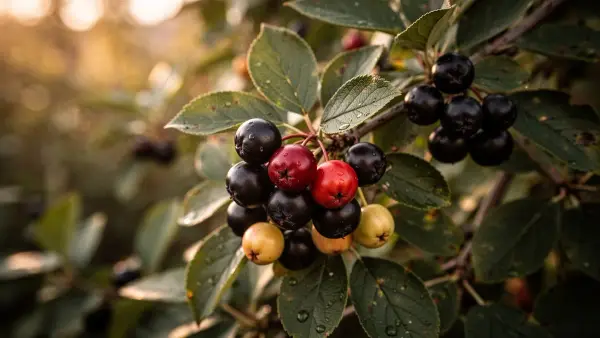
Aronia berries ripen in late August through September, turning glossy black when mature. Unlike many fruits, birds largely avoid aronia berries due to their extreme astringency, which is an advantage for growers. Harvest entire clusters using scissors when berries are uniformly black. Berries can hang on the bush for several weeks after ripening without significant quality loss. The flavor improves slightly after a light frost, which reduces some of the astringency. Strip berries from stems after harvest.
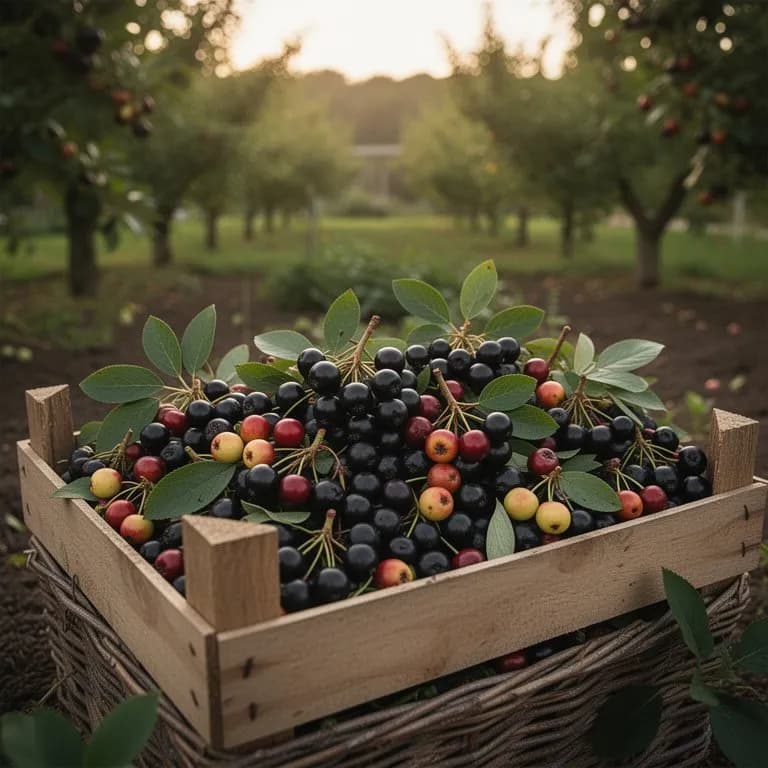
assuming you plant when the window opens — set your real date
Pick Aronia Chokeberry promptly and the plant keeps producing.
Storage & Preservation
Fresh aronia berries keep in the refrigerator for up to two weeks due to their high tannin content, which acts as a natural preservative. Freezing is the most common preservation method; spread on trays and bag once frozen for up to twelve months. Drying concentrates the flavor and creates a versatile ingredient for smoothies and baking. Aronia juice, jam, and syrup all benefit from added sugar or blending with sweeter fruits like apple to balance the astringency.
What goes wrong — and the fix
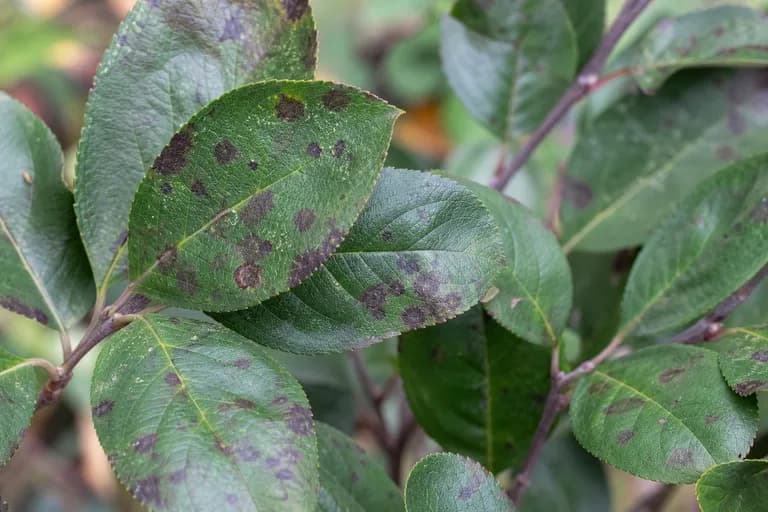
Apple Scab (minor)
DiseaseOlive-green to brown spots on leaves; rarely severe enough to affect plant health or fruit production significantly.
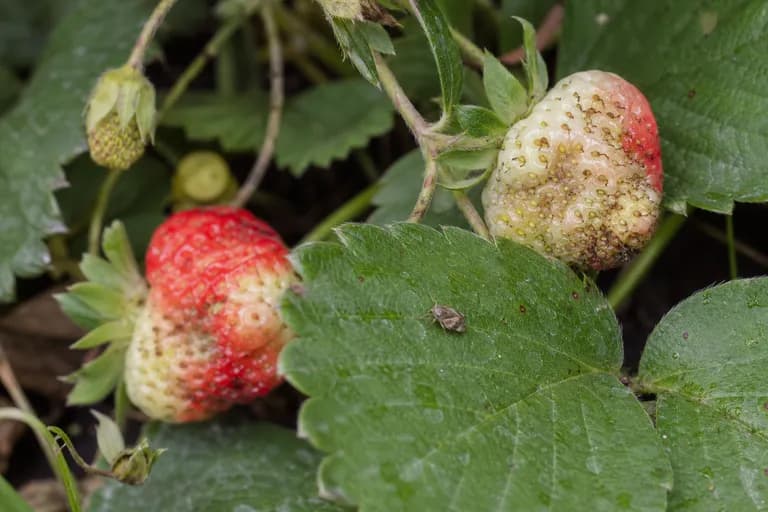
Tarnished Plant Bug
PestDistorted fruit and flowers from feeding punctures; berries may develop dimpled or misshapen surfaces.
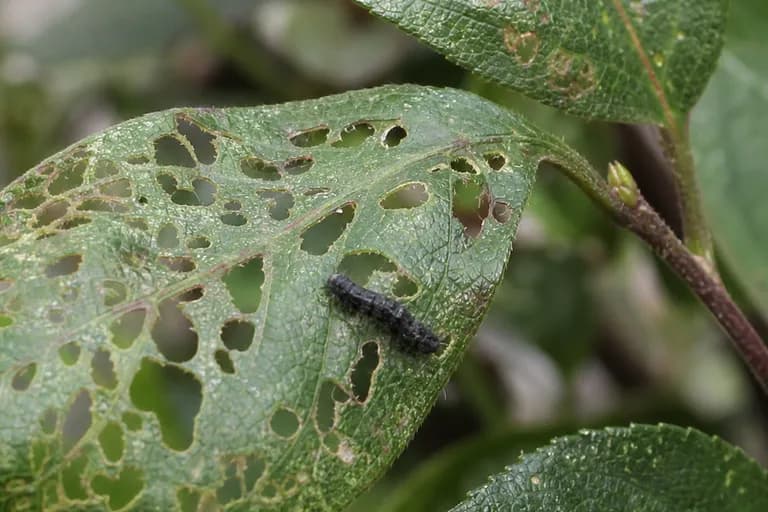
Cherry Slug Sawfly
PestDark, slug-like larvae skeletonize leaves, leaving only the veins and upper leaf surface intact.
Troubleshooting Common Problems
The biggest challenge with aronia is the intense astringency of the raw berries, which makes fresh eating unpleasant for most people. Processing is essentially required to make them palatable. Suckering can be aggressive, and plants may spread beyond desired boundaries if not regularly maintained. In very shady conditions, flowering and fruiting are significantly reduced. The extreme hardiness and disease resistance of aronia mean that cultural problems are otherwise virtually nonexistent.
Growing Tips
- Plant aronia in a location that receives at least 4-6 hours of direct sunlight daily. While the shrub tolerates part shade, berry yields are significantly reduced and the spectacular autumn foliage colour is considerably less vivid in shadier positions. Full sun brings out the best in both the fruit and the plant.
- Aronia is genuinely one of the most soil-tolerant fruiting shrubs you can grow — it performs in clay, loam, sandy loam, and even seasonally waterlogged ground where most other fruit crops would fail. Slightly acidic to neutral pH (5.5-7.0) is ideal, but aronia adapts well across a broader range.
- Plant two or more different varieties if space allows. Although aronia is largely self-fertile, cross-pollination between varieties such as 'Viking' and 'Nero' noticeably increases berry size and cluster weight. Varieties also differ in flavour profile, harvest timing, and shrub size, so a mixed planting extends both your harvest window and culinary options.
- Spread a generous layer of wood chip or bark mulch 7-10 cm deep over the entire root zone each spring, keeping the mulch a few centimetres away from the main stems. Aronia roots are naturally found in moist, humus-rich woodland soils — mulching mimics this environment, retains moisture, suppresses weeds, and steadily enriches the soil as it decomposes.
- Establish a simple renewal pruning routine from year four onward: every winter, remove one-third to one-quarter of the oldest, most crowded canes at the base. This encourages a constant supply of vigorous young growth that carries the heaviest fruit clusters. Without pruning, mature aronia bushes become very dense, reducing light penetration, air circulation, and productivity.
- Freeze surplus aronia berries in single layers on trays before transferring to freezer bags. Freezing breaks down the cell walls and actually improves juice extraction and reduces astringency compared to fresh berries. Frozen aronia can be stored for 12-18 months with minimal quality loss, giving you a steady supply of antioxidant-rich fruit throughout the year.
- To propagate aronia for free, take hardwood cuttings 20-25 cm long from the current season's growth in October-November. Remove lower leaves, dip the cut end in rooting hormone, and push cuttings to two-thirds of their depth into a trench of gritty compost in a sheltered outdoor spot. By the following autumn, rooted cuttings can be transplanted to their permanent positions — success rates typically exceed 70%.
- Resist the urge to harvest berries before they are fully ripe in the hope of beating the birds. Under-ripe aronia is extraordinarily astringent and unpleasant to eat or process. Wait until berries are fully blue-black with a dry, brown sepal crown at the tip, and install bird netting two to three weeks before expected ripeness rather than harvesting early.
- Aronia juice and extract will stain almost any surface it contacts with a permanence that rivals commercial dye — protect clothing, wooden surfaces, and kitchen tools when processing large quantities. Use stainless steel or plastic equipment rather than unfinished wood, and wear an apron. The pigment is actually the same anthocyanin complex used as a commercial natural food colouring for exactly this reason.
- If you find the raw berries too astringent to enjoy fresh, try cooking them with a small amount of apple, honey, or elderberry — heat and the presence of sugars measurably reduces the tannin-driven astringency. Alternatively, freeze-thaw cycles break down the structure of the polyphenol-tannin complexes, making the berries noticeably more palatable straight from the freezer.
Grow your best Aronia Chokeberry yet — and everything around it.
Start a free plan today. Lay out your beds, drop in your Aronia Chokeberry, and let PlotMyGarden handle the timing, spacing, companions and reminders from seed to harvest basket.
Pick your Aronia Chokeberry
Viking
The most widely grown cultivar for fruit production, with heavy yields of large berries on vigorous, self-fertile bushes.
Nero
A compact variety well-suited to smaller gardens, producing large, dark berries with slightly less astringency than other cultivars.
McKenzie
A selection from the USDA program valued for consistent production, upright habit, and outstanding fall color.
Autumn Magic
Selected primarily for ornamental use with exceptional purple-red fall foliage, while still producing a good crop of edible berries.
Premium aronia juice concentrates retail for £8-15 per 500ml bottle, while dried aronia berries sell for £10-18 per 250g and aronia supplement capsules cost £12-25 per month's supply. A single mature aronia bush producing 6 kg of berries annually at current fresh-market prices (£4-7 per kg) represents £24-42 in fresh fruit value per year. Processed into concentrate, that same harvest yields the equivalent of 8-12 retail bottles worth £64-180. With an establishment cost of £8-15 for a bare-root plant and negligible ongoing care costs, a backyard aronia shrub pays for itself in its second or third fruiting year and delivers decades of high-value harvests thereafter.
Quick recipes
Aronia Berry and Apple Jam
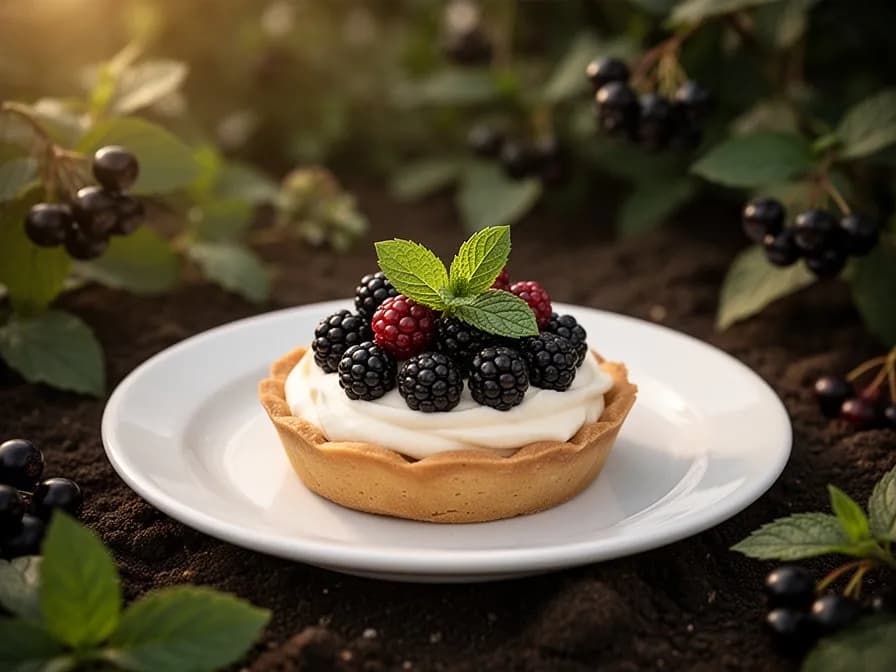
40 minCombining aronia with sweet apple tempers the raw astringency of chokeberries and produces a deeply flavoured, jewel-dark jam with complex berry and wine notes. The natural pectin in apple means you need less added pectin or sugar than with many fruits. This jam is exceptional on sharp cheddar, stirred into yoghurt, or spread on dark rye bread.
6 ingredientsAronia Juice Concentrate
30 min (plus pressing)Cold-pressed aronia juice is one of the most potent antioxidant-rich drinks you can make at home. Diluted with water or mixed into smoothies, it delivers an extraordinary hit of anthocyanins and polyphenols. The concentrate freezes perfectly in ice cube trays for convenient year-round use — a single cube stirred into hot water or apple juice makes a deeply nourishing daily health tonic.
4 ingredientsAronia and Ginger Shrub (Drinking Vinegar)
15 min (plus 5-7 days macerating)A shrub is a sweet, tangy vinegar-based syrup that originated as a pre-refrigeration fruit preservation method. Aronia's bold flavour and intense colour make a spectacular version that is diluted with sparkling water for a sophisticated non-alcoholic drink, or used as a cocktail mixer. The ginger adds warmth that counterbalances the berry's natural astringency beautifully.
6 ingredientsCulinary Uses
Aronia berries are too astringent for fresh eating but become valuable when processed. Aronia juice blended with apple or grape juice creates a nutritious beverage. Dried aronia berries add antioxidant power to smoothies, cereals, and baked goods. Aronia jam and jelly made with sufficient sugar are deeply flavored. The berries produce a dramatic dark purple juice used as a natural food coloring. They have among the highest anthocyanin and antioxidant levels of any fruit.
What's inside
Health Benefits
- Cardiovascular protection — aronia's exceptional anthocyanin and proanthocyanidin content supports healthy blood pressure, reduces LDL cholesterol oxidation, improves arterial flexibility, and has demonstrated measurable reductions in systolic blood pressure in multiple clinical trials involving patients with hypertension and metabolic syndrome.
- Potent antioxidant activity — with one of the highest ORAC values recorded for any cultivated fruit, aronia berries neutralise free radicals and reduce oxidative stress throughout the body, protecting cell membranes, DNA, and mitochondria from damage associated with accelerated ageing and chronic disease.
- Blood sugar regulation — research indicates that aronia polyphenols help inhibit alpha-glucosidase enzymes that break down dietary carbohydrates, slowing post-meal blood glucose spikes and improving insulin sensitivity — effects that are particularly relevant for people managing or at risk of type 2 diabetes.
- Anti-inflammatory action — the combination of anthocyanins, quercetin, and chlorogenic acid in aronia berries inhibits multiple pro-inflammatory signalling pathways, helping to reduce systemic inflammation associated with arthritis, cardiovascular disease, and many other chronic conditions.
- Urinary tract health — like cranberries, aronia contains A-type proanthocyanidins that prevent pathogenic bacteria, particularly E. coli strains, from adhering to the walls of the urinary tract — making regular consumption a supportive strategy for preventing recurrent urinary tract infections.
- Liver protection — preliminary animal and cell-based studies suggest that aronia polyphenols have hepatoprotective effects, helping to shield liver cells from toxin-induced damage and supporting normal liver enzyme levels — an area of growing interest in integrative medicine research.
Where Aronia Chokeberry comes from
Aronia melanocarpa, the black chokeberry, is a native of the eastern and central regions of North America, with its natural range extending from Newfoundland and Nova Scotia south through New England and the Great Lakes states to Georgia, and westward into the prairie margins of the midwest. In its homeland, the plant grows as a colonising shrub at the edges of bogs, swamps, moist woodland clearings, and along stream banks — environments where its extraordinary tolerance for wet soils, cold winters, and acidic conditions gives it a competitive advantage over more demanding species.
For centuries before European colonisation, aronia berries formed part of the diet and materia medica of numerous Indigenous nations. The Potawatomi, Ojibwe, and Haudenosaunee peoples used the berries fresh, dried, and cooked, often combining them with other fruits, game meats, and fats. Dried aronia was pressed into pemmican alongside dried venison and rendered fat to create a nutrient-dense preserved food capable of sustaining hunters and travellers through harsh winters. Bark decoctions were used medicinally to treat colds, and poultices of leaves were applied to wounds.
European botanists collected specimens during the 1700s and aronia was introduced to cultivation in European gardens during the 18th century, primarily as an ornamental shrub valued for its spring blossom and spectacular autumn foliage rather than for its fruit. It remained largely a curiosity in Western horticulture until Soviet-era food scientists in Russia began investigating native and underutilised plants with high nutritional and medicinal value in the 1950s and 1960s. Russian researchers, impressed by aronia's extraordinary vitamin P (bioflavonoid) content and its documented effects on blood pressure and vascular health, promoted large-scale cultivation across the Soviet Union and its satellite states in Eastern Europe.
Poland embraced aronia cultivation with particular enthusiasm from the 1980s onward, and today Polish farmers grow approximately 90% of the world's commercial aronia supply. The Polish berry industry processes aronia primarily into juice concentrates, dried fruit, supplements, and natural food colouring agents that are exported worldwide. The rediscovery of aronia in North America as a 'superfruit' is therefore a curious historical loop — a native plant that was exported to Eastern Europe, developed into a major crop, and is now being re-imported to its homeland in supplement and juice form.
Modern cultivars bred for improved berry size and yield — including 'Viking' (Swedish origin), 'Nero' (Czech origin), and 'McKenzie' (North American) — have made aronia increasingly attractive to home gardeners and small-scale growers who recognise it as one of the most versatile, cold-hardy, and nutritionally extraordinary fruiting shrubs available.
Aronia Chokeberry: did you know?
Fascinating facts about Aronia Chokeberry
Aronia melanocarpa holds the record for the highest anthocyanin content of any cultivated berry fruit — a single 100g serving delivers more of these protective pigments than a full glass of red wine, a cup of blueberries, or a serving of pomegranate juice combined.
Aronia Chokeberry questions, answered
When should I plant Aronia Chokeberry?
What are good companion plants for Aronia Chokeberry?
What hardiness zones can Aronia Chokeberry grow in?
How much sun does Aronia Chokeberry need?
How far apart should I space Aronia Chokeberry?
What pests and diseases affect Aronia Chokeberry?
How do I store Aronia Chokeberry after harvest?
What are the best Aronia Chokeberry varieties to grow?
What soil does Aronia Chokeberry need?
Why are aronia berries so astringent — are they safe to eat raw?
How quickly will my aronia shrub start producing berries?
What is the difference between black chokeberry, red chokeberry, and aronia?
Can I grow aronia in a container or a small urban garden?
Are there any pests or diseases I should watch out for?
What are the best ways to use aronia berries from a home harvest?
You just read the theory. Now grow it on autopilot.
Everything that makes Aronia Chokeberry fiddly — the timing, the spacing, the companions, the harvest window — is exactly what PlotMyGarden handles for you, for every plant in your garden.
A plan that knows your weather
Set your location once. Get sow, feed and harvest dates built around your real last-frost date and live forecast — no more guessing from a generic seed packet.
From the “When to plant” sectionDrag-and-drop bed planner
Design beds on a grid. Every plant snaps to its proper spacing, and you can see your whole season laid out before you spend a cent on seed.
From the “Growing guide” sectionCompanion conflicts, caught early
200+ good-and-bad pairings checked live as you plant — so a season-wrecking mistake never makes it into the ground.
From the “Companions” sectionReminders you'll actually act on
“Water the beans.” “Pick today before it turns.” Timely, specific, and tied to the plants you're really growing.
From the “Harvest” sectionSuccession, scheduled
Want a harvest for six weeks, not six days? It spaces your sowings automatically and reminds you when each new block is due.
From the “When to plant” sectionA record that gets smarter
Every harvest you log teaches it your garden. Next year's plan starts from what actually worked in your soil, not a textbook's.
From the “Overview” sectionPlant these alongside Aronia Chokeberry
More Berries
Grow your best Aronia Chokeberry yet — and everything around it.
Start a free plan today. Lay out your beds, drop in your Aronia Chokeberry, and let PlotMyGarden handle the timing, spacing, companions and reminders from seed to harvest basket.