Silk Tree
typical season: plant Oct – Apr · set your climate
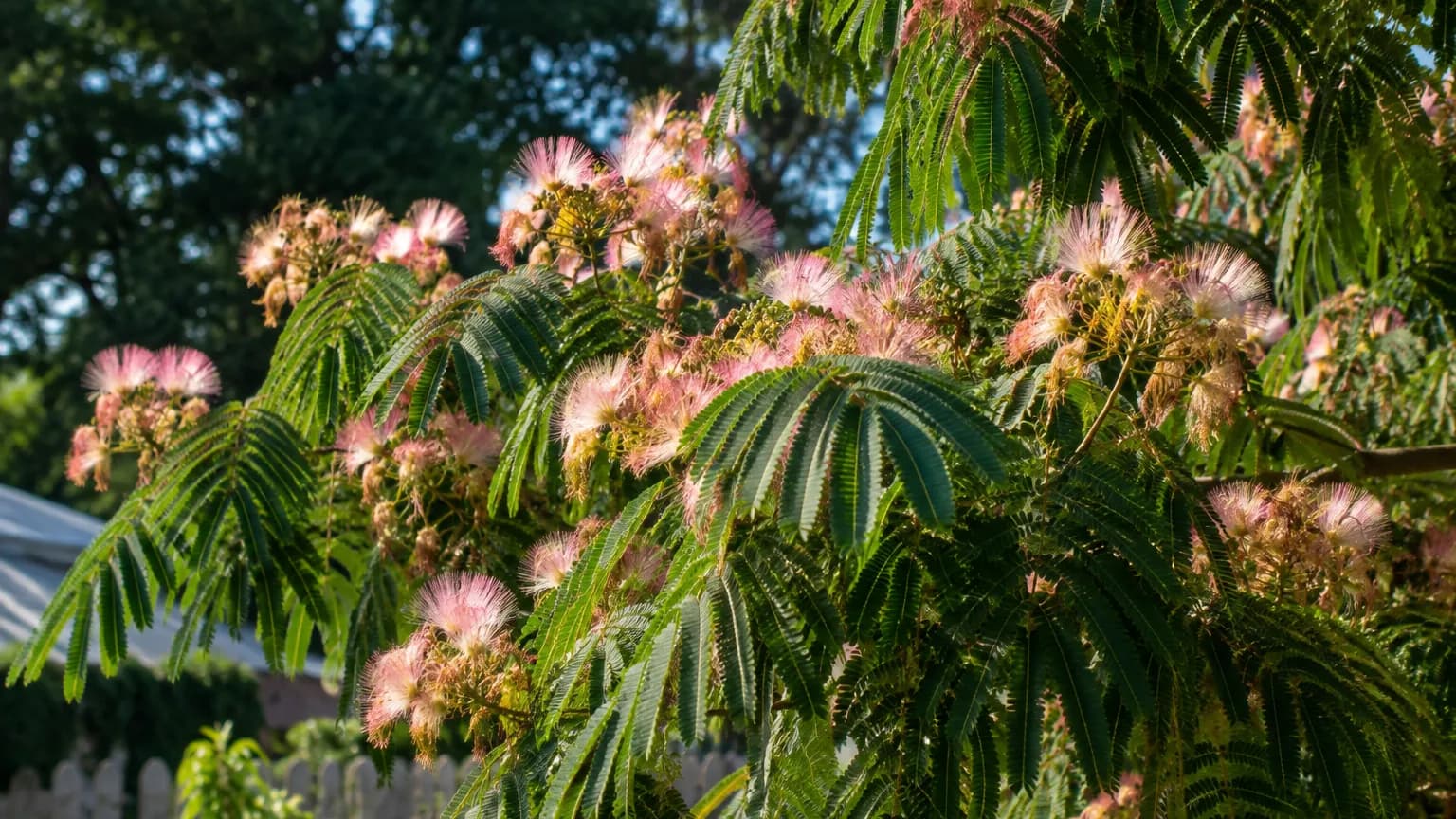
An umbrella-canopied ornamental tree crowned with silky pink powderpuff flowers all summer above delicate, fern-like foliage that folds closed at night.
On this pageOverview
Meet Silk Tree
An umbrella-canopied ornamental tree crowned with silky pink powderpuff flowers all summer above delicate, fern-like foliage that folds closed at night. Silk trees grow fast and flower young, thriving in heat, humidity, and poor soils where fussier ornamentals fail. Be honest about the trade-offs: the wood is brittle and sheds limbs in storms, most trees decline after only 10 to 20 years, and Fusarium wilt can kill susceptible specimens outright. In the southeastern United States it self-sows aggressively and is listed as invasive, so remove flower clusters before pods ripen or choose a native alternative. The purple-leaved cultivar 'Summer Chocolate' offers richer foliage for gardeners who accept the same management caveats.
When to plant Silk Tree
Seed is the easiest way to raise silk trees, while named cultivars must be propagated from softwood cuttings or by grafting. The hard seed coat needs scarification: nick each seed with a file, or pour hot water of about 80 degrees Celsius over the seeds and let them soak as the water cools overnight. Sow 1 cm deep in a free-draining seed mix at 20 to 25 degrees Celsius; germination usually begins within one to three weeks, with roughly three-quarters of treated seeds sprouting. Seedlings grow remarkably fast and often flower in their second or third year. In regions where silk tree naturalizes, pot up only what you need and never compost surplus seedlings.
Your Silk Tree Year
Composed for Zone 7 · typical seasons · frost passes Apr 2, returns Nov 1
Plant Silk Tree Mar – Apr, Oct, in bloom Jun – Aug. Check the planting methods below and set your climate to personalize these windows.
Silk Tree in bloom this season? Its next window opens Oct 1
One email a few days before it opens where you garden and one two weeks before it closes.
One email per milestone, never more than one a week. Unsubscribe with one tap. No account needed.
How to grow Silk Tree
Silk tree is one of the fastest small flowering trees you can plant, often adding a meter or more of growth per year and blooming within two to three years from seed. Give it full sun; shade produces sparse bloom and a leggy, weak-wooded canopy. It adapts to almost any well-drained soil from slightly acidic to alkaline, fixes its own nitrogen through root nodules, and shrugs off heat, humidity, and summer drought once established. Choose the site with its honest weaknesses in mind: the wood is brittle and sheds limbs in wind and ice storms, so keep it away from roofs, parking areas, and power lines, and stake young trees in exposed positions for their first two seasons.
Plant container-grown specimens in spring after the last frost or in early autumn, setting the root ball at grade level in a hole twice as wide as the container. Water deeply at planting and weekly through the first two growing seasons; after that the tree needs irrigation only during extended drought. At the cold edge of zone 6, plant on the side of a building facing the midday or afternoon sun, because hard winters can kill the top growth even though the tree usually resprouts vigorously from the roots.
Pruning deserves annual attention, because the tree's default habit is a thicket of weak, narrow-angled limbs. Train young trees to three to five well-spaced scaffold branches with wide attachment angles, and prune only during winter dormancy to remove crossing, damaged, or inward-growing wood; avoid large summer wounds. Remove basal suckers promptly and, where seedlings would be unwelcome, strip spent flower clusters before the flat seed pods ripen. Keep expectations realistic: even with perfect care, silk trees are short-lived, typically declining after 10 to 20 years, so treat yours as a fast, beautiful filler rather than a legacy planting.
Silk Tree's best neighbours
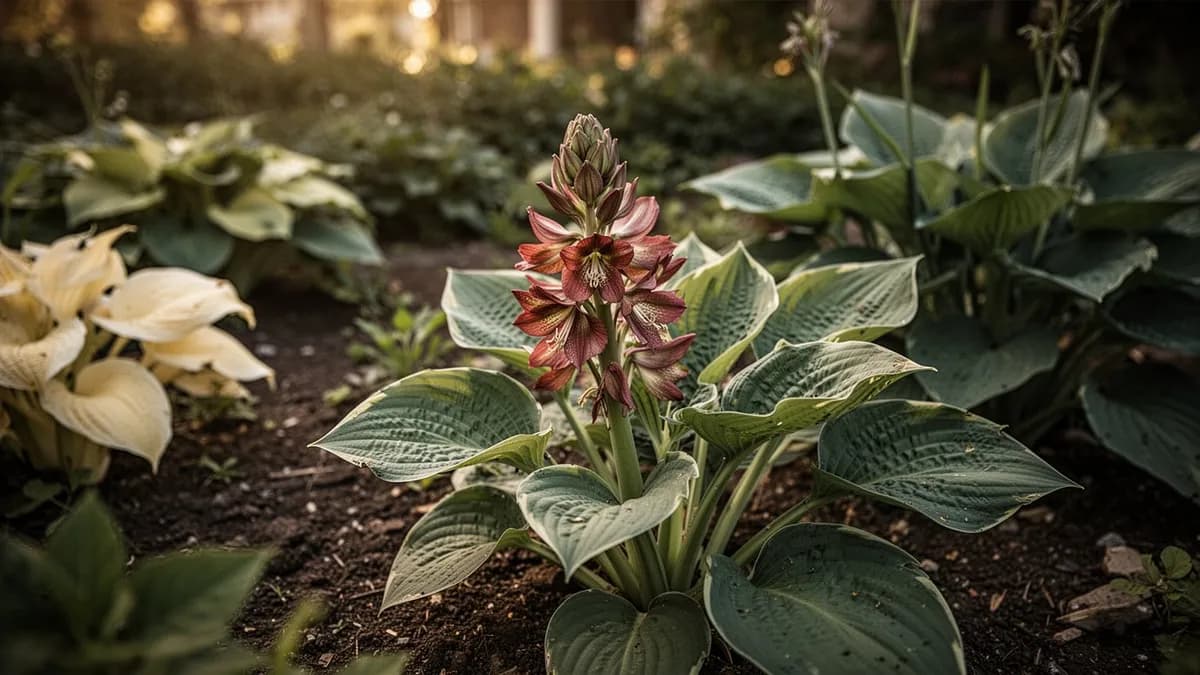
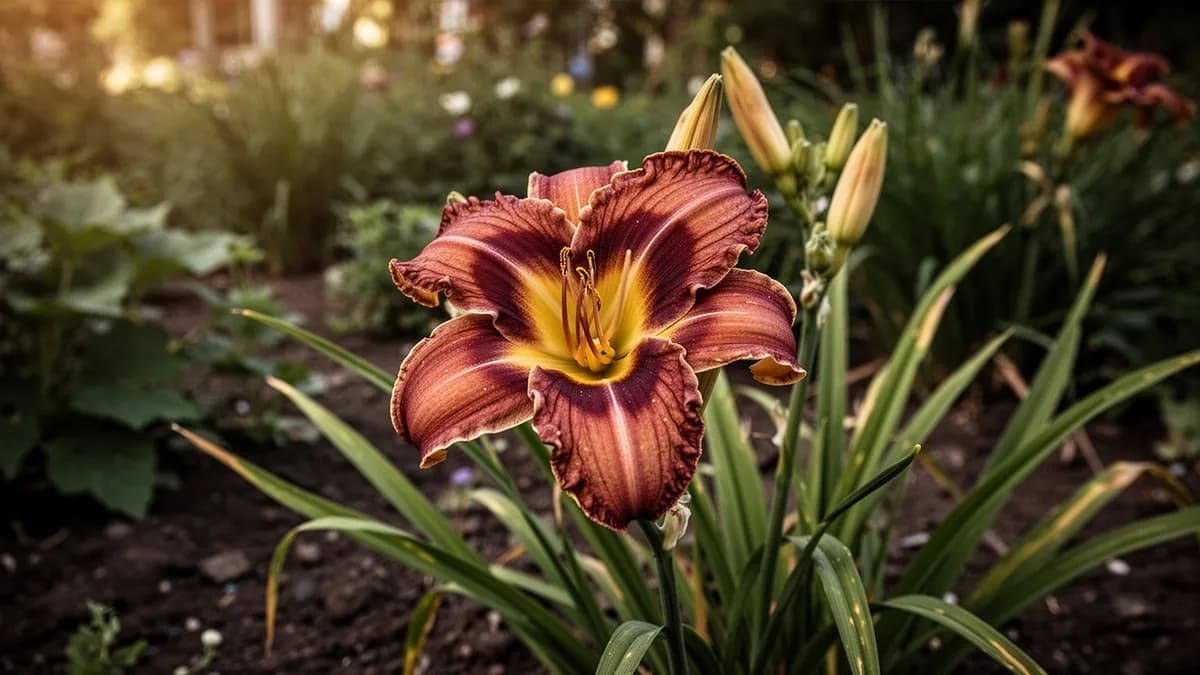
The open, ferny canopy casts light, shifting shade that suits understory groundcovers rather than sun-hungry beds. Hostas, daylilies, and liriope all thrive beneath established trees, and spring bulbs such as daffodils flower before the silk tree leafs out, since it is one of the last trees to open its leaves in spring. As a nitrogen-fixing legume it modestly enriches the soil for shallow-rooted neighbors. Keep the root zone undisturbed, avoid planting where falling limbs, flower litter, and seed pods would burden patios or pools, and give lawns a wide mulched berth so mower and trimmer lines cannot wound the thin bark.
Hosta belongs beside it.
Old growers' knowledge, checked against Silk Tree's real companion table below — test any plant you're growing.
Related growing guides
Feed it well
Silk tree is famously unfussy: it grows in sandy, loamy, or clay soils with a pH from about 6.0 to 7.5 and tolerates the alkaline, nutrient-poor ground where fussier ornamentals fail. The one non-negotiable is drainage, because chronically wet soil invites fatal root rot. As a legume it forms nitrogen-fixing root nodules, so it needs little feeding. Apply a light dressing of balanced slow-release fertilizer in early spring only on very poor soils or if growth stalls, and never push nitrogen, which produces soft, breakage-prone wood. Mulch the root zone 5 to 8 cm deep with arborist chips, keeping the mulch clear of the trunk.
Ideal Temperature
Hardiness Zone Compatibility
From seed to harvest, stage by stage
Winter Rest & Bud Readiness
The bare, wide-spreading crown shows the tree's winter silhouette. Silk tree is one of the latest trees to break dormancy, often staying leafless well into spring while surrounding trees green up, though root activity quietly resumes as the soil warms.
Late Leaf-Out & Canopy Growth
Bipinnate, fern-like leaves finally unfurl, later than almost any other garden tree. Vigorous shoots extend rapidly once warm weather settles, and the flat-topped canopy fills in with airy, light-filtering foliage.
Flower Bud Development
Fuzzy pink-tipped buds swell at the tips of the new season's shoots. Flower production depends directly on the vigor of this year's growth, so drought stress now will reduce the summer display.
Peak Bloom
Silky pink powderpuff heads cover the canopy from early into late summer, lightly fragrant and alive with bees, butterflies, and hummingbirds. The leaflets fold closed each night and before storms, a signature quirk of the species.
Seed Pod Maturation
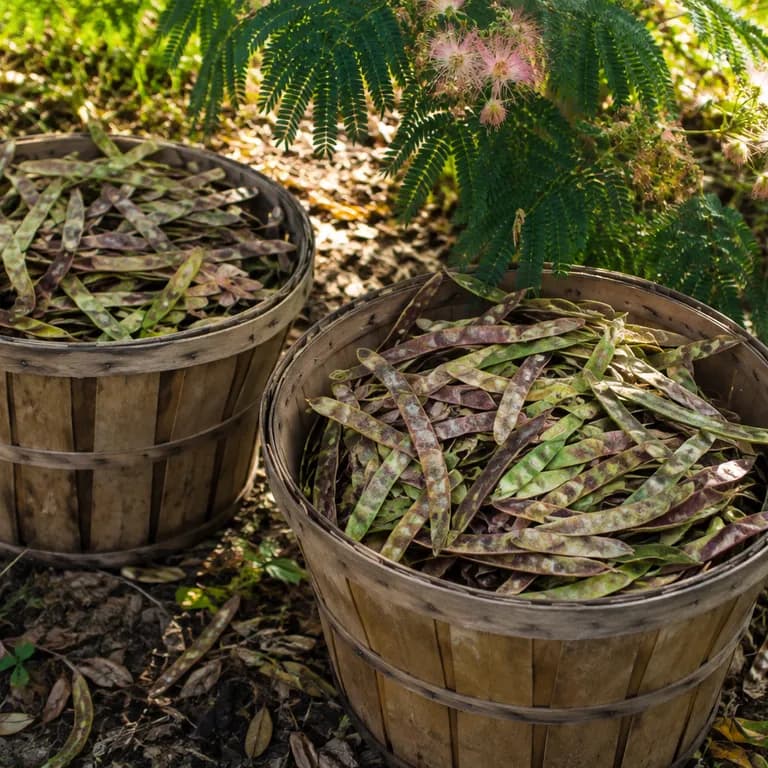
Flat tan pods, 10 to 15 cm long, ripen in clusters and gradually dry on the branches. The foliage offers little autumn color, turning a plain yellow before it drops.
Leaf Drop & Dormancy
The leaves fall early in autumn and the tree slips into deep dormancy. In zone 6, hard freezes may kill smaller stems back to older wood or even to the roots, from which the tree resprouts in spring.
Resist the urge to declare the tree dead in spring; scratch the bark of a twig and look for green cambium before removing anything. Complete any structural pruning before bud swell.
Caring for Silk Tree month by month
What to do each month for your Silk Tree
November
You are hereApply a final deep watering before the ground freezes in colder zones and refresh the winter mulch to 7 to 10 cm.
Harvesting Silk Tree
Silk tree is grown for its summer bloom display rather than any true harvest; the flowering months of summer are the ornamental payoff. Cut flower clusters are occasionally floated in shallow bowls, but they fade within a day or two, so cut them fully open in the cool of morning and use them promptly. The decorative flat seed pods, 10 to 15 cm long, ripen tan in autumn and can be gathered for dried arrangements once they have dried fully on the tree. If you want seed for propagation, collect pods as they turn brown in early and mid-autumn, before they split. Note that the pods and seeds are not considered edible and should be kept away from children and pets.
What goes wrong — and the fix
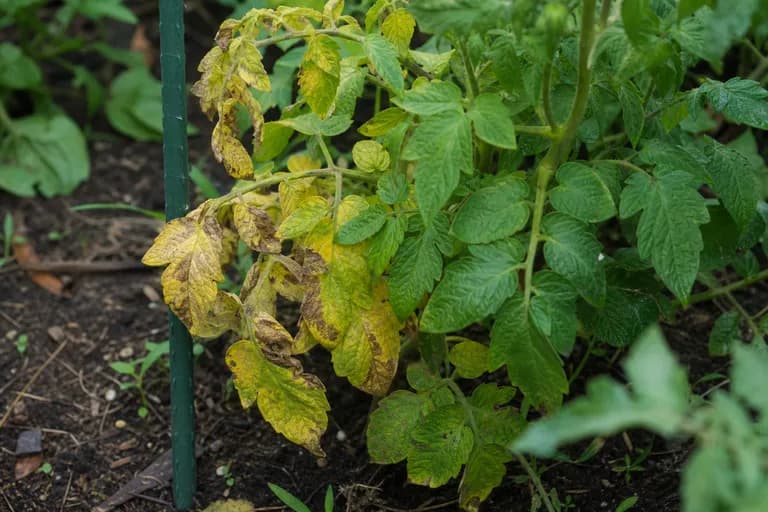
Fusarium Wilt (Mimosa Wilt)
DiseaseLeaves on a single branch yellow, wilt, and brown while the rest of the crown stays green, followed by progressive dieback of whole sections over one or two seasons. Cut branches show brown vascular streaking in the sapwood. The disease is usually fatal.
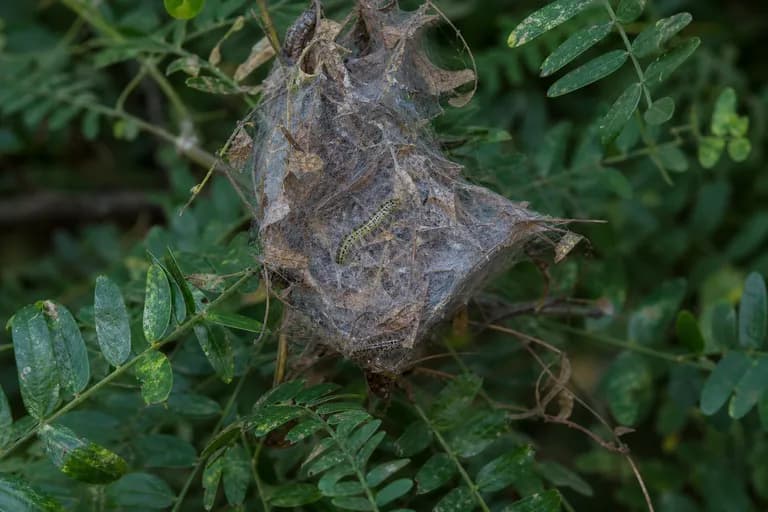
Mimosa Webworm
PestCaterpillars web leaflets together into brown, messy clusters and skeletonize the foliage, starting on branch tips in midsummer. A second generation in late summer can brown large portions of the crown. Damage is mainly cosmetic on established trees but weakens young ones.
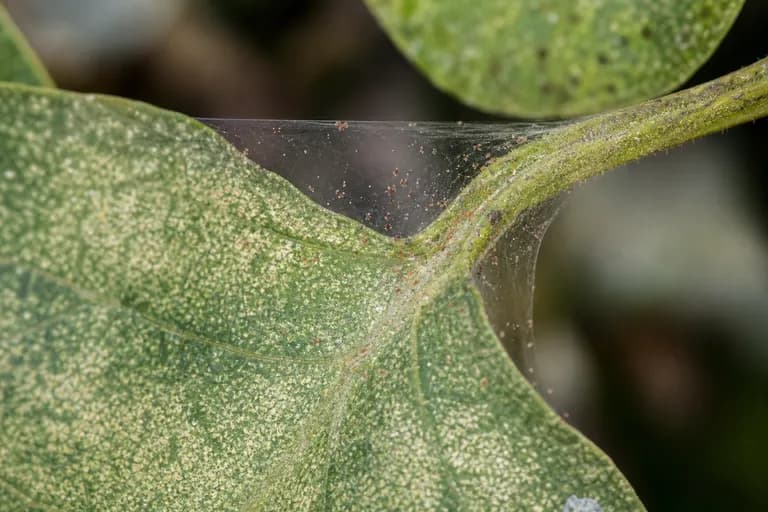
Spider Mites
PestFine yellow stippling on the leaflets that progresses to bronzed, scorched-looking foliage during hot, dry weather. Fine silk webbing may be visible on the undersides of leaves in heavy infestations.
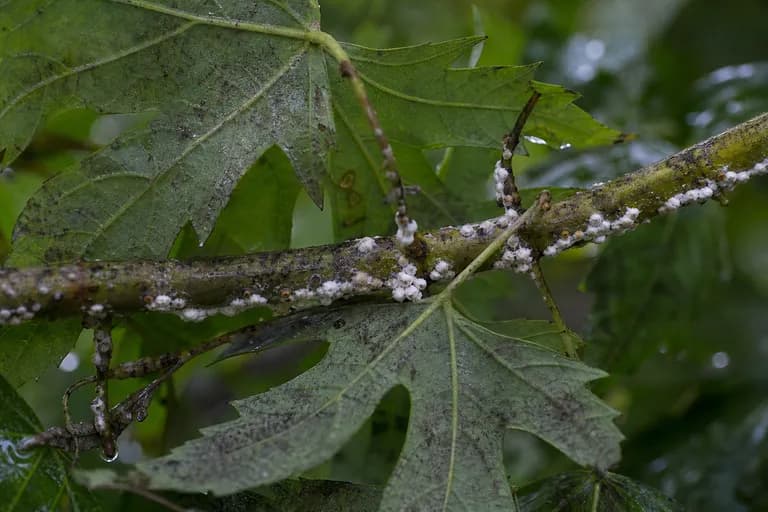
Cottony Cushion Scale
PestWhite, fluted, cottony egg sacs on twigs and small branches, with sticky honeydew and black sooty mold below. Heavy infestations cause yellowing foliage and twig dieback.
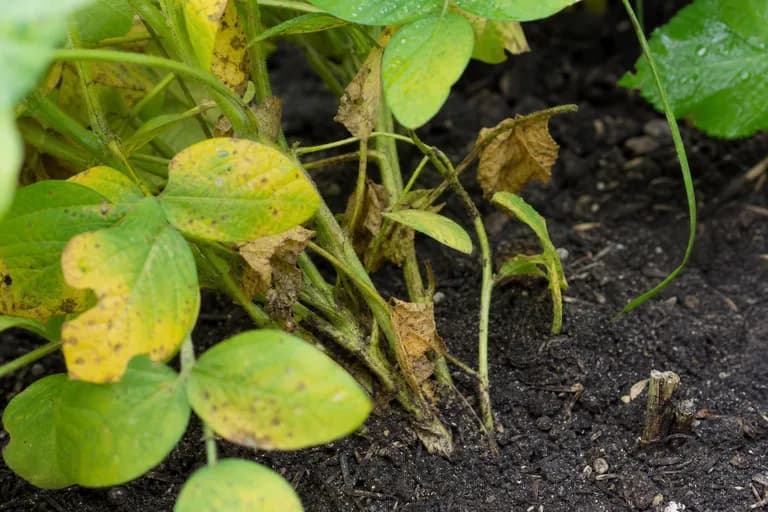
Phytophthora Root Rot
DiseaseGradual decline with a sparse, thin canopy, small pale leaves, and premature leaf drop on trees growing in chronically wet soil. Roots are brown, mushy, and reduced when excavated.
Troubleshooting Common Problems
Brittle wood is the defining complaint: narrow-angled branches split out in wind, ice, and even heavy summer rain, especially on over-fertilized trees. Fusarium wilt kills trees outright, often starting with a single yellowing limb. Mimosa webworm webs and browns the foliage by late summer in outbreak years, and spider mites scorch leaves during drought. In zone 6, hard winters can kill top growth back to older wood or the roots. Above all, in the southeastern United States the tree seeds itself relentlessly: expect hundreds of seedlings in beds, gutters, and fence lines unless flower clusters are removed before pods ripen, and root suckers appear meters from the trunk after damage or removal.
Growing Tips
- Plant in full sun with at least 6 to 8 hours of direct light; shade produces sparse bloom and soft, leggy wood that breaks easily.
- Site the tree away from roofs, patios, and power lines, because brittle limbs shed in wind and ice storms even on healthy trees.
- Train young trees to three to five scaffold branches with wide attachment angles; narrow crotches are where storm splits begin.
- Insist on good drainage above all else. Silk tree forgives poor, sandy, or alkaline soil but not chronically wet feet.
- Skip routine fertilizer: as a nitrogen-fixing legume the tree feeds itself, and extra nitrogen only produces weak, breakage-prone growth.
- In zone 6, plant on a sheltered wall facing the midday or afternoon sun and mulch the root zone deeply before winter to buffer hard freezes.
- Where the tree naturalizes, deadhead flower clusters before pods ripen and mow or hand-pull seedlings while they are small.
- If a tree dies of Fusarium wilt, do not replant silk tree in that soil; choose resistant selections like 'Charlotte' or 'Tryon', or switch to a non-susceptible species.
- Expect root suckers after storm damage or tree removal; cut them below ground level repeatedly rather than letting them establish.
Pick your Silk Tree
Summer Chocolate
Patented selection (PP13822) discovered in Japan, grown for burgundy-purple fern-like foliage that deepens in full sun and holds its color all summer, with pink powderpuff flowers floating above the dark leaves. Hardy to about zone 6b; sadly just as susceptible to Fusarium wilt as the species.
Rosea
A compact selection with richer, deeper pink flower heads and a reputation for improved cold hardiness. Matures smaller than the species at roughly 4 to 6 meters, suiting smaller gardens and courtyard planting.
E.H. Wilson
A seed strain selected for exceptional cold tolerance, named for the plant explorer Ernest Henry Wilson. Pale pink flowers on a typically wide-spreading tree; one of the most reliable choices at the colder edge of the species' range.
Ishii Weeping
A graceful weeping form with pendulous branches and particularly fine-textured foliage. Slower growing and smaller than the species, it makes an elegant specimen where a standard tree would overwhelm the space.
Charlotte
A selection with documented resistance to Fusarium wilt, the soil-borne disease that kills susceptible silk trees. Valuable for replanting sites where wilt has struck, though availability in the nursery trade remains limited.
Tryon
Another Fusarium-wilt-resistant selection released alongside 'Charlotte'. Upright, spreading habit with typical pink summer bloom; hard to find, but worth seeking out in regions with a history of mimosa wilt.
Where Silk Tree comes from
Albizia julibrissin is native to a broad arc of Asia stretching from Iran and the Caucasus through the Himalayas to China, Korea, and Japan, where it has been planted in gardens and temple grounds for centuries. In China it is known as the collective happiness tree, its night-folding leaves traditionally associated with harmony, and its bark and flowers have a long history in traditional herbal preparations.
Europe received the tree through Filippo degli Albizzi, a Florentine nobleman who brought it to Tuscany around 1749, and the genus was named in his honor. It reached North America in the mid-18th century, often cited as 1745, and by the 19th century was a signature ornamental of the American South. There it escaped cultivation, and today it is listed as invasive across much of the southeastern United States, colonizing roadsides, riverbanks, and disturbed woodland. Modern selection has focused on cold hardiness ('E.H. Wilson'), foliage color ('Summer Chocolate'), and resistance to the Fusarium wilt that devastated southern plantings in the mid-20th century ('Charlotte', 'Tryon').
Silk Tree: did you know?
Fascinating facts about Silk Tree
The fern-like leaflets fold together every evening and before heavy rain, a movement called nyctinasty; in Persian the tree is called the night sleeper, and the Japanese name 'nemu no ki' means sleeping tree.
Silk Tree questions, answered
When should I plant Silk Tree?
What are good companion plants for Silk Tree?
What hardiness zones can Silk Tree grow in?
How much sun does Silk Tree need?
How far apart should I space Silk Tree?
What pests and diseases affect Silk Tree?
What are the best Silk Tree varieties to grow?
What soil does Silk Tree need?
Is silk tree invasive?
Why did my silk tree die suddenly?
My silk tree looks dead in spring. Is it?
How long will a silk tree live?
Can I grow silk tree in zone 6?
Why do the leaves fold up at night?
Plant these alongside Silk Tree
More Ornamental Trees
Grow your best Silk Tree yet — and everything around it.
Start a free plan today. Lay out your beds, drop in your Silk Tree, and let PlotMyGarden handle the timing, spacing, companions and reminders from seed to harvest basket.
