Calabacín Redondo
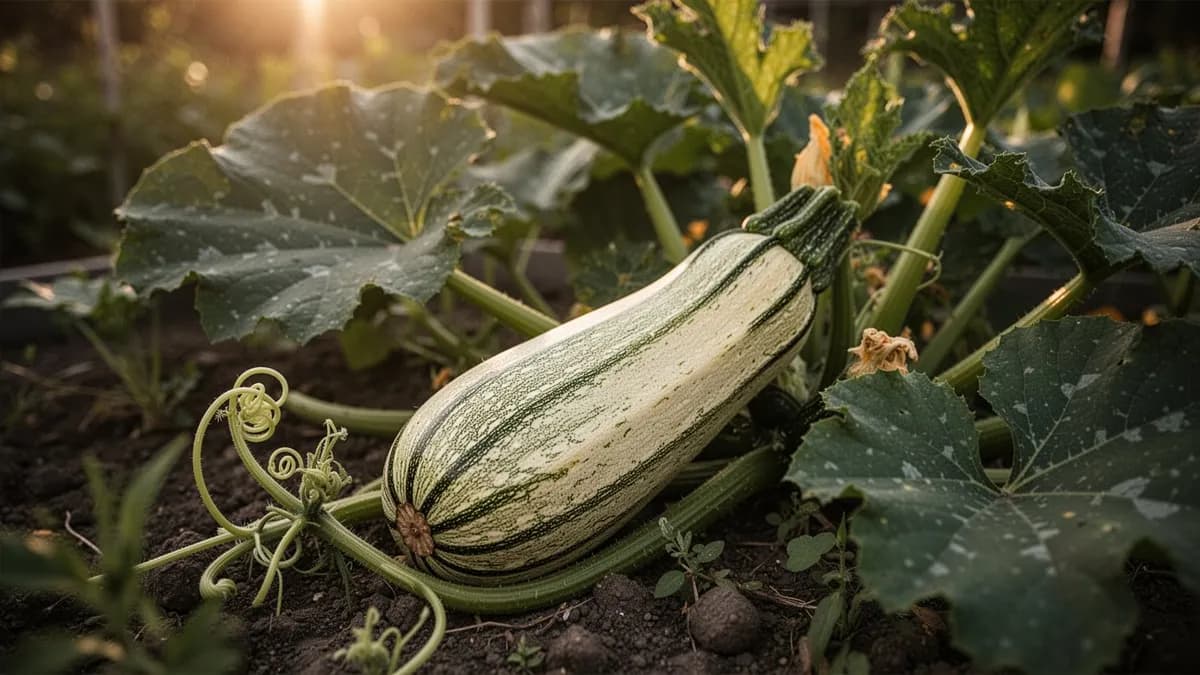
El calabacín redondo (Cucurbita pepo) es una variedad de calabaza de verano que se distingue por su forma esférica o ligeramente achatada, perfecta para rellenar.





En esta páginaResumen
Conoce Calabacín Redondo
El calabacín redondo (Cucurbita pepo) es una variedad de calabaza de verano que se distingue por su forma esférica o ligeramente achatada, perfecta para rellenar. Originario de la Provenza francesa, con la variedad Ronde de Nice como la más emblemática, produce frutos redondos de piel verde claro o moteada con una pulpa blanca tierna y un sabor ligeramente dulce que es considerado superior al de los calabacines convencionales.
Cuándo plantar Calabacín Redondo
Siembre directamente después de la última helada cuando el suelo supere los 18 °C, o inicie 3-4 semanas antes en interior. Coloque 2-3 semillas a 2-3 cm de profundidad por montículo. La germinación ocurre en 5-10 días a 20-25 °C. Aclare a la plántula más vigorosa.
Tu año de Calabacín Redondo
Ajustado a Zona 7 · temporada típica · la helada se va hacia el 2 abr y vuelve hacia el 1 nov
Planta Calabacín Redondo Abr – Jun y cosecha Jul – Sep. Consulta los métodos de plantación y elige tu clima para adaptar los periodos.
Cómo cultivar Calabacín Redondo
El calabacín redondo se cultiva como cualquier calabacín pero se cosecha a un tamaño menor para aprovechar su forma ideal para rellenar. Elija un lugar a pleno sol con suelo rico, fértil y bien drenado, pH entre 6,0 y 7,5. Prepare montículos enriquecidos con compost y estiércol bien descompuesto.
Siembre directamente después de la última helada cuando el suelo supere los 18 °C, o inicie en interior 3-4 semanas antes. Plante 2-3 semillas a 2-3 cm de profundidad en montículos separados 90-120 cm. Aclare a la planta más fuerte.
Riegue abundante y regularmente en la base. Aplique acolchado y fertilice cada 2-3 semanas con fertilizante orgánico rico en potasio. La cosecha regular es especialmente importante con los redondos, ya que crecen rápidamente y pierden su forma y textura ideales si se dejan demasiado.
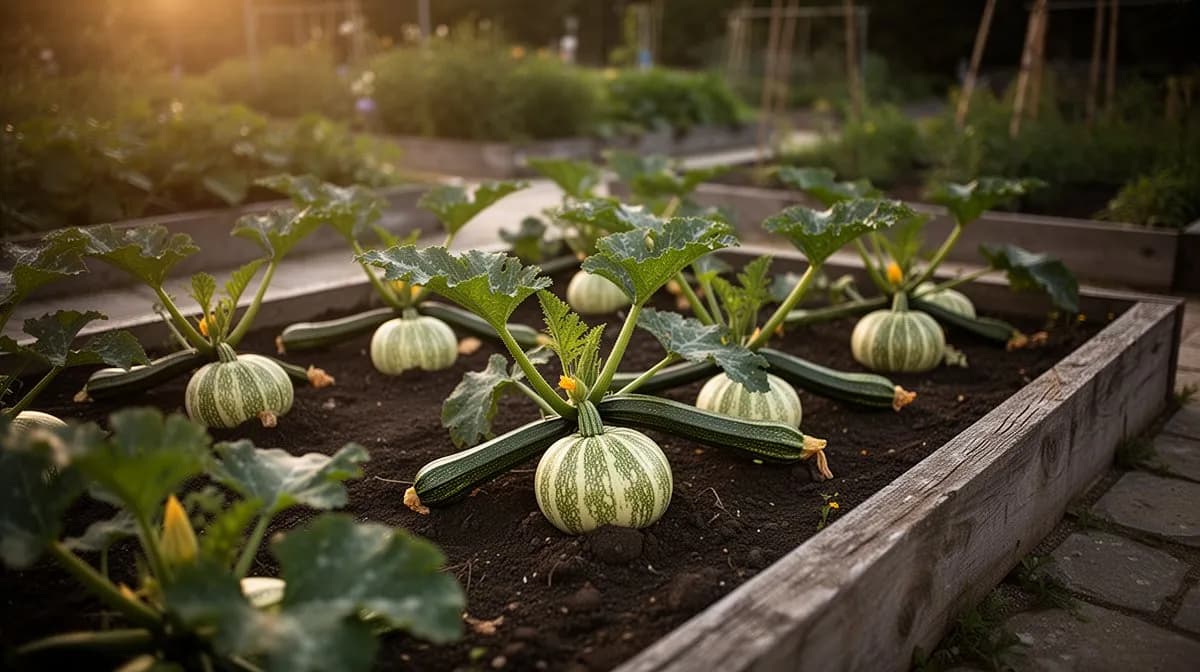
2 plantas caben en un bancal de 120 × 240 cm
Cada Calabacín Redondo pide 90 cm de margen. El planificador guarda ese marco por ti — cada planta, cada bancal.
Los mejores vecinos de Calabacín Redondo
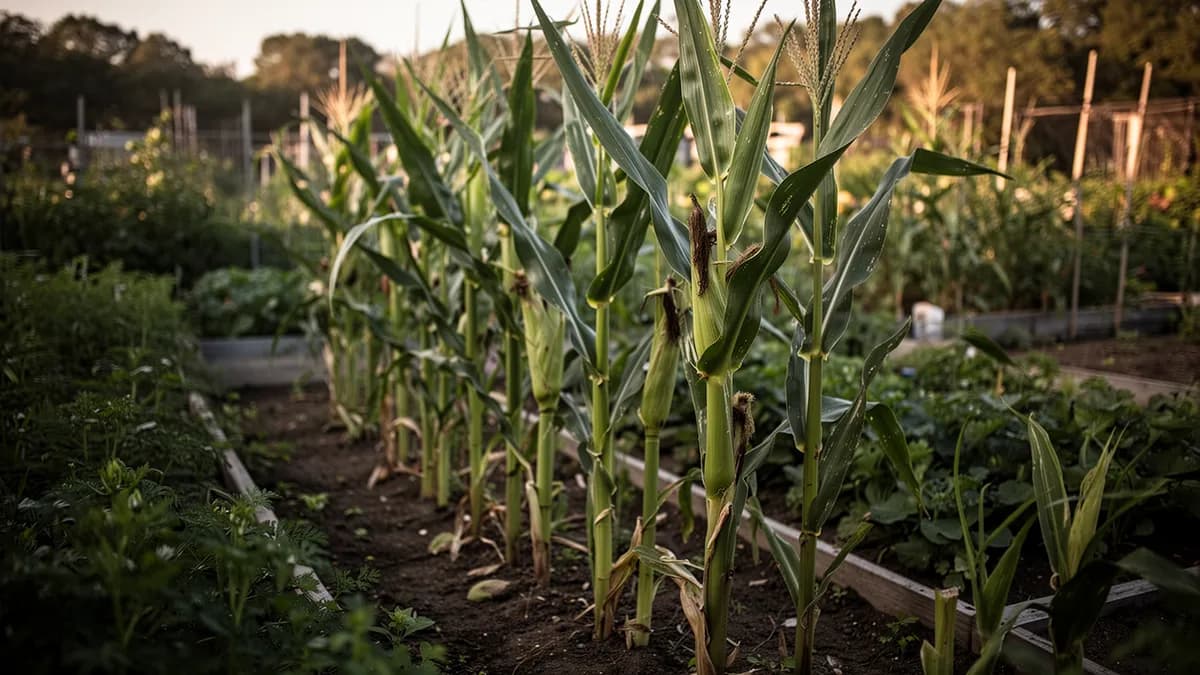
El calabacín redondo crece bien junto a frijoles, maíz y hierbas aromáticas como albahaca y orégano. Las caléndulas y capuchinas plantadas alrededor repelen ciertos insectos y atraen polinizadores. Evite otras cucurbitáceas cerca para reducir la transmisión de enfermedades.
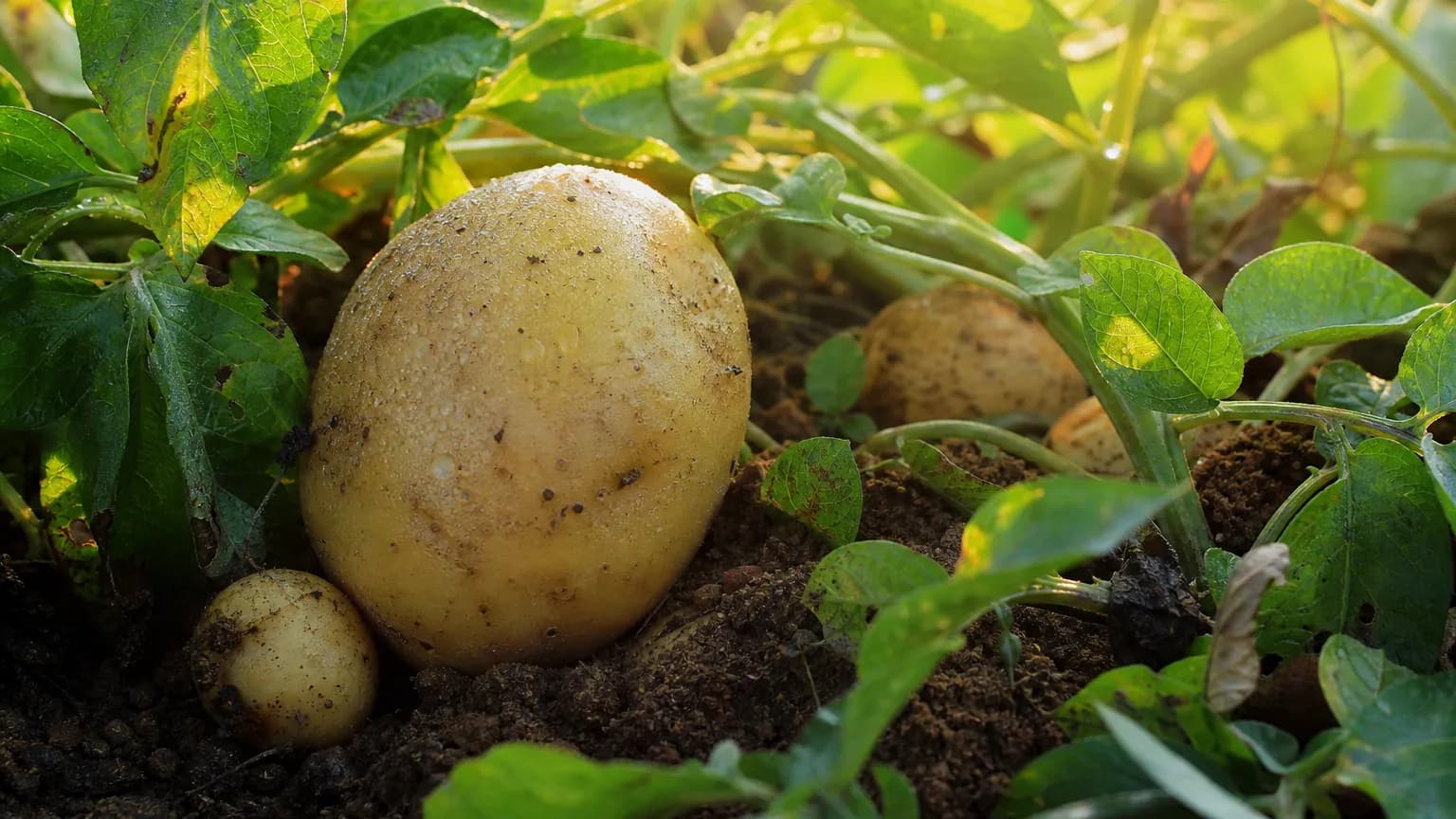
Maíz va a su lado. Papa no.
Saber de huerto de siempre, cotejado con la tabla real de Calabacín Redondo — prueba cualquier planta que cultives.
Prueba Calabacín Redondo en un bancal, aquí mismo
Un bancal real del planificador con Calabacín Redondo ya plantado. Toca una planta compañera para colocarla y mira cómo responde la comprobación de vecinos: verde para buenos vecinos, rojo si hay conflicto.


Guías de cultivo relacionadas
Abónalo bien
El calabacín redondo necesita suelo rico, fértil y bien drenado con pH entre 6,0 y 7,5. Incorpore abundante compost antes de la siembra. Aplique fertilizante orgánico rico en potasio cada 2-3 semanas durante la fructificación para frutos de buen sabor y forma uniforme.
Temperatura ideal
Compatibilidad de zonas de rusticidad
De la semilla a la cosecha, etapa por etapa
Siembra
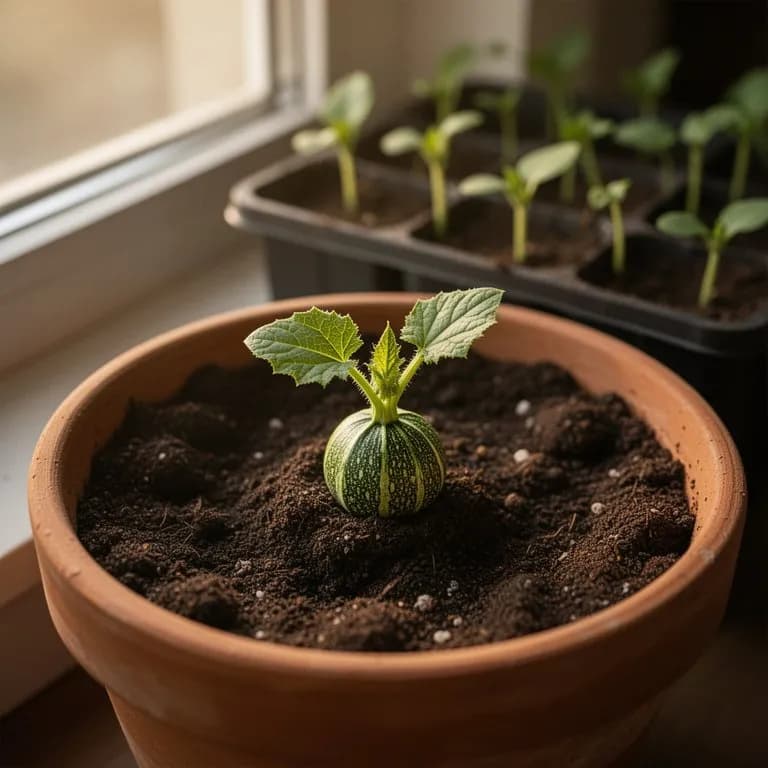
Las semillas grandes y planas germinan rápidamente en suelo cálido, enviando un hipocótilo grueso que empuja los cotiledones anchos por encima de la superficie. La germinación tarda de 5 a 10 días cuando la temperatura del suelo es de al menos 18 °C y es más rápida a 24-30 °C. Las plántulas emergentes son fuertes y vigorosas desde el inicio.
Crecimiento de la plántula
Aparecen las hojas verdaderas con el follaje típico de calabaza, profundamente lobulado y ligeramente espinoso. Las hojas crecen con rapidez y pueden alcanzar 20-30 cm de ancho. Se desarrolla una corona central fuerte de la que surgirán todos los tallos, hojas y flores futuros. El desarrollo de raíces es vigoroso durante esta etapa.
Crecimiento vegetativo
La planta se expande rápidamente hasta formar un montículo ancho y arbustivo de grandes hojas sobre tallos gruesos y huecos. Las variedades de calabacín redondo tienden a formar un hábito de mata algo más compacto que las variedades alargadas. El follaje puede extenderse de 90 a 120 cm de diámetro. Los tallos y los pecíolos están cubiertos de pelos cortos y rígidos.
Floración
Aparecen grandes flores amarillo dorado, abriéndose primero las flores masculinas en tallos largos y delgados. Las flores femeninas siguen unos días después y se identifican por el pequeño fruto redondo que se hincha en la base de cada flor. Cada flor se abre al amanecer y se cierra al mediodía. La polinización por abejas es esencial para el cuajado.
Desarrollo del fruto
Las flores femeninas polinizadas se hinchan hasta formar pequeños frutos esféricos que crecen asombrosamente rápido con clima cálido: un calabacín redondo puede duplicar su tamaño en 48 horas. La piel es lisa, brillante y de verde oscuro a verde medio, a veces con moteado o rayas más claras según la variedad. Se desarrollan varios frutos al mismo tiempo.
Cosecha máxima
La planta entra en un ciclo de producción sostenida, floreciendo y fructificando de forma continua durante 6-10 semanas. Una planta sana puede producir de 2 a 4 frutos por semana durante la temporada alta. La producción continúa hasta la primera helada o hasta que el oídio debilita la planta a finales del verano.
Siembra directa las semillas a 2,5 cm de profundidad en suelo cálido después de que haya pasado todo riesgo de heladas. Si las inicias en interior, usa macetas biodegradables grandes para no dañar las raíces sensibles al trasplantar. La temperatura del suelo es el factor más importante para una germinación rápida y fiable.
Cuidar Calabacín Redondo mes a mes
Qué hacer cada mes para tu Calabacín Redondo
Octubre
Mes actualFinal harvests in most zones before frost. Pull spent plants and compost healthy foliage. Do not compost plants with severe powdery mildew or pest damage. Note which varieties performed best.
Ten claro qué hacer en tu huerto, cada mes
Un correo al empezar cada mes: qué sembrar, plantar y hacer ahora mismo — para tu Calabacín Redondo y todo lo que crece alrededor. Más un breve curso inicial para esquivar los errores clásicos.
- Qué hacer ahora mismo
- Ajustado a tu temporada
- Curso inicial incluido
Cosechar Calabacín Redondo
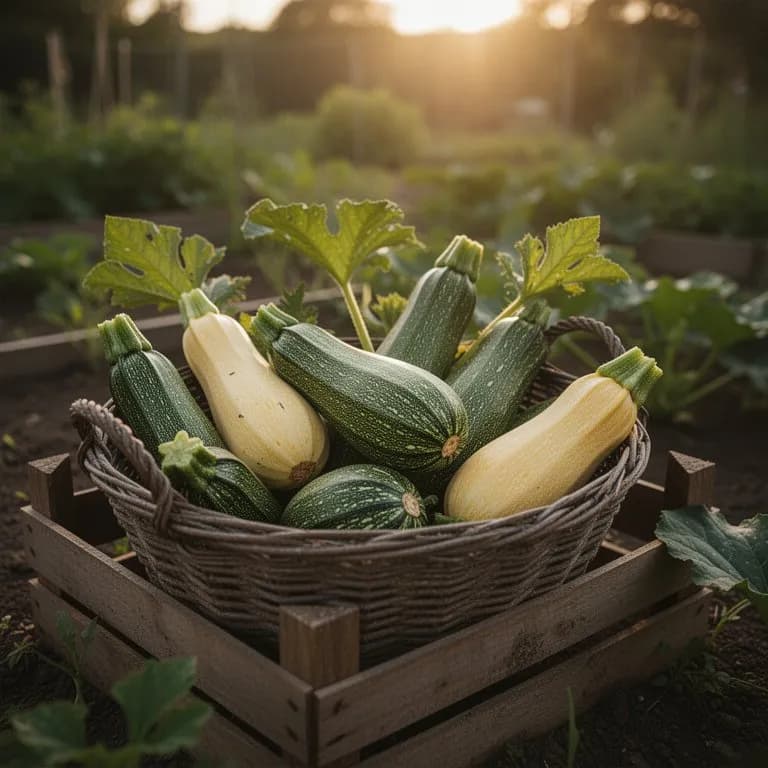
Coseche el calabacín redondo cuando tenga 8-12 cm de diámetro, generalmente entre 50 y 60 días después de la siembra, el tamaño perfecto para rellenar. A este tamaño, la pulpa es especialmente tierna y las semillas son diminutas. Corte con cuchillo dejando 2-3 cm de pedúnculo. Coseche cada 2-3 días; los frutos crecen rápido.
se supone que plantas al comenzar el periodo — indica tu fecha real
Cuando los frutos alcancen el tamaño de una pelota de tenis a una de softball, unos 6-8 cm de diámetro.
Almacenamiento y conservación
Los frutos frescos se conservan en el refrigerador 5-7 días en una bolsa perforada. Para congelación, vacíe y rellene los calabacines antes de congelarlos, ya que la textura del calabacín redondo crudo no se conserva bien congelado. También se prestan para conservas rellenas esterilizadas en frasco.
Qué falla — y cómo solucionarlo
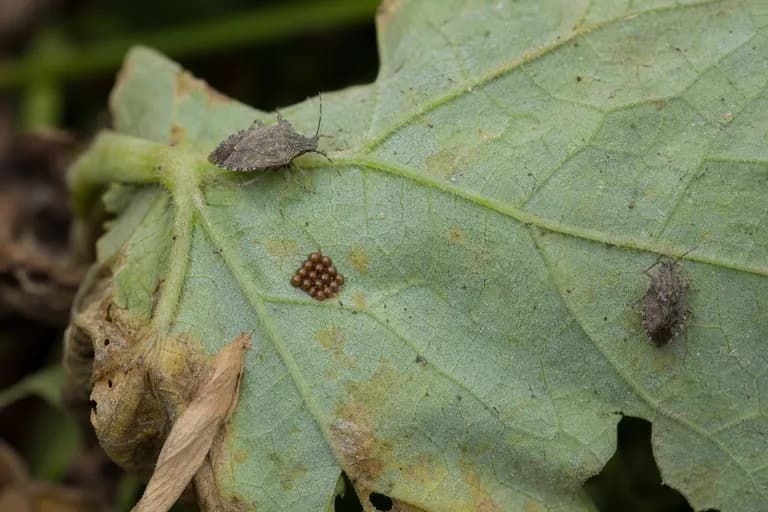
Oídio (Podosphaera xanthii)
EnfermedadPolvo blanquecino en las hojas que reduce la fotosíntesis. Las hojas amarillean y caen, afectando la producción de frutos.
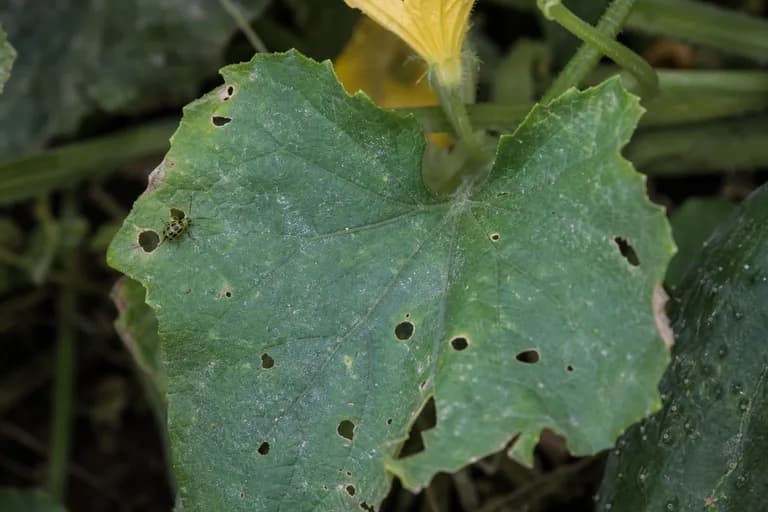
Barrenador de la vid (Melittia cucurbitae)
PlagaMarchitamiento súbito causado por larvas que penetran en la base del tallo. Excrementos amarillentos visibles en la base de la planta.
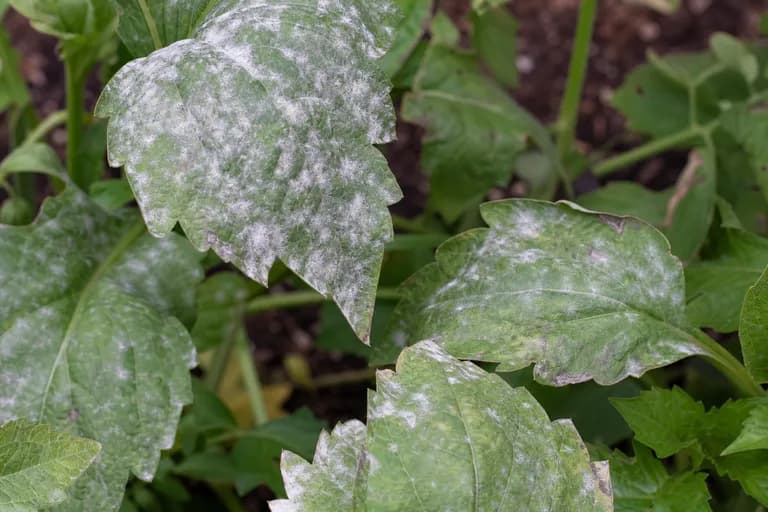
Pudrición apical del fruto
EnfermedadManchas oscuras hundidas en la base del fruto por absorción irregular de calcio. No es causada por un patógeno.
Solución de problemas comunes
La cosecha oportuna es crucial: los frutos redondos pierden rápidamente su tamaño ideal y se vuelven grandes, duros y con semillas en solo 2-3 días de retraso. El oídio es el problema fitosanitario más frecuente. Las flores grandes son un bono culinario pero atraen insectos; la falta de polinización puede causar frutos deformes o que no cuajen.
Consejos de cultivo
- Wait for genuinely warm soil before planting. Round zucchini seeds planted in cold, wet soil below 18°C (65°F) will rot rather than germinate. Use a soil thermometer and be patient — a week of warmth makes all the difference.
- Plant in the sunniest spot available with a minimum of 6-8 hours of direct sunlight daily. More sun means more flowers, better pollination, and higher yields. Even light shade noticeably reduces production.
- Water deeply and consistently, aiming for 2.5-4 cm per week. Drip irrigation or soaker hoses at the base are ideal — overhead watering promotes powdery mildew and leaf diseases. Water in the morning so foliage dries before evening.
- Feed generously since round zucchini is a heavy feeder. Work compost and aged manure into beds before planting, then side-dress with balanced fertilizer every 3-4 weeks during the growing season. Switch to a phosphorus-rich formula once flowering begins.
- Harvest at 6-8 cm diameter — about tennis-ball to softball size — for the best flavor, texture, and seed development. Larger fruits become seedy, watery, and bland. Use a sharp knife to cut fruits from the plant, leaving a short stem attached.
- Check plants every 2-3 days during peak production. Round zucchini grows fast and a fruit that is perfect today may be oversized in 48 hours. Consistent harvesting keeps the plant flowering and producing new fruits.
- Monitor for squash vine borers, the most destructive pest. Look for sawdust-like frass at the base of stems and wilting despite adequate water. Cover young plants with row covers until flowering begins, then remove for pollinator access.
- Combat powdery mildew proactively by ensuring good air circulation, watering at the base rather than overhead, and spraying preventively with a solution of potassium bicarbonate or diluted milk (1 part milk to 9 parts water) every 7-10 days from midsummer onward.
Cultiva tu mejor Calabacín Redondo — y todo lo que la rodea.
Empieza un plan gratis hoy. Diseña tus bancales, coloca tu Calabacín Redondo y deja que PlotMyGarden gestione el momento, el espaciado, las asociaciones y los recordatorios de la semilla a la cesta.
Elige tu Calabacín Redondo
Ronde de Nice
La variedad clásica provenzal con frutos redondos verde claro moteados. Pulpa blanca tierna de sabor superior. Flores grandes ideales para rellenar. 50-55 días.
Eight Ball
Variedad moderna con frutos esféricos verde oscuro muy uniformes. Compacta y productiva. Excelente resistencia a enfermedades. 50-55 días.
Tondo di Piacenza
Variedad italiana con frutos redondos de piel verde oscuro brillante y carne firme. Sabor intenso. Tradicional en la cocina del norte de Italia. 52-58 días.
One Ball
Variedad de frutos esféricos amarillo dorado que añade color al jardín y la cocina. Sabor dulce y textura suave. 50-55 días.
A single round zucchini plant grown from a $2-3 seed packet (containing 15-25 seeds) can produce 3-5 kg of specialty squash over a season. Round zucchini varieties sell for $3-6 per pound at farmers markets and specialty grocers — significantly more than standard zucchini due to their novelty and culinary appeal. Growing just 2-3 plants can easily save $40-80 per season, and the surplus makes excellent gifts, freezer stock for fritters, and fodder for creative stuffing recipes.
Recetas rápidas
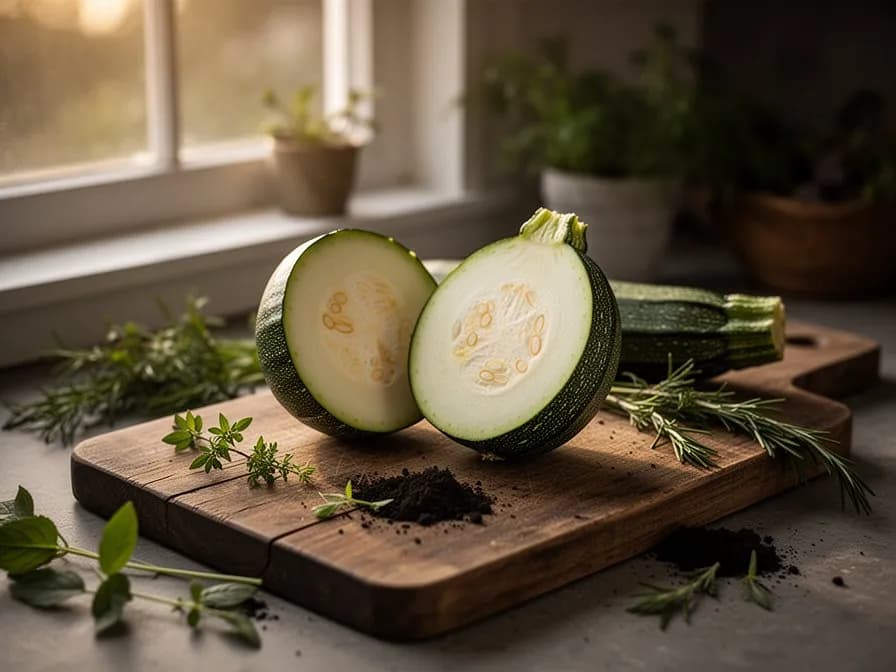
Stuffed Round Zucchini
40 minThe natural bowl shape of round zucchini makes it the perfect vessel for a savory filling. Scoop out the center, stuff with a mixture of rice, herbs, and cheese, and bake until golden and tender — an elegant dish that practically presents itself.
8 ingredientes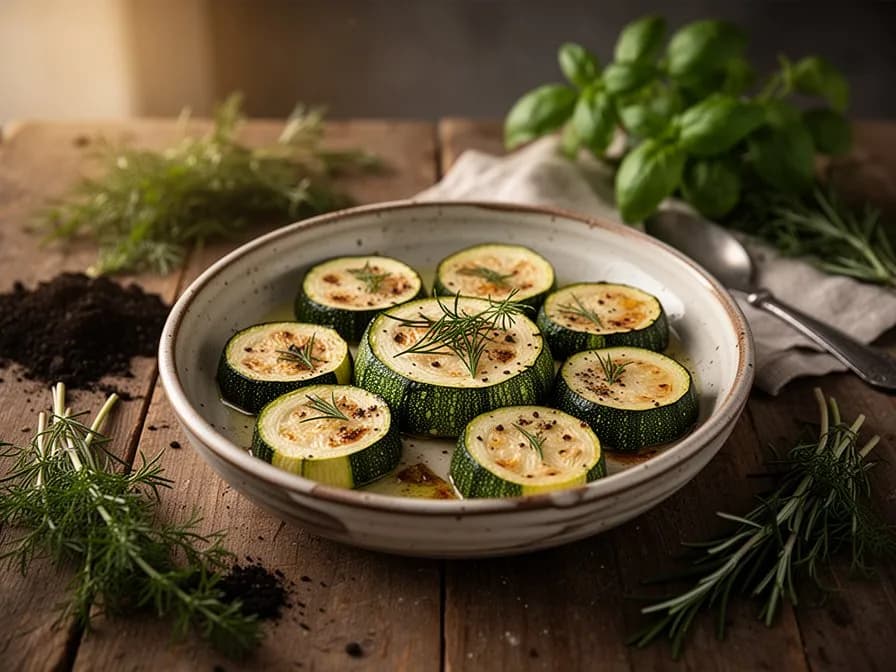
Grilled Round Zucchini Steaks
20 minCut into thick round slices that hold together perfectly on the grill. A quick marinade of olive oil, garlic, and lemon creates charred, smoky slices with a tender, creamy interior — a standout side dish for any summer barbecue.
7 ingredientesRound Zucchini Fritters
25 minGrated round zucchini mixed with herbs and feta, then pan-fried into crispy golden patties. Squeezing out excess moisture is the secret to achieving a perfectly crisp exterior with a tender, flavorful center.
8 ingredientesUsos culinarios
El calabacín redondo es el rey de los calabacines rellenos. Se vacía con una cuchara, se rellena con una mezcla de arroz, carne picada, hierbas y queso, y se hornea. En la Provenza se prepara con relleno de arroz, tomate y aceitunas. La Ronde de Nice se corta en rodajas gruesas y se fríe en tempura, se asa a la parrilla o se gratina con bechamel. Las flores grandes se rellenan con ricotta y se fríen en la tradición italiana.
Qué contiene
Beneficios para la salud
- Extremely low calorie density (17 kcal per 100g) with high water content makes round zucchini one of the most weight-management-friendly vegetables available.
- Good source of vitamin C, providing antioxidant protection that supports immune function, collagen synthesis, and iron absorption from plant-based foods.
- Contains potassium (261mg per 100g), an electrolyte that helps regulate blood pressure, fluid balance, and proper muscle and nerve function.
- Provides lutein and zeaxanthin, carotenoid pigments concentrated in the skin that support eye health and may help prevent age-related macular degeneration.
- The soluble fiber, particularly pectin, in zucchini supports beneficial gut bacteria and may help regulate blood sugar levels after meals.
- Contains anti-inflammatory compounds including vitamin C, beta-carotene, and polyphenols that may help reduce chronic inflammation and oxidative stress throughout the body.
De dónde viene Calabacín Redondo
Round zucchini belongs to the species Cucurbita pepo, which originated in Mesoamerica where wild gourds were domesticated at least 8,000-10,000 years ago in what is now southern Mexico and Central America. Archaeological evidence from the Guilá Naquitz cave in Oaxaca, Mexico, includes some of the oldest known squash seeds. These early cultivated squashes were initially grown for their nutritious seeds rather than their bitter flesh, and over millennia of selection, larger-fruited varieties with milder flesh were developed by indigenous peoples across the Americas.
After Columbus and subsequent European explorers brought squash seeds back to Europe in the late 15th and 16th centuries, the species underwent rapid diversification in Mediterranean climates. Italian gardeners, particularly in the regions around Naples and Sicily, selectively bred the tender, mild-fleshed summer varieties that would become modern zucchini. The round forms — most notably the heirloom Ronde de Nice — were developed along the French and Italian Riviera, where the warm Mediterranean climate and rich culinary traditions encouraged experimentation with shape, color, and flavor. These globe-shaped varieties became a staple of Provençal and Niçoise cooking, prized for their ideal stuffing shape and slightly nuttier flavor compared to elongated types.
Today, round zucchini varieties are grown worldwide wherever summer squash thrives. Popular cultivars include Ronde de Nice (the classic French heirloom with pale green mottled skin), Eight Ball (a modern hybrid with dark green skin), Geode (a compact hybrid ideal for containers), and Tondo di Piacenza (an Italian heirloom). While less common in supermarkets than standard zucchini, round varieties are increasingly popular with home gardeners and farmers market vendors for their novelty, compact growth habit, and superior culinary versatility for stuffing and roasting.
Calabacín Redondo: ¿sabías que?
Datos fascinantes sobre Calabacín Redondo
Round zucchini varieties like Ronde de Nice originated in the French Riviera region around the city of Nice, where they have been cultivated since at least the 19th century and remain a prized ingredient in Provençal cuisine.
Calabacín Redondo: preguntas frecuentes
¿Cuándo debo plantar Calabacín Redondo?
¿Cuáles son buenas plantas acompañantes para Calabacín Redondo?
¿En qué zonas de rusticidad puede crecer Calabacín Redondo?
¿Cuánto sol necesita Calabacín Redondo?
¿A qué distancia debo espaciar Calabacín Redondo?
¿Qué plagas y enfermedades afectan a Calabacín Redondo?
¿Cómo almaceno Calabacín Redondo después de la cosecha?
¿Cuáles son las mejores variedades de Calabacín Redondo para cultivar?
¿Qué suelo necesita Calabacín Redondo?
What is the difference between round and regular zucchini?
Why are my round zucchini fruits rotting before they mature?
How big should I let round zucchini grow before picking?
Can I grow round zucchini in a container?
Why does my round zucchini plant have lots of flowers but no fruit?
How do I prevent powdery mildew on round zucchini?
Acabas de leer la teoría. Ahora cultívala en piloto automático.
Todo lo que hace que Calabacín Redondo sea delicado — el momento, el espaciado, las asociaciones, la ventana de cosecha — es justo lo que PlotMyGarden resuelve por ti, para cada planta de tu huerto.
Un plan que conoce tu clima
Indica tu ubicación una vez. Recibe fechas de siembra, abonado y cosecha basadas en tu última helada real y el pronóstico en vivo — sin adivinar con un sobre genérico.
De la sección “Cuándo plantar”Planificador de bancales de arrastrar y soltar
Diseña bancales sobre una cuadrícula. Cada planta encaja con su espaciado correcto y ves toda la temporada antes de gastar un céntimo en semillas.
De la sección “Cultivo”Conflictos de asociación, detectados a tiempo
Más de 200 buenas y malas combinaciones comprobadas en vivo mientras plantas — para que un error que arruine la temporada nunca llegue a la tierra.
De la sección “Asociaciones”Recordatorios que sí vas a seguir
“Riega las judías.” “Recoge hoy antes de que se pase.” Oportunos, concretos y ligados a las plantas que de verdad cultivas.
De la sección “Cosecha”Escalonado, programado
¿Quieres cosechar seis semanas en vez de seis días? Reparte tus siembras automáticamente y te avisa cuando toca el siguiente lote.
De la sección “Cuándo plantar”Un registro que se vuelve más listo
Cada cosecha que registras le enseña tu huerto. El plan del año que viene parte de lo que de verdad funcionó en tu suelo, no en un manual.
De la sección “Resumen”Planta estos junto a Calabacín Redondo
Más Cucurbitáceas
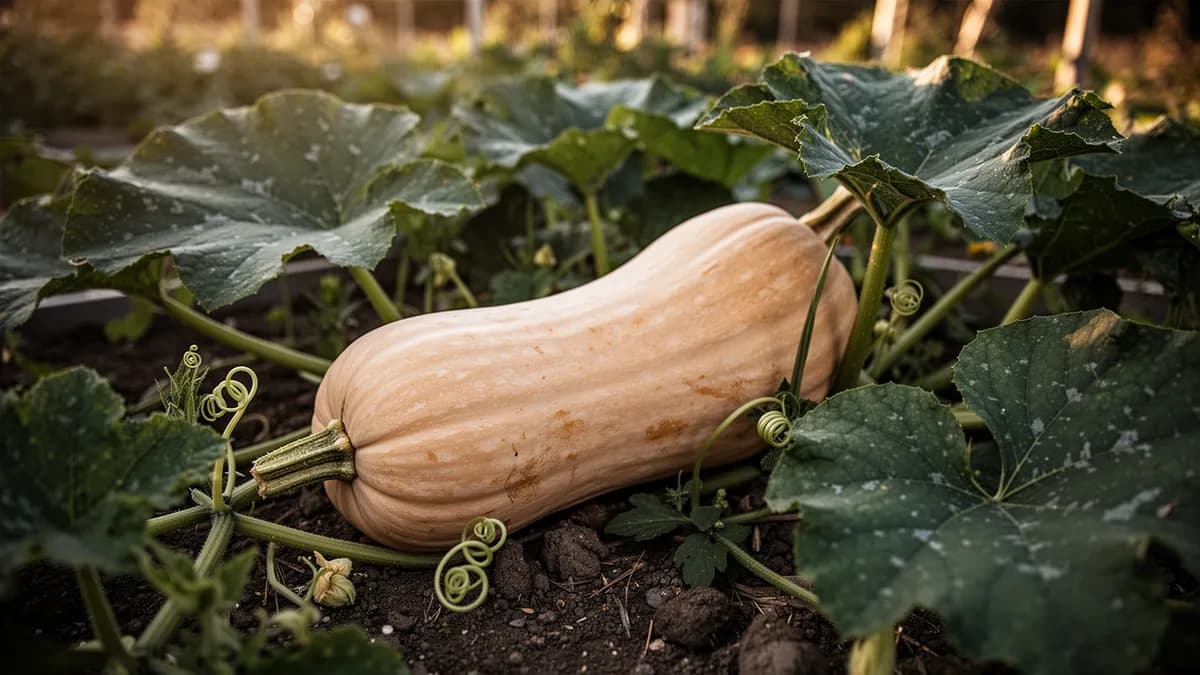
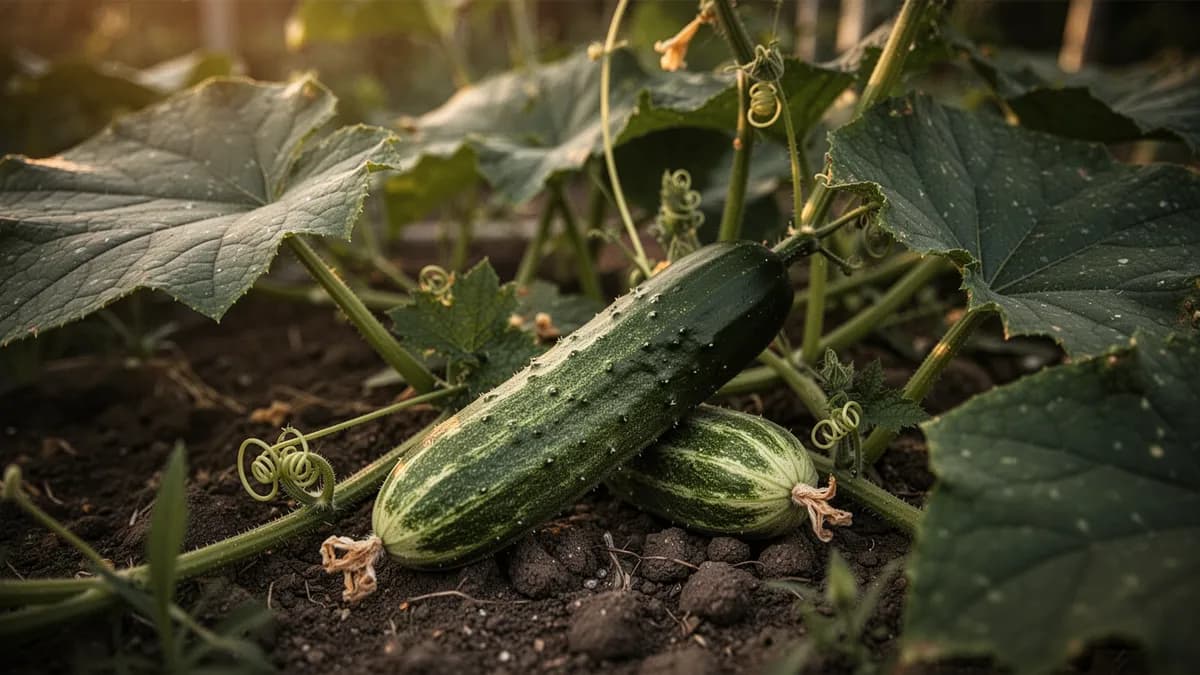
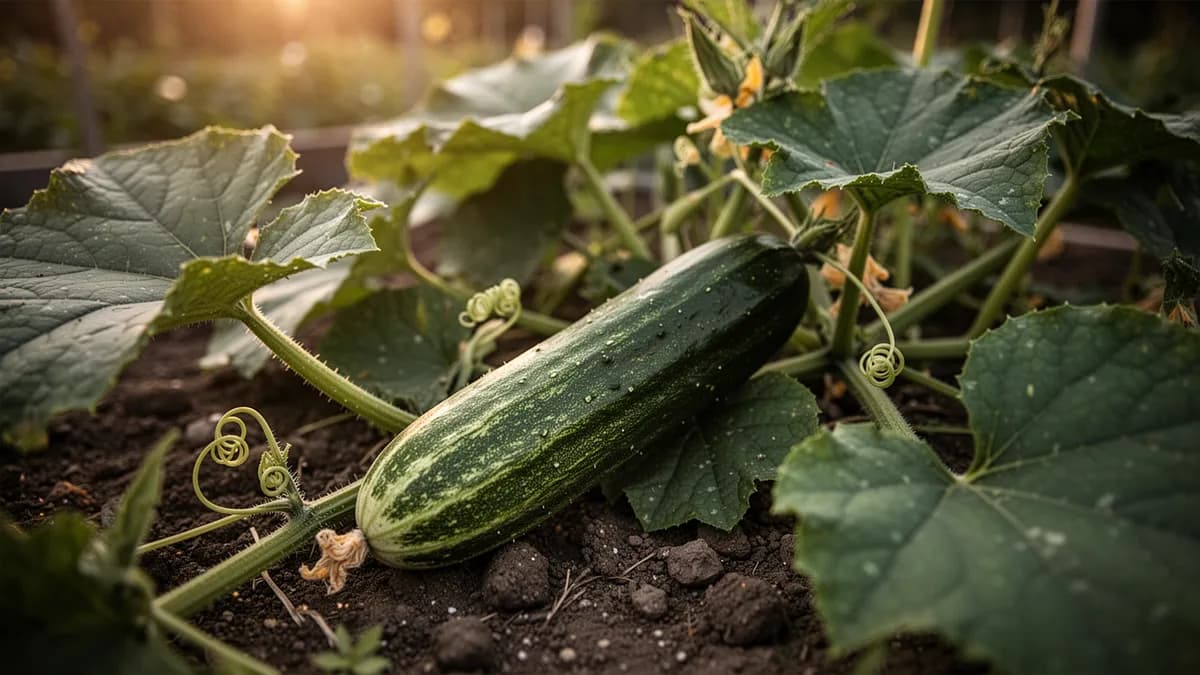
Mantén Calabacín Redondo lejos de estos
Cultiva tu mejor Calabacín Redondo — y todo lo que la rodea.
Empieza un plan gratis hoy. Diseña tus bancales, coloca tu Calabacín Redondo y deja que PlotMyGarden gestione el momento, el espaciado, las asociaciones y los recordatorios de la semilla a la cesta.