Frijol Terciopelo
El frijol terciopelo (Mucuna pruriens) es una leguminosa tropical trepadora originaria del sur de Asia y África, cultivada como abono verde, forraje y alimento.





En esta páginaResumen
Conoce Frijol Terciopelo
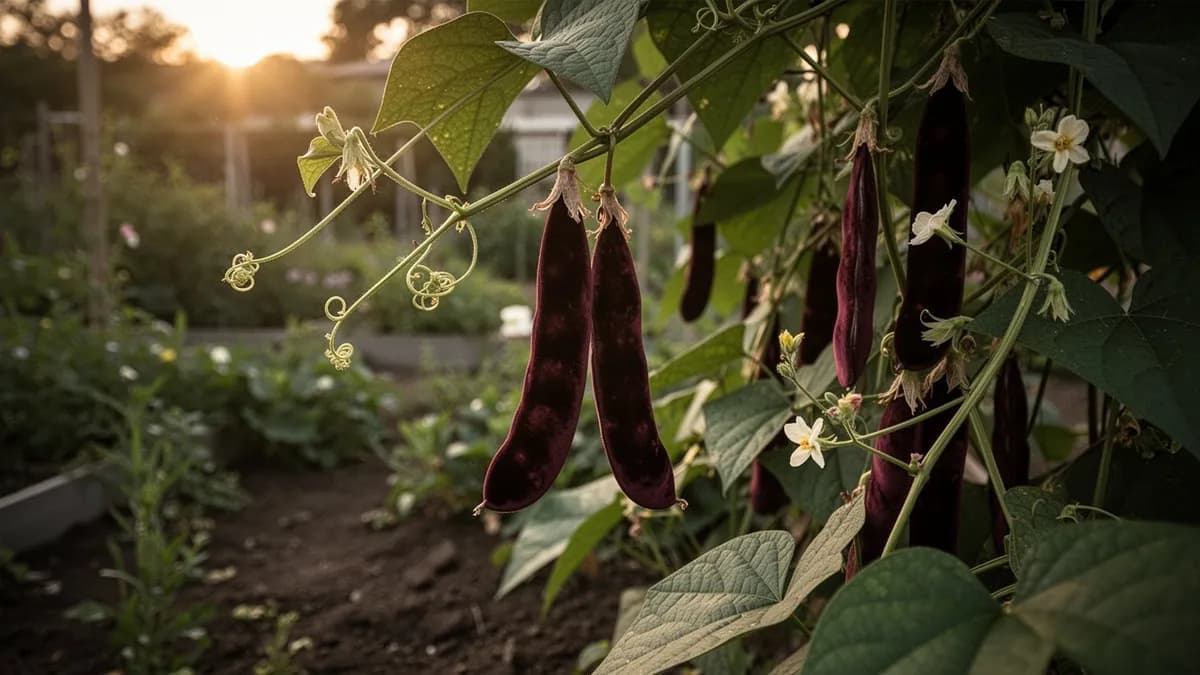
El frijol terciopelo (Mucuna pruriens) es una leguminosa tropical trepadora originaria del sur de Asia y África, cultivada como abono verde, forraje y alimento. Sus vainas están cubiertas de pelos urticantes que le dan su nombre común, y sus semillas, una vez procesadas correctamente, son ricas en proteínas y L-DOPA, un precursor de la dopamina.
Cuándo plantar Frijol Terciopelo
Remoje las semillas en agua tibia durante 24 horas antes de la siembra para ablandar la cubierta dura y acelerar la germinación. Siembre a 3-4 cm de profundidad cuando la temperatura del suelo supere los 20 °C, espaciando las semillas 30-40 cm entre sí. La germinación ocurre en 7-14 días.
Tu año de Frijol Terciopelo
Ajustado a Zona 7 · temporada típica · la helada se va hacia el 2 abr y vuelve hacia el 1 nov
Planta Frijol Terciopelo May – Jun y cosecha Sep – Nov. Consulta los métodos de plantación y elige tu clima para adaptar los periodos.
Cómo cultivar Frijol Terciopelo
El frijol terciopelo es una planta vigorosa de crecimiento rápido que necesita estructuras de soporte robustas, ya que sus enredaderas pueden alcanzar 6-10 metros de longitud. Elija un lugar a pleno sol con temperaturas mínimas superiores a 20 °C y proporcione tutores, espalderas o cercas resistentes para que trepe libremente.
Prepare el suelo incorporando compost maduro, aunque esta especie tolera suelos pobres gracias a su capacidad de fijar nitrógeno atmosférico mediante bacterias simbióticas del género Rhizobium. Riegue regularmente durante la fase de establecimiento y reduzca el riego una vez que la planta esté bien arraigada, ya que tolera períodos cortos de sequía.
Mantenga el área libre de malas hierbas durante las primeras semanas; después, el crecimiento vigoroso de la planta cubrirá el suelo eficazmente. En climas templados, cultive como anual sembrando después de la última helada. Como abono verde, corte e incorpore la biomasa al suelo antes de la floración para maximizar el aporte de nitrógeno.
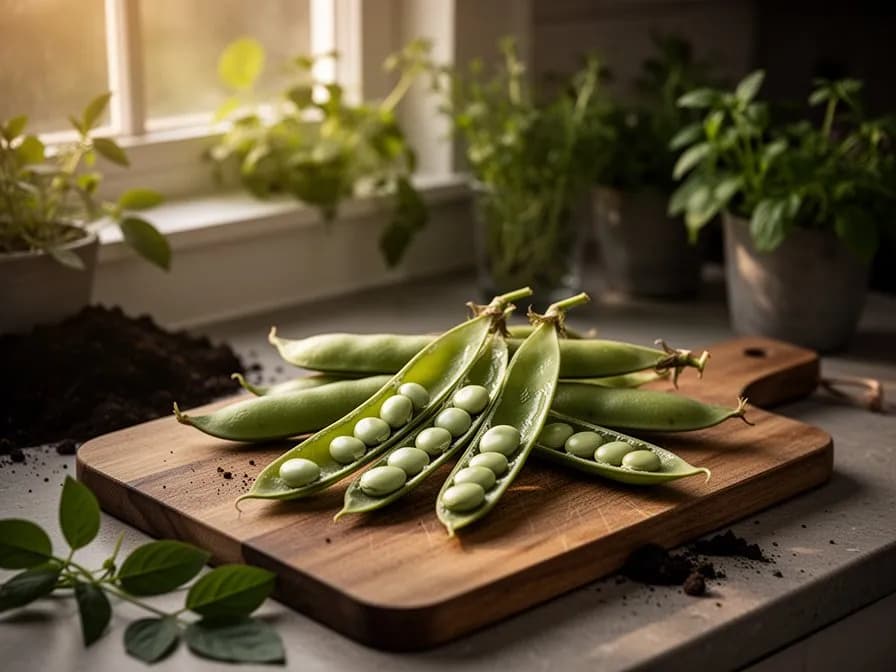
10 plantas caben en un bancal de 120 × 240 cm
Cada Frijol Terciopelo pide 45 cm de margen. El planificador guarda ese marco por ti — cada planta, cada bancal.
Los mejores vecinos de Frijol Terciopelo
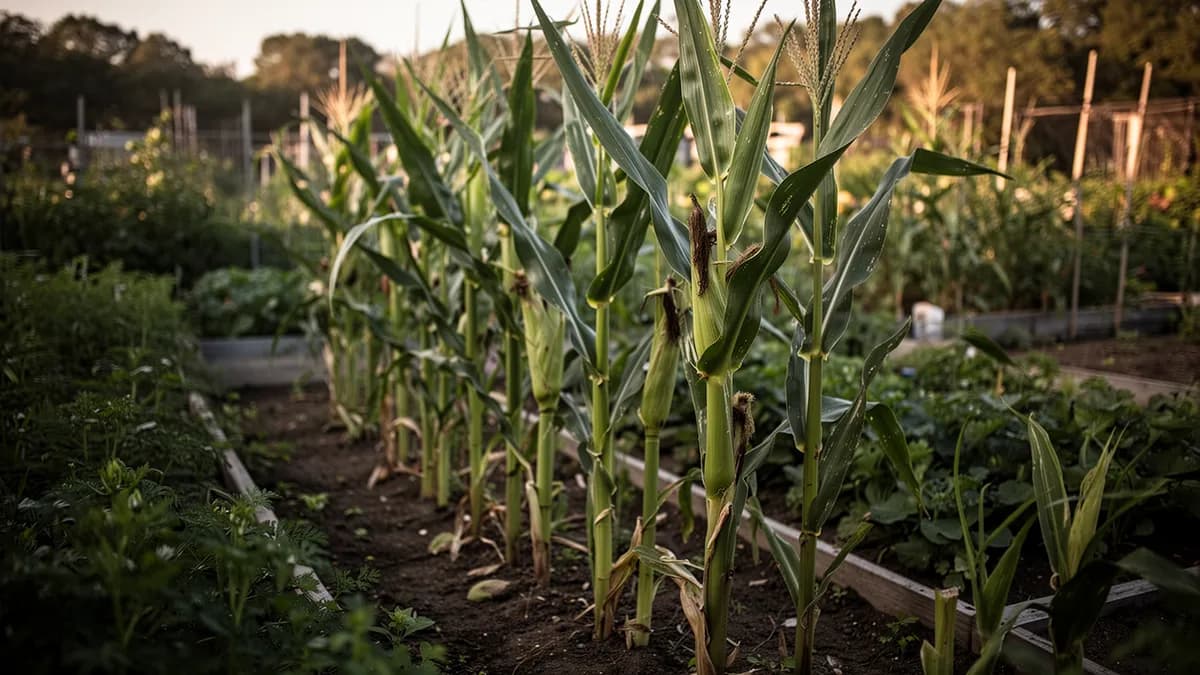
Es un excelente abono verde que fija grandes cantidades de nitrógeno atmosférico y suprime las malas hierbas con su densa cobertura vegetal. Se asocia bien con maíz y sorgo en sistemas de rotación, mejorando significativamente la fertilidad del suelo para el cultivo siguiente.
Maíz va a su lado.
Saber de huerto de siempre, cotejado con la tabla real de Frijol Terciopelo — prueba cualquier planta que cultives.
Prueba Frijol Terciopelo en un bancal, aquí mismo
Un bancal real del planificador con Frijol Terciopelo ya plantado. Toca una planta compañera para colocarla y mira cómo responde la comprobación de vecinos: verde para buenos vecinos, rojo si hay conflicto.


Guías de cultivo relacionadas
Abónalo bien
El frijol terciopelo prospera en una amplia gama de suelos, desde arenosos hasta arcillosos, con pH entre 5,5 y 7,0. Al ser una leguminosa fijadora de nitrógeno, no requiere fertilización nitrogenada. Incorpore fósforo y potasio antes de la siembra para favorecer el desarrollo radicular y la fijación biológica de nitrógeno.
Temperatura ideal
Compatibilidad de zonas de rusticidad
De la semilla a la cosecha, etapa por etapa
Siembra
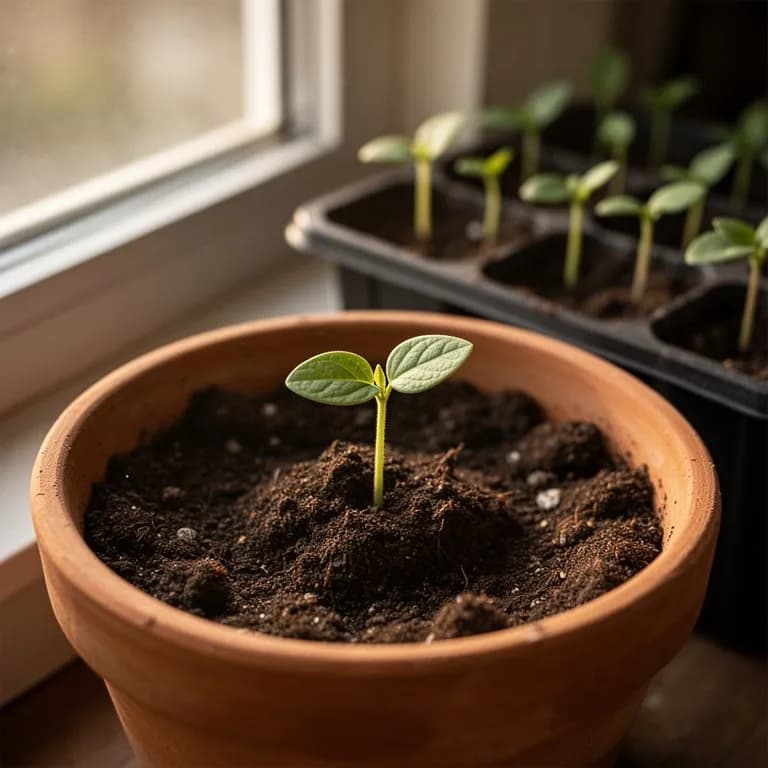
Las semillas germinan rápidamente en suelo cálido y húmedo en 7-14 días. Las semillas grandes levantan hipocótilos gruesos y firmes, seguidos por el primer par de hojas simples antes de que aparezcan las hojas trifoliadas características. La frijol velloso requiere temperaturas del suelo de al menos 20 °C para una germinación fiable.
Desarrollo de plántulas
Las hojas trifoliadas verdaderas se despliegan rápidamente y la enredadera comienza a alargarse. El sistema radicular se desarrolla con vigor, formando nódulos fijadores de nitrógeno con bacterias Rhizobium que permiten que la planta prospere en suelos pobres.
Crecimiento vigoroso de la enredadera
La enredadera entra en un crecimiento explosivo, añadiendo 10-15 cm por día en condiciones tropicales óptimas. Un follaje denso forma una cubierta espesa que ahoga las malas hierbas competidoras. La planta puede alcanzar 3-6 metros o más, y la ramificación lateral crea una masa densa y enredada de vegetación.
Floración
Largos racimos colgantes de flores de color púrpura intenso a blanco emergen de las axilas de las hojas, y cada racimo contiene 15-30 flores individuales. Las flores atraen a abejas, mariposas y otros polinizadores. En muchas variedades, la floración se desencadena por la disminución de la duración del día, aunque también existen cultivares de día neutro.
Desarrollo de vainas
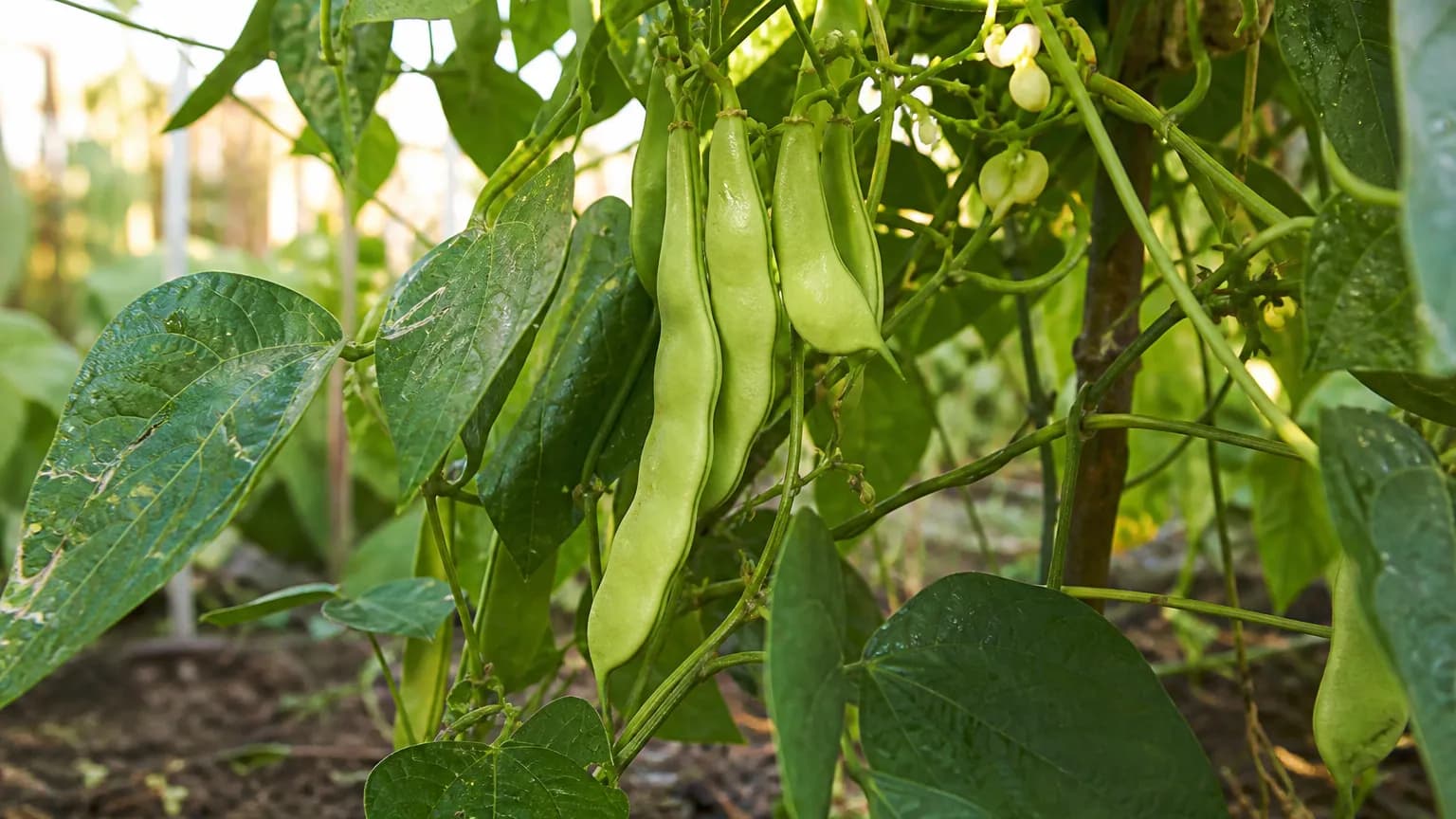
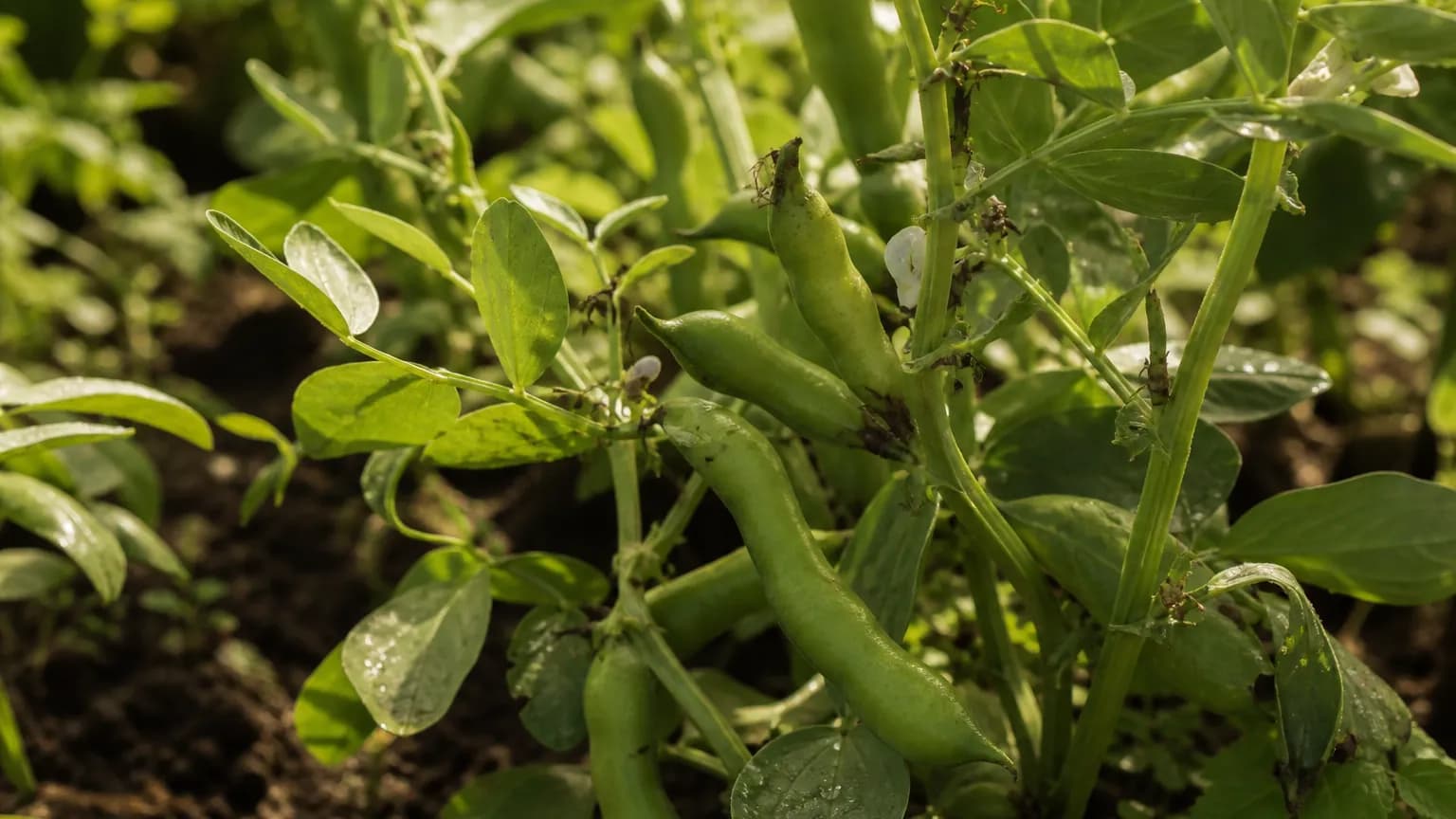
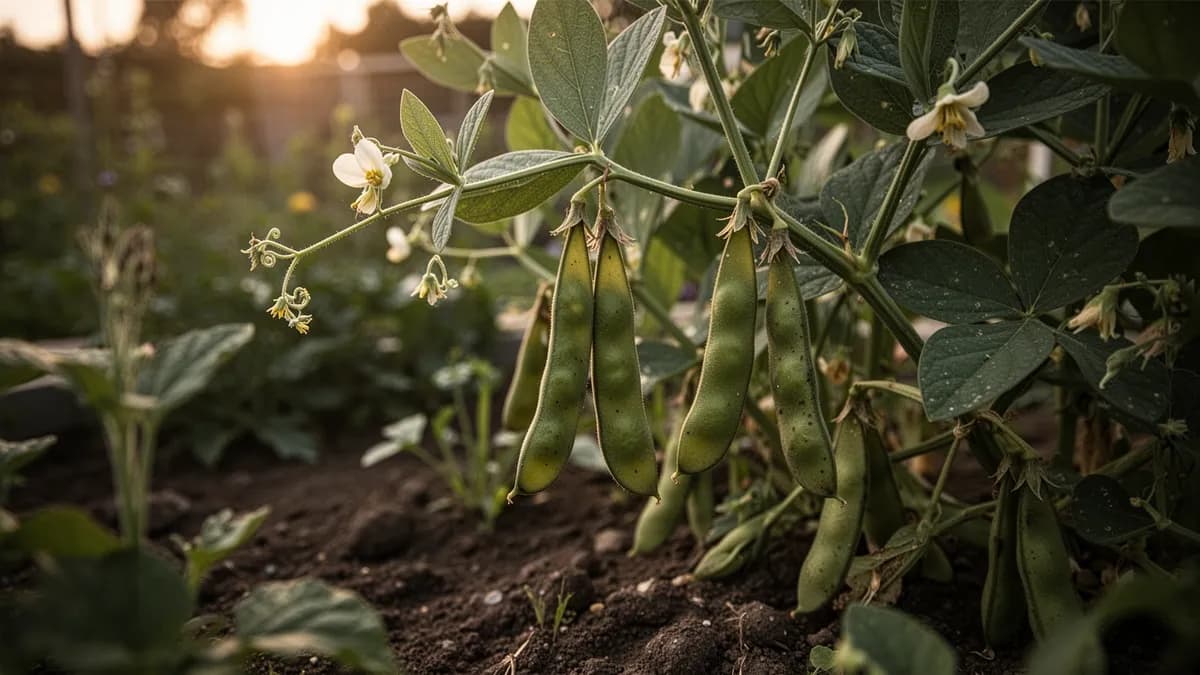
Las vainas curvas en forma de S se desarrollan en grupos de 3-10, y cada vaina contiene 3-6 semillas. Las vainas jóvenes son verdes y blandas, y se oscurecen gradualmente a medida que maduran. La cubierta aterciopelada de pelos finos se desarrolla en la superficie de la vaina y puede causar una irritación intensa al contacto con la piel. Las vainas alcanzan 5-10 cm de longitud al madurar.
Maduración y cosecha de semillas
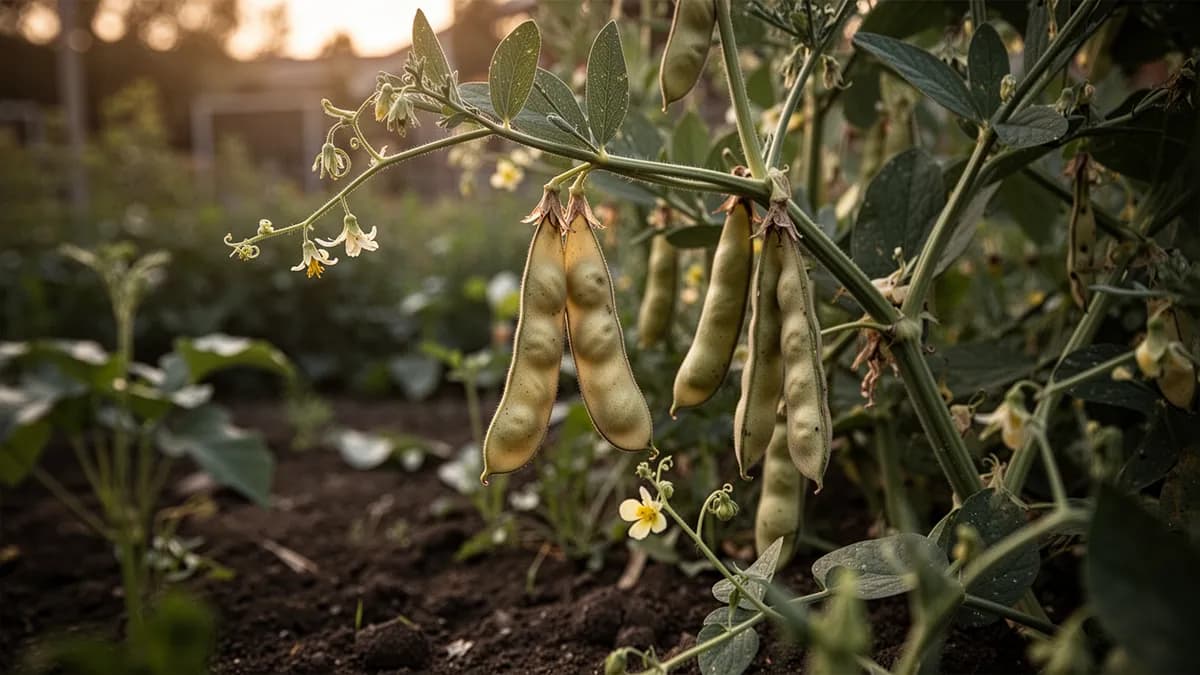
Las vainas se secan en la planta y se vuelven de marrón oscuro a negro. Las semillas se endurecen y adquieren un brillo característico, que puede ir de crema y beige a marrón oscuro, negro o moteado según la variedad. Las vainas maduras se abren por las costuras y dispersan las semillas si no se cosechan a tiempo. La enredadera empieza a senescer cuando las semillas alcanzan su plena madurez.
Escarifica las semillas, haciendo una pequeña incisión en la cubierta con una lima, o remójalas en agua tibia durante 24 horas para mejorar la germinación. Siembra a 2-3 cm de profundidad en un sustrato con buen drenaje. Una manta térmica ajustada a 25-30 °C acelera la germinación al iniciar en interior.
Cuidar Frijol Terciopelo mes a mes
Qué hacer cada mes para tu Frijol Terciopelo
Octubre
Mes actualPods begin to mature and dry on the vine. Harvest pods as they turn brown and rattle when shaken. Always wear thick gloves and long sleeves to avoid skin irritation from pod hairs. Dry harvested pods in a well-ventilated area.
Ten claro qué hacer en tu huerto, cada mes
Un correo al empezar cada mes: qué sembrar, plantar y hacer ahora mismo — para tu Frijol Terciopelo y todo lo que crece alrededor. Más un breve curso inicial para esquivar los errores clásicos.
- Qué hacer ahora mismo
- Ajustado a tu temporada
- Curso inicial incluido
Cosechar Frijol Terciopelo
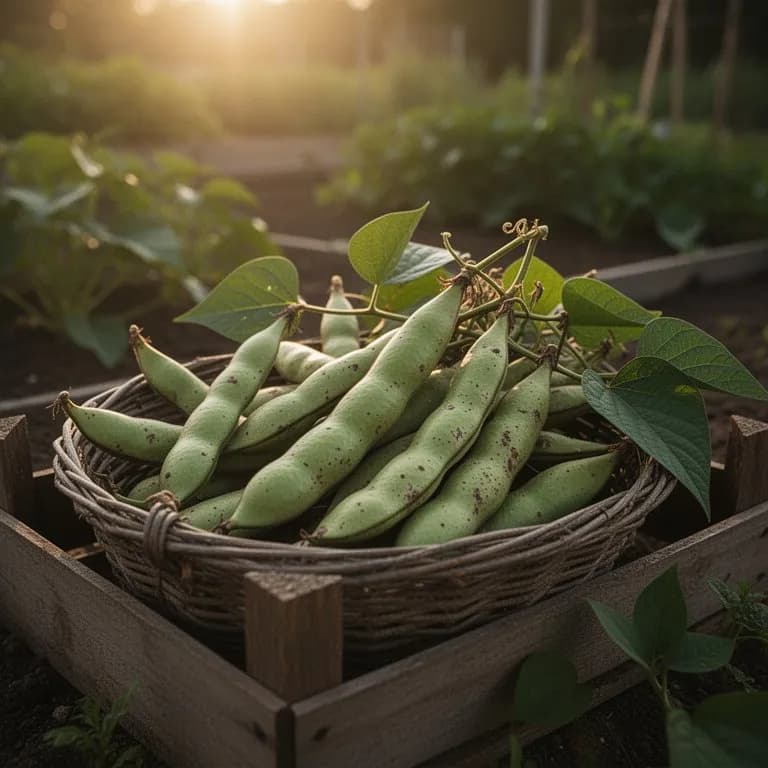
Las vainas jóvenes pueden cosecharse para consumo fresco a los 90-100 días, cuando aún están tiernas y los pelos no se han endurecido. Para semillas secas, espere 120-150 días hasta que las vainas se sequen en la planta. Manipule siempre con guantes gruesos para evitar la irritación causada por los tricomas urticantes de las vainas.
se supone que plantas al comenzar el periodo — indica tu fecha real
Cosecha las vainas jóvenes y tiernas antes de que se desarrollen por completo los pelos irritantes.
Almacenamiento y conservación
Las semillas secas se conservan durante varios meses en recipientes herméticos en lugar fresco y seco, protegidas de insectos con hojas de laurel. Antes de consumir, las semillas deben remojarse y hervirse varias veces cambiando el agua para eliminar compuestos antinutricionales y reducir el contenido de L-DOPA a niveles seguros.
Qué falla — y cómo solucionarlo
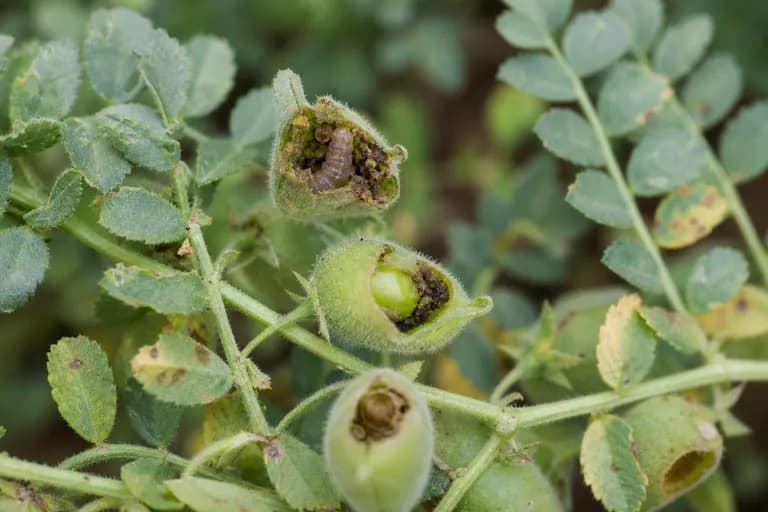
Escarabajo del frijol
PlagaAdultos que mastican hojas dejando agujeros redondeados, y larvas que atacan raíces y nódulos de las plantas jóvenes.
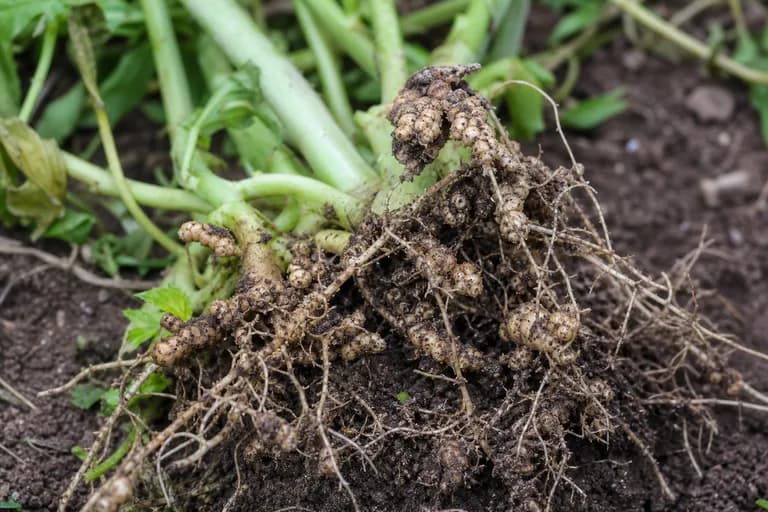
Mosca blanca
PlagaNubes de pequeños insectos blancos al sacudir las hojas, follaje pegajoso cubierto de melaza y posible desarrollo de negrilla.
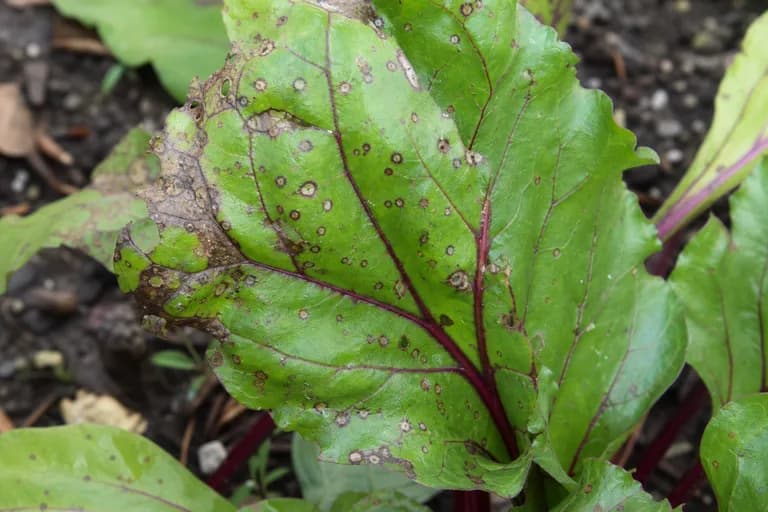
Antracnosis
EnfermedadLesiones oscuras hundidas en vainas y tallos con bordes definidos, que se expanden rápidamente en condiciones húmedas y cálidas.
Solución de problemas comunes
Los pelos urticantes de las vainas causan irritación severa en la piel y deben manipularse siempre con guantes gruesos y ropa protectora. Las semillas crudas contienen niveles elevados de L-DOPA y otros compuestos antinutricionales que requieren un procesamiento cuidadoso con múltiples hervidos antes del consumo seguro.
Consejos de cultivo
- Scarify seeds before planting without exception. The hard seed coat of velvet bean resists water absorption and delays germination by weeks if left untreated. Nick the coat with a file opposite the hilum (seed scar) or soak in warm water for 24 hours for reliable 7-14 day germination.
- Provide robust support structures from the start. Velvet bean is an aggressive climber that can overwhelm flimsy trellises, pull down lightweight fences, and strangle small trees. Use heavy-gauge wire, sturdy posts, or grow along existing chain-link fencing for the strongest support.
- Do not fertilize with nitrogen. Velvet bean is one of the most efficient nitrogen-fixing legumes in existence, producing its own nitrogen through root nodule symbiosis with Rhizobium bacteria. Adding nitrogen fertilizer actually suppresses nodule formation and wastes money.
- Grow in full sun for maximum pod production. While velvet bean tolerates partial shade (it naturally climbs into forest canopies in the wild), flower and pod production drops significantly with less than 6 hours of direct sunlight.
- Always wear thick gloves and long sleeves when handling pods. The velvety hairs covering mature pods contain mucunain, which causes intense, persistent itching that can last hours. Avoid touching your face or eyes after contact with any part of the plant.
- Process beans thoroughly before eating. Raw velvet beans contain anti-nutritional factors including L-DOPA (which causes nausea in excess), tannins, and trypsin inhibitors. Traditional preparation involves soaking overnight, boiling in multiple changes of water, and often fermenting to reduce these compounds to safe levels.
- Use velvet bean as a cover crop to rehabilitate poor or depleted soil. After harvest, chop the vines and incorporate them into the soil as green manure. The nitrogen-rich biomass decomposes quickly and dramatically improves soil fertility and structure for subsequent crops.
- In temperate zones with short summers, start seeds indoors 6-8 weeks before the last frost and choose early-maturing varieties. Velvet bean needs 180-270 frost-free days, so gardeners in zones 7 and below may find it challenging to produce mature seeds outdoors.
Cultiva tu mejor Frijol Terciopelo — y todo lo que la rodea.
Empieza un plan gratis hoy. Diseña tus bancales, coloca tu Frijol Terciopelo y deja que PlotMyGarden gestione el momento, el espaciado, las asociaciones y los recordatorios de la semilla a la cesta.
Elige tu Frijol Terciopelo
Mucuna pruriens var. utilis
Variedad domesticada con vainas menos urticantes y mayor rendimiento de semillas comestibles. Madura en 120-140 días y es la más usada en alimentación humana.
Mucuna pruriens var. pruriens
Forma silvestre con abundantes pelos urticantes, utilizada principalmente como abono verde y cobertura del suelo. Fija hasta 150 kg de nitrógeno por hectárea.
Mucuna deeringiana
Especie emparentada de vainas aterciopeladas sin tricomas irritantes, ideal para principiantes. Produce semillas grandes y nutritivas en 110-130 días.
Florida Velvet Bean
Selección norteamericana adaptada a climas subtropicales con ciclo más corto de 100-120 días. Excelente como cultivo de cobertura y mejoradora de suelos.
Velvet bean seeds are not widely available in conventional grocery stores, making home cultivation the most practical way to access this crop. Dried velvet bean seeds and supplements retail for $15-30 per pound in specialty health food markets, primarily marketed for their L-DOPA content. A single $5-8 seed packet produces enough plants for 5-15 kg of dried beans worth $75-250 at retail prices. Beyond the direct harvest value, velvet bean provides enormous agricultural savings as a cover crop — its nitrogen fixation can replace $50-100 worth of synthetic fertilizer per acre while simultaneously suppressing weeds and building organic matter in the soil.
Recetas rápidas
Velvet Bean Curry (Kerala Style)
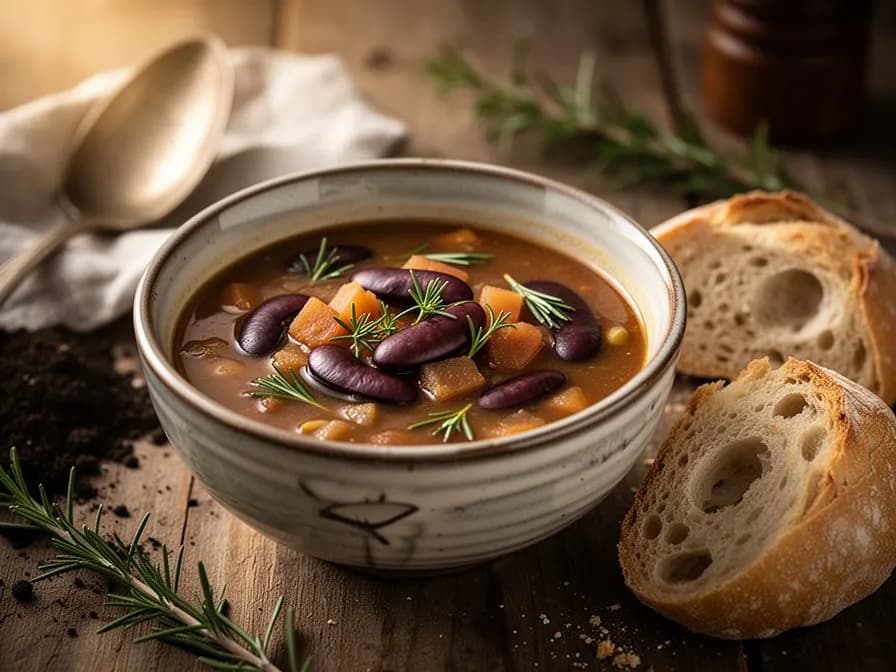
45 min (plus overnight soaking and boiling)A rich, spiced curry made from properly processed velvet beans simmered in coconut milk with traditional South Indian spices. The beans develop a creamy, satisfying texture similar to butter beans when slow-cooked.
9 ingredientesVelvet Bean Tempeh
48 hours (fermentation time)A traditional Indonesian fermented preparation that transforms velvet beans into a dense, sliceable cake rich in protein and beneficial probiotics. The Rhizopus fermentation process significantly reduces anti-nutritional compounds while creating complex umami flavors.
4 ingredientesRoasted Velvet Bean Flour Porridge
20 min (using prepared flour)A nourishing breakfast porridge made from roasted velvet bean flour, popular in parts of West Africa and Central America. Roasting the beans before grinding reduces anti-nutrients and creates a deep, nutty flavor profile.
6 ingredientesUsos culinarios
Las semillas bien cocidas se consumen en guisos, currys y como sustituto proteico en diversas culturas tropicales. También se muelen para elaborar harina que se usa en panes, tortillas y tempeh. Las vainas jóvenes y tiernas de variedades no urticantes pueden prepararse salteadas o al vapor como judías verdes.
Qué contiene
Beneficios para la salud
- Contains naturally occurring L-DOPA (3-6% of seed weight), the direct precursor to dopamine — clinical studies have shown velvet bean seed powder may support healthy dopamine levels and has been investigated as a complementary approach for managing Parkinson's disease symptoms.
- High-quality plant protein at 23-28% by dry weight, providing all essential amino acids in a complete profile that supports muscle maintenance, immune function, and tissue repair.
- Rich in antioxidants including phenolic compounds, tannins, and flavonoids that help neutralize free radicals and may reduce oxidative stress linked to aging and chronic disease.
- Traditional Ayurvedic use as an adaptogen is supported by modern research showing velvet bean extract may help modulate cortisol levels and support the body's response to physical and psychological stress.
- High fiber content promotes digestive health and supports stable blood sugar levels by slowing the absorption of glucose after meals.
- Contains significant amounts of iron, zinc, and magnesium — minerals essential for energy production, immune function, and hundreds of enzymatic processes throughout the body.
De dónde viene Frijol Terciopelo
Velvet bean (Mucuna pruriens) is native to tropical Africa and Southeast Asia, where wild populations still grow in forest margins and disturbed areas. Archaeological evidence suggests cultivation began independently in both Africa and the Indian subcontinent at least 3,000-4,000 years ago. In India, the plant appears in classical Ayurvedic texts dating to the 1st millennium BCE under names like 'kapikacchu' (literally 'one starts itching like a monkey'), where it was prized as a potent medicinal herb for nervous disorders, reproductive health, and general vitality.
Velvet bean spread across the tropics through ancient trade networks, reaching China, Southeast Asia, and the Pacific Islands where it became integrated into local agricultural and culinary traditions. In the Americas, it was introduced during the colonial period and quickly adopted by farmers in Central America and the Caribbean both as a food crop and as a powerful cover crop for soil improvement. In Guatemala and Honduras, roasted velvet bean seeds became a traditional coffee substitute known as 'nescafé,' still consumed in rural communities today.
The 20th century brought renewed scientific interest in velvet bean when researchers identified its extraordinarily high L-DOPA content in the 1930s-1940s. This discovery connected ancient Ayurvedic uses for tremor and nervous conditions to modern neuropharmacology, as L-DOPA was later established as the primary treatment for Parkinson's disease. Today, velvet bean occupies a unique position at the intersection of tropical agriculture, traditional medicine, and modern neuroscience. It is cultivated across tropical Africa, South and Southeast Asia, and Central America both as a subsistence food crop and as a green manure that can rehabilitate degraded soils. Research interest continues to grow, with studies exploring its potential as an affordable, plant-based source of L-DOPA for Parkinson's patients in developing countries where synthetic medication is prohibitively expensive.
Frijol Terciopelo: ¿sabías que?
Datos fascinantes sobre Frijol Terciopelo
Velvet bean (Mucuna pruriens) is one of the few food plants that naturally contains significant amounts of L-DOPA, the direct biochemical precursor to dopamine — this compound is used in modern medicine as the gold-standard treatment for Parkinson's disease.
Frijol Terciopelo: preguntas frecuentes
¿Cuándo debo plantar Frijol Terciopelo?
¿Cuáles son buenas plantas acompañantes para Frijol Terciopelo?
¿En qué zonas de rusticidad puede crecer Frijol Terciopelo?
¿Cuánto sol necesita Frijol Terciopelo?
¿A qué distancia debo espaciar Frijol Terciopelo?
¿Qué plagas y enfermedades afectan a Frijol Terciopelo?
¿Cómo almaceno Frijol Terciopelo después de la cosecha?
¿Cuáles son las mejores variedades de Frijol Terciopelo para cultivar?
¿Qué suelo necesita Frijol Terciopelo?
Is velvet bean safe to eat?
Can I use velvet bean as a natural L-DOPA supplement?
Why do velvet bean pods make me itch?
Can I grow velvet bean in a temperate climate?
How does velvet bean improve soil?
What is the difference between velvet bean varieties?
Acabas de leer la teoría. Ahora cultívala en piloto automático.
Todo lo que hace que Frijol Terciopelo sea delicado — el momento, el espaciado, las asociaciones, la ventana de cosecha — es justo lo que PlotMyGarden resuelve por ti, para cada planta de tu huerto.
Un plan que conoce tu clima
Indica tu ubicación una vez. Recibe fechas de siembra, abonado y cosecha basadas en tu última helada real y el pronóstico en vivo — sin adivinar con un sobre genérico.
De la sección “Cuándo plantar”Planificador de bancales de arrastrar y soltar
Diseña bancales sobre una cuadrícula. Cada planta encaja con su espaciado correcto y ves toda la temporada antes de gastar un céntimo en semillas.
De la sección “Cultivo”Conflictos de asociación, detectados a tiempo
Más de 200 buenas y malas combinaciones comprobadas en vivo mientras plantas — para que un error que arruine la temporada nunca llegue a la tierra.
De la sección “Asociaciones”Recordatorios que sí vas a seguir
“Riega las judías.” “Recoge hoy antes de que se pase.” Oportunos, concretos y ligados a las plantas que de verdad cultivas.
De la sección “Cosecha”Escalonado, programado
¿Quieres cosechar seis semanas en vez de seis días? Reparte tus siembras automáticamente y te avisa cuando toca el siguiente lote.
De la sección “Cuándo plantar”Un registro que se vuelve más listo
Cada cosecha que registras le enseña tu huerto. El plan del año que viene parte de lo que de verdad funcionó en tu suelo, no en un manual.
De la sección “Resumen”Planta estos junto a Frijol Terciopelo
Más Legumbres
Cultiva tu mejor Frijol Terciopelo — y todo lo que la rodea.
Empieza un plan gratis hoy. Diseña tus bancales, coloca tu Frijol Terciopelo y deja que PlotMyGarden gestione el momento, el espaciado, las asociaciones y los recordatorios de la semilla a la cesta.