Calabaza Acanalada (Luffa Angulosa)
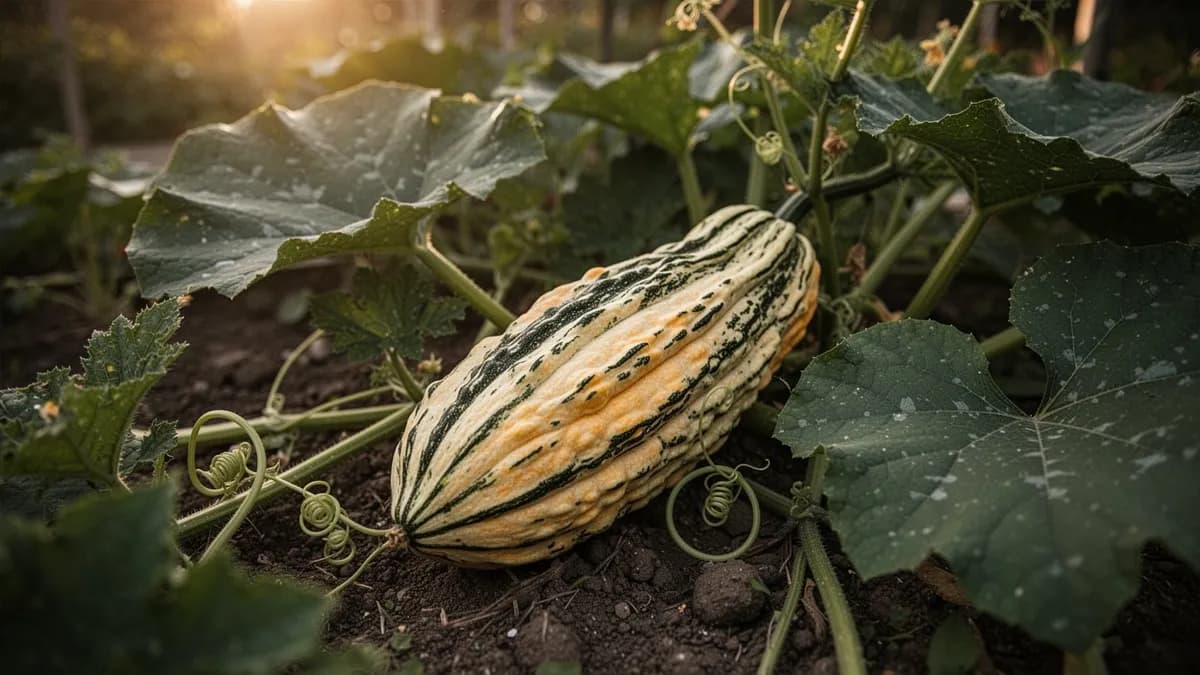
Luffa acutangula, también conocida como calabaza acanalada o estropajo angular, es una cucurbitácea trepadora originaria del sur y sudeste asiático.





En esta páginaResumen
Conoce Calabaza Acanalada (Luffa Angulosa)
Luffa acutangula, también conocida como calabaza acanalada o estropajo angular, es una cucurbitácea trepadora originaria del sur y sudeste asiático. Sus frutos presentan crestas longitudinales prominentes y se consumen como verdura cuando están jóvenes y tiernos, antes de que desarrollen las fibras internas características.
Cuándo plantar Calabaza Acanalada (Luffa Angulosa)
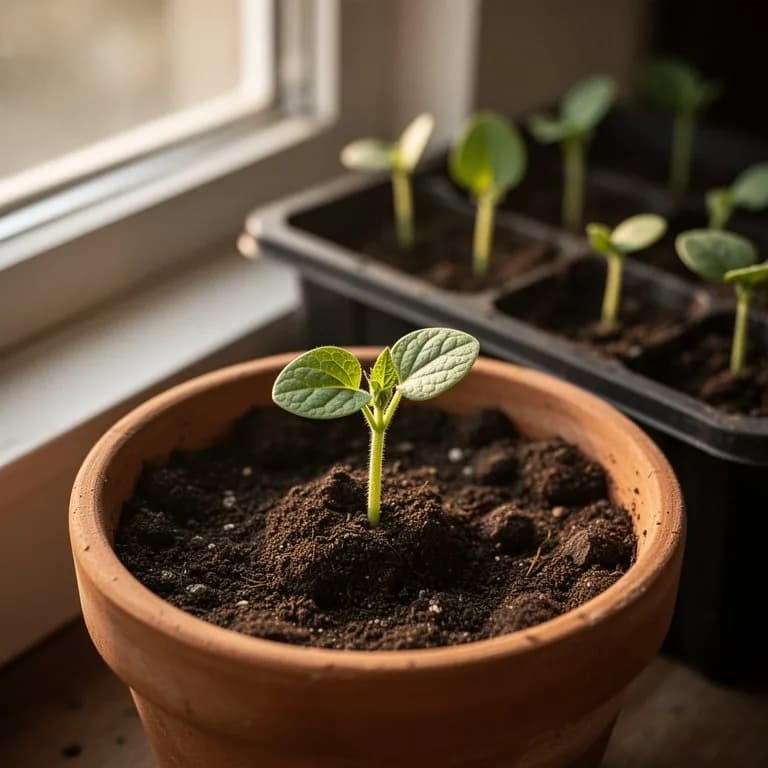
Remoje las semillas en agua tibia durante 24 horas antes de sembrar para ablandar la cubierta dura y acelerar la germinación. Siembre en macetas individuales de turba a una profundidad de 2 cm, manteniendo una temperatura constante de 25-30°C. La germinación tarda entre 7 y 14 días. Trasplante al exterior después de la última helada cuando las plántulas tengan 3-4 hojas verdaderas y las temperaturas nocturnas superen los 15°C.
Tu año de Calabaza Acanalada (Luffa Angulosa)
Ajustado a Zona 7 · temporada típica · la helada se va hacia el 2 abr y vuelve hacia el 1 nov
Planta Calabaza Acanalada (Luffa Angulosa) Abr – Jun y cosecha Jul – Sep. Consulta los métodos de plantación y elige tu clima para adaptar los periodos.
Cómo cultivar Calabaza Acanalada (Luffa Angulosa)
La calabaza acanalada es una planta tropical que necesita una temporada de crecimiento larga y cálida, con al menos 150 días sin heladas. Siembre las semillas en interior 4-6 semanas antes de la última helada, remojándolas previamente durante 24 horas en agua tibia para acelerar la germinación. Trasplante al exterior cuando las temperaturas nocturnas superen los 15°C de forma constante.
Proporcione una estructura de soporte robusta como un enrejado, pérgola o cerca de al menos 2-3 metros de altura, ya que las enredaderas pueden alcanzar longitudes considerables. Plante con una separación de 60-90 cm entre plantas y aplique un acolchado orgánico grueso para mantener la humedad del suelo y controlar las malas hierbas. Riegue abundantemente y de forma regular, especialmente durante la floración y fructificación.
La polinización es crucial para la producción de frutos. Las flores masculinas aparecen primero, seguidas por las femeninas. Si observa escasa presencia de polinizadores, realice la polinización manual transfiriendo polen con un pincel suave por la mañana temprano. Fertilice cada dos semanas con un abono rico en potasio una vez que comience la floración para estimular la producción de frutos.
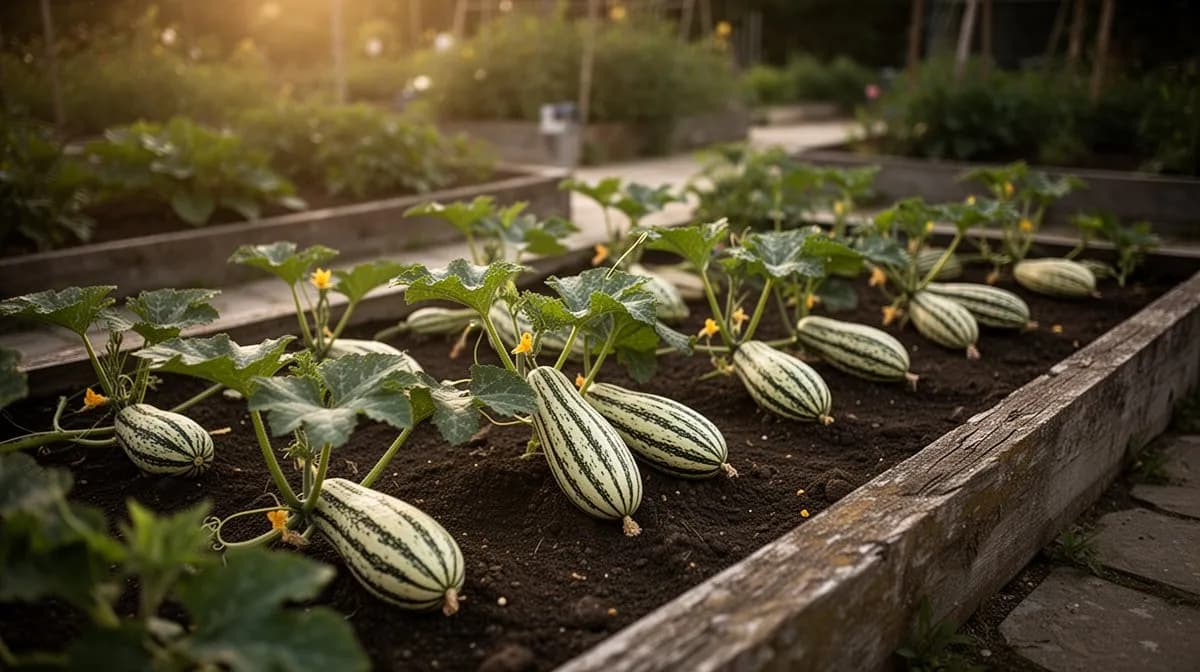
8 plantas caben en un bancal de 120 × 240 cm
Cada Calabaza Acanalada (Luffa Angulosa) pide 60 cm de margen. El planificador guarda ese marco por ti — cada planta, cada bancal.
Los mejores vecinos de Calabaza Acanalada (Luffa Angulosa)
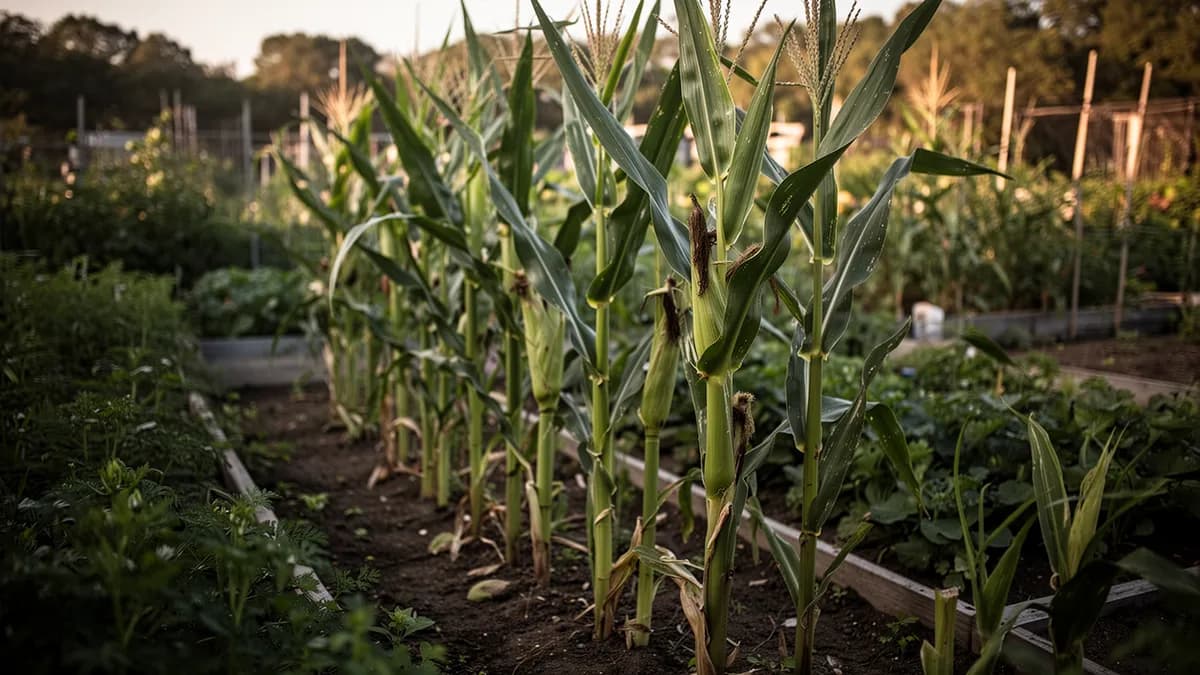
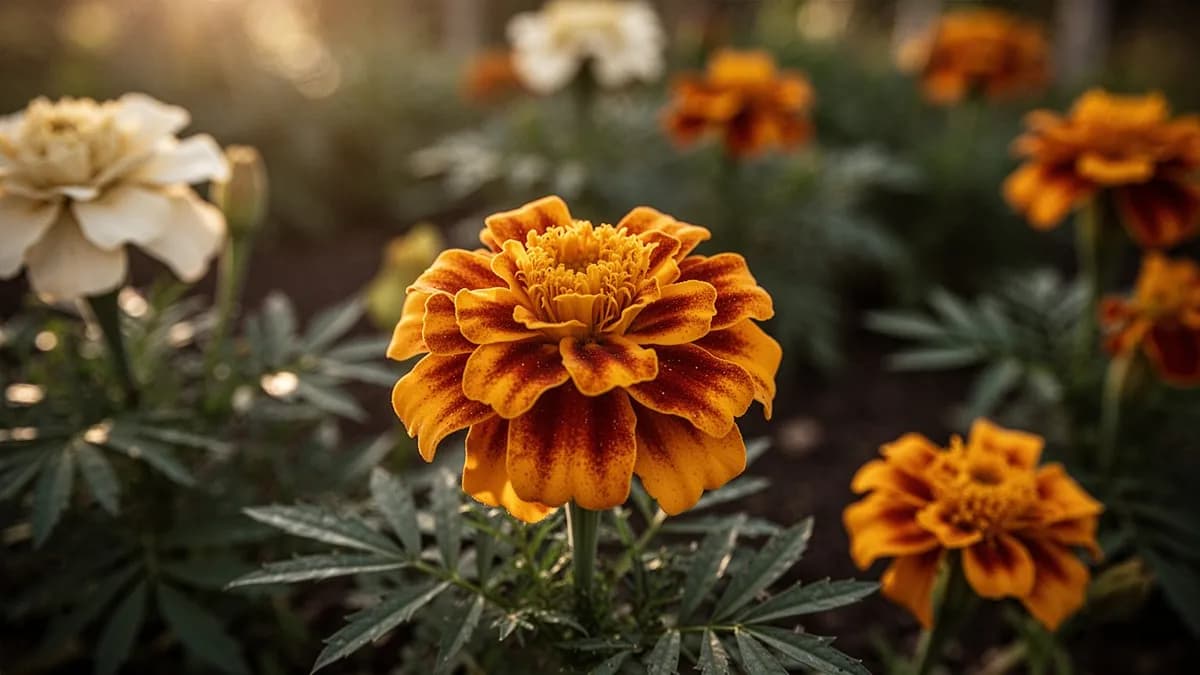
Se asocia bien con el maíz, que puede servir como soporte natural para las enredaderas, y con los frijoles, que fijan nitrógeno en el suelo beneficiando el crecimiento vigoroso de la calabaza. Las caléndulas plantadas en la base repelen plagas y atraen polinizadores beneficiosos.
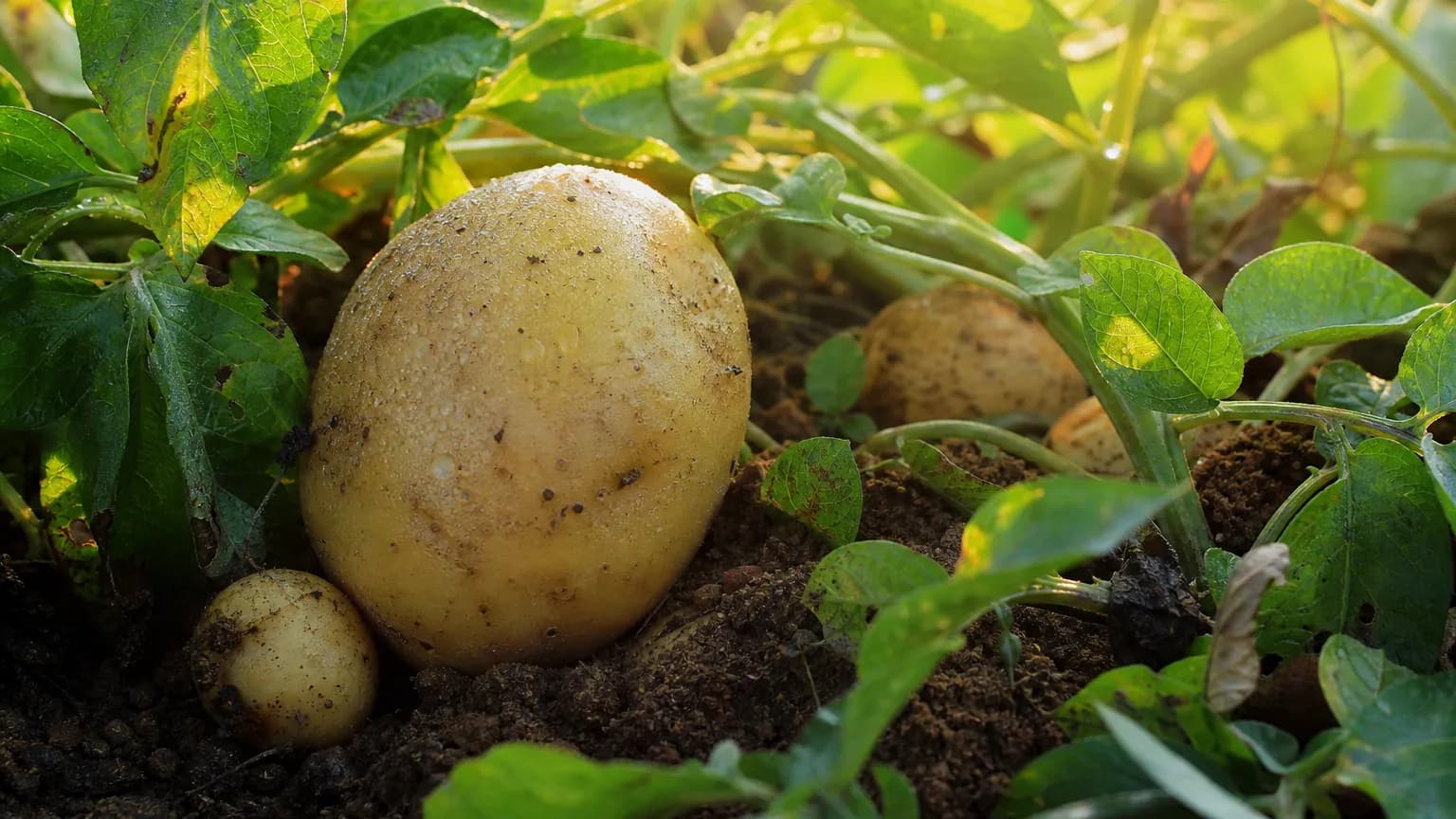
Maíz va a su lado. Papa no.
Saber de huerto de siempre, cotejado con la tabla real de Calabaza Acanalada (Luffa Angulosa) — prueba cualquier planta que cultives.
Prueba Calabaza Acanalada (Luffa Angulosa) en un bancal, aquí mismo
Un bancal real del planificador con Calabaza Acanalada (Luffa Angulosa) ya plantado. Toca una planta compañera para colocarla y mira cómo responde la comprobación de vecinos: verde para buenos vecinos, rojo si hay conflicto.


Guías de cultivo relacionadas
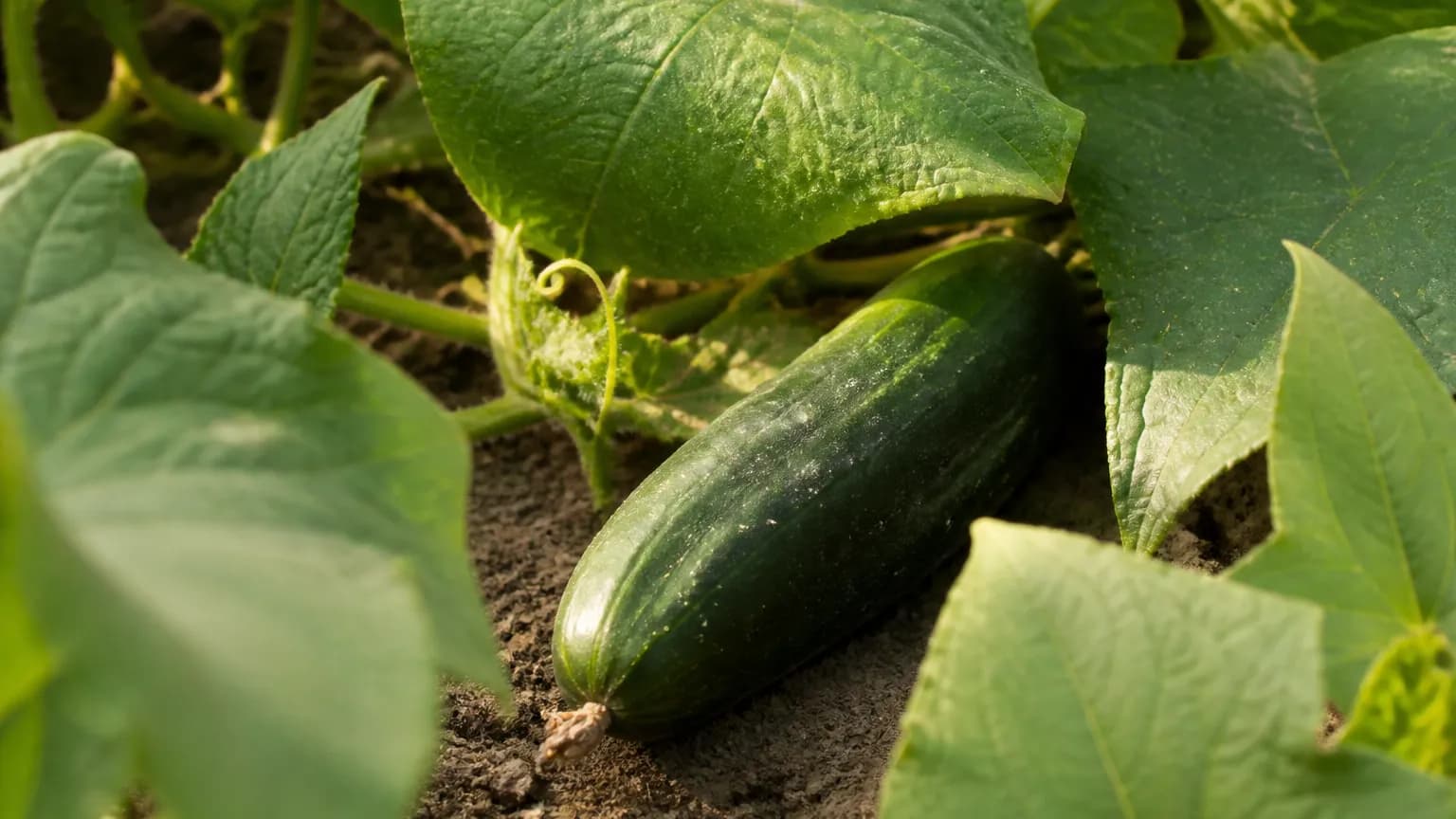
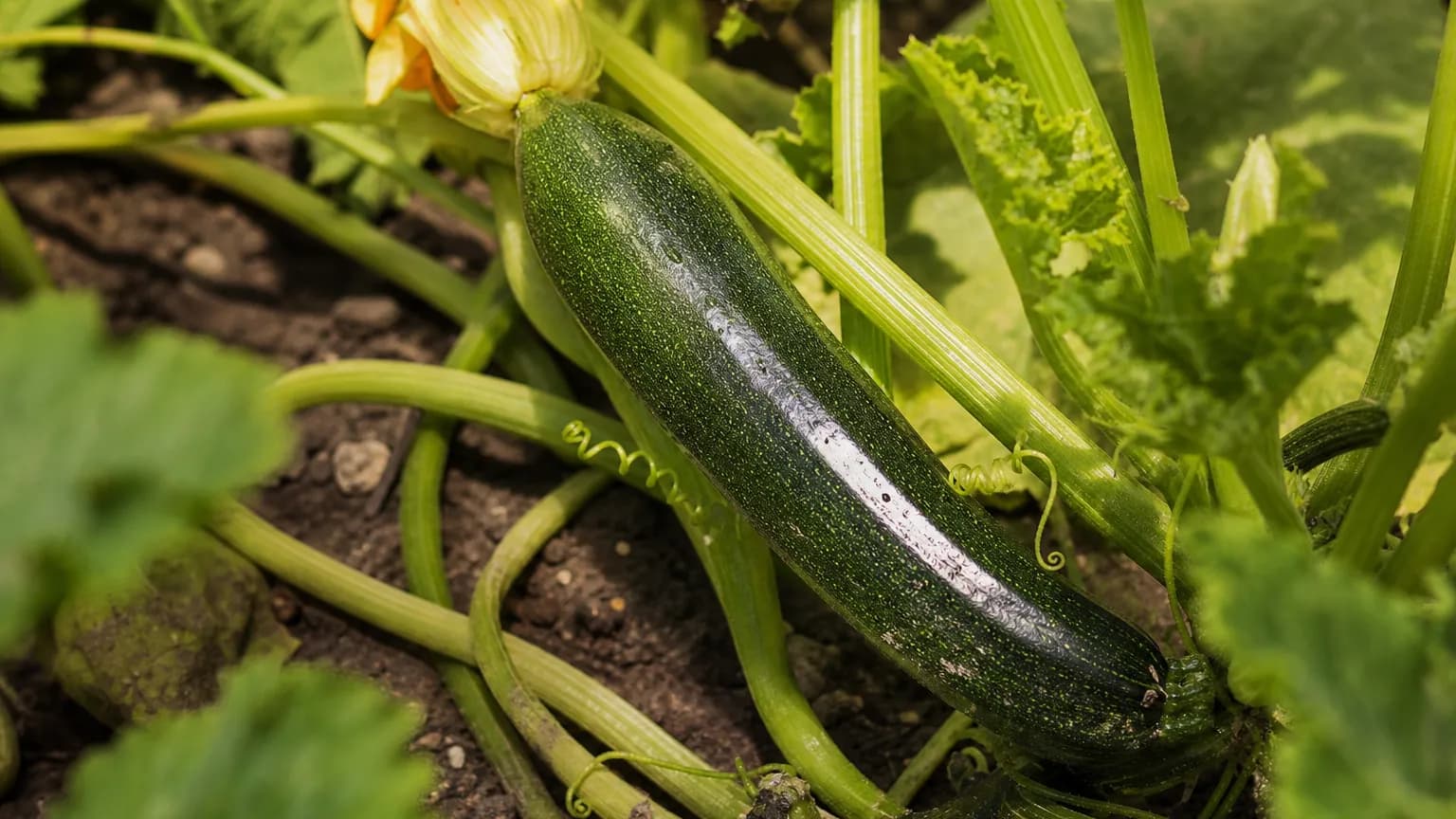
Abónalo bien
Requiere un suelo fértil, bien drenado y rico en materia orgánica, con un pH entre 6,0 y 7,0. Incorpore abundante compost o estiércol bien descompuesto antes de la plantación. Aplique un fertilizante equilibrado al momento del trasplante y cambie a uno rico en fósforo y potasio cuando comience la floración para favorecer la fructificación.
Temperatura ideal
Compatibilidad de zonas de rusticidad
De la semilla a la cosecha, etapa por etapa
Siembra
Las semillas de calabaza ridged gourd tienen una cubierta moderadamente dura y se benefician de remojarse antes de plantarlas. En condiciones cálidas de 25-30 °C (77-86 °F), la radícula emerge en 5-10 días. Los cotiledones, anchos y redondeados, asoman a través del suelo, seguidos rápidamente por las primeras hojas verdaderas, que tienen forma de corazón con márgenes ligeramente angulares. La temperatura del suelo debe ser de al menos 20 °C (68 °F) para una germinación fiable.
Establecimiento de la enredadera
Las hojas verdaderas se desarrollan rápidamente con una forma palmeada y profundamente lobulada. En los nudos de las hojas aparecen zarcillos y la enredadera comienza a buscar activamente un soporte vertical. El sistema radicular se expande con fuerza bajo tierra, sentando las bases de la fase de crecimiento explosivo que sigue. El crecimiento se acelera notablemente cuando las temperaturas diurnas superan de forma constante los 25 °C (77 °F).
Crecimiento rápido de la enredadera
Las enredaderas entran en una fase de crecimiento explosivo, trepando 10-20 cm por día en clima cálido y húmedo. Las hojas grandes y profundamente lobuladas forman un dosel frondoso. Los brotes laterales se ramifican libremente y los zarcillos fuertes y bifurcados se agarran con firmeza a cualquier soporte disponible. Una sola enredadera puede alcanzar 5-10 metros de longitud total, por lo que el soporte vertical es esencial para el manejo y la cosecha.
Floración y polinización
Aparecen flores amarillas de cinco pétalos, que a menudo se abren antes del amanecer o a primera hora de la mañana. Las flores masculinas, sobre largos tallos, aparecen primero en grupos, seguidas por flores femeninas solitarias identificables por el pequeño ovario acanalado visible detrás de los pétalos. La polinización la realizan principalmente las abejas y otros insectos activos por la mañana. En zonas con poca actividad de polinizadores, la polinización manual mejora notablemente el cuajado de frutos.
Desarrollo del fruto
Las flores femeninas polinizadas se convierten en calabazas que se alargan rápidamente con llamativas crestas longitudinales que van del tallo a la punta. Los frutos crecen con rapidez en clima cálido, alcanzando un tamaño cosechable de 15-25 cm en 7-10 días tras la polinización. La pulpa interior es blanca, esponjosa y ligeramente dulce cuando está joven. Las calabazas que se dejan madurar en exceso desarrollan fibras duras y se vuelven amargas e incomibles.
Producción continua y declive
Con cosecha regular y nutrición adecuada, las enredaderas de ridged gourd siguen produciendo nuevas flores y frutos durante 6-8 semanas o más. La producción se ralentiza gradualmente a medida que la planta envejece y llegan temperaturas más frescas. Las hojas viejas de la base amarillean y caen mientras la punta de la enredadera continúa creciendo y floreciendo. La temporada termina con la primera helada o cuando la planta se agota tras un largo periodo productivo.
Remoja las semillas en agua tibia durante 12-24 horas antes de sembrarlas para ablandar la cubierta y acelerar la germinación. Inicia la siembra en interior 3-4 semanas antes de la última helada en climas cálidos, o siembra directamente cuando la temperatura del suelo alcance 25 °C (77 °F). Usa macetas de 8-10 cm de profundidad para acomodar la raíz pivotante en desarrollo.
Cuidar Calabaza Acanalada (Luffa Angulosa) mes a mes
Qué hacer cada mes para tu Calabaza Acanalada (Luffa Angulosa)
Octubre
Mes actualIn zones 9-12, harvesting may continue through October in warm years. In cooler zones, production tapers as temperatures drop below 18°C (64°F). Harvest all remaining edible gourds before frost. Allow a few gourds to mature fully on the vine for seed saving if desired.
Ten claro qué hacer en tu huerto, cada mes
Un correo al empezar cada mes: qué sembrar, plantar y hacer ahora mismo — para tu Calabaza Acanalada (Luffa Angulosa) y todo lo que crece alrededor. Más un breve curso inicial para esquivar los errores clásicos.
- Qué hacer ahora mismo
- Ajustado a tu temporada
- Curso inicial incluido
Cosechar Calabaza Acanalada (Luffa Angulosa)
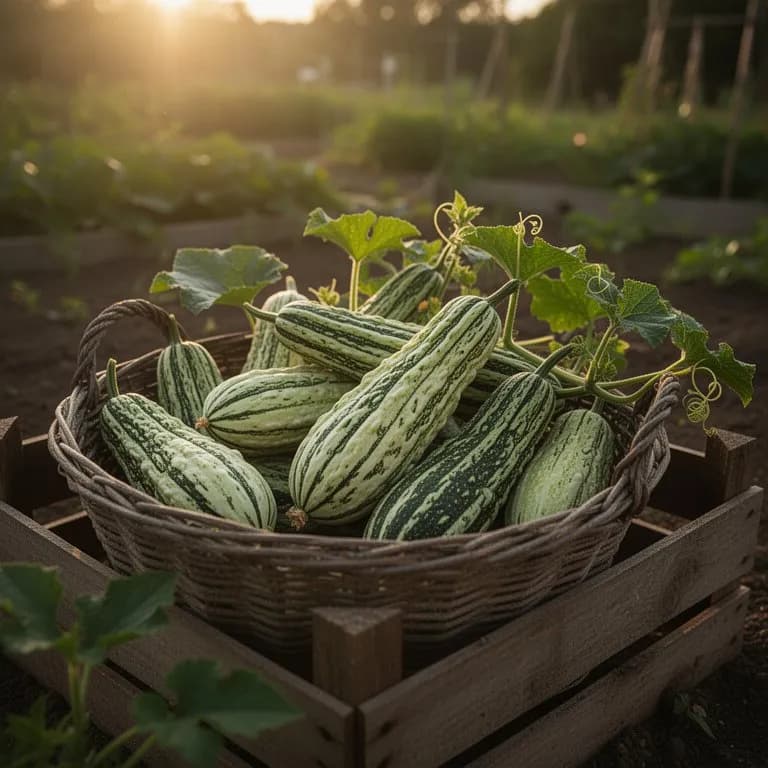
Coseche los frutos cuando miden entre 15 y 25 cm de largo, mientras la piel todavía se puede perforar fácilmente con la uña, generalmente entre 70 y 90 días después de la siembra. Los frutos jóvenes son tiernos y comestibles, con una textura esponjosa agradable. Si se dejan madurar completamente en la planta, los frutos desarrollan una red de fibras internas duras que pueden secarse y usarse como esponjas naturales.
se supone que plantas al comenzar el periodo — indica tu fecha real
Cosecha cuando los frutos midan 15-25 cm, estén firmes, de color verde oscuro y la piel siga lo bastante tierna como para perforarse con una uña.
Almacenamiento y conservación
Los frutos jóvenes y tiernos se conservan en el refrigerador durante 4-5 días envueltos en papel o en una bolsa perforada. Para preservarlos más tiempo, pueden cortarse en rodajas y blanquearse antes de congelarlos. Los frutos maduros destinados a esponjas se dejan secar en la planta o se cuelgan en un lugar ventilado hasta que la piel se desprenda fácilmente, revelando la red fibrosa interior.
Qué falla — y cómo solucionarlo
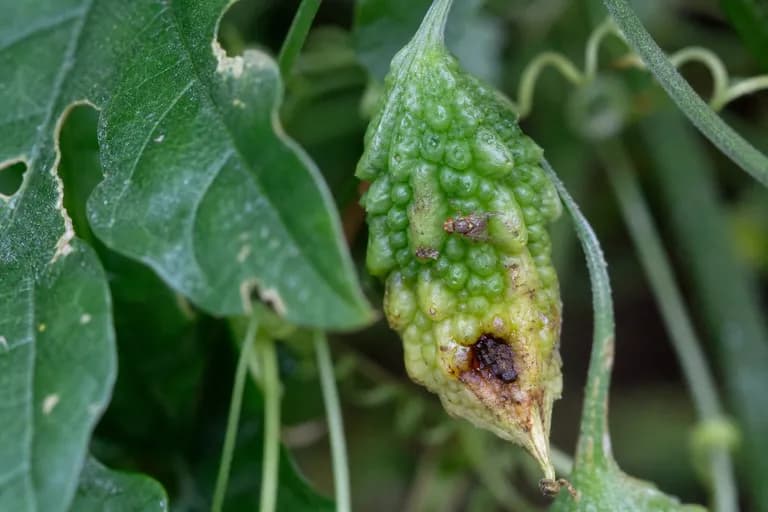
Escarabajo del pepino
PlagaAgujeros redondos en las hojas y daño en los tallos jóvenes. Los adultos son pequeños escarabajos amarillos con rayas o puntos negros que también pueden transmitir enfermedades bacterianas.
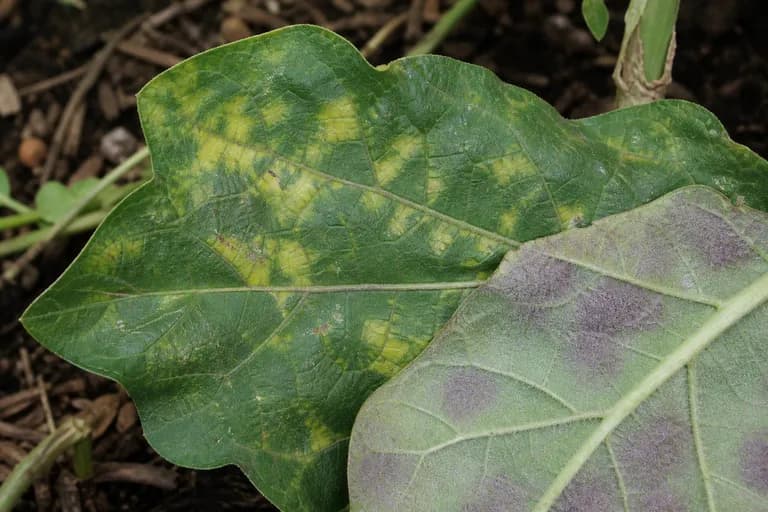
Oídio
EnfermedadManchas blancas polvorientas en la superficie de las hojas que se extienden progresivamente, causando amarillamiento y marchitamiento del follaje. Reduce la capacidad fotosintética y debilita la planta.
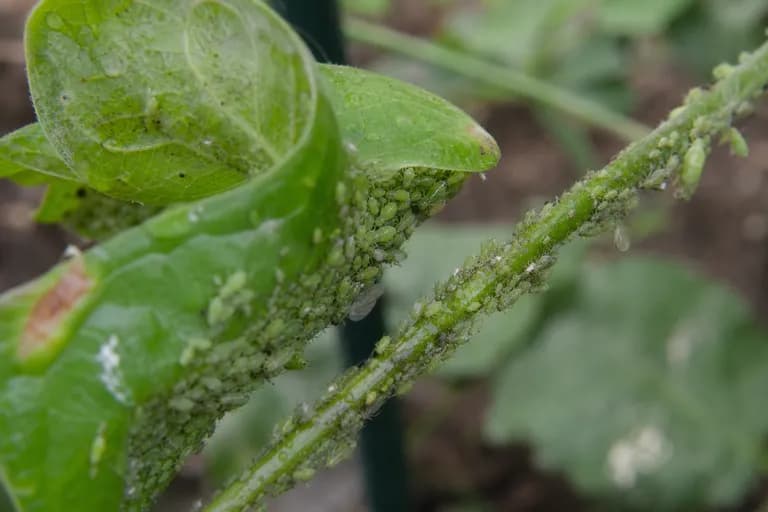
Mosca blanca
PlagaPequeños insectos blancos voladores en el envés de las hojas que succionan la savia, causando amarillamiento y debilitamiento. Producen melaza que favorece la aparición de fumagina negra.
Solución de problemas comunes
El principal desafío es la necesidad de una temporada de crecimiento larga y cálida, lo que limita su cultivo en climas templados fríos. La falta de polinización es una causa frecuente de aborto de frutos, especialmente en zonas con pocas abejas. Los frutos se vuelven fibrosos e incomestibles rápidamente si no se cosechan a tiempo, por lo que es necesario revisar las plantas cada dos días durante la temporada de producción.
Consejos de cultivo
- Always grow ridged gourd on a strong vertical trellis at least 2 meters tall. Gourds that develop hanging from a trellis grow straighter, stay cleaner, are easier to spot for timely harvest, and have better air circulation that reduces fungal disease. Ground-grown gourds curve, discolor on the soil-contact side, and attract slugs.
- Harvest young and harvest often — this is the most important rule for ridged gourd. Pick gourds at 15-25 cm when the skin is dark green and glossy, and the ridges are sharp but the flesh between them yields to gentle thumb pressure. Over-mature gourds turn fibrous, bitter, and spongy within just 2-3 days of the ideal window.
- Peel ridged gourd before cooking by running a vegetable peeler along the valleys between the ridges, removing only the tough outer skin while leaving the ridges intact. The ridges themselves are tender and add an attractive appearance to dishes. Alternatively, use a knife to shave off just the ridge tips if the gourds are very fresh and young.
- Ridged gourd is a heavy feeder that rewards generous composting and regular fertilization. Work 5-8 cm of compost into the bed before planting, then side-dress with balanced fertilizer or compost tea every 2-3 weeks during the growing season. Potassium-rich feeds during fruiting improve gourd quality and vine stamina.
- Water consistently and deeply — ridged gourd's large leaf canopy transpires enormous amounts of moisture. Provide at least 5 cm of water per week, and more during peak fruiting in hot weather. Drip irrigation or soaker hoses at the base are ideal. Mulch thickly to conserve soil moisture and suppress weeds.
- Hand-pollinate for maximum yields in areas with limited pollinator activity. Ridged gourd flowers open very early in the morning (often before dawn), so pollinate at first light. Pick a male flower, remove the petals, and dab pollen directly onto the stigma of a freshly opened female flower.
- Companion plant with marigolds and basil around the base of the trellis to attract pollinators and repel common pests. Avoid planting near other cucurbits to reduce the spread of shared diseases like powdery mildew and downy mildew.
- In cooler climates with shorter summers, maximize heat by planting against a south-facing wall or fence, using black plastic mulch to warm the soil, and covering young plants with row cover during cool nights. Every degree of extra warmth translates directly to faster growth and higher yields with this tropical crop.
Cultiva tu mejor Calabaza Acanalada (Luffa Angulosa) — y todo lo que la rodea.
Empieza un plan gratis hoy. Diseña tus bancales, coloca tu Calabaza Acanalada (Luffa Angulosa) y deja que PlotMyGarden gestione el momento, el espaciado, las asociaciones y los recordatorios de la semilla a la cesta.
Elige tu Calabaza Acanalada (Luffa Angulosa)
Luffa acutangula (Tipo Común)
La forma estándar con frutos de 30-50 cm de largo y crestas pronunciadas. Es la variedad más cultivada en el sudeste asiático para consumo como verdura fresca.
Satputia
Variedad india de frutos más pequeños y compactos, muy productiva y de maduración precoz. Ideal para cocinar entera en currys y frituras.
Pusa Nasdar
Variedad desarrollada en India con frutos de color verde oscuro y excelente rendimiento. Resistente al oídio y adaptada a condiciones de calor extremo.
Arka Sumeet
Variedad híbrida de alta producción con frutos uniformes de 25-30 cm. Posee buena tolerancia a enfermedades fúngicas y produce frutos de textura muy tierna.
Ridged gourd is a premium vegetable in Asian grocery stores, typically selling for $3-6 per pound depending on region and season. A single productive vine grown from a $2-3 seed packet can yield 15-25 kg of tender gourds over the season, representing $100-300 in grocery store value. The plant requires minimal inputs beyond water, compost, and a trellis — making it one of the highest return-on-investment vegetables for gardeners who regularly cook South Asian, Southeast Asian, or East Asian cuisines. Additional savings come from having fresh, pesticide-free gourds available daily during peak summer when store-bought produce quality often declines.
Recetas rápidas
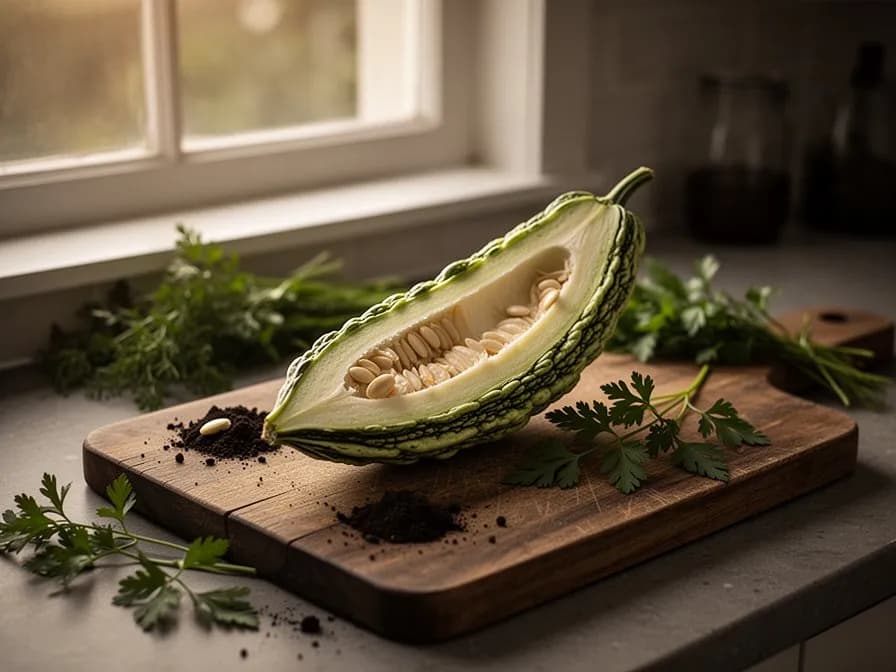
Turai ki Sabzi (Spiced Ridged Gourd Stir-Fry)
20 minA classic North Indian home-style dish where ridged gourd is peeled, sliced, and cooked with cumin, turmeric, and green chili until tender and lightly caramelized. Simple, comforting, and a staple of everyday Indian cooking that lets the gourd's mild sweetness shine through warming spices.
9 ingredientesRidged Gourd Chana Dal
35 minA hearty South Indian lentil stew where tender ridged gourd pieces are simmered with split chickpea lentils, tamarind, and a fragrant tempering of mustard seeds, curry leaves, and dried red chilies. Nutritious and deeply flavorful, this is comfort food at its best.
10 ingredientesStir-Fried Ridged Gourd with Garlic and Dried Shrimp
15 minA quick Southeast Asian preparation where peeled ridged gourd is stir-fried over high heat with crispy garlic and umami-rich dried shrimp. The gourd turns silky and absorbs all the savory flavors in minutes, making this an ideal fast weeknight side dish.
8 ingredientesUsos culinarios
Los frutos jóvenes y tiernos se utilizan ampliamente en la cocina asiática, especialmente en currys, salteados y sopas. Se pueden pelar para eliminar las crestas o cocinar con la piel si son muy jóvenes. En la cocina india se preparan como sabzi (verdura salteada con especias), y en la cocina china se añaden a sopas y platos al wok. También se pueden rebozar y freír en tempura.
Qué contiene
Beneficios para la salud
- Extremely low in calories at just 18 per 100g with over 93% water content, making ridged gourd an ideal vegetable for weight management and staying hydrated during hot weather.
- Contains dietary fiber that supports healthy digestion, promotes regular bowel movements, and helps feed beneficial gut bacteria for a balanced intestinal microbiome.
- Provides vitamin C that functions as an antioxidant protecting cells from free radical damage while also supporting collagen production for healthy skin and wound healing.
- Rich in B vitamins including riboflavin and niacin that play essential roles in energy metabolism, helping the body efficiently convert food into usable cellular energy.
- Contains iron and zinc, trace minerals critical for oxygen transport in the blood, immune cell production, and hundreds of enzymatic reactions throughout the body.
- Traditionally valued in Ayurvedic medicine as a blood-purifying and liver-supporting food, ridged gourd contains bioactive compounds including saponins and flavonoids that modern research suggests may have anti-inflammatory and antioxidant properties.
De dónde viene Calabaza Acanalada (Luffa Angulosa)
Ridged gourd (Luffa acutangula) is native to tropical Asia, with India widely regarded as its primary center of origin and domestication. Wild populations of Luffa acutangula var. amara still grow in India, producing small, extremely bitter fruits that are inedible but demonstrate the genetic roots of the cultivated crop. Archaeological and botanical evidence suggests that ridged gourd was domesticated in the Indian subcontinent at least 2,000-3,000 years ago, with ancient Sanskrit texts referencing the plant as a food and medicinal crop.
From India, ridged gourd spread along ancient maritime and overland trade routes throughout Southeast Asia, reaching China, Japan, Indonesia, and the Philippines where it became deeply integrated into local cuisines and agricultural systems. Arab traders carried it westward to the Middle East and East Africa, where it found favorable growing conditions in tropical lowlands. Portuguese explorers later introduced it to West Africa and Brazil during the colonial period, further expanding its range across the tropics.
Today, India is by far the world's largest producer and consumer of ridged gourd, where it is cultivated on hundreds of thousands of hectares across nearly every state. It thrives particularly well in the hot, humid monsoon climate of South and West India where it is a cornerstone of daily vegetable cooking. China, Bangladesh, Vietnam, and the Philippines are also significant producers. In Western countries, ridged gourd remains relatively unknown outside immigrant communities, though it is increasingly available in Asian grocery stores and is gaining interest among adventurous home gardeners seeking heat-loving, productive summer crops.
Calabaza Acanalada (Luffa Angulosa): ¿sabías que?
Datos fascinantes sobre Calabaza Acanalada (Luffa Angulosa)
Ridged gourd (Luffa acutangula) is the edible cousin of the smooth luffa sponge gourd. While smooth luffa is mainly grown for its fibrous sponge, ridged gourd is cultivated specifically as a vegetable and is one of the most widely eaten gourds across India, Southeast Asia, and East Asia.
Calabaza Acanalada (Luffa Angulosa): preguntas frecuentes
¿Cuándo debo plantar Calabaza Acanalada (Luffa Angulosa)?
¿Cuáles son buenas plantas acompañantes para Calabaza Acanalada (Luffa Angulosa)?
¿En qué zonas de rusticidad puede crecer Calabaza Acanalada (Luffa Angulosa)?
¿Cuánto sol necesita Calabaza Acanalada (Luffa Angulosa)?
¿A qué distancia debo espaciar Calabaza Acanalada (Luffa Angulosa)?
¿Qué plagas y enfermedades afectan a Calabaza Acanalada (Luffa Angulosa)?
¿Cómo almaceno Calabaza Acanalada (Luffa Angulosa) después de la cosecha?
¿Cuáles son las mejores variedades de Calabaza Acanalada (Luffa Angulosa) para cultivar?
¿Qué suelo necesita Calabaza Acanalada (Luffa Angulosa)?
What is the difference between ridged gourd and smooth luffa?
Why are my ridged gourds turning bitter?
How do I prevent powdery mildew on ridged gourd?
Can I grow ridged gourd in containers?
When is the best time to harvest ridged gourd?
Do I need to peel ridged gourd before cooking?
Acabas de leer la teoría. Ahora cultívala en piloto automático.
Todo lo que hace que Calabaza Acanalada (Luffa Angulosa) sea delicado — el momento, el espaciado, las asociaciones, la ventana de cosecha — es justo lo que PlotMyGarden resuelve por ti, para cada planta de tu huerto.
Un plan que conoce tu clima
Indica tu ubicación una vez. Recibe fechas de siembra, abonado y cosecha basadas en tu última helada real y el pronóstico en vivo — sin adivinar con un sobre genérico.
De la sección “Cuándo plantar”Planificador de bancales de arrastrar y soltar
Diseña bancales sobre una cuadrícula. Cada planta encaja con su espaciado correcto y ves toda la temporada antes de gastar un céntimo en semillas.
De la sección “Cultivo”Conflictos de asociación, detectados a tiempo
Más de 200 buenas y malas combinaciones comprobadas en vivo mientras plantas — para que un error que arruine la temporada nunca llegue a la tierra.
De la sección “Asociaciones”Recordatorios que sí vas a seguir
“Riega las judías.” “Recoge hoy antes de que se pase.” Oportunos, concretos y ligados a las plantas que de verdad cultivas.
De la sección “Cosecha”Escalonado, programado
¿Quieres cosechar seis semanas en vez de seis días? Reparte tus siembras automáticamente y te avisa cuando toca el siguiente lote.
De la sección “Cuándo plantar”Un registro que se vuelve más listo
Cada cosecha que registras le enseña tu huerto. El plan del año que viene parte de lo que de verdad funcionó en tu suelo, no en un manual.
De la sección “Resumen”Planta estos junto a Calabaza Acanalada (Luffa Angulosa)
Más Cucurbitáceas
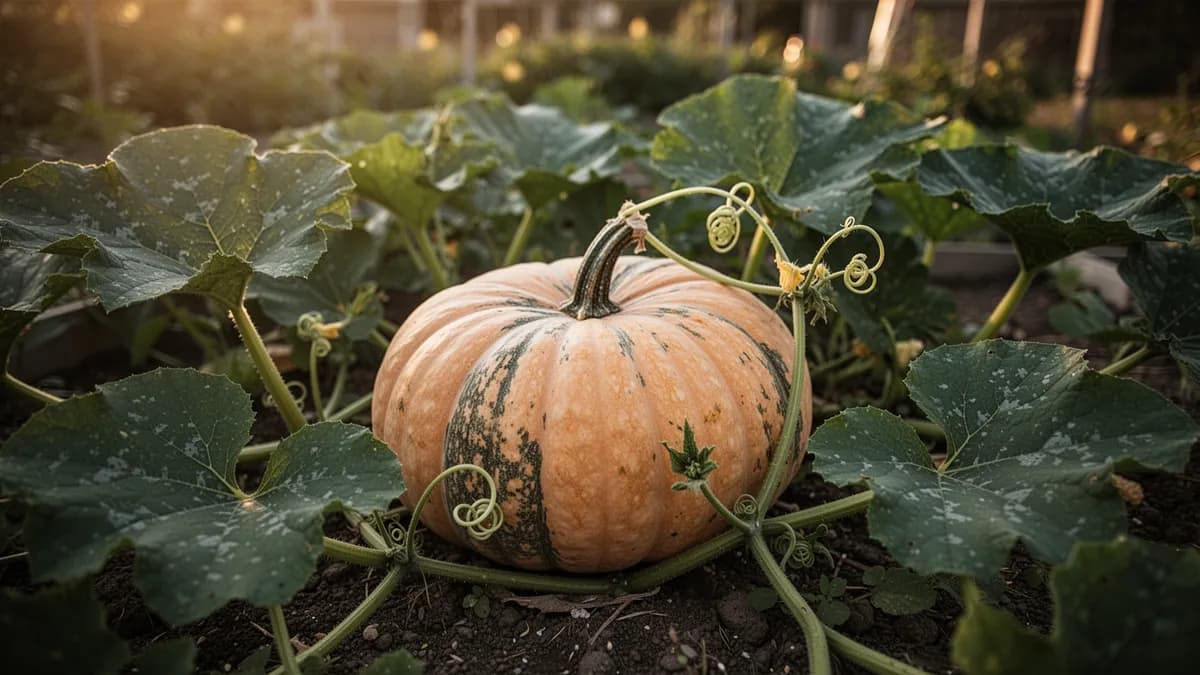
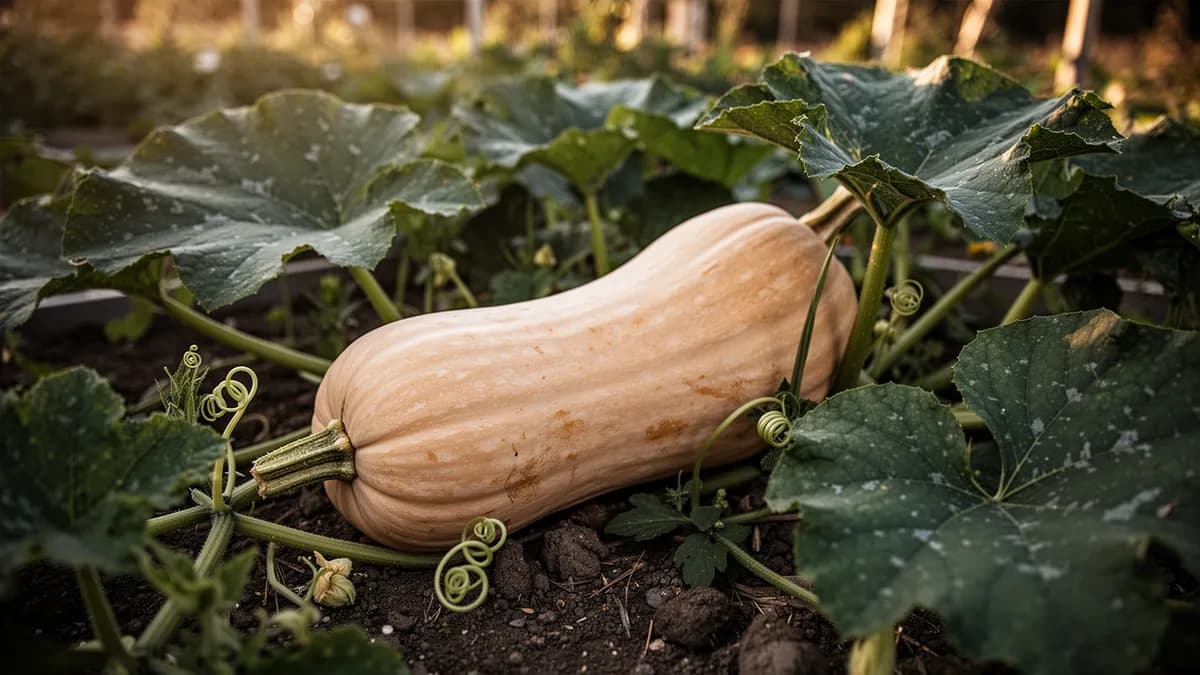
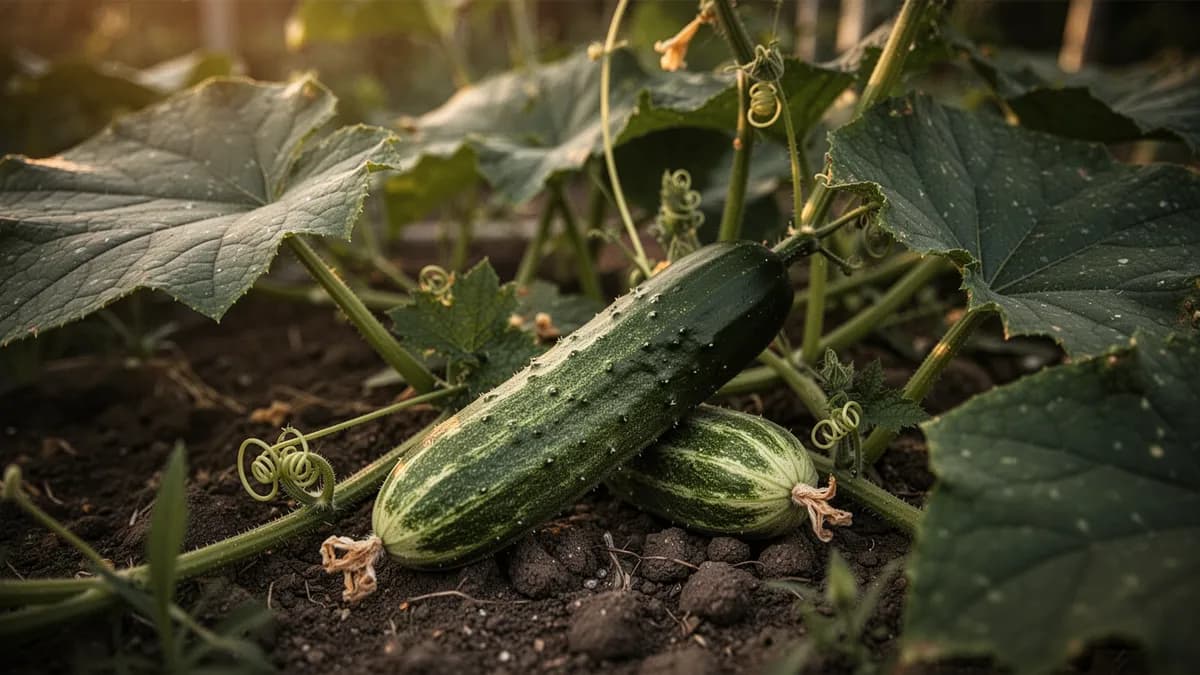
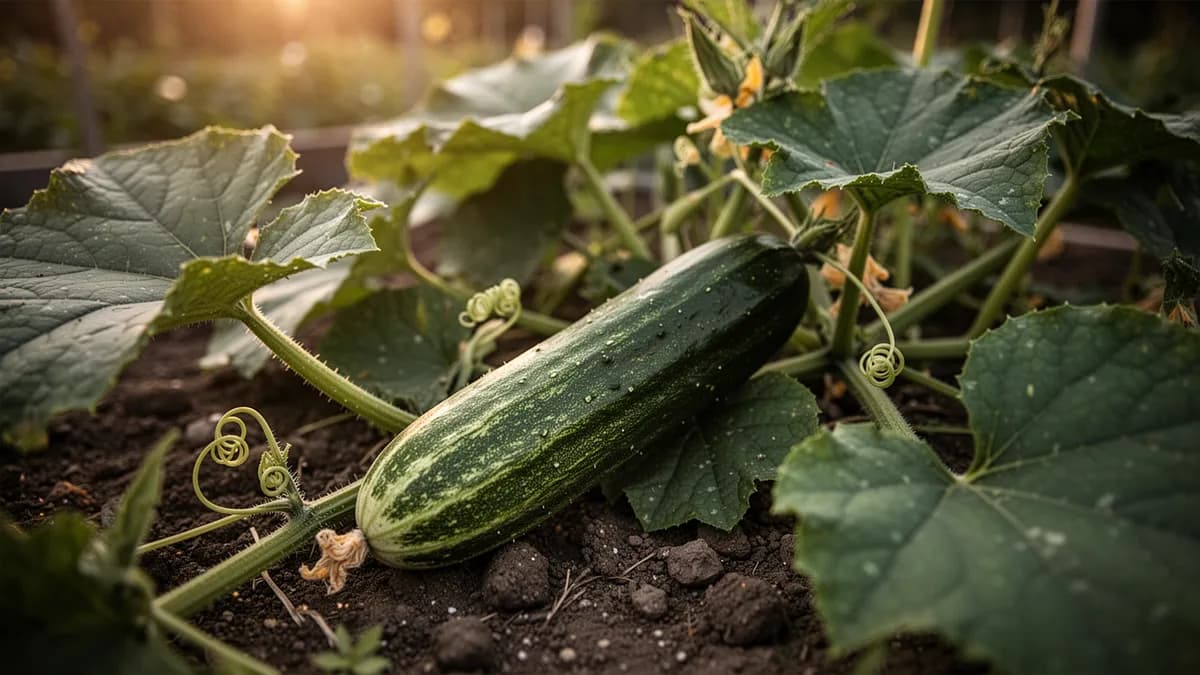
Mantén Calabaza Acanalada (Luffa Angulosa) lejos de estos
Cultiva tu mejor Calabaza Acanalada (Luffa Angulosa) — y todo lo que la rodea.
Empieza un plan gratis hoy. Diseña tus bancales, coloca tu Calabaza Acanalada (Luffa Angulosa) y deja que PlotMyGarden gestione el momento, el espaciado, las asociaciones y los recordatorios de la semilla a la cesta.