Calabaza para Pastel
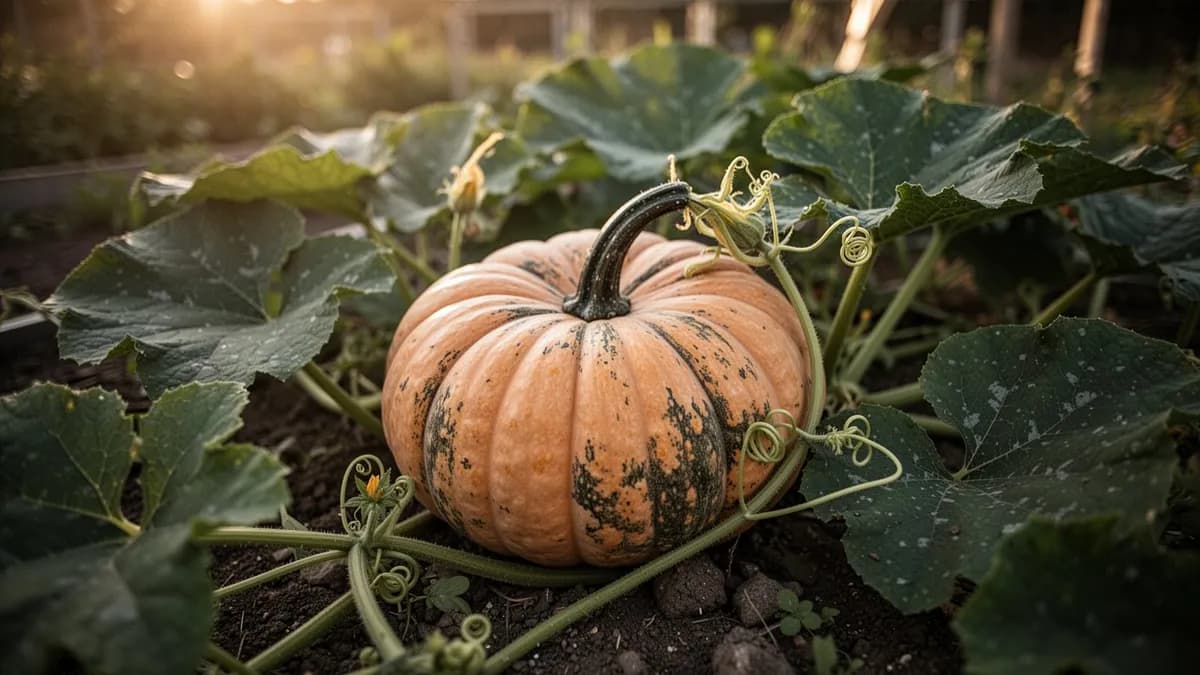
La calabaza para pastel (Cucurbita pepo o C. moschata) es una variedad de calabaza pequeña, de 2-4 kg de peso, seleccionada específicamente por su pulpa densa, fina, dulce y con bajo contenido de fibra, ideal para la elaboración de pasteles, sopas cremosas y purés.





En esta páginaResumen
Conoce Calabaza para Pastel
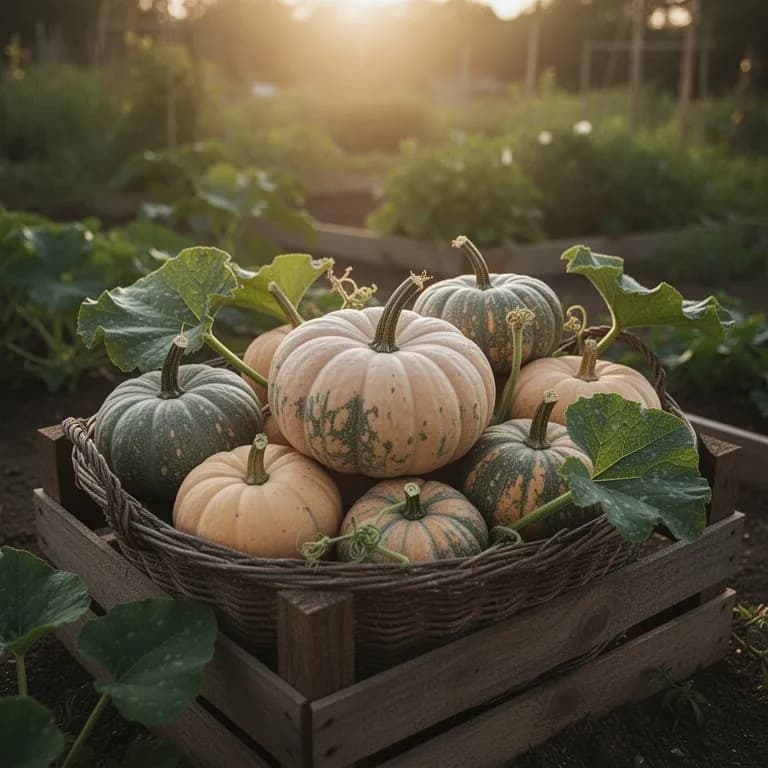
La calabaza para pastel (Cucurbita pepo o C. moschata) es una variedad de calabaza pequeña, de 2-4 kg de peso, seleccionada específicamente por su pulpa densa, fina, dulce y con bajo contenido de fibra, ideal para la elaboración de pasteles, sopas cremosas y purés. A diferencia de las calabazas decorativas, estas variedades ofrecen una relación pulpa-semilla superior y un sabor dulce y especiado naturalmente.
Cuándo plantar Calabaza para Pastel
Siembre directamente en el terreno 1-2 semanas después de la última helada cuando el suelo alcance 18-20°C, colocando 3-4 semillas a 2-3 cm de profundidad en montículos elevados. La germinación ocurre en 5-10 días. Alternativamente, inicie en interior 2-3 semanas antes en macetas biodegradables grandes, transplantando con cuidado para no perturbar las raíces sensibles de las cucurbitáceas.
Tu año de Calabaza para Pastel
Ajustado a Zona 7 · temporada típica · la helada se va hacia el 2 abr y vuelve hacia el 1 nov
Planta Calabaza para Pastel May – Jun y cosecha Sep – Oct. Consulta los métodos de plantación y elige tu clima para adaptar los periodos.
Cómo cultivar Calabaza para Pastel
La calabaza para pastel se siembra directamente en el terreno cuando el suelo alcance al menos 18°C, generalmente 1-2 semanas después de la última helada. Siembre 3-4 semillas a 2-3 cm de profundidad en montículos elevados espaciados 1,5-2 metros entre sí, y aclare dejando las 2 plantas más vigorosas por montículo cuando tengan 2-3 hojas verdaderas.
Riegue abundantemente durante el crecimiento vegetativo y la formación de frutos, aplicando 2-3 cm de agua por semana directamente al suelo evitando mojar el follaje. Las guías se extienden considerablemente, así que planifique el espacio necesario o dirija su crecimiento. Aplique acolchado de paja debajo de los frutos en desarrollo para aislarlos de la humedad del suelo y prevenir la pudrición.
Fertilice con un abono equilibrado durante las primeras semanas y cambie a una fórmula rica en potasio cuando los frutos comiencen a cuajar para promover el dulzor y la densidad de la pulpa. Limite a 3-5 frutos por planta para obtener el mejor tamaño y calidad. Reduzca el riego gradualmente durante las últimas 2-3 semanas antes de la cosecha para concentrar los azúcares y endurecer la cáscara.
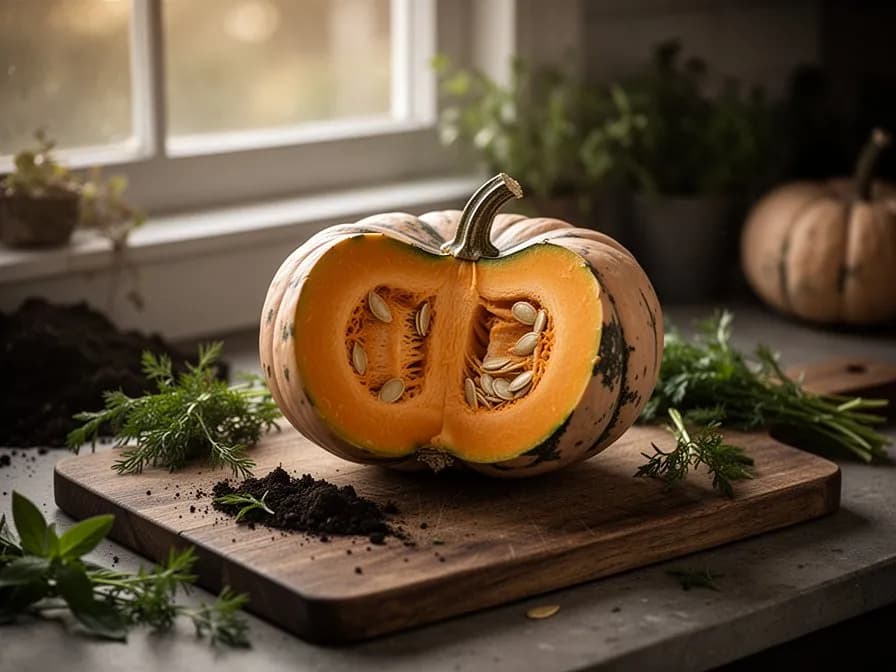
2 plantas caben en un bancal de 120 × 240 cm
Cada Calabaza para Pastel pide 120 cm de margen. El planificador guarda ese marco por ti — cada planta, cada bancal.
Los mejores vecinos de Calabaza para Pastel
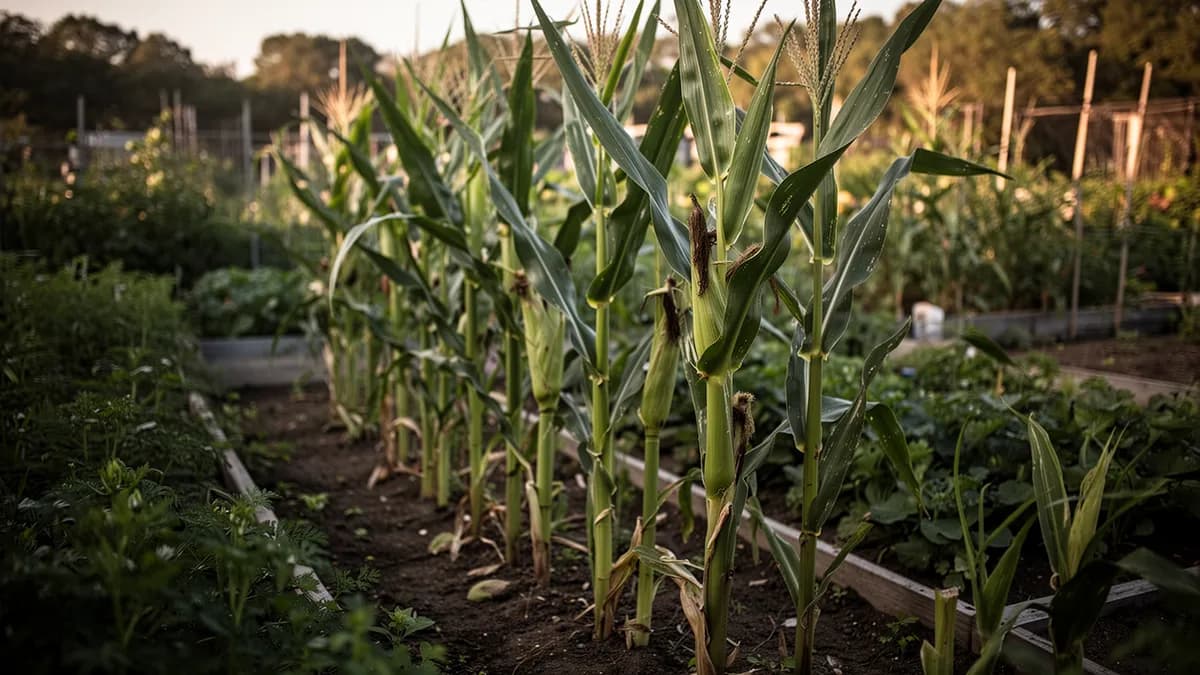
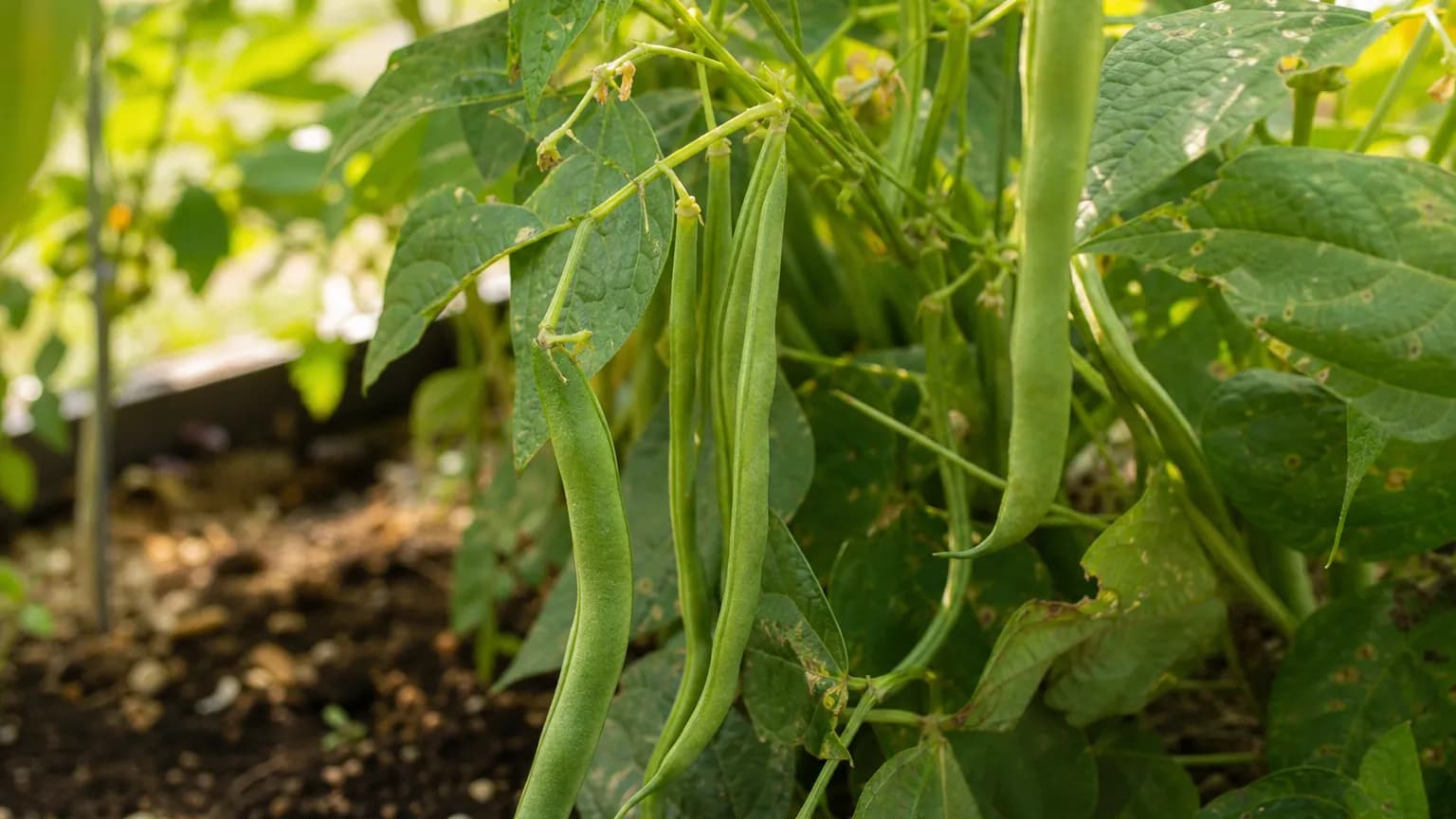
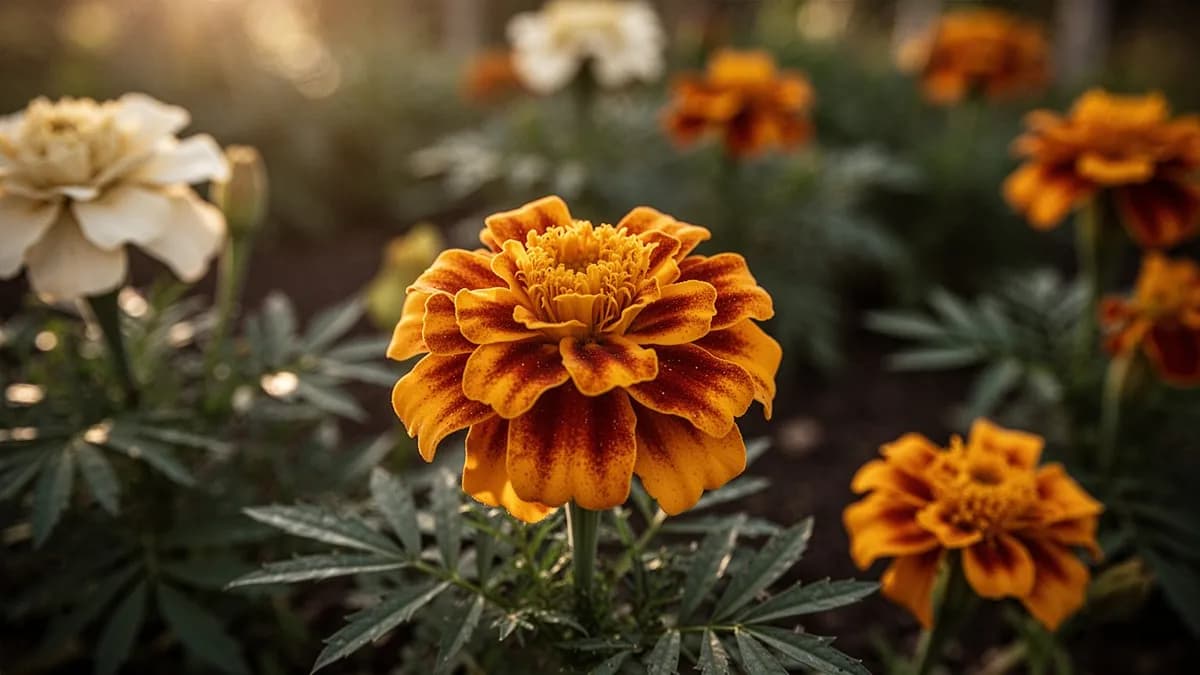
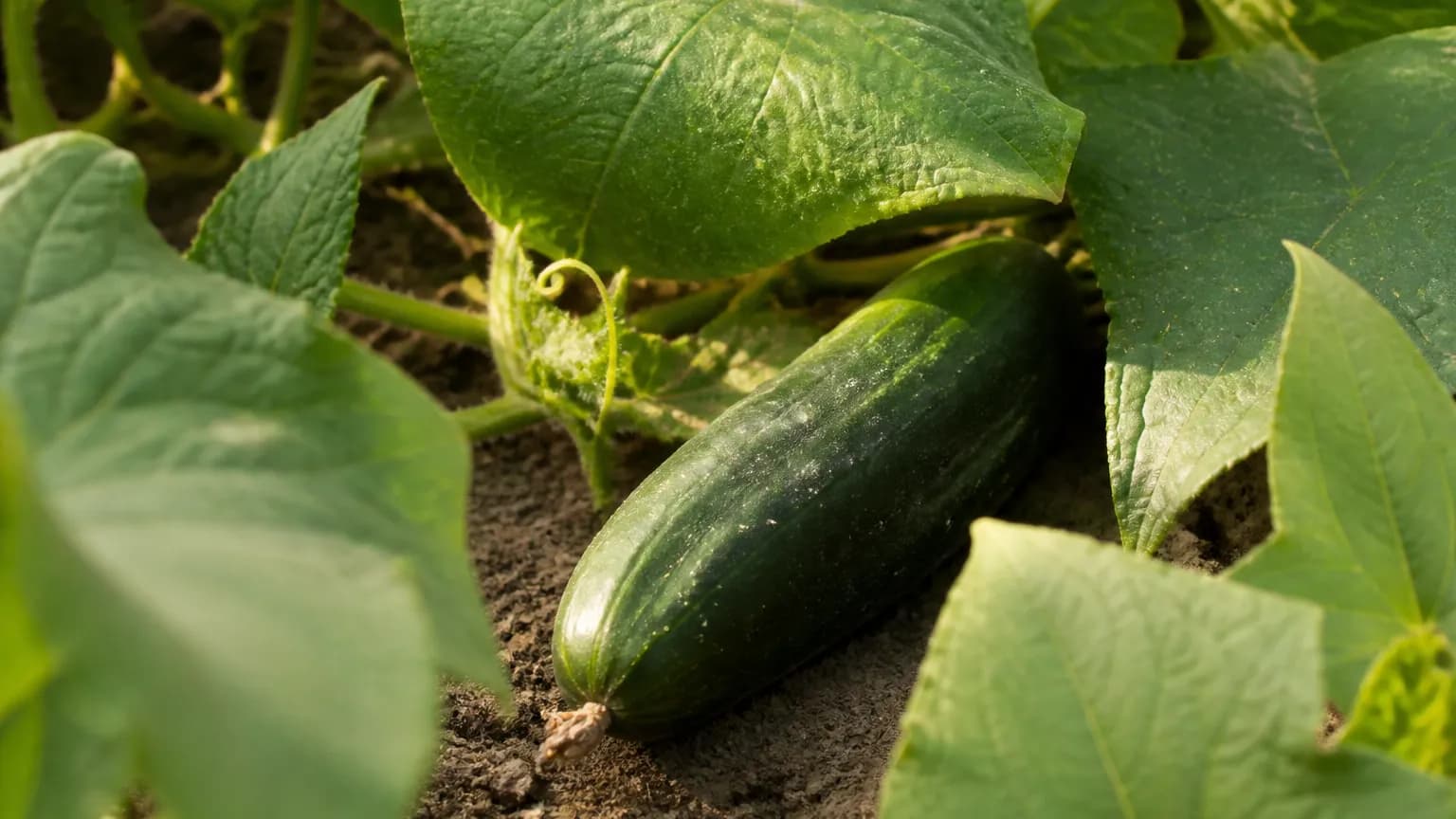
La calabaza para pastel se cultiva tradicionalmente en el sistema de las Tres Hermanas junto con maíz y frijoles: el maíz proporciona soporte, los frijoles fijan nitrógeno y las amplias hojas de la calabaza dan sombra al suelo suprimiendo malezas. Las caléndulas repelen el escarabajo del pepino y el girasol atrae polinizadores beneficiosos.
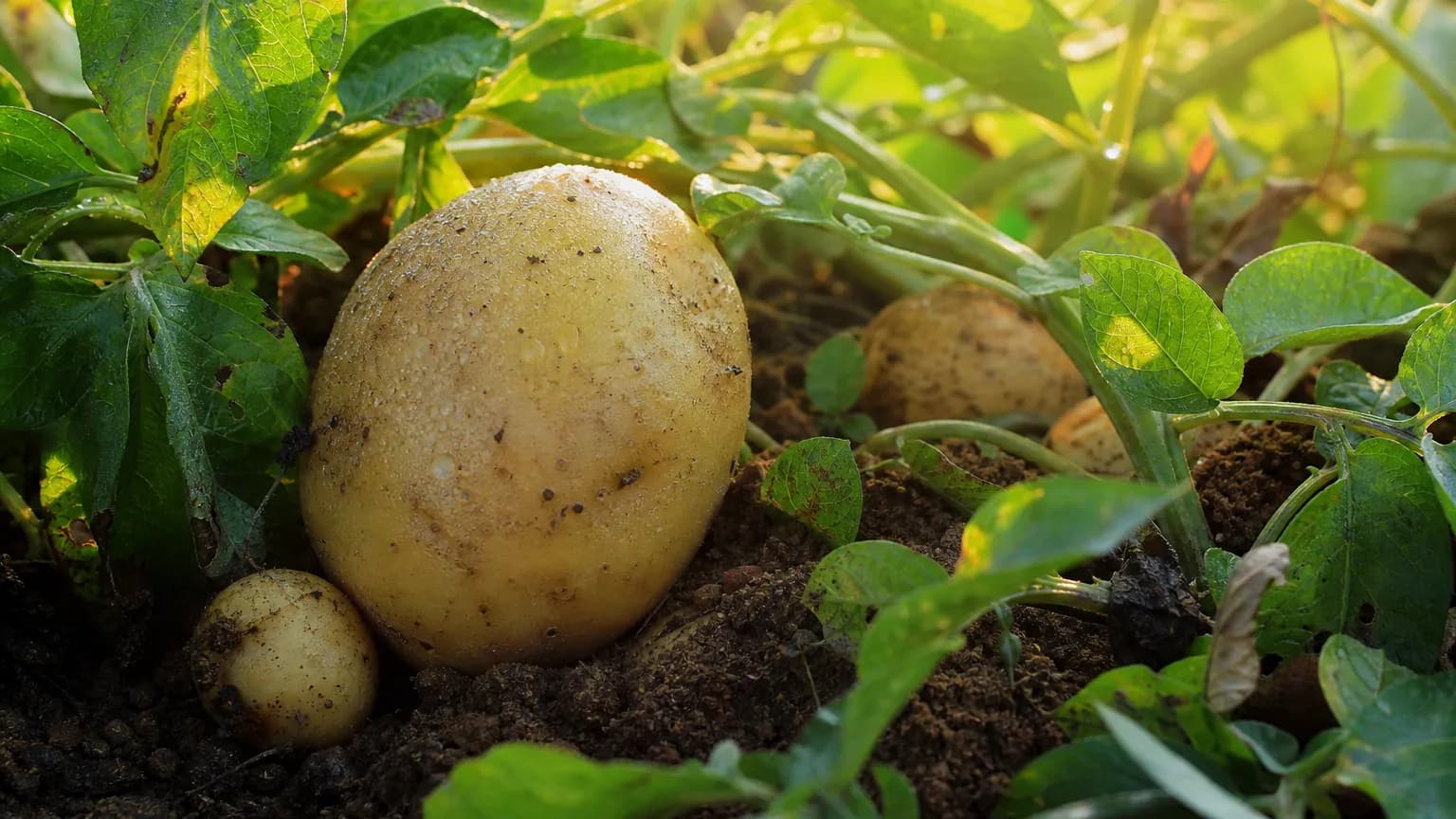
Maíz va a su lado. Papa no.
Saber de huerto de siempre, cotejado con la tabla real de Calabaza para Pastel — prueba cualquier planta que cultives.
Prueba Calabaza para Pastel en un bancal, aquí mismo
Un bancal real del planificador con Calabaza para Pastel ya plantado. Toca una planta compañera para colocarla y mira cómo responde la comprobación de vecinos: verde para buenos vecinos, rojo si hay conflicto.


Guías de cultivo relacionadas
Abónalo bien
La calabaza para pastel prospera en suelos fértiles, profundos y bien drenados, ricos en materia orgánica, con un pH entre 6,0 y 7,0. Prepare montículos incorporando abundante compost maduro, estiércol bien descompuesto y harina de huesos. Fertilice con abono equilibrado durante el crecimiento vegetativo y cambie a fórmula rica en potasio durante la fructificación para maximizar el dulzor de la pulpa.
Temperatura ideal
Compatibilidad de zonas de rusticidad
De la semilla a la cosecha, etapa por etapa
Siembra
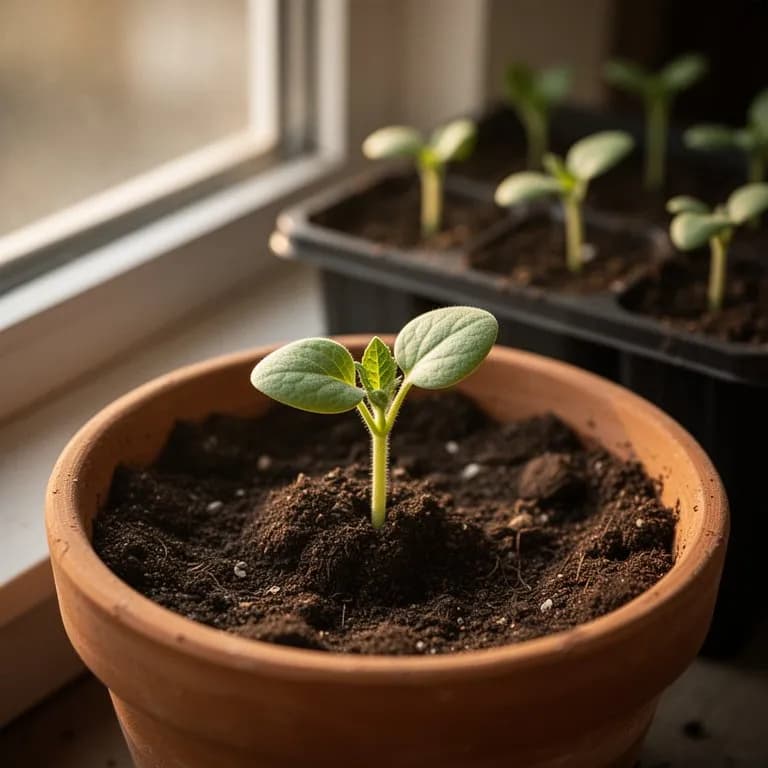
Las semillas de calabaza para tarta se siembran directamente al aire libre después de la última helada o se inician en interior 3-4 semanas antes para ganar tiempo en zonas de temporada corta. Las semillas grandes y planas germinan en 5-10 días cuando la temperatura del suelo es de al menos 18 °C. Primero emergen cotiledones gruesos y redondeados que aportan energía mientras se desarrollan las primeras hojas verdaderas.
Crecimiento de plántulas
Se desarrollan las hojas verdaderas con la característica forma lobulada de la calabaza. La plántula establece una raíz pivotante profunda y comienza a engrosar el tallo. El crecimiento se acelera notablemente cuando las temperaturas diurnas superan de forma constante los 21 °C. Al final de esta fase, la planta tiene 4-6 hojas verdaderas y está lista para empezar a ramificarse.
Expansión de guías
La planta pasa a un crecimiento vegetativo vigoroso y emite guías extendidas que pueden alcanzar 3-5 metros desde la corona central. Las hojas grandes y rugosas se desarrollan rápidamente, dando sombra al suelo y suprimiendo las malas hierbas. Las guías secundarias brotan de los tallos principales, y los nudos de las guías enraízan en suelo húmedo para una mayor absorción de nutrientes.
Floración y polinización
Las grandes flores de color naranja dorado se abren a primera hora de la mañana; las flores masculinas suelen aparecer 7-10 días antes que las primeras femeninas. Las flores femeninas se identifican fácilmente por la pequeña protuberancia redonda en su base. Cada flor se abre solo un día y depende de las abejas y otros polinizadores para transferir el polen de las flores masculinas a las femeninas.
Desarrollo del fruto
Los frutos polinizados se hinchan rápidamente durante varias semanas, pasando de verde oscuro al característico naranja intenso al madurar. Las calabazas para tarta suelen alcanzar 15-25 cm de diámetro y pesar 1,5-3 kg en la madurez. La pulpa se vuelve más espesa y desarrolla un sabor rico y dulce, mientras que la cavidad de semillas sigue siendo relativamente pequeña en comparación con las calabazas decorativas.
Maduración y cosecha
El fruto alcanza su madurez completa cuando la piel se vuelve de un naranja intenso y uniforme, la cáscara es lo bastante dura para resistir la uña y el tallo comienza a secarse y corcharse. La guía en sí empieza a decaer, con las hojas inferiores amarilleando y secándose. Cosecha antes de la primera helada fuerte para evitar daños por frío en el fruto almacenado.
Planta las semillas a 2-3 cm de profundidad en un suelo cálido y húmedo. Si las inicias en interior, usa macetas grandes y biodegradables para no dañar la sensible raíz pivotante al trasplantar. Una manta térmica ajustada a 24 °C acelera mucho la germinación.
Cuidar Calabaza para Pastel mes a mes
Qué hacer cada mes para tu Calabaza para Pastel
Octubre
Mes actualHarvest before the first hard frost by cutting the stem with sharp pruners. Leave 5-10 cm of stem attached. Cure in a warm, dry location (27°C / 80°F) for 10-14 days to improve storage life and flavor. Clean up spent vines and compost healthy material.
Ten claro qué hacer en tu huerto, cada mes
Un correo al empezar cada mes: qué sembrar, plantar y hacer ahora mismo — para tu Calabaza para Pastel y todo lo que crece alrededor. Más un breve curso inicial para esquivar los errores clásicos.
- Qué hacer ahora mismo
- Ajustado a tu temporada
- Curso inicial incluido
Cosechar Calabaza para Pastel
Las calabazas para pastel se cosechan cuando la cáscara está completamente dura y no se puede marcar con la uña, el color es uniforme y el pedúnculo comienza a secarse, generalmente entre 90 y 110 días después de la siembra. Corte con tijeras de podar dejando 5-10 cm de pedúnculo intacto, ya que un pedúnculo roto acorta significativamente la vida de almacenamiento.
se supone que plantas al comenzar el periodo — indica tu fecha real
Cuando la cáscara sea de un naranja intenso y uniforme, resista la presión de la uña, el tallo se seque y se vuelva corchoso, y la guía empiece a decaer.
Almacenamiento y conservación
Las calabazas para pastel se curan al sol durante 10-14 días a 25-30°C para endurecer la cáscara y mejorar el dulzor, y luego se almacenan en un lugar fresco y seco a 10-15°C durante 2-4 meses. Para conservación a largo plazo, la pulpa cocida se puede congelar en porciones, enlatar al baño maría, o deshidratar en polvo para uso durante todo el año.
Qué falla — y cómo solucionarlo
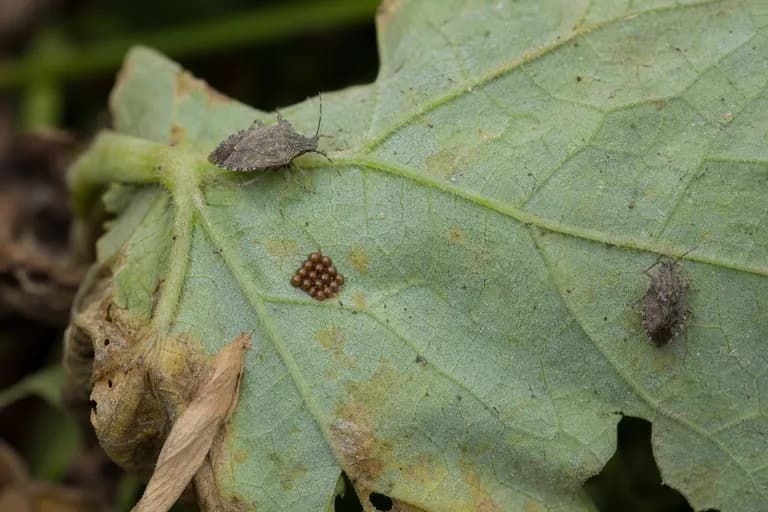
Escarabajo del pepino
PlagaEscarabajos rayados o manchados que devoran hojas y flores jóvenes, debilitando la planta y transmitiendo la marchitez bacteriana que causa muerte súbita de las guías.
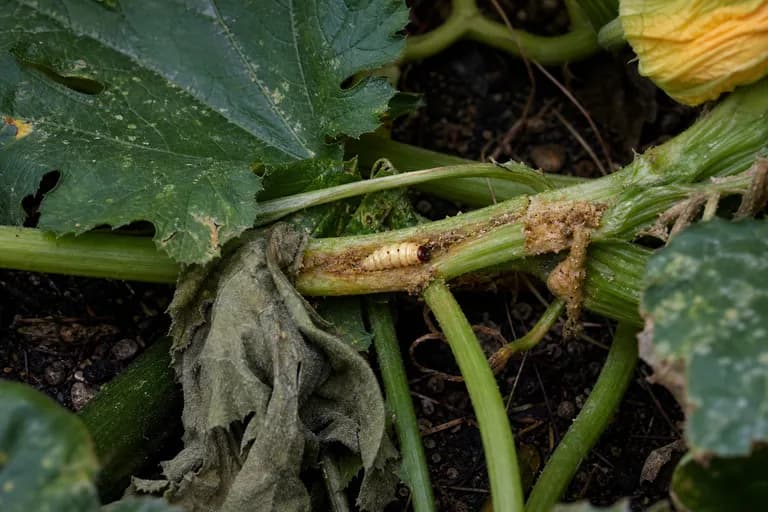
Oídio
EnfermedadManchas blancas harinosas que cubren las hojas progresivamente, reduciendo la capacidad fotosintética, debilitando la planta y comprometiendo el dulzor y tamaño de los frutos.
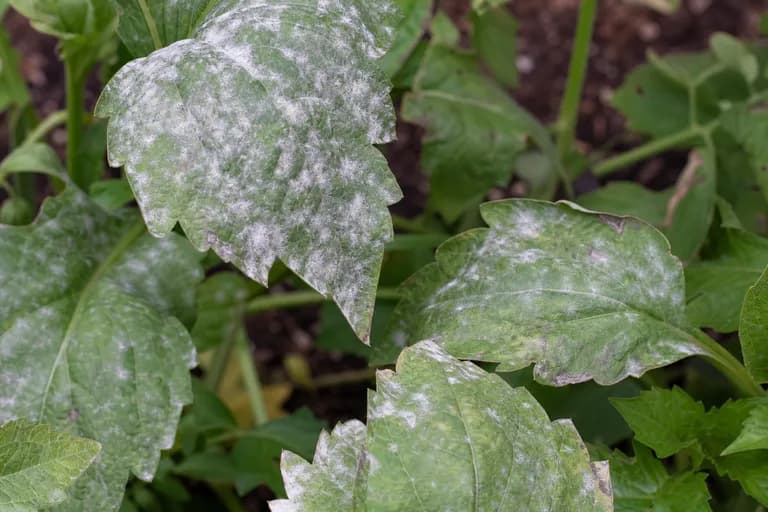
Barrenador de la vid
PlagaLarvas que penetran en la base del tallo principal causando marchitamiento repentino de las guías y colapso de la planta. Se observa serrín y excrementos en el punto de entrada.
Solución de problemas comunes
Las calabazas para pastel son relativamente fáciles de cultivar, pero requieren mucho espacio para sus guías rastreras. El oídio es el problema foliar más común a finales del verano, y la pudrición de frutos puede ocurrir si descansan directamente sobre suelo húmedo. El exceso de nitrógeno produce plantas muy frondosas con pocos frutos, y la polinización insuficiente resulta en frutos deformes o abortados.
Consejos de cultivo
- Choose a true pie pumpkin variety bred for culinary quality, not a carving type. Small Sugar, New England Pie, and Winter Luxury produce dense, sweet, fine-grained flesh ideal for puree. Carving pumpkins have watery, fibrous flesh that makes poor puree.
- Build planting mounds or hills 30-45 cm high and 60-90 cm wide, enriched with a generous shovelful of compost. Mounds warm faster in spring, drain better in rain, and give the sprawling vines a defined starting point in your garden layout.
- Allow 3-5 square meters per plant. Pie pumpkin vines are vigorous sprawlers, and crowded plants compete for light, water, and nutrients, resulting in fewer and smaller fruits. If space is tight, train vines along a fence or grow a bush variety like Small Sugar Bush.
- Mulch heavily with straw, leaves, or grass clippings once the soil has warmed above 21°C (70°F). A 10 cm layer of mulch retains moisture, suppresses weeds, and keeps developing fruit clean and dry on its surface — reducing the risk of bottom rot.
- Water deeply and consistently, providing 2.5-5 cm per week. Use drip irrigation or soaker hoses at the base of the plant rather than overhead watering, which promotes powdery mildew on the large leaves. Inconsistent watering causes fruit cracking and bitter flavor.
- Watch for squash vine borers in eastern North America — the single most destructive pest of pumpkins. Wrap the lower 15 cm of each vine base with aluminum foil or row cover fabric in early summer to prevent egg-laying. If frass (sawdust-like waste) appears at the base, slit the vine carefully to find and remove the larva.
- Harvest pie pumpkins fully ripe for the best flavor and storage life. The skin should be uniformly deep orange, the rind hard enough to resist your fingernail, and the stem dry and corky. Underripe pumpkins have pale flesh with less sugar content.
- Cure harvested pumpkins in a warm, dry spot at 27°C (80°F) for 10-14 days before moving to cool storage. This critical step heals any minor skin wounds, hardens the rind, converts starches to sugars, and dramatically extends storage life from weeks to months.
Cultiva tu mejor Calabaza para Pastel — y todo lo que la rodea.
Empieza un plan gratis hoy. Diseña tus bancales, coloca tu Calabaza para Pastel y deja que PlotMyGarden gestione el momento, el espaciado, las asociaciones y los recordatorios de la semilla a la cesta.
Elige tu Calabaza para Pastel
Sugar Pie (New England Pie)
La variedad clásica americana para pastel de calabaza con frutos redondos de 2-3 kg y pulpa naranja densa, dulce y de textura fina. Madura en 100 días con excelente sabor.
Baby Pam
Variedad compacta con frutos pequeños de 1,5-2 kg, perfectos para porciones individuales. Pulpa muy dulce y suave, madura en 95 días y es ideal para huertos pequeños.
Winter Luxury
Considerada por muchos la mejor calabaza para pastel con cáscara reticulada elegante y pulpa excepcionalmente cremosa y dulce. Madura en 95-100 días con sabor superior.
Long Pie (Nantucket)
Variedad heritage alargada de Nueva Inglaterra con pulpa fibrosa mínima y sabor profundamente dulce y especiado. Madura en 100-105 días y se almacena excepcionalmente bien.
Cinderella (Rouge Vif d'Étampes)
Variedad francesa achatada de color rojo-anaranjado con pulpa dulce y textura suave. Madura en 95 días y combina belleza ornamental con excelente calidad culinaria.
A packet of pie pumpkin seeds costs $2-4 and produces 3-6 plants, each yielding 3-6 pumpkins. At grocery store prices of $3-6 per pie pumpkin and $3-5 per 425g can of pumpkin puree, a modest planting of 3 plants producing 12-18 pumpkins saves $36-108 on whole pumpkins alone. Since each pumpkin replaces approximately 2 cans of puree, the equivalent canned pumpkin value is $72-180. Factor in roasted seeds (specialty pumpkin seeds sell for $8-15 per pound) and the total savings per season easily reach $100-200 for a family that bakes regularly.
Recetas rápidas
Classic Homemade Pumpkin Pie
90 minThe quintessential autumn dessert made with fresh pie pumpkin puree instead of canned. Roasting the pumpkin first caramelizes the sugars and produces a deeper, more complex flavor than any canned puree can achieve. One pie pumpkin yields enough puree for two pies.
10 ingredientesRoasted Pumpkin Soup
50 minA silky, richly flavored soup that showcases the natural sweetness and creamy texture of pie pumpkin flesh. Roasting the pumpkin before blending adds depth and a subtle caramelized flavor that sets this apart from soups made with raw or canned pumpkin.
9 ingredientesPumpkin Spice Muffins
40 minMoist, tender muffins bursting with warm autumn spices and the natural sweetness of fresh pumpkin puree. These freeze beautifully and make a perfect grab-and-go breakfast or after-school snack throughout the season.
12 ingredientesUsos culinarios
La calabaza para pastel es la base del icónico pumpkin pie americano de Acción de Gracias, horneada con canela, jengibre, nuez moscada y clavo. Su pulpa versátil se utiliza en sopas cremosas, purés aterciopelados, panes y muffins de calabaza, risottos otoñales, raviolis rellenos y curries aromáticos. También se asa en gajos con especias como guarnición.
Qué contiene
Beneficios para la salud
- Extraordinarily rich in beta-carotene, providing over 170% of the daily value of vitamin A per 100g — one of the highest concentrations among common foods, supporting healthy vision, robust immune function, and skin cell renewal.
- Very low calorie density at just 26 calories per 100g, making pumpkin puree an excellent ingredient for adding volume, nutrition, and natural sweetness to baked goods while keeping calorie counts moderate.
- Contains soluble fiber that forms a gel in the digestive tract, slowing the absorption of sugar and helping to stabilize blood glucose levels after meals — particularly beneficial when pumpkin replaces some flour or sugar in baking recipes.
- Good source of potassium (340mg per 100g), an essential mineral for maintaining healthy blood pressure, proper muscle contraction, and nerve signal transmission.
- Pumpkin seeds are nutritional powerhouses containing magnesium (37% DV per 30g serving), zinc (15% DV), iron, and tryptophan — an amino acid precursor to serotonin that may support healthy sleep patterns and mood.
- Rich in the carotenoid antioxidants lutein and zeaxanthin, which accumulate in the retina and lens of the eye and may help reduce the risk of age-related macular degeneration and cataracts over time.
De dónde viene Calabaza para Pastel
Pumpkins (Cucurbita pepo) are native to the Americas and rank among the oldest domesticated crops on Earth. Archaeological evidence from caves in the Oaxaca Valley of Mexico shows that wild pumpkin ancestors were cultivated at least 7,500 years ago, making them one of the earliest plants grown by humans in the Western Hemisphere. The original wild pumpkins were small, hard, and bitter — valued more for their durable seeds and useful shells than their flesh. Over thousands of years of selection by indigenous peoples across North and Central America, pumpkins were gradually bred for larger size, thinner rinds, and sweeter, more palatable flesh.
By the time European explorers arrived in the Americas in the late 15th and early 16th centuries, dozens of pumpkin varieties were being cultivated by Native American peoples from Canada to South America. The 'Three Sisters' planting method — growing pumpkins, corn, and beans together in a mutually beneficial polyculture — was one of the most sophisticated agricultural systems in the pre-Columbian world. The colonists at Plymouth quickly adopted pumpkins as a dietary staple, and the fruit became so central to their survival that the 1705 New England saying went: 'We have pumpkins at morning and pumpkins at noon / If it were not for pumpkins we should be undone.'
The pie pumpkin as we know it today was refined through centuries of American selective breeding, with growers choosing the sweetest, densest, most flavorful fruits for seed saving. The Small Sugar variety, one of the oldest named pie pumpkin cultivars, has been grown since at least the 1860s and remains popular today. Modern pie pumpkin varieties like New England Pie, Winter Luxury, and Cinderella (Rouge vif d'Etampes) carry forward this tradition of breeding for culinary quality over ornamental size, delivering the thick-walled, fine-grained, deeply sweet flesh that makes homemade pumpkin pie, soup, and bread so incomparably superior to anything made from canned puree.
Calabaza para Pastel: ¿sabías que?
Datos fascinantes sobre Calabaza para Pastel
Pie pumpkins (also called sugar pumpkins) were specifically bred for cooking rather than carving — they contain roughly twice as much dense, sweet flesh per kilogram as their larger jack-o'-lantern cousins, with far less stringy fiber and a smaller seed cavity.
Calabaza para Pastel: preguntas frecuentes
¿Cuándo debo plantar Calabaza para Pastel?
¿Cuáles son buenas plantas acompañantes para Calabaza para Pastel?
¿En qué zonas de rusticidad puede crecer Calabaza para Pastel?
¿Cuánto sol necesita Calabaza para Pastel?
¿A qué distancia debo espaciar Calabaza para Pastel?
¿Qué plagas y enfermedades afectan a Calabaza para Pastel?
¿Cómo almaceno Calabaza para Pastel después de la cosecha?
¿Cuáles son las mejores variedades de Calabaza para Pastel para cultivar?
¿Qué suelo necesita Calabaza para Pastel?
What is the difference between a pie pumpkin and a carving pumpkin?
How do I make pumpkin puree from a fresh pie pumpkin?
Can I substitute fresh pumpkin puree for canned in recipes?
How long can I store pie pumpkins after harvest?
Why are my pumpkin plants producing flowers but no fruit?
Can I grow pie pumpkins vertically to save space?
Acabas de leer la teoría. Ahora cultívala en piloto automático.
Todo lo que hace que Calabaza para Pastel sea delicado — el momento, el espaciado, las asociaciones, la ventana de cosecha — es justo lo que PlotMyGarden resuelve por ti, para cada planta de tu huerto.
Un plan que conoce tu clima
Indica tu ubicación una vez. Recibe fechas de siembra, abonado y cosecha basadas en tu última helada real y el pronóstico en vivo — sin adivinar con un sobre genérico.
De la sección “Cuándo plantar”Planificador de bancales de arrastrar y soltar
Diseña bancales sobre una cuadrícula. Cada planta encaja con su espaciado correcto y ves toda la temporada antes de gastar un céntimo en semillas.
De la sección “Cultivo”Conflictos de asociación, detectados a tiempo
Más de 200 buenas y malas combinaciones comprobadas en vivo mientras plantas — para que un error que arruine la temporada nunca llegue a la tierra.
De la sección “Asociaciones”Recordatorios que sí vas a seguir
“Riega las judías.” “Recoge hoy antes de que se pase.” Oportunos, concretos y ligados a las plantas que de verdad cultivas.
De la sección “Cosecha”Escalonado, programado
¿Quieres cosechar seis semanas en vez de seis días? Reparte tus siembras automáticamente y te avisa cuando toca el siguiente lote.
De la sección “Cuándo plantar”Un registro que se vuelve más listo
Cada cosecha que registras le enseña tu huerto. El plan del año que viene parte de lo que de verdad funcionó en tu suelo, no en un manual.
De la sección “Resumen”Planta estos junto a Calabaza para Pastel
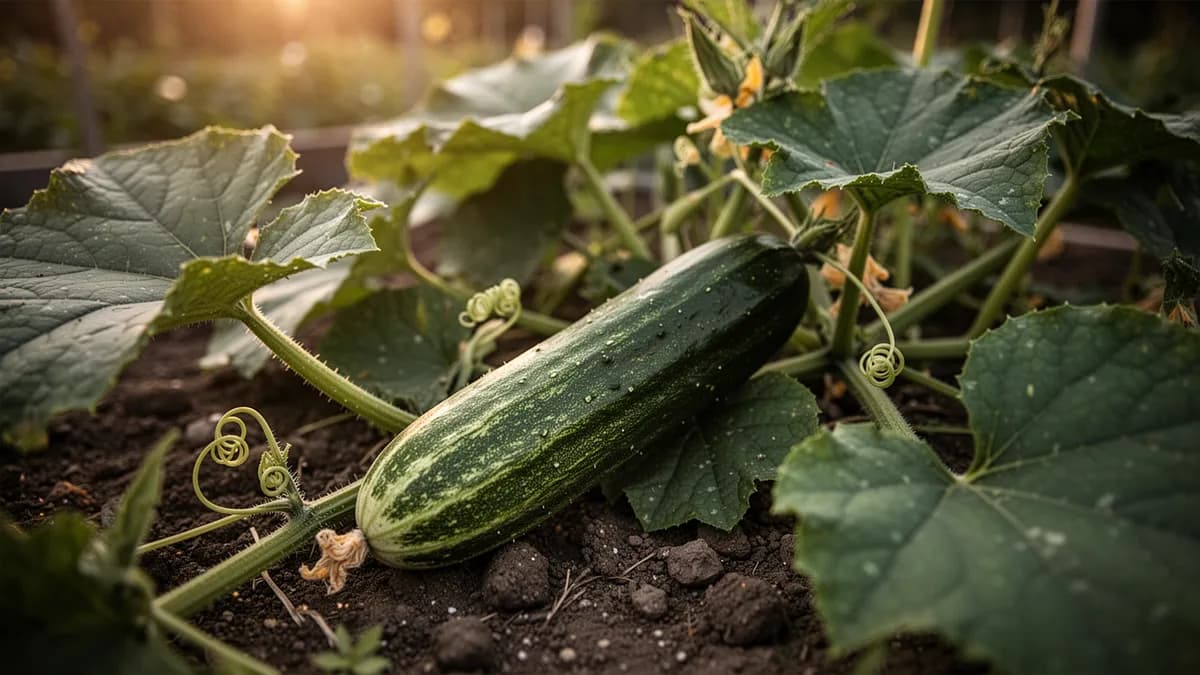
Más Cucurbitáceas
Mantén Calabaza para Pastel lejos de estos
Cultiva tu mejor Calabaza para Pastel — y todo lo que la rodea.
Empieza un plan gratis hoy. Diseña tus bancales, coloca tu Calabaza para Pastel y deja que PlotMyGarden gestione el momento, el espaciado, las asociaciones y los recordatorios de la semilla a la cesta.