Pimiento Shishito
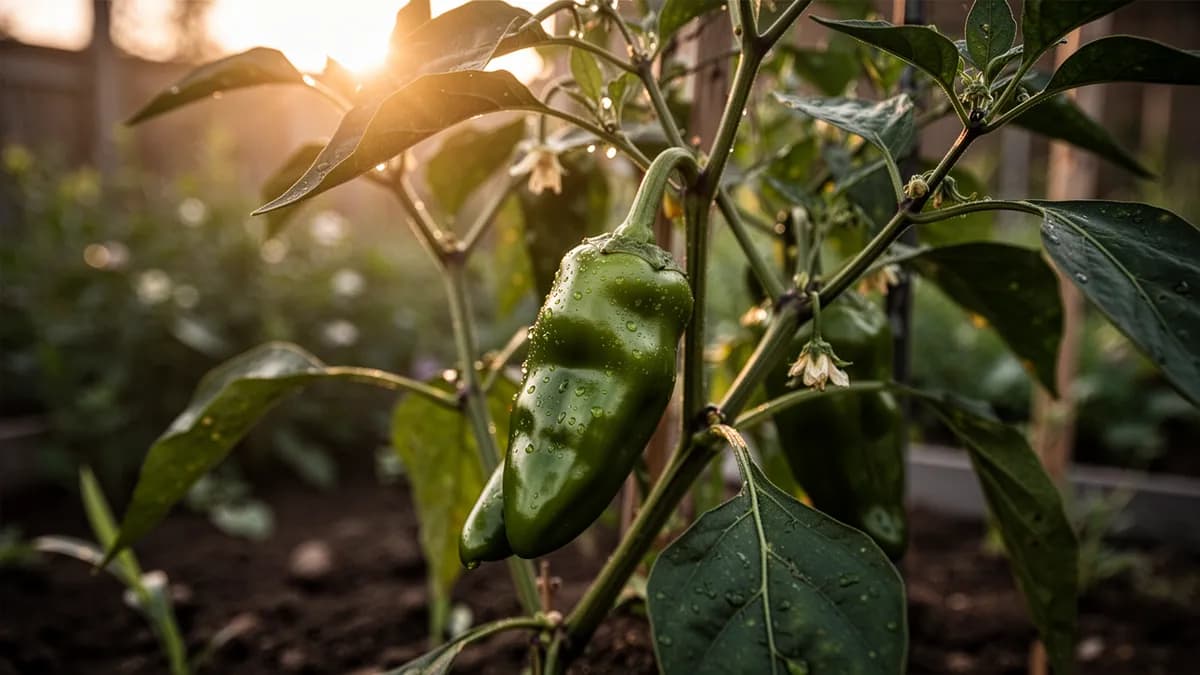
El pimiento shishito (Capsicum annuum) es una variedad japonesa de pimiento pequeño, delgado y arrugado, generalmente suave (50-200 Scoville) aunque aproximadamente 1 de cada 10 frutos resulta sorprendentemente picante.





En esta páginaResumen
Conoce Pimiento Shishito
El pimiento shishito (Capsicum annuum) es una variedad japonesa de pimiento pequeño, delgado y arrugado, generalmente suave (50-200 Scoville) aunque aproximadamente 1 de cada 10 frutos resulta sorprendentemente picante. Originario de Japón, se ha convertido en un aperitivo de moda en restaurantes de todo el mundo, típicamente servido blistered con sal marina.
Cuándo plantar Pimiento Shishito
Siembre en interiores 8 semanas antes de la última helada en bandejas con sustrato estéril a 24-28 °C. Germinación en 7-14 días. Trasplante a macetas individuales con primeras hojas verdaderas. Endurezca 7-10 días. Los shishito también se adaptan excelentemente a cultivo en macetas de 20 cm.
Tu año de Pimiento Shishito
Ajustado a Zona 7 · temporada típica · la helada se va hacia el 2 abr y vuelve hacia el 1 nov
Planta Pimiento Shishito Feb – May y cosecha Jul – Oct. Consulta los métodos de plantación y elige tu clima para adaptar los periodos.
Cómo cultivar Pimiento Shishito
Inicie en interiores 8 semanas antes de la última helada, sembrando a 0,5 cm de profundidad a 24-28 °C para germinación en 7-14 días. Las plántulas crecen vigorosas con buena iluminación.
Trasplante cuando las noches superen 13 °C, espaciando 45-50 cm. Las plantas son compactas (45-60 cm) pero extremadamente productivas, produciendo cientos de frutos por temporada. Riegue regularmente con 2,5 cm semanales. Proporcione pleno sol.
Fertilice cada 2-3 semanas con abono equilibrado. Los shishito son más fáciles de cultivar que muchos pimientos, tolerando temperaturas algo más frescas. Coseche frecuentemente cuando los frutos midan 7-9 cm para estimular producción continua durante toda la temporada.
18 plantas caben en un bancal de 120 × 240 cm
Cada Pimiento Shishito pide 40 cm de margen. El planificador guarda ese marco por ti — cada planta, cada bancal.
Los mejores vecinos de Pimiento Shishito
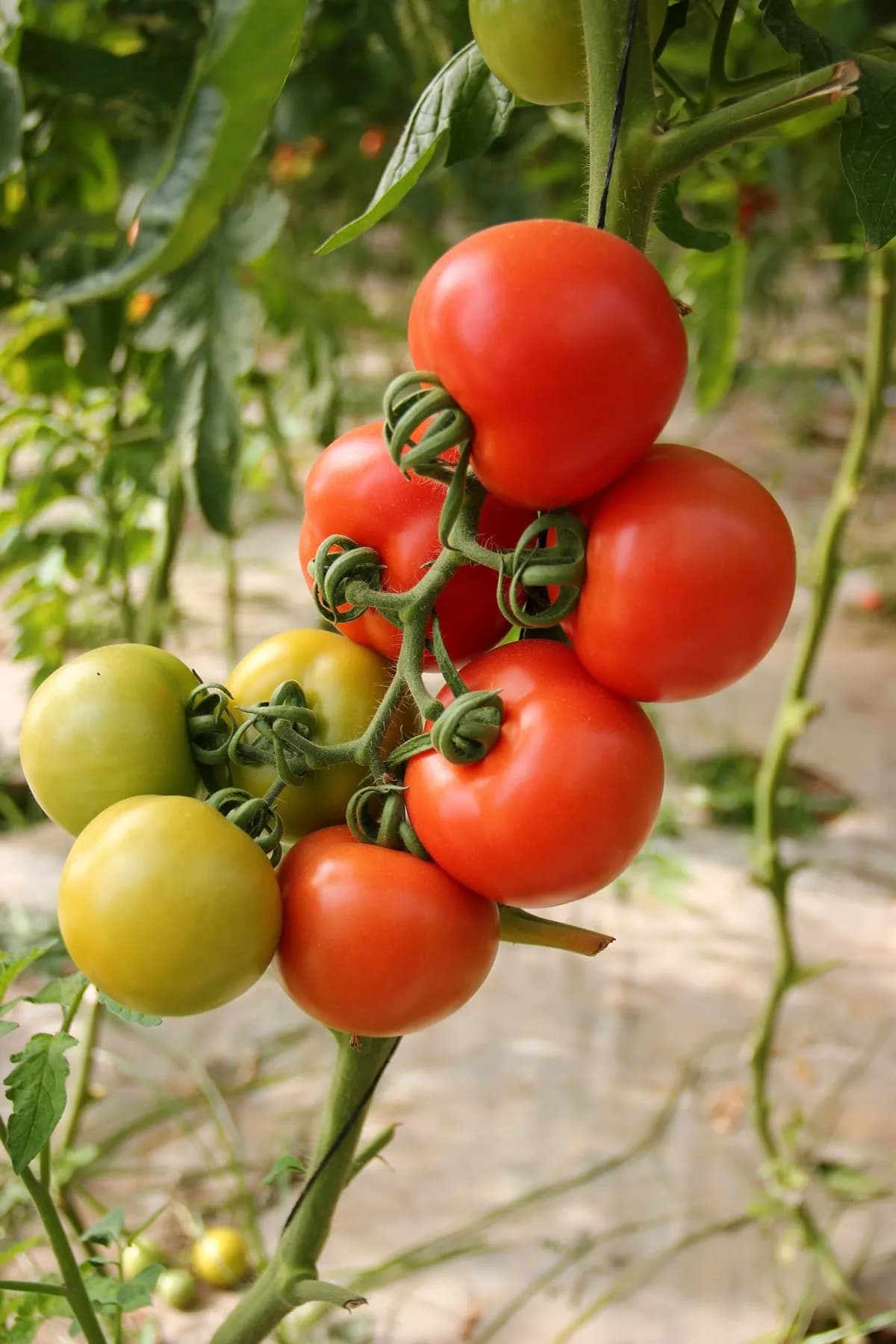
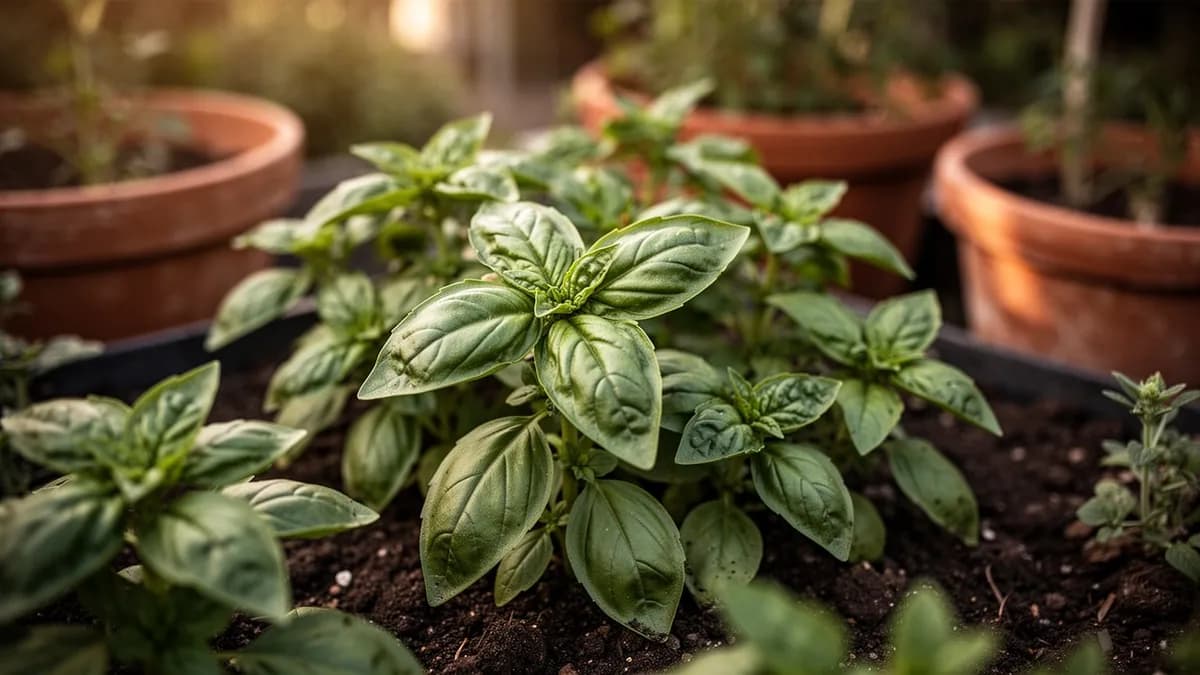
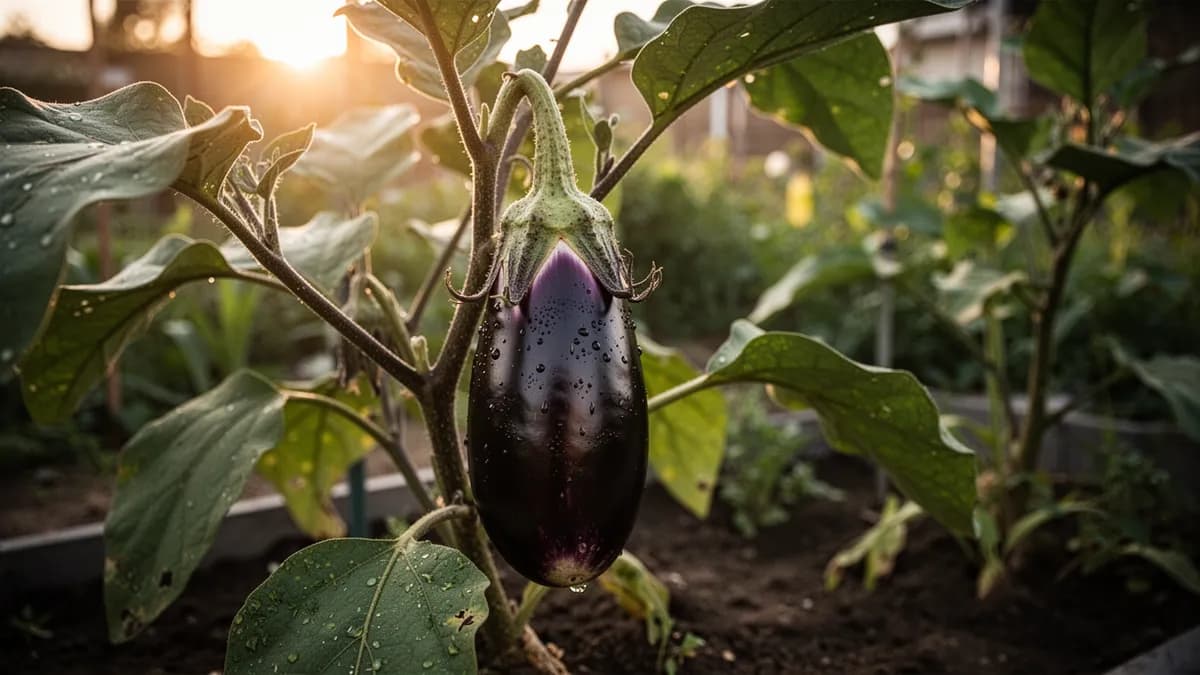
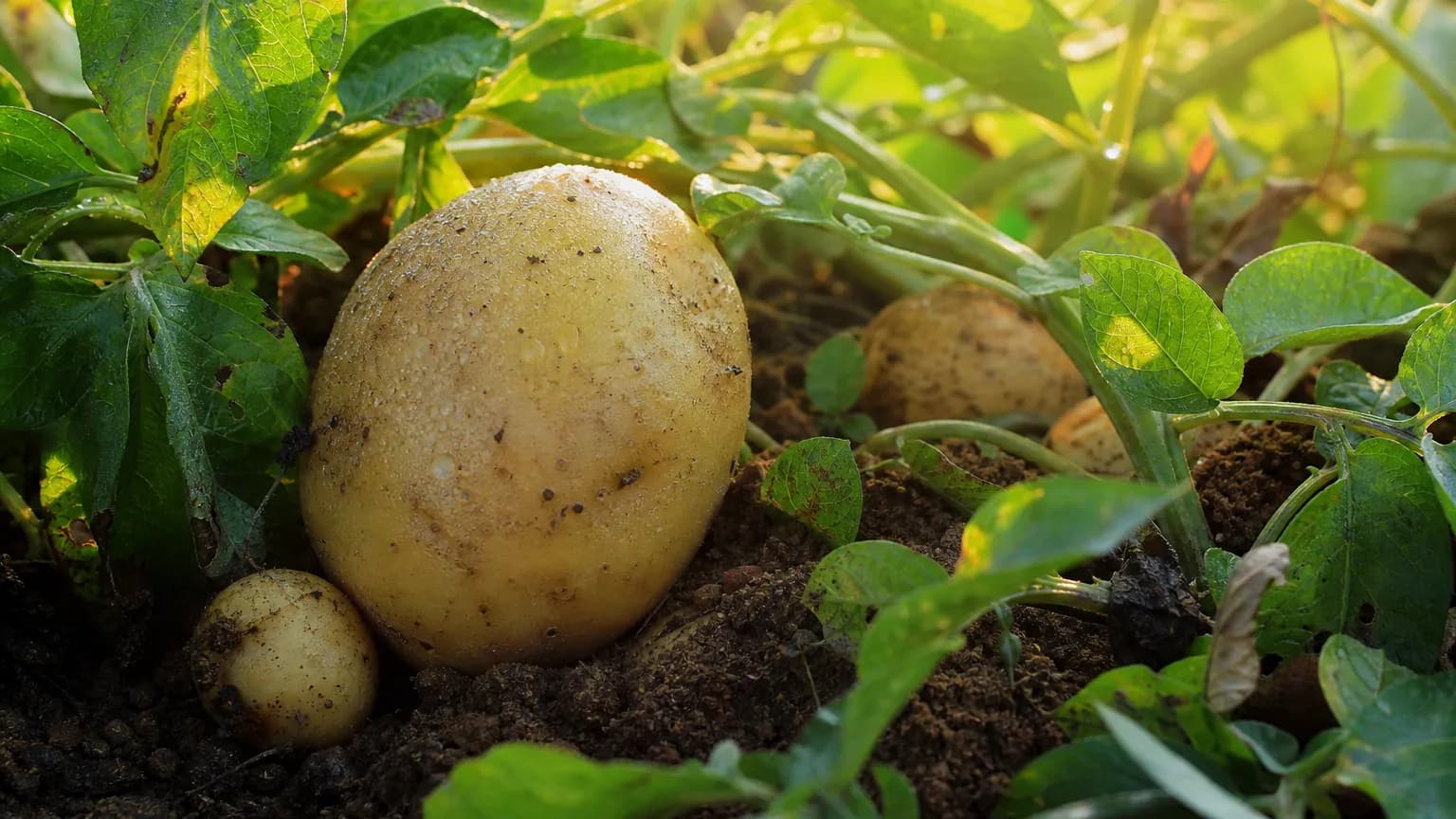
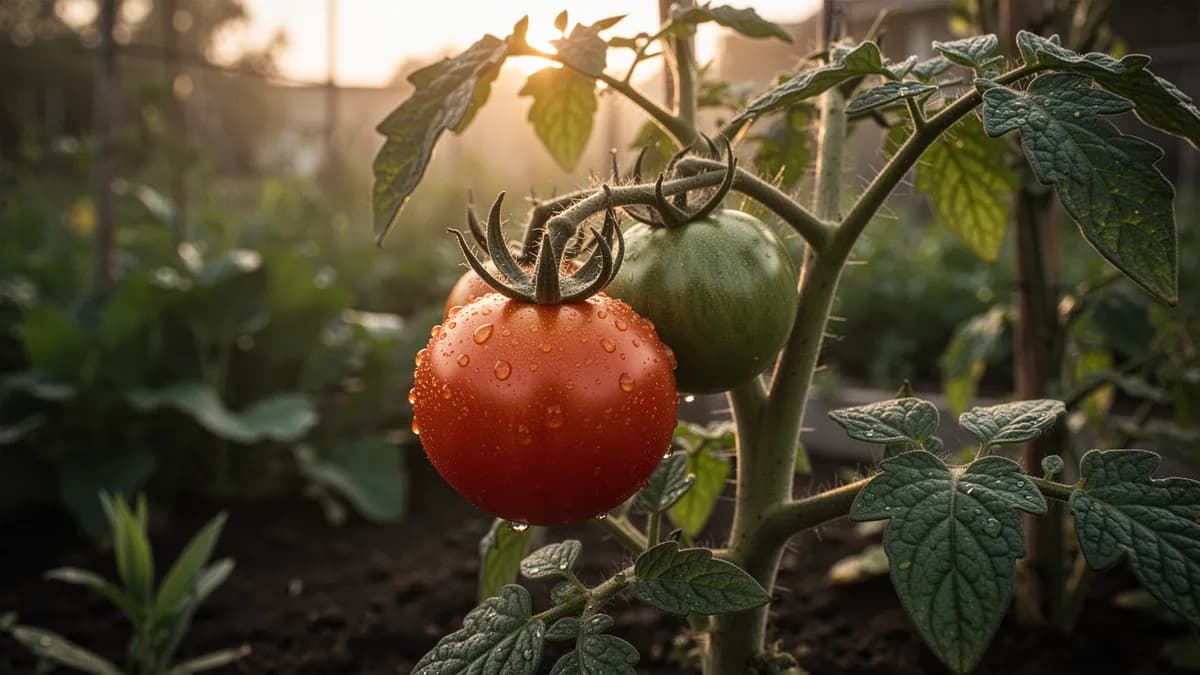
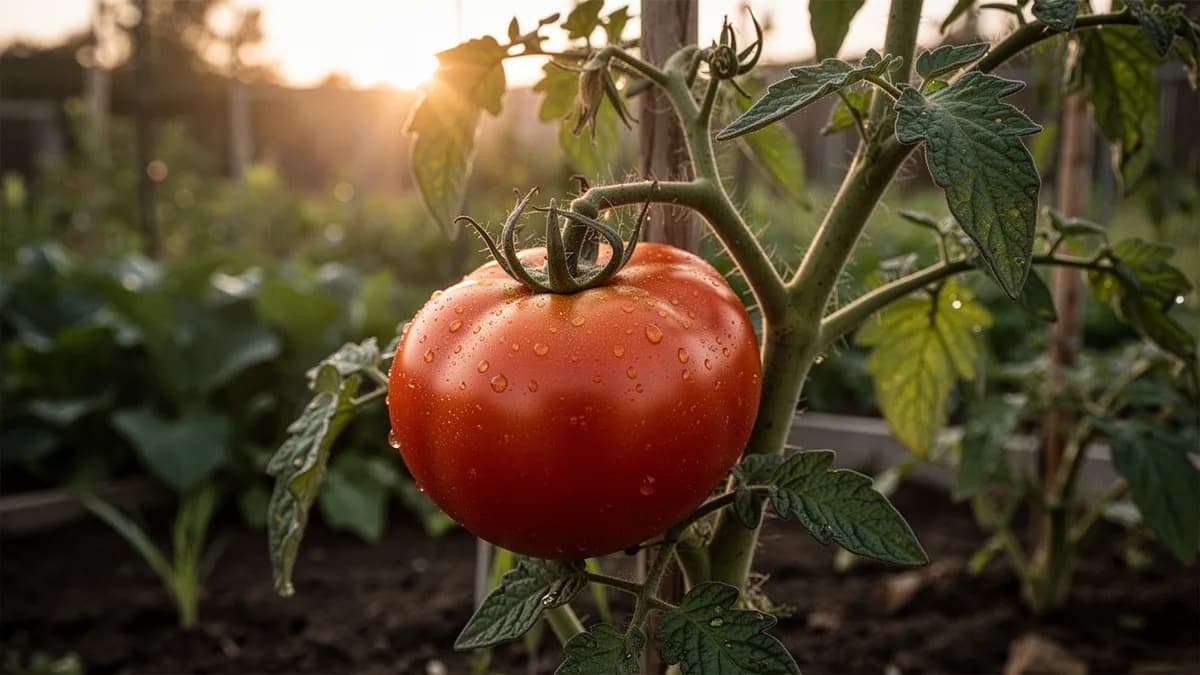
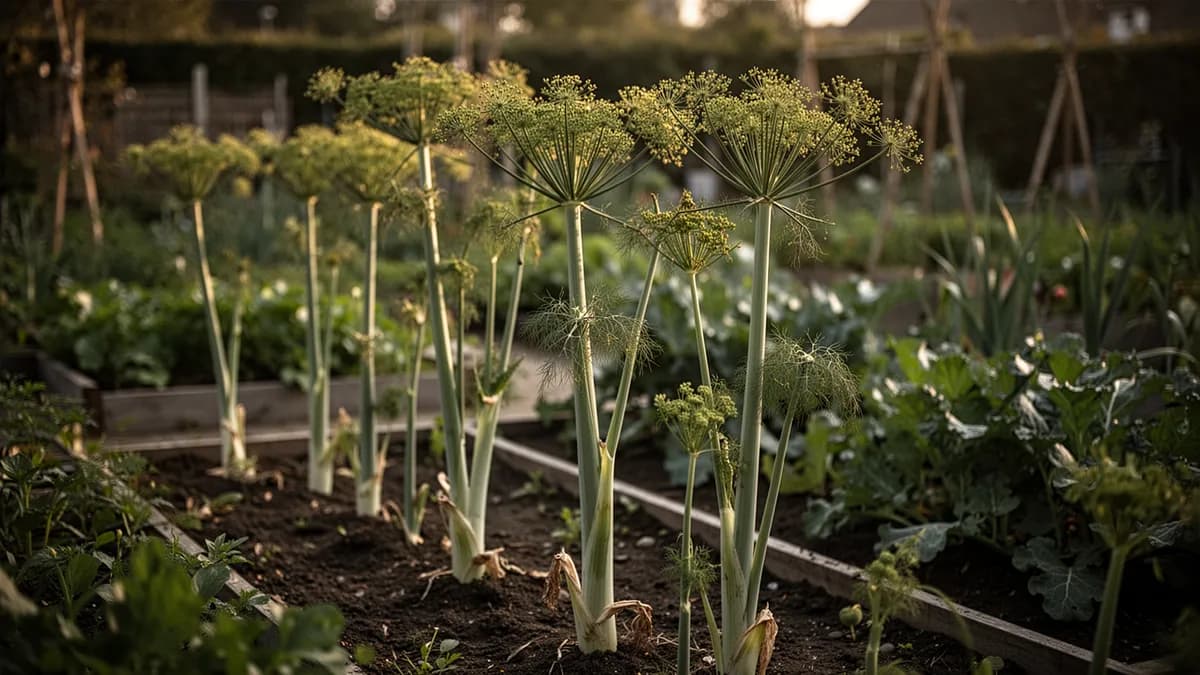
Crecen bien junto a albahaca, tomates y berenjenas. Las hierbas aromáticas como shiso y cilantro son compañeras naturales en el huerto japonés. Evite plantar junto a hinojo.
Tomate va a su lado. Hinojo no.
Saber de huerto de siempre, cotejado con la tabla real de Pimiento Shishito — prueba cualquier planta que cultives.
Prueba Pimiento Shishito en un bancal, aquí mismo
Un bancal real del planificador con Pimiento Shishito ya plantado. Toca una planta compañera para colocarla y mira cómo responde la comprobación de vecinos: verde para buenos vecinos, rojo si hay conflicto.


Guías de cultivo relacionadas
Abónalo bien
Suelos bien drenados con materia orgánica y pH 6,0-7,0. Enmiende con compost. Fertilice cada 2-3 semanas con abono equilibrado, sin exceso de nitrógeno que favorece follaje sobre frutos.
Temperatura ideal
Compatibilidad de zonas de rusticidad
De la semilla a la cosecha, etapa por etapa
Germinación
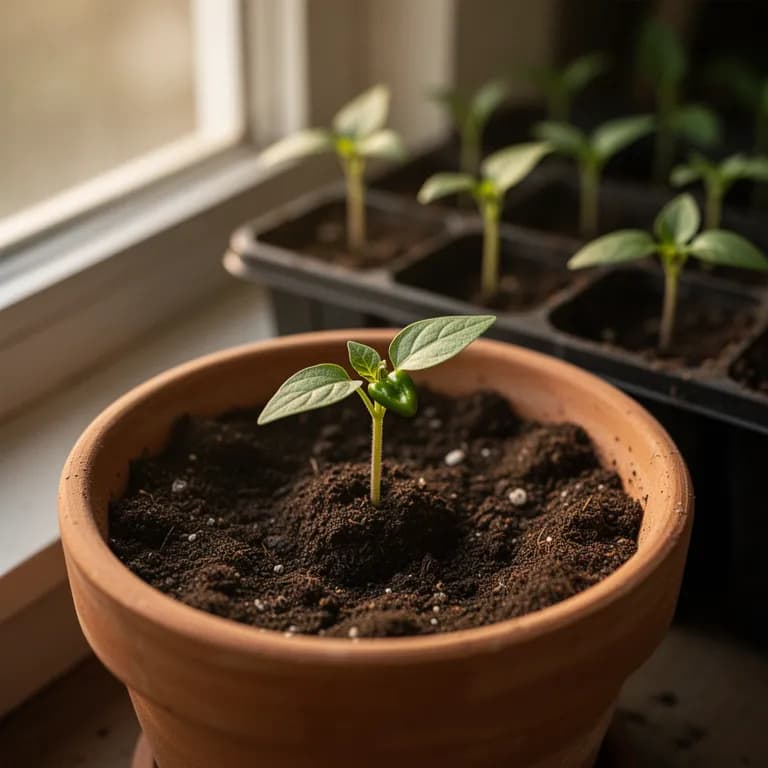
Las semillas germinan en condiciones cálidas y húmedas durante 10-14 días. Primero emerge la radícula, seguida del arqueo del hipocótilo que empuja a través de la superficie del sustrato. Los cotiledones se abren y comienzan a hacer fotosíntesis. La germinación depende mucho de la temperatura y se detiene por debajo de 18°C.
Desarrollo de plántula
Se desarrollan las hojas verdaderas con la forma puntiaguda y ovalada característica de Capsicum annuum. El crecimiento es lento en esta fase mientras se establece el sistema radicular. Las plántulas deben pasarse a macetas de 7-10 cm cuando el primer par de hojas verdaderas esté completamente expandido. Los tallos se engrosan y se vuelven ligeramente leñosos en la base.
Crecimiento vegetativo
Después del trasplante al exterior, las plantas se establecen rápidamente en suelo cálido y empiezan a ramificarse libremente. Las plantas de shishito desarrollan un porte compacto y arbustivo, alcanzando 45-60 cm de altura con un follaje denso. La ramificación crea una copa natural que protege los frutos en desarrollo de las quemaduras solares.
Desarrollo del fruto
Los pimientos verdes se desarrollan rápidamente a partir de flores marchitas, alargándose hasta 7-10 cm con el aspecto arrugado y ligeramente retorcido característico. Las paredes finas adquieren un brillo lustroso cuando están listos para la cosecha. La planta florece y fructifica al mismo tiempo, por lo que habrá frutos en distintas etapas de desarrollo.
Producción máxima
La planta entra en una producción máxima sostenida durante los meses más cálidos y produce 5-10 pimientos nuevos cada pocos días. Con una cosecha constante, una sola planta puede dar más de 100 pimientos durante este período prolongado. La producción continúa hasta que las temperaturas nocturnas bajan de 13°C en otoño.
Después de la cosecha
Tras finalizar el período de cosecha, la planta completa su ciclo de vida anual a medida que bajan las temperaturas.
Mantén la temperatura del sustrato a 27°C usando una manta térmica: este es el factor más importante para una germinación rápida y uniforme. Conserva la superficie ligeramente húmeda con una cúpula de humedad, pero retírala cuando aparezcan las plántulas para evitar el damping off.
Cuidar Pimiento Shishito mes a mes
Qué hacer cada mes para tu Pimiento Shishito
Octubre
Mes actualFinal harvests in most zones as temperatures cool. Pick all remaining peppers before the first frost — even small ones are usable. In zones 9-12, production may continue into November. Consider overwintering favorite plants indoors in a sunny window.
Ten claro qué hacer en tu huerto, cada mes
Un correo al empezar cada mes: qué sembrar, plantar y hacer ahora mismo — para tu Pimiento Shishito y todo lo que crece alrededor. Más un breve curso inicial para esquivar los errores clásicos.
- Qué hacer ahora mismo
- Ajustado a tu temporada
- Curso inicial incluido
Cosechar Pimiento Shishito
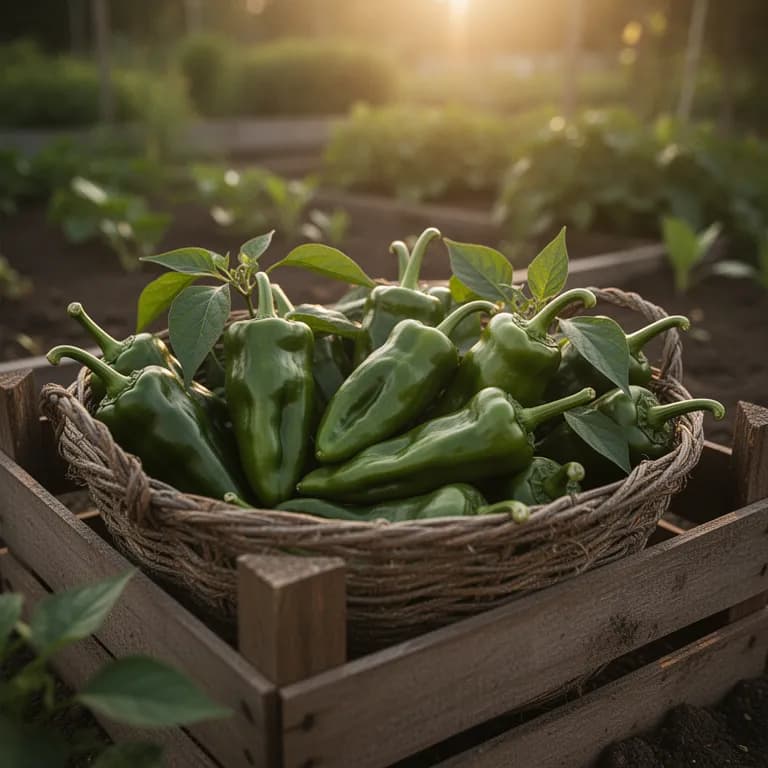
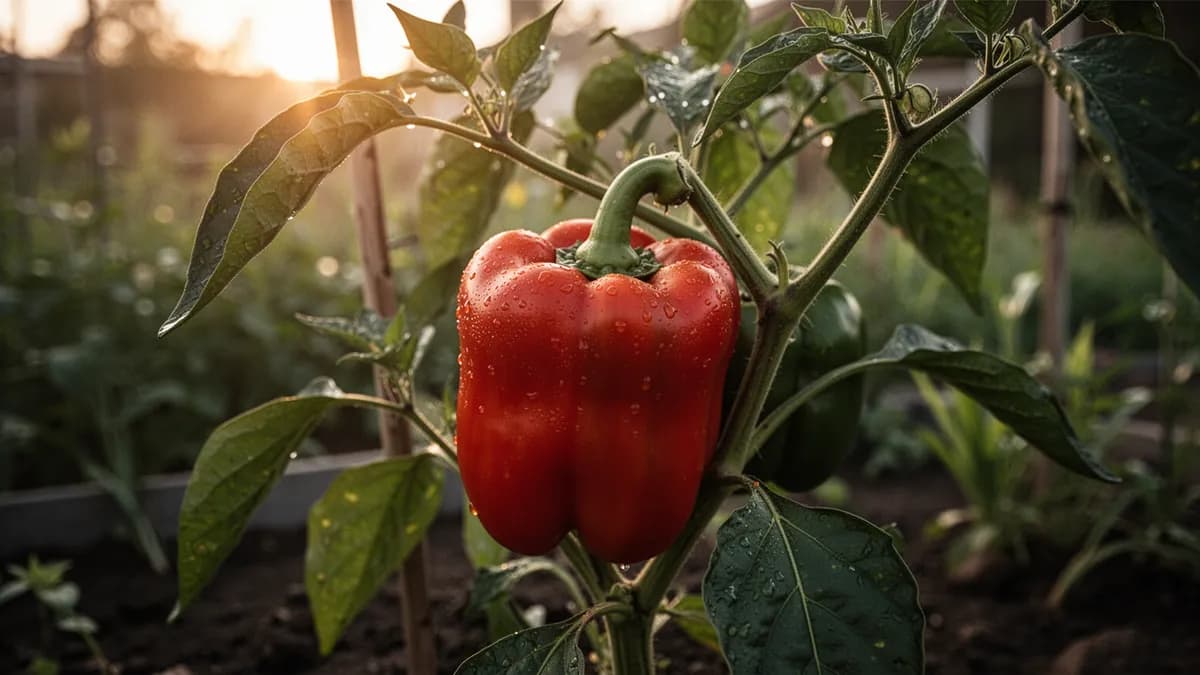
Coseche los shishito cuando midan 7-9 cm de largo y estén aún verdes y tiernos, con la piel ligeramente arrugada, unos 60-70 días tras el trasplante. No espere a que maduren a rojo, ya que pierden su textura crujiente característica. Coseche cada 2-3 días para mantener la producción.
se supone que plantas al comenzar el periodo — indica tu fecha real
Cosecha cuando los pimientos midan 7-10 cm, estén verdes brillantes, tengan paredes finas y una ligera textura arrugada.
Almacenamiento y conservación
Frescos en refrigerador en bolsa perforada durante 1-2 semanas. Para conservación, congele enteros en bandejas antes de embolsar. También se pueden encurtir en vinagre de arroz o deshidratar para uso como condimento.
Qué falla — y cómo solucionarlo
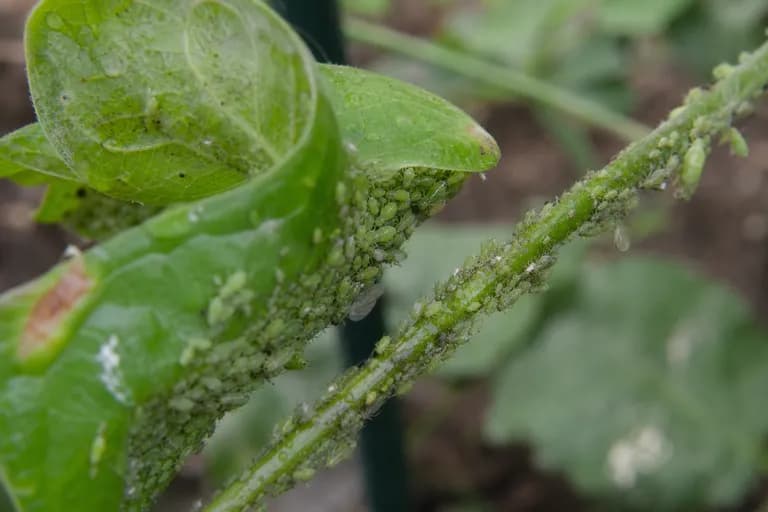
Pulgón verde (Myzus persicae)
PlagaColonias en brotes y envés de hojas, enrollamiento foliar y melaza.
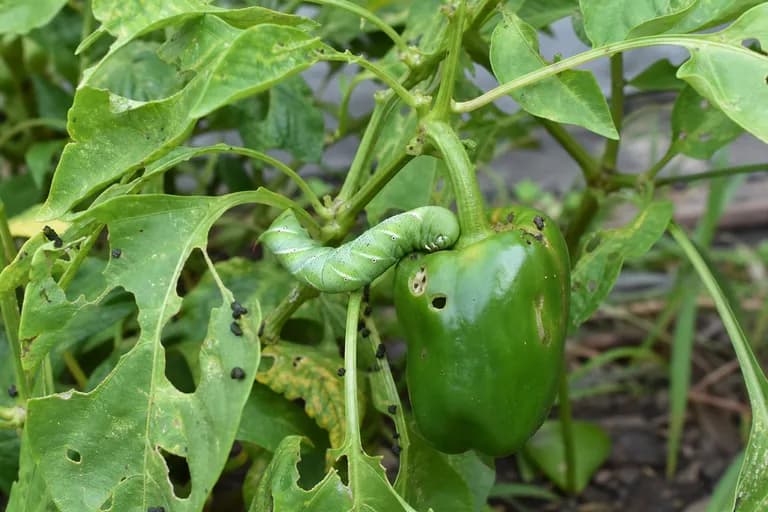
Antracnosis (Colletotrichum spp.)
EnfermedadManchas hundidas oscuras en frutos con centros de color salmón.
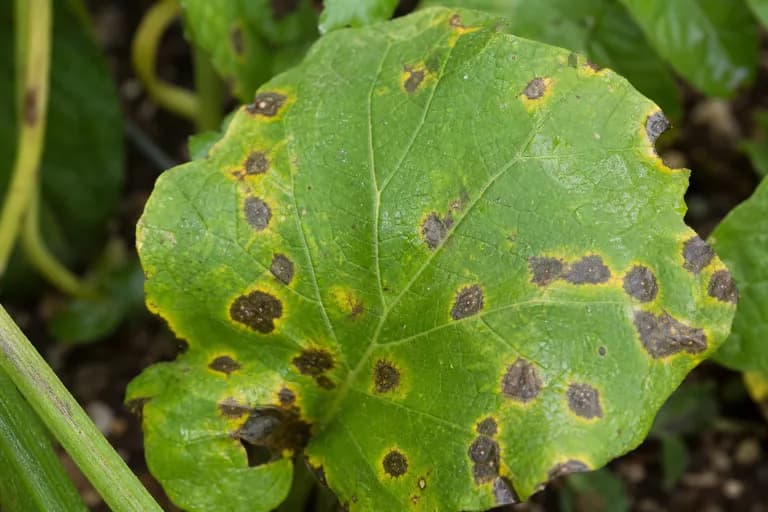
Araña roja (Tetranychus urticae)
PlagaPunteado amarillento en hojas, telarañas finas en envés, bronceado foliar.
Solución de problemas comunes
El mayor desafío es la imprevisibilidad del picor: algunos frutos serán inesperadamente picantes. El exceso de estrés (calor, sequía) aumenta la proporción de frutos picantes. Los frutos dejados madurar en la planta se vuelven rojos, blandos y pierden su textura atractiva.
Consejos de cultivo
- Start seeds early and keep them warm. Shishito seeds need consistent 27°C (80°F) soil temperature to germinate reliably. A heat mat is not optional — it is essential. Cold seeds sit dormant and often rot before sprouting.
- Pinch the first round of flowers. It feels counterintuitive to remove flowers, but pinching the first 5-10 blooms forces the plant to develop a stronger root system and more branches, resulting in significantly higher total yields over the season.
- Harvest at the right size — 7-10 cm (3-4 inches) long when the skin is glossy green and the walls are still thin. Oversized shishitos become tough-skinned with more developed seeds and lose the delicate texture that makes them special.
- Use scissors or pruners, never pull. Shishito stems are surprisingly strong, and pulling peppers off can tear branches, damage the plant, and create entry points for disease. A clean cut is always worth the extra moment.
- Water consistently to reduce the proportion of hot peppers. Drought stress, heat stress, and irregular watering all trigger increased capsaicin production. If you prefer mostly mild peppers, keep the soil evenly moist throughout the growing season.
- Shishitos are outstanding container plants. A single plant in a 20-liter (5-gallon) container in full sun can produce 80-150 peppers. Use quality potting mix, feed every two weeks with liquid fertilizer, and water daily in hot weather.
- Let some peppers ripen to red for a completely different flavor experience. Red-ripe shishitos are sweeter, fruitier, and slightly hotter than green ones. They are delicious roasted, dried into mild flakes, or added to sauces.
- Extend the season by bringing container plants indoors before the first frost. Shishitos can continue producing on a sunny windowsill or under grow lights well into autumn and even winter, though production slows significantly with reduced light.
Cultiva tu mejor Pimiento Shishito — y todo lo que la rodea.
Empieza un plan gratis hoy. Diseña tus bancales, coloca tu Pimiento Shishito y deja que PlotMyGarden gestione el momento, el espaciado, las asociaciones y los recordatorios de la semilla a la cesta.
Elige tu Pimiento Shishito
Shishito
La variedad estándar japonesa con frutos arrugados de 7-9 cm, mayoritariamente suaves con un 10% de frutos picantes. Madura en 60 días.
Padron
Prima española del shishito con características similares, frutos ligeramente más anchos y mismo patrón de picor aleatorio. Madura en 60 días.
Shishito Green
Selección mejorada con frutos más uniformes y mayor rendimiento. Planta compacta ideal para contenedores. Madura en 58 días.
A single shishito plant grown from a $3-4 seed packet (containing 20-30 seeds) can produce 100-200 peppers over a season. Fresh shishitos sell for $6-10 per half-pound at grocery stores and farmers markets, and a single plant's harvest is worth $30-60 at retail prices. Growing just 3-4 plants from one seed packet can save $100-200 per season. The savings are even more dramatic when compared to restaurant prices — a small plate of blistered shishitos costs $8-14 at most restaurants, and a home grower can enjoy this appetizer dozens of times per season from their own harvest.
Recetas rápidas
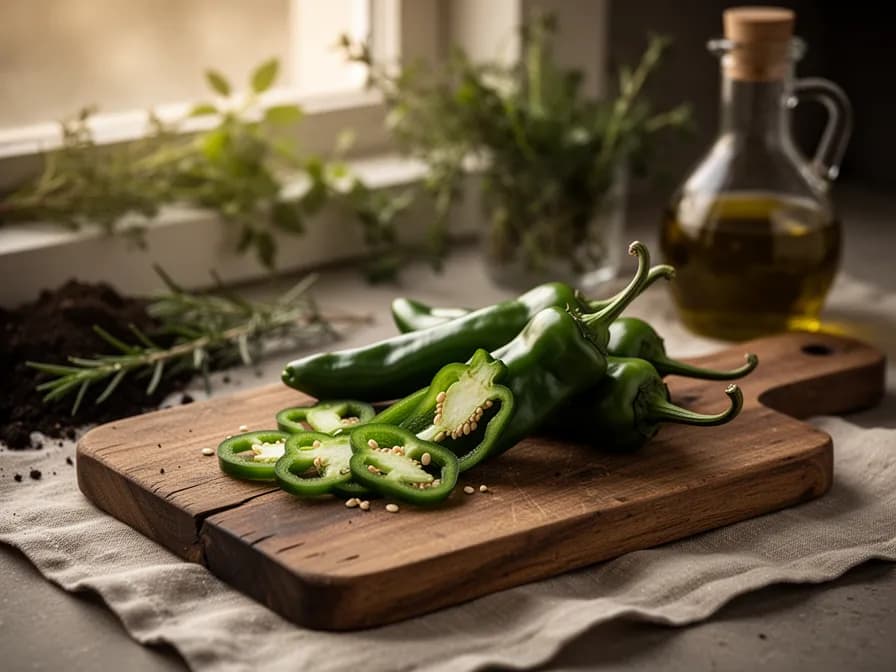
Classic Blistered Shishito Peppers
10 minThe iconic Japanese izakaya appetizer — whole shishito peppers blistered in a screaming-hot skillet until charred and tender, then finished with flaky sea salt. Incredibly simple, impossibly addictive, and ready in minutes. The thrill of the occasional hot one makes this a fun shared dish.
5 ingredientesShishito Tempura with Tentsuyu Dipping Sauce
25 minLight, crispy tempura batter encases whole shishito peppers for an elegant Japanese appetizer. The key to great tempura is ice-cold batter and very hot oil — the contrast creates an impossibly light, shatteringly crisp coating around the tender pepper inside.
7 ingredientesGrilled Shishitos with Miso-Sesame Glaze
15 minShishito peppers threaded onto skewers and grilled until charred, then brushed with a sweet-savory miso glaze and showered with toasted sesame seeds. The smoky char from the grill pairs beautifully with the umami-rich miso, creating a more complex flavor than simple blistering.
7 ingredientesUsos culinarios
Los shishito se preparan clásicamente al teppanyaki: salteados rápidamente en aceite a fuego alto hasta que la piel se ampolle (blistered), servidos con sal marina gruesa y un toque de salsa de soja. También son excelentes en tempura, a la parrilla con limón, o encurtidos. Se comen enteros, incluido el tallo.
Qué contiene
Beneficios para la salud
- Exceptionally high in vitamin C — a serving of shishito peppers provides roughly 90% of the daily value, supporting immune function, collagen synthesis, iron absorption, and antioxidant defense against free radicals.
- Contains variable amounts of capsaicin that may boost metabolism, reduce inflammation, and support cardiovascular health. Even the mild peppers contain trace amounts of this beneficial compound.
- Rich in vitamin B6 (pyridoxine), essential for brain development, neurotransmitter production (including serotonin and dopamine), and converting food into cellular energy.
- Provides beta-carotene and lutein — carotenoid antioxidants that protect eye health, reduce the risk of macular degeneration, and support healthy skin. Red-ripe shishitos contain significantly higher carotenoid levels than green ones.
- Very low calorie density at only 20 calories per 100g, making them an ideal snack food for weight management that provides substantial nutrition and satisfaction without excess calories.
- Contains quercetin and other flavonoid antioxidants with anti-inflammatory properties that may help reduce the risk of chronic diseases including heart disease and certain cancers.
De dónde viene Pimiento Shishito
Shishito peppers (Capsicum annuum) trace their ancestry to the wild chilies of Central and South America, where the Capsicum genus originated millions of years ago. All peppers — from the mildest bell to the hottest habanero — descend from wild ancestors that evolved in the region spanning southern Brazil to Bolivia. Birds, immune to capsaicin, were the primary dispersal agents for wild peppers, spreading seeds across the Americas long before human cultivation began.
The story of the shishito specifically begins with the arrival of chili peppers in Japan during the 16th century, brought by Portuguese traders and missionaries who had obtained them from their colonies in the Americas and India. The Portuguese introduced peppers first to the southern Japanese island of Kyushu, where the hot, humid climate proved ideal for cultivation. Over the following centuries, Japanese farmers selectively bred these imported peppers for milder heat, thinner walls, and the distinctive wrinkled appearance that characterizes the modern shishito. The goal was a pepper suited to Japanese culinary preferences — mild enough to eat whole but with enough complexity to stand on its own as a simple grilled or fried dish.
By the Edo period (1603-1868), shishito peppers were well established in Japanese home gardens and markets, particularly in the Kansai region around Kyoto and Osaka. The name 'shishitogarashi' (lion chili) became standard, referring to the wrinkled tip's resemblance to a lion's face. In Japan, shishitos remained a beloved but unremarkable everyday vegetable for centuries — blistered as a side dish, simmered in dashi, or pickled alongside meals.
The shishito's journey to international fame began in the early 2000s when Japanese cuisine gained global popularity and adventurous chefs in the United States discovered this charming pepper. By 2013-2015, blistered shishitos had become one of the most ubiquitous appetizers on American restaurant menus, prized for their simplicity, the interactive 'pepper roulette' experience, and their perfect pairing with craft cocktails and beer. Today, shishitos are widely grown by home gardeners and small farms across North America, Europe, and Australia, valued for their extraordinary productivity, compact growth habit, and culinary versatility.
Pimiento Shishito: ¿sabías que?
Datos fascinantes sobre Pimiento Shishito
About 1 in 10 shishito peppers is unexpectedly spicy — ranging from 50 to 200 Scoville heat units in the mild ones up to 1,000-2,000 SHU in the hot surprises. This 'pepper roulette' quality is caused by variable capsaicin production triggered by plant stress from heat, drought, or uneven watering.
Pimiento Shishito: preguntas frecuentes
¿Cuándo debo plantar Pimiento Shishito?
¿Cuáles son buenas plantas acompañantes para Pimiento Shishito?
¿En qué zonas de rusticidad puede crecer Pimiento Shishito?
¿Cuánto sol necesita Pimiento Shishito?
¿A qué distancia debo espaciar Pimiento Shishito?
¿Qué plagas y enfermedades afectan a Pimiento Shishito?
¿Cómo almaceno Pimiento Shishito después de la cosecha?
¿Cuáles son las mejores variedades de Pimiento Shishito para cultivar?
¿Qué suelo necesita Pimiento Shishito?
Why are some of my shishito peppers hot and others mild?
Can I grow shishito peppers in containers?
Should I let shishito peppers turn red before picking?
How do I store a large shishito harvest?
Why are my shishito plants dropping their flowers without setting fruit?
How many shishito pepper plants should I grow for a family?
Acabas de leer la teoría. Ahora cultívala en piloto automático.
Todo lo que hace que Pimiento Shishito sea delicado — el momento, el espaciado, las asociaciones, la ventana de cosecha — es justo lo que PlotMyGarden resuelve por ti, para cada planta de tu huerto.
Un plan que conoce tu clima
Indica tu ubicación una vez. Recibe fechas de siembra, abonado y cosecha basadas en tu última helada real y el pronóstico en vivo — sin adivinar con un sobre genérico.
De la sección “Cuándo plantar”Planificador de bancales de arrastrar y soltar
Diseña bancales sobre una cuadrícula. Cada planta encaja con su espaciado correcto y ves toda la temporada antes de gastar un céntimo en semillas.
De la sección “Cultivo”Conflictos de asociación, detectados a tiempo
Más de 200 buenas y malas combinaciones comprobadas en vivo mientras plantas — para que un error que arruine la temporada nunca llegue a la tierra.
De la sección “Asociaciones”Recordatorios que sí vas a seguir
“Riega las judías.” “Recoge hoy antes de que se pase.” Oportunos, concretos y ligados a las plantas que de verdad cultivas.
De la sección “Cosecha”Escalonado, programado
¿Quieres cosechar seis semanas en vez de seis días? Reparte tus siembras automáticamente y te avisa cuando toca el siguiente lote.
De la sección “Cuándo plantar”Un registro que se vuelve más listo
Cada cosecha que registras le enseña tu huerto. El plan del año que viene parte de lo que de verdad funcionó en tu suelo, no en un manual.
De la sección “Resumen”Planta estos junto a Pimiento Shishito
Más Solanáceas
Mantén Pimiento Shishito lejos de estos
Diseños de jardín con Pimiento Shishito
Cultiva tu mejor Pimiento Shishito — y todo lo que la rodea.
Empieza un plan gratis hoy. Diseña tus bancales, coloca tu Pimiento Shishito y deja que PlotMyGarden gestione el momento, el espaciado, las asociaciones y los recordatorios de la semilla a la cesta.