Melón Almizclado
El melón almizclado (Cucumis melo var. reticulatus) es una variedad de melón de piel reticulada y pulpa anaranjada intensamente aromática y dulce, originaria de Asia Central.





En esta páginaResumen
Conoce Melón Almizclado
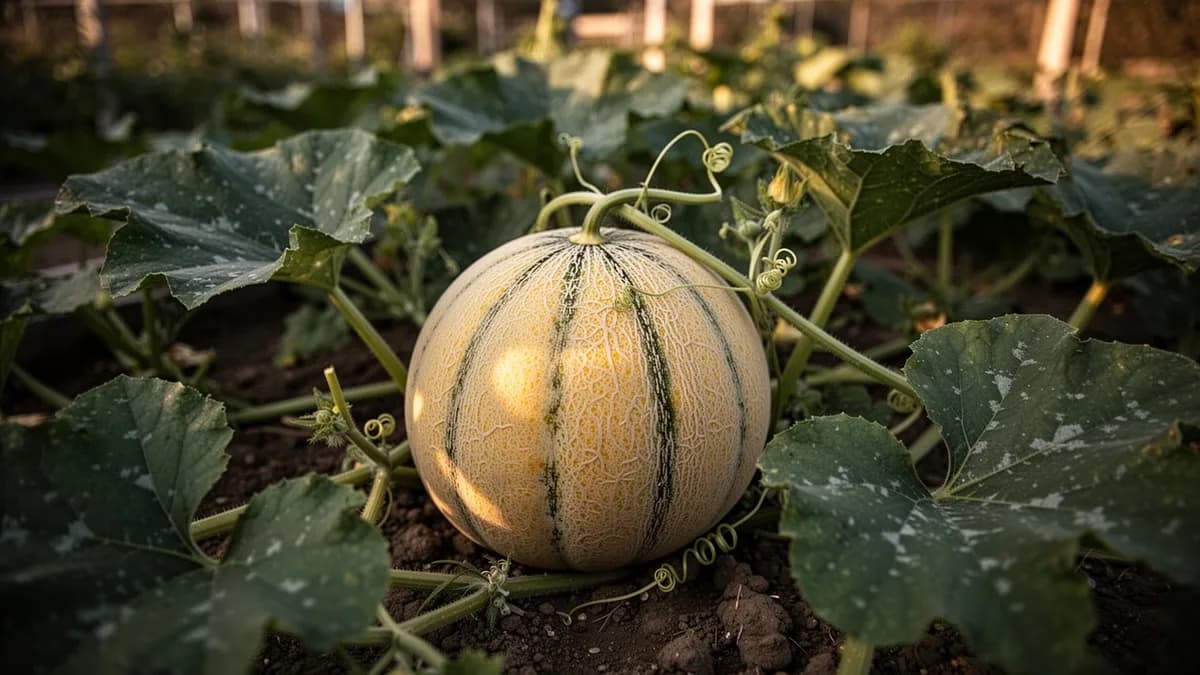
El melón almizclado (Cucumis melo var. reticulatus) es una variedad de melón de piel reticulada y pulpa anaranjada intensamente aromática y dulce, originaria de Asia Central. Es uno de los melones más populares del mundo, conocido también como cantalupo en muchas regiones, y se distingue por su fragancia característica al madurar. Su cultivo requiere veranos cálidos y largos para desarrollar todo su potencial de sabor y dulzura.
Cuándo plantar Melón Almizclado
En climas cálidos, sembrar directamente en el terreno cuando el suelo alcance 18-20 °C, depositando 3-4 semillas por hoyo a 2 cm de profundidad. En regiones con veranos cortos, iniciar las semillas en macetas individuales biodegradables 3-4 semanas antes de la última helada, manteniendo una temperatura de 25-30 °C para una germinación rápida (3-5 días). Trasplantar con mucho cuidado sin disturbar el cepellón, ya que las cucurbitáceas son sensibles al daño radicular durante el trasplante.
Tu año de Melón Almizclado
Ajustado a Zona 7 · temporada típica · la helada se va hacia el 2 abr y vuelve hacia el 1 nov
Planta Melón Almizclado May – Jun y cosecha Ago – Sep. Consulta los métodos de plantación y elige tu clima para adaptar los periodos.
Cómo cultivar Melón Almizclado
El melón almizclado necesita un lugar soleado y protegido del viento, con suelo bien drenado y rico en materia orgánica. Preparar el terreno formando montículos o camas elevadas de unos 30 cm de altura, incorporando abundante compost y estiércol bien descompuesto. La temperatura del suelo debe alcanzar al menos 18-20 °C antes de la siembra directa o el trasplante de plántulas previamente endurecidas.
Sembrar 3-4 semillas por montículo a 2 cm de profundidad, dejando 90-120 cm entre cada grupo y 150-180 cm entre hileras. Cuando las plántulas tengan 2-3 hojas verdaderas, aclarar dejando las 2 más vigorosas. Regar abundantemente durante el crecimiento vegetativo y la formación de frutos, pero reducir el riego progresivamente cuando los frutos empiecen a madurar para concentrar los azúcares y mejorar el sabor.
Utilizar acolchado plástico negro o paja para calentar el suelo, conservar la humedad y prevenir el contacto directo de los frutos con la tierra. Podar las guías secundarias dejando 3-4 frutos por planta para obtener melones de mayor tamaño y calidad. En climas con veranos cortos, iniciar las semillas en interior 3-4 semanas antes de la última helada y trasplantar con cuidado para no dañar las raíces.
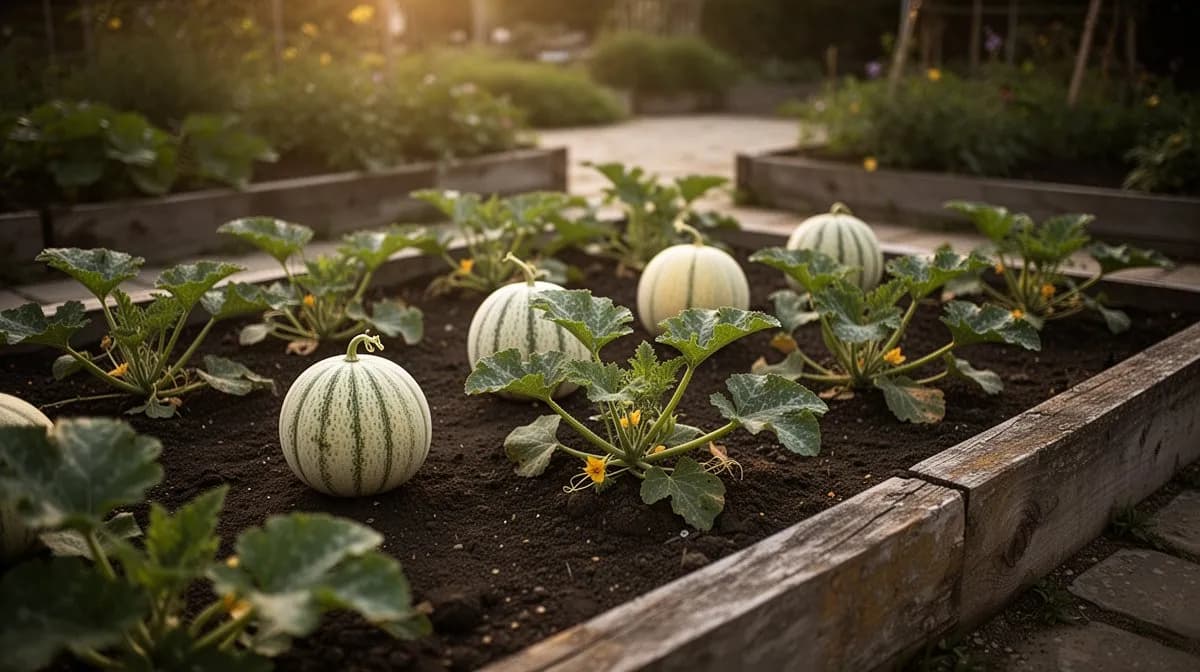
2 plantas caben en un bancal de 120 × 240 cm
Cada Melón Almizclado pide 90 cm de margen. El planificador guarda ese marco por ti — cada planta, cada bancal.
Los mejores vecinos de Melón Almizclado
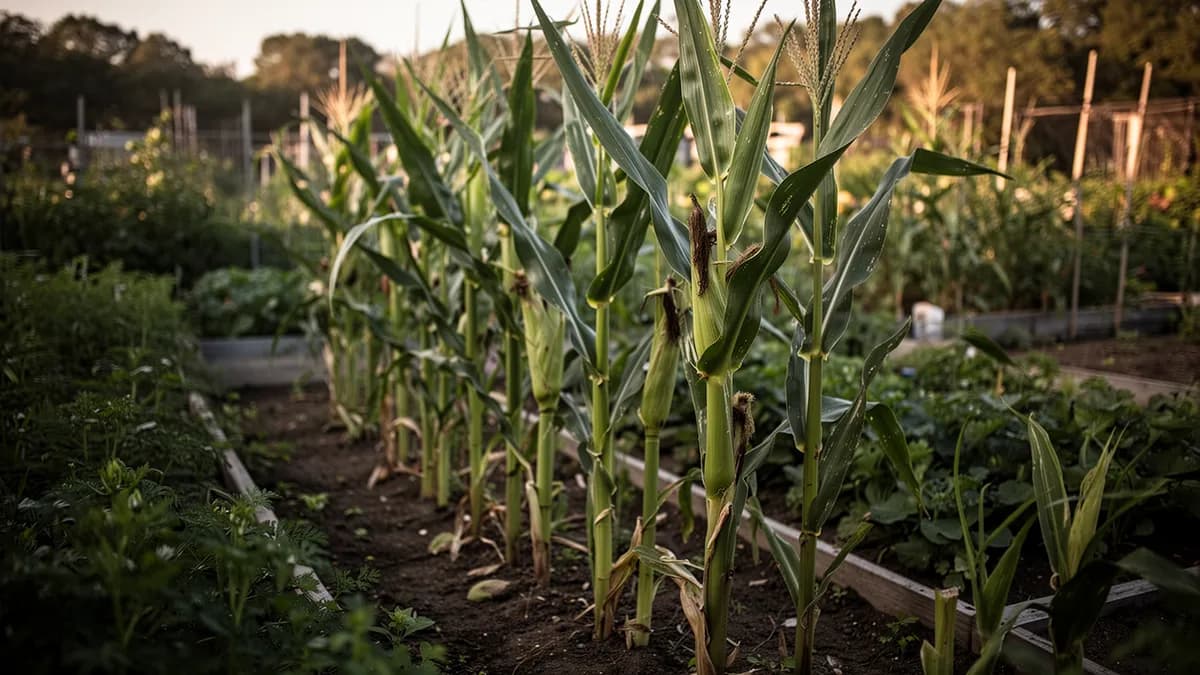
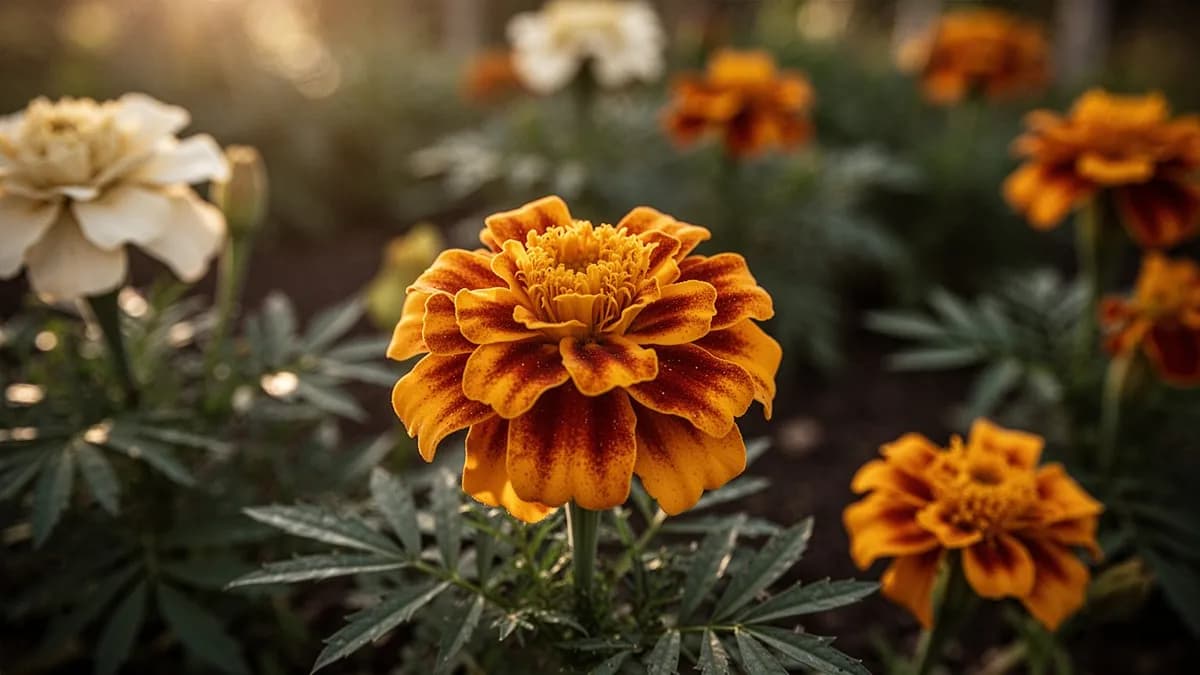
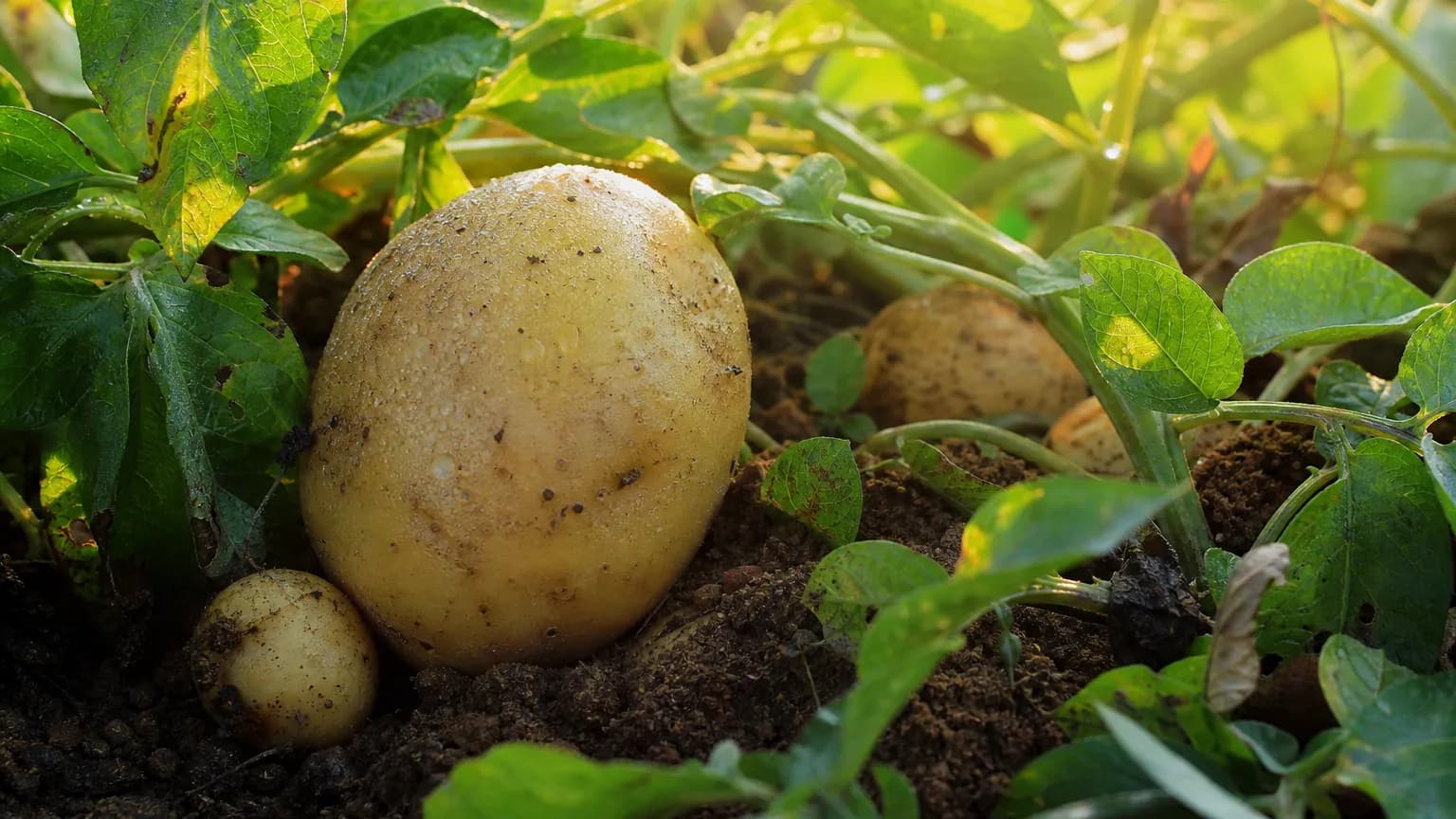
El melón almizclado se beneficia de la cercanía del maíz, que le proporciona sombra parcial en climas extremadamente calurosos, y de las leguminosas como los frijoles, que fijan nitrógeno en el suelo. Las flores de caléndula y tagetes plantadas alrededor del cultivo repelen plagas como el escarabajo del pepino y atraen polinizadores beneficiosos. Evitar plantar cerca de patatas y hierbas aromáticas intensas como la salvia, que pueden inhibir el crecimiento.
Maíz va a su lado. Papa no.
Saber de huerto de siempre, cotejado con la tabla real de Melón Almizclado — prueba cualquier planta que cultives.
Prueba Melón Almizclado en un bancal, aquí mismo
Un bancal real del planificador con Melón Almizclado ya plantado. Toca una planta compañera para colocarla y mira cómo responde la comprobación de vecinos: verde para buenos vecinos, rojo si hay conflicto.


Guías de cultivo relacionadas
Abónalo bien
El melón almizclado requiere suelos profundos, bien drenados y ricos en materia orgánica, con un pH entre 6,0 y 7,0. Incorporar 3-5 kg/m² de compost maduro antes de la siembra y aplicar un fertilizante rico en fósforo y potasio al inicio de la floración para promover la formación y dulzura de los frutos. Evitar el exceso de nitrógeno, que favorece el crecimiento vegetativo excesivo en detrimento de la fructificación y puede reducir el contenido de azúcar.
Temperatura ideal
Compatibilidad de zonas de rusticidad
De la semilla a la cosecha, etapa por etapa
Siembra
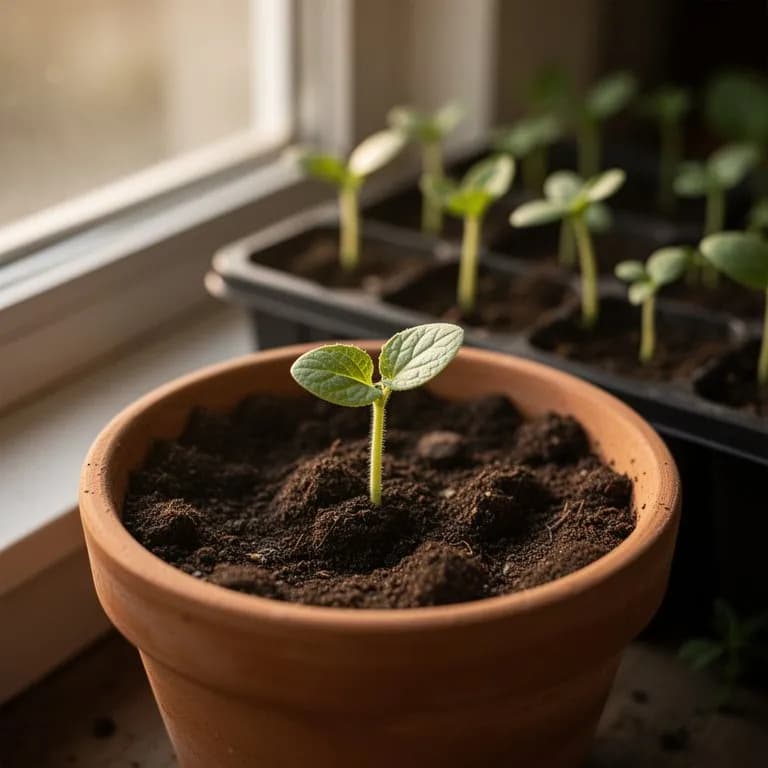
Las semillas de melón almizclero germinan rápido en suelo cálido, y la radícula emerge en 3-7 días en condiciones óptimas. Los cotiledones, gruesos y ovalados, salen a la superficie y se abren para comenzar la fotosíntesis. Las semillas requieren temperaturas del suelo de al menos 21 °C para germinar con fiabilidad, y la emergencia es más rápida entre 27 y 32 °C. El suelo frío o húmedo provoca pudrición de las semillas y nacimientos irregulares.
Desarrollo de plántulas
Las hojas verdaderas aparecen con una textura áspera y ligeramente vellosa, de forma redondeada y con lóbulos poco profundos. El sistema radicular se desarrolla rápidamente, estableciendo una raíz pivotante profunda y raíces laterales extendidas. Las plántulas son sensibles al frío, al shock del trasplante y al exceso de riego durante esta fase. El crecimiento es lento hasta que las temperaturas diurnas superan de forma constante los 24 °C.
Crecimiento maduro
Las guías se expanden con rapidez, produciendo hojas grandes y lobuladas y zarcillos prensiles. Cada planta puede extenderse ampliamente, y el sistema radicular extrae humedad de un área extensa. Esta fase construye las reservas de energía necesarias para la producción de frutos.
Maduración y cosecha
Los melones alcanzan su tamaño completo y comienzan el proceso de maduración. El color de fondo de la cáscara cambia de verde a marrón dorado o amarillo crema bajo el reticulado. El extremo del tallo desarrolla una grieta donde se une al fruto, y un melón maduro se desprende limpiamente de la guía con una presión suave. El extremo de la flor se ablanda ligeramente y aparece una fragancia almizclada, dulce e intensa. El contenido de azúcar alcanza su punto máximo en los últimos días en la planta.
Después de la cosecha
Después de fructificar, la planta completa su ciclo estacional y declina. El melón almizclero se cultiva como un cultivo de estación cálida y no es perenne en el jardín.
Fin de temporada
La planta ha terminado de fructificar y no continuará produciendo después de la cosecha. Como hortaliza de estación cálida, el melón almizclero completa su ciclo de vida en un año.
Siembra las semillas en interior 3-4 semanas antes de la última helada en macetas biodegradables para no dañar la raíz pivotante sensible al trasplante. Usa una manta térmica a 27 °C. Coloca 2 semillas por maceta y aclara a la plántula más fuerte después de que aparezcan las hojas verdaderas.
Cuidar Melón Almizclado mes a mes
Qué hacer cada mes para tu Melón Almizclado
Octubre
Mes actualFinal harvests in cooler zones. Any melons that have not begun to ripen will not develop sweetness even if brought indoors. Remove spent vines and compost healthy material. Note which varieties performed best for next year's planning.
Ten claro qué hacer en tu huerto, cada mes
Un correo al empezar cada mes: qué sembrar, plantar y hacer ahora mismo — para tu Melón Almizclado y todo lo que crece alrededor. Más un breve curso inicial para esquivar los errores clásicos.
- Qué hacer ahora mismo
- Ajustado a tu temporada
- Curso inicial incluido
Cosechar Melón Almizclado
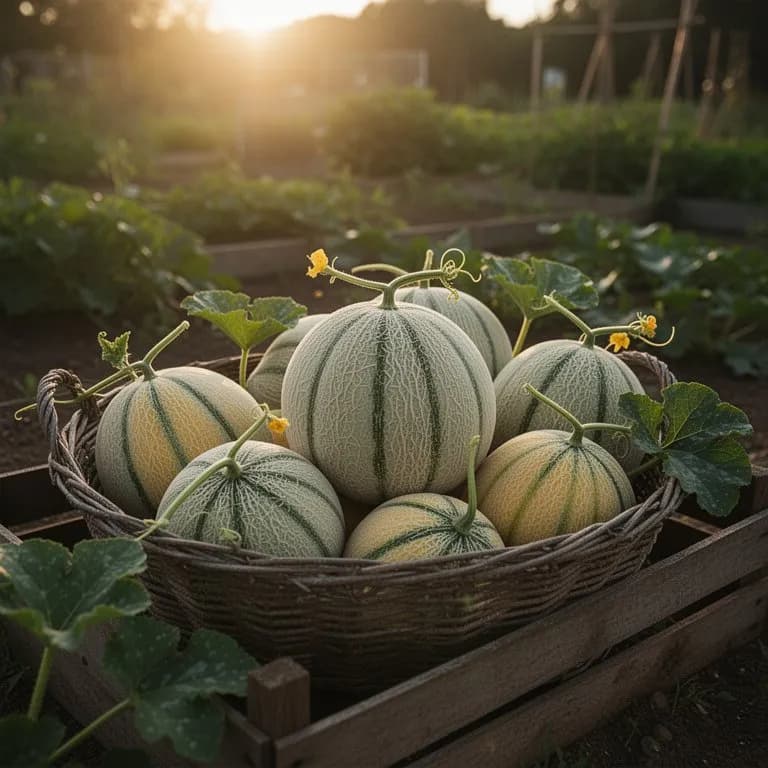
El melón almizclado está listo para cosechar cuando el tallo se separa fácilmente del fruto con una ligera presión (desprendimiento natural), generalmente entre 80 y 95 días después de la siembra. Otros indicadores de madurez incluyen un aroma dulce y almizclado perceptible en el extremo opuesto al tallo, un cambio de color de la piel de verde a beige-dorado y un ligero ablandamiento en la zona del tallo. Es preferible cosechar por la mañana temprano cuando los frutos están más frescos.
se supone que plantas al comenzar el periodo — indica tu fecha real
Cosecha en la etapa de desprendimiento completo, cuando el fruto se separa limpiamente de la guía con una presión suave del pulgar en la unión del pedúnculo.
Almacenamiento y conservación
Los melones almizclados maduros se conservan a temperatura ambiente durante 2-3 días o en el refrigerador durante 1-2 semanas. Una vez cortados, envolver en film transparente y refrigerar, consumiéndolos en un plazo de 3-5 días. Para conservación a largo plazo, se pueden cortar en cubos y congelar en bandejas antes de transferir a bolsas herméticas, aunque la textura cambia al descongelar, siendo entonces más adecuados para batidos y sorbetes.
Qué falla — y cómo solucionarlo
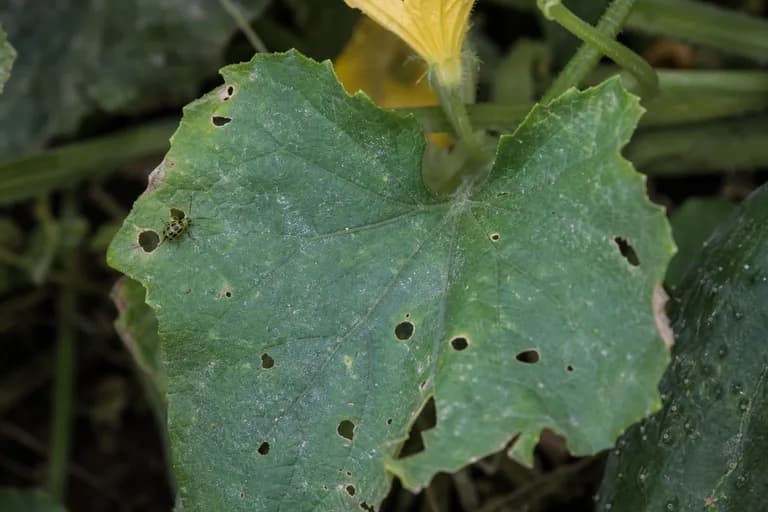
Escarabajo rayado del pepino
PlagaAdultos de color amarillo con rayas negras que devoran las hojas y flores, dejando agujeros irregulares y transmitiendo la marchitez bacteriana a través de sus mordeduras.
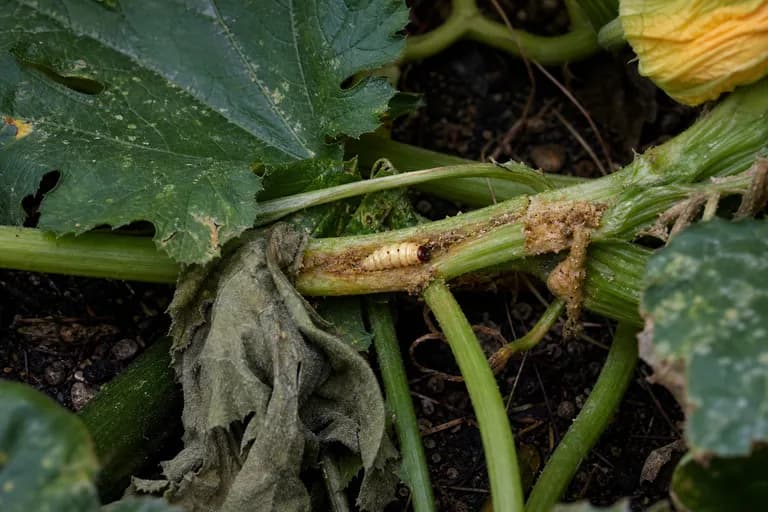
Oídio
EnfermedadManchas blancas polvorientas en el haz de las hojas que se extienden progresivamente, provocando amarillamiento, desecación prematura del follaje y reducción del contenido de azúcar en los frutos.
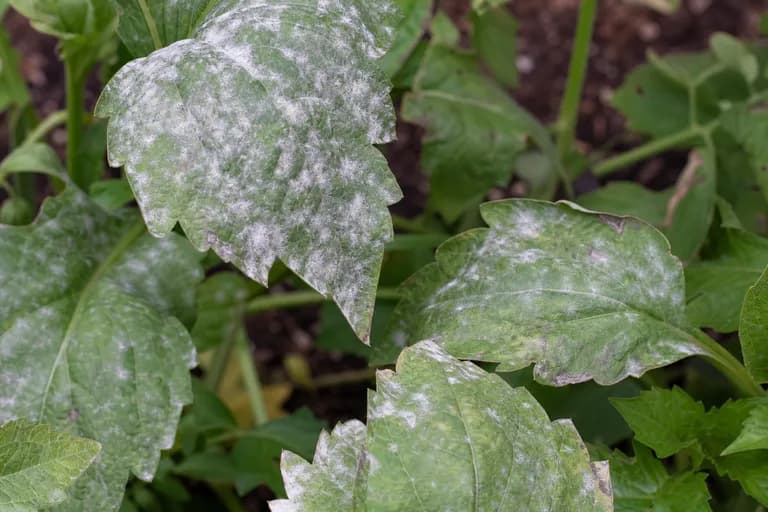
Pulgón del melón
PlagaColonias densas en el envés de las hojas y en los brotes tiernos que provocan enrollamiento foliar, secreción de melaza y transmisión de virus como el mosaico del pepino.
Solución de problemas comunes
La falta de polinización es un problema frecuente que resulta en frutos deformes o aborto de frutos; se puede resolver polinizando manualmente las flores femeninas por la mañana temprano. Los frutos pueden agrietarse si el riego es irregular, especialmente si se riega abundantemente después de un período seco durante la maduración. En climas con veranos cortos o frescos, los melones pueden no alcanzar su madurez completa, siendo recomendable usar acolchado plástico y túneles bajos para acumular calor.
Consejos de cultivo
- Soil warmth is the number one factor for musk melon success. Do not plant until the soil is genuinely warm — at least 21°C (70°F) measured 10 cm deep. Use black plastic mulch laid 2-3 weeks before planting to pre-warm beds. Row covers after transplanting add an additional 3-5 degrees of warmth.
- Grow melons on raised mounds or hills that warm faster, drain better, and elevate the crown of the plant above standing water. Shape mounds about 30 cm high and 60 cm across, spacing them 1-1.5 meters apart.
- Water management is critical to melon flavor. Water deeply and consistently during vine growth and fruit development, then reduce watering significantly in the final 7-10 days before harvest. This controlled stress concentrates sugars in the fruit and prevents the watery, bland flavor of overwatered melons.
- Limit each vine to 3-4 developing fruits for the best size and sweetness. Once you have the desired number of melons set, pinch off additional female flowers and remove tiny developing fruits. The plant will channel all its energy into fewer, superior melons.
- Place a barrier between ripening melons and the soil to prevent bottom rot and slug damage. Straw, a flat tile, a wooden shingle, or even an inverted pot saucer works well. This also helps the underside of the melon ripen evenly.
- Learn the signs of perfect ripeness: the background rind color changes from green to golden-tan, a crack appears where the stem meets the fruit, the blossom end yields slightly to gentle pressure, and a strong sweet fragrance develops. The 'full slip' stage — when the melon separates from the vine with light thumb pressure — is the peak of ripeness.
- Protect young plants from cucumber beetles, which transmit bacterial wilt — a fatal disease with no cure. Use floating row covers from transplanting until flowering begins, then remove to allow pollinator access. Inspect plants daily and hand-pick beetles.
- In short-season climates (zones 4-6), choose early-maturing varieties that ripen in 70-80 days rather than full-season types needing 90+ days. Start all plants indoors, use black plastic mulch, and consider growing on a south-facing slope or against a heat-reflecting wall for extra warmth.
Cultiva tu mejor Melón Almizclado — y todo lo que la rodea.
Empieza un plan gratis hoy. Diseña tus bancales, coloca tu Melón Almizclado y deja que PlotMyGarden gestione el momento, el espaciado, las asociaciones y los recordatorios de la semilla a la cesta.
Elige tu Melón Almizclado
Hales Best Jumbo
Variedad clásica americana de gran tamaño con pulpa naranja espesa y muy dulce, madura en 80-85 días y es especialmente apreciada por su resistencia al calor y su productividad en climas cálidos.
Charentais
Melón francés de tamaño mediano con piel lisa gris-verdosa y pulpa naranja extraordinariamente aromática y dulce, considerado por muchos como el melón de mejor sabor del mundo, madura en 75-80 días.
Ambrosia
Híbrido moderno de pulpa naranja salmón excepcionalmente dulce (alto contenido de Brix), con buena resistencia al oídio y tolerancia al transporte, madura en 85-90 días.
Minnesota Midget
Variedad compacta ideal para huertos pequeños y cultivo en contenedores, produce frutos de 10-12 cm de diámetro con excelente sabor dulce, madura precozmente en solo 65-70 días.
Growing musk melons from a $2-4 seed packet can yield 8-20 vine-ripened melons from 2-4 plants, compared to supermarket prices of $3-6 per melon. A small planting can save $30-100 per summer on melons alone. More importantly, the flavor difference between a vine-ripened homegrown musk melon and a commercially grown melon picked green for shipping is enormous — the intense fragrance, dripping sweetness, and complex musky flavor of a garden melon is a completely different experience that cannot be purchased at any price.
Recetas rápidas
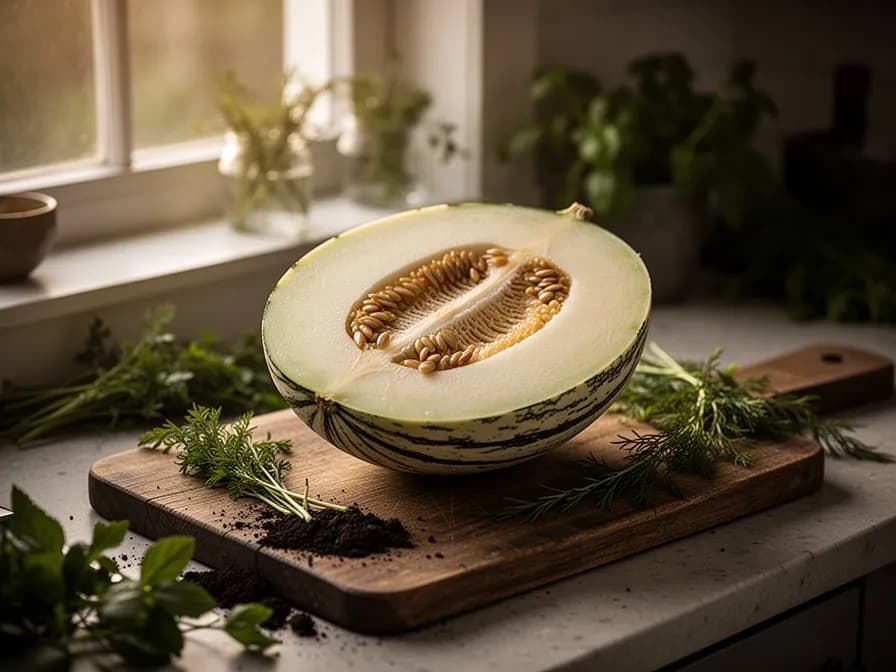
Prosciutto e Melone
10 minThe iconic Italian antipasto that has been served for centuries — paper-thin slices of salty, dry-cured prosciutto draped over cool, sweet melon wedges. The contrast of savory and sweet, silky and juicy, makes this one of the most elegant and effortless summer starters.
6 ingredientesChilled Musk Melon Soup
15 minA silky, refreshing cold soup perfect for scorching summer days. Ripe musk melon is blended with yogurt, a hint of ginger, and fresh mint into a velvety puree that can be served as an elegant first course or a light lunch.
7 ingredientesMusk Melon Agua Fresca
10 minA traditional Mexican refreshment made by blending ripe melon with water, lime, and a touch of sweetener. Light, fragrant, and deeply thirst-quenching — far more satisfying and flavorful than plain water on a hot summer afternoon.
6 ingredientesUsos culinarios
El melón almizclado se consume principalmente fresco como fruta de postre, cortado en rodajas o cubos, y es un ingrediente estrella en ensaladas de frutas y macedonias veraniegas. Es clásico servirlo con jamón serrano o prosciutto como entrante, y se utiliza para elaborar sorbetes, batidos, aguas frescas y cócteles refrescantes. En la cocina contemporánea se emplea en gazpachos fríos, ceviches y ensaladas con queso fresco y menta.
Qué contiene
Beneficios para la salud
- Exceptionally high in beta-carotene, which the body converts to vitamin A — essential for maintaining healthy vision, supporting immune cell production, and protecting skin from UV damage. The deep orange flesh indicates very high carotenoid content.
- Rich in vitamin C, a powerful antioxidant that supports immune defense, promotes wound healing, enhances iron absorption from plant foods, and is required for collagen synthesis in skin, cartilage, and blood vessels.
- High water content of roughly 90% combined with potassium and natural sugars makes musk melon an excellent rehydrating food after exercise or during hot weather, providing both fluids and electrolytes.
- Contains folate (vitamin B9) that is critical for DNA synthesis and cell division, making musk melon a beneficial food during pregnancy to support fetal development and reduce the risk of neural tube defects.
- The combination of vitamins A and C provides synergistic antioxidant protection, helping to neutralize free radicals and reduce oxidative stress that contributes to aging and chronic disease.
- Low calorie density at 34 calories per 100g paired with natural sweetness and satisfying juiciness makes musk melon an excellent whole-food dessert option that supports healthy weight management without added sugars.
De dónde viene Melón Almizclado
Musk melon (Cucumis melo var. reticulatus) originated in the hot, arid regions spanning from eastern Africa through Persia (modern Iran) to northwestern India. Wild ancestors of the musk melon still grow in parts of East Africa, and the earliest archaeological evidence of melon cultivation dates to ancient Egypt around 2000 BCE. The Egyptians, Greeks, and Romans all cultivated melons, though the large sweet-fleshed varieties we know today were developed over centuries of selective breeding in Persia and Central Asia.
Persian and Arab traders spread musk melons across the Islamic world during the medieval period, and the fruit became a symbol of hospitality and luxury in the gardens of sultans and caliphs. The Moors introduced melons to Spain and southern Europe during the 8th-10th centuries. Italian gardeners refined melon cultivation during the Renaissance, and the papal estate at Cantalupo near Rome became famous for its melons — giving rise to the name 'cantaloupe' for netted melons in Europe and later America.
Spanish and Portuguese explorers carried musk melon seeds to the Americas in the late 15th and 16th centuries. The fruit adapted well to the warm climates of the New World and was quickly adopted by indigenous peoples. Today, China is the world's largest melon producer, followed by Turkey, Iran, India, and the United States. In the US, the Imperial Valley of California, Arizona, and the Rio Grande Valley of Texas are the primary commercial growing regions. Home gardeners continue to prize musk melons for the unmatched sweetness and fragrance of a vine-ripened fruit that simply cannot be replicated by supermarket melons harvested underripe for shipping durability.
Melón Almizclado: ¿sabías que?
Datos fascinantes sobre Melón Almizclado
The name 'musk melon' comes from the Persian word 'mushk' meaning a strong, sweet perfume — referring to the intensely fragrant aroma that ripe melons produce at the stem end, which can fill an entire room with their distinctive scent.
Melón Almizclado: preguntas frecuentes
¿Cuándo debo plantar Melón Almizclado?
¿Cuáles son buenas plantas acompañantes para Melón Almizclado?
¿En qué zonas de rusticidad puede crecer Melón Almizclado?
¿Cuánto sol necesita Melón Almizclado?
¿A qué distancia debo espaciar Melón Almizclado?
¿Qué plagas y enfermedades afectan a Melón Almizclado?
¿Cómo almaceno Melón Almizclado después de la cosecha?
¿Cuáles son las mejores variedades de Melón Almizclado para cultivar?
¿Qué suelo necesita Melón Almizclado?
How do I know when a musk melon is perfectly ripe?
Why are my musk melons bland and not sweet?
Can I grow musk melons vertically on a trellis?
Why are my musk melon plants wilting suddenly even though the soil is moist?
What is the difference between musk melon and cantaloupe?
How many musk melons can I expect from one plant?
Acabas de leer la teoría. Ahora cultívala en piloto automático.
Todo lo que hace que Melón Almizclado sea delicado — el momento, el espaciado, las asociaciones, la ventana de cosecha — es justo lo que PlotMyGarden resuelve por ti, para cada planta de tu huerto.
Un plan que conoce tu clima
Indica tu ubicación una vez. Recibe fechas de siembra, abonado y cosecha basadas en tu última helada real y el pronóstico en vivo — sin adivinar con un sobre genérico.
De la sección “Cuándo plantar”Planificador de bancales de arrastrar y soltar
Diseña bancales sobre una cuadrícula. Cada planta encaja con su espaciado correcto y ves toda la temporada antes de gastar un céntimo en semillas.
De la sección “Cultivo”Conflictos de asociación, detectados a tiempo
Más de 200 buenas y malas combinaciones comprobadas en vivo mientras plantas — para que un error que arruine la temporada nunca llegue a la tierra.
De la sección “Asociaciones”Recordatorios que sí vas a seguir
“Riega las judías.” “Recoge hoy antes de que se pase.” Oportunos, concretos y ligados a las plantas que de verdad cultivas.
De la sección “Cosecha”Escalonado, programado
¿Quieres cosechar seis semanas en vez de seis días? Reparte tus siembras automáticamente y te avisa cuando toca el siguiente lote.
De la sección “Cuándo plantar”Un registro que se vuelve más listo
Cada cosecha que registras le enseña tu huerto. El plan del año que viene parte de lo que de verdad funcionó en tu suelo, no en un manual.
De la sección “Resumen”Planta estos junto a Melón Almizclado
Más Cucurbitáceas
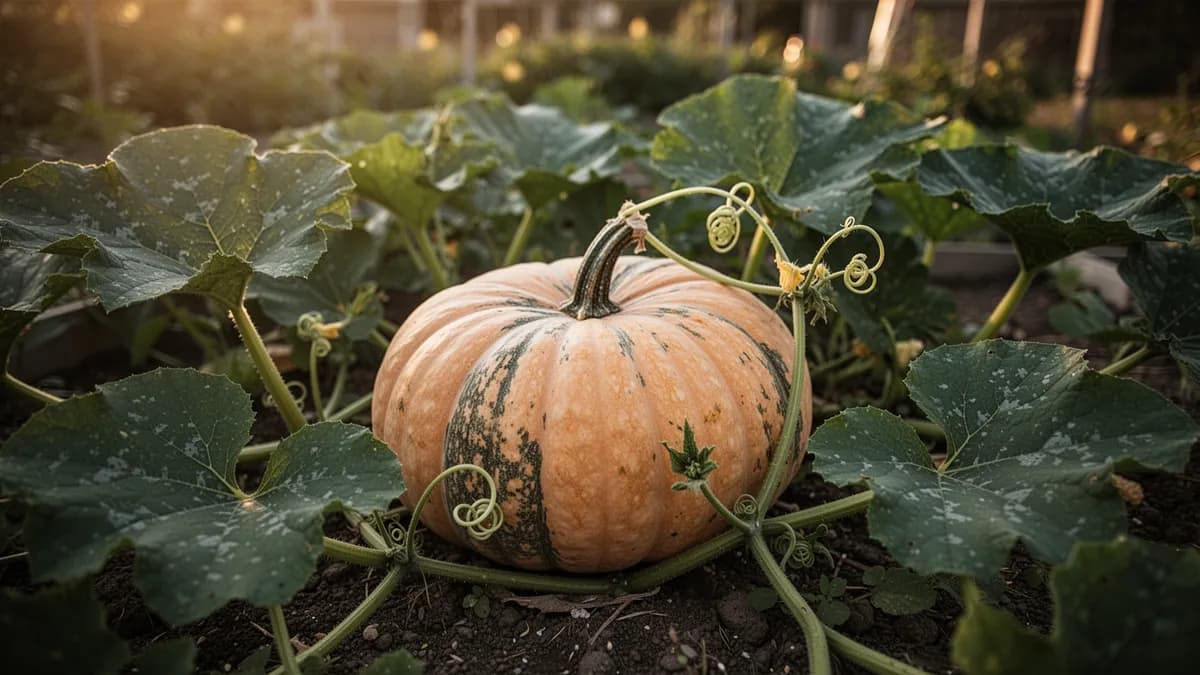
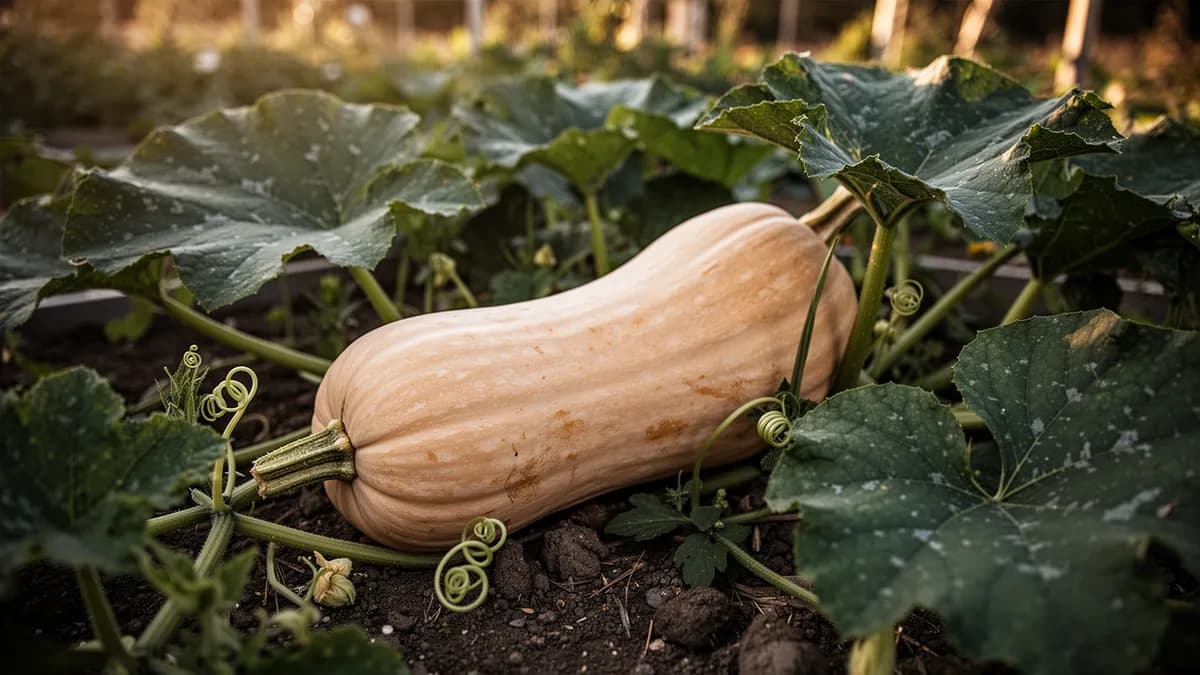
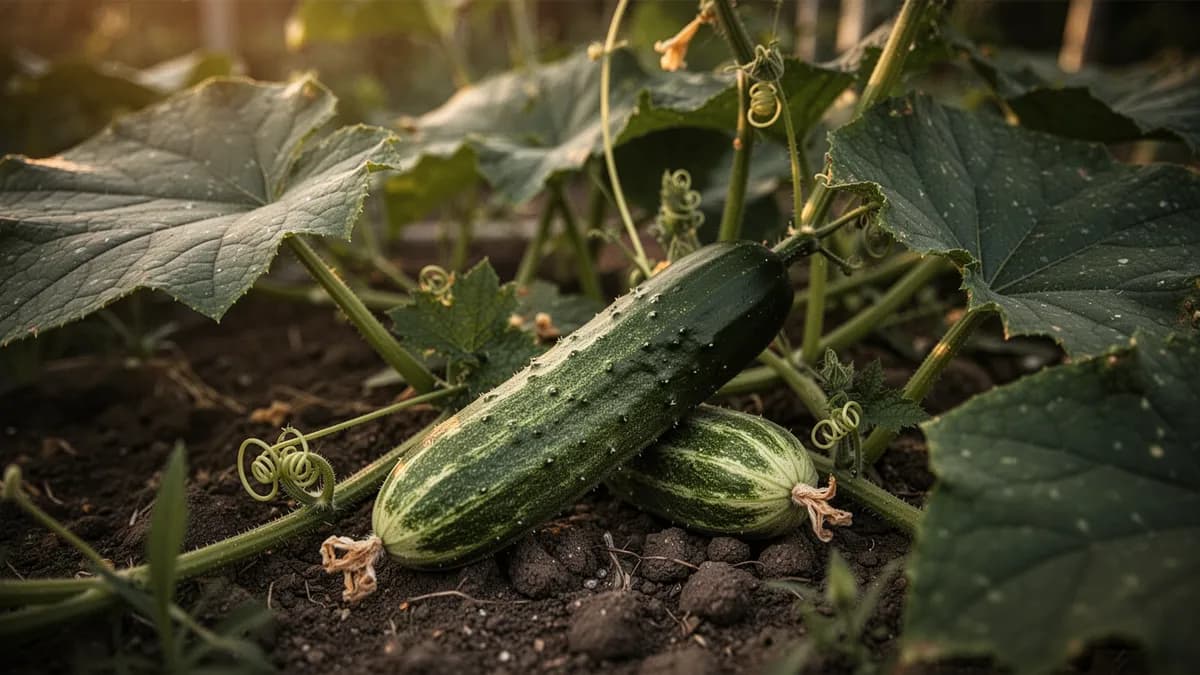
Mantén Melón Almizclado lejos de estos
Diseños de jardín con Melón Almizclado
Cultiva tu mejor Melón Almizclado — y todo lo que la rodea.
Empieza un plan gratis hoy. Diseña tus bancales, coloca tu Melón Almizclado y deja que PlotMyGarden gestione el momento, el espaciado, las asociaciones y los recordatorios de la semilla a la cesta.