Melón Coreano
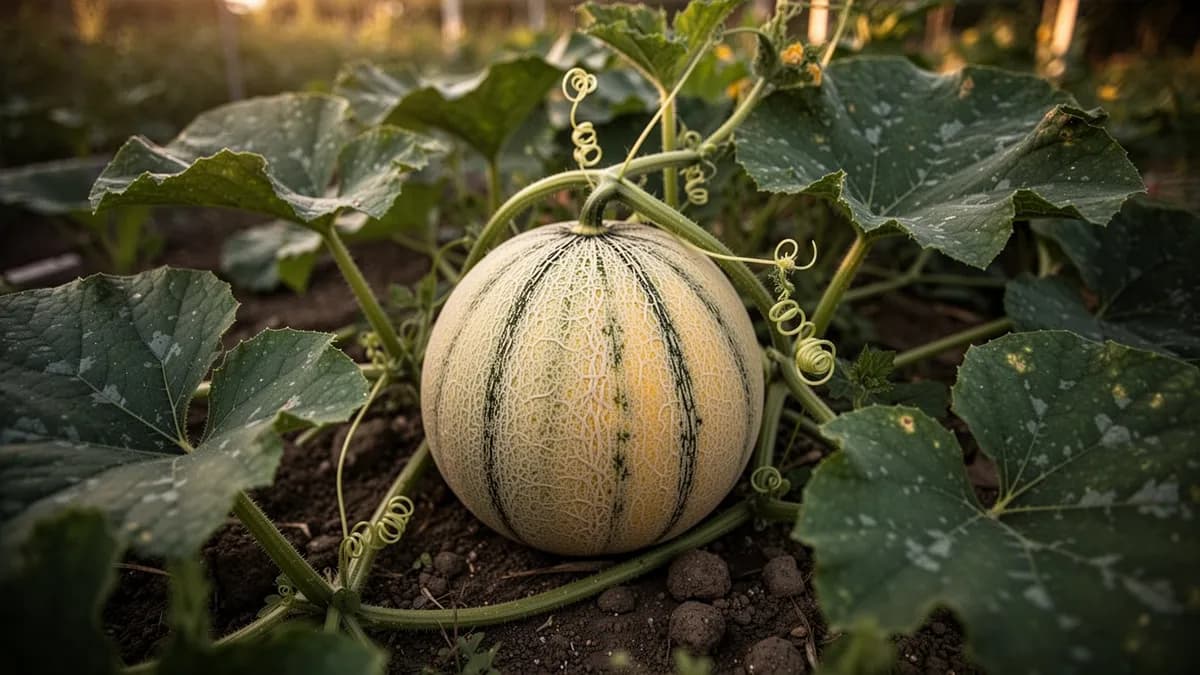
El melón coreano (Cucumis melo var. makuwa), conocido como chamoe en Corea, es un melón pequeño y alargado de piel amarilla brillante con rayas blancas longitudinales y pulpa blanca crujiente de sabor dulce y refrescante.





En esta páginaResumen
Conoce Melón Coreano
El melón coreano (Cucumis melo var. makuwa), conocido como chamoe en Corea, es un melón pequeño y alargado de piel amarilla brillante con rayas blancas longitudinales y pulpa blanca crujiente de sabor dulce y refrescante. Es el melón más popular de Corea del Sur, donde se consume como fruta fresca durante los calurosos meses de verano, y se distingue por su maduración rápida y alta productividad.
Cuándo plantar Melón Coreano
Inicie en interior 3-4 semanas antes de la última helada en macetas de turba a 2 cm de profundidad. La germinación ocurre en 5-10 días a 25-30 °C. Trasplante al exterior cuando la temperatura nocturna supere los 15 °C. También puede sembrarse directamente cuando el suelo alcance 20 °C. El melón coreano madura más rápido que otros melones, permitiendo cultivo exitoso incluso en temporadas más cortas.
Tu año de Melón Coreano
Ajustado a Zona 7 · temporada típica · la helada se va hacia el 2 abr y vuelve hacia el 1 nov
Planta Melón Coreano May – Jun y cosecha Ago – Sep. Consulta los métodos de plantación y elige tu clima para adaptar los periodos.
Cómo cultivar Melón Coreano
Plante en pleno sol en el lugar más cálido del huerto. El suelo debe ser fértil, bien drenado y rico en materia orgánica con pH entre 6,0 y 7,0. Prepare montículos o camas elevadas enriquecidas con compost para mejorar el drenaje y el calentamiento del suelo.
Siembre directamente cuando la temperatura del suelo supere 20 °C, o inicie en interior 3-4 semanas antes. Plante 2-3 semillas a 2 cm de profundidad por montículo espaciados 60-90 cm, aclarando a la planta más vigorosa. Puede cultivarse en vertical con enrejado para ahorrar espacio.
Riegue regularmente con 3-4 cm semanales, preferiblemente con riego por goteo para evitar mojar el follaje. Reduzca el riego cuando los frutos comiencen a madurar para concentrar el dulzor. Fertilice con compost al plantar y aplique abono rico en potasio durante la fructificación. El melón coreano madura más rápidamente que los melones cantalupo, permitiendo cosechas en solo 70-80 días.
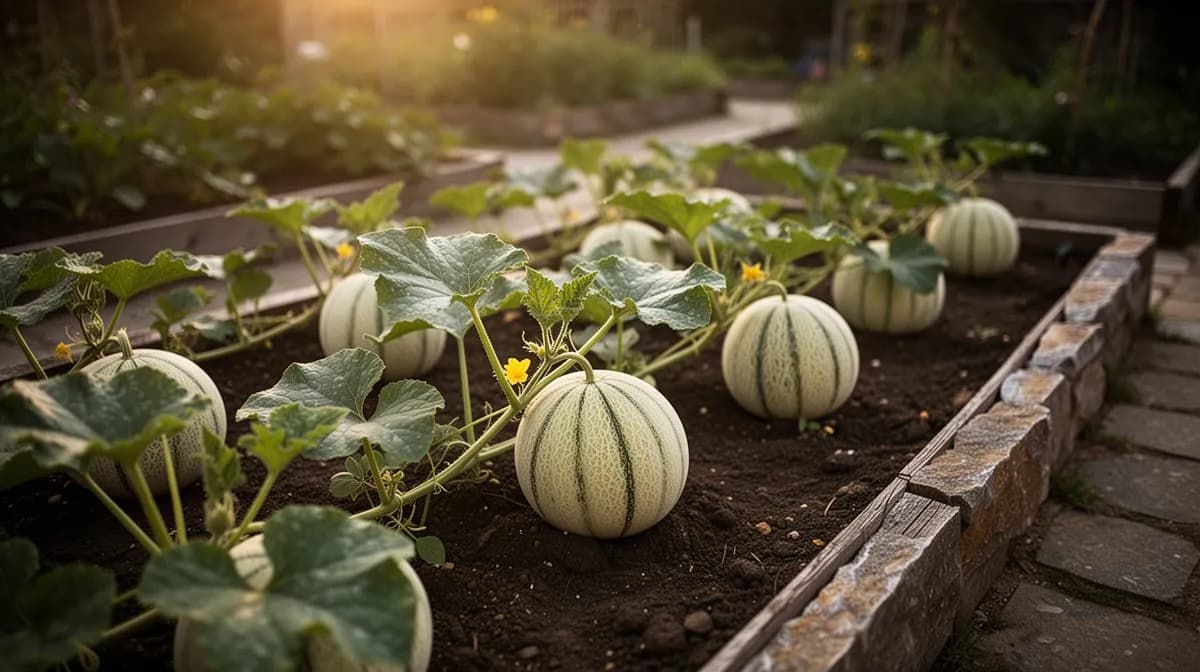
8 plantas caben en un bancal de 120 × 240 cm
Cada Melón Coreano pide 60 cm de margen. El planificador guarda ese marco por ti — cada planta, cada bancal.
Los mejores vecinos de Melón Coreano
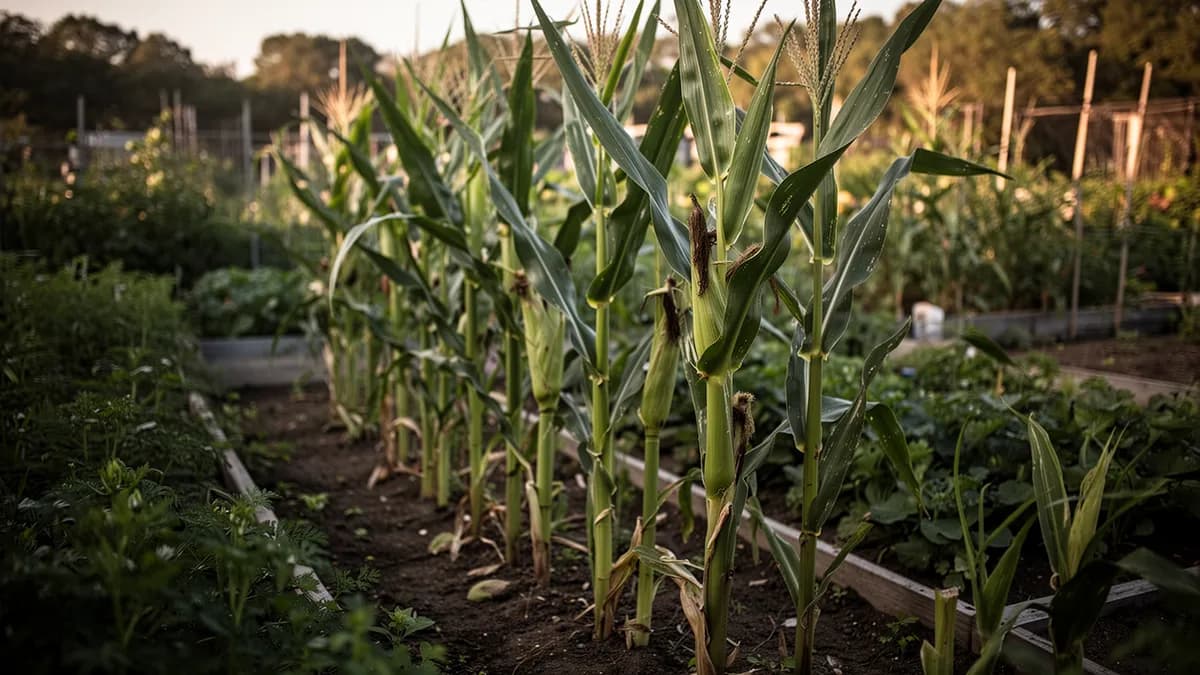
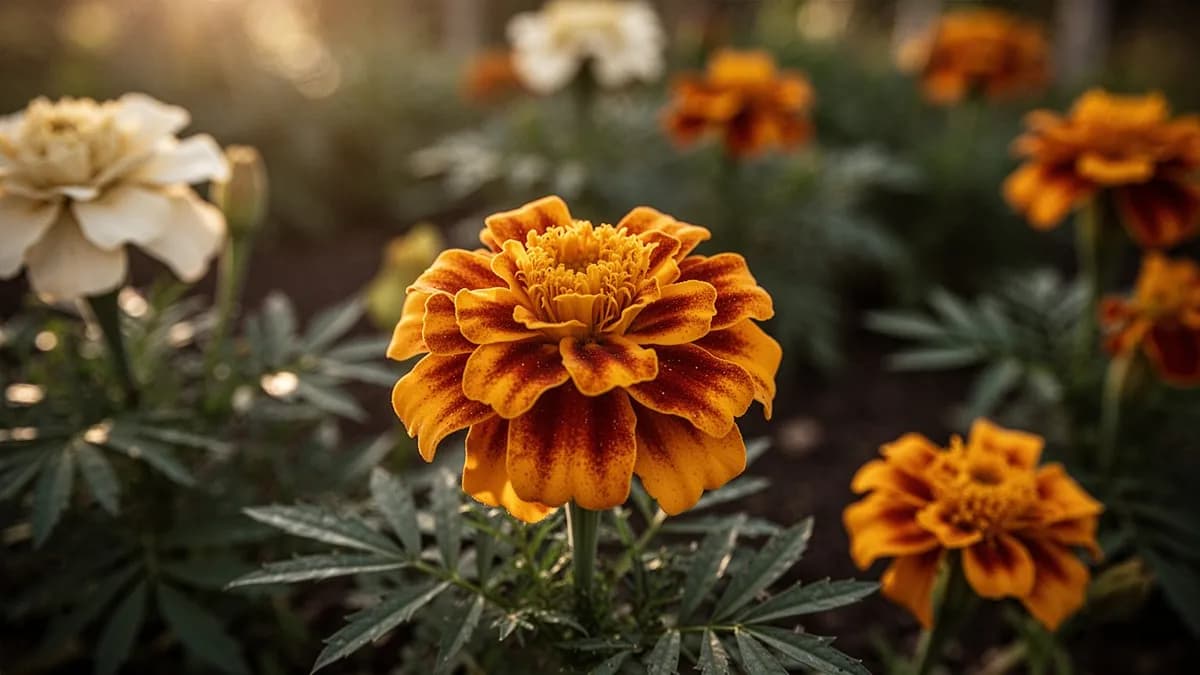
Se asocia bien con maíz y frijoles que pueden proporcionar sombra parcial y fijar nitrógeno respectivamente. Las caléndulas y capuchinas repelen escarabajos y otras plagas. El eneldo y la albahaca atraen polinizadores beneficiosos. Evite plantar cerca de patatas y otras solanáceas.
Maíz va a su lado. Papa no.
Saber de huerto de siempre, cotejado con la tabla real de Melón Coreano — prueba cualquier planta que cultives.
Prueba Melón Coreano en un bancal, aquí mismo
Un bancal real del planificador con Melón Coreano ya plantado. Toca una planta compañera para colocarla y mira cómo responde la comprobación de vecinos: verde para buenos vecinos, rojo si hay conflicto.


Guías de cultivo relacionadas
Abónalo bien
Requiere suelos fértiles, bien drenados y ricos en materia orgánica con pH entre 6,0 y 7,0. Incorpore abundante compost o estiércol bien descompuesto antes de la siembra. Aplique fertilizante equilibrado al plantar y cambie a fórmula rica en potasio durante la fructificación para maximizar el dulzor. El acolchado orgánico es esencial para conservar la humedad constante.
Temperatura ideal
Compatibilidad de zonas de rusticidad
De la semilla a la cosecha, etapa por etapa
Siembra
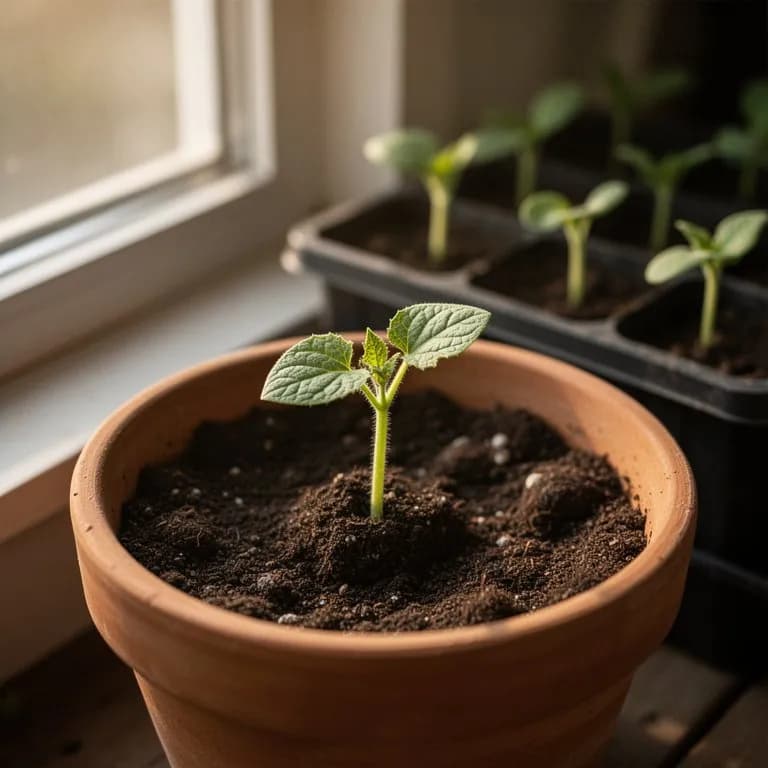
Las semillas germinan en suelo cálido y producen un hipocótilo curvado que empuja los cotiledones redondeados por encima de la superficie. Las semillas de melón coreano son planas y ovaladas, parecidas a las de pepino, y necesitan una calidez constante de al menos 21 °C para germinar con fiabilidad en 5-10 días.
Crecimiento de plántula
Aparecen las primeras hojas verdaderas con la forma lobulada y ligeramente vellosa característica de las cucurbitáceas. El tallo se alarga y comienzan a aparecer zarcillos en los nudos foliares. Durante esta etapa las plántulas desarrollan un sistema radicular fuerte y crecen rápidamente cuando las temperaturas diurnas superan de forma constante los 24 °C.
Desarrollo de la guía
Las guías se alargan rápidamente y producen hojas grandes, lobuladas, y zarcillos en espiral que se agarran a cualquier estructura de soporte. La guía principal emite varias ramificaciones laterales que pueden extenderse 2-3 metros en todas direcciones. El follaje vigoroso da sombra al suelo y ayuda a suprimir las malas hierbas.
Floración
Aparecen pequeñas flores amarillas brillantes en las axilas de las hojas: primero salen flores masculinas en grupos y después flores femeninas, identificables por el pequeño ovario hinchado en su base. Las abejas y otros polinizadores son esenciales para transferir el polen de las flores masculinas a las femeninas. Cada flor femenina permanece abierta solo un día.
Desarrollo del fruto
Las flores femeninas polinizadas se hinchan y forman frutos ovalados pequeños que crecen rápidamente durante 3-4 semanas. La piel cambia de verde al característico amarillo dorado con 10 líneas de sutura blancas bien definidas a lo largo del fruto. Los frutos alcanzan 10-15 cm de largo y 200-400 gramos al madurar.
Cosecha
Los frutos están maduros cuando la piel se vuelve de un amarillo dorado intenso y las líneas de sutura blancas se hacen prominentes. Se desarrolla un aroma dulce en el extremo de la flor y el tallo se desprende con facilidad al girarlo suavemente. La pulpa debe ser crujiente, blanca y ligeramente dulce, con una fragancia refrescante entre pepino y melón.
Siembra las semillas en interior 3-4 semanas antes de la última helada en macetas biodegradables para evitar daños en las raíces. Mantén la temperatura del sustrato entre 25 y 30 °C usando una manta térmica. Planta las semillas a 1,5 cm de profundidad y conserva el sustrato uniformemente húmedo.
Cuidar Melón Coreano mes a mes
Qué hacer cada mes para tu Melón Coreano
Octubre
Mes actualPull spent vines and compost healthy material. Do not compost any diseased foliage — discard it with municipal waste. Add compost to beds and note variety performance for next season's planning.
Ten claro qué hacer en tu huerto, cada mes
Un correo al empezar cada mes: qué sembrar, plantar y hacer ahora mismo — para tu Melón Coreano y todo lo que crece alrededor. Más un breve curso inicial para esquivar los errores clásicos.
- Qué hacer ahora mismo
- Ajustado a tu temporada
- Curso inicial incluido
Cosechar Melón Coreano
Coseche cuando los frutos tengan un color amarillo brillante uniforme, desprendan un aroma dulce característico y el pedúnculo comience a separarse naturalmente de la fruta, generalmente 70-80 días después de la siembra. Los frutos deben ceder ligeramente a la presión suave. El melón coreano no continúa madurando significativamente después de la cosecha.
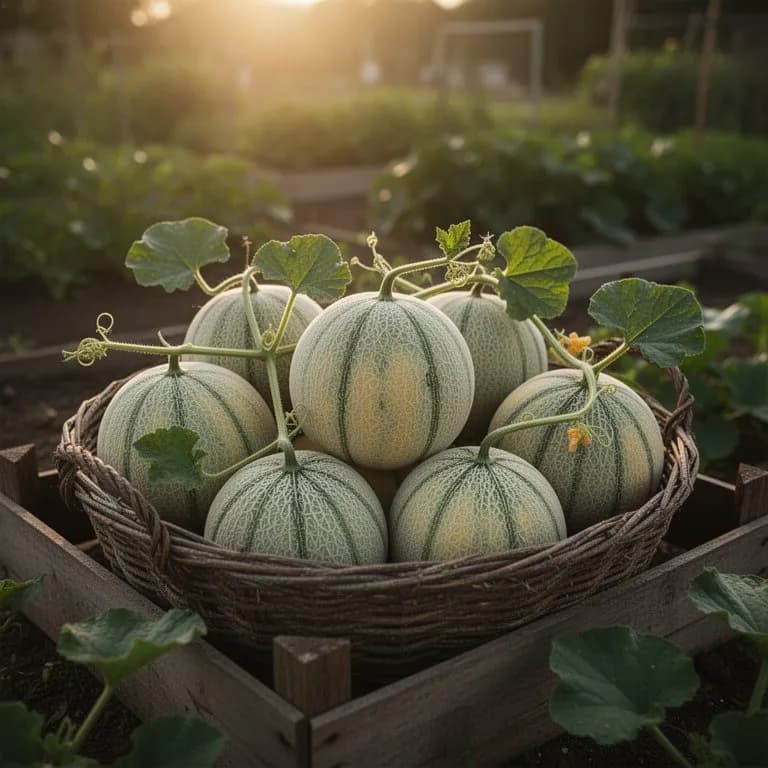
se supone que plantas al comenzar el periodo — indica tu fecha real
Cosecha cuando la piel se vuelva de un amarillo dorado intenso y las franjas blancas o líneas de sutura se hagan prominentes, normalmente 75-80 días después de la siembra.
Almacenamiento y conservación
Los melones frescos se conservan en el refrigerador durante 1-2 semanas. A temperatura ambiente duran 3-5 días. La pulpa cortada se consume rápidamente ya que se oxida. Pueden cortarse en rodajas y congelarse para uso en batidos. En Corea también se preparan encurtidos dulces de la piel externa.
Qué falla — y cómo solucionarlo
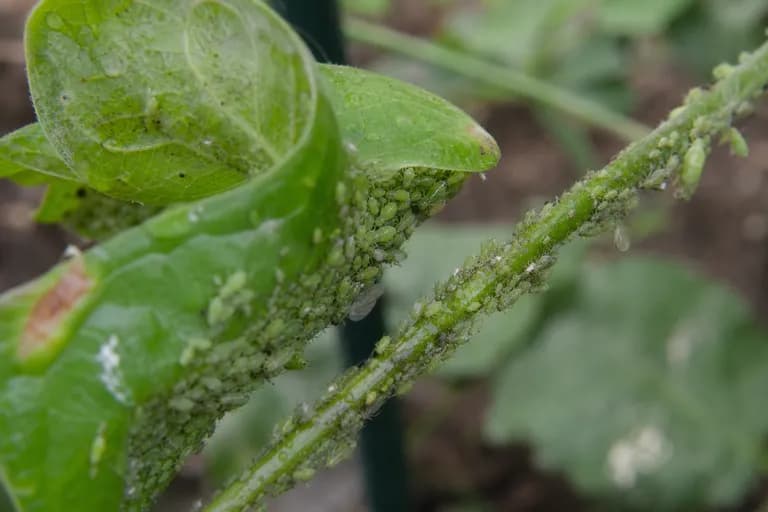
Escarabajo del pepino (Diabrotica spp.)
PlagaMordeduras en hojas, flores y frutos jóvenes. Puede transmitir marchitez bacteriana de planta en planta.
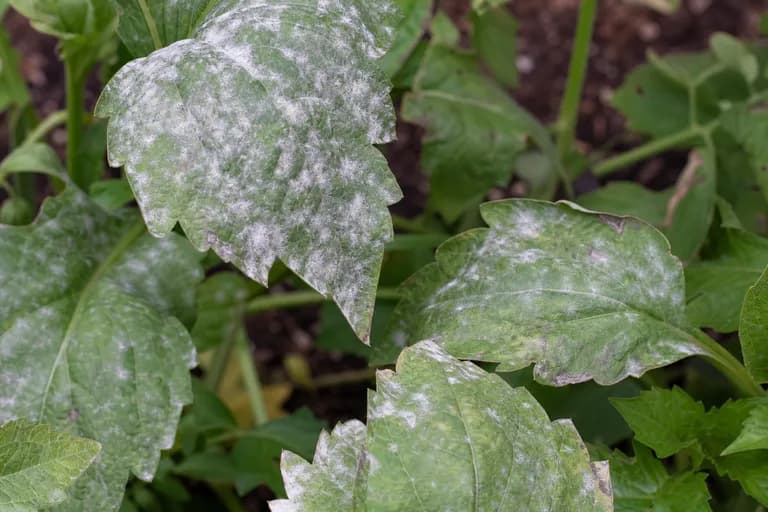
Oídio (Podosphaera xanthii)
EnfermedadPolvo blanco en las hojas que se extiende rápidamente, reduciendo la fotosíntesis y el dulzor de los frutos.
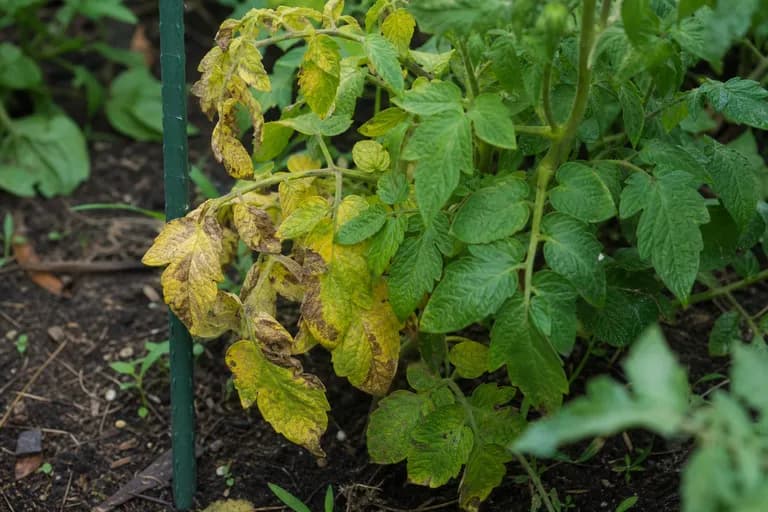
Fusarium (Fusarium oxysporum)
EnfermedadMarchitez progresiva de las hojas y guías, amarillamiento unilateral del follaje, necrosis vascular visible al cortar el tallo.
Solución de problemas comunes
El tiempo de almacenamiento es corto comparado con otros melones; consuma rápidamente tras la cosecha. La polinización deficiente causa frutos deformes; si hay pocos insectos, polinice manualmente. El exceso de riego durante la maduración diluye el sabor. Las temperaturas nocturnas frías durante la floración pueden causar caída de flores.
Consejos de cultivo
- Korean melons require warm soil to thrive — do not rush transplanting. Use black plastic mulch to raise soil temperature 3-5°C above ambient before planting, and wait until nighttime temperatures consistently stay above 15°C (60°F).
- Trellis growing is highly recommended for home gardens. Korean melon fruits are small and light enough (200-400g) to hang from a trellis without support slings, and vertical growing saves space, improves air circulation, and produces cleaner fruit.
- Pinch the main vine tip after the 5th or 6th leaf node to force lateral branching. Female flowers (and therefore fruit) appear primarily on lateral branches, so encouraging side shoots directly increases your harvest.
- Consistent moisture is critical during fruit development, but reduce watering by 30-50% once fruits begin to turn from green to yellow. This controlled water stress concentrates sugars and produces sweeter, more flavorful melons.
- Korean melons are heavy feeders. Incorporate generous compost at planting time, then side-dress with a balanced fertilizer every 3 weeks during vine growth. Switch to a high-potassium feed (such as tomato fertilizer) once fruiting begins to boost sweetness.
- Limit each vine to 4-6 fruits by removing excess female flowers or tiny developing fruits. This ensures the plant channels energy into fewer, larger, sweeter melons rather than many small, bland ones.
- Protect ripening fruit from soil contact rot by placing straw, cardboard, or small wooden boards under each melon when growing on the ground. This also prevents cosmetic scarring on the delicate golden skin.
- Harvest timing is everything — Korean melon flavor changes dramatically within just 2-3 days of peak ripeness. The fruit is ready when the skin is uniformly golden-yellow, the white suture lines are prominent, a sweet fragrance is detectable at the blossom end, and the stem separates with a gentle twist.
Cultiva tu mejor Melón Coreano — y todo lo que la rodea.
Empieza un plan gratis hoy. Diseña tus bancales, coloca tu Melón Coreano y deja que PlotMyGarden gestione el momento, el espaciado, las asociaciones y los recordatorios de la semilla a la cesta.
Elige tu Melón Coreano
Chamoe (Yellow Korean)
La variedad clásica coreana con piel amarilla brillante y rayas blancas. Pulpa blanca crujiente y dulce. Muy productiva. 70-80 días.
Sun Jewel
Variedad híbrida mejorada con frutos más uniformes y mayor contenido de azúcar. Buena resistencia a enfermedades foliares. 65-75 días.
Golden Makuwa
Variedad japonesa emparentada con piel dorada y pulpa especialmente dulce y aromática. Frutos algo más pequeños. 70-75 días.
Korean melons sell for $3-6 per fruit (or $6-12 per kg) at Asian grocery stores and farmers markets, and are often unavailable outside major metropolitan areas. A single plant producing 8-15 melons represents $24-90 worth of fruit from a $2-4 seed packet investment. Growing your own also guarantees peak ripeness and freshness — commercial Korean melons are often harvested slightly underripe for shipping durability, so homegrown chamoe is noticeably sweeter and more aromatic.
Recetas rápidas
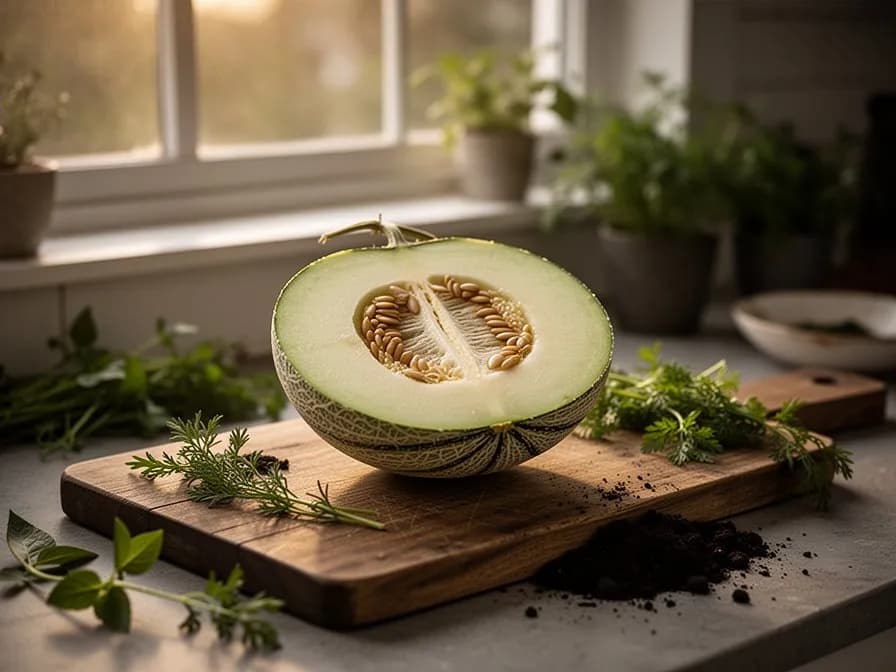
Chilled Korean Melon Dessert
10 minThe classic Korean way to enjoy chamoe — simply chilled and sliced. The crisp, mildly sweet flesh is eaten skin and all (the thin skin is completely edible), making this the easiest summer dessert imaginable.
4 ingredientes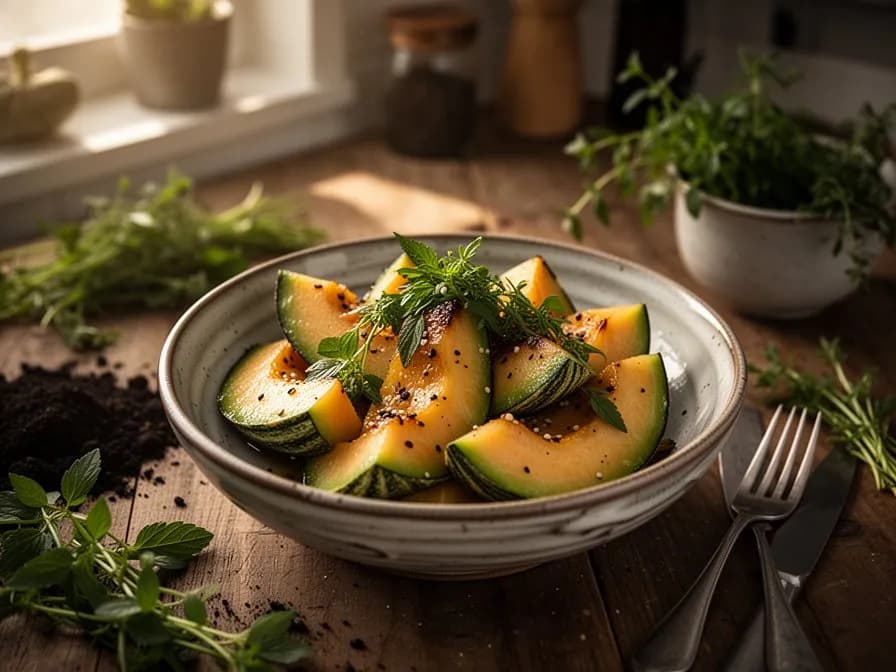
Korean Melon and Prosciutto Salad
15 minA Korean-Italian fusion that pairs the crisp sweetness of chamoe with salty prosciutto and peppery arugula. The melon's mild flavor and firm texture make it a perfect substitute for cantaloupe in this elegant appetizer.
7 ingredientesKorean Melon Smoothie (Chamoe Juice)
5 minA popular Korean summer drink made by blending ripe chamoe into a refreshing, lightly sweet smoothie. The melon's natural sweetness means little or no added sugar is needed, and the result is incredibly hydrating.
5 ingredientesUsos culinarios
El melón coreano se consume principalmente fresco, cortado en rodajas o cuñas como refrigerio veraniego. En Corea se sirve helado como postre refrescante y se utiliza en batidos y zumos. La pulpa firme y crujiente lo diferencia de otros melones más jugosos. También se prepara en ensaladas de frutas, helados y sorbetes. La piel se puede encurtir en sal y vinagre como acompañamiento.
Qué contiene
Beneficios para la salud
- Over 90% water content makes Korean melon one of the most hydrating fruits available, helping to prevent dehydration and heat exhaustion during hot summer months when the body loses fluids rapidly.
- Good source of vitamin C at 16% of the daily value per 100g, supporting collagen production, immune defense, and antioxidant protection against cellular damage from UV exposure.
- Contains folic acid (vitamin B9) important for DNA synthesis and cell division, making Korean melon a beneficial food for pregnant women and those planning pregnancy.
- Provides potassium (228mg per 100g) that helps regulate blood pressure, supports proper muscle contraction, and counterbalances dietary sodium for cardiovascular health.
- Low glycemic index despite its sweetness, meaning Korean melon causes a gradual rise in blood sugar rather than a spike, making it a suitable fruit option for people monitoring glucose levels.
- Contains cucurbitacin compounds that have demonstrated anti-inflammatory properties in laboratory studies, potentially supporting the traditional Korean medicinal use of chamoe as a cooling, inflammation-reducing food.
De dónde viene Melón Coreano
Korean melon (Cucumis melo var. makuwa) is an ancient cultivar of melon believed to have originated in East Asia, with its closest wild relatives found in India and Southeast Asia. The species traveled along ancient trade routes to China, where it was cultivated for centuries before reaching the Korean Peninsula and Japan. Archaeological evidence suggests Korean melon has been grown in Korea for at least 2,000 years, making it one of the oldest continuously cultivated fruits in East Asian agriculture.
In Korea, chamoe became deeply embedded in the culture as the quintessential summer fruit. Historical texts from the Joseon Dynasty (1392-1897) describe elaborate melon cultivation methods, and chamoe was prized enough to be presented as tribute to the royal court. The melon thrived in Korea's hot, humid summers and became a staple of the diet during the sweltering monsoon months when its cooling properties were most valued. Korean farmers developed numerous local varieties adapted to different regional climates and soil types across the peninsula.
Modern commercial Korean melon production is dominated by improved hybrid varieties developed since the 1950s that offer higher yields, disease resistance, and uniform fruit quality. The Seongju region of North Gyeongsang Province became the epicenter of Korean melon farming due to its ideal sandy loam soils and warm growing conditions, and today produces the vast majority of Korea's commercial chamoe crop. In recent years, Korean melon has gained international popularity through Korean cuisine's global expansion, and is now grown in greenhouses in North America, Europe, and Australia for Korean diaspora communities and adventurous home gardeners.
Melón Coreano: ¿sabías que?
Datos fascinantes sobre Melón Coreano
Korean melon (Cucumis melo var. makuwa), known as chamoe in Korean, has been cultivated on the Korean Peninsula for over 2,000 years, with archaeological evidence of melon seeds found in ancient Korean tombs dating to the Three Kingdoms period.
Melón Coreano: preguntas frecuentes
¿Cuándo debo plantar Melón Coreano?
¿Cuáles son buenas plantas acompañantes para Melón Coreano?
¿En qué zonas de rusticidad puede crecer Melón Coreano?
¿Cuánto sol necesita Melón Coreano?
¿A qué distancia debo espaciar Melón Coreano?
¿Qué plagas y enfermedades afectan a Melón Coreano?
¿Cómo almaceno Melón Coreano después de la cosecha?
¿Cuáles son las mejores variedades de Melón Coreano para cultivar?
¿Qué suelo necesita Melón Coreano?
Can I eat the skin of Korean melon?
How do I know when a Korean melon is ripe?
Can Korean melon be grown in cooler climates?
Why are my Korean melon fruits bitter or tasteless?
What pests and diseases affect Korean melon?
How is Korean melon different from honeydew or cantaloupe?
Acabas de leer la teoría. Ahora cultívala en piloto automático.
Todo lo que hace que Melón Coreano sea delicado — el momento, el espaciado, las asociaciones, la ventana de cosecha — es justo lo que PlotMyGarden resuelve por ti, para cada planta de tu huerto.
Un plan que conoce tu clima
Indica tu ubicación una vez. Recibe fechas de siembra, abonado y cosecha basadas en tu última helada real y el pronóstico en vivo — sin adivinar con un sobre genérico.
De la sección “Cuándo plantar”Planificador de bancales de arrastrar y soltar
Diseña bancales sobre una cuadrícula. Cada planta encaja con su espaciado correcto y ves toda la temporada antes de gastar un céntimo en semillas.
De la sección “Cultivo”Conflictos de asociación, detectados a tiempo
Más de 200 buenas y malas combinaciones comprobadas en vivo mientras plantas — para que un error que arruine la temporada nunca llegue a la tierra.
De la sección “Asociaciones”Recordatorios que sí vas a seguir
“Riega las judías.” “Recoge hoy antes de que se pase.” Oportunos, concretos y ligados a las plantas que de verdad cultivas.
De la sección “Cosecha”Escalonado, programado
¿Quieres cosechar seis semanas en vez de seis días? Reparte tus siembras automáticamente y te avisa cuando toca el siguiente lote.
De la sección “Cuándo plantar”Un registro que se vuelve más listo
Cada cosecha que registras le enseña tu huerto. El plan del año que viene parte de lo que de verdad funcionó en tu suelo, no en un manual.
De la sección “Resumen”Planta estos junto a Melón Coreano
Más Cucurbitáceas
Mantén Melón Coreano lejos de estos
Diseños de jardín con Melón Coreano
Cultiva tu mejor Melón Coreano — y todo lo que la rodea.
Empieza un plan gratis hoy. Diseña tus bancales, coloca tu Melón Coreano y deja que PlotMyGarden gestione el momento, el espaciado, las asociaciones y los recordatorios de la semilla a la cesta.