Buen Enrique
El buen Enrique (Chenopodium bonus-henricus) es una antigua planta perenne comestible nativa de Europa, cultivada como verdura de hoja desde la época medieval.





En esta páginaResumen
Conoce Buen Enrique
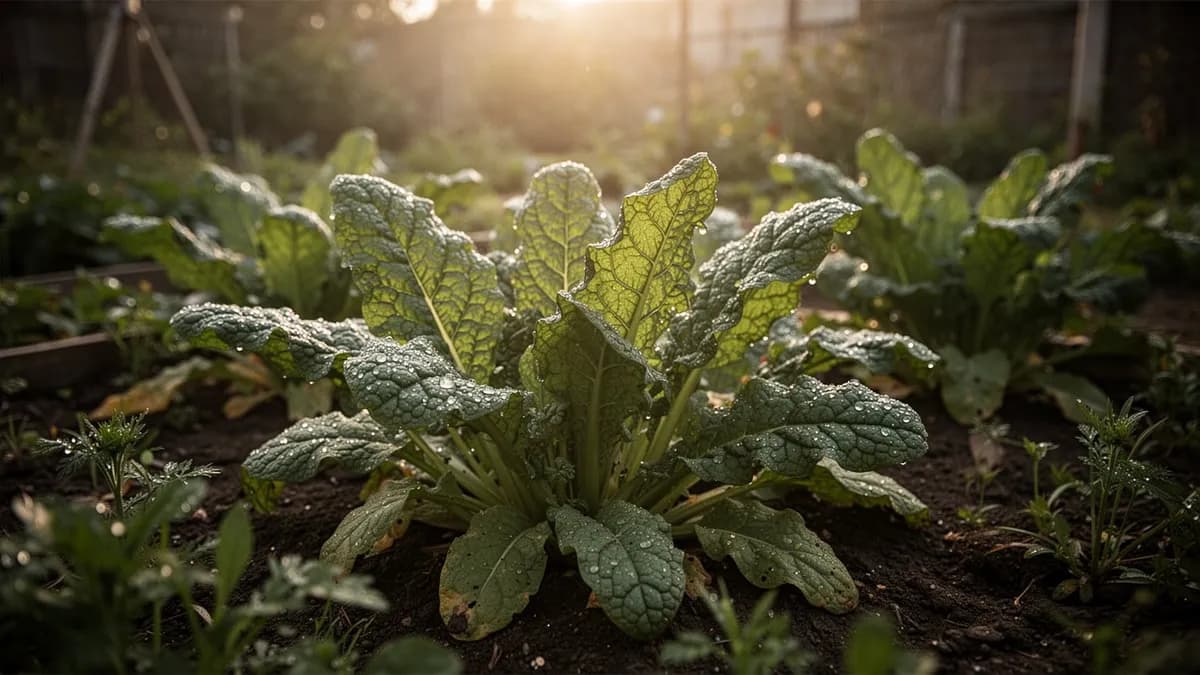
El buen Enrique (Chenopodium bonus-henricus) es una antigua planta perenne comestible nativa de Europa, cultivada como verdura de hoja desde la época medieval. Sus hojas triangulares de sabor similar a la espinaca y sus brotes jóvenes parecidos a espárragos la convierten en una valiosa adición al huerto perenne y los jardines de bosque comestible.
Cuándo plantar Buen Enrique
Siembra semillas en superficie o apenas cubiertas con una fina capa de sustrato en primavera o a finales de otoño, ya que requieren estratificación fría para germinar bien. La germinación es irregular y puede tardar 2-6 semanas. Alternativamente, divide matas establecidas en primavera u otoño para obtener plantas productivas más rápidamente.
Tu año de Buen Enrique
Ajustado a Zona 7 · temporada típica · la helada se va hacia el 2 abr y vuelve hacia el 1 nov
Planta Buen Enrique Mar – May y cosecha Abr – Jul. Consulta los métodos de plantación y elige tu clima para adaptar los periodos.
Cómo cultivar Buen Enrique
El buen Enrique es una planta perenne robusta que, una vez establecida, produce cosechas fiables durante muchos años con mínimo mantenimiento. Planta en primavera u otoño en una ubicación con sol parcial o semisombra, espaciando las plantas 30-40 cm entre sí en suelo fértil y bien drenado.
Durante el primer año, permite que la planta se establezca sin cosechar hojas para que desarrolle un sistema radicular fuerte. Riega regularmente durante periodos secos y aplica un acolchado de compost en primavera y otoño para mantener la fertilidad del suelo y suprimir malezas competidoras.
A partir del segundo año, cosecha hojas jóvenes regularmente durante la temporada de crecimiento. Para obtener brotes blanqueados similares a espárragos, cubre las coronas con 15-20 cm de tierra o compost a finales de invierno. Divide las matas cada 3-4 años para rejuvenecer las plantas y controlar su expansión.
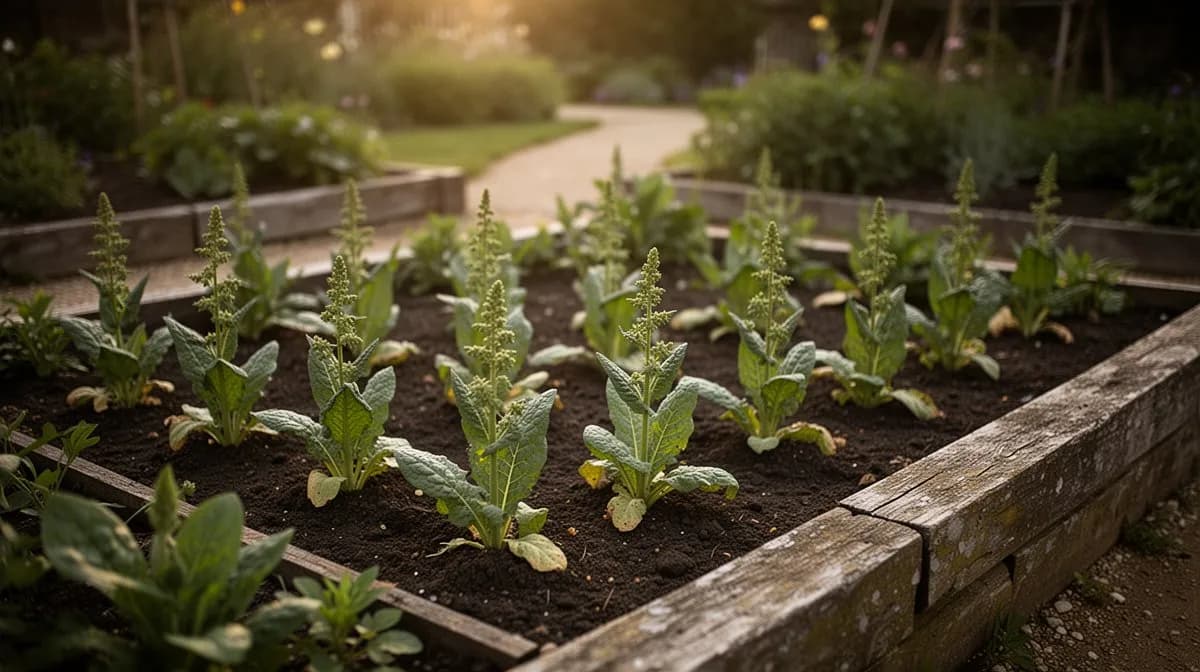
32 plantas caben en un bancal de 120 × 240 cm
Cada Buen Enrique pide 30 cm de margen. El planificador guarda ese marco por ti — cada planta, cada bancal.
Los mejores vecinos de Buen Enrique
El buen Enrique es una excelente planta para jardines de bosque comestible y permacultura, creciendo bien bajo frutales y en bordes sombreados. Se asocia naturalmente con otras perennes comestibles como ruibarbo, alcachofas y espárragos. Atrae insectos polinizadores beneficiosos cuando se le permite florecer ocasionalmente.
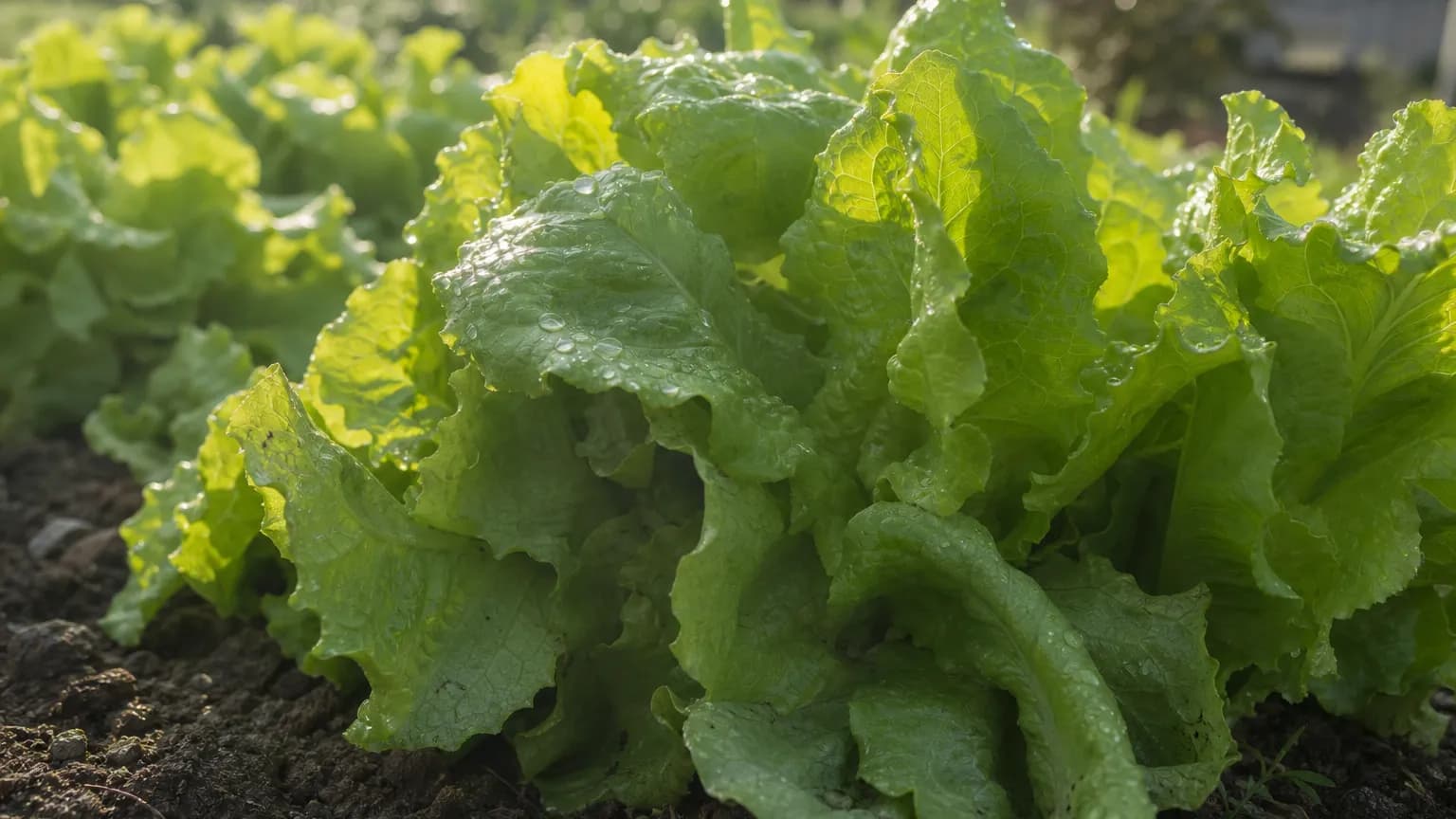
Lechuga va a su lado.
Saber de huerto de siempre, cotejado con la tabla real de Buen Enrique — prueba cualquier planta que cultives.
Prueba Buen Enrique en un bancal, aquí mismo
Un bancal real del planificador con Buen Enrique ya plantado. Toca una planta compañera para colocarla y mira cómo responde la comprobación de vecinos: verde para buenos vecinos, rojo si hay conflicto.


Guías de cultivo relacionadas
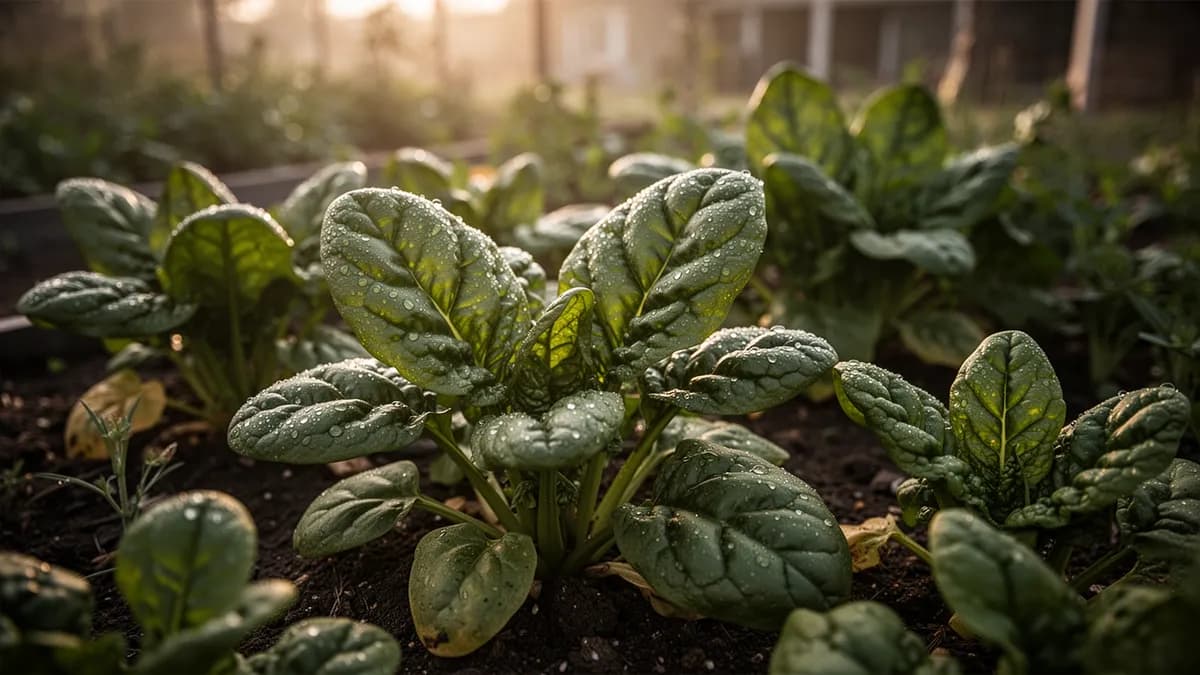
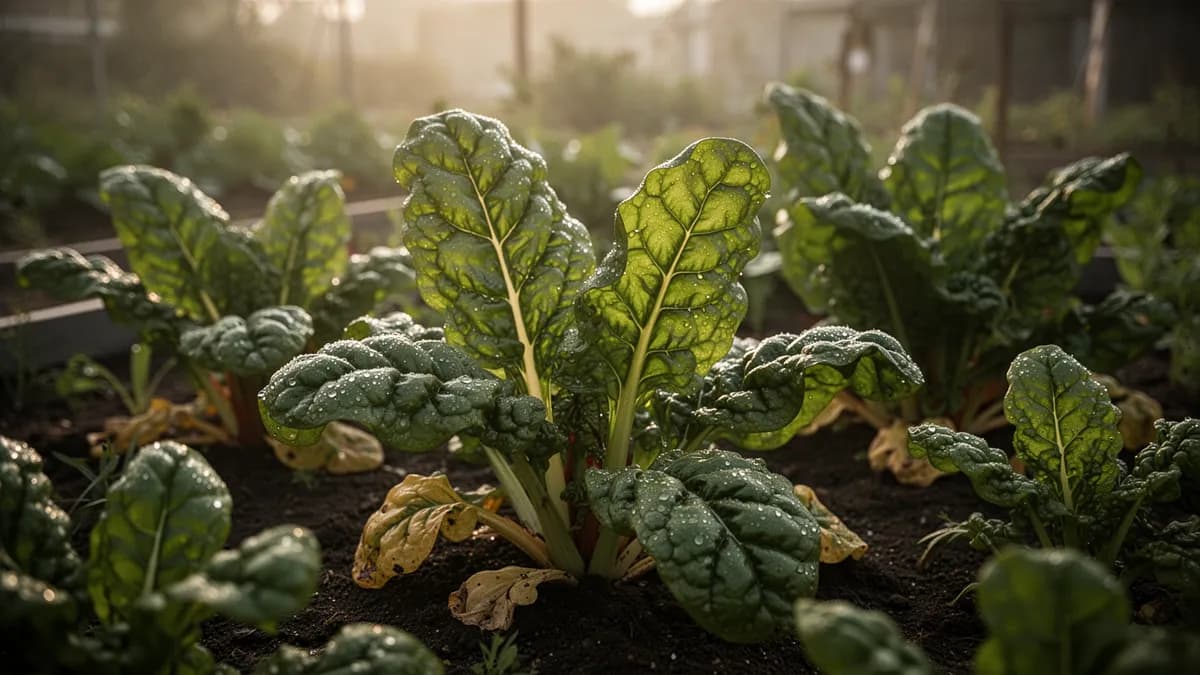
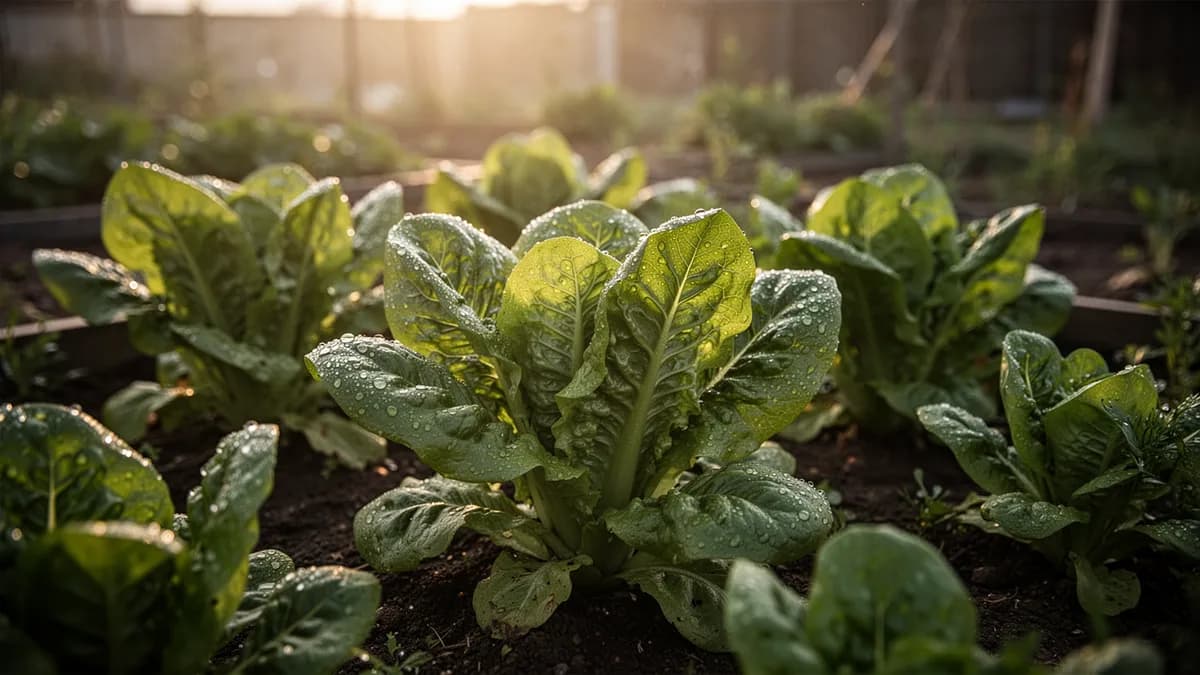
Abónalo bien
El buen Enrique es muy adaptable y crece en casi cualquier suelo con pH entre 6,0 y 7,5, aunque prefiere suelos fértiles, profundos y ricos en materia orgánica. Aplica una capa generosa de compost maduro alrededor de las plantas cada primavera y otoño. Un abono orgánico rico en nitrógeno en primavera estimula la producción de hojas tiernas y abundantes.
Temperatura ideal
Compatibilidad de zonas de rusticidad
De la semilla a la cosecha, etapa por etapa
Germinación de semillas
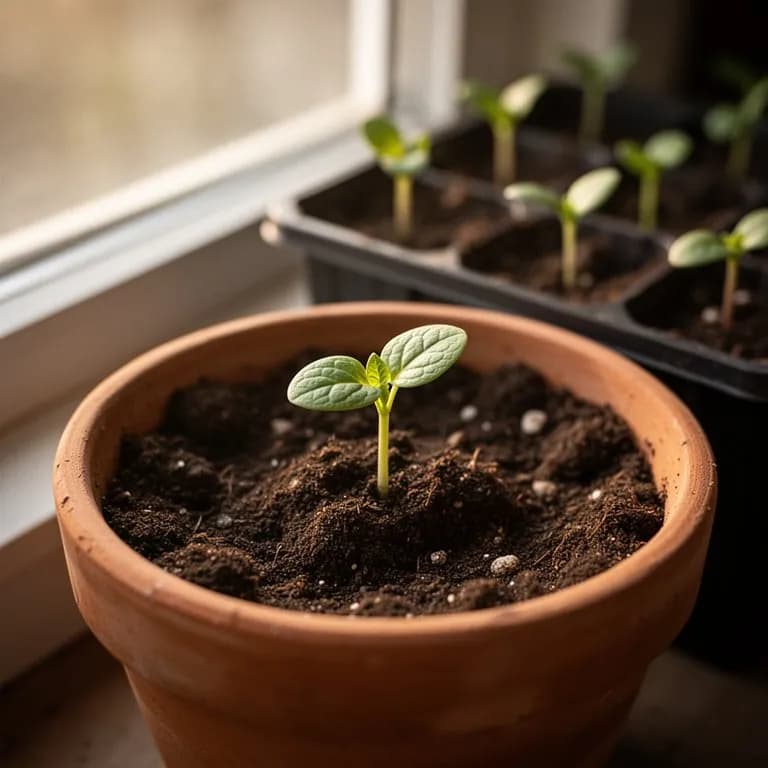
Las semillas de buena-rey-Enrique son notoriamente lentas e irregulares para germinar, y a menudo tardan de 14 a 28 días incluso en condiciones ideales. Las semillas requieren un periodo de estratificación en frío (2 a 4 semanas a 1-5 °C) para romper la latencia. Las plántulas diminutas emergen con cotiledones pequeños y redondeados antes de desarrollar sus primeras hojas verdaderas en forma de flecha.
Establecimiento de plántulas
Las plántulas crecen lentamente durante su primera temporada, produciendo una roseta de pequeñas hojas triangulares y desarrollando el grueso sistema radicular que sostendrá la planta durante años. Las plantas del primer año rara vez superan los 15-20 cm de altura y no deben cosecharse.
Establecimiento de raíces
Durante la primera temporada completa de crecimiento, la planta dirige la mayor parte de su energía a construir su gruesa y carnosa raíz perenne y su sistema radicular profundo. Para el otoño, el follaje aéreo se seca hasta el nivel del suelo cuando la planta entra en dormancia, almacenando energía en las raíces para un vigoroso rebrote primaveral.
Producción de brotes primaverales
A partir del segundo año, gruesos brotes similares a los del espárrago emergen de la corona a comienzos de la primavera. Estos brotes de color verde pálido con tonos púrpura son la parte comestible más apreciada de la planta. Si no se cosechan, se desarrollan en tallos florales altos rematados por densas espigas de diminutas flores verdosas amarillas.
Producción de hojas maduras
Después del periodo de cosecha de brotes, la planta entra en un crecimiento foliar vigoroso. Se desarrollan grandes hojas triangulares de color verde oscuro con una capa harinosa o cerosa sobre tallos ramificados que alcanzan 60-80 cm de altura. Las hojas pueden cosecharse regularmente durante todo el verano como un cultivo de espinaca perenne.
Floración y formación de semillas
Las densas espigas florales se desarrollan en la parte superior de los tallos maduros y llevan grupos de diminutas flores verdosas amarillas polinizadas por el viento. Las semillas maduran a finales del verano hasta convertirse en pequeñas nueces redondeadas y oscuras. La planta se seca gradualmente hasta la corona en otoño, entrando en dormancia invernal antes de repetir el ciclo durante 10 a 20 años o más.
Estratifica las semillas en frío en arena húmeda dentro del refrigerador durante 2 a 4 semanas antes de sembrar. Siembra superficialmente a 1 cm de profundidad en primavera. Mantén el suelo húmedo, pero no encharcado. Ten paciencia: una germinación irregular durante varias semanas es completamente normal.
Cuidar Buen Enrique mes a mes
Qué hacer cada mes para tu Buen Enrique
Octubre
Mes actualCut back dead and dying foliage to ground level once it has fully yellowed. Apply a generous layer of well-rotted compost or leaf mould over the crowns as a winter mulch and soil feed. Divide congested clumps and replant divisions.
Ten claro qué hacer en tu huerto, cada mes
Un correo al empezar cada mes: qué sembrar, plantar y hacer ahora mismo — para tu Buen Enrique y todo lo que crece alrededor. Más un breve curso inicial para esquivar los errores clásicos.
- Qué hacer ahora mismo
- Ajustado a tu temporada
- Curso inicial incluido
Cosechar Buen Enrique
Cosecha hojas jóvenes continuamente durante la temporada de crecimiento, tomando solo un tercio de cada planta para permitir la recuperación. Los brotes primaverales blanqueados se cortan cuando alcanzan 15-20 cm de longitud, como mini espárragos. Las inflorescencias jóvenes también son comestibles y se cosechan antes de que abran las flores.
se supone que plantas al comenzar el periodo — indica tu fecha real
Cosecha cuando los brotes midan 15-20 cm de altura y antes de que se abran las hojas
Almacenamiento y conservación
Las hojas frescas se conservan en el refrigerador envueltas en papel húmedo durante 3-5 días. Para conservación prolongada, escalda las hojas durante 2 minutos, enfría en agua helada y congela en porciones planas en bolsas herméticas. Los brotes blanqueados deben consumirse el mismo día de la cosecha para disfrutar su textura óptima.
Qué falla — y cómo solucionarlo
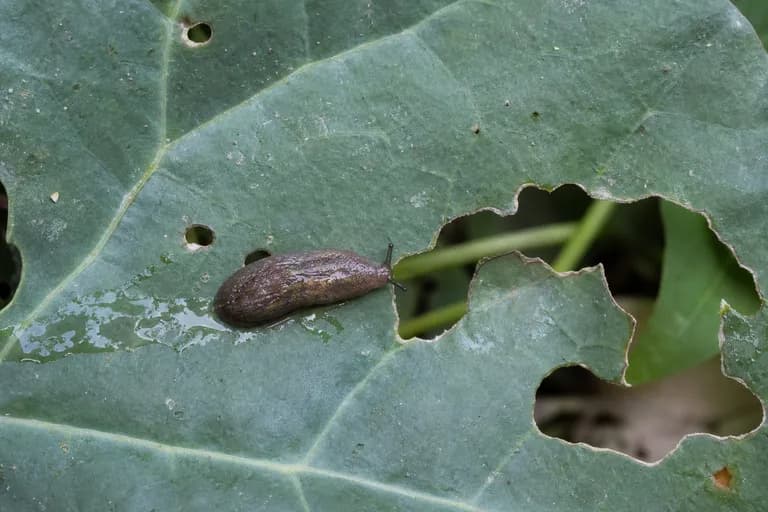
Caracoles y babosas
PlagaAgujeros irregulares en las hojas jóvenes y rastros brillantes de baba sobre el follaje, especialmente visible por la mañana temprano. Los brotes tiernos pueden ser completamente devorados.
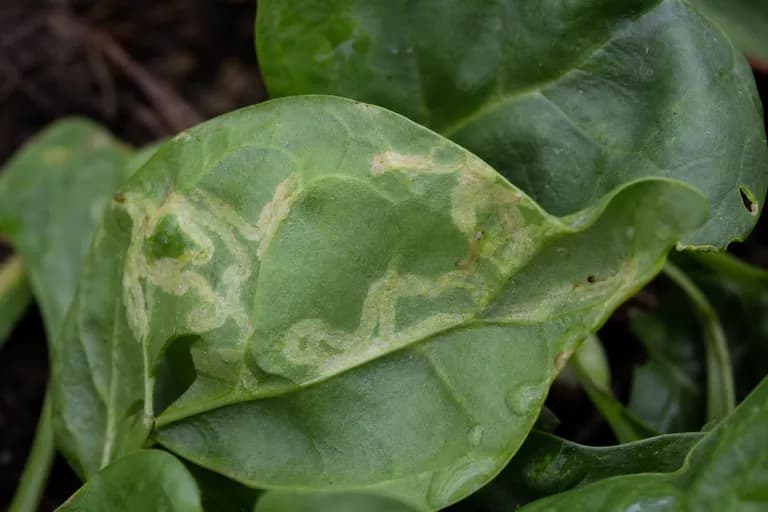
Mildiú velloso
EnfermedadManchas amarillentas en el haz de las hojas con esporulación grisácea en el envés, que aparecen principalmente en condiciones frescas y húmedas de primavera y otoño.
Solución de problemas comunes
La principal preocupación es que puede expandirse vigorosamente por auto-siembra y rizomas, volviéndose difícil de controlar en espacios pequeños. Elimina las espigas florales antes de que maduren las semillas para limitar la propagación. Las hojas contienen oxalatos como la espinaca, por lo que personas con tendencia a cálculos renales deben consumirlas con moderación.
Consejos de cultivo
- Cold-stratify seeds before sowing — this is the single most important step for success. Without 2-4 weeks of cold, moist treatment, germination rates can be as low as 10-20%. Alternatively, sow seeds outdoors in autumn and let winter provide natural stratification.
- Do not harvest anything in the first year. Good King Henry is a slow-establishing perennial and needs its entire first season to build the deep, fleshy rootstock that will sustain it for decades. Patience now means abundant harvests for 15-20 years.
- Earth up spring shoots for blanching by mounding 10-15 cm of soil, compost, or straw over emerging crowns in late winter. Blanched shoots are paler, sweeter, and more tender — this is the technique that earned the plant its 'poor man's asparagus' reputation.
- Always cook Good King Henry leaves before eating. Like spinach and many other Chenopodium relatives, the raw leaves contain oxalic acid that can irritate the mouth and reduce mineral absorption. Brief boiling, steaming, or sautéing neutralizes oxalates and improves flavor.
- Grow in rich, moisture-retentive soil with plenty of organic matter. Good King Henry is a heavy feeder that evolved in the nitrogen-rich soils near settlements and livestock areas. Annual top-dressing with well-rotted manure or compost is the single best thing you can do for productivity.
- Choose a position in partial shade to full sun. Unlike most vegetables, Good King Henry actually performs better with some afternoon shade in warmer climates, which prevents the leaf bitterness and premature bolting that occur in full sun during hot weather.
- Divide established clumps every 4-5 years in autumn or early spring to maintain vigor and expand your planting. Each division should include a portion of the fleshy rootstock with at least one growing bud. Replant immediately and water well.
- Pair with other perennial vegetables like perennial kale, sorrel, and rhubarb to create a low-maintenance food garden that produces year after year. Good King Henry's deep roots do not compete aggressively with neighbors and it makes an excellent companion in a forest garden understory.
Cultiva tu mejor Buen Enrique — y todo lo que la rodea.
Empieza un plan gratis hoy. Diseña tus bancales, coloca tu Buen Enrique y deja que PlotMyGarden gestione el momento, el espaciado, las asociaciones y los recordatorios de la semilla a la cesta.
Elige tu Buen Enrique
Tipo silvestre europeo
La forma tradicional recolectada y cultivada en Europa durante siglos. Hojas triangulares grandes de color verde oscuro con textura similar a la espinaca. Muy resistente al frío hasta -30°C. Perenne, primeras hojas a los 60 días.
Lincolnshire Spinach
Selección inglesa con hojas más grandes y tiernas que el tipo silvestre, tradicionalmente cultivada en jardines de cottage. Excelente producción de hojas durante toda la temporada. Perenne, 50-60 días.
Mercury (forma mejorada)
Selección con mejor vigor vegetativo y hojas más amplias. Produce brotes primaverales más gruesos, ideales para blanqueo como espárragos. Buena tolerancia a diferentes tipos de suelo. Perenne, 55-65 días.
Good King Henry is a plant-once, harvest-forever perennial vegetable — a single plant costing $3-6 produces food for 15-20 years with virtually no ongoing cost. The spring shoots provide a genuine asparagus substitute at a time when fresh asparagus sells for $5-10 per bunch, and the summer leaves replace spinach at $3-5 per bag. Over its lifetime, a single plant can easily provide $50-100 worth of produce with no replanting, minimal inputs, and almost zero maintenance.
Recetas rápidas
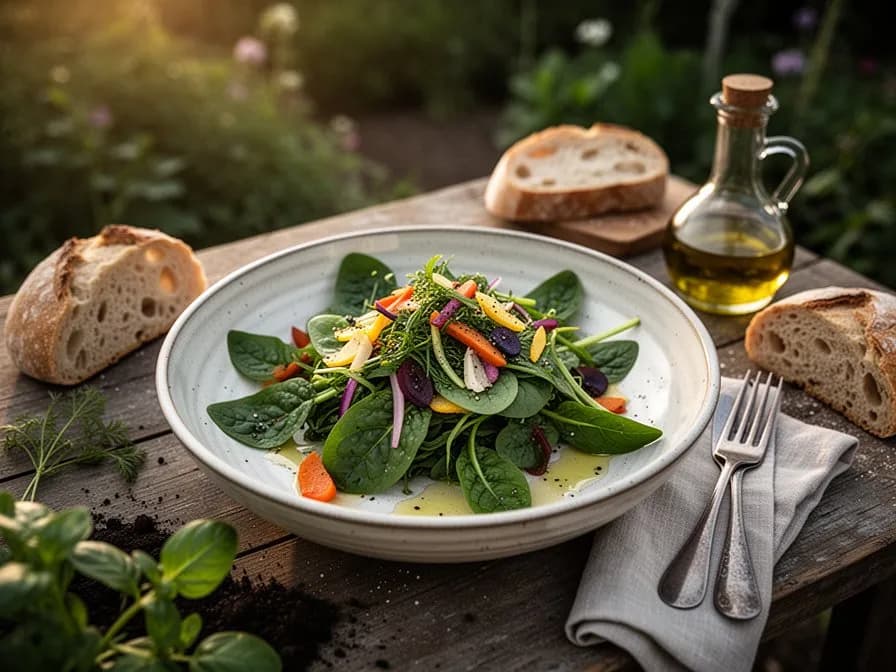
Buttered Good King Henry Shoots
10 minThe simplest and most traditional way to enjoy Good King Henry — young blanched shoots steamed and served with melted butter, just as English cottage gardeners have prepared them for centuries. The flavor is reminiscent of asparagus with a hint of spinach.
5 ingredientesGood King Henry and Ricotta Tart
45 minA savory tart featuring wilted Good King Henry leaves folded into a creamy ricotta and Parmesan filling — a beautiful way to use a large leaf harvest. The slightly mineral, earthy flavor of the leaves pairs perfectly with the rich cheese filling.
8 ingredientesGood King Henry Colcannon
30 minA twist on the classic Irish potato dish using Good King Henry leaves instead of cabbage or kale. The earthy, spinach-like greens melt into buttery mashed potatoes for the ultimate heritage comfort food.
6 ingredientesUsos culinarios
Las hojas jóvenes se preparan como espinacas: salteadas con ajo y aceite de oliva, en sopas, quiches, tortillas o como guarnición al vapor. Los brotes blanqueados se cocinan como espárragos, al vapor o salteados con mantequilla. Las inflorescencias jóvenes se saltean brevemente como brócoli. Es una verdura rica en hierro, vitamina C y proteínas vegetales.
Qué contiene
Beneficios para la salud
- Exceptionally high in vitamin A as beta-carotene (over 100% DV per 100g), essential for maintaining healthy vision, supporting immune cell production, and promoting skin and mucous membrane integrity.
- Good source of iron (2.4mg per 100g) which supports oxygen transport in the blood and helps prevent iron-deficiency anemia — particularly valuable as a plant-based iron source when paired with vitamin C-rich foods.
- Contains meaningful calcium (70mg per 100g) for bone and dental health — cooking the leaves breaks down oxalates that otherwise bind calcium, significantly improving mineral bioavailability.
- Rich in B-vitamins including folate, which is essential for DNA synthesis, cell division, and is critically important during pregnancy for preventing neural tube defects.
- The high fiber content supports digestive health, promotes regular bowel movements, and feeds beneficial gut bacteria that produce short-chain fatty acids important for colon health.
- Traditionally used in European folk medicine as a gentle laxative, a wound poultice (the leaves were applied to minor burns and skin irritations), and a spring tonic to restore vitality after winter — reflecting centuries of observed health benefits.
De dónde viene Buen Enrique
Good King Henry (Chenopodium bonus-henricus) is native to the mountainous regions of central and southern Europe, where it grows wild in nutrient-rich soils near settlements, pastures, and mountain meadows from the Pyrenees to the Carpathians and northward into Scandinavia and the British Isles. It thrives at altitudes up to 2,500 metres in the Alps and has been gathered as a wild food for thousands of years, with archaeological evidence of its use dating back to Neolithic settlements.
The plant was formally cultivated from at least the medieval period, becoming one of the most important potherbs in European cottage gardens and monastery plots from the 12th century onward. It was grown across England, Germany, the Netherlands, and Scandinavia as a reliable perennial vegetable that provided three distinct harvests: asparagus-like spring shoots, spinach-like summer leaves, and broccoli-like flower buds. In an era before refrigeration and global trade, a perennial vegetable that reliably produced food year after year with minimal care was enormously valuable to subsistence households.
The plant's popularity began to decline after spinach was introduced to European gardens from Persia in the medieval period. Spinach grew faster, produced more abundantly in its first year, and had a milder flavor that suited changing tastes. By the 18th century, Good King Henry had largely retreated from market gardens to cottage plots and wild margins. English colonists brought it to North America, where it naturalized in parts of New England and eastern Canada but never achieved widespread cultivation. Today, Good King Henry is experiencing a modest revival among permaculture practitioners and heritage vegetable enthusiasts who value its extraordinary longevity, minimal care requirements, and role as a rare edible perennial in the temperate vegetable garden.
Buen Enrique: ¿sabías que?
Datos fascinantes sobre Buen Enrique
Good King Henry (Chenopodium bonus-henricus) is named not after any English king but after the German folklore figure Heinrich, a helpful household elf — the 'Good' distinguishes it from the poisonous 'Bad Henry' (Mercurialis perennis, dog's mercury).
Buen Enrique: preguntas frecuentes
¿Cuándo debo plantar Buen Enrique?
¿Cuáles son buenas plantas acompañantes para Buen Enrique?
¿En qué zonas de rusticidad puede crecer Buen Enrique?
¿Cuánto sol necesita Buen Enrique?
¿A qué distancia debo espaciar Buen Enrique?
¿Qué plagas y enfermedades afectan a Buen Enrique?
¿Cómo almaceno Buen Enrique después de la cosecha?
¿Cuáles son las mejores variedades de Buen Enrique para cultivar?
¿Qué suelo necesita Buen Enrique?
Why are my Good King Henry seeds not germinating?
Can I eat Good King Henry leaves raw in salads?
How long does it take before I can start harvesting Good King Henry?
Is Good King Henry the same as lamb's quarters or fat hen?
What growing zones are suitable for Good King Henry?
How do I propagate Good King Henry if seed germination is so difficult?
Acabas de leer la teoría. Ahora cultívala en piloto automático.
Todo lo que hace que Buen Enrique sea delicado — el momento, el espaciado, las asociaciones, la ventana de cosecha — es justo lo que PlotMyGarden resuelve por ti, para cada planta de tu huerto.
Un plan que conoce tu clima
Indica tu ubicación una vez. Recibe fechas de siembra, abonado y cosecha basadas en tu última helada real y el pronóstico en vivo — sin adivinar con un sobre genérico.
De la sección “Cuándo plantar”Planificador de bancales de arrastrar y soltar
Diseña bancales sobre una cuadrícula. Cada planta encaja con su espaciado correcto y ves toda la temporada antes de gastar un céntimo en semillas.
De la sección “Cultivo”Conflictos de asociación, detectados a tiempo
Más de 200 buenas y malas combinaciones comprobadas en vivo mientras plantas — para que un error que arruine la temporada nunca llegue a la tierra.
De la sección “Asociaciones”Recordatorios que sí vas a seguir
“Riega las judías.” “Recoge hoy antes de que se pase.” Oportunos, concretos y ligados a las plantas que de verdad cultivas.
De la sección “Cosecha”Escalonado, programado
¿Quieres cosechar seis semanas en vez de seis días? Reparte tus siembras automáticamente y te avisa cuando toca el siguiente lote.
De la sección “Cuándo plantar”Un registro que se vuelve más listo
Cada cosecha que registras le enseña tu huerto. El plan del año que viene parte de lo que de verdad funcionó en tu suelo, no en un manual.
De la sección “Resumen”Planta estos junto a Buen Enrique
Más Hortalizas de hoja
Cultiva tu mejor Buen Enrique — y todo lo que la rodea.
Empieza un plan gratis hoy. Diseña tus bancales, coloca tu Buen Enrique y deja que PlotMyGarden gestione el momento, el espaciado, las asociaciones y los recordatorios de la semilla a la cesta.