Calabaza de Botella (Lagenaria)
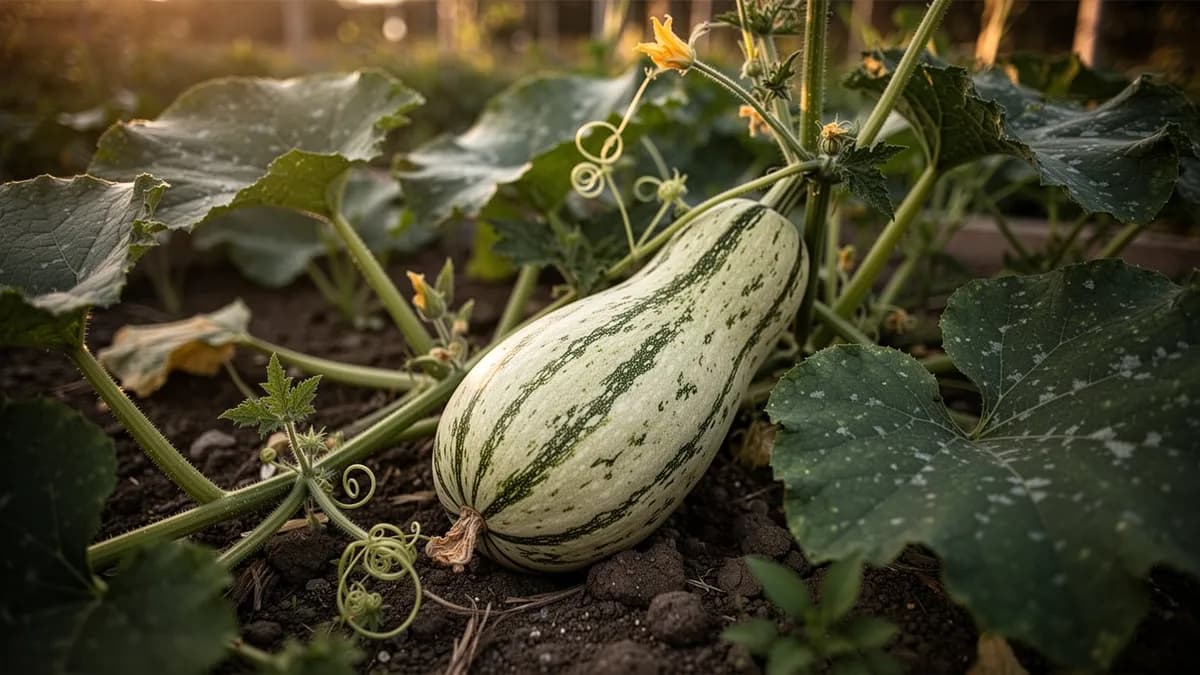
La calabaza de botella (Lagenaria siceraria) es una de las plantas cultivadas más antiguas del mundo, con frutos que varían enormemente en forma: desde largos cilindros hasta bulbosos con cintura estrecha.





En esta páginaResumen
Conoce Calabaza de Botella (Lagenaria)
La calabaza de botella (Lagenaria siceraria) es una de las plantas cultivadas más antiguas del mundo, con frutos que varían enormemente en forma: desde largos cilindros hasta bulbosos con cintura estrecha. Originaria de África, se utiliza tanto como verdura joven en la cocina asiática e india como para fabricar recipientes, instrumentos musicales y artesanías cuando los frutos maduros se secan.
Cuándo plantar Calabaza de Botella (Lagenaria)
Remoje las semillas 24-48 horas y escarifique la cubierta con lima. Siembre a 2-3 cm de profundidad a 25-30 °C. Germinación en 7-14 días. Trasplante con cuidado ya que las raíces son sensibles. Plante junto a soporte inmediatamente.
Tu año de Calabaza de Botella (Lagenaria)
Ajustado a Zona 7 · temporada típica · la helada se va hacia el 2 abr y vuelve hacia el 1 nov
Planta Calabaza de Botella (Lagenaria) Abr – Jun y cosecha Ago – Oct. Consulta los métodos de plantación y elige tu clima para adaptar los periodos.
Cómo cultivar Calabaza de Botella (Lagenaria)
Siembre en interiores 3-4 semanas antes de la última helada, remojando las semillas 24-48 horas antes. Plante a 2-3 cm de profundidad a 25-30 °C para germinación en 7-14 días. Las semillas tienen cubierta dura; la escarificación ayuda.
Trasplante cuando las noches superen 15 °C, espaciando 90-120 cm junto a un enrejado robusto. Las enredaderas son extremadamente vigorosas y pueden alcanzar 5-10 metros. Riegue abundantemente con 4-5 cm semanales.
Fertilice generosamente con compost y abono equilibrado cada 2-3 semanas. Las flores blancas se abren al atardecer y son polinizadas por polillas nocturnas; puede ser necesaria la polinización manual. Los frutos jóvenes crecen rápidamente y deben cosecharse cuando son pequeños y tiernos para uso culinario.
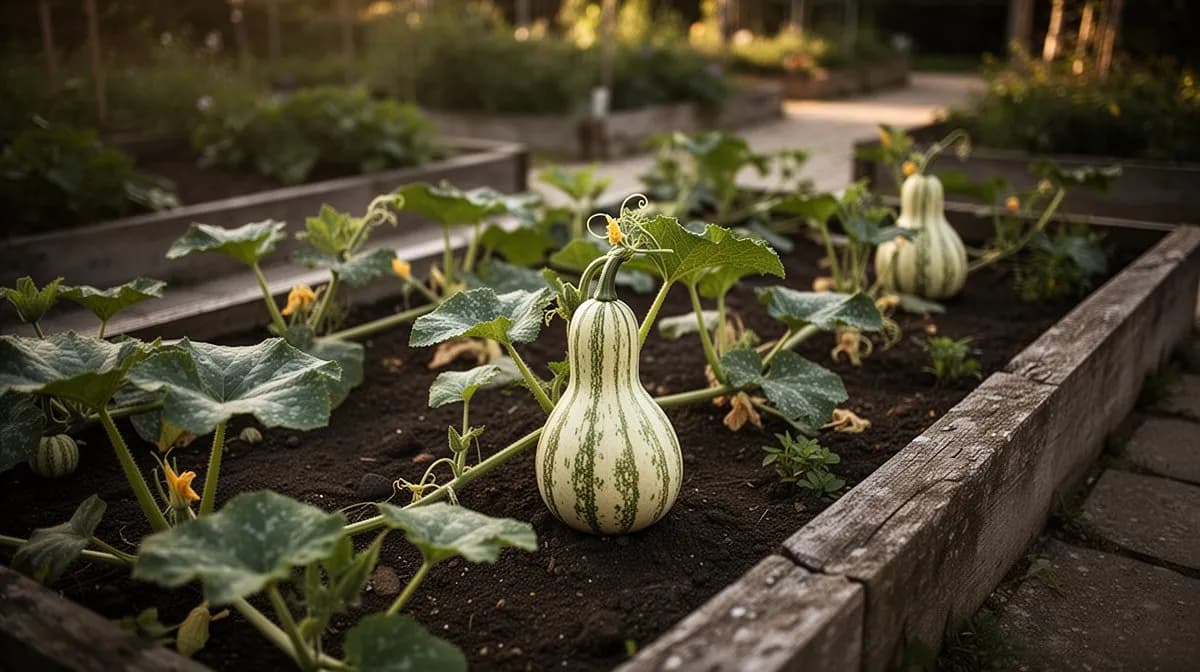
2 plantas caben en un bancal de 120 × 240 cm
Cada Calabaza de Botella (Lagenaria) pide 120 cm de margen. El planificador guarda ese marco por ti — cada planta, cada bancal.
Los mejores vecinos de Calabaza de Botella (Lagenaria)
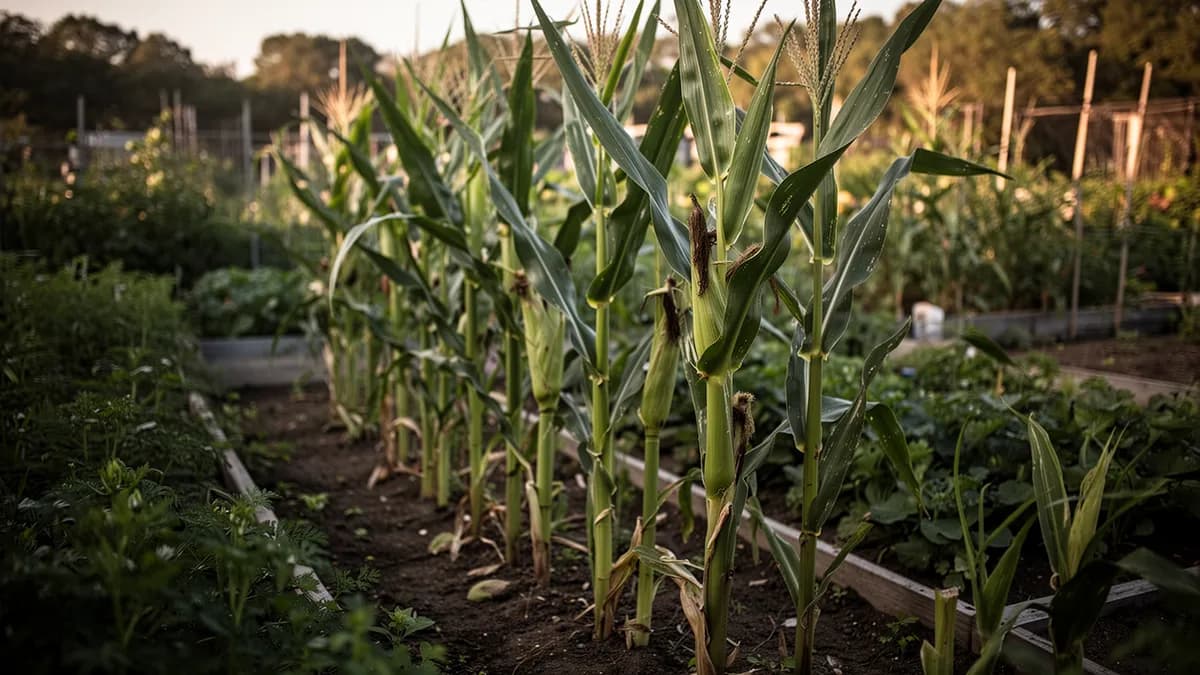
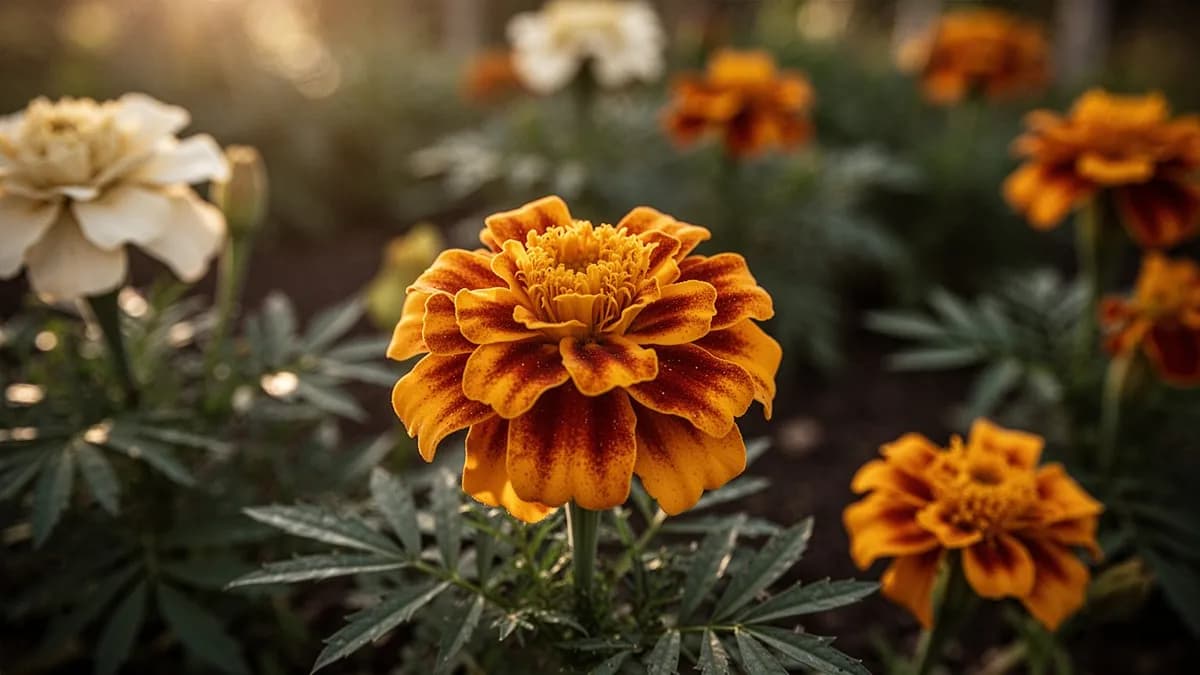
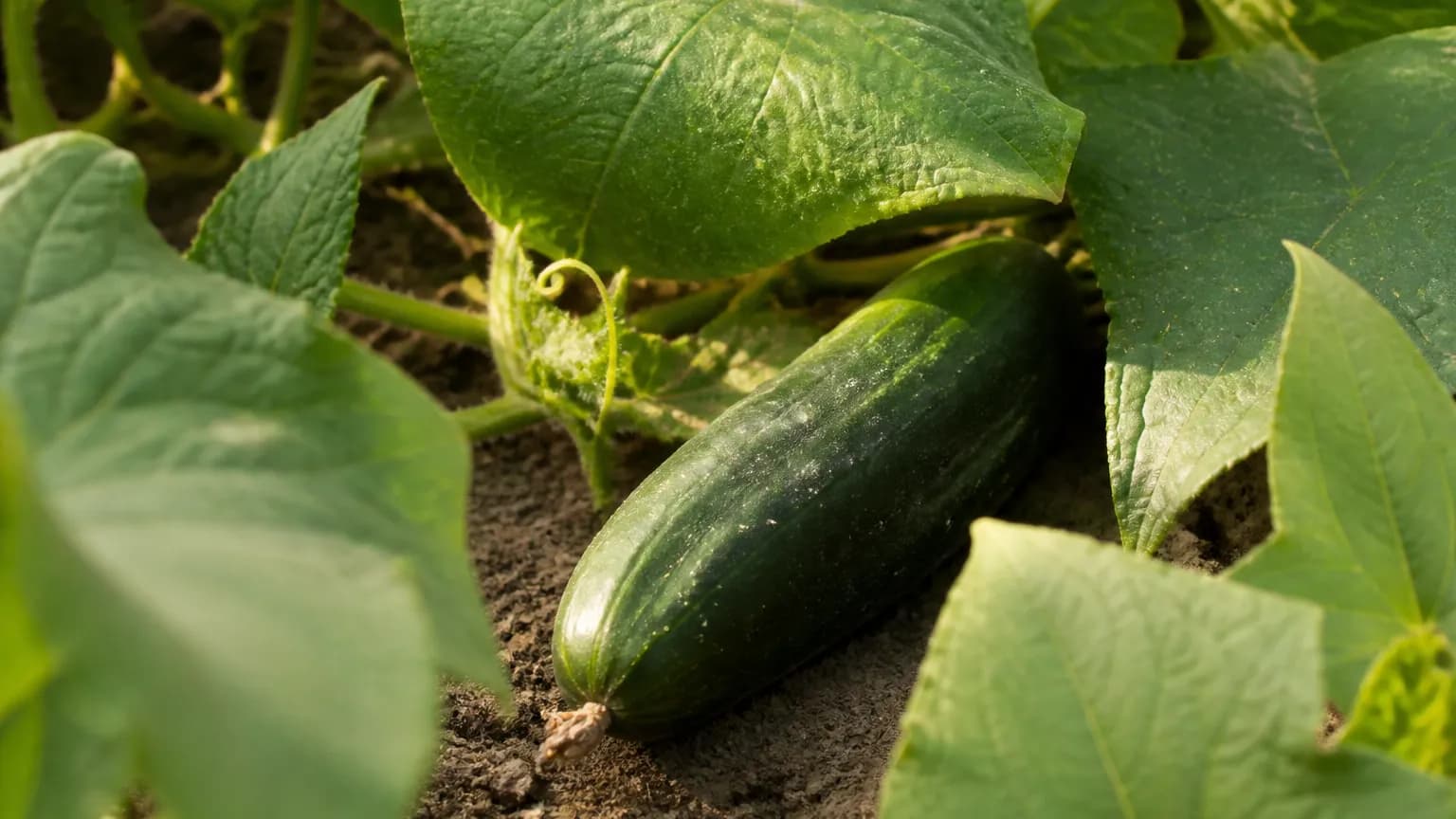
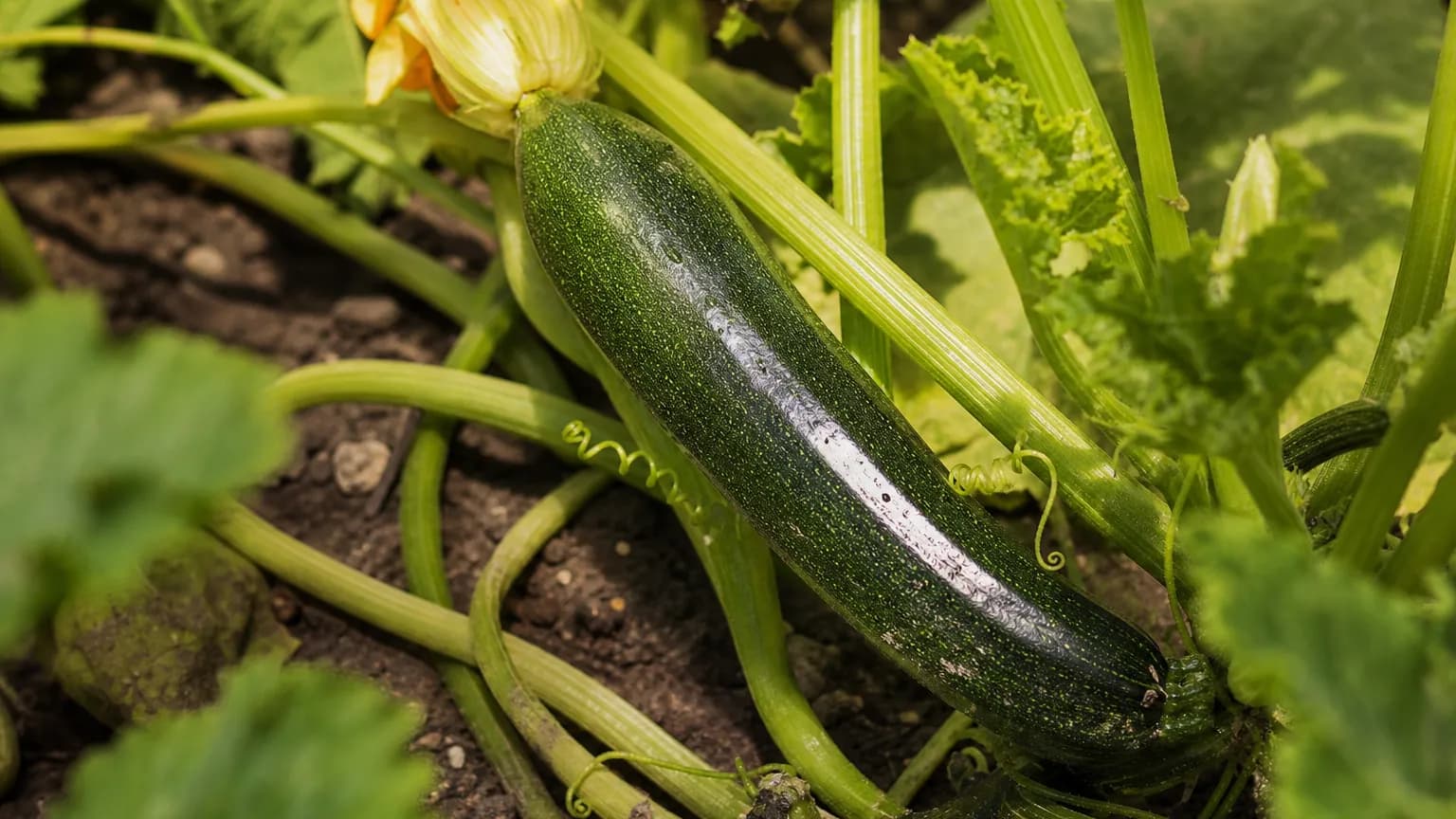
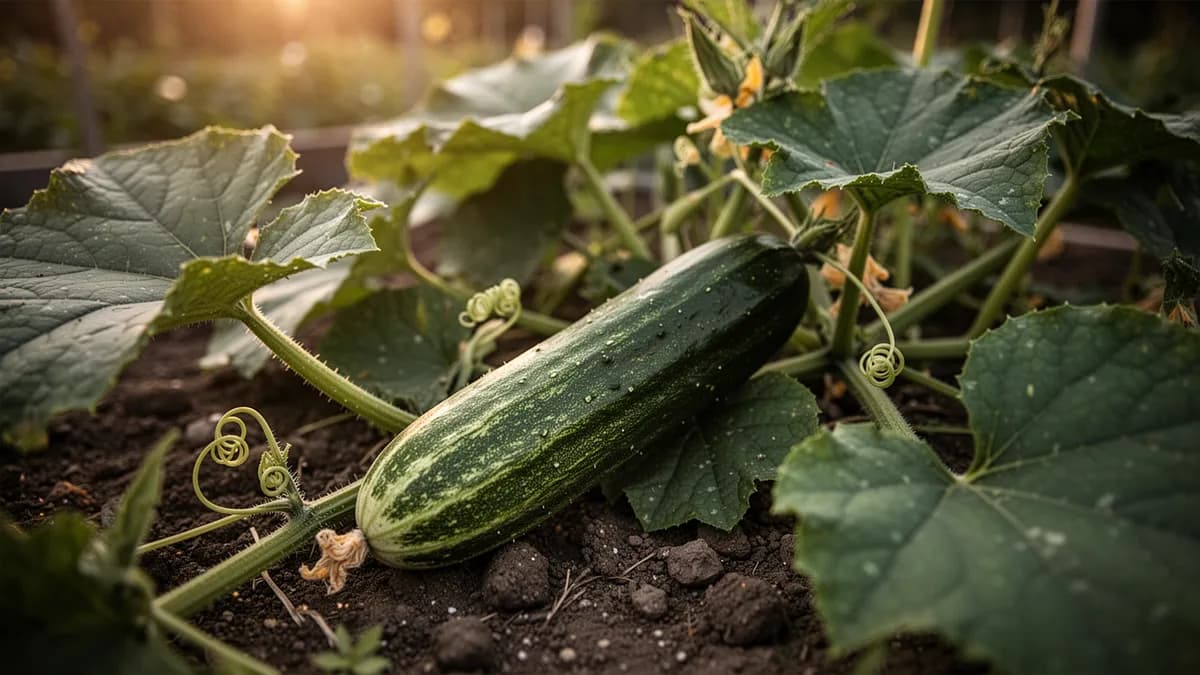
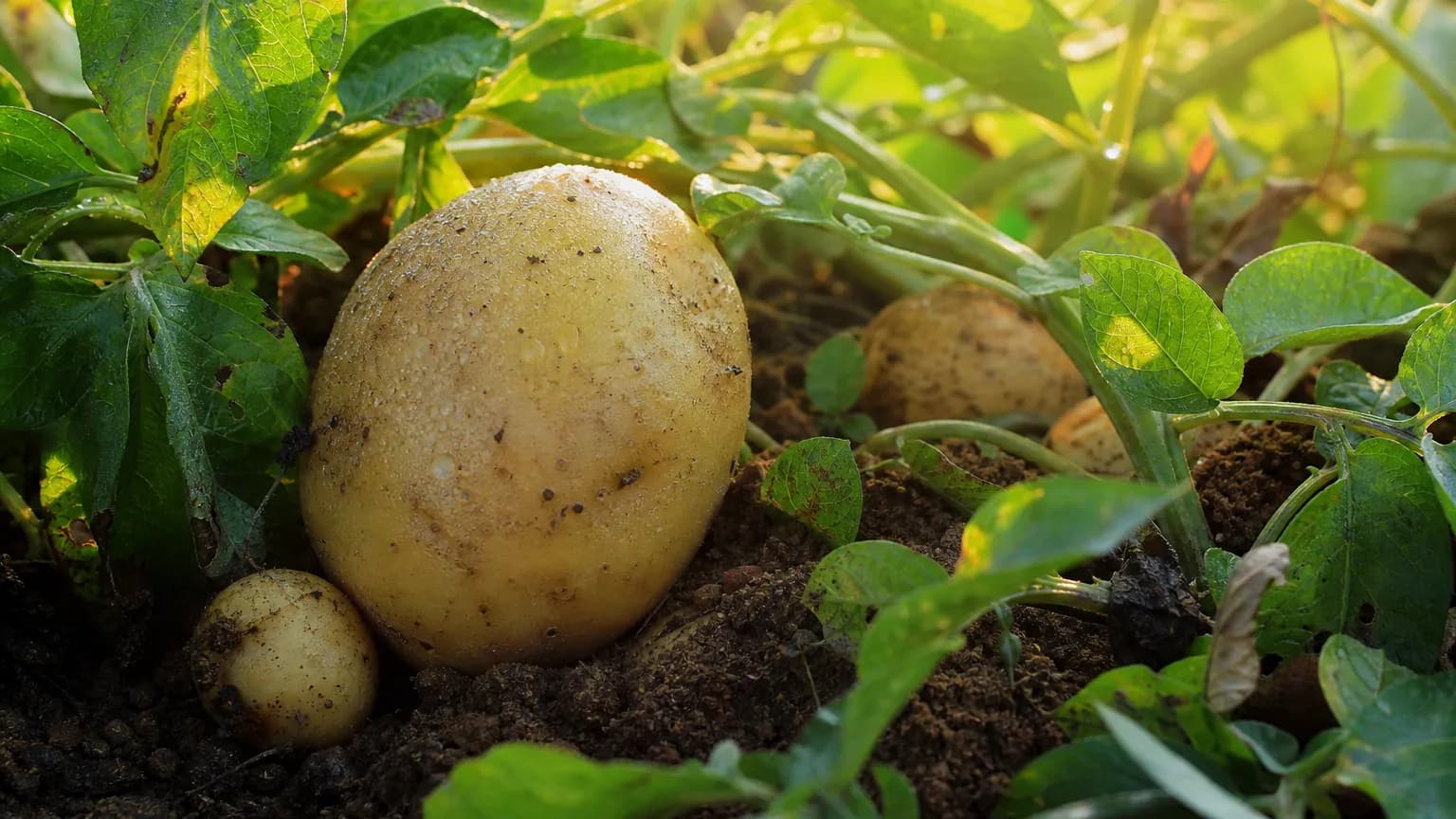
Crece bien junto a maíz que proporciona soporte parcial. Los frijoles fijan nitrógeno beneficioso. Las caléndulas repelen moscas de la fruta. Evite plantar junto a otras cucurbitáceas para reducir enfermedades.
Maíz va a su lado. Papa no.
Saber de huerto de siempre, cotejado con la tabla real de Calabaza de Botella (Lagenaria) — prueba cualquier planta que cultives.
Prueba Calabaza de Botella (Lagenaria) en un bancal, aquí mismo
Un bancal real del planificador con Calabaza de Botella (Lagenaria) ya plantado. Toca una planta compañera para colocarla y mira cómo responde la comprobación de vecinos: verde para buenos vecinos, rojo si hay conflicto.


Guías de cultivo relacionadas
Abónalo bien
Suelos ricos, profundos y bien drenados con pH 6,0-7,0. Enmiende generosamente con compost. Fertilice cada 2-3 semanas con abono equilibrado. Las plantas son muy voraces y necesitan nutrición abundante para sostener el crecimiento rápido de las enredaderas.
Temperatura ideal
Compatibilidad de zonas de rusticidad
De la semilla a la cosecha, etapa por etapa
Siembra
Las semillas grandes y planas germinan con rapidez en suelo cálido, emitiendo primero una radícula blanca y gruesa y después cotiledones grandes. Las semillas necesitan temperaturas del suelo de al menos 20 °C y germinan mejor a 25-30 °C.
Crecimiento de la plántula
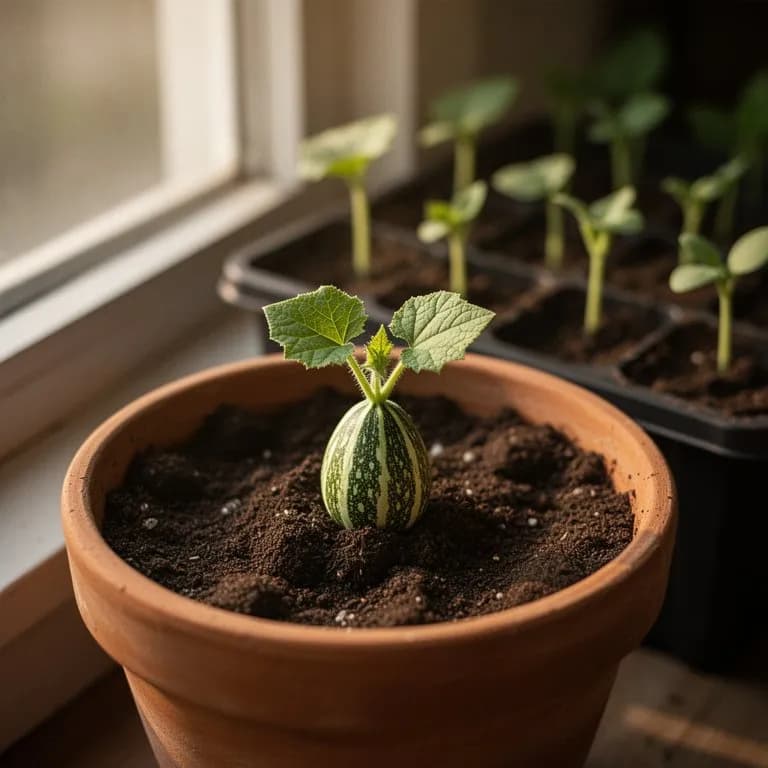
Las primeras hojas verdaderas desarrollan la forma característica: grandes, redondeadas y suavemente vellosas. El tallo se engrosa rápidamente y comienzan a aparecer zarcillos en los nudos foliares. Las plántulas crecen con rapidez en condiciones cálidas y necesitan soporte temprano a medida que se establece el hábito trepador.
Expansión de la vid
La vid entra en un crecimiento explosivo, avanzando 5-10 cm por día con calor. Las grandes hojas acorazonadas se despliegan rápidamente a lo largo de tallos vigorosos que pueden alcanzar 5-10 metros de longitud. Los zarcillos fuertes se enrollan con firmeza en cualquier soporte disponible. La planta desarrolla un sistema radicular extenso para alimentar este rápido crecimiento aéreo.
Floración
Las flores blancas grandes se abren a última hora de la tarde y por la noche, y permanecen abiertas durante toda la noche para la polinización por polillas. Las flores masculinas aparecen primero y en mayor número, y las femeninas llegan 1-2 semanas después. Las flores femeninas se reconocen por la pequeña hinchazón (fruto en miniatura) en la base de la flor.
Desarrollo del fruto
Las flores femeninas polinizadas se desarrollan rápidamente en frutos alargados o con forma de botella, con piel lisa de color verde pálido. Los frutos pueden crecer 3-5 cm por día con calor y alcanzar un tamaño cosechable (15-30 cm) en 2-3 semanas después de la polinización. La pulpa es blanca, esponjosa y de sabor suave en esta etapa tierna.
Cosecha y maduración
La cosecha en estado comestible continúa durante 6-8 semanas mientras la vid produce nuevos frutos. Para producir calabazas secas, los frutos se dejan en la vid hasta que el tallo se seca y la cáscara se endurece hasta volverse leñosa. La planta sigue floreciendo y formando nuevos frutos hasta que la temperatura baja de 15 °C.
Remoja las semillas en agua tibia durante 24 horas antes de plantarlas; esto ablanda la cubierta dura y acelera mucho la germinación. Si inicias en interior, siémbralas a 2-3 cm de profundidad en macetas grandes y biodegradables, ya que las plántulas de calabaza botella resienten el trasplante.
Cuidar Calabaza de Botella (Lagenaria) mes a mes
Qué hacer cada mes para tu Calabaza de Botella (Lagenaria)
Octubre
Mes actualFinal edible harvests in most zones as temperatures cool. Leave gourds intended for drying on the vine as long as possible — the stem should be completely dry and brown before cutting. Begin removing spent vine growth from trellises.
Ten claro qué hacer en tu huerto, cada mes
Un correo al empezar cada mes: qué sembrar, plantar y hacer ahora mismo — para tu Calabaza de Botella (Lagenaria) y todo lo que crece alrededor. Más un breve curso inicial para esquivar los errores clásicos.
- Qué hacer ahora mismo
- Ajustado a tu temporada
- Curso inicial incluido
Cosechar Calabaza de Botella (Lagenaria)
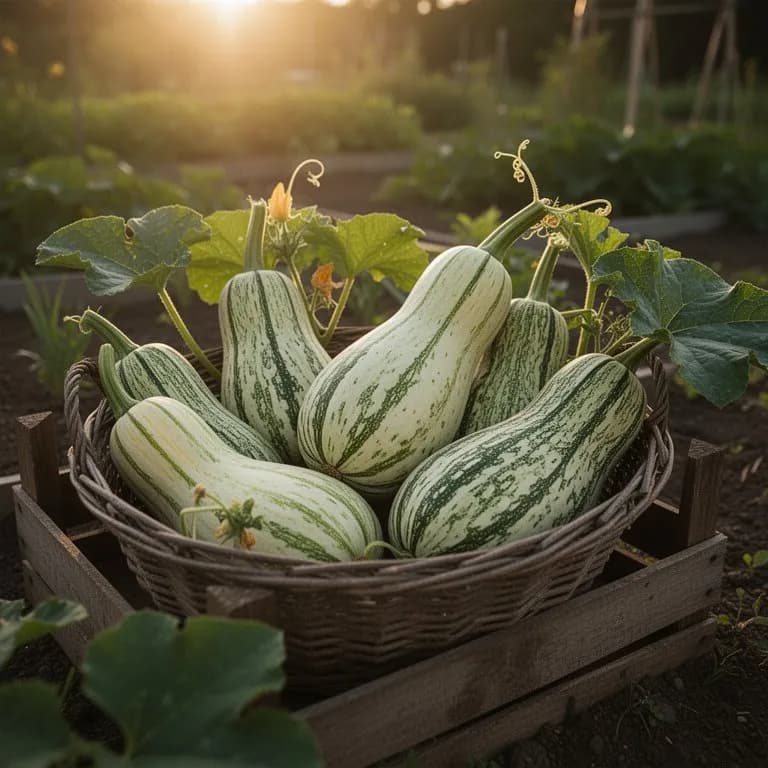
Para uso culinario, coseche cuando los frutos midan 15-30 cm y la piel se pueda perforar fácilmente con la uña, unos 60-70 días tras la siembra. Para artesanía, deje madurar completamente hasta que la piel se endurezca y la enredadera se seque. Corte con tijeras dejando 5 cm de pedúnculo.
se supone que plantas al comenzar el periodo — indica tu fecha real
Cosecha cuando los frutos estén jóvenes y tiernos, normalmente de 12-15 pulgadas de largo y con una piel que se pueda perforar fácilmente con una uña.
Almacenamiento y conservación
Los frutos jóvenes frescos se conservan en refrigerador 5-7 días. Los frutos maduros para artesanía se secan durante varios meses hasta que las semillas sueltas suenen al agitarlos. Para uso culinario, la pulpa se puede congelar rallada o en cubos.
Qué falla — y cómo solucionarlo
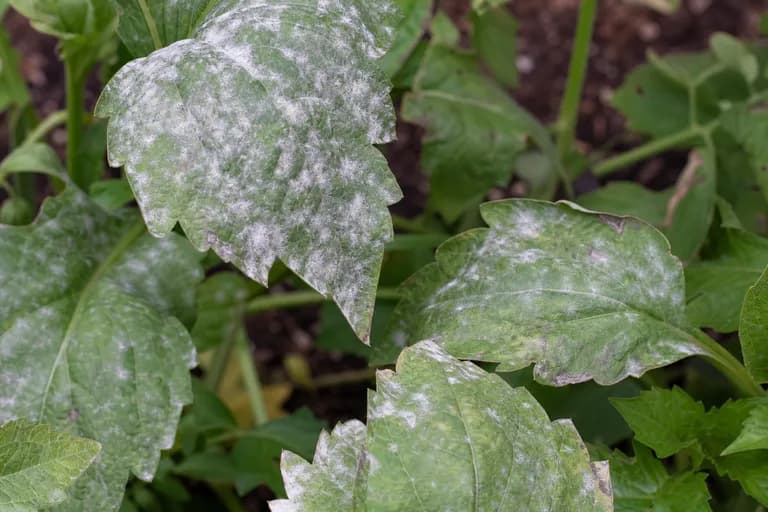
Oídio (Podosphaera xanthii)
EnfermedadPolvo blanco en hojas que progresa a necrosis y defoliación.
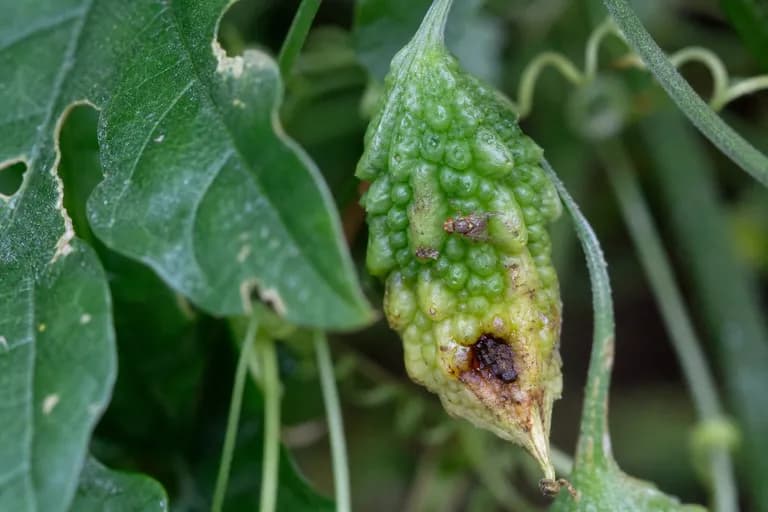
Mosca de la fruta (Bactrocera cucurbitae)
PlagaPunciones y pudrición en frutos jóvenes.
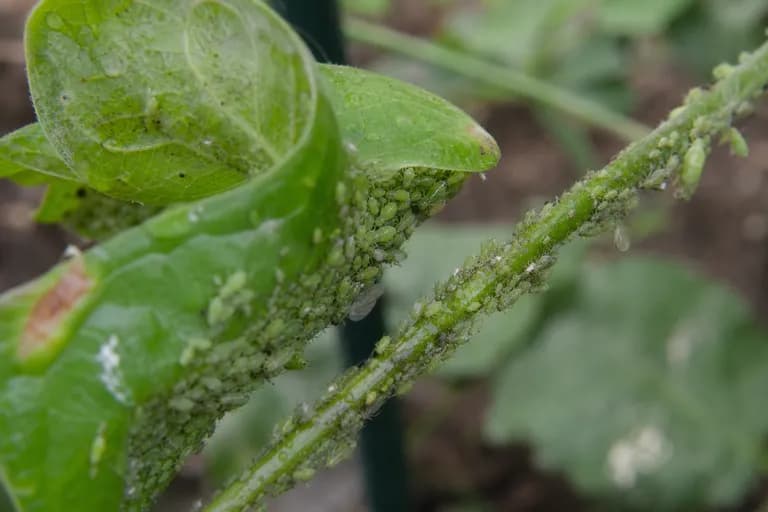
Araña roja (Tetranychus urticae)
PlagaPunteado amarillo en hojas, telarañas finas, bronceado foliar.
Solución de problemas comunes
Las enredaderas son extremadamente vigorosas y pueden invadir todo el huerto sin control. La polinización puede ser problemática ya que las flores se abren de noche. Los frutos demasiado maduros son incomestibles y leñosos. Necesitan mucho espacio y soporte robusto.
Consejos de cultivo
- Build your support structure before planting, not after. Bottle gourd vines grow explosively and heavy fruits can snap weak supports without warning. Use sturdy wooden beams or metal pipe frames rated for at least 50 kg of hanging weight per linear meter.
- Hand-pollinate every evening during the flowering period. Bottle gourd flowers open at dusk and are naturally pollinated by moths — in most home gardens, moth populations are insufficient for reliable fruit set. Transfer pollen from male to female flowers with a soft brush between 6-8 PM.
- Grow vertically whenever possible. Trellised bottle gourds produce straighter, cleaner fruit and are less prone to rot and pest damage than ground-grown vines. Vertical growing also saves enormous amounts of garden space for such a vigorous plant.
- Harvest edible gourds when young and tender — test by pressing a fingernail into the skin. If it punctures easily, the gourd is ready. Once the skin resists puncture, the flesh becomes spongy and fibrous with a bitter aftertaste that makes it unpleasant to eat.
- Limit each vine to 4-6 developing fruits at any time by removing excess baby gourds. This directs the plant's energy into fewer, larger, better-quality fruits rather than many small, tough ones.
- Water deeply and consistently, especially during fruit development. Bottle gourd's massive leaf surface transpires enormous amounts of water — a mature vine in hot weather may need 10-15 liters per day. Inconsistent watering causes misshapen or bitter fruit.
- Prune lateral branches beyond the second leaf node after a fruit has set. This concentrates the vine's energy into existing fruit rather than endless vegetative growth. The main vine can be allowed to continue extending to set additional fruit higher on the trellis.
- Watch for fruit flies, which lay eggs in developing gourds causing internal rot. Cover young fruits with mesh bags or old nylon stockings as a physical barrier. Remove and destroy any fruits showing soft spots or frass holes immediately.
Cultiva tu mejor Calabaza de Botella (Lagenaria) — y todo lo que la rodea.
Empieza un plan gratis hoy. Diseña tus bancales, coloca tu Calabaza de Botella (Lagenaria) y deja que PlotMyGarden gestione el momento, el espaciado, las asociaciones y los recordatorios de la semilla a la cesta.
Elige tu Calabaza de Botella (Lagenaria)
Long Handle Dipper
Frutos con cuello largo y base redonda, ideales para cucharones artesanales. Como verdura, el cuello joven es tierno. Madura en 120 días.
Birdhouse
Frutos redondos con cuello corto, clásicos para casas de pájaros. La pulpa joven es comestible y suave. Madura en 130 días.
Opo (Long Melon)
Variedad asiática cilíndrica de 30-50 cm para consumo como verdura. Pulpa tierna y sabor suave. Madura en 60 días como verdura.
Indian Round
Frutos redondos de 15-20 cm, populares en la cocina india como lauki. Pulpa blanca y esponjosa. Madura en 55 días.
Bottle gourd seeds cost just $2-4 per packet, yet a single vine can produce 10-20 gourds over a season. Fresh bottle gourd sells for $3-6 per kg at Asian grocery stores and specialty markets, meaning one productive vine can easily yield $30-80 worth of produce. For crafters, dried decorative gourds sell for $5-20 each depending on size and shape — a single vine producing 6-10 mature dried gourds can represent $50-150 in craft value.
Recetas rápidas
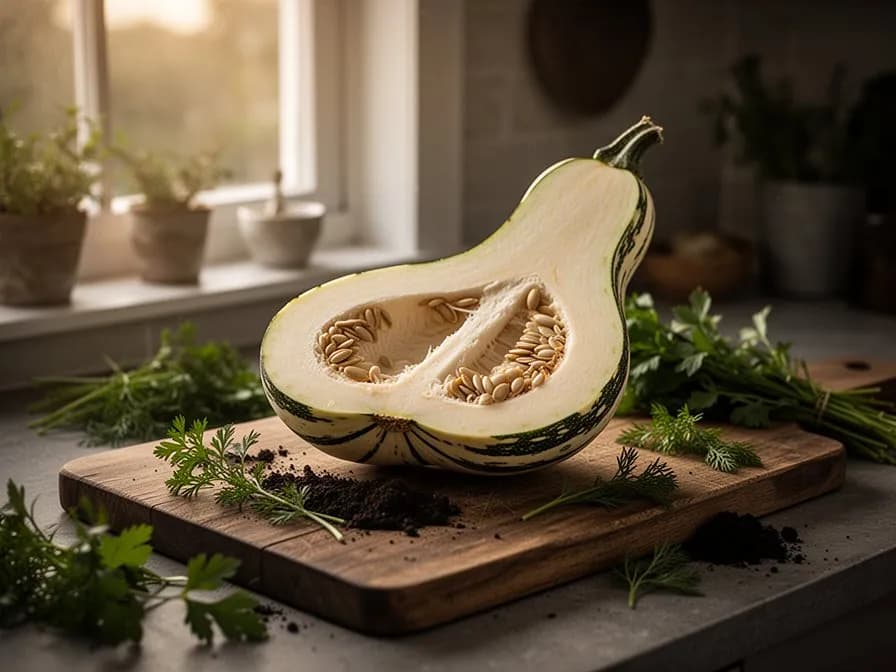
Lauki ki Sabzi (Spiced Bottle Gourd Curry)
30 minA classic North Indian home-style curry where tender bottle gourd cubes simmer in a fragrant tomato-onion sauce seasoned with cumin, turmeric, and fresh ginger. The gourd absorbs the spices beautifully while maintaining a delicate, melt-in-your-mouth texture.
11 ingredientesBottle Gourd and Lentil Soup (Dal Lauki)
40 minA nourishing one-pot soup that combines silky bottle gourd with protein-rich yellow lentils and a smoky tadka (tempered spice finish). This is everyday comfort food across South Asia — light yet deeply satisfying.
11 ingredientesStir-Fried Bottle Gourd with Garlic and Shrimp
20 minA quick Southeast Asian-style stir-fry that pairs the mild, absorbent flesh of bottle gourd with savory garlic and tender shrimp. The gourd soaks up the umami-rich sauce while staying pleasantly tender-crisp.
9 ingredientesUsos culinarios
Los frutos jóvenes se pelan, retiran las semillas y se cocinan como calabacín: en curry indio (lauki ki sabzi), en sopas asiáticas, salteados con especias, o rallados en buñuelos. En la cocina china se preparan en sopas con cerdo. La pulpa tiene sabor suave y neutro que absorbe condimentos.
Qué contiene
Beneficios para la salud
- Extremely low calorie density at just 14 calories per 100g with over 92% water content, making it one of the best vegetables for weight management and calorie-controlled diets.
- Rich in soluble dietary fiber that supports digestive regularity, feeds beneficial gut bacteria, and may help reduce LDL cholesterol when consumed as part of a balanced diet.
- Widely used in traditional Ayurvedic medicine as a cooling food that helps reduce excess body heat, support urinary health, and ease digestive discomfort during hot weather.
- Contains meaningful amounts of vitamin C (11% DV per 100g) that supports immune function, collagen production, and enhances the absorption of plant-based iron from meals.
- Provides B-complex vitamins including thiamine, niacin, and pantothenic acid that play essential roles in energy metabolism and nervous system function.
- The high water and potassium content combined with low sodium makes bottle gourd naturally supportive of healthy blood pressure levels and cardiovascular function.
De dónde viene Calabaza de Botella (Lagenaria)
Bottle gourd (Lagenaria siceraria) is native to tropical Africa, where wild populations still grow in the savannas and forest margins of sub-Saharan regions. It is among the earliest plants domesticated by humans — archaeological evidence from sites in Peru, Thailand, Mexico, Egypt, and East Africa dates its cultivation to at least 10,000 years ago, making it one of the few crops cultivated before the development of agriculture as we know it. The initial domestication may have been for the dried shell rather than the flesh, as the hardened gourd provided lightweight, waterproof containers long before pottery was invented.
The spread of bottle gourd across the globe is one of botany's great mysteries. Seeds and dried fruits are remarkably buoyant and can survive months floating in seawater without losing viability. Scientists believe gourds drifted across the Atlantic Ocean from Africa to South America, where indigenous peoples independently domesticated the plant. DNA studies published in 2005 confirmed that American bottle gourds originated from African populations, supporting the oceanic dispersal theory. This makes bottle gourd one of the few crops that reached the Americas without direct human transport.
Throughout recorded history, bottle gourd has been inseparable from daily life across Asia, Africa, and the Americas. In India, it has been a dietary staple and medicinal plant for thousands of years, featured prominently in Ayurvedic texts as a cooling, easily digestible food. Chinese records describe its cultivation for both food and containers dating back over 7,000 years. In Africa, gourds served as water vessels, storage containers, musical instruments, and ceremonial objects. European explorers in the 15th-17th centuries documented bottle gourds in nearly every tropical culture they encountered. Today, India and China are the largest producers, with the vegetable remaining a kitchen essential across South and Southeast Asia, where dozens of regional preparations showcase its mild, adaptable flavor.
Calabaza de Botella (Lagenaria): ¿sabías que?
Datos fascinantes sobre Calabaza de Botella (Lagenaria)
Bottle gourd (Lagenaria siceraria) is one of the oldest cultivated plants on Earth — archaeological evidence shows it was grown at least 10,000 years ago, predating the domestication of most cereal crops and even pottery in many cultures.
Calabaza de Botella (Lagenaria): preguntas frecuentes
¿Cuándo debo plantar Calabaza de Botella (Lagenaria)?
¿Cuáles son buenas plantas acompañantes para Calabaza de Botella (Lagenaria)?
¿En qué zonas de rusticidad puede crecer Calabaza de Botella (Lagenaria)?
¿Cuánto sol necesita Calabaza de Botella (Lagenaria)?
¿A qué distancia debo espaciar Calabaza de Botella (Lagenaria)?
¿Qué plagas y enfermedades afectan a Calabaza de Botella (Lagenaria)?
¿Cómo almaceno Calabaza de Botella (Lagenaria) después de la cosecha?
¿Cuáles son las mejores variedades de Calabaza de Botella (Lagenaria) para cultivar?
¿Qué suelo necesita Calabaza de Botella (Lagenaria)?
Why are my bottle gourd flowers falling off without setting fruit?
Can I eat bottle gourd raw or does it need to be cooked?
How do I dry bottle gourds for crafts and containers?
Why does my bottle gourd taste bitter and is it safe to eat?
How big does the trellis need to be for bottle gourd?
Can bottle gourd be grown in containers?
Acabas de leer la teoría. Ahora cultívala en piloto automático.
Todo lo que hace que Calabaza de Botella (Lagenaria) sea delicado — el momento, el espaciado, las asociaciones, la ventana de cosecha — es justo lo que PlotMyGarden resuelve por ti, para cada planta de tu huerto.
Un plan que conoce tu clima
Indica tu ubicación una vez. Recibe fechas de siembra, abonado y cosecha basadas en tu última helada real y el pronóstico en vivo — sin adivinar con un sobre genérico.
De la sección “Cuándo plantar”Planificador de bancales de arrastrar y soltar
Diseña bancales sobre una cuadrícula. Cada planta encaja con su espaciado correcto y ves toda la temporada antes de gastar un céntimo en semillas.
De la sección “Cultivo”Conflictos de asociación, detectados a tiempo
Más de 200 buenas y malas combinaciones comprobadas en vivo mientras plantas — para que un error que arruine la temporada nunca llegue a la tierra.
De la sección “Asociaciones”Recordatorios que sí vas a seguir
“Riega las judías.” “Recoge hoy antes de que se pase.” Oportunos, concretos y ligados a las plantas que de verdad cultivas.
De la sección “Cosecha”Escalonado, programado
¿Quieres cosechar seis semanas en vez de seis días? Reparte tus siembras automáticamente y te avisa cuando toca el siguiente lote.
De la sección “Cuándo plantar”Un registro que se vuelve más listo
Cada cosecha que registras le enseña tu huerto. El plan del año que viene parte de lo que de verdad funcionó en tu suelo, no en un manual.
De la sección “Resumen”Planta estos junto a Calabaza de Botella (Lagenaria)
Más Cucurbitáceas
Mantén Calabaza de Botella (Lagenaria) lejos de estos
Cultiva tu mejor Calabaza de Botella (Lagenaria) — y todo lo que la rodea.
Empieza un plan gratis hoy. Diseña tus bancales, coloca tu Calabaza de Botella (Lagenaria) y deja que PlotMyGarden gestione el momento, el espaciado, las asociaciones y los recordatorios de la semilla a la cesta.