Honeyberry
Lonicera caerulea
At a Glance
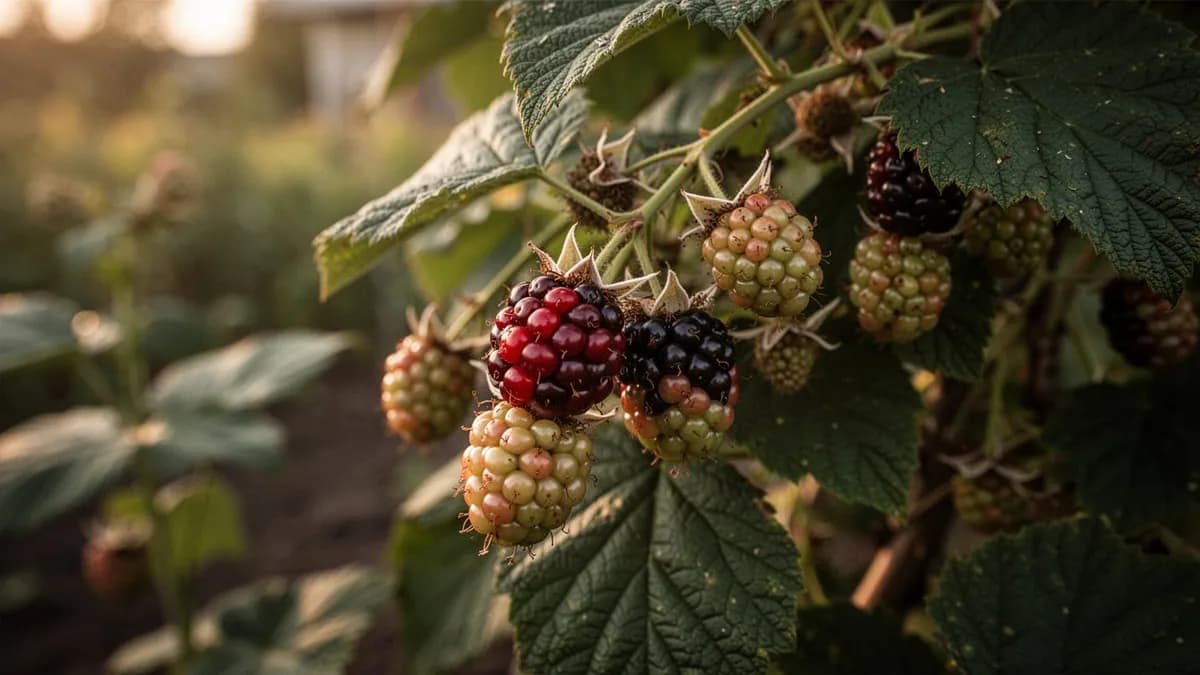
An extremely cold-hardy shrub producing elongated blue berries with a flavor reminiscent of blueberry and raspberry. Honeyberries are among the earliest fruits to ripen in spring and can tolerate winter temperatures to minus 50 degrees Fahrenheit. Plant at least two different cultivars for pollination as they are not self-fertile.
Planting & Harvest Calendar
Growth Stages
From Seed to Harvest
Dormant / Bare-Root Establishment
Days 0–30
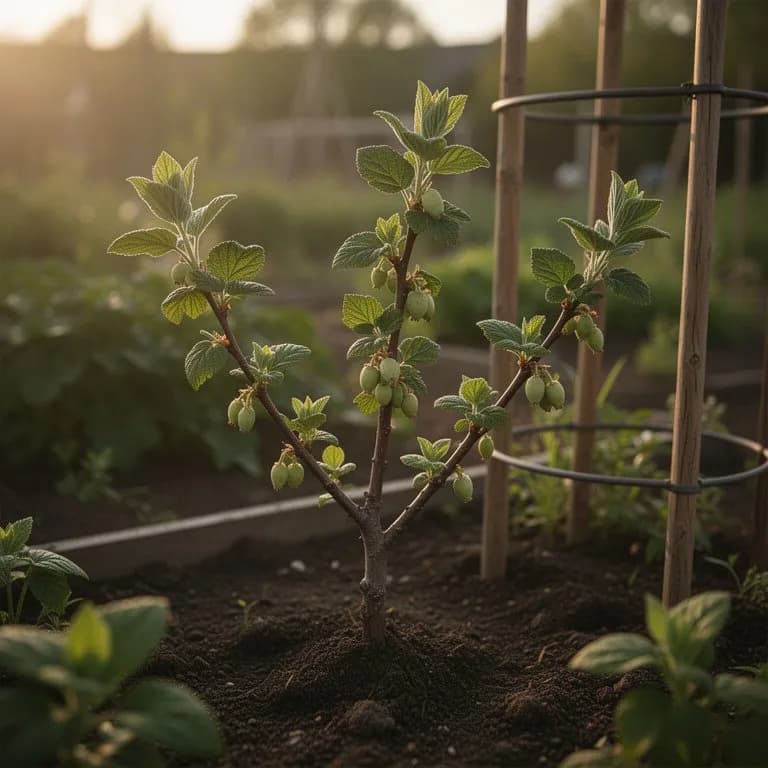
Newly planted bare-root or container honeyberries spend their first weeks establishing roots rather than producing visible top growth. The root system is actively colonising the surrounding soil, and the plant may appear unchanged or even slightly stressed. This is entirely normal. Patience is essential at this stage; disturbing or over-fertilising the plant now can set back establishment by weeks.
💡 Care Tip
Water in thoroughly at planting and keep soil consistently moist but not waterlogged for the first month. Avoid adding fertiliser at planting time; root burn from fertiliser is a common cause of failure in newly planted honeyberries.
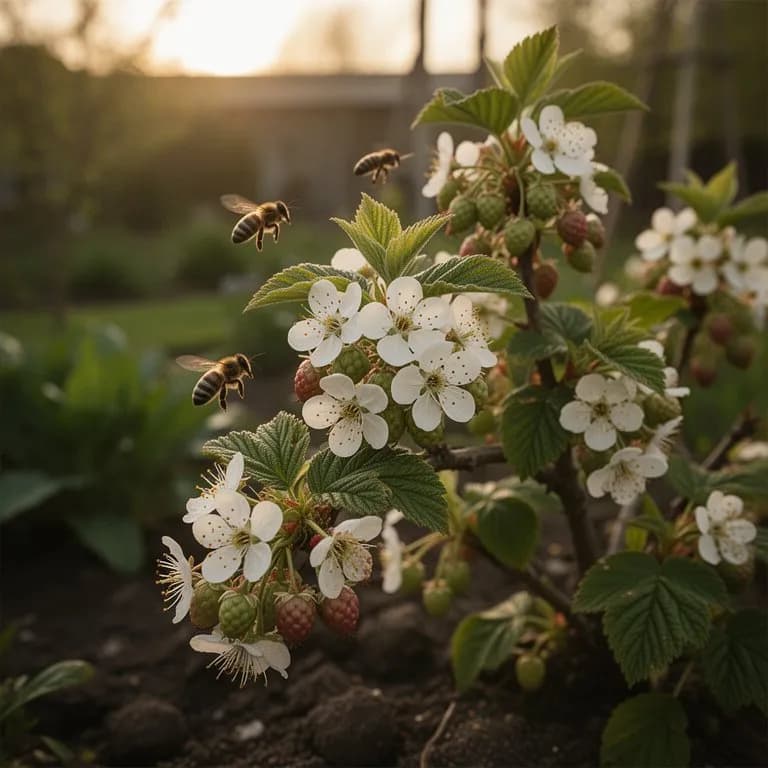
Honeyberry blooms emerge very early in spring, often while snow is still on the ground, requiring cross-pollination from a second compatible variety
Monthly Care Calendar
What to do each month for your Honeyberry
June
You are hereNo specific care tasks for this month.
Did You Know?
Fascinating facts about Honeyberry
Honeyberry is one of the only edible fruits in the world that can flower and withstand frosts down to -7°C simultaneously, making it productive in climates that devastate other early-fruiting crops.
Honeyberries, also called haskap, are exceptionally cold-hardy fruiting shrubs native to Siberia, Japan, and northern Canada. They thrive in cool climates and struggle in areas with hot summers above zone seven. Plant in full sun to light shade in well-drained, slightly acidic to neutral soil. Space plants four to five feet apart and always plant at least two different cultivars for cross-pollination, as honeyberries are obligate outcrossers.
Plant bare-root or potted bushes in early spring or late fall. Dig a hole slightly wider and deeper than the root ball, set the plant at the same depth it grew previously, and water thoroughly. Honeyberries are remarkably easy to establish and begin producing fruit in their second or third year.
Pruning is minimal for the first several years. Once bushes are mature, thin out the oldest branches at ground level every few years to encourage new productive growth. Water during dry periods, particularly during fruit development in spring. Mulch with wood chips or straw to conserve moisture and suppress weeds. Honeyberries bloom very early in spring and their flowers tolerate frost down to about twenty degrees Fahrenheit, a remarkable adaptation that ensures reliable crops in cold climates.
Honeyberry, known in Japan as haskap (Lonicera caerulea var. edulis and related subspecies), is a deciduous edible shrub native to the cold-temperate and boreal regions of the northern hemisphere. Its wild range spans an enormous arc from the mountains of central Japan and the island of Hokkaido across Siberia, the Russian Far East, northern China, and into the mountainous regions of central and eastern Europe. The plant is supremely adapted to cold, with roots that survive permafrost-adjacent soils and flowers that shrug off hard spring frosts that would destroy the blossoms of any other fruiting shrub.
The earliest documented human use comes from the indigenous Ainu people of Hokkaido and from indigenous Siberian peoples, both of whom foraged wild haskap berries as an important seasonal food. For the Ainu, the berries were more than sustenance; they carried cultural significance as a symbol of long life and were used in ceremonial contexts. Traditional Russian folk medicine recorded the use of haskap berries and bark for treating high blood pressure, intestinal disorders, and as a general tonic, knowledge accumulated over many centuries of observation.
Scientific interest in Lonicera caerulea as a cultivated crop began in earnest in the Soviet Union during the mid-20th century, where Russian plant breeders at the Bacchar Experimental Station in Siberia developed the first improved named cultivars specifically selected for larger fruit size, sweeter flavour, and more upright plant habit. These Russian cultivars laid the groundwork for the crop's global spread.
Canada became the second major centre of honeyberry breeding when researchers at the University of Saskatchewan, led by Dr. Bob Bors, recognised the crop's extraordinary cold hardiness and adaptability to prairie climates and began developing new cultivars suited to North American growing conditions in the 1990s and 2000s. Varieties such as 'Borealis,' 'Tundra,' and 'Indigo Gem' emerged from this programme and remain among the most widely planted cultivars worldwide.
Japan has simultaneously pursued its own intensive breeding effort, producing haskap cultivars with exceptional sweetness and large berry size suited to the cool highlands of Hokkaido, where the crop has become a significant regional agricultural industry. Today, honeyberry is grown commercially in Canada, Japan, Russia, Poland, and the United Kingdom, and has gained a passionate following among home gardeners in cold climates who value its extraordinary hardiness, early-season fruit, and exceptional nutritional profile.
Honeyberries can be grown from seed, but named cultivars must be propagated vegetatively. Seeds require cold stratification for ninety to one hundred twenty days in moist sand in the refrigerator. Sow stratified seeds on the surface of acidic seed-starting mix under lights. Germination takes three to six weeks. Seedlings are slow-growing and take four to five years to fruit. For named varieties, softwood cuttings taken in early summer root well under mist with rooting hormone. Hardwood cuttings in late fall also succeed with patience.
Honeyberries adapt to a wide range of soils but prefer well-drained, loamy ground with a pH of 5.5 to 7.5. Unlike blueberries, they tolerate near-neutral soil conditions. Amend heavy clay with compost to improve drainage. Apply a balanced organic fertilizer in early spring before bloom. Honeyberries are moderate feeders and do not require heavy fertilization. Excessive nitrogen promotes vegetative growth at the expense of fruiting. Mulch annually with organic material to build soil quality.
Check Your Zone
See if Honeyberry is suitable for your location.
-40°C – 30°C
-40°F – 86°F
Honeyberry is one of the hardiest edible fruiting shrubs known, with established plants surviving winter lows of -40°C without any protection. Flowers are frost-tolerant to approximately -7°C, which is critical given how early they bloom. The plant requires a genuine cold winter to break dormancy properly and does not perform well in climates warmer than USDA zone 8. Summer temperatures above 30°C can stress the plant and reduce fruit set in subsequent seasons, making honeyberry best suited to cool-temperate, subarctic, and continental climates.
Common issues affecting Honeyberry and how to prevent and treat them organically.
The greatest challenge is bird predation, as the early-ripening fruit has little competition from other berries and birds target it intensely. Netting is essential for a usable harvest. Poor flavor in some older cultivars has given honeyberries an undeserved bad reputation; selecting modern University of Saskatchewan or Japanese breeding program varieties ensures good flavor. Poor fruit set usually indicates a pollination problem; ensure compatible pollination partners are planted within fifteen feet.
Plant honeyberries alongside blueberries and strawberries in an acid-loving fruit garden, though honeyberries are more pH-flexible. Their early bloom time benefits from nearby early-flowering companions that attract pollinators. Comfrey planted near the base provides nutrient-rich mulch material when cut. Avoid planting ornamental honeysuckle species nearby, as they may cross-pollinate and reduce fruit quality. Honeyberries make attractive hedgerow plants and integrate well into mixed edible landscapes.
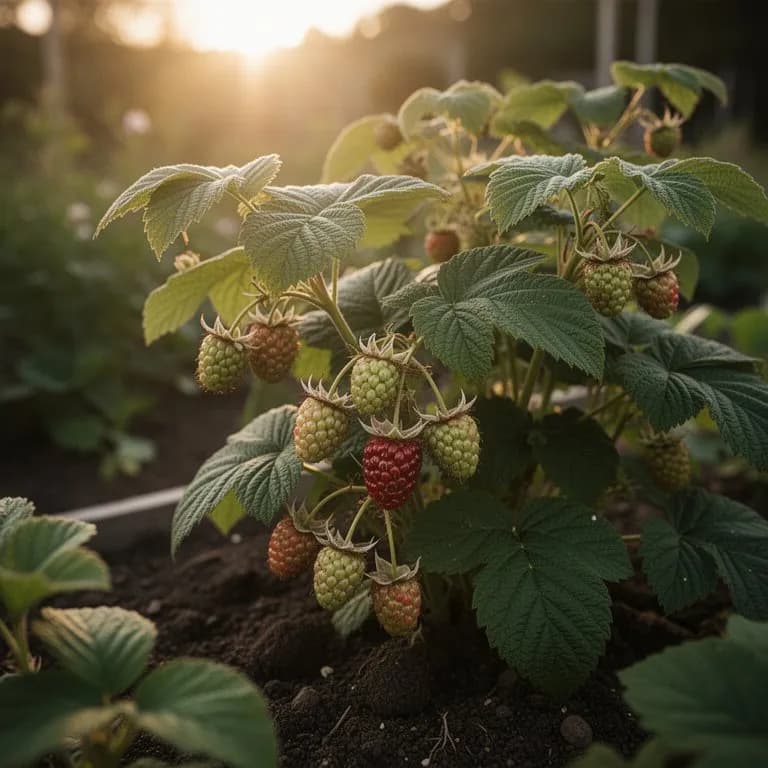
A well-established honeyberry shrub can reach 1.5-2 metres tall and live for 30 years or more, producing heavier crops each season
- 1Always plant at least two honeyberry plants of different, compatible cultivars within 3-5 metres of each other. Honeyberries are not reliably self-fertile and cross-pollination between two genetically distinct plants is essential for good fruit set. A single plant will often produce little or no fruit no matter how healthy it is.
- 2Choose your cultivars carefully for bloom time compatibility. Cultivars are generally grouped as early, mid, or late season; both plants must flower at the same time to cross-pollinate effectively. Ask your supplier which cultivars are recommended as pollinators for the variety you are buying.
- 3Honeyberry tolerates a wide pH range from 5.5 to 7.5, unlike blueberries which demand very acidic conditions. Average garden soil with good drainage is perfectly adequate. Incorporate plenty of organic matter before planting to retain moisture and support soil biology.
- 4Net your plants before berries start to colour. Birds discover honeyberries quickly and can strip a bush completely in a single morning, days before you consider the fruit ready to pick. Drape fine mesh bird netting over the entire shrub and secure it at the base.
- 5Harvest in multiple passes over 10-14 days rather than stripping the bush in a single pick. Berries on the same plant ripen at slightly different rates, and berries given an extra few days on the bush after initial colouring develop significantly more sweetness and depth of flavour.
- 6Do not prune heavily in the first three years. Young plants need to build their branching framework before being cut back. Light removal of dead or crossing wood is fine, but aggressive pruning delays the onset of productive fruiting.
- 7On mature shrubs (five years or older), remove two or three of the oldest, thickest stems at the base every two to three years to encourage vigorous new cane growth. Honeyberries fruit best on wood that is two to four years old; very old stems produce diminishing returns.
- 8Mulch generously and permanently. A 7-10 cm layer of composted bark, wood chip, or straw around each plant suppresses weeds, retains moisture during summer dry spells, moderates soil temperature, and gradually enriches the soil as it breaks down. Refresh the mulch layer each autumn.
- 9In the first season after planting, remove any flower buds or early fruit that sets. This directs energy into root and canopy development rather than seed production, resulting in a stronger and more productive plant from year two onward.
- 10Honeyberry pairs superbly with early-flowering companion plants that support pollinators during the brief, early spring bloom window. Planting pussy willow, hazel, or a crab apple variety nearby ensures active pollinators are present when honeyberry flowers open, often before many bees have become fully active for the season.
Honeyberries are among the earliest fruits to ripen, often producing ripe berries in May or early June, several weeks before strawberries. Berries are ripe when they turn deep blue throughout, including the interior flesh. Wait several days after berries turn blue externally, as the interior may still be green and tart. Gently shake or roll berries off the bush. Taste-test before harvesting the entire bush, as premature picking results in unpleasant tartness. Ripe honeyberries have a complex sweet-tart flavor.
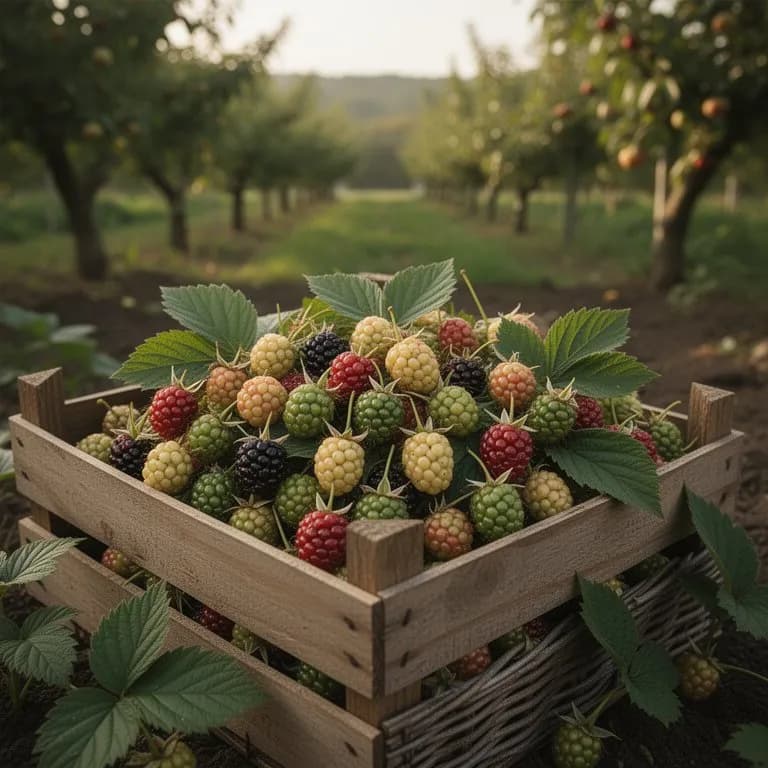
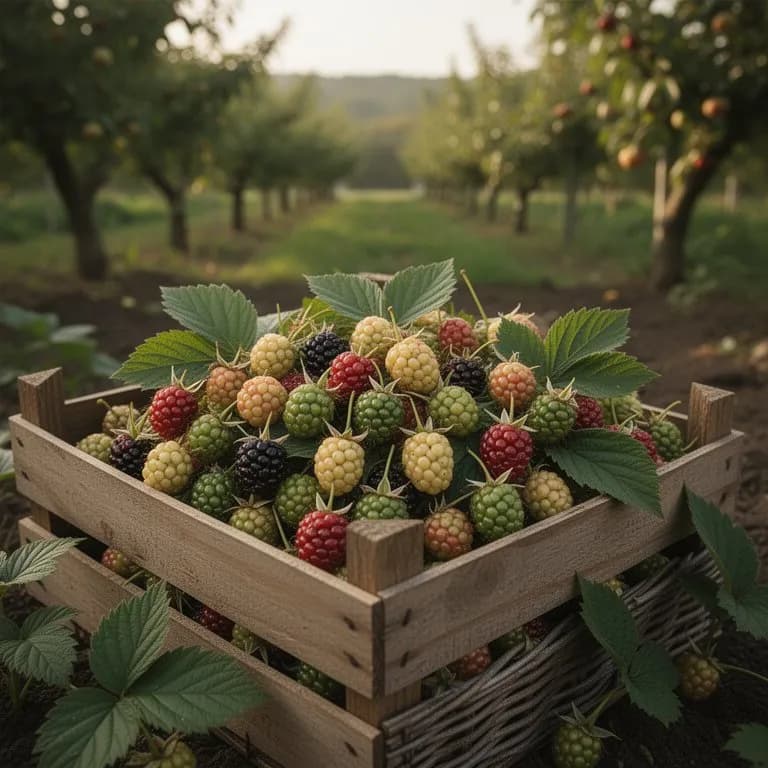
Honeyberries ripen 2-3 weeks before strawberries, making them one of the earliest fresh fruits of the season
Fresh honeyberries keep in the refrigerator for up to one week, longer than most soft berries. They freeze exceptionally well: spread on trays, freeze until solid, and transfer to bags for up to twelve months. Honeyberries make outstanding jam, pie filling, and juice with a flavor profile distinct from blueberries. They can also be dried for a chewy, tangy snack. Honeyberry wine and mead are gaining popularity among home winemakers.
Plan your garden with ease
Love growing Honeyberry? Use our free garden planner to design your beds, track planting dates, and get personalized care reminders.
Nutritional Info
Per 100g serving
54
Calories
Health Benefits
- Among the richest fruit sources of anthocyanins, the blue-purple pigments with documented antioxidant, anti-inflammatory, and cardiovascular-protective properties
- Vitamin C content compares favourably with oranges and significantly exceeds blueberries gram for gram
- Contains chlorogenic acid and quercetin, polyphenols studied for their role in blood sugar regulation and metabolic health
- Rich in iridoids, a class of bioactive compounds rare in common fruits that have been investigated for anti-inflammatory and neuroprotective effects
- Low glycaemic index fruit suitable for those monitoring blood sugar levels
- Provides manganese, a trace mineral important for bone formation, collagen synthesis, and antioxidant enzyme activity
💰 Why Grow Your Own?
A honeyberry plant costs approximately £10-20 or $12-25 at a nursery and, once established from year three onward, can produce 1-3 kg of berries per plant annually, increasing to 3-5 kg on a mature five-year-old shrub. Honeyberries are rarely available in supermarkets, and when found at farmers markets or specialty grocers they typically command £8-15 per 250 g punnet. A pair of well-established plants producing 4 kg between them represents £130-240 worth of market-value fruit per season. Over a 20-year productive lifespan, two plants can deliver the equivalent of £2,600-4,800 in fresh fruit, all from an initial outlay of under £50 including soil preparation.
Quick Recipes
Simple recipes using fresh Honeyberry
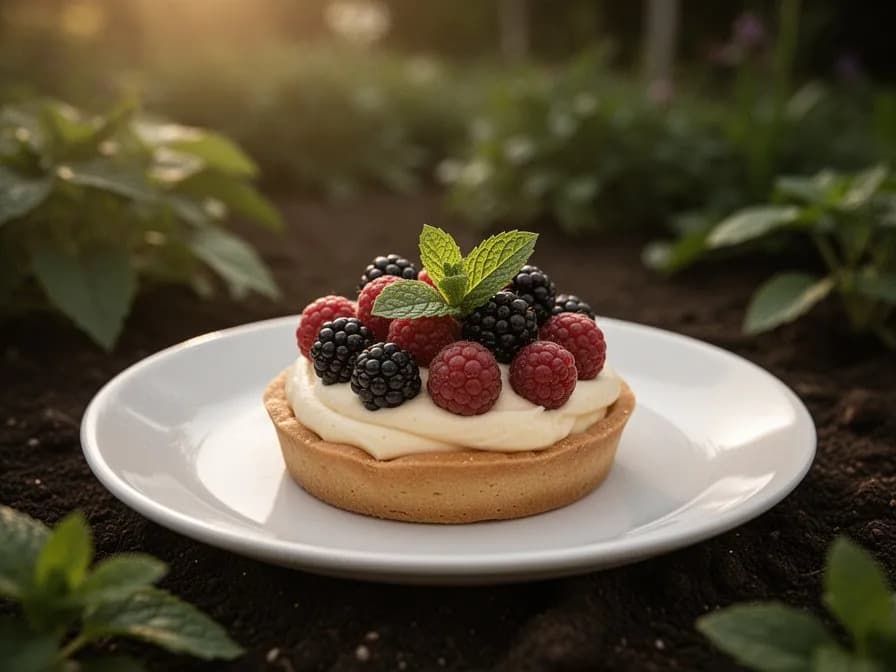
Honeyberry Compote
15 minutesA simple, vibrant compote that showcases honeyberry's deep colour and complex tart-sweet flavour. Spoon it over yoghurt, porridge, ice cream, or pancakes. The natural pectin in honeyberries gives the compote a light set without any added thickening agent, and the colour is a spectacular deep violet-purple that turns every dish into a visual statement.
Honeyberry and Almond Crumble
15 minutes prep + 35 minutes bakeThe tartness of honeyberries is perfectly balanced by a buttery oat and almond crumble topping in this warming baked dessert. Honeyberries hold their shape better than blueberries during baking and release a deeply coloured, flavourful juice that soaks into the crumble base. Serve warm with a scoop of vanilla ice cream or a spoonful of thick cream.
Honeyberry Smoothie
5 minutesA nutritionally dense, brilliantly purple smoothie that delivers a powerful hit of antioxidants in under five minutes. Frozen honeyberries give the smoothie a thick, almost sorbet-like texture. The combination of honeyberry's tartness with banana's natural sweetness produces a well-balanced flavour that needs little or no added sweetener.
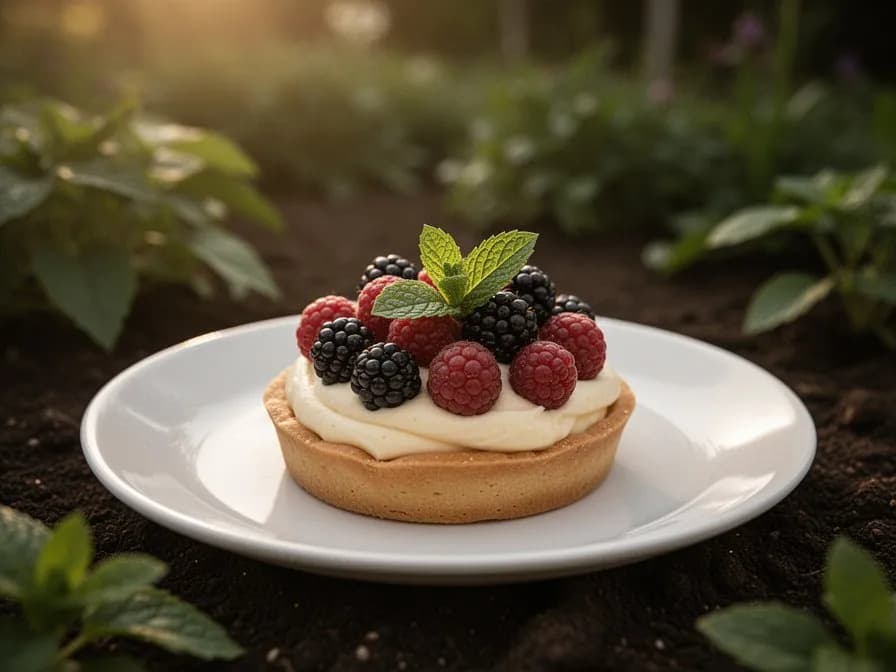
Honeyberry jam and preserves have a vivid deep-purple colour and a bold, tart-sweet flavour that outshines many commercial berry spreads
Yield & Spacing Calculator
See how many Honeyberry plants fit in your garden bed based on the recommended 120cm spacing.
1
Honeyberry plants in a 4×4 ft bed
1 columns × 1 rows at 120cm spacing
Popular Varieties
Some of the most popular honeyberry varieties for home gardeners, each with unique characteristics.
Tundra
One of the best-flavored selections from the University of Saskatchewan breeding program, producing large, sweet berries with minimal bitterness.
Borealis
A heavy-yielding Canadian variety with large, soft fruit and excellent sweet flavor, ripening slightly before Tundra.
Indigo Gem
Firm-textured berries with a balanced sweet-tart flavor, one of the best for fresh eating and a good pollinator for Tundra.
Aurora
Produces the largest berries of the Saskatchewan varieties with outstanding flavor and good plant vigor.
Berry Blue
A vigorous ornamental-fruiting selection with reliable production, good for pollinating Japanese-type cultivars.
Honeyberries have a unique flavor often described as a blend of blueberry, raspberry, and black currant. They are excellent fresh, in smoothies, and baked into muffins, pies, and crisps. Their juice produces a vivid blue-purple color ideal for beverages. They pair well with yogurt, cereal, and cream-based desserts. Honeyberries are rich in vitamin C, anthocyanins, and antioxidants, making them a nutritional powerhouse among fruits.
When should I plant Honeyberry?
Plant Honeyberry in March, April. It takes approximately 365 days to reach maturity, with harvest typically in May, June.
What are good companion plants for Honeyberry?
Honeyberry grows well alongside Blueberry, Strawberry. Companion planting can improve growth, flavor, and natural pest control.
What hardiness zones can Honeyberry grow in?
Honeyberry thrives in USDA hardiness zones 2 through 7. With greenhouse protection, it may be grown in zones 1 through 8.
How much sun does Honeyberry need?
Honeyberry requires Full Sun (6-8h+). This means at least 6-8 hours of direct sunlight daily.
How far apart should I space Honeyberry?
Space Honeyberry plants 120cm (47 inches) apart for optimal growth and air circulation.
What pests and diseases affect Honeyberry?
Common issues include Powdery Mildew, Bird Damage, Leaf Blight. Prevention through good garden practices like crop rotation, proper spacing, and companion planting is the best approach. See the detailed pests and diseases section above for symptoms, prevention, and treatment for each.
How do I store Honeyberry after harvest?
Fresh honeyberries keep in the refrigerator for up to one week, longer than most soft berries. They freeze exceptionally well: spread on trays, freeze until solid, and transfer to bags for up to twelve months. Honeyberries make outstanding jam, pie filling, and juice with a flavor profile distinct f...
What are the best Honeyberry varieties to grow?
Popular varieties include Tundra, Borealis, Indigo Gem, Aurora, Berry Blue. Each has unique characteristics suited to different growing conditions and culinary preferences. See the varieties section above for detailed descriptions.
What soil does Honeyberry need?
Honeyberries adapt to a wide range of soils but prefer well-drained, loamy ground with a pH of 5.5 to 7.5. Unlike blueberries, they tolerate near-neutral soil conditions. Amend heavy clay with compost to improve drainage. Apply a balanced organic fertilizer in early spring before bloom. Honeyberries...
Do I really need two honeyberry plants, or can one plant fruit on its own?
You genuinely need two plants of different, compatible cultivars for reliable fruiting. While some cultivars will set a small amount of fruit on their own, yields from a single plant are typically so poor that it is not worth growing for food production. The two plants must be from different cultivars, as planting two of the same cultivar does not provide the genetic diversity needed for effective cross-pollination. Make sure both cultivars you select are noted as compatible with each other; your supplier or nursery catalogue should specify which varieties pollinate well together.
When are honeyberries ready to harvest, and how do I know they are ripe?
Honeyberries are deceptive because they turn deep blue on the outside several days to a week before they are fully ripe on the inside. The best test is taste: a truly ripe honeyberry should be sweet and complex with only a pleasant tartness, not sharply sour or astringent. The berry should also come free from the stem with almost no resistance. Colour at the stem end is another indicator; any remaining red or pink colouring at the base of the berry suggests it needs more time. Make it a habit to taste a few berries each day as they colour up rather than harvesting by appearance alone.
My honeyberry plant looks healthy but has never produced fruit. What is wrong?
The most common cause by far is the absence of a compatible pollinator cultivar. Check whether a second, different honeyberry cultivar is planted within reasonable range (ideally under 5 metres). If you only have one plant, add a second of a compatible variety and expect fruit the following season. Other possible causes include late frost damage to flowers during the brief early-spring bloom, insufficient bee or pollinator activity during the cold, early flowering period, or a plant that is simply too young (under two years old). If pollinators are scarce in your area, try hand-pollinating by transferring pollen between the two plants using a small, soft paintbrush.
Can honeyberry be grown in a container or pot?
Honeyberry can be grown in a large container but requires significantly more attention than a ground-planted specimen. Use a pot of at least 50-60 litres per plant with excellent drainage. A well-draining, moisture-retentive compost blended with perlite works well. The main challenges in containers are water and temperature management; containers dry out faster than the ground and can also freeze solid in winter, which damages roots even in a cold-hardy species. In colder climates, move containers against a sheltered wall or into an unheated structure during the coldest months. Container plants generally produce lower yields than ground-planted shrubs and require more frequent feeding.
Are honeyberries the same as haskaps?
Yes, honeyberry and haskap refer to the same species, Lonicera caerulea, but the names are used with slightly different nuances. Haskap is the traditional Japanese name, derived from the Ainu language, and is now commonly used in Canada and Japan for improved cultivars bred specifically for commercial and home fruit production. Honeyberry is a broader common name used more widely in Europe and the United States for the species as a whole. In practice, at the garden centre or in seed catalogues, both names describe the same edible fruiting shrub, though 'haskap' sometimes specifically implies the larger-fruited, higher-yielding modern cultivars rather than wild-type plants.
How do I store honeyberries after picking?
Fresh honeyberries keep in the refrigerator for 3-5 days in an uncovered or loosely covered container. They bruise more easily than blueberries, so handle them gently and avoid washing until just before use. For longer storage, honeyberries freeze exceptionally well; spread them in a single layer on a baking tray, freeze until solid, then transfer to sealed freezer bags. Frozen honeyberries keep for up to 12 months with minimal loss of flavour, colour, or nutritional value. They can be used straight from frozen in smoothies, baking, and compotes, making it easy to enjoy your harvest year-round.
Ready to Grow Honeyberry?
Add Honeyberry to your garden plan and start designing your perfect layout.

Vladimir Kusnezow
Gardener and Software Developer
Zone 6b gardener. Growing vegetables and fruits in soil and hydroponics for 6 years. I built PlotMyGarden to plan my own gardens.
Jump to Section