Profusion Zinnia
A compact, disease-resistant zinnia that blooms prolifically without deadheading in mounds of single and semi-double flowers.





On this pageOverview
Meet Profusion Zinnia
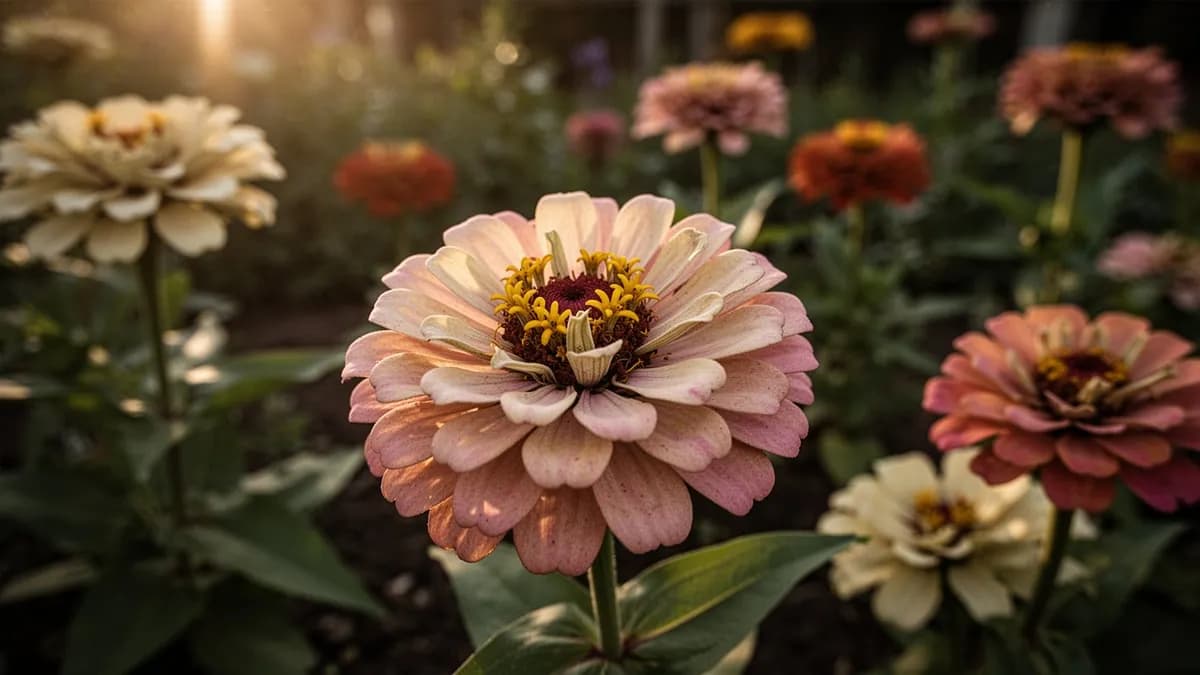
A compact, disease-resistant zinnia that blooms prolifically without deadheading in mounds of single and semi-double flowers. Profusion zinnias resist powdery mildew far better than traditional varieties, making them ideal for humid climates. They excel in borders, mass plantings, and containers with minimal care required.
When to plant Profusion Zinnia
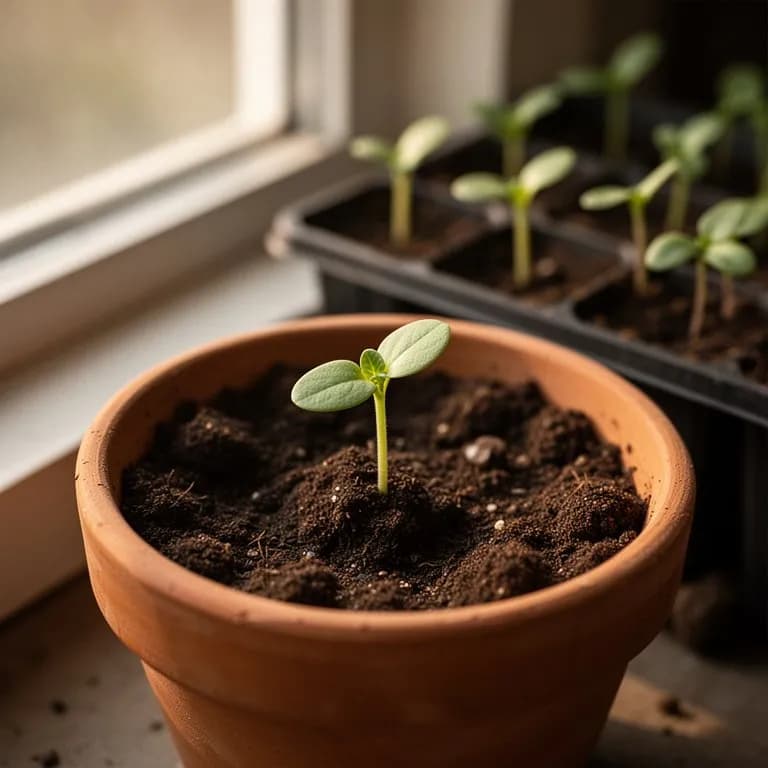
Profusion zinnia seeds germinate readily in warm soil. Direct sow outdoors after the last frost, pressing seeds a quarter inch deep. Germination takes five to seven days when soil temperatures are above 70 degrees Fahrenheit. For earlier blooms, start seeds indoors three to four weeks before the last frost in individual pots to minimize root disturbance at transplanting. Seedlings grow quickly and begin blooming just six to eight weeks from sowing, making them one of the fastest annuals from seed to flower.
Your Profusion Zinnia Year
Composed for Zone 7 · typical seasons · frost passes Apr 2, returns Nov 1
Plant Profusion Zinnia Apr – Jun, pick Jun – Oct. Check the planting methods below and set your climate to personalize these windows.
How to grow Profusion Zinnia
Profusion zinnias can be direct sown or transplanted outdoors after the last frost when soil temperature exceeds 70 degrees Fahrenheit. Space plants eight to twelve inches apart in full sun. These interspecific hybrids between Zinnia elegans and Zinnia angustifolia combine the flower size of traditional zinnias with the disease resistance and compact habit of narrow-leaf types.
Unlike traditional tall zinnias, Profusion types form dense, self-branching mounds twelve to eighteen inches tall and wide. They require virtually no maintenance once planted. Deadheading is entirely unnecessary, as spent flowers are hidden by new growth and the plants bloom continuously from early summer through frost without intervention.
Water consistently during establishment, then reduce to weekly deep watering during dry spells. Profusion zinnias tolerate heat and humidity much better than Zinnia elegans varieties and rarely develop powdery mildew, the bane of traditional zinnias. Feed once a month with a balanced liquid fertilizer or apply slow-release granular fertilizer at planting time. These are outstanding performance plants for landscapes, mass plantings, and large container displays.
36 plants fit a 4 × 8 ft bed
Each Profusion Zinnia wants 25 cm of elbow room. The planner keeps that spacing for you — every plant, every bed.
Profusion Zinnia's best neighbours
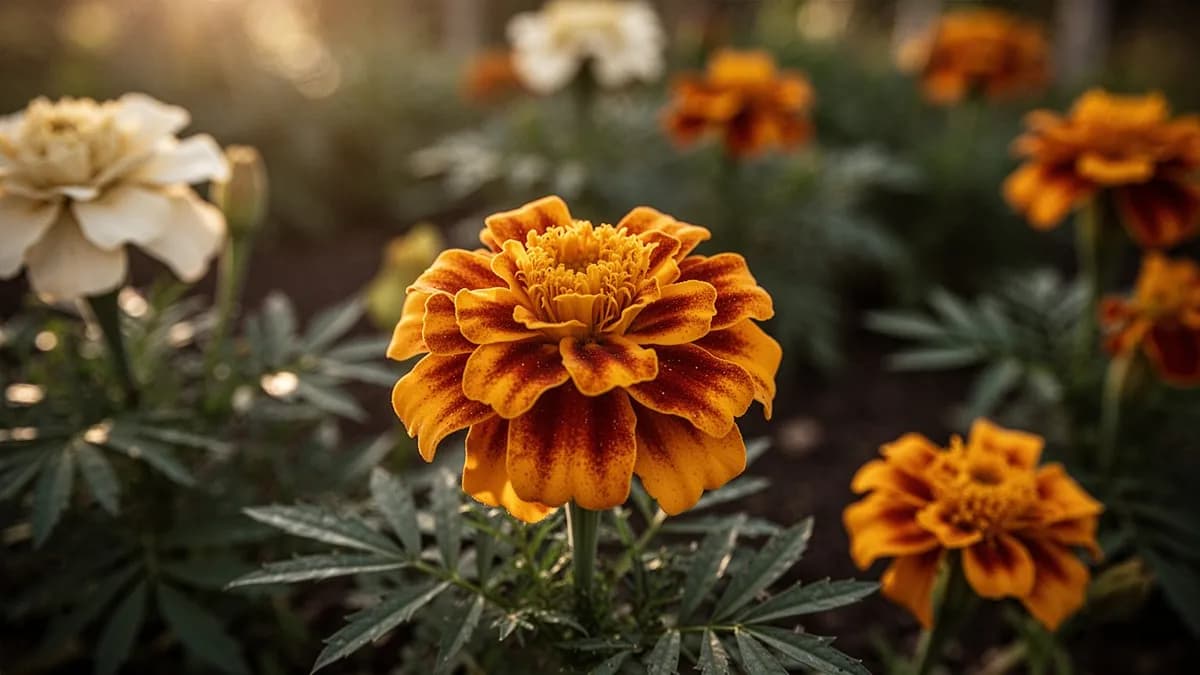
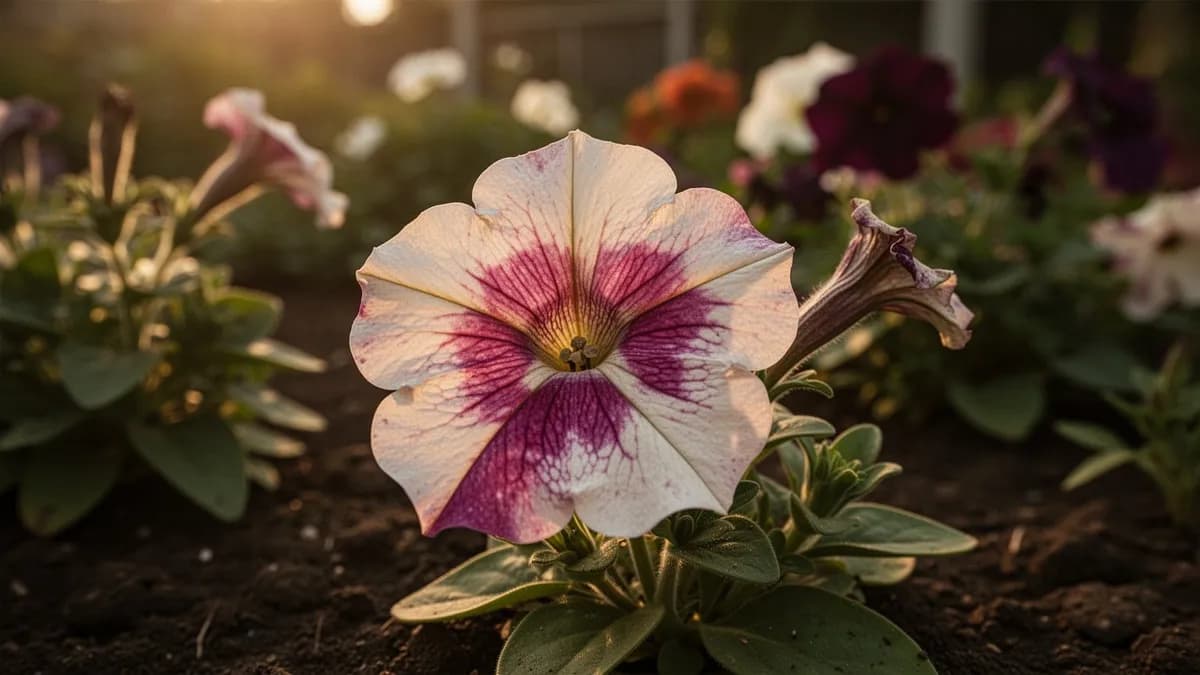
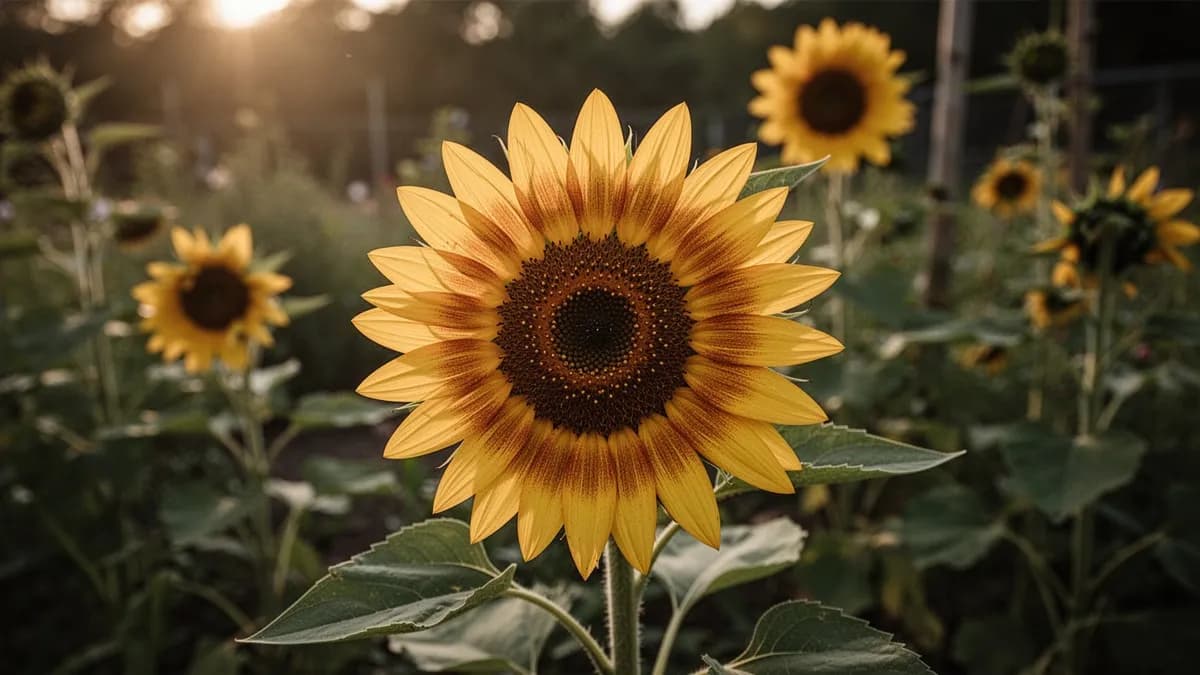
Profusion zinnias make excellent edging plants for vegetable gardens, where they attract pollinators and beneficial predatory insects. Their compact, mounding habit makes them ideal companions for taller plants like tomatoes, sunflowers, and cosmos. Combine with marigolds and petunias for a low-maintenance, season-long color display. In containers, pair with trailing verbena and sweet potato vine for a self-maintaining combination.
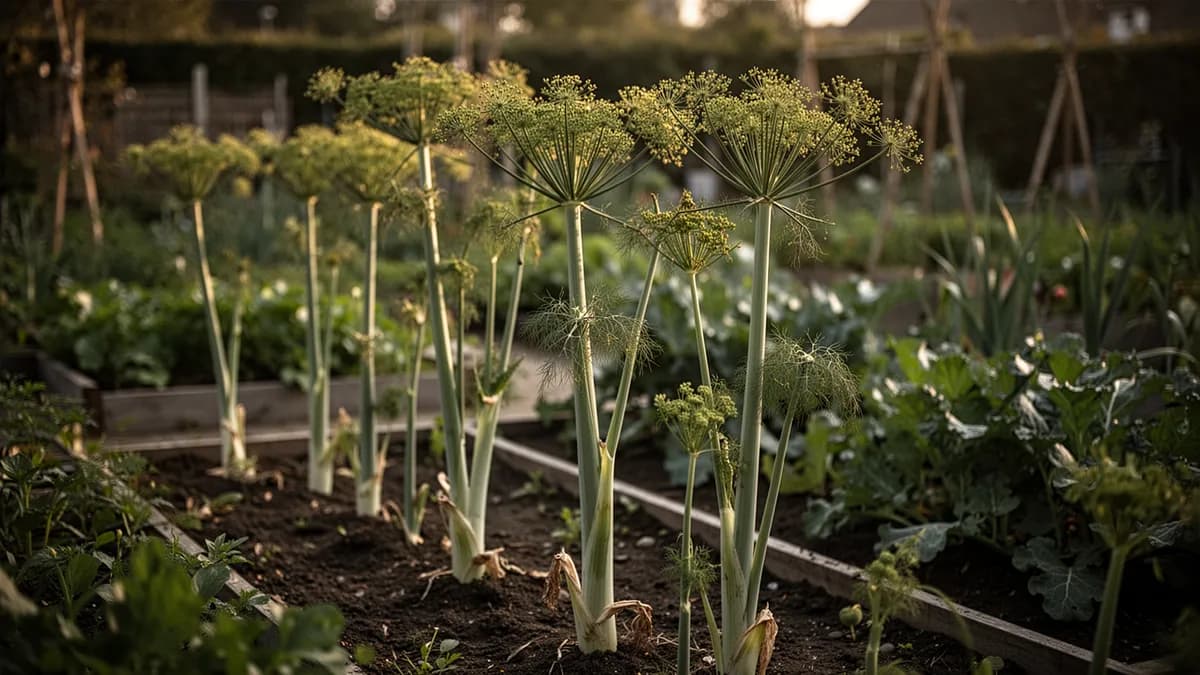
Marigold belongs beside it. Fennel doesn't.
Old growers' knowledge, checked against Profusion Zinnia's real companion table below — test any plant you're growing.
Try Profusion Zinnia in a bed — right here
A real planner bed with Profusion Zinnia already in it. Tap a companion to place it and watch the pairing checks answer — green for good neighbours, red for a clash.


Related growing guides
Feed it well
Profusion zinnias grow well in average, well-drained soil with a pH of 5.5 to 7.5. They are less demanding about soil fertility than giant zinnia types and perform admirably in average garden soil. Work a light layer of compost into the bed before planting. Apply a balanced slow-release fertilizer at planting or feed monthly with diluted liquid fertilizer. Avoid overly rich soil, which can cause the compact habit to become loose and open.
Ideal Temperature
Hardiness Zone Compatibility
From seed to harvest, stage by stage
Seed Germination
Seeds germinate quickly in warm soil at 70-80°F (21-27°C). Sow seeds 1/4 inch deep in moist, well-drained starting mix. Seedlings emerge within 4 to 7 days under optimal conditions.
Seedling Development
Cotyledons expand and the first pairs of true leaves appear. Seedlings develop a sturdy central stem and begin establishing a compact root system characteristic of the Profusion series.
Vegetative Growth
Plants develop their characteristic mounding, well-branched habit. The Profusion series naturally branches without pinching, forming a dense dome shape reaching 12 to 18 inches tall and wide.
Flowering Onset
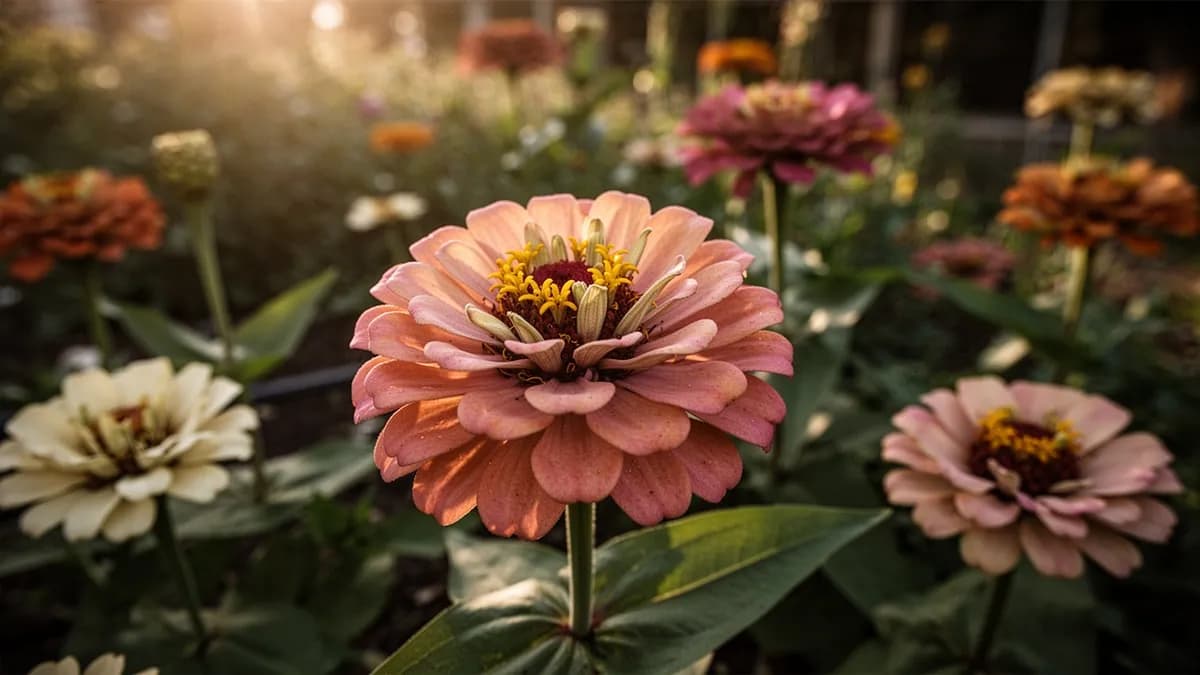
Flower buds form at stem tips and the first blooms open. Profusion zinnias produce single to semi-double flowers approximately 2 to 3 inches across in vivid shades of orange, cherry, white, yellow, fire, and apricot.
Peak Bloom and Seed Set
Plants reach full bloom coverage and continue producing new flowers prolifically until the first hard frost. Individual blooms last about a week on the plant. Older flowers begin forming seeds at the center as petals fade.
Late Season Decline
As temperatures drop below 50°F (10°C) consistently, flower production slows and foliage begins to yellow. Plants are killed by the first hard frost. Unlike many tall zinnias, Profusion types maintain their tidy habit even late in the season.
Keep the soil consistently moist but not waterlogged. Bottom heat mats speed germination. Avoid covering seeds too deeply as they benefit from some light exposure.
Caring for Profusion Zinnia month by month
What to do each month for your Profusion Zinnia
October
You are hereHarvest dried seed heads and store seeds in labeled paper envelopes in a cool, dry location. Pull spent plants after the first killing frost and add disease-free material to the compost pile.
Know exactly what to do in your garden — every month
One email at the start of each month: what to sow, plant, and tackle right now — for your Profusion Zinnia and everything growing around it. Plus a short starter course that helps you dodge the classic mistakes.
- What to do, right now
- Matched to your season
- Starter course included
Harvesting Profusion Zinnia
While Profusion zinnias are not the primary choice for cut flowers due to their shorter stems, they can be cut for small informal bouquets. Harvest stems when flowers are fully open, selecting the longest stems available. For seed saving, note that Profusion zinnias are F1 hybrids and seeds will not produce plants identical to the parent. If saving seed, allow a few flowers to dry on the plant and collect the small seeds from the dried heads. Deadheading is completely unnecessary for continued bloom production.
assuming you plant when the window opens — set your real date
Pick Profusion Zinnia promptly and the plant keeps producing.
Storage & Preservation
Fresh-cut Profusion zinnias last five to seven days in a small vase with clean water. Their compact size makes them ideal for bud vases and small arrangements. For drying, pick fully open flowers and press between sheets of parchment paper in a heavy book for two weeks. The single and semi-double flower forms press more successfully than fully double types. Dried flowers retain good color for craft projects.
What goes wrong — and the fix
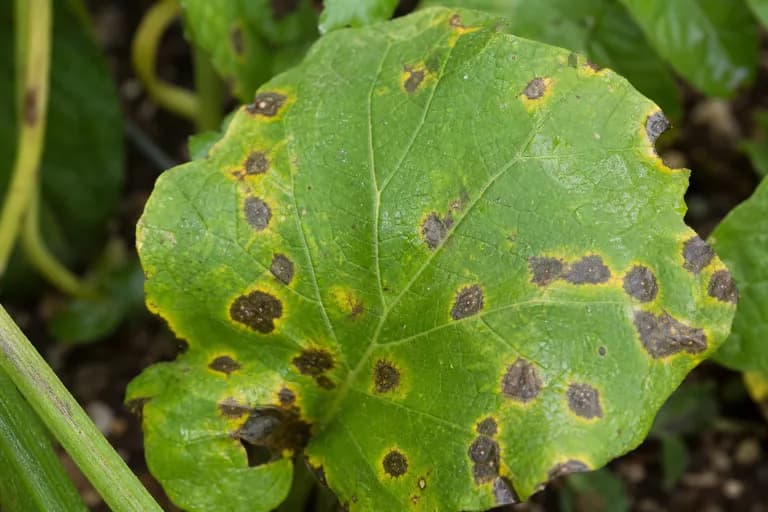
Bacterial Leaf Spot
DiseaseAngular, dark brown spots with yellow margins on leaves, spreading in wet weather. Less common on Profusion zinnias than on traditional varieties due to their improved disease resistance.
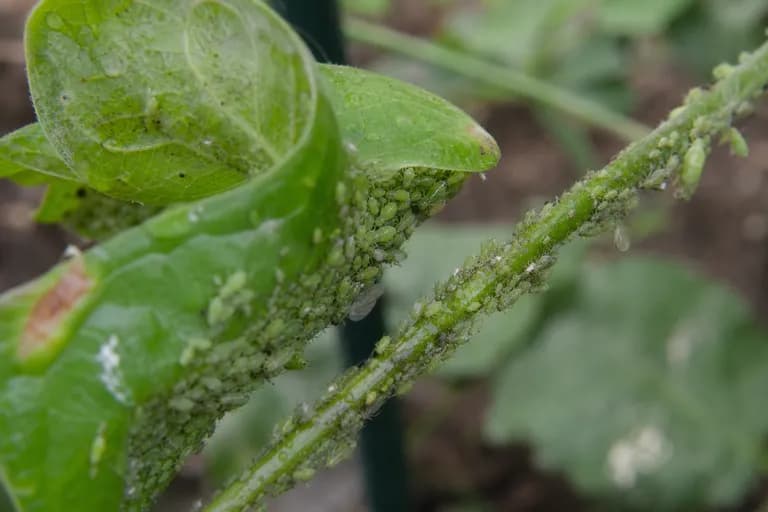
Aphids
PestSmall clusters of insects on new growth and flower buds, with sticky honeydew and potential sooty mold. Infestations are typically light on these vigorous plants.
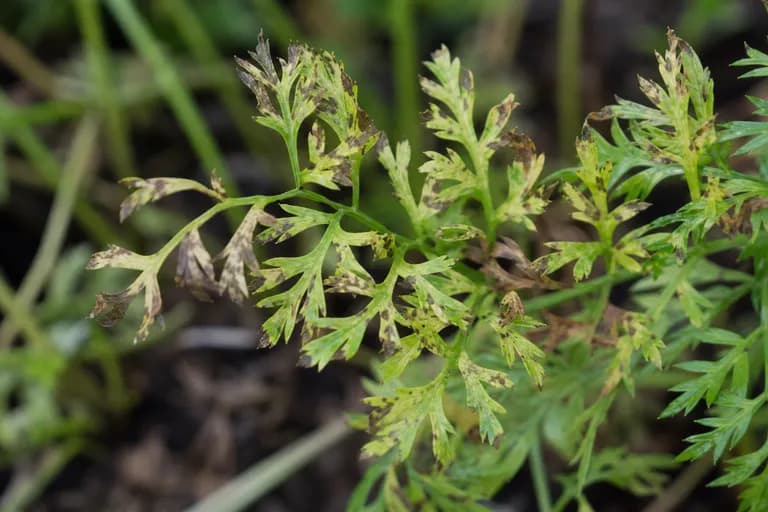
Alternaria Leaf Blight
DiseaseDark brown spots with concentric rings on older leaves, progressing upward. Leaves yellow and drop in severe cases, though Profusion varieties show strong resistance.
Troubleshooting Common Problems
Profusion zinnias are among the most trouble-free annuals available, bred specifically to overcome the disease and maintenance issues of traditional zinnias. Their primary limitation is the shorter stems that make them less suitable for tall vase arrangements. In very cool, wet springs, young plants may grow slowly until warm weather arrives. Profusion varieties are F1 hybrids, so saved seeds will not come true to type. Otherwise, these are remarkably problem-free garden performers.
Growing Tips
- Direct sow seeds outdoors after the last frost for the strongest plants, as Profusion zinnias develop better root systems when not transplanted and germinate quickly in warm soil.
- Space plants 10 to 12 inches apart to allow adequate air circulation, which is critical for preventing the foliar diseases that affect zinnias in humid climates.
- Water at the base of plants using drip irrigation or a soaker hose rather than overhead sprinklers, since wet foliage significantly increases the risk of powdery mildew and bacterial leaf spot.
- Apply a 2-inch layer of organic mulch such as straw or shredded bark around plants to conserve soil moisture, moderate root temperature, and reduce weed competition.
- Profusion zinnias do not require pinching or deadheading to maintain their branching habit and continuous bloom production, making them among the easiest annuals to maintain.
- Feed with a balanced granular fertilizer at planting time and supplement with a diluted liquid fertilizer every 2 to 3 weeks during the growing season for maximum flower production.
- Plant Profusion zinnias in full sun locations receiving at least 6 to 8 hours of direct sunlight daily, as insufficient light leads to leggy growth, fewer blooms, and increased disease susceptibility.
- Combine multiple Profusion colors in the same bed for a vibrant mixed display, or plant single-color blocks for a more structured landscape design with bold visual impact.
- Succession sow seeds every 2 to 3 weeks from mid-spring through early summer to extend the peak bloom display and ensure a continuous supply of fresh cut flowers throughout the season.
- If growing in containers, use pots at least 10 inches in diameter with drainage holes and a high-quality potting mix, and water daily during hot weather as containers dry out faster than garden beds.
Grow your best Profusion Zinnia yet — and everything around it.
Start a free plan today. Lay out your beds, drop in your Profusion Zinnia, and let PlotMyGarden handle the timing, spacing, companions and reminders from seed to harvest basket.
Pick your Profusion Zinnia
Profusion Cherry
Brilliant cherry-red single flowers on compact, uniform mounds, an All-America Selections winner and one of the original Profusion colors.
Profusion Double Hot Cherry
Fully double cherry-red flowers on the same disease-resistant compact plants, adding extra petal density to the series.
Profusion Orange
Vivid orange single flowers that glow in the garden, outstanding heat tolerance and continuous bloom without deadheading.
Profusion White
Pure white flowers that brighten shaded edges and combine elegantly with all other colors in the series.
Profusion Five Color Mix
A blend of cherry, orange, white, yellow, and coral creating a rainbow display of disease-resistant compact zinnias.
A single packet of Profusion zinnia seeds typically costs between $3 and $5 and contains 25 to 50 seeds. Each plant produces dozens of cut flowers over the growing season, potentially replacing $50 to $100 worth of purchased cut flower bouquets. Seeds can also be saved from open-pollinated types at season's end, reducing costs to nearly zero in subsequent years. Compared to purchasing nursery-grown transplants at $3 to $5 each, starting from seed saves roughly 80% on plant costs while providing far more plants per dollar.
Quick recipes
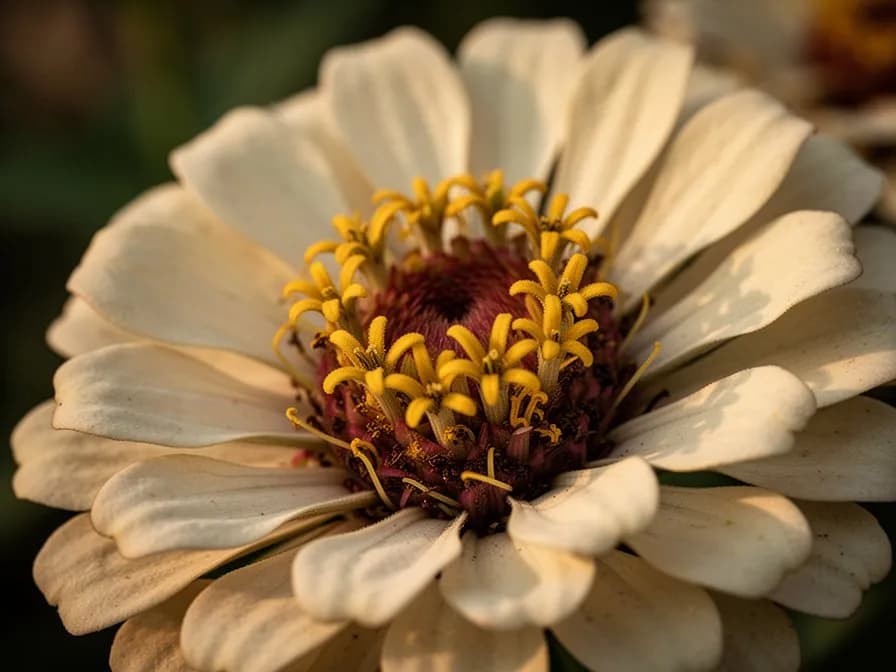
Zinnia Petal Garnish Ice Cubes
15 minutes plus freezing timeCreate stunning floral ice cubes by freezing individual Profusion zinnia petals in water. These decorative cubes add a pop of color to summer beverages, lemonades, and cocktails at garden parties.
4 ingredientsPressed Zinnia Flower Art Cards
30 minutes active plus 2 weeks dryingPress fresh Profusion zinnia blooms between parchment paper in heavy books to create beautiful dried flowers for handmade greeting cards and framed botanical art.
4 ingredients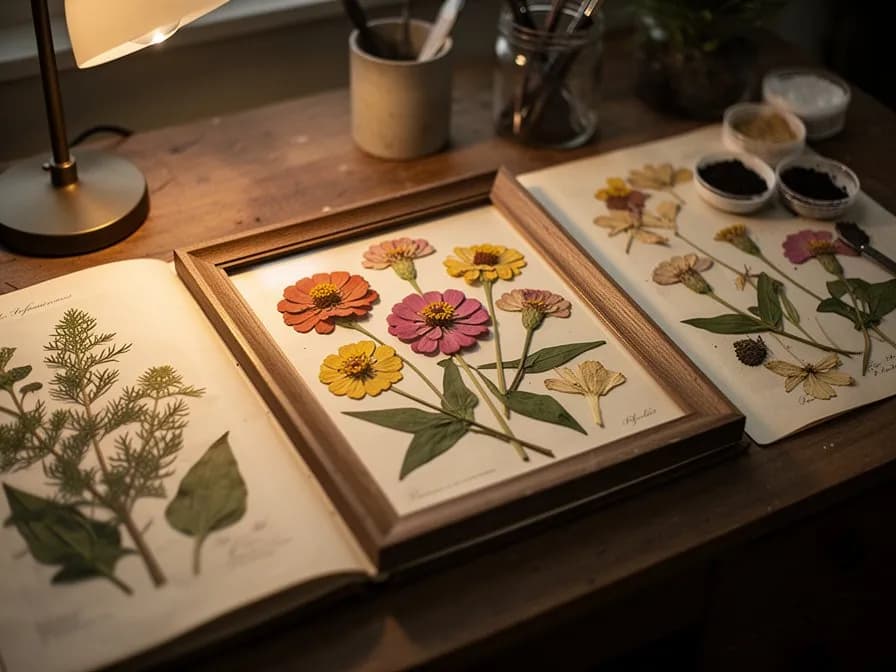
Zinnia and Herb Tabletop Bouquet
20 minutesArrange freshly cut Profusion zinnias with garden herbs like basil, mint, and rosemary for a fragrant and colorful tabletop display that doubles as a kitchen herb holder.
4 ingredientsWhat's inside
Health Benefits
- Growing and tending Profusion zinnias provides gentle physical exercise through garden activities like planting, watering, weeding, and harvesting, which contributes to improved cardiovascular health and joint flexibility.
- Regular interaction with flowering plants like zinnias has been shown in horticultural therapy research to reduce cortisol levels and perceived stress, promoting mental well-being and relaxation.
- The vibrant colors of Profusion zinnia blooms can positively affect mood and emotional health, with studies in environmental psychology linking exposure to colorful flowering plants with increased feelings of happiness and optimism.
- Tending a zinnia garden encourages outdoor time and exposure to natural sunlight, supporting healthy vitamin D synthesis and helping regulate circadian rhythms for better sleep quality.
- Profusion zinnias attract pollinators that support the broader garden ecosystem, indirectly benefiting human health by improving yields of nearby fruit and vegetable crops through enhanced pollination.
- Gardening activities centered around ornamental plants like zinnias provide cognitive stimulation through planning, problem-solving, and observational skills, which may support long-term brain health in older adults.
Where Profusion Zinnia comes from
The Zinnia Profusion series represents one of the most significant achievements in modern ornamental plant breeding. Zinnias as a genus are native to the dry grasslands and scrublands of Mexico and the southwestern United States, where wild species have been growing for thousands of years. The Aztecs cultivated early zinnia species, though they were considered unattractive by early European explorers who reportedly called them 'eyesores' due to their small, dull-colored flowers. The genus was formally described in the 18th century by Johann Gottfried Zinn, a German botany professor at the University of Gottingen, and seeds were sent to Europe where intensive breeding began. Over the following two centuries, breeders transformed the modest wildflower into the large, brilliantly colored garden staple known today. The Profusion series emerged in the late 1990s from the Sakata Seed Corporation in Japan, a company with deep roots in ornamental breeding. Sakata's breeders achieved a breakthrough by successfully crossing Zinnia elegans, prized for its large showy blooms, with Zinnia angustifolia, a wiry species valued for its exceptional disease resistance and heat tolerance. This interspecific cross produced compact, mounding plants that combined the best traits of both parents. The resulting Profusion hybrids debuted with Cherry and Orange varieties, both of which earned the All-America Selections Gold Medal in 1999, an unprecedented dual win. Since then the series has expanded to include White, Yellow, Fire, Apricot, Double series variants, and additional bicolor options. The Profusion line has fundamentally changed how gardeners and landscapers use zinnias, making them viable as low-maintenance bedding plants, container specimens, and mass landscape plantings in humid regions where traditional zinnias often fail due to foliar diseases.
Profusion Zinnia: did you know?
Fascinating facts about Profusion Zinnia
The Profusion series was the first zinnia to win the prestigious All-America Selections Gold Medal, earning the honor in 1999 for Profusion Cherry and Profusion Orange simultaneously.
Profusion Zinnia questions, answered
When should I plant Profusion Zinnia?
What are good companion plants for Profusion Zinnia?
What hardiness zones can Profusion Zinnia grow in?
How much sun does Profusion Zinnia need?
How far apart should I space Profusion Zinnia?
What pests and diseases affect Profusion Zinnia?
How do I store Profusion Zinnia after harvest?
What are the best Profusion Zinnia varieties to grow?
What soil does Profusion Zinnia need?
Do Profusion zinnias need to be deadheaded?
Are Profusion zinnias resistant to powdery mildew?
Can I save seeds from Profusion zinnias?
How tall do Profusion zinnias grow?
When should I plant Profusion zinnia seeds?
Do Profusion zinnias attract pollinators?
You just read the theory. Now grow it on autopilot.
Everything that makes Profusion Zinnia fiddly — the timing, the spacing, the companions, the harvest window — is exactly what PlotMyGarden handles for you, for every plant in your garden.
A plan that knows your weather
Set your location once. Get sow, feed and harvest dates built around your real last-frost date and live forecast — no more guessing from a generic seed packet.
From the “When to plant” sectionDrag-and-drop bed planner
Design beds on a grid. Every plant snaps to its proper spacing, and you can see your whole season laid out before you spend a cent on seed.
From the “Growing guide” sectionCompanion conflicts, caught early
200+ good-and-bad pairings checked live as you plant — so a season-wrecking mistake never makes it into the ground.
From the “Companions” sectionReminders you'll actually act on
“Water the beans.” “Pick today before it turns.” Timely, specific, and tied to the plants you're really growing.
From the “Harvest” sectionSuccession, scheduled
Want a harvest for six weeks, not six days? It spaces your sowings automatically and reminds you when each new block is due.
From the “When to plant” sectionA record that gets smarter
Every harvest you log teaches it your garden. Next year's plan starts from what actually worked in your soil, not a textbook's.
From the “Overview” sectionPlant these alongside Profusion Zinnia
More Annuals
Keep Profusion Zinnia away from these
Grow your best Profusion Zinnia yet — and everything around it.
Start a free plan today. Lay out your beds, drop in your Profusion Zinnia, and let PlotMyGarden handle the timing, spacing, companions and reminders from seed to harvest basket.