Wassersellerie
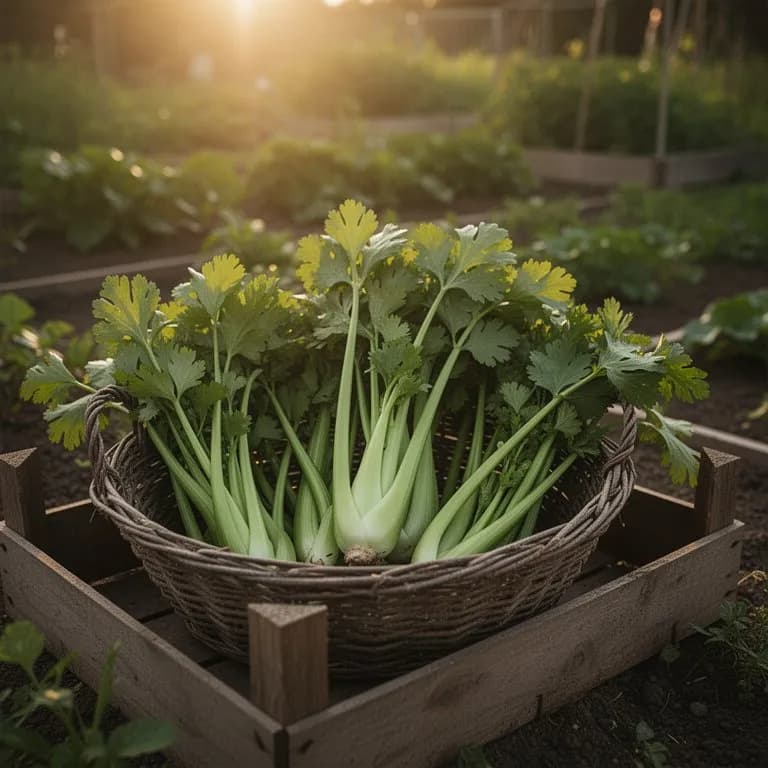
Ein halbaquatisches Kraut, das in der koreanischen und japanischen Küche verwendet wird, mit hohlen, sellerieartigen Stängeln und einem frischen, petersilienähnlichen Geschmack.





Auf dieser SeiteÜberblick
Wassersellerie im Überblick
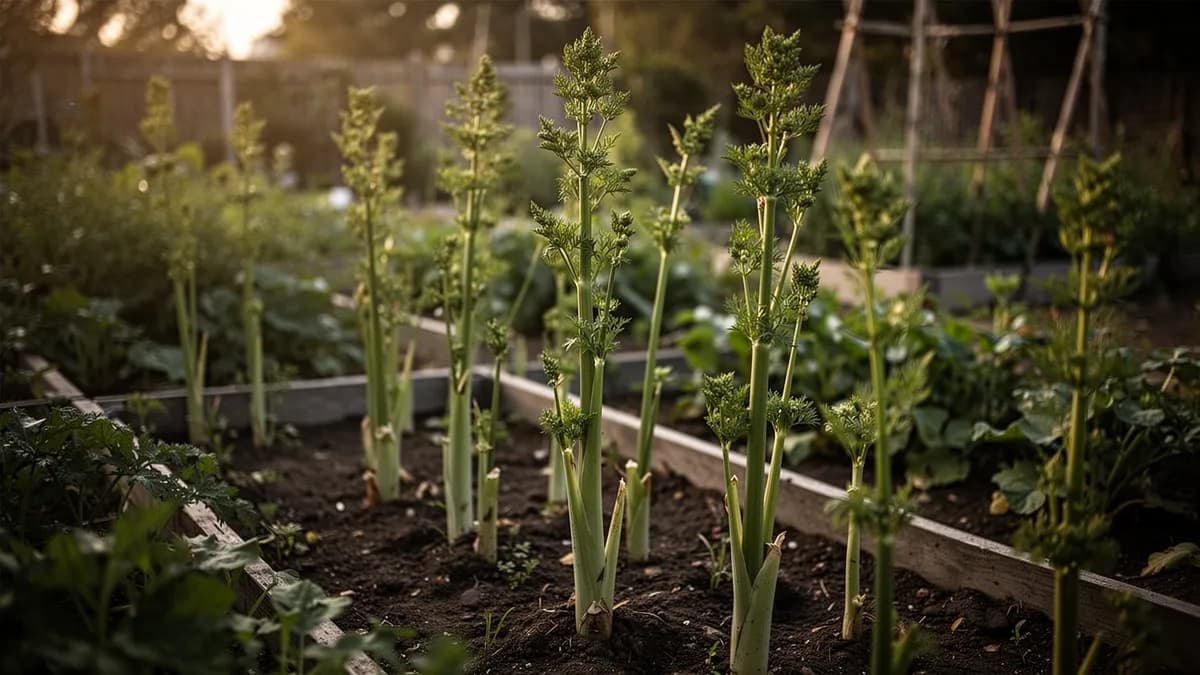
Ein halbaquatisches Kraut, das in der koreanischen und japanischen Küche verwendet wird, mit hohlen, sellerieartigen Stängeln und einem frischen, petersilienähnlichen Geschmack. Pflanzen breiten sich schnell über Ausläufer in sumpfigem Boden oder flachem Wasser aus und eignen sich ideal für Regengärten und Teichränder. Junge Stängel und Blätter werden in koreanischen Namul-Beilagen, Tempura und als Garnitur verwendet. Für üppigstes Wachstum in gleichmäßig feuchtem Boden oder in Behältern anbauen, die in Untersetzern mit Wasser stehen.
Wann Wassersellerie pflanzen
Wassersellerie lässt sich am einfachsten durch Teilung etablierter Pflanzen oder Bewurzelung von Stängelstecklingen im Wasser vermehren. Stellen Sie Stängelstecklinge in ein Glas Wasser auf eine sonnige Fensterbank, und Wurzeln entwickeln sich innerhalb von ein bis zwei Wochen. Bewurzelte Stecklinge in Behälter mit nassem Boden umpflanzen. Die Anzucht aus Samen ist möglich, aber langsam. Säen Sie die Samen im Frühling auf die Oberfläche von ständig feuchter Aussaaterde. Die Samen brauchen Licht und Wärme zum Keimen, was typischerweise zwei bis drei Wochen bei 18 bis 24 Grad Celsius dauert. Halten Sie die Sämlinge von Anfang an in stehendem Wasser, um ihre bevorzugten Wachstumsbedingungen zu simulieren.
Dein Wassersellerie-Jahr
Abgestimmt auf Zone 7 · typische Saison · Frost geht um den 2. Apr. und kehrt um den 1. Nov. zurück
Wassersellerie Mär – Mai pflanzen, Mai – Sep ernten. Beachte die Pflanzmethoden unten und wähle dein Klima für passende Zeiträume.
So baust du Wassersellerie an
Wassersellerie, auch bekannt als Oenanthe javanica oder Java-Wasserfenchel, ist eine wüchsige halbaquatische Staude, die unter gleichmäßig nassen bis staunassen Bedingungen gedeiht. Pflanzen Sie Teilstücke oder bewurzelte Ausläufer im Frühling in sumpfigen Boden, an Teichrändern oder in Behältern ohne Abflusslöcher. Der Boden sollte reich und humos sein, wobei die Krone auf oder knapp unter der Wasseroberfläche liegt. Stellen Sie den Standort in voller Sonne bis Halbschatten für bestes Wachstum auf.
Wassersellerie breitet sich schnell über Ausläufer aus, die an den Knoten wurzeln und rasch eine dichte Wachstumsmatte bilden. In Gartenumgebungen begrenzen Sie die Ausbreitung, indem Sie in eingesenkten Behältern oder Hochbeeten mit festen Wänden anbauen. Halten Sie den Boden durchgängig gesättigt oder mit einer dünnen Wasserschicht bedeckt. Düngen Sie während der Wachstumsperiode monatlich mit einem ausgewogenen Flüssigdünger. Schneiden Sie die Pflanzen regelmäßig stark zurück, um frisches, zartes Nachwachsen für die Ernte zu fördern.
In den Zonen 5 bis 7 stirbt Wassersellerie im Winter bis zu den Wurzeln ab und treibt im Frühling kräftig wieder aus. In wärmeren Zonen bleibt er ganzjährig halbimmergrün. Pflanzen können auch als schwimmende Wasserpflanze in Teichen oder Wassergärten angebaut werden, wo sie das Wasser filtern und Lebensraum für Wasserlebewesen bieten. Seien Sie vorsichtig mit der aggressiven Ausbreitungstendenz, besonders in der Nähe natürlicher Wasserläufe, wo sie invasiv werden könnte.
72 Pflanzen passen in ein Beet von 120 × 240 cm
Wassersellerie braucht 20 cm Platz pro Pflanze. Der Planer hält diesen Abstand für dich ein — jede Pflanze, jedes Beet.
Die besten Nachbarn für Wassersellerie
Wassersellerie wächst natürlich neben anderen halbaquatischen und feuchtigkeitsliebenden Pflanzen. Gute Begleiter sind Brunnenkresse, Taro, Lotus und Wasserminze. Er eignet sich gut als Unterpflanzung in Regengärten neben Wasserhanf, Kardinalblume und Schwertlilie. In Teichumgebungen mit Seerosen und anderen Wasserpflanzen für ein vielfältiges Ökosystem kombinieren. Vermeiden Sie die Pflanzung neben aggressiven Ausbreitern wie Pfennigkraut, die um Platz in Nassbereichen konkurrieren könnten.
Brunnenkresse gehört daneben.
Altes Gärtnerwissen, geprüft an der echten Nachbartabelle von Wassersellerie — teste jede Pflanze, die du anbaust.
Probiere Wassersellerie direkt hier im Beet
Ein echtes Planer-Beet, Wassersellerie steht schon drin. Tippe einen Begleiter an, platziere ihn und sieh, wie die Nachbarschaftsprüfung antwortet — grün für gute Nachbarn, rot bei Streit.


Passende Anbau-Ratgeber
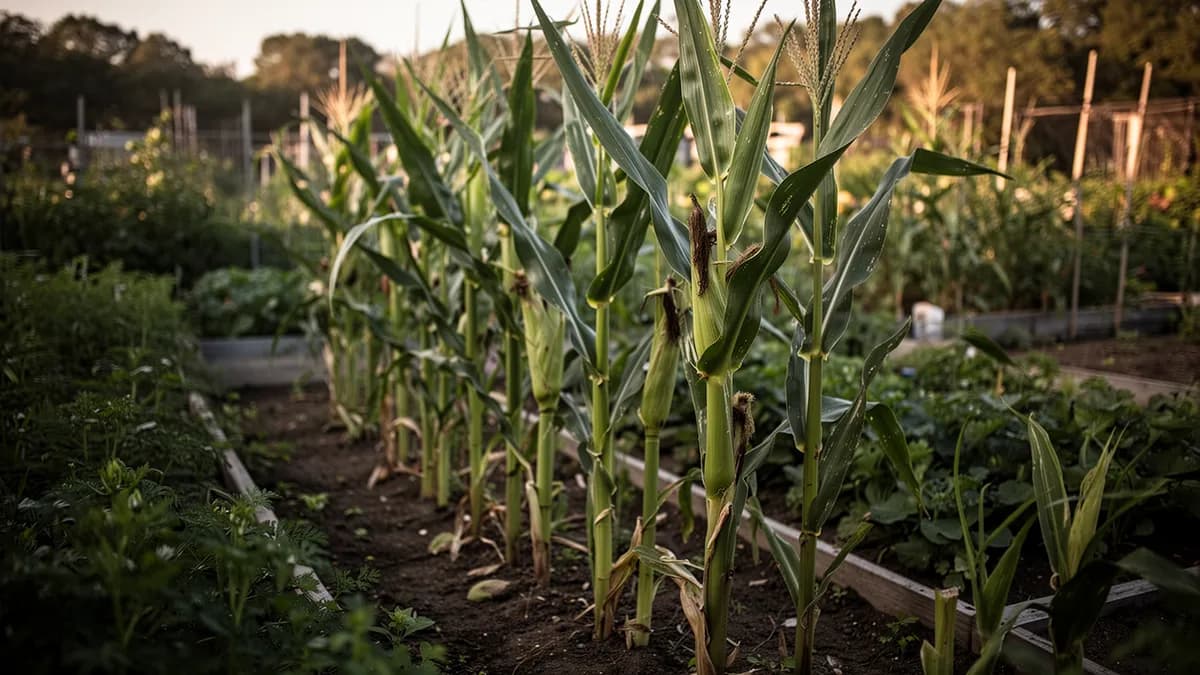
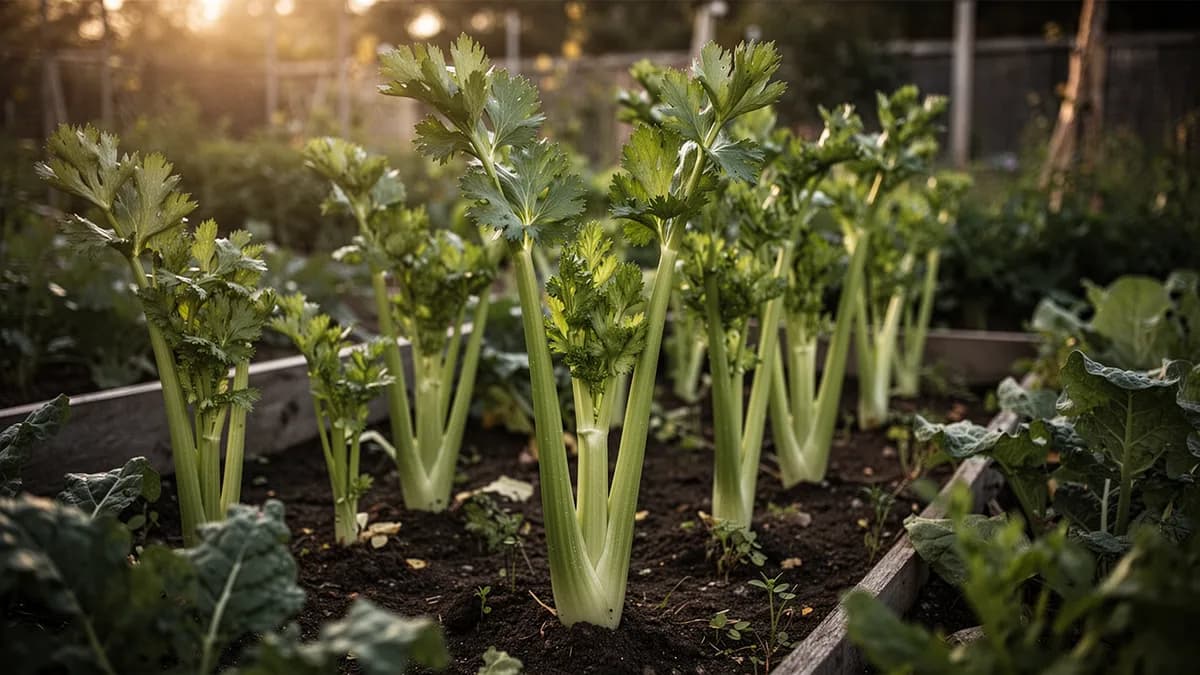
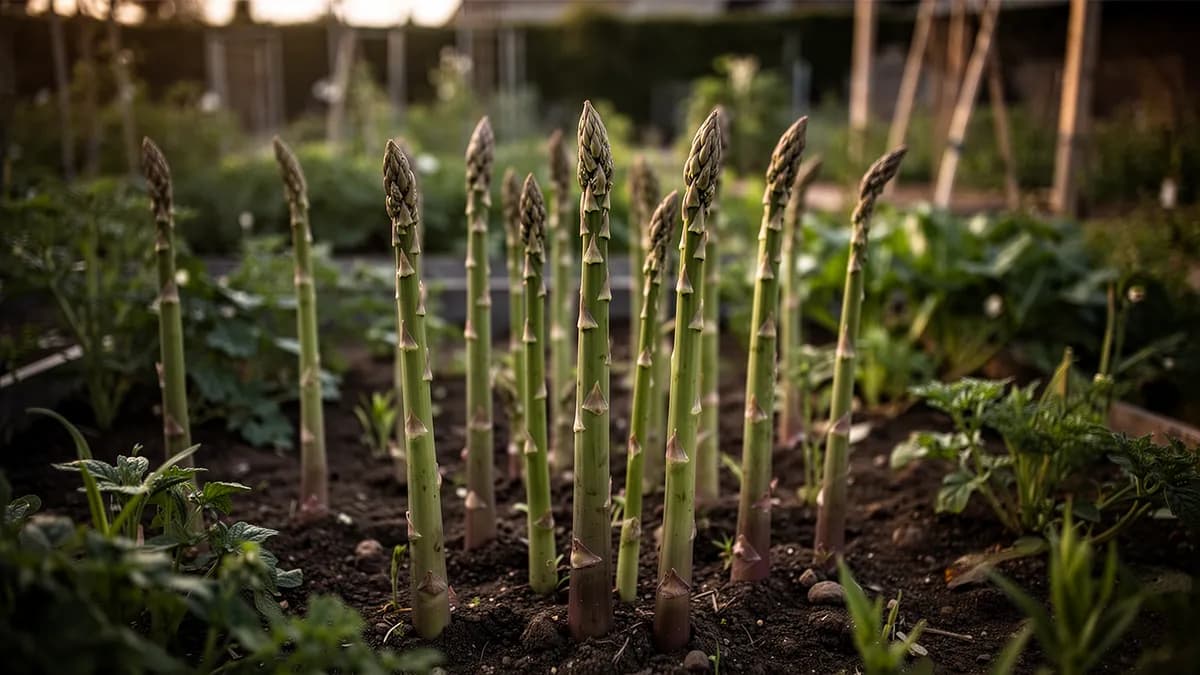
Richtig düngen
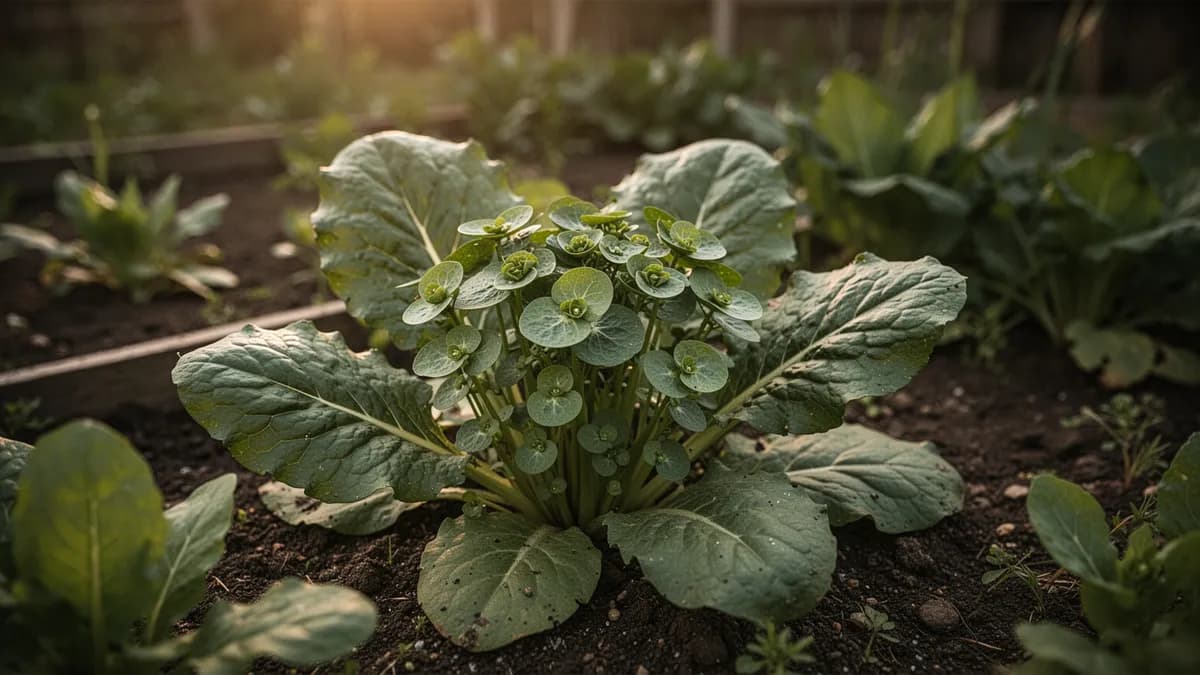
Wassersellerie benötigt reichen, humosen Boden, der ständig nass bis staunass bleibt. Eine schwere Blumenerde, angereichert mit großzügigen Mengen Kompost, eignet sich gut für den Behälteranbau. Halten Sie mindestens einen Zentimeter stehendes Wasser über der Bodenoberfläche oder stellen Sie sicher, dass der Boden niemals austrocknet. Düngen Sie während des aktiven Wachstums alle zwei bis drei Wochen mit einem ausgewogenen Flüssigdünger. In Teichumgebungen pflanzen Sie in Körbe mit schwerer Lehmerde, die mit Kies abgedeckt wird, um ein Aufschwimmen der Erde zu verhindern. Die Pflanze ist nicht wählerisch hinsichtlich des Boden-pH-Werts, bevorzugt aber leicht saure bis neutrale Bedingungen.
Ideale Temperatur
Winterhärtezone-Kompatibilität
Von der Saat zur Ernte, Schritt für Schritt
Samenkeimung
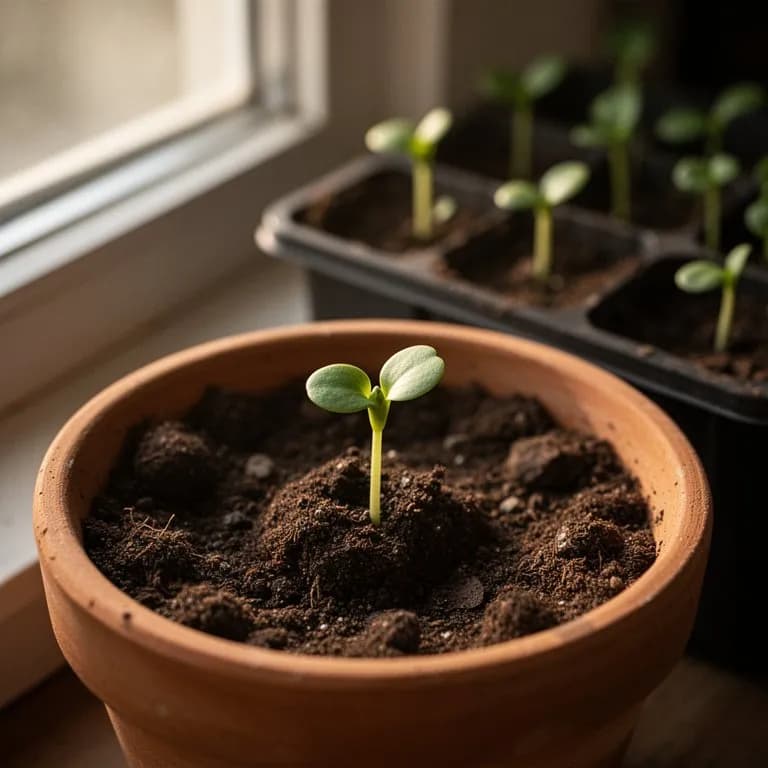
Wassersellerie-Samen sind winzig und benötigen Licht und ständige Feuchtigkeit zum Keimen. Oberflächlich auf nasse Aussaaterde säen und die Schale an einem warmen, hellen Ort aufbewahren. Die Keimung ist langsam und ungleichmäßig und dauert typischerweise 14-21 Tage. Die ersten Blätter sind haarfein und leicht mit Gras zu verwechseln. Das Substrat darf während dieser Phase niemals austrocknen — Bewässerung von unten oder Abdecken mit einer Feuchtigkeitshaube hilft, den notwendigen Feuchtigkeitsgrad aufrechtzuerhalten.
Sämlingsentwicklung
Echte Blätter erscheinen mit der charakteristischen gefiederten Form — kleine, gezahnte Blättchen entlang eines schlanken Stängels angeordnet. Sämlinge bleiben zart und wachsen anfangs langsam, wobei sie allmählich eine kleine Rosette bilden. Das Wurzelsystem beginnt feine, wasseranziehende Wurzeln zu entwickeln, die sich horizontal ausbreiten. Sämlinge sind äußerst empfindlich gegenüber Austrocknung und müssen jederzeit in gesättigten oder stehenden Wasserbedingungen gehalten werden.
Vegetative Ausbreitung
Pflanzen treten in aktives Wachstum ein, bilden mehrere Stängel aus der Krone und breiten sich über Ausläufer aus, die an den Knoten wurzeln, wenn sie feuchten Boden oder Wasser berühren. Blätter werden größer und deutlicher gefiedert mit einer glänzenden, tiefgrünen Farbe. Hohle Stängel strecken sich und entwickeln die charakteristische knackige, sellerieartige Textur. Die Pflanze wandelt sich von einer kompakten Rosette in einen sich ausbreitenden Horst, der eine Fläche von 30-50 cm bedecken kann.
Reifes Wachstum und Ernte
Der Horst erreicht seine volle Größe mit zahlreichen aufrechten Stängeln von 30-60 cm Höhe. Ausläufer breiten sich weiter aus, um verfügbaren nassen Boden zu besiedeln. Blätter und Stängel sind auf dem Höhepunkt von Geschmack und Zartheit für die Ernte. Die Pflanze kann wiederholt geerntet werden, indem äußere Stängel an der Basis geschnitten werden und die Mitte zur Regeneration belassen wird. Regelmäßiges Ernten verzögert die Blüte und verlängert die produktive Phase erheblich.
Blüte
Blütenstängel erscheinen aus der Mitte der Pflanze mit kleinen weißen Doldenblüten, die typisch für die Doldenblütler-Familie sind. Jede Dolde besteht aus vielen winzigen fünfblättrigen Blütchen, die Schwebfliegen, Schlupfwespen und andere Nützlinge anlocken. Die Blattqualität nimmt ab, sobald die Blüte beginnt — Stängel werden zäher und der Geschmack bitterer. In warmen Klimazonen kann Wassersellerie mehrmals pro Jahr blühen.
Ruhephase oder Überwinterung
In gemäßigten Klimazonen stirbt Wassersellerie bis zur Krone ab, wenn die Temperaturen unter 5°C fallen. Die Wurzeln überleben unterirdisch in den Zonen 7-11 und treiben im Frühling kräftig wieder aus. In tropischen und subtropischen Regionen ist die Pflanze immergrün und produziert ganzjährig ohne Ruhephase. Im Behälter angebaute Pflanzen können drinnen an einer hellen, kühlen Fensterbank überwintert werden.
Drücken Sie die Samen sanft auf die Oberfläche der nassen Aussaaterde, ohne sie zu bedecken — sie brauchen Licht zum Keimen. Stellen Sie die Schale in eine flache Wasserschale für konstante Bodenfeuchtigkeit und decken Sie mit einem durchsichtigen Deckel ab, um die Luftfeuchtigkeit zu halten. Eine Temperatur von 18-22°C ist optimal.
Wassersellerie Monat für Monat pflegen
Was du jeden Monat für deine Wassersellerie tun solltest
Oktober
Aktueller MonatLetzte große Ernten, da das Wachstum mit sinkenden Temperaturen nachlässt. In den Zonen 9-11 wächst Wassersellerie im Herbst weiter. Vergilbtes oder verbrauchtes Laub aufräumen. Düngehäufigkeit reduzieren, da das Wachstum nachlässt.
Immer wissen, was jetzt im Garten zu tun ist
Eine E-Mail zum Monatsanfang: was du jetzt säen, pflanzen und anpacken solltest — für deine Wassersellerie und alles, was drumherum wächst. Dazu ein kurzer Startkurs, der dich vor den klassischen Fehlern bewahrt.
- Was jetzt zu tun ist
- Passend zu deiner Saison
- Startkurs inklusive
Wassersellerie ernten
Ernten Sie Wassersellerie-Stängel und -Blätter während der gesamten Wachstumsperiode, indem Sie junge Triebe vier bis sechs Zoll von den Spitzen schneiden oder abknipsen. Regelmäßiges Ernten fördert buschiges Nachwachsen und verhindert, dass die Pflanze verholzt. Die jüngsten Stängel und Blätter haben den besten Geschmack und die zarteste Textur. Ernten Sie morgens für optimale Knackigkeit. Vermeiden Sie es, mehr als ein Drittel der Pflanze auf einmal zu ernten, um weiterhin kräftiges Wachstum zu ermöglichen. Stängel und Blätter können in den meisten Klimazonen vom Frühling bis zum Herbst geerntet werden.
angenommen, du pflanzt zu Beginn des Zeitraums — trage dein tatsächliches Datum ein
Ernte Wassersellerie zügig, dann trägt die Pflanze weiter.
Lagerung & Konservierung
Frischer Wassersellerie wird am besten innerhalb von drei bis vier Tagen nach der Ernte verwendet. Lagern Sie ungewaschene Stängel in einem Plastikbeutel mit einem feuchten Papiertuch im Kühlschrank. Die Blätter welken nach dem Schneiden schnell, daher stellen Sie sie wie frische Kräuter in Wasser für die kurzfristige Lagerung. Für längere Haltbarkeit die Stängel und Blätter kurz blanchieren, dann flach auf Backblechen einfrieren und anschließend in Gefrierbeutel umfüllen. Wassersellerie kann getrocknet werden, verliert dabei aber viel von seinem frischen Aroma. Gehackte Stängel können ohne Auftauen direkt aus dem Gefrierschrank zu Suppen und Eintöpfen gegeben werden.
Was schiefgeht — und die Lösung
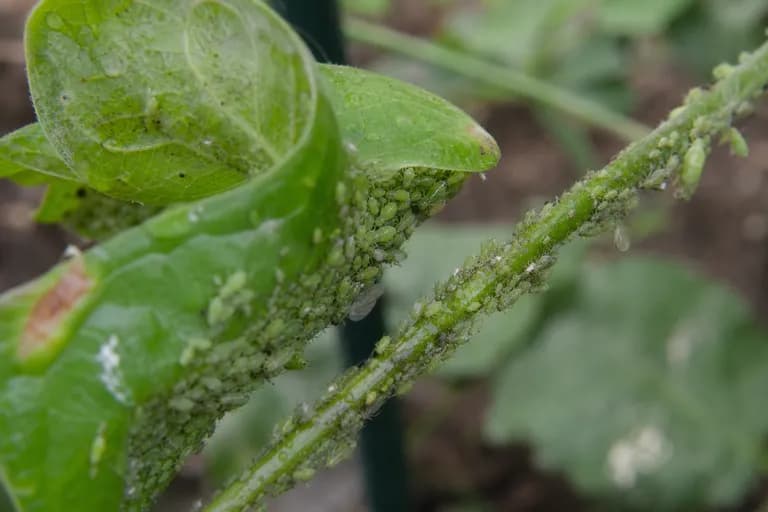
Blattläuse
SchädlingAnsammlungen kleiner grüner oder schwarzer Insekten an zarten Triebspitzen und Unterseiten junger Blätter. Verkrüppeltes Wachstum und klebriger Honigtau.
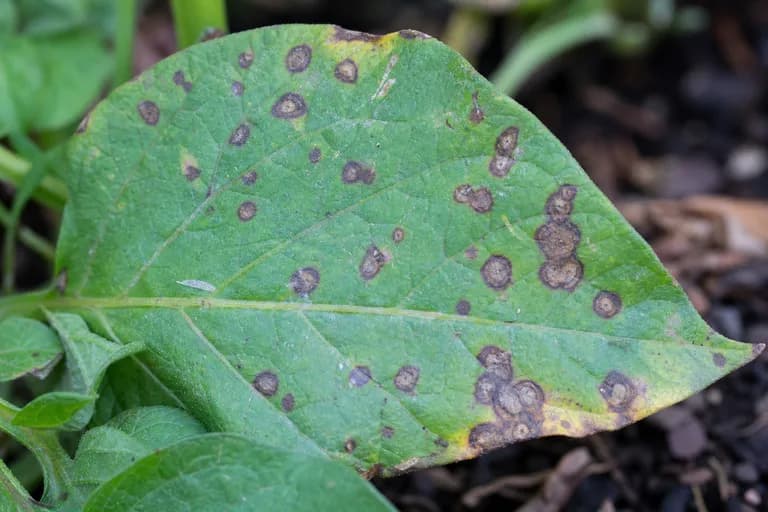
Blattfleckenkrankheit
KrankheitBraune oder dunkle Flecken auf älteren Blättern, manchmal mit gelbem Hof. Meist kosmetisch und beeinträchtigt die allgemeine Pflanzengesundheit nicht ernsthaft.
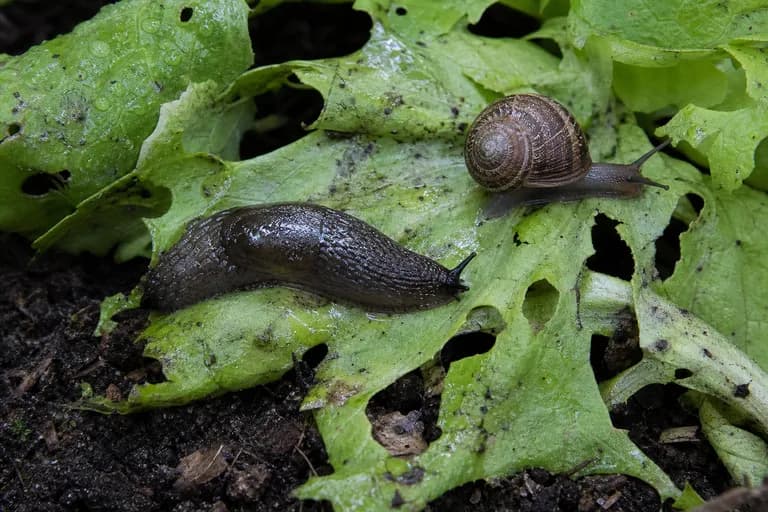
Schnecken und Nacktschnecken
SchädlingUnregelmäßige Löcher in Blättern und schleimige Spuren auf dem Laub. Schäden sind typischerweise am stärksten unter schattigen, nassen Bedingungen, in denen Wassersellerie wächst.
Fehlerbehebung bei häufigen Problemen
Die größte Herausforderung bei Wassersellerie ist die Eindämmung seiner aggressiven Ausbreitung. Ohne Barrieren kann er schnell feuchte Gartenbereiche überwuchern und in der Nähe natürlicher Wasserläufe invasiv werden. Die Aufrechterhaltung ständig nasser Bedingungen kann in trockenen Klimazonen oder während sommerlicher Trockenperioden schwierig sein. Die Verwechslung von Wassersellerie mit dem giftigen Wasserschierling, der ähnlich aussieht, ist ein ernstes Sicherheitsrisiko für Wildsammler. Bauen Sie immer aus bekanntem Kulturmaterial an, anstatt unbekannte Pflanzen zu sammeln. Pflanzen können langstängelig und weniger aromatisch werden, wenn sie nicht regelmäßig geerntet werden.
Anbautipps
- Wasser ist der wichtigste einzelne Faktor für den Anbau von Wassersellerie. Der Boden muss gesättigt oder in 2-5 cm stehendem Wasser getaucht sein — selbst wenige Stunden Austrocknung bei heißem Wetter können irreversibles Welken und Blattschäden verursachen. Wenn Sie keinen Teich oder Moorgarten haben, bauen Sie in einem Behälter ohne Abflusslöcher an, der stets mit Wasser aufgefüllt wird.
- Beginnen Sie wann immer möglich mit Teilstücken statt mit Samen. Wassersellerie-Samen sind langsame, unzuverlässige Keimer, die 2-3 Wochen zum Sprossen brauchen können. Teilstücke aus dem Garten eines Freundes oder einer gekauften Pflanze wachsen sofort an und beginnen innerhalb von Wochen erntereife Stängel zu produzieren.
- Nährstoffreicher Boden verbessert die Erträge dramatisch. Pflanzen Sie in einer Mischung aus guter Gartenerde und Kompost oder verwenden Sie eine schwere Blumenerde, angereichert mit Wurmhumus. Anders als viele Wasserpflanzen, die arme Substrate tolerieren, ist Wassersellerie ein hungriger Fresser, der großzügige Bodenvorbereitung belohnt.
- Bieten Sie in heißen Klimazonen Morgensonne und Nachmittagsschatten. Wassersellerie hat sich entlang schattiger Bachufer und Waldränder entwickelt und zeigt die beste Leistung mit 4-6 Stunden direkter Sonne plus hellem indirektem Licht für den Rest des Tages. Volle, ganztägige Sonne in Zone 8 und wärmer verursacht Blattverbrennungen und vorzeitiges Schossen.
- Ernten Sie regelmäßig und großzügig, um Wassersellerie zur Produktion von zartem Nachwuchs anzuregen. Schneiden Sie äußere Stängel alle 5-7 Tage an der Basis ab und nehmen Sie bis zu ein Drittel der Pflanze bei jeder Ernte. Nicht geerntete Pflanzen schossen schnell und werden zäh und bitter.
- Begrenzen Sie die Ausbreitung, wenn Sie in der Nähe eines natürlichen Gewässers anbauen. Wassersellerie breitet sich kräftig über Ausläufer aus und kann in geeigneten feuchten Lebensräumen verwildern. Bauen Sie in einem eingesenkten Behälter oder ausgekleideten Beet an, um unerwünschte Ausbreitung zu verhindern, besonders in Regionen, in denen er nicht heimisch ist.
- Wassersellerie ist eine hervorragende Begleitpflanze in Aquaponik-Systemen und Wassergarten-Behältern. Sein dichtes Wurzelnetzwerk filtert und mit Sauerstoff anreichert das Wasser auf natürliche Weise, was Fischen und anderen Wasserlebewesen zugutekommt und gleichzeitig einen kontinuierlichen Nachschub an essbarem Grün liefert.
- Erfolgreich überwintern durch Mulchen der Kronen in den Zonen 7-8 oder Hereinholen der Behälter an einen hellen, kühlen Platz. Wassersellerie ist überraschend winterhart, wenn er einmal etabliert ist — die Wurzeln überleben Frosttemperaturen, solange sie durch Erde und Mulch isoliert sind.
Bau deine beste Wassersellerie an — und alles drumherum.
Starte heute kostenlos. Lege deine Beete an, setze deine Wassersellerie ein und lass PlotMyGarden Timing, Abstände, Begleiter und Erinnerungen von der Saat bis zum Erntekorb übernehmen.
Finde deine Wassersellerie
Grüner Wassersellerie
Die Standardsorte mit leuchtend grünem, glänzendem Laub und einem klaren Petersilie-Sellerie-Geschmack. Wüchsiger Wachser, ideal für den kulinarischen Gebrauch.
Flamingo-Wassersellerie
Eine Ziersorte mit auffälligem rosa, weiß und grün panaschiertem Laub. Essbar mit demselben Geschmack wie die grüne Form, aber weniger wüchsig.
Koreanischer Wassersellerie
Eine Auslese, die speziell für den kulinarischen Gebrauch in der koreanischen Küche angebaut wird, mit zarten Stängeln und mildem Geschmack, perfekt für Namul-Zubereitungen.
Frischer Wassersellerie (Minari) wird in asiatischen Lebensmittelgeschäften und Spezialitätenmärkten für 4-8 € pro Bund verkauft und ist außerhalb großer Städte oft schwer zu finden. Ein einzelnes Teilstück oder ein Sämling für 3-5 € kann einen sich selbst erhaltenden Horst etablieren, der pro Saison Wassersellerie im Wert von 60-120 € produziert. Da die Pflanze mehrjährig ist und sich selbst ausbreitet, fallen keine jährlichen Neupflanzungskosten an — die anfängliche Investition produziert jahrelang mit minimalem Aufwand über die Aufrechterhaltung des Wasserstands und gelegentliches Düngen hinaus.
Schnelle Rezepte
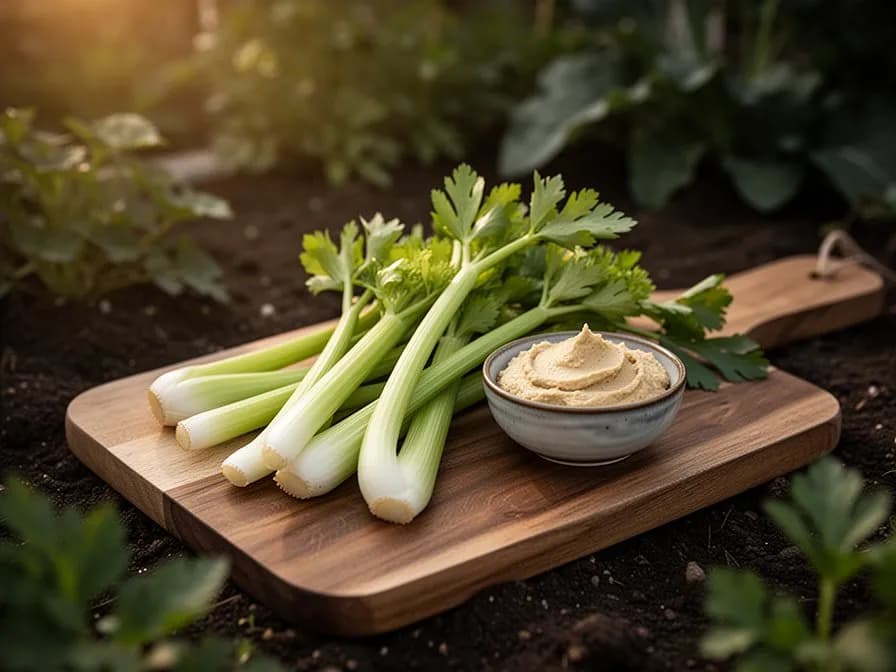
Knoblauch-Wassersellerie-Pfanne
10 Min.Ein blitzschnelles südostasiatisches Beilagengericht, bei dem Wassersellerie-Stängel und -Blätter in einem glühend heißen Wok mit Knoblauch und einem Schuss Fischsauce scharf angebraten werden. Die hohlen Stängel bleiben knackig, während die Blätter gerade genug welken, um ihr helles, kräuteriges Aroma freizusetzen.
7 ZutatenWassersellerie-Tofu-Suppe
20 Min.Eine klare, wohltuende Brühensuppe, bei der Wassersellerie im letzten Moment hinzugefügt wird, um seinen Biss und Geschmack zu bewahren. Seidentofu und ein paar Tropfen Sesamöl runden diese sanfte, nährende Schüssel ab, die ein Grundnahrungsmittel in vietnamesischen und chinesischen Haushaltsküchen ist.
8 ZutatenFrischer Wassersellerie-Salat mit Limetten-Dressing
15 Min.Ein heller, knackiger Salat, der rohen Wassersellerie von seiner besten Seite zeigt. Die pfeffrigen Blätter und knackigen hohlen Stängel werden mit einem würzigen Limetten-Fischsauce-Dressing, frischen Kräutern und gerösteten Erdnüssen vermengt, als erfrischende Beilage.
8 ZutatenKulinarische Verwendung
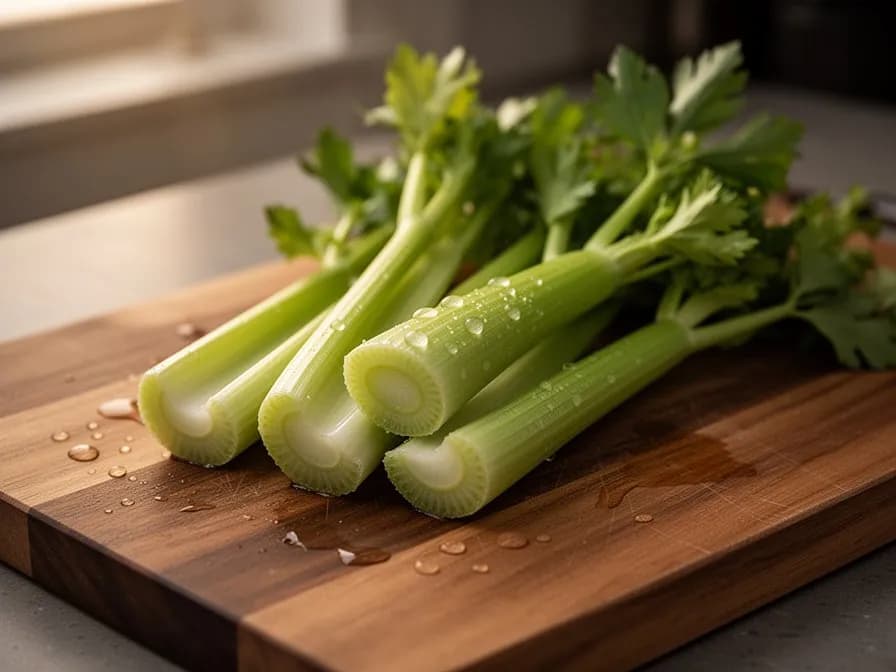
Wassersellerie wird in der koreanischen Küche häufig als Namul-Beilage verwendet, wobei junge Stängel und Blätter blanchiert und mit Sesamöl, Knoblauch und Sojasauce angemacht werden. In der japanischen Küche erscheint er in Tempura und als frische Garnitur für Suppen und Nudelgerichte. Die hohlen Stängel haben einen klaren, hellen Geschmack, der milder als normaler Sellerie ist, mit petersilienartigen, kräuterigen Noten. Roh zu Salaten für Biss hinzufügen oder kurz mit Knoblauch anbraten. Wassersellerie ist auch eine erfrischende Zutat für Sommerrollen und Reispapierwickel.
Was drinsteckt
Gesundheitsvorteile
- Sehr kalorienarm (18 pro 100g) mit hohem Wassergehalt, was Wassersellerie zu einem idealen Gemüse für Hydratation und Gewichtsmanagement macht, ohne auf Nährstoffdichte zu verzichten.
- Gute Vitamin-C-Quelle, die 17% des Tageswerts pro 100g liefert, um die Immunfunktion, Kollagenproduktion und die verbesserte Aufnahme von pflanzlichem Eisen aus derselben Mahlzeit zu unterstützen.
- Enthält Beta-Carotin, das der Körper in Vitamin A umwandelt und so gesundes Sehen, Hautzellenerneuerung und die ordnungsgemäße Funktion der Schleimhautbarrieren des Immunsystems unterstützt.
- Reich an Flavonoid-Antioxidantien einschließlich Persicarin und Isorhamnetin, die in Laborstudien entzündungshemmende Eigenschaften gezeigt haben und möglicherweise die Herz-Kreislauf- und Lebergesundheit unterstützen.
- Die traditionelle asiatische Medizin verwendet Wassersellerie seit Jahrhunderten zur Unterstützung der Lebergesundheit, Fiebersenkung und Förderung eines gesunden Blutdrucks — moderne Forschung hat begonnen, bioaktive Verbindungen zu identifizieren, die diesen traditionellen Anwendungen zugrunde liegen könnten.
- Die Ballaststoffe und der hohe Wassergehalt in Wassersellerie unterstützen die Verdauungsregulierung, während der Kaliumgehalt (310mg pro 100g) zu einem gesunden Blutdruckmanagement und Elektrolythaushalt beiträgt.
Woher Wassersellerie stammt
Wassersellerie (Oenanthe javanica) stammt aus den Feuchtgebieten, Uferbereichen und sumpfigen Niederungen Ost- und Südostasiens, wobei sein natürliches Verbreitungsgebiet von China, Japan und Korea über Vietnam, Thailand, Malaysia und Indonesien bis zum indischen Subkontinent reicht. Der Artname 'javanica' spiegelt seine frühe botanische Dokumentation von der Insel Java wider, obwohl die Kulturgeschichte der Pflanze weit älter und verbreiteter ist, als dieser Name vermuten lässt.
Wassersellerie wird seit weit über zweitausend Jahren in Asien wild gesammelt und an Reisfeldrändern und Bewässerungsgräben kultiviert. In China erscheinen Hinweise auf Shui Qin in alten Agrartexten, und die Pflanze wurde sowohl als Gemüse als auch als Heilkraut in der traditionellen chinesischen Medizin geschätzt. In Japan hat Seri besondere kulturelle Bedeutung als eines der sieben Frühlingskräuter (Nanakusa), die rituell gesammelt und am 7. Januar in einem Reisbrei gegessen werden — eine Tradition, die über tausend Jahre bis in die Heian-Zeit zurückreicht. Die koreanische Küche verwendet Minari prominent in frischen Zubereitungen wie Salaten, Kimchi und dem beliebten Pajeon (Frühlingszwiebelkuchen), und wilder Wassersellerie wird in der koreanischen Landschaft noch immer an sauberen Bächen und Quellen gesammelt.
Wassersellerie gelangte durch asiatische Einwanderergemeinschaften und botanischen Austausch in andere Teile der Welt. Er hat sich in Teilen Europas, Nordamerikas, Australiens und Neuseelands eingebürgert, insbesondere entlang von Wasserläufen und in Feuchtgebieten, wo die Bedingungen seiner natürlichen Umgebung entsprechen. In den letzten Jahrzehnten ist das Interesse an Wassersellerie bei westlichen Gärtnern und Köchen gewachsen, als Teil der breiteren Erkundung asiatischer Gemüsesorten, essbarer Wasserpflanzen und permakulturfreundlicher Arten, die in Regengärten, Moorbeeten und Teichrand-Pflanzungen gedeihen, wo konventionelle Gemüsesorten nicht überleben können.
Wassersellerie: Schon gewusst?
Faszinierende Fakten über Wassersellerie
Wassersellerie (Oenanthe javanica) ist eines der wenigen Gemüse, das speziell dafür angepasst ist, in stehendem Wasser oder staunassem Boden zu wachsen — er gedeiht unter Bedingungen, die die meisten Gartenpflanzen sofort zum Faulen bringen würden, und ist damit eine seltene essbare Wahl für sumpfige Bereiche und Teichränder.
Wassersellerie: Fragen & Antworten
Wann sollte ich Wassersellerie pflanzen?
Was sind gute Begleitpflanzen für Wassersellerie?
In welchen Winterhärtezonen kann Wassersellerie wachsen?
Wie viel Sonne braucht Wassersellerie?
Welchen Abstand sollte ich zwischen Wassersellerie lassen?
Welche Schädlinge und Krankheiten befallen Wassersellerie?
Wie lagere ich Wassersellerie nach der Ernte?
Was sind die besten Wassersellerie-Sorten zum Anbauen?
Welchen Boden braucht Wassersellerie?
Kann ich Wassersellerie ohne Teich oder Wassergarten anbauen?
Ist Wassersellerie dasselbe wie normaler Sellerie?
Ist Wassersellerie sicher zu essen — ich habe gehört, dass einige Oenanthe-Arten giftig sind?
Wie schnell breitet sich Wassersellerie aus, und kann er invasiv werden?
Wie schmeckt Wassersellerie und wie wird er in der Küche verwendet?
Wann ist die beste Zeit, Wassersellerie zu ernten?
Du hast die Theorie gelesen. Jetzt baue sie auf Autopilot an.
Alles, was Wassersellerie knifflig macht — das Timing, die Abstände, die Begleiter, das Erntefenster — genau das übernimmt PlotMyGarden für dich, für jede Pflanze im Garten.
Ein Plan, der dein Wetter kennt
Standort einmal festlegen. Aussaat-, Dünge- und Erntedaten rund um deinen echten letzten Frosttermin und die Live-Vorhersage — kein Raten mehr nach Saattüte.
Aus dem Abschnitt „Pflanzzeit“Beetplaner per Drag & Drop
Beete auf einem Raster gestalten. Jede Pflanze rastet im richtigen Abstand ein, und du siehst die ganze Saison, bevor du einen Cent für Saatgut ausgibst.
Aus dem Abschnitt „Anbau“Begleiter-Konflikte früh erkannt
Über 200 gute und schlechte Kombinationen werden beim Pflanzen live geprüft — so landet ein saisonruinierender Fehler nie in der Erde.
Aus dem Abschnitt „Begleiter“Erinnerungen, nach denen du wirklich handelst
„Gieß die Bohnen.“ „Heute ernten, bevor's umschlägt.“ Pünktlich, konkret und auf deine echten Pflanzen bezogen.
Aus dem Abschnitt „Ernte“Staffel-Aussaat, geplant
Sechs Wochen ernten statt sechs Tage? Die App verteilt deine Aussaaten automatisch und erinnert dich, wenn der nächste Satz fällig ist.
Aus dem Abschnitt „Pflanzzeit“Ein Verlauf, der schlauer wird
Jede protokollierte Ernte bringt der App deinen Garten bei. Der Plan fürs nächste Jahr startet bei dem, was in deinem Boden wirklich funktioniert hat.
Aus dem Abschnitt „Überblick“Pflanze diese neben Wassersellerie
Weitere Stängel & Stiele
Bau deine beste Wassersellerie an — und alles drumherum.
Starte heute kostenlos. Lege deine Beete an, setze deine Wassersellerie ein und lass PlotMyGarden Timing, Abstände, Begleiter und Erinnerungen von der Saat bis zum Erntekorb übernehmen.