Velvet Bean
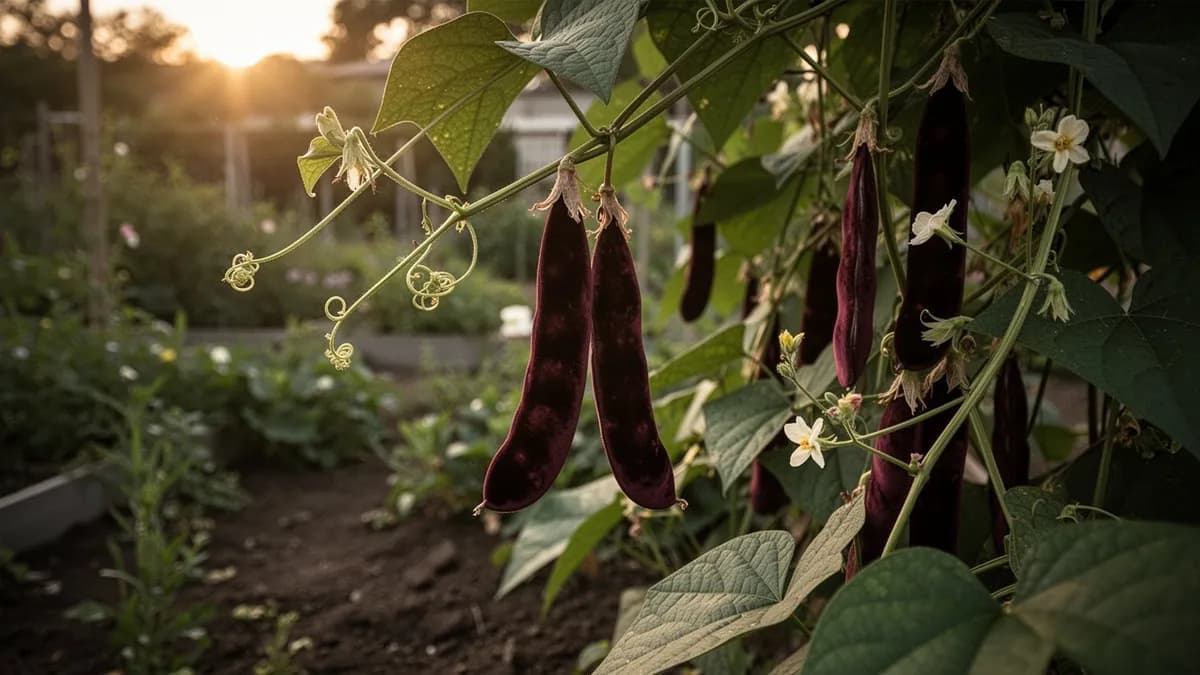
A tropical legume used as both a food crop and cover crop, with velvety pods containing seeds that require careful preparation.





On this pageOverview
Meet Velvet Bean
A tropical legume used as both a food crop and cover crop, with velvety pods containing seeds that require careful preparation. Young pods and mature seeds must be boiled and the water changed multiple times to remove irritating compounds before eating. Plants are vigorous climbers that smother weeds and fix large amounts of nitrogen in the soil. Increasingly recognized as a sustainable cover crop for tropical agriculture and soil restoration.
When to plant Velvet Bean
In tropical regions, direct sow velvet bean seeds at the onset of the rainy season. In temperate areas, start seeds indoors 4-6 weeks before the last frost date in individual pots to avoid root disturbance during transplant. Scarify seeds by nicking the seed coat with a file or soaking in warm water for 24 hours to improve germination rates. Plant 1-2 inches deep in warm, moist soil. Seeds germinate in 7-14 days at 75-85°F. Inoculate with cowpea-type Rhizobium for optimal nitrogen fixation. Transplant seedlings after soil is thoroughly warm.
Your Velvet Bean Year
Composed for Zone 7 · typical seasons · frost passes Apr 2, returns Nov 1
Plant Velvet Bean May – Jun, pick Sep – Nov. Check the planting methods below and set your climate to personalize these windows.
How to grow Velvet Bean
Velvet bean is a vigorous tropical vine that requires a long, warm growing season of 150-270 days depending on variety. Direct sow seeds after all frost danger has passed and soil temperatures are consistently above 68°F. Plant seeds 1-2 inches deep, spacing them 12-18 inches apart with rows 36-48 inches apart. Provide sturdy trellising or support structures as vines can grow 15-50 feet in a single season.
Water regularly during establishment but reduce once plants are growing vigorously, as velvet bean is fairly drought-tolerant once established. The plants fix substantial nitrogen through root nodules, enriching soil for future crops. In tropical regions, velvet bean is often grown as a cover crop between main crop seasons, producing up to 100-150 pounds of nitrogen per acre. Minimal fertilization is needed beyond initial phosphorus application.
For food use, harvest young tender pods before the irritating hairs develop fully. Mature seeds require thorough processing including extended boiling with multiple water changes to remove L-DOPA and other anti-nutritional compounds. In temperate climates, start seeds indoors 4-6 weeks before the last frost to extend the growing season. Plants will not survive any frost exposure.
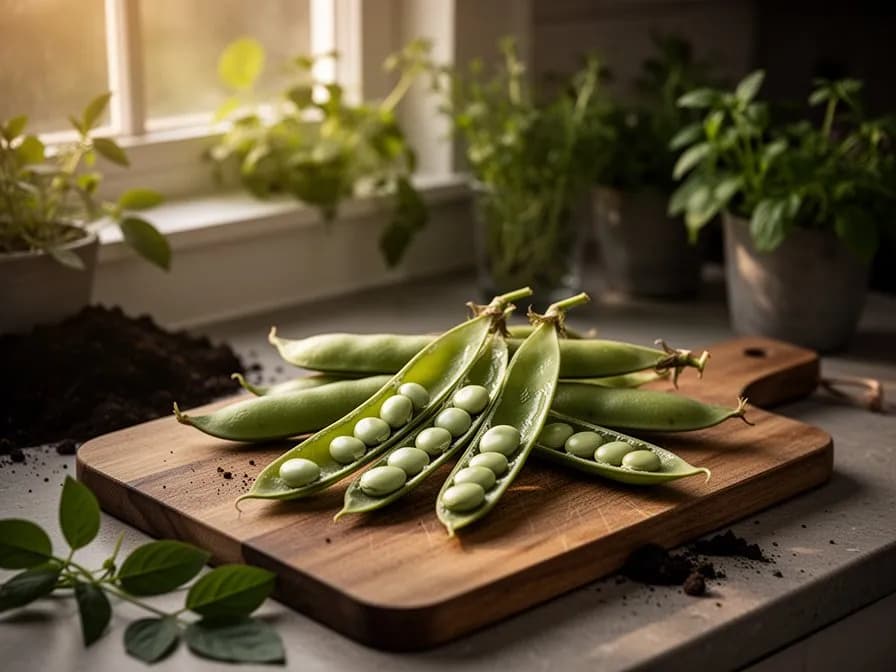
10 plants fit a 4 × 8 ft bed
Each Velvet Bean wants 45 cm of elbow room. The planner keeps that spacing for you — every plant, every bed.
Velvet Bean's best neighbours
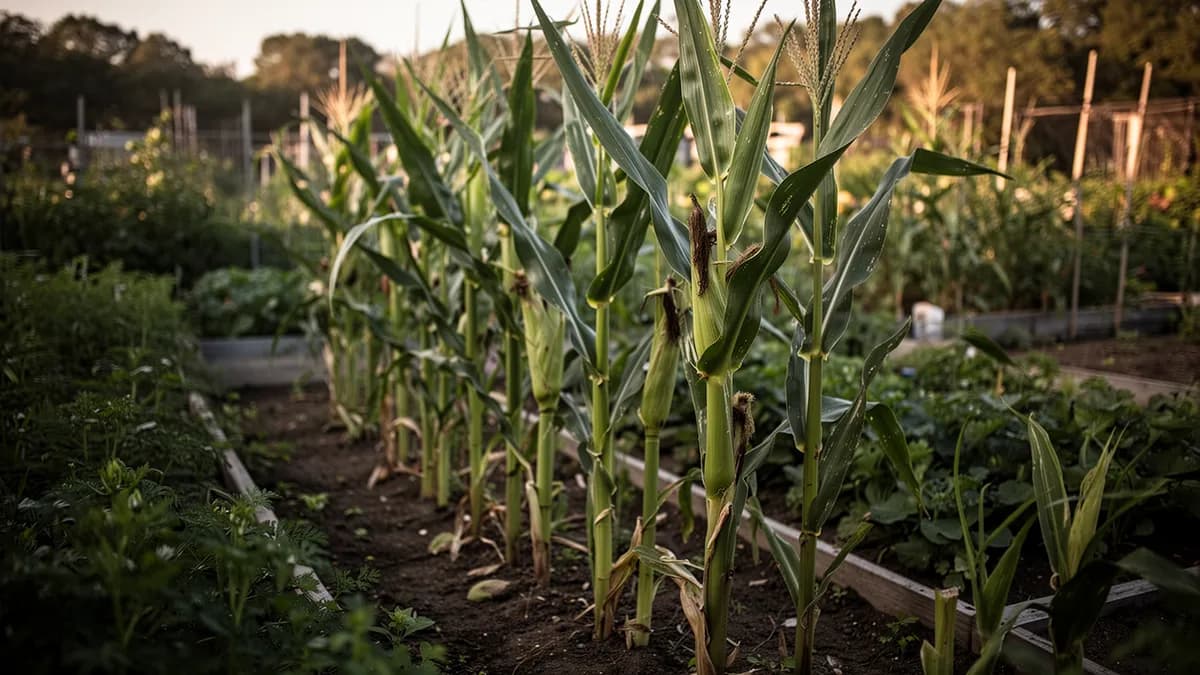
Velvet bean excels as a companion or relay crop with corn, where it is planted after corn harvest to cover the field and fix nitrogen for the next season. Its vigorous growth smothers weeds effectively, reducing the need for herbicides in subsequent crops. Avoid planting near other climbing legumes as they compete for trellis space and share pests. The heavy vine growth provides excellent ground cover that suppresses weed germination. In agroforestry systems, velvet bean grows well under partial shade of young fruit or timber trees.
Corn belongs beside it.
Old growers' knowledge, checked against Velvet Bean's real companion table below — test any plant you're growing.
Try Velvet Bean in a bed — right here
A real planner bed with Velvet Bean already in it. Tap a companion to place it and watch the pairing checks answer — green for good neighbours, red for a clash.


Related growing guides
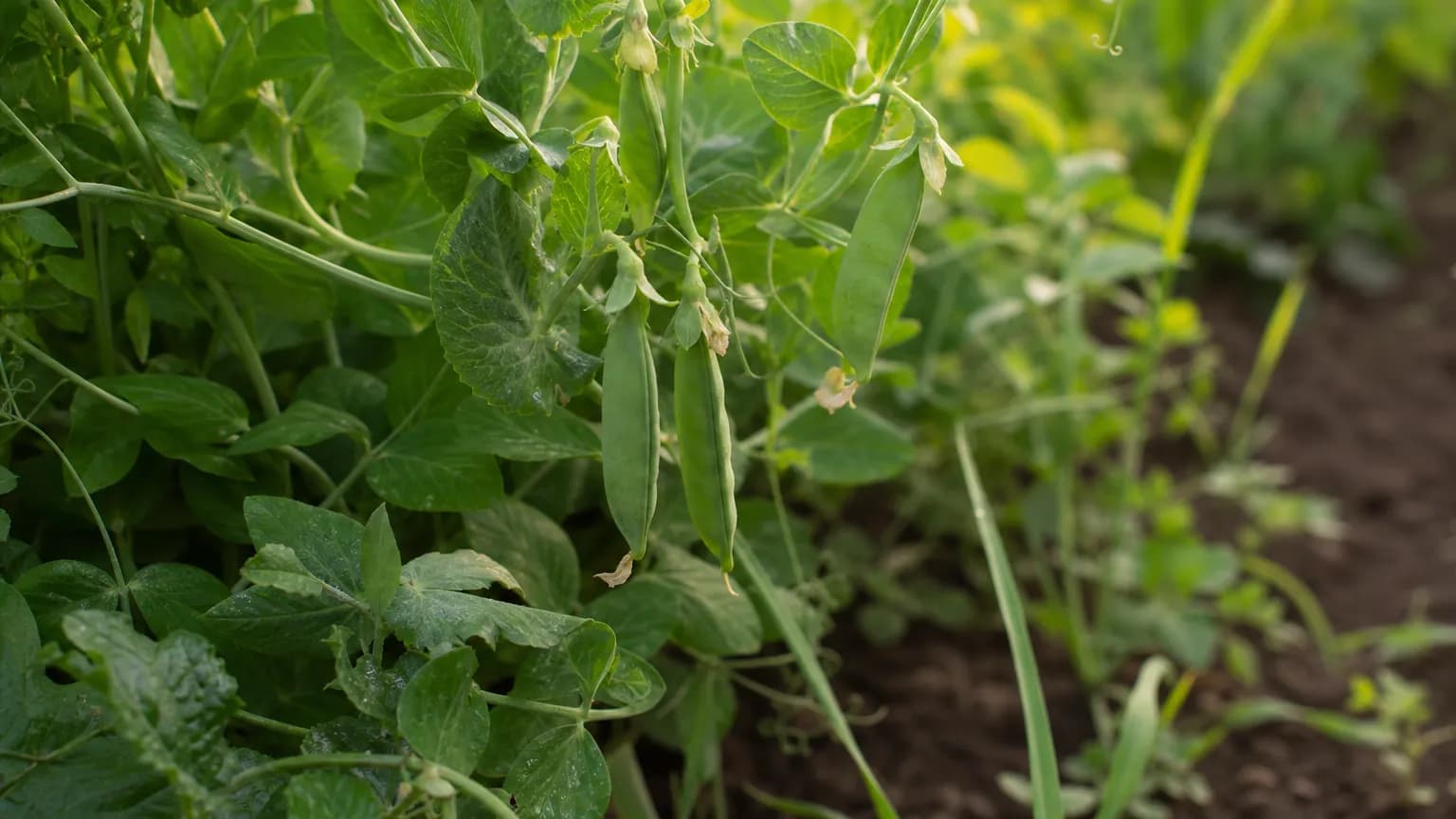
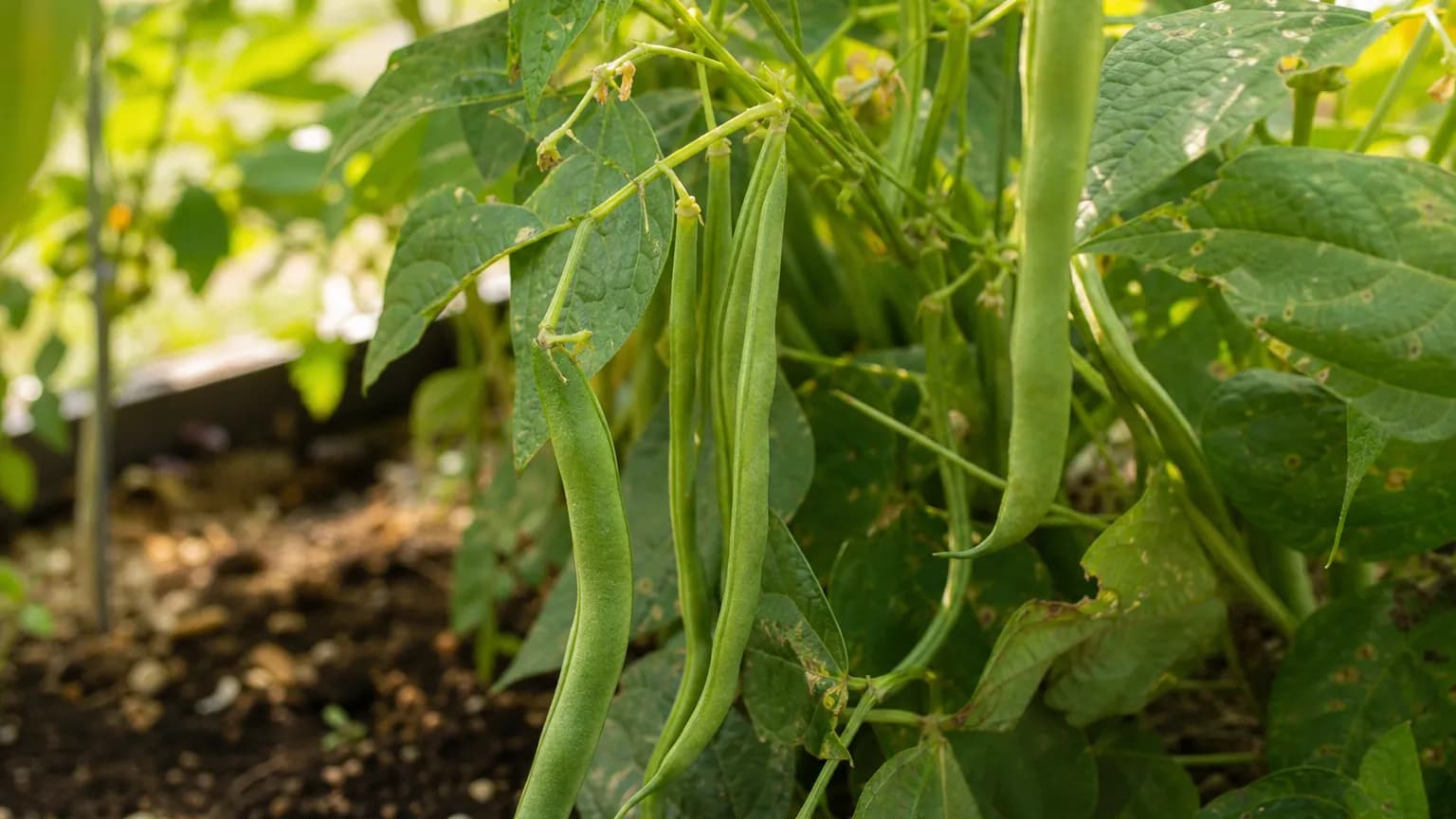
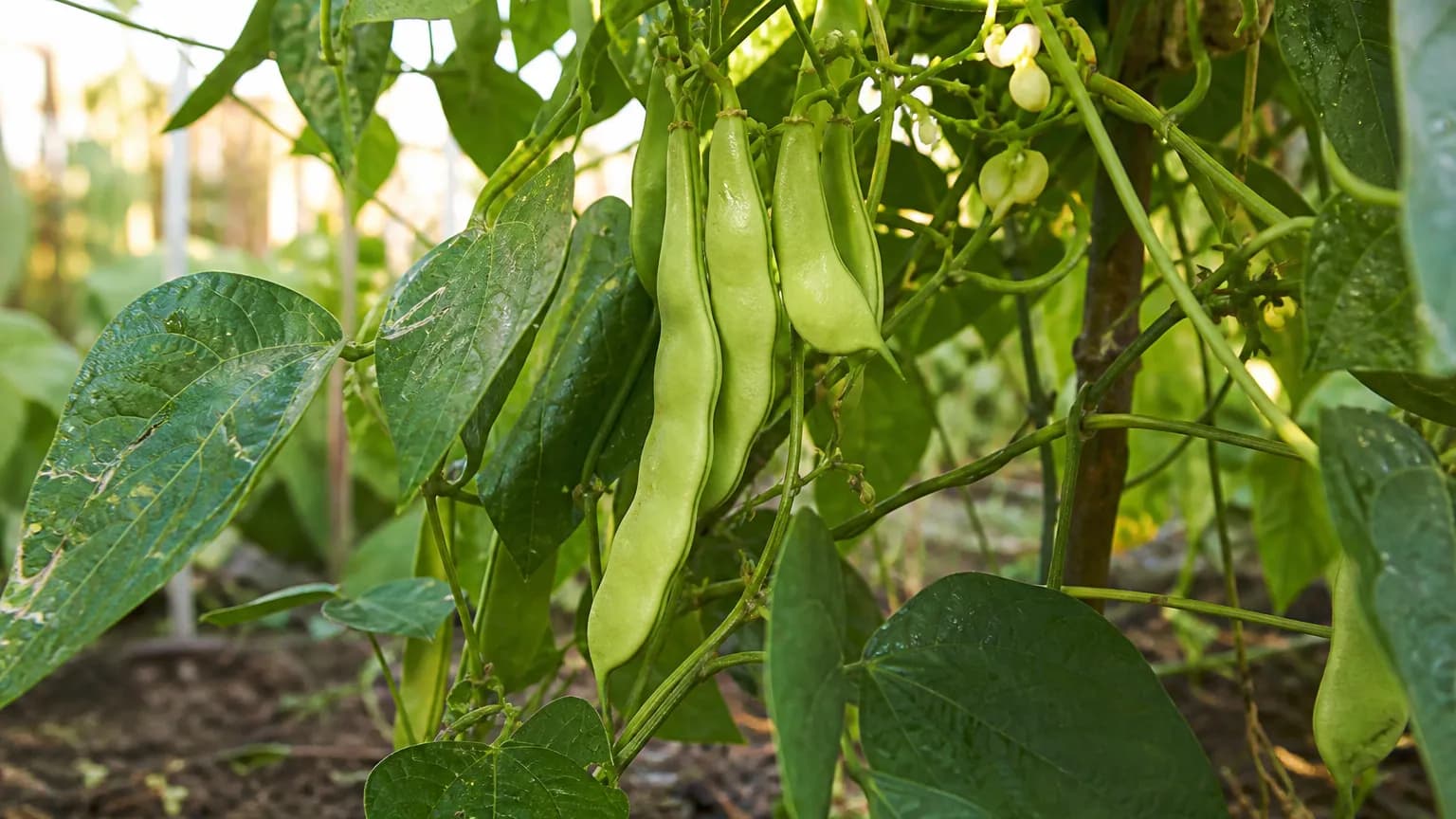
Feed it well
Velvet bean tolerates a wide range of soils from sandy to heavy clay, with a preferred pH of 5.5-7.0. Its exceptional nitrogen-fixing ability means no nitrogen fertilizer is needed. Apply phosphorus at planting to support root nodule development and early growth. The deep taproot system can break through compacted soil layers, making it excellent for improving soil structure. Avoid over-fertilization which promotes excessive vine growth at the expense of pod production. In acidic soils below pH 5.5, apply lime to improve Rhizobium activity.
Ideal Temperature
Hardiness Zone Compatibility
From seed to harvest, stage by stage
Seed Starting
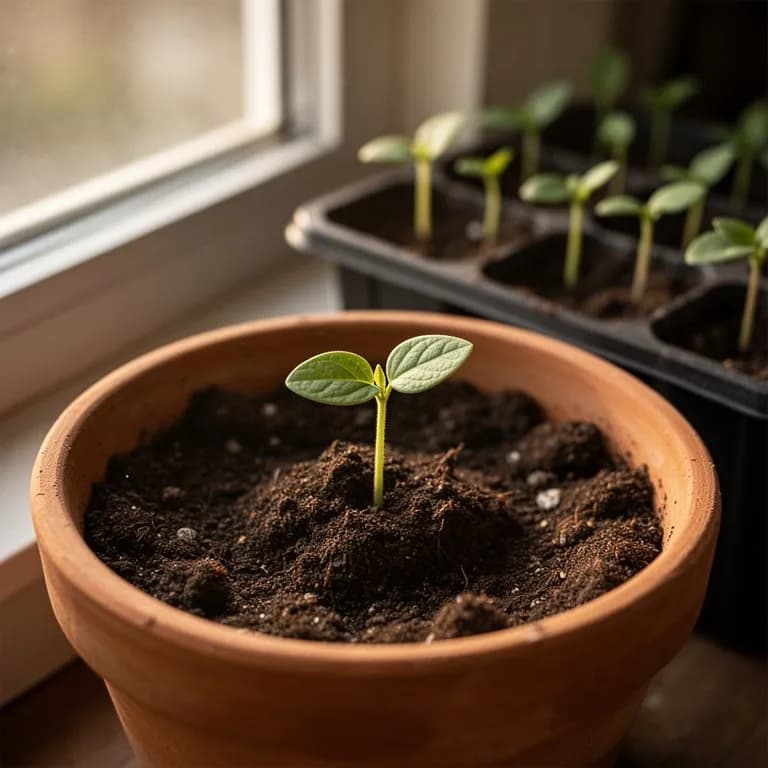
Seeds germinate rapidly in warm, moist soil within 7-14 days. The large seeds (similar in size to lima beans) push up thick, sturdy hypocotyls followed by the first pair of simple leaves before the characteristic trifoliate leaves appear. Velvet bean requires soil temperatures of at least 20°C (68°F) for reliable germination.
Seedling Development
True trifoliate leaves unfold rapidly and the vine begins to elongate. Each leaf consists of three broad, ovate leaflets with a soft, slightly hairy texture. The root system develops aggressively, forming nitrogen-fixing nodules with Rhizobium bacteria that allow the plant to thrive in poor soils.
Vigorous Vine Growth
The vine enters explosive growth, adding 10-15 cm per day in optimal tropical conditions. Dense foliage forms a thick canopy that effectively smothers competing weeds. The vine develops woody stems at the base and herbaceous growth at the tips, reaching 3-6 meters or more. Lateral branching creates a dense, tangled mass of vegetation.
Flowering
Long, pendulous racemes of deep purple to white flowers emerge from the leaf axils, each cluster containing 15-30 individual blooms. The flowers are highly attractive to bees, butterflies, and other pollinators. Flowering is triggered by shortening day lengths in many varieties, though some day-neutral cultivars exist. Flowers open progressively from the base of each raceme upward.
Pod Development
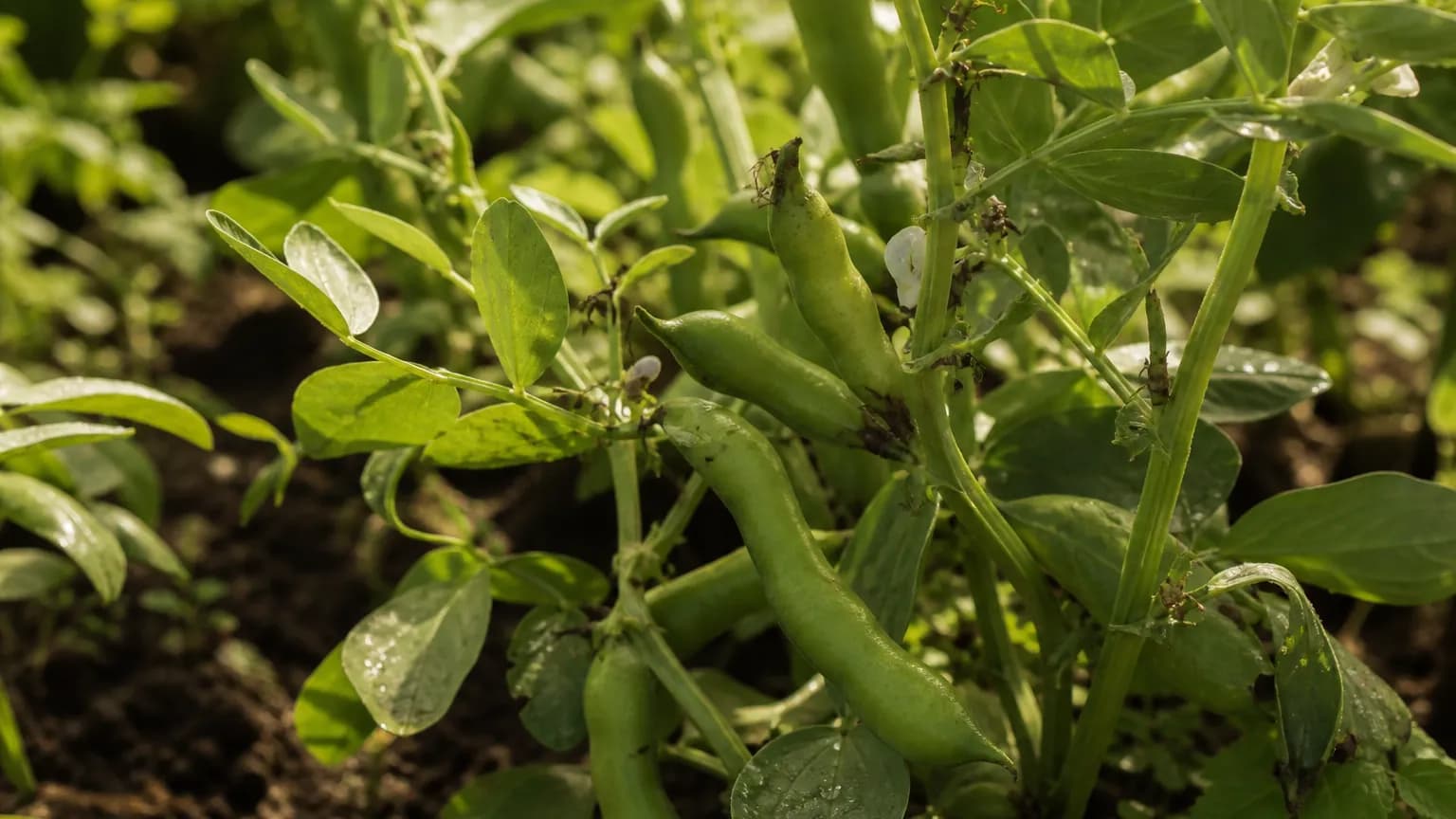
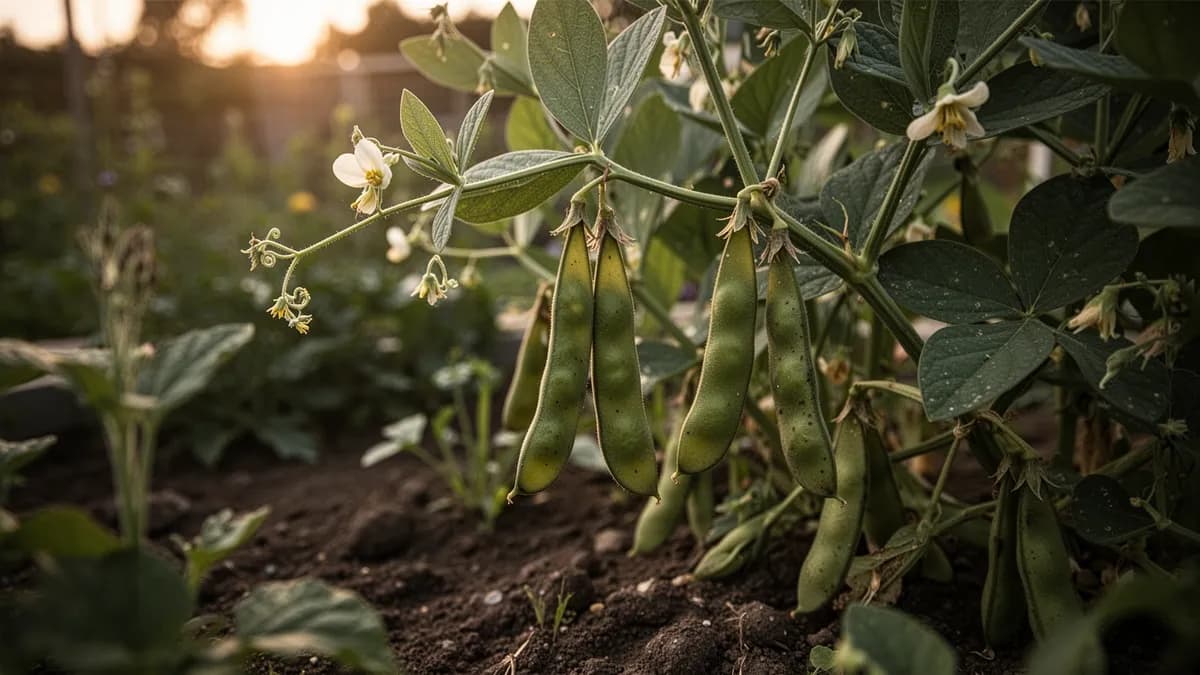
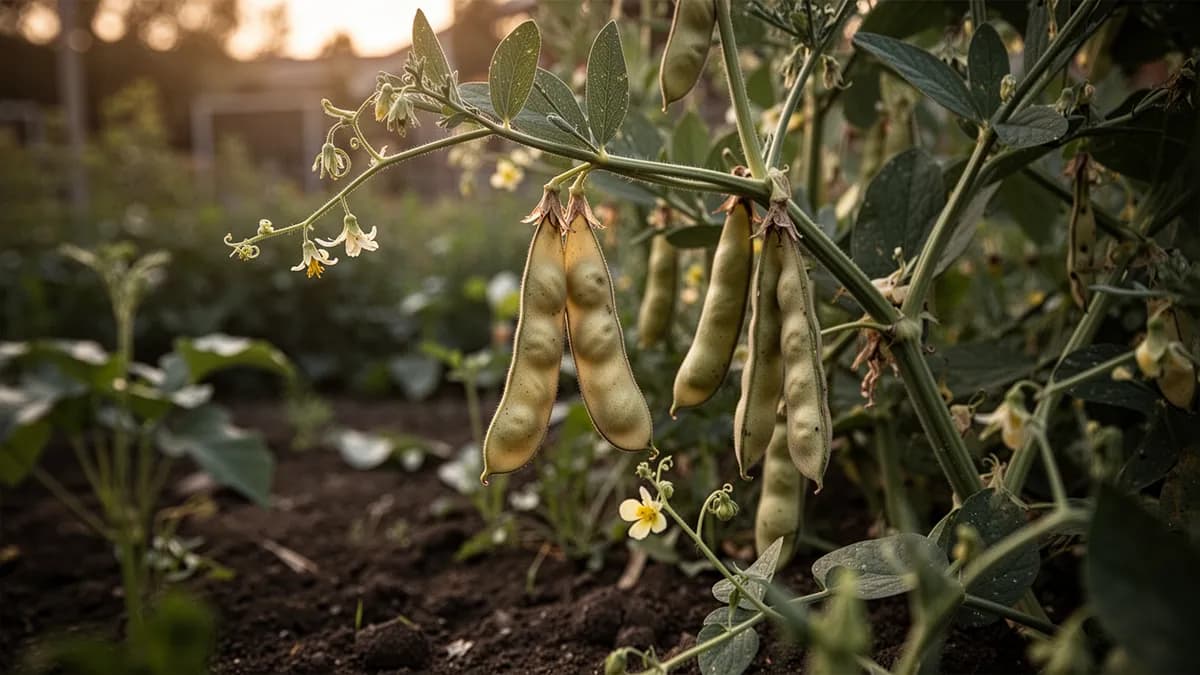
Curved, S-shaped pods develop in clusters of 3-10, each pod containing 3-6 seeds. Young pods are green and soft, gradually darkening as they mature. The distinctive velvety covering of fine hairs (trichomes) develops on the pod surface — these hairs can cause intense skin irritation on contact. Pods reach 5-10 cm in length at maturity.
Seed Maturation and Harvest
Pods dry on the vine, turning dark brown to black. Seeds inside harden and develop their characteristic glossy appearance, ranging from cream and tan to dark brown, black, or mottled depending on the variety. Mature pods split along their seams, scattering seeds if not harvested promptly. The vine begins to senesce as seeds reach full maturity.
Scarify seeds by nicking the seed coat with a file or soaking in warm water for 24 hours to improve germination rates. Sow 2-3 cm deep in well-draining soil. A heat mat set to 25-30°C (77-86°F) speeds germination when starting indoors.
Caring for Velvet Bean month by month
What to do each month for your Velvet Bean
October
You are herePods begin to mature and dry on the vine. Harvest pods as they turn brown and rattle when shaken. Always wear thick gloves and long sleeves to avoid skin irritation from pod hairs. Dry harvested pods in a well-ventilated area.
Know exactly what to do in your garden — every month
One email at the start of each month: what to sow, plant, and tackle right now — for your Velvet Bean and everything growing around it. Plus a short starter course that helps you dodge the classic mistakes.
- What to do, right now
- Matched to your season
- Starter course included
Harvesting Velvet Bean
For green pod use, harvest velvet bean pods when young, tender, and about 3-4 inches long before the irritating hairs become prominent. For dry bean production, allow pods to fully mature and dry on the vine until brown and papery. Wear gloves when handling mature pods as the fine hairs can cause severe skin irritation. Thresh dried pods carefully and winnow to clean seeds. For cover crop use, mow or incorporate the entire plant into soil before flowering for maximum nitrogen benefit, or allow to mature for seed harvest.
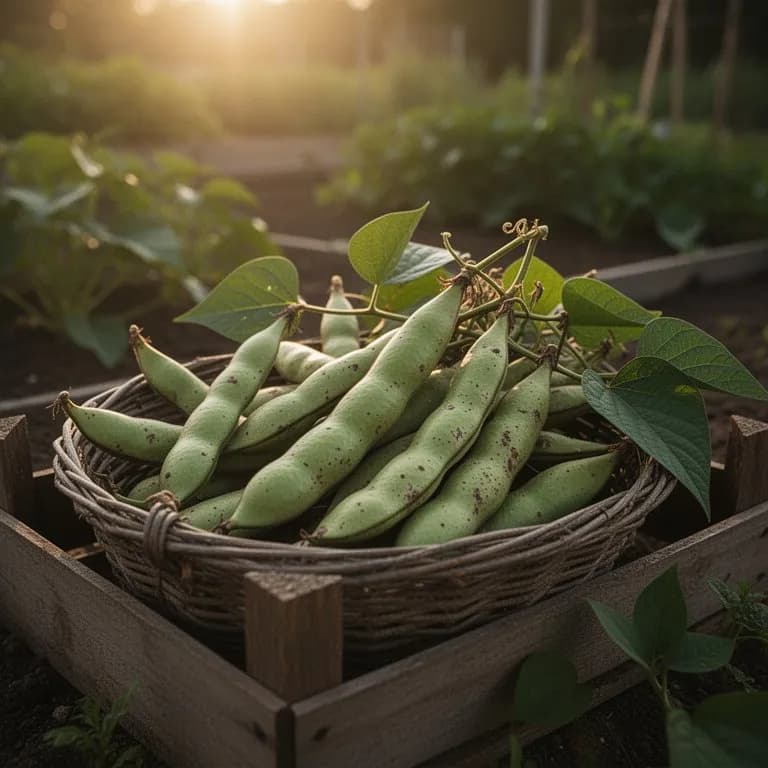
assuming you plant when the window opens — set your real date
Pick Velvet Bean promptly and the plant keeps producing.
Storage & Preservation
Dried velvet bean seeds store well for 1-2 years in cool, dry, airtight containers. Before cooking, seeds must be soaked for 24-48 hours with several water changes, then boiled for at least 30-60 minutes, discarding the cooking water multiple times to remove L-DOPA and other anti-nutritional factors. Processed seeds can be dried and ground into flour for later use. Young pods should be used fresh within 2-3 days of harvest. For cover crop seed saving, ensure pods are fully dry before threshing and store in breathable bags in a cool location.
What goes wrong — and the fix
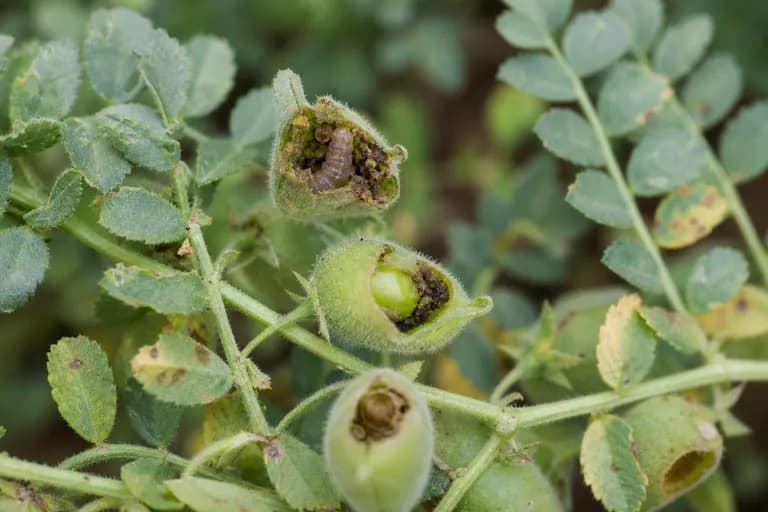
Pod Borer
PestHoles in pods, frass on pod surface, larvae feeding inside pods, damaged or missing seeds.
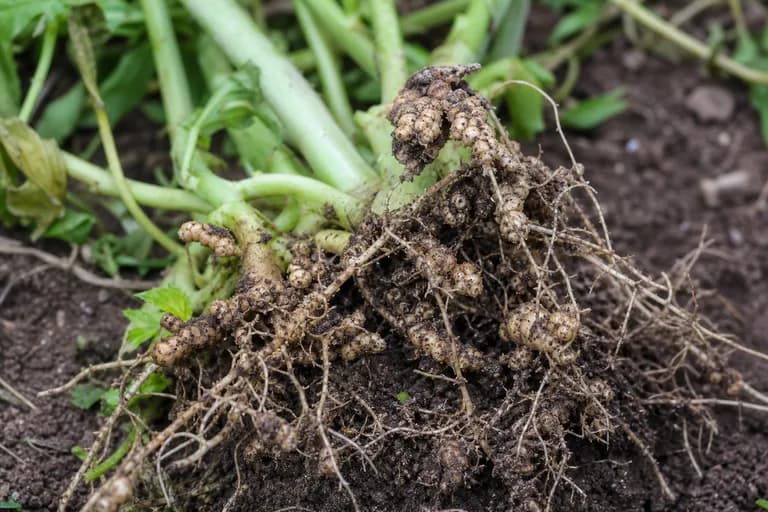
Root-Knot Nematode
PestStunted growth, yellowing foliage, root galls visible on excavated roots, poor pod set.
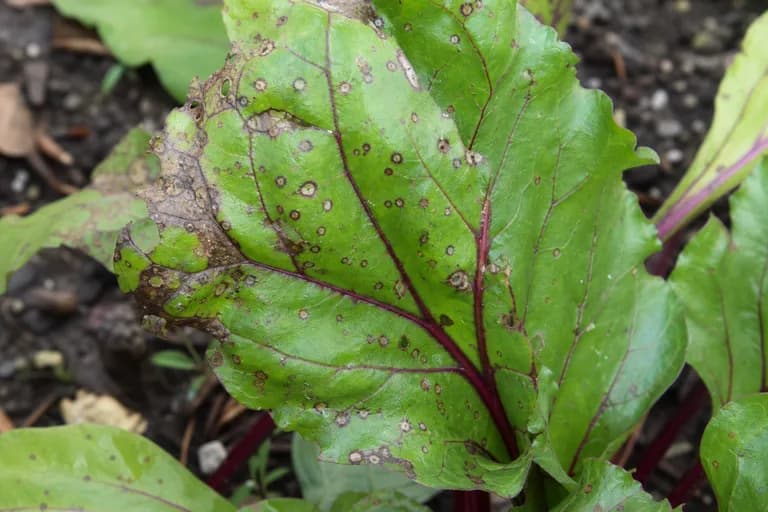
Cercospora Leaf Spot
DiseaseSmall brown spots with yellow halos on leaves, premature defoliation in severe cases.
Troubleshooting Common Problems
The primary challenge with velvet bean is the skin-irritating hairs on mature pods that cause severe itching and contact dermatitis. Always wear long sleeves and gloves when handling. Improper processing of seeds can cause nausea due to high L-DOPA content. In temperate climates, the long maturity period often prevents seed production before frost. Velvet bean can become invasive in tropical regions if not managed, smothering desirable vegetation. Poor nodulation occurs without appropriate Rhizobium strains in soils where velvet bean has not been previously grown.
Growing Tips
- Scarify seeds before planting without exception. The hard seed coat of velvet bean resists water absorption and delays germination by weeks if left untreated. Nick the coat with a file opposite the hilum (seed scar) or soak in warm water for 24 hours for reliable 7-14 day germination.
- Provide robust support structures from the start. Velvet bean is an aggressive climber that can overwhelm flimsy trellises, pull down lightweight fences, and strangle small trees. Use heavy-gauge wire, sturdy posts, or grow along existing chain-link fencing for the strongest support.
- Do not fertilize with nitrogen. Velvet bean is one of the most efficient nitrogen-fixing legumes in existence, producing its own nitrogen through root nodule symbiosis with Rhizobium bacteria. Adding nitrogen fertilizer actually suppresses nodule formation and wastes money.
- Grow in full sun for maximum pod production. While velvet bean tolerates partial shade (it naturally climbs into forest canopies in the wild), flower and pod production drops significantly with less than 6 hours of direct sunlight.
- Always wear thick gloves and long sleeves when handling pods. The velvety hairs covering mature pods contain mucunain, which causes intense, persistent itching that can last hours. Avoid touching your face or eyes after contact with any part of the plant.
- Process beans thoroughly before eating. Raw velvet beans contain anti-nutritional factors including L-DOPA (which causes nausea in excess), tannins, and trypsin inhibitors. Traditional preparation involves soaking overnight, boiling in multiple changes of water, and often fermenting to reduce these compounds to safe levels.
- Use velvet bean as a cover crop to rehabilitate poor or depleted soil. After harvest, chop the vines and incorporate them into the soil as green manure. The nitrogen-rich biomass decomposes quickly and dramatically improves soil fertility and structure for subsequent crops.
- In temperate zones with short summers, start seeds indoors 6-8 weeks before the last frost and choose early-maturing varieties. Velvet bean needs 180-270 frost-free days, so gardeners in zones 7 and below may find it challenging to produce mature seeds outdoors.
Grow your best Velvet Bean yet — and everything around it.
Start a free plan today. Lay out your beds, drop in your Velvet Bean, and let PlotMyGarden handle the timing, spacing, companions and reminders from seed to harvest basket.
Pick your Velvet Bean
Florida Velvet Bean
Common variety in the southeastern US, used primarily as cover crop, matures in 150-180 days.
Mauritius Velvet Bean
Dark-seeded variety from tropical regions, vigorous grower with high biomass production.
Georgia Velvet Bean
Early-maturing selection suitable for shorter growing seasons, good for temperate zone cover cropping.
Nescafe
Variety whose roasted seeds are used as a coffee substitute in Central America, with lower L-DOPA content.
Velvet bean seeds are not widely available in conventional grocery stores, making home cultivation the most practical way to access this crop. Dried velvet bean seeds and supplements retail for $15-30 per pound in specialty health food markets, primarily marketed for their L-DOPA content. A single $5-8 seed packet produces enough plants for 5-15 kg of dried beans worth $75-250 at retail prices. Beyond the direct harvest value, velvet bean provides enormous agricultural savings as a cover crop — its nitrogen fixation can replace $50-100 worth of synthetic fertilizer per acre while simultaneously suppressing weeds and building organic matter in the soil.
Quick recipes
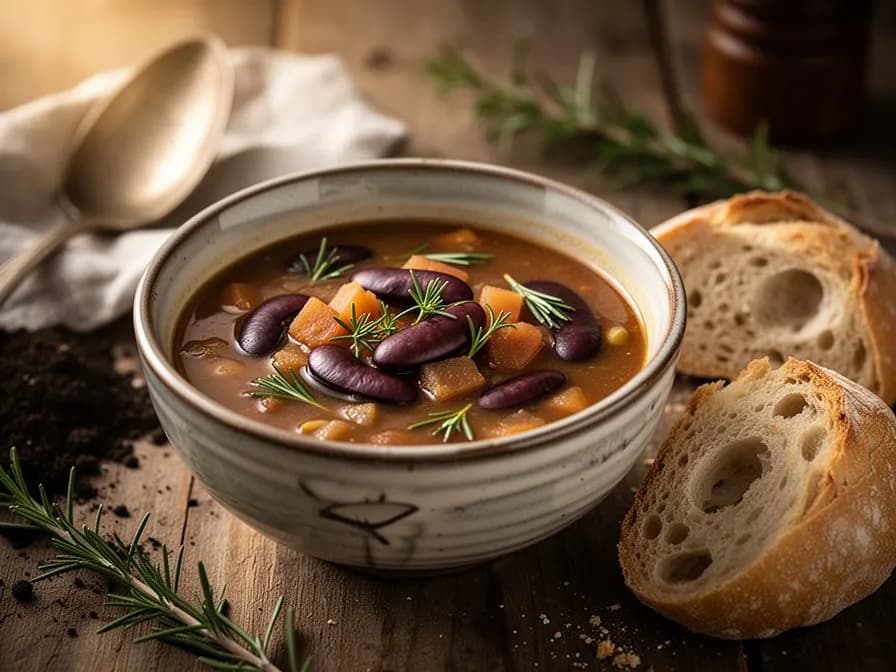
Velvet Bean Curry (Kerala Style)
45 min (plus overnight soaking and boiling)A rich, spiced curry made from properly processed velvet beans simmered in coconut milk with traditional South Indian spices. The beans develop a creamy, satisfying texture similar to butter beans when slow-cooked.
9 ingredientsVelvet Bean Tempeh
48 hours (fermentation time)A traditional Indonesian fermented preparation that transforms velvet beans into a dense, sliceable cake rich in protein and beneficial probiotics. The Rhizopus fermentation process significantly reduces anti-nutritional compounds while creating complex umami flavors.
4 ingredientsRoasted Velvet Bean Flour Porridge
20 min (using prepared flour)A nourishing breakfast porridge made from roasted velvet bean flour, popular in parts of West Africa and Central America. Roasting the beans before grinding reduces anti-nutrients and creates a deep, nutty flavor profile.
6 ingredientsCulinary Uses
In parts of Central America and Africa, properly processed velvet bean seeds are boiled, roasted, or ground into flour for traditional dishes. Roasted seeds serve as a coffee substitute known as nescafe in Guatemala and Honduras. Young tender pods are cooked like green beans in some Southeast Asian cuisines. The seeds are extremely high in protein and L-DOPA, giving them traditional medicinal significance in Ayurvedic medicine. All parts require thorough cooking and water changes to remove anti-nutritional compounds before consumption.
What's inside
Health Benefits
- Contains naturally occurring L-DOPA (3-6% of seed weight), the direct precursor to dopamine — clinical studies have shown velvet bean seed powder may support healthy dopamine levels and has been investigated as a complementary approach for managing Parkinson's disease symptoms.
- High-quality plant protein at 23-28% by dry weight, providing all essential amino acids in a complete profile that supports muscle maintenance, immune function, and tissue repair.
- Rich in antioxidants including phenolic compounds, tannins, and flavonoids that help neutralize free radicals and may reduce oxidative stress linked to aging and chronic disease.
- Traditional Ayurvedic use as an adaptogen is supported by modern research showing velvet bean extract may help modulate cortisol levels and support the body's response to physical and psychological stress.
- High fiber content promotes digestive health and supports stable blood sugar levels by slowing the absorption of glucose after meals.
- Contains significant amounts of iron, zinc, and magnesium — minerals essential for energy production, immune function, and hundreds of enzymatic processes throughout the body.
Where Velvet Bean comes from
Velvet bean (Mucuna pruriens) is native to tropical Africa and Southeast Asia, where wild populations still grow in forest margins and disturbed areas. Archaeological evidence suggests cultivation began independently in both Africa and the Indian subcontinent at least 3,000-4,000 years ago. In India, the plant appears in classical Ayurvedic texts dating to the 1st millennium BCE under names like 'kapikacchu' (literally 'one starts itching like a monkey'), where it was prized as a potent medicinal herb for nervous disorders, reproductive health, and general vitality.
Velvet bean spread across the tropics through ancient trade networks, reaching China, Southeast Asia, and the Pacific Islands where it became integrated into local agricultural and culinary traditions. In the Americas, it was introduced during the colonial period and quickly adopted by farmers in Central America and the Caribbean both as a food crop and as a powerful cover crop for soil improvement. In Guatemala and Honduras, roasted velvet bean seeds became a traditional coffee substitute known as 'nescafé,' still consumed in rural communities today.
The 20th century brought renewed scientific interest in velvet bean when researchers identified its extraordinarily high L-DOPA content in the 1930s-1940s. This discovery connected ancient Ayurvedic uses for tremor and nervous conditions to modern neuropharmacology, as L-DOPA was later established as the primary treatment for Parkinson's disease. Today, velvet bean occupies a unique position at the intersection of tropical agriculture, traditional medicine, and modern neuroscience. It is cultivated across tropical Africa, South and Southeast Asia, and Central America both as a subsistence food crop and as a green manure that can rehabilitate degraded soils. Research interest continues to grow, with studies exploring its potential as an affordable, plant-based source of L-DOPA for Parkinson's patients in developing countries where synthetic medication is prohibitively expensive.
Velvet Bean: did you know?
Fascinating facts about Velvet Bean
Velvet bean (Mucuna pruriens) is one of the few food plants that naturally contains significant amounts of L-DOPA, the direct biochemical precursor to dopamine — this compound is used in modern medicine as the gold-standard treatment for Parkinson's disease.
Velvet Bean questions, answered
When should I plant Velvet Bean?
What are good companion plants for Velvet Bean?
What hardiness zones can Velvet Bean grow in?
How much sun does Velvet Bean need?
How far apart should I space Velvet Bean?
What pests and diseases affect Velvet Bean?
How do I store Velvet Bean after harvest?
What are the best Velvet Bean varieties to grow?
What soil does Velvet Bean need?
Is velvet bean safe to eat?
Can I use velvet bean as a natural L-DOPA supplement?
Why do velvet bean pods make me itch?
Can I grow velvet bean in a temperate climate?
How does velvet bean improve soil?
What is the difference between velvet bean varieties?
You just read the theory. Now grow it on autopilot.
Everything that makes Velvet Bean fiddly — the timing, the spacing, the companions, the harvest window — is exactly what PlotMyGarden handles for you, for every plant in your garden.
A plan that knows your weather
Set your location once. Get sow, feed and harvest dates built around your real last-frost date and live forecast — no more guessing from a generic seed packet.
From the “When to plant” sectionDrag-and-drop bed planner
Design beds on a grid. Every plant snaps to its proper spacing, and you can see your whole season laid out before you spend a cent on seed.
From the “Growing guide” sectionCompanion conflicts, caught early
200+ good-and-bad pairings checked live as you plant — so a season-wrecking mistake never makes it into the ground.
From the “Companions” sectionReminders you'll actually act on
“Water the beans.” “Pick today before it turns.” Timely, specific, and tied to the plants you're really growing.
From the “Harvest” sectionSuccession, scheduled
Want a harvest for six weeks, not six days? It spaces your sowings automatically and reminds you when each new block is due.
From the “When to plant” sectionA record that gets smarter
Every harvest you log teaches it your garden. Next year's plan starts from what actually worked in your soil, not a textbook's.
From the “Overview” sectionPlant these alongside Velvet Bean
More Legumes
Grow your best Velvet Bean yet — and everything around it.
Start a free plan today. Lay out your beds, drop in your Velvet Bean, and let PlotMyGarden handle the timing, spacing, companions and reminders from seed to harvest basket.