Torenia
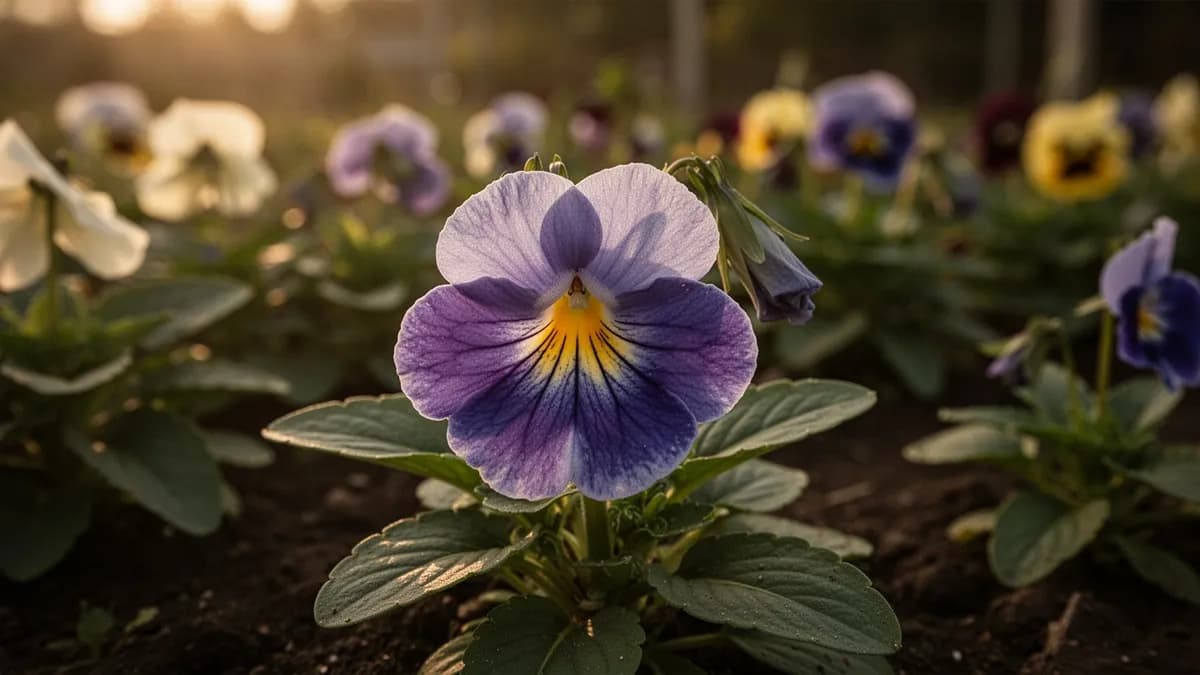
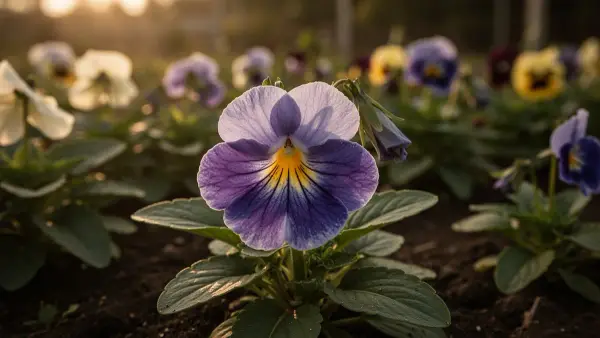
A shade-loving annual with trumpet-shaped bicolor flowers resembling tiny snapdragons in blue, purple, pink, and yellow.





On this pageOverview
Meet Torenia
A shade-loving annual with trumpet-shaped bicolor flowers resembling tiny snapdragons in blue, purple, pink, and yellow. Torenia fills the same garden niche as impatiens with better disease resistance and blooms all summer in moist shade. It trails attractively from containers and works well as a ground cover beneath taller shade plants.
When to plant Torenia
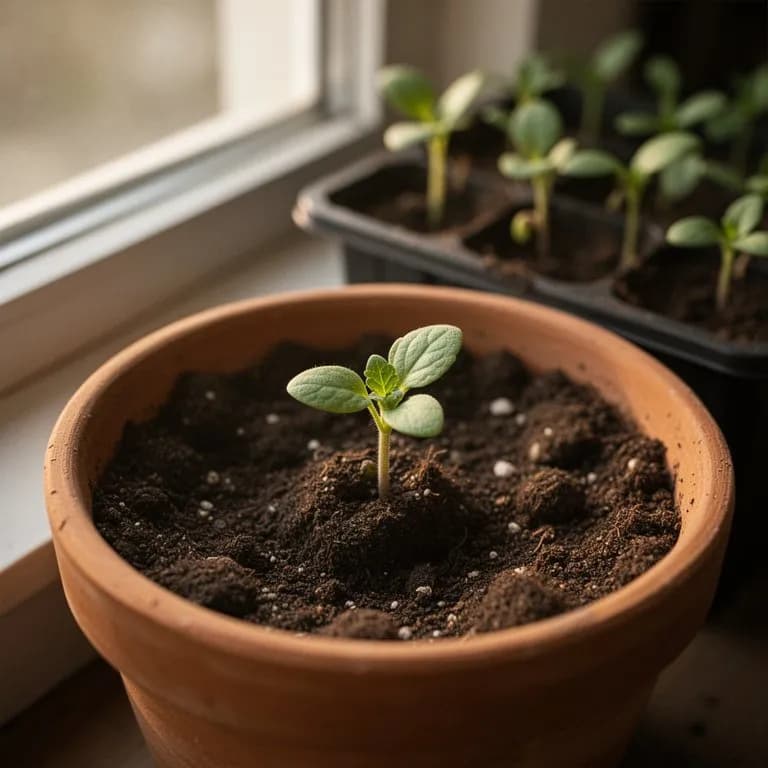
Start torenia seeds indoors ten to twelve weeks before the last frost. Sow tiny seeds on the surface of moist seed-starting mix and press gently without covering, as seeds require light for germination. Seeds germinate in seven to fifteen days at 70 to 75 degrees Fahrenheit with consistent moisture. Seedlings grow slowly at first. Transplant outdoors after all frost danger when nighttime temperatures remain above 50 degrees. Most gardeners find purchasing transplants more convenient due to the long lead time from seed.
Your Torenia Year
Composed for Zone 7 · typical seasons · frost passes Apr 2, returns Nov 1
Plant Torenia May – Jun, pick Jun – Oct. Check the planting methods below and set your climate to personalize these windows.
How to grow Torenia
Torenia is best purchased as nursery transplants in spring, though it can also be grown from seed started indoors. Plant outdoors after all danger of frost in partial to full shade, spacing six to eight inches apart. Torenia thrives in the same conditions as impatiens: warm temperatures, consistent moisture, and protection from harsh direct sun. It tolerates more sun than impatiens in cooler climates.
Provide rich, moist, well-drained soil amended with compost or peat moss. Keep soil consistently moist throughout the growing season, as torenia does not tolerate drought well. Mulch around plants to retain moisture and maintain cool root temperatures. In containers, use a quality potting mix and water daily in hot weather, as torenia wilts quickly when dry.
Torenia is naturally self-cleaning and rarely requires deadheading. The tubular flowers attract hummingbirds and are produced continuously from late spring through frost without interruption. Feed every two to three weeks with a balanced liquid fertilizer for vigorous growth and heavy flowering. Pinch growing tips of young plants to encourage branching and a fuller habit. Trailing varieties are outstanding in hanging baskets and window boxes.
72 plants fit a 4 × 8 ft bed
Each Torenia wants 20 cm of elbow room. The planner keeps that spacing for you — every plant, every bed.
Torenia's best neighbours
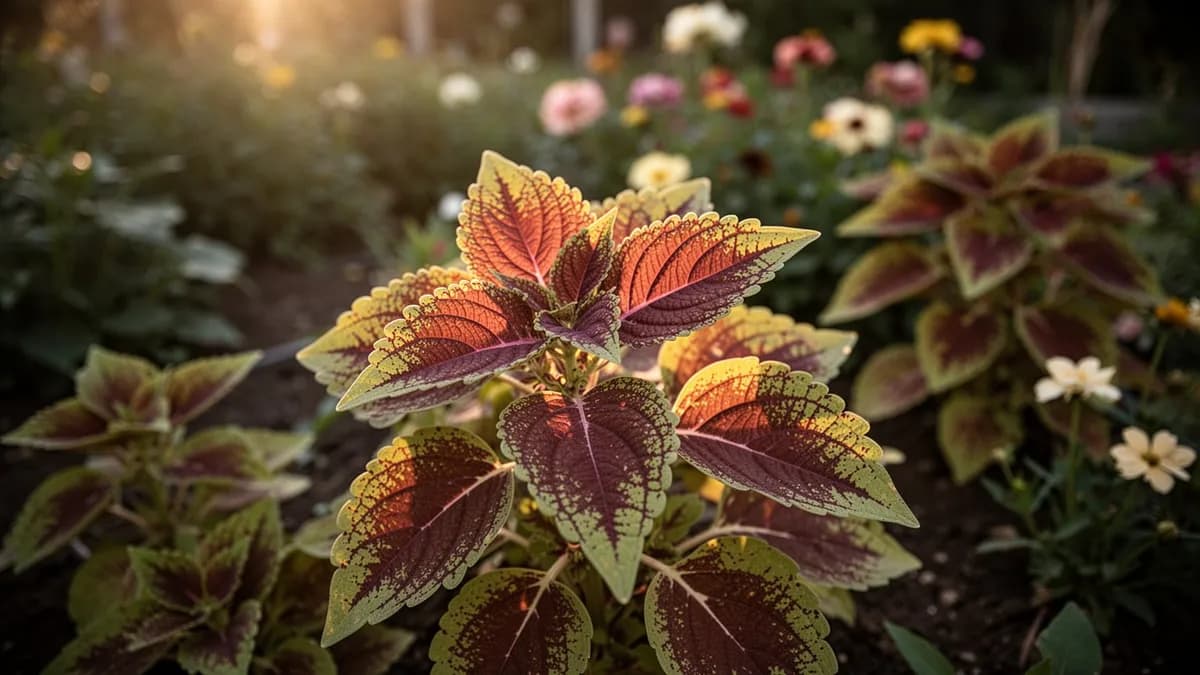
Torenia is an excellent impatiens alternative for shade gardens, especially where impatiens downy mildew is a concern. Combine with coleus for dramatic foliage contrast, begonias for complementary flower forms, and ferns for textural variety. The trailing varieties cascade beautifully over container edges when paired with upright shade plants. Torenia also works well as a ground cover beneath hostas and hydrangeas in shade borders. The tubular flowers attract hummingbirds to shaded garden areas.
Impatiens belongs beside it.
Old growers' knowledge, checked against Torenia's real companion table below — test any plant you're growing.
Try Torenia in a bed — right here
A real planner bed with Torenia already in it. Tap a companion to place it and watch the pairing checks answer — green for good neighbours, red for a clash.


Related growing guides
Feed it well
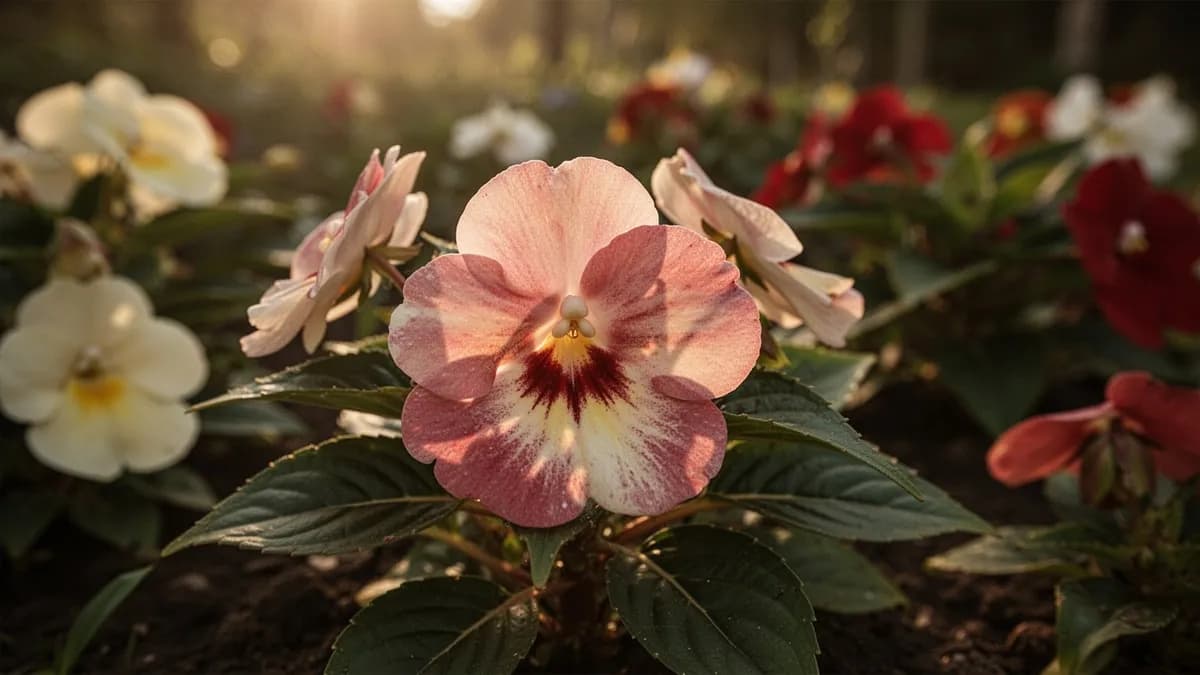
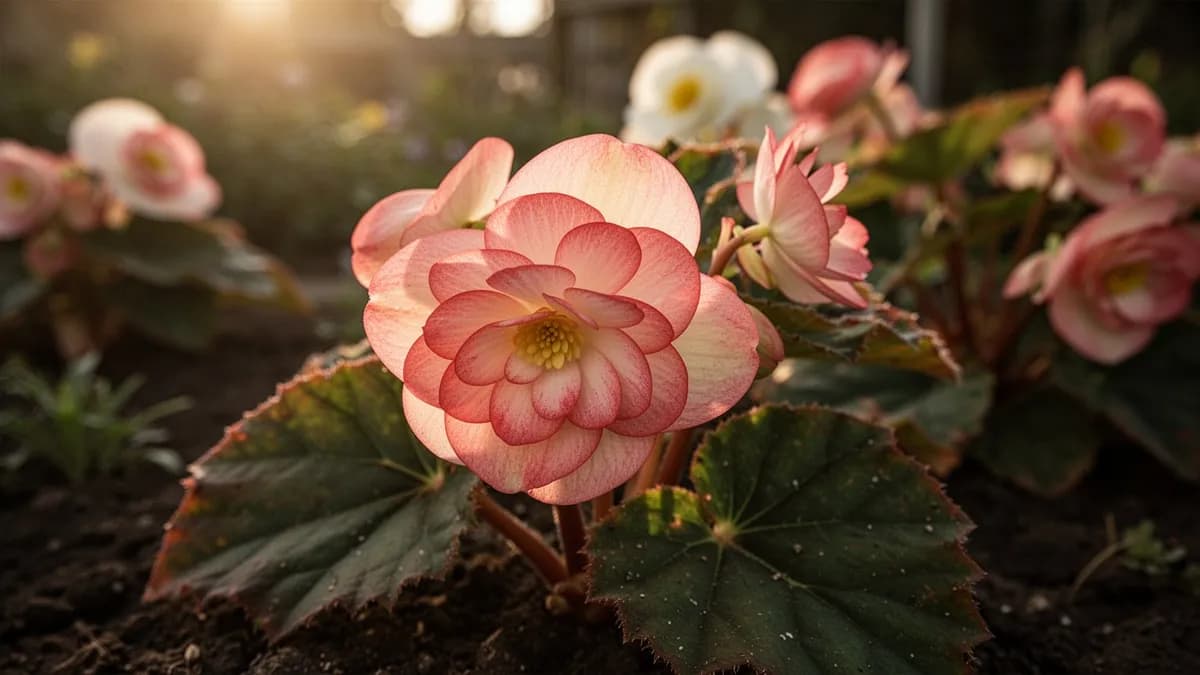
Torenia prefers rich, humusy, well-drained soil with a pH of 6.0 to 6.5. Amend planting beds generously with compost, peat moss, or leaf mold. Good moisture retention is important, as torenia does not tolerate drought. Feed every two to three weeks with a balanced liquid fertilizer during the growing season. Container plants benefit from slow-release fertilizer mixed into the potting soil at planting time. Torenia is not as heavy a feeder as calibrachoa but benefits from consistent nutrition.
Ideal Temperature
Hardiness Zone Compatibility
From seed to harvest, stage by stage
Seed Germination
Torenia seeds are extremely fine and require light to germinate. Sow on the surface of moist seed-starting mix without covering. Maintain consistent moisture and warmth for best results.
Seedling Development
Tiny seedlings develop their first true leaves and begin establishing a root system. Growth is slow at this stage and seedlings are delicate. Thinning may be needed if sown too densely.
Vegetative Growth
Plants develop a bushy, branching habit and put on significant foliage. Stems become sturdier and the plant begins to form its characteristic mounding or trailing shape depending on variety.
Budding and First Bloom
Flower buds form at the tips of branches and the first trumpet-shaped blooms open, revealing the wishbone-shaped stamens. Flowers typically measure 2-3 cm across and appear in clusters.
Peak Flowering
Plants are covered with abundant blooms and continue producing new flowers prolifically. This stage lasts through summer and into early autumn. Seed pods form on spent flowers if not removed.
Seed Set and Decline
As temperatures cool in autumn, flowering slows and the plant begins to set seed. In frost-free climates torenia may continue blooming year-round, but in temperate regions plants decline with the first frost.
Keep the growing medium consistently moist but not waterlogged. Use a humidity dome or plastic wrap to maintain humidity around 70-80%. Provide bright indirect light as seeds need light to germinate.
Caring for Torenia month by month
What to do each month for your Torenia
October
You are hereIn frost-prone areas, bring container plants indoors before the first frost. Collect seeds from dried seed pods for next year. Clear spent annual plants from garden beds after frost kills them.
Know exactly what to do in your garden — every month
One email at the start of each month: what to sow, plant, and tackle right now — for your Torenia and everything growing around it. Plus a short starter course that helps you dodge the classic mistakes.
- What to do, right now
- Matched to your season
- Starter course included
Harvesting Torenia
Torenia flowers are small and best enjoyed on the plant. The trailing varieties are particularly attractive spilling from hanging baskets and containers, where the bicolor blooms can be viewed at close range. No deadheading is needed as plants are self-cleaning. If growth becomes leggy or sparse, trim stems back by one-third to encourage fresh bushy regrowth. For seed saving from open-pollinated varieties, allow some flowers to form seed capsules and collect when they turn brown and begin to open.
assuming you plant when the window opens — set your real date
Pick Torenia promptly and the plant keeps producing.
Storage & Preservation
Torenia is not suitable for cut flower use or drying due to its small, delicate flowers. In cold climates, take stem cuttings of favorite varieties in late summer and root in moist perlite to overwinter indoors. Keep plants in a bright window at 60 to 65 degrees Fahrenheit with reduced watering through winter. Container plants can be brought inside before the first frost. Seeds from open-pollinated varieties remain viable for one to two years in cool, dry storage.
What goes wrong — and the fix
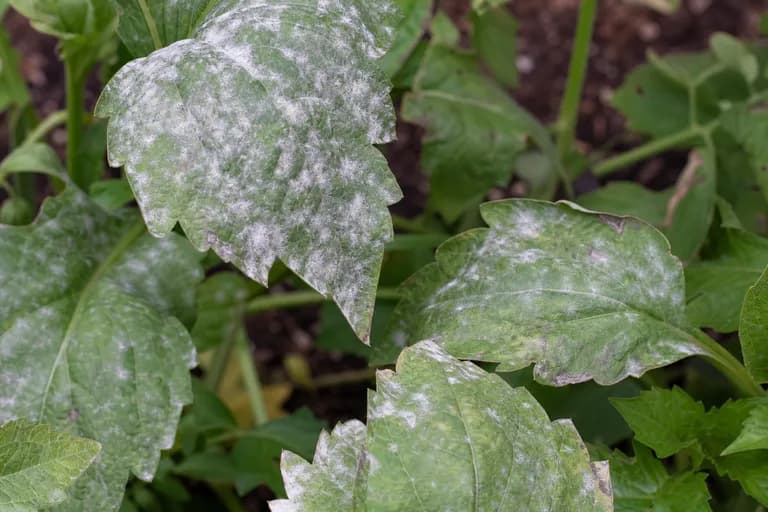
Powdery Mildew
DiseaseWhite powdery coating on leaves, especially in conditions with poor air circulation and fluctuating humidity.
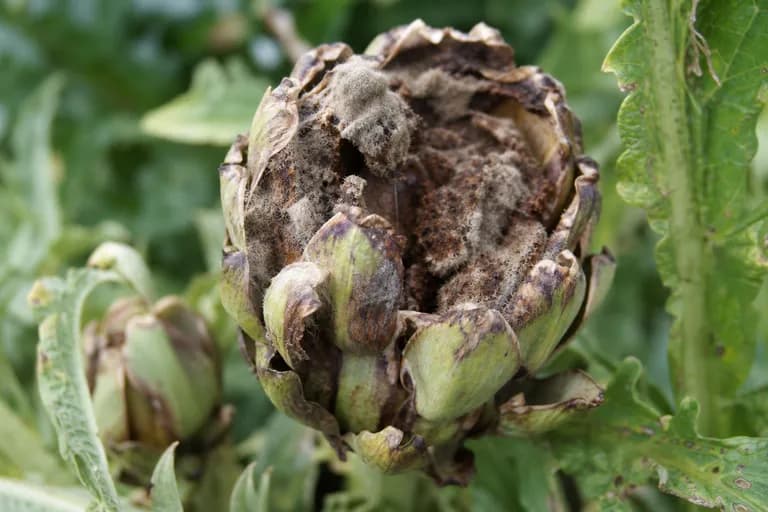
Botrytis Gray Mold
DiseaseGray fuzzy mold on flowers and foliage, especially during cool, wet weather. Petals develop brown, water-soaked patches.
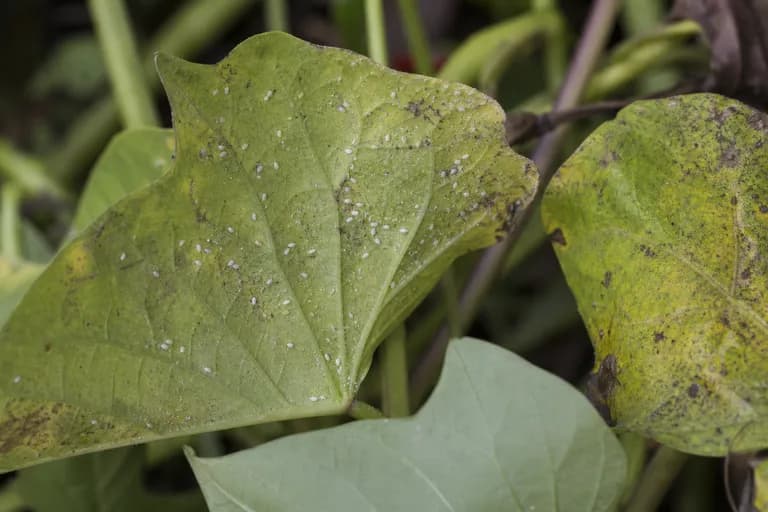
Whitefly
PestTiny white flying insects rising in clouds when plants are disturbed, sticky honeydew on leaves, yellowing foliage.
Troubleshooting Common Problems
Drought stress is the most common issue, causing rapid wilting and flower drop. Keep soil consistently moist, especially in containers during hot weather. In too much sun, leaves may scorch and plants decline. Provide afternoon shade in hot climates. Poor air circulation in shady, humid conditions promotes fungal diseases. Torenia is sometimes slow to establish and may appear sparse for the first few weeks after planting before filling in vigorously. Frost kills plants immediately.
Growing Tips
- Start seeds indoors 10-12 weeks before the last frost date because torenia has a long lead time from sowing to first bloom and benefits from an early start.
- Do not cover seeds when sowing as torenia requires light for germination. Simply press the tiny seeds gently onto the surface of moist seed-starting mix.
- Provide consistent moisture throughout the growing season because torenia does not tolerate drought well and will drop buds and wilt quickly if the soil dries out.
- Grow torenia in partial shade to full shade for best results. While it tolerates morning sun, intense afternoon sun in hot climates causes leaf scorch and reduced flowering.
- Pinch back young plants when they reach 7-10 cm tall to encourage branching. This simple step results in bushier plants with significantly more flowers.
- Feed every two weeks with a balanced water-soluble fertilizer during the growing season to sustain continuous bloom production from late spring through early autumn.
- Use torenia as a replacement for impatiens in shade gardens, especially in areas affected by downy mildew which devastates impatiens but does not affect torenia.
- Take 8-10 cm stem cuttings in late summer and root them in water or moist perlite to overwinter plants indoors. Cuttings root within 10-14 days.
- Combine upright and trailing torenia varieties in the same container for a full, layered look. Place upright types in the center and trailing types around the edges.
- Watch for slugs and snails in shaded, moist conditions where torenia grows best. Use iron phosphate-based slug bait or copper tape around containers for organic control.
Grow your best Torenia yet — and everything around it.
Start a free plan today. Lay out your beds, drop in your Torenia, and let PlotMyGarden handle the timing, spacing, companions and reminders from seed to harvest basket.
Pick your Torenia
Summer Wave Series
Vigorous trailing variety reaching twelve to eighteen inches wide, ideal for hanging baskets in blue, amethyst, and large blue.
Catalina Series
Trailing habit with excellent heat tolerance, available in grape, gilded grape, midnight blue, and pink shades.
Kauai Series
Compact mounding plants perfect for border edging and containers in a mix of blue, rose, magenta, and bicolor patterns.
Moon Series
Unique yellow and white varieties that brighten shade gardens where most torenia flowers are in the blue-purple spectrum.
A single packet of torenia seeds typically costs between two and four dollars and contains 100-200 seeds, enough to fill an entire shade garden. Since torenia self-sows readily in mild climates and stem cuttings root easily in water, a small initial investment can provide years of free plants. Compared to purchasing nursery transplants at three to five dollars each, growing from seed saves 80-90 percent on plant costs. Container-grown torenia also reduces spending on shade-garden annuals like impatiens and begonias, which are often more expensive at garden centers.
Quick recipes
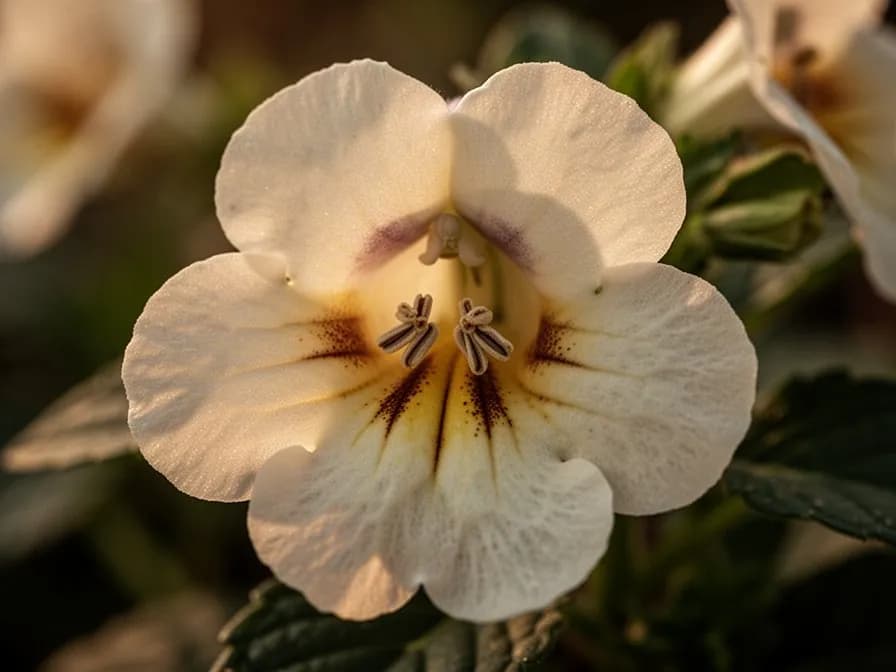
Torenia Flower Ice Cubes
10 minutes plus freezing timeCreate stunning decorative ice cubes featuring individual torenia blooms suspended in crystal-clear ice. These edible flower ice cubes add an elegant touch to summer drinks, lemonades, and cocktails served at garden parties.
4 ingredients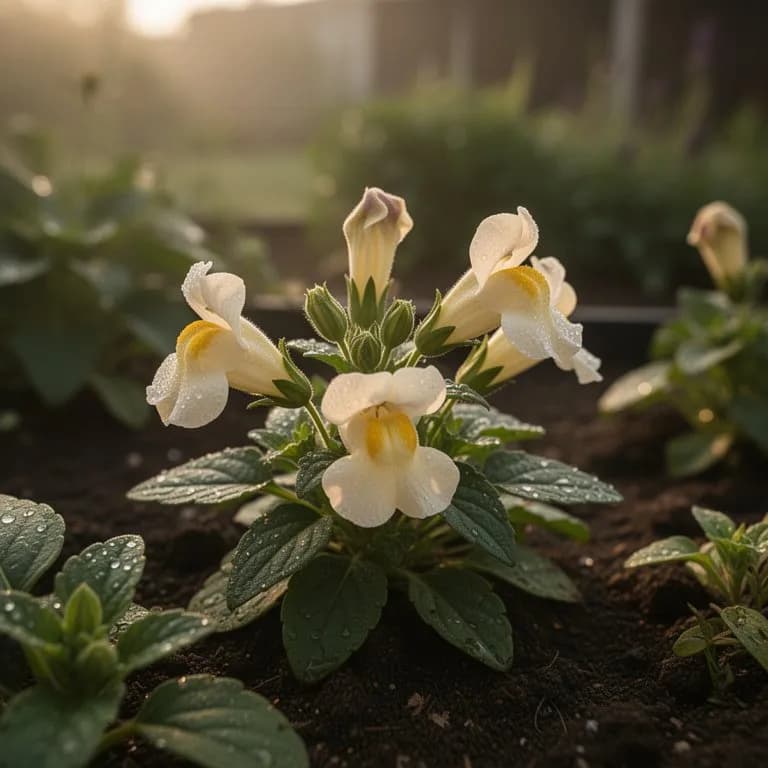
Pressed Torenia Flower Cards
20 minutes plus 2 weeks drying timePress colorful torenia blooms to create beautiful handmade greeting cards and bookmarks. The flowers retain their vivid purple, pink, and blue hues remarkably well when properly dried and pressed.
5 ingredients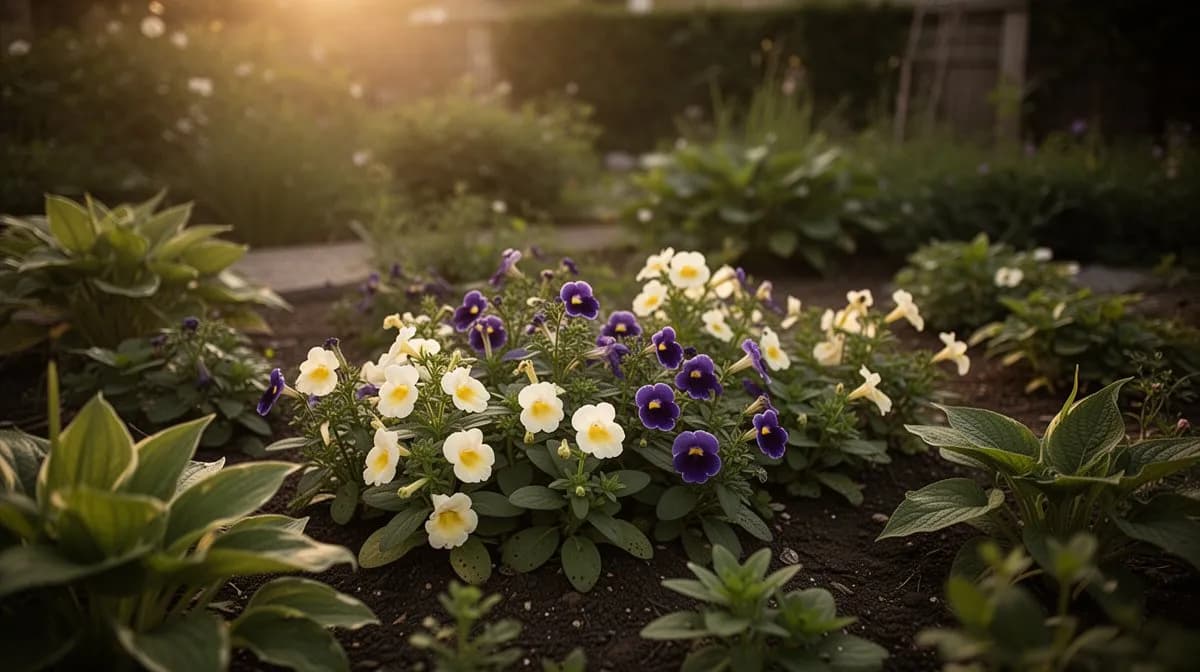
Torenia Shade Container Garden
30 minutesDesign a lush shade container combining trailing and upright torenia varieties with complementary shade-loving plants. This living arrangement provides months of color on shaded porches, patios, and north-facing balconies.
5 ingredientsWhat's inside
Health Benefits
- Growing torenia in shaded garden areas encourages outdoor time in cool, comfortable environments, supporting mental well-being and reducing stress through gentle horticultural activity.
- Tending to shade gardens featuring torenia provides low-impact physical exercise including bending, kneeling, and fine motor tasks that help maintain flexibility and joint mobility.
- The vivid purple, blue, and pink flowers of torenia have been associated with calming effects, and studies suggest that viewing colorful flowering plants can lower cortisol levels and reduce anxiety.
- Torenia attracts beneficial pollinators including bumblebees and small native bees to the garden, contributing to local ecosystem health and supporting biodiversity in urban environments.
- Container gardening with torenia on balconies and patios makes ornamental gardening accessible to people with limited mobility or those living in apartments without traditional garden space.
- Caring for flowering plants like torenia throughout the growing season provides a sense of purpose and accomplishment, which research has linked to improved psychological resilience and life satisfaction.
Where Torenia comes from
Torenia fournieri, commonly known as the wishbone flower or bluewings, is native to the tropical and subtropical regions of Southeast Asia, with its primary range spanning Vietnam, Laos, Cambodia, and parts of southern China. The species thrives in the moist, shaded understory of tropical forests, along stream banks, and in other humid, partially shaded environments. This natural preference for dappled light is what makes modern garden torenia so well suited to shade gardening. The plant was first formally described by Western botanists in the mid-19th century, when French colonial botanists and plant hunters were actively exploring the flora of Indochina. Edouard Fourn collected and documented specimens that would eventually bear his name. The genus Torenia itself was established earlier by the Swedish botanist Carl Linnaeus, who named it in honor of the Reverend Olof Toren, a Swedish chaplain and amateur botanist who collected plants during voyages with the Swedish East India Company in the 1740s and 1750s. Toren documented numerous plant species during his travels to China and India, contributing valuable specimens to European botanical collections. Commercial breeding of Torenia began in earnest during the late 20th century, with Japanese and American seed companies developing compact, free-flowering cultivars in an expanded color palette. The introduction of the Clown series in the 1990s brought improved garden performance, while the development of vegetatively propagated trailing types like Summer Wave in the early 2000s opened up entirely new uses in hanging baskets and combination containers. Today torenia is grown worldwide as a warm-season bedding plant valued for its continuous flowering in shade, self-cleaning habit, and resistance to common garden pests. It has also become an important model organism in plant molecular biology research, particularly in studies of flower pigmentation and pollination mechanisms.
Torenia: did you know?
Fascinating facts about Torenia
The common name 'wishbone flower' comes from the two fused stamens inside each bloom that form a shape resembling a chicken wishbone. When an insect touches the stamens, they snap together to deposit pollen on the visitor.
Torenia questions, answered
When should I plant Torenia?
What are good companion plants for Torenia?
What hardiness zones can Torenia grow in?
How much sun does Torenia need?
How far apart should I space Torenia?
What pests and diseases affect Torenia?
How do I store Torenia after harvest?
What are the best Torenia varieties to grow?
What soil does Torenia need?
Is torenia a perennial or an annual?
Why is it called the wishbone flower?
Can torenia grow in full sun?
How do I keep torenia blooming all summer?
Is torenia toxic to pets or children?
What are the best companion plants for torenia?
You just read the theory. Now grow it on autopilot.
Everything that makes Torenia fiddly — the timing, the spacing, the companions, the harvest window — is exactly what PlotMyGarden handles for you, for every plant in your garden.
A plan that knows your weather
Set your location once. Get sow, feed and harvest dates built around your real last-frost date and live forecast — no more guessing from a generic seed packet.
From the “When to plant” sectionDrag-and-drop bed planner
Design beds on a grid. Every plant snaps to its proper spacing, and you can see your whole season laid out before you spend a cent on seed.
From the “Growing guide” sectionCompanion conflicts, caught early
200+ good-and-bad pairings checked live as you plant — so a season-wrecking mistake never makes it into the ground.
From the “Companions” sectionReminders you'll actually act on
“Water the beans.” “Pick today before it turns.” Timely, specific, and tied to the plants you're really growing.
From the “Harvest” sectionSuccession, scheduled
Want a harvest for six weeks, not six days? It spaces your sowings automatically and reminds you when each new block is due.
From the “When to plant” sectionA record that gets smarter
Every harvest you log teaches it your garden. Next year's plan starts from what actually worked in your soil, not a textbook's.
From the “Overview” sectionPlant these alongside Torenia
More Annuals
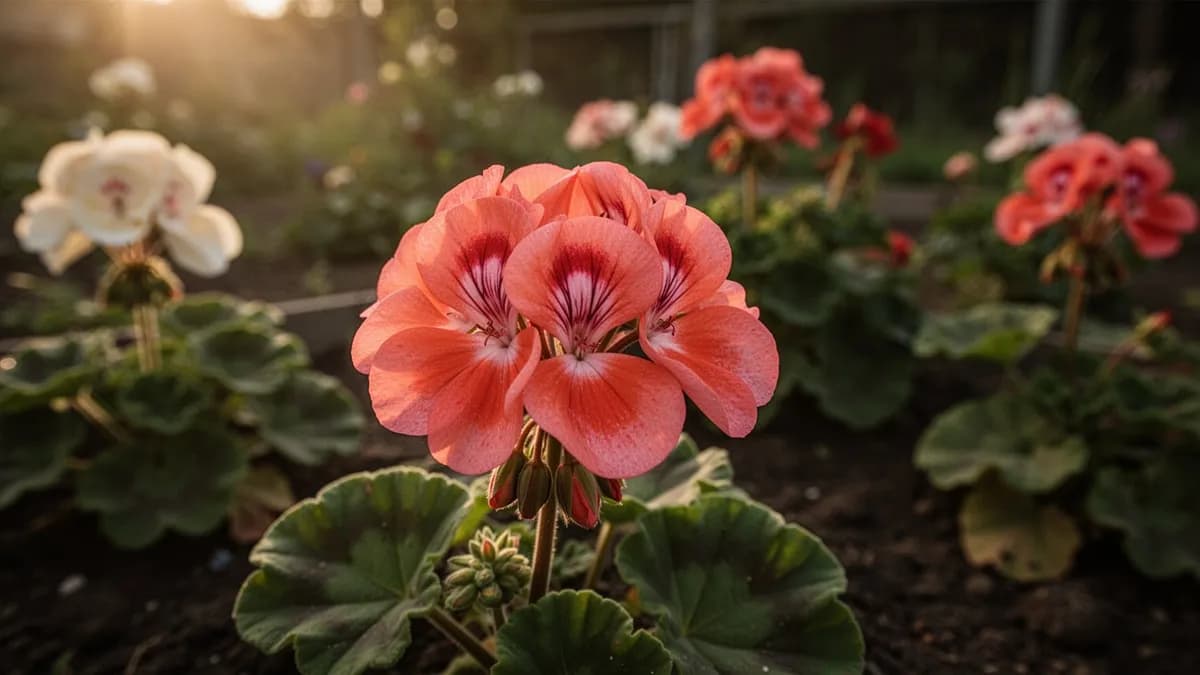
Grow your best Torenia yet — and everything around it.
Start a free plan today. Lay out your beds, drop in your Torenia, and let PlotMyGarden handle the timing, spacing, companions and reminders from seed to harvest basket.