Schwertbohne
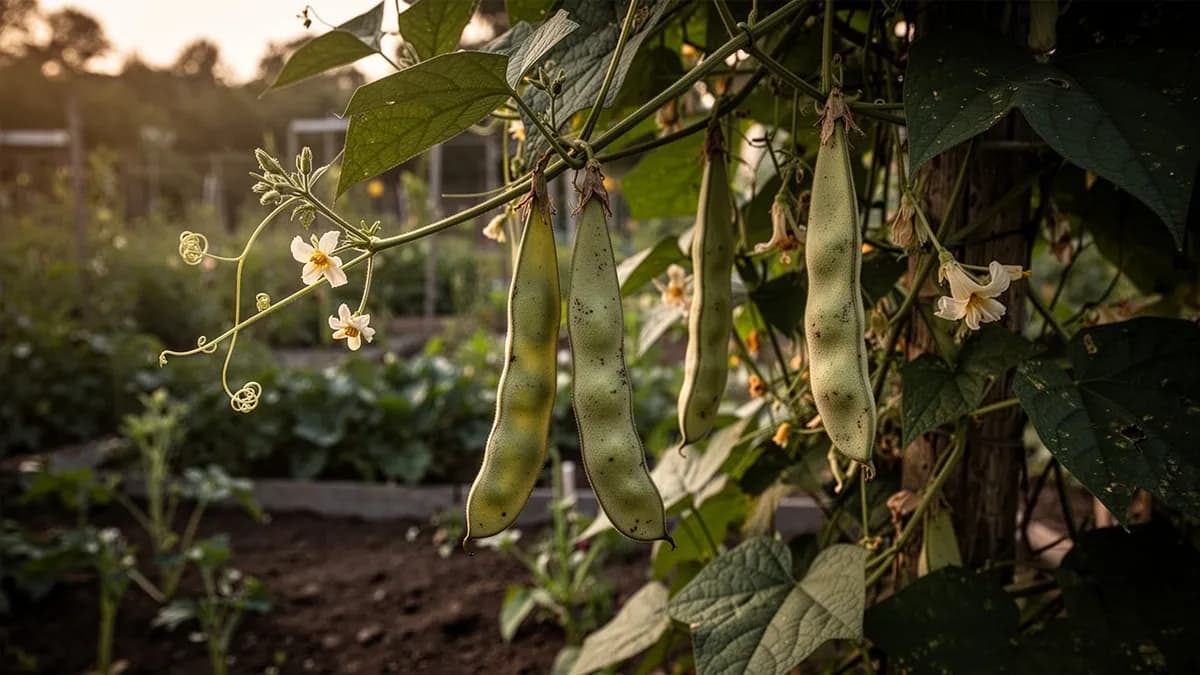
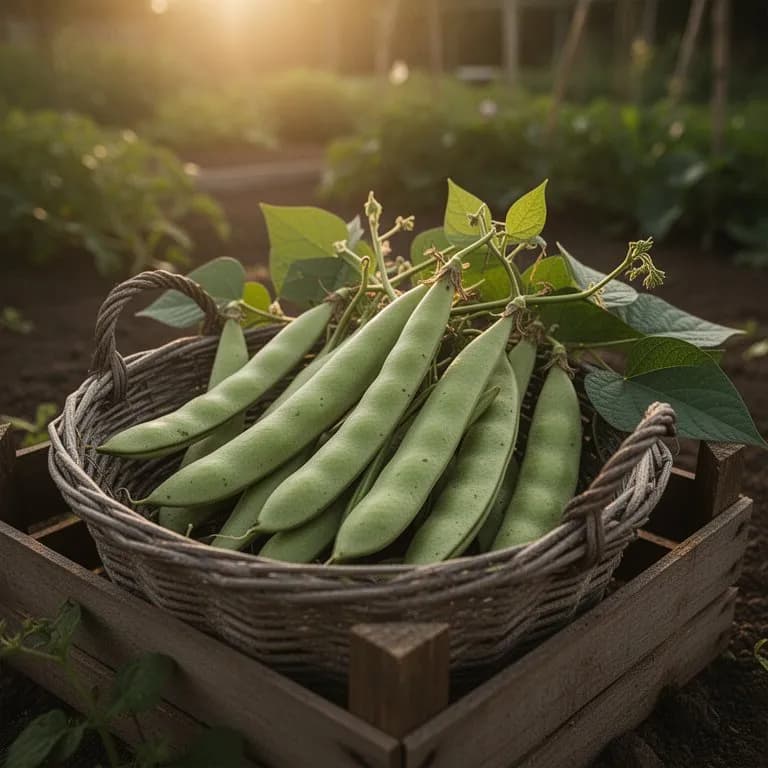
Eine tropische Kletterbohne, die enorme schwertförmige Hülsen von bis zu 35 cm Länge hervorbringt, die jung als grünes Gemüse gegessen werden.





Auf dieser SeiteÜberblick
Schwertbohne im Überblick
Eine tropische Kletterbohne, die enorme schwertförmige Hülsen von bis zu 35 cm Länge hervorbringt, die jung als grünes Gemüse gegessen werden. Kräftige Ranken benötigen ein stabiles Spalier und warme Bedingungen, um gut zu produzieren, und gedeihen in Hitze, die andere Bohnen welken lässt. Junge Hülsen werden in Scheiben geschnitten und wie grüne Bohnen gekocht, mit einem leicht süßen, stärkehaltigen Geschmack. Reife Samen müssen gründlich gekocht und das Kochwasser vor dem Verzehr verworfen werden.
Wann Schwertbohne pflanzen
Weichen Sie die Schwertbohnensamen über Nacht in warmem Wasser ein, bevor Sie pflanzen. Säen Sie direkt fünf Zentimeter tief und 15 Zentimeter auseinander aus, nachdem der Boden 21 Grad erreicht hat. Die Keimung dauert zehn bis vierzehn Tage. In Klimazonen mit kürzerer Saison beginnen Sie drinnen in großen Töpfen vier Wochen vor dem letzten Frost. Verpflanzen Sie vorsichtig, um Wurzelstörungen zu vermeiden. Stellen Sie sofort Stützen bereit, da die Ranken schnell wachsen. Bewahren Sie die größten, gesündesten Samen für die Aussaat im nächsten Jahr auf.
Dein Schwertbohne-Jahr
Abgestimmt auf Zone 7 · typische Saison · Frost geht um den 2. Apr. und kehrt um den 1. Nov. zurück
Schwertbohne Mai – Jun pflanzen, Aug – Okt ernten. Beachte die Pflanzmethoden unten und wähle dein Klima für passende Zeiträume.
So baust du Schwertbohne an
Schwertbohnen sind tropische Kletterpflanzen, die Wärme, Stützvorrichtungen und eine lange Vegetationsperiode benötigen. Säen Sie die Samen nach dem Erreichen einer Bodentemperatur von 21 Grad direkt fünf Zentimeter tief und 15 Zentimeter auseinander aus. Stellen Sie sehr stabile Stützen von mindestens 2,5 Metern Höhe bereit, da diese kräftigen Ranken schwere Hülsen produzieren. Weichen Sie die Samen über Nacht ein, bevor Sie pflanzen. Die Keimung dauert zehn bis vierzehn Tage.
Diese wärmeliebenden Pflanzen gedeihen dort, wo die Temperaturen über 24 Grad bleiben. Sie vertragen verschiedene Bodenarten, bevorzugen aber gut durchlässige, mäßig fruchtbare Bedingungen. Gießen Sie während der Blüte und Hülsenentwicklung gleichmäßig. Als Stickstoffsammler benötigen sie keinen zusätzlichen Stickstoff. Die großen, beeindruckenden Hülsen wachsen schnell, sobald sie sich bilden.
Schwertbohnen brauchen etwa 120 Tage bis zur Reife. In den Zonen 8–9 pflanzen Sie so früh wie möglich nach dem letzten Frost, um ausreichend Wachstumszeit zu gewährleisten. In den Zonen 10–12 können sie als Stauden angebaut werden. Ernten Sie junge Hülsen bei 15 bis 20 Zentimetern für das zarteste Essergebnis. Größere Hülsen werden faserig, aber die Bohnen darin können verwendet werden, wenn sie gründlich gekocht werden. Reife Samen erfordern langes Kochen mit Wasserwechsel, um antinutritive Verbindungen zu entfernen.
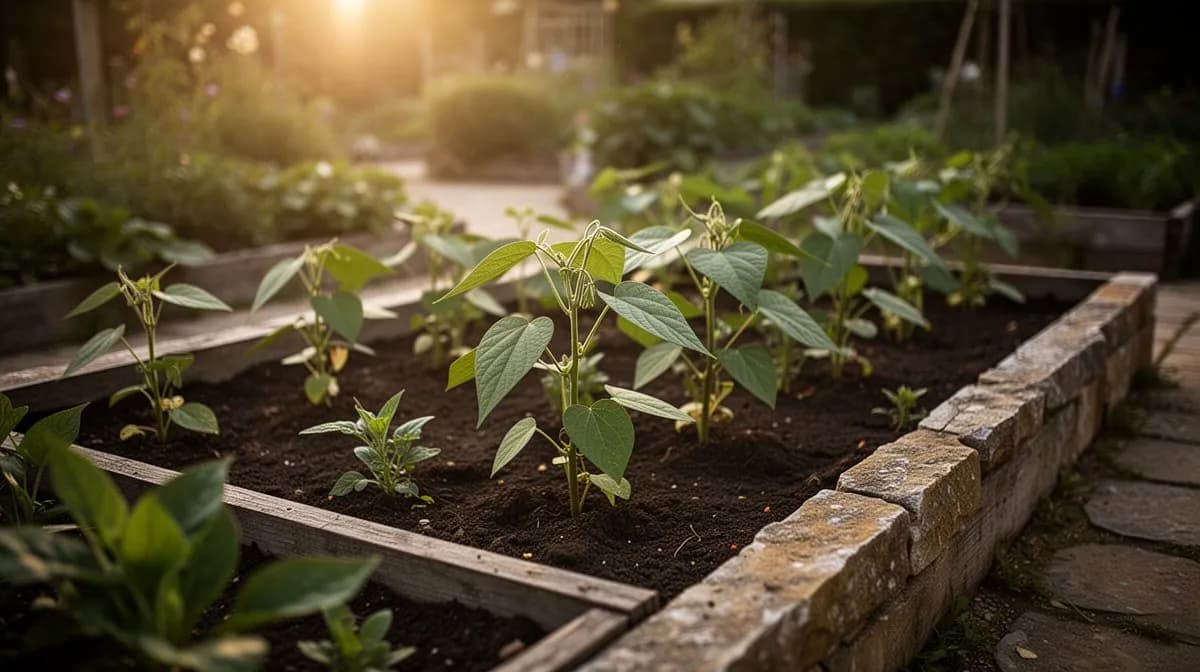
10 Pflanzen passen in ein Beet von 120 × 240 cm
Schwertbohne braucht 45 cm Platz pro Pflanze. Der Planer hält diesen Abstand für dich ein — jede Pflanze, jedes Beet.
Die besten Nachbarn für Schwertbohne
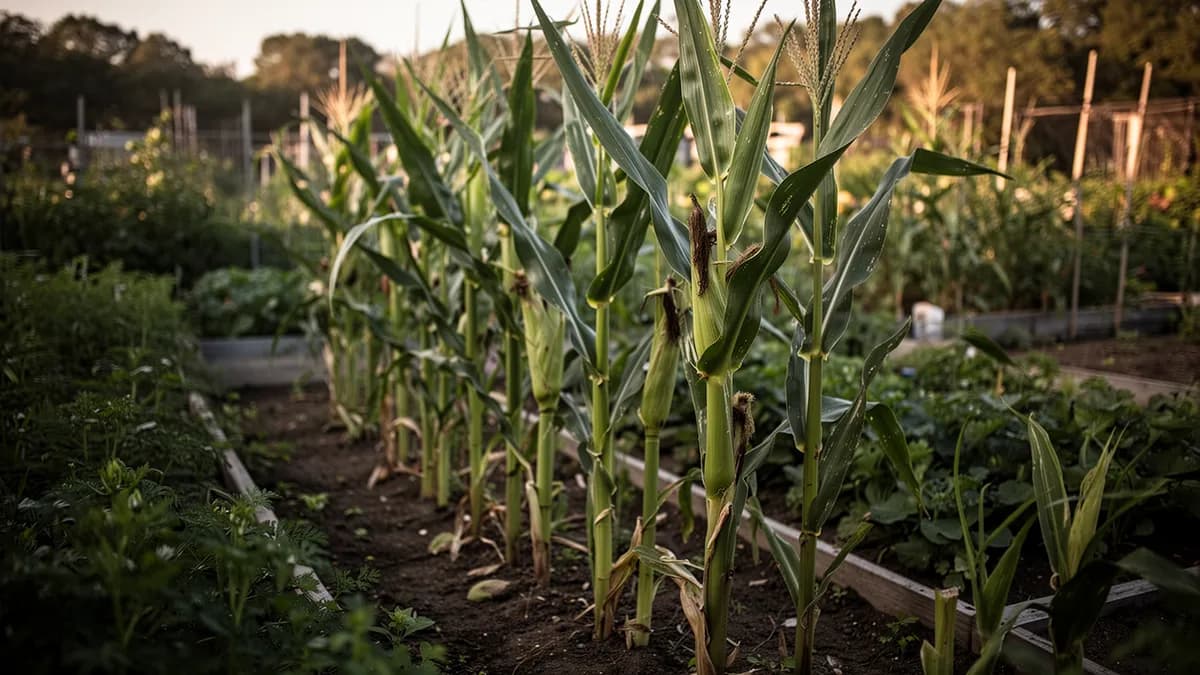
Schwertbohnen fixieren Stickstoff und bereichern benachbarte Kulturen. Ihr kräftiges Wachstum bietet Schatten für hitzeempfindliche Unterpflanzungen. Mais kann als natürliches Spalier für leichteres Rankenwachstum dienen. Vermeiden Sie die Pflanzung in der Nähe von Lauchgewächsen. Die großen Blüten ziehen Bestäuber an, die dem gesamten Garten zugutekommen. Verwenden Sie sie als lebende Sichtschutzwand oder Privatsphärebarriere in Sommergärten.
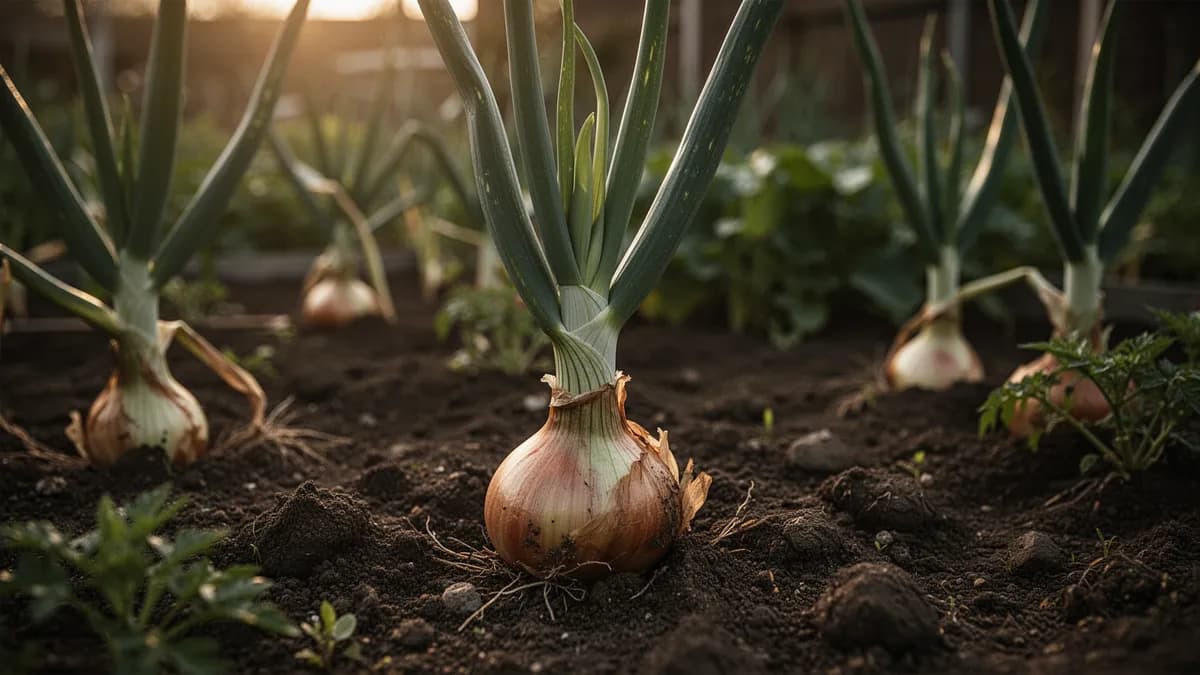
Mais gehört daneben. Zwiebel nicht.
Altes Gärtnerwissen, geprüft an der echten Nachbartabelle von Schwertbohne — teste jede Pflanze, die du anbaust.
Probiere Schwertbohne direkt hier im Beet
Ein echtes Planer-Beet, Schwertbohne steht schon drin. Tippe einen Begleiter an, platziere ihn und sieh, wie die Nachbarschaftsprüfung antwortet — grün für gute Nachbarn, rot bei Streit.


Passende Anbau-Ratgeber
Richtig düngen
Schwertbohnen wachsen in den meisten gut durchlässigen Böden mit einem pH-Wert von 5,5 bis 7,0. Sie vertragen arme Bodenverhältnisse dank effizienter Stickstofffixierung. Geben Sie Phosphor und Kalium bei der Pflanzung hinzu, um die großen Pflanzen und die starke Hülsenproduktion zu unterstützen. Vermeiden Sie übermäßigen Stickstoff. Kompost verbessert die Bodenstruktur, aber nährstoffreicher Boden ist nicht erforderlich.
Ideale Temperatur
Winterhärtezone-Kompatibilität
Von der Saat zur Ernte, Schritt für Schritt
Aussaat
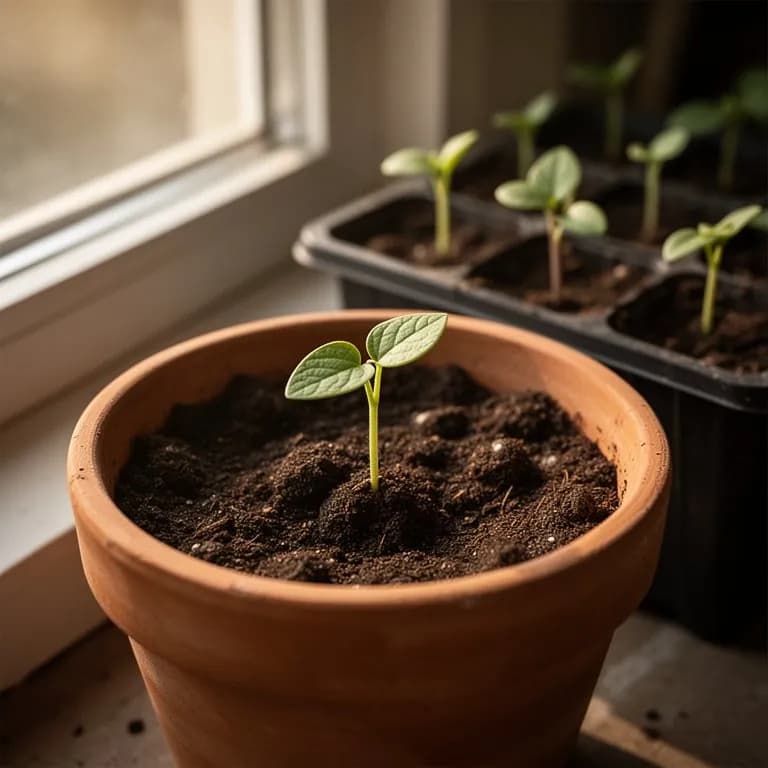
Die großen Samen keimen kräftig in warmem Boden und senden eine dicke Keimwurzel aus, gefolgt von kräftigen Keimblättern, die durch die Bodenoberfläche drücken. Die Samen profitieren von einer Einweichung über Nacht, um die harte Samenschale aufzuweichen. Die Keimung erfordert Bodentemperaturen von mindestens 20 °C und dauert je nach Wärme 7–14 Tage.
Sämlingswachstum
Echte dreiteilige Blätter entwickeln sich schnell und der Stängel beginnt sich zu winden und nach Halt zu suchen. Das Wurzelsystem etabliert sich tief und bildet Knöllchen mit stickstofffixierenden Rhizobium-Bakterien. Sämlinge wachsen stetig und zeigen innerhalb der ersten Wochen ihren Kletterdrang.
Kräftiges Rankenwachstum
Die Ranken wachsen bei warmem Wetter explosionsartig und produzieren dichtes Laub aus großen dreiteiligen Blättern. Die Pflanzen können in einer einzigen Saison 3–5 Meter hoch klettern und entwickeln an der Basis verholzte Stängel. Die Ranke verzweigt sich frei und bedeckt jede Stützstruktur mit dichtem grünem Wuchs, der effektiven Schatten spendet.
Blüte
Trauben von rosa, violetten oder weißen Blüten erscheinen in hängenden Rispen aus den Blattachseln. Jede Rispe kann 6–12 Blüten tragen, obwohl nicht alle Hülsen ansetzen. Die Blüten sind selbstfruchtbar, profitieren aber von Insektenbestäubung für einen verbesserten Hülsenansatz. Die Blüte setzt sich über mehrere Wochen fort.
Hülsenentwicklung
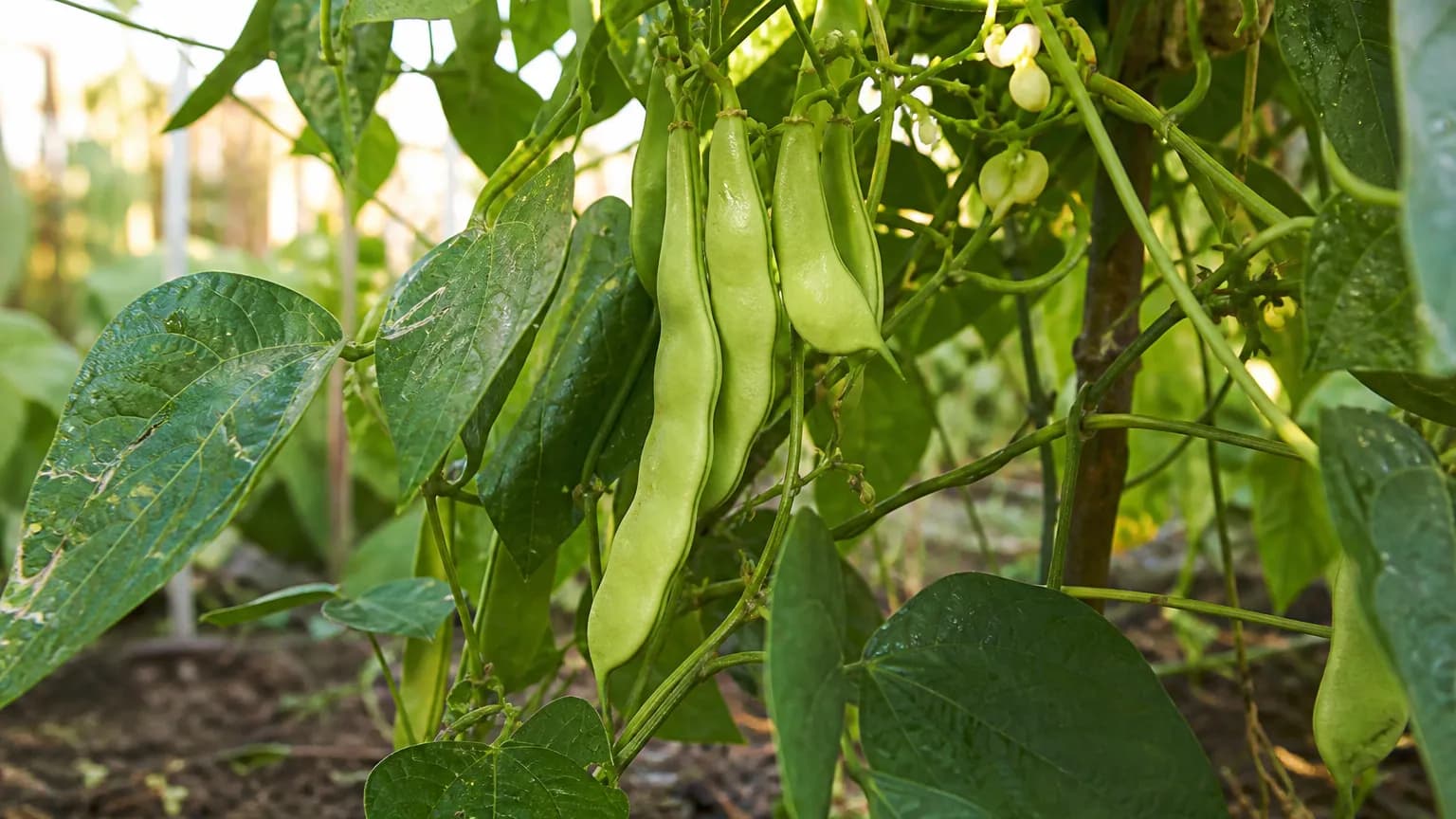
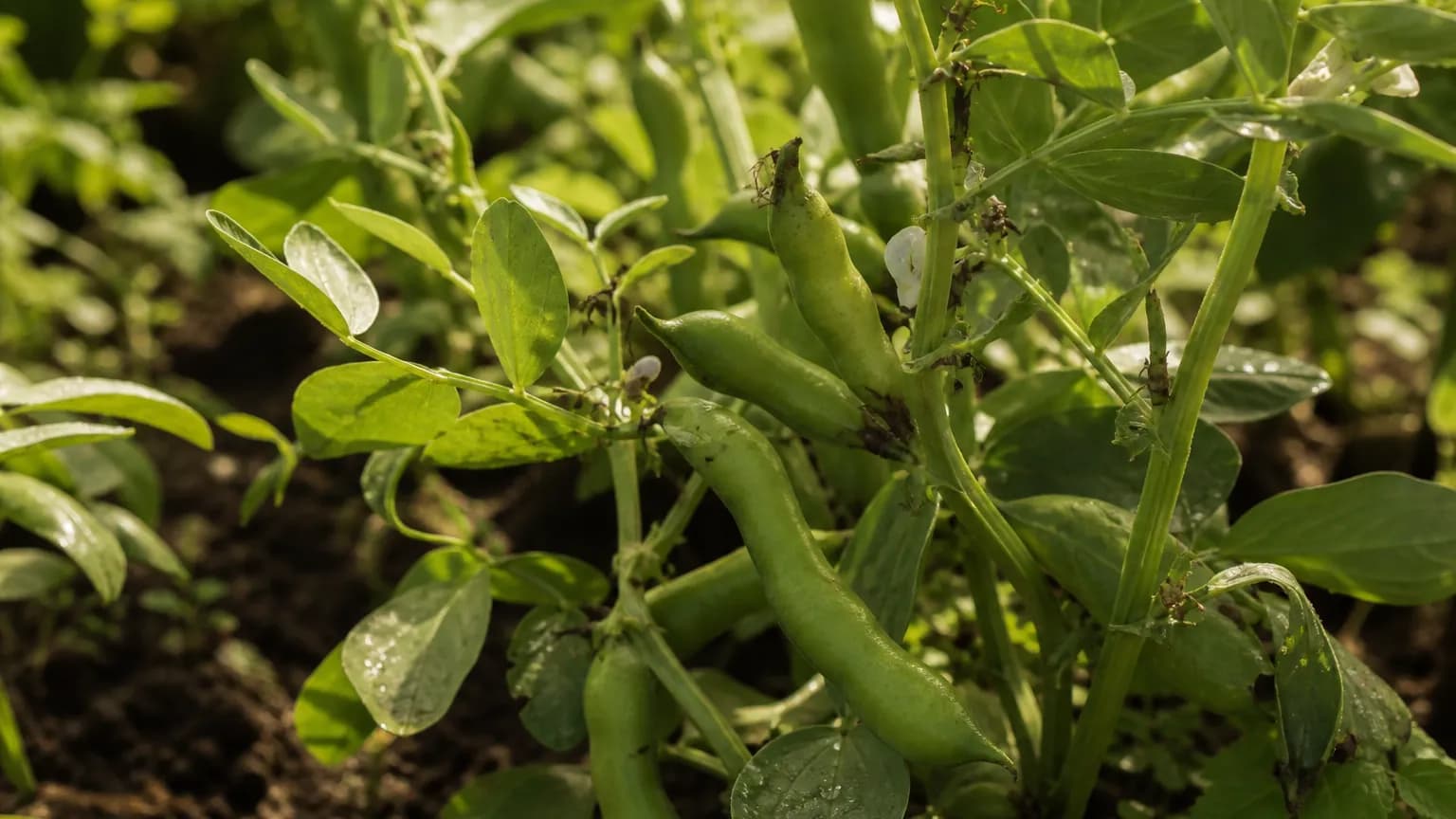
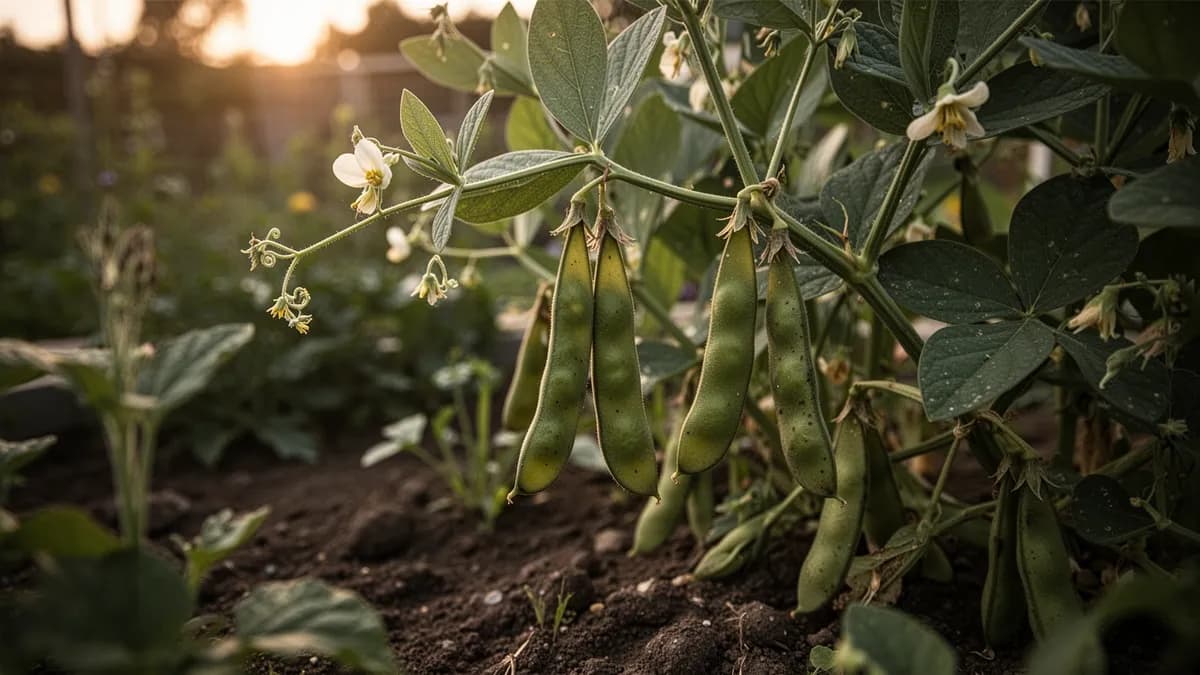
Die charakteristischen schwertförmigen Hülsen entwickeln sich schnell aus bestäubten Blüten und wachsen bei warmen Bedingungen bis zu 2–3 cm pro Tag. Junge Hülsen sind flach, gebogen und hellgrün mit glatter Textur. Die Hülsen können bei voller Reife 30–40 cm lang und 5 cm breit werden, wobei jede 8–16 große Samen enthält.
Ernte und Samenreife
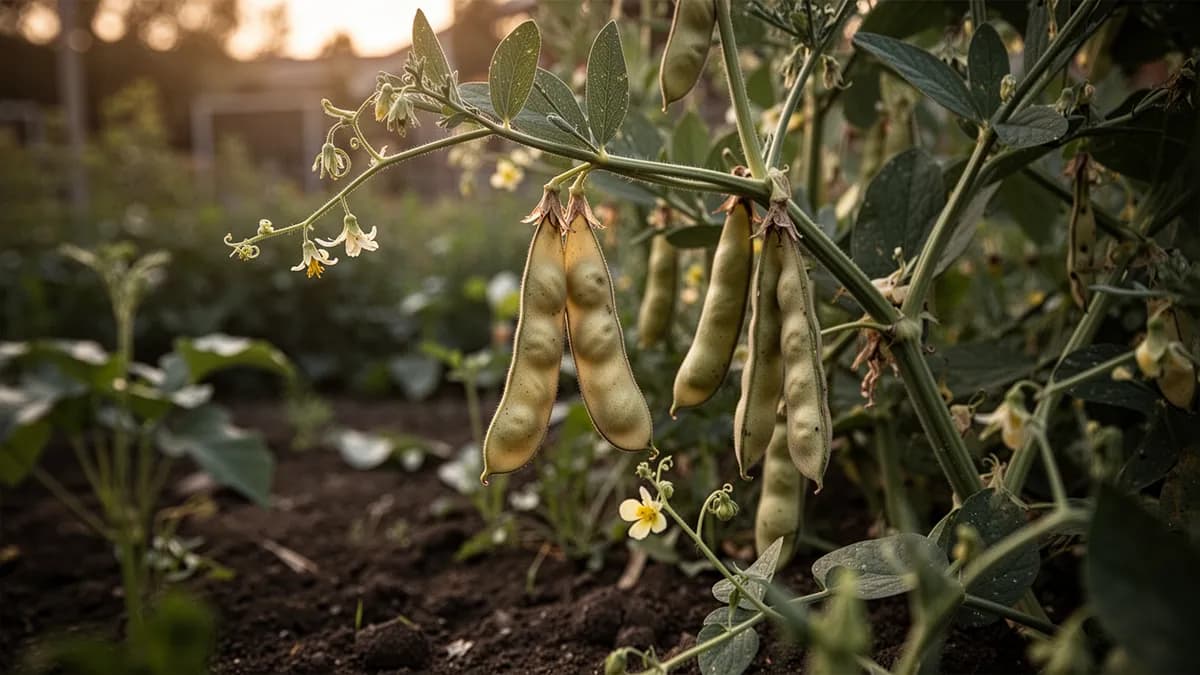
Die Pflanze produziert in tropischen und subtropischen Klimazonen über eine lange Saison gleichzeitig weiter Blüten und Hülsen. Für die Samenernte werden die Hülsen gelassen, bis sie vollständig trocken und braun an der Ranke sind. Reife Samen sind groß, flach und können je nach Sorte weiß, rosa oder rot sein. In frostfreien Gebieten werden die Ranken mit verholzten unteren Stängeln halbstaude.
Weichen Sie die Samen 24 Stunden in warmem Wasser ein, um die Keimung zu beschleunigen. Säen Sie 5 cm tief direkt ins Freiland nach dem letzten Frost oder beginnen Sie 3–4 Wochen vor dem Umpflanzen drinnen in großen biologisch abbaubaren Töpfen. Die Schwertbohne verträgt keine Wurzelstörung.
Schwertbohne Monat für Monat pflegen
Was du jeden Monat für deine Schwertbohne tun solltest
Oktober
Aktueller MonatSetzen Sie die Ernte in warmen Zonen fort. In gemäßigten Gebieten sammeln Sie alle verbleibenden Hülsen vor dem ersten Frost. Lassen Sie Samenhülsen wenn möglich vollständig an der Ranke trocknen. Ziehen Sie abgestorbene Ranken nach dem Frosttod heraus und kompostieren Sie das stickstoffreiche Pflanzenmaterial.
Immer wissen, was jetzt im Garten zu tun ist
Eine E-Mail zum Monatsanfang: was du jetzt säen, pflanzen und anpacken solltest — für deine Schwertbohne und alles, was drumherum wächst. Dazu ein kurzer Startkurs, der dich vor den klassischen Fehlern bewahrt.
- Was jetzt zu tun ist
- Passend zu deiner Saison
- Startkurs inklusive
Schwertbohne ernten
Für zartes Essen ernten Sie junge Schwertbohnenhülsen bei sechs bis acht Zoll Länge, bevor sich die Samen im Inneren wesentlich entwickeln. In diesem Stadium quer schneiden und wie grüne Bohnen kochen. Größere Hülsen werden zunehmend faserig. Für reife Bohnen lassen Sie die Hülsen an der Pflanze trocknen, bis sie braun sind. Wichtig: Reife Samen müssen in mehreren Wasserwechseln gekocht werden, um Verbindungen zu entfernen, die Verdauungsbeschwerden verursachen können. Immer gründlich kochen.
angenommen, du pflanzt zu Beginn des Zeitraums — trage dein tatsächliches Datum ein
Ernte Schwertbohne zügig, dann trägt die Pflanze weiter.
Lagerung & Konservierung
Junge Hülsen halten sich im Kühlschrank bis zu einer Woche. Blanchieren Sie geschnittene junge Hülsen und frieren Sie sie bis zu sechs Monate ein. Getrocknete reife Bohnen lagern in luftdichten Behältern über zwei Jahre, erfordern aber eine umfangreiche Kochvorbereitung. Die großen, auffälligen Samen eignen sich hervorragend zur Saatgutgewinnung. Lagern Sie Samen an einem kühlen, trockenen Ort für die Aussaat in der nächsten Saison.
Was schiefgeht — und die Lösung
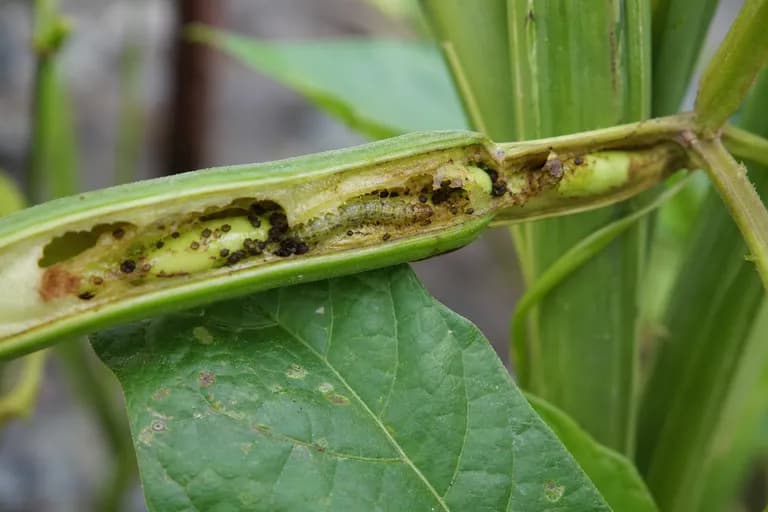
Hülsenbohrer
SchädlingRaupen bohren sich in die großen Hülsen und fressen an den sich entwickelnden Samen, wobei sie Kot und beschädigte Bohnen hinterlassen.
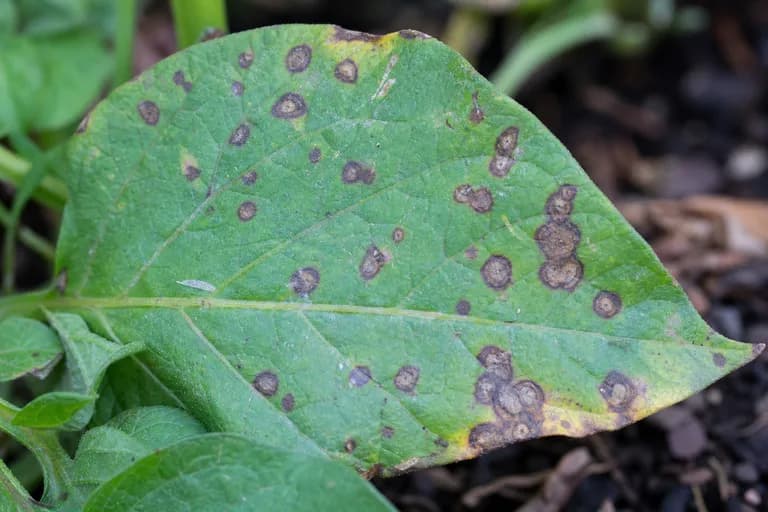
Blattfleckenkrankheit
KrankheitBraune Flecken auf den Blättern, die sich vereinigen können, was zu vorzeitigem Blattfall und verringerter Vitalität führt.
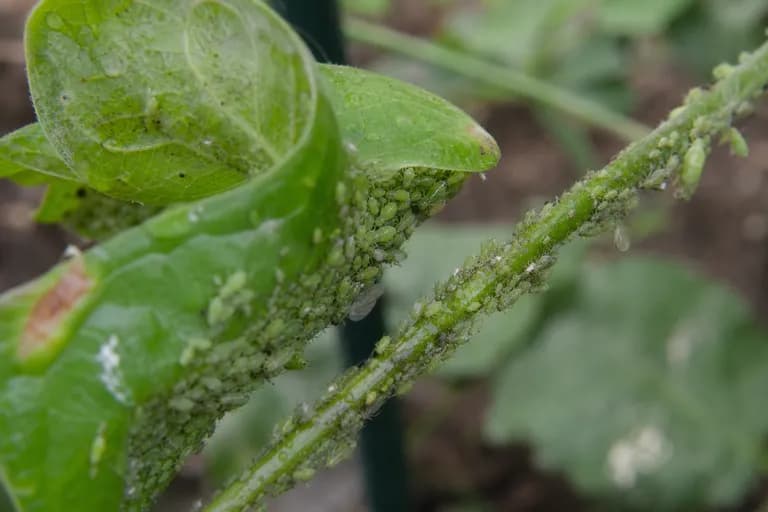
Blattläuse
SchädlingAnsammlungen an Triebspitzen und Blütenknospen, die den Hülsenansatz verringern und Blattverkrümmung verursachen.
Fehlerbehebung bei häufigen Problemen
Die lange Vegetationsperiode von 120 Tagen beschränkt Schwertbohnen auf warme Klimazonen. Kühle Temperaturen bremsen das Wachstum erheblich. Ohne sehr stabile Stützen bringen die schweren Ranken und massiven Hülsen Strukturen zum Einsturz. Reife Samen enthalten Verbindungen, die eine sorgfältige Zubereitung mit mehrfachem Kochen erfordern. In feuchten Klimazonen können Pilzkrankheiten die Hülsen befallen. Vögel und Nagetiere werden von den großen Samen angezogen.
Anbautipps
- Bauen Sie Ihr Spalier, bevor Sie pflanzen — und machen Sie es stabiler, als Sie denken. Schwertbohnenranken können 3–5 Meter erreichen und schwere Hülsen produzieren, die zusammen 15–25 kg pro Pflanze wiegen. Ein dünnes Spalier wird mitten in der Saison zusammenbrechen. Verwenden Sie stabile Pfosten, dickdrahtiges Netz oder einen soliden Holzbogen.
- Weichen Sie die Samen 24 Stunden in warmem Wasser ein, bevor Sie pflanzen. Schwertbohnensamen sind groß und haben eine harte Schale — das Einweichen verbessert die Keimrate dramatisch von etwa 50 % auf über 85 %. Sie können die Samenschale auch gegenüber dem Nabel mit einer Feile anritzen, um die Wasseraufnahme noch schneller zu machen.
- Überdüngen Sie nicht mit Stickstoff. Als Hülsenfrucht geht die Schwertbohne eine symbiotische Beziehung mit Rhizobium-Bakterien ein, die atmosphärischen Stickstoff direkt in den Wurzelknöllchen fixieren. Überschüssiger Stickstoff aus Dünger unterdrückt diesen natürlichen Prozess und fördert Blattwachstum auf Kosten der Hülsen.
- Ernten Sie junge Hülsen häufig bei 15–20 cm für den Frischverzehr. Hülsen, die über 25 cm an der Ranke bleiben, werden zunehmend faserig und zäh. Regelmäßiges Ernten signalisiert der Pflanze, mehr Blüten und Hülsen zu produzieren, was die produktive Saison erheblich verlängert.
- Die Schwertbohne ist schattentoleranter als die meisten Bohnen und gedeiht durchaus mit 5–6 Stunden direktem Sonnenlicht. Das macht sie geeignet für teilweise schattige Gartenbereiche, Waldränder oder den Anbau an der Nordseite von Gebäuden auf der Südhalbkugel.
- In gemäßigten Klimazonen starten Sie die Samen 4–6 Wochen vor dem letzten Frostdatum drinnen in tiefen Töpfen (mindestens 15 cm), um bei der kurzen warmen Saison einen Vorsprung zu bekommen. Verpflanzen Sie nach dem Abhärten vorsichtig — die Schwertbohne hat eine empfindliche Pfahlwurzel, die Störung nicht mag.
- Pflanzen Sie die Schwertbohne neben Mais oder Sonnenblumen für ein natürliches Spaliersystem — der Drei-Schwestern-Ansatz funktioniert wunderbar. Die Bohnenranke klettert an den hohen Stängeln empor, fixiert Stickstoff für den Mais, und das dichte Bohnenlaub beschattet den Boden, um Feuchtigkeit zu speichern.
- Reife getrocknete Samen müssen vor dem Verzehr richtig zubereitet werden. Kochen Sie sie mindestens 30 Minuten in Wasser (einmaliger Wasserwechsel), um Canavanin und andere antinutritive Faktoren abzubauen. Junge grüne Hülsen, die frisch bei 15–20 cm geerntet werden, benötigen diese Behandlung nicht und können normal gekocht werden.
Bau deine beste Schwertbohne an — und alles drumherum.
Starte heute kostenlos. Lege deine Beete an, setze deine Schwertbohne ein und lass PlotMyGarden Timing, Abstände, Begleiter und Erinnerungen von der Saat bis zum Erntekorb übernehmen.
Finde deine Schwertbohne
Rote Schwertbohne
Produziert auffällige rötlich getönte Hülsen und rote Samen. Kräftiger Kletterer mit guter Hülsenproduktion bei warmen Bedingungen.
Weiße Schwertbohne
Weißsamige Sorte mit etwas milderem Geschmack. Traditionell in der japanischen Küche für fermentierte Zubereitungen verwendet.
Rosa Schwertbohne
Rosa blühende Ziersorte, die auch essbar ist. Attraktiv an Spalieren mit großen, dekorativen Hülsen.
Schwertbohnen sind in westlichen Lebensmittelgeschäften selten zu finden, aber frische Hülsen werden in asiatischen Spezialitätenmärkten für 12–25 € pro Kilogramm verkauft, wenn verfügbar. Eine einzelne Pflanze, die 2–5 kg Hülsen über eine Saison produziert, entspricht einem Marktwert von 25–100 €. Getrocknete Schwertbohnensamen, die als Gesundheitsnahrung in japanischen und chinesischen Märkten verkauft werden, können 30–65 € pro Kilogramm kosten. Der eigene Anbau ermöglicht auch den Zugang zu einer nahrhaften, proteinreichen Kulturpflanze, die außerhalb tropischer Regionen fast unmöglich frisch zu kaufen ist, was den wahren Wert weit über einen einfachen Kostenvergleich hinaus steigert.
Schnelle Rezepte
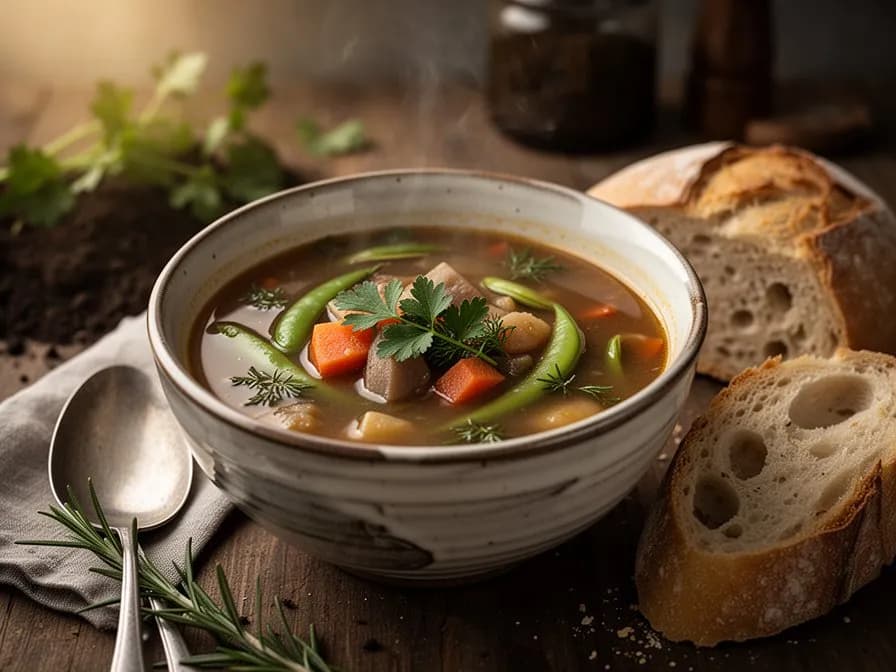
Gebratene Schwertbohne mit Knoblauch und Chili
15 Min.Eine klassische südostasiatische Zubereitung, bei der junge Schwertbohnenhülsen schräg geschnitten und bei hoher Hitze mit Knoblauch und getrockneten Chilischoten gebraten werden. Die Hülsen haben einen befriedigenden Biss und einen mild süßen Geschmack, der perfekt zu herzhaften Aromen passt.
8 ZutatenSchwertbohnen-Kokos-Curry
35 Min.Ein duftendes südindisches Curry, bei dem zarte Schwertbohnenstücke in einer reichhaltigen Kokosmilchsoße mit Senfkörnern, Curryblättern und Kurkuma köcheln. Dieses wohltuende Gericht ist ein Grundnahrungsmittel der Hausmannskost in Kerala und Tamil Nadu.
10 ZutatenSchwertbohnen-Tempura
20 Min.Junge Schwertbohnenhülsen, die längs geschnitten und in einem leichten, knusprigen japanischen Tempura-Teig umhüllt werden. Der milde, leicht süße Geschmack der Schwertbohne eignet sich hervorragend für Tempura, serviert mit Dip-Soße und geriebenem Daikon.
7 ZutatenKulinarische Verwendung
Junge Schwertbohnenhülsen werden quer geschnitten und gebraten, gedämpft oder zu Currys hinzugefügt. Der leicht süße, stärkehaltige Geschmack ergänzt würzige Gerichte. In der japanischen Küche werden die Bohnen zu einem Gewürz namens Nata Mame fermentiert. In der süd- und südostasiatischen Küche sind junge Hülsen ein gängiges Gemüse. Reife Samen müssen in mehreren Wasserwechseln gekocht werden, bevor sie in irgendeinem Rezept verwendet werden.
Was drinsteckt
Gesundheitsvorteile
- Die Schwertbohne ist außergewöhnlich reich an pflanzlichem Protein für eine frische Bohne und liefert etwa 7 g pro 100 g junger Hülsen und 20–25 g pro 100 g reifer getrockneter Samen — vergleichbar mit anderen proteinreichen Hülsenfrüchten wie Linsen und Kichererbsen.
- Der hohe Ballaststoffgehalt (4,5 g pro 100 g frisch) unterstützt die Verdauungsgesundheit, fördert das Sättigungsgefühl und kann helfen, den Blutcholesterinspiegel zu regulieren, indem Gallensäuren im Darm gebunden werden.
- Enthält bedeutende Mengen an Eisen und Zink, zwei Mineralstoffen, die in pflanzlicher Ernährung oft fehlen — die Bioverfügbarkeit dieser Mineralstoffe steigt, wenn die Schwertbohne zusammen mit Vitamin-C-reichen Lebensmitteln verzehrt wird.
- In der traditionellen japanischen und chinesischen Medizin werden Schwertbohnenzubereitungen zur Unterstützung der Mundgesundheit und des Verdauungskomforts eingesetzt. Moderne Forschung hat antimikrobielle Verbindungen in den Samen identifiziert, die diese traditionellen Anwendungen bestätigen könnten.
- Als Hülsenfrucht bietet die Schwertbohne eine Nahrungsquelle mit niedrigem glykämischen Index, die Energie langsam freisetzt und hilft, stabile Blutzuckerwerte aufrechtzuerhalten — vorteilhaft für Menschen mit Diabetes oder Insulinresistenz.
- Reich an antioxidativen Polyphenolen und Flavonoiden, insbesondere in der Samenschale farbiger Sorten, die dazu beitragen können, oxidativen Stress und Entzündungen im Zusammenhang mit chronischen Erkrankungen zu reduzieren.
Woher Schwertbohne stammt
Die Schwertbohne (Canavalia gladiata) ist eine uralte tropische Hülsenfrucht, die vermutlich aus Süd- oder Südostasien stammt, wobei einige Gelehrte eine unabhängige Domestikation im tropischen Afrika vermuten. Wilde Verwandte von Canavalia finden sich in den gesamten feuchten Tropen der Alten und Neuen Welt, aber die kultivierte Schwertbohne hat ihre tiefsten Wurzeln auf dem indischen Subkontinent und in Südchina, wo archäologische Belege auf einen Anbau seit mindestens 3000 v. Chr. hinweisen. In Indien wurden Schwertbohnenreste an neolithischen Fundstätten in Karnataka gefunden, und die Pflanze wird in frühen Sanskrit-Agrartexten als Nahrungsmittel, Futterpflanze und Gründüngung erwähnt.
Die Schwertbohne verbreitete sich entlang alter Handelsrouten von Indien nach Südostasien, China, Japan und Korea und wurde in verschiedene kulinarische und medizinische Traditionen integriert. In China ist sie seit der Tang-Dynastie (618–907 n. Chr.) in landwirtschaftlichen Schriften verzeichnet und wurde zu einem festen Bestandteil der traditionellen chinesischen Medizin. Der japanische Anbau reicht Jahrhunderte zurück, und die Bohne hat kulturelle Bedeutung — Natamame-Produkte (Schwertbohne) sind noch heute beliebte Gesundheitslebensmittel in Japan. In Südostasien, insbesondere in Myanmar, Thailand und Indonesien, wird die Schwertbohne seit Langem sowohl als Nahrungspflanze als auch als bodenverbessernde Gründecke angebaut.
Trotz ihres Alters und Nährwerts bleibt die Schwertbohne im Vergleich zu gewöhnlichen Bohnen, Sojabohnen und anderen wichtigen Hülsenfrüchten eine untergenutzte Kulturpflanze. Sie wird als verwaiste Kulturpflanze eingestuft — eine, die lokal wichtig ist, aber wenig Aufmerksamkeit von modernen Pflanzenzuchtprogrammen erhalten hat. Ein erneutes Interesse an klimaresistenten und salztoleranten Nutzpflanzen hat die Schwertbohne jedoch wieder ins Rampenlicht gerückt. Ihre Fähigkeit, auf armen Böden zu gedeihen, Salzgehalt zu tolerieren, atmosphärischen Stickstoff zu fixieren und sowohl essbare Hülsen als auch proteinreiche Samen zu produzieren, macht sie zu einer vielversprechenden Kulturpflanze für eine nachhaltige Landwirtschaft in tropischen Regionen mit Klimaherausforderungen. Forschungseinrichtungen in Indien, Japan und Sri Lanka entwickeln derzeit verbesserte Sorten mit höheren Erträgen und reduzierten antinutritiven Faktoren.
Schwertbohne: Schon gewusst?
Faszinierende Fakten über Schwertbohne
Die Schwertbohne (Canavalia gladiata) produziert einige der größten Hülsen aller kultivierten Bohnen — einzelne Hülsen können bis zu 40 cm lang und 5 cm breit werden, wobei die Samen selbst mit bis zu 3 cm Durchmesser zu den größten aller Hülsenfrüchte gehören.
Schwertbohne: Fragen & Antworten
Wann sollte ich Schwertbohne pflanzen?
Was sind gute Begleitpflanzen für Schwertbohne?
In welchen Winterhärtezonen kann Schwertbohne wachsen?
Wie viel Sonne braucht Schwertbohne?
Welchen Abstand sollte ich zwischen Schwertbohne lassen?
Welche Schädlinge und Krankheiten befallen Schwertbohne?
Wie lagere ich Schwertbohne nach der Ernte?
Was sind die besten Schwertbohne-Sorten zum Anbauen?
Welchen Boden braucht Schwertbohne?
Sind Schwertbohnenhülsen roh essbar?
Wie unterscheidet sich die Schwertbohne von der Jackbohne (Canavalia ensiformis)?
Kann die Schwertbohne den Winter in gemäßigten Klimazonen überstehen?
Welche Art von Spalier braucht die Schwertbohne?
Warum blühen meine Schwertbohnenpflanzen, setzen aber keine Hülsen an?
Kann ich Schwertbohnensamen für nächstes Jahr aufbewahren?
Du hast die Theorie gelesen. Jetzt baue sie auf Autopilot an.
Alles, was Schwertbohne knifflig macht — das Timing, die Abstände, die Begleiter, das Erntefenster — genau das übernimmt PlotMyGarden für dich, für jede Pflanze im Garten.
Ein Plan, der dein Wetter kennt
Standort einmal festlegen. Aussaat-, Dünge- und Erntedaten rund um deinen echten letzten Frosttermin und die Live-Vorhersage — kein Raten mehr nach Saattüte.
Aus dem Abschnitt „Pflanzzeit“Beetplaner per Drag & Drop
Beete auf einem Raster gestalten. Jede Pflanze rastet im richtigen Abstand ein, und du siehst die ganze Saison, bevor du einen Cent für Saatgut ausgibst.
Aus dem Abschnitt „Anbau“Begleiter-Konflikte früh erkannt
Über 200 gute und schlechte Kombinationen werden beim Pflanzen live geprüft — so landet ein saisonruinierender Fehler nie in der Erde.
Aus dem Abschnitt „Begleiter“Erinnerungen, nach denen du wirklich handelst
„Gieß die Bohnen.“ „Heute ernten, bevor's umschlägt.“ Pünktlich, konkret und auf deine echten Pflanzen bezogen.
Aus dem Abschnitt „Ernte“Staffel-Aussaat, geplant
Sechs Wochen ernten statt sechs Tage? Die App verteilt deine Aussaaten automatisch und erinnert dich, wenn der nächste Satz fällig ist.
Aus dem Abschnitt „Pflanzzeit“Ein Verlauf, der schlauer wird
Jede protokollierte Ernte bringt der App deinen Garten bei. Der Plan fürs nächste Jahr startet bei dem, was in deinem Boden wirklich funktioniert hat.
Aus dem Abschnitt „Überblick“Pflanze diese neben Schwertbohne
Weitere Hülsenfrüchte
Halte Schwertbohne von diesen fern
Bau deine beste Schwertbohne an — und alles drumherum.
Starte heute kostenlos. Lege deine Beete an, setze deine Schwertbohne ein und lass PlotMyGarden Timing, Abstände, Begleiter und Erinnerungen von der Saat bis zum Erntekorb übernehmen.