Silber-Ahorn
Die am schnellsten wachsende Ahornart bietet schneller Schatten als alle ihre Verwandten, hat jedoch schwächeres Holz, das bei Stürmen zum Brechen neigt.





Auf dieser SeiteÜberblick
Silber-Ahorn im Überblick
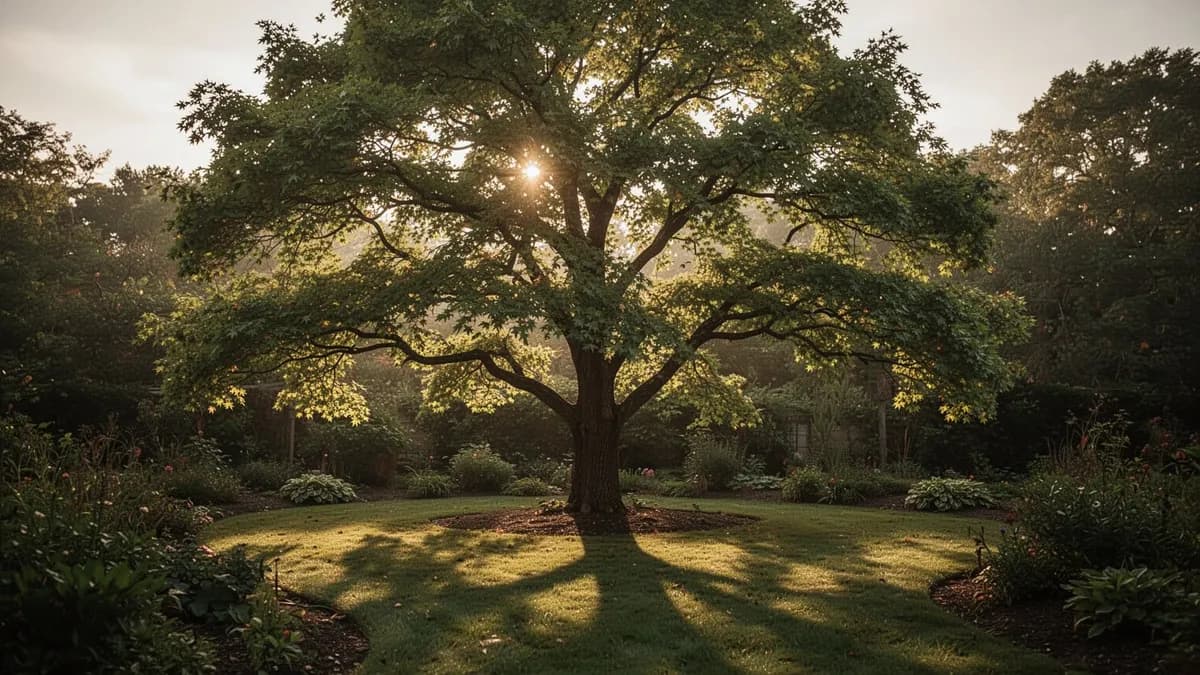
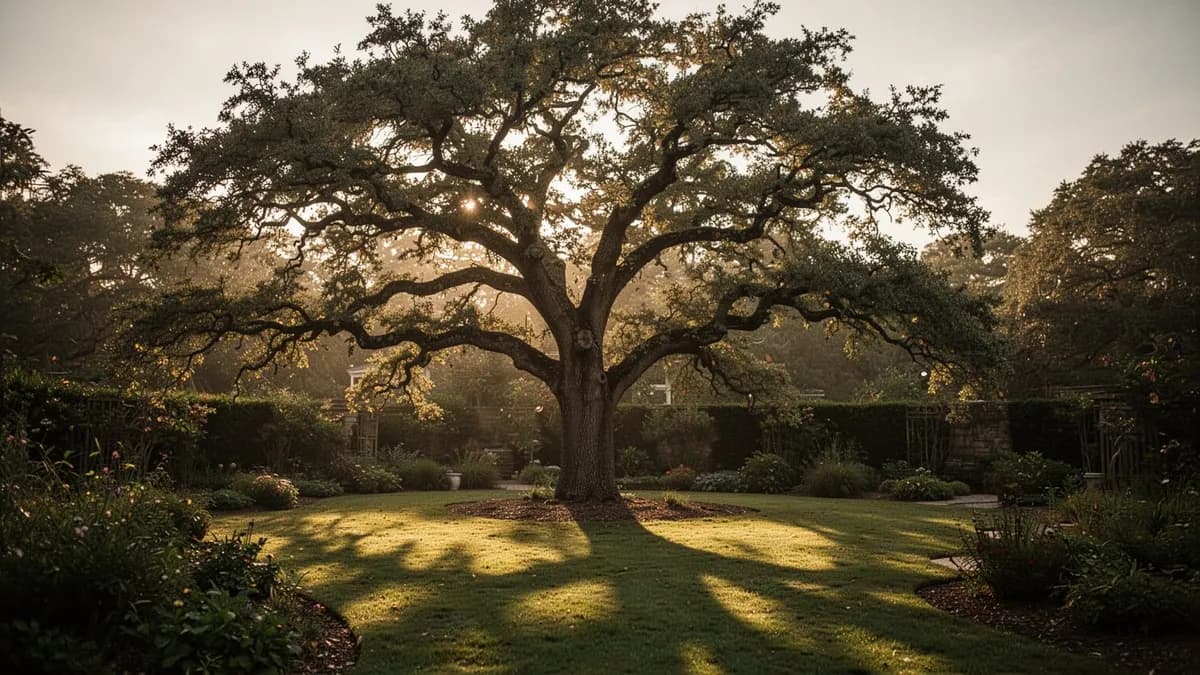
Die am schnellsten wachsende Ahornart bietet schneller Schatten als alle ihre Verwandten, hat jedoch schwächeres Holz, das bei Stürmen zum Brechen neigt. Die tief eingeschnittenen Blätter haben silbrige Unterseiten, die im Wind attraktiv aufblitzen, und verfärben sich im Herbst blassgelb. Silber-Ahorne haben aggressive Oberflächenwurzeln, die Fundamente und Abwasserleitungen beschädigen können – pflanzen Sie sie daher weit entfernt von Gebäuden. Sie vertragen nassen Boden und gelegentliche Überschwemmungen besser als die meisten Schattenbäume und eignen sich daher gut für tiefliegende Bereiche.
Wann Silber-Ahorn pflanzen
Silber-Ahorn-Samen gehören zu den am einfachsten zu keimenden Baumsamen. Sie reifen im späten Frühling und haben keine Ruheanforderung, wobei sie innerhalb von Tagen keimen, nachdem sie auf feuchten Boden gefallen sind. Sammeln Sie rötlich-grüne Samara, wenn sie im Mai reifen, und säen Sie sie sofort auf der Bodenoberfläche aus. Halten Sie sie gleichmäßig feucht und erwarten Sie eine Keimung innerhalb von fünf bis zehn Tagen. Sämlinge wachsen schnell und erreichen im ersten Jahr 60 bis 90 cm. Benannte Sorten werden durch Okulation auf Silber-Ahorn-Sämlingsunterlagen vermehrt. Silber-Ahorne bewurzeln sich auch leicht aus Hartholzstecklingen, die im Spätwinter geschnitten werden.
Dein Silber-Ahorn-Jahr
Abgestimmt auf Zone 7 · typische Saison · Frost geht um den 2. Apr. und kehrt um den 1. Nov. zurück
Silber-Ahorn Mär – Apr, Okt – Nov pflanzen, — ernten. Beachte die Pflanzmethoden unten und wähle dein Klima für passende Zeiträume.
So baust du Silber-Ahorn an
Silber-Ahorne gedeihen in voller Sonne und feuchtem bis nassem Boden und gehören damit zu den besten großen Schattenbäumen für tiefliegende, hochwassergefährdete oder schlecht entwässerte Standorte, an denen andere Arten Schwierigkeiten haben. Sie vertragen eine breite Palette von Bodenarten, darunter schweren Lehm, sandigen Lehm und sogar zeitweise staunasse Bedingungen. Pflanzen Sie Bäume mindestens 12 Meter von Gebäuden, Einfahrten, Gehwegen und Abwasserleitungen entfernt, da ihr aggressives, invasives Wurzelsystem aktiv nach Feuchtigkeit sucht und Infrastruktur beschädigen kann.
Pflanzen Sie wurzelnackte oder containergewachsene Exemplare im Frühling oder Herbst. Silber-Ahorne etablieren sich schnell und wachsen unter günstigen Bedingungen 60 bis 90 Zentimeter pro Jahr, was sie zu einem der schnellsten Schattenspender unter den Laubbäumen macht. Wässern Sie während der ersten Vegetationsperiode gründlich, obwohl etablierte Bäume sowohl nasse als auch mäßig trockene Bedingungen vertragen. Bringen Sie einen 7-8 cm dicken Mulchring an, der bis zur Kronentraufe reicht.
Schneiden Sie regelmäßig, um totes Holz und schwache, eng angewinkelte Astgabeln zu entfernen, die bei Stürmen zum Spalten neigen. Silber-Ahorne haben brüchiges Holz, das von allen Ahornarten am anfälligsten für Eis- und Windschäden ist. Entwickeln Sie einen starken Mitteltrieb, indem Sie in den ersten zehn Jahren konkurrierende Stämme entfernen. Trotz ihrer Nachteile bleiben Silber-Ahorne wertvoll für Rekultivierungsstandorte, Uferpufferzonen und große Grundstücke, wo ihr schnelles Wachstum und ihre Feuchtigkeitstoleranz ihre Pflegeanforderungen überwiegen.
Für Silber-Ahorn ist ein Beet von 120 × 240 cm zu klein
Silber-Ahorn braucht 1000 cm Platz pro Pflanze. Der Planer hält diesen Abstand für dich ein — jede Pflanze, jedes Beet.
Die besten Nachbarn für Silber-Ahorn
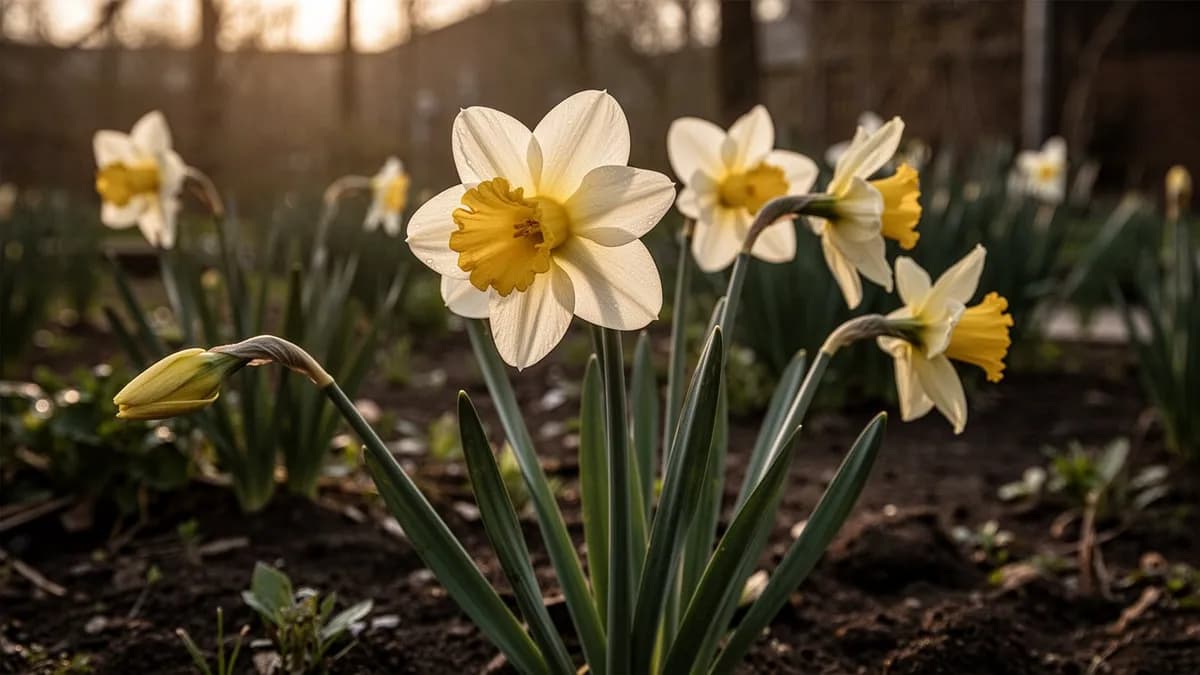
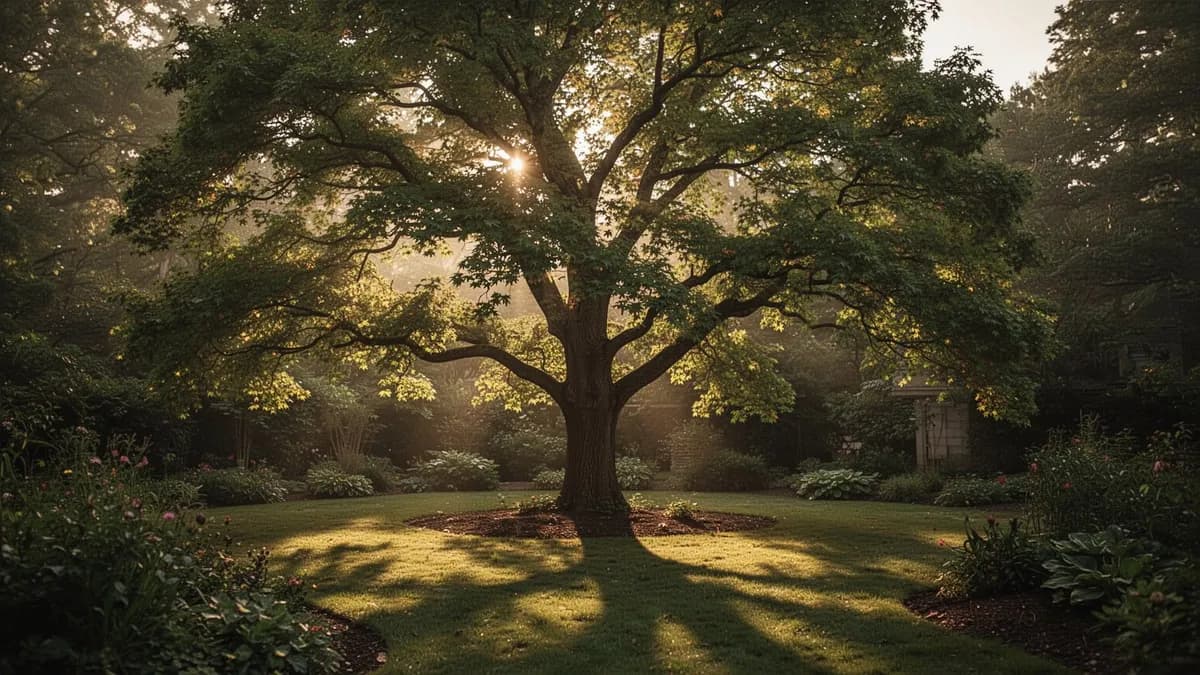
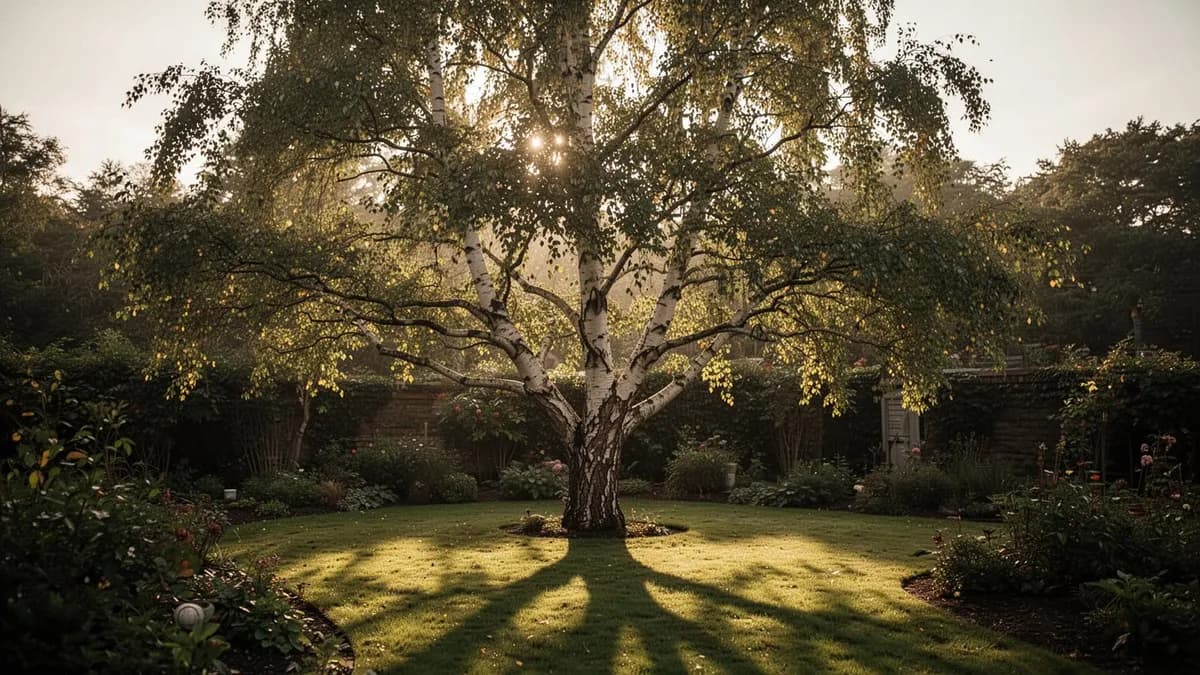
Silber-Ahorne werfen dichten Schatten, und ihre aggressiven Oberflächenwurzeln machen die Unterpflanzung schwierig. Nur die robustesten, schattentoleranten Bodendecker gedeihen unter ausgewachsenen Exemplaren. Erwägen Sie widerstandsfähige Stauden wie Lamium, Günsel und Giersch, die mit dem Wurzelsystem konkurrieren können. Frühjahrsblühende Zwiebelpflanzen wie Narzissen und Blausternchen funktionieren gut, da sie vor dem Blattaustrieb der Krone wachsen. Vermeiden Sie das Pflanzen von Sträuchern oder Staudenbeeten innerhalb der Kronentraufe ausgewachsener Bäume, da die Wurzeln kultivierten Boden schnell besiedeln und dominieren.
Narzisse gehört daneben. Walnussbaum nicht.
Altes Gärtnerwissen, geprüft an der echten Nachbartabelle von Silber-Ahorn — teste jede Pflanze, die du anbaust.
Probiere Silber-Ahorn direkt hier im Beet
Ein echtes Planer-Beet, Silber-Ahorn steht schon drin. Tippe einen Begleiter an, platziere ihn und sieh, wie die Nachbarschaftsprüfung antwortet — grün für gute Nachbarn, rot bei Streit.


Passende Anbau-Ratgeber
Richtig düngen
Silber-Ahorne gehören zu den bodentolerantesten Schattenbäumen und wachsen in allem, von schwerem Lehm bis zu sandigem Lehmboden und sogar saisonal überfluteten Böden. Sie bevorzugen einen leicht sauren bis neutralen pH-Wert von 5,5 bis 7,0, passen sich aber an mäßig alkalische Bedingungen an. Junge Bäume profitieren von ausgewogener Düngung im zeitigen Frühling für eine schnelle Etablierung. Vermeiden Sie stickstoffreiche Dünger, die noch weicheres, brüchigeres Holz fördern. Etablierte Bäume in vernünftigem Boden benötigen keine zusätzliche Düngung. Jährlich aufgebrachter organischer Mulch verbessert die Bodenstruktur und unterstützt das ausgedehnte Oberflächenwurzelsystem.
Ideale Temperatur
Winterhärtezone-Kompatibilität
Von der Saat zur Ernte, Schritt für Schritt
Winterruhe und Spätwinterblüte
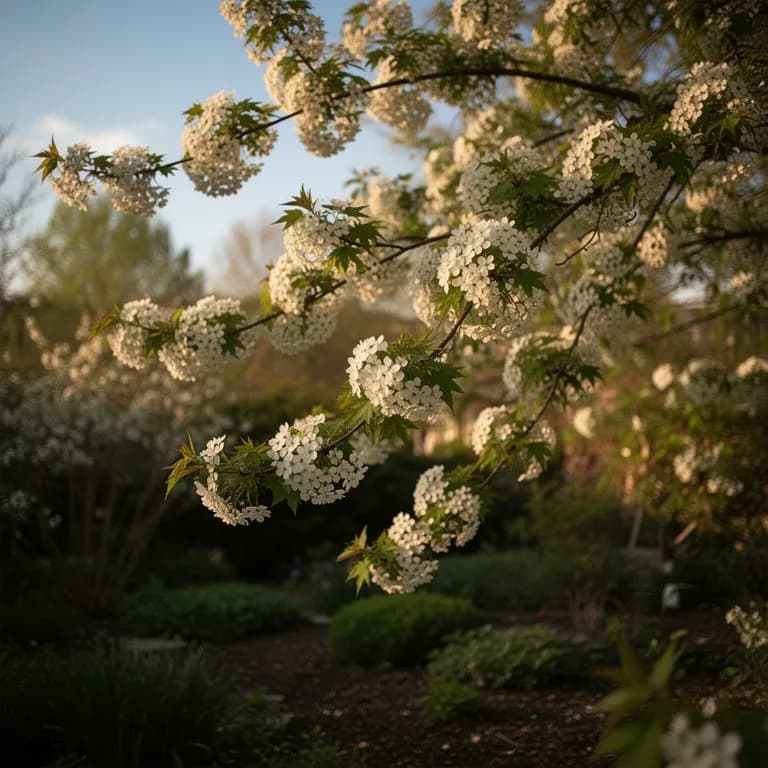
Der Silber-Ahorn ist einer der frühest blühenden einheimischen Bäume Nordamerikas und produziert kleine Büschel rötlich-grüner Blüten an kahlen Ästen von Ende Januar bis März, je nach Breitengrad. Anders als die meisten Laubbäume blüht der Silber-Ahorn weit vor dem Blattaustrieb und ist auf Windbestäubung statt auf Insektenbesucher angewiesen. Der Baum bleibt ansonsten ruhend, wobei Energiereserven im Wurzelsystem und im Holzgewebe gespeichert sind. Blütenknospen, die im Vorsommer angelegt wurden, schwellen bei warmem Wetter merklich an, bevor sie sich öffnen.
Samenentwicklung und Blattaustrieb
Nach der Bestäubung entwickeln sich gepaarte Flügelnüsschen schnell und erreichen bis zum späten Frühling ihre Reife – weit früher als jede andere einheimische Ahornart. Die großen Samara, die 4-7 cm lang sind, verfärben sich von grün zu bräunlich, wenn sie reifen, und verbreiten sich im Mai oder Juni durch Wind. Gleichzeitig erscheinen die tief gelappten Blätter, die sich in einer rötlich-bronzenen Farbe aus den Knospen entfalten, bevor sie sich zu ihrem reifen Grün mit silbrig-weißen Unterseiten ausdehnen. Der Baum tritt in eine Phase extrem schnellen vegetativen Wachstums ein und produziert bei kräftigen jungen Exemplaren neue Triebe mit Raten von über 60 cm pro Saison.
Schnelle Kronenausdehnung
Während des späten Frühlings und Frühsommers kanalisiert der Silber-Ahorn enorme Energie in die Kronenausdehnung. Neue Triebe strecken sich schnell, und die Blattfläche nimmt dramatisch zu, während der Baum lange Tage und warme Temperaturen ausnutzt. Das flache, faserige Wurzelsystem dehnt sich in diesem Zeitraum ebenfalls aggressiv aus und reicht oft auf das Zwei- bis Dreifache des Kronenradius. Der Silber-Ahorn ist einer der am schnellsten wachsenden Laubbäume Nordamerikas und kann in der Jugend 60-90 cm Höhe pro Jahr zulegen, wobei er innerhalb von 30-40 Jahren eine Reife von 15-25 Metern erreicht.
Sommerreife und Energiespeicherung
Die Wachstumsrate verlangsamt sich, während der Baum Energie von der Triebverlängerung zur Kohlenhydratspeicherung in Wurzeln und Holz verlagert. Die Blätter erreichen ihre volle Größe von typischerweise 8-16 cm Durchmesser und arbeiten während der langen Sommertage mit maximaler Photosynthesekapazität. Die silbernen Unterseiten der Blätter werden bei windigen Bedingungen besonders sichtbar und verleihen der Krone ein schimmerndes, zweifarbiges Erscheinungsbild, das den Silber-Ahorn von allen anderen Arten unterscheidet. Blütenknospen für den nächsten Frühling beginnen sich im Spätsommer in den Blattachseln zu bilden.
Herbstfärbung und Blattfall
Der Silber-Ahorn gehört zu den ersten Bäumen, die Herbstfärbung zeigen, wobei sich die Blätter in nördlichen Regionen ab September blassgelb bis sanft golden verfärben. Die Herbstpracht ist im Allgemeinen dezenter als beim Zucker- oder Rot-Ahorn, obwohl einzelne Bäume gelegentlich attraktive Orangetöne aufweisen. Der Blattfall tritt relativ früh und schnell ein, wobei die meisten Bäume ihr Laub innerhalb von zwei bis drei Wochen abwerfen. Die Nährstoffrückresorption aus den alternden Blättern führt Stickstoff, Phosphor und andere Elemente in die Äste und Wurzeln zur Wintereinlagerung zurück.
Winterruhe und Strukturbewertung
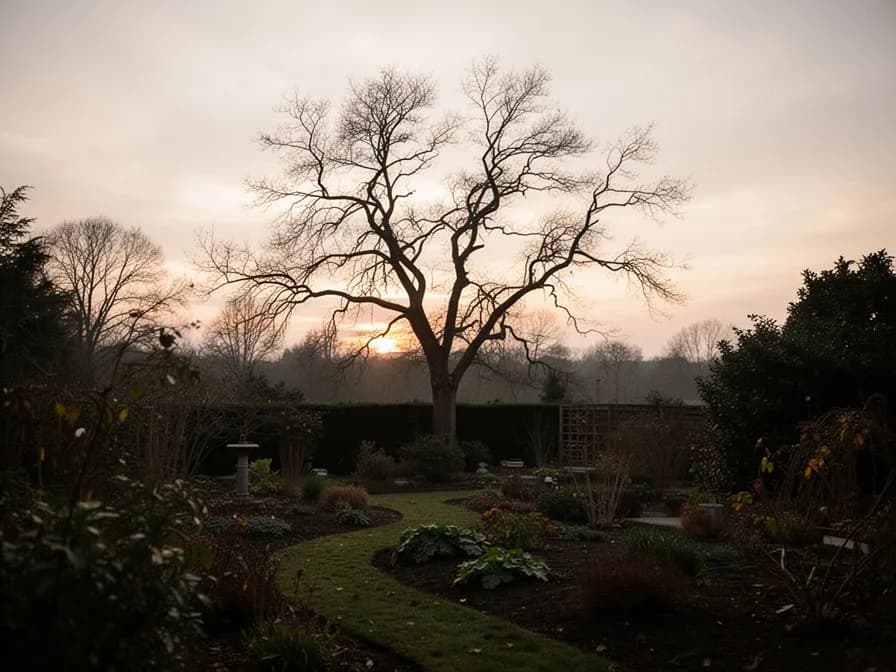
Nach dem vollständigen Blattfall tritt der Baum in die volle Winterruhe ein, und seine architektonische Form wird vollständig sichtbar. Die zottige, silbergraue Rinde reifer Exemplare bietet ganzjährig visuelles Interesse. Silber-Ahorn-Holz ist im Vergleich zu anderen Ahornen relativ weich und spröde, was die Art anfälliger für Eis- und Windschäden macht. Die breite, ausladende Krone mit mehreren aufsteigenden Ästen kann Rindeneinschlüsse in Astgabeln entwickeln, die strukturelle Schwachstellen bilden und unter schwerer Schnee- oder Eislast versagen können.
Führen Sie während dieser Ruheperiode größere Strukturschnitte durch, bevor der Saftfluss beginnt. Silber-Ahorn blutet bei Schnittwunden im Spätwinter und frühen Frühling stark, was unschön, aber nicht schädlich für den Baum ist. Entfernen Sie tote, kreuzende oder schwach befestigte Äste, um das Sturmschadensrisiko zu reduzieren. Vermeiden Sie Kappschnitte, die dichten, schwach befestigten Neuaustrieb stimulieren.
Silber-Ahorn Monat für Monat pflegen
Was du jeden Monat für deine Silber-Ahorn tun solltest
Oktober
Aktueller MonatHarken und kompostieren Sie herabgefallenes Laub zeitnah, um zu verhindern, dass dicke Matten den Rasen ersticken. Silber-Ahorn-Blätter zersetzen sich schnell und sind aufgrund ihrer dünnen Textur hervorragendes Kompostmaterial. Untersuchen Sie die Aststruktur, wenn die Krone sich lichtet, um Totholz und strukturelle Bedenken zu identifizieren. Geben Sie in kalten Winterregionen eine letzte gründliche Bewässerung, bevor der Boden gefriert.
Immer wissen, was jetzt im Garten zu tun ist
Eine E-Mail zum Monatsanfang: was du jetzt säen, pflanzen und anpacken solltest — für deine Silber-Ahorn und alles, was drumherum wächst. Dazu ein kurzer Startkurs, der dich vor den klassischen Fehlern bewahrt.
- Was jetzt zu tun ist
- Passend zu deiner Saison
- Startkurs inklusive
Silber-Ahorn ernten
Silber-Ahorne werden nicht für die essbare Ernte angebaut. Die gepaarten Flügelnüsschen (Samara), die im späten Frühling reifen, gehören zu den größten aller Ahornarten und können zur Vermehrung gesammelt werden. Silber-Ahorn-Saft kann für die Sirupproduktion angezapft werden, obwohl der Zuckergehalt niedriger ist als beim Zucker-Ahorn, sodass mehr Saft pro Liter fertigen Sirups benötigt wird. Der primäre Landschaftswert liegt im schnell wachsenden Schatten. Die Herbstfärbung ist typischerweise blassgelb und weniger spektakulär als bei anderen Ahornarten, obwohl die silbrigen Blattunterseiten in Sommerbrisen attraktive Bewegung bieten.
angenommen, du pflanzt zu Beginn des Zeitraums — trage dein tatsächliches Datum ein
Ernte Silber-Ahorn zügig, dann trägt die Pflanze weiter.
Lagerung & Konservierung
Silber-Ahorn-Samen sind kurzlebig und müssen sofort nach der Sammlung im späten Frühling gepflanzt werden, da sie keine Ruhephase haben und innerhalb von Wochen ihre Keimfähigkeit verlieren. Im Gegensatz zu Zucker-Ahorn-Samen benötigen sie keine Kaltschichtung. Lagern Sie frisch gesammelte Samen in feuchten Papiertüchern in einem verschlossenen Beutel nicht länger als einige Tage vor der Aussaat. Silber-Ahorn-Holz ist weich und als Bauholz nicht besonders geschätzt, kann aber für Paletten, Kisten und Zellstoff verwendet werden. Die dekorativen Maserungsmuster in gespaltenem Silber-Ahorn werden von Drechslern und Kunsthandwerkern geschätzt.
Was schiefgeht — und die Lösung
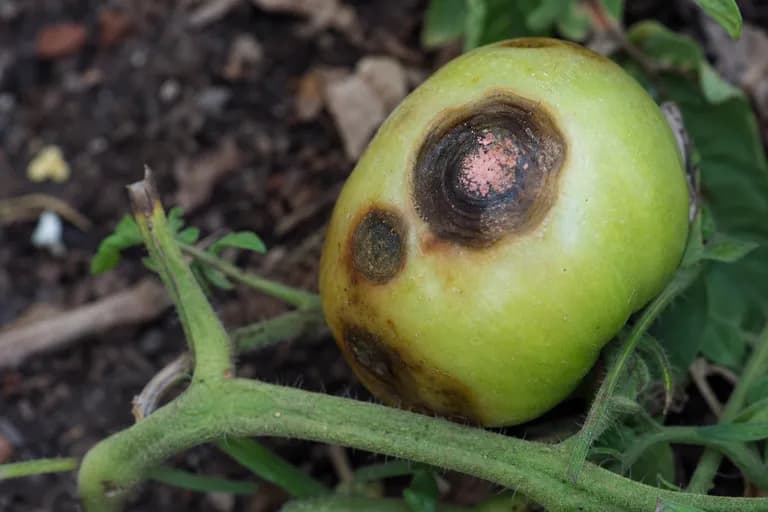
Wollige Ahornlaus
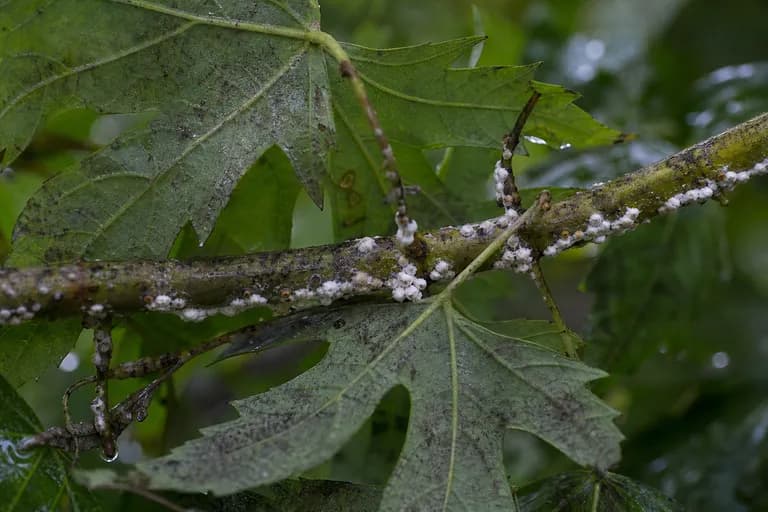
SchädlingWeiße, watteähnliche Eigelege an den Unterseiten der Äste im späten Frühling. Starker Befall verursacht Honigtau-Tropfen, Rußtau auf Oberflächen unter dem Baum und Aststerben.
Anthraknose
KrankheitUnregelmäßige braune Flecken auf Blättern, oft entlang der Blattadern. In schweren Jahren tritt vorzeitiger Blattfall im späten Frühling auf, gefolgt von einem zweiten Austrieb im Sommer.
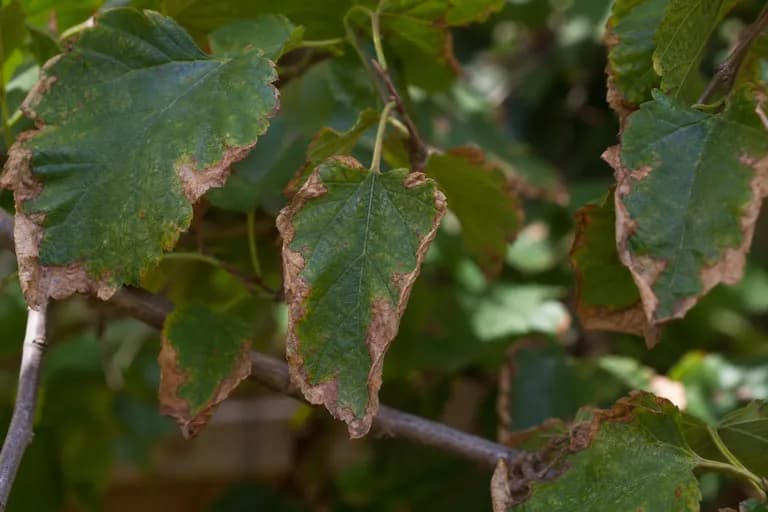
Bakterielle Blattrandnekrose
KrankheitRandliche Blattverfärbung, die nach innen fortschreitet und durch einen gelben oder rötlichen Hof vom grünen Gewebe getrennt ist. Die Symptome verschlimmern sich von Jahr zu Jahr, während sich die Bakterien durch das Leitungssystem ausbreiten.
Fehlerbehebung bei häufigen Problemen
Brüchiges Holz ist der Hauptnachteil, da Silber-Ahorne anfälliger für Sturmschäden sind als jeder andere häufig gepflanzte Schattenbaum. Aggressive Oberflächenwurzeln dringen in Abwasserleitungen ein, risseln Fundamente, heben Gehwege an und erschweren das Rasenmähen. Reichliche Samara im Frühling verursachen erheblichen Schmutzanfall, und Sämlinge keimen überall in der Landschaft. Die schnelle Wachstumsrate, die Silber-Ahorne attraktiv macht, geht auf Kosten der Strukturfestigkeit und einer relativ kurzen Lebensdauer von 80 bis 100 Jahren im Vergleich zu langlebigeren Ahornarten.
Anbautipps
- Pflanzen Sie den Silber-Ahorn mindestens 10 Meter von Gebäudefundamenten, Abwasserleitungen, Kläranlagen und befestigten Flächen entfernt. Das aggressive, flache Wurzelsystem wird Feuchtigkeitsquellen aufsuchen und kann Gehwege anheben, in Rohre eindringen und Fundamente risseln, wenn er zu nah an Infrastruktur gepflanzt wird.
- Pflanzen Sie in voller Sonne bis Halbschatten in feuchtem, gut durchlässigem bis gelegentlich nassem Boden. Der Silber-Ahorn ist einer der wenigen großen Schattenbäume, die periodische Überschwemmungen und schlecht durchlässige Lehmböden vertragen, was ihn zu einer ausgezeichneten Wahl für tiefliegende Bereiche macht, in denen andere Arten Schwierigkeiten haben.
- Entwickeln Sie durch korrigierenden Schnitt in den ersten fünf bis zehn Jahren eine starke Mitteltriebstruktur. Entfernen Sie konkurrierende Stämme und Äste mit engen V-förmigen Gabelwinkeln, die bei Eisstürmen und starkem Wind aufgrund von Rindeneinschlüssen zum Spalten neigen.
- Vermeiden Sie Kapp- oder Kopfschnitte, die dichte Büschel schwach befestigter Wasserreiser stimulieren. Verwenden Sie stattdessen korrekte Reduktionsschnitte, um konkurrierende Leittriebe zu unterordnen, und Auslichtungsschnitte, um die Krone zu öffnen und den Windwiderstand zu verringern.
- Bringen Sie eine 7-10 cm dicke Schicht organischen Mulchs wie geschredderte Rinde oder Holzhäcksel in einem weiten Kreis bis zur Kronentraufe auf, halten Sie den Mulch jedoch mindestens 15 cm vom Stamm entfernt, um Feuchtigkeitsansammlung und Rindenverfall am Wurzelanlauf zu verhindern.
- Wässern Sie neu gepflanzte Silber-Ahorne während der ersten zwei Vegetationsperioden einmal pro Woche gründlich. Nach der Etablierung ist zusätzliche Bewässerung außer bei schwerer Dürre selten notwendig, da das ausgedehnte Wurzelsystem Feuchtigkeit effizient aus einem großen Bodenvolumen bezieht.
- Düngen Sie junge Bäume in den ersten drei bis fünf Jahren im zeitigen Frühling mit einem ausgewogenen Langzeitdünger zur Etablierungsunterstützung. Ausgewachsene Silber-Ahorne, die auf Rasenflächen wachsen, erhalten typischerweise ausreichend Nährstoffe durch Rasendünger und zersetzendes Falllaub und benötigen keine zusätzliche Düngung.
- Überwachen Sie häufige Schädlinge, darunter Wollige Ahornlaus, Ahorn-Blasengallmilbe und Blattstielbohrer. Die meisten sind kosmetisch und erfordern keine Behandlung. Bakterielle Blattrandnekrose ist eine schwerwiegendere Gefäßkrankheit, die fortschreitendes Aststerben verursacht und nicht heilbar ist, obwohl betroffene Bäume bei richtiger Pflege viele Jahre überleben können.
- Planen Sie alle drei bis fünf Jahre eine professionelle Baumpfleger-Bewertung für ausgewachsene Exemplare in der Nähe von Gebäuden. Silber-Ahorn-Holz ist weicher und spröder als das der meisten Laubhölzer, und große Äste mit Strukturdefekten können bei Stürmen unerwartet versagen. Proaktiver Schnitt und Verseilung sind weit weniger kostspielig als Notfall-Sturmschadenbeseitigung.
- Wenn Sie für Saft zapfen, warten Sie, bis der Baum mindestens 25 cm Stammdurchmesser erreicht. Verwenden Sie einen 7/16-Zoll-Zapfhahn und bohren Sie nicht tiefer als 6 cm in das Splintholz. Zapfen Sie an der Südseite des Stammes für den frühesten Saftfluss. Entfernen Sie Zapfhähne umgehend, wenn die Saison endet, und lassen Sie Zapflöcher natürlich verheilen.
Bau deine beste Silber-Ahorn an — und alles drumherum.
Starte heute kostenlos. Lege deine Beete an, setze deine Silber-Ahorn ein und lass PlotMyGarden Timing, Abstände, Begleiter und Erinnerungen von der Saat bis zum Erntekorb übernehmen.
Finde deine Silber-Ahorn
Silver Queen
Eine samenlose weibliche Sorte mit stärkerer Aststruktur als die Art. Schneller wachsend als die meisten Selektionen, erreicht sie 15 Meter Höhe mit verbesserter Sturmresistenz.
Skinneri
Eine Sorte, die für tief eingeschnittene, spitzenartige Blätter und einen aufrechteren Wuchs bekannt ist. Die Herbstfärbung ist gleichmäßiger goldgelb als bei Sämlingen.
Wieri
Eine Trauerform mit tief eingeschnittenen, hängenden Blättern, die ein elegantes, fließendes Kronendach bilden. Die feintexturierte Belaubung und anmutige Form unterscheiden sie von typischen Silber-Ahornen.
Northline
Ausgewählt für außergewöhnliche Winterhärte und verbesserte Aststruktur für nördliche Klimazonen. Verträgt Temperaturen weit unter minus 40 Grad Celsius.
Ein einzelner ausgewachsener Silber-Ahorn erbringt geschätzte 1.800–4.500 € an jährlichen Ökosystemleistungen, darunter Energieeinsparungen durch Sommerbeschattung (Reduzierung der Kühlkosten um 15-35 %), Regenwasserrückhaltung (Aufnahme von über 50.000 Litern Regenwasser jährlich), Luftschadstoffbeseitigung und erhöhter Grundstückswert. Bäume auf der Süd- und Westseite von Gebäuden können die sommerlichen Klimatisierungskosten um 90–225 € pro Jahr senken. Zusätzlich kann ein zapfbarer Silber-Ahorn 40-80 Liter Saft pro Saison liefern, was etwa 0,5-1 Liter Ahornsirup im Wert von 13–27 € zu Marktpreisen ergibt, obwohl der primäre wirtschaftliche Wert in Schatten, Grundstücksaufwertung und Umweltleistungen liegt und nicht in der Sirupproduktion.
Schnelle Rezepte
Hausgemachter Silber-Ahorn-Sirup
6-8 Stunden (aktive Kochzeit für eine Charge)Verwandeln Sie frischen Silber-Ahorn-Saft in einen reichhaltigen, unverwechselbaren Sirup mit einem leichteren Geschmacksprofil als traditioneller Zucker-Ahorn-Sirup. Silber-Ahorn-Saft fließt früh in der Saison, oft vor Zucker-Ahornen, und bietet einen Vorsprung in der Frühlings-Zapfsaison. Der niedrigere Zuckergehalt bedeutet längere Kochzeit, aber der resultierende Sirup hat eine dezente, reine Süße, die von einigen Produzenten geschätzt wird.
5 ZutatenAhornsaft-Tonikum nach Birkenart
10 Min.Frischer Silber-Ahorn-Saft, der während der Frühlings-Zapfsaison gesammelt wird, ergibt ein erfrischendes, leicht süßes Getränk, das gekühlt direkt vom Baum genossen werden kann. Dieses traditionelle Frühlingstonikum wurde von indigenen Völkern und frühen Siedlern als natürlich mineralisiertes Getränk konsumiert. Der Saft ist verderblich und sollte innerhalb weniger Tage nach der Sammlung verbraucht oder für die spätere Verwendung eingefroren werden.
5 ZutatenSilber-Ahorn-Saft-Sauerteigbrot
30 Min. aktiv (plus 12 Stunden Fermentation)Ersetzen Sie das Wasser in einem einfachen Sauerteigrezept durch Silber-Ahorn-Saft für ein dezent süßes, mineralreiches Brot mit einer wunderschönen goldenen Kruste. Die natürlichen Zucker im Saft liefern zusätzliche Nahrung für die Sauerteigkultur und erzeugen eine aktivere Fermentation sowie ein etwas komplexeres Geschmacksprofil im fertigen Brot. Am besten während der Frühlings-Zapfsaison zubereitet, wenn frischer Saft reichlich vorhanden ist.
5 ZutatenWas drinsteckt
Gesundheitsvorteile
- Silber-Ahorn-Saft und -Sirup enthalten Mangan und liefern bis zu 28 % des empfohlenen Tageswerts pro Portion – ein essenzielles Mineral, das Knochenbildung, Blutgerinnung und metabolische Enzymfunktion unterstützt
- Der Saft enthält natürliche Polyphenol-Antioxidantien, darunter Quebecol, eine Verbindung, die einzigartig für Ahornsirup ist und sich während des Erhitzungsprozesses bildet und in Laborstudien entzündungshemmende Eigenschaften gezeigt hat
- Frischer Ahornsaft liefert eine natürliche Quelle von Elektrolyten, darunter Kalium, Calcium und Magnesium, was ihn zu einem traditionellen Frühlingstonikum macht, das historisch nach langen Wintern zur Rehydrierung verwendet wurde
- Ahornsirup aus Silber-Ahorn enthält Riboflavin (Vitamin B2), das eine Schlüsselrolle bei der zellulären Energieproduktion und der Erhaltung gesunder Haut, Augen und Nervensystemfunktion spielt
- Der Zinkgehalt in Ahornsaft und -sirup unterstützt die Immunsystemfunktion und Wundheilung und liefert eine bedeutsame diätetische Quelle dieses essenziellen Spurenelements bei regelmäßigem Konsum während der Zapfsaison
- Der Aufenthalt unter dem breiten Kronendach eines ausgewachsenen Silber-Ahorns bietet dokumentierte Vorteile für die psychische Gesundheit, die mit der Exposition gegenüber städtischen Bäumen verbunden sind, darunter reduzierte Cortisolspiegel, niedrigerer Blutdruck und verbesserte Stimmung durch die psychologisch erholsamen Effekte natürlicher Schattenumgebungen
Woher Silber-Ahorn stammt
Der Silber-Ahorn (Acer saccharinum) ist in Ost- und Zentralnordamerika beheimatet, wo er natürlich entlang von Flüssen, Bächen, Überschwemmungsgebieten und Seeufern vom südöstlichen Kanada bis in die östlichen Vereinigten Staaten vorkommt. Die Art entwickelte sich als Uferspezialist und bildete Anpassungen für das Leben in periodisch überfluteten Auenwäldern aus, darunter schnelles Wachstum, aggressive Wurzelsysteme und die Fähigkeit, vorübergehende Bodensättigung zu tolerieren. Indigene Völker in ganz Ostnordamerika nutzten den Silber-Ahorn für vielfältige Zwecke: Sie zapften den Saft für ein süßes Getränk und primitiven Sirup, bereiteten medizinische Aufgüsse aus der inneren Rinde zur Behandlung von Husten und Augenleiden und schnitzten das weiche Holz zu Schüsseln, Kellen und anderen Utensilien. Europäische Kolonisten erkannten schnell den Wert des Baumes für schnellen Schatten und begannen im 18. und 19. Jahrhundert, ihn ausgiebig in Städten und entlang ländlicher Straßen zu pflanzen. Mitte des 19. Jahrhunderts war der Silber-Ahorn aufgrund seines extrem schnellen Wachstums, der einfachen Verpflanzung und der Toleranz gegenüber schlechten Stadtböden einer der beliebtesten Straßen- und Schattenbäume im Osten der Vereinigten Staaten. Die Art wurde Mitte des 18. Jahrhunderts als Zierbaum nach Europa eingeführt und in Parks und Gärten auf dem gesamten Kontinent gepflanzt, obwohl sie sich gelegentlich entlang von Wasserläufen in einigen Regionen eingebürgert hat. Im 20. Jahrhundert fiel der Silber-Ahorn bei Stadtförstern etwas in Ungnade, da sein brüchiges Holz, seine Oberflächenwurzeln und seine Neigung zu Strukturdefekten zur verstärkten Pflanzung stärkerer Arten wie Rot-Ahorn und Eiche führten. Trotz dieser Bedenken bleibt der Silber-Ahorn eine ökologisch wertvolle Art in seinen natürlichen Uferhabitaten und bietet wichtige Frühsaison-Pollen, Höhlenbrutplätze für Wildtiere in alten Exemplaren und Uferbefestigung mit seinem dichten faserigen Wurzelnetz. Die moderne Baumpflege erkennt an, dass der Silber-Ahorn bei richtigem Schnitt und Standortwahl weiterhin ein nützlicher Landschaftsbaum sein kann, wenn schneller Schatten das Hauptziel ist.
Silber-Ahorn: Schon gewusst?
Faszinierende Fakten über Silber-Ahorn
Der Silber-Ahorn ist einer der am schnellsten wachsenden Laubbäume Nordamerikas und kann in seiner Jugend 60 bis 90 Zentimeter Höhe pro Jahr zulegen. Ein zehn Jahre alter Silber-Ahorn kann bereits 10 Meter hoch stehen, was ihn zu einer der schnellsten Arten macht, die in einer neuen Landschaft bedeutsamen Schatten bieten.
Silber-Ahorn: Fragen & Antworten
Wann sollte ich Silber-Ahorn pflanzen?
Was sind gute Begleitpflanzen für Silber-Ahorn?
In welchen Winterhärtezonen kann Silber-Ahorn wachsen?
Wie viel Sonne braucht Silber-Ahorn?
Welchen Abstand sollte ich zwischen Silber-Ahorn lassen?
Welche Schädlinge und Krankheiten befallen Silber-Ahorn?
Wie lagere ich Silber-Ahorn nach der Ernte?
Was sind die besten Silber-Ahorn-Sorten zum Anbauen?
Welchen Boden braucht Silber-Ahorn?
Ist der Silber-Ahorn ein guter Schattenbaum für Wohnlandschaften?
Wie verhindere ich, dass Silber-Ahorn-Wurzeln meinen Gehweg oder mein Fundament beschädigen?
Kann ich meinen Silber-Ahorn wie einen Zucker-Ahorn für Sirup anzapfen?
Warum verliert mein Silber-Ahorn bei Stürmen Äste?
Wie schnell wächst der Silber-Ahorn im Vergleich zu anderen Schattenbäumen?
Was sollte ich unter einem Silber-Ahorn pflanzen?
Du hast die Theorie gelesen. Jetzt baue sie auf Autopilot an.
Alles, was Silber-Ahorn knifflig macht — das Timing, die Abstände, die Begleiter, das Erntefenster — genau das übernimmt PlotMyGarden für dich, für jede Pflanze im Garten.
Ein Plan, der dein Wetter kennt
Standort einmal festlegen. Aussaat-, Dünge- und Erntedaten rund um deinen echten letzten Frosttermin und die Live-Vorhersage — kein Raten mehr nach Saattüte.
Aus dem Abschnitt „Pflanzzeit“Beetplaner per Drag & Drop
Beete auf einem Raster gestalten. Jede Pflanze rastet im richtigen Abstand ein, und du siehst die ganze Saison, bevor du einen Cent für Saatgut ausgibst.
Aus dem Abschnitt „Anbau“Begleiter-Konflikte früh erkannt
Über 200 gute und schlechte Kombinationen werden beim Pflanzen live geprüft — so landet ein saisonruinierender Fehler nie in der Erde.
Aus dem Abschnitt „Begleiter“Erinnerungen, nach denen du wirklich handelst
„Gieß die Bohnen.“ „Heute ernten, bevor's umschlägt.“ Pünktlich, konkret und auf deine echten Pflanzen bezogen.
Aus dem Abschnitt „Ernte“Staffel-Aussaat, geplant
Sechs Wochen ernten statt sechs Tage? Die App verteilt deine Aussaaten automatisch und erinnert dich, wenn der nächste Satz fällig ist.
Aus dem Abschnitt „Pflanzzeit“Ein Verlauf, der schlauer wird
Jede protokollierte Ernte bringt der App deinen Garten bei. Der Plan fürs nächste Jahr startet bei dem, was in deinem Boden wirklich funktioniert hat.
Aus dem Abschnitt „Überblick“Pflanze diese neben Silber-Ahorn
Weitere Schattenbäume
Halte Silber-Ahorn von diesen fern
Bau deine beste Silber-Ahorn an — und alles drumherum.
Starte heute kostenlos. Lege deine Beete an, setze deine Silber-Ahorn ein und lass PlotMyGarden Timing, Abstände, Begleiter und Erinnerungen von der Saat bis zum Erntekorb übernehmen.