Serviceberry
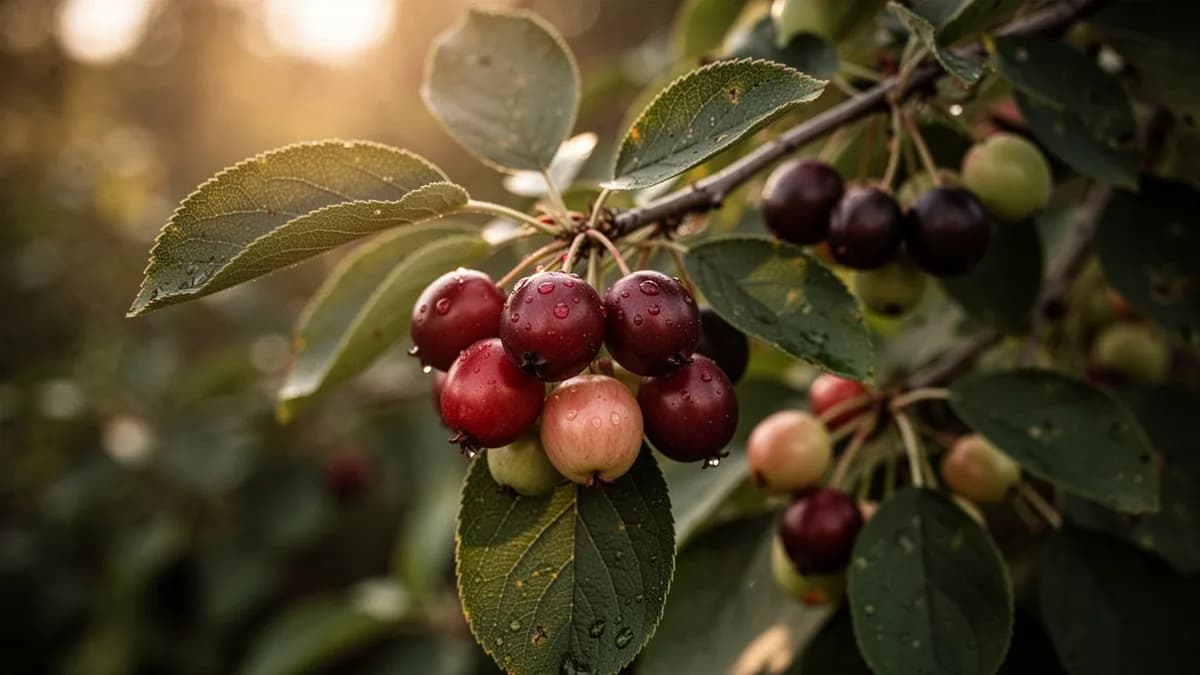
A multi-stemmed native shrub producing sweet, blueberry-like fruits in early summer, with beautiful white spring blossoms and fall color.





On this pageOverview
Meet Serviceberry
A multi-stemmed native shrub producing sweet, blueberry-like fruits in early summer, with beautiful white spring blossoms and fall color. Serviceberries are low-maintenance, cold-hardy, and adaptable to a wide range of soils. Birds love the berries, so harvest promptly or use netting for a guaranteed supply.
When to plant Serviceberry
Serviceberry seeds require warm stratification for ninety days followed by cold stratification for ninety to one hundred twenty days, making them slow to germinate. Sow stratified seeds in moist seed-starting mix in spring and maintain at sixty to seventy degrees Fahrenheit. Germination takes two to eight weeks and may be erratic. Seedlings grow slowly and take four to six years to fruit. Named cultivars are best propagated by division, suckers, or softwood cuttings taken in early summer and rooted under mist.
Your Serviceberry Year
Composed for Zone 7 · typical seasons · frost passes Apr 2, returns Nov 1
Plant Serviceberry Mar – Apr, pick Jun – Jul. Check the planting methods below and set your climate to personalize these windows.
How to grow Serviceberry
Serviceberries, also known as Saskatoon berries, juneberries, or shadbush, are native North American shrubs or small trees that offer ornamental beauty and delicious fruit. They adapt to a wide range of soils and conditions, from full sun to partial shade, and tolerate both drought and wet feet once established. Plant bare-root or container-grown plants in spring or fall, spacing them six to eight feet apart.
Serviceberries naturally grow as multi-stemmed shrubs reaching ten to twenty feet, though some species can be trained as small single-trunk trees. Minimal pruning is needed: remove dead or crossing branches in late winter and thin crowded stems to improve air circulation and light penetration to the interior.
Water regularly during the first two growing seasons to establish roots. Once established, serviceberries are remarkably drought-tolerant. Mulch with wood chips or leaf mold to retain moisture and suppress weeds. Fertilize lightly in early spring with a balanced organic formula. Serviceberries begin producing fruit in their third or fourth year and are long-lived, productive shrubs that can bear heavily for decades with minimal care.
Serviceberry needs more room than a 4 × 8 ft bed gives
Each Serviceberry wants 180 cm of elbow room. The planner keeps that spacing for you — every plant, every bed.
Serviceberry's best neighbours
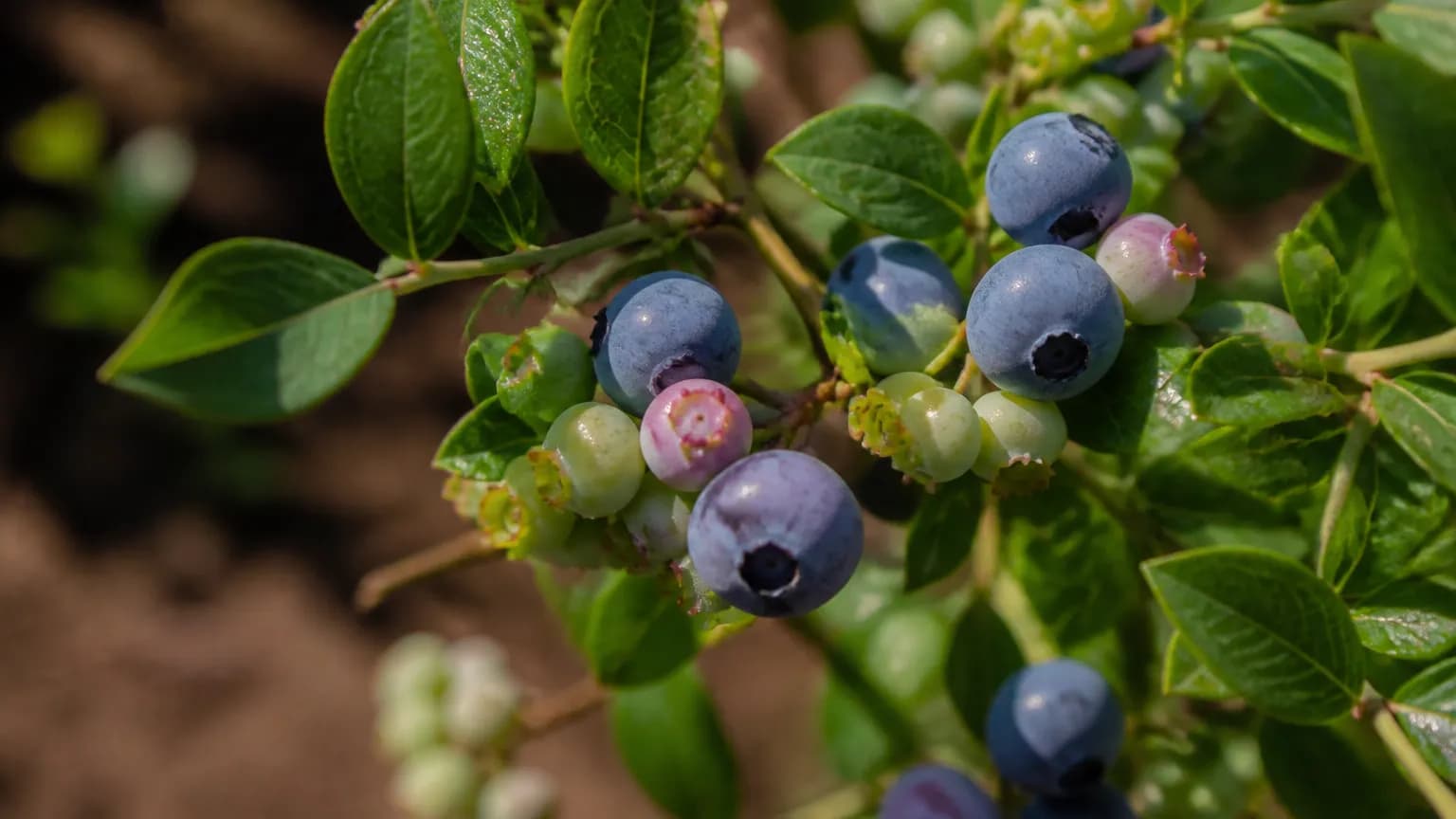
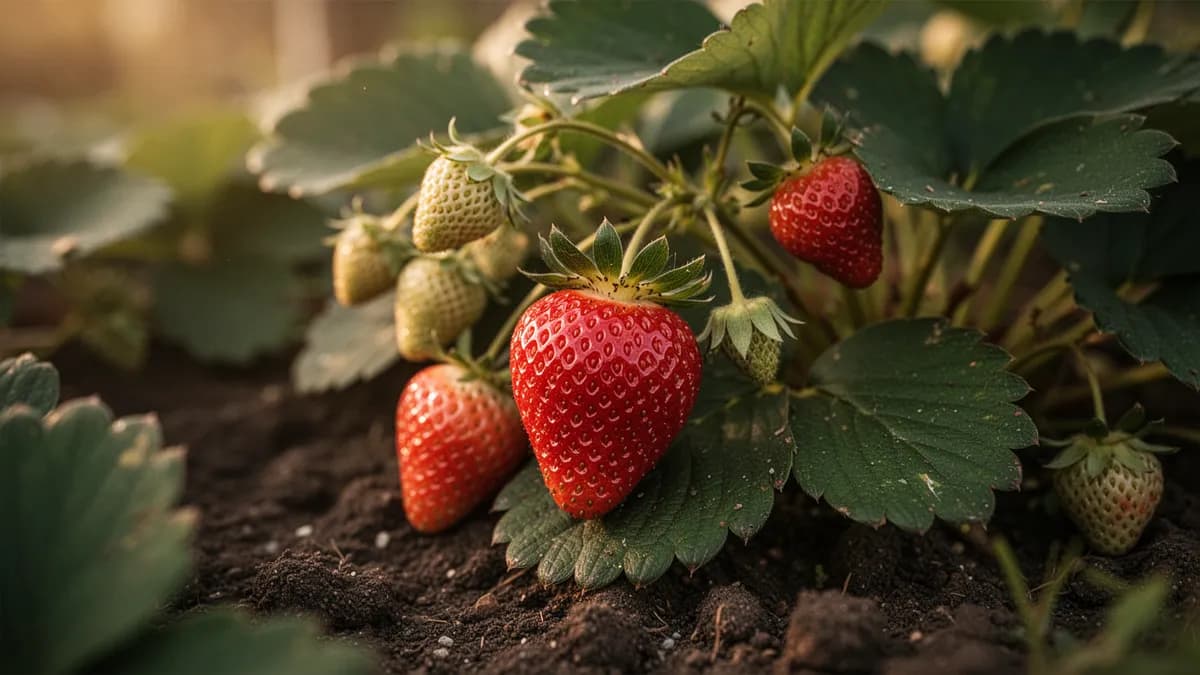
Serviceberries grow well alongside other native plants in naturalized landscapes. Blueberries and strawberries make compatible fruit garden companions. Their early white blossoms attract pollinators that benefit nearby fruit crops. Plant nitrogen-fixing companions like clover or wild lupine nearby to improve soil fertility. Avoid planting near junipers and cedars that serve as alternate hosts for rust diseases. Serviceberries provide excellent wildlife habitat and food in mixed hedgerows.
Blueberry belongs beside it.
Old growers' knowledge, checked against Serviceberry's real companion table below — test any plant you're growing.
Try Serviceberry in a bed — right here
A real planner bed with Serviceberry already in it. Tap a companion to place it and watch the pairing checks answer — green for good neighbours, red for a clash.


Related growing guides
Feed it well
Serviceberries are remarkably adaptable to soil conditions, growing well in sandy, loamy, or clay soils with a pH of 5.5 to 7.0. They prefer well-drained conditions but tolerate periodic wet feet. Amend poor soils with compost before planting. Apply a balanced organic fertilizer in early spring at moderate rates. Serviceberries are not heavy feeders and too much nitrogen promotes vegetative growth at the expense of fruiting. Annual mulching with organic material maintains good soil health.
Ideal Temperature
Hardiness Zone Compatibility
From seed to harvest, stage by stage
Dormancy and Bud Break
Serviceberry emerges from winter dormancy very early in spring, often while overnight temperatures still dip below freezing. Flower buds swell and break before the leaves unfurl, producing clusters of slender white buds along the bare grey branches. This stage typically occurs in late March to early April depending on climate and elevation.
Full Bloom
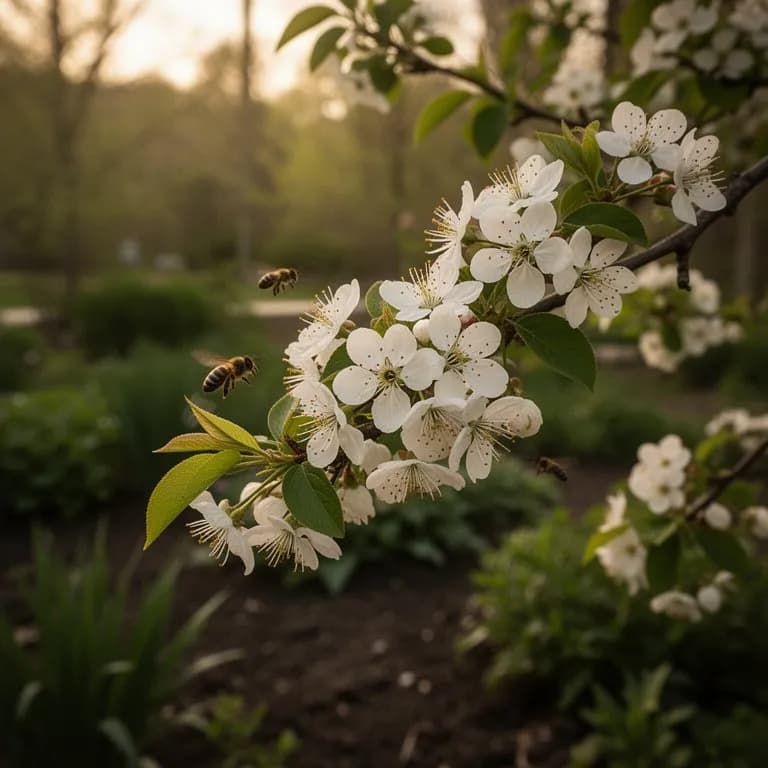
The shrub is smothered in delicate five-petaled white flowers arranged in loose drooping clusters called racemes. Each flower is about 2-3 cm across and mildly fragrant. Bloom lasts 1-2 weeks. Native bees, honeybees, and early butterflies are active pollinators at this stage. Leaves begin to emerge pale green to coppery-bronze as flowering peaks.
Fruit Development
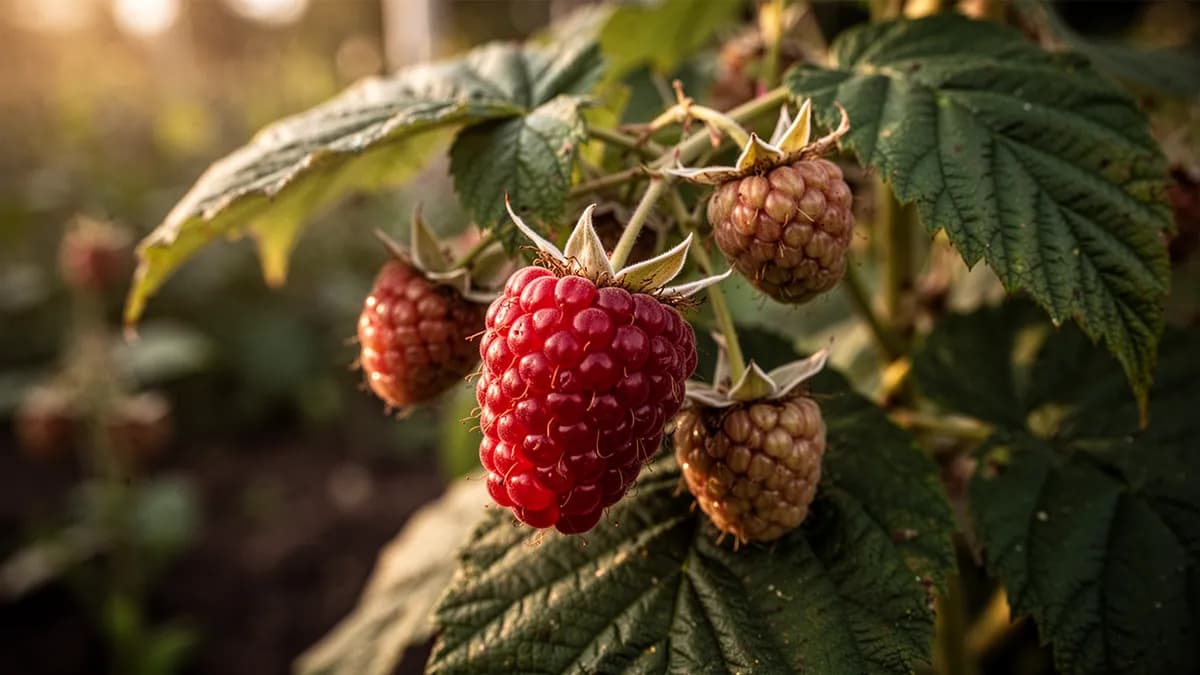
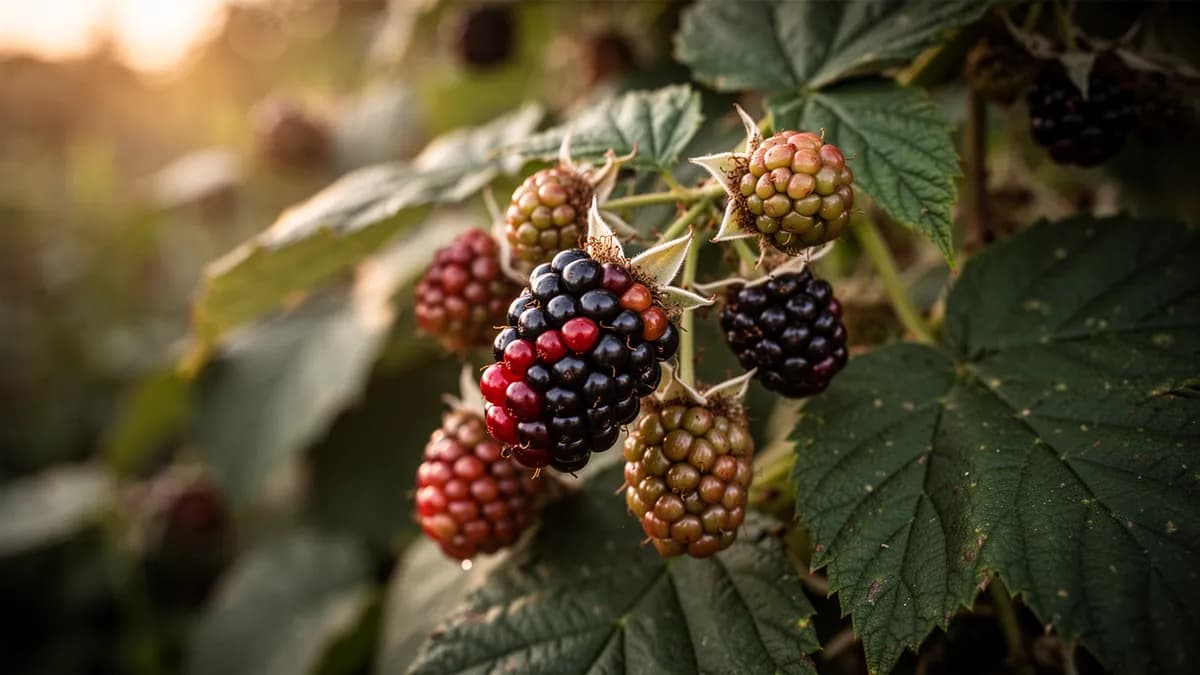
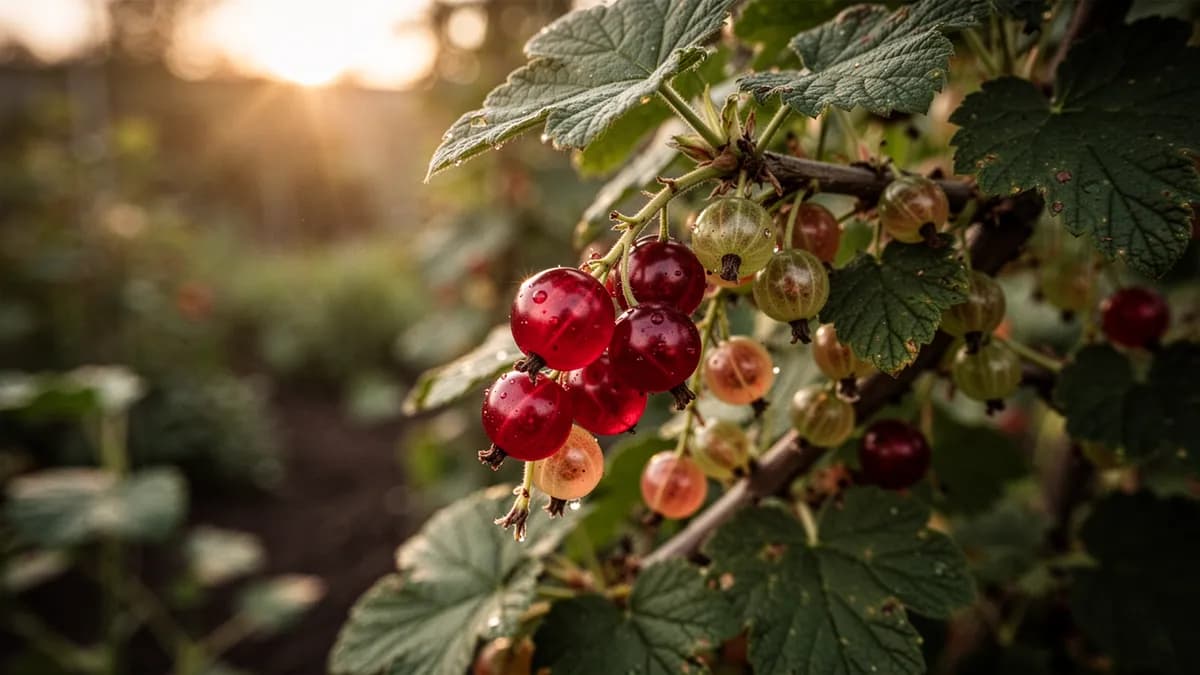
Pollinated flowers drop their petals and small green berry clusters form. The berries grow steadily over six to eight weeks, turning from green to red to purple as they ripen. Leaves reach their full size and deep green summer color. The plant is establishing its crop while simultaneously building its canopy and root system.
Harvest (Fruit Ripening)
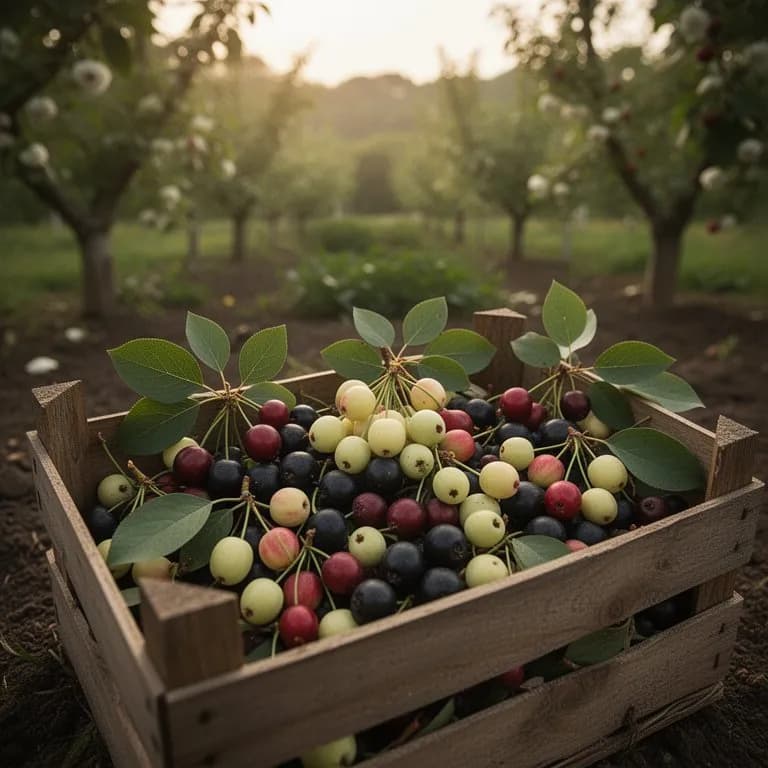
Berries ripen to deep blue-purple or near-black in June and early July, giving serviceberry its common name 'Juneberry.' Ripe fruit is soft, juicy, and sweet with a faint almond note from the seeds. Not all berries on a cluster ripen simultaneously, so check daily and harvest by hand-stripping clusters or spreading a sheet beneath the shrub and shaking branches.
Summer Vegetative Growth
After harvest, the plant continues to photosynthesize and store energy for next year's bloom and fruit crop. New shoots extend from the tips and base of the plant. This is the period when the shrub builds its framework for future seasons. Foliage remains healthy green with minimal pest or disease pressure under good growing conditions.
Autumn Color and Leaf Drop
Serviceberry produces some of the most vivid autumn foliage of any fruiting shrub, transitioning through yellow, orange, and brilliant red-orange before leaf drop. This ornamental display is a major reason the plant is valued beyond its fruit. Flower buds for the following spring are set during this period.
Winter Dormancy
The plant drops its leaves and enters dormancy. The smooth grey-brown bark and attractive branching structure provide winter garden interest. Flower buds are already formed and visible as small pointed buds along the stems, ready to burst open at the first warmth of spring. Serviceberry is exceptionally cold-hardy, tolerating temperatures below -40°C in some varieties.
No intervention needed at this stage. Appreciate the early bloom as a signal that the growing season has begun. Late hard frosts can damage open flowers and reduce fruit set, but established plants usually still produce some crop.
Caring for Serviceberry month by month
What to do each month for your Serviceberry
October
You are hereRake and compost fallen leaves. Apply a fresh layer of compost mulch over the root zone to feed the soil through the winter. This is an excellent time to transplant or divide sucker clumps to establish new plants.
Know exactly what to do in your garden — every month
One email at the start of each month: what to sow, plant, and tackle right now — for your Serviceberry and everything growing around it. Plus a short starter course that helps you dodge the classic mistakes.
- What to do, right now
- Matched to your season
- Starter course included
Harvesting Serviceberry
Serviceberries ripen in June or early July, depending on climate and cultivar. Berries turn from green to red to deep purple-blue when fully ripe and should be sweet with a mild almond-like flavor. Pick when berries are uniformly dark and slightly soft. Harvest the entire cluster and separate berries afterward. The biggest challenge is competing with birds, which devour serviceberries enthusiastically. Net bushes as soon as berries begin to color, or harvest daily to stay ahead of the birds.
assuming you plant when the window opens — set your real date
Pick Serviceberry promptly and the plant keeps producing.
Storage & Preservation
Fresh serviceberries keep in the refrigerator for up to one week. Freeze by spreading on trays and bagging for up to twelve months. Serviceberries are used interchangeably with blueberries in most recipes, though they have a distinctive nutty, almond-like undertone. They make excellent pie filling, jam, syrup, and fruit leather. Dried serviceberries were a traditional food of Indigenous peoples, used in pemmican and trail food. They dehydrate well for long-term storage.
What goes wrong — and the fix

Cedar-Apple Rust
DiseaseOrange-yellow spots on leaves and fruit, sometimes with spore tubes on leaf undersides; can cause premature defoliation.
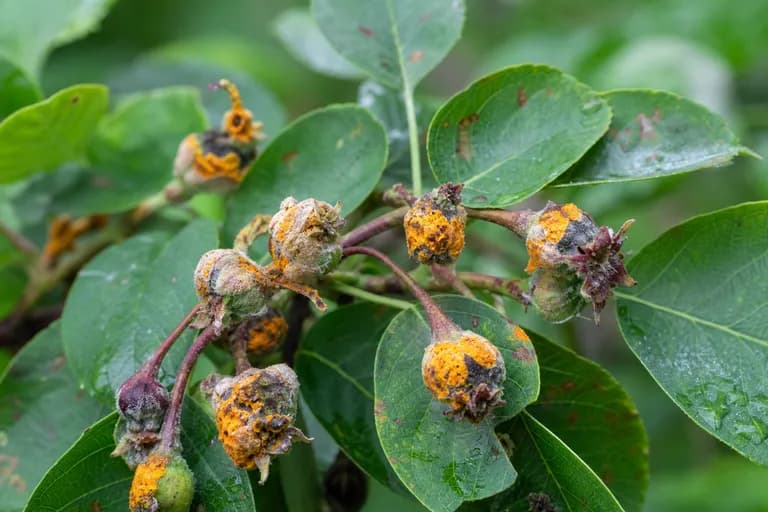
Saskatoon-Juniper Rust
DiseaseSwollen, distorted fruit and shoot tips with orange spore masses; infected fruit fails to develop properly.
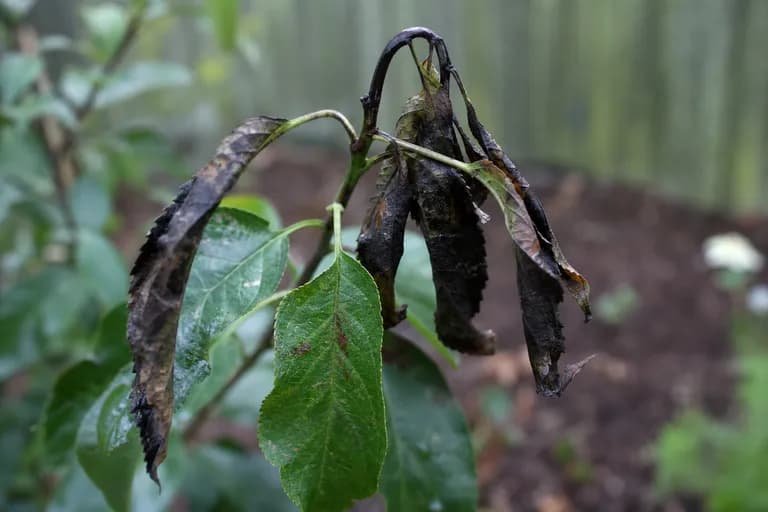
Fire Blight
DiseaseBlackened, scorched-looking shoot tips that curl into a shepherds crook shape; bacterial ooze may appear on stems.
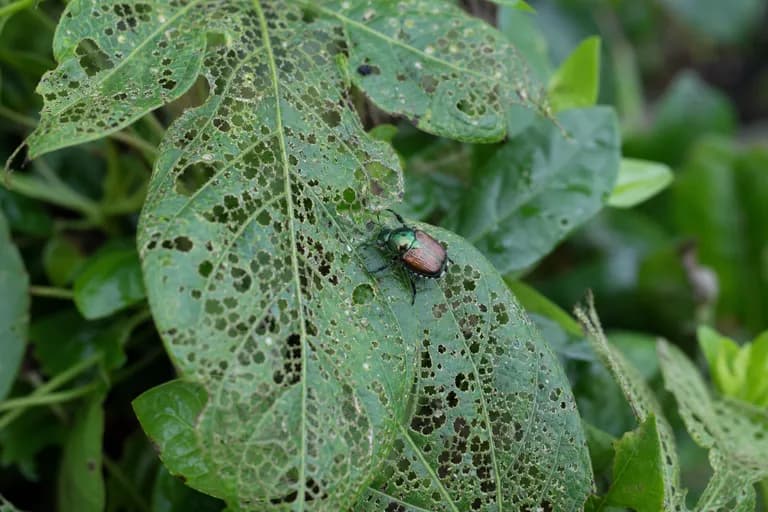
Japanese Beetles
PestSkeletonized leaves where metallic green and copper beetles eat leaf tissue between veins during summer.
Troubleshooting Common Problems
Bird competition is overwhelmingly the most common challenge with serviceberries. Netting is the only reliable solution. Rust diseases can be problematic where junipers or cedars grow nearby; selecting resistant cultivars and removing alternate hosts helps. Fire blight occasionally strikes during warm, wet springs. Some suckering varieties can spread beyond desired boundaries; mow or remove suckers annually. Powdery mildew may appear in humid conditions but rarely causes serious damage.
Growing Tips
- Plant serviceberry in full sun to partial shade. Full sun (6 or more hours daily) produces the best fruit yield and most vibrant autumn color, while partial shade is tolerated but reduces berry production. Afternoon shade in very hot climates helps maintain fruit quality.
- Serviceberry tolerates a wide range of soil types including sandy, loamy, and clay soils, but demands good drainage. Wet, waterlogged soils are the primary cause of plant failure. Amend heavy clay soils with compost and coarse grit before planting and consider raised beds in poorly drained sites.
- Plant at least two different cultivars to maximize cross-pollination and fruit set. While many serviceberry varieties are self-fertile, cross-pollination consistently produces heavier crops with larger, more uniform berries. Space plants 1.5-3 meters apart depending on the mature size of the cultivars chosen.
- Maintain a wide mulch ring (at least 1 meter in diameter) around each plant with 7-10 cm of wood chip or bark mulch to conserve soil moisture, suppress weeds, and moderate soil temperature. Keep mulch away from direct contact with the main stems to prevent crown rot.
- Prune serviceberry in late winter before bud break, removing dead wood, crossing branches, and any suckers that are not needed for expanding the planting. Avoid heavy pruning as serviceberry blooms and fruits on the previous year's wood. Light annual pruning maintains productivity better than intermittent heavy pruning.
- Protect ripening fruit from birds by draping netting over the shrub as soon as berries begin to turn red. Birds can strip an entire crop within two to three days of peak ripening. If netting is impractical, plan to share the harvest and pick as soon as berries reach full color.
- Serviceberry grows well in slightly acidic to neutral soil (pH 6.0-7.0). If your soil is alkaline, amend with sulfur to lower pH before planting. Chlorotic (yellowing) leaves on established plants often signal iron deficiency due to overly alkaline soil and can be treated with chelated iron and acidifying fertilizer.
- In the first year after planting, remove any flower buds that form to direct the plant's energy into root establishment rather than fruit production. This temporary sacrifice improves long-term vigor and fruit production from year two onward.
- Serviceberry can be trained as a single-trunk small tree by selecting one dominant stem and removing all others at the base over the first few years. This enhances its ornamental qualities and makes bird netting easier to apply. Left unpruned, it naturally grows as a multi-stemmed clumping shrub 2-5 meters tall.
- Serviceberry is an exceptional plant for difficult sites including slopes prone to erosion, rain gardens, woodland edges, and wildlife corridors. Its native status means it supports far more biodiversity than exotic fruiting shrubs, providing food and habitat for over 40 species of birds and numerous native insects.
Grow your best Serviceberry yet — and everything around it.
Start a free plan today. Lay out your beds, drop in your Serviceberry, and let PlotMyGarden handle the timing, spacing, companions and reminders from seed to harvest basket.
Pick your Serviceberry
Smoky
The most widely grown Saskatoon cultivar, producing heavy crops of large, sweet, mild-flavored berries on vigorous, spreading bushes.
Thiessen
Produces the largest individual berries of the Saskatoon types with good sweet flavor on tall, upright bushes.
Martin
A compact grower with uniform berry ripening, making harvest more efficient than varieties that ripen unevenly.
Regent
A compact, self-fertile cultivar reaching only four to six feet, ideal for small gardens and foundation plantings.
Autumn Brilliance
A hybrid valued for outstanding fall color and ornamental appeal along with reliable fruit production.
A bare-root serviceberry plant costs $8-15 and a container-grown specimen $15-35. Once established (typically from year three onward), a single mature shrub produces 3-7 kg of berries annually. Fresh serviceberries, when available at farmers markets or specialty grocers, sell for $8-15 per kilogram. At a conservative 4 kg yield, a single plant provides $32-60 worth of fresh fruit each season. Over a 20-year productive lifespan, one plant can yield $640-1,200 worth of fruit at retail prices. Propagating additional plants from suckers is free, allowing you to build a productive hedge or food forest with minimal ongoing investment.
Quick recipes

Classic Saskatoon Berry Pie
25 minutes prep + 50 minutes bakeThe definitive prairie dessert. Serviceberries have just enough natural pectin and acidity to make an outstanding pie filling that sets beautifully without becoming watery. Their unique almond-blueberry flavor deepens when cooked, creating a filling that is complex, deeply fruited, and entirely unlike anything made with blueberries. Use a butter-lard crust for the most authentic prairie-style result.
9 ingredientsServiceberry Jam
20 minutes + 15 minutes processingA jewel-toned jam that captures the concentrated flavor of ripe serviceberries. The natural pectin in serviceberries means the jam sets without commercial pectin when cooked down properly, producing a clear, deeply colored preserve with a flavor reminiscent of blueberry-cherry jam with a pleasant almond undertone. Exceptional on sourdough toast or swirled into plain yogurt.
5 ingredientsServiceberry Smoothie Bowl
10 minutesA vibrant, antioxidant-packed breakfast bowl that showcases the nutritional richness of serviceberries. Frozen serviceberries blend into an intensely colored purple-blue base that rivals acai in its visual impact and nutritional density. Top with granola, fresh fruit, and a drizzle of honey for a nourishing start to the day that draws on one of North America's most underappreciated native superfruits.
5 ingredientsCulinary Uses
Serviceberries taste like a cross between blueberry and almond, with a distinctive nutty sweetness. They work beautifully in pies, muffins, pancakes, and cobblers, substituting directly for blueberries with added complexity. They make exceptional jam and syrup. Dried serviceberries have been a valued food for centuries, adding chewy sweetness to trail mixes and baked goods. They are rich in fiber, manganese, and antioxidants.
What's inside
Health Benefits
- Serviceberries are among the richest known sources of anthocyanins among temperate fruits, with antioxidant levels comparable to or exceeding those of blueberries, acai, and bilberries. Anthocyanins are strongly linked to reduced risk of cardiovascular disease, cognitive decline, and certain cancers.
- The high manganese content of serviceberries supports bone formation, wound healing, and the activity of superoxide dismutase, one of the body's primary antioxidant enzymes. A single cup of serviceberries can provide nearly a third of the daily recommended intake of manganese.
- Serviceberries provide a meaningful amount of dietary iron per serving, making them valuable in plant-based diets where iron intake can be a concern. The vitamin C content in the berries enhances non-heme iron absorption when consumed together.
- The polyphenols in serviceberries, including chlorogenic acid and quercetin, have demonstrated anti-inflammatory effects in laboratory studies and are associated with improved insulin sensitivity and blood glucose regulation in early clinical research.
- The dietary fiber in serviceberries supports gut microbiome diversity and healthy bowel function, while the natural sugars are released more slowly than in many other fruits due to the fiber matrix, making them a lower-glycemic fruit option.
- Traditional use by Indigenous peoples of North America recognized serviceberries as a restorative food for convalescents and a critical source of nutrition during winter food scarcity. Modern nutritional analysis confirms the berries' dense micronutrient profile that made them a dietary staple for generations.
Where Serviceberry comes from
Serviceberry (Amelanchier alnifolia), commonly known as Saskatoon berry, Juneberry, or shadblow, is a deciduous shrub or small tree native to an enormous range across North America, from Alaska and the Yukon in the northwest to Ontario and Quebec in the east, and south through the Great Plains to Nebraska and Colorado. It naturally colonizes open woodlands, forest edges, stream banks, and rocky hillsides, thriving in the transitional zones between prairie and boreal forest that characterize much of the Canadian interior and the northern United States. Archaeological evidence shows that Amelanchier has been a critical food resource for human populations across this range for at least 5,000 years. Indigenous peoples of the Great Plains and Plateau cultures, including the Cree, Blackfoot, Salish, and dozens of other nations, developed sophisticated practices around harvesting, drying, and preserving serviceberries. The berries were sun-dried on hide racks, pounded into cakes, or mixed with dried bison or deer meat and rendered fat to create pemmican, a dense, calorie-rich food that could be stored for years without refrigeration and that sustained hunters, warriors, and travelers through long winters and arduous journeys. The Blackfoot used serviceberry wood for arrow shafts, prizing its straight grain and exceptional hardness. Early European settlers and fur traders quickly adopted serviceberries as a valuable food source, and the plant figures prominently in the journals of explorers and naturalists throughout the 18th and 19th centuries. As European settlement expanded across the prairies, Saskatoon berries became a staple in settler cooking, appearing in pies, jams, and wines that drew on both European baking traditions and Indigenous knowledge. Commercial cultivation of Amelanchier alnifolia began in earnest in Canada during the 1970s and 1980s, particularly in Alberta and Saskatchewan, where dedicated breeding programs developed cultivars with larger fruit, higher yields, and better processing characteristics. Today serviceberry is experiencing a significant revival of interest among North American home gardeners and small-scale orchardists who value its exceptional cold-hardiness, low maintenance requirements, multi-season ornamental appeal, and the rich nutritional profile of its fruit. It represents one of the most underutilized food-producing native shrubs available to gardeners in temperate North America.
Serviceberry: did you know?
Fascinating facts about Serviceberry
The common name 'serviceberry' has a poignant origin: in Appalachian communities, the shrub bloomed just as the ground thawed enough in spring to allow burial of those who had died over winter, so preachers could finally hold funeral 'services.'
Serviceberry questions, answered
When should I plant Serviceberry?
What are good companion plants for Serviceberry?
What hardiness zones can Serviceberry grow in?
How much sun does Serviceberry need?
How far apart should I space Serviceberry?
What pests and diseases affect Serviceberry?
How do I store Serviceberry after harvest?
What are the best Serviceberry varieties to grow?
What soil does Serviceberry need?
How do serviceberries taste and how do they compare to blueberries?
When should I harvest serviceberries and how do I know they are ripe?
Is serviceberry truly hardy enough for very cold climates?
Do I need more than one serviceberry plant to get fruit?
What are the best cultivars of serviceberry for fruit production?
How do I propagate serviceberry to get more plants for free?
You just read the theory. Now grow it on autopilot.
Everything that makes Serviceberry fiddly — the timing, the spacing, the companions, the harvest window — is exactly what PlotMyGarden handles for you, for every plant in your garden.
A plan that knows your weather
Set your location once. Get sow, feed and harvest dates built around your real last-frost date and live forecast — no more guessing from a generic seed packet.
From the “When to plant” sectionDrag-and-drop bed planner
Design beds on a grid. Every plant snaps to its proper spacing, and you can see your whole season laid out before you spend a cent on seed.
From the “Growing guide” sectionCompanion conflicts, caught early
200+ good-and-bad pairings checked live as you plant — so a season-wrecking mistake never makes it into the ground.
From the “Companions” sectionReminders you'll actually act on
“Water the beans.” “Pick today before it turns.” Timely, specific, and tied to the plants you're really growing.
From the “Harvest” sectionSuccession, scheduled
Want a harvest for six weeks, not six days? It spaces your sowings automatically and reminds you when each new block is due.
From the “When to plant” sectionA record that gets smarter
Every harvest you log teaches it your garden. Next year's plan starts from what actually worked in your soil, not a textbook's.
From the “Overview” sectionPlant these alongside Serviceberry
More Berries
Grow your best Serviceberry yet — and everything around it.
Start a free plan today. Lay out your beds, drop in your Serviceberry, and let PlotMyGarden handle the timing, spacing, companions and reminders from seed to harvest basket.