Col Marina Perenne
La col marina perenne (Crambe maritima) es una planta vivaz originaria de las costas del Atlántico norte y el mar Báltico, donde crece de forma silvestre en playas de guijarros y acantilados.





En esta páginaResumen
Conoce Col Marina Perenne
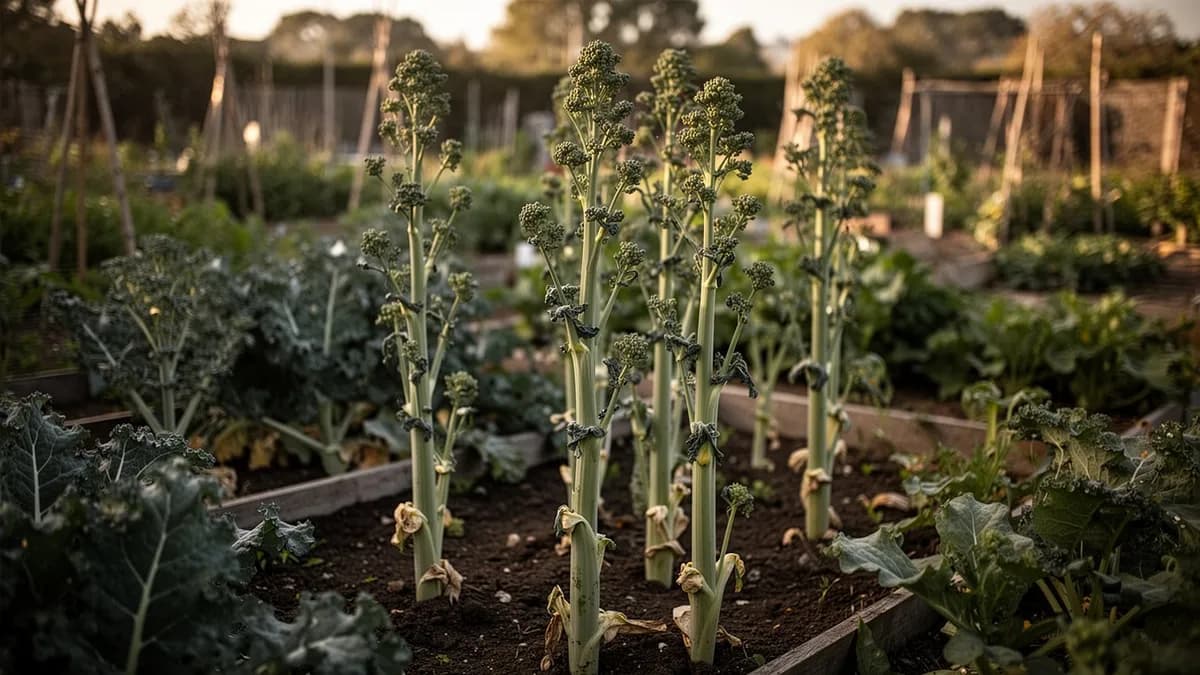
La col marina perenne (Crambe maritima) es una planta vivaz originaria de las costas del Atlántico norte y el mar Báltico, donde crece de forma silvestre en playas de guijarros y acantilados. Sus brotes tiernos primaverales tienen un delicado sabor a nuez con toques de espárrago y col, siendo considerados un manjar desde la época victoriana. Es una de las hortalizas perennes más valiosas para el jardín comestible, capaz de producir durante 10-15 años una vez establecida.
Cuándo plantar Col Marina Perenne
Las semillas de col marina tienen una cubierta dura que requiere tratamiento previo para una germinación exitosa. Sumerja las semillas en agua tibia durante 24 horas, luego colóquelas en arena húmeda dentro de una bolsa en el refrigerador durante 6-8 semanas para la estratificación en frío. Alternativamente, siembre en macetas profundas en otoño y déjelas al exterior para una estratificación natural durante el invierno. La germinación ocurre en primavera y puede ser irregular. Los esquejes de raíz de 8-10 cm plantados verticalmente en macetas profundas en invierno son el método de propagación más fiable y rápido.
Tu año de Col Marina Perenne
Ajustado a Zona 7 · temporada típica · la helada se va hacia el 2 abr y vuelve hacia el 1 nov
Planta Col Marina Perenne Mar – Abr y cosecha Abr – May. Consulta los métodos de plantación y elige tu clima para adaptar los periodos.
Cómo cultivar Col Marina Perenne
La col marina es una planta perenne resistente que requiere paciencia durante su establecimiento pero recompensa con décadas de producción. Prefiere una ubicación a pleno sol o semisombra ligera, protegida de los vientos fuertes. El suelo debe ser profundo, arenoso y bien drenado, ya que sus largas raíces pivotantes no toleran el encharcamiento. Se puede iniciar desde semilla, pero es más rápido partir de esquejes de raíz o plantas jóvenes.
Para la siembra por semilla, se requiere una estratificación en frío de 6-8 semanas. Siembre en macetas profundas en otoño y déjelas al exterior durante el invierno, o coloque las semillas en arena húmeda en el refrigerador. Trasplante las plántulas a su ubicación definitiva en primavera, espaciándolas 60-90 cm entre sí. Durante los dos primeros años, no coseche para permitir que la planta desarrolle un sistema radicular fuerte.
A partir del tercer año, practique el blanqueo de los brotes cubriéndolos con macetas invertidas o campanas de forzado a finales de invierno, cuando los primeros brotes comienzan a emerger. El blanqueo durante 3-4 semanas produce tallos tiernos, blancos y de sabor más suave. Después de la cosecha de brotes, retire las cubiertas y permita que la planta crezca libremente para recuperar energía. Aplique un mantillo de compost y algas marinas en otoño para nutrir la planta.
8 plantas caben en un bancal de 120 × 240 cm
Cada Col Marina Perenne pide 60 cm de margen. El planificador guarda ese marco por ti — cada planta, cada bancal.
Guías de cultivo relacionadas
Abónalo bien
La col marina perenne prospera en suelos profundos, arenosos o pedregosos, muy bien drenados, con un pH entre 6,5 y 7,5, imitando su hábitat natural de playas de guijarros. La adición de grava y arena gruesa al suelo de plantación mejora el drenaje, que es fundamental para la supervivencia a largo plazo de la planta. Fertilice en otoño con una capa generosa de compost bien descompuesto y algas marinas picadas, que aportan los minerales y oligoelementos que la planta necesita. Evite el exceso de nitrógeno, que produce hojas grandes pero brotes de inferior calidad.
Temperatura ideal
Compatibilidad de zonas de rusticidad
De la semilla a la cosecha, etapa por etapa
Germinación de semillas o esqueje de raíz
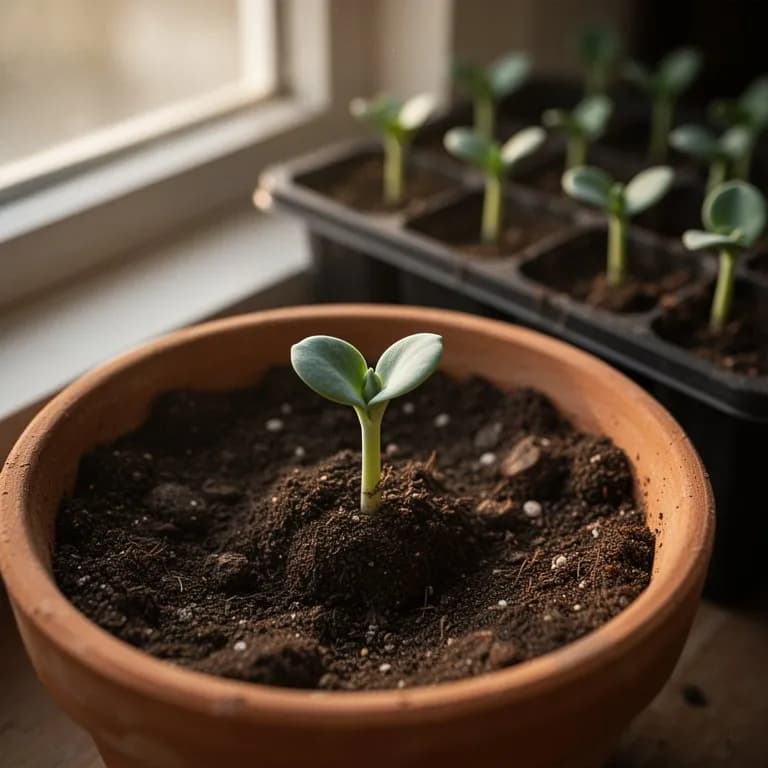
La col de mar puede iniciarse a partir de semillas (thongs) o esquejes de raíz. Las semillas tienen una cubierta dura y requieren estratificación en frío durante 4-6 semanas antes de la siembra. Los esquejes de raíz tomados de plantas establecidas en otoño son el método más rápido y fiable. Los trozos de raíz del grosor de un lápiz y de 10-15 cm de largo se plantan verticalmente con el extremo plano (superior) apenas por debajo de la superficie del suelo.
Establecimiento del primer año
En su primer año, la col de mar concentra su energía en desarrollar una raíz pivotante profunda y carnosa, y una pequeña roseta de hojas gruesas de color azul verdoso. El crecimiento es lento pero constante. No debe cosecharse durante el primer año: todo el follaje debe permanecer para fotosintetizar y alimentar el desarrollo de las raíces.
Crecimiento del segundo año
En el segundo año, la planta produce una roseta más grande de hojas azul verdosas, profundamente lobuladas y llamativas, de hasta 30 cm de ancho. La corona de la raíz se engrosa notablemente. Es posible cosechar ligeramente unos pocos brotes, pero actuar con moderación ahora construye una planta más fuerte para años de producción futura.
Forzado y blanqueado (a partir del año 3)
A partir del tercer año, las plantas son lo bastante fuertes para el forzado completo. A finales de invierno, cubre las coronas dormidas con una maceta, cubo o forzador tradicional que bloquee la luz. En completa oscuridad, los brotes emergentes se etiolizan y se convierten en tallos pálidos y tiernos de 15-20 cm, listos para cosechar en 6-8 semanas.
Floración
Si no se fuerza, o después de terminar el forzado, la col de mar produce tallos florales ramificados de 60-90 cm de altura coronados por densos racimos de pequeñas flores blancas de cuatro pétalos. Las flores son intensamente fragantes, con un dulce aroma a miel, y resultan muy atractivas para abejas e insectos beneficiosos.
Descanso estival y recuperación
Después de la floración, el follaje permanece durante el verano, continuando la fotosíntesis y acumulando reservas en la raíz. A finales de otoño, las hojas amarillean y se secan de forma natural. La planta entra en plena dormancia en invierno, con toda su energía almacenada en las gruesas raíces perennes. Cada año la corona crece más y produce más brotes.
Si empiezas desde semilla, escarifica y estratifica en frío a 1-5 °C durante al menos 4 semanas antes de sembrar. Se recomiendan encarecidamente los esquejes de raíz: corta la parte superior recta y la inferior en ángulo para recordar qué extremo va hacia arriba.
Cuidar Col Marina Perenne mes a mes
Qué hacer cada mes para tu Col Marina Perenne
Octubre
Mes actualFoliage begins to yellow and die back naturally. Do not remove leaves until they have fully senesced — they are still feeding the roots. Top-dress crowns with well-rotted compost or seaweed to add nutrients for next season.
Ten claro qué hacer en tu huerto, cada mes
Un correo al empezar cada mes: qué sembrar, plantar y hacer ahora mismo — para tu Col Marina Perenne y todo lo que crece alrededor. Más un breve curso inicial para esquivar los errores clásicos.
- Qué hacer ahora mismo
- Ajustado a tu temporada
- Curso inicial incluido
Cosechar Col Marina Perenne
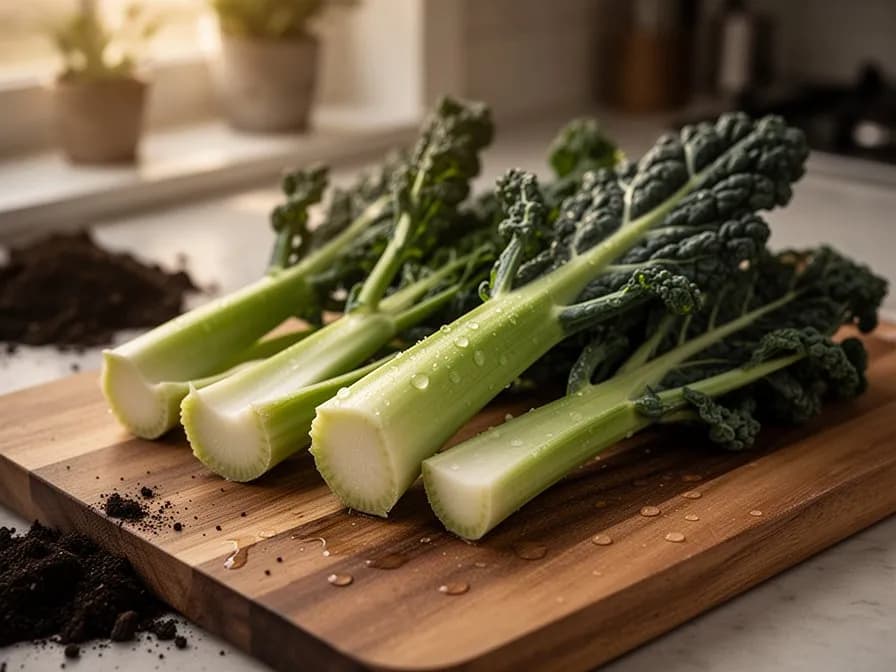
No coseche durante los dos primeros años para permitir el establecimiento completo de la planta. A partir del tercer año, blanquee los brotes cubriéndolos con macetas oscuras invertidas cuando midan unos 5 cm, y coseche después de 3-4 semanas cuando alcancen 15-20 cm. Corte los tallos blanqueados a nivel del suelo con un cuchillo afilado. Limite la cosecha a 4-6 semanas por temporada para no debilitar la planta, y permita que el follaje se desarrolle libremente el resto del año.
se supone que plantas al comenzar el periodo — indica tu fecha real
Retira los tallos florales antes de que formen semilla si quieres la máxima producción de brotes el próximo año, o deja florecer uno o dos tallos para guardar semilla o para disfrute ornamental.
Almacenamiento y conservación
Los brotes blanqueados de col marina son extremadamente perecederos y deben consumirse lo antes posible después de la cosecha, idealmente en las primeras 24-48 horas. Se pueden conservar en el refrigerador envueltos en un paño húmedo durante 3-5 días como máximo. Para prolongar la temporada de disfrute, los brotes se pueden blanquear brevemente (1-2 minutos) y congelar, aunque perderán algo de su textura crujiente. También se pueden encurtir en vinagre suave para crear un condimento delicado.
Qué falla — y cómo solucionarlo
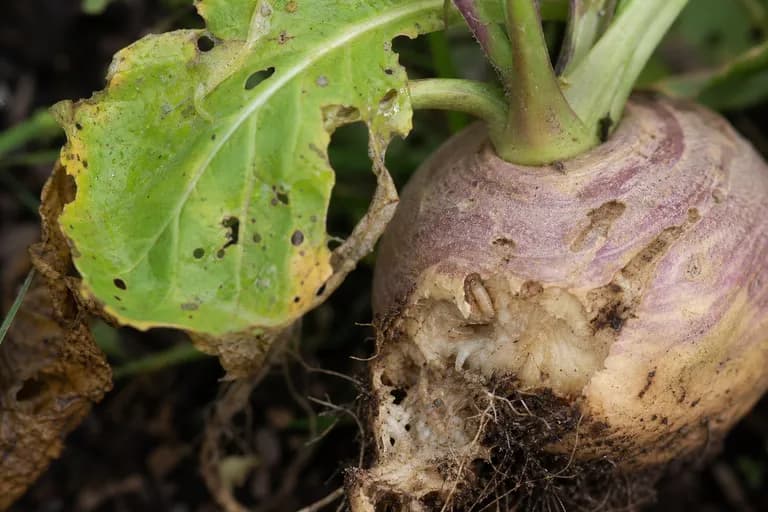
Babosas y caracoles
PlagaAgujeros irregulares en las hojas jóvenes y brotes, rastros de baba plateada visibles sobre la planta y el suelo circundante. Los daños son más graves en primavera cuando emergen los brotes tiernos.
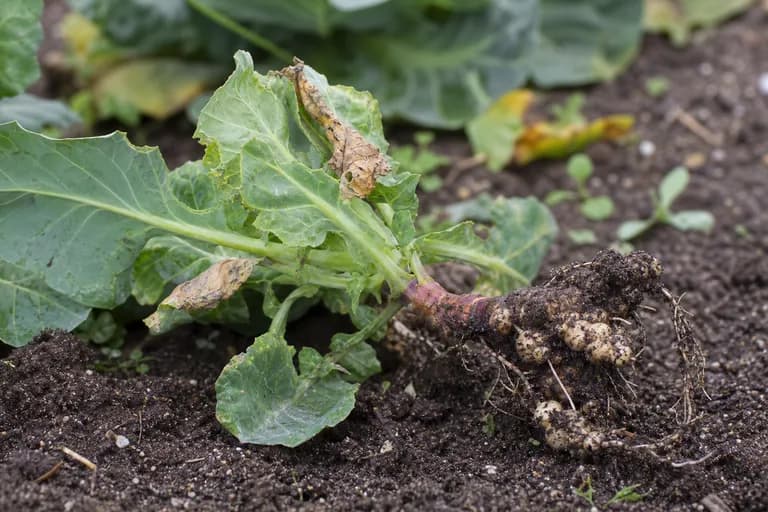
Hernia de la col (Plasmodiophora brassicae)
EnfermedadCrecimiento atrofiado, marchitamiento durante las horas calurosas del día y formación de agallas deformes en las raíces. Las hojas pueden amarillear y la planta pierde vigor progresivamente.
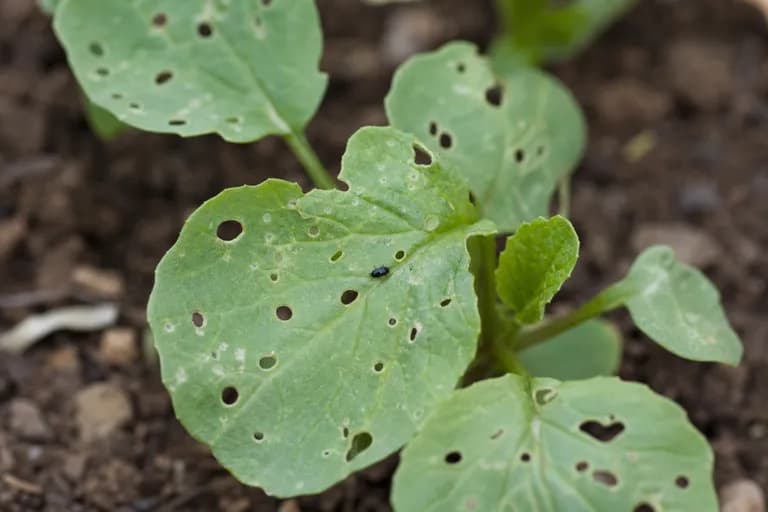
Pulguilla de la col (Phyllotreta spp.)
PlagaPequeños agujeros redondos en las hojas que dan aspecto de perdigonada. Las plántulas jóvenes son especialmente vulnerables y pueden ser destruidas por completo en infestaciones severas.
Solución de problemas comunes
El problema más frecuente es la impaciencia del jardinero, ya que la col marina necesita 2-3 años para establecerse completamente antes de poder iniciar la cosecha de brotes. El encharcamiento invernal es la principal causa de mortalidad; si el suelo retiene agua, las raíces se pudren inevitablemente. En suelos pesados, es imprescindible elevar el bancal o añadir abundante grava. Las babosas pueden devastar los brotes emergentes en primavera si no se controlan activamente desde el inicio de la brotación.
Consejos de cultivo
- Start from root cuttings, not seed, for faster establishment and more reliable results. Seeds require cold stratification and take 2-3 years to reach harvestable size, while root cuttings save a full year and produce genetically identical plants from proven performers.
- Mimic the plant's natural coastal habitat by providing extremely well-drained soil. Mix coarse grit or gravel generously into heavy clay soils — sea kale grows wild in pure shingle and will rot in waterlogged ground. A raised bed with 30% gravel is ideal.
- Full sun is essential for strong crown development. Sea kale tolerates light afternoon shade in hot climates but needs a minimum of 6 hours of direct sunlight for good shoot production.
- Do not harvest any shoots in the first year and take only a few in the second year. Patience during establishment is rewarded with decades of production — rushing the harvest weakens or kills young plants.
- Force plants only every other year. Blanching is energy-intensive for the plant, and forcing the same crown annually will exhaust and eventually kill it. Mark alternate plants for forcing each winter to ensure sustainable, long-term yields.
- Apply seaweed mulch or liquid seaweed fertilizer if available — sea kale evolved in salt-spray environments and responds exceptionally well to the trace minerals and alginates in seaweed products.
- Remove flower stems unless you want seed. Flowering diverts significant energy from root and crown development. However, the fragrant white flowers are stunning in the garden and highly attractive to pollinators, so leaving one or two stems is a reasonable compromise.
- Sea kale is virtually pest-free once established. Its tough, waxy leaves deter most insects, and the deep root system makes it drought-resistant. The main threats are slugs on young shoots in spring and crown rot in waterlogged soil.
Cultiva tu mejor Col Marina Perenne — y todo lo que la rodea.
Empieza un plan gratis hoy. Diseña tus bancales, coloca tu Col Marina Perenne y deja que PlotMyGarden gestione el momento, el espaciado, las asociaciones y los recordatorios de la semilla a la cesta.
Elige tu Col Marina Perenne
Crambe maritima (silvestre)
La forma silvestre original con hojas cerosas de color gris azulado y brotes primaverales de sabor intenso. Muy resistente al frío y a la salinidad, es la base de todas las selecciones cultivadas.
Lily White
Selección cultivada británica con brotes más gruesos y de blanqueo más fácil. Produce tallos especialmente tiernos y de sabor suave con notas de avellana. Muy apreciada en jardines de cocina.
Crambe cordifolia
Pariente ornamental de mayor porte con espectaculares nubes de flores blancas. Los brotes jóvenes también son comestibles, aunque de sabor más fuerte que C. maritima.
Angers
Variedad francesa seleccionada por su vigor y producción abundante de brotes. Se establece algo más rápido que la forma silvestre y tolera bien suelos ligeramente arcillosos si tienen buen drenaje.
Sea kale is virtually unobtainable in shops — when it does appear at specialty markets or upscale restaurants, blanched shoots sell for $30-60 per kilogram, putting it among the most expensive vegetables in the world. A single established plant produces $15-30 worth of shoots per season at market prices, and the plant lives for 20+ years with minimal care. Root cuttings cost $5-10 each, meaning your investment is repaid after a single harvest season from year three onward.
Recetas rápidas
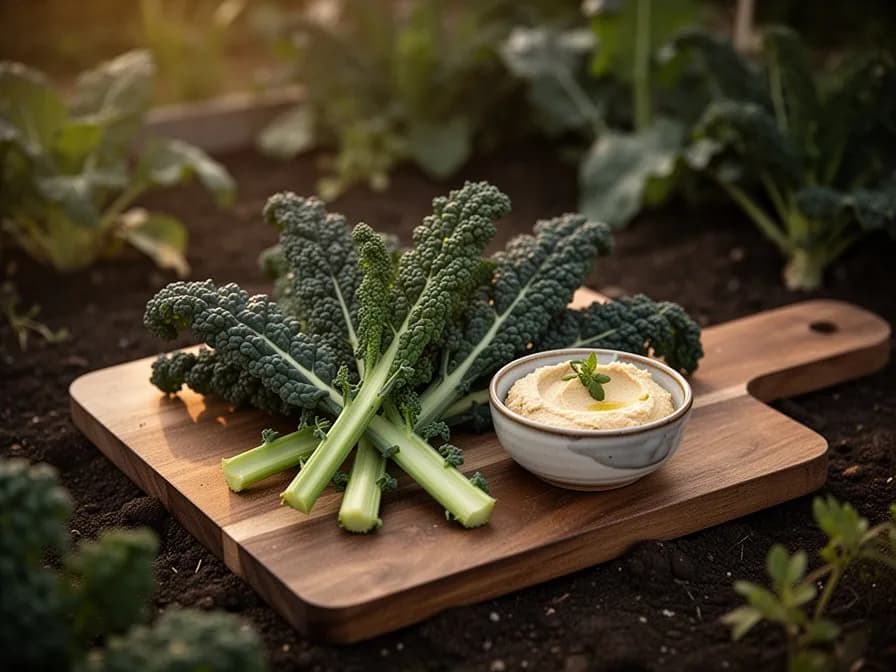
Buttered Sea Kale with Lemon
10 minThe classic and simplest preparation — blanched sea kale shoots steamed until just tender and dressed with melted butter, a squeeze of lemon, and a pinch of sea salt. This lets the delicate nutty, asparagus-like flavor shine through without distraction.
5 ingredientesSea Kale Gratin
35 minA rich, indulgent dish worthy of this rare vegetable. Tender sea kale shoots are blanketed in a Gruyère béchamel sauce and baked until golden and bubbling — a Victorian-era recipe that turns a simple spring shoot into an elegant side dish.
8 ingredientesSea Kale and Egg Salad
15 minA fresh spring salad pairing lightly steamed sea kale shoots with soft-boiled eggs, a mustardy vinaigrette, and shaved Parmesan. The combination of tender shoots, runny yolk, and sharp dressing is simple but deeply satisfying.
7 ingredientesUsos culinarios
Los brotes blanqueados de col marina son un manjar delicado que se compara favorablemente con los espárragos más finos. Se preparan simplemente al vapor durante 5-7 minutos o hervidos brevemente, y se sirven con mantequilla derretida, salsa holandesa o un chorrito de aceite de oliva virgen extra y limón. Las hojas jóvenes sin blanquear pueden añadirse crudas a ensaladas para aportar un toque amargo y mineral. En la cocina británica tradicional, los brotes blanqueados se consideraban un acompañamiento de lujo para pescados y mariscos.
Qué contiene
Beneficios para la salud
- Exceptionally high in vitamin C at 55mg per 100g — historically vital for coastal communities and sailors in preventing scurvy during long winters and sea voyages.
- Contains glucosinolates, the same sulfur-containing compounds found in broccoli and kale that break down into isothiocyanates with demonstrated anti-cancer properties in laboratory studies.
- Very low calorie at just 23 per 100g while providing significant vitamins and minerals, making it an excellent nutrient-dense food for weight management.
- Good source of potassium (340mg per 100g) which helps regulate blood pressure and supports cardiovascular health.
- Provides dietary fiber that supports healthy digestion, feeds beneficial gut bacteria, and helps maintain steady blood sugar levels after meals.
- Contains trace amounts of iodine and selenium naturally accumulated from its coastal growing environment, supporting thyroid function and immune health.
De dónde viene Col Marina Perenne
Sea kale (Crambe maritima) is native to the coastlines of Europe, growing wild on shingle beaches, sandy shores, and cliff bases from the Atlantic coasts of Britain, Ireland, and Scandinavia through the Mediterranean to the Black Sea. Archaeological evidence suggests that coastal peoples gathered wild sea kale shoots for thousands of years, naturally blanched by the shingle and sand that accumulated over dormant crowns each winter. The Romans are believed to have collected it, and seafaring communities along the English Channel relied on it as a spring vegetable long before formal cultivation began.
The transformation of sea kale from a wild-gathered coastal plant to a cultivated garden vegetable occurred in the late 18th century in England. William Curtis, the celebrated English botanist and founder of the Botanical Magazine, published detailed instructions for cultivating and forcing sea kale in 1799, sparking a fashion for the vegetable among the British aristocracy. By the early 1800s, sea kale was being grown and forced in the kitchen gardens of great country estates across England and was sold in London's Covent Garden market as one of the most prized spring delicacies, rivaling asparagus in both price and esteem. Thomas Jefferson imported seeds to Monticello in 1809 and attempted to establish it in Virginia.
The Victorian era marked the peak of sea kale's popularity. Purpose-built terracotta forcing pots became standard equipment in walled kitchen gardens, and specialized varieties were developed for vigor and shoot quality. However, the decline of the great estates after World War I, combined with the rise of cheaper imported vegetables, led to sea kale's near-disappearance from both gardens and markets by the mid-20th century. Today, sea kale is experiencing a modest revival among permaculture enthusiasts, perennial vegetable advocates, and chefs seeking rare, heritage ingredients. Wild populations remain protected by law in several European countries due to historical over-harvesting.
Col Marina Perenne: ¿sabías que?
Datos fascinantes sobre Col Marina Perenne
Sea kale (Crambe maritima) grows wild on the shingle beaches, sand dunes, and cliff bases of European coastlines from the Atlantic shores of Ireland and Portugal to the Black Sea — one of the few edible plants that thrives in pure gravel and salt spray.
Col Marina Perenne: preguntas frecuentes
¿Cuándo debo plantar Col Marina Perenne?
¿En qué zonas de rusticidad puede crecer Col Marina Perenne?
¿Cuánto sol necesita Col Marina Perenne?
¿A qué distancia debo espaciar Col Marina Perenne?
¿Qué plagas y enfermedades afectan a Col Marina Perenne?
¿Cómo almaceno Col Marina Perenne después de la cosecha?
¿Cuáles son las mejores variedades de Col Marina Perenne para cultivar?
¿Qué suelo necesita Col Marina Perenne?
How long does sea kale take to produce a harvest?
What does blanched sea kale taste like?
How do I force (blanch) sea kale?
Can I grow sea kale in a hot climate?
Is sea kale the same as regular kale?
Can I grow sea kale in a container?
Acabas de leer la teoría. Ahora cultívala en piloto automático.
Todo lo que hace que Col Marina Perenne sea delicado — el momento, el espaciado, las asociaciones, la ventana de cosecha — es justo lo que PlotMyGarden resuelve por ti, para cada planta de tu huerto.
Un plan que conoce tu clima
Indica tu ubicación una vez. Recibe fechas de siembra, abonado y cosecha basadas en tu última helada real y el pronóstico en vivo — sin adivinar con un sobre genérico.
De la sección “Cuándo plantar”Planificador de bancales de arrastrar y soltar
Diseña bancales sobre una cuadrícula. Cada planta encaja con su espaciado correcto y ves toda la temporada antes de gastar un céntimo en semillas.
De la sección “Cultivo”Conflictos de asociación, detectados a tiempo
Más de 200 buenas y malas combinaciones comprobadas en vivo mientras plantas — para que un error que arruine la temporada nunca llegue a la tierra.
De la sección “Asociaciones”Recordatorios que sí vas a seguir
“Riega las judías.” “Recoge hoy antes de que se pase.” Oportunos, concretos y ligados a las plantas que de verdad cultivas.
De la sección “Cosecha”Escalonado, programado
¿Quieres cosechar seis semanas en vez de seis días? Reparte tus siembras automáticamente y te avisa cuando toca el siguiente lote.
De la sección “Cuándo plantar”Un registro que se vuelve más listo
Cada cosecha que registras le enseña tu huerto. El plan del año que viene parte de lo que de verdad funcionó en tu suelo, no en un manual.
De la sección “Resumen”Más Tallos y brotes
Cultiva tu mejor Col Marina Perenne — y todo lo que la rodea.
Empieza un plan gratis hoy. Diseña tus bancales, coloca tu Col Marina Perenne y deja que PlotMyGarden gestione el momento, el espaciado, las asociaciones y los recordatorios de la semilla a la cesta.