Schisandra-Beere
Eine laubabwerfende Schlingpflanze, die als Fünf-Geschmäcker-Beere bekannt ist und gleichzeitig süße, saure, salzige, bittere und scharfe Geschmacksnoten aufweist.





Auf dieser SeiteÜberblick
Schisandra-Beere im Überblick
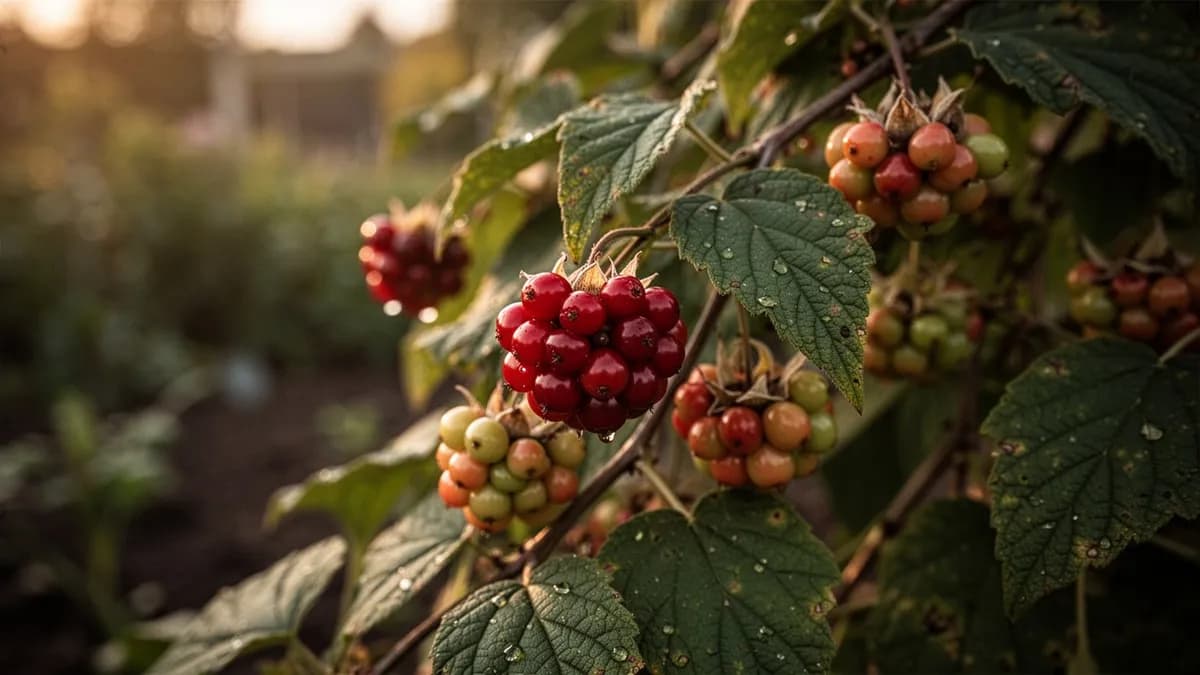
Eine laubabwerfende Schlingpflanze, die als Fünf-Geschmäcker-Beere bekannt ist und gleichzeitig süße, saure, salzige, bittere und scharfe Geschmacksnoten aufweist. Schisandra wird in der traditionellen chinesischen Medizin als adaptogenes Tonikum hochgeschätzt. Die Pflanze benötigt ein stabiles Spalier und bevorzugt nährstoffreichen, feuchten, gut durchlässigen Boden im Halbschatten, wobei sie im Herbst hängende Trauben roter Beeren hervorbringt.
Wann Schisandra-Beere pflanzen
Schisandra-Samen benötigen sowohl eine Warm- als auch eine Kaltstratifikation für eine zuverlässige Keimung. Reinigen Sie die Samen von reifen Beeren und stratifizieren Sie sie warm bei 20 Grad Celsius in feuchtem Sand für 8 bis 12 Wochen, gefolgt von einer Kaltstratifikation bei 1 Grad Celsius für 12 bis 16 Wochen. Säen Sie stratifizierte Samen einen halben Zentimeter tief in feuchtes, saures Anzuchtsubstrat im Halbschatten. Die Keimung kann mehrere Wochen bis Monate dauern. Weichholzstecklinge im Frühsommer bewurzeln sich schwer; das Absenken eines bodennahen Rebenabschnitts in die Erde ist die zuverlässigste vegetative Vermehrungsmethode.
Dein Schisandra-Beere-Jahr
Abgestimmt auf Zone 7 · typische Saison · Frost geht um den 2. Apr. und kehrt um den 1. Nov. zurück
Schisandra-Beere Mär – Apr pflanzen, Sep – Okt ernten. Beachte die Pflanzmethoden unten und wähle dein Klima für passende Zeiträume.
So baust du Schisandra-Beere an
Schisandra ist eine windende, laubabwerfende Kletterpflanze, die ein stabiles Spalier, eine Pergola oder einen Laubengang als Stütze benötigt. Pflanzen Sie sie im Halbschatten in nährstoffreichem, feuchtem, gut durchlässigem, leicht saurem Boden mit einem pH-Wert von 5,0 bis 6,5. Voller Schatten verringert die Fruchtbildung, während volle Sonne in heißen Klimazonen die Blätter verbrennen kann. Setzen Sie die Pflanzen in einem Abstand von 1,2 bis 1,5 Metern entlang der Stützstruktur. Pflanzen Sie im Frühling containergewachsene Reben in derselben Tiefe wie im Topf.
Schisandra-Reben sind in der Regel zweihäusig, obwohl einige Sorten sowohl männliche als auch weibliche Blüten tragen. Pflanzen Sie mindestens eine männliche Pflanze auf drei bis vier weibliche, um die Bestäubung sicherzustellen, oder wählen Sie selbstfruchtbare Sorten, falls verfügbar. Die weißen bis rosafarbenen Blüten erscheinen im späten Frühling an kurzen, hängenden Trauben. Die Rebe wird 4,5 bis 7,5 Meter lang und windet sich um jede verfügbare Stütze.
Halten Sie während der gesamten Wachstumsperiode eine gleichmäßige Feuchtigkeit aufrecht, da Schisandra Trockenheit nicht gut verträgt. Mulchen Sie großzügig mit organischem Material, um die Wurzeln kühl und feucht zu halten. Düngen Sie im zeitigen Frühling mit einem ausgewogenen Dünger und geben Sie jährlich Kompost als Deckschicht. Schneiden Sie im Spätwinter abgestorbenes Holz zurück, lichten Sie dichte Bereiche aus und kontrollieren Sie die Ausbreitung der Rebe. Die Pflanze kann sich langsam etablieren und braucht drei bis fünf Jahre, um die volle Produktion zu erreichen.
2 Pflanzen passen in ein Beet von 120 × 240 cm
Schisandra-Beere braucht 120 cm Platz pro Pflanze. Der Planer hält diesen Abstand für dich ein — jede Pflanze, jedes Beet.
Passende Anbau-Ratgeber
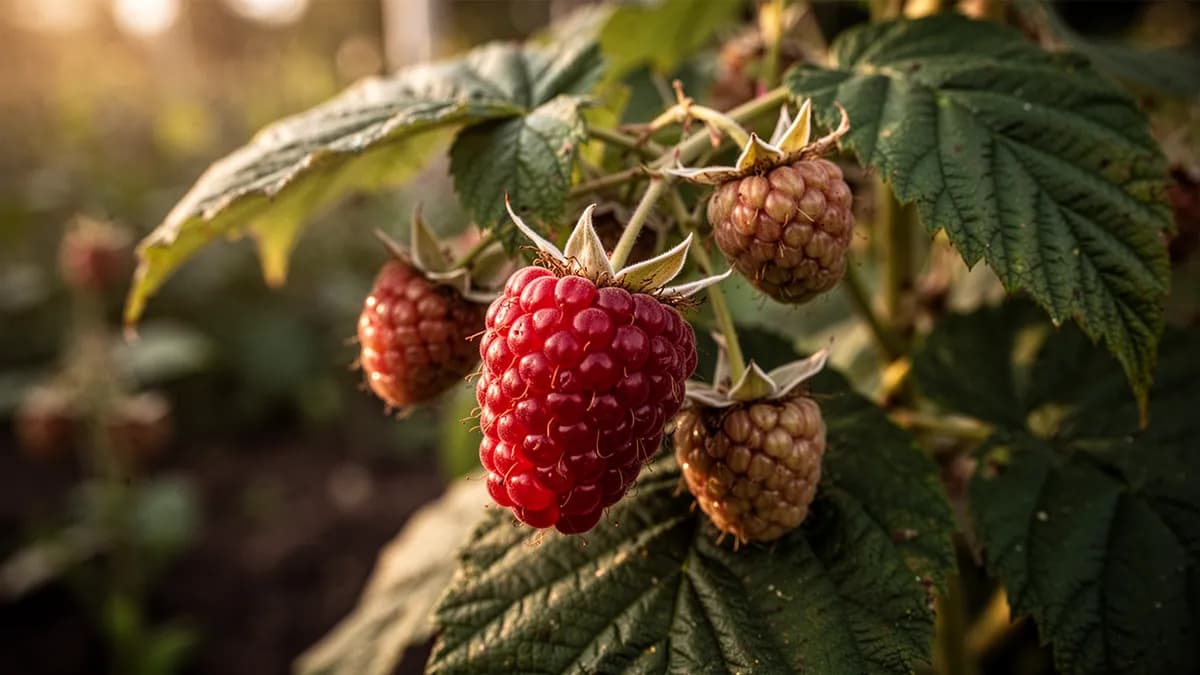
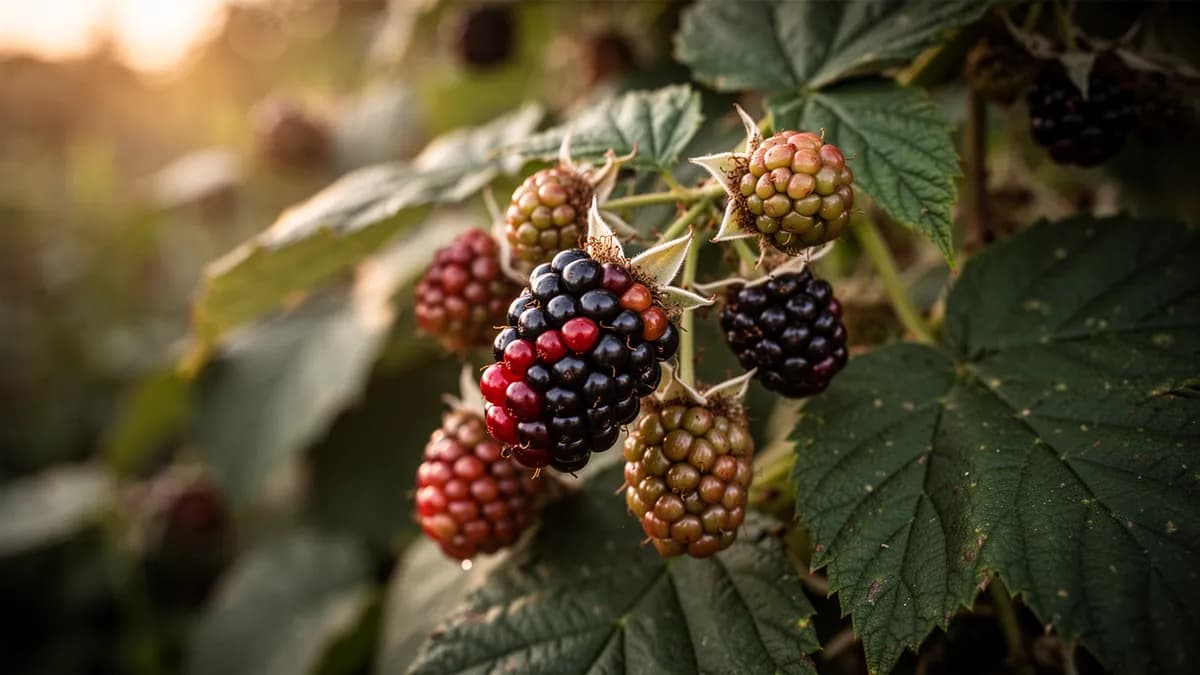
Richtig düngen
Schisandra bevorzugt nährstoffreichen, humusreichen, feuchten aber gut durchlässigen Boden mit einem pH-Wert von 5,0 bis 6,5. Verbessern Sie die Pflanzflächen großzügig mit Kompost, Lauberde oder gealterter Rinde, um die Waldbodenbedingungen nachzuahmen, in denen die Rebe natürlich wächst. Düngen Sie im zeitigen Frühling mit einem ausgewogenen, säuernden Dünger und ergänzen Sie während der Wachstumsperiode mit Kompost. Halten Sie eine tiefe organische Mulchschicht aufrecht, um die Wurzeln kühl und feucht zu halten. Vermeiden Sie alkalische Böden, die Chlorose und schlechtes Wachstum verursachen. Die Rebe profitiert von gleichmäßiger Bodenfeuchtigkeit, verträgt aber keine Staunässe.
Ideale Temperatur
Winterhärtezone-Kompatibilität
Von der Saat zur Ernte, Schritt für Schritt
Samenstratifikation und Keimung
Schisandra-Samen benötigen eine Kaltstratifikation von 60-90 Tagen bei 1-4°C, bevor sie keimen. Mischen Sie die Samen mit leicht angefeuchtetem Perlit oder grobem Sand in einem verschlossenen Zip-Lock-Beutel und lagern Sie ihn im Kühlschrank. Kontrollieren Sie monatlich die Feuchtigkeit und frühes Keimen. Nach der Stratifikation säen Sie die Samen 1 cm tief in eine gut durchlässige Anzuchterde und halten die Temperatur bei 18-22°C. Die Keimung ist unregelmäßig und langsam, wobei einige Samen nach 3-4 Wochen erscheinen und andere bis zur nächsten Saison warten.
Setzlingsetablierung
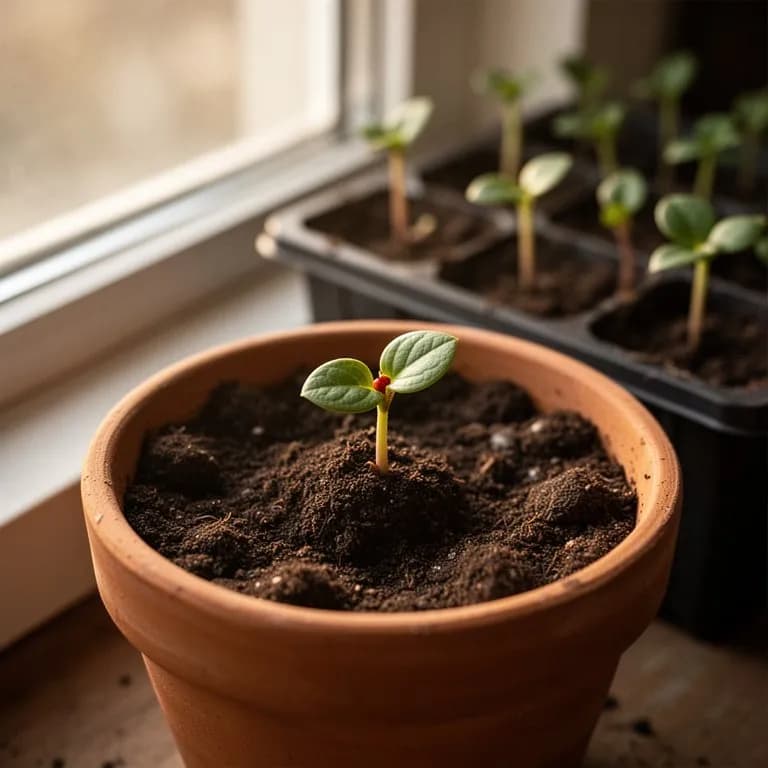
Die aufgehenden Setzlinge bilden ihre ersten Paare ovaler, leicht glänzender Blätter. Das Wachstum ist in diesem Stadium bewusst langsam, da die Pflanze in den Aufbau eines faserigen Wurzelnetzwerks investiert. Setzlinge sind empfindlich gegen direkte Sonne und Austrocknung und bevorzugen die kühle, feuchte Umgebung ihres natürlichen Waldunterholzes. Topfen Sie vorsichtig um, sobald sich echte Blätter entwickelt haben, und behandeln Sie die Wurzeln behutsam.
Jungpflanzen-Rebenentwicklung
Die Pflanze beginnt mit ihrem charakteristischen Windeverhalten und sendet flexible Triebe aus, die sich fest um jede verfügbare Stützstruktur wickeln. Die Blätter werden größer und stärker geadert, während die Rebe in einer guten ersten Wachstumsperiode 1-2 Meter zulegt. Die Stammbasis wird allmählich holzig und bildet die dauerhafte Krone, die jahrzehntelanges Wachstum tragen wird. Die intensive Wurzeletablierung setzt sich unter der Erde fort und bildet die Grundlage für langfristige Produktivität.
Erste Blüte
Etablierte Reben, in der Regel 3-5 Jahre alt, tragen im späten Frühling ihre ersten Blüten. Die kleinen, wachsartigen, cremefarbenen bis blassrosa Blüten hängen an kurzen Stielen an den Blattachseln entlang der Triebe des Vorjahres. Einzelne Blüten sind kurzzeitig duftend und locken Bienen und kleine bestäubende Insekten an. Pflanzen können nur männliche oder nur weibliche Blüten oder beides tragen, je nach Individuum und Sorte. Erfolgreiche Bestäubung führt zu den ersten Beerentrauben.
Beerentrauben-Entwicklung
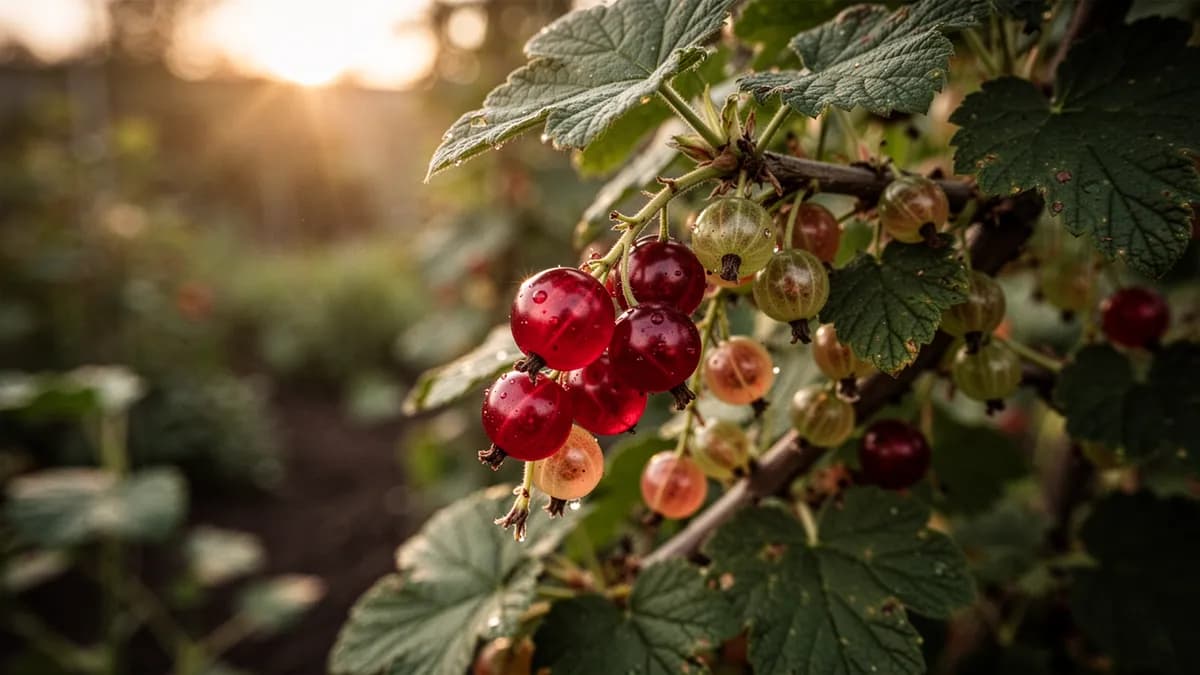
Nach erfolgreicher Bestäubung beginnen sich längliche Trauben mit 20-40 Beeren zu bilden und verlängern sich über den Sommer. Die Beeren wechseln von leuchtend Limettengrün über Blassrosa und vertiefen sich schließlich zu einem leuchtenden, durchscheinenden Rot bei der Reife. Die Trauben werden zunehmend hängender, während die Beeren anschwellen, und erzeugen so die charakteristischen herabhängenden Büschel, die das bekannteste Ziermerkmal der Rebe sind.
Erntereife
Die Beeren erreichen ihre optimale Reife, wenn sie gleichmäßig tiefrot sind und bei sanftem Druck ganz leicht nachgeben. Das volle Fünf-Geschmäcker-Profil — gleichzeitig süß, sauer, salzig, bitter und scharf — ist in diesem Stadium am ausgeprägtesten, wobei der komplexe Geschmack in Schale, Fruchtfleisch und Samen vorhanden ist. Ernten Sie ganze Trauben, indem Sie den Stiel sauber abschneiden. Eine ausgewachsene Rebe kann in diesem Stadium Dutzende von Trauben tragen, die jeweils 20-40 reife Beeren enthalten.
Winterruhe
Nach dem Blattfall im mittleren Herbst tritt die Rebe in die vollständige Winterruhe ein. Das holzige Gerüst und das gut etablierte Wurzelsystem sind außerordentlich winterhart und vertragen bei ausgewachsenen Pflanzen Temperaturen bis zu -35°C. Herabgefallene Blätter zersetzen sich um die Basis und fügen dem Boden organische Substanz hinzu. Die während der Ruhezeit angesammelten Kältestunden sind wichtig, damit die Rebe produktiv austreibt und im folgenden Frühling einen starken Blütenansatz bildet.
Lassen Sie das Anzuchtsubstrat niemals vollständig austrocknen, vermeiden Sie aber Staunässe. Verwenden Sie eine durchsichtige Kunststoffhaube, um die Luftfeuchtigkeit zu halten, und kontrollieren Sie täglich, sobald die Samen in die Wärme gestellt werden. Beschriften Sie die Schalen deutlich, da die Keimung Monate nach der Aussaat erfolgen kann.
Schisandra-Beere Monat für Monat pflegen
Was du jeden Monat für deine Schisandra-Beere tun solltest
Oktober
Aktueller MonatDas Laub färbt sich warm goldgelb, bevor es fällt, und bietet schöne Herbstfarben. Bringen Sie nach dem Blattfall eine dicke Schicht gehäckselter Blätter oder Rindenmulch über dem Wurzelbereich auf. Sammeln Sie Samen von den frischesten, kräftigsten Beeren und beginnen Sie mit der Kaltstratifikation für die Frühjahrsaussaat. Notieren Sie, welche Triebe die schwersten Fruchttrauben trugen, um sie beim Winterschnitt zu erhalten.
Immer wissen, was jetzt im Garten zu tun ist
Eine E-Mail zum Monatsanfang: was du jetzt säen, pflanzen und anpacken solltest — für deine Schisandra-Beere und alles, was drumherum wächst. Dazu ein kurzer Startkurs, der dich vor den klassischen Fehlern bewahrt.
- Was jetzt zu tun ist
- Passend zu deiner Saison
- Startkurs inklusive
Schisandra-Beere ernten
Schisandra-Beeren reifen von September bis Oktober und verfärben sich bei Reife von grün zu leuchtend rot. Die Beeren hängen in länglichen Trauben ähnlich wie Miniaturtrauben roter Weintrauben. Ernten Sie, wenn die gesamte Traube gleichmäßig rot geworden ist, indem Sie den Traubenstiel mit einer Schere abschneiden. Probieren Sie eine Beere, um die Reife zu bestätigen; reife Beeren sollten das charakteristische Fünf-Geschmäcker-Profil aus süß, sauer, salzig, bitter und scharf aufweisen. Unreife Beeren haben weniger Komplexität. Die Rebe trägt Früchte am alten Holz, vermeiden Sie daher das Entfernen produktiver älterer Äste beim Schneiden.
angenommen, du pflanzt zu Beginn des Zeitraums — trage dein tatsächliches Datum ein
Ernte Schisandra-Beere zügig, dann trägt die Pflanze weiter.
Lagerung & Konservierung
Frische Schisandra-Beeren halten sich gekühlt etwa eine Woche. Die traditionellste Zubereitungsart ist das Trocknen der Beeren, was die Aromen konzentriert und ein lagerfähiges Produkt ergibt, das in der traditionellen chinesischen Medizin verwendet wird. Verteilen Sie die Beeren auf Tabletts in einem Dörrgerät bei 43 Grad Celsius, bis sie ledrig sind, und lagern Sie sie dann in luftdichten Behältern. Getrocknete Schisandra-Beeren werden in heißem Wasser für Tee oder Tinktur aufgegossen. Die Beeren können auch eingefroren, zu Saft oder Sirup verarbeitet oder in Honig konserviert werden. Schisandra-Liköre und -Wein sind in asiatischen Kulturen traditionell.
Was schiefgeht — und die Lösung
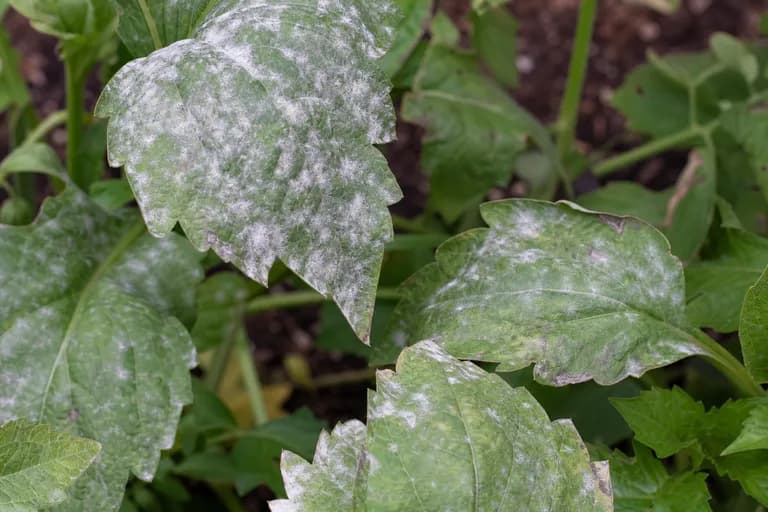
Echter Mehltau
KrankheitWeißer, pudriger Belag auf den Blättern; betroffenes Laub kann sich kräuseln und verformen; verminderte Vitalität und Beerenqualität.
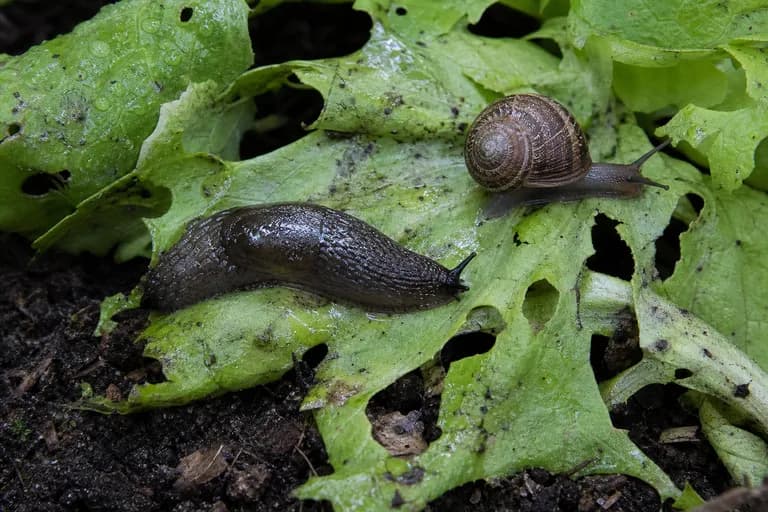
Schnecken und Nacktschnecken
SchädlingUnregelmäßige Löcher in unteren Blättern; Schleimspuren an und um die Rebe; Schäden an tief hängenden Fruchttrauben.
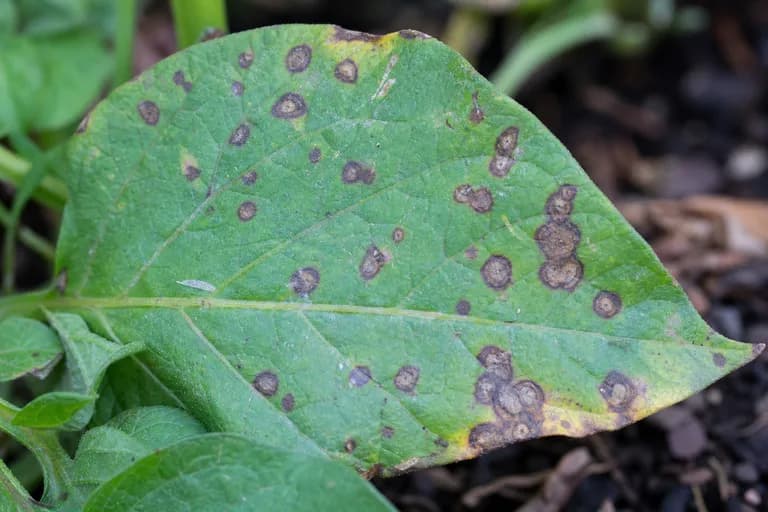
Blattfleckenkrankheit
KrankheitBraune oder dunkle Flecken auf Blättern, die sich ausbreiten und zusammenfließen können; vorzeitiger Blattfall bei feuchten Bedingungen.
Fehlerbehebung bei häufigen Problemen
Schisandra kann sich langsam etablieren und braucht möglicherweise drei bis fünf Jahre, bevor eine nennenswerte Beerenernte erzielt wird. Die Notwendigkeit sowohl männlicher als auch weiblicher Pflanzen erschwert die Pflanzung, da das Geschlecht vor der Blüte schwer zu bestimmen ist. In heißen Klimazonen kann die Rebe unter Hitzestress und Blattverbrennungen leiden und benötigt mehr Schatten sowie gleichmäßige Bewässerung. Das windende Wuchsverhalten bedeutet, dass die Rebe eine stabile Stützstruktur braucht und kleine Bäume erwürgen kann, wenn sie nicht kontrolliert wird. Ungleichmäßige Bewässerung führt zum Abfallen der Beeren vor der Reife.
Anbautipps
- Pflanzen Sie die Schisandra-Beere an einem Standort, der Morgensonne und Nachmittagsschatten erhält — idealerweise 4-6 Stunden direktes Licht pro Tag —, um die gefleckten Lichtverhältnisse ihres natürlichen Waldunterholzes nachzuahmen. Volle Sonne in warmen Klimazonen verursacht Blattverbrennungen und Fruchtfall, während dichter Schatten Blüte und Fruchtbildung erheblich reduziert.
- Installieren Sie vor dem Pflanzen ein stabiles Spalier, eine Pergola oder einen Laubengang, da die Rebe von ihrer ersten Wachstumsperiode an vertikale Stütze benötigt und schwer wird, wenn sie mit Früchten und Laub beladen ist. Draht-Pfosten-Systeme, Holzgitter oder rustikale Holzlaubengänge funktionieren alle gut und werden bei ausgewachsenen Pflanzen spektakulär mit Beerentrauben behangen.
- Bereiten Sie die Pflanzlöcher großzügig mit nährstoffreichem, humushaltigem Material vor — Kompost, Lauberde und gealterte Rindenstücke zu gleichen Teilen —, um den tiefen organischen Waldboden nachzuahmen, in dem Schisandra natürlich gedeiht. Die Rebe bevorzugt einen leicht sauren pH-Wert von 5,5-6,5 und wird in verdichteten, alkalischen oder schlecht durchlässigen Böden Schwierigkeiten haben.
- Halten Sie das ganze Jahr über eine 8-10 cm dicke organische Mulchschicht über dem Wurzelbereich aufrecht. Schisandra hat flache, faserige Wurzeln, die sehr empfindlich auf Trockenheit, Temperaturextreme und Bodenverdichtung reagieren. Gehäckselte Blätter, Holzhäcksel oder Kiefernnadeln sind hervorragende Mulchmaterialien.
- Pflanzen Sie zwei oder mehr Reben aus verschiedenen Saatgutquellen, um Kreuzbestäubung und Fruchtansatz zu maximieren. Setzen Sie Begleitreben im Abstand von 1,5-2 Metern am selben Spalier, damit Bestäuber leicht zwischen den Pflanzen wechseln können. Viele aus Samen gezogene Pflanzen tragen nur männliche oder nur weibliche Blüten, sodass Vielfalt in Ihrer Pflanzung der zuverlässigste Weg ist, eine Beerenernte zu garantieren.
- Düngen Sie einmal im zeitigen Frühling mit einem ausgewogenen organischen Langzeitdünger, wenn die Knospen anschwellen, und ein zweites Mal im Frühsommer nach dem Fruchtansatz mit einer leichten Gabe von kompostiertem Seetang oder Fischemulsion. Vermeiden Sie stickstoffreiche Dünger, die übermäßiges Blattwachstum auf Kosten von Blühholz und Fruchtproduktion fördern.
- Schneiden Sie ausschließlich im Spätwinter, wenn die Rebe vollständig in Winterruhe ist. Entfernen Sie abgestorbene Triebe, schwaches Zweigwachstum und alle Ranken, die von der Stützstruktur wegwachsen. Erhalten Sie robustes zweijähriges Holz, das die Fruchtsporne trägt, an denen die nächste Saison Ernte hängen wird. Schneiden Sie niemals stark im Sommer oder Herbst zurück, da dies die Blütenknospen des nächsten Jahres entfernt.
- Schützen Sie die Rebe vor austrocknenden Winden, besonders in den ersten zwei bis drei Jahren. Eine geschützte Ost- oder Nordwand, ein Zaun oder die windgeschützte Seite eines Gebäudes bieten Wärme, Windschutz und die höhere Luftfeuchtigkeit, die Schisandra bevorzugt. Gute Luftzirkulation über dem Blätterdach der Rebe hilft, Echten Mehltau zu verhindern.
- Gießen Sie während der gesamten Wachstumsperiode tief und gleichmäßig, besonders während Trockenperioden im Juli und August, wenn die Beerentrauben anschwellen. Ungleichmäßige Feuchtigkeit in dieser Zeit ist die Hauptursache für vorzeitigen Fruchtfall. Tropfbewässerung oder Perlschläuche liefern Wasser effizient in den Wurzelbereich, ohne das Laub zu benetzen.
- Seien Sie in den ersten drei Jahren der Etablierung geduldig — Schisandra investiert stark in Wurzel- und Gerüstentwicklung, bevor sie sich zur Blüte und Fruchtbildung verpflichtet. Widerstehen Sie der Versuchung, das Wachstum durch starke Düngung oder übermäßigen Rückschnitt zu forcieren. Reben, die sich in ihrem eigenen Tempo etablieren dürfen, entwickeln ein stärkeres Gerüst und sind langfristig deutlich produktiver.
Bau deine beste Schisandra-Beere an — und alles drumherum.
Starte heute kostenlos. Lege deine Beete an, setze deine Schisandra-Beere ein und lass PlotMyGarden Timing, Abstände, Begleiter und Erinnerungen von der Saat bis zum Erntekorb übernehmen.
Finde deine Schisandra-Beere
Schisandra chinensis
Die standardmäßige Arzneipflanzenart aus Nordchina und Russland; kräftige Rebe mit reichlichen roten Beerentrauben.
Eastern Prince
Eine selbstfruchtbare Auslese, die sowohl männliche als auch weibliche Blüten trägt und keinen separaten Bestäubungspartner benötigt.
Sadova No. 1
Eine ukrainische Auslese, die auf größere Beeren und verbesserte Fruchtqualität gezüchtet wurde; benötigt einen separaten männlichen Bestäuber.
Schisandra rubriflora
Eine Himalaya-Art mit größeren, auffälligeren roten Blüten und ähnlichen medizinischen Eigenschaften; weniger winterhart.
Eine einzelne Schisandra-Beeren-Rebe kostet typischerweise 16-27 € bei einer Spezialgärtnerei und kann, sobald sie im vierten bis fünften Jahr ausgereift ist, jährlich 2-4 kg frische Beeren über 20 Jahre oder länger liefern. Hochwertige getrocknete Schisandra-Beeren kosten in Reformhäusern und Online-Shops 55-100 € pro Kilogramm, und eine gut gepflegte Rebe, die auch nur 2 kg frisch produziert (etwa 500-800 g getrocknet nach der Verarbeitung), entspricht einem Wert von 27-63 € an getrockneten Beeren pro Saison. Über 15 produktive Jahre summiert sich das auf 405-945 € oder mehr an Einsparungen bei getrockneten Beeren von einer einzigen Rebe — noch bevor man die noch höheren Kosten für standardisierte Schisandra-Extrakte und Tinkturen berücksichtigt, die im Einzelhandel 13-32 € pro Flasche kosten. Der eigene Anbau garantiert außerdem Frische, den vollen Lignangehalt und die Möglichkeit, Tees, Tinkturen und kulinarische Zubereitungen für Centbeträge pro Portion herzustellen. Die Vermehrung weiterer Reben durch Stecklinge oder Absenkern kostet nichts und ermöglicht es Ihnen, Pflanzen mit anderen Gärtnern zu teilen.
Schnelle Rezepte
Klassischer Fünf-Geschmäcker-Beeren-Tee
5 Min. Vorbereitung, 15 Min. ZiehzeitEin leuchtend rubinroter Tee, der das volle Spektrum von Schisandras fünf gleichzeitigen Geschmacksrichtungen in einer einzigen, wärmenden Tasse entfaltet. Dies ist die traditionelle tägliche Zubereitung, die seit Jahrhunderten in der chinesischen und koreanischen Kräutermedizin verwendet wird. Regelmäßiges Trinken in den kühleren Monaten bietet ein sanftes adaptogenes Tonikum, das Energie, Konzentration und Lebergesundheit unterstützt. Der Ingwer und der Honig runden die Adstringenz wunderbar ab.
6 ZutatenSchisandra-Beeren- und Holunderbeeren-Immunsirup
25 Min. + 1 Stunde AbkühlenEin tieffarbiger, reichhaltig aromatischer Sirup, der die adaptogenen Lignane der Schisandra mit den immunstärkenden Anthocyanen der Holunderbeere in einem kraftvollen täglichen Tonikum vereint. Nehmen Sie einen Esslöffel pur oder rühren Sie ihn in warmes Wasser, Sprudelwasser oder Joghurt. Dieser Sirup hält gekühlt bis zu drei Monate und ist ein hervorragender Herbst- und Winter-Wellness-Grundstock für die ganze Familie.
7 ZutatenSchisandra-Beeren-Overnight-Oats mit Honig
10 Min. Vorbereitung, über Nacht ruhen lassenEin nahrhaftes, vorbereitetes Frühstück, das Haferflocken im Schlaf mit dem herben, komplexen Geschmack von Schisandra-Beerenpulver durchzieht. Die Säure der Schisandra kontrastiert wunderbar mit cremiger Hafermilch und süßem Honig und macht dies zu einer wirklich köstlichen Art, eine adaptogene Beere in Ihre tägliche Routine einzubauen. Garnieren Sie mit frischem Obst und Nüssen für zusätzliche Textur und Farbe.
7 ZutatenKulinarische Verwendung
Schisandras einzigartiges Fünf-Geschmäcker-Profil macht sie zu einer faszinierenden kulinarischen Zutat. Getrocknete Beeren werden am häufigsten als Tee aufgebrüht, mit einem komplexen, vielschichtigen Geschmack, der sich von süß über sauer zu salzig und scharf entwickelt. Die Beeren ergeben ein ungewöhnliches und faszinierendes Gelee oder einen Sirup. Schisandra-Saft verleiht Cocktails und alkoholfreien Getränken Komplexität. In der koreanischen Küche werden die Beeren zur Herstellung von Omija-cha verwendet, einem traditionellen Fünf-Geschmäcker-Tee, der im Sommer kalt serviert wird. Die Beeren harmonieren gut mit Honig, Ingwer und Zitrusfrüchten in Getränken und Dessertsoßen.
Was drinsteckt
Gesundheitsvorteile
- Die Schisandra-Beere ist eines der am gründlichsten erforschten Adaptogene in der Kräutermedizin, wobei Studien ihre Fähigkeit dokumentieren, die Nebennierenfunktion zu unterstützen, die Cortisolausschüttung zu normalisieren und dem Körper zu helfen, eine ausgewogenere Reaktion auf physischen und emotionalen Stress zu entwickeln.
- Die reichlich vorhandenen Lignane der Beere — insbesondere Schisandrin B, Gomisin A und Wuweizisu C — wurden umfassend auf leberschützende Aktivität untersucht und zeigen die Fähigkeit, Leberentgiftungswege zu unterstützen, Leberzellen vor oxidativem Schaden zu schützen und die Geweberegeneration nach Leberverletzungen zu unterstützen.
- Mehrere Studien deuten darauf hin, dass Schisandra-Extrakte das Arbeitsgedächtnis, die Reaktionszeit und die geistige Konzentration verbessern können, indem sie wichtige Neurotransmittersysteme wie Acetylcholin und Dopamin modulieren, was sie zu einem historisch geschätzten kognitiven Tonikum für Studenten und Wissensarbeiter macht.
- Das außergewöhnliche Antioxidantienprofil der Beeren — bestehend aus Lignanen, organischen Säuren, Carotinoiden und Polyphenolen — bietet eine breit gefächerte Neutralisierung freier Radikale, die die zelluläre Alterung verlangsamen und die kumulative oxidative Belastung reduzieren kann, die mit der Entwicklung chronischer Krankheiten verbunden ist.
- Schisandra hat eine dokumentierte Verwendungsgeschichte zur Unterstützung der Atemwege und wird in der chinesischen Medizin traditionell verschrieben, um chronischen Husten zu reduzieren, entzündete Atemwege zu beruhigen und als mildes Expektorans zu wirken — Eigenschaften, die die moderne Forschung teilweise den entzündungshemmenden Lignanverbindungen zuschreibt.
- Klinische und Laborforschung deutet darauf hin, dass Schisandra-Lignane die Immunsystemaktivität auf eine Weise modulieren, die niedriggradige systemische Entzündungen reduzieren kann — ein Zustand, der zunehmend mit Stoffwechselstörungen, Herz-Kreislauf-Erkrankungen und beschleunigter Alterung in Verbindung gebracht wird.
Woher Schisandra-Beere stammt
Schisandra chinensis hat ihren Ursprung in den kühlen, feuchten Wäldern der gemäßigten Zone Nordostchinas, der Koreanischen Halbinsel und des Russischen Fernen Ostens, wo sie als kräftige Kletterpflanze wild an Waldrändern, Bachufern und felsigen Berghängen in Höhen bis zu 1.500 Metern wächst. In diesen Lebensräumen windet sie sich natürlich um Bäume und Sträucher und bildet ihre Kaskaden leuchtend roter Beeren unter schattigen Bedingungen im Unterholz. Die dokumentierte medizinische Nutzung der Pflanze reicht über 2.000 Jahre zurück zum Shennong Ben Cao Jing, der ältesten erhaltenen chinesischen Arzneimittellehre, benannt nach dem legendären Kaiser Shennong, der als Erster die Heilpflanzen der chinesischen Landschaft katalogisierte. In diesem grundlegenden Text wurde Schisandra als überlegenes Kraut eingestuft — eine der höchsten Klassifizierungen in der traditionellen chinesischen Medizin — und zur Wiederherstellung und Erhaltung der Lebensenergie aller fünf Organsysteme gleichzeitig empfohlen. Chinesische Ärzte schätzten sie besonders, weil ihre Beeren alle fünf in der klassischen Medizin anerkannten Geschmacksrichtungen enthalten: süß, sauer, salzig, bitter und scharf. Diese seltene Fünf-Geschmäcker-Qualität wurde als einzigartige Fähigkeit verstanden, den gesamten Körper zu harmonisieren, anstatt auf ein einzelnes System zu wirken. Taoistische Mönche integrierten die Beere in ihre Langlebigkeitspraktiken, und Hofärzte verschrieben sie Kaisern, die nach gesteigerter Vitalität und geistiger Schärfe strebten. Das Kraut breitete sich über viele Jahrhunderte in die koreanischen und japanischen Medizintraditionen aus, wo es als Heilwein, Absud und kulinarisches Gewürz zubereitet wurde. Das 20. Jahrhundert brachte Schisandra durch intensive sowjetische Forschung in den Fokus der westlichen Wissenschaft. Während des Zweiten Weltkriegs untersuchten sowjetische Pharmakologen die Fähigkeit der Beere, Ermüdung zu reduzieren und die Leistung von Militärpersonal zu verbessern. Diese Forschung etablierte den Begriff Adaptogen und stellte Schisandra neben Ginseng und Eleutherococcus als grundlegende Beispiele dieser Kategorie. Sowjetische Olympia-Athleten verwendeten anschließend Schisandra-Präparate durch die Mitte des 20. Jahrhunderts, und die Beere wurde zu einem Grundpfeiler der russischen Kräutermedizin. In den 1980er und 1990er Jahren führten westliche Kräuterkundige und Nahrungsergänzungsmittelhersteller Schisandra in großem Umfang in Europa und Nordamerika ein, wo sie zu einem der kommerziell bedeutendsten adaptogenen Kräuter wurde. Heute wird sie kommerziell in China, Korea und Russland angebaut und von begeisterten Hobbygärtnern in der gesamten gemäßigten nördlichen Hemisphäre kultiviert, die sowohl ihre jährliche medizinische Ernte als auch ihre beeindruckende saisonale Schönheit schätzen.
Schisandra-Beere: Schon gewusst?
Faszinierende Fakten über Schisandra-Beere
Die Schisandra-Beere erhielt ihren chinesischen Namen wu wei zi — was ‚Fünf-Geschmäcker-Beere' bedeutet — weil jede einzelne Beere gleichzeitig süße, saure, salzige, bittere und scharfe Geschmacksnoten liefert, eine Geschmackskomplexität, die unter allen bekannten Früchten einzigartig ist.
Schisandra-Beere: Fragen & Antworten
Wann sollte ich Schisandra-Beere pflanzen?
In welchen Winterhärtezonen kann Schisandra-Beere wachsen?
Wie viel Sonne braucht Schisandra-Beere?
Welchen Abstand sollte ich zwischen Schisandra-Beere lassen?
Welche Schädlinge und Krankheiten befallen Schisandra-Beere?
Wie lagere ich Schisandra-Beere nach der Ernte?
Was sind die besten Schisandra-Beere-Sorten zum Anbauen?
Welchen Boden braucht Schisandra-Beere?
Wie viele Jahre dauert es, bis eine Schisandra-Beeren-Rebe ihre ersten Früchte trägt?
Warum trägt meine Schisandra-Rebe keine Beeren, obwohl sie gut blüht?
Kann ich die Schisandra-Beere im Kübel anbauen?
Wie kann ich Schisandra-Beeren am besten zu Hause verarbeiten und trocknen?
Ist die Schisandra-Beere dieselbe Pflanze wie gewöhnliche Schisandra, und gibt es verschiedene Sorten?
Gibt es Sicherheitshinweise oder Wechselwirkungen mit Medikamenten, die ich vor der Verwendung von Schisandra-Beeren beachten sollte?
Du hast die Theorie gelesen. Jetzt baue sie auf Autopilot an.
Alles, was Schisandra-Beere knifflig macht — das Timing, die Abstände, die Begleiter, das Erntefenster — genau das übernimmt PlotMyGarden für dich, für jede Pflanze im Garten.
Ein Plan, der dein Wetter kennt
Standort einmal festlegen. Aussaat-, Dünge- und Erntedaten rund um deinen echten letzten Frosttermin und die Live-Vorhersage — kein Raten mehr nach Saattüte.
Aus dem Abschnitt „Pflanzzeit“Beetplaner per Drag & Drop
Beete auf einem Raster gestalten. Jede Pflanze rastet im richtigen Abstand ein, und du siehst die ganze Saison, bevor du einen Cent für Saatgut ausgibst.
Aus dem Abschnitt „Anbau“Begleiter-Konflikte früh erkannt
Über 200 gute und schlechte Kombinationen werden beim Pflanzen live geprüft — so landet ein saisonruinierender Fehler nie in der Erde.
Aus dem Abschnitt „Begleiter“Erinnerungen, nach denen du wirklich handelst
„Gieß die Bohnen.“ „Heute ernten, bevor's umschlägt.“ Pünktlich, konkret und auf deine echten Pflanzen bezogen.
Aus dem Abschnitt „Ernte“Staffel-Aussaat, geplant
Sechs Wochen ernten statt sechs Tage? Die App verteilt deine Aussaaten automatisch und erinnert dich, wenn der nächste Satz fällig ist.
Aus dem Abschnitt „Pflanzzeit“Ein Verlauf, der schlauer wird
Jede protokollierte Ernte bringt der App deinen Garten bei. Der Plan fürs nächste Jahr startet bei dem, was in deinem Boden wirklich funktioniert hat.
Aus dem Abschnitt „Überblick“Weitere Beeren
Bau deine beste Schisandra-Beere an — und alles drumherum.
Starte heute kostenlos. Lege deine Beete an, setze deine Schisandra-Beere ein und lass PlotMyGarden Timing, Abstände, Begleiter und Erinnerungen von der Saat bis zum Erntekorb übernehmen.