Salzstrauch
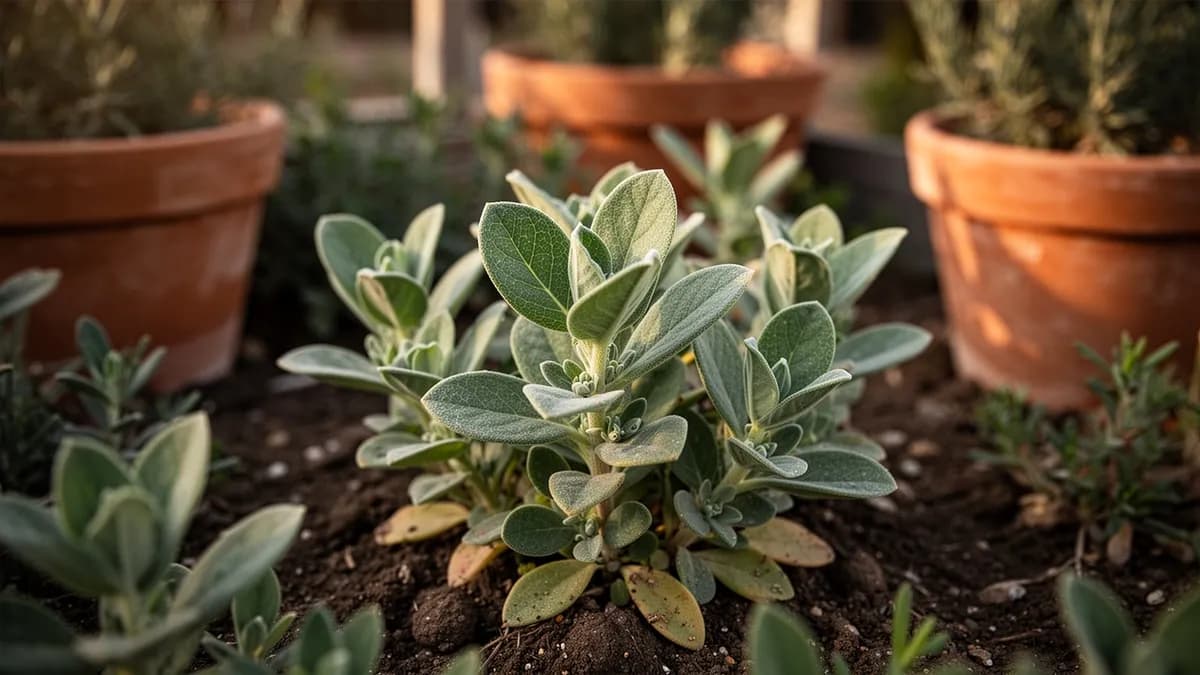
Ein silberblättriger mediterraner Strauch, dessen von Natur aus salzige Blätter als Gewürz und Salatgrün verwendet werden.





Auf dieser SeiteÜberblick
Salzstrauch im Überblick
Ein silberblättriger mediterraner Strauch, dessen von Natur aus salzige Blätter als Gewürz und Salatgrün verwendet werden. Der Salzstrauch gedeiht in Küstengärten, alkalischen Böden und unter Trockenbedingungen, in denen nur wenige andere Kräuter überleben. Die mineralstoffreichen Blätter können Salz beim Kochen ersetzen und verleihen Salaten einen herzhaften Biss, wenn sie frisch verwendet werden.
Wann Salzstrauch pflanzen
Säen Sie Salzstrauchsamen im Frühjahr bei 15–20 °C in gut durchlässige Aussaaterde. Die Samen keimen in 1–3 Wochen. Kann auch durch halbreife Stecklinge im Sommer vermehrt werden – entfernen Sie die unteren Blätter, tauchen Sie sie in Bewurzelungshormon und stecken Sie sie in sandige Erde. Stecklinge bewurzeln sich in 4–6 Wochen mit Bodenwärme. Hartholzstecklinge im Winter sind ebenfalls erfolgreich. Pflanzen Sie Sämlinge oder bewurzelte Stecklinge an ihren endgültigen Standort, sobald sie gut etabliert sind, da ausgewachsene Pflanzen Wurzelstörungen nicht vertragen.
Dein Salzstrauch-Jahr
Abgestimmt auf Zone 7 · typische Saison · Frost geht um den 2. Apr. und kehrt um den 1. Nov. zurück
Salzstrauch Mär – Mai pflanzen, Apr – Okt ernten. Beachte die Pflanzmethoden unten und wähle dein Klima für passende Zeiträume.
So baust du Salzstrauch an
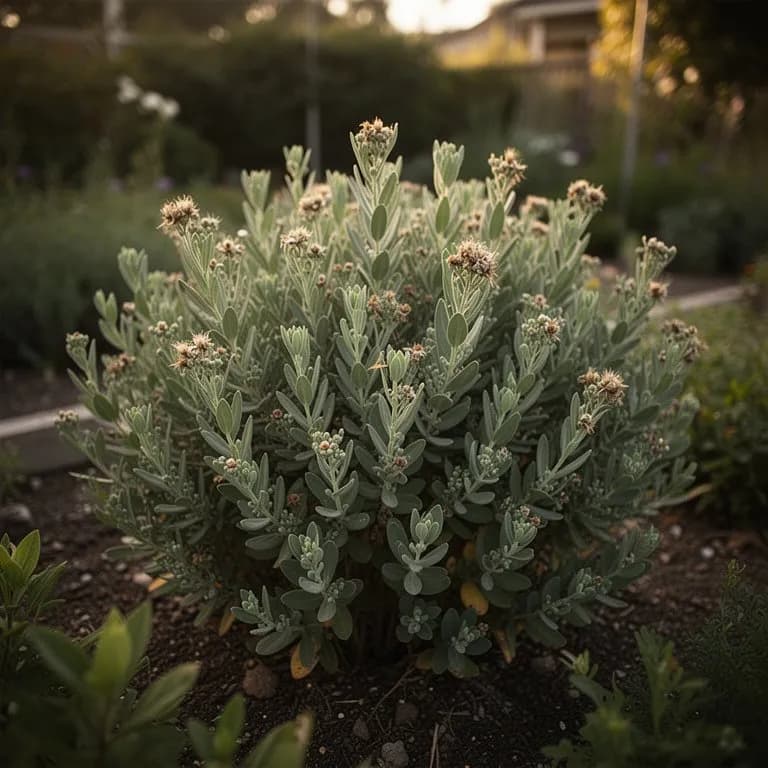
Der Salzstrauch ist ein widerstandsfähiger, silberblättriger mediterraner Strauch, der unter Bedingungen gedeiht, die für die meisten Kräuter zu rau sind – salzige Küstenluft, alkalische Böden, Trockenheit und karger Felsboden. Pflanzen Sie ihn in voller Sonne mit gut durchlässigem Boden im Abstand von 90 cm, da ausgewachsene Pflanzen bis zu 2 Meter hoch und breit werden können. Dieser immergrüne Strauch eignet sich hervorragend als Windschutz, Hecke oder Hintergrundpflanze in Küsten- und Trockengärten.
Der Salzstrauch toleriert ein bemerkenswertes Spektrum an Bodenverhältnissen, von schwerem Lehm bis zu reinem Sand und von stark alkalisch bis leicht sauer. Er gedeiht in salzhaltigen Böden, in denen andere Pflanzen versagen, was ihn für die Küsten- und Wüstenbepflanzung unverzichtbar macht. Gießen Sie sparsam, sobald er etabliert ist – dies ist einer der trockenheitsresistentesten verfügbaren Sträucher. Überwässerung verursacht weitaus häufiger Probleme als Unterwässerung.
Schneiden Sie im späten Frühjahr kräftig zurück, um eine kompakte Form zu erhalten und frisches, zartes Wachstum für die kulinarische Verwendung zu fördern. Ohne regelmäßigen Schnitt werden die Pflanzen zu großen, verholzten Sträuchern. Das silbergraue Laub bietet einen hervorragenden Texturkontrast in gemischten Rabatten. In kalten Zonen pflanzen Sie den Strauch an eine nach Süden ausgerichtete Wand für zusätzliche Wärme und Schutz, oder behandeln Sie ihn als Kübelpflanze, die im Winter nach drinnen gebracht wird.
2 Pflanzen passen in ein Beet von 120 × 240 cm
Salzstrauch braucht 90 cm Platz pro Pflanze. Der Planer hält diesen Abstand für dich ein — jede Pflanze, jedes Beet.
Die besten Nachbarn für Salzstrauch
Der Salzstrauch ist eine Pionierpflanze, die die Bodenverhältnisse für Nachbarpflanzen verbessert, indem sie tiefe Mineralien erschließt und Windschutz bietet. Das tiefe Wurzelsystem konkurriert nicht mit flachwurzelnden Gartenpflanzen. Verwenden Sie ihn als Windschutzhecke an exponierten Küstenstandorten, um empfindlichere Kräuter und Gemüse zu schützen. Das silbrige Laub bietet einen wunderschönen texturellen Hintergrund für farbenfrohe Blühpflanzen und grüne Kräuter in gemischten Rabatten.
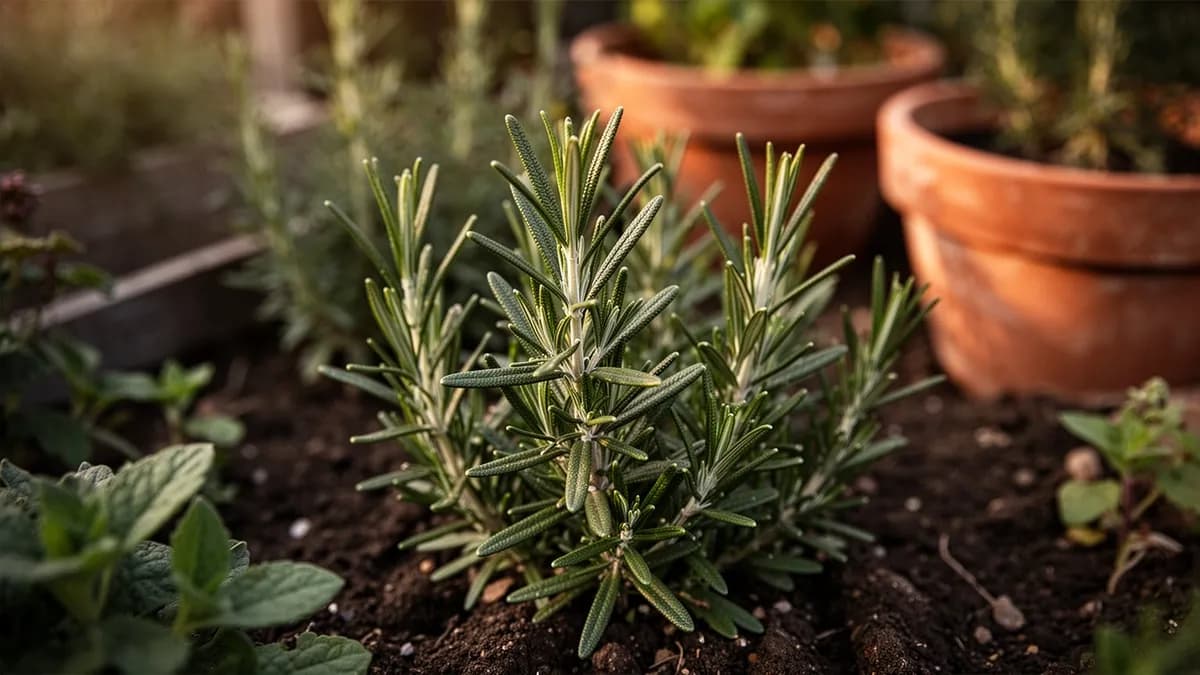
Rosmarin gehört daneben.
Altes Gärtnerwissen, geprüft an der echten Nachbartabelle von Salzstrauch — teste jede Pflanze, die du anbaust.
Probiere Salzstrauch direkt hier im Beet
Ein echtes Planer-Beet, Salzstrauch steht schon drin. Tippe einen Begleiter an, platziere ihn und sieh, wie die Nachbarschaftsprüfung antwortet — grün für gute Nachbarn, rot bei Streit.


Passende Anbau-Ratgeber
Richtig düngen
Der Salzstrauch ist äußerst anpassungsfähig an arme Böden – er gedeiht tatsächlich am besten unter mageren, alkalischen und sogar salzhaltigen Bedingungen. Der ideale pH-Wert liegt bei 6,5–8,5. In den meisten Böden ist keine Düngung erforderlich; übermäßige Nährstoffzufuhr erzeugt üppiges, aber geschmacklich schwaches Wachstum. In Kübeln verwenden Sie eine Standard-Blumenerde mit 30 % zugesetztem Perlit oder Sand. Die Pflanze konzentriert von Natur aus Mineralien aus dem Boden, was ihr salziges Geschmacksprofil erklärt.
Ideale Temperatur
Winterhärtezone-Kompatibilität
Von der Saat zur Ernte, Schritt für Schritt
Samenkeimung
Die Samen benötigen Licht zum Keimen und sollten auf gut durchlässigem Boden oberflächlich ausgesät werden. Die Keimung kann unregelmäßig sein und unter warmen Bedingungen bis zu drei Wochen dauern.
Sämlingsentwicklung
Junge Sämlinge entwickeln ihre ersten echten silbrigen Blätter und beginnen eine Pfahlwurzel auszubilden. Das Wachstum ist in dieser Phase langsam, da sich das Wurzelsystem etabliert.
Vegetatives Wachstum
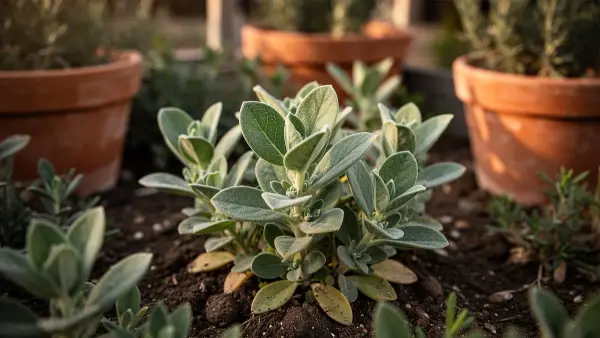
Die Pflanze tritt in eine kräftige Wachstumsphase ein und bildet dichte Verzweigungen und reichlich Laub. Die Blätter werden vollständig silbergrau und halbsukkulent.
Ausgewachsener Strauch
Der Salzstrauch erreicht innerhalb des ersten Jahres eine beträchtliche Größe und bildet einen gerundeten Strauch von bis zu 1,5 Metern. Die holzige Stammbasis verdickt sich und die Pflanze wird zunehmend trockenheitsresistent.
Blütezeit
Im zweiten Jahr oder später bildet die Pflanze im Spätsommer kleine gelblich-grüne Blütentrauben. Die Blüten werden durch Wind bestäubt und sind relativ unscheinbar.
Samenreife und Ruheperiode
Die Samen entwickeln sich im Herbst in kleinen papierartigen Hüllblättern. Die Pflanze kann in kühleren Klimazonen im Winter halbruhend werden, bleibt aber in milden Regionen immergrün.
Halten Sie den Boden leicht feucht, aber nicht staunass. Eine Temperatur von 18–22 °C fördert die Keimung.
Salzstrauch Monat für Monat pflegen
Was du jeden Monat für deine Salzstrauch tun solltest
Oktober
Aktueller MonatOktober: Nehmen Sie Hartholzstecklinge zur Vermehrung, bevor die Pflanze das Wachstum verlangsamt. Reduzieren Sie die Ernte, damit die Pflanze sich für den Winter abhärten kann.
Immer wissen, was jetzt im Garten zu tun ist
Eine E-Mail zum Monatsanfang: was du jetzt säen, pflanzen und anpacken solltest — für deine Salzstrauch und alles, was drumherum wächst. Dazu ein kurzer Startkurs, der dich vor den klassischen Fehlern bewahrt.
- Was jetzt zu tun ist
- Passend zu deiner Saison
- Startkurs inklusive
Salzstrauch ernten
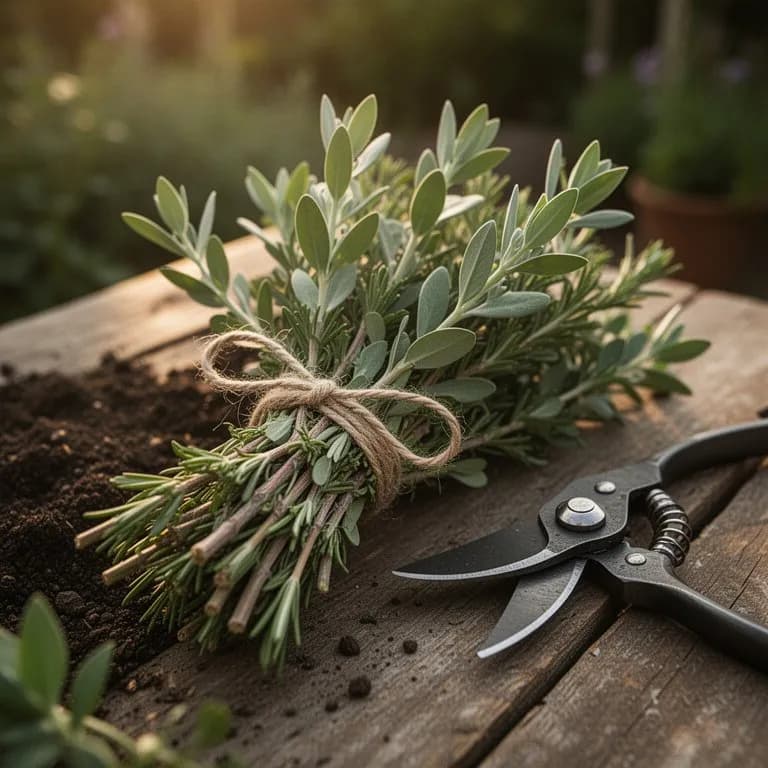
Ernten Sie junge, zarte Triebspitzen und Blätter während der gesamten Vegetationsperiode. Die silbrigen Blätter haben einen von Natur aus salzigen, mineralstoffreichen Geschmack, der sich bei Trockenheit verstärkt. Ältere Blätter werden zäher und bitterer – wählen Sie immer das jüngste Wachstum. Ernten Sie in kleinen Mengen nach Bedarf, da die frischen Blätter schnell welken. Nach dem kräftigen Rückschnitt im Frühjahr liefert der Neuaustrieb das beste zarte Erntematerial.
angenommen, du pflanzt zu Beginn des Zeitraums — trage dein tatsächliches Datum ein
Ernte Salzstrauch zügig, dann trägt die Pflanze weiter.
Lagerung & Konservierung
Verwenden Sie frische Salzstrauchblätter innerhalb von ein bis zwei Tagen nach der Ernte für den besten Geschmack und die beste Textur. Kühlen Sie sie in einem verschlossenen Behälter mit einem feuchten Papiertuch bis zu 5 Tage. Trocknen Sie die Blätter in einem Dörrgerät bei niedriger Temperatur und mahlen Sie sie zu einem salzigen Gewürzpulver – ein hervorragender Salzersatz für diejenigen, die auf ihre Natriumzufuhr achten, da die Salze der Pflanze auf Kalium und nicht auf Natrium basieren. Frieren Sie frische Blätter zum späteren Hinzufügen zu gekochten Gerichten ein.
Was schiefgeht — und die Lösung
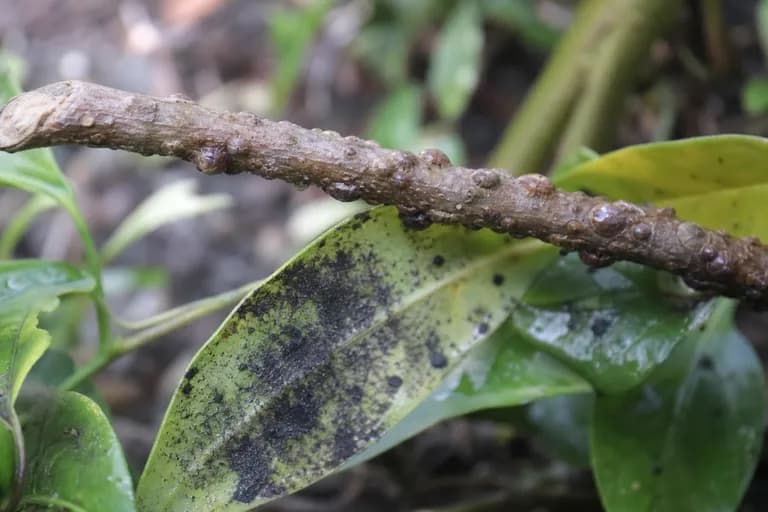
Schildläuse
SchädlingKleine braune oder weiße Erhebungen an Stängeln und Blättern, klebriger Honigtau, Rußtau auf dem unteren Laub.
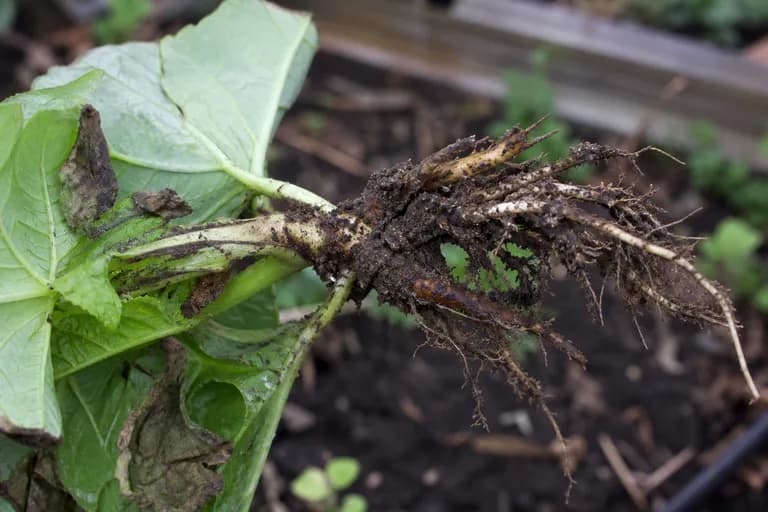
Wurzelfäule
KrankheitVergilbung und Welken trotz trockener Bedingungen, weiche Stängelbasis, Pflanzenrückgang. Typischerweise durch Überwässerung in schlecht entwässertem Boden verursacht.
Fehlerbehebung bei häufigen Problemen
Überwässerung ist die häufigste Ursache für Misserfolge – diese Pflanze hat sich an Trockenbedingungen angepasst. Sparriges, lückiges Wachstum resultiert aus unzureichendem Licht; sorgen Sie für volle Sonne. Pflanzen können ohne regelmäßigen Schnitt sehr groß werden; schneiden Sie im Frühjahr kräftig zurück für kompaktes Wachstum. Weniger frosthart als viele Kräuter; schützen Sie die Pflanze in den Zonen 7–8 mit einem geschützten, warmen Mikroklima. Selbstaussaat kann in milden Klimazonen auftreten – entfernen Sie Blütenstände, um unerwünschte Ausbreitung zu verhindern.
Anbautipps
- Pflanzen Sie den Salzstrauch in den ärmsten, am besten durchlässigen Boden, den Sie haben – reicher, fruchtbarer Boden produziert tatsächlich weniger geschmackvolle Blätter mit geringerem Mineralstoffgehalt.
- Die Vermehrung durch halbverholzte Stecklinge im späten Frühjahr hat eine viel höhere Erfolgsrate als die Anzucht aus Samen.
- Vermeiden Sie Überwässerung etablierter Pflanzen, da der Salzstrauch extrem trockenheitsresistent und anfällig für Wurzelfäule bei dauerhaft nassen Bedingungen ist.
- Schneiden Sie im zeitigen Frühjahr kräftig zurück, um eine kompakte Form zu erhalten und frisches, zartes Wachstum ideal für die kulinarische Ernte anzuregen.
- Der Salzstrauch eignet sich hervorragend als Windschutz oder Hecke in Küstengärten, in denen Salzgischt andere Pflanzen beschädigt.
- Ernten Sie junge Blätter und Triebspitzen für den besten Geschmack; ältere Blätter werden zäh und übermäßig salzig.
- Pflanzen Sie im Abstand von 1,5–2 Metern für Hecken oder lassen Sie 2–3 Meter für einen freistehenden Solitärstrauch.
- Der Salzstrauch toleriert alkalische und salzhaltige Böden mit einem pH-Wert bis 10, was ihn ideal für schwierige Standorte macht, die andere Pflanzen nicht bewältigen können.
- Mulchen Sie mit Kies oder Steinen statt mit organischem Material, um die trockenen, gut durchlässigen Bedingungen aufrechtzuerhalten, die die Pflanze bevorzugt.
- Pflanzen Sie ihn zusammen mit anderen mediterranen und trockenheitsresistenten Arten wie Rosmarin, Lavendel und Olivenbäumen für einen pflegeleichten Garten.
Bau deine beste Salzstrauch an — und alles drumherum.
Starte heute kostenlos. Lege deine Beete an, setze deine Salzstrauch ein und lass PlotMyGarden Timing, Abstände, Begleiter und Erinnerungen von der Saat bis zum Erntekorb übernehmen.
Finde deine Salzstrauch
Atriplex halimus (Mediterrane Keilmelde)
Die standardmäßige Zier- und Küchensorte mit silbrigen Blättern. Die am häufigsten angebaute Salzstrauch-Varietät.
Atriplex nummularia (Alte-Mann-Keilmelde)
Australische Art mit größeren, runderen blaugrauen Blättern. Weit verbreitet in der australischen Buschküche.
Atriplex hortensis (Gartenmelde/Bergspinat)
Ein einjähriger Verwandter des Salzstrauchs mit größeren, spinatähnlichen Blättern in Grün, Rot oder Gold. Besser für Salate und zum Kochen geeignet.
Der Salzstrauch ist eine der wirtschaftlichsten Pflanzen, die ein Gärtner anbauen kann. Einmal etabliert, benötigt er praktisch keine Bewässerung, Düngung oder Schädlingsbekämpfung, wodurch die laufenden Kosten nahezu null sind. Eine einzelne Pflanze liefert jahrelang kontinuierliche Blattbernten, die gekaufte frische Kräuter und Spezial-Salatblätter ersetzen können. Ihre natürliche Salzigkeit reduziert den Bedarf an gekauften Meersalzflocken und Gourmet-Finishing-Salzen in der Küche. Als mehrjähriger Strauch mit einer Lebensdauer von 10–20 Jahren ergibt die Anfangsinvestition einer kleinen Pflanze oder eines Samentütchens eine außergewöhnliche langfristige Rendite.
Schnelle Rezepte
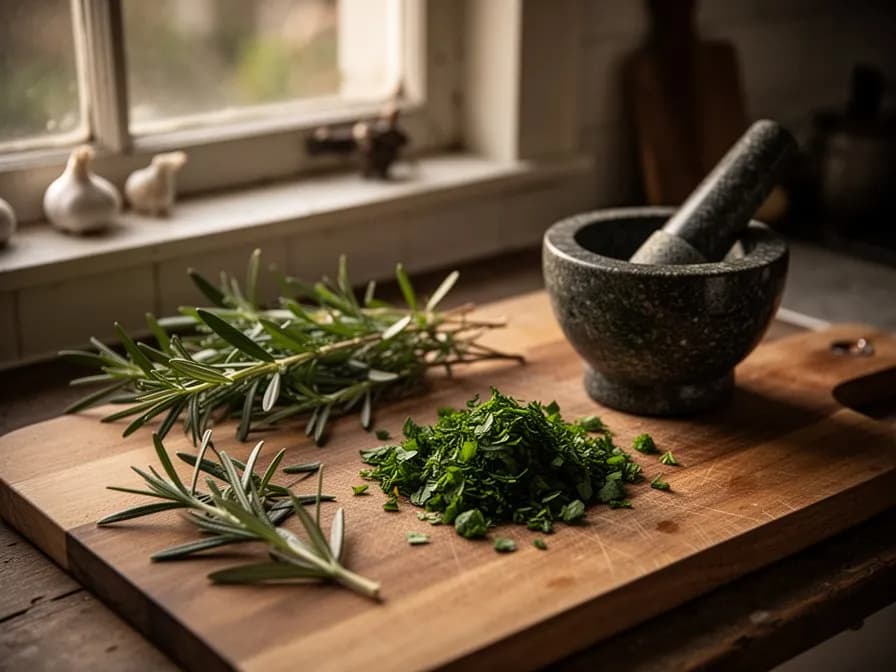
Salzstrauchblätter-Chips
15 Min.Knusprig gebackene Salzstrauchblätter sind ein nahrhafter und von Natur aus salziger Snack. Die Blätter werden im Ofen wunderbar knusprig und brauchen dank ihrer natürlichen Salzigkeit kein zusätzliches Würzen.
4 Zutaten
Mediterranes Salzstrauch-Pesto
10 Min.Eine einzigartige Variante des traditionellen Pestos mit Salzstrauchblättern für eine natürlich salzige, mineralstoffreiche Sauce. Hervorragend zu Pasta oder als Aufstrich auf gegrilltem Fladenbrot.
6 ZutatenSalzstrauch-Feta-Küchlein
25 Min.Herzhafte Küchlein aus gehackten Salzstrauchblättern mit zerbröckeltem Feta und Kräutern. Die natürliche Salzigkeit der Blätter ergänzt den würzigen Käse perfekt.
7 ZutatenKulinarische Verwendung
Die von Natur aus salzigen Blätter werden als Gewürzkraut und Salatgrün in der mediterranen und australischen Buschküche verwendet. Hacken Sie frische Blätter in Salate für einen mineralstoffreichen, salzigen Biss. Verwenden Sie sie als Salzersatz beim Kochen – wickeln Sie Fisch oder Hähnchen vor dem Backen in Salzstrauchblätter. Die getrockneten, gemahlenen Blätter ergeben ein einzigartiges Finishing-Gewürz. Fügen Sie sie Brotteigen und herzhaften Gebäcken für eine subtile Salzigkeit hinzu. Passt hervorragend zu Lamm, Meeresfrüchten und geröstetem Gemüse.
Was drinsteckt
Gesundheitsvorteile
- Der hohe Mineralstoffgehalt, darunter Kalzium, Magnesium und Kalium, unterstützt die Knochendichte und die Herz-Kreislauf-Gesundheit.
- Natürliche Quelle von diätetischem Natrium, das dazu beitragen kann, verarbeitetes Salz beim Kochen zu ersetzen und so zu einer gesünderen Natriumaufnahme beizutragen.
- Enthält antioxidative Verbindungen, darunter Flavonoide und Phenolsäuren, die zum Schutz der Zellen vor oxidativem Stress beitragen.
- Liefert Beta-Carotin, das der Körper in Vitamin A umwandelt und so die Augengesundheit und Immunfunktion unterstützt.
- Blattextrakte haben in Studien entzündungshemmende Eigenschaften gezeigt, die potenziell der Gelenk- und Verdauungsgesundheit zugutekommen.
- Der gute Proteingehalt für ein Blattgemüse macht ihn zu einer wertvollen ergänzenden Proteinquelle in pflanzenbasierten Ernährungsweisen.
Woher Salzstrauch stammt
Der Salzstrauch (Atriplex halimus) stammt aus dem Mittelmeerraum und ist seit Tausenden von Jahren ein fester Bestandteil der Küsten- und Trockengebietslandwirtschaft. Archäologische Funde deuten darauf hin, dass die Pflanze bereits von frühneolithischen Gemeinschaften in Nordafrika, auf der Iberischen Halbinsel und in der Levante gesammelt und verzehrt wurde, wo ihre Fähigkeit, in rauen, salzhaltigen Umgebungen zu gedeihen, sie zu einer verlässlichen Nahrungsquelle machte, wenn andere Kulturen versagten. Die alten Römer dokumentierten ihre Verwendung als Küchenkraut und stellten fest, dass ihr natürlich salziger Geschmack ein nützliches Gewürz für fade Getreidebasierte Mahlzeiten war. Während des Mittelalters wurde der Salzstrauch weiterhin in Klostergärten und entlang der Küsten Südfrankreichs, Italiens und Griechenlands angebaut, geschätzt sowohl als Küchenkraut als auch als Viehfutter. Die Pflanze spielte eine besonders wichtige Rolle in traditionellen Beduinen- und nordafrikanischen Hirtensystemen, wo ihre Trockenheitsresistenz und Nährstoffdichte sie sowohl für den menschlichen Verzehr als auch als Tierfutter in Wüstenrandgebieten unverzichtbar machte. In der Neuzeit hat Atriplex halimus erhebliches wissenschaftliches Interesse für sein Potenzial bei der Landgewinnung und nachhaltigen Landwirtschaft geweckt. Forschungseinrichtungen im gesamten Mittelmeerraum, im Nahen Osten und in Australien haben seine Fähigkeit untersucht, degradierte Böden zu stabilisieren, den Salzgehalt zu reduzieren und nahrhaftes Laub in Regionen bereitzustellen, die vom Klimawandel und der Wüstenbildung betroffen sind. Heute erlebt der Salzstrauch eine kulinarische Renaissance unter Köchen und Sammlern, die seine einzigartigen mineralstoffreichen, natürlich salzigen Blätter als Gourmet-Zutat schätzen. Er wird zunehmend in Permakultur-Systemen, Küstengärten und Xeriscaping weltweit gepflanzt, geschätzt für seine extreme Widerstandsfähigkeit, seinen minimalen Wasserbedarf und seine multifunktionalen Vorteile als essbare, dekorative und ökologische Restaurierungspflanze.
Salzstrauch: Schon gewusst?
Faszinierende Fakten über Salzstrauch
Der Salzstrauch kann Bodensalzgehalte tolerieren, die die meisten Gartenpflanzen abtöten würden, was ihn zu einer der salztoleranzesten essbaren Arten der Erde macht.
Salzstrauch: Fragen & Antworten
Wann sollte ich Salzstrauch pflanzen?
Was sind gute Begleitpflanzen für Salzstrauch?
In welchen Winterhärtezonen kann Salzstrauch wachsen?
Wie viel Sonne braucht Salzstrauch?
Welchen Abstand sollte ich zwischen Salzstrauch lassen?
Welche Schädlinge und Krankheiten befallen Salzstrauch?
Wie lagere ich Salzstrauch nach der Ernte?
Was sind die besten Salzstrauch-Sorten zum Anbauen?
Welchen Boden braucht Salzstrauch?
Kann man Salzstrauch roh essen?
Wie salzig schmecken Salzstrauchblätter tatsächlich?
Kann der Salzstrauch Frost und kalte Winter überstehen?
Wie lange dauert es, bis der Salzstrauch etabliert genug zum Ernten ist?
Braucht der Salzstrauch salzhaltigen Boden, um gut zu wachsen?
Kann ich Salzstrauch im Kübel anbauen?
Du hast die Theorie gelesen. Jetzt baue sie auf Autopilot an.
Alles, was Salzstrauch knifflig macht — das Timing, die Abstände, die Begleiter, das Erntefenster — genau das übernimmt PlotMyGarden für dich, für jede Pflanze im Garten.
Ein Plan, der dein Wetter kennt
Standort einmal festlegen. Aussaat-, Dünge- und Erntedaten rund um deinen echten letzten Frosttermin und die Live-Vorhersage — kein Raten mehr nach Saattüte.
Aus dem Abschnitt „Pflanzzeit“Beetplaner per Drag & Drop
Beete auf einem Raster gestalten. Jede Pflanze rastet im richtigen Abstand ein, und du siehst die ganze Saison, bevor du einen Cent für Saatgut ausgibst.
Aus dem Abschnitt „Anbau“Begleiter-Konflikte früh erkannt
Über 200 gute und schlechte Kombinationen werden beim Pflanzen live geprüft — so landet ein saisonruinierender Fehler nie in der Erde.
Aus dem Abschnitt „Begleiter“Erinnerungen, nach denen du wirklich handelst
„Gieß die Bohnen.“ „Heute ernten, bevor's umschlägt.“ Pünktlich, konkret und auf deine echten Pflanzen bezogen.
Aus dem Abschnitt „Ernte“Staffel-Aussaat, geplant
Sechs Wochen ernten statt sechs Tage? Die App verteilt deine Aussaaten automatisch und erinnert dich, wenn der nächste Satz fällig ist.
Aus dem Abschnitt „Pflanzzeit“Ein Verlauf, der schlauer wird
Jede protokollierte Ernte bringt der App deinen Garten bei. Der Plan fürs nächste Jahr startet bei dem, was in deinem Boden wirklich funktioniert hat.
Aus dem Abschnitt „Überblick“Pflanze diese neben Salzstrauch
Weitere Küchenkräuter
Bau deine beste Salzstrauch an — und alles drumherum.
Starte heute kostenlos. Lege deine Beete an, setze deine Salzstrauch ein und lass PlotMyGarden Timing, Abstände, Begleiter und Erinnerungen von der Saat bis zum Erntekorb übernehmen.