Rau Ram
Der vietnamesische Name für das Laksa-Blatt, unverzichtbar in Pho, Sommerrollen und Laksa-Suppe in ganz Südostasien.





Auf dieser SeiteÜberblick
Rau Ram im Überblick
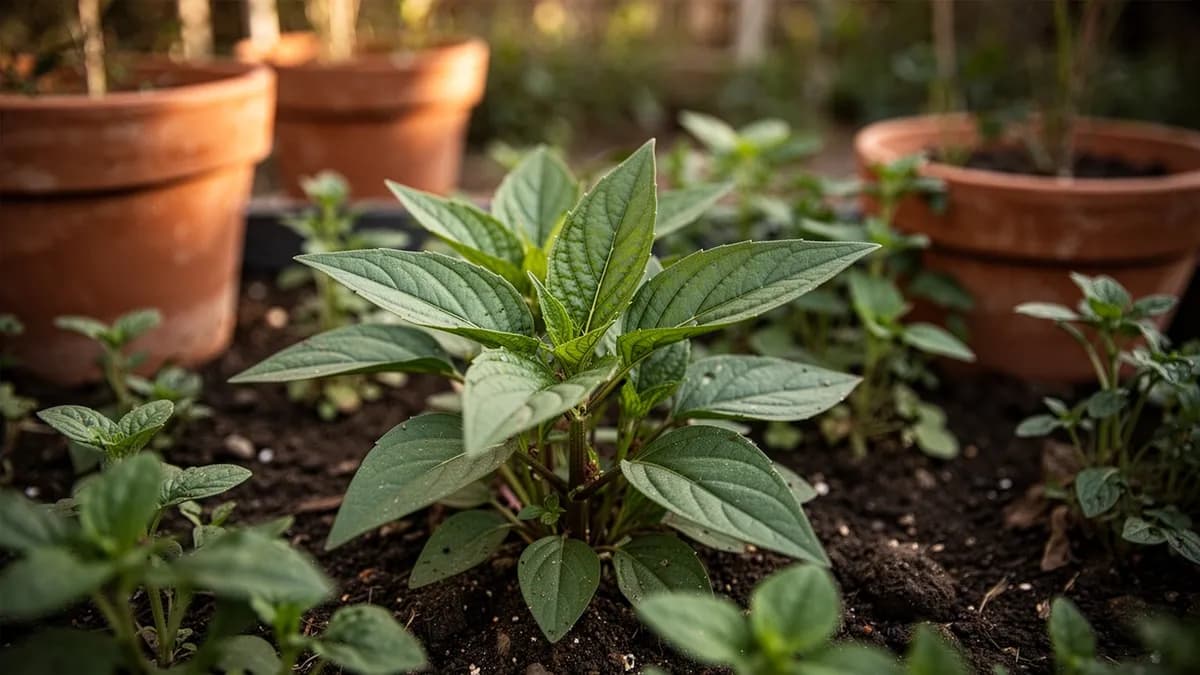
Der vietnamesische Name für das Laksa-Blatt, unverzichtbar in Pho, Sommerrollen und Laksa-Suppe in ganz Südostasien. Dieses kriechende Kraut bewurzelt sich leicht an den Stängelknoten und kann in flachem Wasser oder sehr feuchter Erde angebaut werden. Kneifen Sie regelmäßig die Triebspitzen ab, um die Verzweigung zu fördern und ein sparriges, lückenhaftes Wachstum zu verhindern.
Wann Rau Ram pflanzen
Rau Ram blüht oder bildet außerhalb der Tropen selten Samen und wird fast ausschließlich vegetativ vermehrt. Nehmen Sie Stängelstecklinge von 10 bis 15 cm Länge von gesunden Pflanzen, entfernen Sie die unteren Blätter und stellen Sie sie in ein Glas Wasser. Wurzeln entwickeln sich innerhalb von 5 bis 10 Tagen unter warmen Bedingungen. Sobald die Wurzeln 3 bis 5 cm lang sind, verpflanzen Sie in feuchte Blumenerde oder direkt in den Garten. Stecklinge können auch direkt in feuchter Erde bewurzelt werden, indem 2 bis 3 Blattknoten eingegraben werden. Neue Pflanzen aus Stecklingen etablieren sich schnell und können innerhalb von 3 bis 4 Wochen geerntet werden.
Dein Rau Ram-Jahr
Abgestimmt auf Zone 7 · typische Saison · Frost geht um den 2. Apr. und kehrt um den 1. Nov. zurück
Rau Ram Apr – Jun pflanzen, Mai – Okt ernten. Beachte die Pflanzmethoden unten und wähle dein Klima für passende Zeiträume.
So baust du Rau Ram an
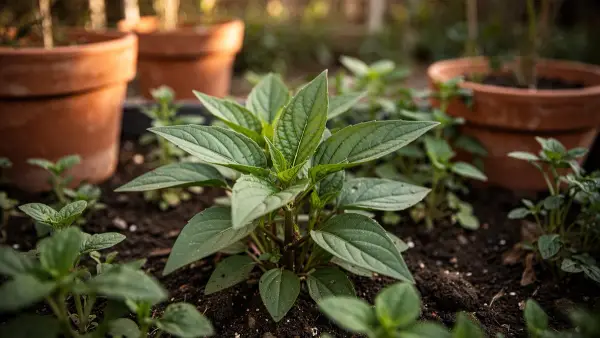
Rau Ram, auch bekannt als Vietnamesischer Koriander oder Laksa-Blatt, ist ein tropisches Kraut, das unter warmen, feuchten Bedingungen mit gleichmäßiger Feuchtigkeit gedeiht. Im Gegensatz zu Koriander, der bei Hitze schnell in die Blüte schießt, bevorzugt Rau Ram tatsächlich heißes Wetter und behält seinen Geschmack während der heißesten Monate bei, was ihn zu einem idealen Sommerersatz macht. Pflanzen Sie in Halbschatten bis volle Sonne in reiche, feuchte Erde mit einem pH-Wert von 6,0 bis 7,0.
Dieses kriechende Kraut bewurzelt sich leicht an den Stängelknoten und breitet sich unter günstigen Bedingungen kräftig aus. Beginnen Sie mit Stecklingen, die in Wasser gestellt werden, bis sich Wurzeln entwickeln, und verpflanzen Sie sie dann in feuchte Erde oder kultivieren Sie sie direkt in flachem Wasser wie eine halbaquatische Pflanze. Topfkultur funktioniert hervorragend; verwenden Sie einen Topf ohne Abflusslöcher oder stellen Sie einen normalen Topf in einen stets mit Wasser gefüllten Untersetzer.
Kneifen Sie regelmäßig die Triebspitzen ab, um buschiges, verzweigtes Wachstum zu fördern und zu verhindern, dass die Pflanze sparrig wird. In tropischen Zonen ist Rau Ram mehrjährig und kann sich aggressiv ausbreiten. In gemäßigten Klimazonen bringen Sie Gefäße vor dem ersten Frost ins Haus und stellen sie an ein helles Fenster. Reduzieren Sie die Bewässerung im Winter leicht, lassen Sie die Erde aber niemals vollständig austrocknen. Sorgen Sie drinnen für hohe Luftfeuchtigkeit mit einem Kieselsteintablett oder regelmäßigem Besprühen.
36 Pflanzen passen in ein Beet von 120 × 240 cm
Rau Ram braucht 25 cm Platz pro Pflanze. Der Planer hält diesen Abstand für dich ein — jede Pflanze, jedes Beet.
Die besten Nachbarn für Rau Ram
Rau Ram wächst gut neben anderen südostasiatischen Kräutern wie Thai-Basilikum, Zitronengras und Galgant in einem tropischen Kräutergarten. Seine feuchtigkeitsliebende Natur macht ihn zu einem guten Begleiter für Minze, die ähnliche Wasserbedürfnisse hat. Kultivieren Sie ihn in der Nähe von Wasserspielen oder in Sumpfgärten neben Brunnenkresse und Taro. Halten Sie ihn fern von trockenheitstoleranten mediterranen Kräutern, die ganz andere Bedingungen benötigen.
Thailändisches Basilikum gehört daneben.
Altes Gärtnerwissen, geprüft an der echten Nachbartabelle von Rau Ram — teste jede Pflanze, die du anbaust.
Probiere Rau Ram direkt hier im Beet
Ein echtes Planer-Beet, Rau Ram steht schon drin. Tippe einen Begleiter an, platziere ihn und sieh, wie die Nachbarschaftsprüfung antwortet — grün für gute Nachbarn, rot bei Streit.


Passende Anbau-Ratgeber
Richtig düngen
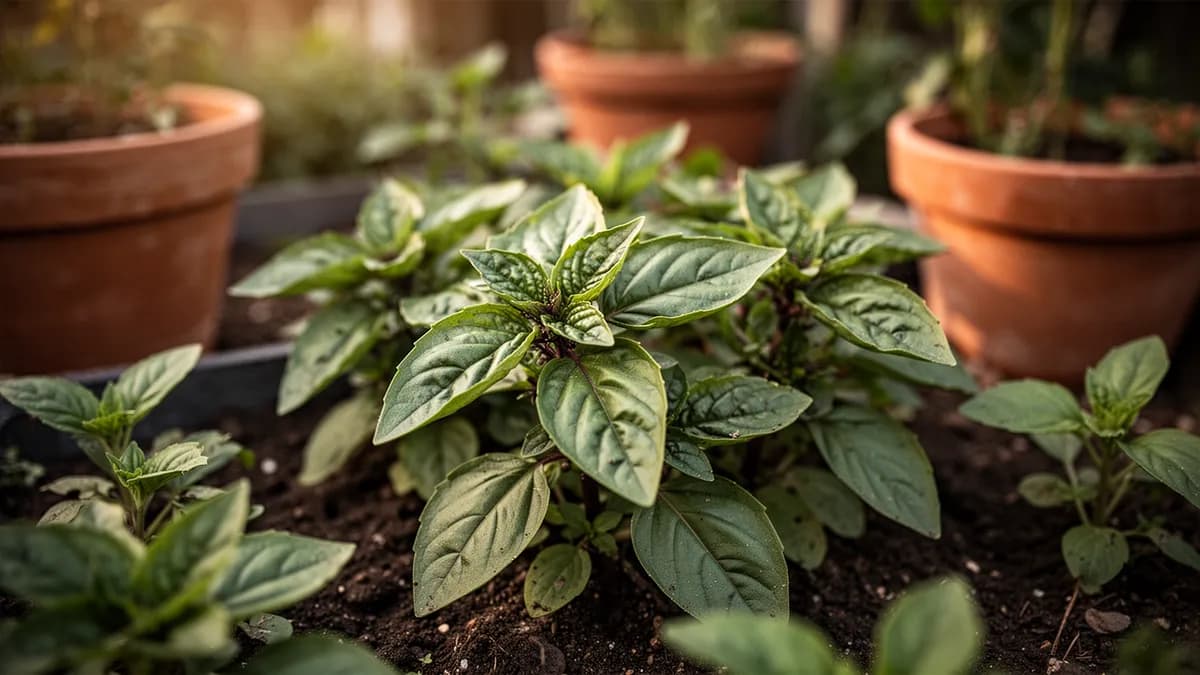
Rau Ram gedeiht in reicher, feuchter bis nasser Erde mit einem pH-Wert von 6,0 bis 7,0. Er kann in normaler Blumenerde angebaut werden, die gleichmäßig feucht gehalten wird, oder in flachem Wasser wie eine Sumpfpflanze. Arbeiten Sie vor der Pflanzung großzügig Kompost in die Gartenerde ein. Düngen Sie während des aktiven Wachstums alle 2 bis 3 Wochen mit einem ausgewogenen Flüssigdünger. Bei Topfkultur verwenden Sie eine reichhaltige organische Blumenerde und düngen häufiger, da Nährstoffe durch die ständige Bewässerung ausgewaschen werden. Reduzieren Sie die Düngung im Winter, wenn das Wachstum nachlässt.
Winterhärtezone-Kompatibilität
Von der Saat zur Ernte, Schritt für Schritt
Stecklingsvermehrung
Rau Ram wird fast ausschließlich aus Stängelstecklingen statt aus Samen vermehrt. Frische Stängelstecklinge von 10-15 cm Länge werden in Wasser oder direkt in feuchte Erde gestellt, wo sich innerhalb von 5-7 Tagen Adventivwurzeln an den Knoten bilden. Die Stecklinge beginnen, Feuchtigkeit und Nährstoffe über diese neuen Wurzeln aufzunehmen, und die vorhandenen Blätter bleiben während des gesamten Bewurzelungsprozesses prall und grün.
Etablierung
Bewurzelte Stecklinge etablieren sich unter warmen, feuchten Bedingungen rasch. Neues Wachstum erscheint an den Triebspitzen und Seitenknospen und bildet frische, lanzenförmige Blätter mit den charakteristischen dunklen Chevron-Markierungen. Das Wurzelsystem dehnt sich schnell aus, verankert die Pflanze und beginnt, Nährstoffe effizient aufzunehmen. Die Stängel beginnen sich zu verlängern und können anfangen, entlang der Bodenoberfläche zu kriechen.
Aktives vegetatives Wachstum
Die Pflanzen treten in eine kräftige Wachstumsphase ein und bilden reichlich Laub an halbaufrechten bis kriechenden Stängeln, die 30-60 cm Länge erreichen können. Knoten entlang der Stängel, die feuchte Erde berühren, bilden Wurzeln aus, wodurch sich die Pflanze seitlich ausbreitet. Die Konzentration aromatischer Verbindungen in den Blättern erreicht in diesem Stadium ihren Höhepunkt, was es zur idealen Zeit für regelmäßige Ernte macht. Die Blattproduktion ist unter warmen Bedingungen bei ausreichender Feuchtigkeit schnell.
Reife Ausbreitung
Die Pflanzen bilden dichte, sich ausbreitende Horste, da sich Stängel an den Knoten bewurzeln und neue vertikale Triebe hervorbringen. Eine einzelne Pflanze kann unter günstigen Bedingungen eine Fläche von 50-80 cm Durchmesser bedecken. Untere Stängel werden halbholzig und rotbraun, während der obere Wuchs zart und hocharomatisch bleibt. Die Pflanze erreicht ihre maximale Produktivität und verträgt häufige Ernte alle 7-10 Tage.
Blüte
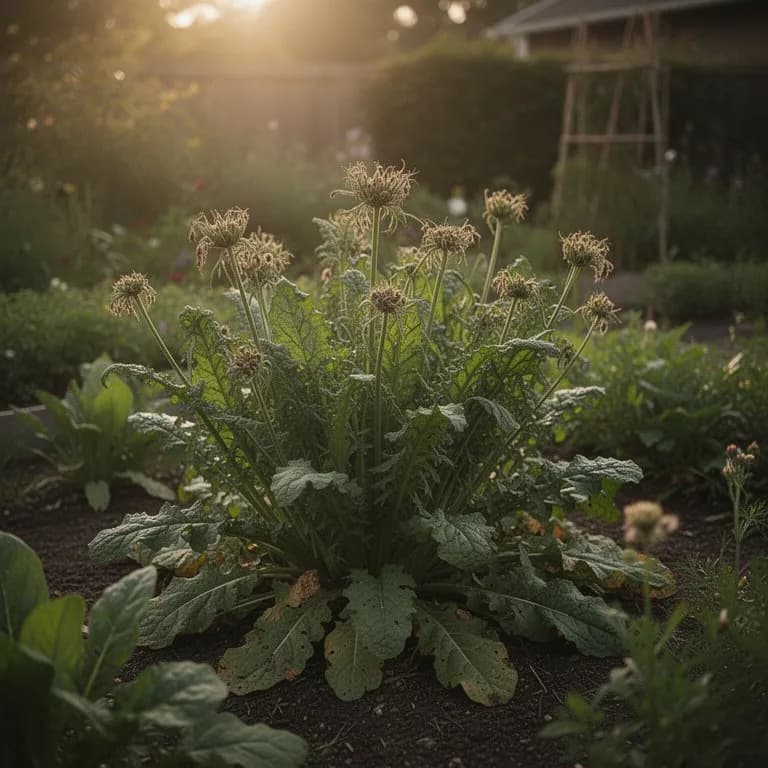
Im Spätsommer oder bei kürzer werdender Tageslänge bildet Rau Ram schlanke rosa bis rötliche Blütenähren an den Triebspitzen. Die kleinen Blüten sind attraktiv, produzieren aber in den meisten Klimazonen selten keimfähige Samen. Die Blüte signalisiert eine Verlagerung der Pflanzenenergie weg von der Blattproduktion, und während der Blüte gebildete Blätter können ein leicht verändertes Geschmacksprofil mit reduzierter aromatischer Intensität aufweisen.
Nehmen Sie Stecklinge mit mindestens 3-4 Knoten und entfernen Sie die unteren Blätter. Stellen Sie sie in ein Glas Wasser auf eine helle Fensterbank oder stecken Sie sie direkt in feuchte Blumenerde. Wechseln Sie das Wasser alle 2-3 Tage, wenn Sie in Wasser bewurzeln. Verpflanzen Sie in Erde, sobald die Wurzeln 3-5 cm lang sind.
Rau Ram Monat für Monat pflegen
Was du jeden Monat für deine Rau Ram tun solltest
Oktober
Aktueller MonatIn Zonen 8 und darunter Topfpflanzen vor dem ersten Frost ins Haus bringen. Freilandpflanzen sterben beim ersten starken Frost ab. Verbleibendes Freilandlaub ernten und in feuchte Papiertücher gewickelt im Kühlschrank aufbewahren, wo es bis zu zwei Wochen hält. Zimmerpflanzen unter hellem Licht einrichten.
Immer wissen, was jetzt im Garten zu tun ist
Eine E-Mail zum Monatsanfang: was du jetzt säen, pflanzen und anpacken solltest — für deine Rau Ram und alles, was drumherum wächst. Dazu ein kurzer Startkurs, der dich vor den klassischen Fehlern bewahrt.
- Was jetzt zu tun ist
- Passend zu deiner Saison
- Startkurs inklusive
Rau Ram ernten
Ernten Sie Rau-Ram-Blätter und zarte Triebspitzen während der gesamten Wachstumsperiode, sobald die Pflanzen gut etabliert sind und mehrere Verzweigungen aufweisen. Kneifen oder schneiden Sie Triebspitzen von 5 bis 8 cm Länge ab, was die Verzweigung und neues Wachstum fördert. Die Blätter haben den stärksten Geschmack, wenn sie frisch verwendet werden; ernten Sie kurz vor der Verwendung für die besten Ergebnisse. Ältere Blätter nahe der Basis haben einen stärkeren, pfeffrigeren Geschmack, während junge Spitzenblätter milder und aromatischer sind. Die charakteristische V-förmige Chevron-Markierung auf den Blättern zeigt gesundes, kräftiges Wachstum an.
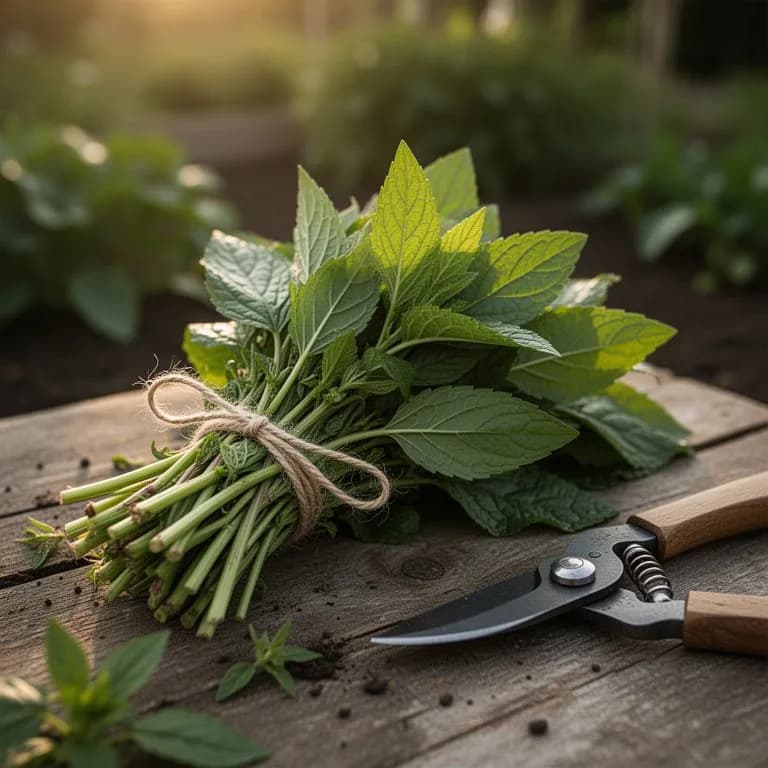
angenommen, du pflanzt zu Beginn des Zeitraums — trage dein tatsächliches Datum ein
Ernte Rau Ram zügig, dann trägt die Pflanze weiter.
Lagerung & Konservierung
Frischer Rau Ram hält sich im Kühlschrank bis zu einer Woche, wenn er in feuchte Papiertücher gewickelt in einem verschlossenen Behälter aufbewahrt wird. Alternativ stellen Sie die Stängel in ein Glas Wasser im Kühlschrank und wechseln das Wasser alle 2 Tage. Das Kraut lässt sich nicht gut trocknen, da es beim Trocknen den größten Teil seines charakteristischen Geschmacks verliert. Einfrieren ist die beste Konservierungsmethode: Blätter hacken und in Eiswürfelformen mit etwas Wasser oder Öl einfrieren. Gefrorener Rau Ram behält guten Geschmack für 3 bis 6 Monate und eignet sich gut für gekochte Gerichte.
Was schiefgeht — und die Lösung
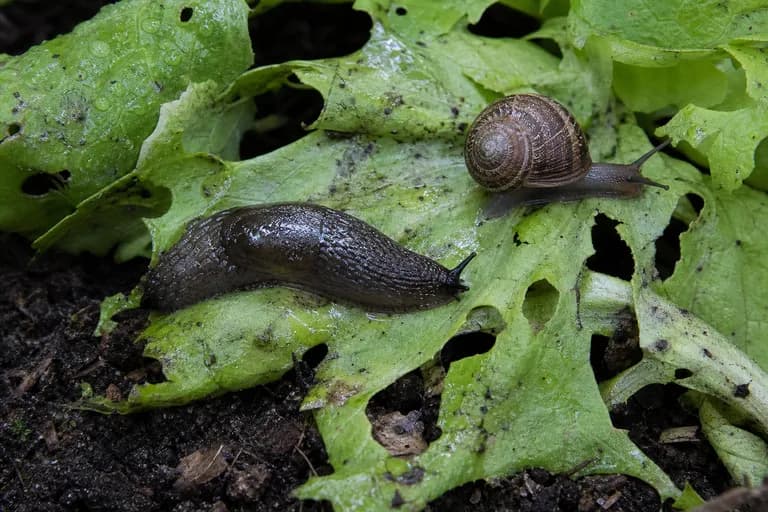
Schnecken und Nacktschnecken
SchädlingUnregelmäßige Löcher in den Blättern mit sichtbaren Schleimspuren auf Erde und Laub. Am aktivsten bei kühlem, nassem Wetter und nachts. Können junge Pflanzen schnell entlauben.
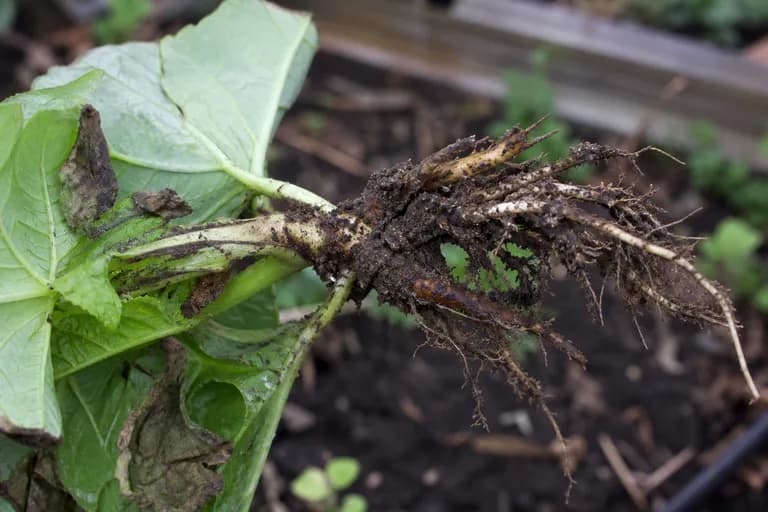
Wurzelfäule
KrankheitVergilbende Blätter, Welken trotz nasser Erde und matschige braune Wurzeln. Verursacht durch Pythium- oder Phytophthora-Pilze in stehendem, schlecht mit Sauerstoff versorgtem Wasser.
Fehlerbehebung bei häufigen Problemen
Das häufigste Problem ist Austrocknung, die fast sofort zu Blattwelke und Blattspitzenverbrennung führt. Diese Pflanze verträgt selbst kurzzeitig keine Trockenheit. In gemäßigten Klimazonen ist Kälte die größte Bedrohung; jeder Frost tötet die Pflanze ab. Zimmerpflanzen leiden im Winter oft unter niedriger Luftfeuchtigkeit und unzureichendem Licht und werden sparrig und lückenhaft. Spinnmilben können Zimmerpflanzen bei trockenen Bedingungen befallen. Übermäßig kräftiges Ausbreiten in tropischen Regionen kann eine Eindämmung erfordern.
Anbautipps
- Beginnen Sie mit Rau Ram aus Stängelstecklingen statt aus Samen. Samen sind selten erhältlich und die Keimung ist unzuverlässig. Frische Stecklinge aus einem asiatischen Lebensmittelgeschäft oder dem Garten eines Freundes bewurzeln sich innerhalb von 5-7 Tagen problemlos in Wasser. Suchen Sie Stängel mit gesunden Knoten aus und entfernen Sie die unteren Blätter vor dem Bewurzeln.
- Sorgen Sie für gleichmäßig feuchte Erde — Rau Ram ist eine halbaquatische Pflanze, die natürlicherweise an Bachufern und in Feuchtgebieten wächst. Sie gedeiht unter Bedingungen, die die meisten Kräuter zum Faulen bringen würden. Stehendes Wasser in Untersetzern unter den Töpfen ist für diese feuchtigkeitsliebende Pflanze tatsächlich vorteilhaft, anders als bei fast allen anderen Kräutern.
- Kultivieren Sie in Halbschatten bis voller Sonne. In heißen Klimazonen (Zonen 9-12) verhindert Nachmittagsschatten Blattverbrennungen und erhält zarteres, geschmackvolleres Laub. In kühleren Klimazonen ist volle Sonne bevorzugt, um die Wachstumsrate und die Produktion aromatischer Verbindungen während der kürzeren Vegetationsperiode zu maximieren.
- Verwenden Sie reiche, feuchtigkeitsspeichernde Erde, die mit reichlich Kompost angereichert ist. Rau Ram ist ein Starkzehrer, der von fruchtbarer Erde und regelmäßigen Gaben eines ausgewogenen Flüssigdüngers alle 2-3 Wochen während der aktiven Wachstumsperiode profitiert. Erde, die zu schnell abtrocknet, verursacht Stress.
- Kneifen Sie Blütenähren ab, sobald sie an den Triebspitzen erscheinen. Die Blüte lenkt Energie von der Blattproduktion ab und kann das Geschmacksprofil des Laubs verändern. Regelmäßiges Ernten der Triebspitzen verzögert die Blüte natürlich und fördert buschigeres, produktiveres Wachstum.
- Begrenzen Sie die Ausbreitung der Pflanze in Gartenbeeten, indem Sie in eingesenkten Töpfen, Hochbeeten mit Barrieren oder freistehenden Gefäßen anbauen. Rau Ram bewurzelt sich an jedem Knoten, der feuchte Erde berührt, und kann in einer einzigen Saison große Flächen besiedeln, wenn er nicht kontrolliert wird. Eine 30 cm tiefe Wurzelbarriere ist in der Regel ausreichend.
- Überwintern Sie Rau Ram in Zonen 8 und darunter im Haus, da die Pflanze keinerlei Frosttoleranz hat. Topfen Sie im September einen Teil der Freilandpflanze ein, schneiden Sie ihn auf 15 cm zurück und stellen Sie ihn auf eine helle Fensterbank oder unter Pflanzenlampen. Er wird bei reduzierter Bewässerung den Winter über bescheidene Ernten liefern.
- Ernten Sie, indem Sie Triebspitzen bis zu einem Blattknoten zurückschneiden und 10-15 cm lange Stücke nehmen. Dies fördert die Verzweigung an der Schnittstelle, sodass für jeden geernteten Trieb zwei oder mehr neue Triebe entstehen. Vermeiden Sie Schnitte in alte holzige Stängel an der Basis, die sich langsamer regenerieren.
- Besprühen Sie Zimmerpflanzen regelmäßig oder stellen Sie Töpfe auf Feuchtigkeitsschalen, da Rau Ram in feuchten tropischen Bedingungen entstanden ist und unter der trockenen Luft leidet, die in beheizten Häusern im Winter typisch ist. Das Gruppieren tropischer Kräuter und das Aufstellen eines kleinen Luftbefeuchters in der Nähe hilft, eine ausreichende Luftfeuchtigkeit aufrechtzuerhalten.
- Achten Sie im Freien auf Schnecken und Nacktschnecken, da diese stark vom üppigen, zarten Laub angezogen werden. Kupferbandbarrieren um Gefäße und organische Schneckenkörner um Gartenpflanzungen sind wirksame Kontrollen. Drinnen auf Blattläuse und Weiße Fliegen kontrollieren und frühzeitig mit Schmierseifenlösung behandeln.
Bau deine beste Rau Ram an — und alles drumherum.
Starte heute kostenlos. Lege deine Beete an, setze deine Rau Ram ein und lass PlotMyGarden Timing, Abstände, Begleiter und Erinnerungen von der Saat bis zum Erntekorb übernehmen.
Finde deine Rau Ram
Standard-Vietnamesischer Koriander
Die gängige Form, die auf asiatischen Märkten zu finden ist, mit spitzen Blättern und einem dunklen Chevron-Muster. Starker pfeffrig-korianderartiger Geschmack. Kräftiger Wuchs unter warmen, feuchten Bedingungen.
Rotstängelige Variante
Eine Variante mit rötlichen Stängeln und etwas stärkerem Geschmack. Die rote Färbung intensiviert sich bei hellem Licht. Gleiche Anbauanforderungen wie die Standardform.
Frischer Rau Ram ist außerhalb asiatischer Lebensmittelgeschäfte schwer zu finden und kostet typischerweise 3-5 € pro kleinem Bund, der innerhalb weniger Tage welkt. Ein einzelner Steckling für 2-4 € (oder kostenlos aus dem Garten eines Freundes) ergibt eine sich endlos selbst erneuernde Pflanze, die bei Überwinterung im Haus ganzjährig frische Blätter liefert. Da sich Rau Ram mühelos aus Stecklingen vermehren lässt und sich kräftig ausbreitet, wird aus einer Pflanze schnell ein Vielfaches — was eine unbegrenzte Versorgung mit diesem Spezialitätenkraut bietet, das bei wöchentlichem Kauf auf dem Markt jährlich 150-250 € kosten würde. Für Hobbyköche, die regelmäßig vietnamesische, malaysische oder thailändische Küche zubereiten, bietet der Anbau von Rau Ram einen außergewöhnlichen Mehrwert und garantiert den Zugang zu einem Kraut, das selbst in gut sortierten Lebensmittelgeschäften oft nicht erhältlich ist.
Schnelle Rezepte
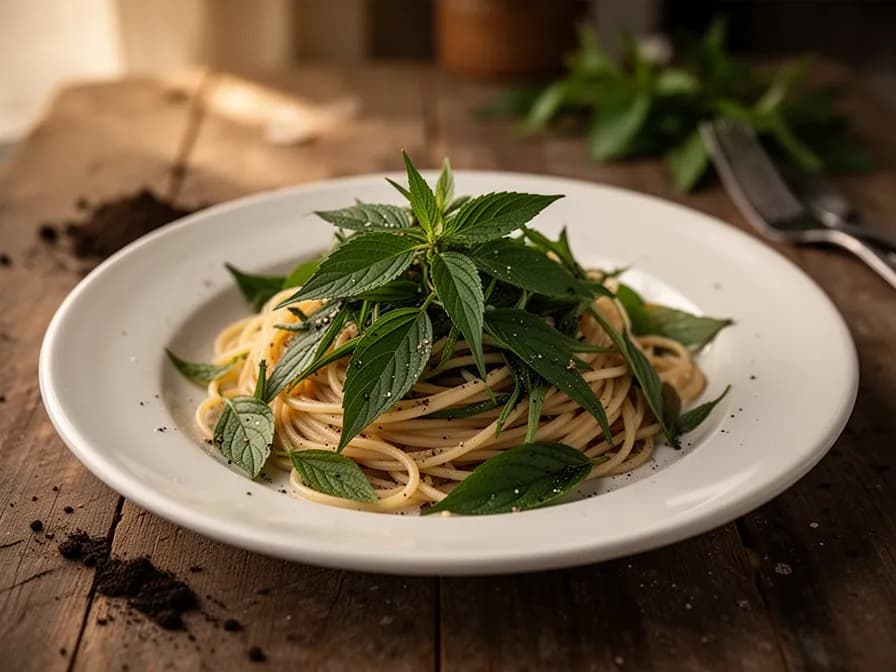
Vietnamesischer Hähnchensalat mit Rau Ram (Goi Ga)
25 Min.Ein frischer, erfrischender vietnamesischer Salat, der zartes pochiertes Hähnchenfleisch mit knackigem Kohl, duftendem Rau Ram und einem würzigen Fischsaucen-Dressing kombiniert. Dieses klassische Gericht zeigt den unverwechselbaren Geschmack von Rau Ram als primäre aromatische Komponente statt nur als bloße Garnitur.
10 ZutatenRau-Ram-Garnelen-Sommerrollen (Goi Cuon)
30 Min.Frische vietnamesische Reispapierrollen, gefüllt mit saftigen Garnelen, Reisnudeln, knackigem Gemüse und großzügigen Mengen aromatischem Rau Ram. Diese leichten, nicht gekochten Sommerrollen sind die perfekte Bühne für selbst angebauten Rau Ram und ergeben eine elegante Vorspeise oder leichte Mahlzeit.
8 ZutatenLaksa-inspirierte Kokos-Nudelsuppe mit Rau Ram
35 Min.Eine duftende Kokos-Curry-Nudelsuppe nach Art der malaysischen Laksa, vollendet mit einer großzügigen Menge geschnittenem Rau Ram (Daun Kesum), der die authentische aromatische Signatur dieses beliebten südostasiatischen Gerichts liefert. Reichhaltig, würzig und zutiefst befriedigend.
10 ZutatenKulinarische Verwendung
Rau Ram ist unverzichtbar in der vietnamesischen Küche, insbesondere in Pho, Sommerrollen und Laksa-Suppe. Sein Geschmack verbindet die hellen Zitrusnoten von Koriander mit einem pfeffrigen, leicht betäubenden Abgang. Verwenden Sie frische Blätter als Garnitur auf Suppen, Nudelgerichten und Salaten. In Malaysia und Singapur ist er eine Schlüsselzutat in Laksa und verschiedenen Sambal-Zubereitungen. Die Blätter passen hervorragend zu Currygerichten auf Kokosmilchbasis, frischen Reispapierrollen und gegrilltem Fleisch. Er ist das bevorzugte Kraut für Menschen, die finden, dass Koriander seifig schmeckt.
Was drinsteckt
Gesundheitsvorteile
- Reich an Beta-Carotin und Vitamin A (ca. 90% TW pro 100 g) unterstützt Rau Ram die gesunde Sehkraft, stärkt die Immunabwehr und fördert die Erneuerung der Hautzellen — besonders vorteilhaft als tägliche Nahrungsergänzung in frischer Kräuterform.
- Enthält Quercetin und Rutin, zwei Flavonoidverbindungen mit gut dokumentierten entzündungshemmenden Eigenschaften, die bei regelmäßigem Verzehr chronische Entzündungen reduzieren, die Herz-Kreislauf-Gesundheit unterstützen und vor oxidativen Zellschäden schützen können.
- Die flüchtigen Verbindungen Dodecanal und Decanal, die in Rau-Ram-Blättern enthalten sind, haben in Laborstudien antimikrobielle Aktivität gegen häufige lebensmittelbedingte Krankheitserreger wie E. coli und Salmonella gezeigt, was darauf hindeutet, dass das Kraut als frische Garnitur zur Lebensmittelsicherheit beitragen kann.
- Die traditionelle südostasiatische Medizin verwendet Rau Ram zur Unterstützung der Verdauung und zur Linderung von Blähungen, Flatulenz und Magenbeschwerden nach schweren Mahlzeiten. Es wird angenommen, dass die aromatischen Verbindungen des Krauts die Sekretion von Verdauungsenzymen anregen und gastrointestinale Reizungen lindern.
- Rau Ram liefert für ein frisches Kraut eine nennenswerte Menge an Eisen und Kalzium und trägt bei regelmäßigem Verzehr als Teil der südostasiatischen Küche zur täglichen Mineralstoffaufnahme bei — besonders wertvoll für pflanzenbasierte Ernährungsweisen, die auf vielfältige Kräuter- und Gemüsequellen für die Mineralstoffversorgung angewiesen sind.
- Die ätherischen Öle in Rau Ram haben in Studien vorläufige insektenabwehrende Eigenschaften gezeigt, und die traditionelle Verwendung als topisches Hautkraut in der südostasiatischen Volksmedizin deutet auf potenzielle dermatologische Vorteile hin, darunter die Linderung leichter Hautreizungen und Insektenstiche.
Woher Rau Ram stammt
Rau Ram (Persicaria odorata), auch bekannt als Vietnamesischer Koriander, Vietnamesische Minze oder Laksa-Blatt, stammt aus den tropischen und subtropischen Regionen Südostasiens. Sein genaues Ursprungszentrum ist schwer zu bestimmen, aber wilde Populationen finden sich über einen weiten Bogen von Südchina über Vietnam, Laos, Kambodscha, Thailand, Malaysia bis zum indonesischen Archipel. Das Kraut wurde seit Jahrhunderten in dieser Region wild gesammelt und in Hausgärten kultiviert, obwohl seine weichstängelige, verderbliche Natur bedeutet, dass es praktisch keine archäologischen Spuren hinterlässt.
In Vietnam hat Rau Ram eine tiefe kulinarische Bedeutung. Es ist eine Standardgarnitur für Pho, Bun, Banh Xeo (brutzelnde Crêpes) und unzählige andere Gerichte, bei denen sein charakteristischer Koriander-trifft-Pfeffer-Geschmack einen hellen, aromatischen Kontrapunkt zu reichhaltigen Brühen und herzhaften Proteinen bildet. Vietnamesische Hausgärten umfassen fast universell ein Beet mit Rau Ram in der Nähe einer Wasserquelle, was die Vorliebe des Krauts für feuchte, halbaquatische Bedingungen widerspiegelt. Der Name 'Rau Ram' selbst ist vietnamesisch, wobei 'Rau' Gemüse oder Kraut bedeutet und 'Ram' der spezifische Name für diese Pflanze ist.
In Malaysia und Singapur ist das Kraut unter dem Namen 'Daun Kesum' oder 'Daun Laksa' ebenso unverzichtbar, wo es das bestimmende Aroma in Laksa ist — der beliebten scharfen Kokosnuss-Curry-Nudelsuppe, die eine nationale Leidenschaft ist. Ohne fein geschnittenes Daun Kesum über der Schüssel wird Laksa als grundlegend unvollständig angesehen. Das Kraut kommt auch in der malaiischen und Nyonya-Küche in Salaten, Omeletts und Reisgerichten vor.
Rau Ram erreichte die westliche Welt relativ spät, mitgebracht von vietnamesischen Einwanderergemeinschaften in den 1970er und 1980er Jahren. Es fand schnell Anhänger unter Gärtnern und Köchen, die von seinem kräftigen Wuchs, den geringen Pflegeanforderungen und dem einzigartigen Geschmack angezogen wurden. Heute wird es in Kräutergärten und Gefäßen in Nordamerika, Europa und Australien kultiviert, geschätzt sowohl als Küchenkraut als auch als Korianderalternative für Menschen, die den Geschmack von Koriander aufgrund genetischer Geschmacksvariation als seifig empfinden.
Rau Ram: Schon gewusst?
Faszinierende Fakten über Rau Ram
Rau Ram wird oft als 'Vietnamesischer Koriander' oder 'Vietnamesisches Cilantro' bezeichnet, weil es in der vietnamesischen Küche als Korianderersatz verwendet wird, doch es gehört zur Familie der Polygonaceae (Knöterichgewächse) und ist völlig unverwandt mit echtem Koriander oder Cilantro, die zur Familie der Apiaceae (Doldenblütler) gehören.
Rau Ram: Fragen & Antworten
Wann sollte ich Rau Ram pflanzen?
Was sind gute Begleitpflanzen für Rau Ram?
In welchen Winterhärtezonen kann Rau Ram wachsen?
Wie viel Sonne braucht Rau Ram?
Welchen Abstand sollte ich zwischen Rau Ram lassen?
Welche Schädlinge und Krankheiten befallen Rau Ram?
Wie lagere ich Rau Ram nach der Ernte?
Was sind die besten Rau Ram-Sorten zum Anbauen?
Welchen Boden braucht Rau Ram?
Kann ich Rau Ram als Ersatz für Koriander verwenden?
Ist Rau Ram invasiv und wie kontrolliere ich seine Ausbreitung?
Warum schmeckt mein Rau Ram anders als das, was ich auf dem asiatischen Markt kaufe?
Kann ich Rau Ram ganzjährig drinnen anbauen?
Reduziert Rau Ram wirklich die Libido, wie die vietnamesische Tradition behauptet?
Wie bewahre ich frisch geernteten Rau Ram auf, damit er am längsten frisch bleibt?
Du hast die Theorie gelesen. Jetzt baue sie auf Autopilot an.
Alles, was Rau Ram knifflig macht — das Timing, die Abstände, die Begleiter, das Erntefenster — genau das übernimmt PlotMyGarden für dich, für jede Pflanze im Garten.
Ein Plan, der dein Wetter kennt
Standort einmal festlegen. Aussaat-, Dünge- und Erntedaten rund um deinen echten letzten Frosttermin und die Live-Vorhersage — kein Raten mehr nach Saattüte.
Aus dem Abschnitt „Pflanzzeit“Beetplaner per Drag & Drop
Beete auf einem Raster gestalten. Jede Pflanze rastet im richtigen Abstand ein, und du siehst die ganze Saison, bevor du einen Cent für Saatgut ausgibst.
Aus dem Abschnitt „Anbau“Begleiter-Konflikte früh erkannt
Über 200 gute und schlechte Kombinationen werden beim Pflanzen live geprüft — so landet ein saisonruinierender Fehler nie in der Erde.
Aus dem Abschnitt „Begleiter“Erinnerungen, nach denen du wirklich handelst
„Gieß die Bohnen.“ „Heute ernten, bevor's umschlägt.“ Pünktlich, konkret und auf deine echten Pflanzen bezogen.
Aus dem Abschnitt „Ernte“Staffel-Aussaat, geplant
Sechs Wochen ernten statt sechs Tage? Die App verteilt deine Aussaaten automatisch und erinnert dich, wenn der nächste Satz fällig ist.
Aus dem Abschnitt „Pflanzzeit“Ein Verlauf, der schlauer wird
Jede protokollierte Ernte bringt der App deinen Garten bei. Der Plan fürs nächste Jahr startet bei dem, was in deinem Boden wirklich funktioniert hat.
Aus dem Abschnitt „Überblick“Pflanze diese neben Rau Ram
Weitere Küchenkräuter
Bau deine beste Rau Ram an — und alles drumherum.
Starte heute kostenlos. Lege deine Beete an, setze deine Rau Ram ein und lass PlotMyGarden Timing, Abstände, Begleiter und Erinnerungen von der Saat bis zum Erntekorb übernehmen.