Membrillero japonés
Un arbusto ornamental espinoso que produce brillantes flores primaverales rojas, rosas o blancas, seguidas de pequeños frutos duros y aromáticos.





En esta páginaResumen
Conoce Membrillero japonés
Un arbusto ornamental espinoso que produce brillantes flores primaverales rojas, rosas o blancas, seguidas de pequeños frutos duros y aromáticos. Aunque se cultiva sobre todo por sus flores, los frutos ácidos son ricos en pectina y resultan excelentes para jaleas y conservas cuando se cocinan con azúcar. Extremadamente resistente al frío y tolerante a la sequía una vez establecido.
Cuándo plantar Membrillero japonés
El membrillero japonés puede propagarse por esquejes semileñosos tomados a finales del verano, lo que resulta más fiable que las semillas. Tome esquejes de 10 a 15 centímetros del crecimiento de la temporada actual, retire las hojas inferiores, mójelos en hormona de enraizamiento e insértelos en perlita o arena húmeda. Mantenga una alta humedad con una cubierta de plástico hasta que las raíces se desarrollen en seis a ocho semanas. Para la propagación por semillas, recoja semillas de frutos maduros y estratifíquelas en frío durante 60 a 90 días antes de sembrarlas. El acodo es otro método fácil: doble una rama baja hasta el suelo, dañe el envés y cúbrala con tierra.
Tu año de Membrillero japonés
Ajustado a Zona 7 · temporada típica · la helada se va hacia el 2 abr y vuelve hacia el 1 nov
Planta Membrillero japonés Mar – Abr y cosecha Sep – Oct. Consulta los métodos de plantación y elige tu clima para adaptar los periodos.
Cómo cultivar Membrillero japonés
El membrillero japonés es uno de los arbustos frutales más fáciles y agradecidos de cultivar. Plántelo a pleno sol o en semisombra en casi cualquier suelo bien drenado. Tolera con una resistencia notable los suelos arcillosos, arenosos, alcalinos y pobres. Separe las plantas de metro y medio a dos metros para formar setos o de unos dos metros y medio como ejemplares aislados. Plante los ejemplares cultivados en contenedor en primavera u otoño, situándolos a la misma profundidad que en la maceta del vivero.
El membrillero japonés florece sobre madera vieja a comienzos de la primavera, a menudo antes de que aparezcan las hojas. Pode inmediatamente después de la floración si necesita dar forma al arbusto, ya que la poda más tarde en la temporada elimina las yemas florales del año siguiente. Retire los brotes de la base para controlar la expansión y corte cualquier madera muerta o dañada. Los arbustos más viejos pueden rejuvenecerse cortando un tercio de los tallos más antiguos hasta el suelo cada año.
Una vez establecido, el membrillero japonés es extremadamente tolerante a la sequía y no necesita riego suplementario salvo en sequías prolongadas. Requiere muy poca fertilización; basta una ligera aplicación de fertilizante equilibrado a comienzos de la primavera. Las ramas espinosas forman excelentes plantaciones de barrera y ofrecen refugio a las aves que anidan. Algunas variedades son más productivas que otras, así que elija cultivares con nombre si la producción de fruta es una prioridad.
Para Membrillero japonés un bancal de 120 × 240 cm se queda corto
Cada Membrillero japonés pide 180 cm de margen. El planificador guarda ese marco por ti — cada planta, cada bancal.
Guías de cultivo relacionadas
Abónalo bien
El membrillero japonés prospera en casi cualquier tipo de suelo, desde arcilla pesada hasta franco arenoso, y tolera condiciones tanto ácidas como alcalinas. Rinde mejor en suelo bien drenado y con fertilidad moderada, pero crecerá incluso en suelos pobres y compactados donde sobreviven pocos arbustos. Aplique un fertilizante equilibrado ligero una vez a comienzos de la primavera si el crecimiento parece lento. El exceso de fertilización favorece el crecimiento vegetativo en detrimento de las flores y los frutos. El acolchado ayuda a retener la humedad, aunque no es estrictamente necesario en plantas ya establecidas.
Temperatura ideal
Compatibilidad de zonas de rusticidad
De la semilla a la cosecha, etapa por etapa
Establecimiento en reposo
Los arbustos recién plantados o a raíz desnuda concentran toda su energía en el desarrollo de raíces bajo tierra. La actividad aérea es mínima; no se alarme por la falta de crecimiento visible durante esta fase.
Primer brote de yemas
Cuando las temperaturas suben a finales del invierno o comienzos de la primavera, las yemas florales apretadas se hinchan y se abren antes de que aparezca el follaje. Las primeras flores pueden surgir incluso cuando todavía es posible que haya heladas.
Plena floración
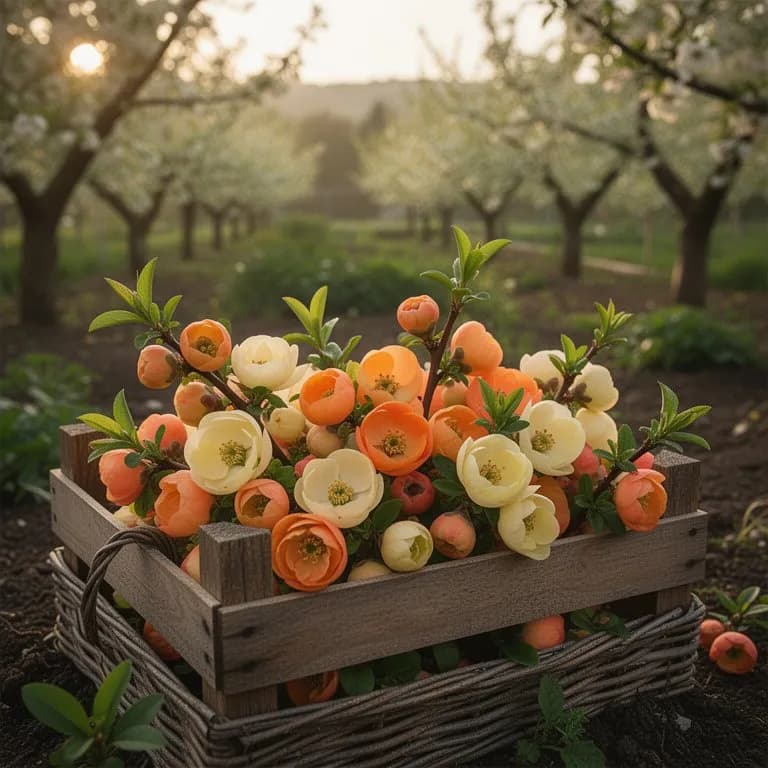
El arbusto alcanza su máximo valor ornamental, cubierto de racimos de flores de cinco pétalos en tonos que van del blanco al coral, salmón, rosa y rojo escarlata intenso. Las abejas y los primeros polinizadores se sienten muy atraídos en esta etapa.
Crecimiento vegetativo y fructificación
Las hojas aparecen y el arbusto pasa a un crecimiento vegetativo activo durante la primavera y el verano. A partir de flores polinizadas se desarrollan pequeños frutos duros, parecidos a una manzana, que aumentan de tamaño gradualmente durante el verano.
Maduración del fruto
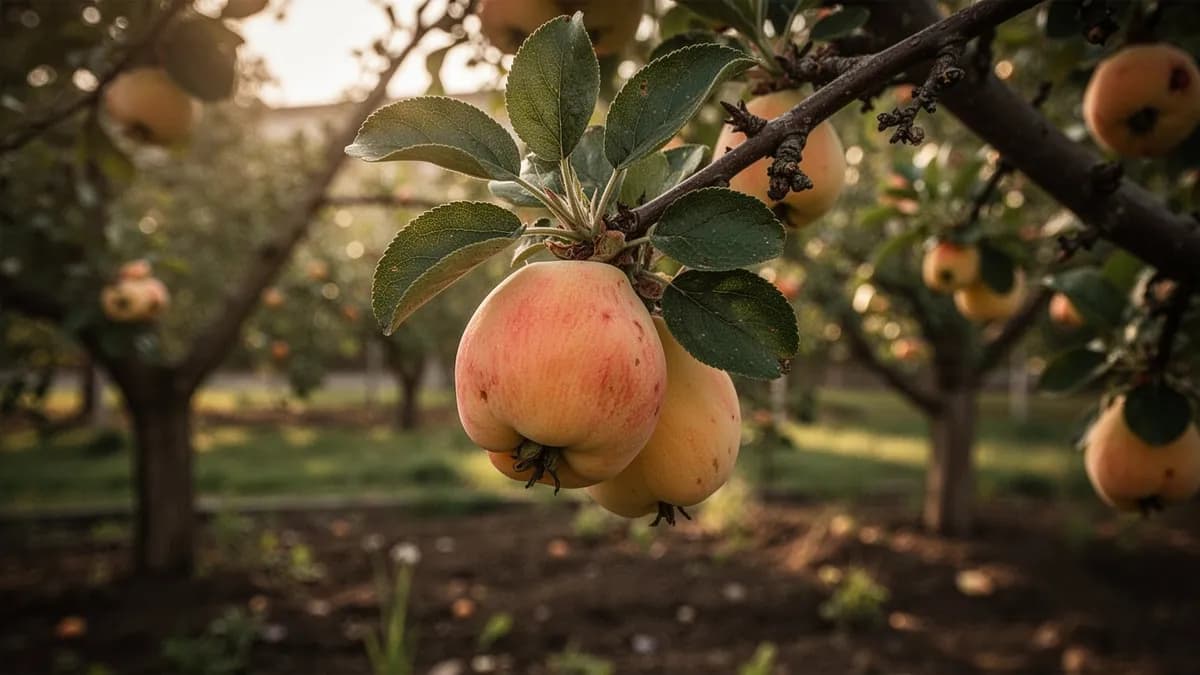
Los frutos pasan de verde a amarillo verdoso o amarillo dorado a comienzos o mediados del otoño. Aunque crudos son duros y ásperos, en este momento desarrollan todo su aroma y complejidad de sabor para usos culinarios.
Descanso otoñal
Las hojas caen y el arbusto entra en dormancia. La silueta austera de las ramas arqueadas y espinosas se convierte en un elemento arquitectónico del jardín invernal. Las yemas florales del año siguiente ya están formadas en la madera de la temporada anterior.
Mantenga el suelo uniformemente húmedo, pero nunca encharcado. Evite fertilizar durante esta fase, ya que puede quemar las raíces en desarrollo antes de que estén establecidas.
Cuidar Membrillero japonés mes a mes
Qué hacer cada mes para tu Membrillero japonés
Octubre
Mes actualComplete la cosecha antes de que las heladas fuertes dañen el fruto. El follaje empieza a tornarse amarillo y a caer. Este es un mes ideal para trasplantar arbustos ya establecidos si hace falta moverlos, ya que la planta entra en dormancia.
Ten claro qué hacer en tu huerto, cada mes
Un correo al empezar cada mes: qué sembrar, plantar y hacer ahora mismo — para tu Membrillero japonés y todo lo que crece alrededor. Más un breve curso inicial para esquivar los errores clásicos.
- Qué hacer ahora mismo
- Ajustado a tu temporada
- Curso inicial incluido
Cosechar Membrillero japonés
Los frutos del membrillero japonés maduran de septiembre a octubre, pasando de verde a amarillo dorado y desprendiendo un aroma dulce e intenso. El fruto es extremadamente duro y demasiado áspero para comerlo crudo. Coseche cuando haya desarrollado todo su color y fragancia, recogiendo con un giro suave. Deje los frutos en el arbusto todo lo que pueda antes de la primera helada fuerte para maximizar el desarrollo del sabor. Incluso después de helar, el fruto sigue siendo utilizable. Algunos jardineros recogen los frutos una vez caídos de forma natural, ya que se ablandan ligeramente en el suelo.
se supone que plantas al comenzar el periodo — indica tu fecha real
Cosecha Membrillero japonés a tiempo y la planta sigue produciendo.
Almacenamiento y conservación
Los frutos del membrillero japonés se conservan bien durante varias semanas a temperatura ambiente, perfumando la casa con su aroma dulce. En refrigeración duran dos o tres meses. El uso principal es la jalea, que cuaja de maravilla sin pectina añadida gracias al alto contenido natural de pectina de la fruta. Puede hacer pasta de membrillo cocinando lentamente la pulpa con azúcar. El zumo puede extraerse cociendo a fuego lento los frutos troceados en agua y colándolos con una gasa; después se usa como base para jalea o jarabe.
Qué falla — y cómo solucionarlo
Roya del cedro y del membrillo
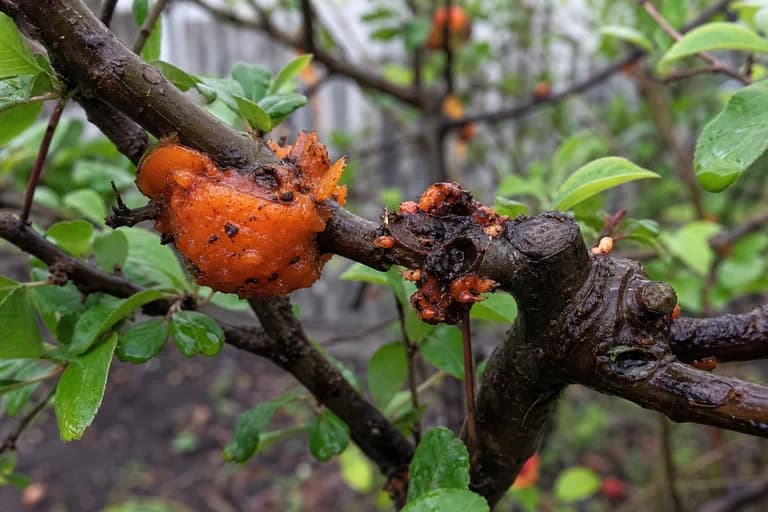
EnfermedadAgallas gelatinosas anaranjadas en las ramas en primavera; frutos deformados y ramitas con estructuras de color naranja intenso que producen esporas.
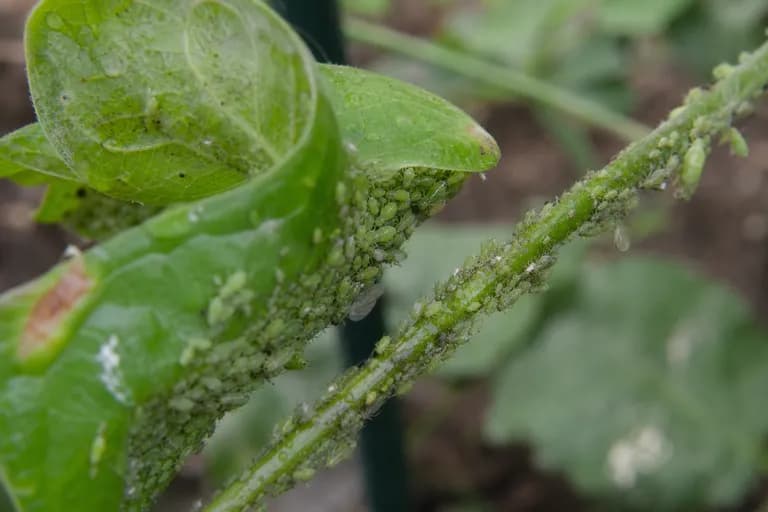
Pulgones
PlagaGrupos de pequeños insectos verdes o negros en los brotes nuevos; hojas rizadas y deformadas; melaza y fumagina.
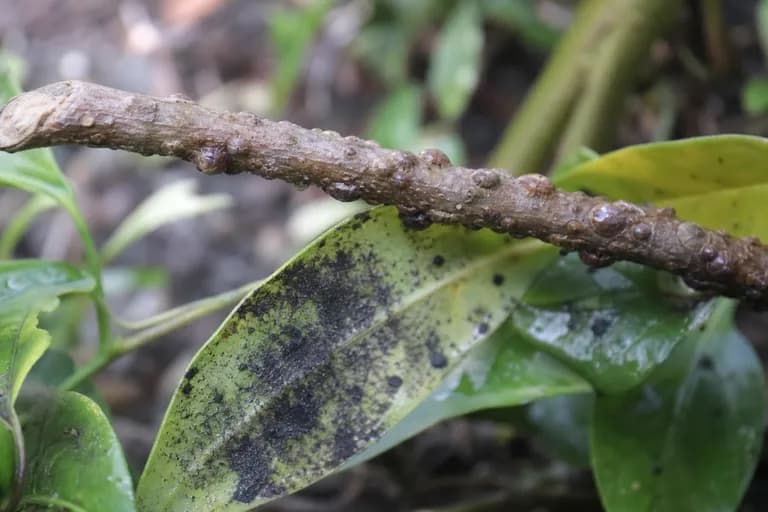
Cochinillas
PlagaPequeñas protuberancias inmóviles y cerosas en ramas y ramillas; muerte regresiva de ramas en infestaciones graves; secreciones de melaza.
Solución de problemas comunes
Las ramas espinosas pueden resultar molestas cerca de caminos y zonas de juego, así que elija el emplazamiento con cuidado. Algunas variedades producen muchos brotes basales y pueden extenderse más allá del área prevista. La roya del membrillo y del cedro puede resultar antiestética en zonas con muchos enebros, pero rara vez amenaza la salud de la planta. Las enfermedades de manchas foliares pueden provocar defoliación prematura en veranos húmedos, aunque son más un problema estético que dañino. La producción de fruta suele pasar desapercibida porque muchos jardineros no saben que los pequeños frutos duros son comestibles una vez cocidos. Los conejos pueden ramonear los brotes jóvenes en invierno.
Consejos de cultivo
- Plante al menos dos cultivares distintos a menos de 10 metros de distancia para asegurar la polinización cruzada, lo que aumenta de forma espectacular el cuajado frente a cultivar un solo ejemplar aislado.
- El membrillero japonés florece sobre madera vieja formada la temporada anterior, así que complete siempre cualquier poda o modelado inmediatamente después de que termine la floración primaveral; podar en otoño o invierno elimina las yemas florales del año siguiente.
- El arbusto tolera mejor los suelos arcillosos pesados que la mayoría de los arbustos ornamentales, pero las condiciones permanentemente encharcadas pueden favorecer la pudrición de raíces y el fuego bacteriano; mejore el drenaje con grava o con una plantación elevada si su suelo retiene agua.
- Entrene los brotes jóvenes contra una pared cálida orientada al sur o al oeste como espaldera para maximizar la floración y la producción de fruta, manteniendo el crecimiento espinoso de forma segura y plana contra la superficie: una técnica perfeccionada por los jardineros victorianos de huerto.
- Evite aplicar fertilizantes con mucho nitrógeno, que favorecen un crecimiento vegetativo exuberante a expensas de la floración; en su lugar, use a comienzos de la primavera un abono bajo en nitrógeno y alto en potasio, como un fertilizante para tomates, para fomentar una floración abundante.
- Las ramas cortadas a finales de enero o febrero y colocadas en un jarrón interior con agua templada romperán la dormancia y florecerán en 2 a 3 semanas, proporcionando uno de los arreglos de flor cortada más bienvenidos del invierno sin coste alguno.
- Su hábito denso y espinoso hace del membrillero japonés un seto de seguridad eficaz y atractivo; plante de 90 a 120 cm de separación y deje que se naturalice sin podas anuales fuertes para obtener la barrera más impenetrable.
- Recoja con prontitud los frutos caídos en otoño, ya que pueden atraer avispas y convertirse en un peligro de resbalón en superficies pavimentadas; alternativamente, repártalos en un rincón para fauna, donde su fragancia y contenido nutritivo beneficien a aves y pequeños mamíferos.
- Suprima la competencia de césped y malas hierbas dentro de un radio de 45 cm desde la base del arbusto: las raíces del membrillero son superficiales y compiten mal con el césped; un anillo de mantillo permanente mejora mucho el vigor de la planta y la calidad de la floración.
- En climas muy fríos por debajo de la zona 4, plante el arbusto contra una pared sur protegida y acolche en profundidad la zona radicular a finales del otoño para protegerlo de las fluctuaciones térmicas más severas.
Cultiva tu mejor Membrillero japonés — y todo lo que la rodea.
Empieza un plan gratis hoy. Diseña tus bancales, coloca tu Membrillero japonés y deja que PlotMyGarden gestione el momento, el espaciado, las asociaciones y los recordatorios de la semilla a la cesta.
Elige tu Membrillero japonés
Texas Scarlet
Una variedad compacta con flores de un rojo tomate brillante y buena producción de fruta; apenas alcanza uno a uno y medio metros de altura.
Toyo-Nishiki
Una variedad llamativa con flores rosas, blancas y rojas que aparecen simultáneamente en la misma rama.
Cameo
Flores dobles de color rosa melocotón en un arbusto compacto; menos espinoso que la mayoría de las variedades y con cuajado moderado.
Jet Trail
Flores blancas puras en un arbusto de porte extendido; excelente para setos con una fructificación fiable.
Un solo membrillero japonés ya establecido produce entre 2 y 5 kg de fruta al año, que puede transformarse en conservas, jaleas y pastas de fruta (membrillo) de primera calidad. La jalea artesanal de membrillo y el membrillo comercializado se venden en tiendas gourmet entre 12 y 25 dólares por tarro de 200 g. Un arbusto productivo puede dar fruta suficiente para 15 a 30 tarros de conserva por temporada, lo que representa entre 180 y 750 dólares de valor minorista equivalente a partir de una planta que cuesta entre 25 y 40 dólares en vivero y requiere insumos mínimos. Más allá del fruto, el membrillero japonés elimina la necesidad de comprar arbustos ornamentales caros para las borduras de primavera, y su uso como seto vivo espinoso puede sustituir vallas de seguridad comerciales.
Recetas rápidas
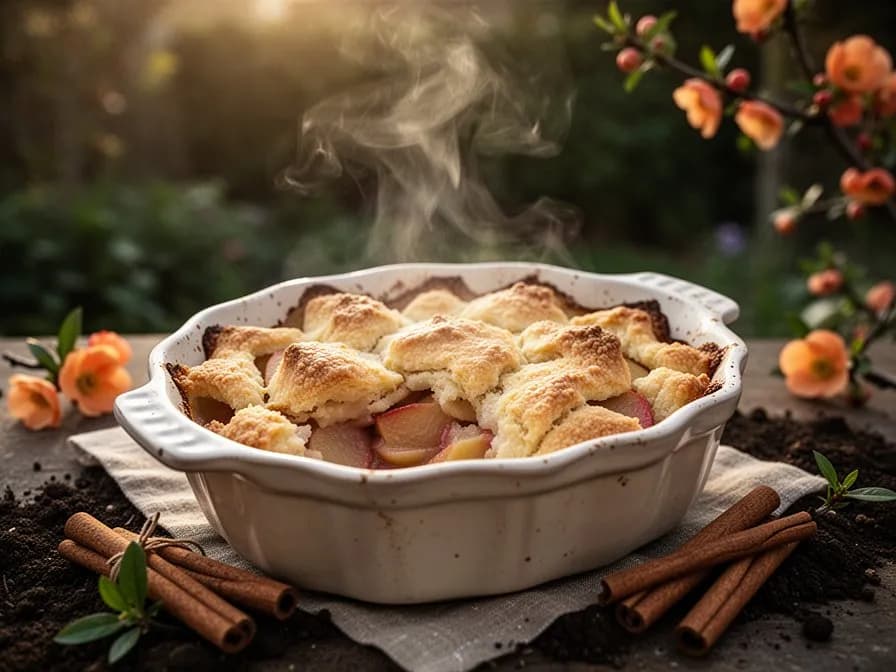
Jalea de membrillero japonés
45 minutos activos, más colado nocturnoUna jalea de tonos joya y aroma intenso que captura la esencia floral, parecida a la de la manzana, del fruto. Su contenido natural de pectina hace que cuaje firmemente sin aditivos comerciales. Sírvala sobre tostadas con mantequilla o con cheddar curado y embutidos.
5 ingredientesJarabe de miel infusionado con membrillero japonés
20 minutosUn jarabe fragante perfecto para cócteles, aliños de ensalada o para rociar sobre yogur griego y helado. El aroma floral del membrillero japonés se infusiona maravillosamente en la miel templada, creando un básico versátil para la despensa.
6 ingredientesMembrillo asado lentamente con especias
15 minutos de preparación, 90 minutos de asadoUn asado lento y suave transforma la fruta cruda, dura y áspera en láminas tiernas, de color rosa suave, con un sabor complejo y perfumado que combina de maravilla con cerdo asado, aves de caza o como postre con nata cuajada.
7 ingredientesUsos culinarios
Los frutos del membrillero japonés dan una jalea excepcional que cuaja firmemente sin pectina añadida y tiene un sabor brillante, ácido y floral. La fruta dura debe cocerse a fuego lento en agua para extraer el zumo, que luego se mezcla con azúcar y se hierve hasta el punto de gelificación. Use el zumo colado como base para jarabe con el que aromatizar cócteles y agua con gas. Pequeñas cantidades de zumo de membrillero japonés añadidas a la sidra de manzana u otras jaleas de fruta mejoran el sabor y el cuajado. La fruta también puede transformarse en una pasta rústica similar al membrillo.
Qué contiene
Beneficios para la salud
- El fruto contiene altas concentraciones de antioxidantes polifenólicos, en particular ácido clorogénico, que según las investigaciones puede ayudar a reducir el estrés oxidativo y la inflamación asociados con enfermedades crónicas.
- La medicina tradicional china ha usado preparaciones del fruto de Chaenomeles durante siglos para aliviar calambres musculares, dolor articular y molestias digestivas; usos que la investigación moderna sugiere que podrían estar vinculados a sus fitoquímicos antiinflamatorios y antiespasmódicos.
- Su contenido de pectina, excepcionalmente alto, favorece la salud digestiva al actuar como fibra prebiótica que alimenta bacterias intestinales beneficiosas y puede ayudar a regular la glucosa al ralentizar la absorción de azúcar.
- Las flores del membrillero japonés contienen flavonoides como quercetina y rutina, asociados con la protección cardiovascular al apoyar una función saludable de los vasos sanguíneos y reducir la agregación plaquetaria.
- El importante contenido de vitamina C del fruto apoya la función del sistema inmunitario, la síntesis de colágeno para la salud de la piel y las articulaciones, y mejora la absorción de hierro no hemo de los alimentos vegetales.
- Los taninos presentes en el fruto y la corteza han demostrado propiedades antimicrobianas en estudios de laboratorio y se han usado históricamente de forma tópica en cataplasmas para tratar infecciones cutáneas leves y afecciones inflamatorias de la piel.
De dónde viene Membrillero japonés
El membrillero japonés (Chaenomeles speciosa) procede de China, donde se ha cultivado durante más de mil años tanto como planta ornamental de jardín como fuente de frutos medicinales. Registros históricos del periodo de la dinastía Tang mencionan la planta en el diseño de jardines y en la medicina tradicional, donde el fruto se prescribía para tratar trastornos digestivos, reumatismo y calambres musculares. Los herbolarios chinos valoraban una preparación hecha a partir del fruto seco y cortado, conocida como mu gua, que sigue siendo un ingrediente de la medicina tradicional china hasta hoy.
La planta se introdujo en Japón, donde quedó profundamente integrada en la tradición cultural del bonsái. Los cultivadores japoneses seleccionaron durante generaciones formas enanas y de ramificación fina, creando la célebre clase 'chojubai' de bonsáis, que continúa alcanzando precios altos entre los coleccionistas de todo el mundo. La fascinación japonesa por la silueta invernal de la planta y sus primeras flores encajó perfectamente con los principios estéticos del wabi-sabi, una apreciación de la belleza que convive con la transitoriedad y la imperfección.
Los botánicos europeos encontraron el membrillero japonés por primera vez durante las expediciones de exploración botánica de finales del siglo XVIII. El botánico sueco Carl Peter Thunberg, discípulo de Carl Linneo, describió y clasificó la planta tras sus viajes a Japón entre 1775 y 1776. Se introdujo en los jardines europeos en 1796 y pronto se puso de moda en Gran Bretaña, Francia y Alemania, donde a menudo se entrenaba como arbusto en espaldera contra muros para aprovechar el calor reflejado por la mampostería orientada al sur.
Los jardineros norteamericanos adoptaron con entusiasmo el membrillero japonés durante el siglo XIX, y amplios programas de hibridación tanto en Estados Unidos como en Europa produjeron la amplia paleta de cultivares disponibles hoy en día: desde variedades blancas puras como 'Nivalis' hasta todos los tonos de rosa, coral, salmón y naranja, y los cultivares rojo sangre más intensos como 'Texas Scarlet' y 'Crimson and Gold'. Hoy el membrillero japonés se considera un arbusto de jardín multiestacional indispensable en climas templados de todo el mundo, valorado por igual por sus flores de febrero, su fruto estival y su estructura invernal.
Membrillero japonés: ¿sabías que?
Datos fascinantes sobre Membrillero japonés
El membrillero japonés (Chaenomeles speciosa) no es la misma planta que el membrillo verdadero comestible (Cydonia oblonga), aunque ambas pertenecen a la familia de las rosáceas y producen frutos de aspecto similar.
Membrillero japonés: preguntas frecuentes
¿Cuándo debo plantar Membrillero japonés?
¿En qué zonas de rusticidad puede crecer Membrillero japonés?
¿Cuánto sol necesita Membrillero japonés?
¿A qué distancia debo espaciar Membrillero japonés?
¿Qué plagas y enfermedades afectan a Membrillero japonés?
¿Cómo almaceno Membrillero japonés después de la cosecha?
¿Cuáles son las mejores variedades de Membrillero japonés para cultivar?
¿Qué suelo necesita Membrillero japonés?
¿Puedo comer los frutos del membrillero japonés o son solo ornamentales?
¿Por qué mi membrillero japonés no florece aunque se ve sano?
¿Cómo manejo las espinas con seguridad al podar o cosechar?
¿Qué tamaño alcanza el membrillero japonés y puedo mantenerlo pequeño en un espacio reducido?
Acabas de leer la teoría. Ahora cultívala en piloto automático.
Todo lo que hace que Membrillero japonés sea delicado — el momento, el espaciado, las asociaciones, la ventana de cosecha — es justo lo que PlotMyGarden resuelve por ti, para cada planta de tu huerto.
Un plan que conoce tu clima
Indica tu ubicación una vez. Recibe fechas de siembra, abonado y cosecha basadas en tu última helada real y el pronóstico en vivo — sin adivinar con un sobre genérico.
De la sección “Cuándo plantar”Planificador de bancales de arrastrar y soltar
Diseña bancales sobre una cuadrícula. Cada planta encaja con su espaciado correcto y ves toda la temporada antes de gastar un céntimo en semillas.
De la sección “Cultivo”Conflictos de asociación, detectados a tiempo
Más de 200 buenas y malas combinaciones comprobadas en vivo mientras plantas — para que un error que arruine la temporada nunca llegue a la tierra.
De la sección “Asociaciones”Recordatorios que sí vas a seguir
“Riega las judías.” “Recoge hoy antes de que se pase.” Oportunos, concretos y ligados a las plantas que de verdad cultivas.
De la sección “Cosecha”Escalonado, programado
¿Quieres cosechar seis semanas en vez de seis días? Reparte tus siembras automáticamente y te avisa cuando toca el siguiente lote.
De la sección “Cuándo plantar”Un registro que se vuelve más listo
Cada cosecha que registras le enseña tu huerto. El plan del año que viene parte de lo que de verdad funcionó en tu suelo, no en un manual.
De la sección “Resumen”Más Frutas de pepita
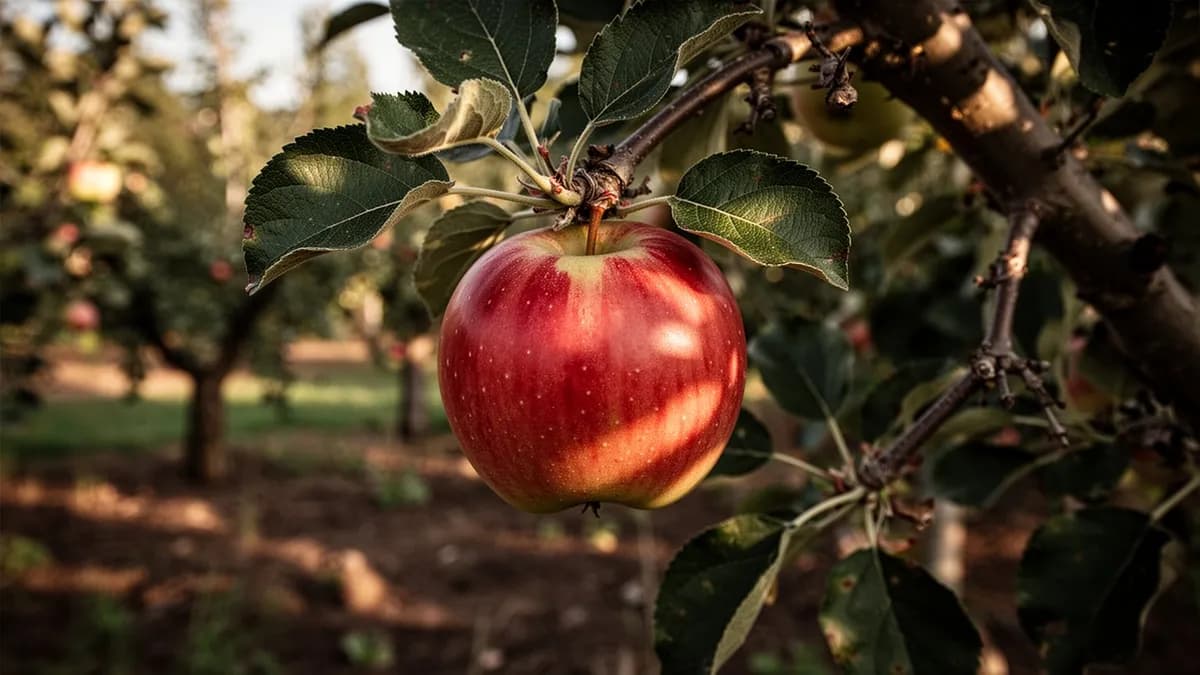
Cultiva tu mejor Membrillero japonés — y todo lo que la rodea.
Empieza un plan gratis hoy. Diseña tus bancales, coloca tu Membrillero japonés y deja que PlotMyGarden gestione el momento, el espaciado, las asociaciones y los recordatorios de la semilla a la cesta.