Portulakröschen
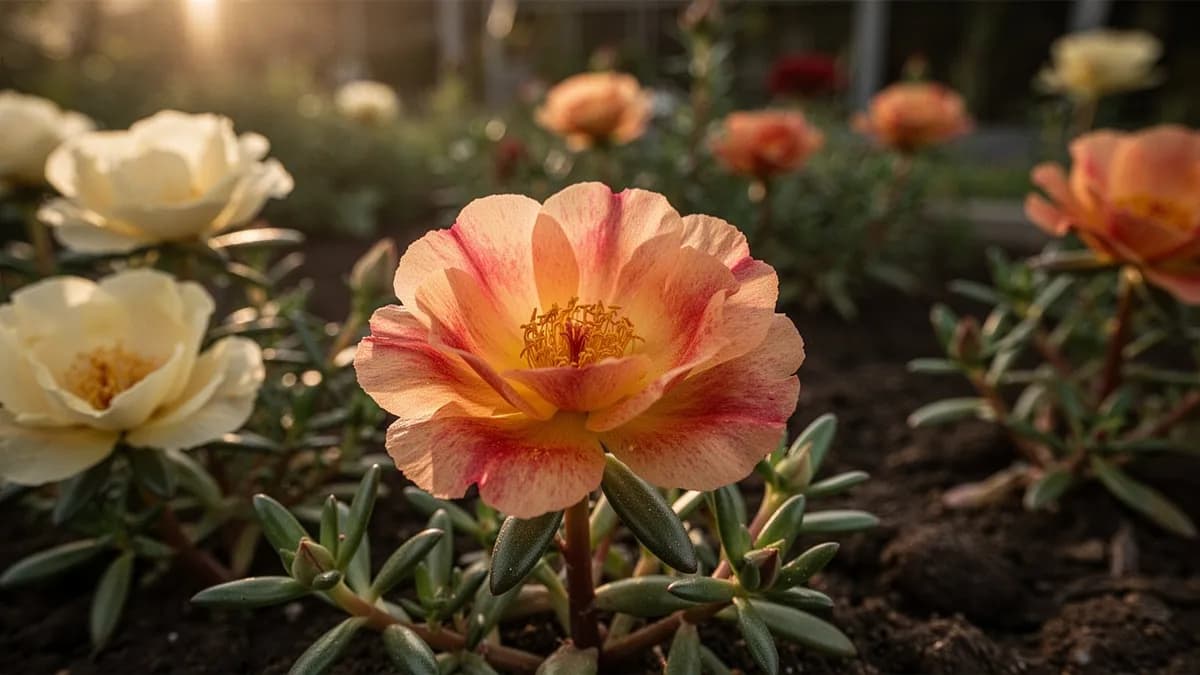
Ein niedrig wachsendes, sukkulentes Sommerblümchen mit leuchtenden, rosenähnlichen Blüten, die sich bei voller Sonne öffnen und an bewölkten Tagen schließen.





Auf dieser SeiteÜberblick
Portulakröschen im Überblick
Ein niedrig wachsendes, sukkulentes Sommerblümchen mit leuchtenden, rosenähnlichen Blüten, die sich bei voller Sonne öffnen und an bewölkten Tagen schließen. Das Portulakröschen gedeiht bei heißen, trockenen Bedingungen und in armem, sandigem Boden, wo nur wenige andere Pflanzen überleben. Es eignet sich hervorragend als Bodendecker für trockene Hänge, Steingärten und Fugen zwischen Pflastersteinen.
Wann Portulakröschen pflanzen
Portulakröschen-Samen sind extrem winzig und sollten auf die Oberfläche von sandigem oder kiesigem Boden gestreut werden, ohne sie zu bedecken, da Licht für die Keimung benötigt wird. Säen Sie direkt im Freien nach dem letzten Frost, wenn der Boden warm ist, oder beginnen Sie sechs bis acht Wochen vorher drinnen, indem Sie die Samen auf die Oberfläche einer sandigen Anzuchterde streuen. Halten Sie 21 bis 29 Grad Celsius für die Keimung in zehn bis vierzehn Tagen. Gießen Sie die Sämlinge nicht zu viel. Portulakröschen sät sich in warmen Klimazonen reichlich selbst aus, erwarten Sie also in den folgenden Jahren freiwillige Sämlinge.
Dein Portulakröschen-Jahr
Abgestimmt auf Zone 7 · typische Saison · Frost geht um den 2. Apr. und kehrt um den 1. Nov. zurück
Portulakröschen Mai – Jun pflanzen, Jun – Sep ernten. Beachte die Pflanzmethoden unten und wähle dein Klima für passende Zeiträume.
So baust du Portulakröschen an
Portulakröschen benötigen Wärme, Sonne und eine ausgezeichnete Drainage. Setzen Sie Jungpflanzen oder säen Sie Samen direkt im Freien aus, nachdem alle Frostgefahr vorüber ist und die Bodentemperaturen konstant warm sind – mindestens 18 Grad Celsius. Setzen Sie die Pflanzen im Abstand von 15 bis 20 Zentimetern an den heißesten, trockensten und sonnigsten Platz in Ihrem Garten. Portulakröschen gedeihen in sandigem, kiesigem und sogar steinigem Boden, in dem andere Pflanzen versagen würden.
Verbessern Sie den Boden nicht mit Kompost oder Dünger, da Portulakröschen tatsächlich am besten in mageren, armen Verhältnissen gedeihen. Nährstoffreicher Boden fördert langes, schlaffes Laubwachstum auf Kosten der Blüten. Gießen Sie nur beim Einpflanzen, um die Wurzeln einzuschlämmen, und lassen Sie die Pflanzen dann im Wesentlichen in Ruhe. Die sukkulenten, nadelförmigen Blätter speichern Wasser effizient, was das Portulakröschen zu einer der trockenheitsresistentesten Sommerblumen macht.
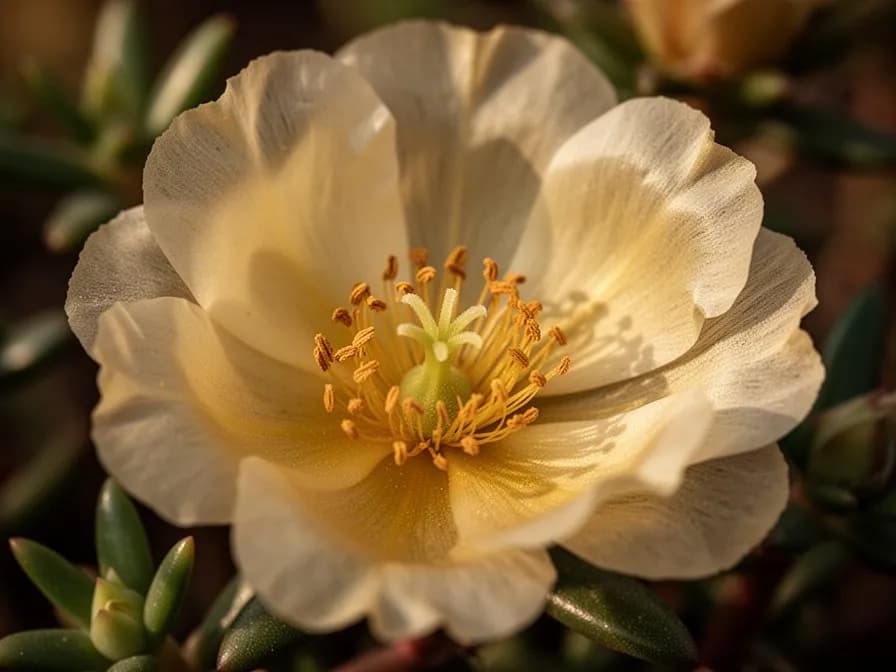
Die Blüten des Portulakröschens öffnen sich bei direkter Sonneneinstrahlung und schließen sich an bewölkten Tagen und abends. Neuere gefüllt blühende Sorten bleiben tendenziell länger geöffnet als ältere einfache Typen. Die Pflanzen breiten sich zu einem niedrigen, dichten Teppich von zehn bis fünfzehn Zentimetern Höhe aus, der Unkraut unterdrückt und Lücken zwischen Trittsteinen, an den Rändern trockener Mauern und in Steingartenspalten füllt. Das Portulakröschen sät sich in warmen Klimazonen bereitwillig selbst aus und erscheint im folgenden Jahr aus abgefallenen Samen wieder.
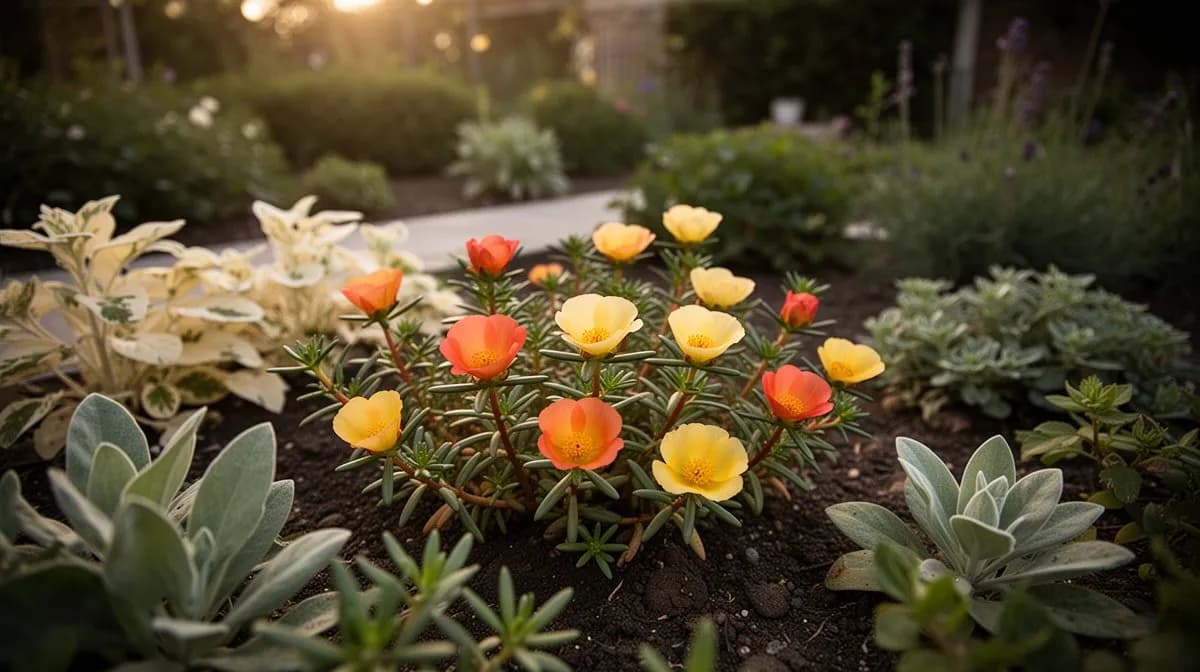
128 Pflanzen passen in ein Beet von 120 × 240 cm
Portulakröschen braucht 15 cm Platz pro Pflanze. Der Planer hält diesen Abstand für dich ein — jede Pflanze, jedes Beet.
Die besten Nachbarn für Portulakröschen
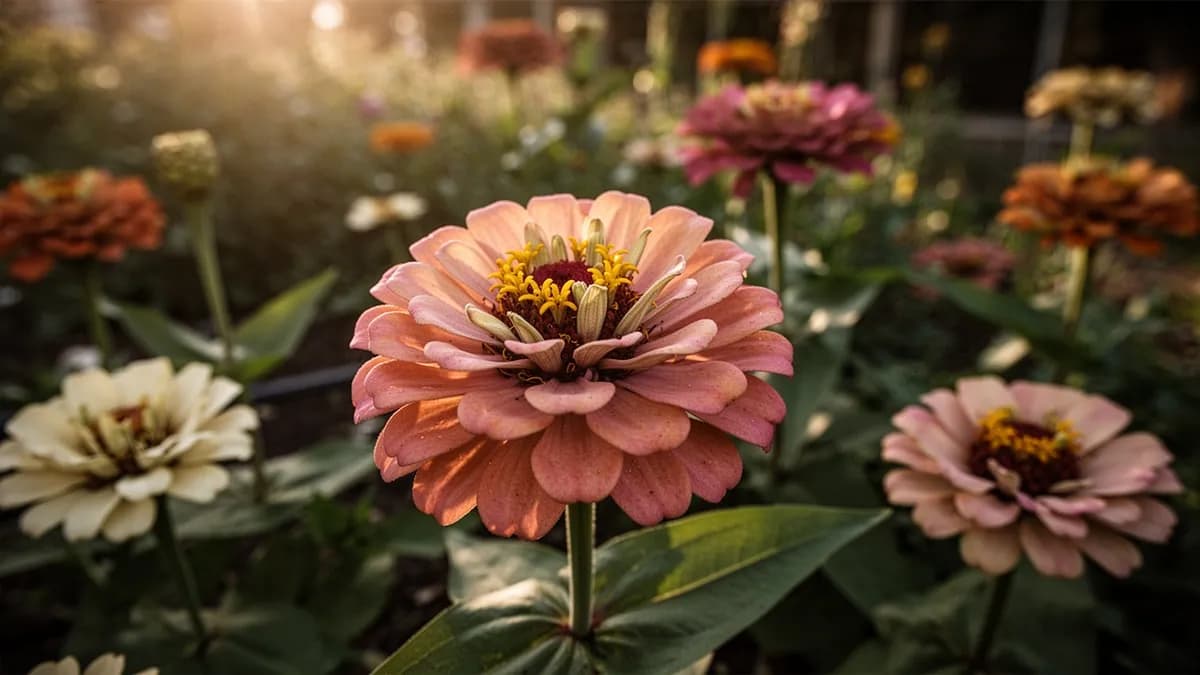
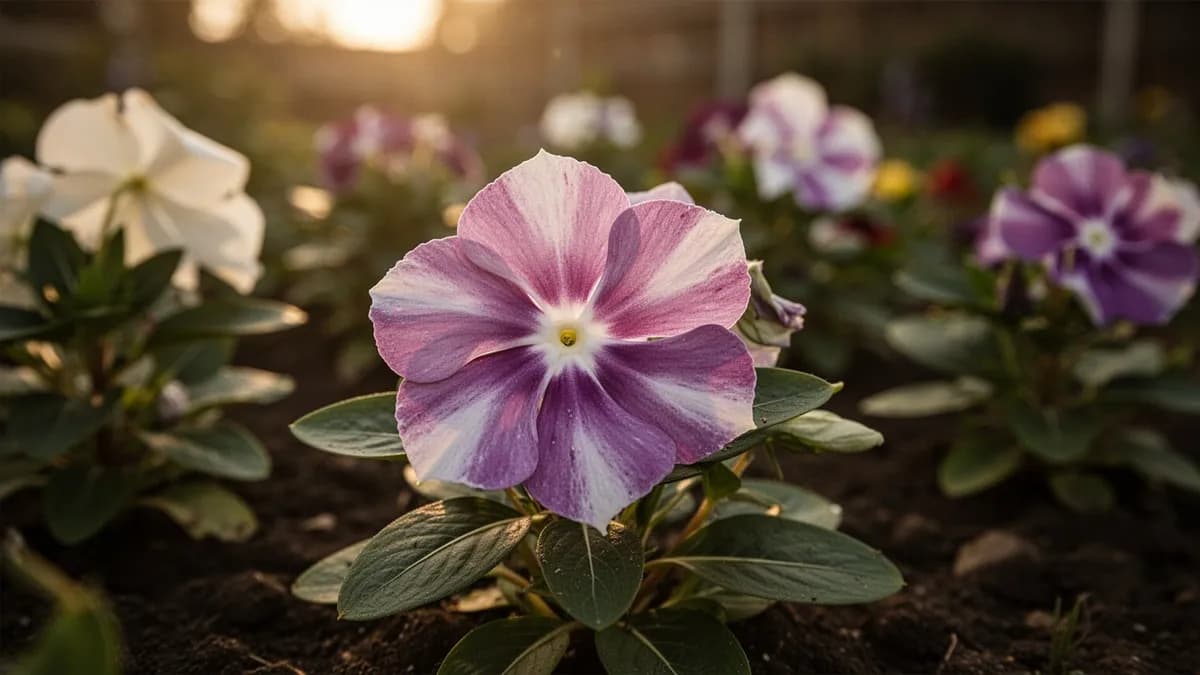
Portulakröschen lassen sich gut mit anderen trockenheitstoleranten Sonnenliebhabern wie Vinca, Lantana, Gazanie und Sedum in heißen, trockenen Beeten und Steingärten kombinieren. Es eignet sich ideal als lebender Mulch rund um die Basis hoher, sonnenliebender Pflanzen wie Ziergräser und Yucca. Pflanzen Sie es in die Zwischenräume von Trittsteinen, entlang trockener Steinmauern und in Steingartentaschen. Vermeiden Sie die Kombination mit feuchtigkeitsliebenden Pflanzen, da die Wasseransprüche des Portulakröschens diametral entgegengesetzt zu den meisten traditionellen Gartenblumen sind.
Studentenblume gehört daneben.
Altes Gärtnerwissen, geprüft an der echten Nachbartabelle von Portulakröschen — teste jede Pflanze, die du anbaust.
Probiere Portulakröschen direkt hier im Beet
Ein echtes Planer-Beet, Portulakröschen steht schon drin. Tippe einen Begleiter an, platziere ihn und sieh, wie die Nachbarschaftsprüfung antwortet — grün für gute Nachbarn, rot bei Streit.


Passende Anbau-Ratgeber

Richtig düngen
Portulakröschen gedeihen in armem, sandigem, kiesigem oder steinigem Boden mit scharfer Drainage und einem neutralen bis leicht sauren pH-Wert. Nährstoffreicher, verbesserter Boden ist aktiv schädlich und fördert üppiges Laub bei reduzierter Blüte. Geben Sie keinen Kompost, Dünger oder wasserspeichernde Zusätze hinzu. Wenn Sie in Gefäßen anbauen, verwenden Sie eine Kakteen- und Sukkulentenerde anstelle von Standard-Blumenerde. Eine einzige leichte Gabe von ausgewogenem Dünger beim Einpflanzen ist das Maximum, und viele Gärtner verzichten ganz auf Dünger.
Ideale Temperatur
Winterhärtezone-Kompatibilität
Von der Saat zur Ernte, Schritt für Schritt
Samenkeimung
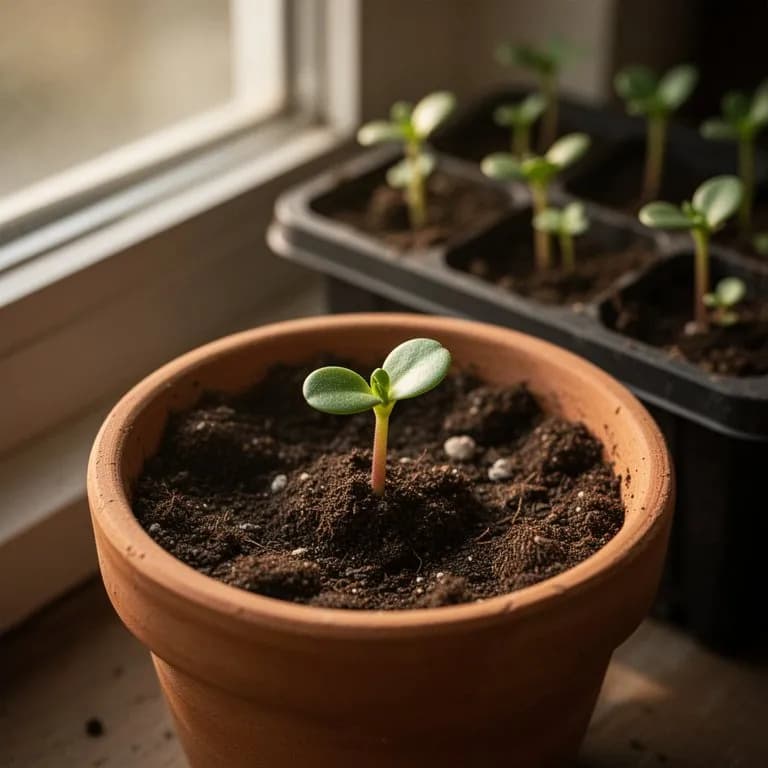
Portulakröschen-Samen sind außerordentlich klein – nahezu staubfein – und benötigen warme Bodentemperaturen von 21–27 °C und Licht zum Keimen. Die Samen sollten auf die Oberfläche gesät und vorsichtig auf feuchte Erde gedrückt werden, ohne sie zu bedecken. Unter idealen Bedingungen erfolgt die Keimung in 7–14 Tagen, wobei winzige sukkulente Keimblätter als erstes sichtbares Wachstum erscheinen.
Sämlingsentwicklung
Echte Blätter erscheinen als winzige, nadelförmige sukkulente Strukturen. Die Sämlinge sind sehr klein und wachsen anfangs langsam, wobei sie eine kompakte Rosette bilden. Das Wurzelsystem beginnt sich zu etablieren, und die Stängel beginnen sich mit Paaren fleischiger zylindrischer Blätter zu strecken. Die Sämlinge sind zart, aber überraschend trockenheitstolerant, selbst in diesem frühen Stadium.
Vegetatives Wachstum und Ausbreitung
Die Pflanzen beginnen ihren charakteristischen hängenden Wuchs, wobei sie Triebe in alle Richtungen aussenden, um den Boden schnell zu bedecken. Das sukkulente Laub verdickt sich und verzweigt sich reichlich. Jede Pflanze kann sich während dieser kräftigen Phase 30–45 cm ausbreiten und bildet einen dichten, niedrigen Teppich aus ineinander verschlungenen Stängeln und fleischigen Blättern.
Frühe Blüte
Die ersten Blütenknospen erscheinen an den Triebspitzen, und die Pflanze beginnt ihre charakteristischen seidigen Blüten in Schattierungen von Rosa, Magenta, Rot, Orange, Gelb, Weiß und Koralle zu produzieren. Gefüllt blühende Sorten bringen gerüschte, rosenähnliche Blüten von bis zu 5 cm Durchmesser hervor. Jede Blüte öffnet sich im Morgensonnenlicht und schließt sich am späten Nachmittag oder an bewölkten Tagen.
Blütenhöhepunkt
Die Pflanzen erreichen ihr volles Zierpotenzial mit Massen leuchtender Blüten, die sich täglich über den gesamten Laubteppich öffnen. Bestäubende Insekten besuchen häufig, und Samenkapseln beginnen sich an verblühten Blüten zu bilden. Die Pflanze breitet sich weiter aus und produziert neue blühende Triebe während dieser ausgedehnten Hochphase, die wochenlange ununterbrochene Farbe bietet.
Samenbildung und Spätsaison
Die Blüte lässt allmählich nach, wenn die Temperaturen im Herbst sinken. Samenkapseln reifen und platzen auf, wobei Tausende winziger dunkler Samen freigesetzt werden, die im Boden überwintern und im folgenden Frühjahr keimen können. In frostfreien Klimazonen (Zonen 10–11) kann das Portulakröschen als kurzlebige Staude bestehen bleiben, aber in den meisten Gebieten vollendet es seinen einjährigen Lebenszyklus mit dem ersten Frost.
Überwinterung (nur frostfreie Zonen)
In den USDA-Zonen 10–11 kann das Portulakröschen als zarte Staude den Winter überleben, obwohl das Wachstum bei kürzeren Tagen und kühleren Temperaturen deutlich nachlässt. Pflanzen können während der Wintermonate lang und spärlich werden. In kühleren Zonen ist das Portulakröschen streng einjährig und überlebt keinen Frost, aber selbst ausgesäte Samen bringen oft ohne jedes Zutun eine neue Generation im folgenden Frühjahr hervor.
Bedecken Sie die Samen nicht – sie brauchen Licht zum Keimen. Besprühen Sie die Bodenoberfläche vorsichtig, um die feinen Samen nicht zu verdrängen. Verwenden Sie eine Saatschale mit transparenter Abdeckung, um Wärme und Feuchtigkeit bis zum Aufgehen zu halten. Bodenbewässerung verhindert das Wegschwemmen der Samen.
Portulakröschen Monat für Monat pflegen
Was du jeden Monat für deine Portulakröschen tun solltest
Oktober
Aktueller MonatIn den Zonen 7 und darunter tötet der erste Frost die Portulakröschen-Pflanzen – ziehen Sie abgestorbene Pflanzen heraus und kompostieren Sie sie. Abgefallene Samen überwintern in vielen Gebieten natürlich im Boden. In den Zonen 9–11 blühen die Pflanzen sporadisch weiter und können mit reduzierter Vitalität den Winter überdauern.
Immer wissen, was jetzt im Garten zu tun ist
Eine E-Mail zum Monatsanfang: was du jetzt säen, pflanzen und anpacken solltest — für deine Portulakröschen und alles, was drumherum wächst. Dazu ein kurzer Startkurs, der dich vor den klassischen Fehlern bewahrt.
- Was jetzt zu tun ist
- Passend zu deiner Saison
- Startkurs inklusive
Portulakröschen ernten
Das Portulakröschen wird nicht als Schnittblume verwendet, da sich die Blüten schließen, wenn sie dem Sonnenlicht entzogen werden. Ein Ausputzen verblühter Blüten ist nicht erforderlich, da die Pflanzen sich selbst reinigen und kontinuierlich blühen. Zur Samengewinnung lassen Sie einige Blüten kleine, runde Samenkapseln entwickeln, die auf der Pflanze zu einem papierartigen Braun trocknen. Die Kapseln öffnen sich mit einem deckelartigen Verschluss und geben winzige schwarze Samen frei. Sammeln Sie die Kapseln kurz bevor sie sich öffnen, oder stülpen Sie eine Papiertüte über reifende Samenstände. Selbst ausgesätes Portulakröschen kehrt in den folgenden Jahren zurück.
angenommen, du pflanzt zu Beginn des Zeitraums — trage dein tatsächliches Datum ein
Ernte Portulakröschen zügig, dann trägt die Pflanze weiter.
Lagerung & Konservierung
Portulakröschen-Blüten können nicht für Arrangements konserviert werden, da sie sich ohne Sonnenlicht schließen. Die Pflanzen selbst lassen sich jedoch leicht durch Stecklinge vermehren. Schneiden Sie etwa acht Zentimeter lange Triebspitzen ab, lassen Sie die Schnittstelle einen Tag lang verheilen, und stecken Sie sie dann in trockenen, sandigen Boden. Die sukkulenten Stängel wurzeln schnell ohne zusätzliches Wasser. Die Samen sind extrem winzig und können mehrere Jahre in Papierumschlägen an einem kühlen, trockenen Ort aufbewahrt werden. Selbst ausgesäte Samen überleben den Winter im Boden in den Zonen 8 und wärmer.
Was schiefgeht — und die Lösung
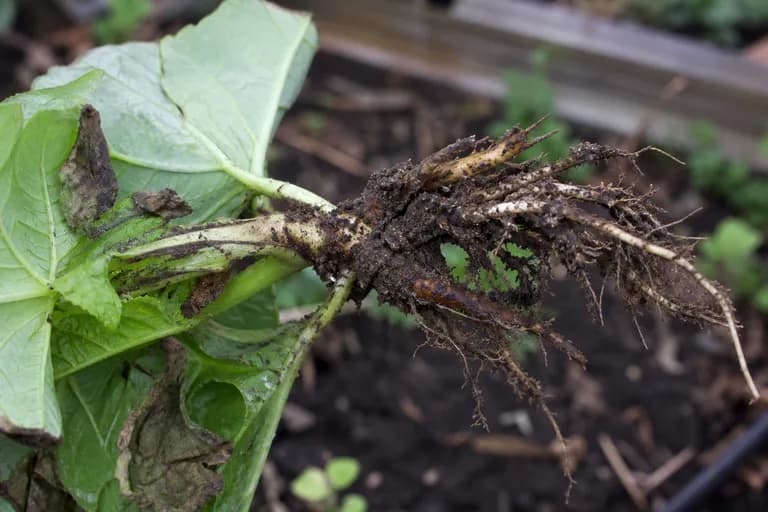
Wurzelfäule
KrankheitPflanzen welken und sacken an der Basis zusammen, wobei die Stängel weich und braun werden. Die Wurzeln sind dunkel und matschig. Tritt ausschließlich bei übermäßiger Bewässerung oder schlechter Drainage auf.
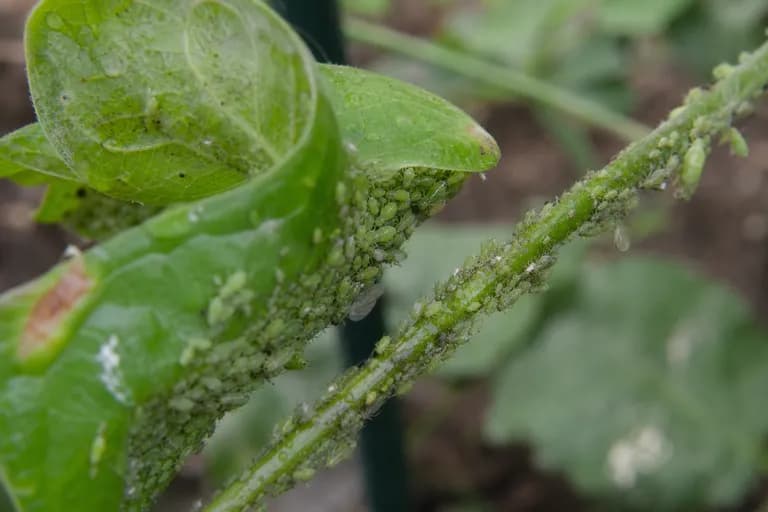
Blattläuse
SchädlingKleine Ansammlungen weichhäutiger Insekten an Triebspitzen, wobei Portulakröschen aufgrund ihres wachsartigen, sukkulenten Laubs selten ernsthaft betroffen sind.
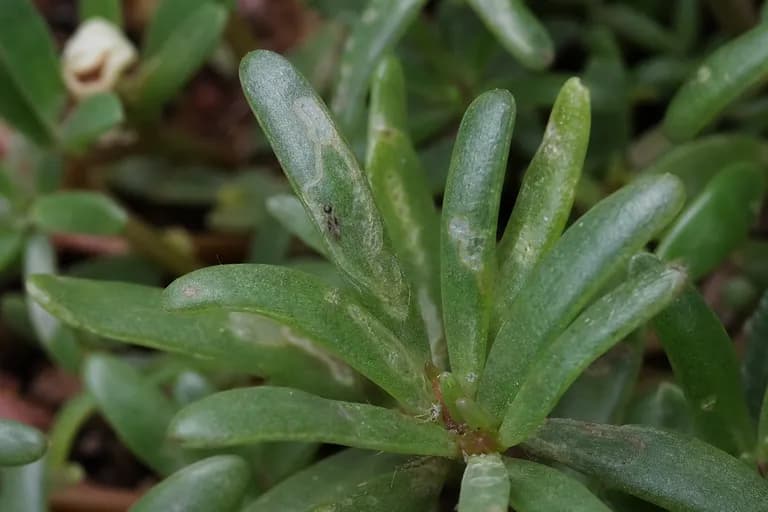
Portulak-Minierfliege
SchädlingGewundene, durchscheinende Gänge oder Minen in den sukkulenten Blättern, verursacht durch winzige Fliegenlarven, die zwischen den Blattoberflächen fressen.
Fehlerbehebung bei häufigen Problemen
Das häufigste Problem ist das Pflanzen von Portulakröschen in zu nährstoffreichem und feuchtem Boden, was zu langem, schlaffem Wuchs, spärlicher Blüte und Wurzelfäule führt. Übermäßiges Gießen tötet mehr Portulakröschen als jeder Schädling oder jede Krankheit. Blüten, die sich an bewölkten Tagen schließen, frustrieren manche Gärtner, obwohl neuere gefüllte Sorten länger geöffnet bleiben. In regenreichen, bedeckten Klimazonen kann das Portulakröschen schlecht gedeihen und ist besser für heiße, trockene, sonnige Regionen geeignet. Die Selbstaussaat kann in warmen Klimazonen aggressiv sein.
Anbautipps
- Wählen Sie den heißesten, am stärksten sonnenbeschienenen Platz in Ihrem Garten – Portulakröschen blühen am reichsten dort, wo andere Pflanzen kämpfen. Südwände, betonnahe Beete und sonnendurchglühte Steingärten sind ideale Standorte, die den natürlichen südamerikanischen Lebensraum nachahmen.
- Verbessern Sie den Boden niemals mit nährstoffreichem Kompost oder Mist. Portulakröschen produzieren die meisten Blüten und den dichtesten Wuchs in magerer, armer, sandiger oder kiesiger Erde. Nährstoffreicher Boden verursacht üppiges Laub, aber deutlich weniger Blüten, was den Zweck des Anbaus dieser Pflanze zunichtemacht.
- Übermäßiges Gießen ist der häufigste Fehler bei Portulakröschen. Gießen Sie nur während ausgedehnter Trockenperioden von zwei Wochen oder mehr. Die sukkulenten Stängel und Blätter speichern genug Wasser, um die Pflanze durch überraschend lange Trockenperioden zu bringen. Nasse Erde führt zu Wurzelfäule und plötzlichem Zusammenbruch der Pflanze.
- Für den dichtesten Bodendeckereffekt streuen Sie die Samen direkt auf vorbereiteten Boden und drücken Sie sie mit einem Brett oder Ihrer Handfläche an. Bedecken Sie sie nicht mit Erde – die Samen brauchen Licht zum Keimen. Vereinzeln Sie nur, wenn die Sämlinge so dicht stehen, dass sie um Licht konkurrieren.
- Stecklinge wurzeln bei warmem Wetter unglaublich einfach. Brechen Sie einfach ein 5–8 cm langes Stängelstück ab, lassen Sie es einige Stunden trocknen und drücken Sie es in trockene, sandige Erde in voller Sonne. Innerhalb von 7–10 Tagen bilden sich Wurzeln und der Steckling beginnt ohne spezielle Behandlung oder Bewurzelungshormon zu wachsen.
- Wenn sich Ihre Portulakröschen-Blüten an bewölkten Tagen schließen und Sie das frustriert, suchen Sie nach modernen Sorten, die bei geringerem Licht geöffnet bleiben. Die Sundial-, Happy-Hour- und Mojave-Serie haben die Leistung bei Bewölkung im Vergleich zu älteren Samensorten deutlich verbessert.
- Portulakröschen sind eine der besten Pflanzen für extreme Gefäßgärtnerei. Sie gedeihen in flachen Töpfen, Erdbeertöpfen, Spaltengärten, Steinmauertaschen und sogar alten Schuhen oder Blechdosen mit Abflusslöchern. Überall, wo Sie volle Sonne und Drainage haben, wird das Portulakröschen gedeihen.
- Lassen Sie einige Samenkapseln im Herbst natürlich reifen und ihre Samen abwerfen. Portulakröschen sät sich in den meisten Klimazonen zuverlässig selbst aus, und Sie werden im folgenden Frühjahr mit kostenlosen freiwilligen Sämlingen belohnt. Vereinzeln Sie die Freiwilligen einfach auf den richtigen Abstand und genießen Sie eine weitere Saison voller Farbe ohne Kosten.
- Vermeiden Sie es, Portulakröschen im Schatten, Halbschatten oder in nach Norden ausgerichteten Beeten zu pflanzen. Selbst wenige Stunden Schatten pro Tag reduzieren die Blütenproduktion dramatisch und verursachen langes, spärliches Wachstum. Sechs bis acht Stunden direktes, ungefiltertes Sonnenlicht sind das absolute Minimum für gute Leistung.
- Kombinieren Sie Portulakröschen mit anderen hitzeliebenden, trockenheitstoleranten Pflanzen wie Lantana, Zinnien und Sedum für ein stimmiges, wassersparendes Pflanzkonzept. Vermeiden Sie die Kombination mit feuchtigkeitsliebenden Pflanzen wie Fleißigen Lieschen oder Funkien, da deren Wasseransprüche völlig unvereinbar sind.
Bau deine beste Portulakröschen an — und alles drumherum.
Starte heute kostenlos. Lege deine Beete an, setze deine Portulakröschen ein und lass PlotMyGarden Timing, Abstände, Begleiter und Erinnerungen von der Saat bis zum Erntekorb übernehmen.
Finde deine Portulakröschen
Sundial-Serie
Halbgefüllte Blüten, die länger geöffnet bleiben als ältere Sorten, in einer breiten Palette leuchtender Farben wie Mango, Fuchsia und Pfirsich.
Happy-Hour-Serie
Frühblühend mit großen einfachen Blüten an kompakten, sich ausbreitenden Pflanzen, die sich früher am Tag öffnen als andere Portulakröschen-Sorten.
ColorBlast-Serie
Große gefüllte Blüten an kräftigen, hängenden Pflanzen in auffälligen zweifarbigen Kombinationen wie Zitronenwirbel und Wassermelonenpunsch.
Mojave-Serie
Besonders große gefüllte Blüten an kompakten, gut verzweigten Pflanzen, die auch an teilweise bewölkten Tagen geöffnet bleiben.
Fairy Tales Cinderella
Vollständig gefüllte, gerüschte Blüten, die Miniaturosen ähneln, in einem sanften Gelb, das sich aus dunkleren Knospen öffnet.
Portulaca grandiflora ist eine der kosteneffizientesten Blühpflanzen für jeden Garten. Eine einzige Samentüte kostet 2–4 € und enthält Hunderte bis Tausende von Samen – genug, um große Flächen mit durchgehender Sommerfarbe zu bedecken. Einmal etabliert, sät sich das Portulakröschen zuverlässig selbst aus und produziert Jahr für Jahr kostenlose freiwillige Sämlinge ohne jede Neupflanzung. Portulakröschen als Beetpflanzen im Gartencenter kosten typischerweise 3–5 € pro Zelltopf; der Anbau aus Samen liefert das Äquivalent von 50–100 € oder mehr an Einzelhandelspflanzen aus einer einzigen günstigen Samentüte. Die Pflanze benötigt keinen Dünger, minimales Wasser und in den meisten Situationen keinerlei Schädlingsbekämpfung, wodurch laufende Wartungskosten vollständig entfallen. Für Gärtner mit kleinem Budget, die maximale Blütenwirkung mit minimalem Aufwand wünschen, ist das Portulakröschen praktisch unschlagbar.
Schnelle Rezepte
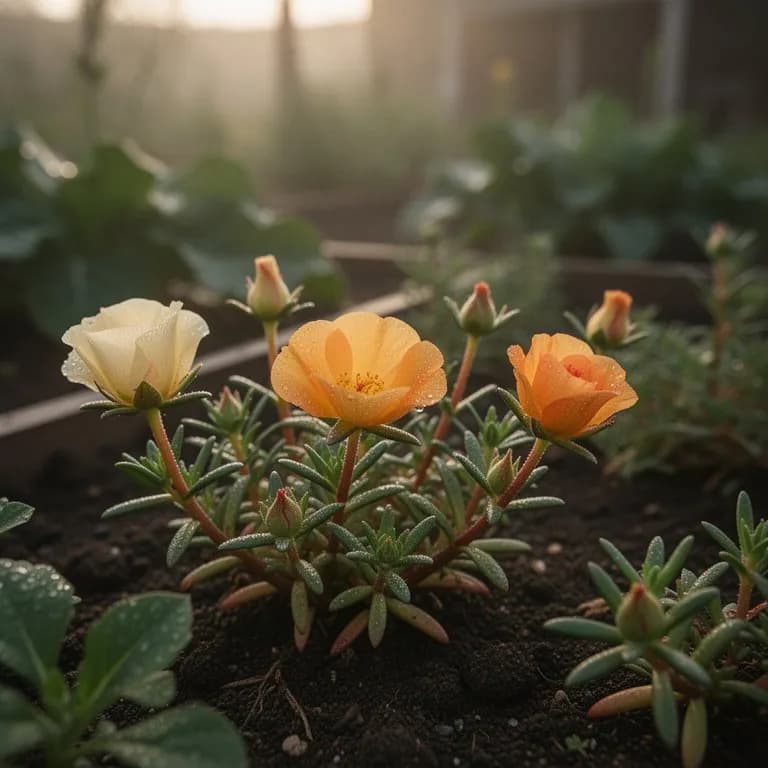
Portulakröschen-Blütenblatt-Garniersalat
10 Min.Ein visuell beeindruckender Sommersalat, der die essbaren Blütenblätter des Portulakröschens als leuchtende Garnitur verwendet. Die seidigen Blütenblätter verleihen einem einfachen gemischten Blattsalat einen milden, leicht säuerlichen Geschmack und außergewöhnliche Farbe. Am besten erst kurz vor dem Servieren zusammenstellen, damit die Blütenblätter ihre lebhaften Farben behalten.
7 ZutatenKandierte Portulakröschen-Blüten
30 Min.Zarte Portulakröschen-Blüten, die mit einer schimmernden Schicht kristallisiertem Zucker konserviert werden und juwelenähnliche essbare Dekorationen für Kuchen, Gebäck und Dessertteller ergeben. Die dünnen Blütenblätter lassen sich wunderschön kandieren und behalten ihre lebhaften Farben beim Trocknen, wobei sie wochenlang in einem luftdichten Behälter haltbar sind.
6 ZutatenPortulakröschen-Blüten-Eiswürfel
5 Min. aktiv, 4 Stunden GefrierzeitAtemberaubende Eiswürfel mit eingefrorenen Portulakröschen-Blüten, perfekt um sommerliche Cocktails, Limonade oder Sprudelwasser aufzuwerten. Die leuchtenden Blütenblätter sind in kristallklarem Eis eingeschlossen und werden langsam sichtbar, während die Würfel schmelzen, was eine wunderschöne und gesprächsanregende Präsentation ergibt.
4 ZutatenWas drinsteckt
Gesundheitsvorteile
- Die sukkulenten Blätter enthalten schleimige Verbindungen, die in der südamerikanischen Volksmedizin traditionell als beruhigender Umschlag bei leichten Verbrennungen, Insektenstichen und Hautirritationen verwendet werden und kühlende Feuchtigkeit sowie entzündungshemmende Linderung ähnlich wie Aloe Vera bieten.
- Portulaca-Arten enthalten Betalain-Pigmente – die gleichen antioxidativen Verbindungen wie in Rüben – die in Laborstudien entzündungshemmende und freie-Radikale-abfangende Eigenschaften gezeigt haben und möglicherweise die Herz-Kreislauf- und Zellgesundheit unterstützen.
- Der hohe Wassergehalt des sukkulenten Gewebes von Portulakröschen, der über 90 Prozent übersteigt, macht die Pflanze zu einer traditionellen Quelle für Nothydratation in trockenen Regionen Südamerikas, wo die Pflanze wild wächst und Wasserquellen knapp sein können.
- Die traditionelle Kräutermedizin in Brasilien und Argentinien hat Portulaka-Zubereitungen als mildes Diuretikum und zur Unterstützung der Harnwegsgesundheit verwendet, obwohl diese Anwendungen nicht umfassend durch moderne klinische Forschung bestätigt wurden.
- Wie sein naher Verwandter, der Gemeine Portulak, enthält Portulaca grandiflora geringe Mengen Alpha-Linolensäure, eine pflanzliche Omega-3-Fettsäure, die die Herzgesundheit unterstützt und Entzündungen reduziert, wenn sie als Teil einer ausgewogenen Ernährung verzehrt wird.
- Der Kontakt mit den hellen, fröhlichen Blüten des Portulakröschens hat dokumentierte psychologische Vorteile, die mit der Forschung zur Gartentherapie übereinstimmen – die Pflege farbenfroher, pflegeleichter Blühpflanzen reduziert Stress, verbessert die Stimmung und vermittelt ein Erfolgsgefühl, insbesondere für ältere oder in der Mobilität eingeschränkte Gärtner.
Woher Portulakröschen stammt
Portulaca grandiflora, allgemein bekannt als Portulakröschen, Sonnenpflanze oder Steinröschen, stammt aus den warmen, trockenen Regionen des südlichen Südamerikas, insbesondere aus Südbrasilien, Nordargentinien und Uruguay. In seinem natürlichen Lebensraum gedeiht die Pflanze in sandigen Graslandschaften, Felsvorsprüngen und gestörtem Boden, wo intensive Sonneneinstrahlung und gut durchlässige Böden Bedingungen schaffen, die für die meisten konkurrierenden Pflanzen zu hart sind. Die Art hat bemerkenswerte sukkulente Anpassungen entwickelt – fleischige zylindrische Blätter und halbsukkulente Stängel, die Wasser speichern – die es ihr ermöglichen, während ausgedehnter Trockenperioden in subtropischen Klimazonen mit saisonaler Dürre zu gedeihen.
Die Pflanze wurde erstmals Anfang des 19. Jahrhunderts von europäischen Botanikern gesammelt und beschrieben, als koloniale Expeditionen die Flora Südamerikas erforschten. Sie wurde um 1827 in die europäische Gartenkultur eingeführt und wurde schnell zu einer Sensation in Gärten auf dem gesamten Kontinent. Ihre leuchtenden, seidigen Blüten in einer außergewöhnlichen Farbpalette – von reinem Weiß über alle Schattierungen von Rosa, Lachs, Orange, Scharlachrot, Magenta bis hin zu leuchtendem Gelb – begeisterten viktorianische Gärtner, die sie für sommerliche Beetbepflanzungen und Wintergartensammlungen schätzten. Die einfache Kultivierung und die spektakuläre Blütenproduktion machten sie bis Mitte des 19. Jahrhunderts zu einer der beliebtesten Warmzeit-Sommerblumen.
Von Europa aus verbreitete sich das Portulakröschen in Gärten in allen warmen und gemäßigten Regionen der Welt. Es wurde zu einem festen Bestandteil traditioneller Gärten in Indien, Südostasien, Afrika und Amerika und wurde oft von Gärtner zu Gärtner durch geteilte Samen und Stecklinge weitergegeben. Moderne Pflanzenzüchtung hat die verfügbaren Formen dramatisch erweitert und vollständig gefüllte Blüten hervorgebracht, die Miniaturosen ähneln, kompakte Wuchsformen für Gefäße und – entscheidend – Sorten, die auch an bewölkten Tagen geöffnet bleiben und damit eine der wenigen Zierbeschränkungen der Art überwinden. Heute wird Portulaca grandiflora auf jedem bewohnten Kontinent angebaut und bleibt eine der weltweit am häufigsten gepflanzten blühenden Sommerblumen, geschätzt für ihre unübertroffene Hitze- und Trockenheitstoleranz, zuverlässige Selbstaussaat und mühelose sommerliche Farbenpracht.
Portulakröschen: Schon gewusst?
Faszinierende Fakten über Portulakröschen
Portulaca-grandiflora-Blüten sind heliotropisch – jede Blüte öffnet sich bei direktem Sonnenlicht weit und schließt sich nachts und an bewölkten Tagen fest. Neuere Sorten wie die Sundial- und Happy-Hour-Serie wurden speziell gezüchtet, um bei bedeckten Bedingungen länger geöffnet zu bleiben – ein bedeutender Erfolg in der Zierpflanzenzüchtung.
Portulakröschen: Fragen & Antworten
Wann sollte ich Portulakröschen pflanzen?
Was sind gute Begleitpflanzen für Portulakröschen?
In welchen Winterhärtezonen kann Portulakröschen wachsen?
Wie viel Sonne braucht Portulakröschen?
Welchen Abstand sollte ich zwischen Portulakröschen lassen?
Welche Schädlinge und Krankheiten befallen Portulakröschen?
Wie lagere ich Portulakröschen nach der Ernte?
Was sind die besten Portulakröschen-Sorten zum Anbauen?
Welchen Boden braucht Portulakröschen?
Warum öffnen sich meine Portulakröschen-Blüten tagsüber nicht?
Ist Portulaca grandiflora dieselbe Pflanze wie essbarer Portulak?
Kommt das Portulakröschen von selbst im nächsten Jahr wieder?
Kann ich Portulakröschen in einer Hängeampel oder einem Blumenkasten anbauen?
Wie bewahre ich Portulakröschen-Samen für das nächste Jahr auf?
Mein Portulakröschen wächst hoch und schlaksig statt niedrig und buschig – was ist schiefgelaufen?
Du hast die Theorie gelesen. Jetzt baue sie auf Autopilot an.
Alles, was Portulakröschen knifflig macht — das Timing, die Abstände, die Begleiter, das Erntefenster — genau das übernimmt PlotMyGarden für dich, für jede Pflanze im Garten.
Ein Plan, der dein Wetter kennt
Standort einmal festlegen. Aussaat-, Dünge- und Erntedaten rund um deinen echten letzten Frosttermin und die Live-Vorhersage — kein Raten mehr nach Saattüte.
Aus dem Abschnitt „Pflanzzeit“Beetplaner per Drag & Drop
Beete auf einem Raster gestalten. Jede Pflanze rastet im richtigen Abstand ein, und du siehst die ganze Saison, bevor du einen Cent für Saatgut ausgibst.
Aus dem Abschnitt „Anbau“Begleiter-Konflikte früh erkannt
Über 200 gute und schlechte Kombinationen werden beim Pflanzen live geprüft — so landet ein saisonruinierender Fehler nie in der Erde.
Aus dem Abschnitt „Begleiter“Erinnerungen, nach denen du wirklich handelst
„Gieß die Bohnen.“ „Heute ernten, bevor's umschlägt.“ Pünktlich, konkret und auf deine echten Pflanzen bezogen.
Aus dem Abschnitt „Ernte“Staffel-Aussaat, geplant
Sechs Wochen ernten statt sechs Tage? Die App verteilt deine Aussaaten automatisch und erinnert dich, wenn der nächste Satz fällig ist.
Aus dem Abschnitt „Pflanzzeit“Ein Verlauf, der schlauer wird
Jede protokollierte Ernte bringt der App deinen Garten bei. Der Plan fürs nächste Jahr startet bei dem, was in deinem Boden wirklich funktioniert hat.
Aus dem Abschnitt „Überblick“Pflanze diese neben Portulakröschen
Weitere Einjährige
Gartenpläne mit Portulakröschen
Bau deine beste Portulakröschen an — und alles drumherum.
Starte heute kostenlos. Lege deine Beete an, setze deine Portulakröschen ein und lass PlotMyGarden Timing, Abstände, Begleiter und Erinnerungen von der Saat bis zum Erntekorb übernehmen.