Orquídea del pobre
Una impresionante anual que produce masas de flores parecidas a orquídeas con intrincados patrones en rosa, morado, amarillo y blanco sobre un follaje delicado y plumoso.





En esta páginaResumen
Conoce Orquídea del pobre
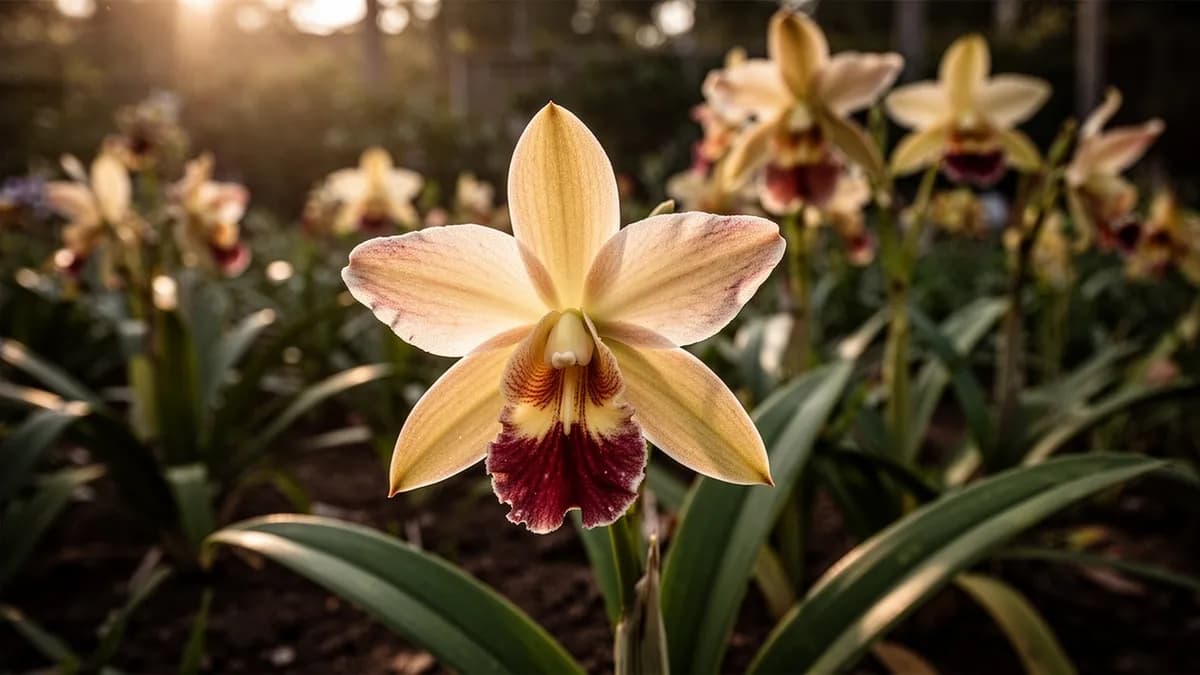
Una impresionante anual que produce masas de flores parecidas a orquídeas con intrincados patrones en rosa, morado, amarillo y blanco sobre un follaje delicado y plumoso. La orquídea del pobre prefiere condiciones frescas y alcanza su mayor esplendor en primavera antes de que llegue el calor estival. Es ideal para invernaderos fríos, patios resguardados y jardines de semisombra.
Cuándo plantar Orquídea del pobre
Siembre las semillas en interior 8-10 semanas antes de la última helada. Cúbralas ligeramente y proporcione oscuridad hasta la germinación (cubra las bandejas). Mantenga a 15-18 °C: las temperaturas frescas son fundamentales. La germinación tarda 14-21 días. Cultive las plántulas en condiciones frescas y luminosas (13-18 °C). Pince a 10 cm para fomentar la ramificación. Acostumbre las plantas al exterior antes de plantarlas en semisombra. Para el cultivo en invernadero, siembre en otoño para obtener espectaculares exhibiciones primaverales.
Tu año de Orquídea del pobre
Ajustado a Zona 7 · temporada típica · la helada se va hacia el 2 abr y vuelve hacia el 1 nov
Planta Orquídea del pobre Mar – Abr y cosecha May – Jul. Consulta los métodos de plantación y elige tu clima para adaptar los periodos.
Cómo cultivar Orquídea del pobre
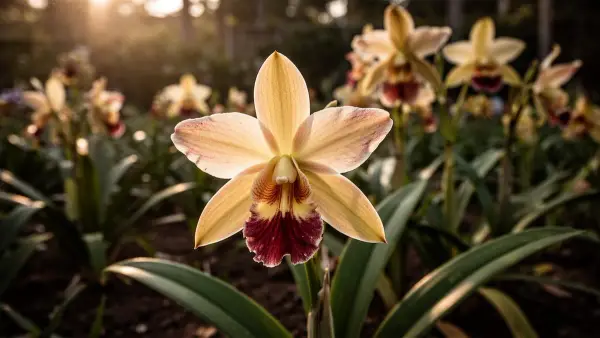
La orquídea del pobre (flor mariposa) es una anual de temporada fría que produce una exhibición asombrosa de flores parecidas a orquídeas con intrincados patrones en rosa, morado, amarillo y blanco. Siembre las semillas en interior 8-10 semanas antes de la última helada, depositándolas sobre la superficie de compost húmedo para semillas y cubriéndolas ligeramente. Las semillas necesitan oscuridad para germinar: cubra las bandejas con papel de periódico o plástico negro hasta que emerjan las plántulas, en 14-21 días.
Trasplante las plántulas al exterior en semisombra tras la última helada, espaciándolas 25-30 cm. El esquizanto exige condiciones de cultivo frescas y colapsa con calor por encima de 24 °C. En climas cálidos, cultívelo como anual de invierno tardío o principios de primavera, o restrínjalos a invernaderos frescos y jardines de invierno.
Pince las plantas jóvenes cuando alcancen 10 cm de altura para fomentar un crecimiento más ramificado y mayor número de tallos florales. Sostenga las variedades más altas con ramitas o tutores, ya que los tallos plumosos pueden inclinarse al llenarse de flores. Mantenga el suelo uniformemente húmedo pero nunca encharcado. Los intrincados patrones de las flores, que parecen pequeñas mariposas pintadas, se encuentran entre los más exóticos de cualquier anual.
36 plantas caben en un bancal de 120 × 240 cm
Cada Orquídea del pobre pide 25 cm de margen. El planificador guarda ese marco por ti — cada planta, cada bancal.
Los mejores vecinos de Orquídea del pobre
La orquídea del pobre combina bien con otras plantas de temporada fría como nemesia, diáscia y lobelia en macetas y arriates. En colecciones de invernadero, combínela con prímulas, cinerarias y ciclámenes para una espectacular exhibición primaveral. El follaje plumoso y las flores intrincadas complementan a compañeras de hoja más gruesa como fucsias y begonias.
Lobelia va a su lado.
Saber de huerto de siempre, cotejado con la tabla real de Orquídea del pobre — prueba cualquier planta que cultives.
Prueba Orquídea del pobre en un bancal, aquí mismo
Un bancal real del planificador con Orquídea del pobre ya plantado. Toca una planta compañera para colocarla y mira cómo responde la comprobación de vecinos: verde para buenos vecinos, rojo si hay conflicto.


Guías de cultivo relacionadas
Abónalo bien
La orquídea del pobre requiere un suelo rico y bien drenado con un pH de 6.0-7.0. Enmiende con abundante compost para retener humedad manteniendo un buen drenaje. Fertilice cada dos semanas con un abono líquido equilibrado durante el crecimiento activo. En macetas, use un sustrato de calidad y fertilice con mayor frecuencia, ya que los nutrientes se lixivian rápidamente. La humedad constante es esencial, pero el encharcamiento resulta fatal.
Temperatura ideal
Compatibilidad de zonas de rusticidad
De la semilla a la cosecha, etapa por etapa
Siembra
Las semillas de esquizanto son muy finas y deben sembrarse en la superficie de un sustrato húmedo y bien drenado para semillas. Necesitan oscuridad para germinar, así que cúbralas ligeramente con vermiculita o una fina capa de compost. La germinación se produce mejor a 15-18 °C y suele tardar 10-14 días.
Desarrollo de plántulas
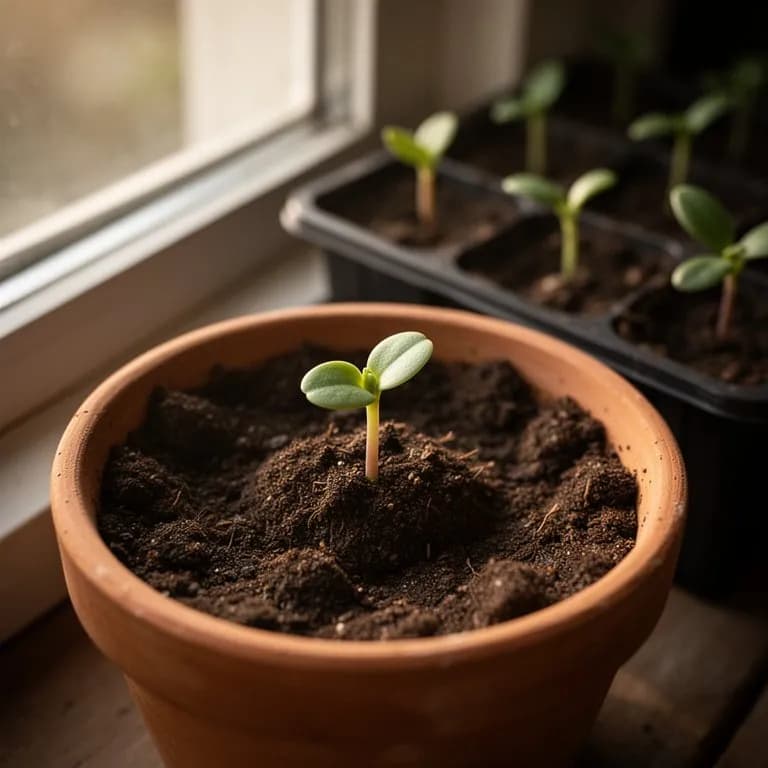
Las plántulas emergen con pequeños cotiledones redondeados, seguidos de las primeras hojas verdaderas que ya muestran la característica forma finamente dividida y plumosa. El crecimiento es relativamente lento en esta etapa y las plántulas son delicadas. Desarrollan un tallo central esbelto con ramificación opuesta.
Crecimiento vegetativo
La planta entra en una fase de crecimiento rápido, desarrollando su armazón de follaje finamente dividido. Los tallos se vuelven más robustos y la ramificación lateral aumenta significativamente. El follaje adquiere una apariencia exuberante y plumosa. El sistema radicular se establece con fuerza durante este período.
Formación de capullos
Los capullos florales comienzan a formarse en las puntas de las ramas, apareciendo inicialmente como pequeñas cabezuelas agrupadas entre el follaje plumoso. Los capullos se hinchan gradualmente y el color comienza a mostrarse en las puntas antes de que los pétalos se abran. Las plantas pueden alcanzar 30-60 cm de altura según la variedad.
Floración máxima
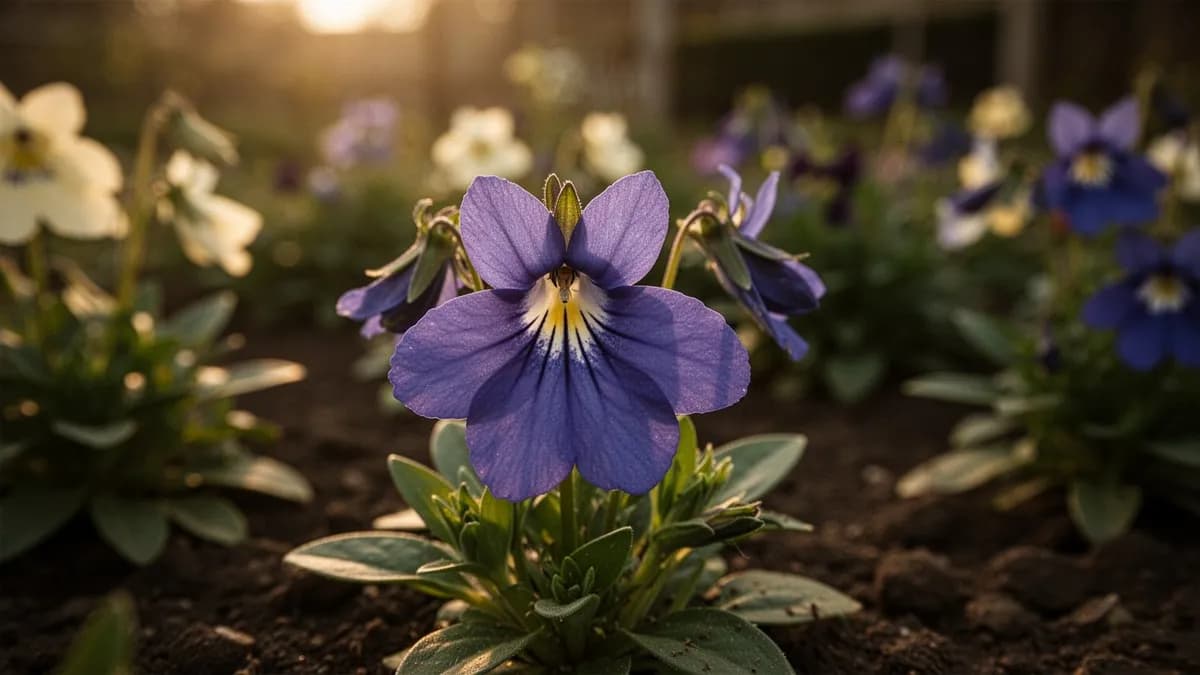
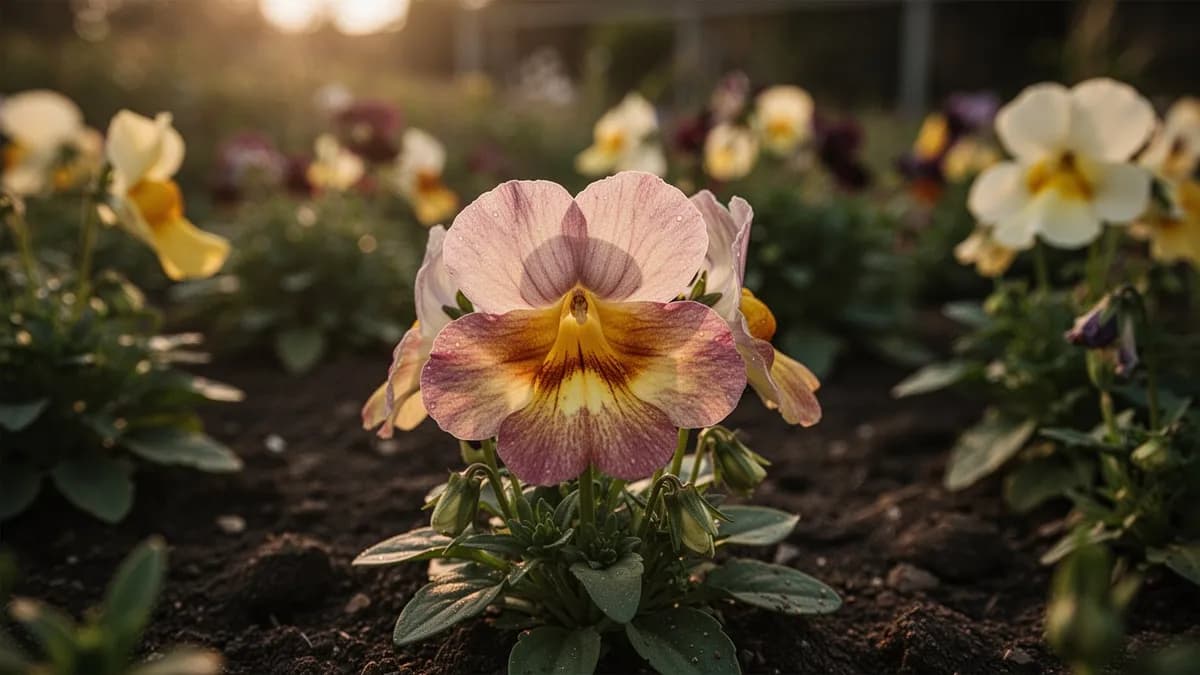
La planta produce masas de flores parecidas a orquídeas con forma de mariposa en tonos rosa, morado, magenta, rosa intenso, lavanda y blanco, a menudo con intrincada venación y marcas contrastantes amarillas o doradas en la garganta. Cada flor tiene una forma bilabiada característica con el labio superior dividido en lóbulos. La floración continúa durante varias semanas.
Formación de semillas y declive
Al ser una anual, la planta comienza a declinar naturalmente tras su pico de floración. Si se dejan algunas flores sin desbotonear, se desarrollan pequeñas cápsulas seminales que contienen numerosas semillas diminutas. El follaje comienza a amarillear y el vigor general de la planta disminuye a medida que la energía se dirige hacia la producción de semillas.
Cubra las bandejas con una tapa oscura o papel de periódico para bloquear la luz hasta que comience la germinación. Mantenga el sustrato uniformemente húmedo con riego por capilaridad o nebulización suave para no disturbar las diminutas semillas.
Cuidar Orquídea del pobre mes a mes
Qué hacer cada mes para tu Orquídea del pobre
Octubre
Mes actualCuide las plántulas sembradas en otoño en el invernadero, manteniendo temperaturas frescas de 7-10 °C. Trasplante las plántulas a medida que crecen y proporcione tutores para sujeción. Reduzca el riego a medida que el crecimiento se ralentiza con los días más cortos.
Ten claro qué hacer en tu huerto, cada mes
Un correo al empezar cada mes: qué sembrar, plantar y hacer ahora mismo — para tu Orquídea del pobre y todo lo que crece alrededor. Más un breve curso inicial para esquivar los errores clásicos.
- Qué hacer ahora mismo
- Ajustado a tu temporada
- Curso inicial incluido
Cosechar Orquídea del pobre
Las flores de la orquídea del pobre son delicadas pero resultan encantadoras en pequeños arreglos y ramos. Corte los tallos cuando varios flores estén abiertas y los capullos muestren color. Las flores duran 4-5 días en agua. Sus intrincados patrones se aprecian mejor de cerca, así que úselas en jarroncitos y pequeños arreglos de mesa donde puedan admirarse sus extraordinarias marcas.
se supone que plantas al comenzar el periodo — indica tu fecha real
Cosecha Orquídea del pobre a tiempo y la planta sigue produciendo.
Almacenamiento y conservación
El esquizanto es una anual que no se conserva en bulbos ni raíces. Para guardar semillas, deje que algunas flores desarrollen cápsulas seminales en la planta. Recójalas cuando las cápsulas se vuelvan marrones y secas. Guarde las diminutas semillas en sobres etiquetados en un lugar fresco y seco. Las semillas mantienen su viabilidad durante 2-3 años. La orquídea del pobre ocasionalmente se resiembra sola en climas suaves con condiciones frescas y húmedas.
Qué falla — y cómo solucionarlo
Pulgones
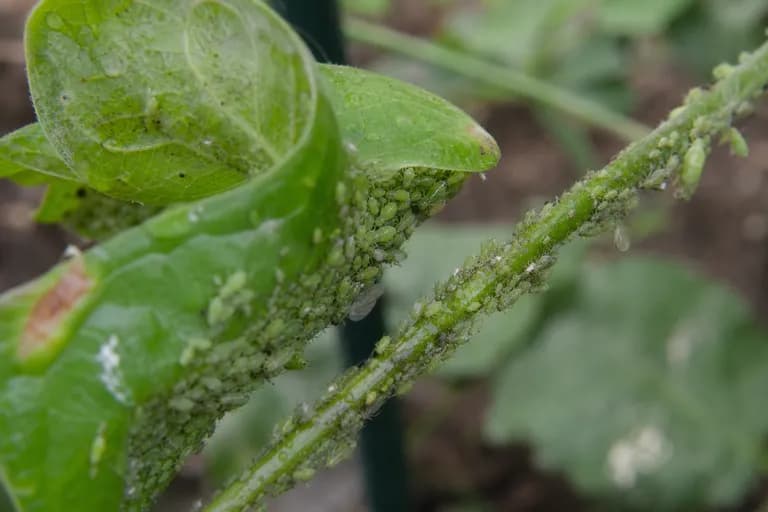
PlagaAcumulaciones en tallos y yemas. Crecimiento nuevo deformado y residuo pegajoso en las hojas.
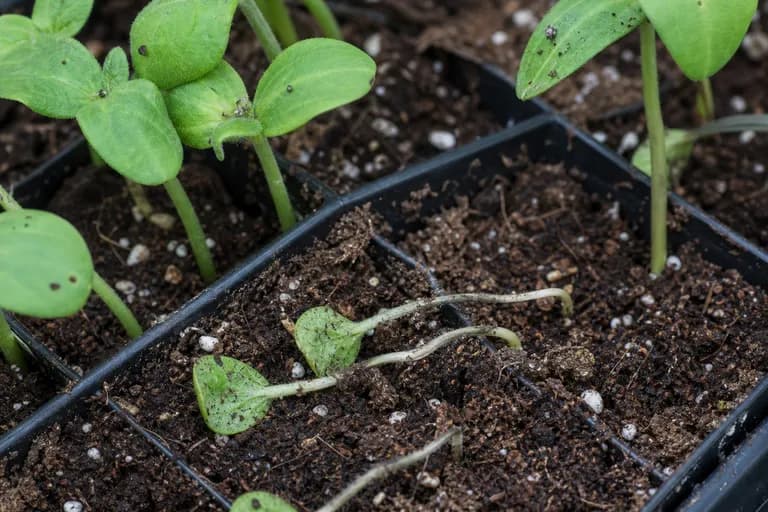
Damping off (ahogamiento de plántulas)
EnfermedadLas plántulas colapsan a nivel del suelo con tallos oscuros y apretados. Ocurre en condiciones frías y húmedas.
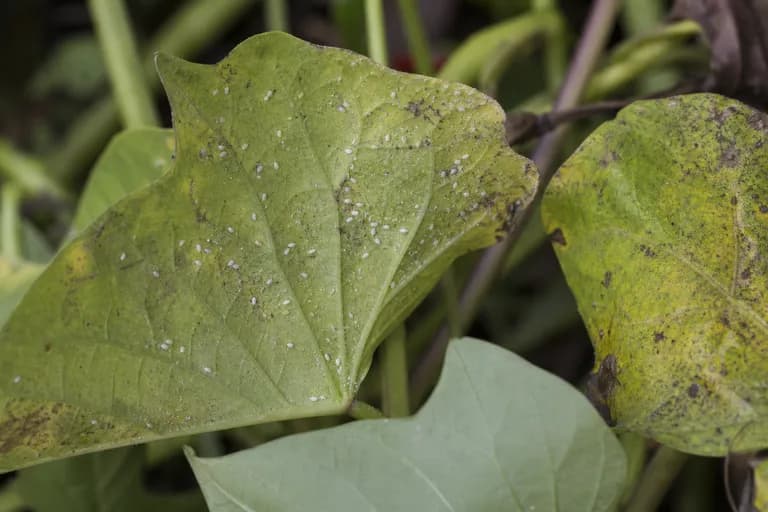
Mosca blanca
PlagaPequeños insectos blancos que vuelan al mover las plantas. Follaje amarillo y debilitado. Melaza pegajosa.
Solución de problemas comunes
El calor es el principal enemigo: el esquizanto simplemente no tolera temperaturas superiores a 24 °C durante períodos prolongados. En la mayor parte de la España peninsular, esto limita su temporada exterior a la primavera. El crecimiento estirado resulta de luz insuficiente o hacinamiento. Las semillas sembradas demasiado tarde en la temporada producen solo follaje antes de que el calor detenga la floración. Para mejores resultados, cultívelo en un invernadero frío o jardín de invierno donde se puedan controlar las temperaturas.
Consejos de cultivo
- Siembre semillas de forma escalonada cada 3-4 semanas desde finales de invierno hasta mediados de primavera para extender la temporada de floración durante varios meses en lugar de que todas las plantas florezcan simultáneamente.
- Siembre siempre las semillas de esquizanto en la superficie del compost húmedo y cúbralas con una fina capa de vermiculita, ya que las semillas necesitan oscuridad para germinar pero no deben enterrarse en profundidad.
- Mantenga temperaturas de cultivo frescas de 13-18 °C durante todo el período de crecimiento, ya que el esquizanto se estirará y florecerá mal en condiciones cálidas por encima de 24 °C.
- Pince el ápice de crecimiento de cada planta cuando alcance 10-15 cm de altura para fomentar la ramificación lateral, lo que resulta en una planta más tupida con significativamente más tallos florales.
- Use un sustrato ligeramente ácido a neutro y de buen drenaje (pH 6.0-7.0) enriquecido con perlita o arena gruesa, ya que el esquizanto es susceptible a la podredumbre radicular en condiciones de encharcamiento.
- Proporcione luz brillante e indirecta o sombra moteada en lugar de sol directo intenso, especialmente en climas más cálidos donde el sol fuerte de tarde puede quemar el delicado follaje y las flores.
- Sostenga las variedades más altas con discretas estacas de bambú o soportes anulares de alambre insertados a principios de la temporada de cultivo antes de que los tallos se vuelvan pesados de flores.
- Fertilice cada 10-14 días con un abono líquido diluido y rico en potasio una vez que los capullos comiencen a formarse para maximizar el número y el tamaño de las flores.
- Cultive el esquizanto en un invernadero frío o jardín de invierno durante los meses de invierno para obtener espectaculares exhibiciones de primavera temprana cuando pocas otras plantas están en flor.
- Esté atento a los pulgones, la mosca blanca y la araña roja, que son las plagas más comunes; trátelas temprano con jabón insecticida o introduzca controles biológicos como mariquitas o larvas de crisopa.
Cultiva tu mejor Orquídea del pobre — y todo lo que la rodea.
Empieza un plan gratis hoy. Diseña tus bancales, coloca tu Orquídea del pobre y deja que PlotMyGarden gestione el momento, el espaciado, las asociaciones y los recordatorios de la semilla a la cesta.
Elige tu Orquídea del pobre
Schizanthus 'Angel Wings' Mix
Plantas compactas de 30 cm cubiertas de flores con patrones intrincados en una gama de colores. Ideal para macetas y bordes.
Schizanthus 'Star Parade'
Plantas enanas de 20 cm con flores grandes en rosa intenso, morado y blanco con marcas contrastantes. Perfectas para macetas.
Schizanthus 'Royal Pierrot' Mix
Variedad más alta de 45 cm con flores más grandes que muestran patrones de venación especialmente intrincados. Excelente para corte.
Un solo sobre de semillas de esquizanto (que suele contener 200-500 semillas) cuesta alrededor de 3-5 € y puede producir decenas de plantas. Un esquizanto en maceta comparable de un centro de jardinería cuesta 8-15 € por planta, y un ramo de floristería con flores similares a orquídeas puede costar 25-50 €. El cultivo a partir de semillas proporciona una abundante provisión de flores cortadas durante varias semanas, con un ahorro potencial de 100 € o más en comparación con la compra de exhibiciones florales equivalentes. Las semillas también pueden guardarse de año en año, reduciendo los costes en temporadas posteriores.
Recetas rápidas
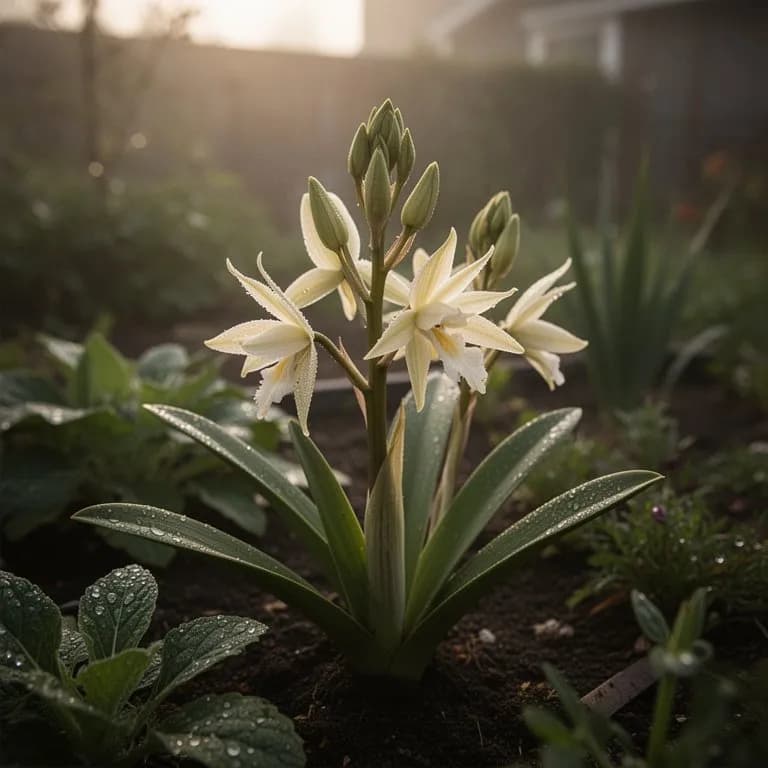
Ramo de jardín con flores mariposa
15 minutosCree un impresionante ramo mixto con tallos de esquizanto combinados con flores de jardín complementarias. Las intrincadas flores con forma de mariposa añaden una calidad exótica, similar a la de las orquídeas, a los arreglos informales que durarán hasta una semana en agua fresca.
5 ingredientesArte botánico con esquizanto prensado
30 minutos activos, 2-3 semanas de prensadoPrense las delicadas flores con forma de mariposa para crear hermosas obras de arte botánico. Los intrincados patrones de venación y las marcas de color del esquizanto se conservan excepcionalmente bien, creando impresionantes cuadros enmarcados o decoraciones para tarjetas de felicitación.
5 ingredientesExposición flotante de flores de esquizanto
10 minutosHaga flotar flores individuales de esquizanto en un cuenco poco profundo con agua para crear un elegante centro de mesa. Las flores con aspecto de mariposa crean un impresionante efecto visual al reposar sobre la superficie del agua, mostrando sus intrincados patrones desde arriba.
5 ingredientesQué contiene
Beneficios para la salud
- El cultivo del esquizanto ofrece excelentes beneficios terapéuticos para la jardinería, ya que los detallados requisitos de cuidado fomentan la atención plena, la paciencia y la concentración durante el cultivo.
- Las vibrantes exhibiciones de flores multicolores han demostrado influir positivamente en el estado de ánimo y reducir el estrés, contribuyendo a mejorar el bienestar mental de jardineros y espectadores por igual.
- Cultivar esquizanto desde semilla hasta la floración enseña valiosas habilidades hortícolas que incluyen el control de temperatura, las técnicas de pinzado y la siembra escalonada, aplicables a otras plantas del jardín.
- Las flores atraen una amplia variedad de polinizadores beneficiosos, incluidas mariposas, abejas y sírfidos, favoreciendo la biodiversidad local y la salud del ecosistema en los jardines domésticos.
- Los arreglos de esquizanto cortado en interiores aportan la belleza natural a los espacios habitables, y los estudios sugieren que las flores frescas en casa pueden reducir la ansiedad y promover sensaciones de calma y satisfacción.
- El proceso de desbotonado, pinzado y mantenimiento de las plantas de esquizanto proporciona actividad física suave e implicación de la motricidad fina que resulta especialmente beneficiosa para los jardineros de mayor edad.
De dónde viene Orquídea del pobre
El esquizanto, conocido comúnmente como orquídea del pobre o flor mariposa, es un género de plantas anuales originarias de Chile en América del Sur. El género comprende alrededor de 12 a 15 especies, la mayoría de las cuales crecen silvestres en las regiones costeras y las laderas secas del centro y norte de Chile, extendiéndose hasta los márgenes del desierto de Atacama. Las plantas evolucionaron para prosperar en climas de tipo mediterráneo con inviernos frescos y húmedos y veranos cálidos y secos, lo que explica su preferencia por temperaturas moderadas en cultivo. El género fue descrito científicamente por primera vez por los botánicos españoles Hipólito Ruiz López y José Antonio Pavón en 1798 durante su expedición botánica a Perú y Chile. Sin embargo, no fue hasta 1822 cuando las plantas vivas se cultivaron con éxito en Europa, al enviar semillas al Real Jardín Botánico de Kew. Las flores causaron una impresión inmediata por su parecido con las orquídeas exóticas, aunque las plantas resultaron ser mucho más fáciles de cultivar, ganándose rápidamente el nombre común de orquídea del pobre. A lo largo de la era victoriana, el esquizanto se convirtió en una de las plantas más admiradas para invernaderos fríos y jardines de invierno, y los cultivadores desarrollaron numerosas variedades híbridas con flores más grandes y una gama de colores más amplia. Las formas más cultivadas son híbridos derivados principalmente de Schizanthus pinnatus y Schizanthus grahamii, cruzados para producir los híbridos de gran flor Schizanthus x wisetonensis que siguen siendo populares hoy en día. En los jardines modernos, el esquizanto se cultiva como anual de temporada fría para arriates, bordes, macetas y exhibiciones en invernadero, apreciado por su aspecto exótico, su hábito de floración prolífico y su idoneidad para arreglos de flores cortadas.
Orquídea del pobre: ¿sabías que?
Datos fascinantes sobre Orquídea del pobre
El esquizanto es originario de Chile y pertenece a la familia Solanaceae (solanáceas), lo que lo convierte en pariente de los tomates, pimientos y patatas, y no en una orquídea real.
Orquídea del pobre: preguntas frecuentes
¿Cuándo debo plantar Orquídea del pobre?
¿Cuáles son buenas plantas acompañantes para Orquídea del pobre?
¿En qué zonas de rusticidad puede crecer Orquídea del pobre?
¿Cuánto sol necesita Orquídea del pobre?
¿A qué distancia debo espaciar Orquídea del pobre?
¿Qué plagas y enfermedades afectan a Orquídea del pobre?
¿Cómo almaceno Orquídea del pobre después de la cosecha?
¿Cuáles son las mejores variedades de Orquídea del pobre para cultivar?
¿Qué suelo necesita Orquídea del pobre?
¿El esquizanto (orquídea del pobre) está realmente relacionado con las orquídeas?
¿Puedo cultivar esquizanto al aire libre en un clima cálido?
¿Cuánto tiempo tarda el esquizanto en florecer desde la semilla?
¿Por qué mis plantas de esquizanto están estiradas y no florecen bien?
¿Es el esquizanto una vivaz o necesito replantarlo cada año?
¿Puedo cultivar el esquizanto como planta de interior?
Acabas de leer la teoría. Ahora cultívala en piloto automático.
Todo lo que hace que Orquídea del pobre sea delicado — el momento, el espaciado, las asociaciones, la ventana de cosecha — es justo lo que PlotMyGarden resuelve por ti, para cada planta de tu huerto.
Un plan que conoce tu clima
Indica tu ubicación una vez. Recibe fechas de siembra, abonado y cosecha basadas en tu última helada real y el pronóstico en vivo — sin adivinar con un sobre genérico.
De la sección “Cuándo plantar”Planificador de bancales de arrastrar y soltar
Diseña bancales sobre una cuadrícula. Cada planta encaja con su espaciado correcto y ves toda la temporada antes de gastar un céntimo en semillas.
De la sección “Cultivo”Conflictos de asociación, detectados a tiempo
Más de 200 buenas y malas combinaciones comprobadas en vivo mientras plantas — para que un error que arruine la temporada nunca llegue a la tierra.
De la sección “Asociaciones”Recordatorios que sí vas a seguir
“Riega las judías.” “Recoge hoy antes de que se pase.” Oportunos, concretos y ligados a las plantas que de verdad cultivas.
De la sección “Cosecha”Escalonado, programado
¿Quieres cosechar seis semanas en vez de seis días? Reparte tus siembras automáticamente y te avisa cuando toca el siguiente lote.
De la sección “Cuándo plantar”Un registro que se vuelve más listo
Cada cosecha que registras le enseña tu huerto. El plan del año que viene parte de lo que de verdad funcionó en tu suelo, no en un manual.
De la sección “Resumen”Planta estos junto a Orquídea del pobre
Más Anuales
Cultiva tu mejor Orquídea del pobre — y todo lo que la rodea.
Empieza un plan gratis hoy. Diseña tus bancales, coloca tu Orquídea del pobre y deja que PlotMyGarden gestione el momento, el espaciado, las asociaciones y los recordatorios de la semilla a la cesta.