Pampelmusa
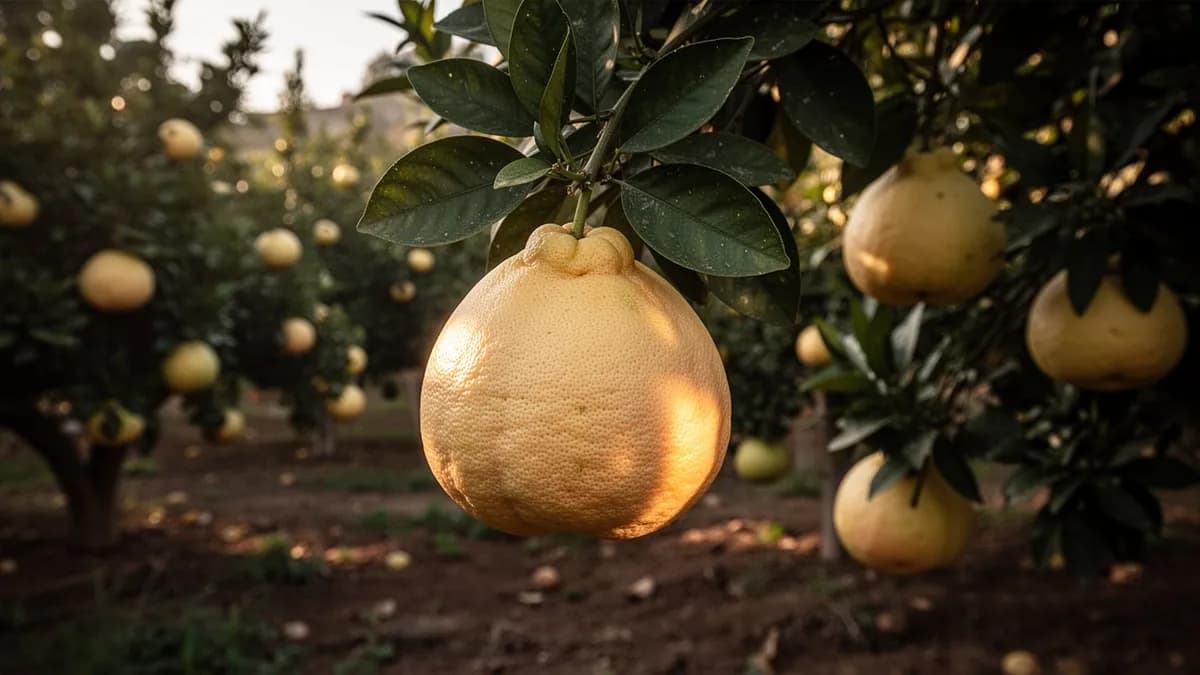
El más grande de todos los cítricos, con frutos del tamaño de una pelota de softball o incluso mayores, de piel gruesa y esponjosa y pulpa dulce y suave.





En esta páginaResumen
Conoce Pampelmusa
El más grande de todos los cítricos, con frutos del tamaño de una pelota de softball o incluso mayores, de piel gruesa y esponjosa y pulpa dulce y suave. Los pomelos son una especie progenitora del pomelo rosado o grapefruit, pero sin su amargor, y sus gajos jugosos se separan con facilidad. Se cultivan ampliamente en el sudeste asiático y forman árboles ornamentales impresionantes por sus grandes flores perfumadas.
Cuándo plantar Pampelmusa
Los pomelos germinan con facilidad a partir de semilla, y algunas variedades producen plántulas nucelares que son clones de la planta madre. Las semillas deben sembrarse frescas, ya que las semillas de cítricos pierden viabilidad rápidamente al secarse. Siembre a 2.5 cm de profundidad en un sustrato cálido y húmedo, y mantenga entre 24 y 29 grados. La germinación ocurre en dos a cuatro semanas. Los árboles obtenidos de semilla tardan de seis a diez años en fructificar y crecen mucho. Para huertos domésticos, conviene comprar árboles injertados sobre portainjertos enanizantes para acelerar la fructificación y mantener un tamaño manejable.
Tu año de Pampelmusa
Ajustado a Zona 7 · temporada típica · la helada se va hacia el 2 abr y vuelve hacia el 1 nov
Planta Pampelmusa Mar – May y cosecha Ene – Feb, Nov – Dic. Consulta los métodos de plantación y elige tu clima para adaptar los periodos.
Cómo cultivar Pampelmusa
Los pomelos prosperan en las zonas USDA 9 a 12 y necesitan temporadas de crecimiento largas y cálidas para desarrollar sus frutos enormes. Plante árboles injertados a pleno sol, dejando entre 4.5 y 6 metros entre plantas para acomodar su copa amplia y redondeada. El árbol es vigoroso y alcanza entre 4.5 y 7.5 metros de altura. Sitúe la unión del injerto por encima del nivel del suelo y riegue a fondo al plantar.
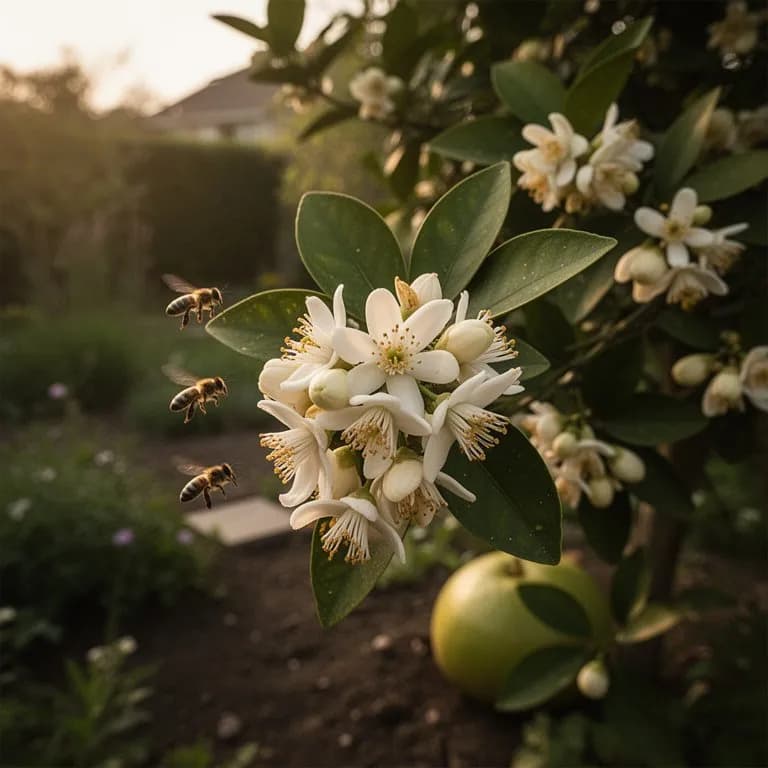
El fruto del pomelo tarda de ocho a doce meses en madurar y requiere calor sostenido durante todo su desarrollo. Los frutos enormes pueden pesar entre uno y dos kilos y medio cada uno, y necesitan mucha energía del árbol, así que conviene aclarar la carga a cuatro o cinco frutos por rama para obtener mejor tamaño y calidad. El árbol florece con grandes flores blancas intensamente perfumadas, que están entre las más fragantes de todos los cítricos.
Fertilice con generosidad de tres a cuatro veces al año con una fórmula cítrica rica en nitrógeno y potasio. Los pomelos son grandes consumidores de nutrientes y sostienen tanto un crecimiento vigoroso como frutos masivos. Riegue en profundidad y de forma constante, ya que el estrés hídrico durante el desarrollo del fruto produce pulpa seca y harinosa. Pode para controlar la altura y abrir la copa para favorecer la circulación de aire. Proporcione protección contra heladas cuando las temperaturas amenacen con bajar de 30 grados.
Para Pampelmusa un bancal de 120 × 240 cm se queda corto
Cada Pampelmusa pide 360 cm de margen. El planificador guarda ese marco por ti — cada planta, cada bancal.
Los mejores vecinos de Pampelmusa
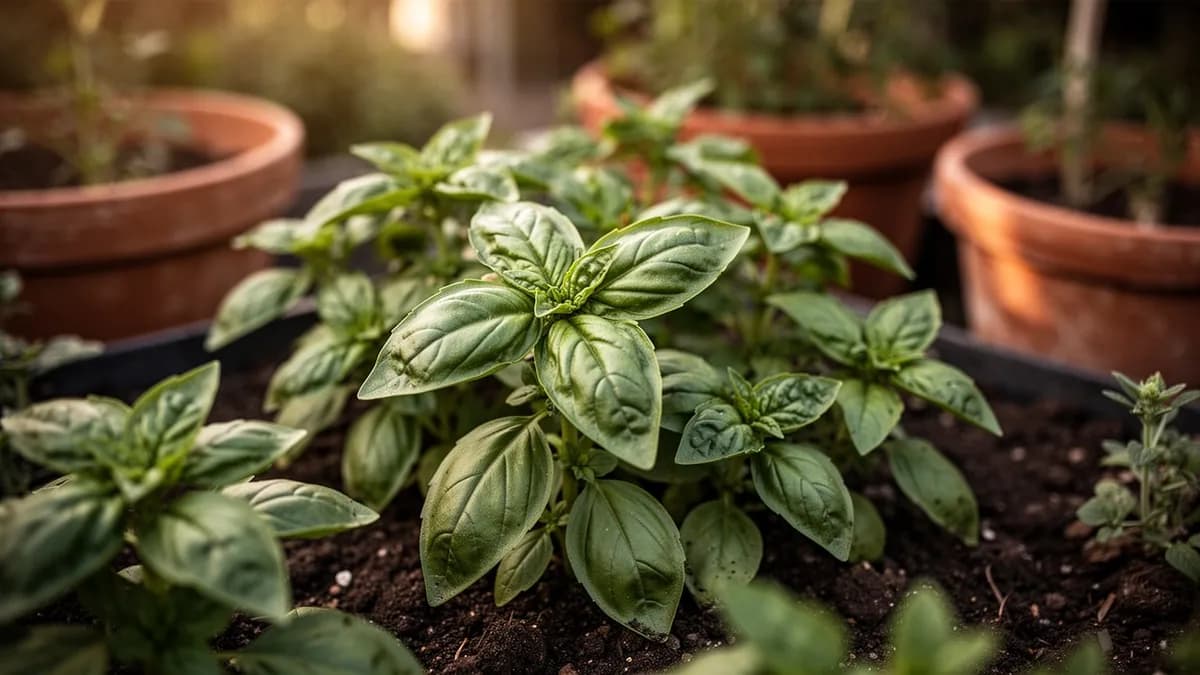
La copa grande del pomelo aporta sombra para plantaciones de sotobosque. Cultive hierbas tolerantes a la sombra como perejil, cilantro y menta bajo el árbol. Los cultivos de cobertura fijadores de nitrógeno benefician al pomelo, que es muy exigente. La hierba limón y el galanga son compañeros culturalmente apropiados para un huerto frutal asiático. Las capuchinas y los tagetes ayudan a disuadir plagas. Evite árboles grandes competidores que le hagan sombra, porque el pomelo necesita el máximo sol para desarrollar bien el fruto.
Albahaca va a su lado. Nogal no.
Saber de huerto de siempre, cotejado con la tabla real de Pampelmusa — prueba cualquier planta que cultives.
Prueba Pampelmusa en un bancal, aquí mismo
Un bancal real del planificador con Pampelmusa ya plantado. Toca una planta compañera para colocarla y mira cómo responde la comprobación de vecinos: verde para buenos vecinos, rojo si hay conflicto.


Guías de cultivo relacionadas
Abónalo bien
Los pomelos prefieren suelos profundos y bien drenados, con un pH de 5.5 a 7.0. Son árboles vigorosos que se benefician de una fertilización generosa con una fórmula cítrica alta en nitrógeno aplicada cuatro veces al año. Añada potasio durante el desarrollo del fruto para mejorar el dulzor y el tamaño. Las aplicaciones foliares de micronutrientes corrigen deficiencias de hierro, zinc y manganeso frecuentes en suelos alcalinos. Mantenga una capa gruesa de acolchado orgánico alrededor de la línea de goteo para conservar la humedad y alimentar la biología del suelo.
Temperatura ideal
Compatibilidad de zonas de rusticidad
De la semilla a la cosecha, etapa por etapa
Plantación y establecimiento
Los pomelos jóvenes plantados a partir de material injertado de vivero pasan sus primeros tres meses estableciendo un sistema radicular fuerte. El crecimiento visible sobre el suelo puede ser modesto durante este periodo, pero el árbol está colonizando activamente el suelo con raíces finas absorbentes. Los árboles injertados sobre portainjertos de trifoliata o limón rugoso se adaptan con rapidez a distintas condiciones de suelo. El nuevo brote, con hojas verde lima brillante que aparecen en tandas de cinco a diez hojas, indica que el establecimiento está en marcha.
Crecimiento vegetativo juvenil
Durante los dos primeros años, el árbol se centra casi por completo en construir su estructura. A lo largo de los meses cálidos se producen varios ciclos de brotación vegetativa, cada uno de los cuales alarga las ramas y engrosa el tronco. Las hojas son grandes, a veces de más de 15 cm de largo, con pecíolos alados característicos de Citrus maxima. En esta fase el árbol puede producir unas pocas flores, pero conviene retirarlas para que la energía se dirija al desarrollo estructural.
Primera floración
A partir del tercer año, los pomelos bien desarrollados empiezan a producir sus llamativos racimos florales. Las flores del pomelo son notablemente grandes para un cítrico, de hasta 4 cm de diámetro, blancas y cerosas, con un perfume intenso y embriagador. Aparecen en racimos en los extremos de brotes maduros tras un periodo de frío o de estrés por sequía. Cada floración dura aproximadamente dos o tres semanas, y algunos árboles producen varios picos de floración al año en climas subtropicales.
Cuajado y desarrollo del fruto
Tras una polinización exitosa, los frutitos engordan rápidamente durante las primeras seis u ocho semanas, antes de que el crecimiento se ralentice mientras el árbol equilibra su carga. Al principio, los frutitos son de un verde vivo y están cubiertos por una fina capa cerosa. La caída natural reduce la cosecha a un número sostenible durante los dos primeros meses. A partir de la octava semana, el fruto entra en una fase más lenta pero continua de engorde, en la que la división celular deja paso a la expansión celular. El enorme albedo grueso que caracteriza al pomelo se desarrolla durante este periodo prolongado.
Maduración y cosecha
Los pomelos tardan un tiempo excepcionalmente largo en madurar, por lo general de seis a ocho meses desde el cuajado. El fruto maduro pasa de verde intenso a amarillo pálido o verde amarillento, aunque el color por sí solo no es un indicador fiable de madurez, ya que muchas variedades permanecen verdes cuando están completamente maduras. Los pomelos maduros se sienten pesados para su tamaño y ceden ligeramente al presionar el extremo floral. La piel adquiere un ligero brillo y el aroma se intensifica. En climas tropicales y subtropicales, la ventana de cosecha se extiende del otoño al comienzo de la primavera, según la variedad.
Recuperación poscosecha
Tras la cosecha, el árbol entra en una breve fase de recuperación durante la cual repone las reservas de carbohidratos agotadas por la producción de fruta. En climas tropicales, esta fase puede coincidir con un nuevo brote vegetativo. En climas subtropicales más frescos, el árbol puede parecer relativamente en reposo durante varias semanas antes de iniciar un nuevo ciclo de crecimiento. Es un periodo importante para construir la capacidad productiva del año siguiente mediante un manejo cuidadoso de la nutrición y del riego.
Riegue cada dos o tres días durante el primer mes y luego reduzca gradualmente a una o dos veces por semana a medida que las raíces se establecen. Aplique una capa de 10 cm de acolchado orgánico en un anillo de 60 cm alrededor del árbol, dejando 15 cm libres junto al tronco, para conservar la humedad y suprimir las malas hierbas. No abone durante las primeras seis semanas para evitar quemar el sistema radicular joven.
Cuidar Pampelmusa mes a mes
Qué hacer cada mes para tu Pampelmusa
Octubre
Mes actualComience el periodo de estrés seco o fresco para activar la floración de los próximos meses. Suspenda el abonado para no estimular un crecimiento excesivamente vegetativo. Realice la poda estructural posestacional: retire madera muerta, ramas cruzadas y cualquier rama situada por debajo de 50 cm del suelo. Es un buen momento para tomar esquejes para propagación o acodar ramas.
Ten claro qué hacer en tu huerto, cada mes
Un correo al empezar cada mes: qué sembrar, plantar y hacer ahora mismo — para tu Pampelmusa y todo lo que crece alrededor. Más un breve curso inicial para esquivar los errores clásicos.
- Qué hacer ahora mismo
- Ajustado a tu temporada
- Curso inicial incluido
Cosechar Pampelmusa
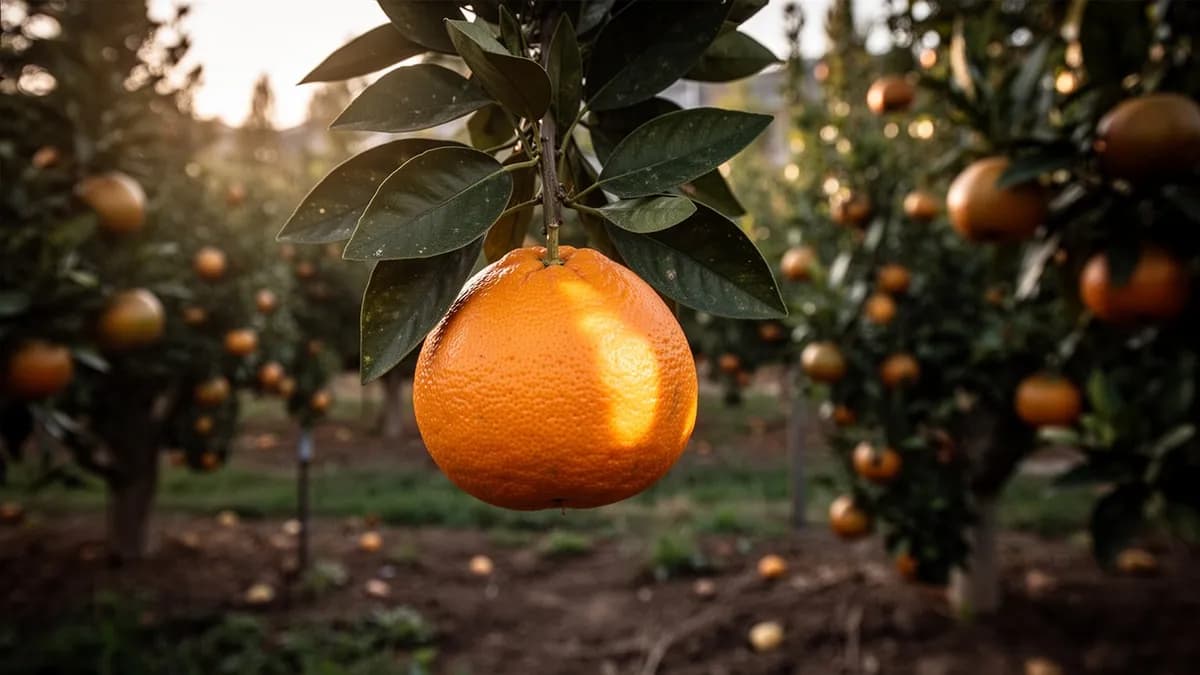
Los pomelos maduran de noviembre a febrero y pueden tardar hasta doce meses desde la floración hasta la cosecha. La fruta está lista cuando pasa de verde pálido a amarilla, se siente pesada para su tamaño y cede ligeramente a la presión. La piel gruesa puede engañar, así que conviene probar una pieza antes de cosechar en cantidad. Corte el fruto del árbol con tijeras de poda. Su gran tamaño exige manipularlo con cuidado para no dañar las ramas. Los pomelos pueden permanecer varias semanas en el árbol después de madurar sin deteriorarse.
se supone que plantas al comenzar el periodo — indica tu fecha real
Cosecha Pampelmusa a tiempo y la planta sigue produciendo.
Almacenamiento y conservación
La piel gruesa y esponjosa del pomelo le da una vida de almacenamiento excepcional: de tres a cuatro semanas a temperatura ambiente y hasta dos meses refrigerado. La piel no se desperdicia en la cocina asiática, donde se confita o se usa en salteados. Los gajos de pomelo congelan bien para usar más tarde en ensaladas y postres. El zumo puede congelarse en cubiteras. En el sudeste asiático, el pomelo se conserva en miel o almíbar. La piel seca se usa en la medicina tradicional china.
Qué falla — y cómo solucionarlo
Psílido asiático de los cítricos
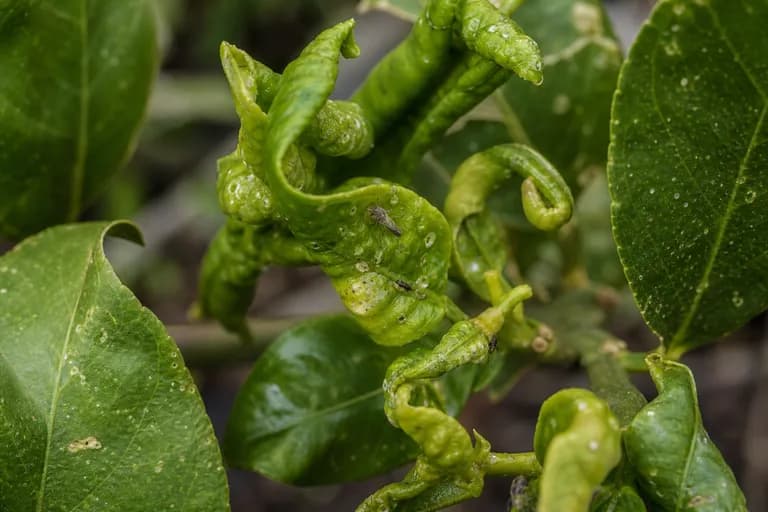
PlagaInsectos pequeños y moteados en los brotes nuevos. Producen túbulos cerosos. Pueden transmitir la mortal enfermedad del enverdecimiento de los cítricos (HLB).
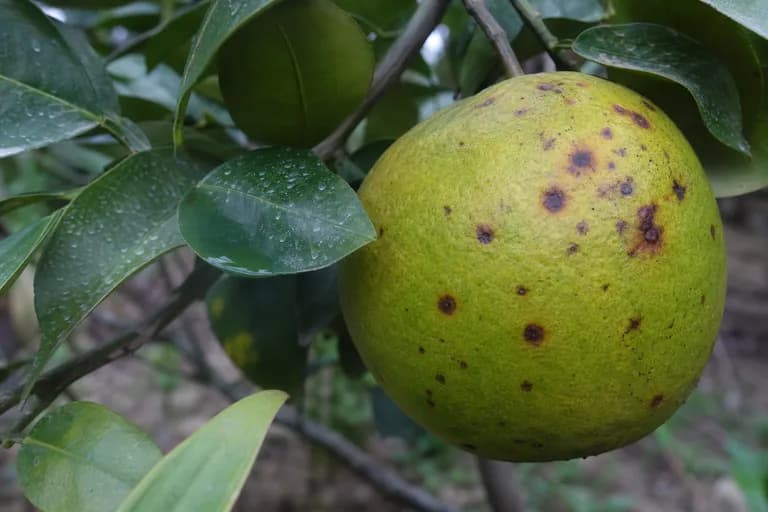
Mancha negra de los cítricos
EnfermedadManchas oscuras y hundidas en la piel del fruto, a veces con un halo marrón rojizo. Es sobre todo un daño estético, pero en casos graves puede causar caída prematura del fruto.
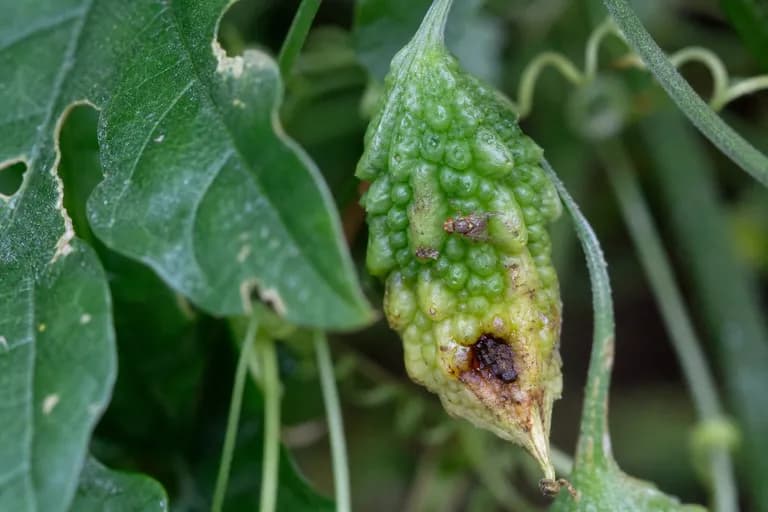
Mosca de la fruta
PlagaPequeñas picaduras en los frutos maduros donde se depositan los huevos. Las larvas se alimentan dentro del fruto y causan manchas marrones y blandas, además de caída prematura.
Solución de problemas comunes
El principal reto del pomelo es su largo periodo de maduración, de ocho a doce meses, que limita su cultivo a regiones cálidas y libres de heladas. Los frutos cultivados con calor insuficiente desarrollan un albedo grueso y seco en detrimento de la pulpa jugosa. El gran tamaño del árbol puede ser problemático en jardines pequeños, aunque los portainjertos enanizantes ayudan. Las cargas pesadas de fruta pueden romper ramas si no se aclaran adecuadamente. En climas húmedos, la piel gruesa puede desarrollar manchas fúngicas superficiales que no afectan la calidad interna.
Consejos de cultivo
- Los pomelos necesitan al menos 8 horas diarias de sol pleno para florecer y fructificar con fiabilidad: una ubicación con menos de 6 horas producirá un árbol de aspecto sano que rara vez da fruto. En climas subtropicales más frescos, plantar junto a un muro orientado al sur (hemisferio norte) o al norte (hemisferio sur) aumenta de forma drástica la acumulación de calor y permite el cultivo con éxito algunos grados de latitud más allá del rango habitual.
- Un periodo claro de estrés por frío o sequía de 4 a 8 semanas es esencial para desencadenar una floración sincronizada en la mayoría de las variedades de pomelo. En zonas tropicales húmedas sin estación seca natural, inducir artificialmente el estrés por sequía reteniendo el riego a finales de otoño o principios de invierno es la técnica más fiable para promover una floración anual en lugar de floraciones irregulares y esporádicas.
- Los pomelos son muy sensibles a los suelos encharcados y desarrollan podredumbre de raíz y gomosis en pocas semanas si se plantan en sitios con mal drenaje. Si su suelo drena lentamente, plante en un bancal elevado o en un montículo de al menos 30 cm por encima del nivel del suelo circundante, o utilice una maceta muy grande, de al menos 200 litros, con un sustrato cítrico de alta calidad y buen drenaje.
- El riego profundo y uniforme es mucho más beneficioso que los riegos superficiales frecuentes. Regar a fondo una o dos veces por semana anima al sistema radicular a crecer en profundidad y en anchura, y a aprovechar un mayor reservorio de humedad del suelo durante los periodos secos. Los riegos superficiales diarios mantienen las raíces cerca de la superficie, donde son más vulnerables a la sequía, al calor y a la competencia de las gramíneas.
- A diferencia de muchos cítricos, el pomelo es relativamente autofértil, pero el cuajado, el tamaño y la calidad del fruto mejoran de forma notable con la presencia de una segunda variedad compatible a menos de 30 metros para favorecer la polinización cruzada. Si el espacio lo permite, plantar dos variedades distintas de pomelo o un pomelo junto a un grapefruit le recompensará con cosechas más abundantes y constantes.
- Los pomelos responden excepcionalmente bien al acolchado. Mantener de forma continua una capa de 10 a 15 cm de acolchado orgánico, como acolchado de caña de azúcar, astillas de madera o paja picada, sobre toda la zona radicular y un poco más allá de la línea de goteo conserva la humedad del suelo, modera la temperatura de la zona radicular, suprime las malas hierbas, alimenta la biología del suelo y reduce la frecuencia de riego necesaria entre un 30 y un 50 por ciento.
- El potasio es el nutriente más importante para el desarrollo, el tamaño y la calidad gustativa del fruto del pomelo. Desde el cuajado hasta la cosecha, cambie de un fertilizante equilibrado a uno con una relación potasio-nitrógeno más alta, como una mezcla 4:1:8. La deficiencia de potasio se manifiesta en frutos pequeños, pálidos y de cáscara fina, con mal sabor, incluso en árboles que por lo demás parecen sanos.
- El minador de los cítricos (Phyllocnistis citrella) es una de las plagas más persistentes del pomelo y excava característicos rastros serpenteantes plateados en los brotes nuevos. El daño es sobre todo estético en árboles adultos, pero puede retrasar mucho a los jóvenes. Pulverice los brotes nuevos cada 7 a 10 días con aceite de neem o un producto a base de spinosad en cuanto aparezcan, antes de que las polillas tengan oportunidad de poner huevos en las hojas nuevas y tiernas.
- Use siempre tijeras de podar limpias y afiladas para cosechar pomelos, en lugar de arrancar o torcer el fruto del árbol. Deje un muñón corto de 2 a 3 cm en el fruto para evitar el secado prematuro y el deterioro en el extremo del cáliz. Los pomelos recién cosechados almacenados a temperatura ambiente siguen desarrollando sabor una o dos semanas después de la recolección, a medida que el albedo se seca y pierde parte de su amargor.
- Los pomelos cultivados en maceta pueden prosperar y fructificar si disponen de un recipiente de al menos 200 litros con un sustrato cítrico de alta calidad y buen drenaje. Trasplántelos cada tres o cuatro años, cuando las raíces empiecen a girar por la base. Abone con más frecuencia que los árboles plantados en suelo, cada cuatro semanas durante la temporada de crecimiento, porque los riegos frecuentes lavan los nutrientes de la maceta con rapidez.
Cultiva tu mejor Pampelmusa — y todo lo que la rodea.
Empieza un plan gratis hoy. Diseña tus bancales, coloca tu Pampelmusa y deja que PlotMyGarden gestione el momento, el espaciado, las asociaciones y los recordatorios de la semilla a la cesta.
Elige tu Pampelmusa
Chandler
El pomelo más popular en Estados Unidos, con pulpa rosada dulce y baja en acidez. Es la variedad más disponible para huertos domésticos.
Kao Phuang
Una variedad tailandesa con piel verde amarillenta y pulpa muy dulce y pálida. Popular en todo el sudeste asiático. Árbol vigoroso y muy productivo.
Valentine
Un híbrido de pomelo de pulpa roja con un hermoso interior rubí y excelente dulzor. Descubierto en California. Árbol más compacto que los pomelos estándar.
Tahitian
Un pomelo grande con piel verde amarillenta y pulpa dulce, jugosa y amarillo pálido. Menos sensible al frío que algunas variedades. Buen sabor en climas más cálidos.
Un solo pomelo adulto plenamente establecido puede producir entre 20 y 50 frutos grandes al año, y los pomelos de primera calidad suelen venderse por entre 4 y 12 € por pieza en supermercados occidentales y tiendas asiáticas especializadas. Un árbol doméstico productivo que dé incluso 30 frutos al año equivale a un valor de entre 120 y 360 € en fruta fresca a precios minoristas. Más allá del ahorro directo en fruta fresca, cultivar pomelos propios elimina la compra de ingredientes especiales de la cocina asiática, como albedo de pomelo confitado, zumo de pomelo y ralladura de pomelo, que en tiendas delicatessen se venden con márgenes muy elevados. Un pomelo injertado de vivero por 30 a 60 € suele amortizar su precio de compra durante la primera o segunda temporada de fructificación.
Recetas rápidas
Ensalada tailandesa de pomelo (Yam Som-O)
20 minutosEsta vibrante ensalada tailandesa combina el dulzor floral de los gajos frescos de pomelo con coco tostado, chalotas crujientes, cacahuetes crujientes y un aderezo de lima dulce y picante. La textura firme del pomelo resiste muy bien el aderezo intenso, por lo que es ideal para prepararla con 30 minutos de antelación. Es uno de los usos más queridos del pomelo en la cocina del sudeste asiático y muestra la capacidad única de la fruta para absorber sabores sin perder su carácter distintivo.
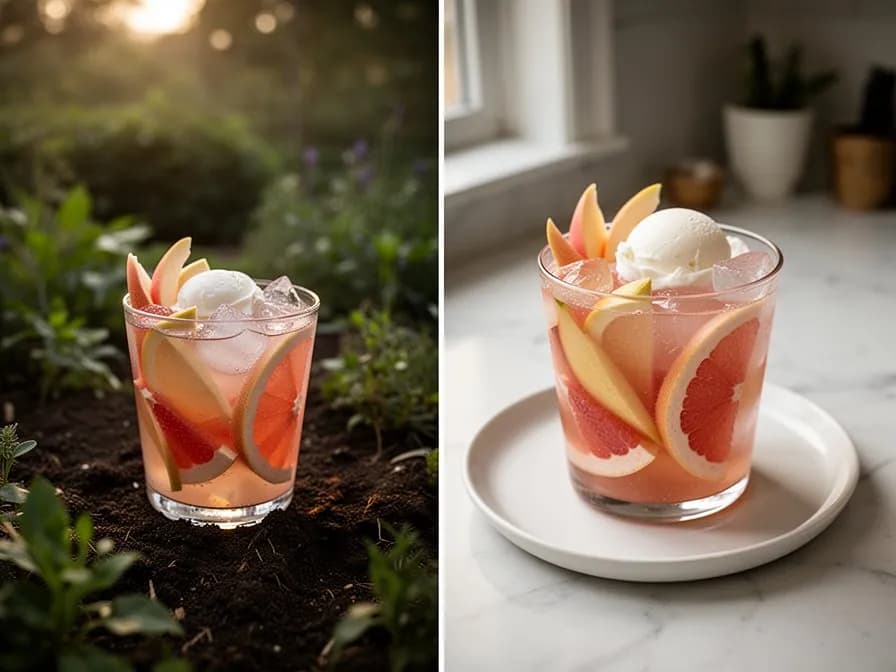
8 ingredientesAgua fresca de pomelo, miel y menta
10 minutosUna bebida fría y refrescante que celebra el aroma floral extraordinario y el sabor cítrico limpio del pomelo. A diferencia de muchos zumos comerciales de pomelo, que pueden resultar planos o demasiado dulces, esta agua fresca hecha con pomelo recién exprimido conserva los aromas volátiles brillantes que hacen que la fruta sea tan especial. La pequeña cantidad de miel suaviza cualquier amargor, mientras que la menta fresca añade una profundidad refrescante. Ideal servida con hielo picado en un día cálido.
7 ingredientesAlbedo confitado de pomelo
30 minutos activos (2 horas en total)En Tailandia y China, el albedo grueso y esponjoso del pomelo se transforma en un delicado dulce mediante un proceso sencillo de confitado. Primero se hierve para eliminar el amargor y después se cuece lentamente en almíbar hasta volverse translúcido y brillante como una joya. El resultado es un dulce masticable y aromático, con un suave amargor floral que engancha. Tradicionalmente se disfruta como tentempié de la tarde con té y también funciona muy bien como adorno para postres y cócteles.
7 ingredientesUsos culinarios
La pulpa del pomelo tiene un sabor dulce y suave, sin el amargor del grapefruit, por lo que es excelente para comer fresca. Los gajos grandes y fáciles de separar son perfectos para ensaladas, en especial la ensalada tailandesa de pomelo con gambas, coco y cacahuetes. El zumo da lugar a bebidas y cócteles refrescantes. En la cocina china, la piel confitada es una delicia de Año Nuevo. Los gajos de pomelo complementan platos de marisco y ensaladas de fruta. El albedo puede saltearse con pasta de gambas en la cocina del sudeste asiático.
Qué contiene
Beneficios para la salud
- Contenido excepcionalmente alto de vitamina C: una sola ración de 200 g aporta con creces la necesidad diaria de un adulto y favorece directamente la defensa inmunitaria, la producción de colágeno cutáneo, la cicatrización y la absorción de hierro no hemo de los alimentos vegetales
- La naringenina y la naringina, bioflavonoides presentes en concentraciones importantes en la pulpa y el albedo del pomelo, han mostrado en estudios de investigación efectos antiinflamatorios y antioxidantes significativos que pueden ayudar a proteger las células del daño oxidativo asociado con enfermedades crónicas
- Las variedades de pomelo de pulpa rosa y roja son una fuente destacada de licopeno, un antioxidante carotenoide que en estudios epidemiológicos se ha asociado con un menor riesgo de cáncer de próstata, enfermedad cardiovascular y degeneración macular
- El contenido de potasio del pomelo contribuye a una regulación saludable de la presión arterial al contrarrestar los efectos del sodio de la sal de mesa sobre la tensión arterial, lo que lo convierte en una fruta valiosa para personas con hipertensión
- A diferencia del grapefruit, el pomelo no contiene cantidades relevantes de furanocumarinas y por tanto no inhibe la enzima CYP3A4 que metaboliza decenas de medicamentos farmacéuticos comunes, lo que lo hace accesible para pacientes cuyos tratamientos excluyen el grapefruit
- El alto contenido de agua de la pulpa del pomelo, alrededor del 89 por ciento, combinado con su significativo contenido de vitamina C y electrolitos, lo convierte en un excelente alimento hidratante para la recuperación tras el esfuerzo físico, la enfermedad o la exposición al calor en climas tropicales
De dónde viene Pampelmusa
El pomelo (Citrus maxima) es originario del sudeste asiático, con focos de origen en la región que abarca la actual Malasia, Indonesia, Tailandia y el sur de China. La evidencia arqueológica y textual sugiere que se cultiva en estas regiones desde hace al menos 4.000 años, lo que lo convierte en la especie cítrica domesticada más antigua y en el antepasado del que derivan, a lo largo de milenios de hibridación natural y selección humana, casi todos los demás cítricos comercialmente importantes. Los antiguos registros chinos de tan atrás como el primer milenio a. C. describen el cultivo del pomelo y su importancia ceremonial, y el fruto aparece en registros de la corte de la dinastía Zhou como un tributo de lujo transportado al norte de China desde las provincias subtropicales del sur. Su introducción a Europa llegó de manera indirecta a través de comerciantes árabes que llevaron varias especies cítricas hacia el oeste por el Mediterráneo, aunque el pomelo permaneció en gran medida confinado a la Asia tropical y subtropical durante la mayor parte de su historia. Según la tradición caribeña, el capitán inglés Shaddock llevó semillas de pomelo a Barbados desde las Indias Orientales en el siglo XVII, dando origen al nombre 'shaddock', que todavía se usa en el Caribe. En la isla de Barbados, se produjo un cruce natural entre el pomelo y la naranja dulce, que dio lugar al grapefruit, una fruta que llegaría a dominar los mercados cítricos occidentales pese a la relativa discreción de sus progenitores fuera de Asia. En China, el cultivo del pomelo tiene una tradición hortícola documentada de más de 2.000 años, con variedades regionales distintas desarrolladas en Guangdong, Fujian y Guangxi, cada una reflejando las preferencias y condiciones de cultivo de su zona. El pomelo Shatian de Guangdong, el pomelo miel Guanxi de Fujian y el pomelo Mato de Tailandia representan la cima de esta larga tradición de mejora, con colores de pulpa que van del blanco al rosa intenso y perfiles de sabor que abarcan desde lo intensamente dulce hasta lo agradablemente ácido. Hoy, China produce aproximadamente el 85 por ciento de la cosecha mundial de pomelo, seguida por Tailandia, Vietnam y otras naciones del sudeste asiático. La fruta despierta un interés internacional creciente a medida que los consumidores buscan alternativas al grapefruit y descubren la combinación característica del pomelo de fragancia floral, amargor manejable y capacidad de conservación excepcional.
Pampelmusa: ¿sabías que?
Datos fascinantes sobre Pampelmusa
El pomelo es el fruto más grande de toda la familia de los cítricos y también la especie cítrica cultivada más antigua, con pruebas de cultivo en el sudeste asiático de hace más de 4.000 años, lo que antecede por miles de años tanto al limón como a la naranja.
Pampelmusa: preguntas frecuentes
¿Cuándo debo plantar Pampelmusa?
¿Cuáles son buenas plantas acompañantes para Pampelmusa?
¿En qué zonas de rusticidad puede crecer Pampelmusa?
¿Cuánto sol necesita Pampelmusa?
¿A qué distancia debo espaciar Pampelmusa?
¿Qué plagas y enfermedades afectan a Pampelmusa?
¿Cómo almaceno Pampelmusa después de la cosecha?
¿Cuáles son las mejores variedades de Pampelmusa para cultivar?
¿Qué suelo necesita Pampelmusa?
¿Cuánto tarda un pomelo en dar fruto?
¿Por qué mi pomelo florece pero no cuaja fruto?
¿Puedo cultivar un pomelo en maceta en un clima frío?
¿Cuál es la diferencia entre un pomelo y un grapefruit?
¿Cómo sé si un pomelo está maduro y listo para cosechar?
¿Por qué mi pomelo tiene pulpa seca o “inflada” y poco zumo?
Acabas de leer la teoría. Ahora cultívala en piloto automático.
Todo lo que hace que Pampelmusa sea delicado — el momento, el espaciado, las asociaciones, la ventana de cosecha — es justo lo que PlotMyGarden resuelve por ti, para cada planta de tu huerto.
Un plan que conoce tu clima
Indica tu ubicación una vez. Recibe fechas de siembra, abonado y cosecha basadas en tu última helada real y el pronóstico en vivo — sin adivinar con un sobre genérico.
De la sección “Cuándo plantar”Planificador de bancales de arrastrar y soltar
Diseña bancales sobre una cuadrícula. Cada planta encaja con su espaciado correcto y ves toda la temporada antes de gastar un céntimo en semillas.
De la sección “Cultivo”Conflictos de asociación, detectados a tiempo
Más de 200 buenas y malas combinaciones comprobadas en vivo mientras plantas — para que un error que arruine la temporada nunca llegue a la tierra.
De la sección “Asociaciones”Recordatorios que sí vas a seguir
“Riega las judías.” “Recoge hoy antes de que se pase.” Oportunos, concretos y ligados a las plantas que de verdad cultivas.
De la sección “Cosecha”Escalonado, programado
¿Quieres cosechar seis semanas en vez de seis días? Reparte tus siembras automáticamente y te avisa cuando toca el siguiente lote.
De la sección “Cuándo plantar”Un registro que se vuelve más listo
Cada cosecha que registras le enseña tu huerto. El plan del año que viene parte de lo que de verdad funcionó en tu suelo, no en un manual.
De la sección “Resumen”Planta estos junto a Pampelmusa
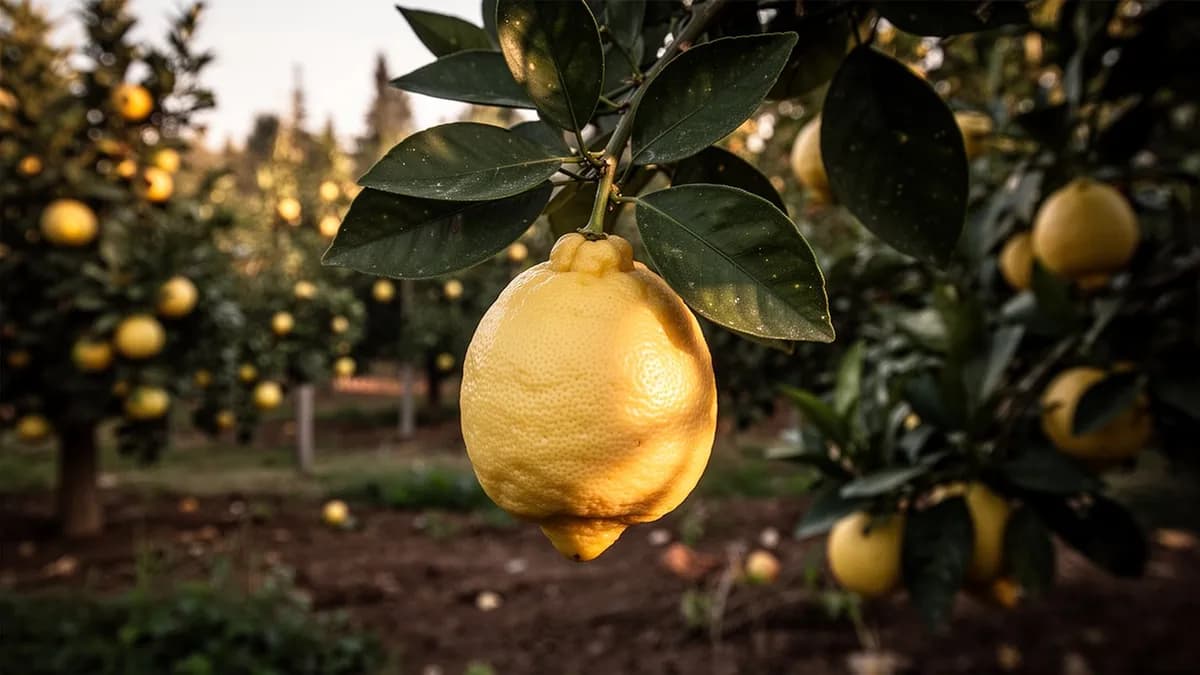
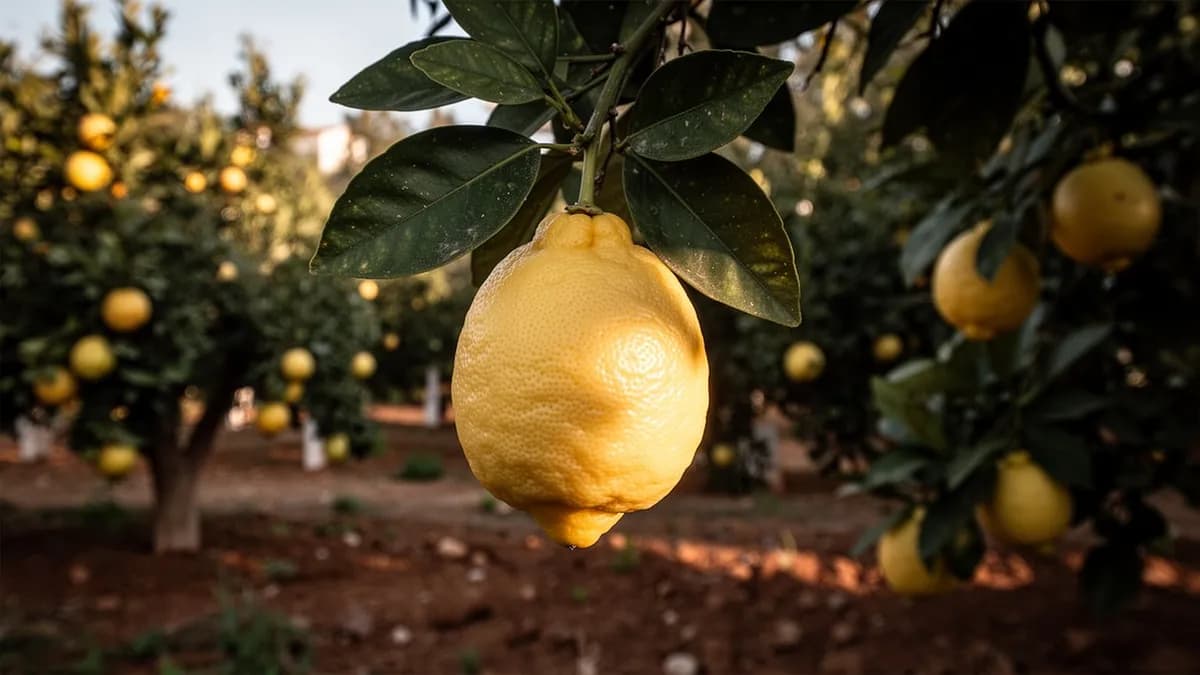
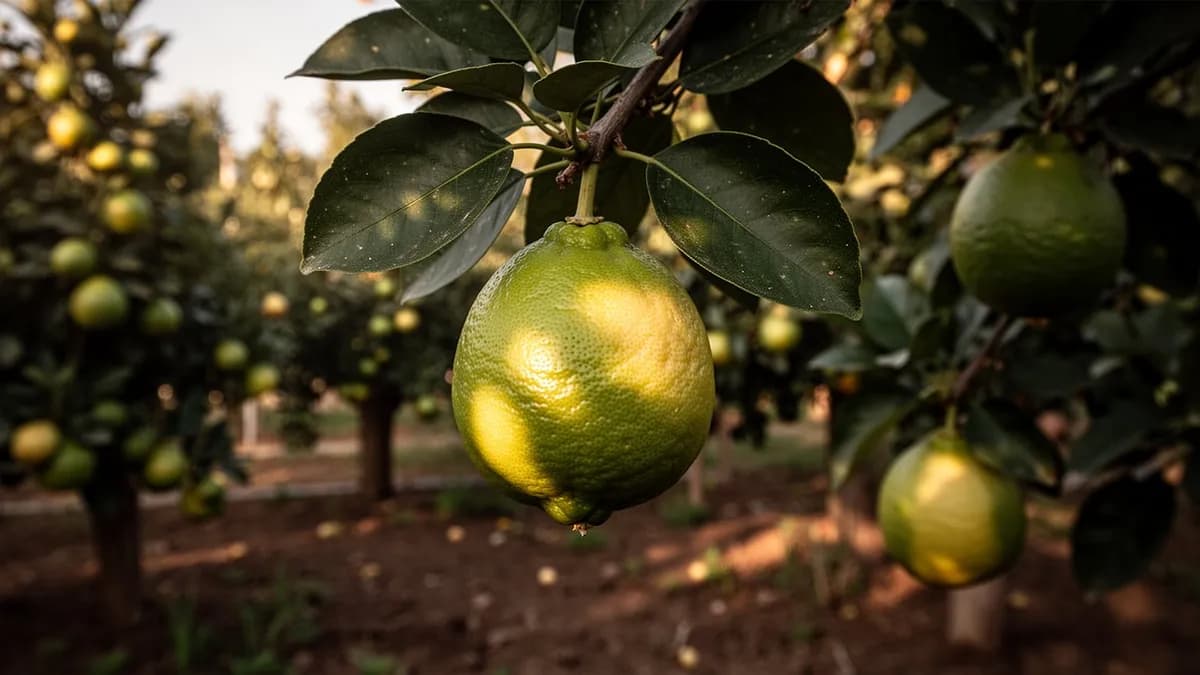
Más Cítricos
Mantén Pampelmusa lejos de estos
Cultiva tu mejor Pampelmusa — y todo lo que la rodea.
Empieza un plan gratis hoy. Diseña tus bancales, coloca tu Pampelmusa y deja que PlotMyGarden gestione el momento, el espaciado, las asociaciones y los recordatorios de la semilla a la cesta.