Pinto Bean
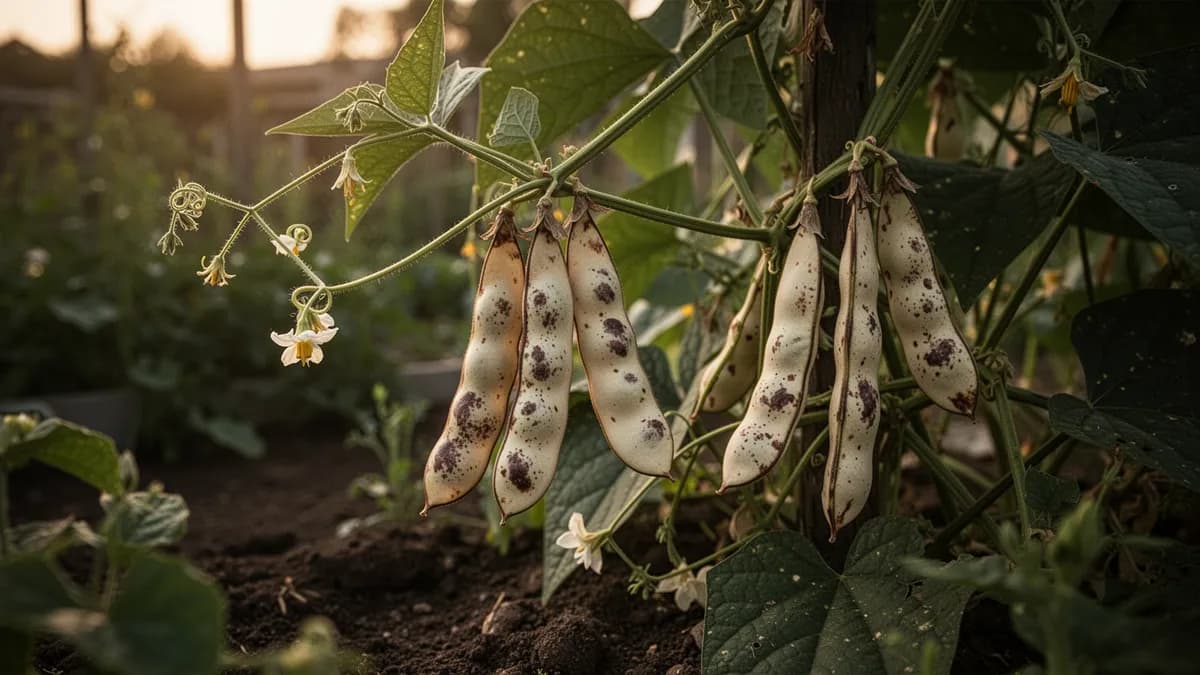
The most popular bean in the United States, with speckled brown and beige markings that disappear into a uniform pink-brown when cooked.





On this pageOverview
Meet Pinto Bean
The most popular bean in the United States, with speckled brown and beige markings that disappear into a uniform pink-brown when cooked. Pinto beans are the essential ingredient in refried beans and are delicious in burritos, chili, and as a simple side dish. Bush varieties are straightforward to grow and produce a heavy crop for drying and winter storage. Sow directly after the last frost in warm soil and keep well watered during flowering for maximum yields.
When to plant Pinto Bean
Direct sow only after last frost when soil reaches 60°F. Plant 1-2 inches deep. Inoculate with Rhizobium before planting. Seeds germinate in 7-14 days. Do not soak before planting as this can cause splitting. Space 4-6 inches apart. Seeds remain viable for 3-4 years. Plant in warm, dry conditions for best germination. Avoid cold, wet soil which causes seed rot.
Your Pinto Bean Year
Composed for Zone 7 · typical seasons · frost passes Apr 2, returns Nov 1
Plant Pinto Bean May – Jun, pick Aug – Oct. Check the planting methods below and set your climate to personalize these windows.
How to grow Pinto Bean
Direct sow pinto bean seeds 1-2 inches deep after all frost danger and soil reaches 60°F. Space 4-6 inches apart in rows 24-30 inches apart. Seeds germinate in 7-14 days at 65-85°F. Pinto beans are bush types growing 18-24 inches tall that do not require support.
Provide full sun and moderate water. Pinto beans are fairly drought-tolerant and actually produce better in drier conditions. Avoid overhead watering to prevent disease. As nitrogen-fixing legumes, no nitrogen fertilizer is needed. Apply phosphorus if soil is deficient.
Pinto beans require 85-100 days for dry bean harvest. Allow pods to dry on plants until brown and papery. In wet climates, pull plants before rains and finish drying under cover. Pinto beans are the most widely grown dry bean in the United States and are the classic bean for Mexican refried beans and many Southwestern dishes.
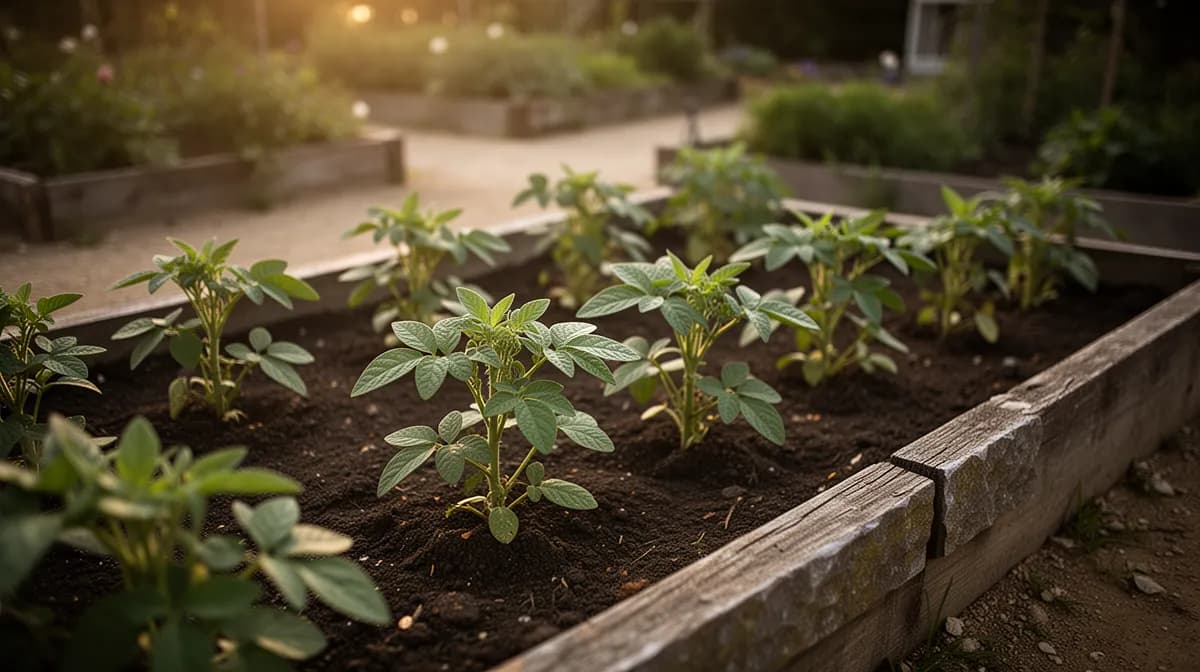
288 plants fit a 4 × 8 ft bed
Each Pinto Bean wants 10 cm of elbow room. The planner keeps that spacing for you — every plant, every bed.
Pinto Bean's best neighbours
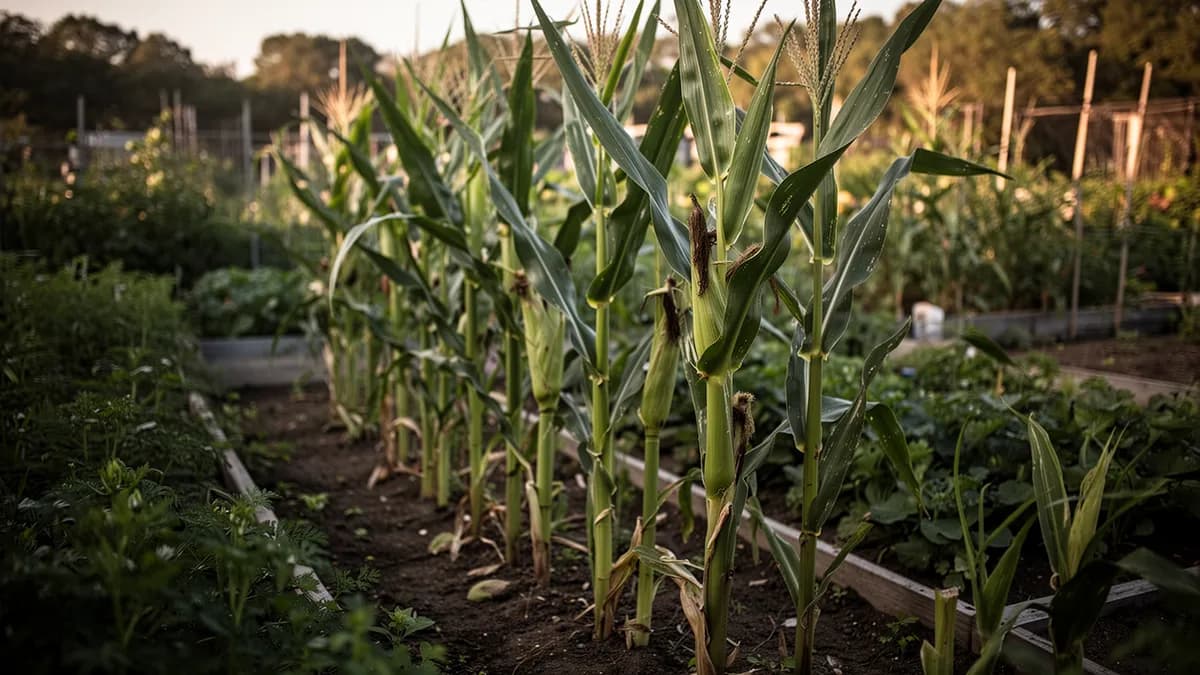
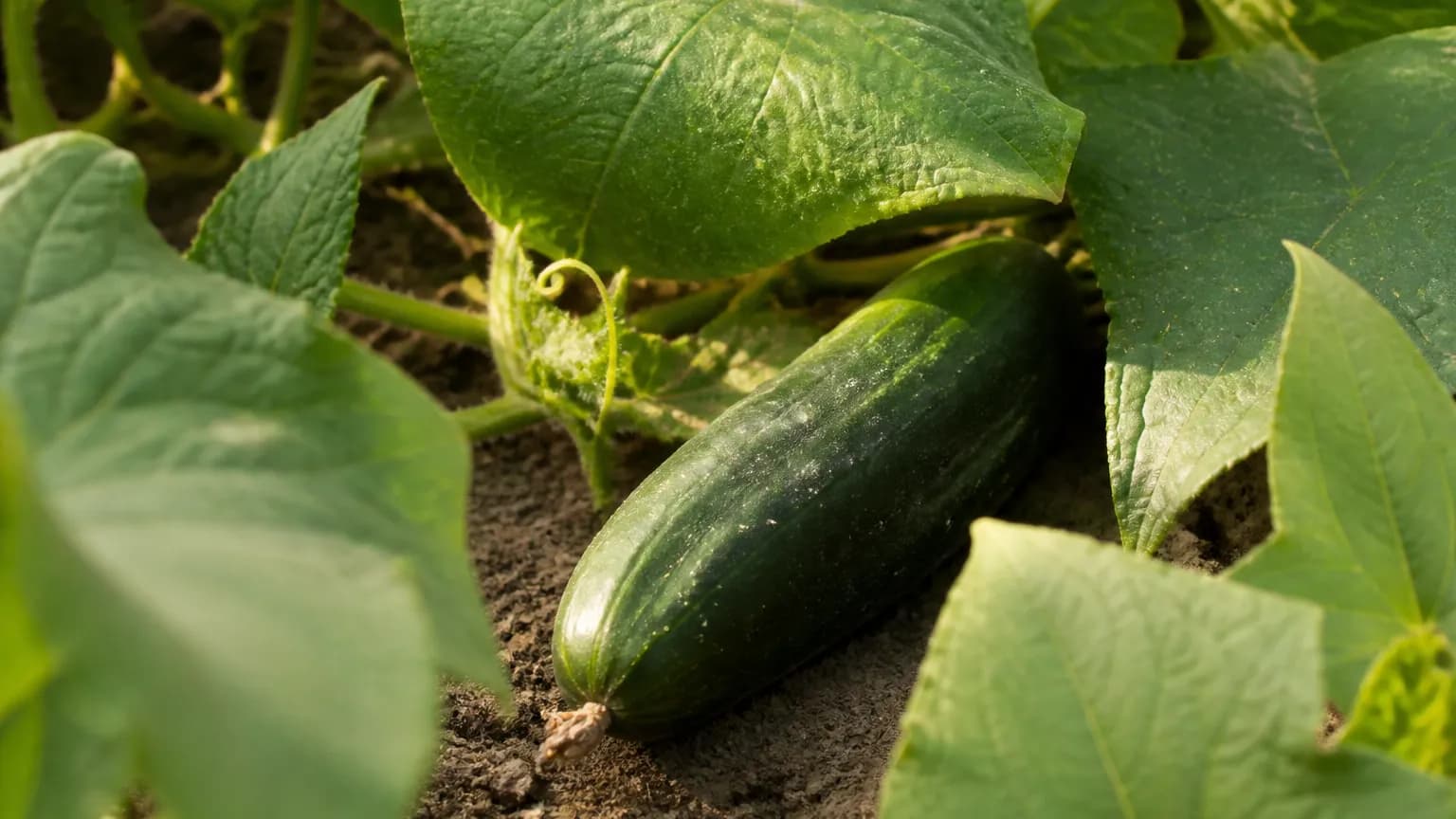
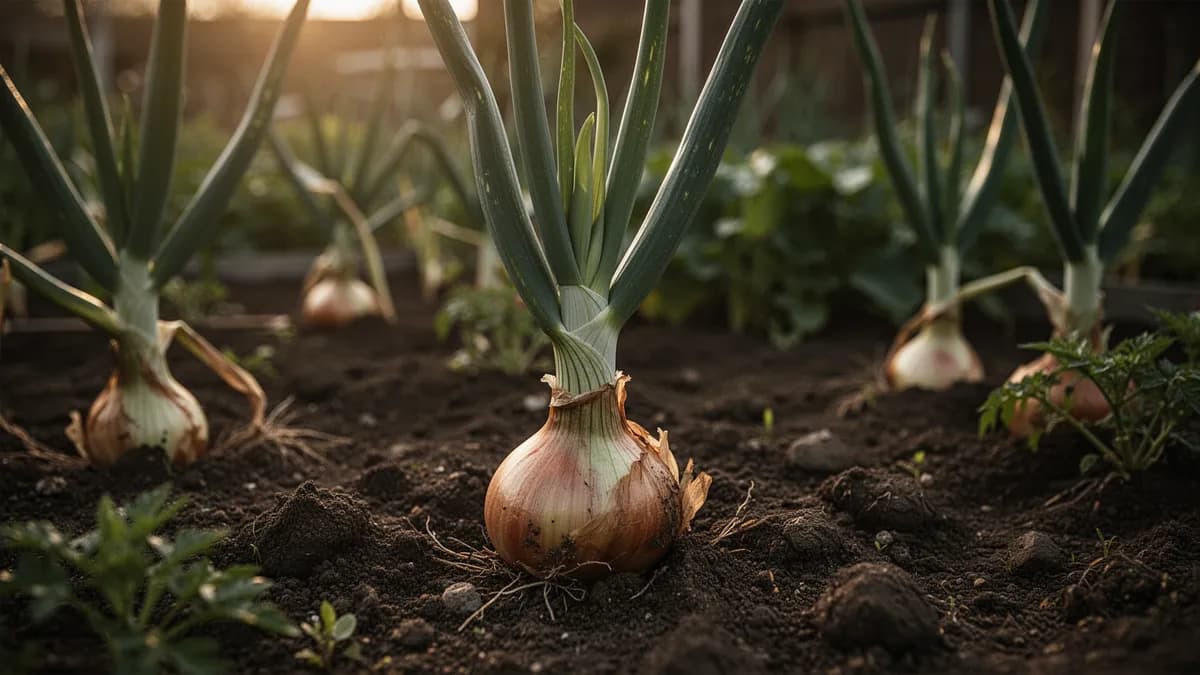
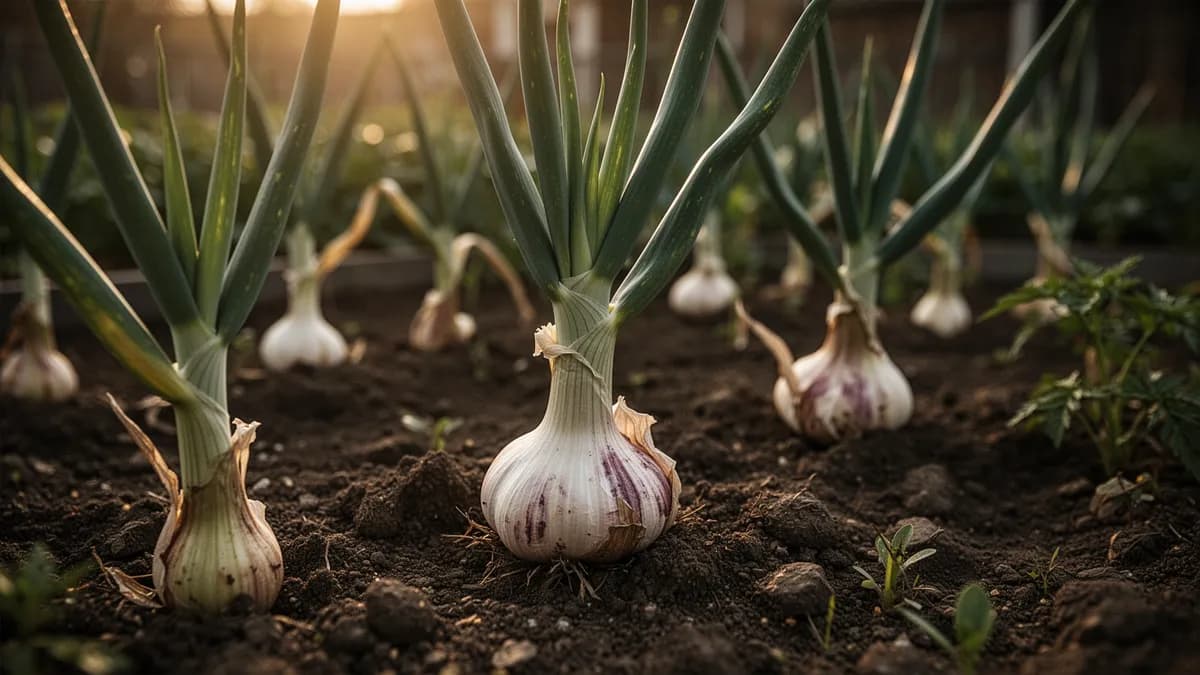
Pinto beans fix nitrogen in the soil for neighboring and subsequent crops. Plant with corn and squash in the Three Sisters method. Good companions include carrots, cucumbers, and eggplant. Avoid onions, garlic, and fennel. Follow pinto beans with nitrogen-hungry crops like corn or brassicas. Bush plants do not shade neighbors significantly.
Corn belongs beside it. Onion doesn't.
Old growers' knowledge, checked against Pinto Bean's real companion table below — test any plant you're growing.
Try Pinto Bean in a bed — right here
A real planner bed with Pinto Bean already in it. Tap a companion to place it and watch the pairing checks answer — green for good neighbours, red for a clash.


Related growing guides
Feed it well
Pinto beans grow in well-drained soil with a pH of 6.0-7.0. Inoculate with Rhizobium for nitrogen fixation. No nitrogen fertilizer needed. Light phosphorus at planting supports pod development. Pinto beans prefer drier conditions and good drainage. Avoid heavy, wet soil. Moderate fertility produces the best bean-to-foliage ratio. Sandy loam is ideal.
Ideal Temperature
Hardiness Zone Compatibility
From seed to harvest, stage by stage
Seed Germination
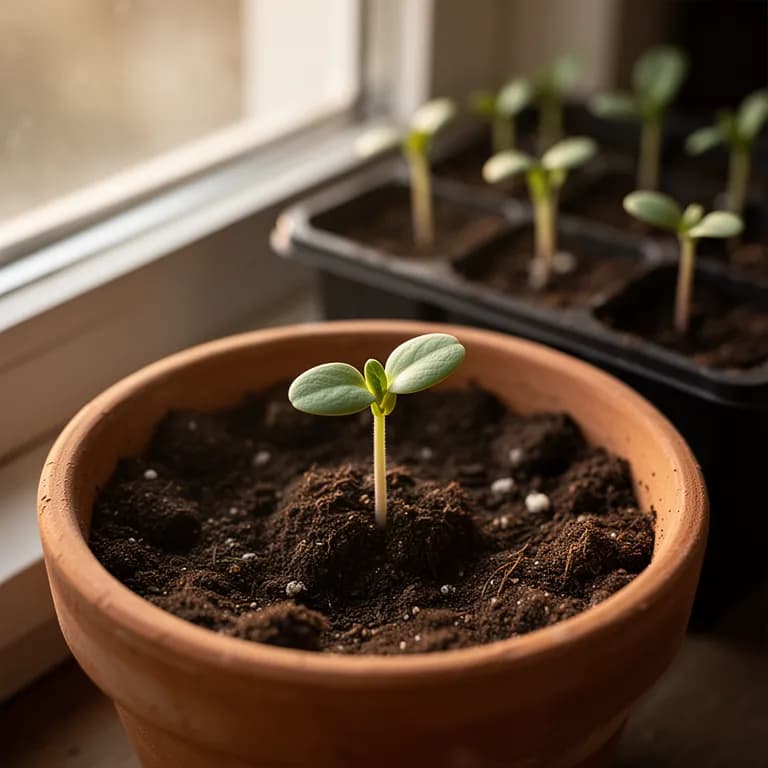
Seeds swell rapidly in warm, moist soil and send out a thick white radicle root within 3-5 days. The hypocotyl arch pushes through the soil surface, lifting the large cotyledon leaves. Germination requires soil temperatures of at least 16°C (60°F) and is fastest at 24-27°C (75-80°F).
Seedling Establishment
The first trifoliate leaves unfurl above the cotyledons, and the root system begins developing nitrogen-fixing nodules with Rhizobium bacteria. Seedlings grow steadily and develop a compact, bushy habit. The cotyledons yellow and drop as the plant becomes self-sufficient.
Vegetative Growth
Bush-type plants develop rapidly to their full height of 45-60 cm (18-24 inches), producing dense foliage and a strong root system studded with nitrogen-fixing nodules. The branching structure fills out as the plant prepares for flowering.
Flowering
Small white to pale lavender flowers appear in clusters along the stems. Each flower is self-pollinating, though bee visits improve pod set. Flowering occurs over a 2-3 week period, with pods beginning to form on the earliest flowers while later flowers are still opening.
Pod Fill
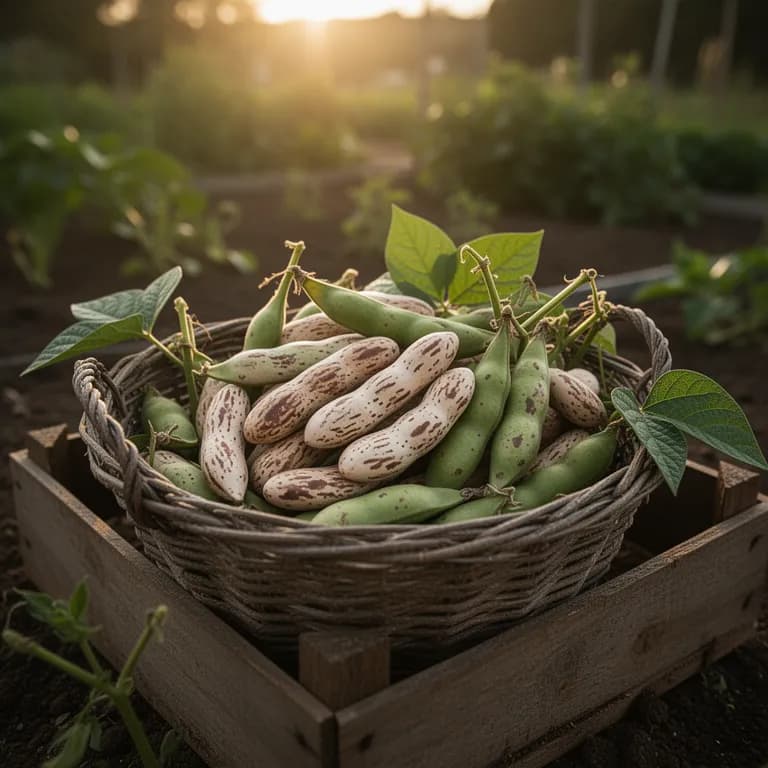
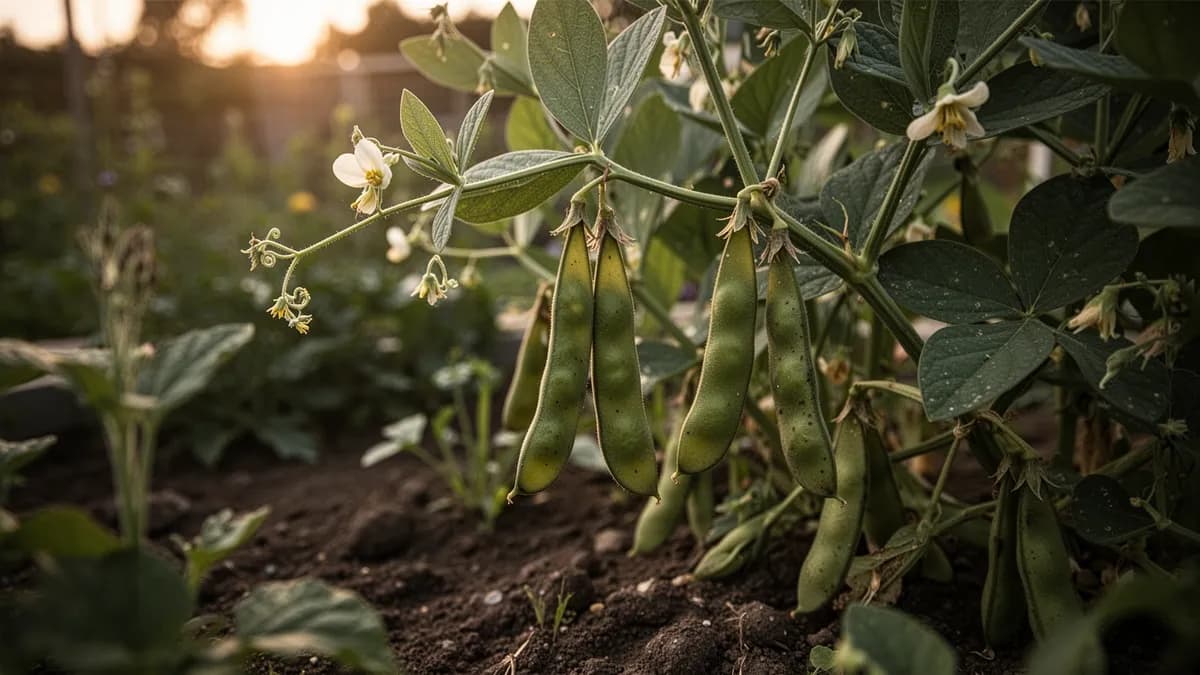
Green pods swell as seeds develop inside, progressing from flat to plump. At this stage, beans can be harvested as fresh shelling beans with a solid pink color. The characteristic speckled pattern begins to appear as pods start to mature and moisture content decreases.
Dry-Down and Harvest
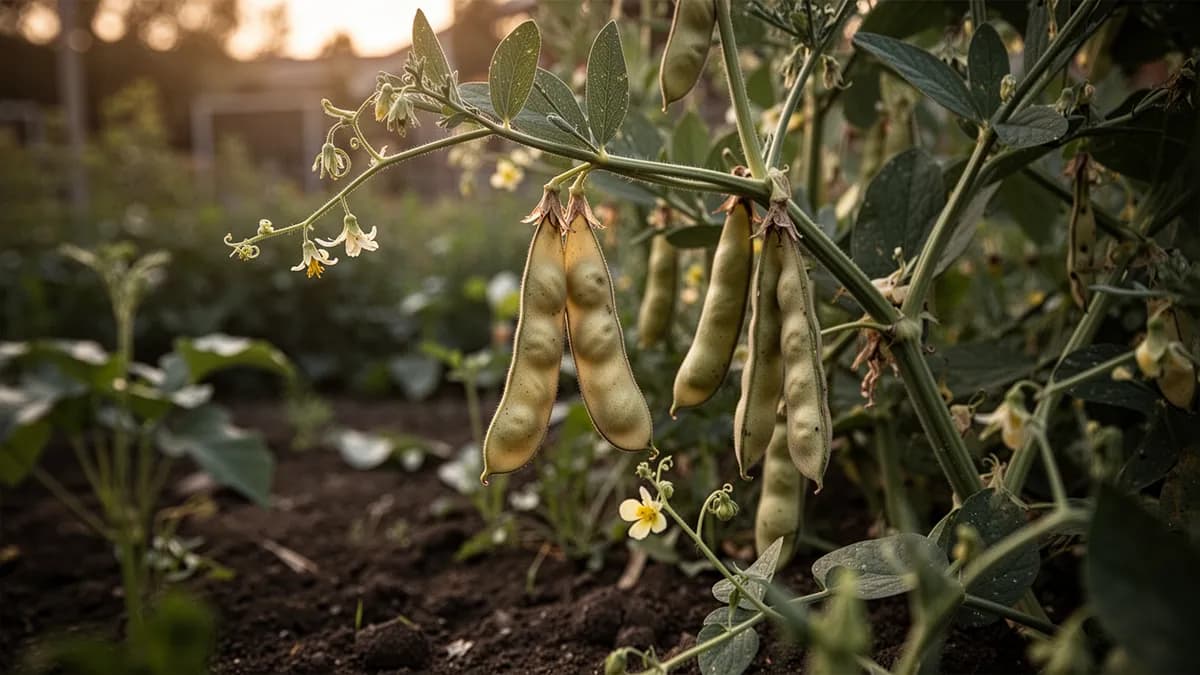
Pods turn from green to yellow to brown and papery as moisture content drops below 14%. Leaves yellow and drop. The entire plant dries down uniformly in ideal conditions. Beans inside display their full speckled brown-and-beige pattern and rattle inside dry pods when shaken.
Do not soak pinto bean seeds before planting — unlike many beans, pintos have thin seed coats that absorb water quickly and can split or rot if pre-soaked. Plant 2.5-5 cm deep in warm, well-drained soil.
Caring for Pinto Bean month by month
What to do each month for your Pinto Bean
October
You are hereThresh dried plants by beating in a pillowcase or bag. Winnow to separate beans from chaff on a breezy day. Check beans for insect damage and discard any with holes. Prepare beans for storage.
Know exactly what to do in your garden — every month
One email at the start of each month: what to sow, plant, and tackle right now — for your Pinto Bean and everything growing around it. Plus a short starter course that helps you dodge the classic mistakes.
- What to do, right now
- Matched to your season
- Starter course included
Harvesting Pinto Bean
For dry pinto beans, leave pods on plants until brown and papery, 85-100 days from sowing. Pull entire plants when most pods are dry. Hang upside down under cover for 1-2 weeks to finish curing. Thresh by beating in a bag and winnow to clean. For fresh shelling beans, harvest when pods are plump but still moist. The speckled pattern appears as beans dry; fresh beans are solid pink.
assuming you plant when the window opens — set your real date
Pick Pinto Bean promptly and the plant keeps producing.
Storage & Preservation
Dry pinto beans until they shatter when bitten. Store in airtight containers for 2-3 years in a cool, dry location. Cooked pinto beans freeze well for 12 months. Pressure can for shelf-stable storage. Refried beans freeze excellently. Dried beans can be ground into flour for baking. Pinto beans are one of the best drying beans for long-term food storage.
What goes wrong — and the fix
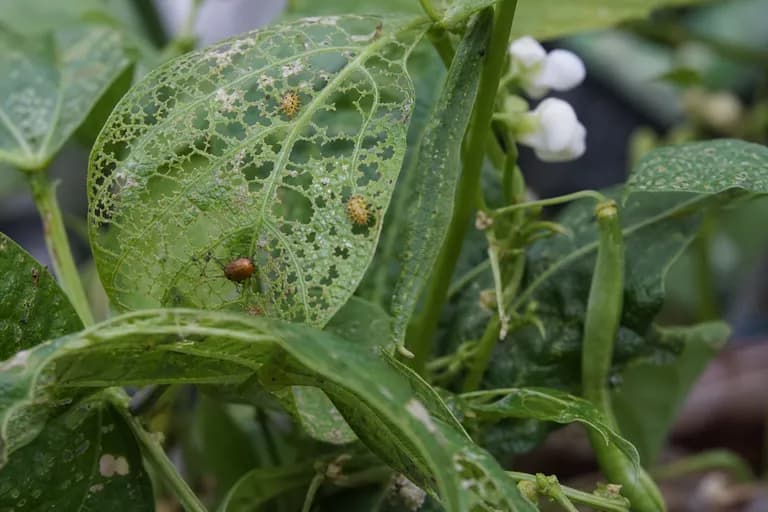
Mexican Bean Beetle
PestSkeletonized leaves, coppery beetles and orange spiny larvae on undersides.
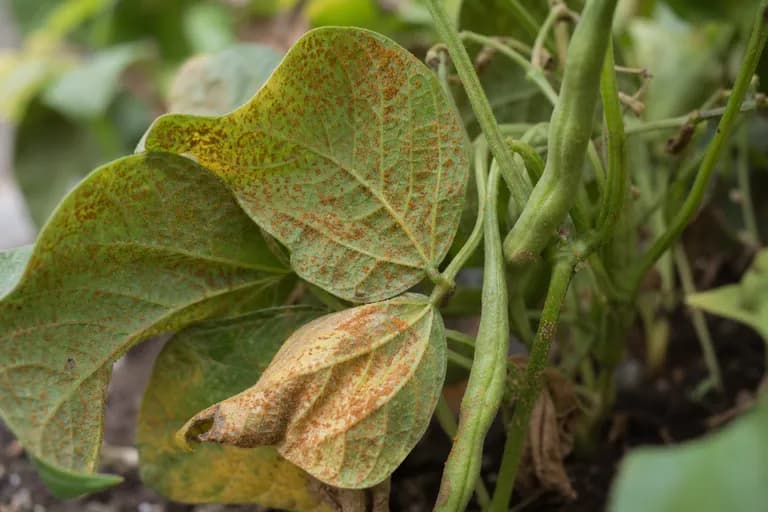
Bean Rust
DiseaseReddish-brown pustules on leaf undersides, yellowing, premature defoliation.
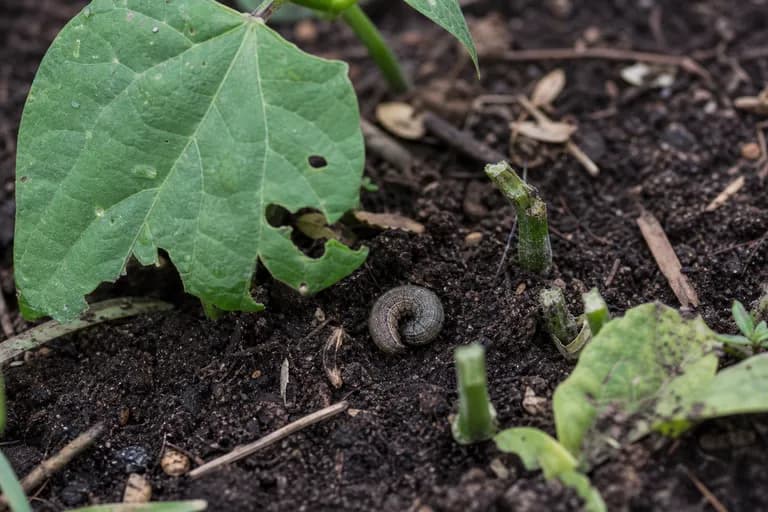
Cutworms
PestSeedlings cut off at soil level, caterpillars found in soil near damaged plants.
Troubleshooting Common Problems
Wet, humid conditions promote disease; pinto beans prefer dry climates similar to their native Southwest. Provide excellent air circulation and avoid overhead watering. Cold, wet soil causes poor germination; plant in warm soil. Mexican bean beetles can cause rapid defoliation; scout regularly. Uneven pod maturity means harvest timing is a balance. Pod shattering in very dry conditions.
Growing Tips
- Do not soak pinto bean seeds before planting. Unlike many larger-seeded beans, pintos have relatively thin seed coats that absorb water quickly and are prone to splitting and rotting when pre-soaked. Plant directly into warm, moist soil for the best germination rates.
- Inoculate seeds with Rhizobium leguminosarum inoculant at planting time, especially if the bed has not grown beans in the past 3-4 years. The nitrogen-fixing bacteria dramatically improve plant vigor and yield while enriching the soil for future crops.
- Pinto beans are dryland crops that actually prefer drier conditions than most garden vegetables. Overwatering promotes lush foliage, root rot, and foliar diseases. Water deeply but infrequently, and withhold water entirely during the dry-down phase as pods mature.
- Avoid all nitrogen fertilizer — the Rhizobium nodules provide all the nitrogen pinto beans need, and additional nitrogen causes excessive leaf growth at the expense of pod production. A light application of phosphorus (bone meal or rock phosphate) at planting supports flowering and pod fill.
- Cultivate weeds early and shallowly, as pinto beans have a relatively shallow root system that is easily damaged by deep hoeing. Once plants are 15 cm tall, apply a light organic mulch to suppress weeds and conserve soil moisture.
- For the highest-quality dried beans, time your harvest carefully. Pull entire plants when 90% of pods are dry and brown but before heavy rains can cause sprouting or mold. In humid climates, harvest slightly early and finish drying under cover.
- Practice strict 3-year crop rotation with pinto beans to prevent the buildup of bean rust, bacterial blight, and root rot pathogens in the soil. Follow beans with heavy nitrogen feeders like corn, squash, or brassicas that benefit from the residual fixed nitrogen.
- Save seeds from your healthiest, most productive plants for next year. Pinto bean seeds remain viable for 3-4 years when stored in a cool, dry place. Select pods from the most uniform, disease-free plants to gradually improve your adapted strain.
Grow your best Pinto Bean yet — and everything around it.
Start a free plan today. Lay out your beds, drop in your Pinto Bean, and let PlotMyGarden handle the timing, spacing, companions and reminders from seed to harvest basket.
Pick your Pinto Bean
Pinto
The standard mottled brown-and-beige dry bean. Rich, earthy flavor. The most popular bean in the US. 90 days.
Othello
Improved pinto with upright habit and good disease resistance. High yields and uniform beans.
Burke
Early-maturing pinto ready in 85 days. Good for short-season areas. Consistent performance.
A single packet of pinto bean seeds costing $3-5 can plant a 6-meter row that produces 2-4 kg of dried beans — equivalent to $8-20 worth of organic dried pintos or $15-30 worth of canned beans at the grocery store. Growing your own also eliminates the BPA-lined cans and excess sodium found in commercial products. Since dried pinto beans store for 2-3 years, a single productive harvest provides shelf-stable protein for extended periods. The real savings multiply when you consider that homegrown pintos also improve your soil by fixing nitrogen, reducing fertilizer costs for the next crop in the rotation.
Quick recipes
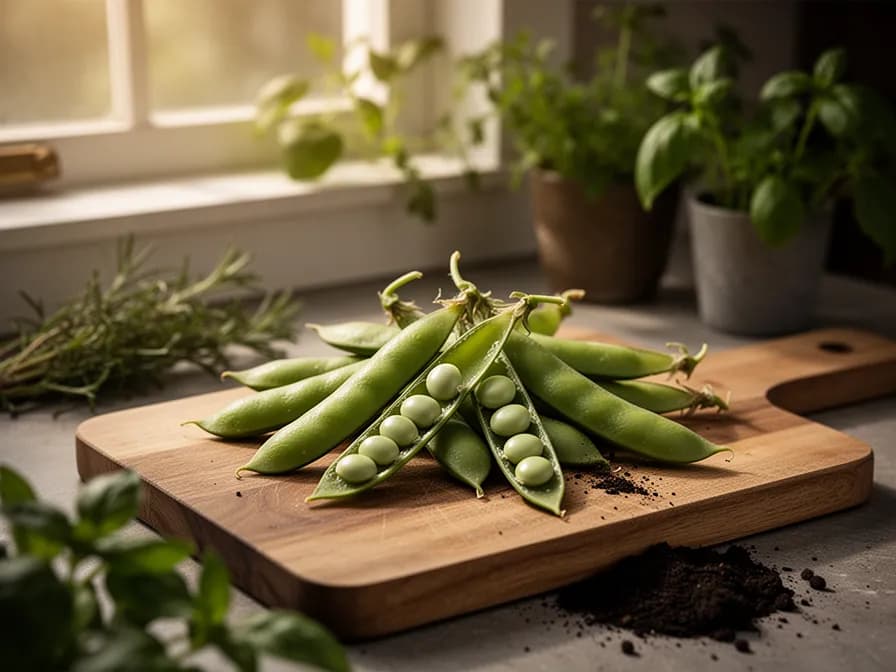
Classic Refried Beans (Frijoles Refritos)
30 min (plus overnight soak)The quintessential Mexican side dish — tender pinto beans mashed and fried with aromatic onion, garlic, and cumin until creamy and rich. Homemade refried beans are incomparably better than canned and freeze beautifully for quick meals.
7 ingredientsSlow-Cooker Charro Beans (Frijoles Charros)
15 min prep, 8 hrs slow cookA hearty, brothy Mexican bean dish loaded with smoky bacon, tomatoes, chili peppers, and herbs. Charro beans are a beloved side for grilled meats and tacos, and they only get better the next day as the flavors meld.
8 ingredientsPinto Bean and Roasted Vegetable Burrito Bowl
35 minA colorful, protein-packed bowl layering seasoned pinto beans over cilantro-lime rice with roasted vegetables, fresh salsa, and creamy avocado. A wholesome weeknight dinner that showcases homegrown pintos at their best.
7 ingredientsCulinary Uses
Pinto beans are the backbone of Mexican and Southwestern cuisine. Make classic refried beans by mashing cooked pintos with lard or oil. Simmer into charro beans with bacon and chili. Use in burritos, nachos, and tostadas. Cook low and slow for cowboy beans. Add to chili and hearty soups. Mash for bean dip. The creamy, earthy flavor pairs with cumin, chili, garlic, and lime.
What's inside
Health Benefits
- Pinto beans are among the highest-fiber foods available, providing 9g of dietary fiber per 100g cooked serving (36% DV) — this exceptional fiber content supports digestive regularity, feeds beneficial gut bacteria, and may significantly reduce the risk of colorectal cancer.
- The combination of high fiber and complex carbohydrates gives pinto beans a very low glycemic index, causing a slow, steady rise in blood sugar rather than a spike — regular consumption is associated with improved blood sugar control in people with type 2 diabetes.
- Rich in plant-based protein at 9g per 100g cooked, pinto beans provide essential amino acids that complement grains to form complete proteins — the traditional pairing of beans and rice or beans and corn tortillas is nutritionally synergistic.
- Excellent source of folate (37% DV per 100g cooked), a B vitamin critical for DNA synthesis, cell division, and prevention of neural tube defects during pregnancy — pinto beans are one of the best natural food sources of this essential nutrient.
- High in iron (12% DV), magnesium (12% DV), and potassium (12% DV), supporting oxygen transport, muscle function, and blood pressure regulation — minerals that many people do not consume in adequate amounts.
- Studies indicate that consuming legumes like pinto beans 4+ times per week is associated with a 22% lower risk of coronary heart disease, likely due to their cholesterol-lowering soluble fiber, potassium content, and antioxidant polyphenols.
Where Pinto Bean comes from
Pinto beans (Phaseolus vulgaris) trace their origins to the highlands of central Mexico and Guatemala, where the common bean was first domesticated approximately 7,000-8,000 years ago. Archaeological evidence from caves in the Tehuacan Valley and the Ocampo region of Mexico shows that ancient Mesoamerican peoples were cultivating beans alongside corn and squash — the foundational Three Sisters that sustained civilizations across the Americas. Pinto beans specifically evolved as a dry-adapted variety suited to the arid conditions of what is now the American Southwest and northern Mexico.
Spanish colonizers encountered pinto beans throughout Mexico and the American Southwest in the 16th century and quickly adopted them as a staple food. The beans spread along colonial trade routes and became deeply embedded in the cuisines of the borderlands region. For centuries, pinto beans served as a primary protein source for ranchers, miners, and settlers throughout the arid West, earning nicknames like 'cowboy beans' and 'prairie strawberries.' The combination of pinto beans with corn tortillas creates a complete protein, and this nutritional partnership has sustained communities across Mexico and the American Southwest for millennia.
Today, pinto beans are the most widely produced dry bean in the United States, with North Dakota, Nebraska, Colorado, Idaho, and New Mexico as the leading producing states. The US produces approximately 400,000-500,000 metric tonnes of pinto beans annually. Mexico remains both a major producer and the largest export market for US pintos. Modern varieties like Burke, Othello, and Lariat have been developed for disease resistance and uniform maturity, but the fundamental character of this ancient crop — drought tolerance, nitrogen fixation, high protein content, and exceptional storability — remains unchanged from its Mesoamerican origins.
Pinto Bean: did you know?
Fascinating facts about Pinto Bean
Pinto beans are the single most consumed bean in the United States and Mexico combined, accounting for roughly 40% of all dry beans eaten in the US — their name comes from the Spanish word 'pintado' meaning 'painted,' referring to their distinctive speckled appearance.
Pinto Bean questions, answered
When should I plant Pinto Bean?
What are good companion plants for Pinto Bean?
What hardiness zones can Pinto Bean grow in?
How much sun does Pinto Bean need?
How far apart should I space Pinto Bean?
What pests and diseases affect Pinto Bean?
How do I store Pinto Bean after harvest?
What are the best Pinto Bean varieties to grow?
What soil does Pinto Bean need?
What is the difference between fresh shelling pinto beans and dried pinto beans?
Why did my pinto bean plants produce lots of leaves but very few pods?
How do I store dried pinto beans for the longest shelf life?
Can I grow pinto beans in a short-season northern climate?
Are pinto beans safe to eat raw or undercooked?
Do pinto beans really improve soil fertility for the next crop?
You just read the theory. Now grow it on autopilot.
Everything that makes Pinto Bean fiddly — the timing, the spacing, the companions, the harvest window — is exactly what PlotMyGarden handles for you, for every plant in your garden.
A plan that knows your weather
Set your location once. Get sow, feed and harvest dates built around your real last-frost date and live forecast — no more guessing from a generic seed packet.
From the “When to plant” sectionDrag-and-drop bed planner
Design beds on a grid. Every plant snaps to its proper spacing, and you can see your whole season laid out before you spend a cent on seed.
From the “Growing guide” sectionCompanion conflicts, caught early
200+ good-and-bad pairings checked live as you plant — so a season-wrecking mistake never makes it into the ground.
From the “Companions” sectionReminders you'll actually act on
“Water the beans.” “Pick today before it turns.” Timely, specific, and tied to the plants you're really growing.
From the “Harvest” sectionSuccession, scheduled
Want a harvest for six weeks, not six days? It spaces your sowings automatically and reminds you when each new block is due.
From the “When to plant” sectionA record that gets smarter
Every harvest you log teaches it your garden. Next year's plan starts from what actually worked in your soil, not a textbook's.
From the “Overview” sectionPlant these alongside Pinto Bean
More Legumes
Keep Pinto Bean away from these
Grow your best Pinto Bean yet — and everything around it.
Start a free plan today. Lay out your beds, drop in your Pinto Bean, and let PlotMyGarden handle the timing, spacing, companions and reminders from seed to harvest basket.