Wave Petunia
A vigorous spreading petunia that cascades beautifully from hanging baskets and covers ground rapidly without pinching.





On this pageOverview
Meet Wave Petunia
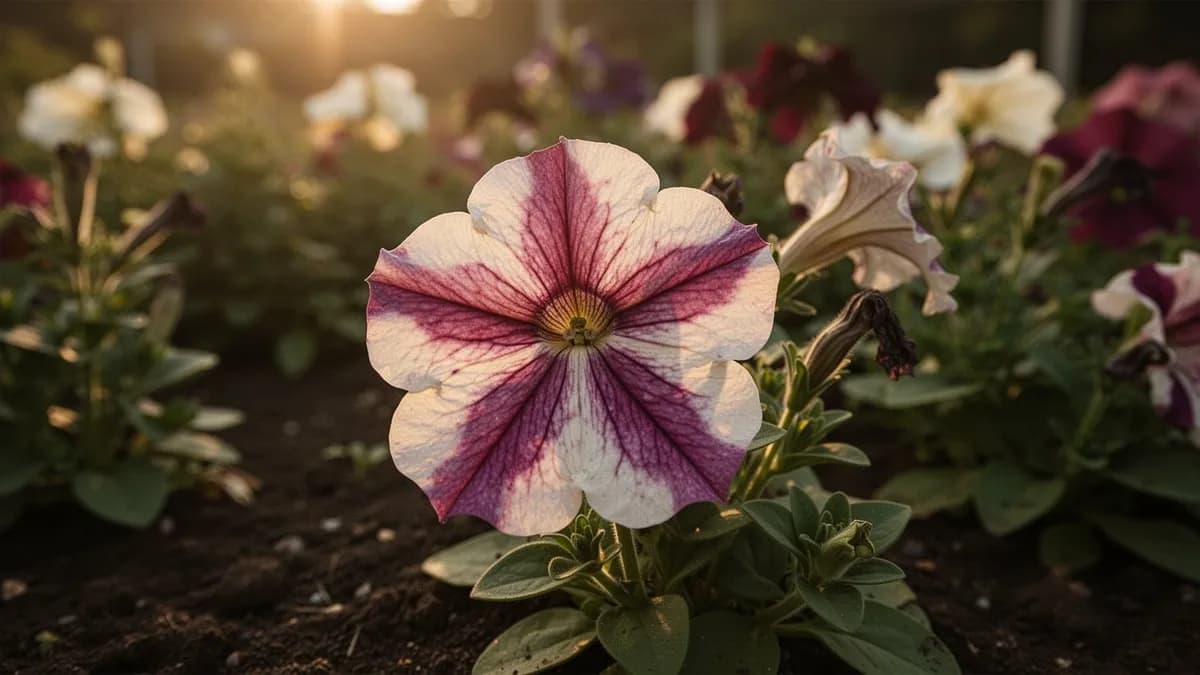
A vigorous spreading petunia that cascades beautifully from hanging baskets and covers ground rapidly without pinching. Wave petunias can spread up to four feet wide from a single plant and bloom non-stop from spring to frost. Feed heavily with liquid fertilizer every week for the best performance in containers.
When to plant Wave Petunia
Wave petunia seeds are extremely tiny, pelleted for easier handling. Start seeds indoors ten to twelve weeks before the last frost date. Sow pelleted seeds on the surface of moist seed-starting mix without covering, as light is required for germination. Keep at 70 to 75 degrees Fahrenheit and maintain consistent moisture to dissolve the pellet coating. Germination takes seven to ten days. Seedlings grow slowly at first and need bright light to prevent stretching. Most gardeners find it more practical to purchase Wave petunia transplants.
Your Wave Petunia Year
Composed for Zone 7 · typical seasons · frost passes Apr 2, returns Nov 1
Plant Wave Petunia Apr – May, pick May – Oct. Check the planting methods below and set your climate to personalize these windows.
How to grow Wave Petunia
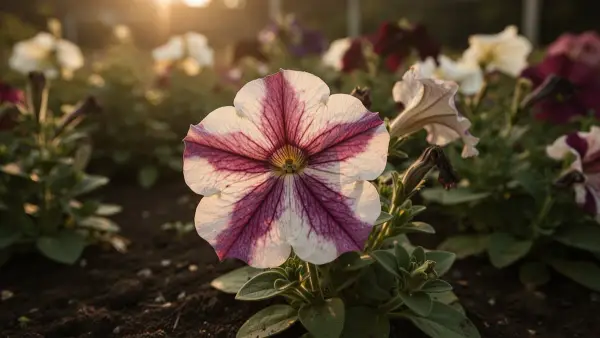
Plant Wave petunia transplants outdoors after all danger of frost has passed, in full sun with well-drained soil. Space plants twelve to twenty-four inches apart in garden beds, as each plant can spread three to four feet wide. In hanging baskets, use one plant per twelve-inch basket or three per large sixteen to eighteen inch container. Wave petunias need room to spread and should not be crowded with other plants.
These vigorous growers are extremely heavy feeders and require more fertilizer than typical annuals. In containers, feed weekly with a balanced liquid fertilizer at full strength or apply slow-release granular fertilizer at planting and supplement with weekly liquid feeding. In garden beds, feed every two weeks. Consistent nutrition is the key to the explosive growth and nonstop bloom that Wave petunias are famous for.
Water thoroughly when the top inch of soil is dry, which may be daily for containers in hot weather. Wave petunias do not require pinching, deadheading, or any shaping. Their naturally trailing and self-branching habit fills containers and covers ground without intervention. If plants become sparse in the center by midsummer, cut back by one-third and increase feeding to encourage a fresh flush of vigorous growth.
10 plants fit a 4 × 8 ft bed
Each Wave Petunia wants 45 cm of elbow room. The planner keeps that spacing for you — every plant, every bed.
Wave Petunia's best neighbours
Wave petunias are best used as standalone specimens in hanging baskets due to their aggressive spreading habit. In garden beds, they work as a flowering ground cover in front of taller plants like salvia, cleome, and ornamental grasses. In large mixed containers, combine with upright plants like dracaena spike or ornamental grasses as the centerpiece and allow the Wave petunia to cascade over the edge. Avoid pairing with less vigorous trailing plants that will be overwhelmed.
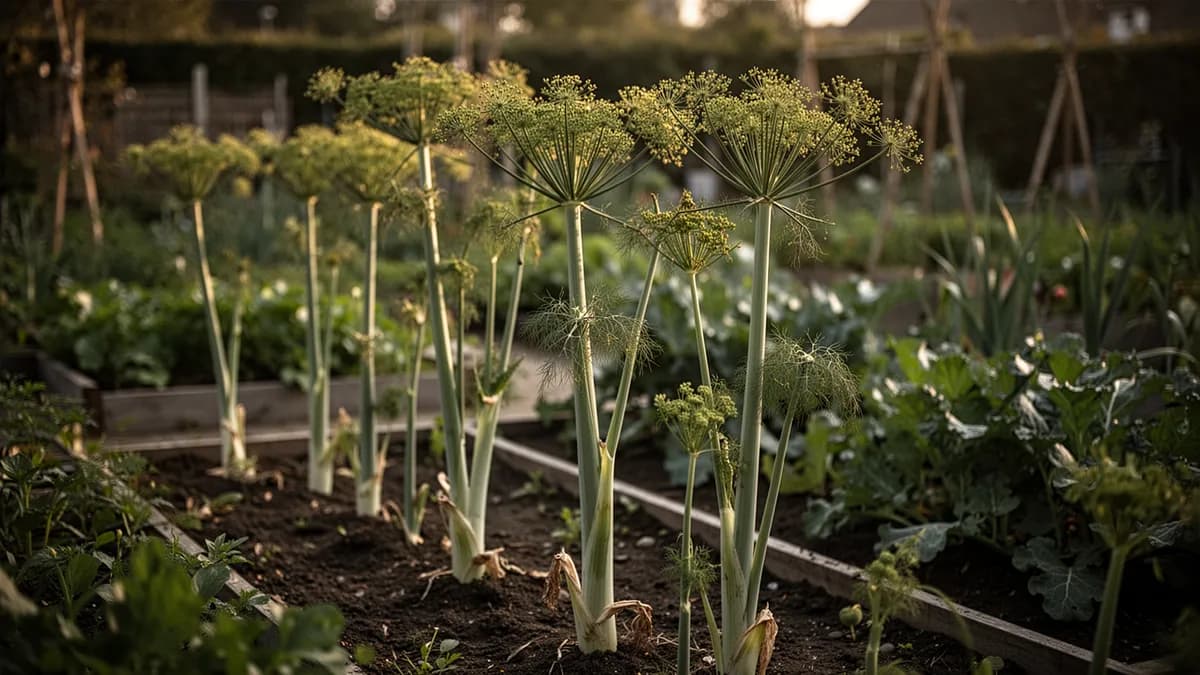
Petunia belongs beside it. Fennel doesn't.
Old growers' knowledge, checked against Wave Petunia's real companion table below — test any plant you're growing.
Try Wave Petunia in a bed — right here
A real planner bed with Wave Petunia already in it. Tap a companion to place it and watch the pairing checks answer — green for good neighbours, red for a clash.


Related growing guides
Feed it well
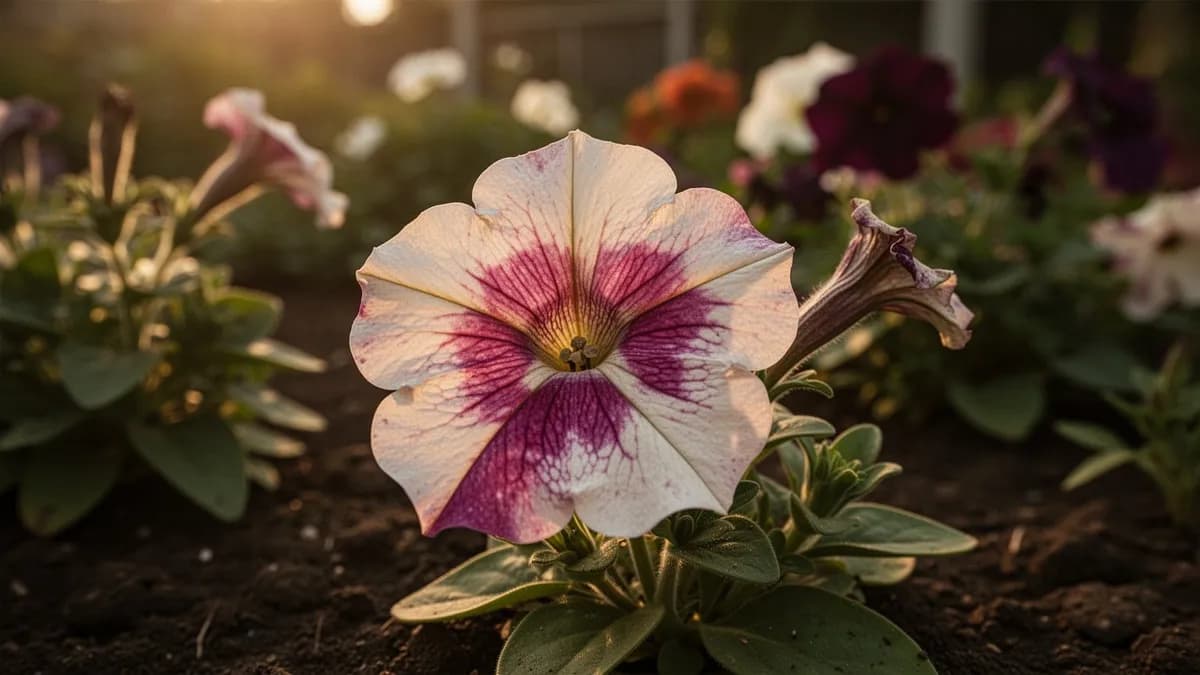
Wave petunias require rich, well-drained soil or potting mix to support their vigorous growth. In containers, use a high-quality potting mix with perlite for drainage. Feed weekly with a balanced liquid fertilizer such as 20-20-20 at full strength, or apply slow-release granular fertilizer at planting and supplement with weekly liquid feeds. Wave petunias are among the heaviest feeders of all annuals, and under-fertilizing is the number one cause of poor performance and sparse blooming.
Ideal Temperature
Hardiness Zone Compatibility
From seed to harvest, stage by stage
Seed Germination
Wave Petunia seeds are extremely fine, nearly dust-like, and require light to germinate. Seeds are surface-sown on moist, sterile seed-starting mix and kept at 70 to 75 degrees Fahrenheit. Germination typically occurs within 5 to 10 days under consistent moisture and bright indirect light.
Seedling Development
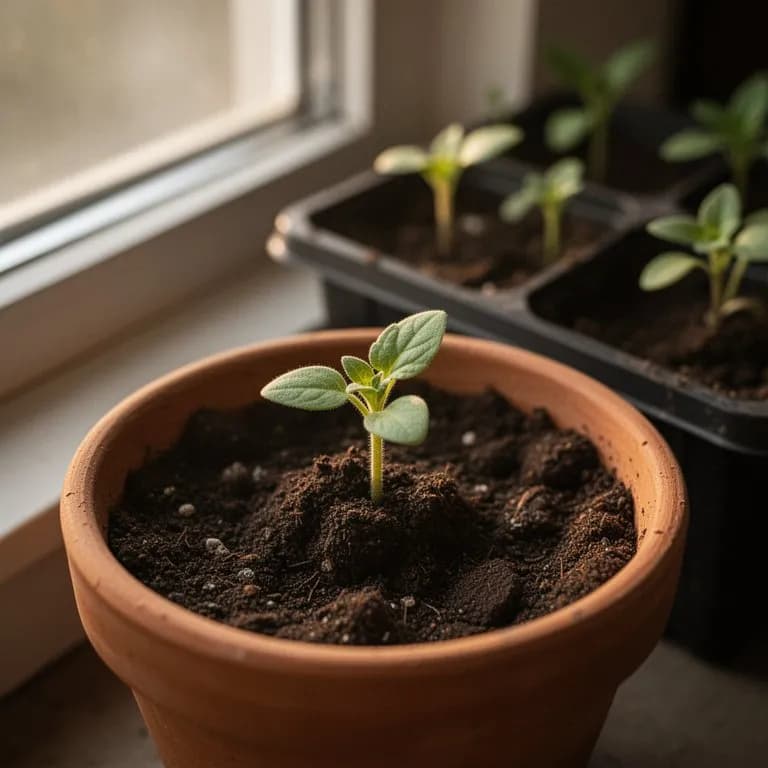
Seedlings develop their first true leaves and begin forming a compact rosette. Growth is slow at this stage and the tiny plants are vulnerable to damping off. Roots are establishing in the cell tray or small pot.
Vegetative Growth
Plants enter a rapid growth phase, producing multiple branches and beginning to develop their characteristic spreading habit. Stems elongate and the plant starts to trail. Foliage becomes dense and sticky to the touch.
First Bloom
The first trumpet-shaped flowers appear, typically 3 to 4 inches in diameter. Plants are actively spreading and may reach 12 to 18 inches in width. Flower buds continue to form along the lengthening stems.
Peak Spreading and Bloom
Wave Petunias reach their full spreading potential, with individual plants covering 3 to 4 feet in width. The plant produces flowers continuously along the entire length of each trailing stem, creating a dense carpet or curtain of color.
Mid-Season Renewal
By midsummer, plants may become leggy with bare stems near the center. A mid-season cutback rejuvenates growth and triggers a fresh flush of blooms within 2 to 3 weeks. This is a normal part of the Wave Petunia growth cycle.
Late Season Decline
As temperatures drop below 50 degrees Fahrenheit consistently, flowering slows and foliage may yellow. Wave Petunias are tender annuals and will not survive frost. Plants continue to bloom until the first hard freeze ends the growing season.
Do not cover seeds with soil. Mist gently with a spray bottle to avoid displacing the tiny seeds, and cover the tray with a clear humidity dome.
Caring for Wave Petunia month by month
What to do each month for your Wave Petunia
October
You are hereReduce fertilizer frequency as growth naturally slows with shorter days and cooler temperatures. Enjoy the final weeks of blooming before frost arrives. Bring potted plants indoors to a bright window to extend bloom.
Know exactly what to do in your garden — every month
One email at the start of each month: what to sow, plant, and tackle right now — for your Wave Petunia and everything growing around it. Plus a short starter course that helps you dodge the classic mistakes.
- What to do, right now
- Matched to your season
- Starter course included
Harvesting Wave Petunia
Wave petunias are not typically grown for cut flowers due to their trailing habit and short stems. However, small sprigs can be snipped for bud vases. Deadheading is unnecessary, as Wave petunias are self-cleaning and drop spent blooms naturally while producing new flowers continuously. For seed saving, note that Wave petunias are F1 hybrids and seeds will not produce identical plants. Propagation is best done by stem cuttings taken in late summer.
assuming you plant when the window opens — set your real date
Pick Wave Petunia promptly and the plant keeps producing.
Storage & Preservation
Wave petunias are best enjoyed in the garden or container rather than as cut flowers. Small cuttings placed in water will last three to four days. To preserve Wave petunias over winter in frost-prone areas, take four-inch stem cuttings in late summer, root them in moist perlite or vermiculite, and overwinter the rooted cuttings indoors in a bright window. This is often more reliable than saving seeds, which do not come true from hybrid varieties.
What goes wrong — and the fix
Tobacco Budworm
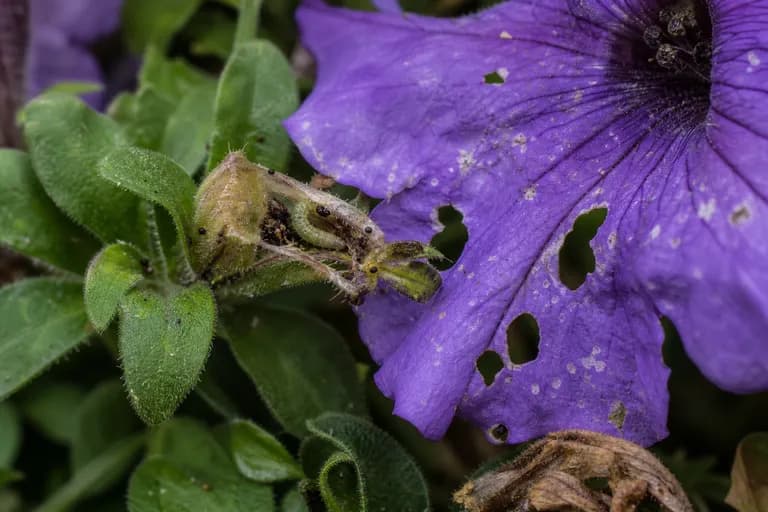
PestSmall caterpillars bore into flower buds and eat them from the inside, leaving ragged holes in petals or preventing buds from opening. Most damaging in the southern United States.
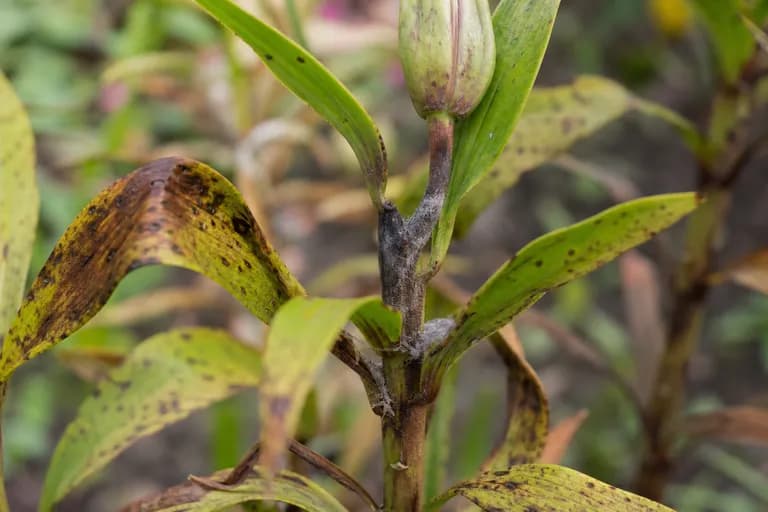
Botrytis Blight
DiseaseGray fuzzy mold on flowers and leaves, especially during cool, wet weather. Petals develop water-soaked spots that turn brown and mushy.
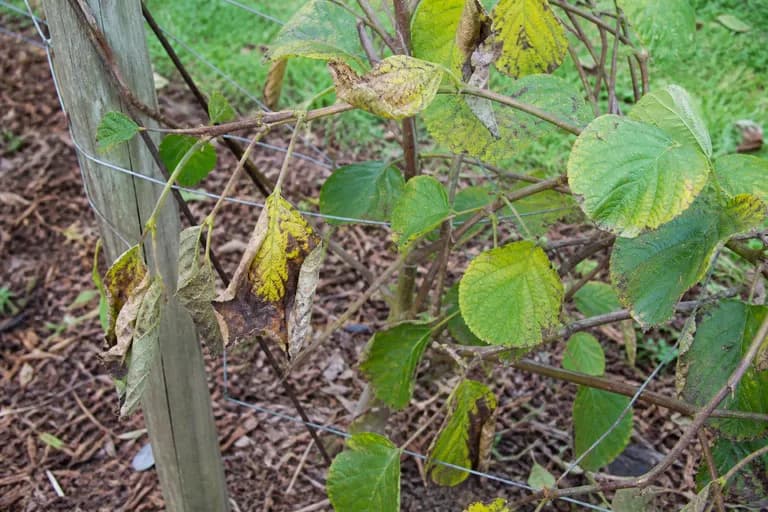
Root Rot (Phytophthora)
DiseasePlants wilt despite moist soil, stems become soft and brown at the base, roots are dark and mushy. Most common in poorly drained containers or waterlogged beds.
Troubleshooting Common Problems
The most common Wave petunia problem is poor performance due to insufficient fertilizer. These plants need weekly feeding to maintain their explosive growth. Containers that dry out completely between waterings cause bud drop and sparse flowering. Tobacco budworm is a serious pest in the southeastern United States, boring into buds and ruining flowers. By midsummer, plants may become leggy in the center, requiring a rejuvenation cutback of one-third to restore vigor.
Growing Tips
- Plant Wave Petunias in full sun with a minimum of 6 hours of direct sunlight per day. They tolerate partial shade but bloom production drops significantly with less than 6 hours of sun.
- Use a high-quality, well-draining potting mix in containers and amend garden soil with compost and perlite to ensure excellent drainage, as Wave Petunias are susceptible to root rot in waterlogged conditions.
- Feed Wave Petunias weekly with a water-soluble fertilizer high in phosphorus, such as a 10-30-20 or 15-30-15 formula, to promote continuous heavy blooming throughout the season.
- Water container-grown Wave Petunias thoroughly until water drains from the bottom of the pot, then allow the top inch of soil to dry before watering again. In hot summer weather, daily watering may be necessary.
- Space Wave Petunias 12 to 24 inches apart when planting in garden beds to allow room for their vigorous spreading habit. Closer spacing fills in faster but may lead to overcrowding by midsummer.
- Perform a mid-season cutback in late July or early August by trimming all stems back by one-third. This rejuvenates the plant and produces a fresh flush of blooms within 2 to 3 weeks.
- Monitor regularly for tobacco budworm, a caterpillar that bores into flower buds and destroys blooms before they open. Apply Bacillus thuringiensis (Bt) spray at the first sign of damage.
- Avoid overhead watering whenever possible, as wet foliage promotes botrytis blight, a gray mold disease that causes flowers and leaves to rot. Water at the base of the plant instead.
- When planting in hanging baskets, use only one Wave Petunia per 10 to 12 inch basket. Overcrowding leads to competition for water and nutrients that results in weaker growth and fewer flowers.
- Protect newly transplanted Wave Petunias from temperatures below 50 degrees Fahrenheit by covering them with frost cloth or bringing containers indoors on cold spring nights until warm weather is established.
Grow your best Wave Petunia yet — and everything around it.
Start a free plan today. Lay out your beds, drop in your Wave Petunia, and let PlotMyGarden handle the timing, spacing, companions and reminders from seed to harvest basket.
Pick your Wave Petunia
Easy Wave Series
Slightly more mounding than original Waves, spreading two to three feet with a more uniform dome shape in a wide range of colors.
Tidal Wave Series
The most vigorous Wave type, growing as a tall hedge up to twenty-two inches or cascading four feet, depending on spacing.
Shock Wave Series
Compact trailing variety with smaller flowers but heavy bloom production, ideal for mixed containers and window boxes.
Wave Purple Classic
The original Wave petunia with deep purple flowers that started the spreading petunia revolution.
Double Wave Series
Fully double ruffled flowers on the classic Wave spreading habit, adding extra petal density and cottage garden charm.
Starting Wave Petunias from seed costs approximately 5 to 10 cents per plant compared to 3 to 6 dollars per plant at garden centers. A single packet of 25 pelleted seeds typically costs 4 to 6 dollars and can produce enough plants to fill multiple hanging baskets and garden beds that would cost 50 to 100 dollars or more to plant with purchased transplants. Because each Wave Petunia spreads to cover 3 to 4 feet, fewer plants are needed compared to traditional upright petunias, further reducing overall planting costs.
Quick recipes
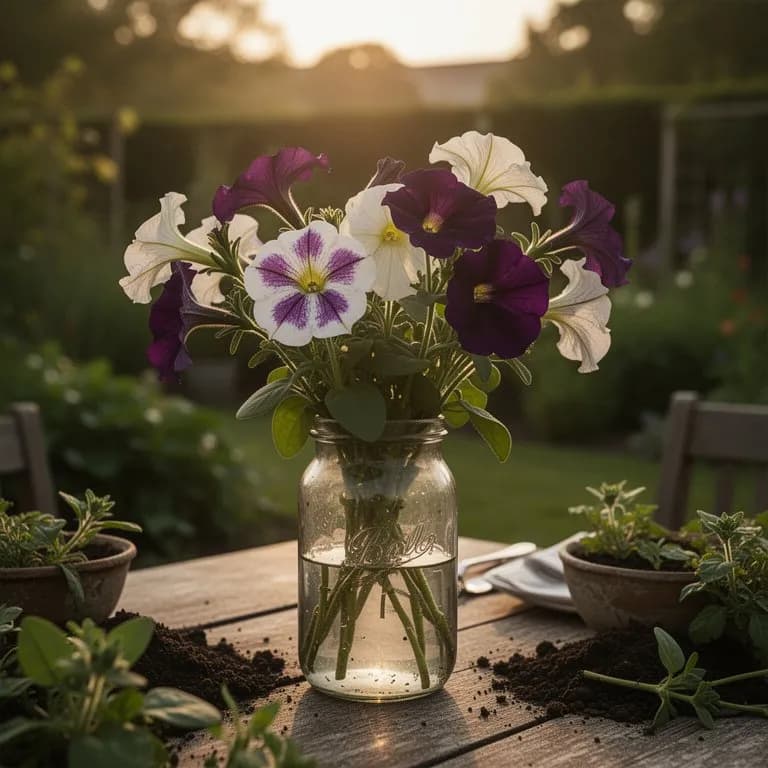
Wave Petunia Hanging Basket Arrangement
20 minutesCreate a stunning cascading display by planting a single Wave Petunia in a lined hanging basket with premium potting mix and slow-release fertilizer. This arrangement provides season-long color with minimal maintenance and produces a spectacular trailing effect within 6 to 8 weeks.
6 ingredients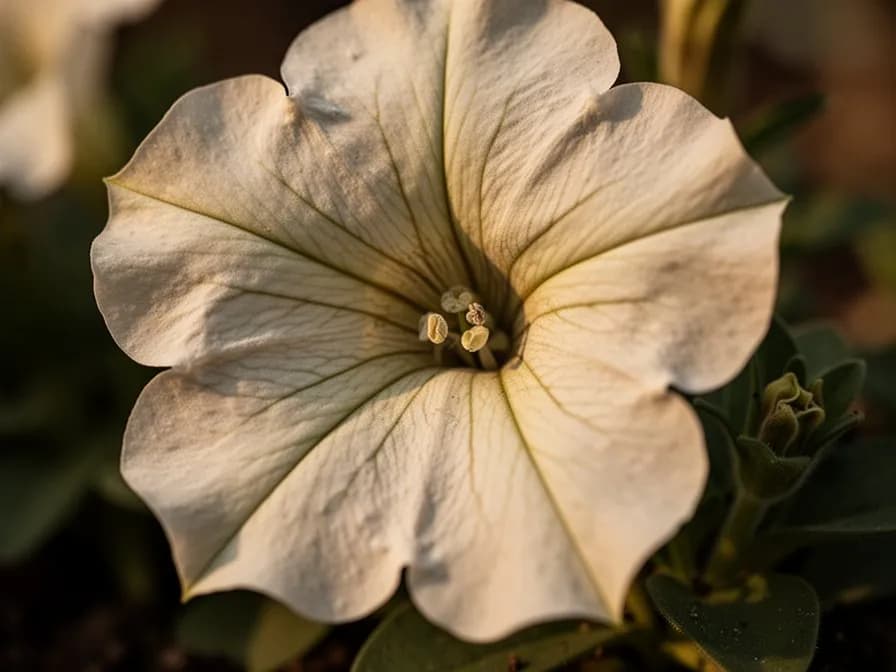
Mixed Wave Petunia Ground Cover Border
45 minutesPlant a colorful ribbon of Wave Petunias along a walkway, driveway, or garden border to create a low-growing, weed-suppressing carpet of continuous bloom. Mixing two or three complementary colors creates a striking visual effect that lasts from late spring through fall frost.
6 ingredients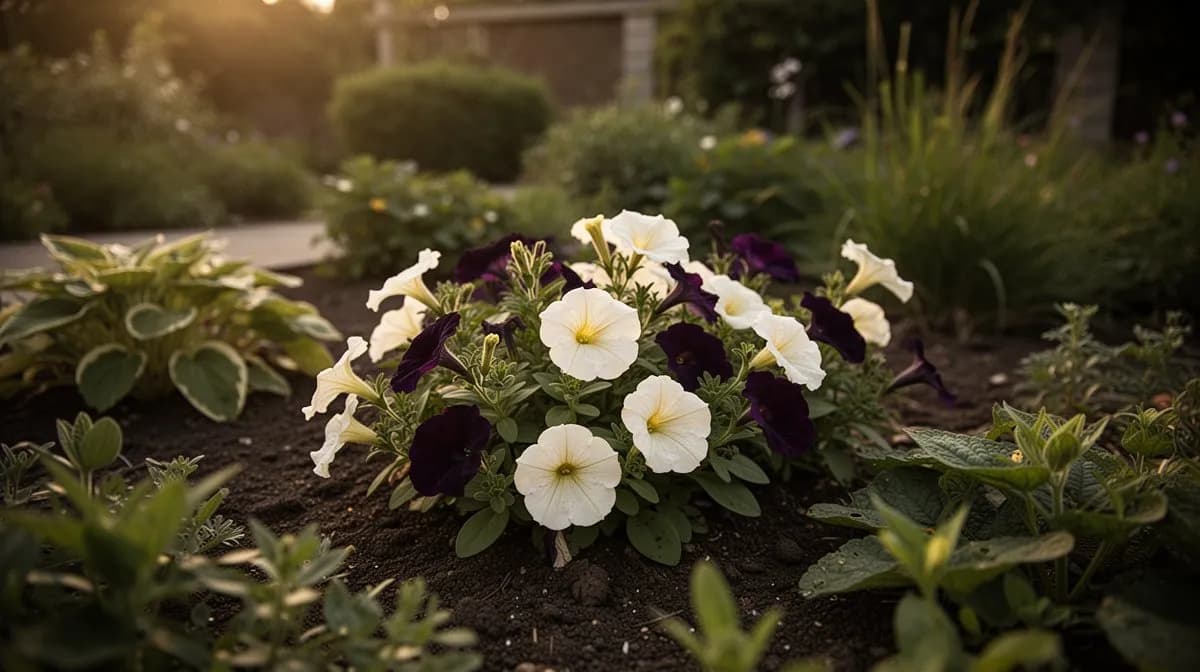
Thriller-Spiller-Filler Container Combo
30 minutesDesign a professional-looking container garden using Wave Petunias as the spiller element alongside a tall thriller plant and compact filler plants. This classic container design formula creates a balanced, full arrangement that looks polished from planting day through the end of the season.
6 ingredientsWhat's inside
Health Benefits
- Growing Wave Petunias encourages regular outdoor activity including bending, lifting, and walking, which supports cardiovascular health and joint flexibility.
- Tending to flowering container gardens has been shown in horticultural therapy research to reduce cortisol levels and alleviate symptoms of stress and anxiety.
- The vibrant colors of Wave Petunia blooms can positively affect mood and mental well-being, as exposure to colorful flowering plants has been associated with improved emotional states in multiple studies.
- Gardening with Wave Petunias provides gentle physical exercise that can burn 200 to 400 calories per hour depending on the intensity of planting and maintenance tasks.
- Caring for ornamental plants like Wave Petunias fosters a sense of accomplishment and purpose, which can be particularly beneficial for older adults and individuals recovering from illness.
- Wave Petunias attract hummingbirds and beneficial pollinators to the garden, creating opportunities for nature observation and mindfulness that support overall mental health.
Where Wave Petunia comes from
The Wave Petunia traces its ancestry to wild petunia species native to South America, primarily found in the grasslands and coastal regions of southern Brazil, Uruguay, and Argentina. Wild petunias (Petunia integrifolia and Petunia axillaris) were first collected by European botanists in the early 19th century and brought to European gardens where hybridization began in earnest by the 1830s. Traditional garden petunias were upright, mounding plants that required regular deadheading and tended to become leggy by midsummer. The development of the Wave Petunia represented a breakthrough in petunia breeding. In the late 1980s and early 1990s, plant breeders at Kirin Brewery Company in Japan, which maintained an active ornamental plant breeding division, developed a vigorous spreading petunia that could be grown reliably from seed. Ball Horticultural Company of West Chicago, Illinois, partnered with Kirin to introduce this new type of petunia to the North American market. The first Wave Petunia, a vibrant purple variety called Purple Wave, was launched in 1995 and was immediately recognized as a game-changing plant. It won the prestigious All-America Selections award that same year. Unlike traditional petunias, Wave Petunias spread vigorously along the ground or trailed dramatically from containers without the need for pinching, deadheading, or constant grooming. The Wave brand expanded rapidly through the late 1990s and 2000s, introducing new colors, patterns, and sub-series including Easy Wave, Shock Wave, and Tidal Wave, each offering slightly different growth habits and flower sizes to suit various garden applications. Today, Wave Petunias remain among the best-selling annual flowers worldwide.
Wave Petunia: did you know?
Fascinating facts about Wave Petunia
Wave Petunias were first introduced by Ball Horticultural Company in 1995 and quickly revolutionized the bedding plant industry by being the first spreading petunia variety available from seed.
Wave Petunia questions, answered
When should I plant Wave Petunia?
What are good companion plants for Wave Petunia?
What hardiness zones can Wave Petunia grow in?
How much sun does Wave Petunia need?
How far apart should I space Wave Petunia?
What pests and diseases affect Wave Petunia?
How do I store Wave Petunia after harvest?
What are the best Wave Petunia varieties to grow?
What soil does Wave Petunia need?
Do Wave Petunias need to be deadheaded?
How far apart should I plant Wave Petunias in a garden bed?
Why are my Wave Petunia flowers getting holes in the buds?
Can I grow Wave Petunias in partial shade?
How often should I fertilize Wave Petunias?
Can Wave Petunias survive winter and come back next year?
You just read the theory. Now grow it on autopilot.
Everything that makes Wave Petunia fiddly — the timing, the spacing, the companions, the harvest window — is exactly what PlotMyGarden handles for you, for every plant in your garden.
A plan that knows your weather
Set your location once. Get sow, feed and harvest dates built around your real last-frost date and live forecast — no more guessing from a generic seed packet.
From the “When to plant” sectionDrag-and-drop bed planner
Design beds on a grid. Every plant snaps to its proper spacing, and you can see your whole season laid out before you spend a cent on seed.
From the “Growing guide” sectionCompanion conflicts, caught early
200+ good-and-bad pairings checked live as you plant — so a season-wrecking mistake never makes it into the ground.
From the “Companions” sectionReminders you'll actually act on
“Water the beans.” “Pick today before it turns.” Timely, specific, and tied to the plants you're really growing.
From the “Harvest” sectionSuccession, scheduled
Want a harvest for six weeks, not six days? It spaces your sowings automatically and reminds you when each new block is due.
From the “When to plant” sectionA record that gets smarter
Every harvest you log teaches it your garden. Next year's plan starts from what actually worked in your soil, not a textbook's.
From the “Overview” sectionPlant these alongside Wave Petunia
More Annuals
Keep Wave Petunia away from these
Grow your best Wave Petunia yet — and everything around it.
Start a free plan today. Lay out your beds, drop in your Wave Petunia, and let PlotMyGarden handle the timing, spacing, companions and reminders from seed to harvest basket.