Supertunia
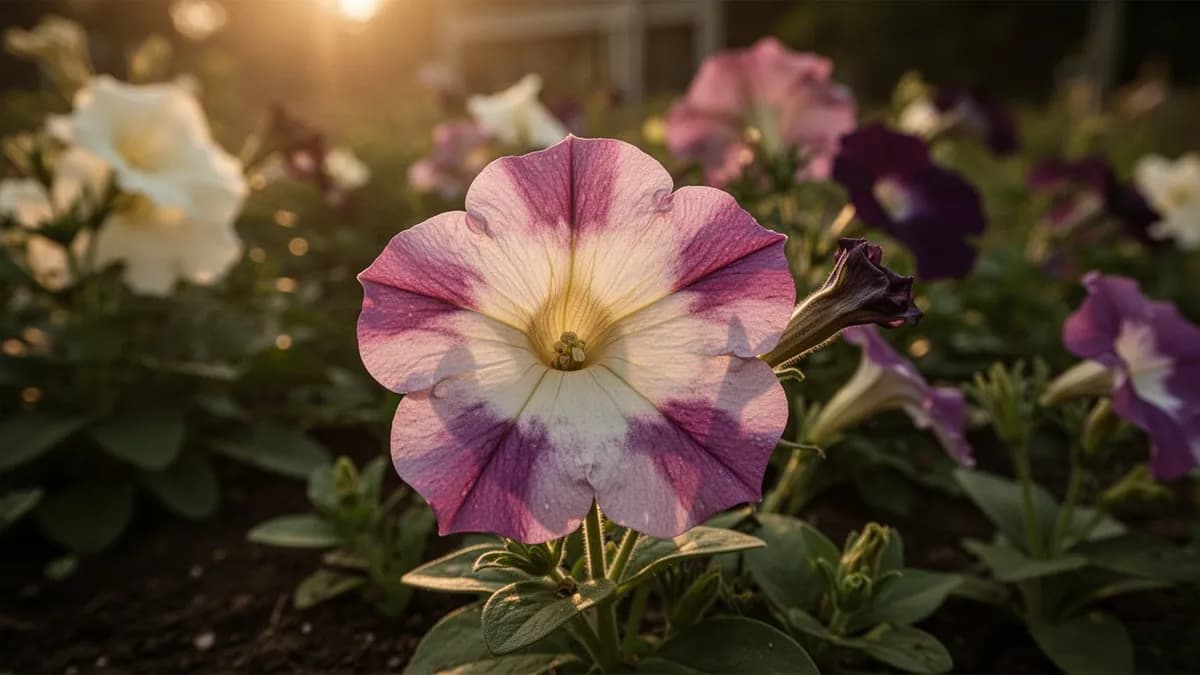
Eine selbstreinigende, hängende Petunie, die nie ausgeputzt werden muss und die ganze Saison über massenhaft Blüten hervorbringt.





Auf dieser SeiteÜberblick
Supertunia im Überblick
Eine selbstreinigende, hängende Petunie, die nie ausgeputzt werden muss und die ganze Saison über massenhaft Blüten hervorbringt. Supertunien sind wüchsige Pflanzen, perfekt für Gefäße, Blumenkästen und Hängeampeln. Bieten Sie volle Sonne und gleichmäßige Feuchtigkeit mit wöchentlicher Flüssigdüngung für optimale Leistung.
Wann Supertunia pflanzen
Supertunien können nicht aus Samen gezogen werden. Es handelt sich um vegetativ vermehrte, patentierte Sorten, die ausschließlich als Setzlinge von lizenzierten Züchtern erhältlich sind. Kaufen Sie im Frühling nach dem letzten Frostdatum Setzlinge in seriösen Gartencentern. Wenn Sie Ihren Bestand vergrößern möchten, nehmen Sie im Spätsommer Stecklinge für den persönlichen Gebrauch. Stecken Sie zehn Zentimeter lange Triebspitzen in feuchtes Bewurzelungsmedium und sorgen Sie für helles, indirektes Licht und gleichmäßige Feuchtigkeit, bis sich innerhalb von zwei bis drei Wochen Wurzeln entwickeln.
Dein Supertunia-Jahr
Abgestimmt auf Zone 7 · typische Saison · Frost geht um den 2. Apr. und kehrt um den 1. Nov. zurück
Supertunia Apr – Mai pflanzen, Mai – Okt ernten. Beachte die Pflanzmethoden unten und wähle dein Klima für passende Zeiträume.
So baust du Supertunia an
Pflanzen Sie Supertunia-Setzlinge nach dem letzten Frost ins Freie an einen Standort mit mindestens sechs Stunden direkter Sonne täglich. Diese vegetativ vermehrten Petunien sind ausschließlich als Setzlinge erhältlich, nicht aus Samen. Setzen Sie die Pflanzen in Gartenbeeten im Abstand von dreißig bis fünfundvierzig Zentimetern, oder verwenden Sie ein bis zwei Pflanzen pro dreißig Zentimeter Hängeampel. Verwenden Sie in allen Gefäßen hochwertige Blumenerde mit hervorragender Drainage.
Supertunien sind Starkzehrer, die für Spitzenleistung eine konstante Nährstoffversorgung benötigen. Düngen Sie wöchentlich mit einem ausgewogenen Flüssigdünger in voller Stärke, oder verwenden Sie eine Kombination aus Langzeitdünger bei der Pflanzung plus wöchentlicher Flüssigdüngung. In der Sommerhitze müssen in Gefäßen kultivierte Supertunien möglicherweise ein- oder sogar zweimal täglich gegossen werden. Gießen Sie gründlich, bis überschüssiges Wasser aus den Abzugslöchern läuft.
Die selbstreinigende Eigenschaft der Supertunien bedeutet, dass Ausputzen völlig überflüssig ist. Verblühte Blüten fallen sauber ab und neue Knospen öffnen sich kontinuierlich vom Frühling bis zum ersten starken Frost. Wenn die Pflanzen bis Mitte des Sommers lang und spärlich werden, schneiden Sie die gesamte Pflanze um die Hälfte zurück und erhöhen Sie die Düngung. Neues Wachstum erscheint schnell und die Pflanze blüht innerhalb von zwei bis drei Wochen wieder voll.
18 Pflanzen passen in ein Beet von 120 × 240 cm
Supertunia braucht 35 cm Platz pro Pflanze. Der Planer hält diesen Abstand für dich ein — jede Pflanze, jedes Beet.
Die besten Nachbarn für Supertunia
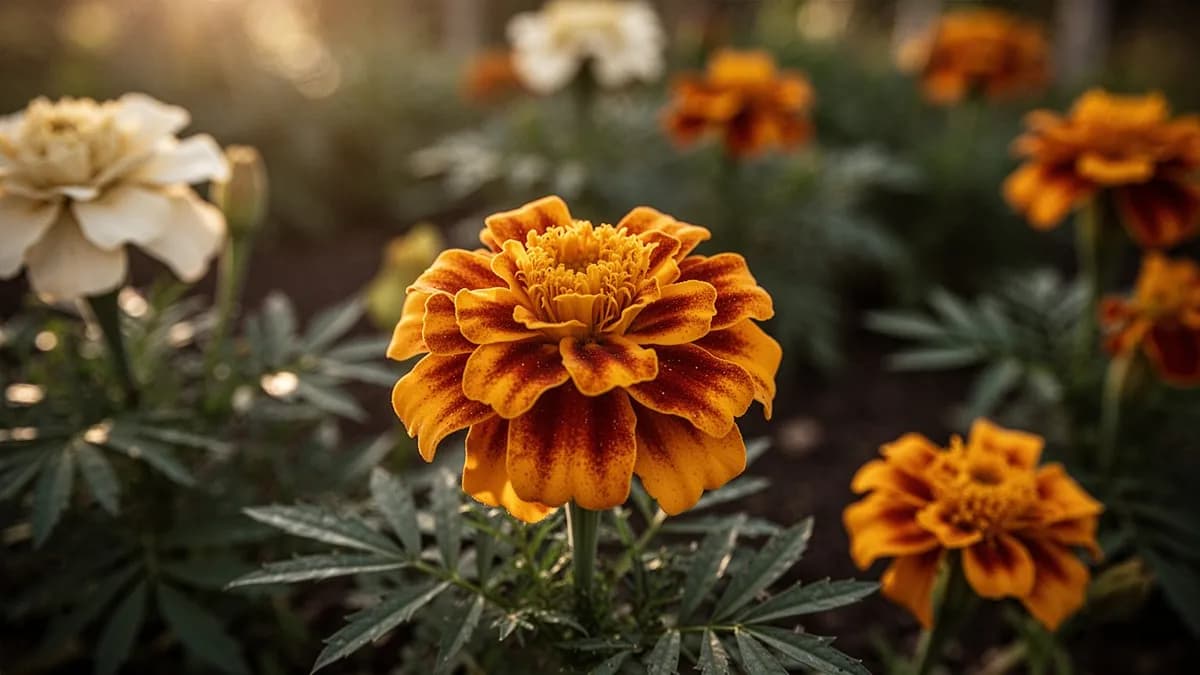
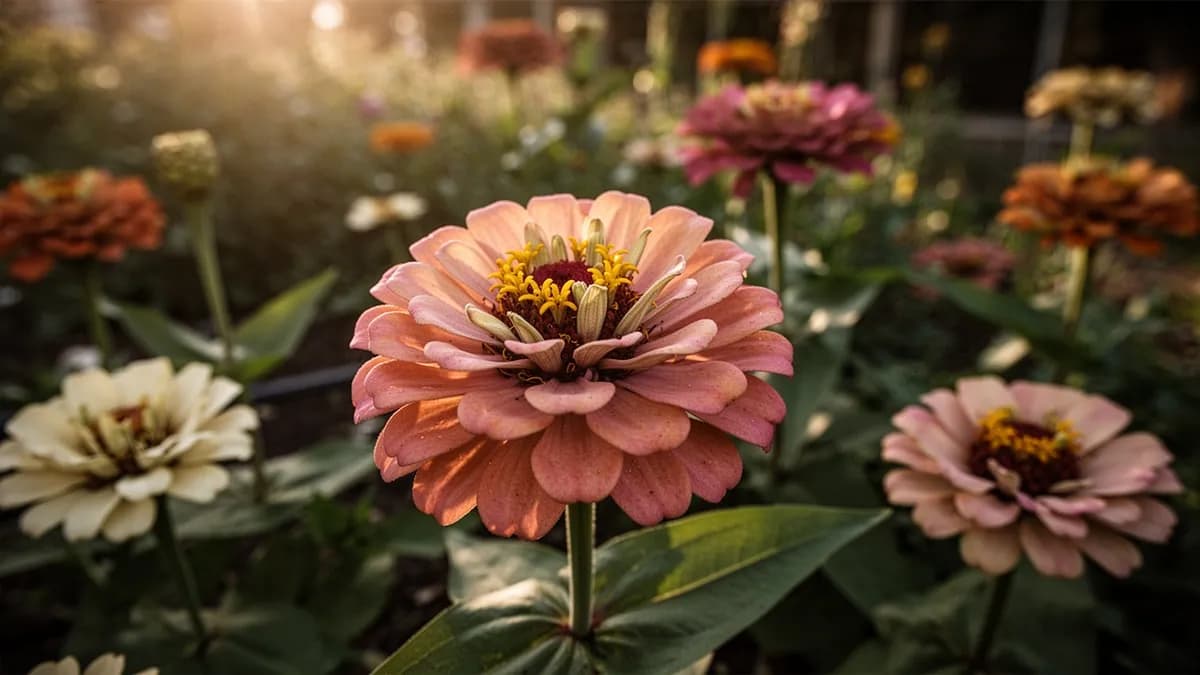
Supertunien eignen sich am besten als hängendes Element in Gefäßkombinationen, kombiniert mit einer aufrechten Mittelpflanze wie Dracaena-Spike, Buntnessel oder Ziergras. Kombinieren Sie sie mit Calibrachoa, Süßkartoffelrebe oder Eisenkraut für farbenfrohe, kaskadierende Hängeampeln. In Gartenbeeten pflanzen Sie sie an den vorderen Rand von Rabatten, damit sie über die Kanten hängen, mit höheren Salvien, Zinnien oder Ziergräsern dahinter. Ihr kräftiges Wachstum kann weniger aggressive Begleiter in kleinen Gefäßen überwältigen.
Petunie gehört daneben. Fenchel nicht.
Altes Gärtnerwissen, geprüft an der echten Nachbartabelle von Supertunia — teste jede Pflanze, die du anbaust.
Probiere Supertunia direkt hier im Beet
Ein echtes Planer-Beet, Supertunia steht schon drin. Tippe einen Begleiter an, platziere ihn und sieh, wie die Nachbarschaftsprüfung antwortet — grün für gute Nachbarn, rot bei Streit.


Passende Anbau-Ratgeber
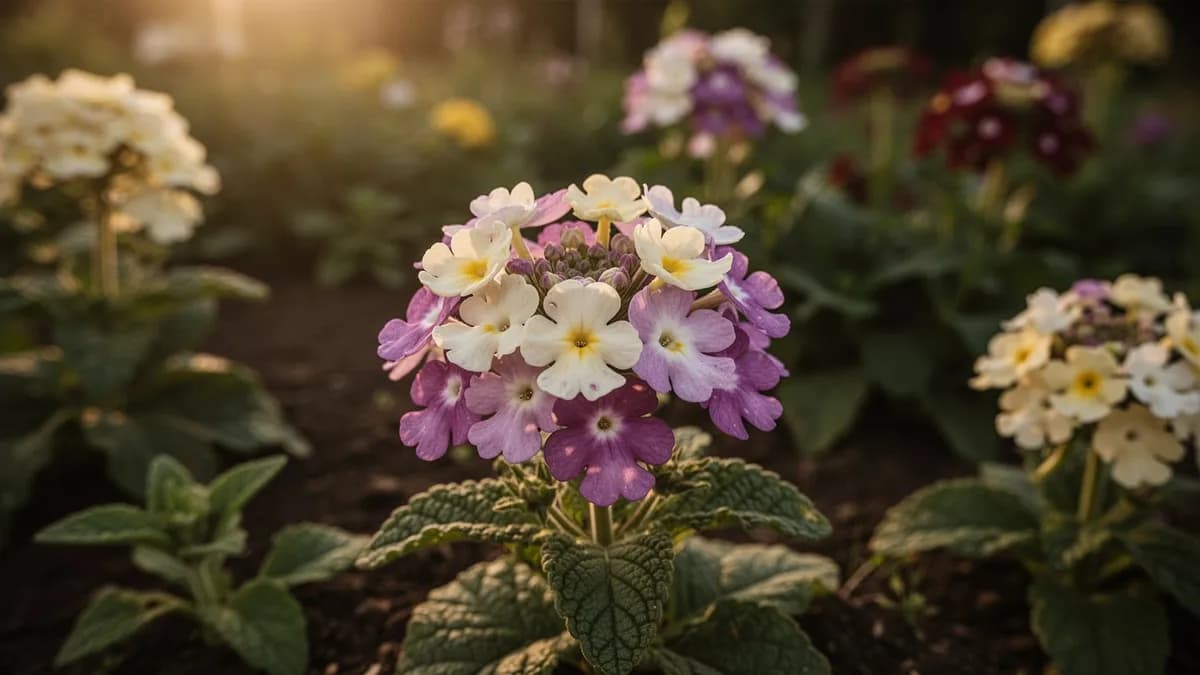
Richtig düngen
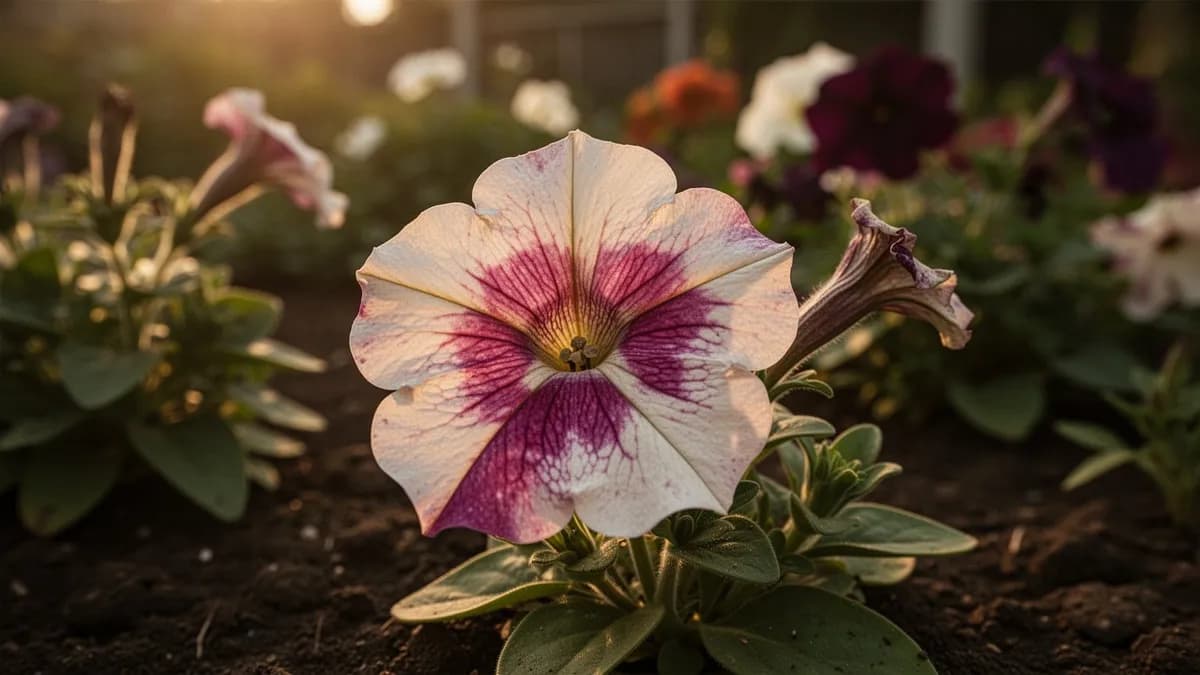
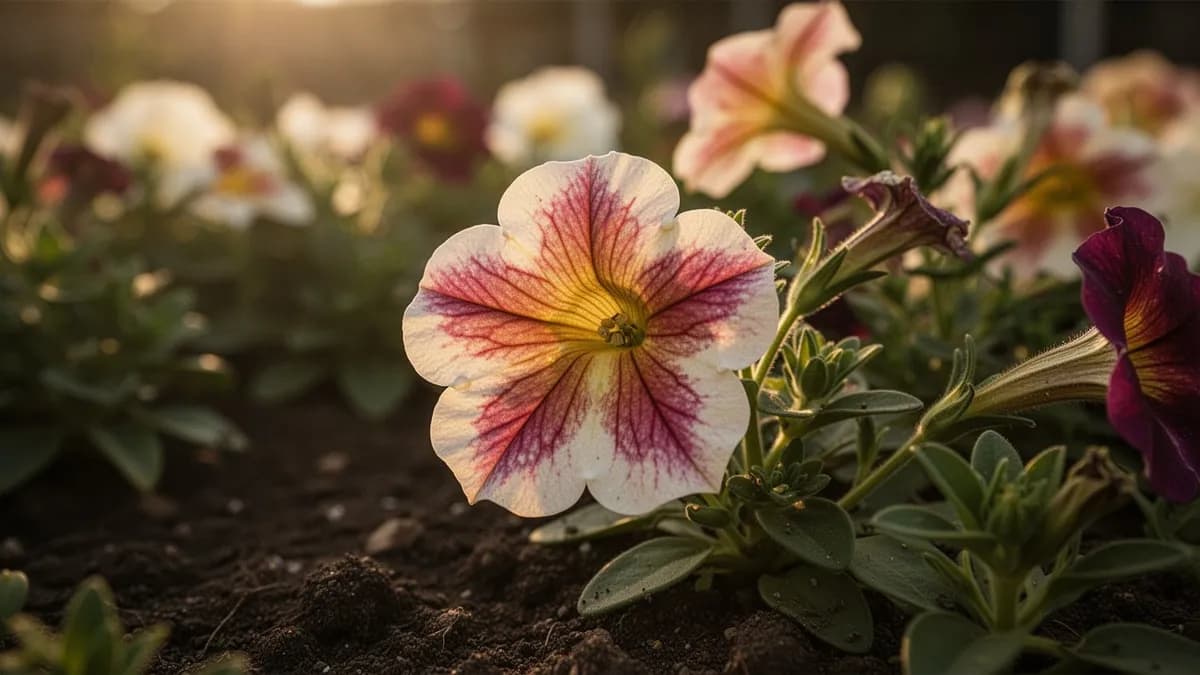
Supertunien benötigen reichhaltige, gut durchlässige Blumenerde in Gefäßen. Verwenden Sie eine hochwertige Blumenerde, die mit Perlit für die Drainage und Langzeitdünger bei der Pflanzung angereichert ist. Ergänzen Sie mit wöchentlichen Gaben von ausgewogenem Flüssigdünger in voller Stärke. In Gartenbeeten mischen Sie Kompost unter und wenden Sie Langzeitdünger an. Supertunien sind Starkzehrer und zeigen bei Unterernährung gelbe Blätter und verminderte Blüte. Eisenchlorose kann in alkalischen Böden auftreten; behandeln Sie mit Chelat-Eisen.
Ideale Temperatur
Winterhärtezone-Kompatibilität
Von der Saat zur Ernte, Schritt für Schritt
Vermehrung und Bewurzelung
Supertunien werden ausschließlich durch vegetative Stecklinge vermehrt, nicht aus Samen, was sicherstellt, dass jede Pflanze genetisch identisch mit der Mutterpflanze ist und den kräftigen Hängewuchs sowie die üppige Blüte beibehält, die die Marke Proven Winners auszeichnet. Stecklinge werden typischerweise unter Sprühnebel in kommerziellen Gewächshäusern mit Bewurzelungshormon bewurzelt.
Etablierungsphase
Nach dem Umpflanzen in ihr endgültiges Gefäß oder Gartenbeet konzentrieren Supertunien ihre Energie auf die Wurzelentwicklung und die anfängliche Verzweigung. Das Wurzelsystem dehnt sich in warmem Boden über 15 °C schnell aus, und das vegetative Wachstum beschleunigt sich, während die Pflanze ihr Gerüst aus Trieben aufbaut. Die Blätter fühlen sich aufgrund der für Petunien charakteristischen Drüsenhaare leicht klebrig an.
Vegetatives Wachstum und Verzweigung
Die Pflanze tritt in eine schnelle Wachstumsphase ein und bildet zahlreiche Seitentriebe, die beginnen, sich zu neigen und zu kaskadieren. Die Trieblänge kann unter optimalen Bedingungen um mehrere Zentimeter pro Tag zunehmen. Der dichte Verzweigungswuchs, der Supertunien von Standard-Petunien unterscheidet, wird in dieser Phase deutlich sichtbar und bildet eine kuppelförmige Gestalt, die schließlich über die Gefäßränder hängt.
Hauptblütezeit
Supertunien erreichen ihr volles Schaupotenzial mit Hunderten gleichzeitiger Blüten, die das Pflanzendach bedecken. Jede einzelne Blüte hält etwa fünf Tage, bevor sie natürlich abfällt, wodurch Ausputzen überflüssig wird. Neue Knospen ersetzen verblühte Blüten kontinuierlich ohne Unterbrechung. Pflanzen können bis zu 90–100 cm über den Gefäßrand hängen und eine Kuppel aus Farbe bilden.
Verjüngung Mitte des Sommers
Bis Mitte des Sommers können Supertunien lange, kahle Stiele an der Basis entwickeln, da die Energie zu den hängenden Triebspitzen geleitet wird. Ein Verjüngungsschnitt regt einen frischen Schub von Wachstum und Blüten aus der Pflanzenmitte an. Dies ist ein normaler Teil des Supertunia-Wachstumszyklus und kein Zeichen von Verfall. Innerhalb von zwei Wochen nach dem Rückschnitt blüht die Pflanze wieder üppig.
Spätsaison und Absterben
Supertunien blühen bis zum ersten starken Frost im Herbst weiter. Wenn die Nachttemperaturen unter 7 °C fallen, verlangsamt sich das Wachstum und die Blütenproduktion nimmt allmählich ab. Die Pflanzen sind nicht frosthart und werden bei Temperaturen unter -2 °C abgetötet. In frostfreien Klimazonen (USDA-Zonen 10–11) können Supertunien als kurzlebige Stauden überdauern, werden aber am besten jährlich erneuert für optimale Leistung.
Hobbygärtner sollten etablierte Jungpflanzen oder fertige Gefäße in seriösen Gartencentern kaufen, anstatt eine Vermehrung zu versuchen, da Supertunien patentierte Sorten sind. Wählen Sie Pflanzen mit kompaktem, grünem Wachstum und ohne sichtbare Blütenknospen für die beste Etablierung.
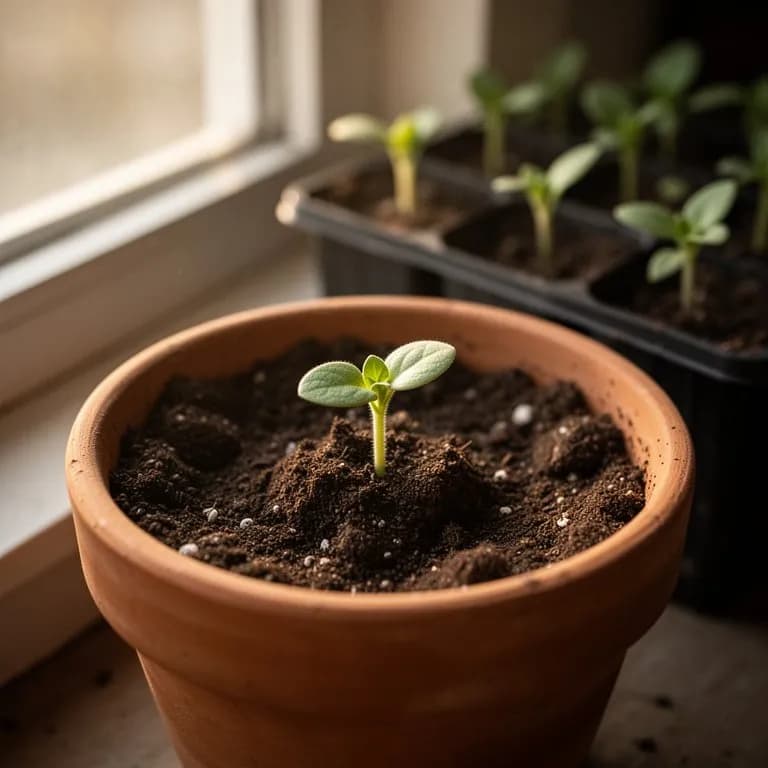
Supertunia Monat für Monat pflegen
Was du jeden Monat für deine Supertunia tun solltest
Oktober
Aktueller MonatIn Zonen 7 und darunter beendet der Frost die Supertunia-Saison. Entfernen Sie verbrauchte Pflanzen aus den Gefäßen und kompostieren Sie das Pflanzenmaterial. Reinigen Sie die Gefäße und lagern Sie sie für den Winter. In Zonen 9–11 können Supertunien den ganzen Herbst über weiterblühen.
Immer wissen, was jetzt im Garten zu tun ist
Eine E-Mail zum Monatsanfang: was du jetzt säen, pflanzen und anpacken solltest — für deine Supertunia und alles, was drumherum wächst. Dazu ein kurzer Startkurs, der dich vor den klassischen Fehlern bewahrt.
- Was jetzt zu tun ist
- Passend zu deiner Saison
- Startkurs inklusive
Supertunia ernten
Supertunien sind in erster Linie Gefäß- und Landschaftspflanzen und keine Schnittblumen. Kurze Zweige können in kleinen Arrangements und Vasen verwendet werden. Ausputzen ist nicht nötig, da diese Pflanzen vollständig selbstreinigend sind. Zur Vermehrung nehmen Sie im Spätsommer zehn bis fünfzehn Zentimeter lange Stecklinge von kräftigem Wachstum. Tauchen Sie sie in Bewurzelungshormon und stecken Sie sie in feuchtes Perlit oder Vermiculit. Bewurzelte Stecklinge können drinnen überwintert werden für die folgende Saison. Beachten Sie, dass Supertunien patentierte Sorten sind und die Vermehrung zum Verkauf nicht gestattet ist.
angenommen, du pflanzt zu Beginn des Zeitraums — trage dein tatsächliches Datum ein
Ernte Supertunia zügig, dann trägt die Pflanze weiter.
Lagerung & Konservierung
Supertunien eignen sich nicht zum Schneiden oder Trocknen. Ihr Wert liegt in ihrer außergewöhnlichen Leistung als lebende Garten- und Gefäßpflanzen. Um Pflanzen über den Winter zu erhalten, nehmen Sie im Spätsommer vor dem Frost Stecklinge. Bewurzeln Sie die Stecklinge in feuchtem Perlit unter hellem, indirektem Licht. Überwintern Sie bewurzelte Pflanzen an einem sonnigen Fenster, halten Sie sie etwas trockener und kühler als unter Sommerbedingungen. Schneiden Sie das Wachstum im späten Winter zurück, um einen buschigen Wuchs zu fördern, bevor Sie sie im folgenden Frühling nach draußen bringen.
Was schiefgeht — und die Lösung
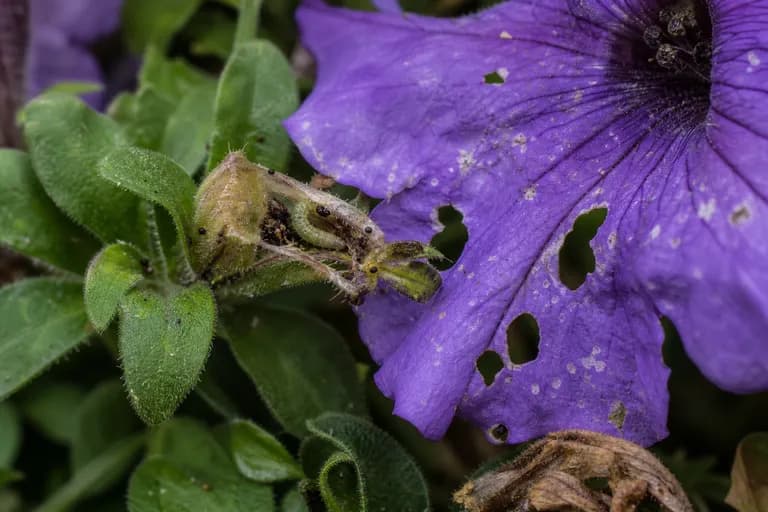
Tabakknospenwickler
SchädlingRaupen bohren sich in ungeöffnete Knospen und fressen die Blüten von innen. Knospen können kleine Eintrittslöcher aufweisen und sich nicht öffnen, oder die Blütenblätter erscheinen zerfetzt und angefressen.
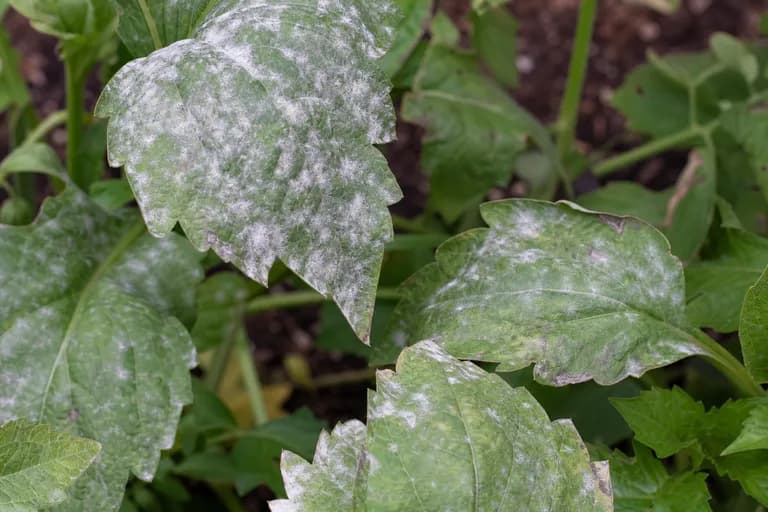
Echter Mehltau
KrankheitWeiße, pudrige Flecken auf den Blättern, die sich typischerweise im Spätsommer entwickeln, wenn die Tage warm und die Nächte kühl sind. Betroffene Blätter können sich gelb verfärben und verformen.
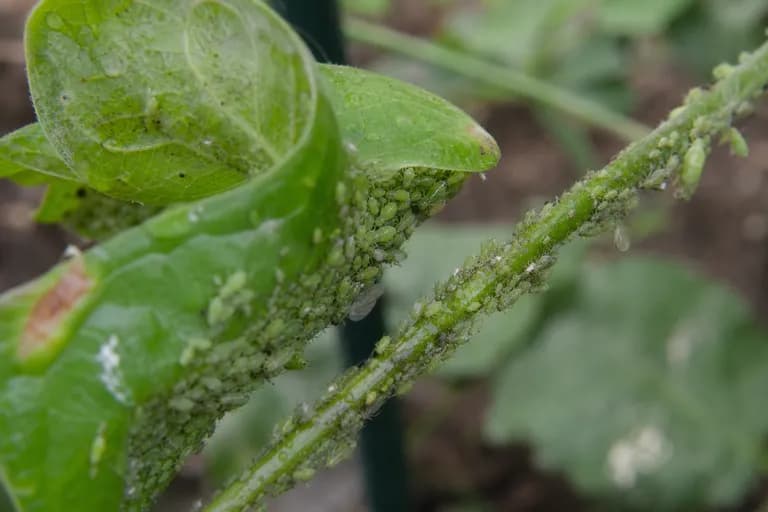
Blattläuse
SchädlingAnsammlungen kleiner, weichhäutiger Insekten an Neutrieben, Knospen und Triebspitzen. Klebriger Honigtau und verkrüppeltes Wachstum sind häufige Anzeichen.
Fehlerbehebung bei häufigen Problemen
Unzureichende Düngung ist die häufigste Ursache für schlechte Supertunia-Leistung, die zu gelben Blättern und spärlicher Blüte führt. Gefäße, die zwischen den Wassergaben vollständig austrocknen, verursachen Knospenfall. Der Tabakknospenwickler verwüstet Petunienblüten in warmen Klimazonen und kann schwer zu bekämpfen sein. Pflanzen können bis Mitte des Sommers langbeinig werden, aber ein kräftiger Rückschnitt auf die Hälfte ihrer Höhe plus verstärkte Düngung stellt die Vitalität innerhalb von Wochen wieder her. Supertunien sind nur als Setzlinge erhältlich, da sie vegetativ vermehrt werden.
Anbautipps
- Wählen Sie das größtmögliche Gefäß für Ihren Platz — Supertunien sind Starkzehrer und -trinker, und größere Erdvolumen puffern gegen Hitze- und Trockenstress und reduzieren die Gießhäufigkeit
- Verwenden Sie eine hochwertige torfbasierte Blumenerde mit zugesetztem Perlit für Gefäße anstelle von Gartenerde, die in Töpfen verdichtet und das feine Wurzelsystem erstickt, das Supertunien für kräftiges Wachstum benötigen
- Düngen Sie während der gesamten Wachstumsperiode wöchentlich mit einem wasserlöslichen Dünger in voller Stärke laut Etikett — Supertunien sind außergewöhnlich starke Zehrer und zeigen bei Unterdüngung gelbe Blätter und verminderte Blüte
- Gießen Sie Gefäße gründlich, bis Wasser aus dem Boden abläuft, und lassen Sie dann die oberen 2–3 cm Erde leicht abtrocknen, bevor Sie erneut gießen — gleichmäßige Feuchtigkeit ohne Staunässe erzeugt das beste Wachstum
- Führen Sie einen Rückschnitt Mitte des Sommers durch, indem Sie alle Triebe um ein Drittel kürzen, wenn die Pflanzen langbeinig oder an der Basis kahl werden — dieser Verjüngungsschnitt löst innerhalb von zwei Wochen einen frischen Schub von dichtem, blühendem Wachstum aus
- Überwachen Sie sorgfältig auf den Tabakknospenwickler, den schwerwiegendsten Supertunia-Schädling, der Löcher in Blütenknospen frisst, bevor sie sich öffnen — behandeln Sie umgehend mit Bt-Spray (Bacillus thuringiensis), das abends aufgetragen wird, wenn die Raupen aktiv fressen
- Pflanzen Sie Supertunien an vollsonnige Standorte mit mindestens 6–8 Stunden direktem Sonnenlicht täglich für maximale Blütenproduktion — weniger Licht verursacht struppiges, spärliches Wachstum mit deutlich weniger Blüten
- Vermeiden Sie Überkopfbewässerung am späten Tag, da nasses Laub über Nacht Botrytis-Grauschimmel fördert, die häufigste Supertunia-Krankheit — gießen Sie möglichst morgens an der Pflanzenbasis
- Wenden Sie bei der Pflanzung einen Langzeitdünger als Grundlage an und ergänzen Sie mit wöchentlicher Flüssigdüngung — dieser zweischrittige Ansatz stellt sicher, dass Supertunien während des Spitzenwachstums nie unter Nährstoffmangel leiden
- In Regionen mit heißen Sommern über 35 °C bieten Sie leichten Nachmittagsschatten oder wählen Sie hitzetolerante Supertunia-Sorten wie Vista Bubblegum und Supertunia Really Red, die bei extremer Hitze die Blütenqualität besser beibehalten als kühlere Farbvarianten
Bau deine beste Supertunia an — und alles drumherum.
Starte heute kostenlos. Lege deine Beete an, setze deine Supertunia ein und lass PlotMyGarden Timing, Abstände, Begleiter und Erinnerungen von der Saat bis zum Erntekorb übernehmen.
Finde deine Supertunia
Supertunia Vista Bubblegum
Leuchtend kaugummirosa Blüten an extrem wüchsigen Pflanzen, die sich bis zu einhundertzwanzig Zentimeter ausbreiten können, hervorragend für Hängeampeln.
Supertunia Royal Velvet
Tiefsamtige violette Blüten an einem dichten, gut verzweigten Wuchs, einer der reichsten Violetttöne, die bei Petunien erhältlich sind.
Supertunia Bordeaux
Eine einzigartige Zweifarbigkeit mit tiefburgunderroten und cremgelben Blüten an wüchsigen, hängenden Pflanzen, ein Blickfang in gemischten Gefäßen.
Supertunia Mini Vista Indigo
Kompakter, hängender Wuchs mit kleineren, tiefvioletten Blüten und außergewöhnlicher Hitzetoleranz für südliche Gärten.
Supertunia Picasso in Purple
Auffällige violett-grüne zweifarbige Blüten, die beim Reifen zu tiefem Violett nachdunkeln, ein einzigartiger Blickfang.
Eine einzelne Supertunia-Pflanze, die im Gartencenter 5–8 € kostet, produziert kontinuierliche Blüten vom späten Frühling bis zum ersten Frost und liefert 4–5 Monate lebendige Farbe, die dem wöchentlichen Ersetzen von Schnittblumenarrangements zu je 15–25 € entspricht. Eine gut gepflegte Hängeampel bietet die visuelle Wirkung von 300–500 € an saisonalen Schnittblumen, während sie für die gesamte Saison nur 20–30 € an Dünger und Blumenerde erfordert.
Schnelle Rezepte
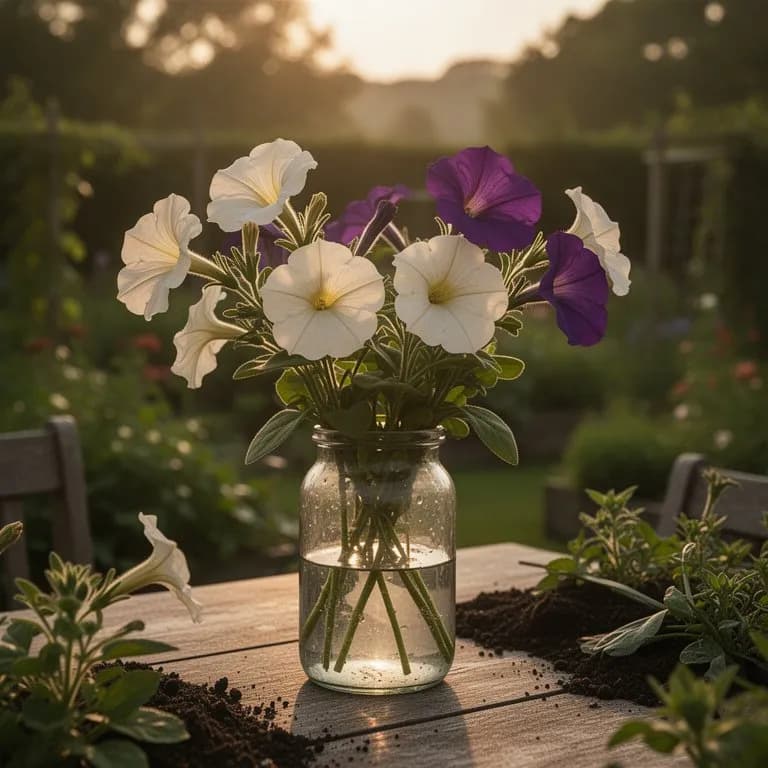
Supertunia Selbstbewässernde Hängeampel
30 Min.Erstellen Sie eine Supertunia-Hängeampel in Profiqualität mit eingebautem Wasserreservoir, die den täglichen Pflegeaufwand reduziert und die Pflanzen während der heißesten Sommermonate optimal versorgt.
6 Zutaten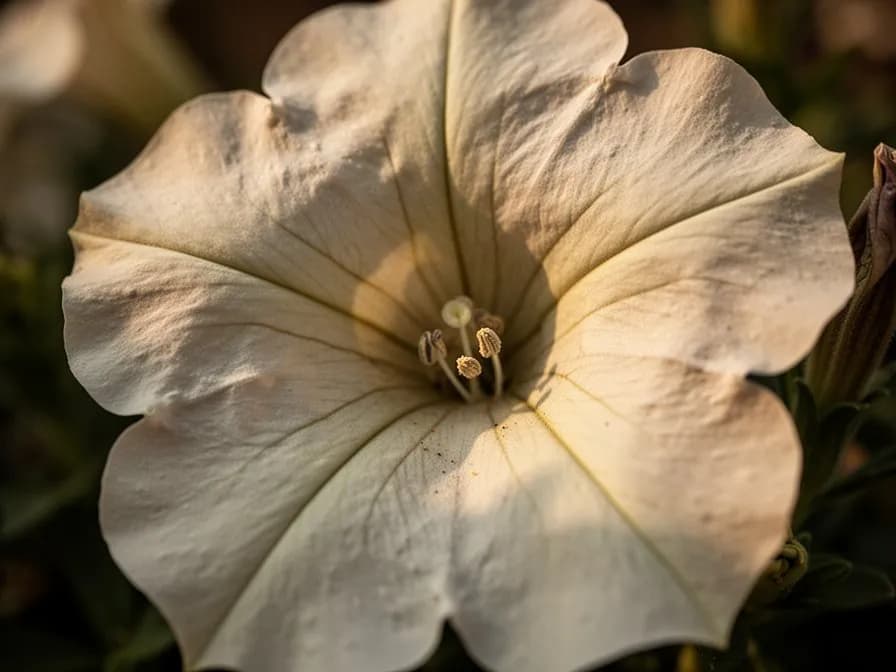
Gemischte Supertunia-Farbschale
45 Min.Gestalten Sie ein atemberaubendes Terrassenmittelpunkt, indem Sie drei komplementäre Supertunia-Farbvarianten in einem einzigen großen Gefäß kombinieren und die Thriller-Filler-Spiller-Pflanztechnik für maximale visuelle Wirkung nutzen.
6 Zutaten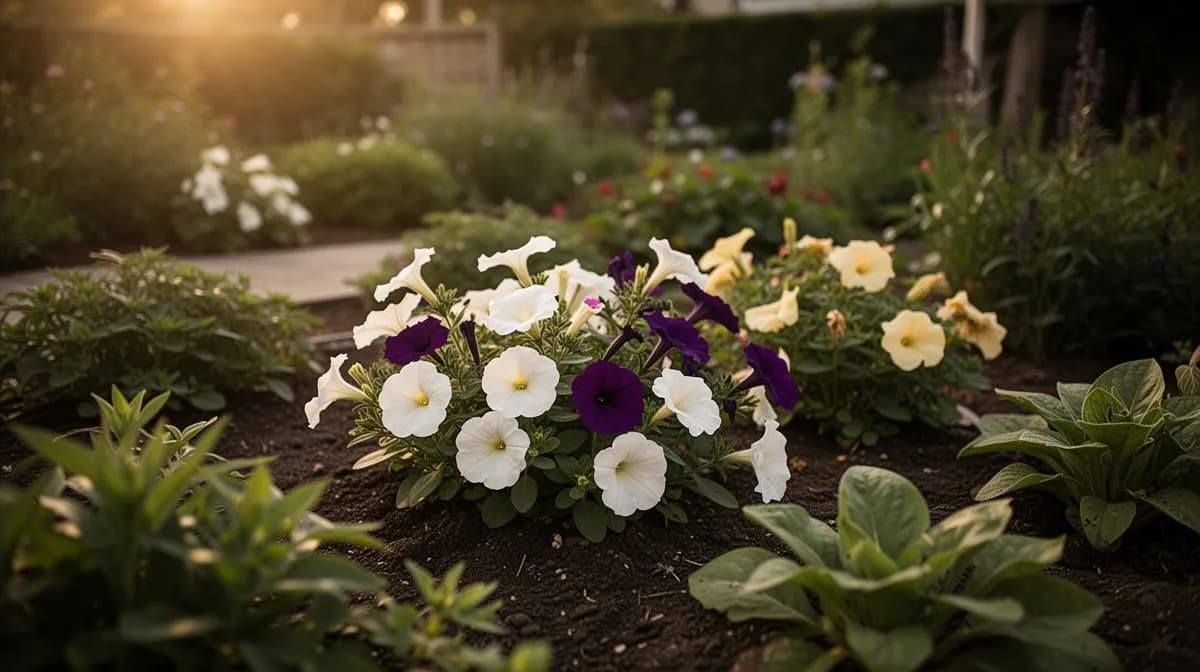
Supertunia Bestäuber-Blumenkasten
40 Min.Bepflanzen Sie einen Blumenkasten, der die hängende Schönheit der Supertunien mit ergänzenden Einjährigen kombiniert, die Kolibris und Schmetterlinge anlocken, und schaffen Sie ein lebendiges Display, das von innen und außen sichtbar ist.
6 ZutatenWas drinsteckt
Gesundheitsvorteile
- Das Pflegen und Versorgen von Supertunien bietet therapeutische Gartenvorteile, einschließlich Stressabbau und verbessertem psychischen Wohlbefinden durch die beruhigende Routine der täglichen Pflanzenpflege und Bewässerung
- Die lebhaften Blütenfarben der Supertunien können Stimmung und emotionale Gesundheit positiv beeinflussen, da Forschung zeigt, dass der Kontakt mit farbenfrohen Blühpflanzen Ängste reduziert und Glücksgefühle fördert
- Die Pflege von Gefäßgärten mit Supertunien bietet sanfte körperliche Aktivität, einschließlich Bücken, Strecken und Heben, was die Gelenkbeweglichkeit und Feinmotorik unterstützt, besonders für ältere Erwachsene
- Supertunia-Blüten ziehen nützliche Bestäuber an, darunter Kolibris, Schmetterlinge und Schwärmer, und tragen zur lokalen Ökosystemgesundheit und Biodiversität in städtischen und vorstädtischen Umgebungen bei
- Gefäßgärtnern mit Supertunien bietet einen zugänglichen Einstieg in die Gartenbaukunst für Menschen mit eingeschränkter Mobilität oder begrenztem Platz und unterstützt die psychologischen Vorteile der Pflege von Lebewesen
- Der Abendduft, den viele Supertunia-Sorten verströmen, kann das Sinneserlebnis von Außenwohnbereichen bereichern und zu mehr Zeit im Freien anregen, was mit verbesserten Vitamin-D-Spiegeln und Regulierung des circadianen Rhythmus in Verbindung gebracht wird
Woher Supertunia stammt
Die Marke Supertunia wurde von Proven Winners entwickelt, einem Zusammenschluss von Pflanzenzüchtern und Vermehrern mit Hauptsitz in den Vereinigten Staaten, wobei die Züchtungsarbeit hauptsächlich von der Sakata Seed Corporation aus Japan und Klemm+Sohn aus Deutschland durchgeführt wird. Die moderne Petunie selbst geht auf zwei wilde südamerikanische Arten zurück: Petunia axillaris, eine weißblühende, nachtduftende Art aus Argentinien, und Petunia integrifolia (früher P. violacea), eine kleinblütige violette Art aus dem südlichen Brasilien, Uruguay und Argentinien. Europäische Botaniker sammelten diese Arten erstmals Anfang des 19. Jahrhunderts, und die Kreuzung zwischen ihnen begann in den 1830er Jahren, wobei schnell die schillernde Farbpalette und Formenvielfalt entstand, die Petunien bis Mitte des neunzehnten Jahrhunderts zu einer der beliebtesten Beetpflanzen der Welt machte. Über ein Jahrhundert lang konzentrierte sich die Petunienzüchtung auf samenerzeugte Sorten. Der Durchbruch, der zu Supertunien führte, kam im späten zwanzigsten Jahrhundert, als Züchter begannen, vegetativ vermehrte Linien zu selektieren, die nur durch Stecklinge reproduziert werden konnten, was genetische Einheitlichkeit sicherstellte und die Fixierung von Eigenschaften wie extremer Wüchsigkeit, kontinuierlicher selbstreinigender Blüte und einem stark hängenden Wuchs ermöglichte, die bei samenerzogenen Typen schwer zu erreichen waren. Proven Winners führte die ersten Supertunia-Sorten Ende der 1990er Jahre auf dem nordamerikanischen Markt ein, und die Marke wurde rasch zur meistverkauften Petunien-Linie im Garteneinzelhandel. Heute umfasst die Supertunia-Kollektion über dreißig benannte Sorten, die das gesamte Farbspektrum von reinem Weiß über Rosa, Rot, Violett, Blau bis hin zu Zweifarbigen abdecken, wobei jährlich neue Einführungen veröffentlicht werden.
Supertunia: Schon gewusst?
Faszinierende Fakten über Supertunia
Supertunien sind eine markenrechtlich geschützte Petunien-Linie, die exklusiv von Proven Winners gezüchtet und vermarktet wird, einem der größten Markenpflanzenunternehmen in Nordamerika, und jede Sorte durchläuft vor der Veröffentlichung jahrelange Feldversuche.
Supertunia: Fragen & Antworten
Wann sollte ich Supertunia pflanzen?
Was sind gute Begleitpflanzen für Supertunia?
In welchen Winterhärtezonen kann Supertunia wachsen?
Wie viel Sonne braucht Supertunia?
Welchen Abstand sollte ich zwischen Supertunia lassen?
Welche Schädlinge und Krankheiten befallen Supertunia?
Wie lagere ich Supertunia nach der Ernte?
Was sind die besten Supertunia-Sorten zum Anbauen?
Welchen Boden braucht Supertunia?
Was ist der Unterschied zwischen Supertunien und normalen Petunien?
Müssen Supertunien ausgeputzt werden?
Wie oft sollte ich Supertunien in Hängeampeln gießen?
Warum werden die Blätter meiner Supertunia gelb?
Kann ich Supertunien aus Samen oder Stecklingen zu Hause ziehen?
Wann sollte ich meine Supertunien zurückschneiden und wie viel sollte ich entfernen?
Du hast die Theorie gelesen. Jetzt baue sie auf Autopilot an.
Alles, was Supertunia knifflig macht — das Timing, die Abstände, die Begleiter, das Erntefenster — genau das übernimmt PlotMyGarden für dich, für jede Pflanze im Garten.
Ein Plan, der dein Wetter kennt
Standort einmal festlegen. Aussaat-, Dünge- und Erntedaten rund um deinen echten letzten Frosttermin und die Live-Vorhersage — kein Raten mehr nach Saattüte.
Aus dem Abschnitt „Pflanzzeit“Beetplaner per Drag & Drop
Beete auf einem Raster gestalten. Jede Pflanze rastet im richtigen Abstand ein, und du siehst die ganze Saison, bevor du einen Cent für Saatgut ausgibst.
Aus dem Abschnitt „Anbau“Begleiter-Konflikte früh erkannt
Über 200 gute und schlechte Kombinationen werden beim Pflanzen live geprüft — so landet ein saisonruinierender Fehler nie in der Erde.
Aus dem Abschnitt „Begleiter“Erinnerungen, nach denen du wirklich handelst
„Gieß die Bohnen.“ „Heute ernten, bevor's umschlägt.“ Pünktlich, konkret und auf deine echten Pflanzen bezogen.
Aus dem Abschnitt „Ernte“Staffel-Aussaat, geplant
Sechs Wochen ernten statt sechs Tage? Die App verteilt deine Aussaaten automatisch und erinnert dich, wenn der nächste Satz fällig ist.
Aus dem Abschnitt „Pflanzzeit“Ein Verlauf, der schlauer wird
Jede protokollierte Ernte bringt der App deinen Garten bei. Der Plan fürs nächste Jahr startet bei dem, was in deinem Boden wirklich funktioniert hat.
Aus dem Abschnitt „Überblick“Pflanze diese neben Supertunia
Weitere Einjährige
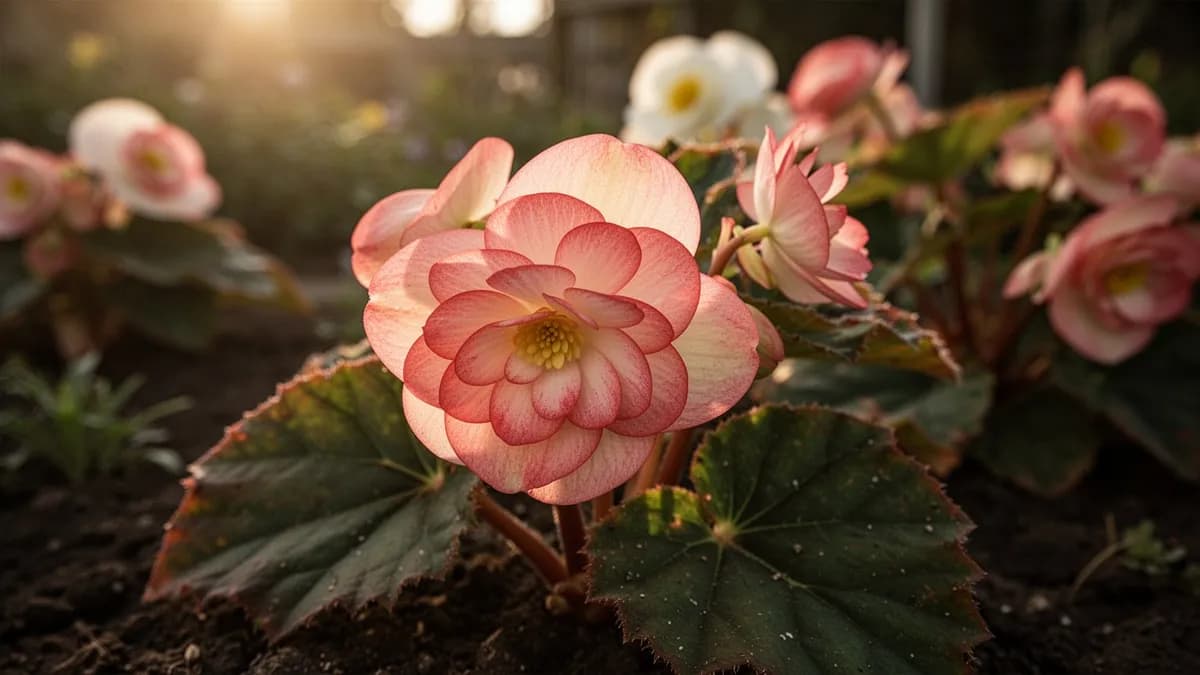
Halte Supertunia von diesen fern
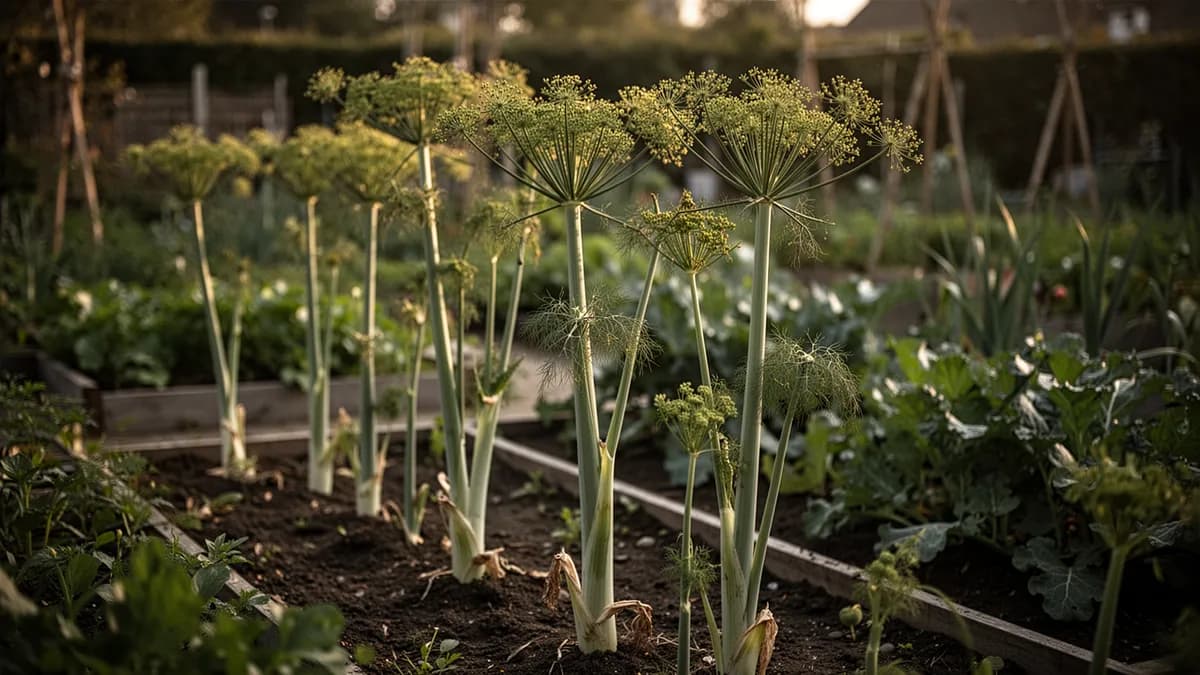
Bau deine beste Supertunia an — und alles drumherum.
Starte heute kostenlos. Lege deine Beete an, setze deine Supertunia ein und lass PlotMyGarden Timing, Abstände, Begleiter und Erinnerungen von der Saat bis zum Erntekorb übernehmen.