Oak-Leaf Geranium
A scented geranium with deeply lobed, oak-shaped leaves that release a spicy-balsamic fragrance when brushed or crushed.





On this pageOverview
Meet Oak-Leaf Geranium
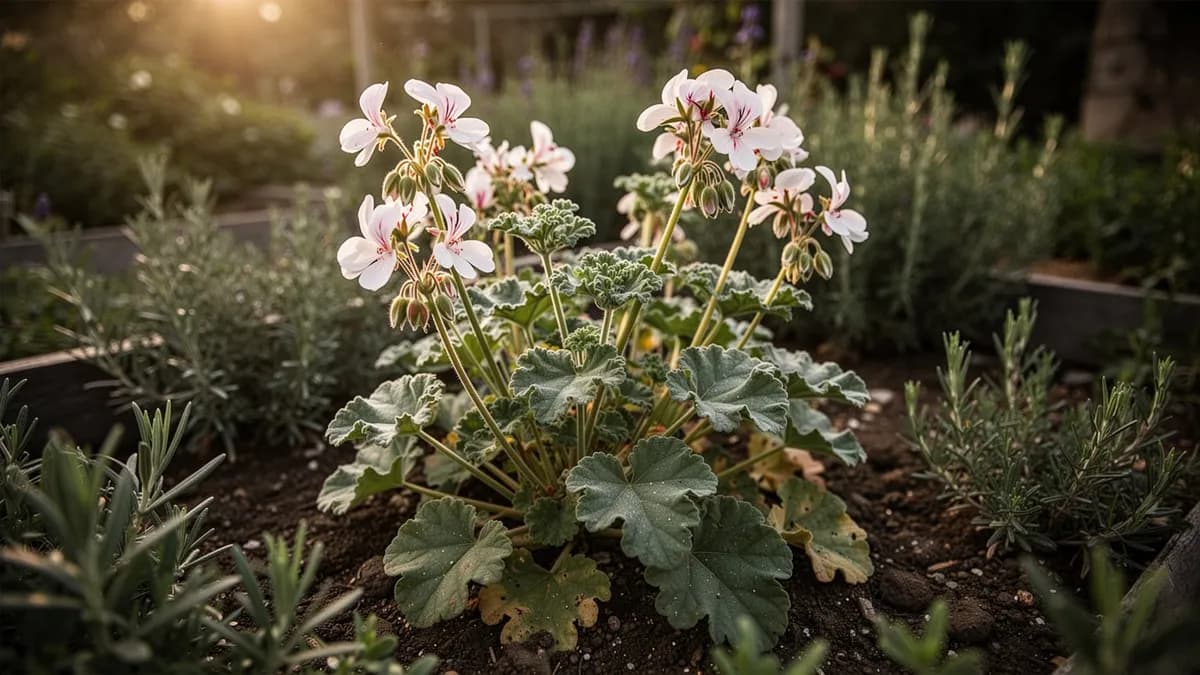
A scented geranium with deeply lobed, oak-shaped leaves that release a spicy-balsamic fragrance when brushed or crushed. The dark green leaves are marked with a distinctive dark zone and produce small pink-purple flowers in spring. Use dried leaves in sachets and potpourris for a warm, resinous scent that lasts for months.
When to plant Oak-Leaf Geranium
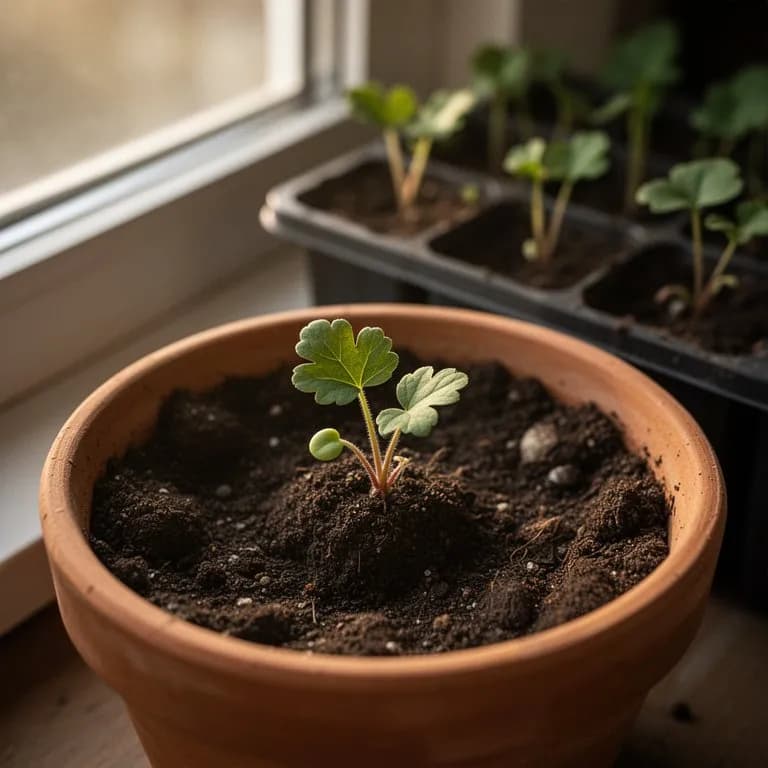
Propagate by stem cuttings taken in spring or late summer. Select 7-10cm non-flowering shoot tips, strip lower leaves, allow cut ends to callous for 2-3 hours, then insert into moist perlite or gritty compost. Keep in bright indirect light at 18-22°C without covering. Roots develop in 2-4 weeks. Oak-leaf geranium can occasionally be grown from seed if available, but named varieties do not come true from seed. Cuttings are the standard and most reliable propagation method.
Your Oak-Leaf Geranium Year
Composed for Zone 7 · typical seasons · frost passes Apr 2, returns Nov 1
Plant Oak-Leaf Geranium Apr – May, pick May – Sep. Check the planting methods below and set your climate to personalize these windows.
How to grow Oak-Leaf Geranium
Oak-leaf geranium is a robust scented pelargonium with distinctive deeply lobed leaves that resemble oak leaves, complete with a dark blotch in the center. The plant grows 60-90cm tall with woody stems and produces small pink-purple flowers with darker markings in spring. The foliage releases a warm, spicy-balsamic fragrance when touched that is quite unlike the floral scents of other pelargoniums.
Grow in full sun with well-drained soil in containers or in the ground in frost-free areas. This is one of the more robust scented geraniums, tolerating some drought and neglect once established. Water when the top layer of soil feels dry and feed every 2-3 weeks during the growing season with a balanced liquid fertilizer.
Bring containers indoors before frost and provide bright light through winter. Reduce watering but do not allow the plant to dry out completely. Oak-leaf geranium can become quite large and woody over time—prune back by one-third in early spring to promote bushy new growth. The pruned stems are excellent for taking cuttings to create new plants.
10 plants fit a 4 × 8 ft bed
Each Oak-Leaf Geranium wants 45 cm of elbow room. The planner keeps that spacing for you — every plant, every bed.
Oak-Leaf Geranium's best neighbours
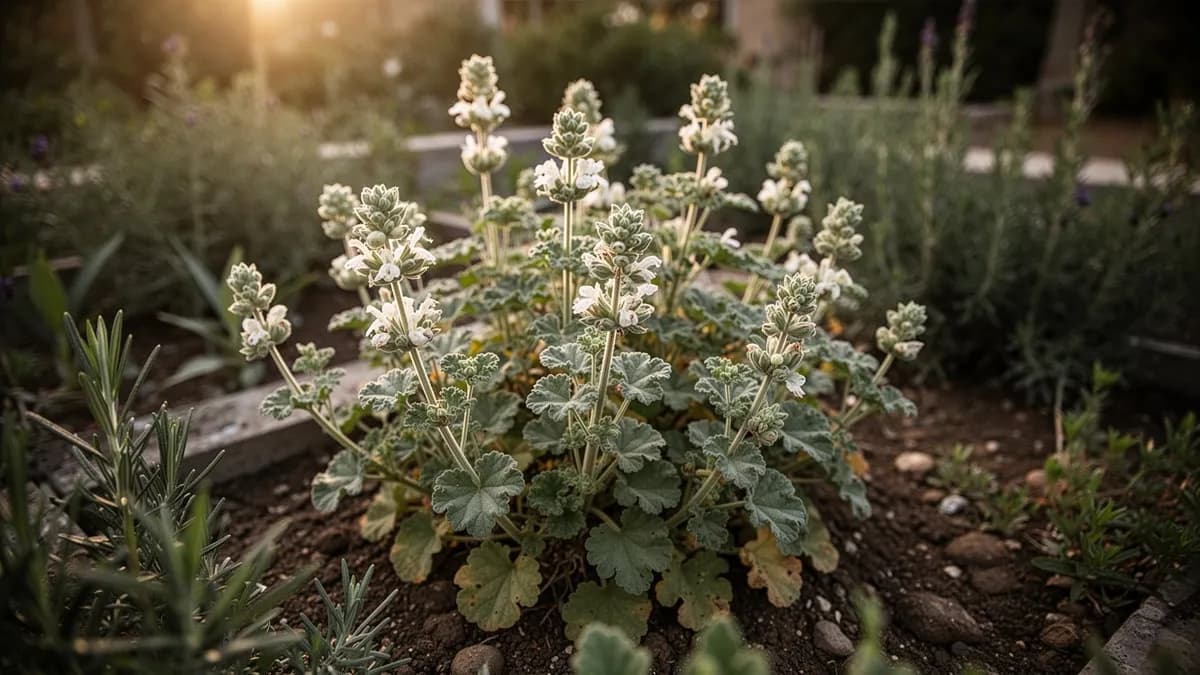
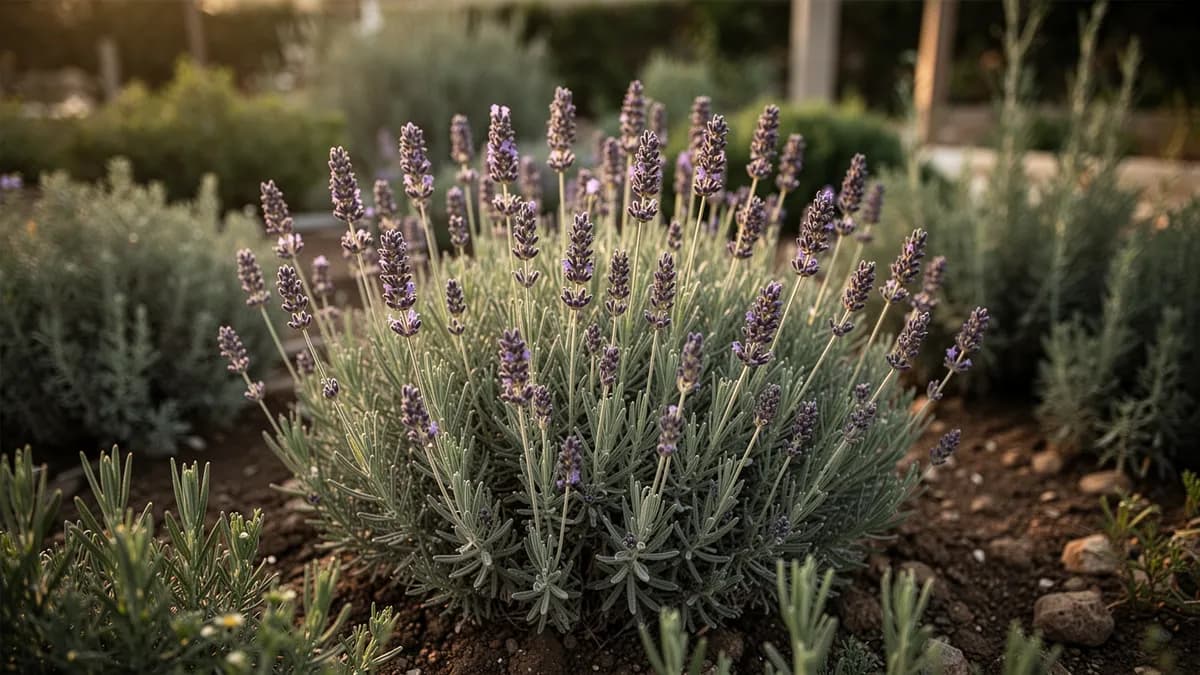
Display oak-leaf geranium alongside other scented pelargoniums in a fragrant collection. Its unique balsamic scent provides an interesting contrast to the floral and citrus scents of rose and lemon geraniums. The deeply lobed foliage adds textural interest to mixed container plantings. Place near paths and seating areas where visitors will brush against and discover the unusual warm, spicy fragrance.
Rose Geranium belongs beside it.
Old growers' knowledge, checked against Oak-Leaf Geranium's real companion table below — test any plant you're growing.
Try Oak-Leaf Geranium in a bed — right here
A real planner bed with Oak-Leaf Geranium already in it. Tap a companion to place it and watch the pairing checks answer — green for good neighbours, red for a clash.


Related growing guides
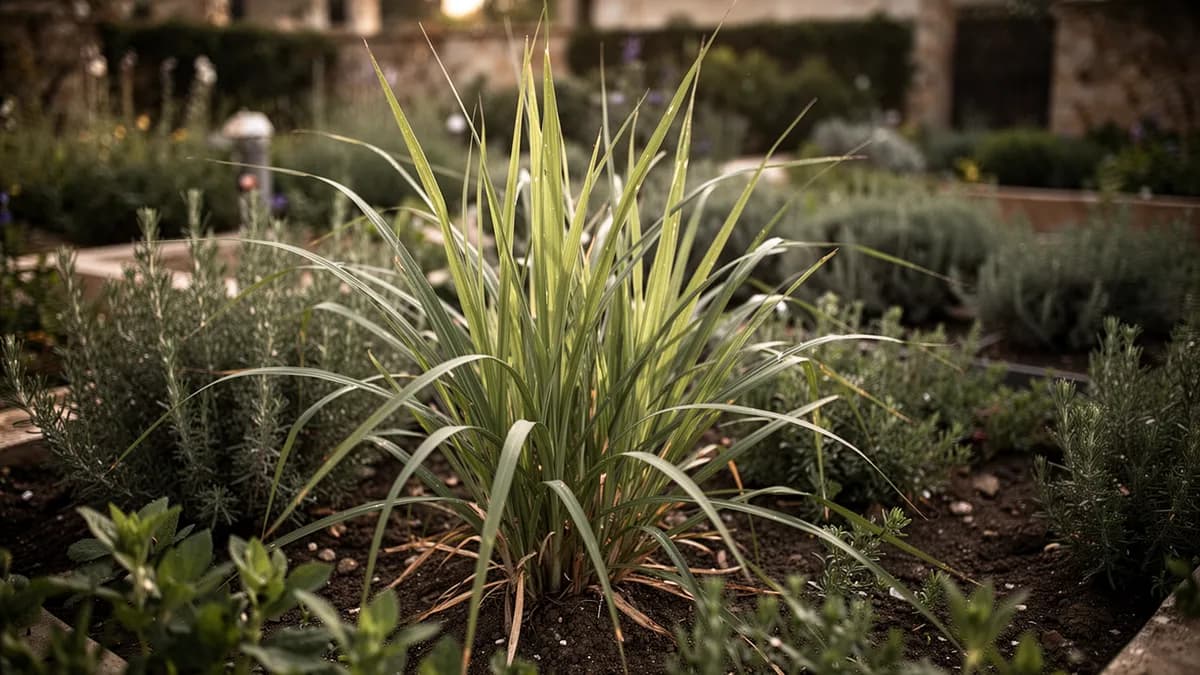
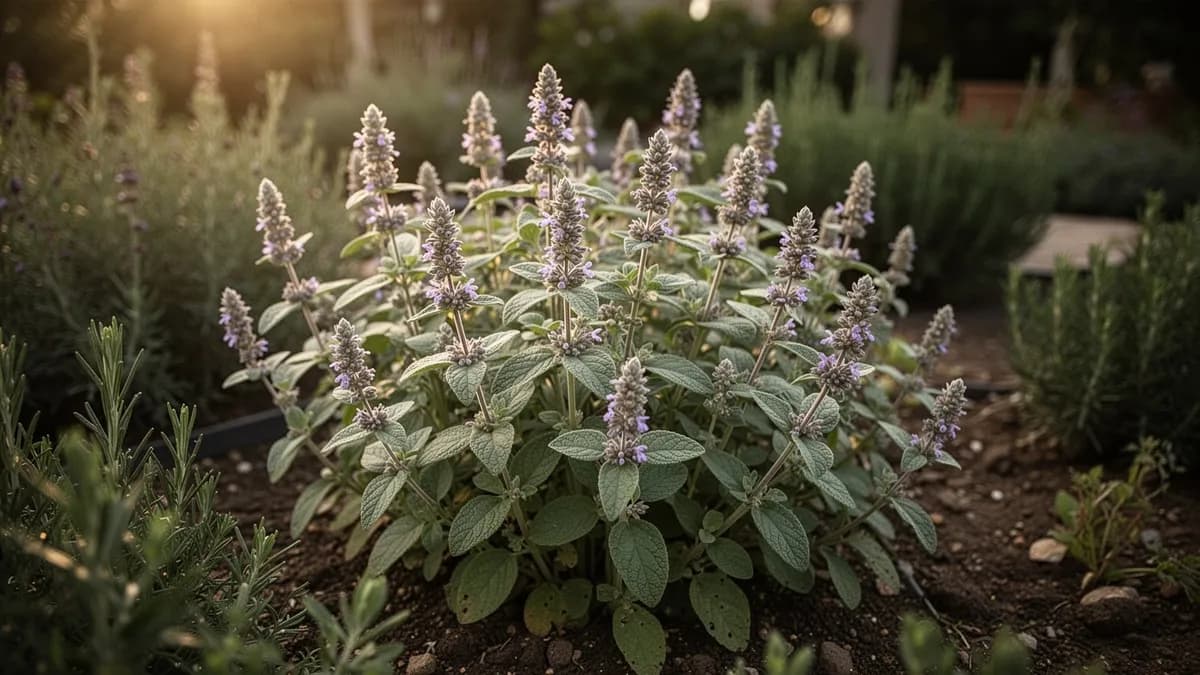
Feed it well
Use well-drained potting mix with a pH of 6.0-7.0. Mix standard multipurpose compost with 25% perlite for adequate drainage. Feed every 2-3 weeks during the growing season with a balanced liquid fertilizer at half strength. Reduce feeding in autumn and stop in winter. Repot every 2-3 years in spring when roots fill the container, using fresh compost each time.
Ideal Temperature
Hardiness Zone Compatibility
From seed to harvest, stage by stage
Cutting Propagation
Oak-leaved geranium is almost exclusively propagated from stem cuttings rather than seed. Take 8-10 cm tip cuttings from healthy, non-flowering stems in spring or early summer. Remove the lower leaves, let the cut end callus over for a few hours, then insert into a well-drained propagation mix of perlite and peat. Place in bright, indirect light and maintain consistent moisture without waterlogging.
Root Establishment
Roots begin to form and the cutting establishes itself in its growing medium. New leaf growth at the tip signals successful rooting. The young plant starts developing its characteristic deeply lobed foliage, and the stems begin to show the slightly woody texture typical of the species.
Vegetative Growth
The plant enters a vigorous growth phase, producing multiple branching stems clothed in aromatic, oak-shaped leaves. The foliage becomes increasingly sticky and resinous, releasing a warm balsamic-spicy fragrance when touched. Stems thicken and begin to develop a semi-woody base characteristic of mature pelargoniums.
Bud Formation
Flower clusters begin to form at the tips of mature stems, with small rounded buds appearing in tight umbels. The plant directs energy toward reproduction while continuing to produce new foliage. Buds gradually swell and show hints of the pink-mauve color they will display when fully open.
Flowering
Delicate pink to mauve flowers with darker purple-maroon markings on the upper petals open in succession across the plant. Each umbel produces five to ten individual blooms. The flowering period can extend over several months with regular deadheading, and the plant continues to produce aromatic foliage alongside the flowers.
Late Season and Overwintering
As days shorten and temperatures cool, growth slows and flowering tapers off. The plant enters a semi-dormant state but retains its evergreen foliage in frost-free conditions. In temperate climates, plants must be brought indoors before the first frost, as Pelargonium quercifolium is tender and cannot tolerate temperatures below about 2°C.
Do not cover cuttings with a humidity dome as pelargoniums are prone to stem rot in high humidity. Light bottom heat of around 20°C encourages faster root development.
Caring for Oak-Leaf Geranium month by month
What to do each month for your Oak-Leaf Geranium
October
You are hereBring plants indoors before the first frost. Place in the sunniest window available. Reduce watering significantly and stop fertilizing. Prune back any overly long stems to create a manageable indoor shape.
Know exactly what to do in your garden — every month
One email at the start of each month: what to sow, plant, and tackle right now — for your Oak-Leaf Geranium and everything growing around it. Plus a short starter course that helps you dodge the classic mistakes.
- What to do, right now
- Matched to your season
- Starter course included
Harvesting Oak-Leaf Geranium
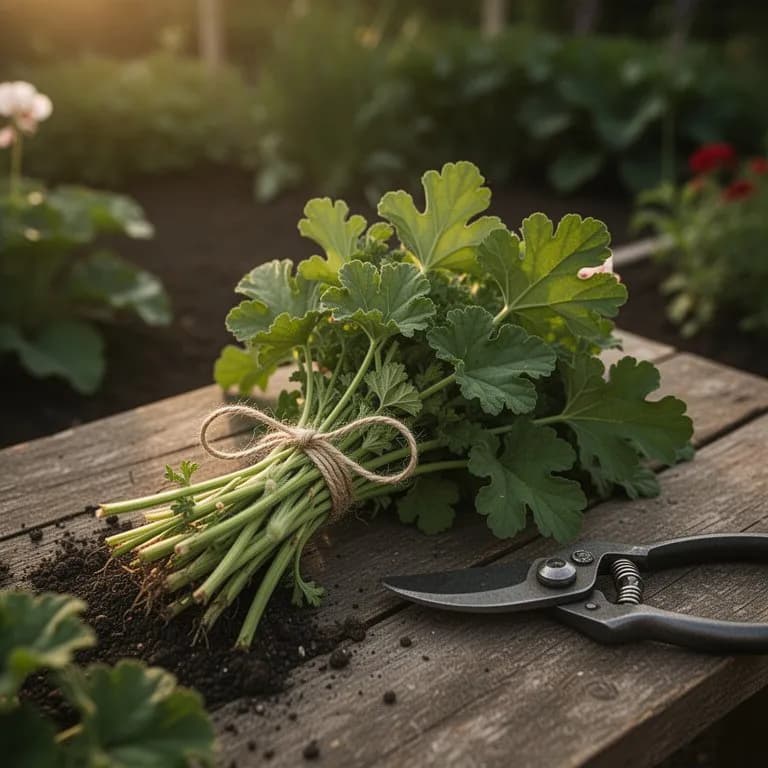
Harvest individual leaves or small stem sections anytime during the growing season. The most aromatic leaves are mature ones with a fully developed dark central blotch. For sachets and potpourri, harvest the most deeply scented leaves by rubbing gently and selecting those with the strongest balsamic fragrance. The flowers can also be harvested for their mild scent and decorative value.
assuming you plant when the window opens — set your real date
Pick Oak-Leaf Geranium promptly and the plant keeps producing.
Storage & Preservation
Dry leaves on screens or in a dehydrator at 35°C. The oak-shaped leaves dry to an attractive form and retain their spicy-balsamic fragrance for 12-18 months—longer than many other scented pelargoniums. Store in paper bags or loosely covered containers for potpourri, or in airtight jars for longer preservation. The dried leaves make excellent additions to sachets for wardrobes and linen drawers, where their warm, resinous scent acts as a natural moth deterrent.
What goes wrong — and the fix
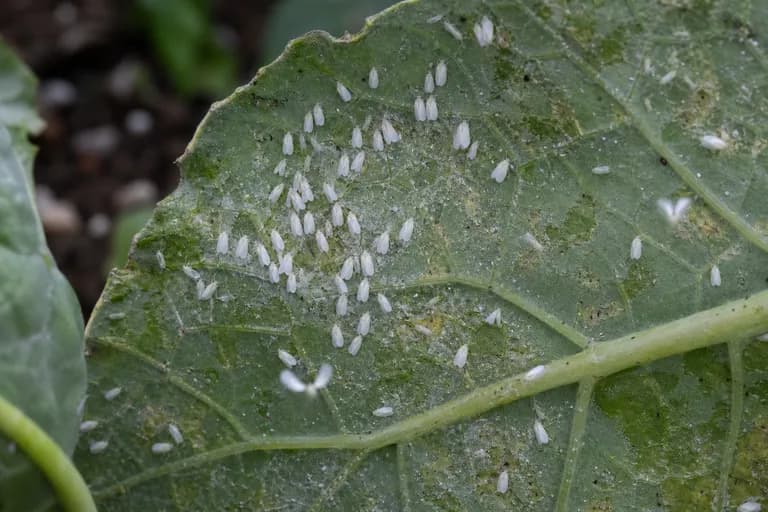
Whiteflies
PestSmall white insects fluttering when foliage is disturbed, with sticky honeydew deposits on lower leaves.
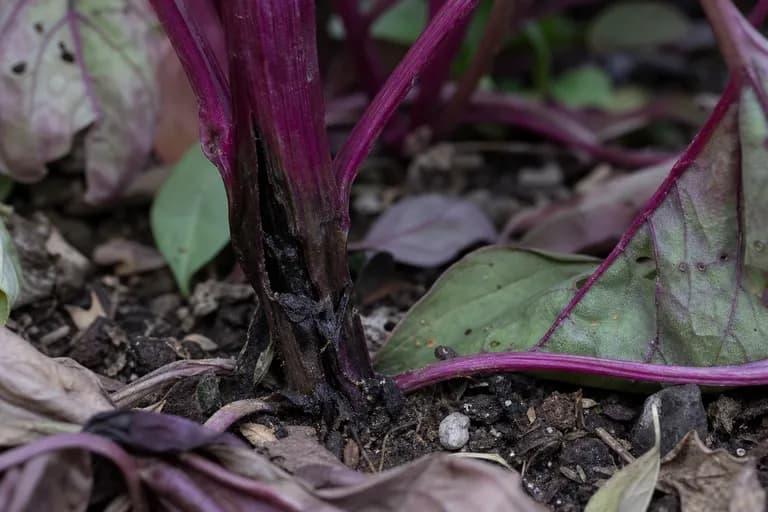
Stem Rot
DiseaseSoft, blackened stem bases, especially in cool, damp conditions. The plant wilts and sections may collapse.
Troubleshooting Common Problems
Leggy, sparse growth indicates insufficient light—move to a brighter position. Woody, bare lower stems are natural with age; prune hard in spring to encourage fresh growth from the base. Loss of the dark central leaf blotch may indicate too little light or stress. Yellow lower leaves usually signal overwatering. The plant can become surprisingly large; regular pruning keeps it manageable.
Growing Tips
- Plant oak-leaved geranium in well-drained, slightly acidic to neutral soil with a pH of 6.0-7.0. Amend heavy clay with perlite, coarse sand, or fine gravel to prevent waterlogging, which quickly causes root rot in pelargoniums.
- Provide full sun to light afternoon shade for the best foliage production and strongest fragrance. At least 6 hours of direct sunlight daily ensures compact growth and prolific leaf development.
- Water thoroughly when the top 3-5 cm of soil is dry, then allow the medium to dry out before watering again. Pelargoniums are far more tolerant of drought than excess moisture and prefer to stay on the dry side.
- Pinch growing tips every few weeks during the active season to encourage bushy, well-branched growth. Without regular pinching, the plant tends to become leggy and sparse, especially in lower light conditions.
- Feed with a balanced liquid fertilizer at half strength every two weeks during spring and summer. Switch to a potassium-rich feed when flower buds form to support blooming. Stop fertilizing entirely in autumn and winter.
- Take stem cuttings in spring or late summer for propagation. Use non-flowering shoots about 8-10 cm long, remove the lower leaves, allow the cut end to dry for a few hours, then root in moist perlite or a sandy mix.
- Overwinter plants indoors in a bright, cool room at 10-15°C in regions where temperatures drop below 2°C. Reduce watering significantly during winter and provide maximum light to prevent leggy, etiolated growth.
- Repot container-grown plants every 1-2 years in spring, using a well-draining potting mix. Choose pots only slightly larger than the root ball, as pelargoniums bloom and grow better when slightly pot-bound.
- Watch for common pests including whitefly, aphids, and spider mites, especially on overwintering indoor plants. Inspect the undersides of leaves regularly and treat infestations early with insecticidal soap or neem oil.
- Harvest leaves in the morning after the dew has dried for the highest concentration of essential oils. Pick individual leaves rather than cutting whole stems to keep the plant producing continuously throughout the season.
Grow your best Oak-Leaf Geranium yet — and everything around it.
Start a free plan today. Lay out your beds, drop in your Oak-Leaf Geranium, and let PlotMyGarden handle the timing, spacing, companions and reminders from seed to harvest basket.
Pick your Oak-Leaf Geranium
Pelargonium quercifolium (standard)
The classic oak-leaf geranium with deeply lobed leaves, dark central blotch, and warm balsamic scent. The most commonly grown form.
Pelargonium quercifolium 'Royal Oak'
Selected form with more pronounced dark markings and a particularly strong spicy fragrance. Very ornamental.
Pelargonium quercifolium 'Village Hill Oak'
Compact growth habit with finely cut leaves and good fragrance. Suitable for smaller containers.
A single oak-leaved geranium plant costs $5-10 at a nursery and can be propagated indefinitely from cuttings at no cost, providing a lifetime supply of aromatic leaves. Dried scented geranium leaves sell for $12-20 per ounce in specialty herb shops, while a healthy plant produces far more than you could use in a season. Geranium essential oil retails for $10-25 per small bottle, yet a few fresh leaves provide the same fragrance for potpourri, sachets, and flavored sugars. Over 10 years, one mother plant and its cuttings can easily save $200-500 compared to buying dried leaves, essential oils, and specialty baking ingredients.
Quick recipes
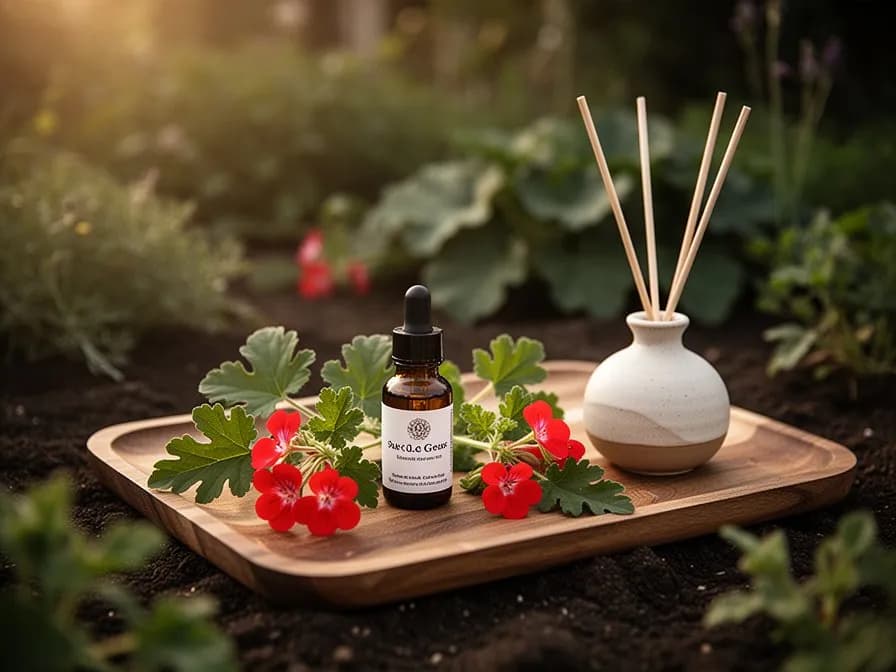
Oak-Leaf Geranium Sugar
10 minutes + 2 weeks infusionA beautifully aromatic flavored sugar that captures the warm, balsamic-spicy scent of oak-leaved geranium leaves. Use this fragrant sugar in baking, to rim cocktail glasses, or sprinkled over fresh fruit and yogurt. The leaves slowly infuse the sugar with their essential oils, creating a unique pantry staple.
3 ingredientsGeranium Leaf Herbal Tea
10 minutesA soothing, aromatic herbal infusion made with fresh or dried oak-leaved geranium leaves. The tea has a warm, slightly spicy character with subtle balsamic undertones and a lingering floral finish. Traditionally enjoyed as a calming evening drink and gentle digestive aid.
5 ingredientsGeranium-Scented Baked Apples
15 minutes prep + 40 minutes bakingWhole baked apples infused with the warm fragrance of oak-leaved geranium leaves create a rustic, comforting dessert. The leaves are placed in the cavity of each apple during baking, permeating the fruit with their balsamic aroma as it softens and caramelizes in the oven.
7 ingredientsWhat's inside
Health Benefits
- Oak-leaved geranium tea has been traditionally used as a gentle digestive aid, helping to relieve bloating, mild stomach cramps, and nausea after meals.
- The essential oil contains geraniol and citronellol, compounds studied for their anti-inflammatory properties that may help reduce inflammation when applied topically in diluted form.
- Pelargonium species have demonstrated antimicrobial activity in laboratory studies, with leaf extracts showing effectiveness against several common bacterial strains.
- The aromatic compounds released by the leaves have been associated with mild stress-relieving and mood-lifting effects when used in aromatherapy or simply enjoyed in the garden.
- Traditional South African medicine has used Pelargonium leaf infusions to support respiratory health and ease symptoms of coughs and sore throats.
- The polyphenolic compounds in the leaves, including quercetin and kaempferol, act as antioxidants that may help protect cells from oxidative damage caused by free radicals.
Where Oak-Leaf Geranium comes from
Pelargonium quercifolium, the oak-leaved geranium, is native to the Western Cape Province of South Africa, where it grows wild on rocky, well-drained slopes and sandy flats within the fynbos biome. This remarkable region, roughly the size of Portugal, contains more plant species per square kilometer than any tropical rainforest, and the scented pelargoniums are among its most distinctive exports. The plant thrives in the Mediterranean-type climate of the Cape, enduring hot, dry summers and cool, wet winters in nutrient-poor, acidic soils. European explorers first encountered scented pelargoniums during the 17th century as Dutch, English, and Portuguese ships stopped at the Cape of Good Hope for provisions. The Dutch East India Company established a supply station at the Cape in 1652, and botanically curious officials began sending plant specimens back to the botanical gardens of Leiden and Amsterdam. Pelargonium quercifolium was among the earliest species to reach Europe, arriving in the Netherlands around 1690. Its deeply lobed, oak-shaped leaves and intensely aromatic foliage immediately captivated collectors and gardeners. By the early 18th century, scented pelargoniums had spread to England, France, and across continental Europe, becoming prized conservatory plants among the wealthy. The Victorians embraced them with particular enthusiasm, cultivating dozens of scented-leaved varieties in elaborate glasshouses and using the fragrant leaves in finger bowls at formal dinners. Leaves were pressed into sugar jars, tucked between linens, and infused into jellies and cakes. In the 19th century, the perfume industry in Grasse, France, began cultivating Pelargonium species on a commercial scale for their essential oils, which provided an affordable alternative to expensive rose oil. Today, oak-leaved geranium remains a beloved plant among herb enthusiasts and collectors worldwide, valued equally for its architectural foliage, warm balsamic fragrance, and versatile culinary and aromatic applications. It is grown commercially in parts of Africa, India, and China for geranium essential oil production.
Oak-Leaf Geranium: did you know?
Fascinating facts about Oak-Leaf Geranium
Despite its common name, oak-leaved geranium is not a true geranium at all. It belongs to the genus Pelargonium, which was separated from Geranium in 1789 by the French botanist Charles Louis L'Héritier de Brutelle.
Oak-Leaf Geranium questions, answered
When should I plant Oak-Leaf Geranium?
What are good companion plants for Oak-Leaf Geranium?
What hardiness zones can Oak-Leaf Geranium grow in?
How much sun does Oak-Leaf Geranium need?
How far apart should I space Oak-Leaf Geranium?
What pests and diseases affect Oak-Leaf Geranium?
How do I store Oak-Leaf Geranium after harvest?
What are the best Oak-Leaf Geranium varieties to grow?
What soil does Oak-Leaf Geranium need?
Is oak-leaved geranium edible and safe to use in cooking?
Why are my oak-leaved geranium's leaves turning yellow and dropping?
How do I overwinter oak-leaved geranium in cold climates?
What is the difference between oak-leaved geranium and common garden geraniums?
Can oak-leaved geranium be used as a natural insect repellent?
How large does oak-leaved geranium grow and does it need pruning?
You just read the theory. Now grow it on autopilot.
Everything that makes Oak-Leaf Geranium fiddly — the timing, the spacing, the companions, the harvest window — is exactly what PlotMyGarden handles for you, for every plant in your garden.
A plan that knows your weather
Set your location once. Get sow, feed and harvest dates built around your real last-frost date and live forecast — no more guessing from a generic seed packet.
From the “When to plant” sectionDrag-and-drop bed planner
Design beds on a grid. Every plant snaps to its proper spacing, and you can see your whole season laid out before you spend a cent on seed.
From the “Growing guide” sectionCompanion conflicts, caught early
200+ good-and-bad pairings checked live as you plant — so a season-wrecking mistake never makes it into the ground.
From the “Companions” sectionReminders you'll actually act on
“Water the beans.” “Pick today before it turns.” Timely, specific, and tied to the plants you're really growing.
From the “Harvest” sectionSuccession, scheduled
Want a harvest for six weeks, not six days? It spaces your sowings automatically and reminds you when each new block is due.
From the “When to plant” sectionA record that gets smarter
Every harvest you log teaches it your garden. Next year's plan starts from what actually worked in your soil, not a textbook's.
From the “Overview” sectionPlant these alongside Oak-Leaf Geranium
More Aromatic Herbs
Grow your best Oak-Leaf Geranium yet — and everything around it.
Start a free plan today. Lay out your beds, drop in your Oak-Leaf Geranium, and let PlotMyGarden handle the timing, spacing, companions and reminders from seed to harvest basket.