Margarita africana
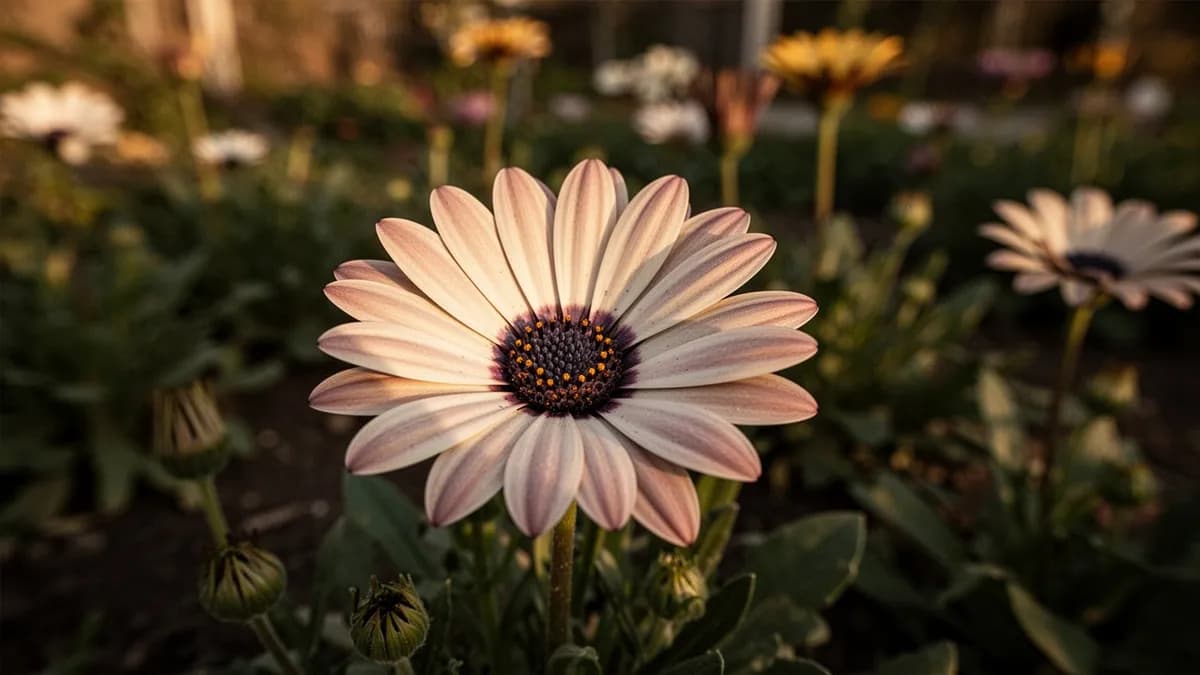
Una margarita vistosa con pétalos en forma de cuchara en tonos púrpura, rosa, amarillo y blanco, que florece con mayor intensidad en tiempo fresco.





En esta páginaResumen
Conoce Margarita africana
Una margarita vistosa con pétalos en forma de cuchara en tonos púrpura, rosa, amarillo y blanco, que florece con mayor intensidad en tiempo fresco. Las margaritas africanas prefieren temperaturas moderadas y pueden reducir la floración durante el calor intenso del verano. Son excelentes para macetas, borduras y plantaciones masivas en regiones de inviernos suaves.
Cuándo plantar Margarita africana
La mayoría de las variedades populares de osteospermum se propagan de forma vegetativa y deben comprarse como plantas de vivero. Las variedades cultivadas a partir de semilla, como la serie Akila, pueden iniciarse en interior entre diez y doce semanas antes de la última helada. Siembre las semillas sobre la superficie de un sustrato húmedo para semillero y presiónelas ligeramente sin cubrirlas, ya que necesitan luz para germinar. Mantenga una humedad constante y una temperatura de 18 a 21 °C para favorecer la germinación. Las plántulas se trasplantan fácilmente una vez que han desarrollado varias hojas verdaderas. Haga el endurecimiento durante una semana antes de sacarlas al exterior.
Tu año de Margarita africana
Ajustado a Zona 7 · temporada típica · la helada se va hacia el 2 abr y vuelve hacia el 1 nov
Planta Margarita africana Abr – May y cosecha May – Oct. Consulta los métodos de plantación y elige tu clima para adaptar los periodos.
Cómo cultivar Margarita africana
El osteospermum suele comprarse en primavera como planta de vivero, ya que las semillas tardan en establecerse y muchas variedades populares son híbridos propagados de forma vegetativa. Plántelo después de la última helada a pleno sol y en suelo bien drenado, dejando entre treinta y cuarenta centímetros entre plantas. Estas especies sudafricanas rinden mejor con temperaturas frescas a moderadas, entre 10 y 21 °C, y florecen con más abundancia en primavera y otoño.
Riegue con regularidad, pero deje que la superficie del suelo se seque entre riegos. El osteospermum tolera cierta sequía, aunque produce más flores con una humedad moderada y constante. Evite el exceso de riego y el encharcamiento, que provocan pudrición de raíces. Aplique una capa de mantillo de unos cinco centímetros para regular la temperatura del suelo y conservar la humedad durante los periodos calurosos.
Durante el pico del calor veraniego, la floración suele detenerse bastante. Recorte las plantas en un tercio a mediados del verano para fomentar un crecimiento nuevo y una buena refloración otoñal cuando bajen las temperaturas. Abone cada dos o tres semanas con un fertilizante líquido equilibrado durante los periodos de crecimiento activo. En climas suaves de las zonas 9 a 11, el osteospermum es perenne y puede formar matas extensas y rastreras. Pellizque las puntas de crecimiento de las plantas jóvenes para estimular un crecimiento más compacto y tupido.
32 plantas caben en un bancal de 120 × 240 cm
Cada Margarita africana pide 30 cm de margen. El planificador guarda ese marco por ti — cada planta, cada bancal.
Los mejores vecinos de Margarita africana
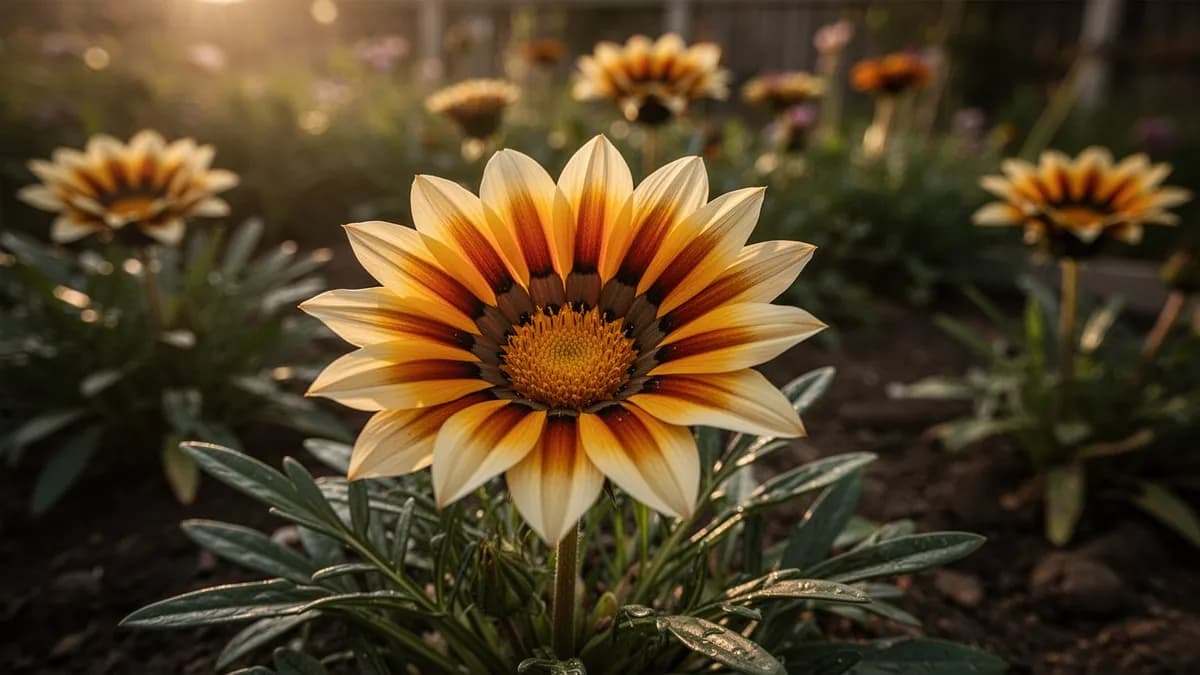
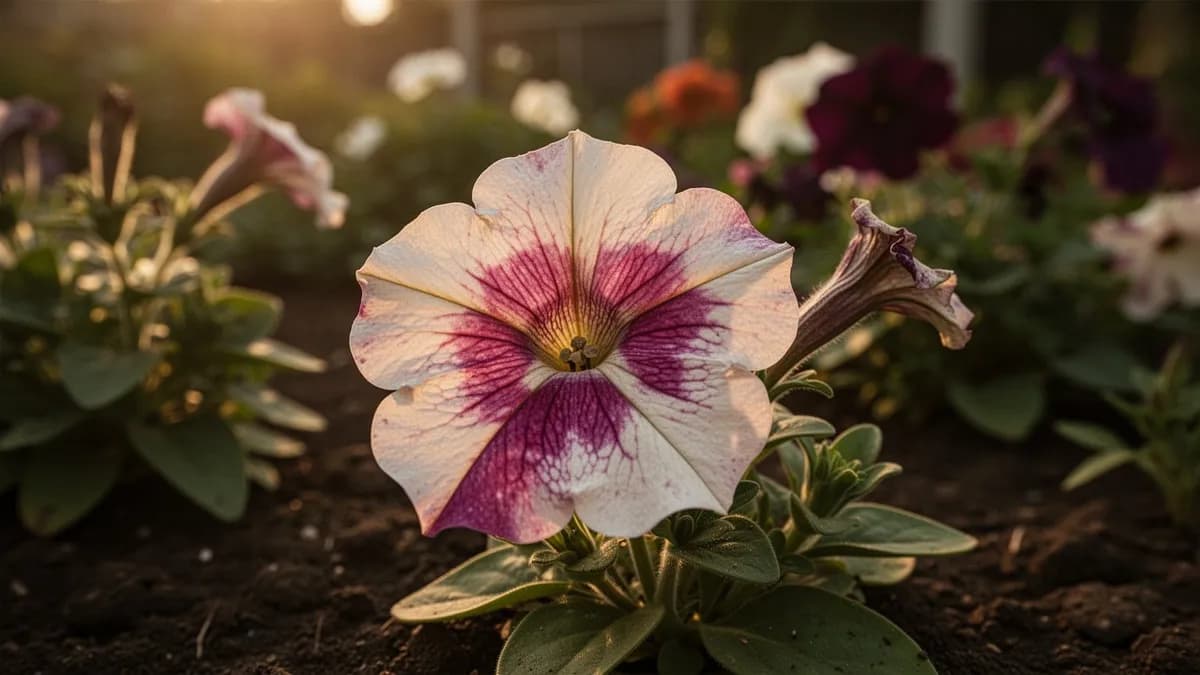
El osteospermum combina de maravilla con otras plantas de temporada fresca como nemesia, diascia y calibrachoa en macetas de primavera y otoño. Sus flores tipo margarita contrastan muy bien con las formas espigadas de la salvia y el porte colgante de la lobelia. Úselo en borduras mixtas con petunias, verbena y gramíneas ornamentales. Su origen sudafricano lo convierte en un compañero natural de las gazanias, aunque el osteospermum prefiere algo más de humedad. Es excelente para jardines costeros con temperaturas suaves todo el año.
Gazania va a su lado.
Saber de huerto de siempre, cotejado con la tabla real de Margarita africana — prueba cualquier planta que cultives.
Prueba Margarita africana en un bancal, aquí mismo
Un bancal real del planificador con Margarita africana ya plantado. Toca una planta compañera para colocarla y mira cómo responde la comprobación de vecinos: verde para buenos vecinos, rojo si hay conflicto.


Guías de cultivo relacionadas
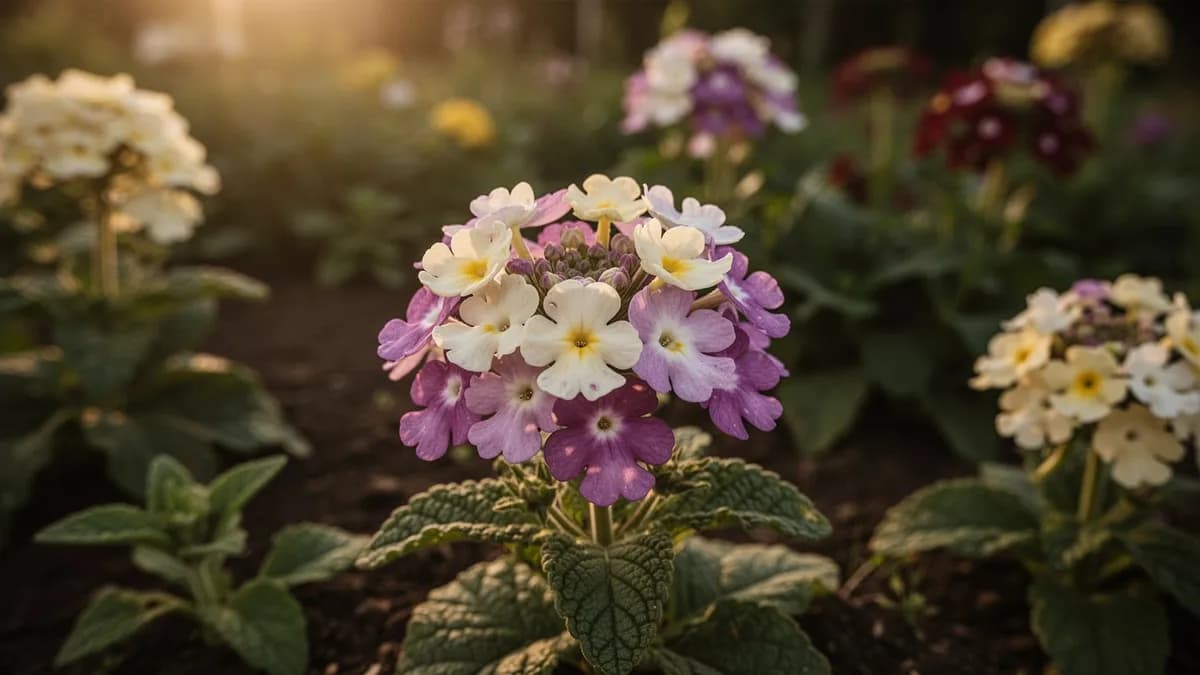

Abónalo bien
El osteospermum prospera en un suelo fértil y bien drenado, con un pH de 5.5 a 6.5. Enmiende la zona de plantación con compost para mejorar la fertilidad y el drenaje. Abone cada dos o tres semanas con un fertilizante líquido equilibrado durante los periodos de floración activa en primavera y otoño. Las plantas en maceta se benefician de un fertilizante de liberación lenta mezclado con el sustrato, además de abonados líquidos regulares. Reduzca el abonado durante la pausa de calor a mediados del verano, cuando las plantas dejan de florecer de forma activa.
Temperatura ideal
Compatibilidad de zonas de rusticidad
De la semilla a la cosecha, etapa por etapa
Germinación de semillas
Las semillas germinan mejor en condiciones cálidas y húmedas, y suelen brotar en 14 a 20 días.
Desarrollo de plántula
Las plantas jóvenes son delicadas mientras establecen sus raíces y deben protegerse de corrientes frías y del sol directo intenso.
Crecimiento vegetativo
Las plantas desarrollan un follaje denso y frondoso y tallos ramificados; es el mejor momento para pinzar las puntas.
Formación de botones
Los botones florales se forman en las puntas de las ramas y comienzan a engordar y tomar color.
Floración máxima
Las plantas producen muchas flores parecidas a margaritas, sobre todo en las estaciones frescas; durante las semanas más calurosas del verano puede haber una pausa.
Descanso de mitad de temporada
La floración puede ralentizarse o detenerse durante la parte más calurosa del verano, mientras la planta mantiene su follaje.
Resurgimiento otoñal y fin de temporada
A medida que bajan las temperaturas en otoño, muchas plantas producen una fuerte segunda floración y pueden continuar hasta las heladas.
No riegues en exceso durante la germinación. Usa un pulverizador fino para mantener el medio húmedo sin encharcarlo.
Cuidar Margarita africana mes a mes
Qué hacer cada mes para tu Margarita africana
Octubre
Mes actualIn frost-prone areas, take final cuttings and move container plants indoors before the first frost. Lift and pot up any garden plants you wish to overwinter.
Ten claro qué hacer en tu huerto, cada mes
Un correo al empezar cada mes: qué sembrar, plantar y hacer ahora mismo — para tu Margarita africana y todo lo que crece alrededor. Más un breve curso inicial para esquivar los errores clásicos.
- Qué hacer ahora mismo
- Ajustado a tu temporada
- Curso inicial incluido
Cosechar Margarita africana
Corte los tallos de osteospermum para pequeños arreglos frescos cuando las flores estén completamente abiertas. Coseche por la mañana y colóquelas de inmediato en agua fresca. Tenga en cuenta que, igual que las gazanias, algunas variedades se cierran por la noche o en días nublados, aunque las variedades modernas permanecen abiertas durante más tiempo. La vida en florero es corta, de tres a cinco días. Retire con regularidad las flores marchitas durante toda la temporada para fomentar una floración continua y evitar que la planta forme semillas, lo que reduce la producción de flores.
se supone que plantas al comenzar el periodo — indica tu fecha real
Cosecha Margarita africana a tiempo y la planta sigue produciendo.
Almacenamiento y conservación
Las flores de osteospermum no se prestan bien al secado ni a la conservación prolongada. Disfrútelas frescas en el jardín o en ramos de corta duración. En climas fríos, conserve las plantas favoritas tomando esquejes de tallo a finales del verano, enraizándolos en perlita húmeda y cultivándolos en interior junto a una ventana luminosa durante el invierno. Las plantas en maceta pueden trasladarse al interior antes de las heladas y mantenerse en un lugar fresco y luminoso. Las semillas de las variedades de polinización abierta pueden guardarse cuando las cabezuelas se sequen en la planta.
Qué falla — y cómo solucionarlo
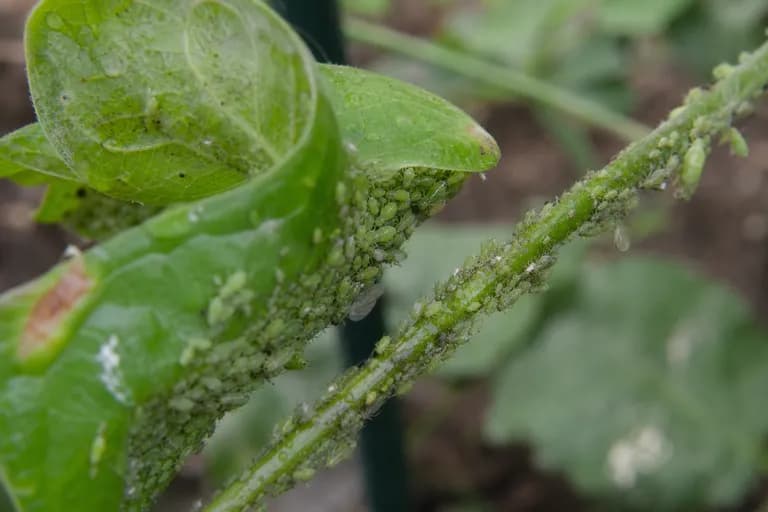
Pulgones
PlagaPequeños grupos de insectos verdes o negros en los brotes tiernos y las yemas florales, depósitos pegajosos de melaza y flores deformadas.
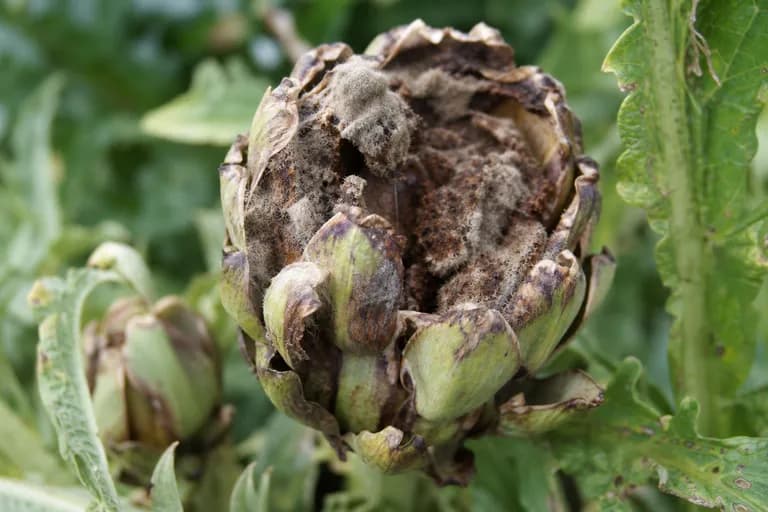
Moho gris de Botrytis
EnfermedadMoho gris y algodonoso en flores marchitas y follaje, especialmente con tiempo fresco y húmedo. Los pétalos infectados desarrollan manchas marrones y empapadas de agua.
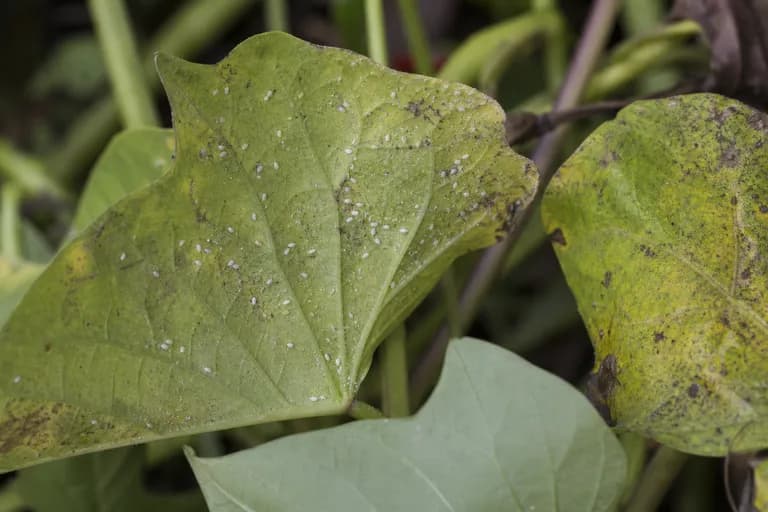
Mosca blanca
PlagaPequeños insectos blancos voladores en el envés de las hojas, melaza pegajosa, hojas amarillentas y menor vigor.
Pudrición de raíces
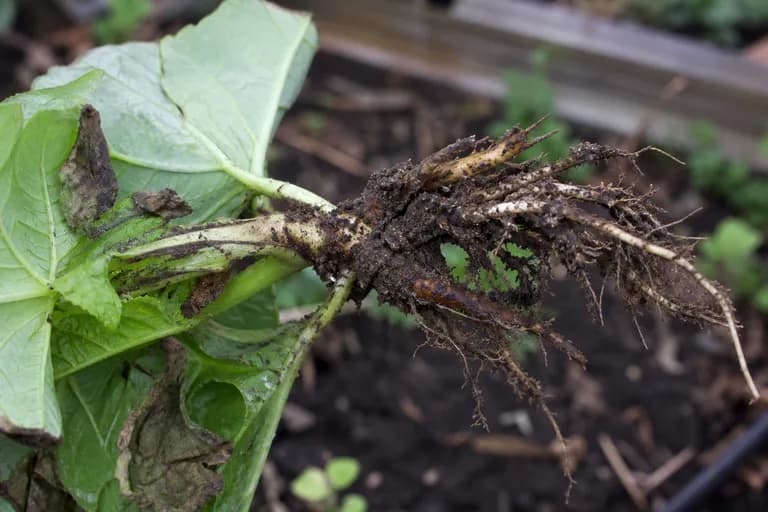
EnfermedadMarchitez a pesar del riego adecuado, follaje amarillento y raíces marrones y blandas al sacar la planta del suelo.
Solución de problemas comunes
La frustración más habitual es la pausa de floración en pleno verano, que aparece cuando las temperaturas superan los 24 a 27 °C. Recortar las plantas y reanudar el abonado cuando refresca provoca una fuerte refloración otoñal. El exceso de riego causa pudrición de raíces, la principal causa de muerte. Algunas variedades se cierran en días nublados, algo que decepciona en climas muy cubiertos. Elija series modernas seleccionadas para mantener mejor la floración. El crecimiento alargado suele deberse a falta de sol o a demasiado hacinamiento.
Consejos de cultivo
- Plant Osteospermum in full sun with at least 6 hours of direct sunlight daily for the best flowering performance. Plants grown in partial shade will produce fewer flowers and develop a leggy, open growth habit.
- Use well-drained soil or potting mix, as Osteospermum is highly susceptible to root rot in waterlogged conditions. Add perlite or coarse grit to heavy clay soils to improve drainage before planting.
- Pinch out the growing tips of young plants when they reach 10-15 cm tall to encourage branching and create a bushier plant with more flowering stems. Repeat pinching if growth becomes leggy mid-season.
- Deadhead spent flowers regularly by removing the entire flower stalk back to the nearest leaf joint. This prevents seed formation and redirects the plant's energy into producing new buds and flowers.
- Water deeply but infrequently, allowing the top 2-3 cm of soil to dry out between waterings. Osteospermum is moderately drought-tolerant once established and prefers slightly dry conditions over constantly wet soil.
- Feed every two weeks during the growing season with a high-potassium liquid fertilizer such as tomato feed to promote abundant flowering. Avoid high-nitrogen fertilizers which encourage leafy growth at the expense of blooms.
- Take softwood cuttings in late summer by selecting healthy non-flowering shoots about 7-10 cm long, removing the lower leaves, and inserting them into moist cutting compost. Cuttings root readily within 3-4 weeks.
- Protect plants from slugs and snails, especially when young. Use organic slug pellets, copper tape around containers, or beer traps to prevent damage to tender new growth and developing flower buds.
- In regions with hot summers above 30°C, provide light afternoon shade using taller companion plants or shade cloth to prevent heat stress and maintain flowering through the warmest months.
- Overwinter valuable cultivars by moving container plants to a frost-free greenhouse or bright windowsill before the first frost. Reduce watering and stop feeding during winter, resuming normal care in early spring.
Cultiva tu mejor Margarita africana — y todo lo que la rodea.
Empieza un plan gratis hoy. Diseña tus bancales, coloca tu Margarita africana y deja que PlotMyGarden gestione el momento, el espaciado, las asociaciones y los recordatorios de la semilla a la cesta.
Elige tu Margarita africana
Soprano Series
Plantas compactas y redondeadas con grandes flores tipo margarita que permanecen abiertas más tiempo que las variedades antiguas, disponibles en morado, blanco y bicolores.
4D Series
Flores semidobles únicas con un penacho de pétalos en el centro que crea un efecto distintivo de acerico en varios colores.
Akila Series
Variedad cultivada a partir de semilla, con buena uniformidad en tonos púrpura, blanco y atardecer; una de las pocas osteospermum que se inicia fácilmente desde semilla.
Lemon Symphony
Flores amarillo limón brillante con un anillo central púrpura en plantas compactas y redondeadas, una opción destacada para macetas y borduras.
Blue Eyed Beauty
Pétalos amarillo cremoso que rodean un llamativo disco central azul, creando una margarita bicolor muy memorable.
A single Osteospermum plant purchased for around $3-5 can be propagated through softwood cuttings taken in late summer, producing 5-10 new plants at no additional cost. Over a typical growing season, one well-maintained plant can produce hundreds of flowers, providing months of continuous color that would cost $30-50 or more if purchased as cut flowers. By overwintering stock plants in a frost-free location and taking cuttings each spring, gardeners can maintain a self-sustaining supply of African daisies year after year without repeated purchases, effectively reducing the cost per plant to nearly zero after the first season.
Recetas rápidas
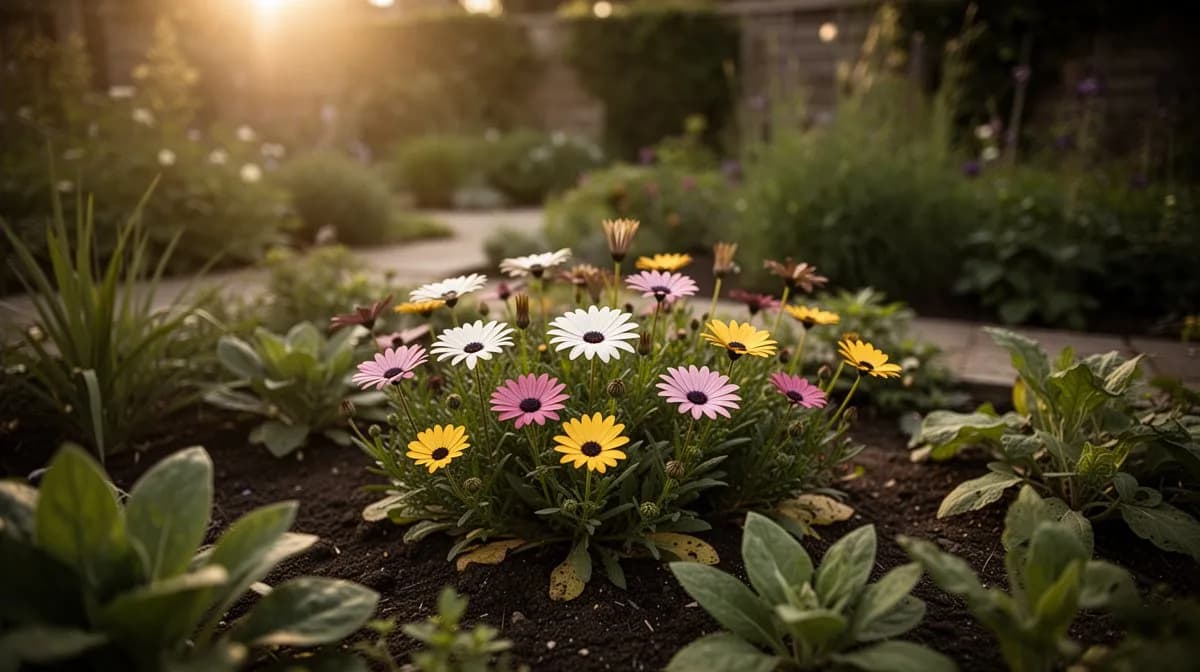
Vibrant African Daisy Container Display
30 minutesCreate a stunning patio container arrangement combining Osteospermum with complementary trailing and upright plants for a long-lasting summer display that thrives in full sun.
7 ingredientesCottage Garden African Daisy Border
1 hourDesign a colorful cottage-style garden border featuring Osteospermum as the mid-height focal point, surrounded by low edging plants and taller backdrop perennials for a naturalistic planting scheme.
7 ingredientes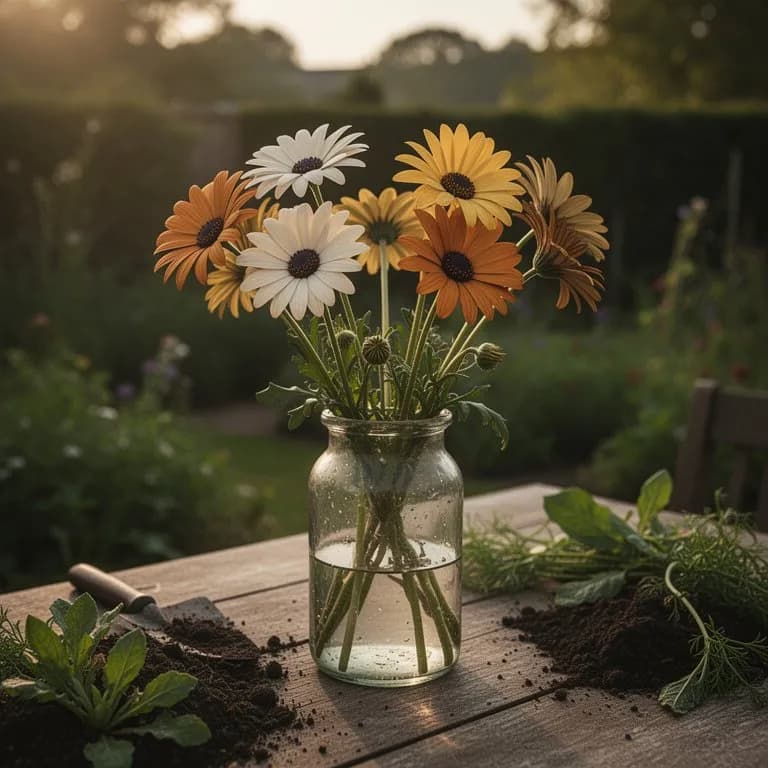
Hanging Basket with Cascading African Daisies
25 minutesAssemble a stunning hanging basket featuring trailing Osteospermum varieties that cascade over the edges, creating a sphere of colorful blooms visible from all angles throughout the growing season.
7 ingredientesQué contiene
Beneficios para la salud
- Osteospermum flowers attract a wide range of beneficial pollinators including honeybees, bumblebees, hoverflies, and butterflies, supporting local biodiversity and garden ecosystem health.
- Growing and tending ornamental plants like Osteospermum has been shown in horticultural therapy studies to reduce stress hormones, lower blood pressure, and improve overall mental well-being.
- The vibrant colors of Osteospermum blooms can positively affect mood and emotional health, with studies suggesting that exposure to colorful flowers increases feelings of happiness and satisfaction.
- Gardening activities associated with planting and maintaining Osteospermum, such as digging, weeding, and watering, provide moderate physical exercise that supports cardiovascular health and joint mobility.
- As a low-maintenance ornamental, Osteospermum encourages time spent outdoors in natural sunlight, which supports vitamin D synthesis and helps regulate circadian rhythms for better sleep quality.
- Container gardening with Osteospermum is accessible for people with limited mobility, providing therapeutic engagement with nature even on small balconies, patios, or accessible raised beds.
De dónde viene Margarita africana
Osteospermum, commonly known as the African daisy or Cape daisy, is a flowering genus in the Asteraceae family native to southern and eastern Africa, with the greatest species diversity found in South Africa's Western Cape region. The genus encompasses over 70 recognized species that thrive across remarkably varied habitats, from the wind-swept coastal dunes of the Cape Peninsula to the rocky mountain slopes of the Drakensberg range and the semi-arid scrublands of the Karoo. Indigenous peoples of southern Africa have long appreciated these resilient wildflowers, though they were primarily valued for their ornamental beauty rather than any culinary or medicinal purpose. European botanists first encountered Osteospermum during the 17th and 18th centuries, when explorers and plant collectors brought specimens back from the Cape of Good Hope. Early taxonomists initially classified many species under the closely related genus Dimorphotheca, and the two genera were not clearly separated until the mid-20th century, when botanists recognized key differences in seed morphology. The hard, bone-like seeds that give Osteospermum its name proved to be a defining characteristic. Commercial breeding of Osteospermum began in earnest during the 1990s, primarily in Germany, the Netherlands, and the United Kingdom. Breeders focused on expanding the color range, improving heat tolerance, and developing varieties that would stay open longer on cloudy days. The introduction of the Symphony and Serenity series marked a breakthrough, offering gardeners compact plants with prolific flowering in shades of purple, pink, orange, yellow, and white. Today Osteospermum is one of the most popular bedding and container plants in temperate gardens worldwide, prized for its long flowering season, drought tolerance, and low maintenance requirements.
Margarita africana: ¿sabías que?
Datos fascinantes sobre Margarita africana
Osteospermum flowers exhibit a fascinating behavior called nyctinasty, closing their petals at night and on cloudy days, and reopening when sunlight returns, a trait thought to protect their pollen from nighttime moisture.
Margarita africana: preguntas frecuentes
¿Cuándo debo plantar Margarita africana?
¿Cuáles son buenas plantas acompañantes para Margarita africana?
¿En qué zonas de rusticidad puede crecer Margarita africana?
¿Cuánto sol necesita Margarita africana?
¿A qué distancia debo espaciar Margarita africana?
¿Qué plagas y enfermedades afectan a Margarita africana?
¿Cómo almaceno Margarita africana después de la cosecha?
¿Cuáles son las mejores variedades de Margarita africana para cultivar?
¿Qué suelo necesita Margarita africana?
Why do my Osteospermum flowers close at night and on cloudy days?
Can Osteospermum survive winter outdoors?
Why has my Osteospermum stopped flowering in midsummer?
Is Osteospermum toxic to pets or children?
How do I propagate Osteospermum from cuttings?
What are the best companion plants for Osteospermum?
Acabas de leer la teoría. Ahora cultívala en piloto automático.
Todo lo que hace que Margarita africana sea delicado — el momento, el espaciado, las asociaciones, la ventana de cosecha — es justo lo que PlotMyGarden resuelve por ti, para cada planta de tu huerto.
Un plan que conoce tu clima
Indica tu ubicación una vez. Recibe fechas de siembra, abonado y cosecha basadas en tu última helada real y el pronóstico en vivo — sin adivinar con un sobre genérico.
De la sección “Cuándo plantar”Planificador de bancales de arrastrar y soltar
Diseña bancales sobre una cuadrícula. Cada planta encaja con su espaciado correcto y ves toda la temporada antes de gastar un céntimo en semillas.
De la sección “Cultivo”Conflictos de asociación, detectados a tiempo
Más de 200 buenas y malas combinaciones comprobadas en vivo mientras plantas — para que un error que arruine la temporada nunca llegue a la tierra.
De la sección “Asociaciones”Recordatorios que sí vas a seguir
“Riega las judías.” “Recoge hoy antes de que se pase.” Oportunos, concretos y ligados a las plantas que de verdad cultivas.
De la sección “Cosecha”Escalonado, programado
¿Quieres cosechar seis semanas en vez de seis días? Reparte tus siembras automáticamente y te avisa cuando toca el siguiente lote.
De la sección “Cuándo plantar”Un registro que se vuelve más listo
Cada cosecha que registras le enseña tu huerto. El plan del año que viene parte de lo que de verdad funcionó en tu suelo, no en un manual.
De la sección “Resumen”Planta estos junto a Margarita africana
Más Anuales
Cultiva tu mejor Margarita africana — y todo lo que la rodea.
Empieza un plan gratis hoy. Diseña tus bancales, coloca tu Margarita africana y deja que PlotMyGarden gestione el momento, el espaciado, las asociaciones y los recordatorios de la semilla a la cesta.