Italienischer Oregano
Eine Kreuzung aus Oregano und Majoran mit einem milderen, süßeren Geschmack, ideal für italienische Tomatensaucen und Pastagerichte.





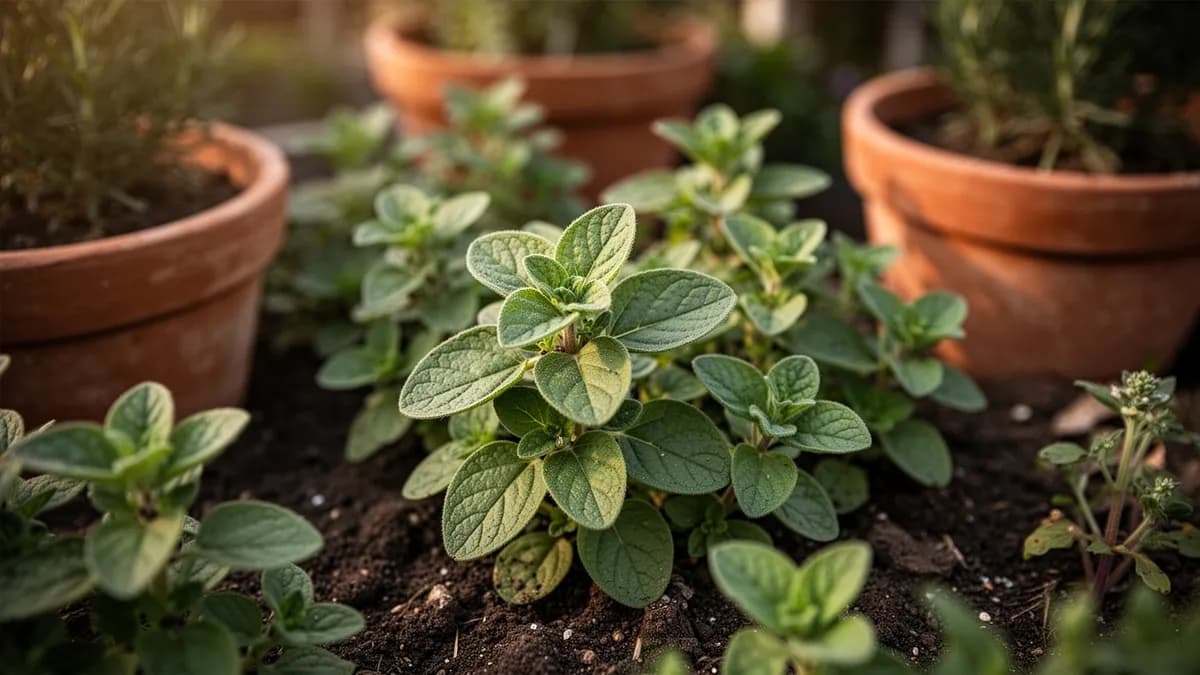
Auf dieser SeiteÜberblick
Italienischer Oregano im Überblick
Eine Kreuzung aus Oregano und Majoran mit einem milderen, süßeren Geschmack, ideal für italienische Tomatensaucen und Pastagerichte. Italienischer Oregano ist weniger winterhart als griechischer Oregano, bildet aber größere, weichere Blätter mit einem ausgewogenen Kräuteraroma. Vermehrung durch Stecklinge, da die Hybride keine keimfähigen Samen bildet.
Wann Italienischer Oregano pflanzen
Italienischer Oregano kann nicht aus Samen gezogen werden, da er eine sterile interspezifische Hybride (Origanum x majoricum) ist. Vermehren Sie ausschließlich über Stängelstecklinge oder Wurzelteilung. Nehmen Sie 8–10 cm lange Stecklinge von weichem Neutrieb im Spätfrühling oder Frühsommer. Entfernen Sie die unteren Blätter, tauchen Sie sie in Bewurzelungshormon und stecken Sie sie in eine feuchte Perlit-Sand-Mischung unter einer Feuchtigkeitshaube. Wurzeln bilden sich in 2–4 Wochen bei 18–24 °C. Topfen Sie bewurzelte Stecklinge ein und kultivieren Sie sie 4–6 Wochen weiter, bevor Sie sie nach dem letzten Frostdatum ins Freie pflanzen.
Dein Italienischer Oregano-Jahr
Abgestimmt auf Zone 7 · typische Saison · Frost geht um den 2. Apr. und kehrt um den 1. Nov. zurück
Italienischer Oregano Mär – Mai pflanzen, Mai – Okt ernten. Beachte die Pflanzmethoden unten und wähle dein Klima für passende Zeiträume.
So baust du Italienischer Oregano an
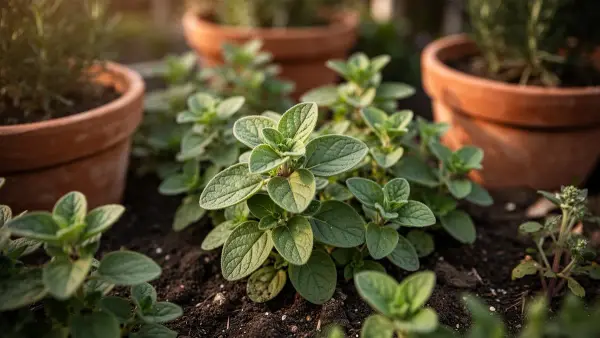
Italienischer Oregano muss vegetativ vermehrt werden, da er eine sterile Kreuzung zwischen Oregano (Origanum vulgare) und Majoran (Origanum majorana) ist, die keine keimfähigen Samen bildet. Kaufen Sie Jungpflanzen aus der Gärtnerei oder nehmen Sie 8–10 cm lange Stängelstecklinge von einer Mutterpflanze im Spätfrühling. Entfernen Sie die unteren Blätter, tauchen Sie sie in Bewurzelungshormon und bewurzeln Sie sie in feuchtem Perlit unter einer Feuchtigkeitshaube. Stecklinge bewurzeln in 2–4 Wochen.
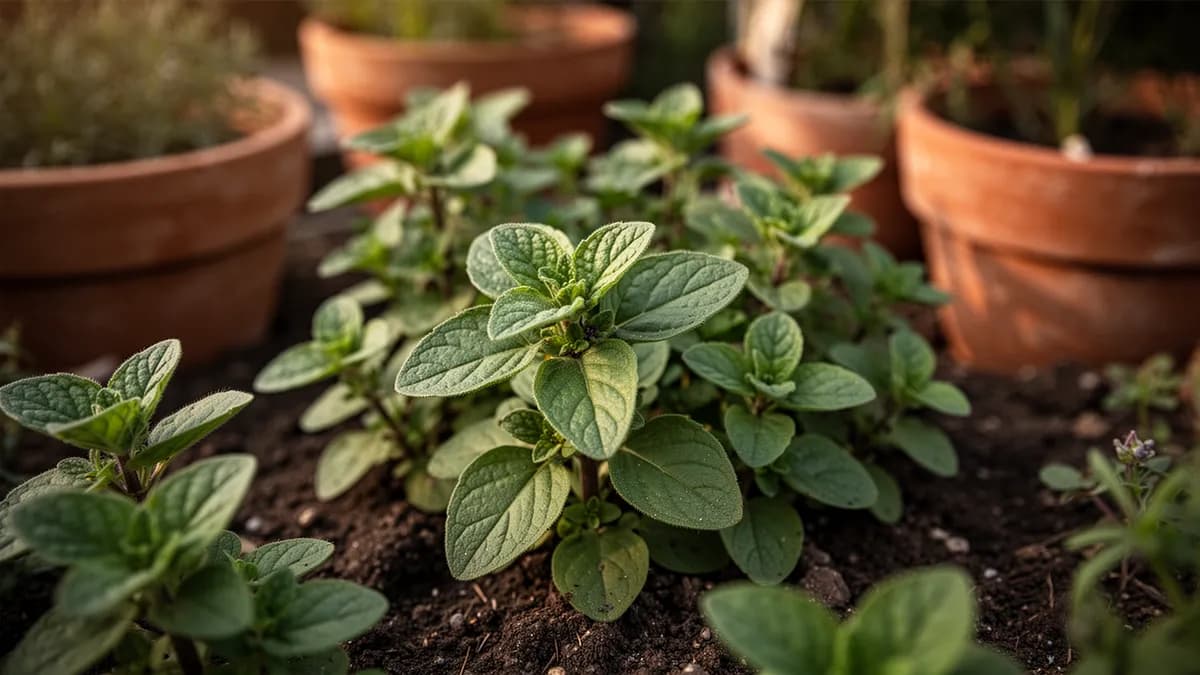
Pflanzen Sie in voller Sonne mit gut durchlässigem Boden bei einem pH-Wert von 6,0–7,5. Italienischer Oregano profitiert von etwas nährstoffreicherem Boden als griechischer Oregano, da der Majorananteil moderate Fruchtbarkeit schätzt. Setzen Sie die Pflanzen im Abstand von 30–38 cm. Die Pflanzen wachsen zu buschigen Hügeln von 30–45 cm Höhe mit größeren, weicheren, abgerundeten Blättern, die zarter sind als die kleinen, steifen Blätter des griechischen Oreganos.
Gießen Sie mäßig und halten Sie den Boden etwas feuchter als bei reinem Oregano. Italienischer Oregano ist aufgrund seines Majoranerbes weniger trockenheitsverträglich als griechischer Oregano. Düngen Sie im Frühjahr leicht mit einem ausgewogenen organischen Dünger. Schneiden Sie die Pflanzen nach der Blüte um ein Drittel zurück, um kompaktes Wachstum zu fördern und Verholzung zu verhindern. Italienischer Oregano ist weniger kälteresistent als griechischer Oregano und überlebt zuverlässig nur bis Zone 6; in kälteren Gebieten in Gefäßen anbauen und drinnen überwintern.
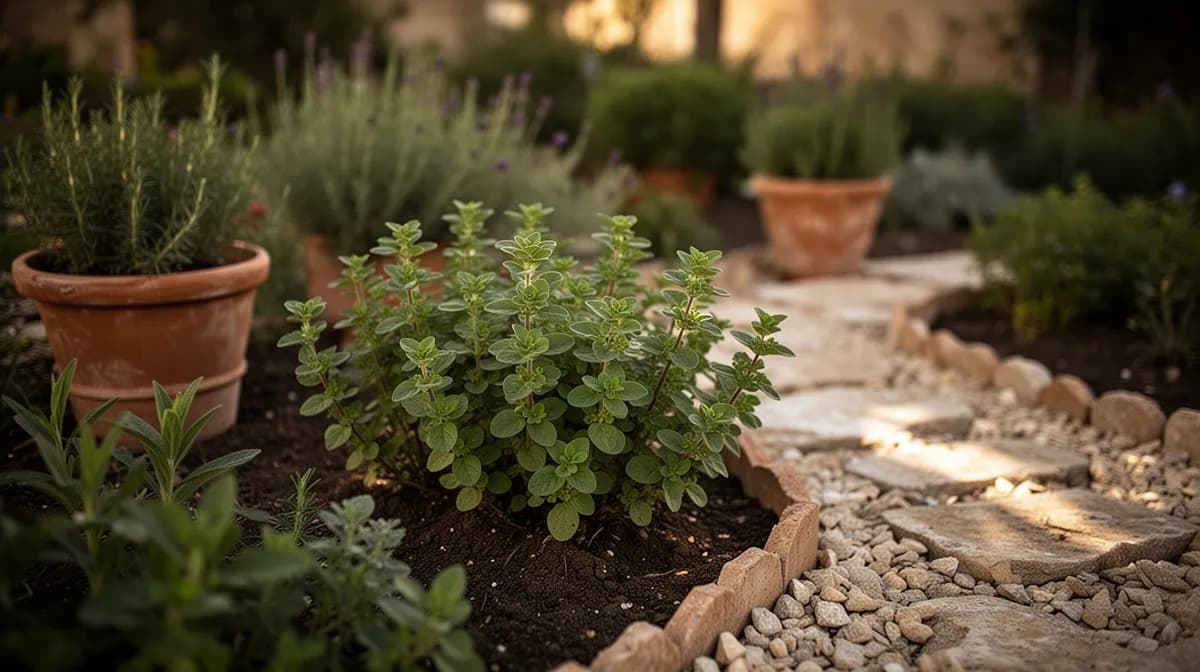
32 Pflanzen passen in ein Beet von 120 × 240 cm
Italienischer Oregano braucht 30 cm Platz pro Pflanze. Der Planer hält diesen Abstand für dich ein — jede Pflanze, jedes Beet.
Die besten Nachbarn für Italienischer Oregano
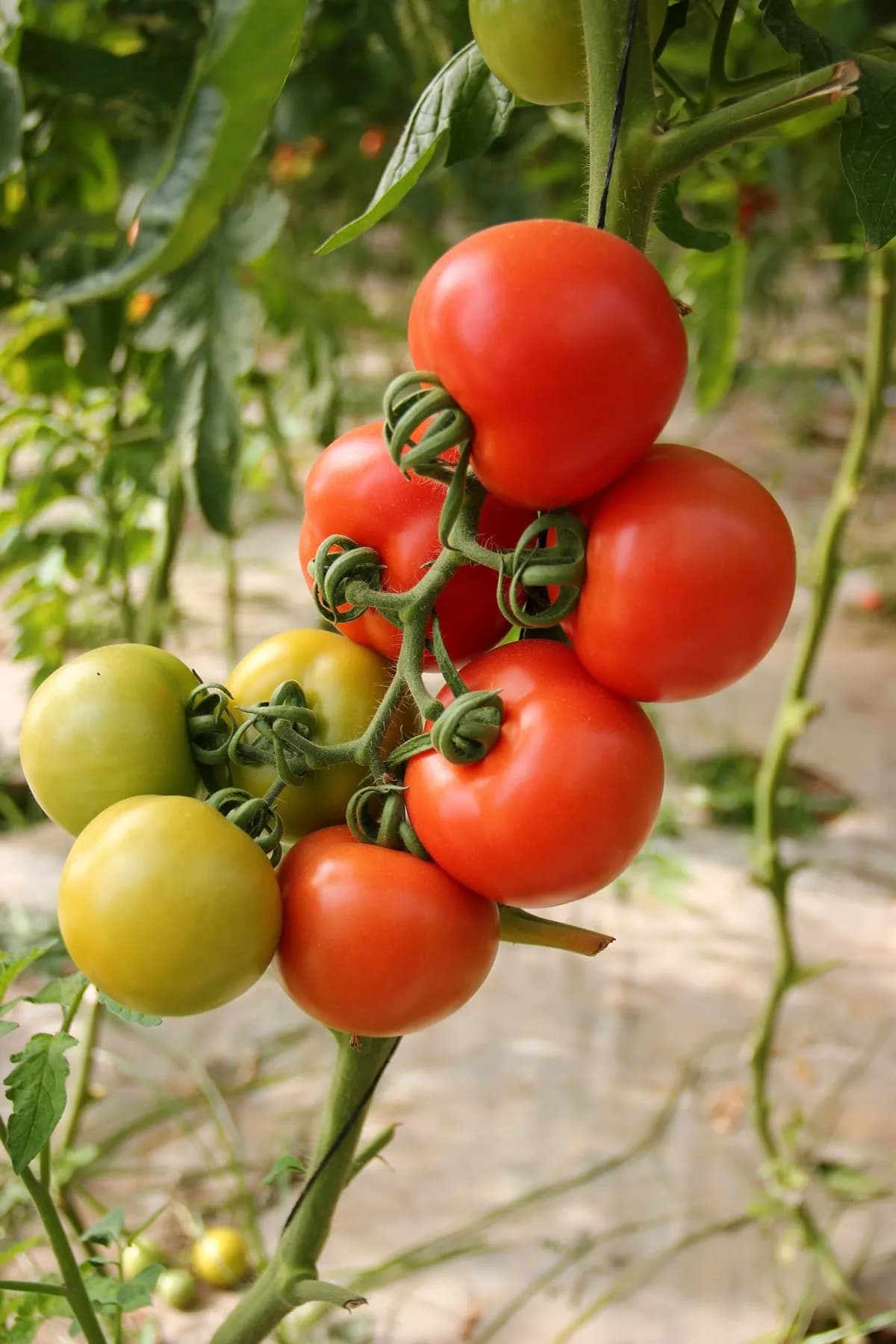
Italienischer Oregano teilt die gleichen schädlingsabwehrenden Eigenschaften wie andere Oregano-Sorten, mit ätherischen Ölen, die Blattläuse und verschiedene Käfer abwehren. Pflanzen Sie ihn in der Nähe von Tomaten, Paprika und Auberginen – sowohl aus kulinarischer Bequemlichkeit als auch zum Pflanzenschutz. Er wächst gut mit Basilikum zusammen, das sein häufiger kulinarischer Begleiter ist. Anders als griechischer Oregano schätzt italienischer Oregano etwas mehr Feuchtigkeit, sodass er ein besserer Nachbar für Gemüse ist, das regelmäßig gegossen werden muss. Vermeiden Sie die Pflanzung neben Minze, die sich aggressiv ausbreitet und den langsamer wachsenden italienischen Oregano überwuchern kann.
Basilikum gehört daneben. Minze nicht.
Altes Gärtnerwissen, geprüft an der echten Nachbartabelle von Italienischer Oregano — teste jede Pflanze, die du anbaust.
Probiere Italienischer Oregano direkt hier im Beet
Ein echtes Planer-Beet, Italienischer Oregano steht schon drin. Tippe einen Begleiter an, platziere ihn und sieh, wie die Nachbarschaftsprüfung antwortet — grün für gute Nachbarn, rot bei Streit.


Passende Anbau-Ratgeber
Richtig düngen
Italienischer Oregano bevorzugt gut durchlässigen Boden mit mäßiger Fruchtbarkeit, etwas nährstoffreicher als das, was reiner griechischer Oregano benötigt. Ein pH-Wert von 6,0–7,5 ist ideal. Verbessern Sie Pflanzbeete mit einer leichten Kompostgabe. Düngen Sie einmal im Frühjahr mit einem ausgewogenen organischen Dünger. Der Majorananteil verleiht dem italienischen Oregano einen etwas höheren Nährstoffbedarf, aber vermeiden Sie starkes Düngen, das fades, üppiges Wachstum fördert. Mulchen Sie leicht mit Kies oder einer dünnen Strohschicht, um die Bodenfeuchtigkeit zu erhalten, ohne den Wurzelhals nass zu halten.
Ideale Temperatur
Winterhärtezone-Kompatibilität
Von der Saat zur Ernte, Schritt für Schritt
Keimung
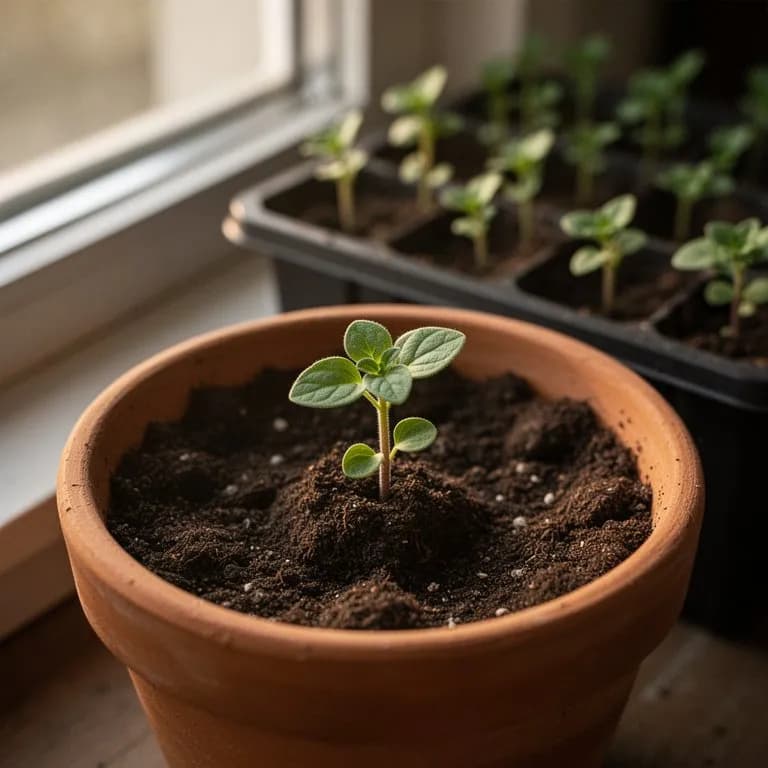
Die Samen des italienischen Oreganos sind extrem klein und benötigen Licht zum Keimen. Wenn sie auf warmer, feuchter Aussaaterde oberflächlich ausgesät werden, beginnen die winzigen Samen in 7–14 Tagen zu keimen. Die Keimung gelingt am besten bei Bodentemperaturen von 18–21 °C. Das erste sichtbare Wachstum ist ein Paar winziger, abgerundeter Keimblätter von kaum 2 mm Durchmesser.
Sämlingsentwicklung
Sämlinge wachsen langsam und entwickeln ihre ersten Paare echter Blätter, die klein, oval und leicht behaart sind — der charakteristische Oreganoduft ist bereits wahrnehmbar, wenn man sie reibt. Die Stängel beginnen sich zu festigen und das Wurzelsystem dehnt sich aus. Sämlinge bleiben in diesem Stadium kompakt bei 3–5 cm Höhe und sind anfällig für Umfallkrankheit, wenn sie zu feucht gehalten werden.
Vegetatives Wachstum
Die Pflanzen treten in eine Phase kräftiger Verzweigung und Blattproduktion ein und bilden die charakteristische abgerundete Hügelform, für die italienischer Oregano bekannt ist. Die Stängel werden an der Basis halbholzig und Seitentriebe entstehen reichlich an jedem Blattknoten. Die ätherischen Öle intensivieren sich mit der Reifung des Laubs und erfüllen den Garten mit dem warmen, pfeffrig-süßen Duft, der dieser Hybride eigen ist. Die Pflanzen erreichen 25–40 cm Höhe und 30–45 cm Breite.
Blüte
Aufrechte Blütenstände treten aus den Stängelspitzen hervor und tragen Büschel kleiner, weißer bis blassrosa Röhrenblüten. Die Blüten des italienischen Oreganos sind äußerst attraktiv für Honigbienen, Hummeln und nützliche Raubwespen. Allerdings lenkt die Blüte die Energie der Pflanze von der Blattproduktion um und kann die Aromaqualität des Laubs verringern, da ätherische Öle in die Blütenstrukturen verlagert werden.
Ernte und Erneuerung
Mehrere Ernten können während der Vegetationsperiode vorgenommen werden, indem Stängel knapp über einem Blattknoten zurückgeschnitten werden. Die Pflanzen regenerieren sich nach dem Schnitt kräftig und bilden innerhalb von 2–3 Wochen frische, zarte Triebe. Mit dem Herbst verlangsamt sich das Wachstum und die Stängel werden zunehmend holzig. In milden Klimazonen (Zonen 7–10) treten die Pflanzen in eine Halbruhe ein, behalten aber etwas immergrünes Laub über den Winter.
Drücken Sie die Samen vorsichtig auf die Oberfläche feiner Aussaaterde — bedecken Sie sie nicht, da sie Licht zum Keimen brauchen. Besprühen Sie sie sanft mit einer Sprühflasche, um ein Verrutschen der winzigen Samen zu vermeiden. Decken Sie die Schale mit einer durchsichtigen Feuchtigkeitshaube ab, bis die Keimlinge erscheinen.
Italienischer Oregano Monat für Monat pflegen
Was du jeden Monat für deine Italienischer Oregano tun solltest
Oktober
Aktueller MonatIn den Zonen 5–6 schneiden Sie Pflanzen nach dem ersten leichten Frost auf 5–8 cm über dem Boden zurück und mulchen Sie kräftig mit Stroh oder Nadelreisig als Winterschutz. In milderen Zonen können Pflanzen halbimmergrün bleiben. Bringen Sie getopfte Pflanzen vor starkem Frost an ein helles, kühles Fensterbrett ins Haus.
Immer wissen, was jetzt im Garten zu tun ist
Eine E-Mail zum Monatsanfang: was du jetzt säen, pflanzen und anpacken solltest — für deine Italienischer Oregano und alles, was drumherum wächst. Dazu ein kurzer Startkurs, der dich vor den klassischen Fehlern bewahrt.
- Was jetzt zu tun ist
- Passend zu deiner Saison
- Startkurs inklusive
Italienischer Oregano ernten
Ernten Sie italienischen Oregano, sobald die Pflanzen 15–20 cm hoch sind, indem Sie Stängel knapp über einem Blattknoten abschneiden. Der mildere, süßere Geschmack im Vergleich zu griechischem Oregano macht ihn ideal für Gerichte, bei denen ein sanfteres Kräuteraroma gewünscht wird. Ernten Sie vor oder während der Blüte für den besten Geschmack. Die größeren, weicheren Blätter lassen sich leicht von den Stängeln abstreifen. Schneiden Sie die Pflanzen für eine Großernte um ein Drittel zurück; sie wachsen innerhalb weniger Wochen nach. Italienischer Oregano kann bei guter Pflege typischerweise 2–3 Mal pro Vegetationsperiode geerntet werden.
angenommen, du pflanzt zu Beginn des Zeitraums — trage dein tatsächliches Datum ein
Ernte Italienischer Oregano zügig, dann trägt die Pflanze weiter.
Lagerung & Konservierung
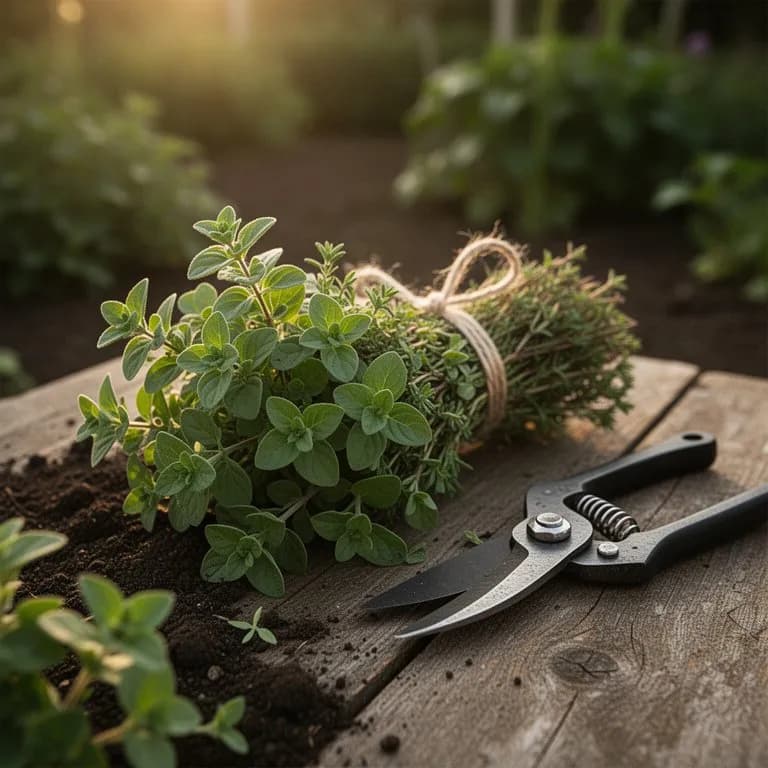
Italienischer Oregano trocknet gut und behält sein süßes, ausgewogenes Aroma. Hängen Sie kleine Bündel an einem warmen, dunklen Ort für 1–2 Wochen auf. Die weicheren Blätter trocknen schneller als griechischer Oregano. Lagern Sie getrocknete Blätter in luftdichten Gläsern lichtgeschützt bis zu einem Jahr. Frischer italienischer Oregano lässt sich gut einfrieren; hacken Sie die Blätter und frieren Sie sie in Eiswürfelformen mit Olivenöl ein, um sie bequem in Pastasaucen zu verwenden. Mit italienischem Oregano aromatisiertes Öl fängt die milde Kräutersüße des Krauts ein. Mischen Sie getrockneten italienischen Oregano mit getrocknetem Basilikum, Knoblauchpulver und Chiliflocken für eine selbstgemachte italienische Gewürzmischung.
Was schiefgeht — und die Lösung
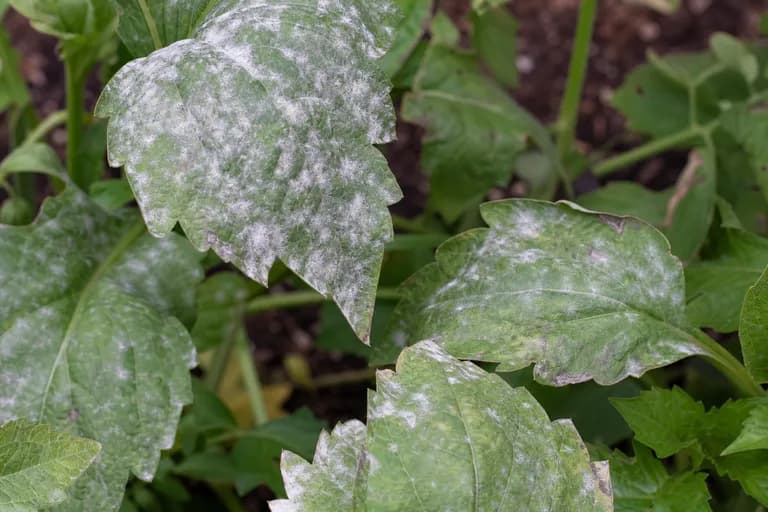
Echter Mehltau
KrankheitWeißer, pudriger Belag auf den Blättern, besonders bei hoher Luftfeuchtigkeit oder schlechter Luftzirkulation, Blattverformungen.
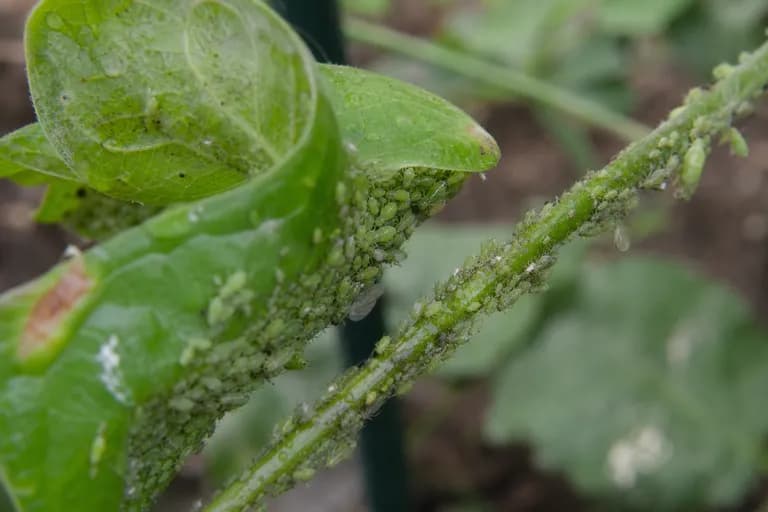
Blattläuse
SchädlingKleine Ansammlungen weichkörperiger Insekten an Neutrieben und Blütenknospen, klebriger Honigtau, eingerollte Blattspitzen.
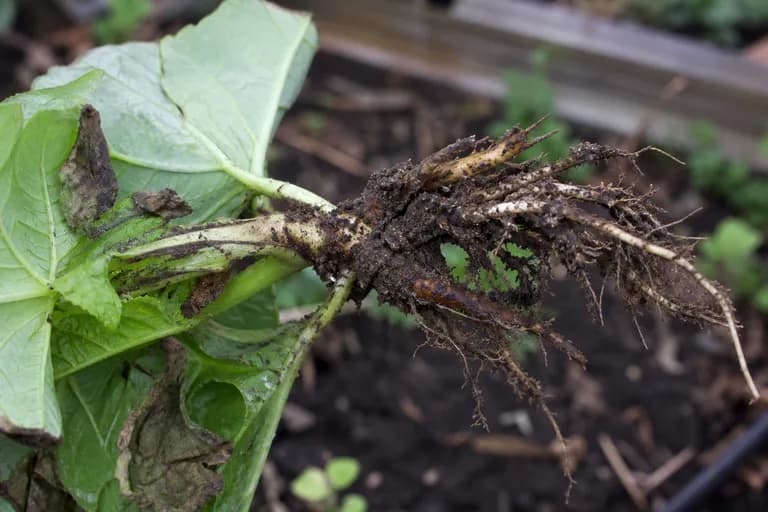
Wurzelfäule
KrankheitFortschreitende Vergilbung und Welke, braune, matschige Wurzeln, Pflanzenverfall besonders in nassen oder schweren Böden.
Fehlerbehebung bei häufigen Problemen
Das Wichtigste, was man über italienischen Oregano wissen muss, ist, dass er nicht samenecht ist, da er eine sterile Hybride ist. Alle im Handel verkauften Samen von italienischem Oregano sind wahrscheinlich falsch gekennzeichneter gewöhnlicher Oregano. Vermehren Sie immer über Stecklinge einer bekannten Mutterpflanze. Italienischer Oregano ist weniger winterhart als griechischer Oregano und kann in Wintern der Zone 6 zurückfrieren; schützen Sie ihn mit einer Wintermulchschicht oder bauen Sie ihn in Kübeln an. In feuchten Klimazonen kann Echter Mehltau ein Problem sein; sorgen Sie für gute Luftzirkulation und volle Sonneneinstrahlung.
Anbautipps
- Italienischer Oregano kann nicht aus Samen gezogen werden, da er eine sterile interspezifische Hybride ist. Beginnen Sie immer mit Gärtnereipflanzen oder Stängelstecklingen einer etablierten Pflanze. Seien Sie skeptisch gegenüber Samentüten mit der Aufschrift ‚Italienischer Oregano' — es handelt sich wahrscheinlich um gewöhnlichen Oregano oder Majoran, nicht um die echte Hybride.
- Pflanzen Sie in den ärmsten, am besten drainierten Boden, den Sie haben. Reicher, fruchtbarer Boden und starkes Gießen erzeugen üppiges, aber fades Laub mit reduziertem Gehalt an ätherischen Ölen. Sandiger, kiesiger oder steiniger Boden in voller Sonne produziert die intensivsten Blätter — und ahmt den natürlichen mediterranen Hangstandort des Krauts nach.
- Stellen Sie mindestens 6–8 Stunden direkte Sonneneinstrahlung täglich sicher. Italienischer Oregano, der im Halbschatten wächst, wird langbeinig, produziert weniger ätherische Öle und ist anfälliger für Pilzkrankheiten. In Kübeln stellen Sie Töpfe an den sonnigsten Platz auf einer nach Süden ausgerichteten Terrasse, einem Balkon oder einer Fensterbank.
- Gießen Sie tief, aber selten, und lassen Sie die Erde zwischen den Bewässerungen vollständig austrocknen. Die mediterranen Wurzeln des italienischen Oreganos machen ihn nach dem Einwachsen hoch trockenheitsverträglich, und Überbewässerung ist die häufigste Einzelursache für schlechtes Wachstum, Wurzelfäule und Pflanzenabsterben.
- Knipsen Sie Triebspitzen und ernten Sie Stängel häufig während der gesamten Vegetationsperiode, um eine kompakte, buschige Pflanzenform zu erhalten. Nicht geschnittene Pflanzen werden langbeinig und holzig mit spärlichem Laub. Regelmäßiges Ernten steigert tatsächlich den Gesamtertrag, indem es dichtes neues Seitenwachstum an jeder Schnittstelle anregt.
- Mulchen Sie mit Kies, kleinen Steinen oder grobem Sand statt mit organischem Mulch wie Rinde oder Stroh. Organischer Mulch hält Feuchtigkeit gegen den Wurzelhals und die Stängel und fördert Fäulnis bei diesem mediterranen Kraut. Kiesmulch reflektiert Wärme und Licht nach oben und verbessert die Wachstumsbedingungen.
- Vermehren Sie neue Pflanzen aus 8–10 cm langen Stängelstecklingen, die im Spätfrühling oder Spätsommer genommen werden. Entfernen Sie die unteren Blätter, tauchen Sie sie bei Bedarf in Bewurzelungshormon und stecken Sie sie in Töpfe mit feuchtem Perlit oder einer sandigen Kompostmischung. Stecklinge bewurzeln zuverlässig in 2–4 Wochen mit Bodenwärme und gleichmäßiger Feuchtigkeit.
- Schneiden Sie Pflanzen im zeitigen Frühjahr kräftig zurück, bis auf 5–8 cm über der holzigen Basis, um kräftigen Neuaustrieb anzuregen. Ohne jährlichen Rückschnitt wird italienischer Oregano zunehmend holzig und unproduktiv, wobei die meisten Blätter auf die Stängelspitzen beschränkt sind.
- In den Zonen 5–6, wo das Überleben im Winter ungewiss ist, bauen Sie italienischen Oregano in Terrakottatöpfen an, die in eine unbeheizte Garage, einen Frühbeetkasten oder einen hellen, kühlen Raum für den Winter gebracht werden können. Das poröse Terrakotta lässt überschüssige Feuchtigkeit verdunsten und reduziert das Risiko von Winterwurzelfäule.
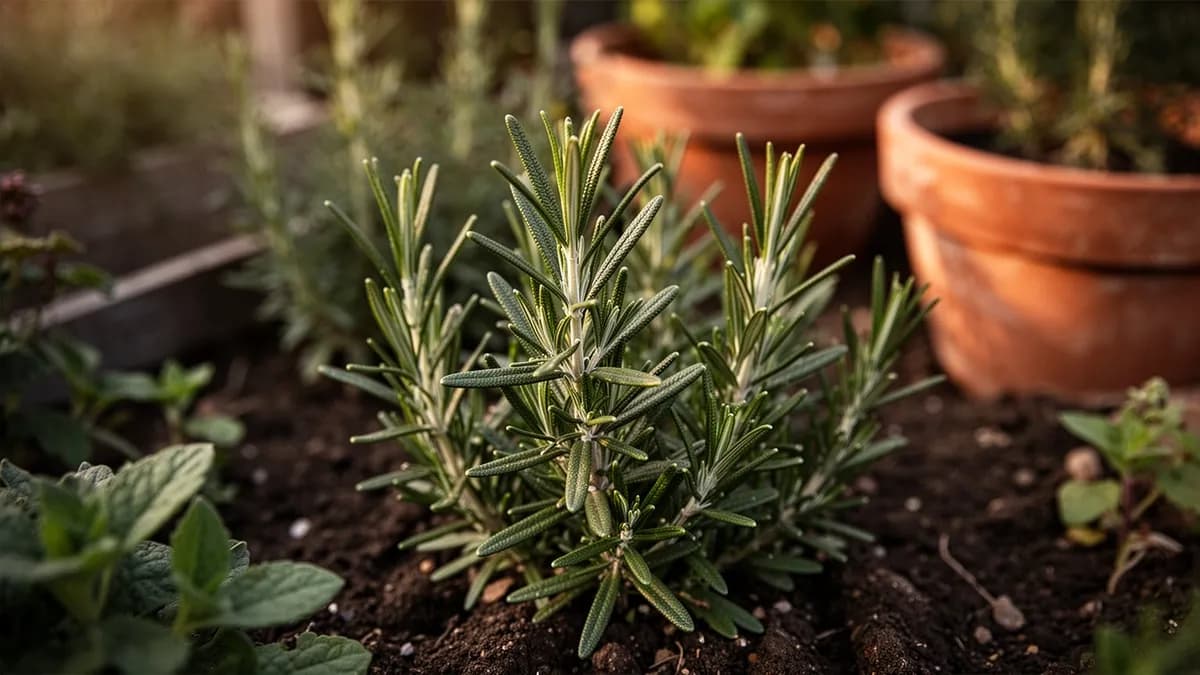
- Pflanzen Sie italienischen Oregano zusammen mit anderen mediterranen Kräutern, die seine Vorliebe für mageren Boden und trockene Bedingungen teilen — Thymian, Rosmarin, Salbei und Lavendel sind ideale Nachbarn. Vermeiden Sie die Pflanzung neben feuchtigkeitsliebenden Kräutern wie Basilikum, Minze oder Petersilie, die grundlegend andere Wachstumsbedingungen benötigen.
Bau deine beste Italienischer Oregano an — und alles drumherum.
Starte heute kostenlos. Lege deine Beete an, setze deine Italienischer Oregano ein und lass PlotMyGarden Timing, Abstände, Begleiter und Erinnerungen von der Saat bis zum Erntekorb übernehmen.
Finde deine Italienischer Oregano
Italienischer Oregano (Standard-Hybride)
Die klassische Origanum-x-majoricum-Hybride, die die Wärme des Oreganos mit der Süße des Majorans verbindet. Die Standardwahl für die italienisch-amerikanische Küche.
Italienischer Oregano 'Silver Anniversary'
Eine ornamental-kulinarische Hybride mit panaschierten, silberrandigen Blättern und dem gleichen süßen Oregano-Geschmack. Attraktiv in Rabatten und Kübeln.
Ein kleines Glas getrockneter Oregano (15–25 g) kostet im Supermarkt 3–6 €, und frische Oreganozweige werden für 2–4 € pro kleiner Packung verkauft. Eine einzelne italienische Oregano-Pflanze, die in der Gärtnerei 4–8 € kostet, produziert den Gegenwert von 30–60 € an frischen Kräutern pro Saison und 15–30 € an getrocknetem Oregano — eine Rendite des 5- bis 10-Fachen der ursprünglichen Investition allein im ersten Jahr. Da italienischer Oregano in den Zonen 7–10 eine Staude ist und bei guter Pflege 4–6 Jahre leben kann, übersteigen die kumulierten Einsparungen leicht 100–200 € pro Pflanze über ihre Lebensdauer.
Schnelle Rezepte
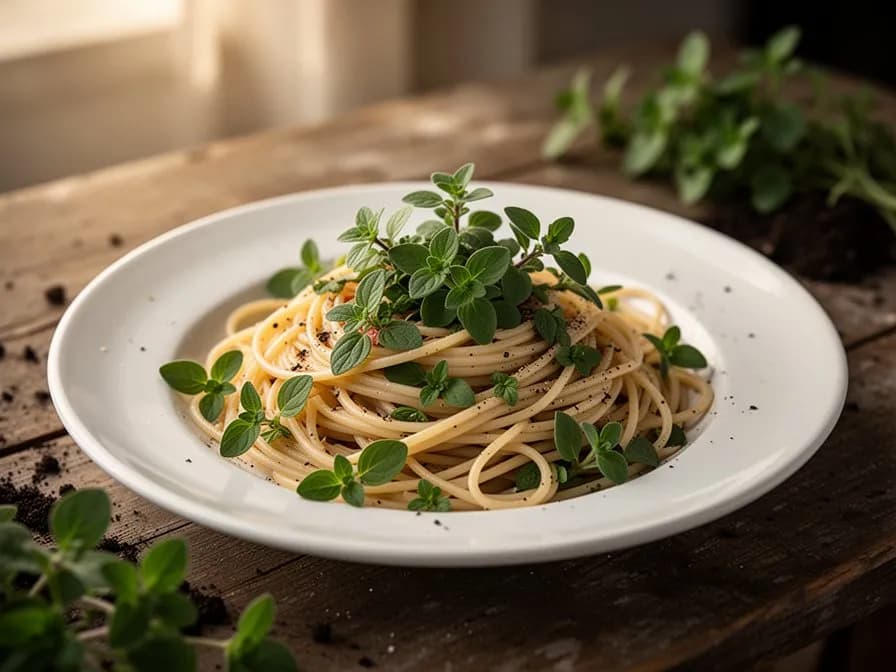
Mit Oregano aromatisiertes Olivenöl
10 Min. + 2 Wochen ZiehzeitEin wunderbar aromatisches Finishing-Öl, das den intensiven Geschmack von frischem italienischem Oregano in goldenem nativem Olivenöl extra einfängt. Über Bruschetta, gegrilltes Gemüse, frischen Mozzarella oder Pasta träufeln für einen sofortigen Geschmacksschub, der nach Mittelmeer schmeckt.
5 Zutaten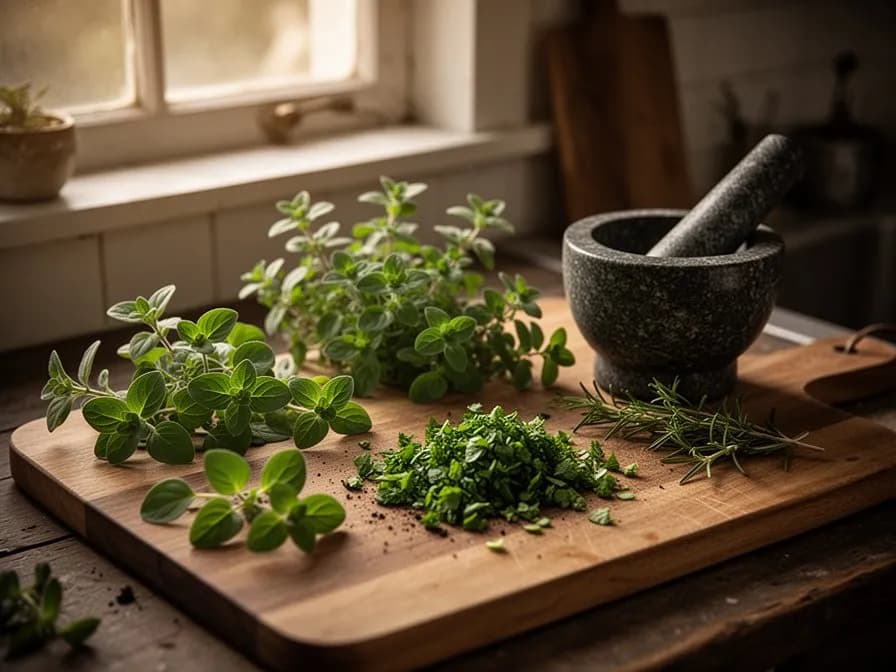
Klassische italienische Oregano-Tomatensauce
30 Min.Eine einfache, rustikale Tomatensauce, in der italienischer Oregano als Hauptkraut im Mittelpunkt steht. Die warm-pfeffrig-süßen Noten von frischem Oregano verschmelzen mit San-Marzano-Tomaten und Knoblauch zu einer vielseitigen Sauce, perfekt für Pasta, Pizza, Auberginen-Parmigiana und Fleischbällchen-Sandwiches.
8 ZutatenGriechische Oregano-Zitronen-Hähnchen-Marinade
15 Min. + 2 Stunden MarinierzeitEine lebhafte mediterrane Marinade, aufgebaut auf großzügigen Handvoll frischem italienischem Oregano, scharfer Zitrone und fruchtigem Olivenöl. Diese Marinade verwandelt einfache Hähnchenschenkel oder -brüste in zutiefst geschmackvolle Grill- oder Ofengerichte mit einer goldenen, kräutergefleckten Kruste.
8 ZutatenKulinarische Verwendung
Italienischer Oregano hat ein milderes, süßeres und komplexeres Aroma als griechischer Oregano und verbindet die Wärme des Oreganos mit der Süße des Majorans. Er ist der ideale Oregano für langsam eingekochte Tomatensaucen, Minestrone und italienische Pastagerichte, bei denen ein ausgewogenes Kräuteraroma der scharfen Schärfe des griechischen Oreganos vorgezogen wird. Verwenden Sie ihn in Pizzasauce, Bruschetta und italienischen Dressings. Er harmoniert wunderbar mit Basilikum, Knoblauch und Tomaten in der klassischen italienischen Geschmackstrias.
Was drinsteckt
Gesundheitsvorteile
- Enthält hohe Konzentrationen von Carvacrol und Thymol — phenolische Verbindungen mit starken antibakteriellen und antimykotischen Eigenschaften, die umfangreich auf ihre Fähigkeit untersucht wurden, schädliche Bakterien wie E. coli, Salmonella und Staphylococcus aureus zu hemmen.
- Reich an Antioxidantien mit einem der höchsten ORAC-Werte aller Küchenkräuter, hilft freie Radikale zu neutralisieren und oxidativen Stress zu reduzieren, der mit chronischen Krankheiten, Entzündungen und vorzeitiger Zellalterung in Verbindung steht.
- Bietet entzündungshemmende Vorteile durch Rosmarinsäure, eine Polyphenolverbindung, die laut Forschung entzündliche Marker reduzieren kann und bei Erkrankungen wie saisonalen Allergien und Atemwegsbeschwerden hilfreich sein könnte.
- Unterstützt die Verdauungsgesundheit durch seine karminativen Eigenschaften — Oregano wird traditionell seit Jahrhunderten zur Linderung von Blähungen, Völlegefühl und Verdauungsstörungen eingesetzt, und seine ätherischen Öle regen den Gallenfluss zur Fettverdauung an.
- Enthält Beta-Caryophyllen, eine diätetische Cannabinoidverbindung, die mit dem körpereigenen Endocannabinoid-System interagiert und in präklinischen Forschungsstudien entzündungshemmendes und schmerzlinderndes Potenzial gezeigt hat.
- Bietet bei regelmäßiger kulinarischer Verwendung nennenswerte Mengen an Vitamin K, Eisen, Mangan und Kalzium — die großzügige Verwendung von Oregano beim täglichen Kochen trägt zur Deckung des Mikronährstoffbedarfs bei, insbesondere für die Knochengesundheit und die Blutgerinnungsfunktion.
Woher Italienischer Oregano stammt
Italienischer Oregano (Origanum x majoricum) ist eine natürlich vorkommende Kreuzung zwischen gewöhnlichem Oregano (Origanum vulgare) und Majoran (Origanum majorana), die vermutlich erstmals dort entstand, wo sich die Verbreitungsgebiete dieser beiden Elternarten im Mittelmeerraum überschnitten. Obwohl der genaue Zeitpunkt und Ort dieser Hybridisierung unbekannt ist, geschah sie wahrscheinlich spontan in der Wildnis Südeuropas und des östlichen Mittelmeerraums, wo beide Elternarten seit Jahrtausenden nebeneinander wachsen. Die Hybride wurde schließlich von Kräuterzüchtern erkannt und vermehrt, die ihre überlegenen kulinarischen Qualitäten schätzten — sie vereint die kräftige, scharfe Wärme des gewöhnlichen Oreganos mit der sanfteren, süßeren Komplexität des Majorans.
Die Elternarten haben jeweils eine alte und bedeutende Geschichte. Gewöhnlicher Oregano wird seit mindestens 3.000 Jahren im gesamten Mittelmeerraum medizinisch und kulinarisch verwendet. Die alten Griechen verschrieben ihn gegen Beschwerden von Krämpfen bis hin zu Giftbissen, während römische Köche ihn reichlich in Fleischgerichten, Saucen und eingelegten Oliven verwendeten. Majoran hatte in der griechischen Kultur einen noch erhabeneren Stellenwert — er war der Aphrodite geweiht und symbolisierte Liebe, Glück und Ehre. Beide Arten verbreiteten sich mit dem Römischen Reich über ganz Europa und waren fester Bestandteil mittelalterlicher Klosterkräutergärten, gleichermaßen geschätzt für Medizin, Küche und spirituelle Zwecke.
Italienischer Oregano als eigenständiges Kulturkraut gewann im 19. und 20. Jahrhundert breitere Anerkennung, als die italienische und mediterrane Küche international einflussreich wurde. Gärtnereien und Kräuterspezialisten begannen, ihn vegetativ zu vermehren, da die sterile Hybride keine keimfähigen Samen bilden kann. Sein Ruf wuchs unter Profiköchen und ambitionierten Hobbyköchen als der ideale Küchen-Oregano — komplexer und raffinierter als gewöhnlicher Oregano, robuster und hitzestabiler als zarter Majoran. Heute wird italienischer Oregano weltweit in Kräutergärten, Kübeln und kommerziellen Kräuterfarmen angebaut. Er gedeiht in USDA-Zonen 7–10 als Staude und wird in kälteren Klimazonen als Einjährige oder drinnen überwintert, sodass Gärtner überall das genießen können, was viele für den besten verfügbaren Oregano für die Küche halten.
Italienischer Oregano: Schon gewusst?
Faszinierende Fakten über Italienischer Oregano
Italienischer Oregano (Origanum x majoricum) ist eine natürliche Kreuzung aus gewöhnlichem Oregano (O. vulgare) und Majoran (O. majorana) und vereint die kräftige Schärfe des Oreganos mit dem süßeren, raffinierteren Aroma des Majorans — weithin als der am besten schmeckende Oregano zum Kochen angesehen.
Italienischer Oregano: Fragen & Antworten
Wann sollte ich Italienischer Oregano pflanzen?
Was sind gute Begleitpflanzen für Italienischer Oregano?
In welchen Winterhärtezonen kann Italienischer Oregano wachsen?
Wie viel Sonne braucht Italienischer Oregano?
Welchen Abstand sollte ich zwischen Italienischer Oregano lassen?
Welche Schädlinge und Krankheiten befallen Italienischer Oregano?
Wie lagere ich Italienischer Oregano nach der Ernte?
Was sind die besten Italienischer Oregano-Sorten zum Anbauen?
Welchen Boden braucht Italienischer Oregano?
Was ist der Unterschied zwischen italienischem Oregano und normalem Oregano?
Kann ich italienischen Oregano aus Samen ziehen?
Wie trockne ich italienischen Oregano, um das beste Aroma zu bewahren?
Warum hat mein italienischer Oregano einen schwächeren Geschmack als erwartet?
Ist italienischer Oregano eine Staude oder muss ich jedes Jahr neu pflanzen?
Wann ist die beste Zeit, italienischen Oregano für maximalen Geschmack zu ernten?
Du hast die Theorie gelesen. Jetzt baue sie auf Autopilot an.
Alles, was Italienischer Oregano knifflig macht — das Timing, die Abstände, die Begleiter, das Erntefenster — genau das übernimmt PlotMyGarden für dich, für jede Pflanze im Garten.
Ein Plan, der dein Wetter kennt
Standort einmal festlegen. Aussaat-, Dünge- und Erntedaten rund um deinen echten letzten Frosttermin und die Live-Vorhersage — kein Raten mehr nach Saattüte.
Aus dem Abschnitt „Pflanzzeit“Beetplaner per Drag & Drop
Beete auf einem Raster gestalten. Jede Pflanze rastet im richtigen Abstand ein, und du siehst die ganze Saison, bevor du einen Cent für Saatgut ausgibst.
Aus dem Abschnitt „Anbau“Begleiter-Konflikte früh erkannt
Über 200 gute und schlechte Kombinationen werden beim Pflanzen live geprüft — so landet ein saisonruinierender Fehler nie in der Erde.
Aus dem Abschnitt „Begleiter“Erinnerungen, nach denen du wirklich handelst
„Gieß die Bohnen.“ „Heute ernten, bevor's umschlägt.“ Pünktlich, konkret und auf deine echten Pflanzen bezogen.
Aus dem Abschnitt „Ernte“Staffel-Aussaat, geplant
Sechs Wochen ernten statt sechs Tage? Die App verteilt deine Aussaaten automatisch und erinnert dich, wenn der nächste Satz fällig ist.
Aus dem Abschnitt „Pflanzzeit“Ein Verlauf, der schlauer wird
Jede protokollierte Ernte bringt der App deinen Garten bei. Der Plan fürs nächste Jahr startet bei dem, was in deinem Boden wirklich funktioniert hat.
Aus dem Abschnitt „Überblick“Pflanze diese neben Italienischer Oregano
Weitere Küchenkräuter
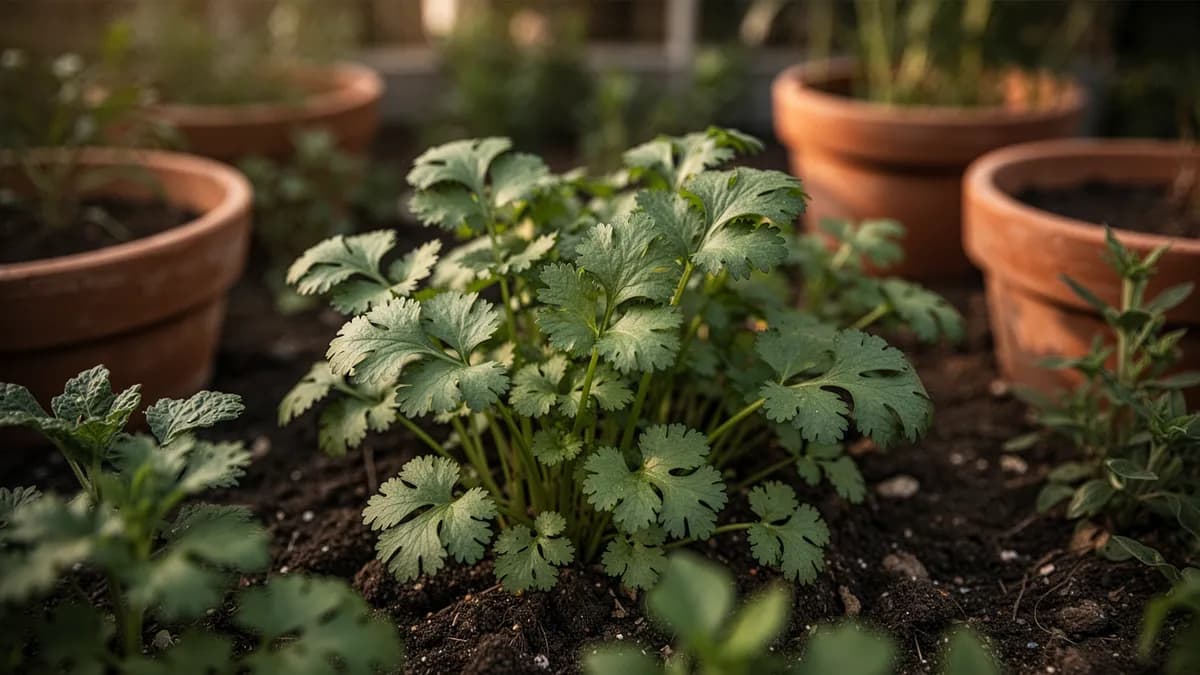
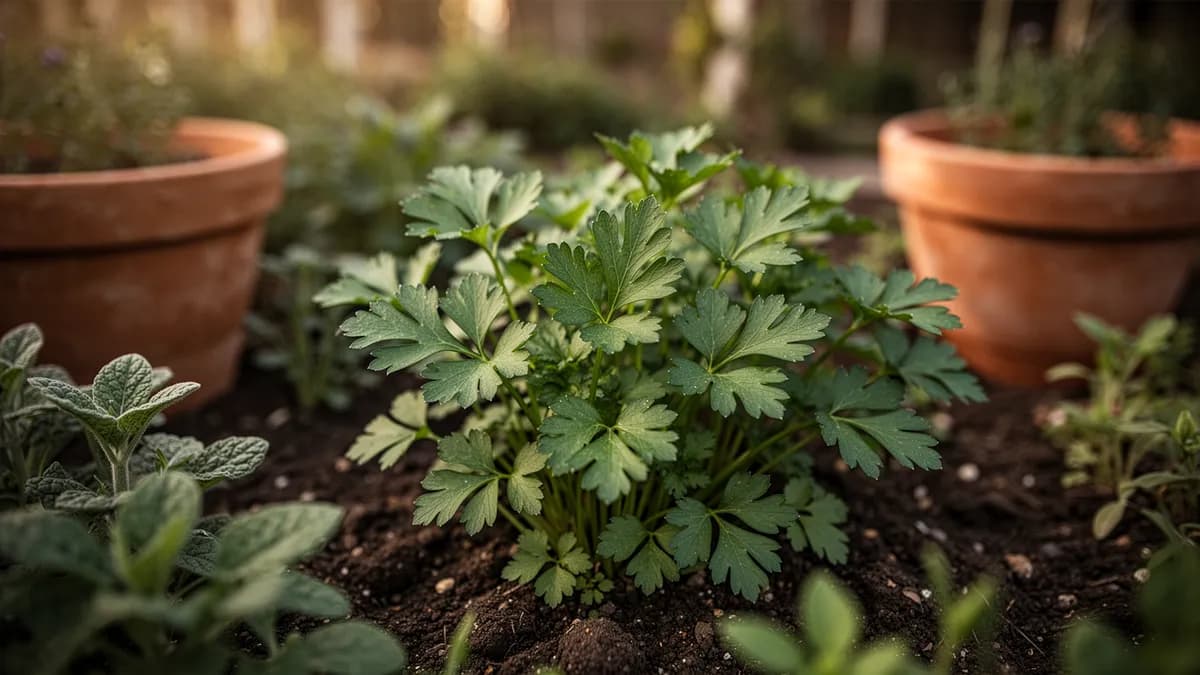
Halte Italienischer Oregano von diesen fern
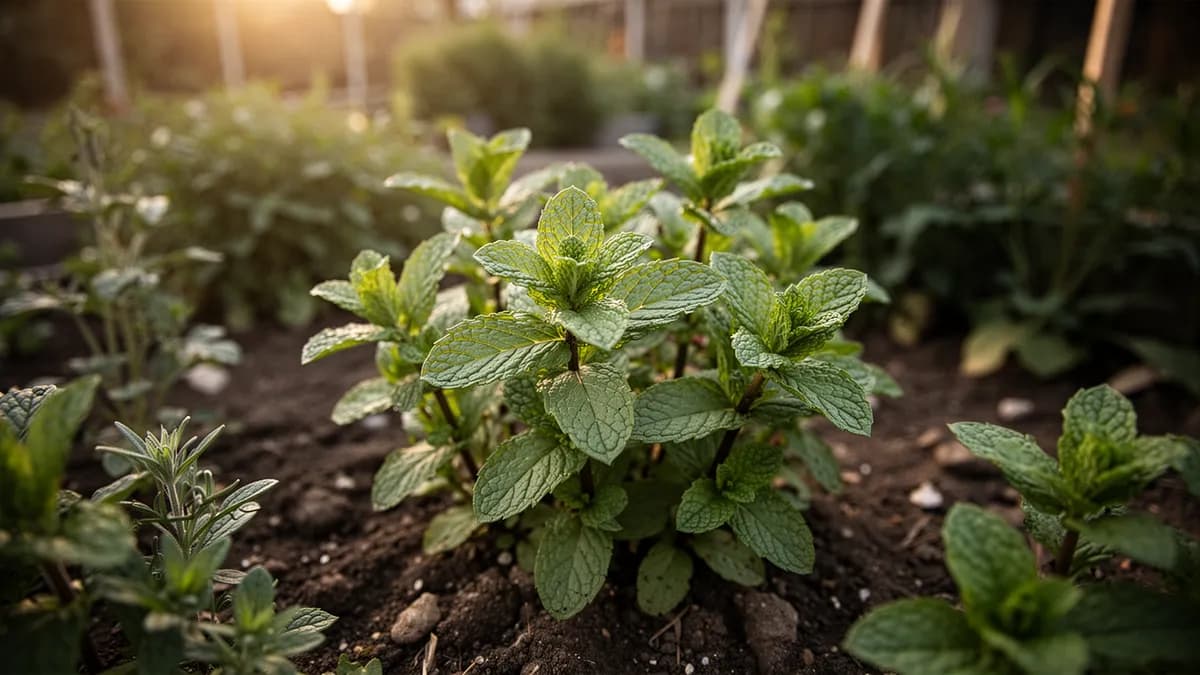
Bau deine beste Italienischer Oregano an — und alles drumherum.
Starte heute kostenlos. Lege deine Beete an, setze deine Italienischer Oregano ein und lass PlotMyGarden Timing, Abstände, Begleiter und Erinnerungen von der Saat bis zum Erntekorb übernehmen.