Lima makrut
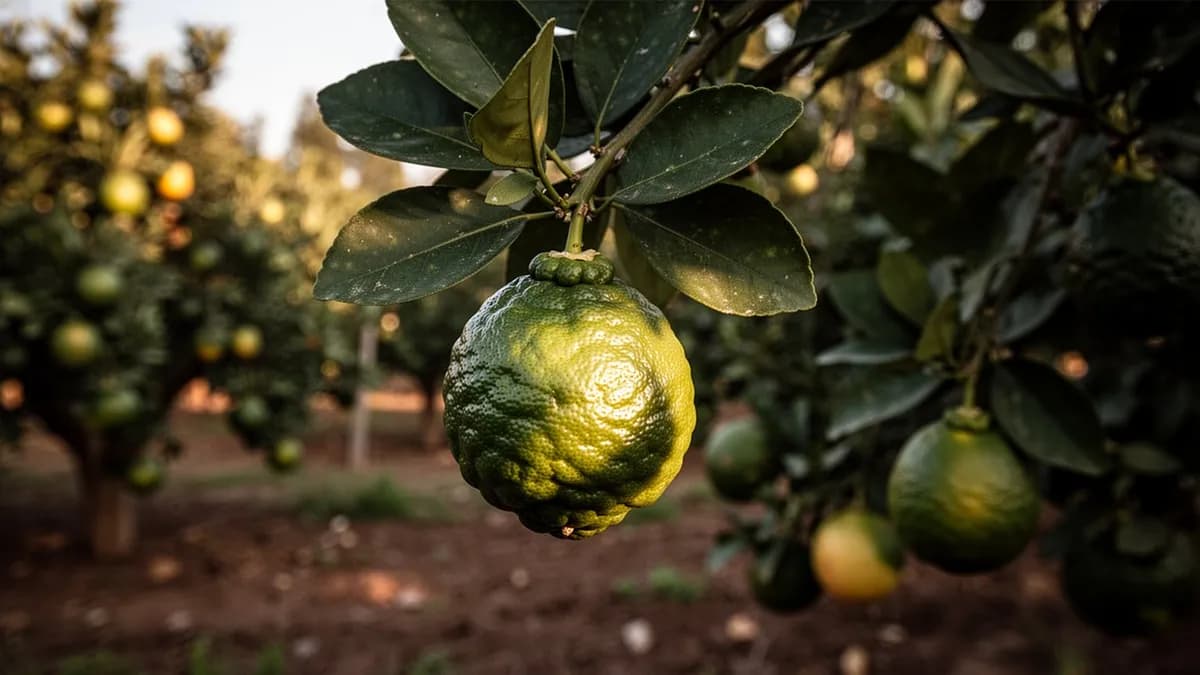
Un cítrico espinoso cultivado principalmente por sus hojas doblemente lobuladas, muy aromáticas, usadas en la cocina tailandesa y del sudeste asiático.





En esta páginaResumen
Conoce Lima makrut
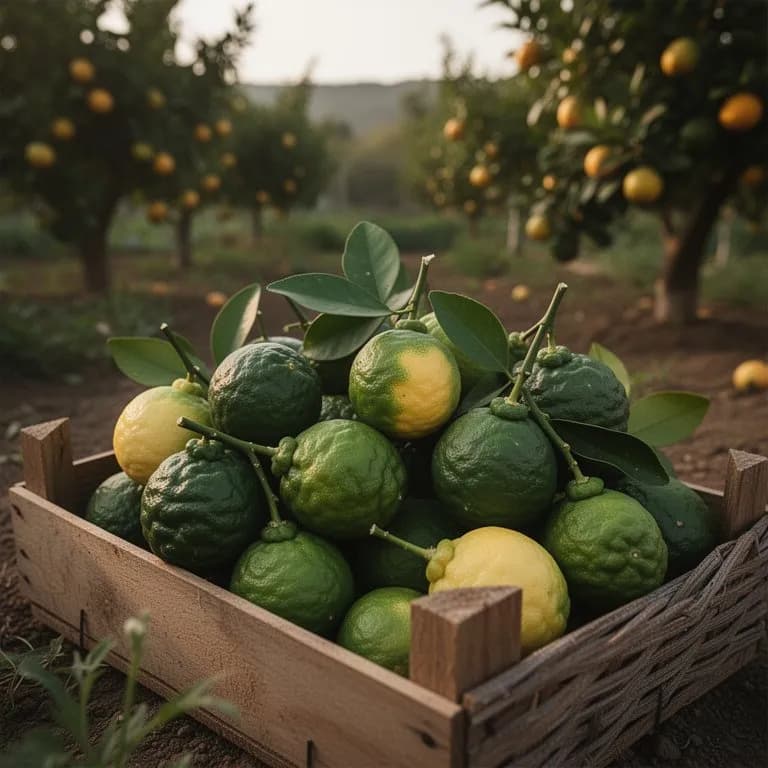
Un cítrico espinoso cultivado principalmente por sus hojas doblemente lobuladas, muy aromáticas, usadas en la cocina tailandesa y del sudeste asiático. Sus frutos verrugosos y abultados aportan una cáscara fragante, aunque el jugo es escaso y muy ácido. En climas fríos conviene cultivarlo en maceta, ya que incluso las hojas cosechadas con regularidad de un árbol pequeño proporcionan abundante suministro para cocinar.
Cuándo plantar Lima makrut
Las semillas de limero makrut son poliembriónicas y producen plántulas relativamente fieles al tipo, por lo que la propagación por semilla es una opción viable. Extraiga las semillas de frutos maduros y plántelas de inmediato, ya que la viabilidad disminuye rápidamente cuando se secan. Sémbralas a 1 cm de profundidad en un sustrato húmedo para siembra y mantenga temperaturas de 24 a 29 grados Celsius con humedad constante. La germinación tarda de tres a seis semanas. Las plántulas crecen muy despacio y pueden necesitar de tres a cinco años para alcanzar un tamaño útil para cosechar hojas con regularidad. Las plantas de vivero injertadas proporcionan hojas antes.
Tu año de Lima makrut
Ajustado a Zona 7 · temporada típica · la helada se va hacia el 2 abr y vuelve hacia el 1 nov
Planta Lima makrut Mar – May y cosecha Ene – Dic. Consulta los métodos de plantación y elige tu clima para adaptar los periodos.
Cómo cultivar Lima makrut
Los limeros makrut son singulares entre los cítricos porque se cultivan sobre todo por sus hojas aromáticas y no por sus frutos. Las hojas distintivas, doblemente lobuladas, liberan un potente aroma cítrico cuando se rompen y son esenciales en la cocina tailandesa, indonesia y malaya. Los árboles crecen lentamente hasta alcanzar entre 1.5 y 3 metros de altura y están cubiertos de espinas afiladas, lo que los hace manejables como ejemplares en maceta en la mayoría de los climas.
Plántelo en un contenedor grande con excelente drenaje, usando un sustrato formulado para cítricos o una mezcla de partes iguales de tierra para macetas, perlita y corteza de pino. Colóquelo en el lugar más soleado disponible, idealmente con seis o más horas de sol directo al día. En regiones tropicales y subtropicales, el limero makrut puede plantarse en el suelo en un sitio protegido con tierra bien drenada.
Riegue con regularidad para mantener el sustrato uniformemente húmedo, pero nunca encharcado. Fertilice con un abono equilibrado para cítricos cada cuatro a seis semanas durante la temporada de crecimiento, reduciendo a cada ocho semanas en invierno. Coseche las hojas según las necesite durante todo el año; esto también funciona como una poda natural. El árbol emite nuevos brotes de hojas con regularidad, especialmente después de la cosecha, lo que garantiza un suministro continuo para la cocina.
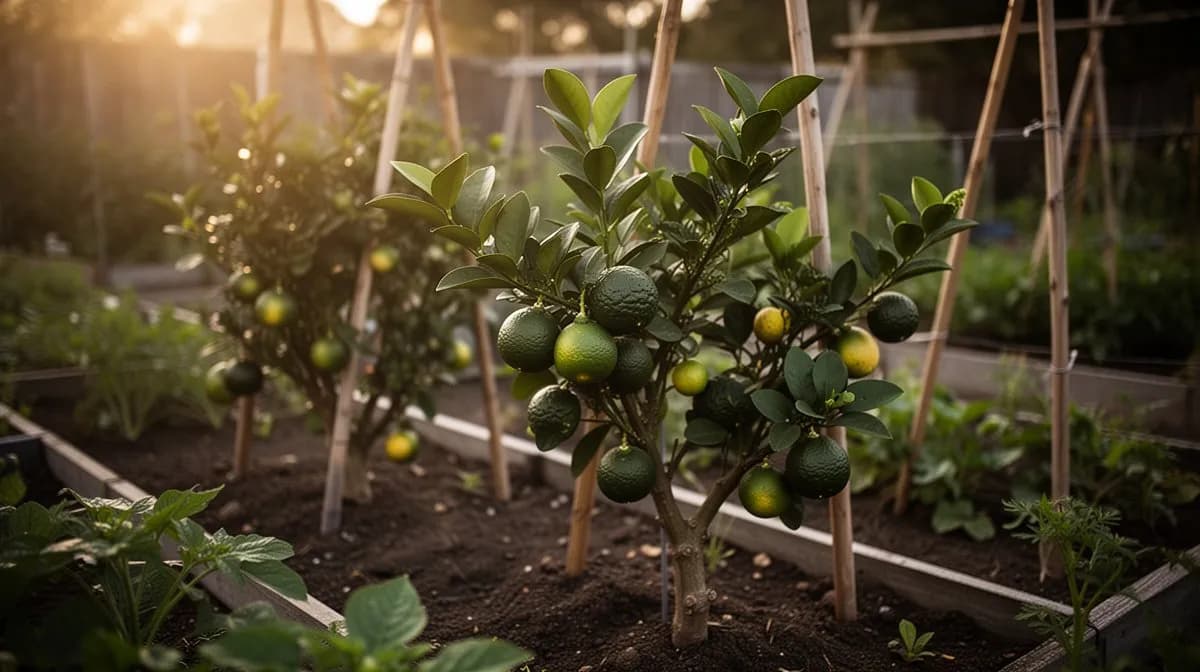
Para Lima makrut un bancal de 120 × 240 cm se queda corto
Cada Lima makrut pide 240 cm de margen. El planificador guarda ese marco por ti — cada planta, cada bancal.
Los mejores vecinos de Lima makrut
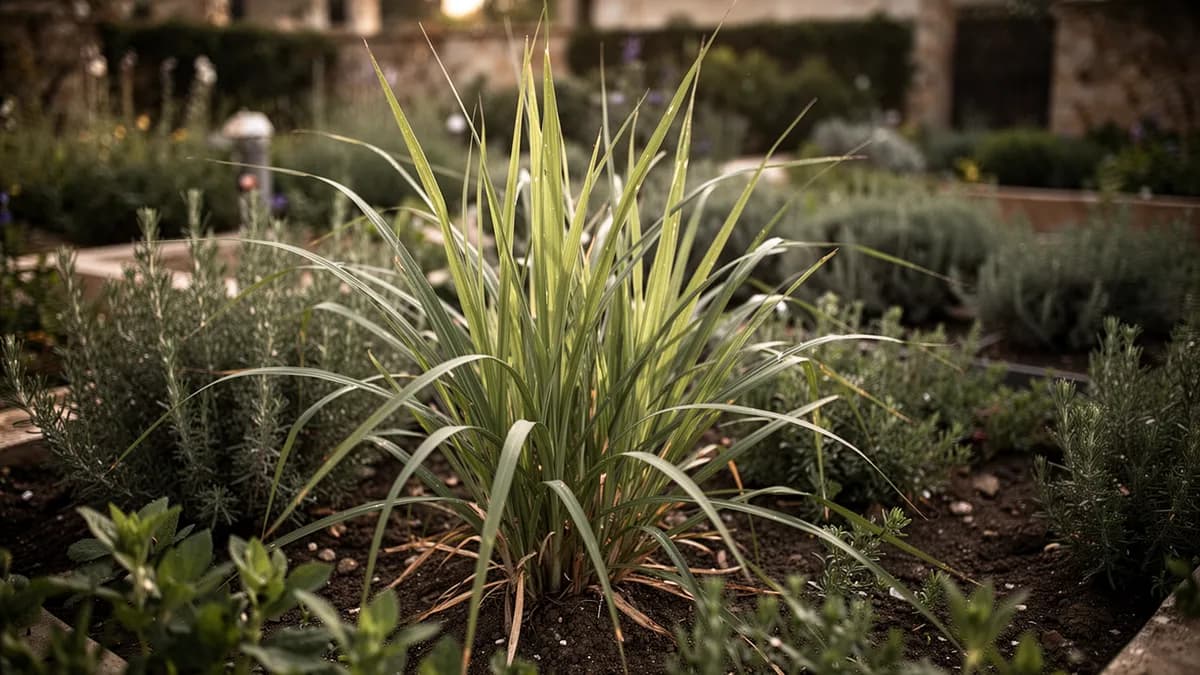
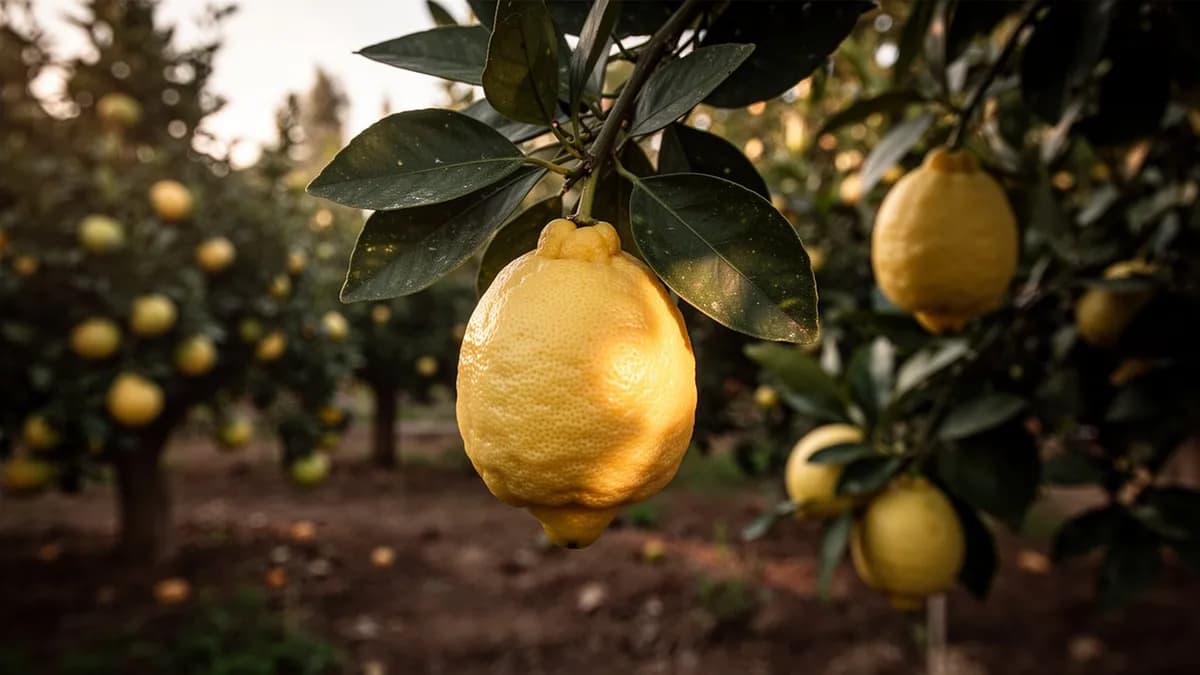
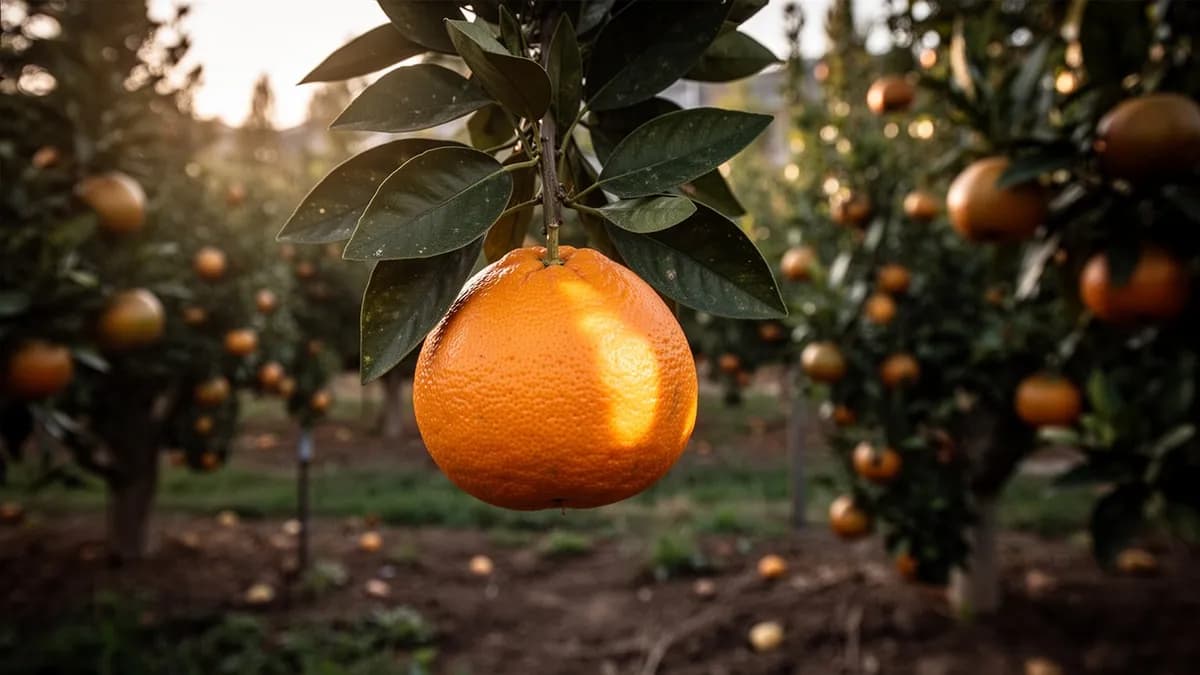
Cultive el limero makrut junto a otros alimentos tropicales como citronela, galanga y albahaca tailandesa para crear un huerto de cocina del sudeste asiático. Estas plantas compañeras prosperan en condiciones cálidas y húmedas similares y se benefician de riegos compartidos. La citronela plantada cerca ayuda a repeler mosquitos y pulgones. Evite plantar otros cítricos muy cerca para reducir la propagación de plagas compartidas como el psílido asiático de los cítricos. La cúrcuma y el jengibre son excelentes acompañantes de sotobosque en entornos tropicales.
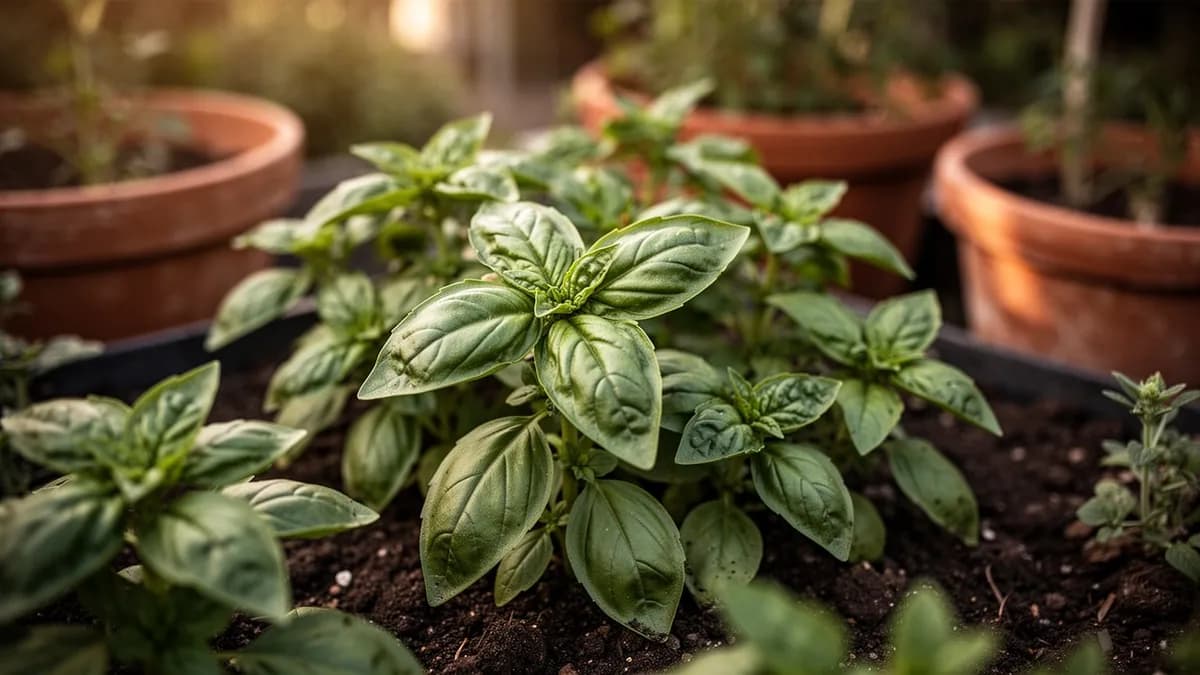
Albahaca va a su lado. Nogal no.
Saber de huerto de siempre, cotejado con la tabla real de Lima makrut — prueba cualquier planta que cultives.
Prueba Lima makrut en un bancal, aquí mismo
Un bancal real del planificador con Lima makrut ya plantado. Toca una planta compañera para colocarla y mira cómo responde la comprobación de vecinos: verde para buenos vecinos, rojo si hay conflicto.


Guías de cultivo relacionadas
Abónalo bien
Los limeros makrut prefieren una mezcla ligera y bien drenante, con un pH ligeramente ácido de 5.5 a 6.5. Una mezcla de turba, perlita y corteza de pino en partes iguales funciona bien para cultivo en contenedor. Aplique un fertilizante específico para cítricos con micronutrientes cada cuatro a seis semanas durante el crecimiento activo. Los suplementos de quelato de hierro previenen la clorosis común en condiciones de agua alcalina. Aporte humus de lombriz a las macetas una vez al año para una nutrición suave y sostenida que favorezca una abundante producción de hojas.
Temperatura ideal
Compatibilidad de zonas de rusticidad
De la semilla a la cosecha, etapa por etapa
Germinación de semillas / Enraizamiento de esquejes
Las semillas germinan en 2 a 4 semanas en condiciones cálidas y húmedas. Los esquejes semileñosos tomados en verano enraízan con mayor fiabilidad en 3 a 5 semanas con calor de fondo. En esta etapa, la planta se concentra por completo en el desarrollo de raíces, con un crecimiento aéreo mínimo.
Plántula / Joven esqueje enraizado
La planta joven desarrolla sus primeras hojas verdaderas, ya con la característica forma doblemente lobulada. El crecimiento es lento al principio mientras las raíces siguen extendiéndose. El aroma cítrico ya se percibe al frotar suavemente las hojas.
Crecimiento vegetativo juvenil
La planta entra en una fase de vigoroso crecimiento foliar y emite varios brotes de hojas nuevas de color verde claro. En esta etapa, las espinas de los tallos se vuelven claramente visibles. La planta construye la estructura leñosa que sostendrá durante décadas.
Crecimiento vegetativo maduro / Primera floración
A partir del segundo año, o antes en ejemplares injertados, la planta empieza a producir racimos de pequeñas flores blancas. Las hojas aromáticas ya son abundantes y pueden cosecharse libremente sin debilitar la planta. Las plantas en maceta pueden alcanzar entre 1 y 1.5 m en esta etapa.
Cuajado de fruto y cosecha
Las flores polinizadas se desarrollan en los característicos frutos verdes y abultados, que tardan de 5 a 6 meses en madurar. El fruto pasa de verde oscuro a verde amarillento cuando está completamente maduro, aunque normalmente se cosecha verde para usar la cáscara. Las hojas siguen siendo la principal cosecha culinaria durante todo el año.
Producción establecida y continua
Un limero makrut bien cuidado se convierte en un recurso duradero y productivo para el jardín. Los árboles establecidos producen varios brotes de hojas y periodos de fructificación cada año. Las plantas en maceta pueden vivir y producir durante 10 a 20 años con trasplantes y cuidados adecuados.
Mantenga el sustrato uniformemente húmedo, pero no encharcado. Un calor de fondo de 24 a 28 °C acelera mucho la germinación y el enraizamiento. Suspenda la fertilización hasta que se hayan formado raíces fuertes.
Cuidar Lima makrut mes a mes
Qué hacer cada mes para tu Lima makrut
Octubre
Mes actualCoseche los frutos verdes para usar la cáscara cuando hayan alcanzado su tamaño completo. Empiece a reducir la frecuencia de riego a medida que bajan las temperaturas. Aplique una última fertilización de liberación lenta antes de que la planta entre en semidormancia. Empiece a aclimatar las plantas del suelo a los próximos meses más frescos.
Ten claro qué hacer en tu huerto, cada mes
Un correo al empezar cada mes: qué sembrar, plantar y hacer ahora mismo — para tu Lima makrut y todo lo que crece alrededor. Más un breve curso inicial para esquivar los errores clásicos.
- Qué hacer ahora mismo
- Ajustado a tu temporada
- Curso inicial incluido
Cosechar Lima makrut
Coseche las hojas de limero makrut durante todo el año según las necesite, cortándolas de los tallos con tijeras afiladas. Elija hojas maduras, de color verde oscuro, para obtener el sabor más intenso, ya que las hojas jóvenes y pálidas contienen menos aceite aromático. Las hojas pueden usarse frescas, congeladas enteras en bolsas con cierre, o secadas, aunque las frescas y congeladas conservan más sabor. Los frutos abultados se cosechan cuando han alcanzado su tamaño completo para aprovechar su cáscara muy aromática, que se ralla finamente en pastas de curry. El jugo es muy ácido, de poco volumen, y se usa con moderación.
se supone que plantas al comenzar el periodo — indica tu fecha real
Cosecha Lima makrut a tiempo y la planta sigue produciendo.
Almacenamiento y conservación
Las hojas frescas de limero makrut se conservan en el refrigerador hasta dos semanas, envueltas en una toalla de papel húmeda dentro de una bolsa con cierre. Para almacenamiento prolongado, congele las hojas en una bandeja y luego páselas a bolsas para congelar, donde conservarán su aroma hasta un año. Las hojas secas son menos aromáticas, pero prácticas para la despensa. La cáscara del fruto puede congelarse o secarse. Los frutos enteros se conservan varias semanas en el refrigerador. El aceite o vinagre infusionado con limero makrut captura su fragancia única para usarla todo el año.
Qué falla — y cómo solucionarlo
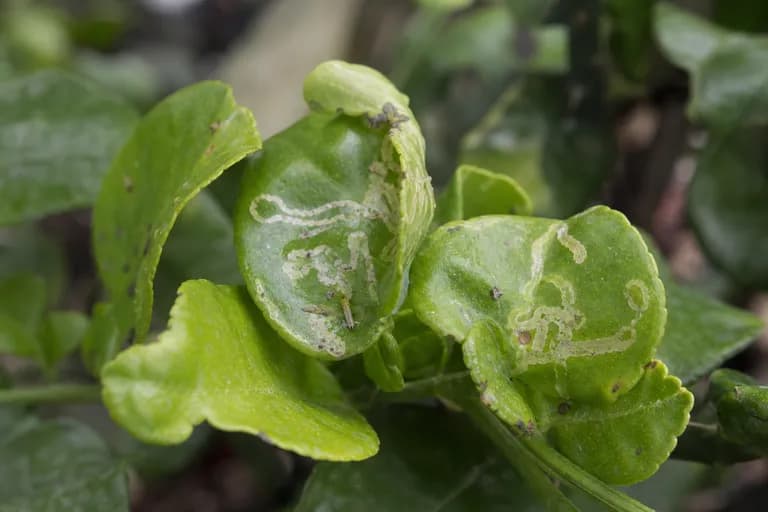
Minador de los cítricos
PlagaTrazos plateados serpenteantes en las hojas jóvenes, que se enrollan y deforman. Resulta especialmente dañino en el limero makrut, ya que las hojas son la cosecha principal.
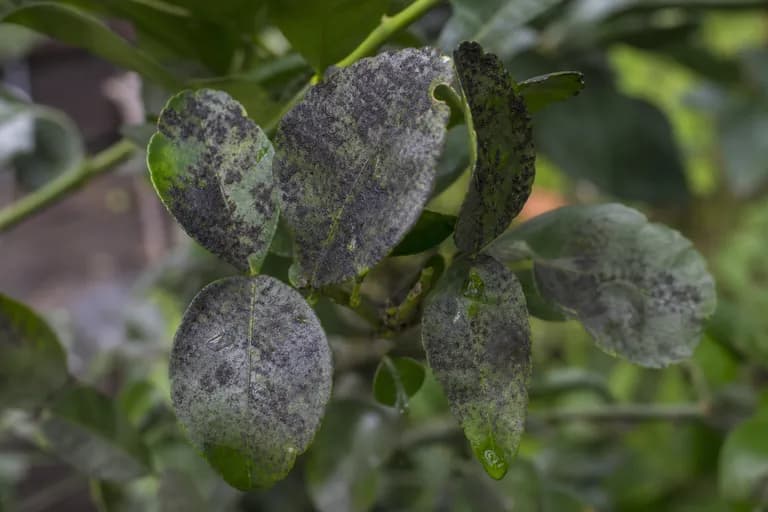
Fumagina
EnfermedadCapa fúngica negra y pulverulenta sobre la superficie de las hojas que crece sobre la melaza secretada por insectos chupadores. Reduce la fotosíntesis y deja las hojas inadecuadas para cocinar.
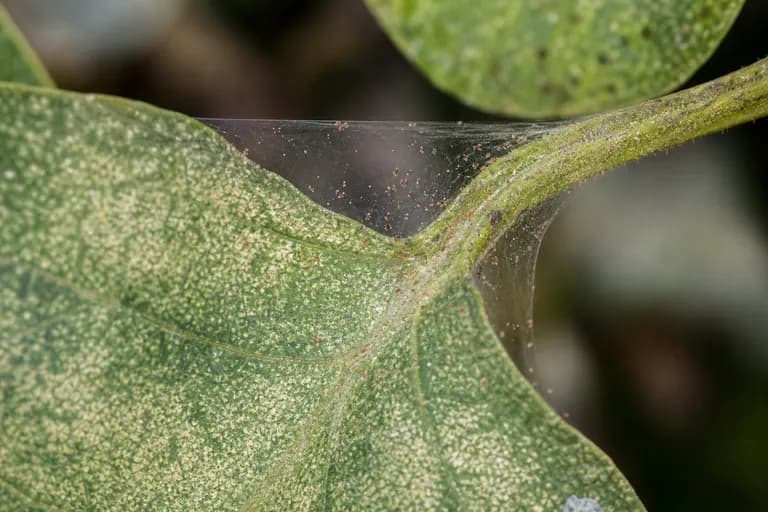
Araña roja
PlagaFinas punteaduras en las hojas, pequeñas telarañas entre los lóbulos y un bronceado general del follaje en condiciones secas de interior.
Solución de problemas comunes
Los limeros makrut de interior suelen sufrir por el aire seco, lo que provoca caída de hojas e infestaciones de araña roja durante la temporada de calefacción invernal. Mantenga la humedad por encima del 50 % con pulverizaciones regulares o bandejas humidificadoras. Las espinas excesivas dificultan la manipulación, así que use guantes gruesos al podar o trasplantar. Las hojas cosechadas de brotes dañados por plagas pueden no ser aptas para cocinar. La falta de luz en interiores produce un crecimiento largo y ralo, con menor contenido de aceites aromáticos en las hojas.
Consejos de cultivo
- Si puede, elija plantas injertadas en lugar de ejemplares obtenidos de semilla: los árboles injertados empiezan a producir hojas utilizables en cuestión de meses y pueden fructificar en el primer o segundo año, mientras que los de semilla pueden tardar de 5 a 7 años en dar fruto.
- Plántelo a pleno sol para maximizar la producción de hojas y el contenido de aceites: las hojas de lima makrut cultivadas con sol pleno son mediblemente más aromáticas que las cultivadas a la sombra, porque la luz estimula la producción de los aceites esenciales responsables de su fragancia característica.
- Para cultivo en maceta, use una mezcla bien drenante y ligeramente ácida (pH 5.5 a 6.5): una buena tierra para cítricos o una mezcla de tierra para macetas, perlita y una pequeña cantidad de arena gruesa funciona bien. Evite las mezclas pesadas que retienen demasiada humedad y pueden provocar pudrición de raíces.
- Fertilice durante la temporada de crecimiento cada 4 a 6 semanas con un abono formulado específicamente para cítricos: estos contienen más magnesio, zinc y manganeso, nutrientes que los cítricos necesitan para evitar el amarilleo entre nervaduras, un síntoma común de carencia.
- Riegue a fondo y con menos frecuencia, en lugar de poco y muy a menudo; deje secar los 3 a 5 cm superiores del sustrato entre riegos. El exceso de riego continuo es la causa más común del declive de los cítricos en maceta, incluida la lima makrut.
- Use guantes al podar: las espinas afiladas de los tallos maduros pueden causar pinchazos dolorosos. Pode después de los brotes de cosecha para dar forma a la planta y mejorar la circulación del aire, y elimine las ramas cruzadas o que crezcan hacia el interior.
- Congele las hojas sobrantes en una bolsa hermética hasta un año; las hojas de lima makrut congeladas conservan su aroma de forma excepcional y pueden añadirse directamente desde el congelador a la cocina, lo que las convierte en una de las hierbas más aptas para congelación del jardín.
- Vigile con atención el psílido asiático de los cítricos (Diaphorina citri), una plaga que puede transmitir la devastadora enfermedad HLB de los cítricos. Inspeccione regularmente los brotes nuevos: los psílidos se alimentan de las hojas tiernas y se ven como pequeñas ninfas cerosas con una cola blanca. Retire y destruya de inmediato cualquier brote afectado y utilice aceites hortícolas autorizados como medida preventiva.
- Si cultiva en interior durante el invierno, complemente con una luz de cultivo de espectro completo situada a 30 a 50 cm sobre la copa durante 12 a 14 horas al día; la falta de luz es la principal razón por la que los cítricos de interior no prosperan ni producen, y la lima makrut no es una excepción.
- Considere plantar a sus pies hierbas como menta vietnamita o albahaca, que comparten la preferencia de la planta por condiciones cálidas, húmedas y bien iluminadas; la combinación crea una maceta productiva y visualmente atractiva que aprovecha mejor el espacio de cultivo.
Cultiva tu mejor Lima makrut — y todo lo que la rodea.
Empieza un plan gratis hoy. Diseña tus bancales, coloca tu Lima makrut y deja que PlotMyGarden gestione el momento, el espaciado, las asociaciones y los recordatorios de la semilla a la cesta.
Elige tu Lima makrut
Lima makrut estándar
La variedad espinosa típica cultivada en todo el sudeste asiático, que produce abundantes hojas aromáticas y frutos verdes abultados.
Lima makrut sin espinas
Una selección menos espinosa que facilita mucho la cosecha de hojas sin perder la misma calidad aromática del follaje.
Lima makrut enana
Un cultivar compacto que solo alcanza entre 90 y 150 cm, ideal para cultivo en alféizar y en macetas pequeñas.
Lima makrut variegada
Una selección ornamental con hojas listadas en crema y verde que mantiene su utilidad culinaria y añade interés visual al jardín.
Las hojas frescas de lima makrut, si es que se encuentran, suelen costar entre 4 y 8 € por paquete pequeño en tiendas de alimentación asiática (10 a 15 hojas), y el fruto puede alcanzar 3 a 6 € por unidad en comercios especializados. Una sola planta adulta cultivada en maceta puede producir cientos de hojas al año y varios frutos por temporada, lo que supone un ahorro potencial de 150 a 300 € anuales para quien cocina con frecuencia platos del sudeste asiático. Además, las hojas cultivadas en casa son incomparablemente más frescas y aromáticas que las alternativas secas o congeladas del supermercado.
Recetas rápidas

Pasta tailandesa de curry verde
20 minUna pasta de curry verde vibrante y aromática, construida sobre hojas y cáscara frescas de lima makrut, que sirve de base para innumerables platos tailandeses. Haga una gran cantidad y congélela en cubiteras para cocinar entre semana con facilidad.
11 ingredientesArroz con coco y hoja de lima makrut
30 minArroz cremoso y perfumado con coco, aromatizado con hojas de lima makrut que se cuecen junto con el arroz. Las hojas aportan un delicado aroma cítrico floral que combina de maravilla con pescado a la parrilla, curries o simplemente con mango.
7 ingredientesGin-tonic con cáscara y hoja de lima makrut
5 minUn cóctel refinado que realza la compleja aromática floral de la lima makrut. La cáscara y una hoja ligeramente aplastada aportan una dimensión que la lima común no puede imitar. Una bebida perfecta para las noches de verano.
6 ingredientesUsos culinarios
Las hojas de limero makrut se rompen o se cortan muy finamente para liberar su intenso perfume cítrico en curries tailandeses, sopas como tom kha gai y tom yum, y salteados. La cáscara del fruto abultado se machaca en pastas de curry junto con citronela y galanga. Use las hojas en rendang indonesio, laksa malaya y amok camboyano. También aromatizan de forma excelente cócteles y postres con una nota cítrica sudesteasiática inconfundible.
Qué contiene
Beneficios para la salud
- Los alcaloides y flavonoides concentrados en las hojas de lima makrut han mostrado efectos antiinflamatorios en estudios celulares y podrían ayudar en afecciones vinculadas a la inflamación crónica.
- Los compuestos de la cáscara y el jugo, especialmente el limoneno y el citronelal, muestran una actividad antimicrobiana significativa en investigaciones de laboratorio contra bacterias y hongos comunes, lo que respalda su uso tradicional en el cuidado de heridas y la higiene bucal.
- El uso tradicional como tónico digestivo se ve respaldado por la presencia de compuestos que estimulan la secreción biliar y mejoran la digestión y absorción de grasas alimentarias y vitaminas liposolubles.
- El aceite esencial extraído de la cáscara es rico en antioxidantes que neutralizan radicales libres y contribuyen a la capacidad antioxidante global de los platos que incluyen hojas y cáscara.
- En la tradición herbolaria ayurvédica y tailandesa, las preparaciones de lima makrut se han usado desde hace mucho para apoyar la salud bucal; el jugo y la cáscara se emplean como blanqueadores naturales y para tratar las encías, una práctica respaldada por las propiedades antimicrobianas documentadas de sus aceites esenciales.
- El relajante aroma cítrico de las hojas y del aceite esencial de lima makrut se usa en aromaterapia en todo el sudeste asiático para aliviar el estrés y favorecer la claridad mental, atribuyéndose al citronelal un suave efecto ansiolítico.
De dónde viene Lima makrut
La lima makrut (Citrus hystrix DC.), conocida históricamente también como lima kaffir, es una de las especies de cítricos más antiguas y profundamente arraigadas culturalmente del sudeste asiático. Su origen se sitúa en una amplia región que abarca la actual Indonesia, Malasia, Tailandia y Filipinas, donde la especie se ha cultivado y venerado durante al menos un milenio tanto con fines culinarios como medicinales. A diferencia de la mayoría de los cítricos cultivados, que se expandieron hacia el oeste desde el sur de China y el noreste de la India bajo la influencia del comercio antiguo, Citrus hystrix parece haberse desarrollado de forma independiente dentro del archipiélago malayo, donde sigue siendo la especie más diversa y más integrada en las dietas locales.
En las antiguas cortes del Imperio jemer, que prosperó entre los siglos IX y XV en gran parte del sudeste asiático continental, las hojas y la cáscara de la lima makrut ocupaban un lugar destacado en elaboraciones especiadas y medicinas herbales descritas en inscripciones de templos y registros domésticos reales. Desde entonces, las cocinas tailandesa, laosiana y camboyana han desarrollado una relación casi inseparable con la planta: un auténtico curry verde tailandés, un verdadero amok camboyano o un larb laosiano tradicional son impensables sin su característico toque floral y cítrico.
La planta llegó a las cocinas del archipiélago indonesio por una vía igualmente antigua, donde se convirtió en parte integral de las pastas de especias balinesas (base genep) y de las bebidas herbales javanesas. En Sri Lanka y el sur de la India, Citrus hystrix encontró un lugar en formulaciones ayurvédicas usadas para tratar molestias digestivas, afecciones de la piel y como componente de preparaciones rituales de limpieza.
El reconocimiento botánico europeo de la especie data de la época colonial, cuando comerciantes neerlandeses y portugueses documentaron su uso extendido en sus territorios comerciales durante los siglos XVI y XVII. Fue descrita formalmente a comienzos del siglo XIX por el botánico suizo Augustin Pyramus de Candolle y recibió el epíteto específico hystrix, del latín "puercoespín", en alusión a sus espinas marcadas y afiladas.
La expansión mundial de la cocina tailandesa y del sudeste asiático a finales del siglo XX, unida al creciente interés por la cocina asiática casera, elevó a la lima makrut de curiosidad botánica a ingrediente apreciado en tiendas especializadas y huertos domésticos de Europa, Norteamérica y Australia. Hoy se cultiva comercialmente tanto para el suministro de hojas frescas como para la obtención de aceites esenciales, y sigue siendo una planta popular de jardín siempre que el clima lo permite.
Lima makrut: ¿sabías que?
Datos fascinantes sobre Lima makrut
El nombre "lima makrut" se considera ofensivo en varios países, especialmente en Sudáfrica, y el término botánico preferido "makrut" ya se usa ampliamente en el mundo culinario, en especial en cocinas profesionales y publicaciones gastronómicas.
Lima makrut: preguntas frecuentes
¿Cuándo debo plantar Lima makrut?
¿Cuáles son buenas plantas acompañantes para Lima makrut?
¿En qué zonas de rusticidad puede crecer Lima makrut?
¿Cuánto sol necesita Lima makrut?
¿A qué distancia debo espaciar Lima makrut?
¿Qué plagas y enfermedades afectan a Lima makrut?
¿Cómo almaceno Lima makrut después de la cosecha?
¿Cuáles son las mejores variedades de Lima makrut para cultivar?
¿Qué suelo necesita Lima makrut?
¿"Lima kaffir" es un nombre ofensivo y cómo debería llamarse la planta?
¿Puedo cultivar lima makrut en un clima frío?
¿Por qué se ponen amarillas las hojas de mi lima makrut?
¿Necesito dos limeros makrut para obtener frutos?
¿Cómo uso las hojas de lima makrut al cocinar? ¿Se comen enteras?
Mi lima makrut tiene muchas espinas y pocas hojas. ¿Hay algo mal?
Acabas de leer la teoría. Ahora cultívala en piloto automático.
Todo lo que hace que Lima makrut sea delicado — el momento, el espaciado, las asociaciones, la ventana de cosecha — es justo lo que PlotMyGarden resuelve por ti, para cada planta de tu huerto.
Un plan que conoce tu clima
Indica tu ubicación una vez. Recibe fechas de siembra, abonado y cosecha basadas en tu última helada real y el pronóstico en vivo — sin adivinar con un sobre genérico.
De la sección “Cuándo plantar”Planificador de bancales de arrastrar y soltar
Diseña bancales sobre una cuadrícula. Cada planta encaja con su espaciado correcto y ves toda la temporada antes de gastar un céntimo en semillas.
De la sección “Cultivo”Conflictos de asociación, detectados a tiempo
Más de 200 buenas y malas combinaciones comprobadas en vivo mientras plantas — para que un error que arruine la temporada nunca llegue a la tierra.
De la sección “Asociaciones”Recordatorios que sí vas a seguir
“Riega las judías.” “Recoge hoy antes de que se pase.” Oportunos, concretos y ligados a las plantas que de verdad cultivas.
De la sección “Cosecha”Escalonado, programado
¿Quieres cosechar seis semanas en vez de seis días? Reparte tus siembras automáticamente y te avisa cuando toca el siguiente lote.
De la sección “Cuándo plantar”Un registro que se vuelve más listo
Cada cosecha que registras le enseña tu huerto. El plan del año que viene parte de lo que de verdad funcionó en tu suelo, no en un manual.
De la sección “Resumen”Planta estos junto a Lima makrut
Más Cítricos
Mantén Lima makrut lejos de estos
Cultiva tu mejor Lima makrut — y todo lo que la rodea.
Empieza un plan gratis hoy. Diseña tus bancales, coloca tu Lima makrut y deja que PlotMyGarden gestione el momento, el espaciado, las asociaciones y los recordatorios de la semilla a la cesta.