Kidneybohne
Eine große, nierenförmige Bohne, die die Grundlage für Chili, rote Bohnen mit Reis und viele herzhafte Eintöpfe bildet.





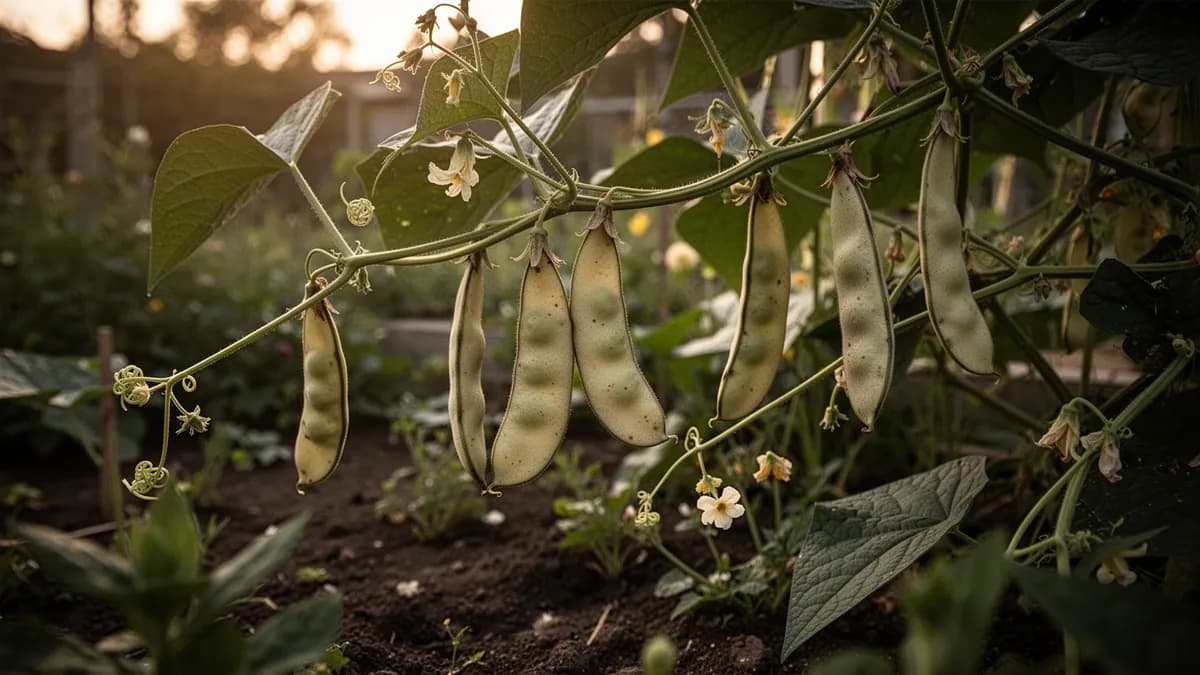
Auf dieser SeiteÜberblick
Kidneybohne im Überblick
Eine große, nierenförmige Bohne, die die Grundlage für Chili, rote Bohnen mit Reis und viele herzhafte Eintöpfe bildet. Kidneybohnen müssen gründlich gekocht werden, da rohe oder unzureichend gegarte Bohnen Phytohämagglutinin enthalten, das Verdauungsbeschwerden verursachen kann. Buschsorten sind kompakt und bringen ihre Ernte über einen kurzen Zeitraum ein, ideal für eine große Sammelente zum Trocknen. Pflanzen Sie in warme Erde nach dem letzten Frost und sorgen Sie für gleichmäßige Feuchtigkeit während der Blüte für den besten Hülsenansatz.
Wann Kidneybohne pflanzen
Nur Direktsaat; Bohnen vertragen kein Umpflanzen. Pflanzen Sie 2,5-5 cm tief nach dem letzten Frost, wenn der Boden 16°C erreicht hat. Impfen Sie vor dem Pflanzen mit Rhizobium. Die Samen keimen in 7-14 Tagen. Nicht vor dem Pflanzen einweichen. Halten Sie einen Abstand von 10-15 cm ein. Samen bleiben 3-4 Jahre keimfähig. Pflanzen Sie in warmen Boden; kalte, nasse Bedingungen verursachen Fäulnis vor der Keimung.
Dein Kidneybohne-Jahr
Abgestimmt auf Zone 7 · typische Saison · Frost geht um den 2. Apr. und kehrt um den 1. Nov. zurück
Kidneybohne Mai – Jun pflanzen, Aug – Okt ernten. Beachte die Pflanzmethoden unten und wähle dein Klima für passende Zeiträume.
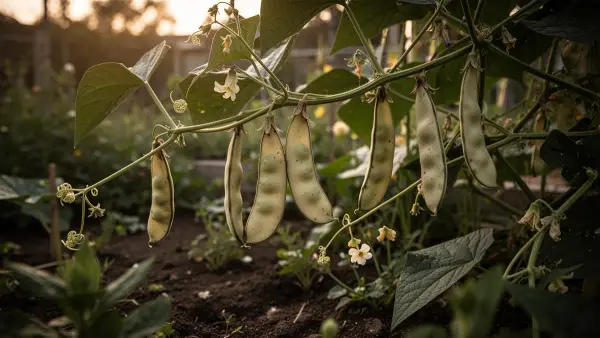
So baust du Kidneybohne an
Säen Sie Kidneybohnen-Samen direkt 2,5-5 cm tief aus, nachdem alle Frostgefahr vorüber ist und der Boden 16°C erreicht hat. Halten Sie einen Abstand von 10-15 cm in Reihen mit 60-75 cm Abstand ein. Die Samen keimen in 7-14 Tagen bei 18-30°C. Kidneybohnen sind kälteempfindlich und sollten erst gepflanzt werden, wenn der Boden zuverlässig warm ist.
Die meisten Kidneybohnen sind Buschtypen mit einer Höhe von 45-60 cm. Bieten Sie volle Sonne und mäßige, gleichmäßige Bewässerung. Vermeiden Sie Überkopfbewässerung, um Krankheiten vorzubeugen. Als stickstofffixierende Hülsenfrüchte benötigen Kidneybohnen keinen Stickstoffdünger. Geben Sie beim Pflanzen Phosphor hinzu.
Kidneybohnen benötigen 90-110 Tage für die Trockenernte, länger als viele andere Trockenbohnenarten. Für Trockenbohnen lassen Sie die Hülsen an der Pflanze braun werden und trocknen. In regenreichen Klimazonen ernten Sie die Pflanzen und trocknen Sie sie unter Dach. Kidneybohnen müssen vor dem Verzehr immer gründlich gekocht werden, da rohe Kidneybohnen giftige Lektine enthalten, die schwere Verdauungsbeschwerden verursachen können.
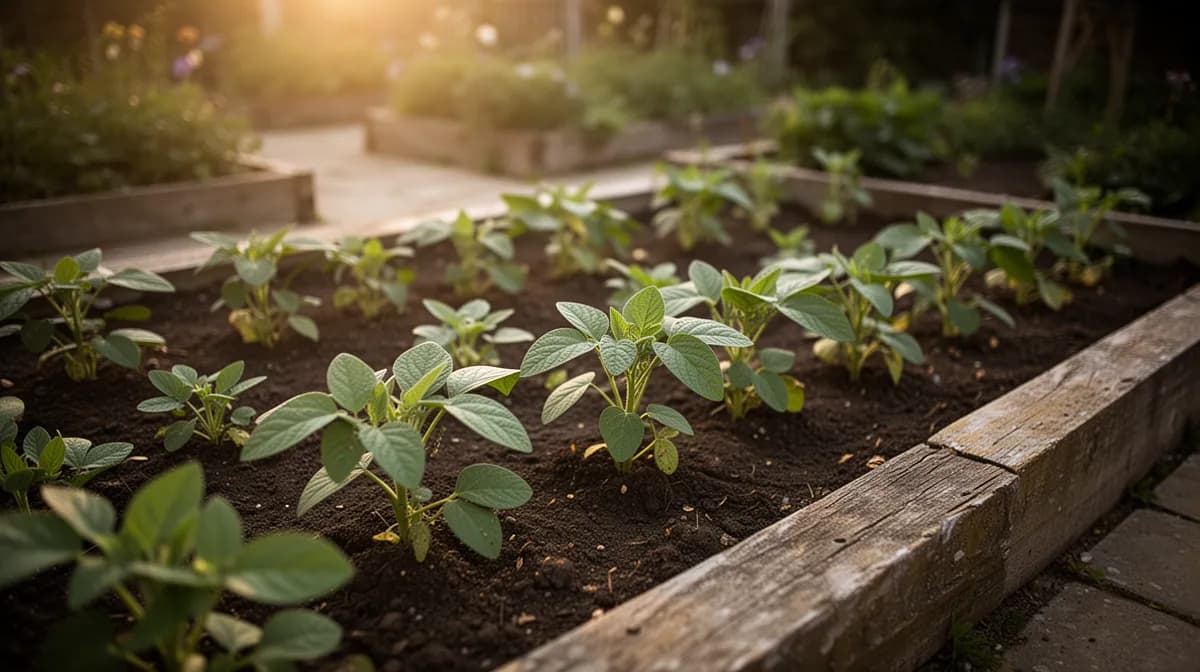
288 Pflanzen passen in ein Beet von 120 × 240 cm
Kidneybohne braucht 10 cm Platz pro Pflanze. Der Planer hält diesen Abstand für dich ein — jede Pflanze, jedes Beet.
Die besten Nachbarn für Kidneybohne
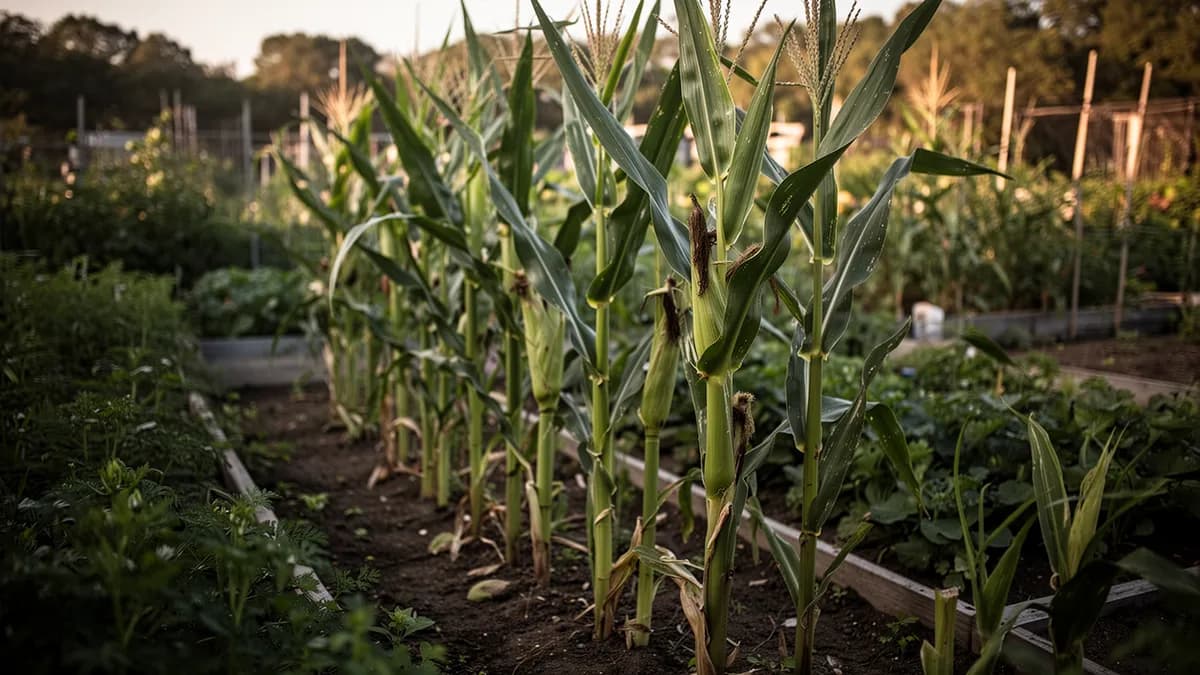
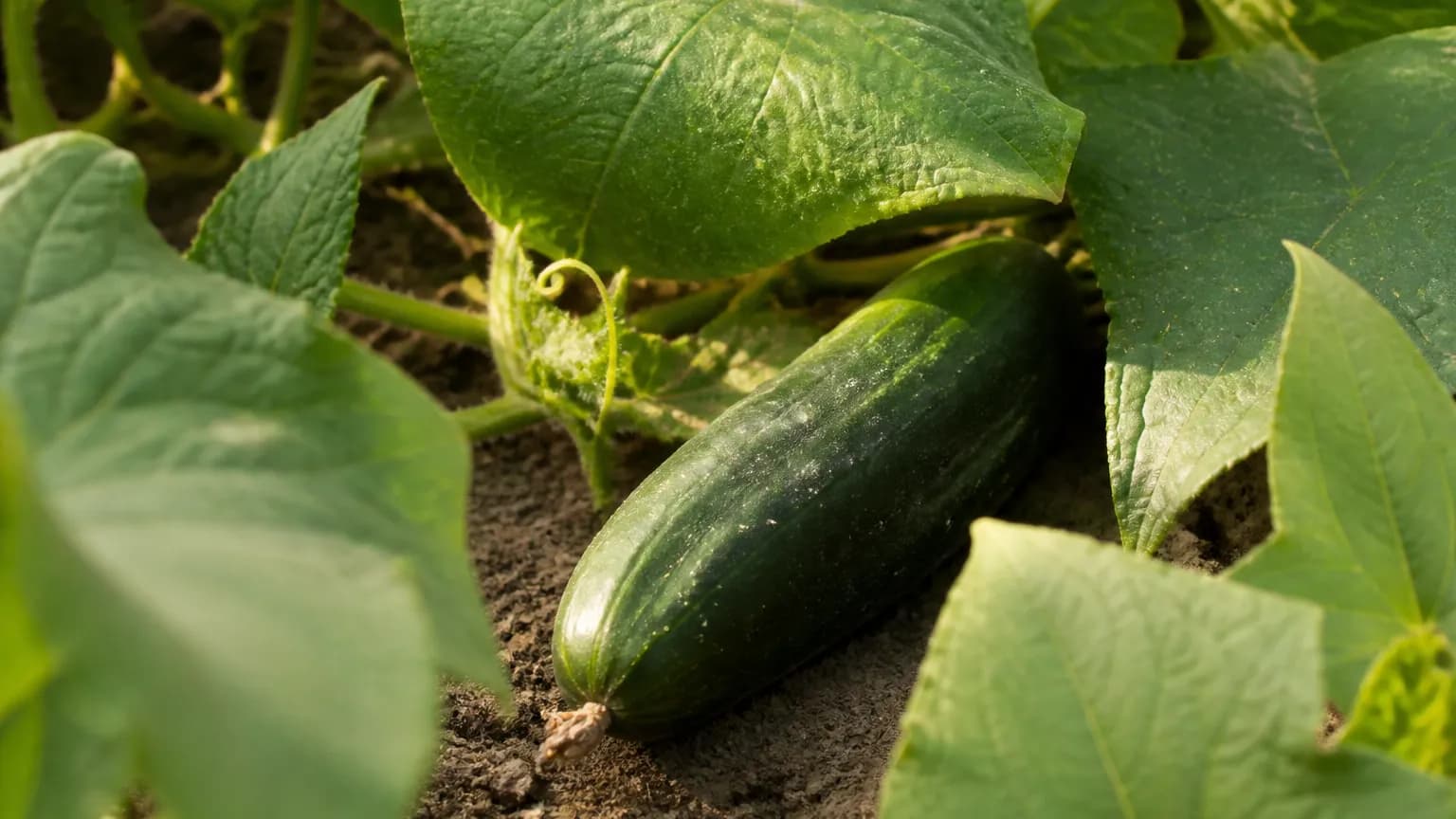
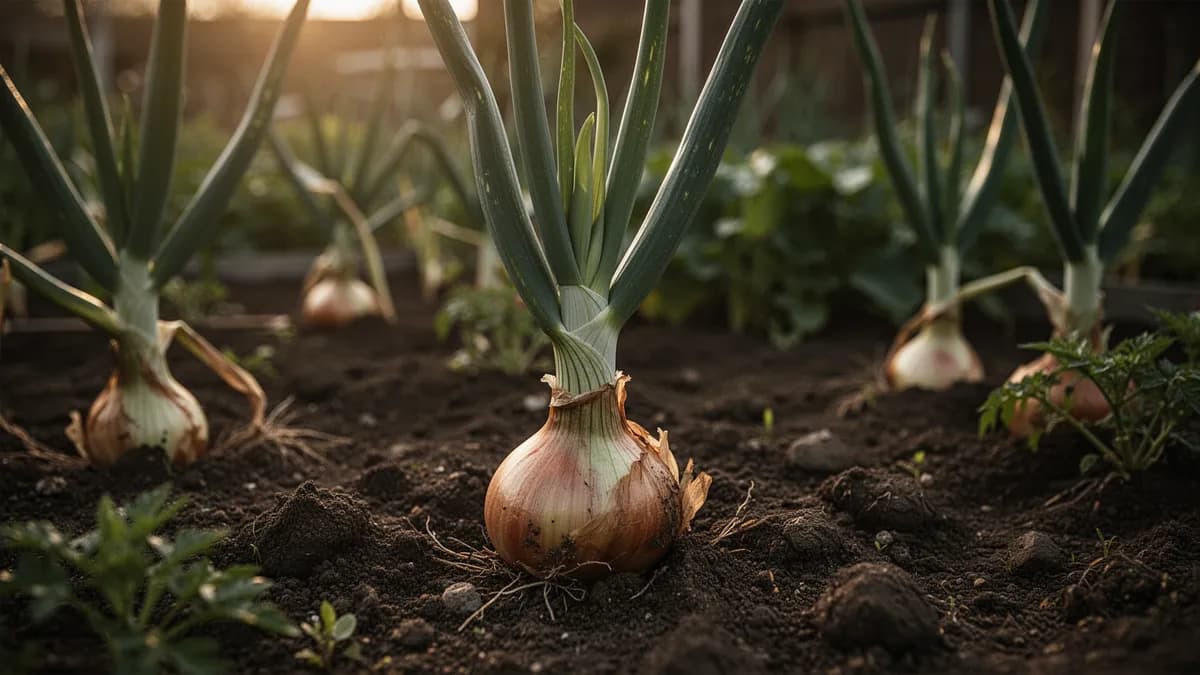
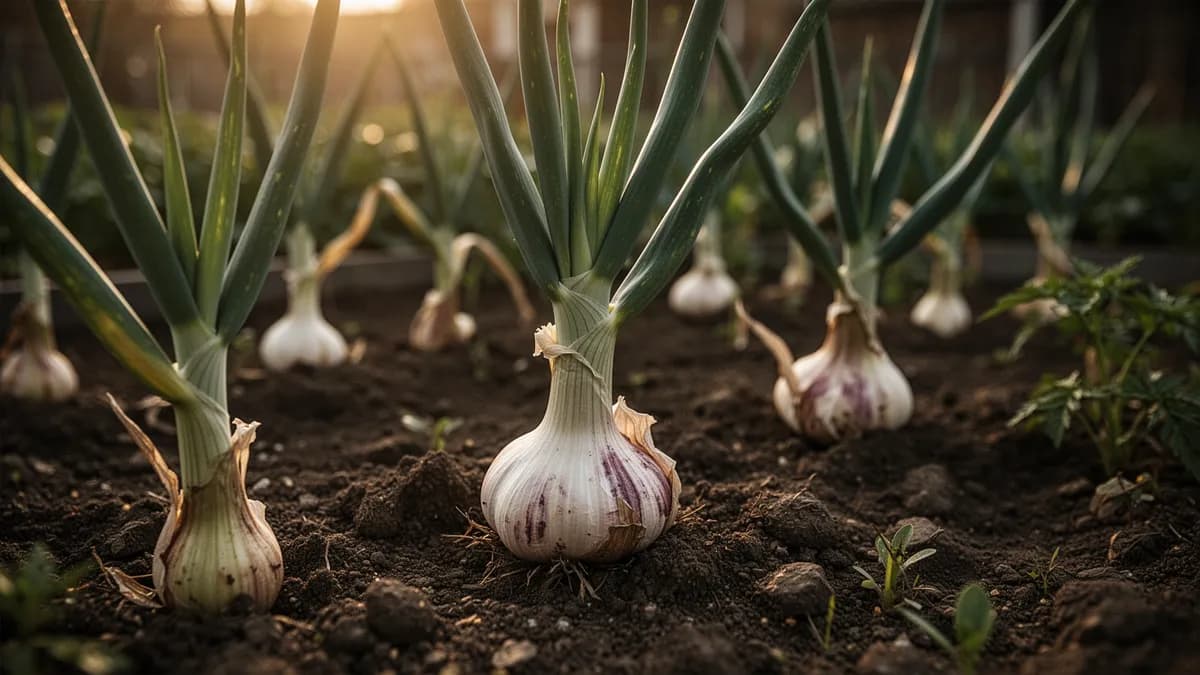
Kidneybohnen fixieren Stickstoff und kommen damit den Nachbarpflanzen und nachfolgenden Kulturen zugute. Gute Begleitpflanzen sind Mais, Kürbis, Karotten und Gurken. Vermeiden Sie Zwiebeln, Knoblauch und Fenchel. Der kompakte Buschhabitus beschattet die Nachbarpflanzen nicht wesentlich. Folgen Sie mit stickstoffhungrigen Kulturen wie Mais oder Kohlgewächsen. Pflanzen Sie in Blöcken für einfachere Bewirtschaftung und gegenseitige Unterstützung.
Mais gehört daneben. Zwiebel nicht.
Altes Gärtnerwissen, geprüft an der echten Nachbartabelle von Kidneybohne — teste jede Pflanze, die du anbaust.
Probiere Kidneybohne direkt hier im Beet
Ein echtes Planer-Beet, Kidneybohne steht schon drin. Tippe einen Begleiter an, platziere ihn und sieh, wie die Nachbarschaftsprüfung antwortet — grün für gute Nachbarn, rot bei Streit.


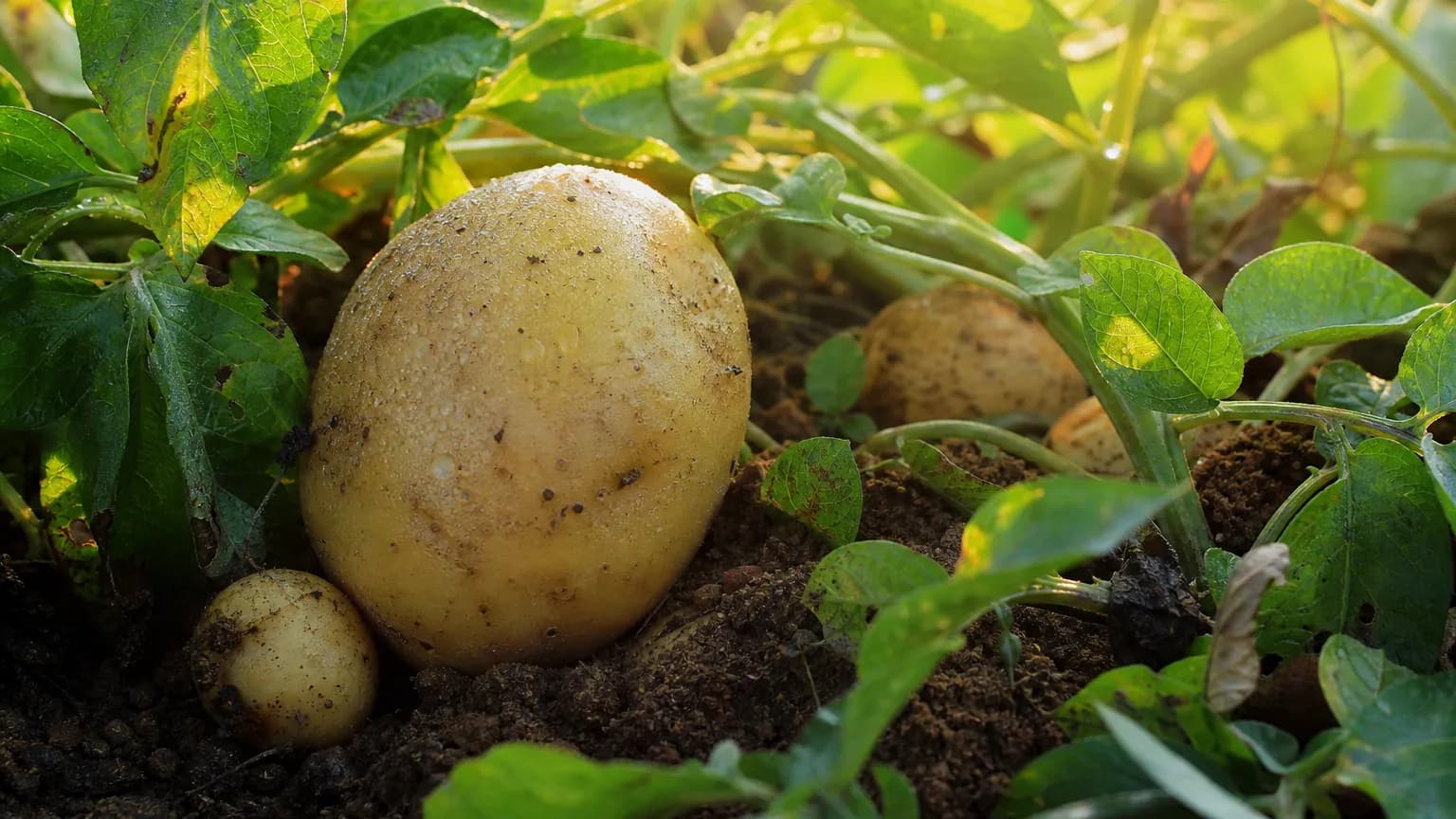
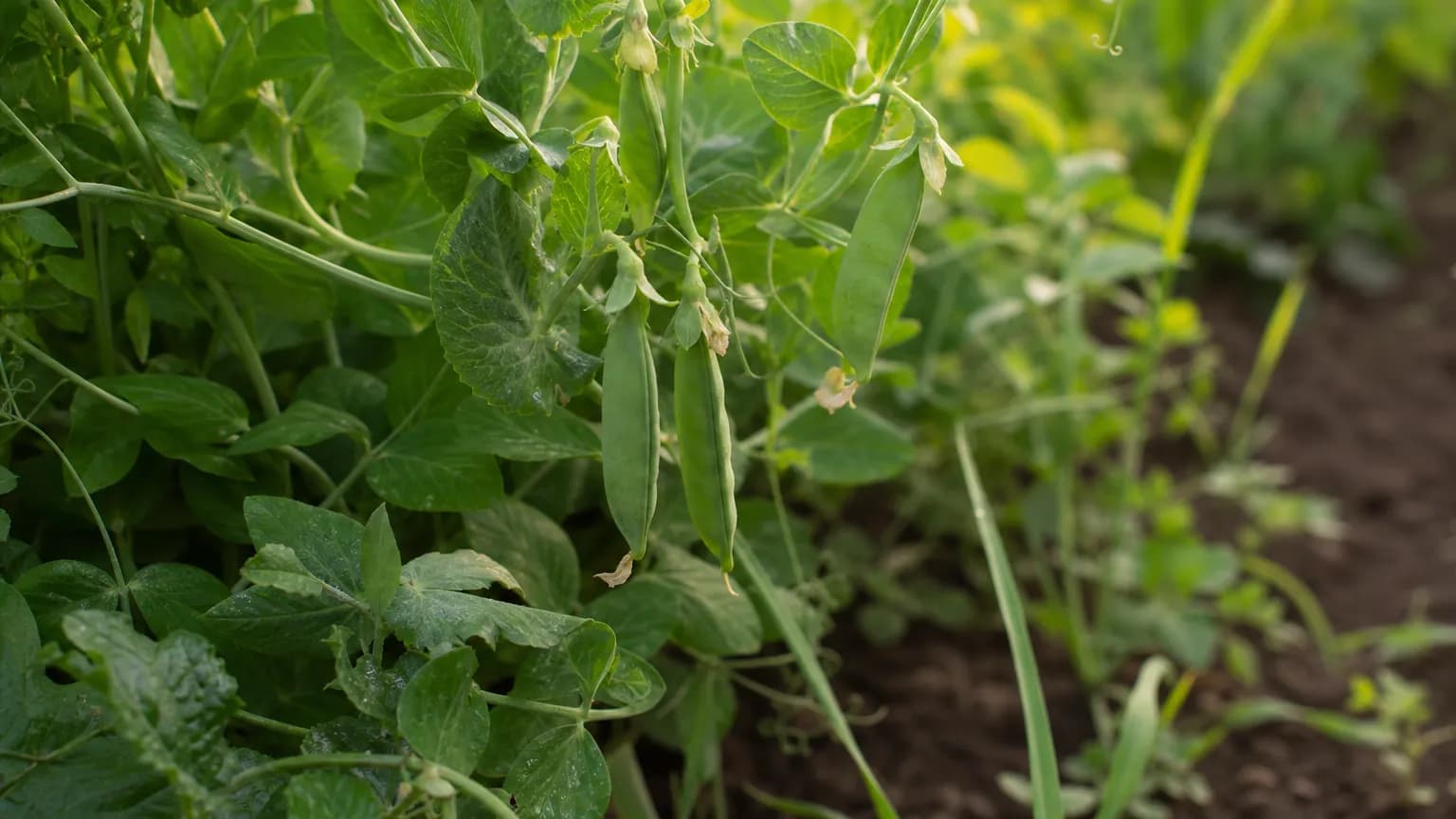
Passende Anbau-Ratgeber
Richtig düngen
Kidneybohnen gedeihen in gut durchlässigem Boden mit einem pH-Wert von 6,0-7,0. Impfen Sie mit dem geeigneten Rhizobium-Inokulum für die Stickstofffixierung. Kein Stickstoffdünger erforderlich. Geben Sie Phosphor und Kalium hinzu, wenn der Boden Mangel aufweist. Mäßige Fruchtbarkeit ist ideal. Gute Drainage ist unerlässlich. Vermeiden Sie schwere, nasse Böden. Hochbeete eignen sich hervorragend für verbesserte Drainage und Bodenwärme.
Ideale Temperatur
Winterhärtezone-Kompatibilität
Von der Saat zur Ernte, Schritt für Schritt
Keimung
Die Samen nehmen in warmem Boden rasch Feuchtigkeit auf und schwellen auf fast die doppelte Größe an. Die Keimwurzel tritt zuerst hervor und verankert den Keimling, gefolgt vom dicken Hypokotyl, das die großen, fleischigen Keimblätter über die Oberfläche schiebt. Kidneybohnen sind epigäische Keimer, was bedeutet, dass die Keimblätter über den Boden steigen und die anfängliche Photosynthese übernehmen.
Keimlingsphase
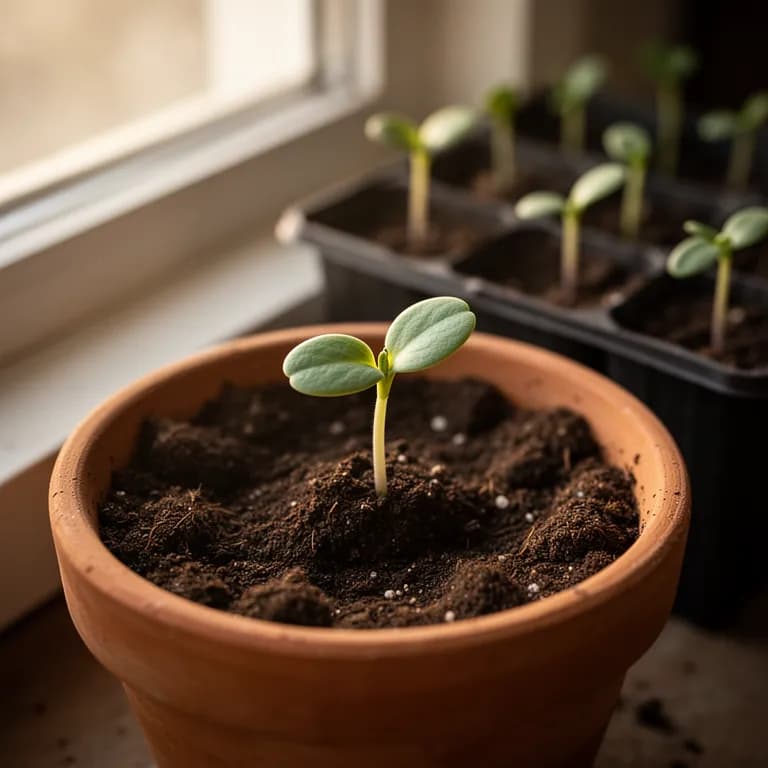
Das erste Paar echter dreiteiliger Blätter entfaltet sich über den Keimblättern, jedes mit drei breiten Blättchen. Rhizobium-Bakterien besiedeln das sich entwickelnde Wurzelsystem und beginnen mit der Bildung stickstofffixierender Knöllchen, die als kleine rosa Beulen an den Wurzeln sichtbar sind. Die Pflanze entwickelt einen kräftigen, aufrechten Stängel.
Vegetatives Wachstum
Buschpflanzen entwickeln sich rasch bis zu ihrer vollen Höhe von 45-60 cm und bilden dichtes dreiteiliges Laub. Die stickstofffixierenden Wurzelknöllchen sind nun voll aktiv und wandeln atmosphärischen Stickstoff in pflanzenverfügbares Ammonium um. Das Blätterdach füllt sich und beginnt, den Boden zwischen den Pflanzen zu beschatten, wodurch das Unkrautwachstum unterdrückt wird.
Blüte
Kleine weiße bis blassrosa Blüten erscheinen in Büscheln an den Blattachseln. Jede Blüte ist selbstbestäubend, wobei Bienenbesuche den Hülsenansatz bescheiden verbessern können. Die Blüte dauert 2-3 Wochen, wobei täglich neue Blüten aufgehen. Dies ist die kritischste Phase für die Bestimmung des endgültigen Ertrags.
Hülsenentwicklung und Füllung
Aus bestäubten Blüten bilden sich Hülsen, die sich auf 12-15 cm verlängern und jeweils 4-8 sich entwickelnde Bohnen enthalten. Die Samen im Inneren wachsen von klein und grün zu ihrer vollen Größe heran und entwickeln ihre charakteristische Nierenform. Die Pflanze lenkt den Großteil ihrer Photosyntheseenergie in die Samenfüllung.
Trocknung und Ernte
Die Hülsen wechseln von grün über gelb zu braun und werden papierartig und brüchig. Die Bohnen im Inneren verhärten sich und entwickeln ihre endgültige tiefrote Farbe (bei roten Kidneysorten). Die gesamte Pflanze vergilbt und stirbt ab, während alle verbleibenden Nährstoffe in die Samen verlagert werden. Die Bohnen schrumpfen leicht und werden bei voller Trocknung sehr hart.
Die Bodentemperatur muss mindestens 16°C (60°F) betragen, um eine zuverlässige Keimung zu gewährleisten — kalter, nasser Boden verursacht Samenfäulnis und lückenhaften Aufgang. Weichen Sie die Samen vor dem Pflanzen nicht ein, da die große Samenschale reißen kann. Halten Sie den Boden gleichmäßig feucht, aber niemals staunass.
Kidneybohne Monat für Monat pflegen
Was du jeden Monat für deine Kidneybohne tun solltest
Oktober
Aktueller MonatSchließen Sie die Trockenbohnenernte ab, wenn 90 % der Hülsen braun und papierartig sind. Dreschen Sie, indem Sie die Hülsen in einem Kissenbezug schlagen oder auf einer Plane stampfen. Worfeln Sie, um die Spreu zu entfernen. Testen Sie die Trockenheit — die Bohnen sollten beim Hineinbeißen sauber zerbrechen. Ziehen Sie verbrauchte Pflanzen und kompostieren Sie gesundes Material.
Immer wissen, was jetzt im Garten zu tun ist
Eine E-Mail zum Monatsanfang: was du jetzt säen, pflanzen und anpacken solltest — für deine Kidneybohne und alles, was drumherum wächst. Dazu ein kurzer Startkurs, der dich vor den klassischen Fehlern bewahrt.
- Was jetzt zu tun ist
- Passend zu deiner Saison
- Startkurs inklusive
Kidneybohne ernten
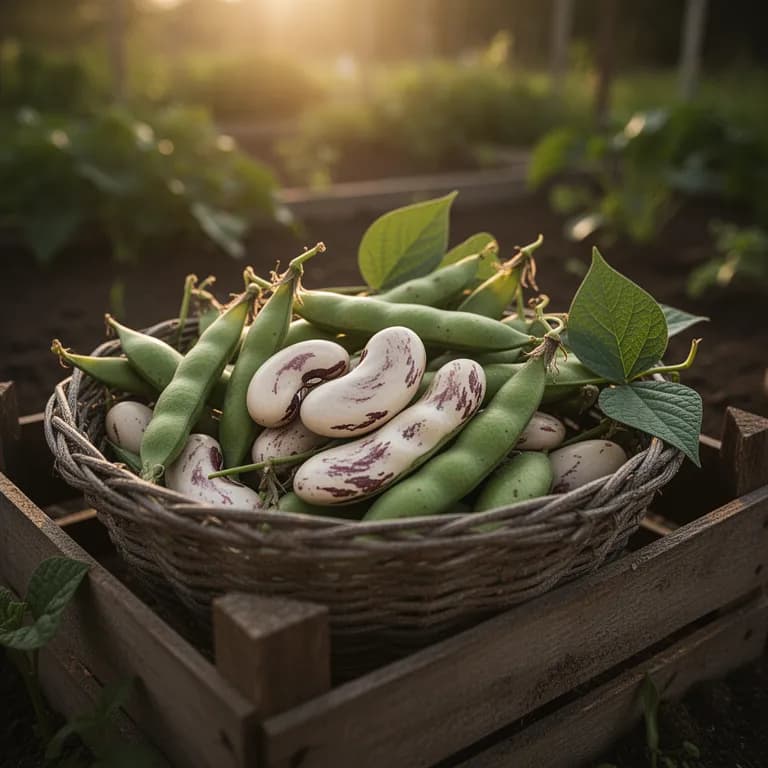
Für trockene Kidneybohnen lassen Sie die Hülsen an den Pflanzen, bis sie braun und papierartig sind, 90-110 Tage nach der Aussaat. Ziehen Sie ganze Pflanzen heraus, wenn die meisten Hülsen trocken sind, und lassen Sie sie 1-2 Wochen unter Dach nachreifen. Dreschen und worfeln Sie, um die Bohnen zu reinigen. Für frische Palbohnen ernten Sie, wenn die Hülsen prall sind, aber noch feucht. Kochen Sie Kidneybohnen immer gründlich; kochen Sie sie mindestens 10 Minuten sprudelnd, um giftige Lektine zu zerstören. Niemals roh oder unzureichend gegart verzehren.
angenommen, du pflanzt zu Beginn des Zeitraums — trage dein tatsächliches Datum ein
Ernte Kidneybohne zügig, dann trägt die Pflanze weiter.
Lagerung & Konservierung
Trocknen Sie Kidneybohnen, bis sie beim Hineinbeißen zerbrechen. Lagern Sie sie in luftdichten Behältern an einem kühlen, trockenen Ort für 2-3 Jahre. Gekochte Kidneybohnen lassen sich bis zu 12 Monate einfrieren. Für haltbare Konserven im Druckkocher einwecken. Vor dem Verzehr oder Konservieren immer vollständig durchkochen. Getrocknete Bohnen können zu Mehl gemahlen werden. Frische Palbohnen sollten innerhalb weniger Tage verbraucht oder blanchiert und eingefroren werden.
Was schiefgeht — und die Lösung
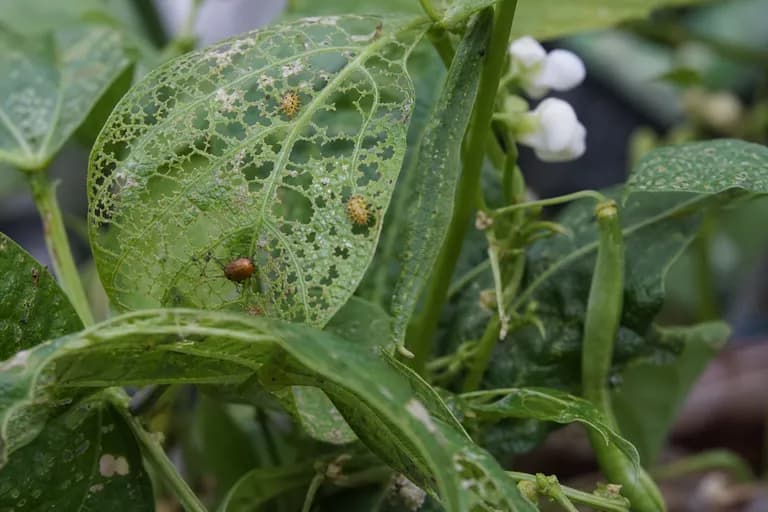
Mexikanischer Bohnenkäfer
SchädlingSkelettierte Blätter, kupferfarbene erwachsene Käfer, orangefarbene stachelige Larven auf den Blattunterseiten.
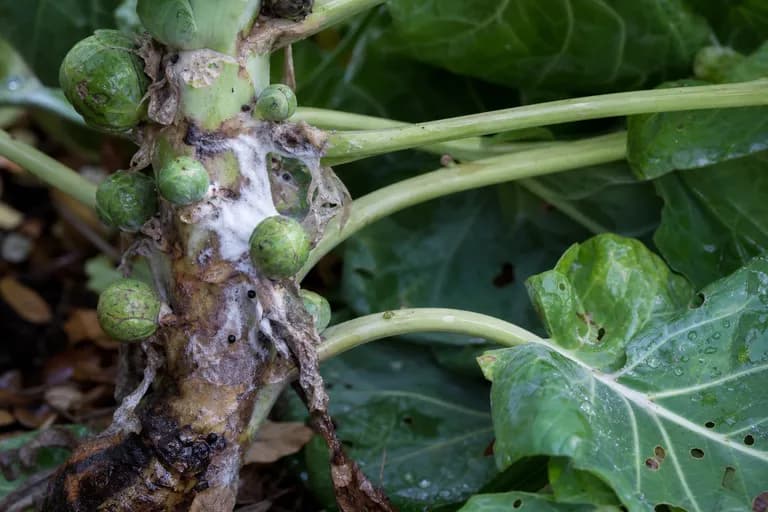
Weißstängeligkeit (Sclerotinia)
KrankheitWeißer, flauschiger Schimmel an Stängeln und Hülsen, besonders bei feuchten Bedingungen. Pflanzen welken und fallen zusammen.
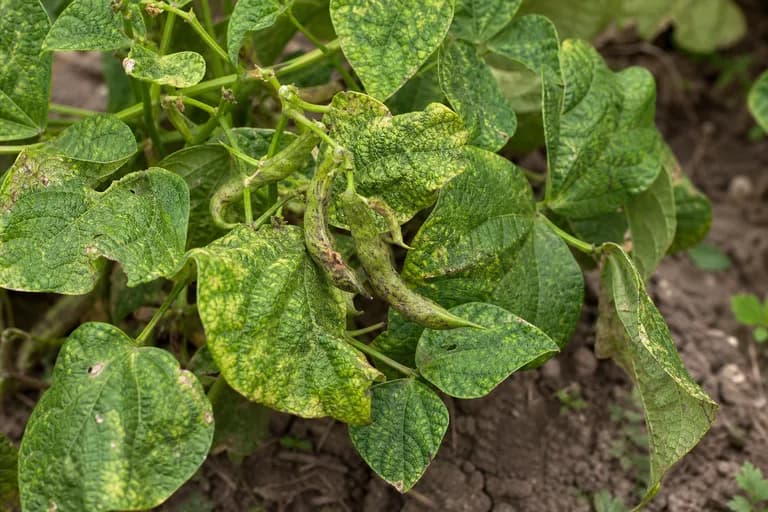
Gewöhnliches Bohnenmosaikvirus
KrankheitGefleckte, gekräuselte Blätter, verkümmertes Wachstum, missgebildete Hülsen, reduzierte Erträge.
Fehlerbehebung bei häufigen Problemen
Kidneybohnen müssen IMMER gründlich gekocht werden (mindestens 10 Minuten sprudelnd kochen); rohe Bohnen enthalten giftige Lektine. Schongarer erreichen möglicherweise keine ausreichende Temperatur, um die Giftstoffe zu zerstören; immer vorher aufkochen. Die längere Reifezeit als bei vielen anderen Bohnen stellt Regionen mit kurzer Vegetationsperiode vor Herausforderungen. Weißstängeligkeit bei feuchten Bedingungen; sorgen Sie für gute Luftzirkulation. Kalter, nasser Boden verursacht schlechte Keimung; warten Sie auf warme Bedingungen.
Anbautipps
- Impfen Sie die Samen vor dem Pflanzen immer mit dem richtigen Rhizobium-Stamm. Wenn Kidneybohnen noch nie in Ihrem Boden angebaut wurden, fehlen möglicherweise die spezifischen Bakterien, die für die Stickstofffixierung benötigt werden. Inokulum kostet nur wenige Euro und verbessert die Pflanzengesundheit und den Ertrag dramatisch.
- Weichen Sie Kidneybohnensamen vor dem Pflanzen nicht ein — anders als bei vielen anderen Bohnen kann die große Samenschale der Kidneybohne beim Einweichen reißen, was die Keimung verringert. Pflanzen Sie in gleichmäßig feuchten (nicht staunassen) Boden und lassen Sie die Samen allmählich im Boden Wasser aufnehmen.
- Planen Sie Ihre Pflanzung so, dass Sie Extreme an beiden Enden vermeiden. Der Boden muss mindestens 16°C (60°F) für die Keimung haben, aber Temperaturen über 32°C (90°F) während des kritischen Blühfensters verursachen Blütenabwurf. In heißen Klimazonen pflanzen Sie früh, damit die Blüte vor der Hochsommerhitze erfolgt.
- Kidneybohnen haben eine längere Reifezeit (90-110 Tage) als viele andere Trockenbohnen. In Gebieten mit kurzer Vegetationsperiode (Zonen 4-5) wählen Sie früher reifende Sorten wie Light Red Kidney (90 Tage) statt Dark Red Kidney (95-100 Tage), um eine vollständige Trocknung vor dem Frost sicherzustellen.
- Bringen Sie niemals Stickstoffdünger auf Kidneybohnen oder andere Hülsenfrüchte auf. Überschüssiger Stickstoff fördert üppiges vegetatives Wachstum auf Kosten von Blüten und Hülsen und unterdrückt die Bildung stickstofffixierender Knöllchen durch die Rhizobium-Bakterien. Verwenden Sie nur Phosphor und Kalium, wenn Bodentests einen Bedarf anzeigen.
- Bewässern Sie während der Blüte und Hülsenfüllung gleichmäßig, vermeiden Sie jedoch Überkopfbewässerung um jeden Preis. Nasses Laub fördert Anthraknose, bakteriellen Befall und Weißstängeligkeit — die drei zerstörerischsten Krankheiten der Kidneybohne. Verwenden Sie Tropfbewässerung oder Sickerchläuche auf Bodenniveau.
- Für die Trockenbohnenernte ist das Timing entscheidend. Ziehen Sie ganze Pflanzen, wenn 90 % der Hülsen trocken sind, anstatt auf die allerletzte Hülse zu warten. Trocknen Sie unter Dach auf Gittern oder aufgehängt an Dachsparren für 1-2 Wochen, dann dreschen und worfeln Sie. Bohnen, die zu lange auf dem Feld bleiben, können aus den Hülsen fallen und verloren gehen.
- Wechseln Sie Kidneybohnen mit Nicht-Hülsenfrucht-Kulturen in einem mindestens 3-jährigen Zyklus, um Krankheitszyklen zu unterbrechen, insbesondere Weißstängeligkeit (Sclerotinia), die als harte schwarze Sklerotien mehrere Jahre im Boden überdauert. Nach Bohnen Mais oder Kürbis anzubauen ist eine ausgezeichnete Fruchtfolge.
Bau deine beste Kidneybohne an — und alles drumherum.
Starte heute kostenlos. Lege deine Beete an, setze deine Kidneybohne ein und lass PlotMyGarden Timing, Abstände, Begleiter und Erinnerungen von der Saat bis zum Erntekorb übernehmen.
Finde deine Kidneybohne
Dark Red Kidney
Klassische dunkelrote Kidneybohne für Chili und rote Bohnen mit Reis. Reichhaltiger, voller Geschmack. 95 Tage.
Light Red Kidney
Hellere rosa-rote Farbe mit etwas milderem Geschmack. Beliebt in Suppen und Salaten. 90 Tage.
Cannellini (Weiße Kidney)
Italienische weiße Kidneybohne mit cremiger Textur. Unverzichtbar für Minestrone und italienische Gerichte.
Eine einzelne Packung Kidneybohnensamen (3-5 €) bepflanzt eine 6-Meter-Reihe mit einem Ertrag von 4-8 kg getrockneter Bohnen — das entspricht 10-20 Dosen Kidneybohnen zu je 1,50-2,50 €, was 15-50 € Ersparnis durch ein Samentütchen bedeutet. Getrocknete Kidneybohnen aus dem eigenen Garten halten 2-3 Jahre, und die Qualität sowie der Geschmack frisch geernteter Bohnen übertrifft alles im Handel Erhältliche bei Weitem. Für Familien, die regelmäßig Chili, Suppen und Bohnengerichte zubereiten, gehören Kidneybohnen zu den Kulturen mit dem höchsten Ertrag im gesamten Garten.
Schnelle Rezepte
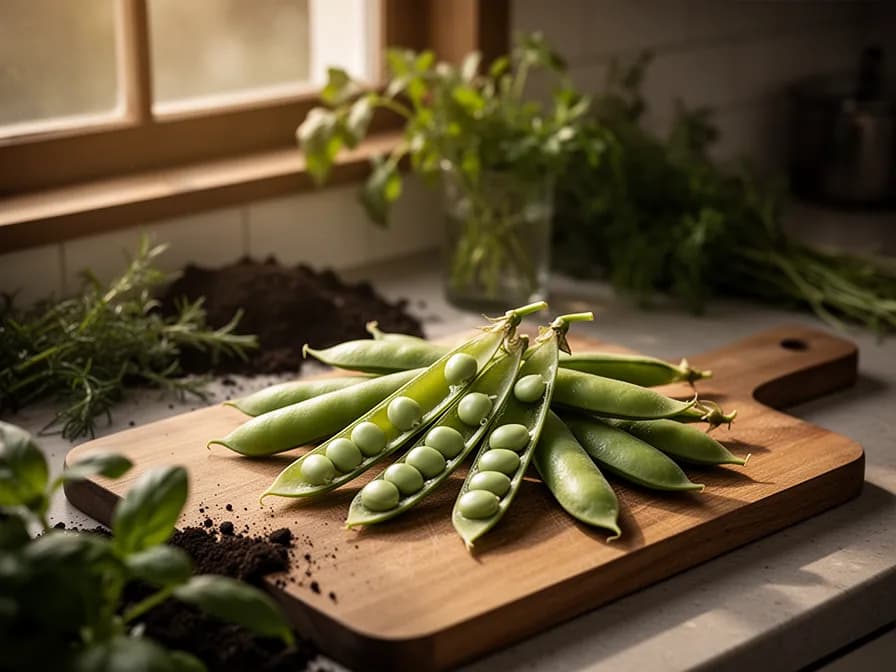
Klassisches Drei-Bohnen-Chili
45 Min.Ein herzhaftes, intensiv gewürztes Chili, bei dem Kidneybohnen zusammen mit Pinto- und schwarzen Bohnen die Hauptrolle spielen. Die Kombination aus Kreuzkümmel, Chilipulver und geräuchertem Paprika baut Schichten von Wärme auf, während Tomaten eine reichhaltige, komplexe Brühe bilden.
12 ZutatenRajma (Indisches Kidneybohnen-Curry)
40 Min.Ein beliebtes nordindisches Wohlfühlgericht aus Kidneybohnen, langsam geschmort in einer aromatischen Tomaten-Zwiebel-Soße mit Garam Masala, serviert über gedämpftem Basmatireis. Das ultimative preiswerte, proteinreiche Abendessen unter der Woche.
12 ZutatenToskanische Weiße-Bohnen-Grünkohl-Suppe
35 Min.Eine einfache, rustikale italienische Suppe mit weißen Kidneybohnen (Cannellini), geschmort mit Schwarzkohl, Knoblauch und Parmesanrinde für eine tief würzige, nährende Schüssel, die in weniger als 40 Minuten zubereitet ist.
9 ZutatenKulinarische Verwendung
Kidneybohnen sind unverzichtbar in Chili con Carne, roten Bohnen mit Reis und indischem Rajma. Fügen Sie sie Minestrone und deftigen Suppen hinzu. Verwenden Sie sie im Drei-Bohnen-Salat. Pürieren Sie sie für Bohnenmus oder Bohnendip. Die feste Textur behält ihre Form in Salaten und Aufläufen. Weiße Kidneybohnen (Cannellini) sind italienische Grundzutaten in Suppen und Pastagerichten. Kochen Sie sie vor jeder Zubereitungsmethode immer mindestens 10 Minuten sprudelnd.
Was drinsteckt
Gesundheitsvorteile
- Kidneybohnen gehören zu den reichhaltigsten pflanzlichen Proteinquellen mit 8,7 g pro 100 g gekocht und liefern essenzielle Aminosäuren, die Getreide ergänzen, um vollständige Proteine zu bilden — die Grundlage des Reis-und-Bohnen-Ernährungsmusters, das in Küchen weltweit zu finden ist.
- Der außergewöhnlich hohe Ballaststoffgehalt (6,4 g pro 100 g gekocht) umfasst sowohl lösliche Ballaststoffe, die aktiv den LDL-Cholesterinspiegel senken, als auch unlösliche Ballaststoffe, die die Verdauungsregelmäßigkeit fördern und die nützliche Darmmikrobiota ernähren.
- Reich an Folsäure (B9) mit 33 % des Tageswertes pro 100 g unterstützen Kidneybohnen die DNA-Synthese und Zellteilung — besonders wichtig während der Schwangerschaft zur Vorbeugung von Neuralrohrdefekten.
- Eine ausgezeichnete Quelle für Nicht-Häm-Eisen (2,9 mg pro 100 g), das den Sauerstofftransport im Blut unterstützt. Die Kombination von Kidneybohnen mit Vitamin-C-reichen Lebensmitteln wie Tomaten im Chili verbessert die Eisenaufnahme erheblich.
- Kidneybohnen haben einen niedrigen glykämischen Index (24-29) durch ihre Kombination aus Protein, Ballaststoffen und resistenter Stärke, was eine allmähliche Blutzuckerreaktion erzeugt, die Menschen mit Typ-2-Diabetes oder Insulinresistenz zugutekommt.
- Enthalten bedeutende Mengen an antioxidativen Polyphenolen, insbesondere in dunkelroten Sorten — Forschungen haben gezeigt, dass je tiefer die Farbe der Bohne, desto höher die Konzentration an Anthocyanen und anderen schützenden Verbindungen.
Woher Kidneybohne stammt
Kidneybohnen (Phaseolus vulgaris) wurden unabhängig voneinander in zwei getrennten Ursprungszentren domestiziert: in den Anden Südamerikas (dem heutigen Peru, Bolivien und Argentinien) und im Hochland Mesoamerikas (dem heutigen Mexiko und Guatemala). Archäologische Funde aus Höhlen in den Anden datieren den Kidneybohnenanbau auf mindestens 6000 v. Chr., während der mesoamerikanische Anbau etwa im gleichen Zeitraum begann. Die beiden Genpools brachten verschiedene Bohnentypen hervor — andine Bohnen sind tendenziell großsamig (darunter Kidneybohnen, Cranberry-Bohnen und Stangenbohnentypen), während mesoamerikanische Bohnen generell kleiner sind (Navy-, Pinto- und schwarze Bohnen).
Spanische und portugiesische Entdecker brachten Bohnen Ende des 15. und Anfang des 16. Jahrhunderts nach Europa zurück, wo sie sich schnell über den Mittelmeerraum, Afrika und Asien verbreiteten. Die große, farbenfrohe Kidneybohne wurde besonders in Südeuropa und Indien beliebt, wo sie eine wichtige Proteinlücke in der vegetarischen Ernährung füllte. In Indien wurden Kidneybohnen (Rajma) zu einem kulinarischen Eckpfeiler der Punjabi- und nordindischen Küche, der den Linsen als wichtigste Hülsenfrucht im täglichen Kochen Konkurrenz machte.
In den Amerikas blieben Kidneybohnen als Teil der Drei-Schwestern-Anbaumethode zusammen mit Mais und Kürbis zentral für indigene Agrarsysteme — eine ausgeklügelte Mischkultur, die vollständige Ernährung bot, die Bodenfruchtbarkeit aufbaute und die Erträge auf kleinen Flächen maximierte. Europäische Kolonisten übernahmen Bohnen von indigenen Bauern, und Kidneybohnen wurden zu einem Grundnahrungsmittel der Grenzlandküche, der Cowboy-Feldküchen und schließlich ikonischer Gerichte wie Chili con Carne und rote Bohnen mit Reis. Heute werden Kidneybohnen auf jedem bewohnten Kontinent angebaut, mit bedeutender Produktion in Indien, Brasilien, Myanmar, den Vereinigten Staaten, China und Ostafrika. Die weltweite Jahresproduktion übersteigt 25 Millionen Tonnen, was gewöhnliche Bohnen zur wichtigsten Speisehülsenfrucht der Welt macht.
Kidneybohne: Schon gewusst?
Faszinierende Fakten über Kidneybohne
Kidneybohnen verdanken ihren Namen ihrer auffallenden Ähnlichkeit mit einer menschlichen Niere — die gebogene, leicht abgeflachte Form und die tiefe Burgunderfarbe spiegeln das Organ so genau wider, dass die botanische Welt den Namen vor Jahrhunderten übernahm.
Kidneybohne: Fragen & Antworten
Wann sollte ich Kidneybohne pflanzen?
Was sind gute Begleitpflanzen für Kidneybohne?
In welchen Winterhärtezonen kann Kidneybohne wachsen?
Wie viel Sonne braucht Kidneybohne?
Welchen Abstand sollte ich zwischen Kidneybohne lassen?
Welche Schädlinge und Krankheiten befallen Kidneybohne?
Wie lagere ich Kidneybohne nach der Ernte?
Was sind die besten Kidneybohne-Sorten zum Anbauen?
Welchen Boden braucht Kidneybohne?
Muss ich mir wegen der Giftigkeit von selbst angebauten Kidneybohnen Sorgen machen?
Kann ich Kidneybohnen im Topf anbauen?
Was ist der Unterschied zwischen frischen Palbohnen und Trockenbohnen?
Warum blühen meine Kidneybohnen, setzen aber keine Hülsen an?
Wie lange halten selbst angebaute getrocknete Kidneybohnen bei Lagerung?
Sollte ich Saatgut von meinen Kidneybohnenpflanzen für nächstes Jahr aufheben?
Du hast die Theorie gelesen. Jetzt baue sie auf Autopilot an.
Alles, was Kidneybohne knifflig macht — das Timing, die Abstände, die Begleiter, das Erntefenster — genau das übernimmt PlotMyGarden für dich, für jede Pflanze im Garten.
Ein Plan, der dein Wetter kennt
Standort einmal festlegen. Aussaat-, Dünge- und Erntedaten rund um deinen echten letzten Frosttermin und die Live-Vorhersage — kein Raten mehr nach Saattüte.
Aus dem Abschnitt „Pflanzzeit“Beetplaner per Drag & Drop
Beete auf einem Raster gestalten. Jede Pflanze rastet im richtigen Abstand ein, und du siehst die ganze Saison, bevor du einen Cent für Saatgut ausgibst.
Aus dem Abschnitt „Anbau“Begleiter-Konflikte früh erkannt
Über 200 gute und schlechte Kombinationen werden beim Pflanzen live geprüft — so landet ein saisonruinierender Fehler nie in der Erde.
Aus dem Abschnitt „Begleiter“Erinnerungen, nach denen du wirklich handelst
„Gieß die Bohnen.“ „Heute ernten, bevor's umschlägt.“ Pünktlich, konkret und auf deine echten Pflanzen bezogen.
Aus dem Abschnitt „Ernte“Staffel-Aussaat, geplant
Sechs Wochen ernten statt sechs Tage? Die App verteilt deine Aussaaten automatisch und erinnert dich, wenn der nächste Satz fällig ist.
Aus dem Abschnitt „Pflanzzeit“Ein Verlauf, der schlauer wird
Jede protokollierte Ernte bringt der App deinen Garten bei. Der Plan fürs nächste Jahr startet bei dem, was in deinem Boden wirklich funktioniert hat.
Aus dem Abschnitt „Überblick“Pflanze diese neben Kidneybohne
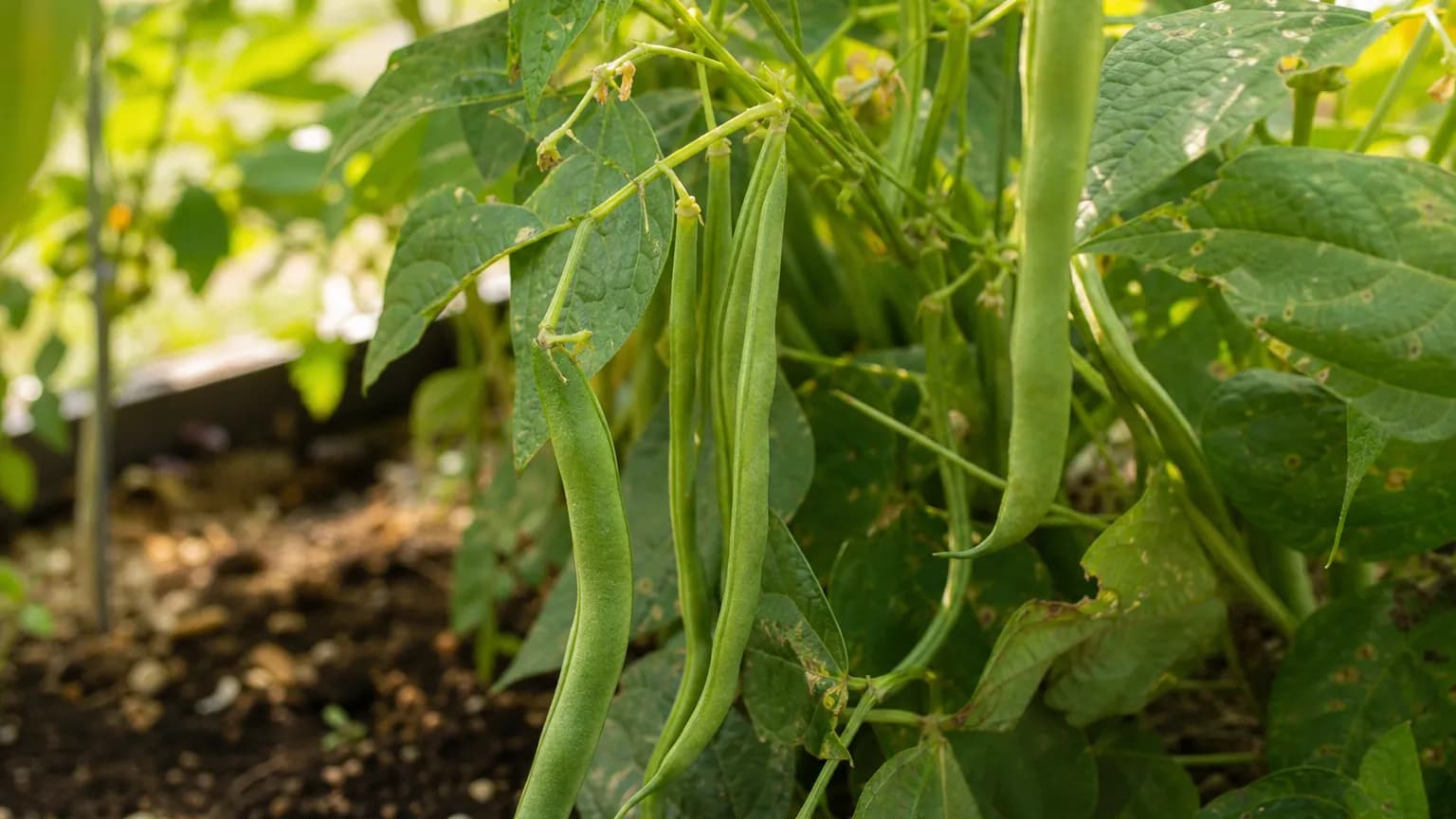
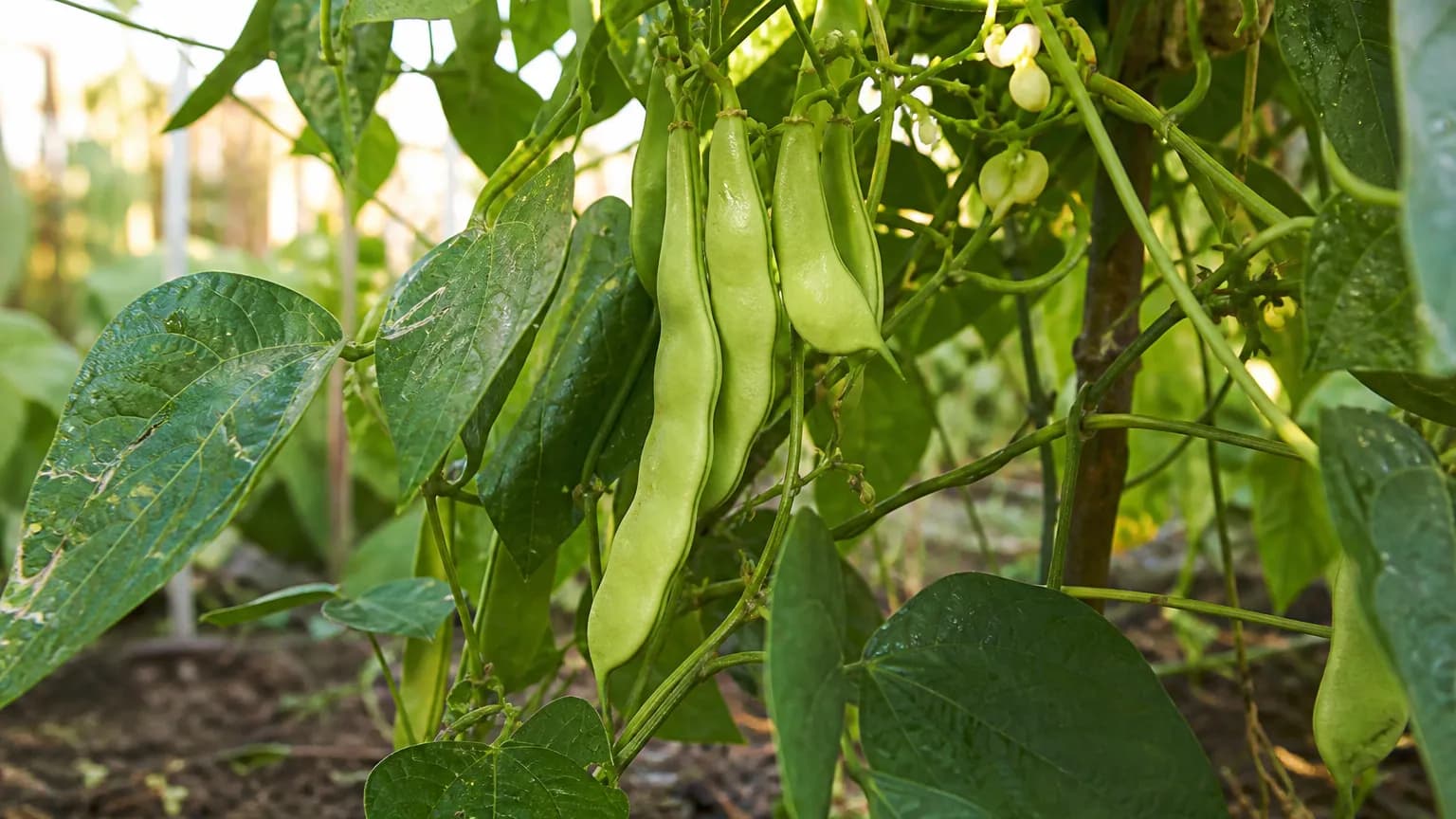
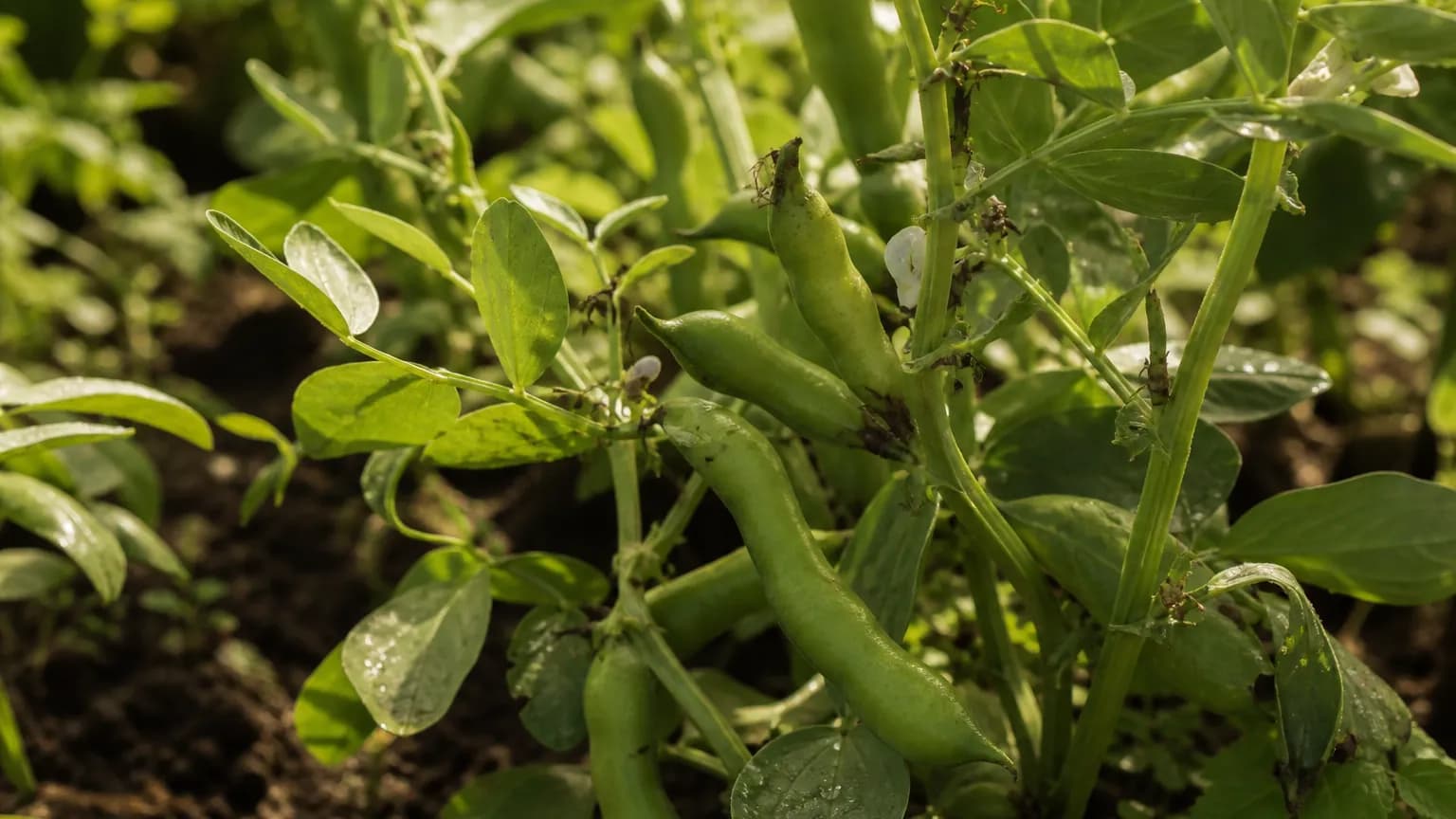
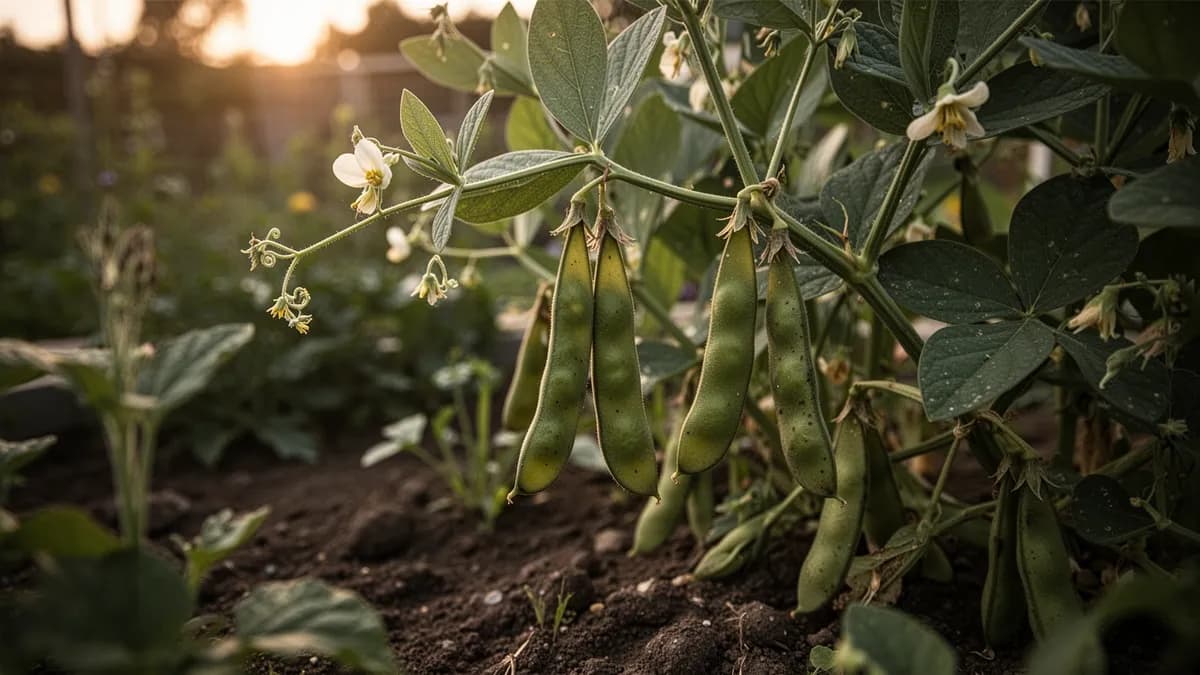
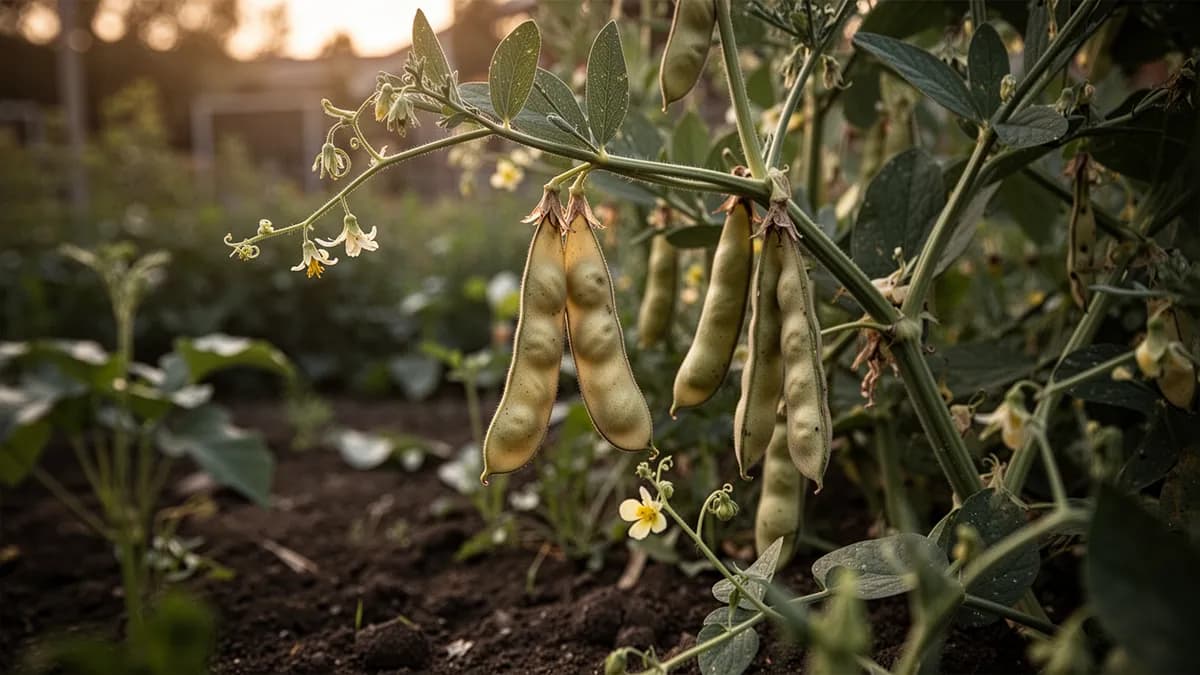
Weitere Hülsenfrüchte
Halte Kidneybohne von diesen fern
Bau deine beste Kidneybohne an — und alles drumherum.
Starte heute kostenlos. Lege deine Beete an, setze deine Kidneybohne ein und lass PlotMyGarden Timing, Abstände, Begleiter und Erinnerungen von der Saat bis zum Erntekorb übernehmen.