Arándano silvestre
Una baya de tipo silvestre, nativa del oeste de Norteamérica y muy apreciada por su sabor intenso y complejo, superior al de los arándanos cultivados.





En esta páginaResumen
Conoce Arándano silvestre
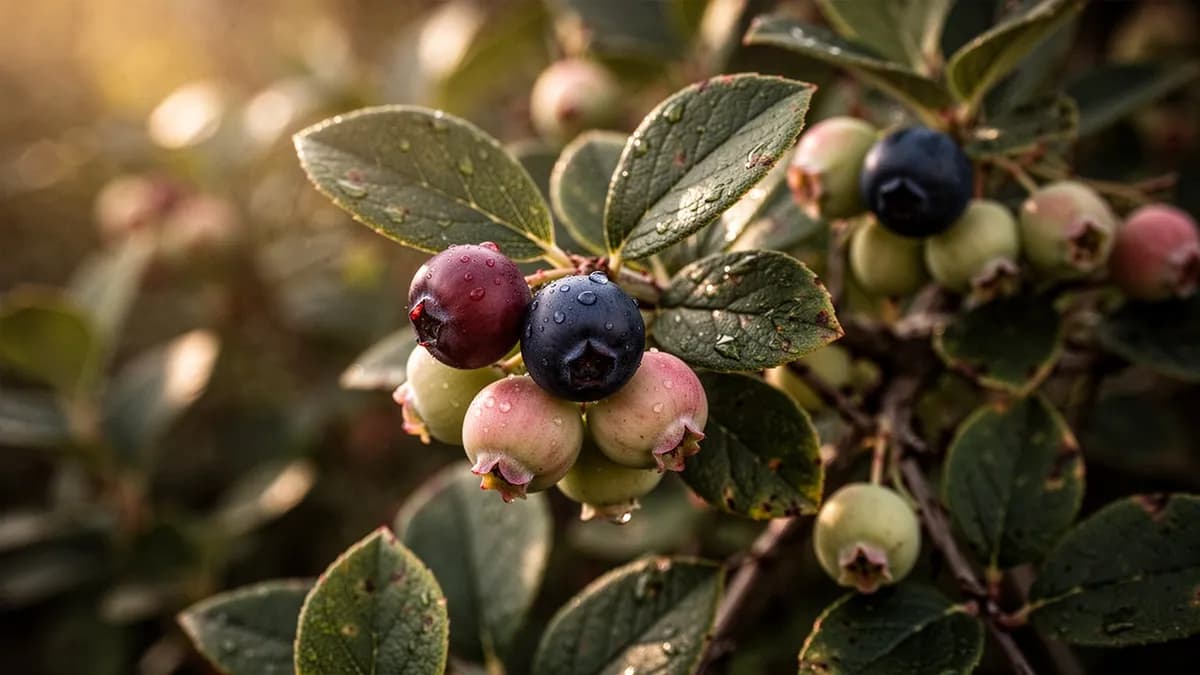
Una baya de tipo silvestre, nativa del oeste de Norteamérica y muy apreciada por su sabor intenso y complejo, superior al de los arándanos cultivados. Los huckleberries son notoriamente difíciles de cultivar de forma comercial y crecen mejor en suelos forestales ácidos con luz tamizada. Tardan en establecerse, pero son longevos y, con el tiempo, producen cosechas generosas de bayas pequeñas y muy aromáticas.
Cuándo plantar Arándano silvestre
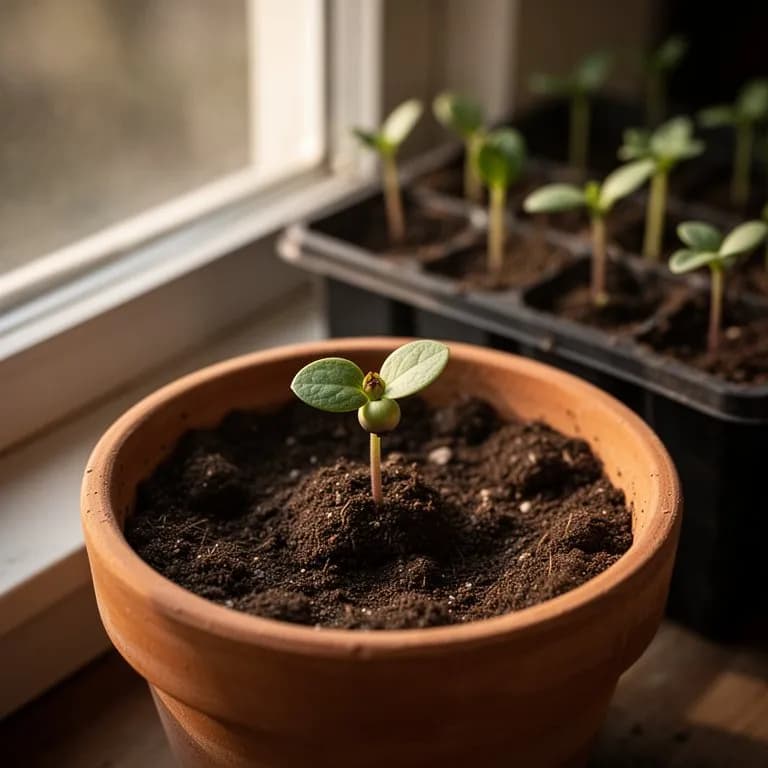
Las semillas de huckleberry necesitan estratificación en frío para germinar de manera fiable. Recolecte semillas de bayas maduras machacando la fruta en agua y retirando la pulpa. Seque las semillas y mézclelas con arena húmeda en una bolsa cerrada, para luego refrigerarlas entre 90 y 120 días. Siembre las semillas estratificadas sobre la superficie de un sustrato ácido para semilleros, presionándolas ligeramente sin cubrirlas, ya que necesitan luz para germinar. Mantenga una humedad constante y temperaturas de alrededor de 18 a 21 °C. La germinación es lenta e irregular y tarda de cuatro a ocho semanas. Las plántulas crecen muy despacio y deben permanecer en maceta al menos un año antes del trasplante.
Tu año de Arándano silvestre
Ajustado a Zona 7 · temporada típica · la helada se va hacia el 2 abr y vuelve hacia el 1 nov
Planta Arándano silvestre Mar – Abr y cosecha Jul – Ago. Consulta los métodos de plantación y elige tu clima para adaptar los periodos.
Cómo cultivar Arándano silvestre
Los huckleberries son plantas de bosque que prosperan en condiciones que imitan su hábitat forestal nativo. Elija un lugar con sombra tamizada o sol de mañana y sombra de tarde, bajo coníferas o árboles caducifolios. El suelo debe ser ácido, con un pH entre 4.5 y 5.5, rico en materia orgánica y constantemente húmedo pero con buen drenaje. Enmiende el área de plantación con abundante corteza de pino compostada, turba y mantillo de hojas para reproducir el suelo rico en humus del bosque.
Plante huckleberries en contenedor a comienzos de la primavera, separándolos unos 90 cm entre sí. Cave hoyos el doble de anchos que el cepellón y rellene con suelo enmendado. Riegue a fondo después de plantar y aplique una capa de 10 cm de mantillo de agujas de pino o corteza para conservar la humedad y mantener la acidez. Los huckleberries se establecen lentamente y, a menudo, necesitan dos o tres años antes de producir fruta significativa.
Una vez establecidos, requieren muy pocos cuidados más allá de una humedad constante y abonado ocasional con un fertilizante acidificante a comienzos de la primavera. Evite las podas fuertes; en su lugar, retire solo las ramas muertas o cruzadas a finales del invierno. Estos arbustos longevos pueden producir durante décadas una vez que su sistema radicular está bien desarrollado. La paciencia es esencial, ya que los huckleberries cultivados comercialmente siguen siendo raros debido a su crecimiento lento y a sus requisitos de hábitat específicos.
2 plantas caben en un bancal de 120 × 240 cm
Cada Arándano silvestre pide 90 cm de margen. El planificador guarda ese marco por ti — cada planta, cada bancal.
Los mejores vecinos de Arándano silvestre
Los huckleberries crecen de forma natural junto a otras plantas forestales amantes de la acidez. Rododendros, azaleas y helechos son excelentes compañeros y crean una plantación de sotobosque de aspecto natural. Los arándanos comparten necesidades de suelo similares y atraen a los mismos polinizadores. El salal y la uva de Oregón aportan una cobertura del suelo complementaria. Evite plantar cerca de nogales, que producen juglona, tóxica para muchas ericáceas. Las coníferas sobre la planta proporcionan una luz tamizada ideal.
Arándano va a su lado.
Saber de huerto de siempre, cotejado con la tabla real de Arándano silvestre — prueba cualquier planta que cultives.
Prueba Arándano silvestre en un bancal, aquí mismo
Un bancal real del planificador con Arándano silvestre ya plantado. Toca una planta compañera para colocarla y mira cómo responde la comprobación de vecinos: verde para buenos vecinos, rojo si hay conflicto.


Guías de cultivo relacionadas
Abónalo bien
Los huckleberries exigen un suelo muy ácido, con pH de 4.5 a 5.5, rico en materia orgánica. Enmiende los bancales con azufre, turba y corteza de pino compostada para alcanzar y mantener la acidez adecuada. Aplique a comienzos de la primavera un fertilizante acidificante, como harina de semilla de algodón o sulfato de amonio, en una dosis baja. Evite la cal y los fertilizantes alcalinos. Aporte cada año una capa superficial de agujas de pino compostadas o mantillo de hojas para mantener la materia orgánica y seguir acidificando el suelo de forma natural.
Temperatura ideal
Compatibilidad de zonas de rusticidad
De la semilla a la cosecha, etapa por etapa
Dormancia y brotación
Los arbustos de huckleberry pasan el invierno en dormancia total, con yemas hinchadas pegadas firmemente a los tallos leñosos. A medida que la temperatura del suelo supera los 5 °C a comienzos o mediados de la primavera, las yemas se hinchan y comienzan a abrirse. El brote nuevo suele mostrar un característico color rojo o bronce antes de volverse verde. Esta fase marca el inicio del ciclo productivo anual de la planta.
Expansión de hojas y tallos
Las hojas nuevas se despliegan con rapidez y pasan de tonos bronce-rojizos a un verde brillante. El arbusto completa su estructura con follaje fresco. Las yemas florales, formadas el otoño anterior, se hacen visibles como pequeñas estructuras redondeadas distintas de las yemas vegetativas en los tallos de la temporada actual.
Floración
Racimos de pequeñas flores en forma de urna cuelgan delicadamente de las axilas de las hojas, con colores que van del blanco al rosa pálido. La polinización corre principalmente a cargo de abejorros nativos y abejas solitarias. La polinización cruzada entre dos o más plantas de la misma especie mejora de forma notable el cuajado y el tamaño de la fruta. Las heladas durante esta fase pueden arruinar la cosecha de toda la temporada.
Desarrollo del fruto
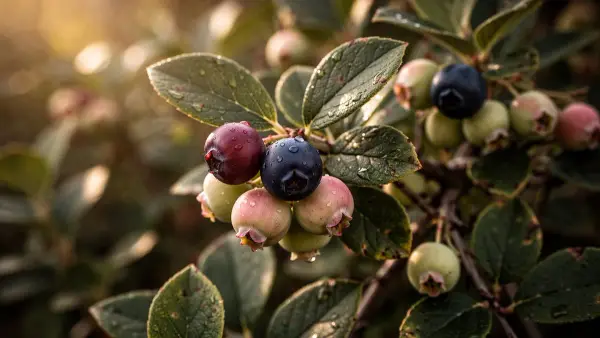
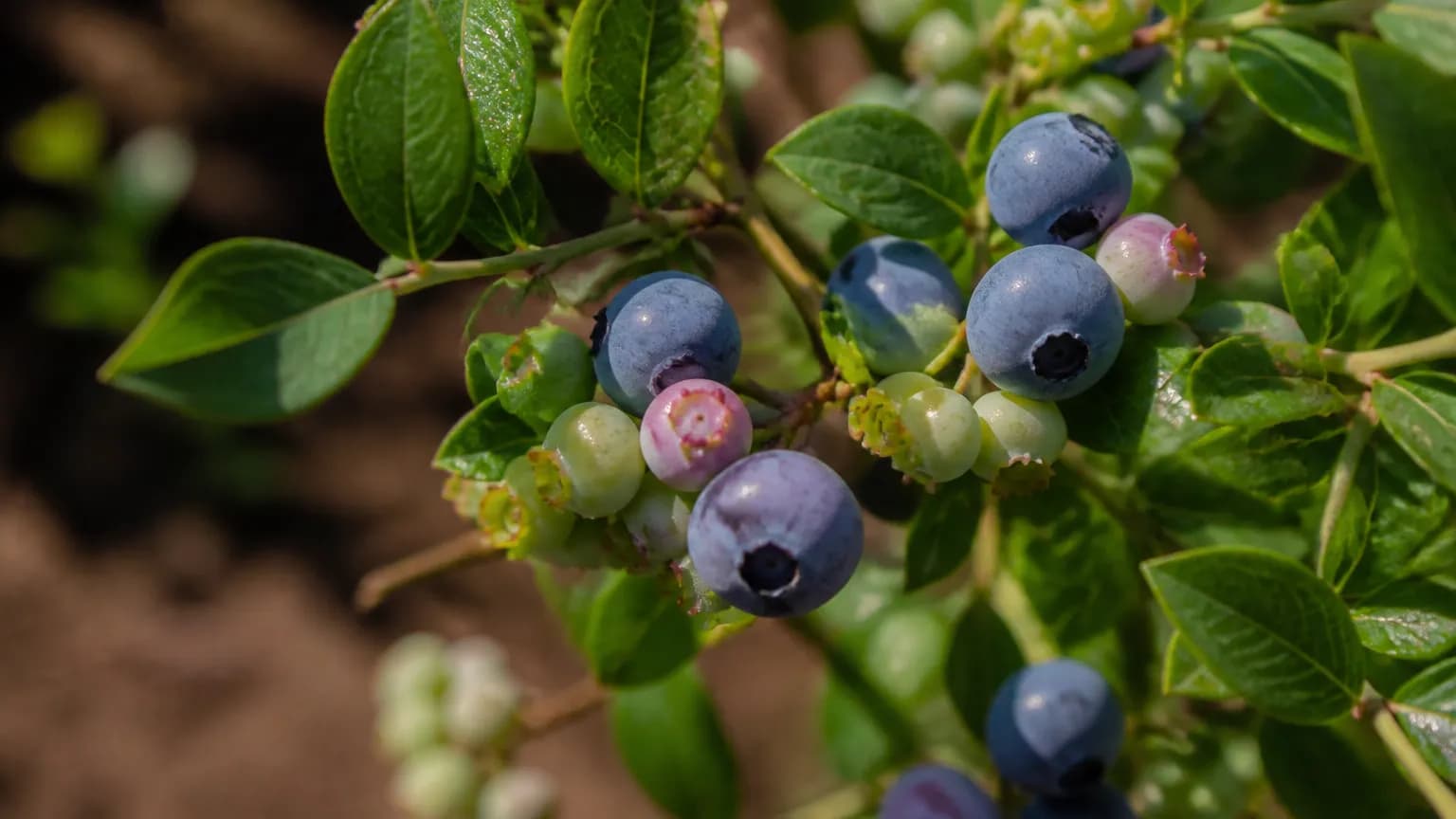
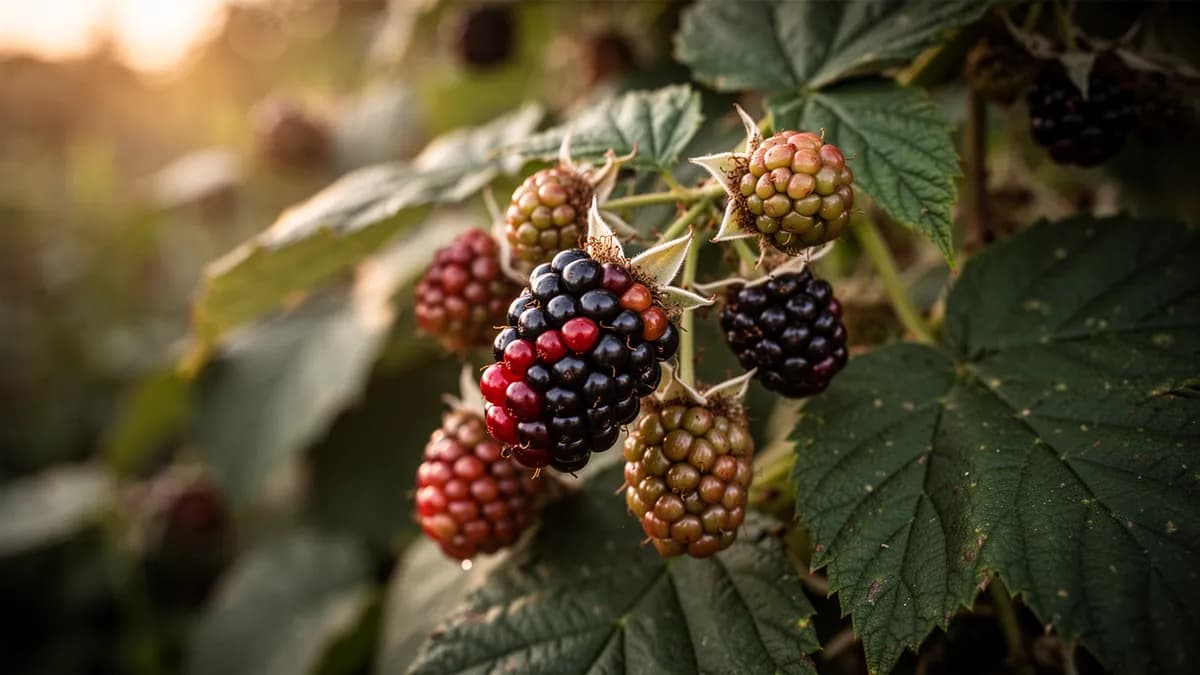
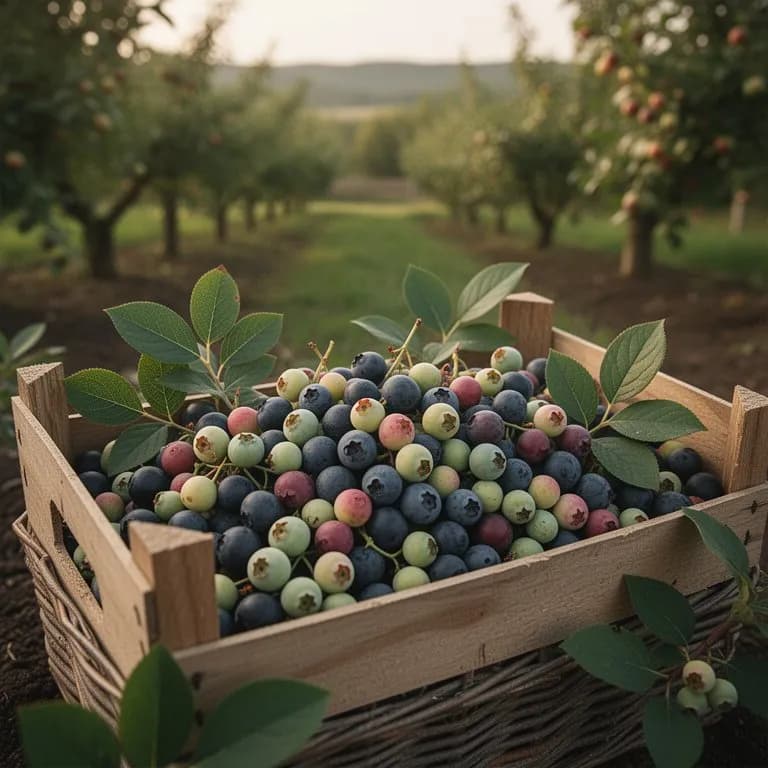
Las flores polinizadas se convierten en pequeñas bayas verdes redondas que van aumentando de tamaño durante 6 a 8 semanas. Las bayas comienzan a cambiar de color de verde a rojo y, finalmente, a morado profundo, azul negruzco o negro, según la especie. Los niveles de azúcar aumentan con rapidez en las dos últimas semanas de maduración, a medida que los almidones se transforman.
Madurez de cosecha
Las bayas alcanzan su color completo, tamaño turgente y máxima concentración de azúcar. La fruta madura se separa fácilmente del tallo con un tirón suave y tiene un sabor profundo y complejo que mezcla notas dulces, ácidas y terrosas, mucho más intenso que el de los arándanos cultivados. La ventana de cosecha suele ser de 2 a 4 semanas por arbusto, y las bayas maduran progresivamente desde la base de las ramas hacia arriba.
Poscosecha y color otoñal
Después de fructificar, la planta empieza a formar yemas florales para la cosecha del año siguiente y almacena carbohidratos en su sistema radicular. El follaje pasa a tonos espectaculares de carmesí, naranja y dorado en otoño. Esta etapa es crítica para la productividad del año siguiente, por lo que las plantas no deben sufrir estrés por sequía ni por exceso de nitrógeno al final de la temporada.
Dormancia invernal
El huckleberry pierde las hojas y entra en dormancia completa a medida que bajan las temperaturas. La estructura leñosa queda visible y la energía de la planta se concentra en las raíces y las yemas latentes. La mayoría de las especies de huckleberry del género Vaccinium son extremadamente resistentes al frío y toleran temperaturas muy por debajo de -20 °C en sus hábitats montañosos nativos.
Aplique una capa ligera de compost ácido o de finos de corteza de pino envejecida alrededor de la línea de goteo en cuanto las yemas empiecen a hincharse. No altere las raíces superficiales. Si las plantas están en contenedor, reanude el riego cuando el crecimiento se reactive, pero no empape un suelo frío y en reposo.
Cuidar Arándano silvestre mes a mes
Qué hacer cada mes para tu Arándano silvestre
Octubre
Mes actualDisfrute del espectacular follaje otoñal. Después de la caída de las hojas, aplique o reponga la capa de mantillo alrededor de todas las plantas. Traslade los huckleberries en contenedor a su lugar de resguardo invernal antes de que lleguen las heladas intensas.
Ten claro qué hacer en tu huerto, cada mes
Un correo al empezar cada mes: qué sembrar, plantar y hacer ahora mismo — para tu Arándano silvestre y todo lo que crece alrededor. Más un breve curso inicial para esquivar los errores clásicos.
- Qué hacer ahora mismo
- Ajustado a tu temporada
- Curso inicial incluido
Cosechar Arándano silvestre
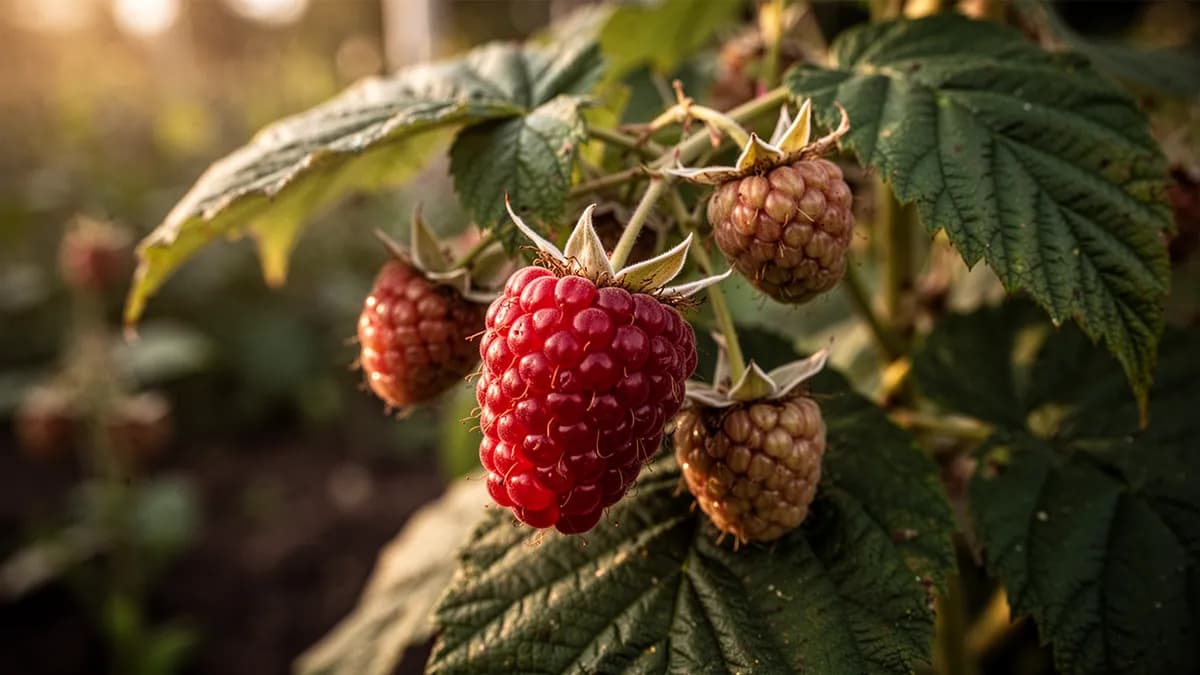
Coseche los huckleberries cuando se vuelvan de un morado oscuro casi negro y se desprendan fácilmente del tallo con un tirón suave. Las bayas maduras son blandas, dulces y manchan los dedos. Recoja en recipientes poco profundos para evitar que se aplasten. Los huckleberries maduran de forma desigual durante varias semanas, desde mediados de julio hasta agosto, así que planifique varias tandas de cosecha. Pruebe antes de recolectar, ya que el color por sí solo no siempre es un indicador fiable de madurez. Manipúlelos con cuidado, porque las bayas de piel fina se magullan con facilidad.
se supone que plantas al comenzar el periodo — indica tu fecha real
Cosecha Arándano silvestre a tiempo y la planta sigue produciendo.
Almacenamiento y conservación
Los huckleberries frescos se conservan hasta una semana en el refrigerador si se guardan sin lavar y en una sola capa. Para almacenamiento a largo plazo, extienda las bayas sobre una bandeja y congélelas por separado antes de pasarlas a bolsas para congelador, donde durarán hasta un año. Los huckleberries son excelentes para mermeladas, jarabes y rellenos de tartas. También pueden deshidratarse en un deshidratador a 57 °C para obtener un tentempié estable y apto para repostería.
Qué falla — y cómo solucionarlo
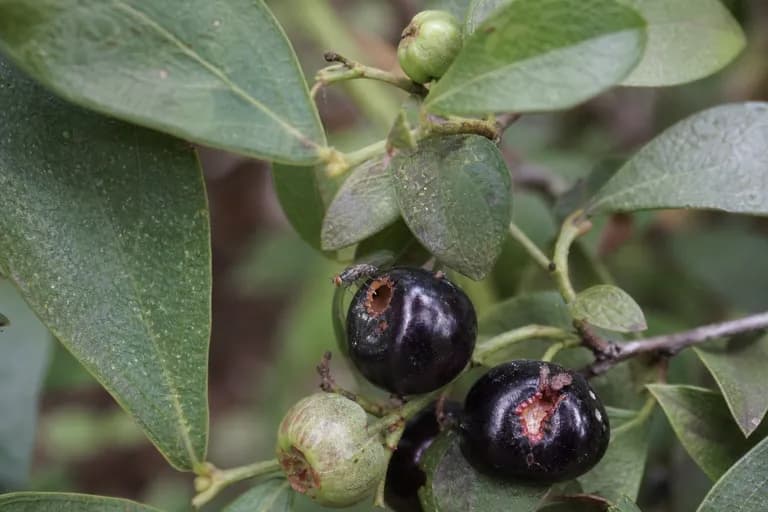
Mosca de la fruta del huckleberry
PlagaPequeñas larvas dentro de las bayas maduras; el fruto parece hundido o demasiado blando, con diminutos orificios de entrada.
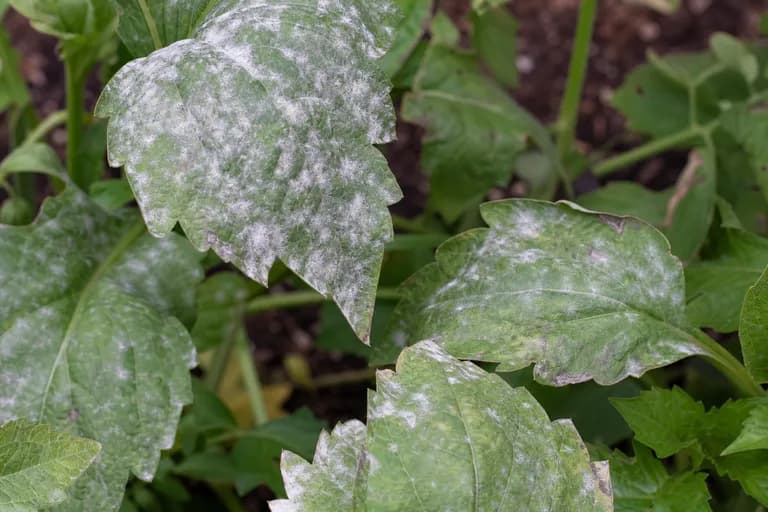
Oídio
EnfermedadCapa blanca y polvorienta sobre las hojas y los brotes jóvenes, que en casos graves provoca enrollamiento foliar y menor vigor.
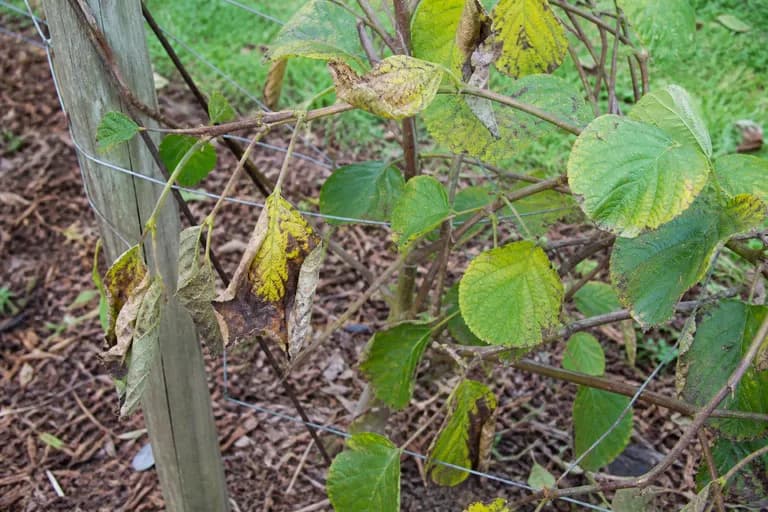
Pudrición de la raíz (Phytophthora)
EnfermedadHojas amarillentas, crecimiento atrofiado y marchitez pese a que el suelo tiene suficiente humedad; las raíces se ven oscuras y blandas.
Solución de problemas comunes
El problema más común es el establecimiento lento; los huckleberries a menudo producen muy poca fruta, o ninguna, durante los dos o tres primeros años. Un pH del suelo alcalino o neutro provoca clorosis y crecimiento raquítico, por lo que conviene analizar el suelo con regularidad. Las aves son el principal competidor por las bayas maduras y la malla protectora es esencial. Una sombra insuficiente puede causar quemaduras en las hojas en climas cálidos. El exceso de riego lleva a pudrición de la raíz, mientras que el estrés por sequía durante la fructificación hace que las bayas se caigan antes de tiempo.
Consejos de cultivo
- El pH del suelo es, con diferencia, el factor más crítico para el éxito del huckleberry. Busque un pH de 4.5 a 5.2 incorporando grandes cantidades de corteza de pino envejecida, turba o suelo nativo enmendado con azufre en el bancal de plantación. Analice el pH cada año y ajústelo según sea necesario, ya que los huckleberries simplemente no prosperan en suelos neutros o alcalinos, por muy bien que se cuiden.
- Plante al menos dos huckleberries compatibles a menos de 3 metros entre sí. Aunque algunas especies de huckleberry son parcialmente autofértiles, la polinización cruzada entre dos plantas de la misma especie incrementa de forma espectacular el cuajado, el tamaño del fruto y el rendimiento total.
- Los huckleberries crecen en asociación con hongos micorrícicos específicos que a menudo faltan en los suelos de jardín alterados. Inocule los hoyos de plantación con un inoculante micorrícico ericoide en el momento de plantar, o use suelo tomado de debajo de huckleberries o arándanos ya establecidos para introducir comunidades fúngicas nativas.
- Elija un lugar de plantación que refleje el hábitat natural de la planta: sombra tamizada a semisombra en climas más cálidos (por debajo de 1.000 m de altitud), o pleno sol en jardines norteños más frescos y a mayor altitud. Evite el sol fuerte de la tarde en regiones de verano caluroso, porque provoca estrés térmico y reduce la calidad del fruto.
- Cubra con mantillo de forma abundante y permanente. Una capa de 10 a 15 cm de virutas de madera, corteza triturada o agujas de pino sobre la zona radicular imita el suelo forestal, mantiene las raíces frescas y húmedas, suprime las malas hierbas competidoras y acidifica gradualmente el suelo a medida que se descompone.
- Nunca abone los huckleberries con fertilizantes ricos en nitrógeno ni con estiércol fresco. Utilice solo fertilizantes ácidos de liberación lenta formulados para arándanos o arbustos acidófilos, aplicados suavemente a comienzos de la primavera. El exceso de fertilización produce un crecimiento foliar exuberante a costa de la fruta y de la salud radicular.
- Resista la tentación de podar con fuerza o con frecuencia. Los huckleberries fructifican sobre madera de 1 a 3 años. Una poda agresiva elimina la madera productiva y puede retrasar la fructificación entre 2 y 3 años. Limite la poda a retirar madera muerta, dañada o cruzada y a aclarar los tallos más viejos y menos productivos cada pocos años.
- Proteja la cosecha de las aves instalando malla sobre las plantas en cuanto las bayas empiecen a colorear. Las aves pueden vaciar una planta madura en 2 o 3 días una vez que el fruto madura. Use malla ligera de polipropileno bien sujeta por encima de las puntas de las ramas para evitar atrapar fauna silvestre.
- El cultivo en contenedor es viable para huckleberries usando macetas grandes (de 60 litros o más) llenas con una mezcla de 60 % turba o fibra de coco, 30 % perlita y 10 % finos de corteza de pino envejecida. Esto permite a quienes viven en zonas con suelo alcalino o sin espacio de jardín disfrutar de los huckleberries, aunque el rendimiento será menor que en plantas en suelo.
- Acepte y planifique el establecimiento lento. A diferencia de la mayoría de las frutas de jardín, los huckleberries son plantas de largo recorrido que pueden producir solo un puñado de bayas durante los primeros 2 a 4 años. Marque bien la plantación, protéjala con cuidado y confíe en que para el año 5 a 7 tendrá una planta productiva, cada vez menos exigente, que quizá sobreviva al jardinero que la plantó.
Cultiva tu mejor Arándano silvestre — y todo lo que la rodea.
Empieza un plan gratis hoy. Diseña tus bancales, coloca tu Arándano silvestre y deja que PlotMyGarden gestione el momento, el espaciado, las asociaciones y los recordatorios de la semilla a la cesta.
Elige tu Arándano silvestre
Huckleberry negro
Vaccinium membranaceum, la especie silvestre más apreciada, con bayas morado oscuro de sabor intenso que se encuentran en las montañas del noroeste del Pacífico.
Huckleberry rojo
Vaccinium parvifolium, que produce bayas rojas, ácidas y brillantes sobre tallos elegantes, y prospera en el sotobosque de bosques antiguos sobre troncos en descomposición.
Huckleberry perenne
Vaccinium ovatum, una especie ornamental con follaje perenne brillante y pequeñas bayas negras dulces, popular en la industria floral.
Huckleberry de las Cascadas
Vaccinium deliciosum, una especie alpina de porte bajo que produce bayas azules excepcionalmente dulces a gran altitud en la cordillera de las Cascadas.
Los huckleberries silvestres frescos se venden por entre 15 y 25 dólares por libra en mercados de agricultores y tiendas especializadas en temporada alta, lo que los convierte en una de las bayas frescas más caras que existen. Un solo arbusto maduro de huckleberry en un jardín doméstico puede producir entre 2 y 5 libras de fruta por temporada, lo que representa un valor de mercado anual de 30 a 125 dólares. A lo largo de los 50 a 100 años de vida de una planta bien establecida, el ahorro acumulado frente a la compra de bayas recolectadas en estado silvestre es extraordinario. Un tarro de mermelada de huckleberry que se vende por 20 a 30 dólares en una tienda especializada cuesta menos de 3 dólares en ingredientes si se elabora con bayas propias.
Recetas rápidas
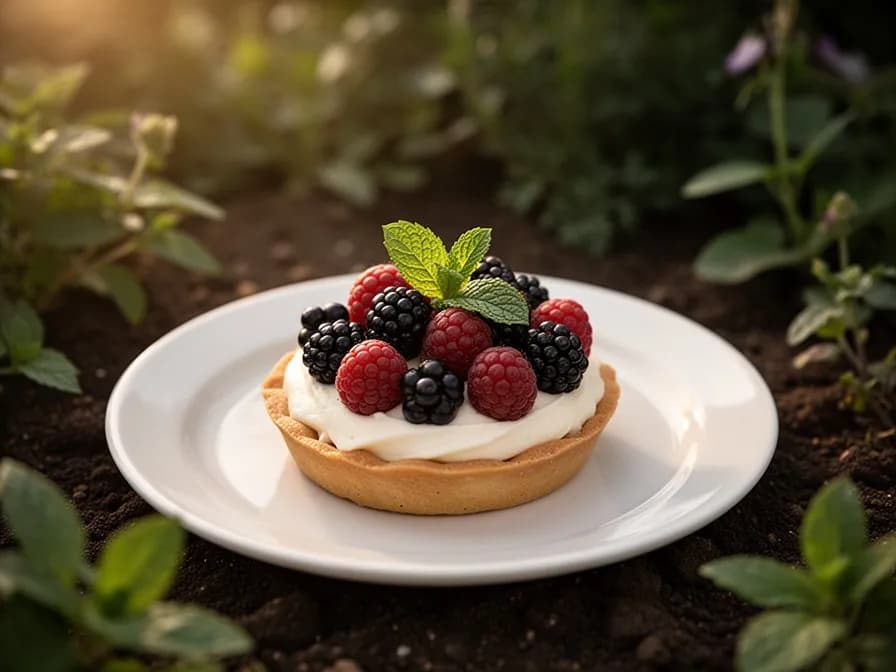
Tarta clásica de huckleberry
30 minutos + 55 minutos de horneadoUn postre legendario del noroeste del Pacífico que deja que el sabor complejo, parecido al vino, de los huckleberries ocupe el centro del escenario. El relleno se espesa con solo la cantidad justa de almidón de tapioca para mantener la forma sin ocultar el sabor fresco de la fruta. Sírvala templada con helado de vainilla para vivir la experiencia montañosa veraniega por excelencia.
9 ingredientesMermelada de huckleberry
20 minutos + 15 minutos de procesadoUna mermelada sencilla de pequeña producción que captura la dulzura intensa y terrosa de los huckleberries frescos con muy pocos ingredientes añadidos. A diferencia de la mermelada comercial, la casera conserva gran parte de la complejidad aromática de la fruta. Esta receta rinde aproximadamente 5 o 6 tarros de media pinta y no necesita pectina, ya que los huckleberries son naturalmente ricos en pectina.
5 ingredientesTortitas de huckleberry con mantequilla de limón
20 minutosTortitas esponjosas de suero de leche con huckleberries enteros, servidas con una mantequilla brillante de limón y miel que complementa la profundidad terrosa de las bayas. La clave es añadir las bayas a la masa justo antes de cocinar para que no tiñan toda la mezcla de morado. Estas tortitas se han convertido en un desayuno emblemático de los lodges de montaña de todo el noroeste.
10 ingredientesUsos culinarios
Los huckleberries tienen un sabor rico y complejo, superior al de los arándanos cultivados, lo que los convierte en una fruta muy apreciada para tartas, cobblers, magdalenas y tortitas. Producen mermeladas y jarabes excepcionales con notas profundas y vinosas. El helado y los batidos de huckleberry son especialidades regionales del noroeste del Pacífico. Las bayas combinan muy bien con limón, vainilla y almendra.
Qué contiene
Beneficios para la salud
- Los huckleberries contienen algunas de las concentraciones más altas de antocianinas de cualquier fruta silvestre, y estos poderosos pigmentos antioxidantes se han relacionado en investigaciones con menor riesgo de enfermedad cardiovascular, mejor función cognitiva y protección frente al envejecimiento asociado al estrés oxidativo
- Los compuestos antiinflamatorios de los huckleberries, en particular el pterostilbeno y la quercetina, pueden ayudar a reducir la inflamación crónica vinculada a afecciones como la artritis, el síndrome metabólico y la enfermedad inflamatoria intestinal
- El consumo regular de bayas ricas en antocianinas, como los huckleberries, se ha asociado en estudios epidemiológicos con una mejor sensibilidad a la insulina y una mejor regulación de la glucosa, lo que podría reducir el riesgo de diabetes tipo 2
- Los huckleberries aportan una cantidad notable de fibra dietética que favorece la diversidad de la microbiota intestinal al actuar como prebiótico y alimentar cepas bacterianas beneficiosas relacionadas con la salud inmunitaria y la regulación del estado de ánimo
- El contenido de vitamina C de los huckleberries frescos favorece la síntesis de colágeno, la función inmunitaria y la absorción de hierro no hemo, y además actúa de forma sinérgica con los antioxidantes liposolubles de la baya para prolongar su actividad protectora en el organismo
- La medicina tradicional indígena del noroeste del Pacífico utilizaba hojas de huckleberry en infusión para controlar los niveles de azúcar en sangre, una práctica que la investigación moderna sugiere que podría tener fundamento por el contenido de ácido clorogénico y otros compuestos reguladores de la glucemia
De dónde viene Arándano silvestre
Los huckleberries abarcan dos géneros distintos pero relacionados de arbustos productores de bayas nativos de Norteamérica: Vaccinium (incluidos V. membranaceum, V. ovalifolium y V. parvifolium) en los estados montañosos del oeste y el noroeste del Pacífico, y Gaylussacia en los bosques orientales y las tierras altas de los Apalaches. Estas plantas han sido esenciales para los ecosistemas y las culturas de sus respectivas regiones durante milenios, precediendo la llegada humana al continente y evolucionando junto con la megafauna y los ecosistemas de la Norteamérica posglacial. Los pueblos indígenas del noroeste del Pacífico y de las Montañas Rocosas septentrionales, incluidos los salish, los kootenai, los nez percé y muchas otras naciones, desarrollaron durante miles de años prácticas sofisticadas de cosecha y manejo del territorio centradas en los huckleberries. Los lugares de recolección se consideraban territorios familiares y tribales, y los derechos de acceso se regían por protocolos culturales establecidos. Las bayas se comían frescas, se secaban en tortas para su almacenamiento invernal y se mezclaban con grasa y carne seca para crear pemmican, un alimento de supervivencia muy calórico de importancia crítica. Cuando exploradores europeos y estadounidenses llegaron al noroeste interior a comienzos del siglo XIX, documentaron extensos prados de huckleberry mantenidos por las prácticas indígenas de quema, que creaban un hábitat ideal de copa abierta. La expedición de Lewis y Clark señaló la abundancia de huckleberries y su importancia para las tribus que encontraron. A medida que avanzó la colonización durante el siglo XIX, la recolección de huckleberries silvestres se convirtió en una tradición veraniega para comunidades de todo el noroeste, con familias enteras acampando en las montañas durante la temporada de bayas. Las ciudades de Idaho, Montana, Oregón y Washington construyeron identidades regionales en torno a la cosecha de huckleberries, que persisten hasta hoy, con festivales anuales dedicados a la fruta. A pesar de décadas de esfuerzo científico, los huckleberries del género Vaccinium han resistido todos los intentos de domesticación comercial. Las plantas requieren asociaciones específicas con hongos micorrícicos, una química de suelo alpino compleja y regímenes de estratificación en frío que han demostrado ser imposibles de reproducir de forma económica a escala comercial. Esta indomable condición silvestre ha preservado al huckleberry como un alimento genuinamente salvaje en una era en la que la mayoría de las frutas se cultivan en entornos agrícolas controlados, y también lo ha convertido en uno de los alimentos recolectados más significativos cultural y económicamente del continente.
Arándano silvestre: ¿sabías que?
Datos fascinantes sobre Arándano silvestre
Los huckleberries son uno de los pocos cultivos frutales de importancia comercial en Norteamérica que nunca se han domesticado con éxito a gran escala. La inmensa mayoría de los huckleberries que se consumen cada año aún se recolecta a mano en poblaciones silvestres de las Montañas Rocosas y del noroeste del Pacífico.
Arándano silvestre: preguntas frecuentes
¿Cuándo debo plantar Arándano silvestre?
¿Cuáles son buenas plantas acompañantes para Arándano silvestre?
¿En qué zonas de rusticidad puede crecer Arándano silvestre?
¿Cuánto sol necesita Arándano silvestre?
¿A qué distancia debo espaciar Arándano silvestre?
¿Qué plagas y enfermedades afectan a Arándano silvestre?
¿Cómo almaceno Arándano silvestre después de la cosecha?
¿Cuáles son las mejores variedades de Arándano silvestre para cultivar?
¿Qué suelo necesita Arándano silvestre?
¿Cuál es la diferencia entre los huckleberries y los arándanos?
¿Puedo cultivar huckleberries en un clima cálido o en el sureste de Estados Unidos?
¿Por qué se están poniendo amarillas las hojas de mi huckleberry?
¿Cuánto tarda una planta de huckleberry en dar fruto?
¿Dónde puedo comprar plantas de huckleberry para mi jardín?
¿Qué animales comen huckleberries y debo preocuparme?
Acabas de leer la teoría. Ahora cultívala en piloto automático.
Todo lo que hace que Arándano silvestre sea delicado — el momento, el espaciado, las asociaciones, la ventana de cosecha — es justo lo que PlotMyGarden resuelve por ti, para cada planta de tu huerto.
Un plan que conoce tu clima
Indica tu ubicación una vez. Recibe fechas de siembra, abonado y cosecha basadas en tu última helada real y el pronóstico en vivo — sin adivinar con un sobre genérico.
De la sección “Cuándo plantar”Planificador de bancales de arrastrar y soltar
Diseña bancales sobre una cuadrícula. Cada planta encaja con su espaciado correcto y ves toda la temporada antes de gastar un céntimo en semillas.
De la sección “Cultivo”Conflictos de asociación, detectados a tiempo
Más de 200 buenas y malas combinaciones comprobadas en vivo mientras plantas — para que un error que arruine la temporada nunca llegue a la tierra.
De la sección “Asociaciones”Recordatorios que sí vas a seguir
“Riega las judías.” “Recoge hoy antes de que se pase.” Oportunos, concretos y ligados a las plantas que de verdad cultivas.
De la sección “Cosecha”Escalonado, programado
¿Quieres cosechar seis semanas en vez de seis días? Reparte tus siembras automáticamente y te avisa cuando toca el siguiente lote.
De la sección “Cuándo plantar”Un registro que se vuelve más listo
Cada cosecha que registras le enseña tu huerto. El plan del año que viene parte de lo que de verdad funcionó en tu suelo, no en un manual.
De la sección “Resumen”Planta estos junto a Arándano silvestre
Más Bayas
Cultiva tu mejor Arándano silvestre — y todo lo que la rodea.
Empieza un plan gratis hoy. Diseña tus bancales, coloca tu Arándano silvestre y deja que PlotMyGarden gestione el momento, el espaciado, las asociaciones y los recordatorios de la semilla a la cesta.