Calabaza Gema
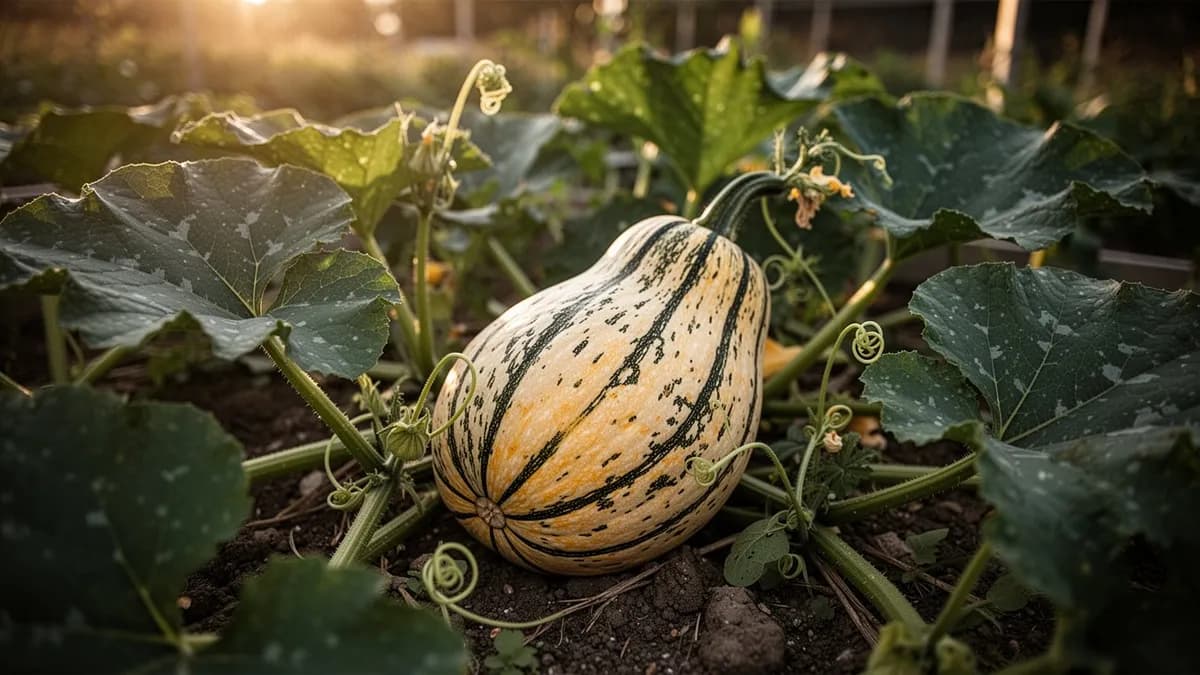
La calabaza gema (Cucurbita pepo) es una calabaza pequeña, esférica y de cáscara extremadamente dura, originaria de Sudáfrica donde es un alimento básico.





En esta páginaResumen
Conoce Calabaza Gema
La calabaza gema (Cucurbita pepo) es una calabaza pequeña, esférica y de cáscara extremadamente dura, originaria de Sudáfrica donde es un alimento básico. Su pulpa dulce y anaranjada, combinada con su tamaño individual perfecto para una porción, la convierte en una opción práctica y deliciosa para el huerto familiar.
Cuándo plantar Calabaza Gema
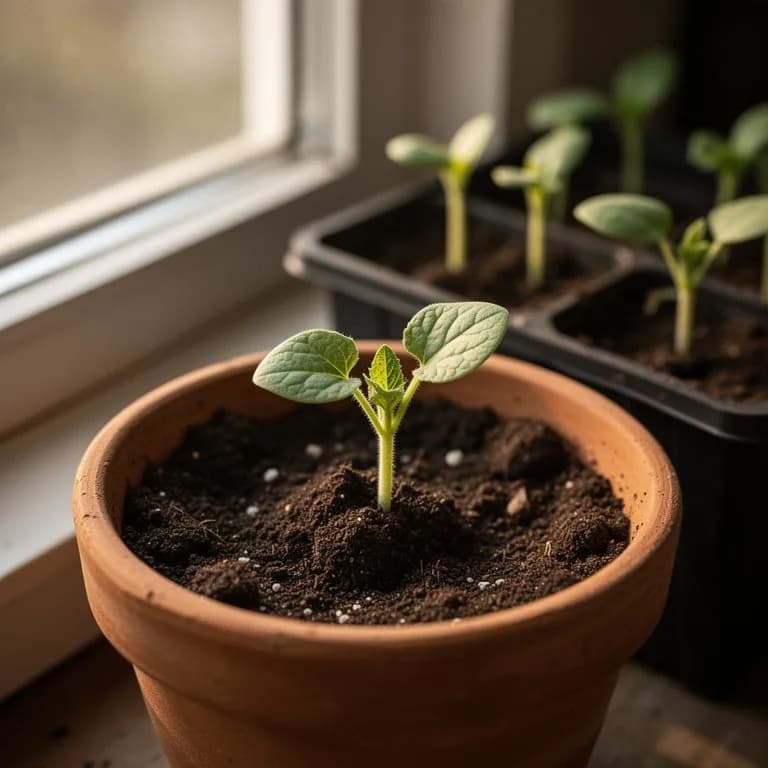
Siembra directamente al aire libre 2-3 semanas después de la última helada, o inicia en interior en macetas biodegradables 3-4 semanas antes para adelantar la cosecha. Las semillas germinan en 7-10 días a 21-27°C. Trasplanta con cuidado sin disturbar las raíces, ya que las cucurbitáceas son sensibles al trasplante.
Tu año de Calabaza Gema
Ajustado a Zona 7 · temporada típica · la helada se va hacia el 2 abr y vuelve hacia el 1 nov
Planta Calabaza Gema Abr – Jun y cosecha Jul – Sep. Consulta los métodos de plantación y elige tu clima para adaptar los periodos.
Cómo cultivar Calabaza Gema
La calabaza gema se siembra directamente en el huerto después de que haya pasado todo riesgo de helada y el suelo alcance al menos 18°C. Coloca 2-3 semillas a 2 cm de profundidad en montículos espaciados 90-120 cm entre sí, y aclara dejando la plántula más vigorosa cuando tengan dos hojas verdaderas.
Estas plantas son relativamente compactas comparadas con otras cucurbitáceas, pero aún necesitan espacio para extenderse. Riega profundamente 2-3 veces por semana, preferiblemente con riego por goteo para evitar mojar el follaje. Aplica un acolchado grueso de paja para conservar la humedad y mantener los frutos limpios.
Fertiliza con compost rico en fósforo y potasio al inicio del crecimiento y nuevamente cuando aparezcan las primeras flores. Reduce el riego gradualmente cuando los frutos estén cerca de la madurez para concentrar los azúcares en la pulpa y endurecer la cáscara.
8 plantas caben en un bancal de 120 × 240 cm
Cada Calabaza Gema pide 60 cm de margen. El planificador guarda ese marco por ti — cada planta, cada bancal.
Los mejores vecinos de Calabaza Gema
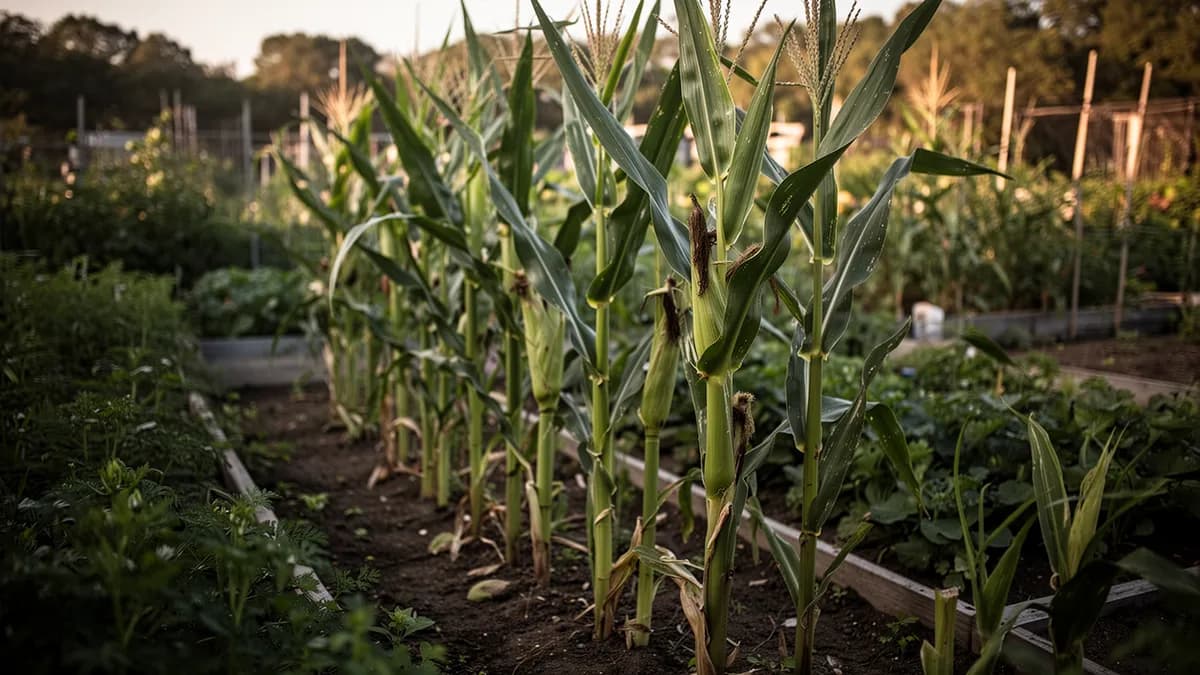
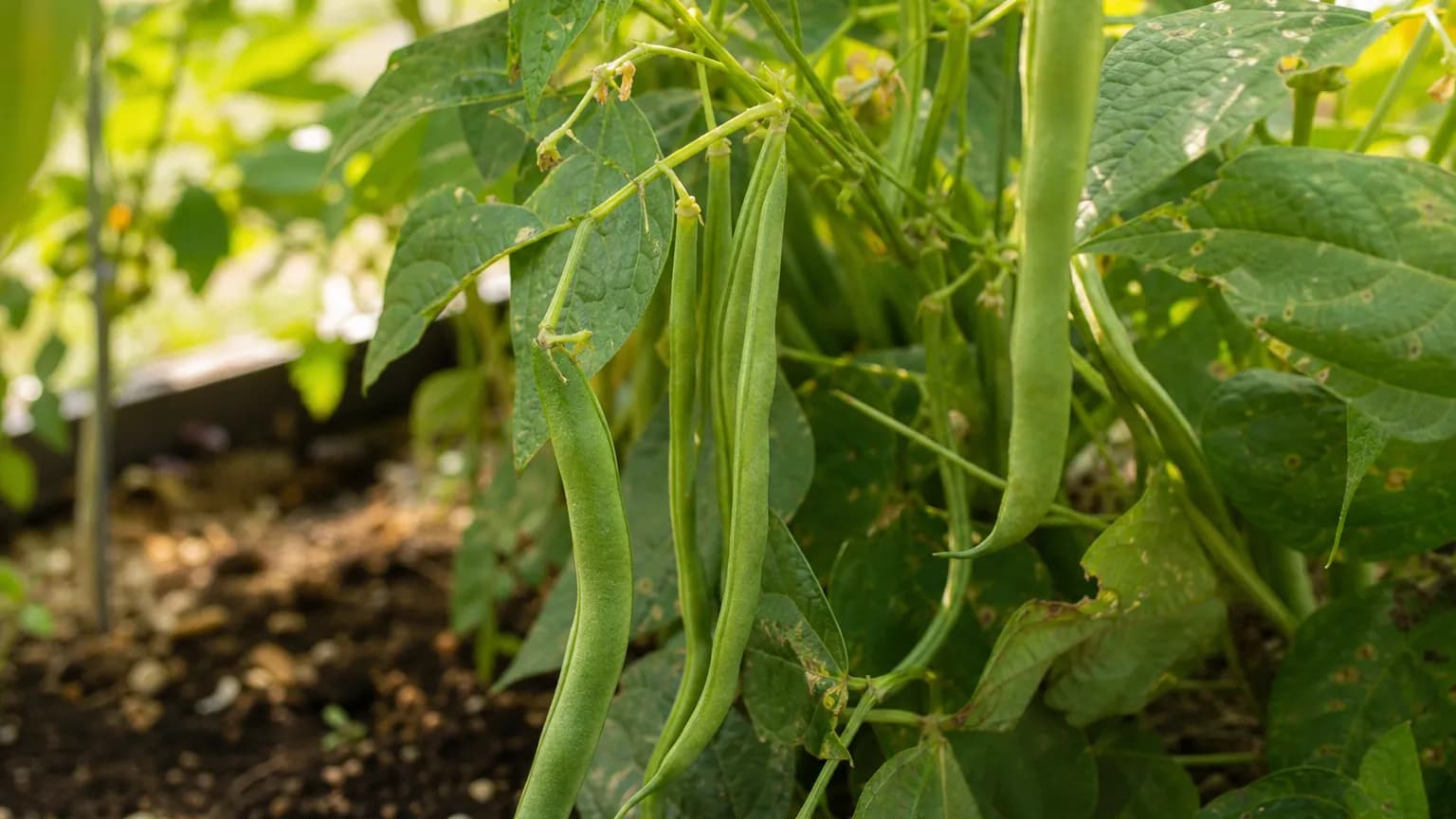
Siguiendo la tradición de las Tres Hermanas, la calabaza gema crece excelentemente junto al maíz y los frijoles trepadores. Las flores de capuchina y caléndula atraen polinizadores y repelen plagas. El rábano como cultivo trampa desvía los escarabajos. Evita plantarla cerca de patatas que compiten por los mismos nutrientes.
Maíz va a su lado. Papa no.
Saber de huerto de siempre, cotejado con la tabla real de Calabaza Gema — prueba cualquier planta que cultives.
Prueba Calabaza Gema en un bancal, aquí mismo
Un bancal real del planificador con Calabaza Gema ya plantado. Toca una planta compañera para colocarla y mira cómo responde la comprobación de vecinos: verde para buenos vecinos, rojo si hay conflicto.


Guías de cultivo relacionadas
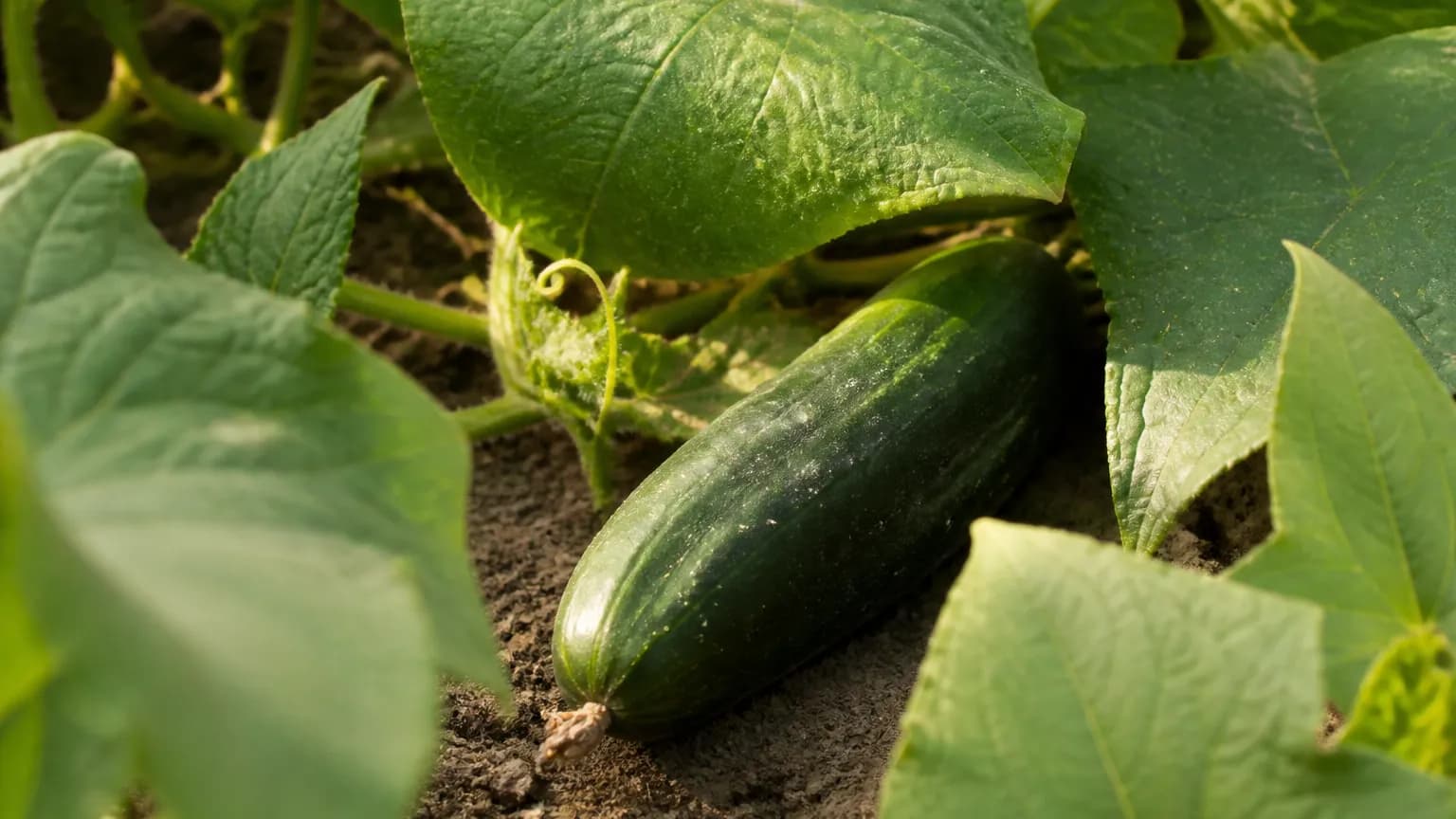
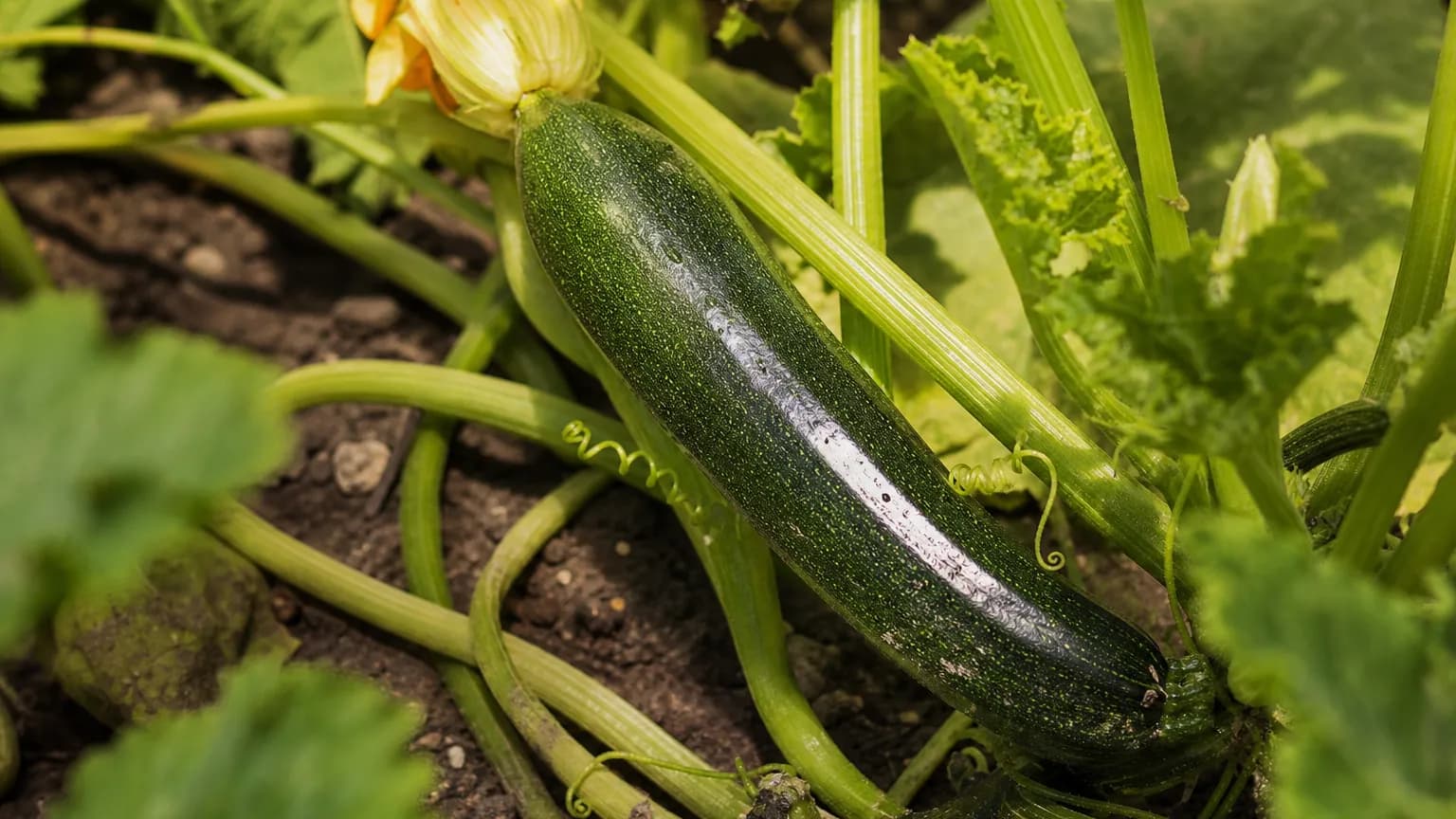
Abónalo bien
La calabaza gema necesita suelo fértil, bien drenado y rico en materia orgánica con pH entre 6,0 y 7,0. Incorpora abundante compost o estiércol bien descompuesto antes de la siembra. Fertiliza con un abono rico en fósforo y potasio cuando comience la floración para favorecer la fructificación sobre el crecimiento vegetativo.
Temperatura ideal
Compatibilidad de zonas de rusticidad
De la semilla a la cosecha, etapa por etapa
Siembra
Las semillas de calabaza gem germinan rápidamente en suelo cálido: primero emerge la radícula blanca y gruesa, seguida por cotiledones robustos que atraviesan la superficie. Las semillas son grandes y fáciles de manipular, por lo que son ideales para la siembra directa. La germinación requiere temperaturas del suelo de al menos 18 °C y suele tardar 5-10 días.
Crecimiento de plántulas
Se desarrollan las hojas verdaderas con la característica forma redondeada y ligeramente lobulada de las cucurbitáceas. El tallo se engrosa rápidamente y el sistema radicular se expande con fuerza. Las plántulas son vigorosas y crecen notablemente cada día en condiciones cálidas por encima de 20 °C.
Desarrollo de guías
Las guías se extienden rápidamente, produciendo hojas grandes de color verde oscuro y brotes laterales ramificados. La planta forma una cubierta rastrera que ayuda a suprimir las malas hierbas. Los zarcillos se aferran a los soportes cercanos o se extienden por la superficie del suelo. Una sola planta puede cubrir 3-4 metros cuadrados.
Desarrollo del fruto
Las flores femeninas polinizadas se hinchan rápidamente y se convierten en frutos pequeños y redondos que pasan de tamaño de canica a tamaño de pelota de tenis en dos semanas. La piel cambia de verde pálido al característico verde oscuro intenso a medida que el fruto madura. Cada guía suele cuajar 6-12 frutos según las condiciones de cultivo.
Cosecha
La calabaza gem está lista para cosechar cuando la piel es uniformemente verde oscura y dura como una piedra; la uña no debería dejar marca. El tallo que une el fruto a la guía empieza a secarse y a endurecerse como corcho. El fruto maduro tiene aproximadamente el tamaño de una pelota de béisbol grande, con unos 8-12 cm de diámetro.
Después de la cosecha
La calabaza gem es un cultivo de estación cálida que se cultiva durante una sola temporada libre de heladas. Después de la cosecha, las plantas no rebrotan y completan su ciclo de vida en el mismo año.
Siembra las semillas a 2-3 cm de profundidad directamente en el lugar definitivo, ya que la calabaza gem no tolera bien el trasplante. Coloca 2-3 semillas por punto y aclara luego hasta dejar la plántula más fuerte. Si empiezas en interior, usa macetas grandes y biodegradables para evitar el choque de trasplante.
Cuidar Calabaza Gema mes a mes
Qué hacer cada mes para tu Calabaza Gema
Octubre
Mes actualSouthern Hemisphere: vines growing vigorously. Mulch, fertilize, and maintain consistent moisture. Northern Hemisphere: main harvest period. Cut fruit with 3-5 cm stem attached. Cure in warm sun for a few days before storing.
Ten claro qué hacer en tu huerto, cada mes
Un correo al empezar cada mes: qué sembrar, plantar y hacer ahora mismo — para tu Calabaza Gema y todo lo que crece alrededor. Más un breve curso inicial para esquivar los errores clásicos.
- Qué hacer ahora mismo
- Ajustado a tu temporada
- Curso inicial incluido
Cosechar Calabaza Gema
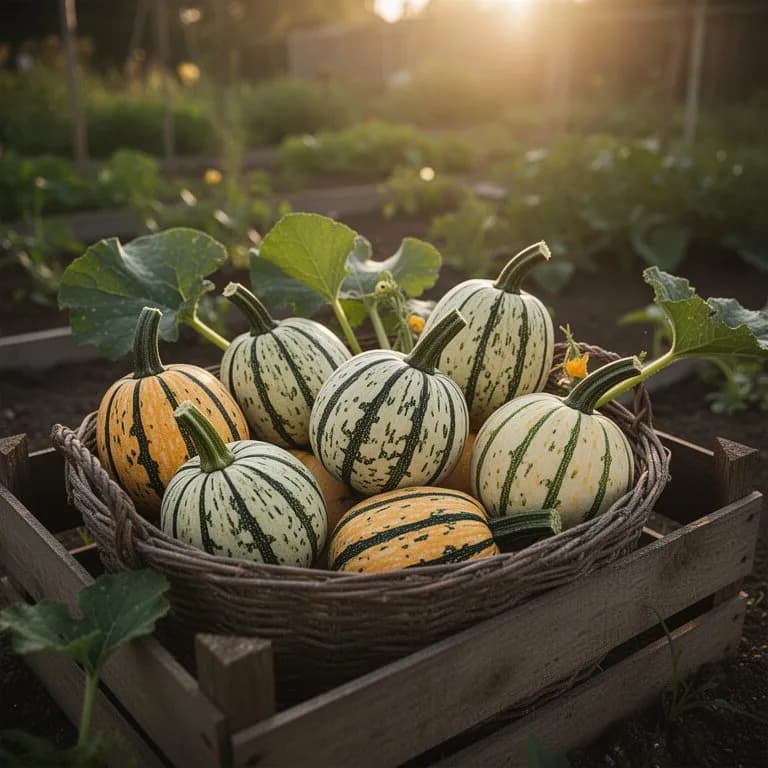
Cosecha la calabaza gema cuando la cáscara esté completamente dura y no pueda marcarse con la uña, generalmente entre 80 y 100 días después de la siembra. El color debe ser verde oscuro uniforme y el pedúnculo debe estar seco y corchoso. Corta con tijeras de podar dejando 5 cm de tallo para mejorar la conservación.
se supone que plantas al comenzar el periodo — indica tu fecha real
Cosecha cuando los frutos midan 3-4 pulgadas de diámetro y tengan la piel dura, de color verde oscuro, que no se pueda hundir fácilmente con la uña.
Almacenamiento y conservación
Cura las calabazas al sol durante 7-10 días para endurecer completamente la piel, luego almacénalas en un lugar fresco (10-15°C), seco y bien ventilado donde se conservan durante 3-4 meses. También pueden congelarse cocidas y trituradas en porciones, o deshidratarse en rodajas para uso posterior en sopas.
Qué falla — y cómo solucionarlo
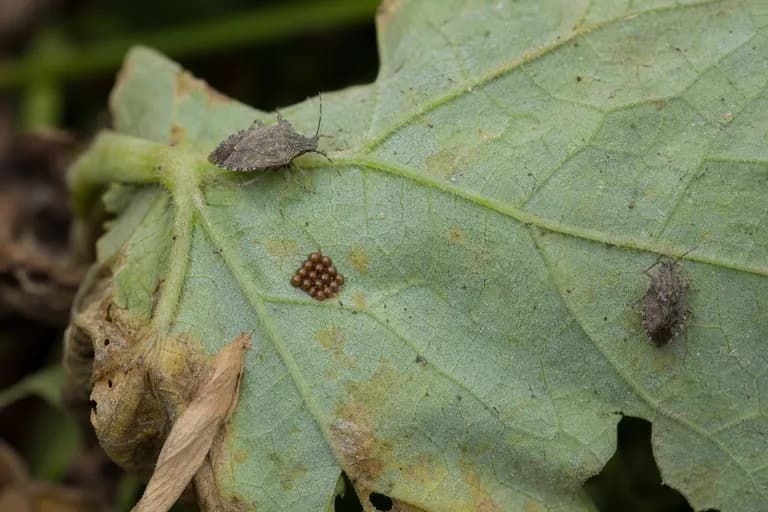
Mildiú polvoriento
EnfermedadManchas blancas pulverulentas que aparecen primero en las hojas más viejas y se extienden gradualmente, cubriendo toda la superficie foliar y reduciendo la fotosíntesis.
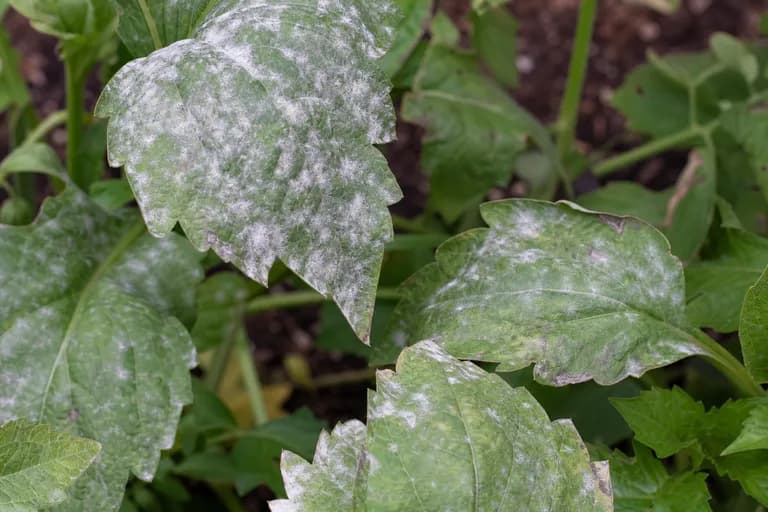
Barrenador de la vid
PlagaMarchitez repentina de secciones de la planta causada por larvas que perforan el interior de los tallos. Se observa un orificio con excremento granular en la base del tallo.
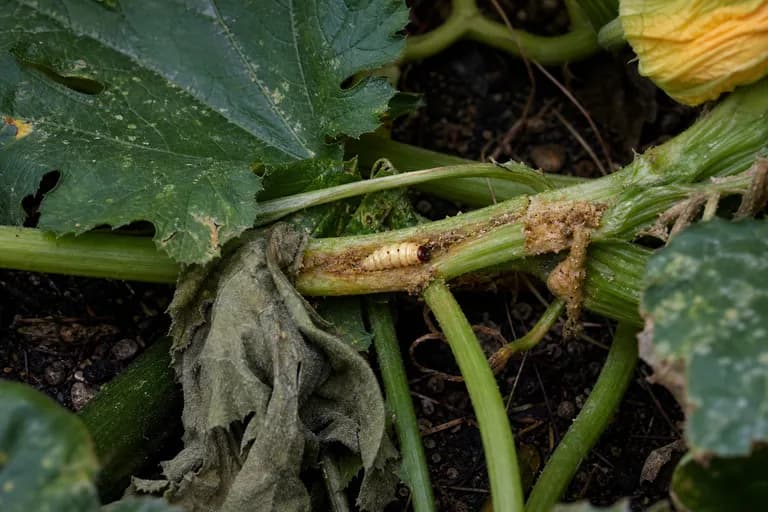
Mosca blanca
PlagaPequeños insectos blancos alados en el envés de las hojas que vuelan en nube al mover la planta. Las hojas se vuelven pegajosas y pueden desarrollar fumagina negra.
Solución de problemas comunes
La polinización deficiente es el problema más común, ya que las flores masculinas y femeninas pueden no abrirse simultáneamente, resultando en frutos abortados o deformes. En días nublados o con pocos polinizadores, realiza polinización manual transfiriendo polen con un pincel. El exceso de nitrógeno produce mucho follaje pero pocos frutos.
Consejos de cultivo
- Gem squash is a warm-season crop that cannot tolerate any frost. Do not plant outdoors until all danger of frost has passed and soil temperatures are reliably above 18°C (65°F). In cool climates, use black plastic mulch to warm the soil 2-3 weeks before planting.
- Direct sowing is strongly preferred over transplanting. Gem squash has a sensitive taproot system that resents disturbance. If you must start indoors, use large biodegradable pots that can be planted directly into the ground without removing the roots.
- Space plants generously — at least 90-120 cm apart in rows 150 cm apart. Gem squash vines are vigorous sprawlers and overcrowding leads to poor air circulation, increased disease pressure, and reduced fruit set.
- Pollination is the single biggest factor in yield. If you notice flowers dropping without setting fruit, hand-pollinate in the early morning by dabbing pollen from freshly opened male flowers onto the stigma of female flowers using a small paintbrush or cotton swab.
- Water deeply and consistently — 2.5 cm per week — but avoid wetting the foliage, which invites powdery mildew. Drip irrigation or soaker hoses at the base of the plant are far superior to overhead watering.
- Place straw, tiles, or small boards under developing fruit to prevent contact with damp soil, which causes bottom rot and cosmetic blemishes. This simple step dramatically improves the quality and storage life of your harvest.
- Harvest only when the skin is rock-hard and dark green. Immature gem squash with soft skin will not store and has inferior flavour. Test ripeness by pressing your thumbnail firmly into the skin — if it leaves no mark, the squash is ready.
- Cure harvested gem squash in warm sun (25-30°C) for 5-7 days to harden the skin further, then store in a cool, dry, well-ventilated area at 10-15°C. Properly cured fruit with intact stems attached will keep for 4-6 months without refrigeration.
Cultiva tu mejor Calabaza Gema — y todo lo que la rodea.
Empieza un plan gratis hoy. Diseña tus bancales, coloca tu Calabaza Gema y deja que PlotMyGarden gestione el momento, el espaciado, las asociaciones y los recordatorios de la semilla a la cesta.
Elige tu Calabaza Gema
Rolet
Variedad sudafricana clásica de forma esférica perfecta y cáscara verde oscuro muy dura. Pulpa anaranjada, dulce y de textura suave, ideal para rellenar. 80-90 días hasta madurez.
Little Gem
Variedad compacta que produce abundantes frutos del tamaño de una pelota de tenis con excelente sabor. Plantas de porte más reducido, adecuadas para espacios pequeños. 75-85 días.
Sweet Dumpling
Calabaza decorativa con rayas verdes y blancas y pulpa excepcionalmente dulce con sabor a castaña. Tamaño individual perfecto para asar entera. 90-100 días.
Harlequin
Híbrido ornamental y comestible con atractivas rayas verdes sobre fondo crema. Pulpa firme y dulce de color naranja intenso. Buena conservación post-cosecha. 85-95 días.
Gem squash seeds cost very little — often under $3 for a packet of 15-20 seeds — yet each plant produces 8-15 fruit. In South Africa, gem squash retails for R8-R15 per fruit (roughly $0.50-$1.00 USD), making a small planting of 4-6 plants worth $25-$60 at retail prices. Outside Africa, gem squash is a rare specialty item that is either unavailable or priced at a premium in gourmet shops, making home growing the only practical way to enjoy this unique vegetable in most countries.
Recetas rápidas
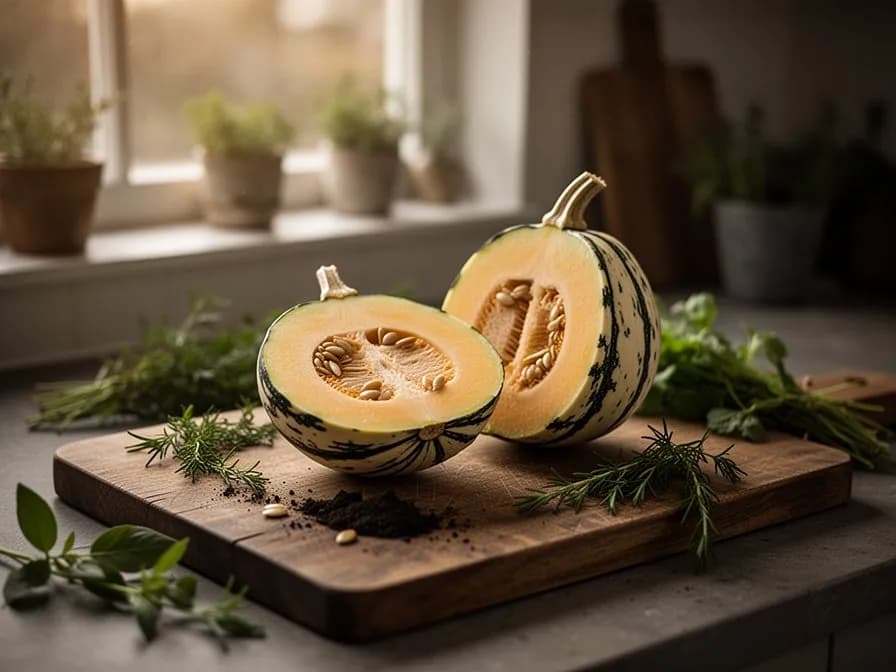
Classic Buttered Gem Squash
25 minThe iconic South African preparation — gem squash steamed until tender, then served in the half-shell with a generous knob of butter and a sprinkle of brown sugar or cinnamon. Simple, sweet, and utterly comforting.
5 ingredientesSavoury Stuffed Gem Squash
45 minGem squash halves baked with a hearty filling of seasoned mince, onion, and melted cheese — a beloved South African family supper. The squash shell becomes a perfectly portioned edible bowl.
8 ingredientesGem Squash and Sweet Potato Soup
35 minA silky, vibrant orange soup combining the gentle sweetness of gem squash with sweet potato and a hint of ginger. Perfect for autumn evenings and a wonderful way to use stored gem squash.
9 ingredientesUsos culinarios
La calabaza gema es perfecta para asar entera en el horno cortada por la mitad, rellena con mantequilla, queso o mezclas de arroz y verduras. Su pulpa dulce y cremosa es ideal para sopas, purés y gratinados. En Sudáfrica se cocina tradicionalmente al vapor o hervida con mantequilla y canela como guarnición.
Qué contiene
Beneficios para la salud
- Exceptionally high in beta-carotene — the precursor to vitamin A — which is critical for maintaining healthy vision, supporting immune system function, and promoting skin cell renewal and repair.
- Low glycaemic index despite its natural sweetness, making gem squash a suitable carbohydrate source for people managing blood sugar levels or following diabetic-friendly diets.
- Contains dietary fibre that supports digestive regularity, feeds beneficial gut bacteria, and contributes to a feeling of fullness that can help with healthy weight management.
- Rich in potassium, which helps regulate blood pressure by counteracting the effects of sodium, supports proper heart rhythm, and aids nerve signal transmission.
- Provides lutein and zeaxanthin, two carotenoid pigments that concentrate in the macula of the eye and offer protection against blue light damage and age-related macular degeneration.
- Contains vitamin C and other antioxidants that help neutralise free radicals, reduce inflammation, and support the body's natural defence systems against oxidative cellular damage.
De dónde viene Calabaza Gema
Gem squash (Cucurbita pepo) traces its ancestry to the wild squash species of Central America and southern Mexico, where indigenous peoples first domesticated Cucurbita pepo over 8,000 years ago — making squash one of the oldest cultivated crops in the Americas alongside maize and beans. The small, round, hard-shelled form that became gem squash was selected and developed primarily in South Africa during the late 19th and early 20th centuries, where European settlers and local farmers bred compact squash varieties suited to the southern African climate and cuisine.
Gem squash became a cornerstone of South African home cooking during the 20th century, particularly among Afrikaner farming communities who valued its reliability, long storage life, and versatility. The classic preparation of steamed gem squash with butter and sugar became as fundamental to the South African table as pumpkin is to American Thanksgiving. It spread throughout southern Africa — Zimbabwe, Mozambique, Namibia, and Botswana — wherever South African culinary influence reached.
Today, gem squash remains overwhelmingly a southern African crop. Commercial production is concentrated in the Free State, Limpopo, and Mpumalanga provinces of South Africa, with smaller-scale production across the region. Despite its excellence as a garden vegetable, gem squash has not achieved significant commercial cultivation outside Africa, though it is gaining a niche following among adventurous gardeners in Australia, the United Kingdom, and parts of South America. Modern varieties include the traditional dark green gem, lighter-skinned selections, and bush-type cultivars bred for smaller garden spaces.
Calabaza Gema: ¿sabías que?
Datos fascinantes sobre Calabaza Gema
Gem squash is so deeply embedded in South African food culture that it is considered the unofficial national vegetable — virtually every braai (barbecue) and Sunday roast in the country features gem squash halves with butter as a standard side dish.
Calabaza Gema: preguntas frecuentes
¿Cuándo debo plantar Calabaza Gema?
¿Cuáles son buenas plantas acompañantes para Calabaza Gema?
¿En qué zonas de rusticidad puede crecer Calabaza Gema?
¿Cuánto sol necesita Calabaza Gema?
¿A qué distancia debo espaciar Calabaza Gema?
¿Qué plagas y enfermedades afectan a Calabaza Gema?
¿Cómo almaceno Calabaza Gema después de la cosecha?
¿Cuáles son las mejores variedades de Calabaza Gema para cultivar?
¿Qué suelo necesita Calabaza Gema?
What does gem squash taste like?
Can I eat gem squash skin?
How do I store gem squash long-term?
Where can I find gem squash seeds outside of South Africa?
Can I grow gem squash vertically on a trellis?
Why are my gem squash turning yellow and dropping off the vine?
Acabas de leer la teoría. Ahora cultívala en piloto automático.
Todo lo que hace que Calabaza Gema sea delicado — el momento, el espaciado, las asociaciones, la ventana de cosecha — es justo lo que PlotMyGarden resuelve por ti, para cada planta de tu huerto.
Un plan que conoce tu clima
Indica tu ubicación una vez. Recibe fechas de siembra, abonado y cosecha basadas en tu última helada real y el pronóstico en vivo — sin adivinar con un sobre genérico.
De la sección “Cuándo plantar”Planificador de bancales de arrastrar y soltar
Diseña bancales sobre una cuadrícula. Cada planta encaja con su espaciado correcto y ves toda la temporada antes de gastar un céntimo en semillas.
De la sección “Cultivo”Conflictos de asociación, detectados a tiempo
Más de 200 buenas y malas combinaciones comprobadas en vivo mientras plantas — para que un error que arruine la temporada nunca llegue a la tierra.
De la sección “Asociaciones”Recordatorios que sí vas a seguir
“Riega las judías.” “Recoge hoy antes de que se pase.” Oportunos, concretos y ligados a las plantas que de verdad cultivas.
De la sección “Cosecha”Escalonado, programado
¿Quieres cosechar seis semanas en vez de seis días? Reparte tus siembras automáticamente y te avisa cuando toca el siguiente lote.
De la sección “Cuándo plantar”Un registro que se vuelve más listo
Cada cosecha que registras le enseña tu huerto. El plan del año que viene parte de lo que de verdad funcionó en tu suelo, no en un manual.
De la sección “Resumen”Planta estos junto a Calabaza Gema
Más Cucurbitáceas
Mantén Calabaza Gema lejos de estos
Cultiva tu mejor Calabaza Gema — y todo lo que la rodea.
Empieza un plan gratis hoy. Diseña tus bancales, coloca tu Calabaza Gema y deja que PlotMyGarden gestione el momento, el espaciado, las asociaciones y los recordatorios de la semilla a la cesta.