Koreanischer Knoblauchschnittlauch
Eine breitblättrige Auslese des Knoblauchschnittlauchs, die besonders in der koreanischen Küche beliebt ist, um Buchu-Kimchi und herzhafte Pfannkuchen zuzubereiten.





Auf dieser SeiteÜberblick
Koreanischer Knoblauchschnittlauch im Überblick
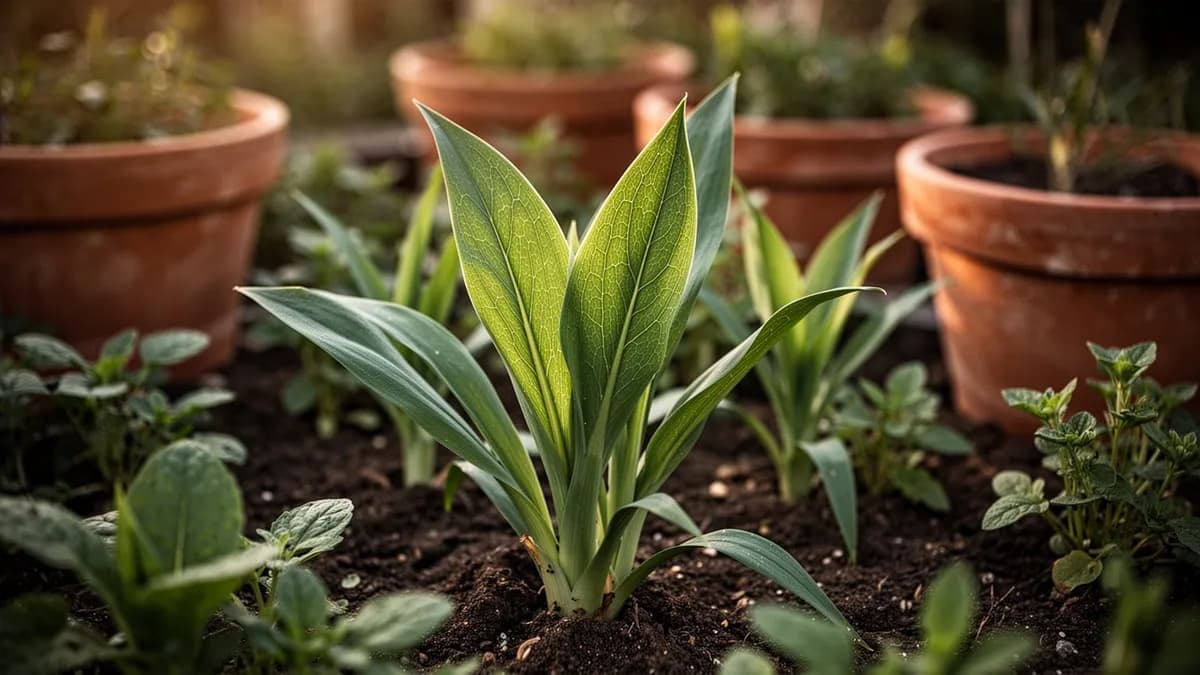
Eine breitblättrige Auslese des Knoblauchschnittlauchs, die besonders in der koreanischen Küche beliebt ist, um Buchu-Kimchi und herzhafte Pfannkuchen zuzubereiten. Die breiten, flachen Blätter haben ein ausgeprägtes Knoblaucharoma und sind kräftiger als gewöhnlicher Knoblauchschnittlauch. Schneiden Sie regelmäßig 5 cm über der Krone, um einen kontinuierlichen Nachtrieb von zartem neuem Wachstum zu fördern.
Wann Koreanischer Knoblauchschnittlauch pflanzen
Säen Sie die Samen des koreanischen Knoblauchschnittlauchs 8 bis 10 Wochen vor dem letzten Frost drinnen aus. Drücken Sie die Samen auf feuchte Anzuchterde und bedecken Sie sie leicht. Die Keimung dauert 14 bis 21 Tage bei 18 bis 21 Grad und kann langsam sein. Unter Pflanzenlampen bis zur Auspflanzzeit kultivieren. In Gruppen von 5 bis 10 Sämlingen ins Freiland setzen, um eine schnellere Etablierung zu erreichen. Direktsaat im Frühjahr ist ebenfalls erfolgreich. Für die schnellsten Ergebnisse etablierte Büschel teilen, anstatt aus Samen zu ziehen.
Dein Koreanischer Knoblauchschnittlauch-Jahr
Abgestimmt auf Zone 7 · typische Saison · Frost geht um den 2. Apr. und kehrt um den 1. Nov. zurück
Koreanischer Knoblauchschnittlauch Mär – Mai pflanzen, Apr – Okt ernten. Beachte die Pflanzmethoden unten und wähle dein Klima für passende Zeiträume.
So baust du Koreanischer Knoblauchschnittlauch an
Koreanischer Knoblauchschnittlauch ist eine breitblättrige Auslese, die für ihre kräftigere Textur und ihr ausgeprägtes Knoblaucharoma im Vergleich zu gewöhnlichem Knoblauchschnittlauch geschätzt wird. Er ist in der koreanischen Küche unverzichtbar für die Herstellung von Buchu-Kimchi, herzhaften Pfannkuchen (Buchujeon) und Teigtaschen. Pflanzen Sie ihn in voller Sonne in gut durchlässigen Boden mit einem pH-Wert von 6,0 bis 7,0. Setzen Sie die Büschel im Abstand von 15 bis 20 cm.
Säen Sie die Samen 8 bis 10 Wochen vor dem letzten Frost drinnen aus oder säen Sie im Frühjahr direkt ins Freiland. Die Samen keimen in 14 bis 21 Tagen bei 18 bis 21 Grad. Koreanischer Knoblauchschnittlauch kann auch durch Teilung etablierter Büschel im Frühjahr oder Herbst vermehrt werden, was schnellere Ergebnisse als die Aussaat liefert.
Schneiden Sie die Blätter regelmäßig 5 cm über der Krone, um kontinuierliche Schübe von zartem neuem Wachstum anzuregen. Nach dem ersten starken Frost schneiden Sie die Pflanzen bodennah zurück. Bringen Sie in den Zonen 3 bis 5 im Winter eine leichte Mulchschicht zum Schutz auf. Teilen Sie die Büschel alle 3 Jahre, um die Vitalität zu erhalten. Die weißen, sternförmigen Blüten sind essbar und attraktiv für Bestäuber, sollten aber vor der Samenreife entfernt werden, um eine aggressive Selbstaussaat zu verhindern.
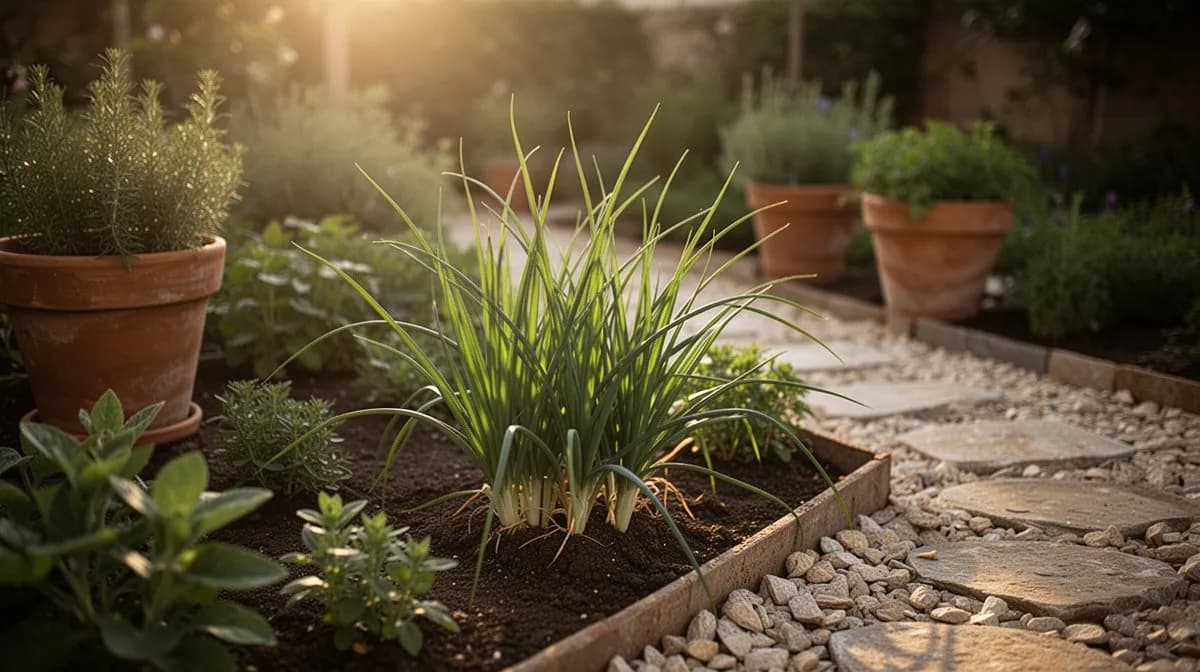
128 Pflanzen passen in ein Beet von 120 × 240 cm
Koreanischer Knoblauchschnittlauch braucht 15 cm Platz pro Pflanze. Der Planer hält diesen Abstand für dich ein — jede Pflanze, jedes Beet.
Die besten Nachbarn für Koreanischer Knoblauchschnittlauch
Wie alle Lauchgewächse vertreiben Knoblauchschnittlauch-Pflanzen Blattläuse und andere Schädlinge mit ihrem starken Duft. In der Nähe von Rosen, Möhren und Kohlgewächsen pflanzen, um von der schädlingsabwehrenden Wirkung zu profitieren. Sie eignen sich hervorragend als Einfassungspflanzen für Gemüsegärten. Nicht in der Nähe von Erbsen und Bohnen pflanzen, da Lauchgewächse deren Wachstum hemmen können. Die Blüten ziehen nützliche Bestäuber und Raubinsekten an.
Karotte gehört daneben. Erbsen nicht.
Altes Gärtnerwissen, geprüft an der echten Nachbartabelle von Koreanischer Knoblauchschnittlauch — teste jede Pflanze, die du anbaust.
Probiere Koreanischer Knoblauchschnittlauch direkt hier im Beet
Ein echtes Planer-Beet, Koreanischer Knoblauchschnittlauch steht schon drin. Tippe einen Begleiter an, platziere ihn und sieh, wie die Nachbarschaftsprüfung antwortet — grün für gute Nachbarn, rot bei Streit.


Passende Anbau-Ratgeber
Richtig düngen
Koreanischer Knoblauchschnittlauch gedeiht gut in durchschnittlich bis nährstoffreichem, gut durchlässigem Boden mit einem pH-Wert von 6,0 bis 7,0. Beim Pflanzen mit Kompost anreichern und jährlich im Frühjahr eine Deckschicht auftragen. Nach jeder größeren Ernte einen ausgewogenen organischen Dünger ausbringen, um den Neuaustrieb zu fördern. Mulchen zur Feuchtigkeitserhaltung und Unkrautunterdrückung. Kübelpflanzen profitieren von monatlicher Düngung während der Wachstumsperiode.
Ideale Temperatur
Winterhärtezone-Kompatibilität
Von der Saat zur Ernte, Schritt für Schritt
Samenkeimung
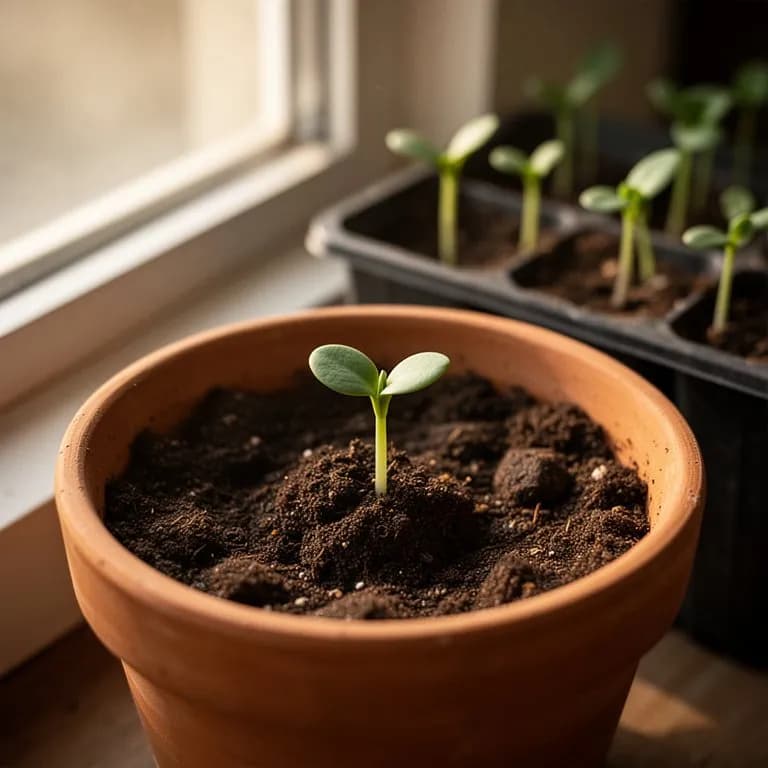
Kleine schwarze Samen werden 5–10 mm tief in feuchte Erde gesät. Die Keimung ist im Vergleich zu gewöhnlichem Schnittlauch langsam und dauert bei optimalen Bodentemperaturen von 18–24 °C typischerweise 7–14 Tage. Das erste sichtbare Wachstum ist ein einzelnes, dünnes, grasartiges Keimblatt, das sich in einer charakteristischen Schlaufe biegt, wenn es die Erdoberfläche durchbricht.
Sämlingsetablierung
Sämlinge entwickeln ihre charakteristischen flachen, bandförmigen Blätter, die sie von röhrenförmigem gewöhnlichem Schnittlauch unterscheiden. Das Wachstum ist im ersten Jahr langsam, wobei die Pflanzen 3–6 schlanke Blätter hervorbringen und eine kleine Zwiebelbasis entwickeln. Das milde Knoblaucharoma wird wahrnehmbar, wenn Blätter in diesem Stadium gequetscht oder geschnitten werden.
Büschelentwicklung
Die Pflanzen beginnen zu bestocken und bilden durch unterirdisches Rhizomwachstum expandierende Büschel. Jede Pflanze produziert fortschreitend mehr Blätter und verdickt sich zu einem dichten Büschel aus flachem, dunkelgrünem Laub von 25–35 cm Höhe. Das Wurzelsystem entwickelt ein Netzwerk kleiner weißer Zwiebeln, die durch kurze Rhizome verbunden sind und das ausdauernde Büschel fest verankern.
Blüte
Im Spätsommer des ersten oder zweiten Jahres erheben sich hohe, runde Stiele über dem Laub, die eng geschlossene Knospen tragen, die sich zu Büscheln sternförmiger weißer Blüten öffnen. Jede Dolde enthält 20–40 einzelne Blütchen mit einem süßen, honigartigen Duft, der Bienen, Schmetterlinge und nützliche Schwebfliegen anzieht. Die Blütenknospen und geöffneten Blüten sind essbar mit einem milden Knoblauch-Zwiebel-Aroma.
Ausgereifte Staude
Am Ende der zweiten Vegetationsperiode sind die Büschel vollständig etabliert und können 4–6 vollständige Ernten pro Jahr liefern. Die Pflanzen gehen im Winter in die Ruhephase, wobei das Laub in kalten Klimazonen bis auf Bodenniveau abstirbt. Neues Wachstum treibt im zeitigen Frühjahr kräftig aus und setzt sich bis zum ersten starken Frost fort. Etablierte Büschel können 3–5 Jahre lang zuverlässig produzieren, bevor sie geteilt und umgepflanzt werden müssen.
Weichen Sie die Samen 12–24 Stunden vor der Aussaat in warmem Wasser ein, um die Keimraten deutlich zu verbessern. Halten Sie die Erde während dieser Phase gleichmäßig feucht, aber nicht staunass – selbst kurzes Austrocknen kann die Keimung vollständig stoppen. Geduld ist gefragt, da die Keimung von Natur aus langsam ist.
Koreanischer Knoblauchschnittlauch Monat für Monat pflegen
Was du jeden Monat für deine Koreanischer Knoblauchschnittlauch tun solltest
Oktober
Aktueller MonatLetzte leichte Ernte der Saison in den meisten Zonen. Das Laub beginnt zu vergilben und zurückzugehen, wenn die Temperaturen sinken. Ein kleines Büschel in einen Topf setzen und vor dem Einfrieren des Bodens für die Winterernte auf der Fensterbank ins Haus holen. Nach dem ersten Frost eine dicke Mulchschicht aus Stroh oder gehäckseltem Laub auftragen.
Immer wissen, was jetzt im Garten zu tun ist
Eine E-Mail zum Monatsanfang: was du jetzt säen, pflanzen und anpacken solltest — für deine Koreanischer Knoblauchschnittlauch und alles, was drumherum wächst. Dazu ein kurzer Startkurs, der dich vor den klassischen Fehlern bewahrt.
- Was jetzt zu tun ist
- Passend zu deiner Saison
- Startkurs inklusive
Koreanischer Knoblauchschnittlauch ernten
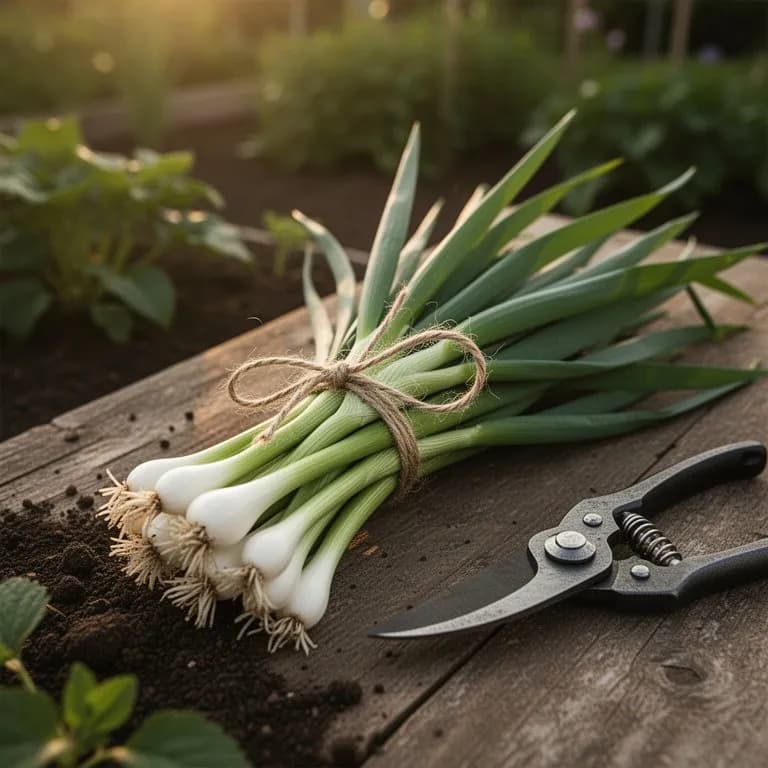
Beginnen Sie mit der Ernte des koreanischen Knoblauchschnittlauchs, wenn die Blätter 15 bis 20 cm Höhe erreichen. Schneiden Sie alle Blätter mit einer scharfen Schere auf 5 cm über der Krone zurück, was innerhalb von 2 bis 3 Wochen einen Schub von zartem neuem Wachstum anregt. Die breiten, flachen Blätter haben im Frühjahr und Herbst das intensivste Knoblaucharoma; das Sommerwachstum kann zäher sein. Gelber Schnittlauch (gebleicht durch Lichtausschluss) ist eine Delikatesse in der chinesischen und koreanischen Küche. Bedecken Sie Büschel für 2 Wochen mit umgedrehten Töpfen, um zarten, milden gelben Schnittlauch zu erzeugen.
angenommen, du pflanzt zu Beginn des Zeitraums — trage dein tatsächliches Datum ein
Ernte Koreanischer Knoblauchschnittlauch zügig, dann trägt die Pflanze weiter.
Lagerung & Konservierung
Frischer koreanischer Knoblauchschnittlauch hält sich im Kühlschrank 5 bis 7 Tage in einem verschlossenen Behälter mit einem feuchten Papiertuch. Für längere Aufbewahrung schneiden und in Eiswürfelformen mit etwas Wasser oder Sesamöl einfrieren. Gefrorener Schnittlauch behält in gekochten Gerichten 6 Monate lang guten Geschmack. Knoblauchschnittlauch kann auch getrocknet werden, obwohl das Aroma etwas nachlässt. Für Buchu-Kimchi frischen Schnittlauch hacken und mit koreanischen Chiliflocken, Fischsauce und Reismehlpaste fermentieren.
Was schiefgeht — und die Lösung
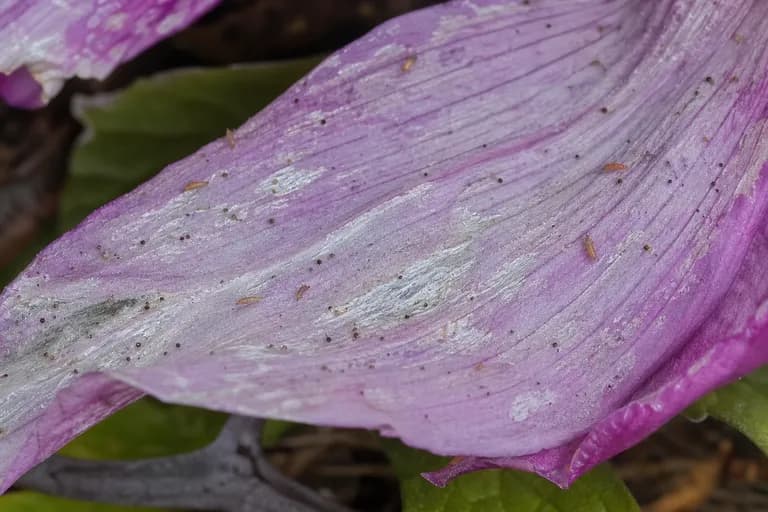
Thripse
SchädlingSilbrige Streifen auf den Blättern. Winzige, schlanke Insekten, die mit Vergrößerung sichtbar sind. Verminderte Vitalität bei starkem Befall.
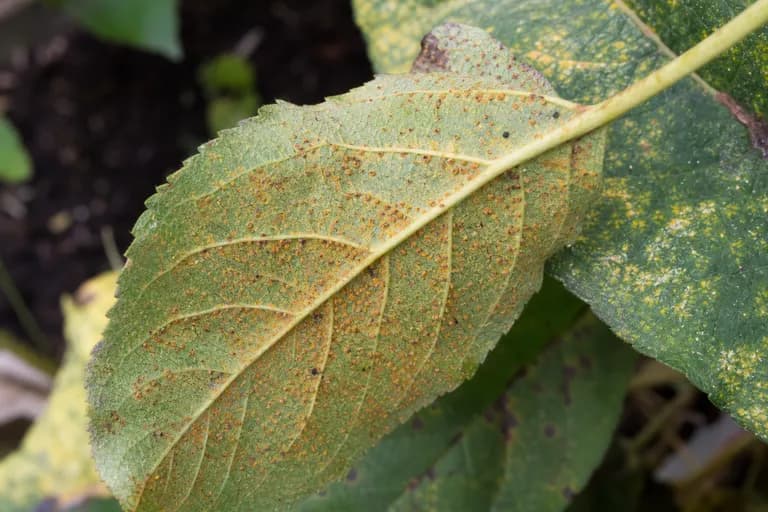
Rost
KrankheitOrange-braune Pusteln auf den Blättern, hauptsächlich bei feuchten, schwülen Bedingungen. Befallene Blätter vergilben und sterben vorzeitig ab.
Fehlerbehebung bei häufigen Problemen
Aggressive Selbstaussaat ist das größte Problem; koreanischer Knoblauchschnittlauch kann invasiv werden, wenn die Blüten zur Samenreife gelangen. Konsequent ausputzen. Der starke Knoblauchgeruch kann nahestehende mild aromatische Kräuter durchdringen. Überalterte Büschel produzieren zähe, faserige Blätter; alle 3 Jahre teilen. Weiße Fliege kann bei Gewächshaus- oder Innenanbau ein Problem sein.
Anbautipps
- Weichen Sie Knoblauchschnittlauch-Samen 12–24 Stunden vor der Aussaat in warmem Wasser ein, um die harte Samenschale aufzuweichen und die Keimraten drastisch zu verbessern. Ohne Einweichen kann die Keimung lückenhaft und langsam sein und bis zu 3 Wochen statt der üblichen 7–14 Tage dauern.
- Pflanzen Sie in Gruppen von 4–6 Samen pro Position statt einzelne Samen mit Abstand. Büschelpflanzung produziert einen volleren, ertragreicheren Bestand viel schneller und ahmt die natürliche Wuchsform der Pflanze nach, sodass Sie bereits in der ersten Saison erntefähige Büschel erhalten.
- Ernten Sie, indem Sie alle Blätter eines Büschels mit einer scharfen Schere oder einem Messer auf 3 cm über dem Boden zurückschneiden. Ziehen Sie niemals an den Blättern, da dies den flach sitzenden Zwiebelkluster herausreißen kann. Das gesamte Büschel wächst innerhalb von 14–21 Tagen gleichmäßig nach und produziert zartes neues Wachstum, das aromatischer ist als alte Blätter.
- Lassen Sie zwischen den Ernten mindestens 4 Wochen ungestörtes Wachstum, damit die Pflanzen ihre Wurzelenergiereserven auffüllen können. Zu häufiges Ernten schwächt die Büschel fortschreitend und führt zu dünnen, blassen Blättern und schließlichem Verfall. Drei bis vier Ernten pro Saison sind für die meisten Büschel nachhaltig.
- Entfernen Sie Blütenstiele umgehend, es sei denn, Sie möchten Samen oder essbare Blütenknospen. Knoblauchschnittlauch sät sich reichlich selbst aus und kann invasiv werden, wenn Blüten zur Samenreife gelangen. Das Ausputzen lenkt die Energie der Pflanze auch in die Produktion aromatischerer Blätter um.
- Bleichen Sie Knoblauchschnittlauch für eine Gourmet-Delikatesse, indem Sie ein etabliertes Büschel 2–3 Wochen im Frühjahr mit einem umgedrehten Topf oder Eimer abdecken. Die ohne Licht wachsenden Triebe werden goldgelb mit süßerem, delikaterem Geschmack, der in der koreanischen Küche als Yeongyang Buchu hochgeschätzt wird.
- Bauen Sie Knoblauchschnittlauch als Begleitpflanzungs-Einfassung um Gemüsebeete an. Die von Wurzeln und Laub abgegebenen Schwefelverbindungen sind ein bewährtes Abwehrmittel gegen Blattläuse, Möhrenfliegen und Japankäfer und bieten natürlichen Schädlingsschutz für benachbarte Kulturen.
- Teilen Sie dicht gewachsene Büschel alle 3–4 Jahre im zeitigen Frühjahr, sobald neues Wachstum erscheint. Heben Sie das gesamte Büschel mit einer Grabegabel aus, teilen Sie es in Abschnitte von 6–10 Zwiebeln und pflanzen Sie in der gleichen Tiefe mit frischem Kompost wieder ein. Das Teilen verjüngt nachlassende Produktivität und liefert kostenlose Pflanzen.
- Koreanischer Knoblauchschnittlauch ist bestens für Kübelhaltung geeignet. Ein 25–30 cm großer Topf kann ein produktives Büschel 2–3 Jahre lang versorgen. Verwenden Sie gut durchlässige Blumenerde, gießen Sie regelmäßig und stellen Sie den Topf an einen Platz mit mindestens 6 Stunden direkter Sonneneinstrahlung. Kübel können im Herbst für eine verlängerte Winterernte ins Haus geholt werden.
- In kalten Klimazonen (Zonen 4–5) eine 10–15 cm dicke Mulchschicht aus Stroh oder gehäckseltem Laub über ruhende Büschel nach dem ersten starken Frost auftragen. Dies isoliert den Zwiebelkluster bei extremen Kältewellen und fördert ein früheres, kräftigeres Austreiben im Frühjahr, wenn die Mulchschicht im März zurückgezogen wird.
Bau deine beste Koreanischer Knoblauchschnittlauch an — und alles drumherum.
Starte heute kostenlos. Lege deine Beete an, setze deine Koreanischer Knoblauchschnittlauch ein und lass PlotMyGarden Timing, Abstände, Begleiter und Erinnerungen von der Saat bis zum Erntekorb übernehmen.
Finde deine Koreanischer Knoblauchschnittlauch
Korean Broad Leaf
Breite, flache Blätter mit kräftigem Knoblaucharoma und substanzieller Textur. Die Standardsorte für die koreanische Küche. Wüchsig und ertragreich mit ausgezeichneter Winterhärte.
Nira (Japanischer Knoblauchschnittlauch)
Ähnlich dem koreanischen Typ mit etwas schmaleren Blättern. Unverzichtbar in japanischen Gyoza und Pfannengerichten. Äußerst ertragreich und einfach anzubauen.
Eine einzelne Packung koreanischer Knoblauchschnittlauch-Samen (2–4 €) enthält 200–500 Samen, und da jede Pflanze eine Staude ist, die 5–8 Jahre lang produziert, ist die Anfangsinvestition außerordentlich gering. Frischer Knoblauchschnittlauch wird in asiatischen Lebensmittelgeschäften und auf Wochenmärkten für 3–5 € pro kleinem Bund (100 g) verkauft. Eine gut etablierte Reihe von 10–15 Pflanzen liefert 4–6 Ernten pro Saison von jeweils 200–400 g und produziert so mühelos Knoblauchschnittlauch im Wert von 100–200 € jährlich – Jahr für Jahr mit minimalem Aufwand neben gelegentlichem Gießen und einer jährlichen Kompostgabe.
Schnelle Rezepte
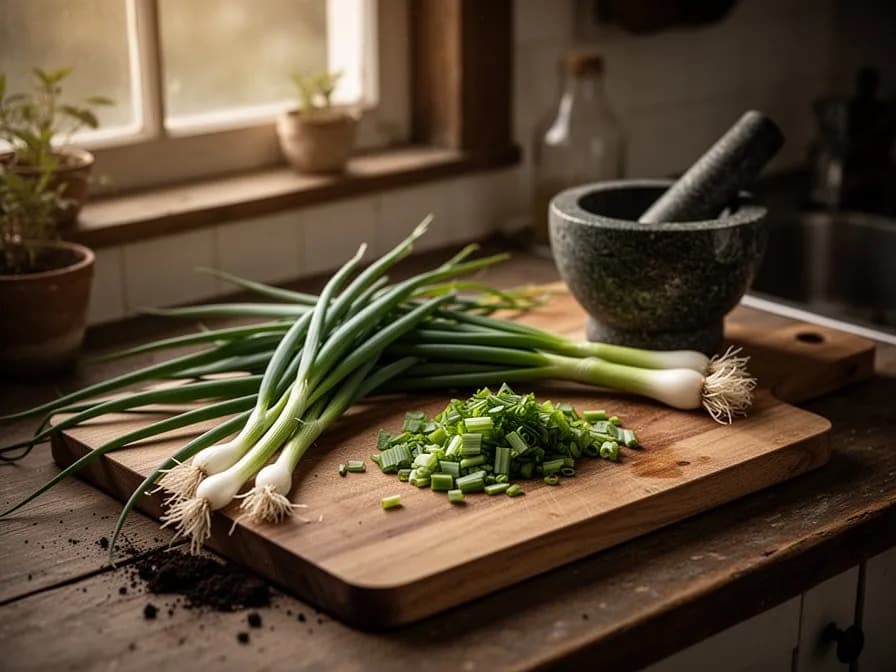
Buchujeon (Koreanischer Knoblauchschnittlauch-Pfannkuchen)
20 Min.Ein knuspriger, herzhafter koreanischer Pfannkuchen voller Knoblauchschnittlauch, serviert mit einer würzigen Soja-Dip-Sauce. Dieses beliebte koreanische Straßenessen ist einfach zuzubereiten und bringt das milde Knoblaucharoma von frischem Buchu bestens zur Geltung – außen golden und knusprig, innen zart und duftend.
8 Zutaten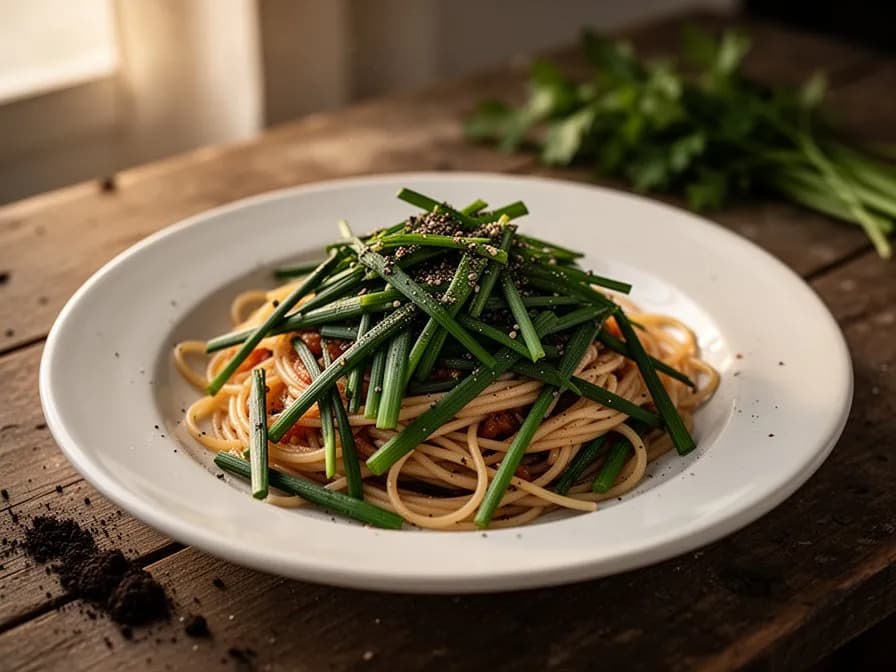
Buchu Bokkeum (Pfannengerührter Knoblauchschnittlauch)
10 Min.Eine schnelle und intensiv aromatische koreanische Beilage (Banchan) aus Knoblauchschnittlauch, kurz in Sesamöl angebraten mit Sojasauce, Sesamsamen und einem Hauch Gochugaru-Chiliflocken. In unter 10 Minuten fertig, passt dieses Gericht perfekt zu gedämpftem Reis und ist ein Grundpfeiler der alltäglichen koreanischen Hausmannskost.
7 ZutatenKnoblauchschnittlauch-Teigtaschen (Buchu Mandu)
45 Min.Saftige koreanische Teigtaschen gefüllt mit einer herzhaften Mischung aus Knoblauchschnittlauch, Tofu, Schweinefleisch und Glasnudeln. Der Knoblauchschnittlauch verleiht eine duftende Tiefe, die diese Teigtaschen über gewöhnliche Mandu hinaushebt. In der Pfanne knusprig braten oder dämpfen für ein leichteres Ergebnis – in beiden Fällen sind sie ruckzuck aufgegessen.
9 ZutatenKulinarische Verwendung
Koreanischer Knoblauchschnittlauch ist in der koreanischen Küche unverzichtbar für Buchu-Kimchi, Buchujeon (herzhafte Pfannkuchen), Mandu (Teigtaschen) und Japchae (Glasnudel-Pfannengericht). In 5-cm-Stücke schneiden und mit Eiern, Tofu oder Schweinefleisch pfannenrühren. Suppen und Nudelgerichten erst in der letzten Minute hinzufügen. In der chinesischen Küche für Teigtaschenfüllungen, Rührei und Pfannengerichte verwenden. Das Knoblaucharoma ist milder als frischer Knoblauch und wird beim Kochen süß. Die weißen Blüten sind essbar und eignen sich als hübsche Garnitur.
Was drinsteckt
Gesundheitsvorteile
- Reich an Organoschwefelverbindungen einschließlich Allicin, das in Laborstudien antibakterielle, antivirale und antimykotische Aktivität gezeigt hat – es unterstützt das Immunsystem und trägt zur allgemeinen Widerstandskraft gegen häufige Infektionen bei.
- Enthält hohe Mengen an Beta-Carotin und anderen Carotinoid-Antioxidantien, die Zellen vor oxidativem Stress schützen und potenziell das Risiko chronischer Krankheiten wie Herz-Kreislauf-Erkrankungen und bestimmter Krebsarten verringern.
- Der bedeutende Vitamin-C-Gehalt unterstützt die Kollagensynthese für gesunde Haut, Zahnfleisch und Bindegewebe und verbessert gleichzeitig die Aufnahme von Nicht-Häm-Eisen aus pflanzlichen Lebensmitteln, die in derselben Mahlzeit verzehrt werden.
- Die traditionelle koreanische Medizin verwendet Knoblauchschnittlauch seit Jahrhunderten als Verdauungshilfe, und moderne Forschung deutet darauf hin, dass die Schwefelverbindungen und der Ballaststoffgehalt eine gesunde Darmflora unterstützen und die Nährstoffaufnahme verbessern können.
- Liefert Vitamin K, das essenziell für die Blutgerinnung und den Kalziumstoffwechsel im Knochengewebe ist. Der regelmäßige Verzehr von Vitamin-K-reichen Blattgemüsen wie Knoblauchschnittlauch wird mit einer verbesserten Knochenmineraldichte und einem verringerten Frakturrisiko in Verbindung gebracht.
- Die entzündungshemmenden Verbindungen im Knoblauchschnittlauch, darunter die Flavonoide Quercetin und Kaempferol, können dazu beitragen, chronische niedriggradige Entzündungen zu reduzieren, die mit dem metabolischen Syndrom, Gelenkschmerzen und Herz-Kreislauf-Erkrankungen in Verbindung stehen.
Woher Koreanischer Knoblauchschnittlauch stammt
Koreanischer Knoblauchschnittlauch (Allium tuberosum), in Korea als Buchu bekannt, stammt aus den Graslandschaften und Berghängen Zentral- und Südostasiens. Sein Ursprungszentrum wird in der Region zwischen Nordchina, der Mongolei und dem östlichen Himalaya vermutet. Archäologische Funde und historische Texte deuten darauf hin, dass Knoblauchschnittlauch in China seit mindestens 3.000 Jahren wild gesammelt und später kultiviert wurde, wobei schriftliche Erwähnungen in chinesischen Agrartexten aus der Zhou-Dynastie um 1000 v. Chr. erscheinen.
Die Pflanze gelangte durch kulturellen Austausch mit China auf die koreanische Halbinsel und wurde während der Zeit der Drei Königreiche (57 v. Chr. – 668 n. Chr.) tief in die koreanische Küche und traditionelle Medizin integriert. Koreanische Bauern selektierten Stämme mit breiteren, zarteren Blättern und stärkerem Knoblaucharoma und entwickelten schließlich die koreanische Kultursorte, die für ihren kräftigen Wuchs und ihre überlegenen kulinarischen Eigenschaften bekannt ist. In der koreanischen Volksmedizin wurde Buchu als wärmendes Kraut verschrieben, von dem man glaubte, es verbessere die Durchblutung, fördere die Verdauung und stärke die Nieren. Er bleibt eine unverzichtbare Zutat in vielen regionalen Kimchi-Rezepten, insbesondere dem frischen Mul-Kimchi und dem Buchu-Kimchi, die typisch für die südlichen Provinzen sind.
Knoblauchschnittlauch verbreitete sich entlang der Seidenstraße westwärts und erreichte Europa im Mittelalter, erlangte dort jedoch nie die gleiche kulinarische Bedeutung wie in Ostasien. In Japan ist die Pflanze als Nira bekannt und nimmt eine ähnlich wichtige Rolle im Alltagskochen ein. Die koreanische Sorte zeichnete sich durch jahrhundertelange gezielte Selektion aus, die Blattbreite, Zartheit und ein ausgewogenes Knoblaucharoma betonte – kräftig genug zum Würzen von Gerichten, aber mild genug, um roh in großen Mengen gegessen zu werden. Heute wird koreanischer Knoblauchschnittlauch in ganz Ostasien kommerziell angebaut und zunehmend auch in Hausgärten weltweit, da das Interesse an koreanischer Küche global weiter wächst. Die Pflanze gedeiht in den USDA-Zonen 4–9 und hat sich in Teilen Nordamerikas, Europas und Australiens eingebürgert.
Koreanischer Knoblauchschnittlauch: Schon gewusst?
Faszinierende Fakten über Koreanischer Knoblauchschnittlauch
Koreanischer Knoblauchschnittlauch (Buchu) wird in Korea seit über 1.500 Jahren kultiviert und hat eine tiefe kulturelle Bedeutung – er ist eine der traditionellen Zutaten bei der Kimchi-Herstellung und erscheint in koreanischen Volksmedizin-Texten, die bis in die Goryeo-Dynastie zurückreichen.
Koreanischer Knoblauchschnittlauch: Fragen & Antworten
Wann sollte ich Koreanischer Knoblauchschnittlauch pflanzen?
Was sind gute Begleitpflanzen für Koreanischer Knoblauchschnittlauch?
In welchen Winterhärtezonen kann Koreanischer Knoblauchschnittlauch wachsen?
Wie viel Sonne braucht Koreanischer Knoblauchschnittlauch?
Welchen Abstand sollte ich zwischen Koreanischer Knoblauchschnittlauch lassen?
Welche Schädlinge und Krankheiten befallen Koreanischer Knoblauchschnittlauch?
Wie lagere ich Koreanischer Knoblauchschnittlauch nach der Ernte?
Was sind die besten Koreanischer Knoblauchschnittlauch-Sorten zum Anbauen?
Welchen Boden braucht Koreanischer Knoblauchschnittlauch?
Was ist der Unterschied zwischen koreanischem Knoblauchschnittlauch und gewöhnlichem Schnittlauch?
Wie verhindere ich, dass sich koreanischer Knoblauchschnittlauch invasiv ausbreitet?
Kann ich koreanischen Knoblauchschnittlauch im Winter drinnen anbauen?
Warum werden die Blätter meines Knoblauchschnittlauchs gelb?
Wann ist der beste Zeitpunkt, um koreanischen Knoblauchschnittlauch für maximales Aroma zu ernten?
Wie verwende ich koreanischen Knoblauchschnittlauch beim Kochen?
Du hast die Theorie gelesen. Jetzt baue sie auf Autopilot an.
Alles, was Koreanischer Knoblauchschnittlauch knifflig macht — das Timing, die Abstände, die Begleiter, das Erntefenster — genau das übernimmt PlotMyGarden für dich, für jede Pflanze im Garten.
Ein Plan, der dein Wetter kennt
Standort einmal festlegen. Aussaat-, Dünge- und Erntedaten rund um deinen echten letzten Frosttermin und die Live-Vorhersage — kein Raten mehr nach Saattüte.
Aus dem Abschnitt „Pflanzzeit“Beetplaner per Drag & Drop
Beete auf einem Raster gestalten. Jede Pflanze rastet im richtigen Abstand ein, und du siehst die ganze Saison, bevor du einen Cent für Saatgut ausgibst.
Aus dem Abschnitt „Anbau“Begleiter-Konflikte früh erkannt
Über 200 gute und schlechte Kombinationen werden beim Pflanzen live geprüft — so landet ein saisonruinierender Fehler nie in der Erde.
Aus dem Abschnitt „Begleiter“Erinnerungen, nach denen du wirklich handelst
„Gieß die Bohnen.“ „Heute ernten, bevor's umschlägt.“ Pünktlich, konkret und auf deine echten Pflanzen bezogen.
Aus dem Abschnitt „Ernte“Staffel-Aussaat, geplant
Sechs Wochen ernten statt sechs Tage? Die App verteilt deine Aussaaten automatisch und erinnert dich, wenn der nächste Satz fällig ist.
Aus dem Abschnitt „Pflanzzeit“Ein Verlauf, der schlauer wird
Jede protokollierte Ernte bringt der App deinen Garten bei. Der Plan fürs nächste Jahr startet bei dem, was in deinem Boden wirklich funktioniert hat.
Aus dem Abschnitt „Überblick“Pflanze diese neben Koreanischer Knoblauchschnittlauch
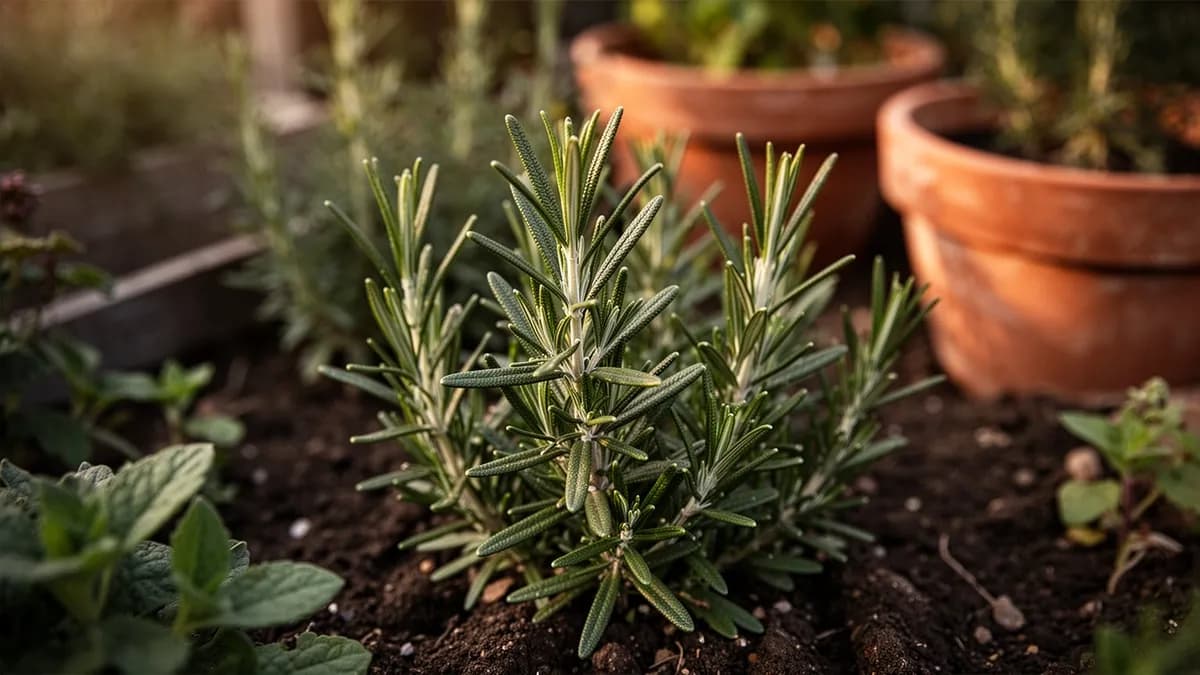
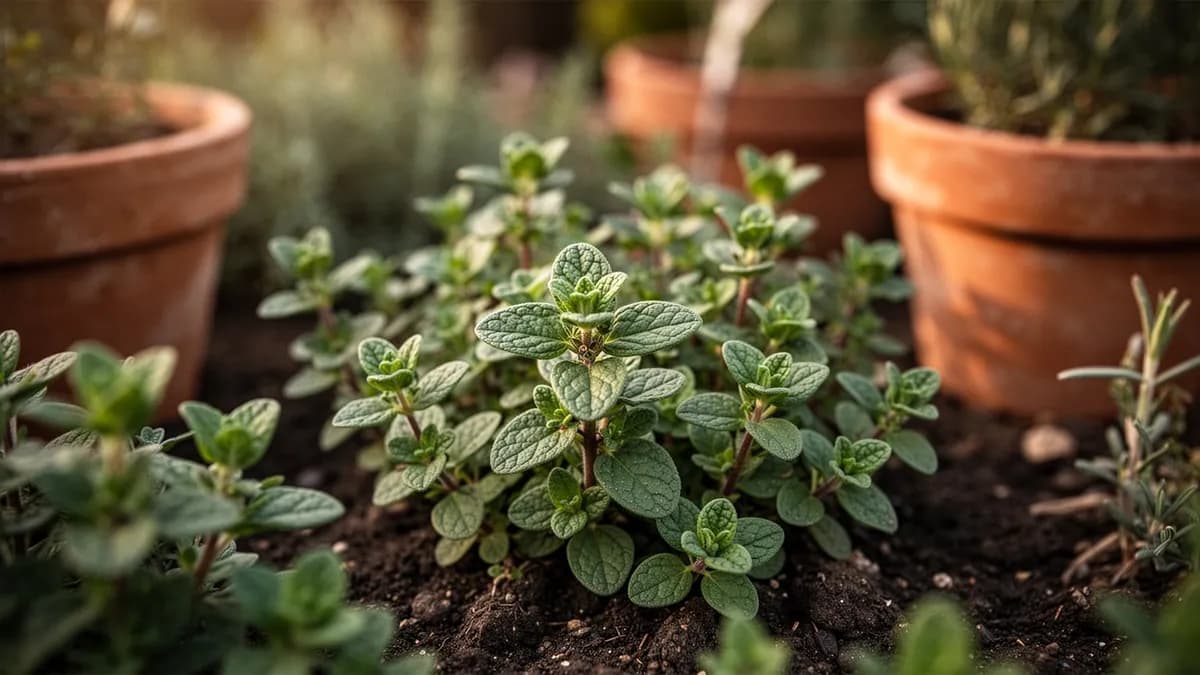
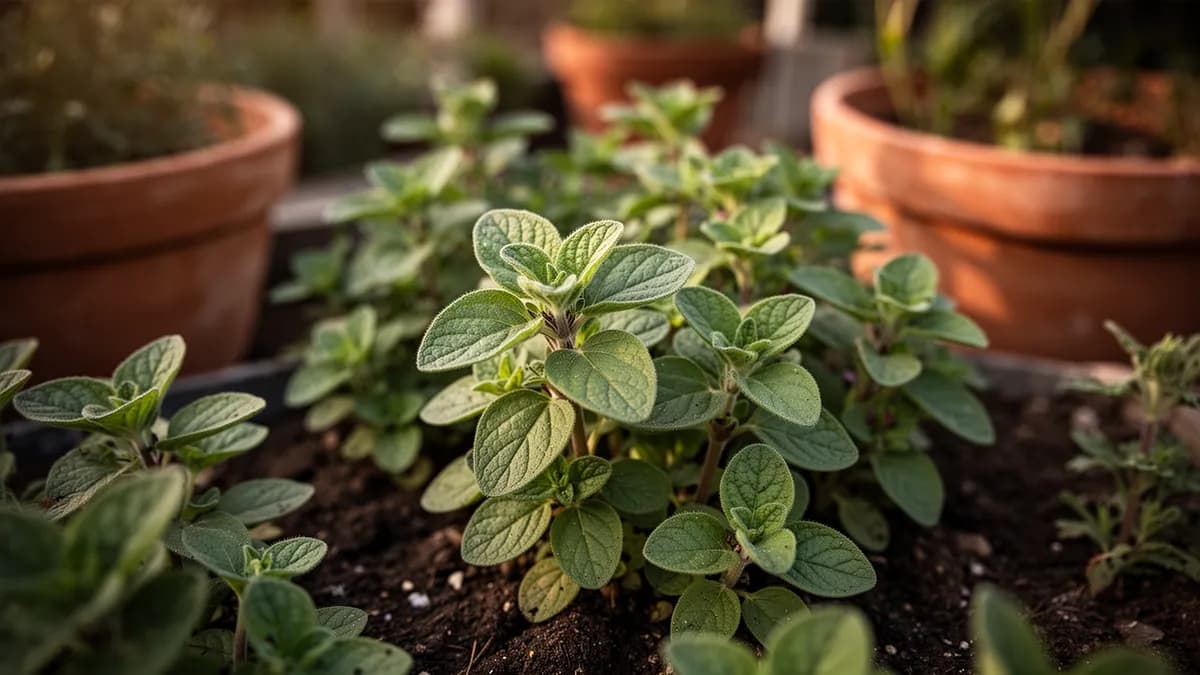
Weitere Küchenkräuter
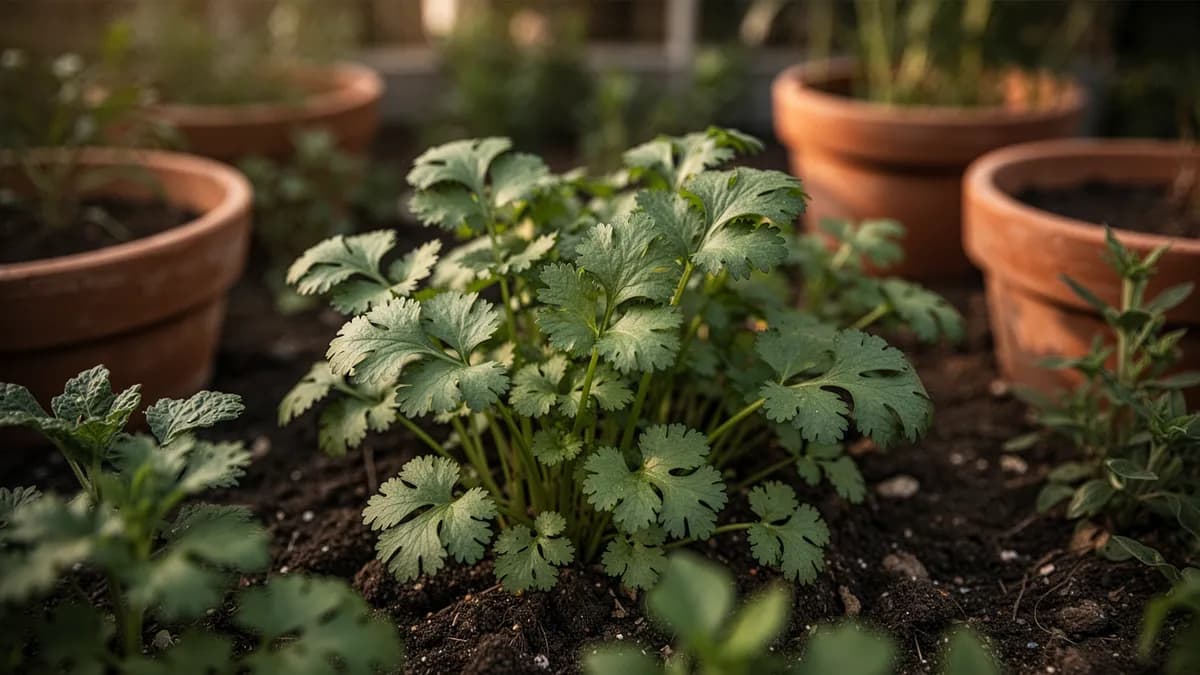
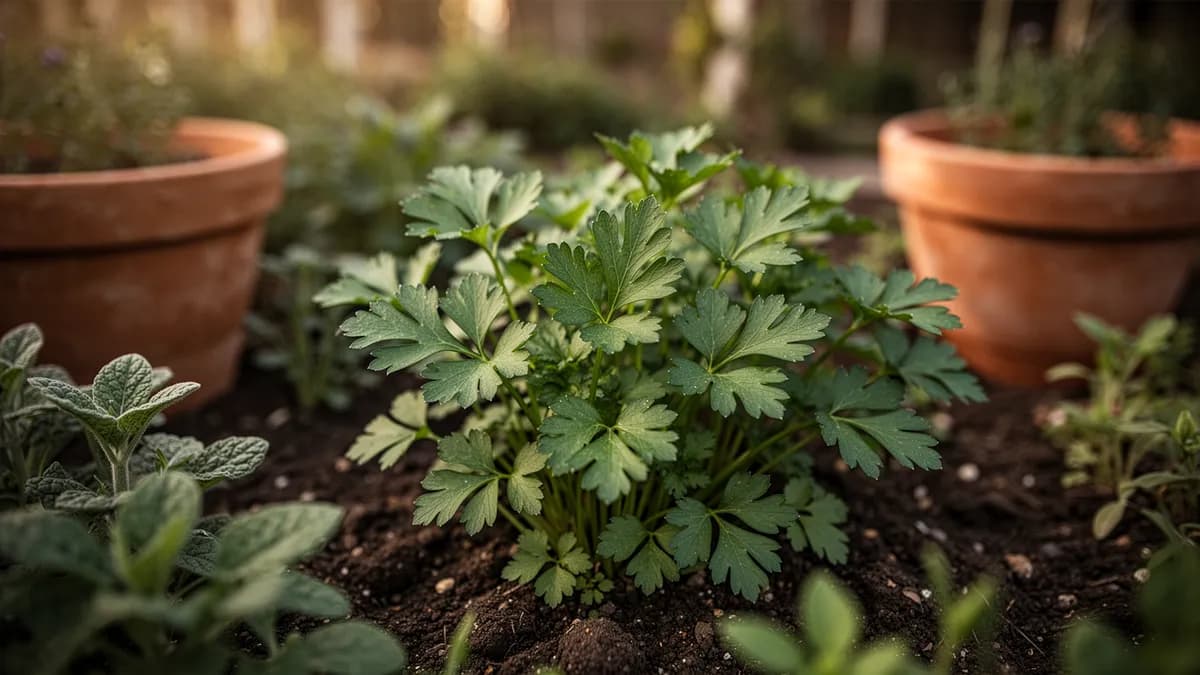
Halte Koreanischer Knoblauchschnittlauch von diesen fern
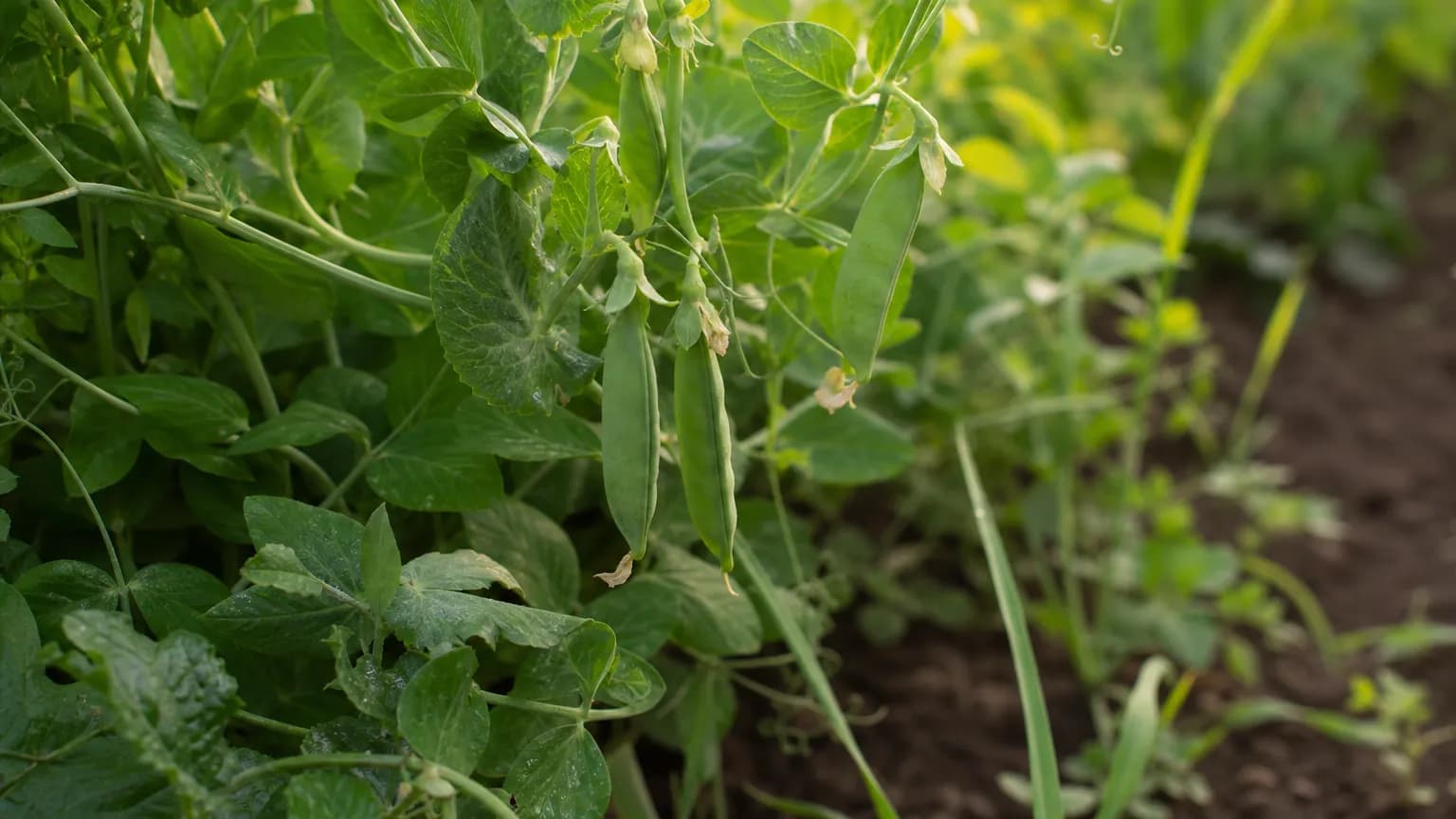
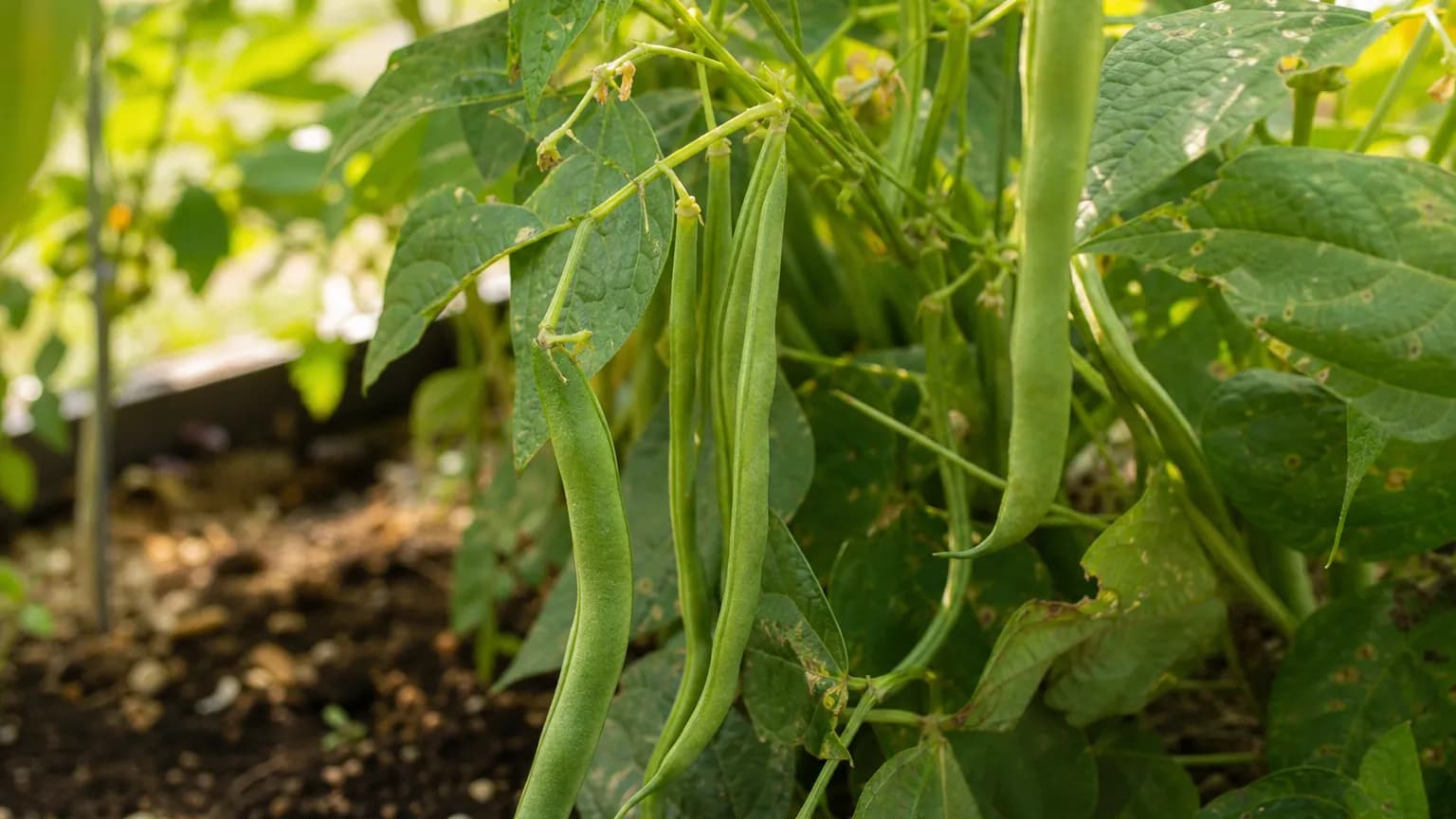
Gartenpläne mit Koreanischer Knoblauchschnittlauch
Bau deine beste Koreanischer Knoblauchschnittlauch an — und alles drumherum.
Starte heute kostenlos. Lege deine Beete an, setze deine Koreanischer Knoblauchschnittlauch ein und lass PlotMyGarden Timing, Abstände, Begleiter und Erinnerungen von der Saat bis zum Erntekorb übernehmen.