Dusty Miller
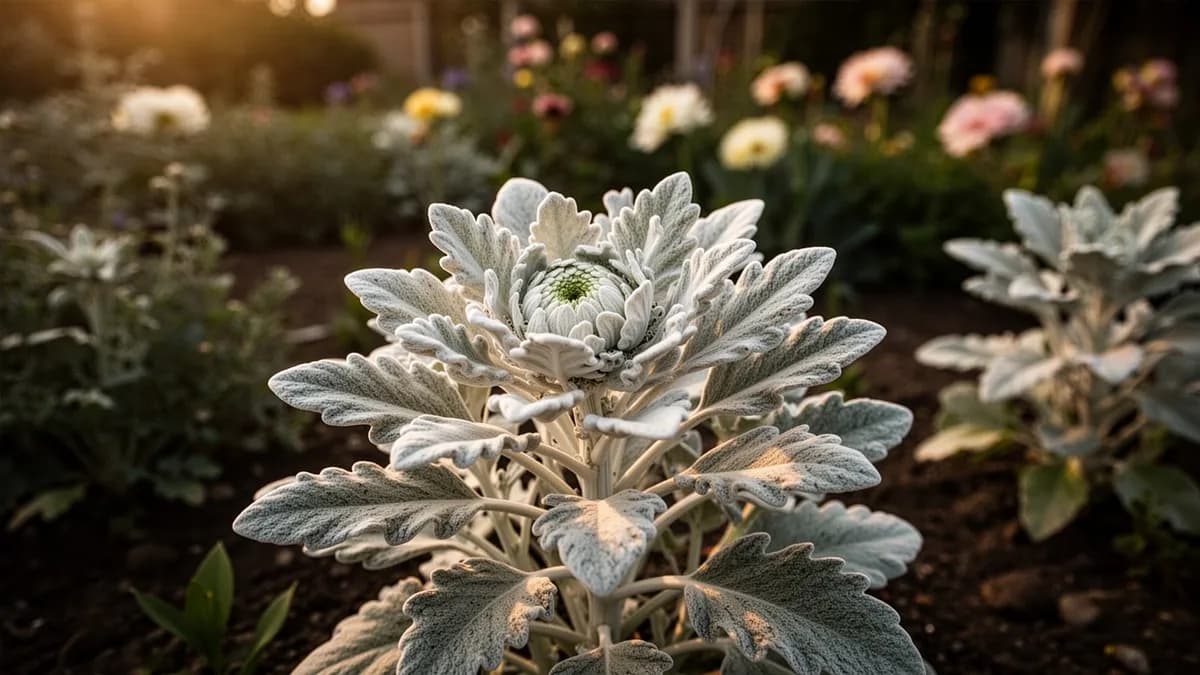
A silvery-white foliage plant grown for its deeply lobed, felt-textured leaves that provide elegant contrast in flower beds.





On this pageOverview
Meet Dusty Miller
A silvery-white foliage plant grown for its deeply lobed, felt-textured leaves that provide elegant contrast in flower beds. Dusty miller is drought-tolerant and heat-resistant, making it an ideal edging plant for sunny borders and containers. Remove any yellow flowers that appear to keep plants compact and maintain the best foliage display.
When to plant Dusty Miller
Sow dusty miller seeds indoors ten to twelve weeks before the last frost date. Seeds require light to germinate, so press them gently onto the surface of moist seed-starting mix without covering. Maintain temperatures of 65 to 75 degrees Fahrenheit and keep the surface consistently moist using a mist sprayer. Germination takes ten to twenty-one days. Transplant seedlings into individual pots when they develop their first true leaves and harden off for a week before planting outdoors.
Your Dusty Miller Year
Composed for Zone 7 · typical seasons · frost passes Apr 2, returns Nov 1
Plant Dusty Miller Apr – May, pick May – Oct. Check the planting methods below and set your climate to personalize these windows.
How to grow Dusty Miller
Start dusty miller seeds indoors ten to twelve weeks before the last frost date, as germination is slow and requires light. Press seeds onto the surface of moist seed-starting mix without covering, since they need light to germinate. Keep soil temperature around 65 to 75 degrees Fahrenheit and expect seedlings in ten to fifteen days.
Transplant hardened-off seedlings outdoors after all danger of frost has passed, spacing them about ten to twelve inches apart in full sun. Dusty miller tolerates poor, sandy soil and actually develops its best silver coloring in lean conditions with excellent drainage. Water sparingly once established, as overwatering promotes leggy, green growth and root rot.
Pinch growing tips early in the season to encourage bushier, more compact plants. Remove any yellow flower buds as they appear during the first season to direct energy into foliage production. In zones 7 through 11, dusty miller may overwinter as a short-lived perennial and develop a woody base. Apply a light mulch in borderline zones to protect roots during cold snaps.
36 plants fit a 4 × 8 ft bed
Each Dusty Miller wants 25 cm of elbow room. The planner keeps that spacing for you — every plant, every bed.
Dusty Miller's best neighbours
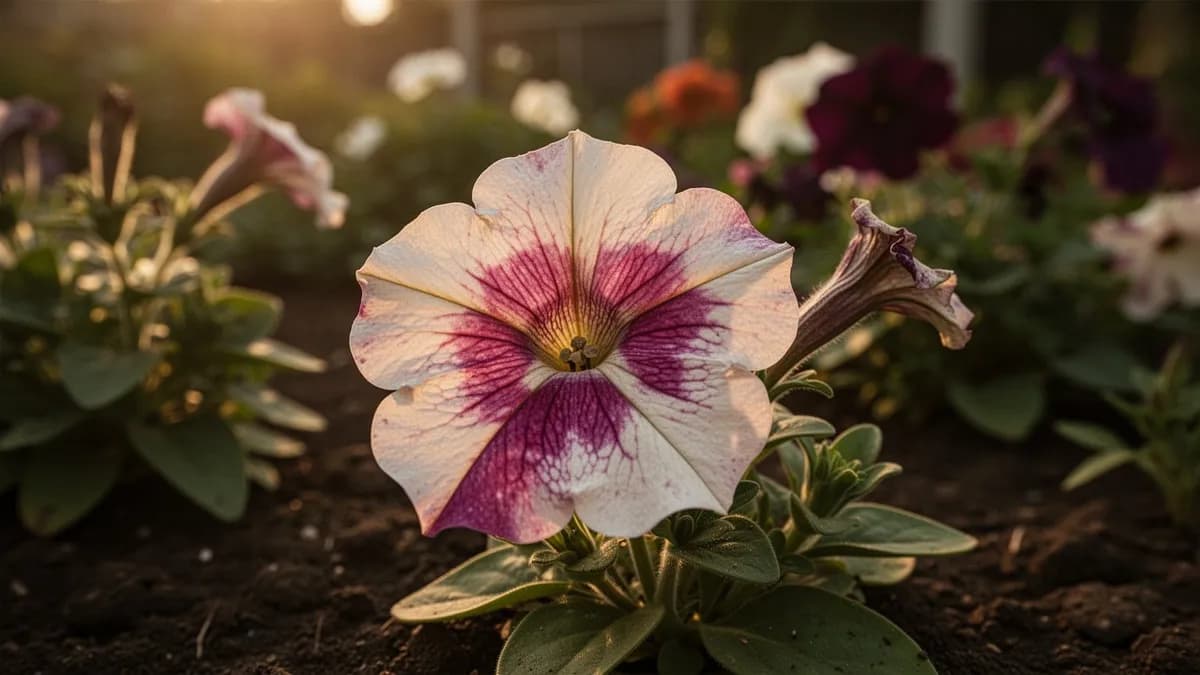
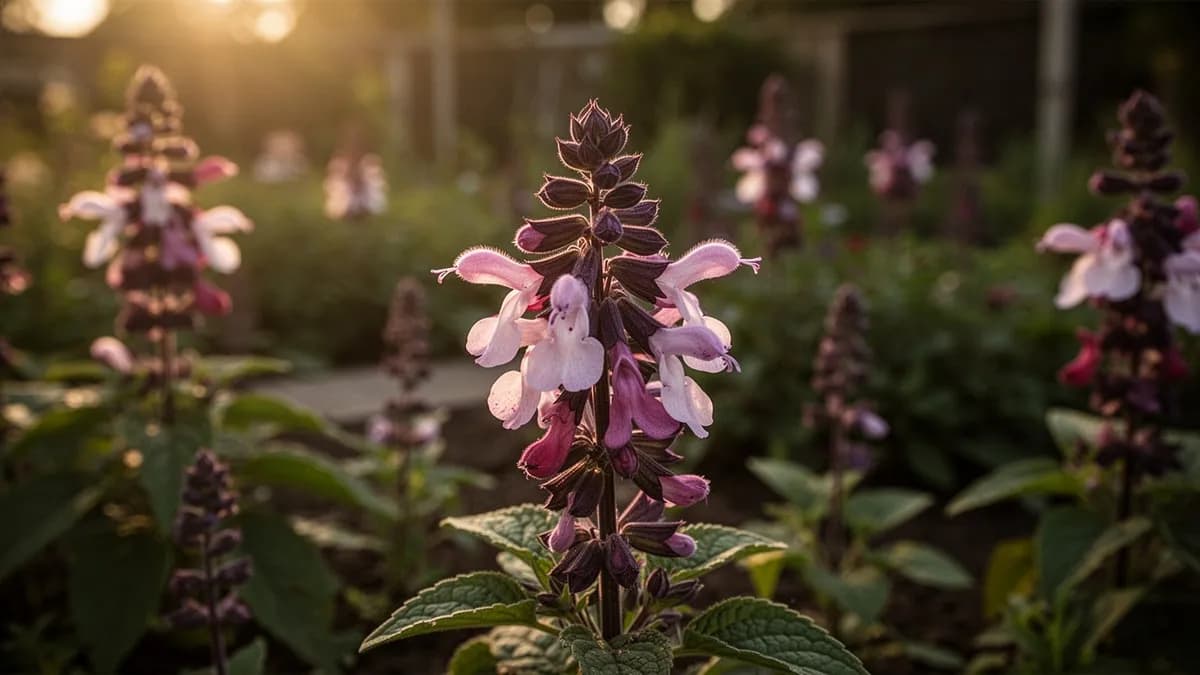
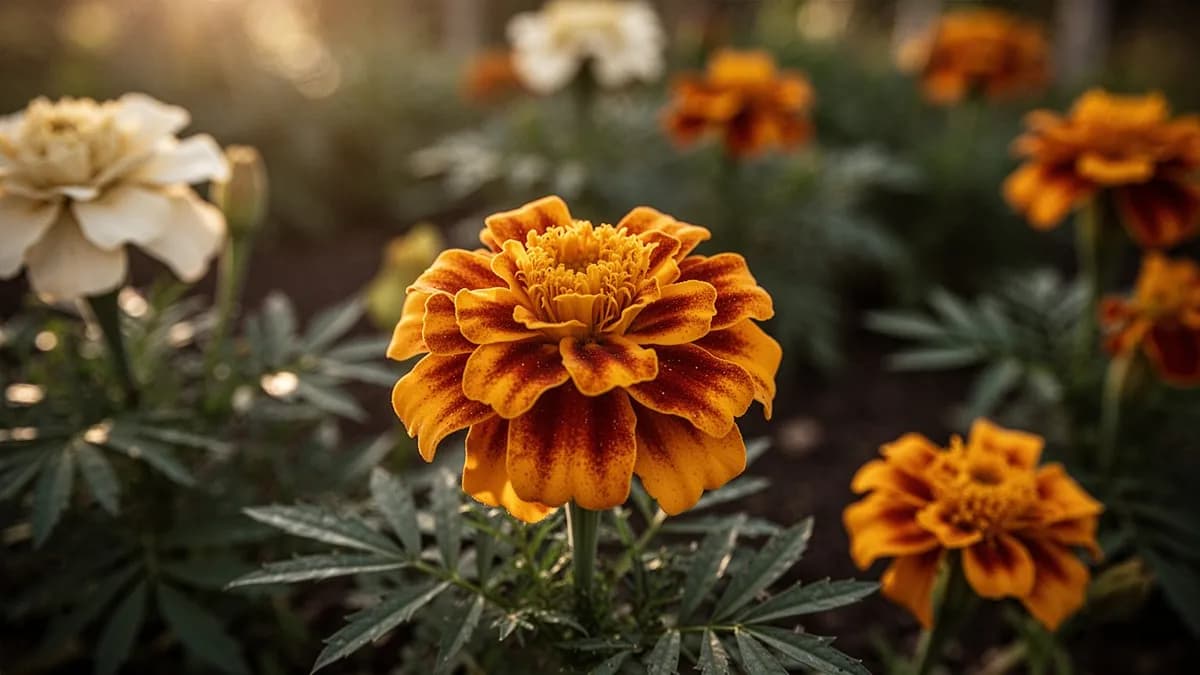
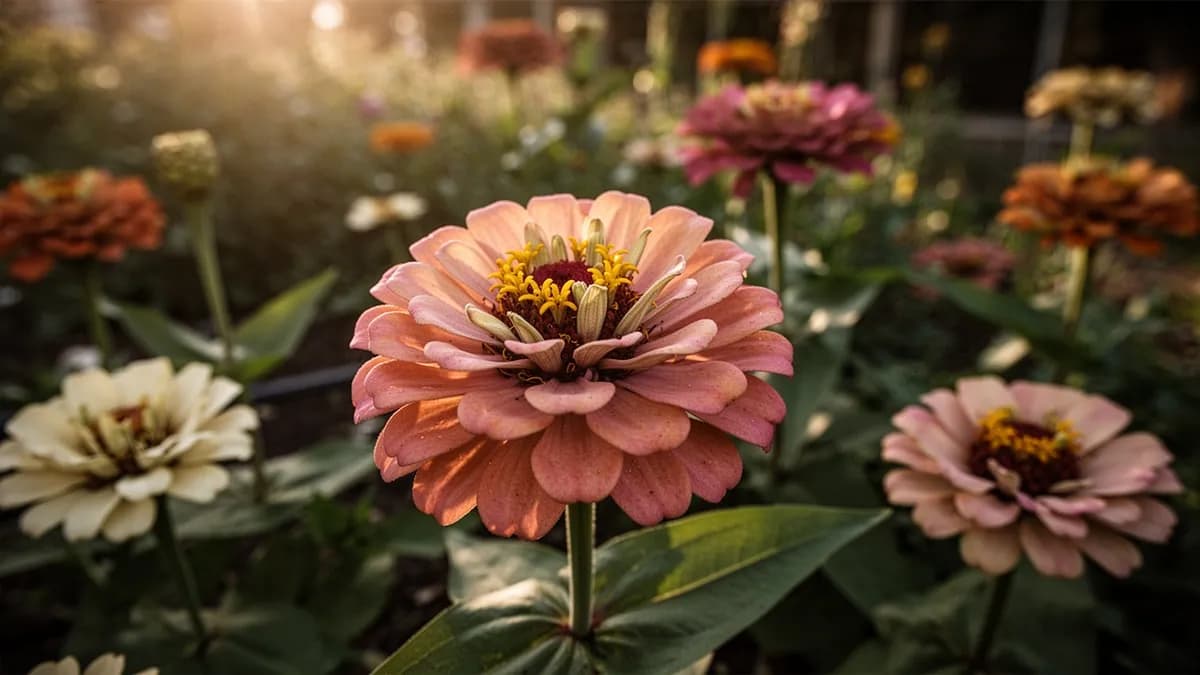
Dusty miller is one of the best contrast plants in the garden, pairing beautifully with bold-colored annuals like petunias, salvia, marigolds, and zinnias. Its silver foliage cools down hot color schemes and brightens shady edges of borders. Plant alongside purple or deep red flowers for the most dramatic effect. It also works well as a unifying element between disparate flower colors in mixed plantings.
Petunia belongs beside it.
Old growers' knowledge, checked against Dusty Miller's real companion table below — test any plant you're growing.
Try Dusty Miller in a bed — right here
A real planner bed with Dusty Miller already in it. Tap a companion to place it and watch the pairing checks answer — green for good neighbours, red for a clash.


Related growing guides

Feed it well
Dusty miller performs best in lean, well-drained soil with a pH of 5.5 to 6.5. Rich, fertile soil actually diminishes the silver coloring and promotes lanky, weak growth. Sandy or gravelly soil is ideal. Avoid heavy feeding; a single application of balanced slow-release fertilizer at planting time is sufficient for the entire season. Excess nitrogen causes green, floppy growth and reduces the characteristic silver appearance.
Ideal Temperature
Hardiness Zone Compatibility
From seed to harvest, stage by stage
Seed Germination
Dusty miller seeds are very fine and require light to germinate. Sow on the surface of moist seed-starting mix without covering. Seeds typically germinate in 10 to 14 days at temperatures between 65 and 75 degrees Fahrenheit. Keep the medium consistently moist but not waterlogged during this critical phase.
Seedling Development
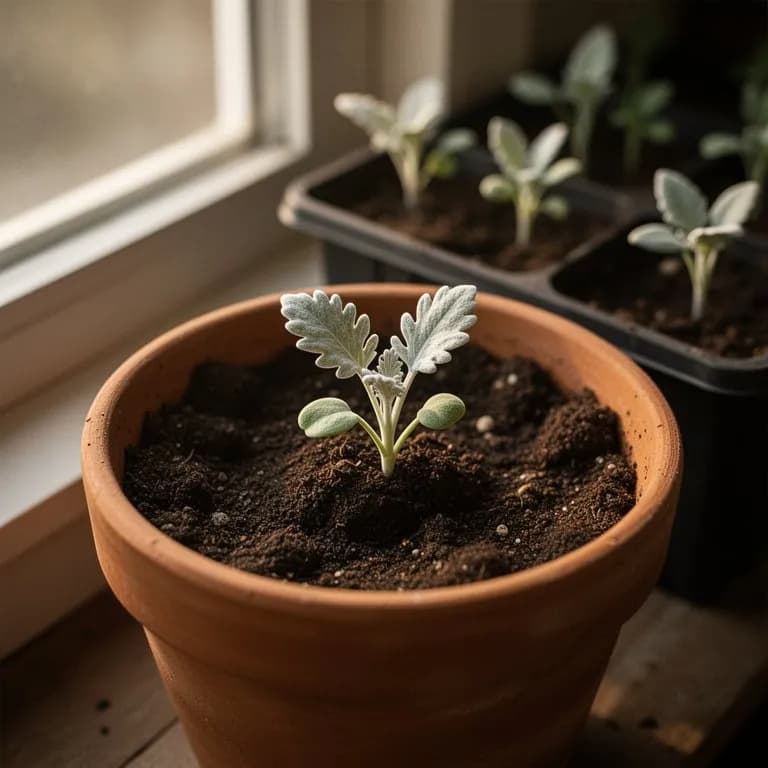
Young seedlings emerge with small green cotyledons before developing their first true leaves, which begin showing the characteristic silver-white tomentose coating. Growth is slow during this stage and seedlings are delicate. Provide bright indirect light for 12 to 14 hours daily to prevent leggy growth.
Vegetative Growth
The plant enters a rapid growth phase, producing its deeply lobed, silver-white foliage in increasing density. Leaves develop the thick feltlike covering of fine white hairs called trichomes that give the plant its dusty appearance. The plant begins forming its characteristic mounded habit during this period.
Mature Foliage Display
The plant reaches its full ornamental potential with a dense mound of silvery, lacy foliage standing 8 to 12 inches tall and 8 to 12 inches wide. The intricate leaf patterns are fully developed, displaying deeply cut pinnate segments. This is the prime display period when dusty miller provides maximum visual impact in garden designs.
Flowering and Seed Set
In its second year or late in the first season in warmer climates, dusty miller sends up flower stalks bearing clusters of small yellow daisy-like composite flowers. Each flower head is about half an inch across. While the flowers attract pollinators, they divert energy from foliage production and many gardeners consider them less ornamental than the leaves.
Overwintering and Regrowth
In USDA zones 7 through 10, dusty miller can survive winter as a short-lived perennial. The plant may die back partially in colder areas within its range but will regenerate from the crown in spring. In zones below 7, it is typically grown as an annual and will not survive prolonged freezing temperatures below about 20 degrees Fahrenheit.
Press seeds gently onto the soil surface but do not cover them. Use a mist sprayer to water so the tiny seeds are not displaced. Bottom heat from a seedling mat can improve germination rates significantly.
Caring for Dusty Miller month by month
What to do each month for your Dusty Miller
October
You are hereIn zones 7 and above, prepare plants for overwintering by reducing watering gradually. Apply a 2 to 3 inch layer of mulch around the base of plants in zones 7 and 8 for winter insulation. In colder zones, enjoy the remaining display and plan to replace plants next spring
Know exactly what to do in your garden — every month
One email at the start of each month: what to sow, plant, and tackle right now — for your Dusty Miller and everything growing around it. Plus a short starter course that helps you dodge the classic mistakes.
- What to do, right now
- Matched to your season
- Starter course included
Harvesting Dusty Miller
Cut dusty miller foliage stems freely throughout the growing season for use in floral arrangements, where the silvery leaves provide excellent contrast with colorful flowers. Harvest in the morning after dew has dried. Remove any flower buds that appear to keep the plant producing fresh, attractive foliage. For dried arrangements, hang cut stems upside down in a warm, dark, well-ventilated area for about two weeks.
assuming you plant when the window opens — set your real date
Pick Dusty Miller promptly and the plant keeps producing.
Storage & Preservation
Dusty miller foliage dries exceptionally well, retaining its silver color and fuzzy texture. Hang stems upside down in small bunches in a dark, dry, well-ventilated room for two to three weeks. Press individual leaves between sheets of parchment paper under heavy books for craft projects. Dried leaves can also be preserved with silica gel for three-dimensional arrangements. Store dried material in airtight containers away from moisture.
What goes wrong — and the fix
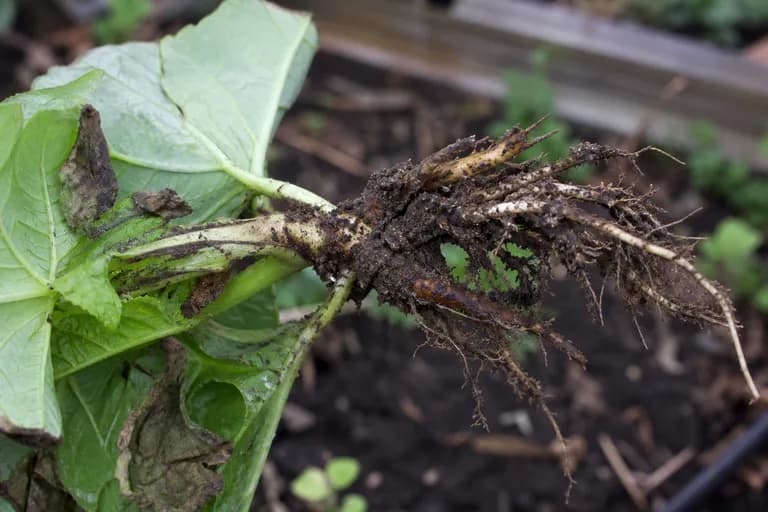
Root Rot
DiseaseWilting despite moist soil, blackened or mushy stem bases, yellowing lower leaves, and plant collapse.
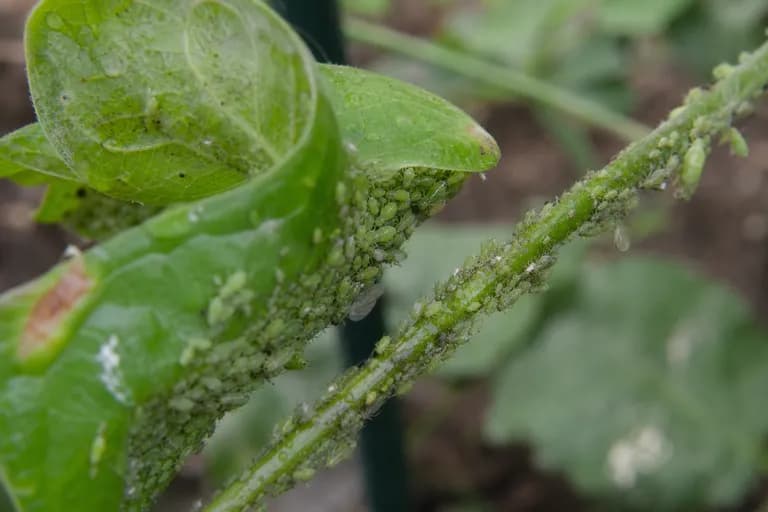
Aphids
PestClusters of small green or black insects on new growth, sticky honeydew residue on leaves, and distorted shoot tips.
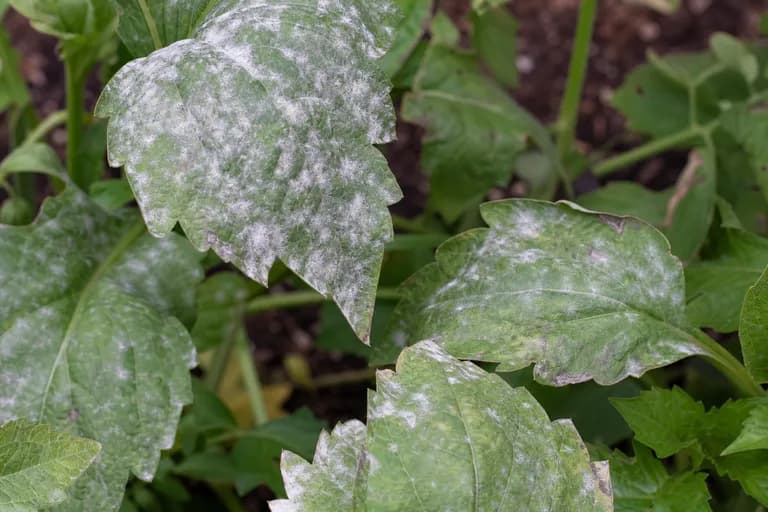
Powdery Mildew
DiseaseWhite powdery patches on leaves and stems, particularly in humid weather with poor air circulation.
Troubleshooting Common Problems
The most frequent issue is leggy, floppy growth caused by overly rich soil or too much shade. Plants in heavy clay soil are prone to root rot, especially during wet periods. Dusty miller may revert to greener growth if over-fertilized. In its second year as a perennial, plants often become woody and less attractive, so many gardeners treat it as an annual. Flower buds left unpinched divert energy from foliage production.
Growing Tips
- Sow seeds on the surface of the growing medium and do not cover them, as dusty miller seeds require light to germinate. Press them gently into the soil to ensure good contact without burying them.
- Provide excellent drainage above all else. Dusty miller is far more likely to die from root rot in soggy soil than from drought or heat stress. Amend heavy clay soils with coarse sand or perlite before planting.
- Pinch back the growing tips when young plants reach 4 to 5 inches tall. This single step makes the biggest difference in producing compact, bushy plants rather than sparse, leggy ones.
- Remove flower stalks promptly when they appear unless you want to collect seed. Flowering diverts energy from foliage production and the small yellow blooms are generally considered less attractive than the silver leaves.
- Water at the base of the plant rather than overhead to keep the felted foliage dry. Wet leaves are prone to fungal diseases and the moisture can mat down the fine trichomes that give the leaves their silver color.
- Dusty miller thrives in poor to moderately fertile soil. Avoid heavy fertilization, which promotes soft green growth at the expense of the compact silvery foliage that makes the plant desirable.
- Space plants 8 to 12 inches apart to allow adequate air circulation, which helps prevent powdery mildew and other fungal problems that can occur in humid conditions with crowded plantings.
- Take 3 to 4 inch stem cuttings in August, dip the cut ends in rooting hormone, and insert them into moist perlite or a sand and peat mix. Cuttings typically root within three to four weeks under bright indirect light.
- In borderline hardiness zones, apply a thick layer of straw or leaf mulch over the crown of the plant after the first hard frost to insulate the roots and increase the chance of overwintering survival.
- Combine dusty miller with bold-colored companions like red salvia, purple petunias, or pink geraniums for maximum visual impact. The neutral silver foliage makes virtually any flower color appear more vivid by contrast.
Grow your best Dusty Miller yet — and everything around it.
Start a free plan today. Lay out your beds, drop in your Dusty Miller, and let PlotMyGarden handle the timing, spacing, companions and reminders from seed to harvest basket.
Pick your Dusty Miller
Silver Dust
The most popular variety with finely cut, lacy silver-white foliage on compact eight to twelve inch plants, ideal for edging and mass plantings.
Cirrus
Features broader, less divided leaves with a rounded shape and dense silver felt covering, creating a bolder texture than lacier types.
Silver Lace
An exceptionally fine-textured variety with deeply dissected, almost thread-like silver foliage on compact, well-branched plants.
New Look
A vigorous selection with large, deeply lobed silvery leaves on sturdy twelve to fifteen inch plants that maintain excellent form without pinching.
A single packet of dusty miller seeds costs between two and four dollars and contains 200 to 500 seeds, enough to grow dozens of plants that would cost three to five dollars each at a garden center. Starting from seed can save 50 to 100 dollars compared to purchasing transplants for a medium-sized border planting. Additionally, dusty miller is easy to propagate from stem cuttings taken in late summer, allowing you to multiply your plants at no extra cost for the following season. In zones 7 through 10, established plants return as perennials, eliminating the need to repurchase each year.
Quick recipes
Silver Wreath Craft
45 minutesCreate a stunning decorative wreath using dried dusty miller foliage and a wire wreath frame. The silvery leaves dry beautifully and retain their color for months, making this an elegant year-round home decoration. Note: this is a craft project, not a food recipe, as dusty miller is not edible.
5 ingredients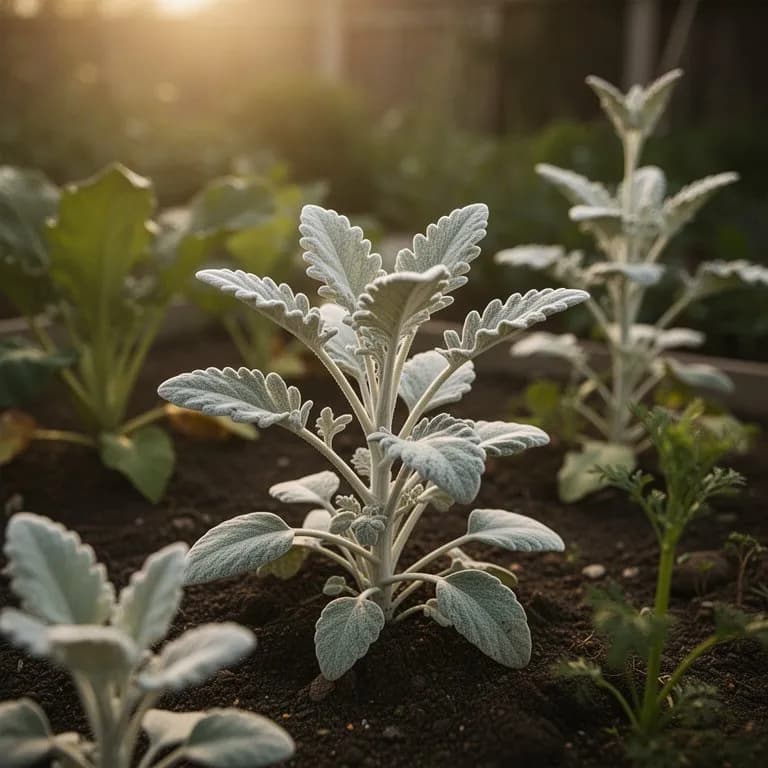
Pressed Silver Leaf Botanical Art
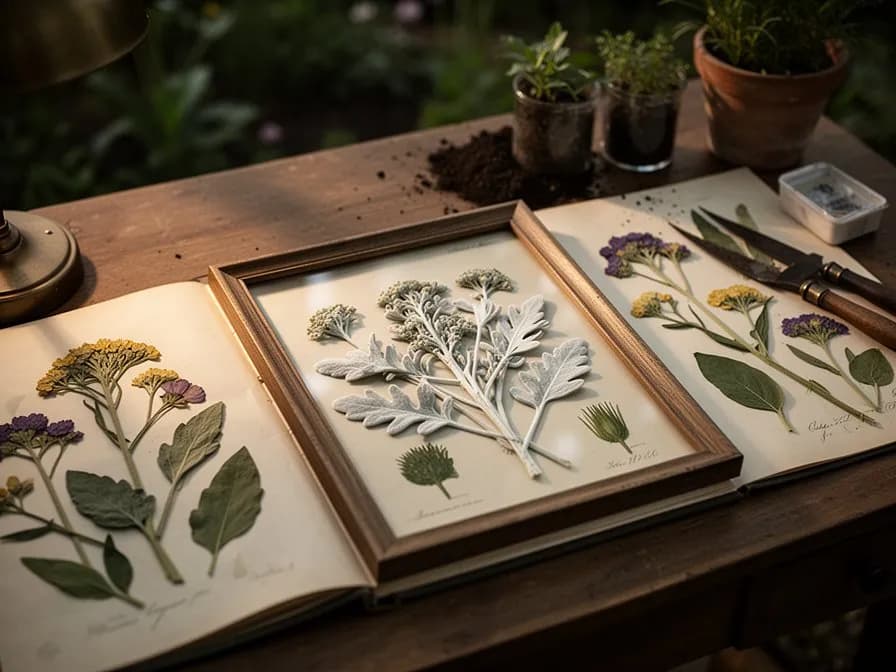
30 minutes active plus 2 weeks pressing timePress dusty miller's intricate lacy leaves to create beautiful botanical art prints or greeting cards. The detailed pinnate leaf structure produces stunning silhouettes when pressed and framed. This project showcases the plant's ornamental leaf architecture in a preserved format.
5 ingredientsSilver Garden Potpourri Blend
20 minutes active plus 1 week drying timeCombine dried dusty miller leaves with other dried garden materials to create a visually striking silver and lavender potpourri. The dried silver leaves add unique texture and color to the blend. For scent, this blend relies on the companion botanicals rather than the dusty miller itself.
6 ingredientsWhat's inside
Health Benefits
- Dusty miller is not consumed as a food or supplement and provides no direct dietary health benefits. It is grown exclusively as an ornamental foliage plant for garden and landscape use.
- Gardening with dusty miller and other plants provides well-documented mental health benefits including reduced stress, improved mood, and lower cortisol levels, contributing to overall psychological wellbeing.
- The low-maintenance nature of dusty miller makes it an ideal plant for therapeutic horticulture programs, allowing participants with limited mobility or energy to enjoy successful gardening with minimal physical demands.
- The silver reflective foliage can help reduce glare in garden areas near patios and seating spaces, creating a more comfortable outdoor environment for relaxation and stress relief.
- Working with dusty miller in garden beds provides gentle physical exercise through planting, pruning, and maintenance activities that support cardiovascular health and joint flexibility.
- Including dusty miller in residential landscapes contributes to increased time spent outdoors, which research has linked to improved vitamin D levels, better sleep quality, and enhanced immune system function.
Where Dusty Miller comes from
Dusty miller (Jacobaea maritima, formerly classified as Senecio cineraria) is a Mediterranean native plant that has been cultivated as an ornamental for centuries. Its natural range extends across the rocky coastal regions of southern Europe, from Portugal and Spain through Italy, Greece, and into parts of North Africa, where it grows wild on limestone cliffs, seaside bluffs, and dry stony slopes exposed to salt spray and intense sunshine. The plant belongs to the Asteraceae family, the same broad family that includes daisies, sunflowers, and chrysanthemums. Its taxonomic history is notably complex, having been reclassified multiple times between the genera Senecio, Cineraria, and most recently Jacobaea, as botanists refined their understanding of evolutionary relationships within the daisy family using modern molecular techniques. Dusty miller first gained widespread horticultural attention during the Victorian era in England, when elaborate carpet bedding schemes became the height of garden fashion. Head gardeners on grand estates prized the plant for its reliable silver-white foliage, which provided a neutral contrast to the vivid reds, blues, and yellows of annual bedding plants like geraniums, lobelias, and calceolarias arranged in intricate geometric patterns. The plant was introduced to North American gardens in the mid-nineteenth century and quickly became a staple of public park plantings and home landscapes alike. Today dusty miller remains one of the most popular silver-foliage plants in commercial horticulture worldwide, valued for its drought tolerance, low maintenance requirements, pest resistance, and versatility in both traditional and contemporary garden designs ranging from formal borders to cottage gardens and coastal landscapes.
Dusty Miller: did you know?
Fascinating facts about Dusty Miller
Dusty miller's silvery white leaf color is caused by thousands of tiny hair-like structures called trichomes that cover the leaf surface. These trichomes reflect sunlight and help the plant conserve moisture in its native Mediterranean coastal habitat, effectively acting as natural sunscreen for the leaf tissue beneath.
Dusty Miller questions, answered
When should I plant Dusty Miller?
What are good companion plants for Dusty Miller?
What hardiness zones can Dusty Miller grow in?
How much sun does Dusty Miller need?
How far apart should I space Dusty Miller?
What pests and diseases affect Dusty Miller?
How do I store Dusty Miller after harvest?
What are the best Dusty Miller varieties to grow?
What soil does Dusty Miller need?
Is dusty miller an annual or a perennial?
Can you eat dusty miller or use it in herbal remedies?
Why is my dusty miller turning green instead of staying silver?
Should I remove the flowers from my dusty miller plant?
How do I propagate dusty miller from cuttings?
What are the best companion plants for dusty miller?
You just read the theory. Now grow it on autopilot.
Everything that makes Dusty Miller fiddly — the timing, the spacing, the companions, the harvest window — is exactly what PlotMyGarden handles for you, for every plant in your garden.
A plan that knows your weather
Set your location once. Get sow, feed and harvest dates built around your real last-frost date and live forecast — no more guessing from a generic seed packet.
From the “When to plant” sectionDrag-and-drop bed planner
Design beds on a grid. Every plant snaps to its proper spacing, and you can see your whole season laid out before you spend a cent on seed.
From the “Growing guide” sectionCompanion conflicts, caught early
200+ good-and-bad pairings checked live as you plant — so a season-wrecking mistake never makes it into the ground.
From the “Companions” sectionReminders you'll actually act on
“Water the beans.” “Pick today before it turns.” Timely, specific, and tied to the plants you're really growing.
From the “Harvest” sectionSuccession, scheduled
Want a harvest for six weeks, not six days? It spaces your sowings automatically and reminds you when each new block is due.
From the “When to plant” sectionA record that gets smarter
Every harvest you log teaches it your garden. Next year's plan starts from what actually worked in your soil, not a textbook's.
From the “Overview” sectionPlant these alongside Dusty Miller
More Annuals
Grow your best Dusty Miller yet — and everything around it.
Start a free plan today. Lay out your beds, drop in your Dusty Miller, and let PlotMyGarden handle the timing, spacing, companions and reminders from seed to harvest basket.