Díctamo de Creta
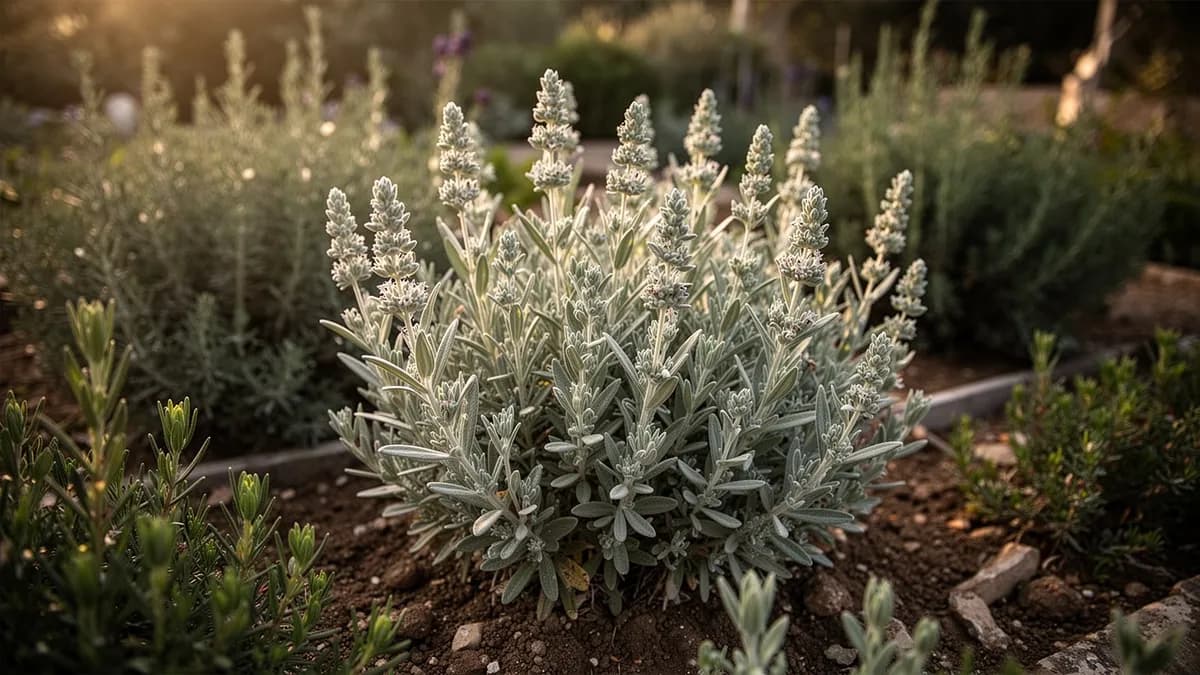
Un pariente del orégano escaso y muy apreciado, originario de Creta, con hojas redondeadas y lanosas de color gris y brácteas florales rosadas en cascada.





En esta páginaResumen
Conoce Díctamo de Creta
Un pariente del orégano escaso y muy apreciado, originario de Creta, con hojas redondeadas y lanosas de color gris y brácteas florales rosadas en cascada. El díctamo de Creta era considerado mágico en la mitología griega antigua y produce un aceite esencial sumamente aromático. Cultívelo en macetas con tierra arenosa y alcalina y un excelente drenaje, ya que es sensible al exceso de riego y a la humedad invernal.
Cuándo plantar Díctamo de Creta
El díctamo de Creta puede cultivarse a partir de semillas, pero la germinación es lenta e inconsistente. Siembre las diminutas semillas superficialmente sobre un sustrato para semillero arenoso y apenas húmedo, y manténgalas a 18-22 °C con buena luz. La germinación puede tardar 2-6 semanas y ser esporádica. Las plántulas son diminutas y delicadas; manipúlelas con extremo cuidado. Los esquejes de tallo tomados en verano de brotes sin flor son más fiables: inserte puntas de 5 cm en sustrato muy arenoso, manténgalos apenas húmedos y espere el enraizamiento en 4-6 semanas. El acodo de tallos rastreros también funciona bien.
Tu año de Díctamo de Creta
Ajustado a Zona 7 · temporada típica · la helada se va hacia el 2 abr y vuelve hacia el 1 nov
Planta Díctamo de Creta Abr – May y cosecha Jun – Ago. Consulta los métodos de plantación y elige tu clima para adaptar los periodos.
Cómo cultivar Díctamo de Creta
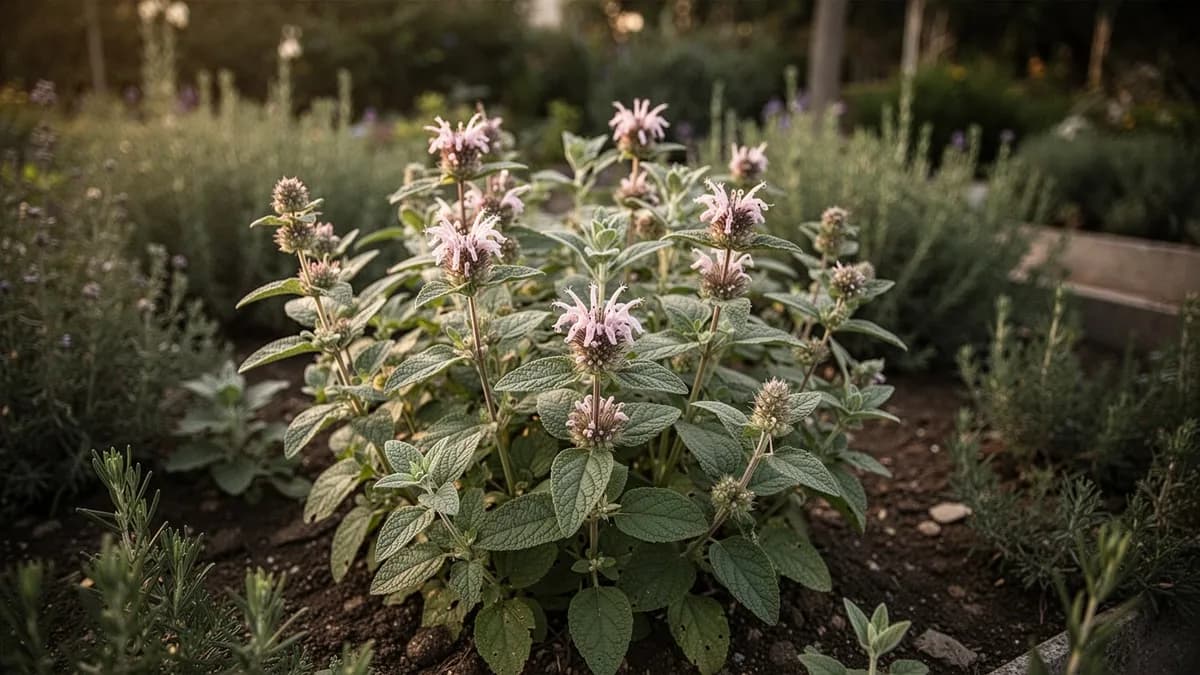
El díctamo de Creta es una aromática rara y exquisita endémica de las montañas de Creta, donde crece de forma silvestre en grietas rocosas de caliza. Este pequeño subarbusto redondeado alcanza los 20-40 cm de altura, con distintivas hojas redondeadas y lanosas de color verde grisáceo y racimos colgantes de brácteas florales rosadas que recuerdan a pequeños conos de lúpulo. Es una de las hierbas más hermosas y codiciadas por coleccionistas y cultivadores especializados.
Cultívelo exclusivamente en macetas con una mezcla de drenaje extremo: 50% de arena gruesa o perlita, 30% de sustrato en base a mantillo y 20% de gravilla fina. El díctamo no tolerará en ningún momento el exceso de humedad en las raíces. Colóquelo en la posición más cálida, soleada y resguardada disponible: una pared orientada al sur o un invernadero frío son ideales en climas templados. Riegue con moderación, dejando que la mezcla se seque casi por completo entre riegos.
En su área de distribución nativa (zonas 8-11), el díctamo puede cultivarse en jardines de rocalla, grietas de muros y arriates elevados con un drenaje excepcionalmente bueno. En otros lugares, el cultivo en maceta es imprescindible para poder proteger la planta de la lluvia y el frío invernal. Traslade la planta a cubierto en otoño y manténgala casi seca durante el invierno, proporcionándole la máxima luminosidad. Reanude el riego con cautela en primavera, a medida que aparezca el nuevo crecimiento.
36 plantas caben en un bancal de 120 × 240 cm
Cada Díctamo de Creta pide 25 cm de margen. El planificador guarda ese marco por ti — cada planta, cada bancal.
Los mejores vecinos de Díctamo de Creta
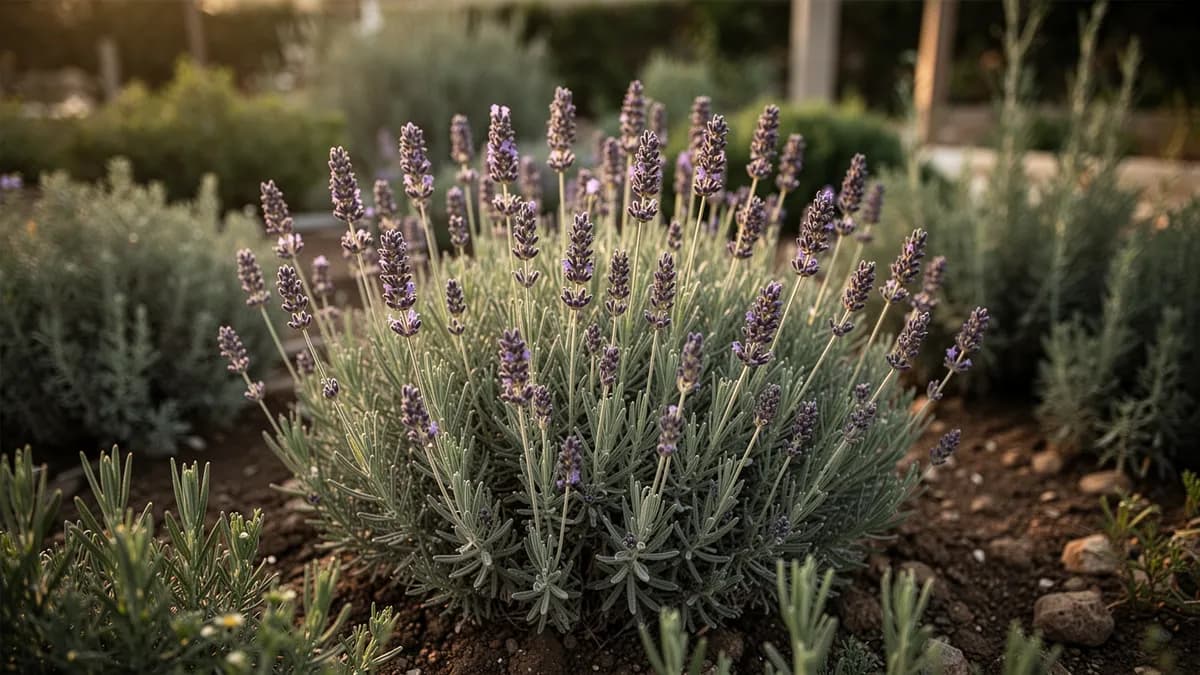
En colecciones de macetas, exhiba el díctamo junto a otras plantas alpinas mediterráneas como el tomillo cretense, la lavanda stoechas y el romero enano. En jardines de rocalla en climas suaves, combina bien con sempervivums, sedums y otras alpinas tolerantes a la sequía. El hábito colgante resulta hermoso derramándose sobre los bordes de macetas de terracota, pilas de piedra y plantaciones en muros.
Lavanda va a su lado.
Saber de huerto de siempre, cotejado con la tabla real de Díctamo de Creta — prueba cualquier planta que cultives.
Prueba Díctamo de Creta en un bancal, aquí mismo
Un bancal real del planificador con Díctamo de Creta ya plantado. Toca una planta compañera para colocarla y mira cómo responde la comprobación de vecinos: verde para buenos vecinos, rojo si hay conflicto.


Guías de cultivo relacionadas
Abónalo bien
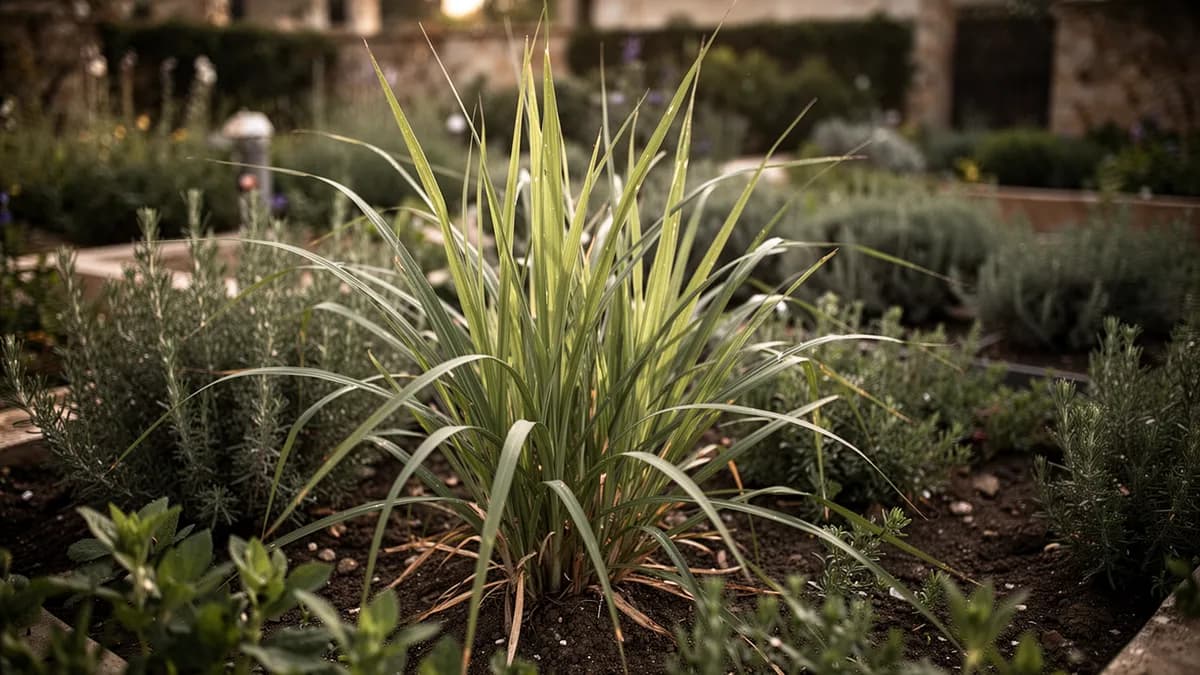
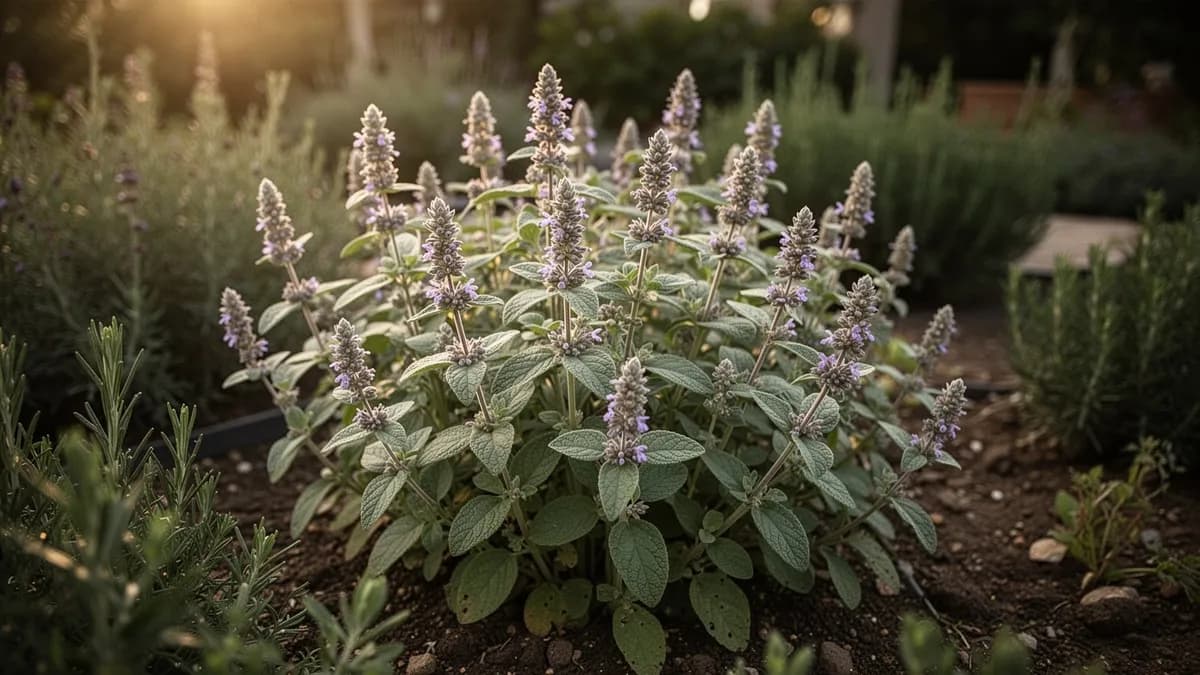
El díctamo exige el drenaje más intenso posible con un pH alcalino de 7.0-8.5, imitando su hábitat nativo de caliza. Use una mezcla de 50% de arena hortícola, 30% de sustrato en base a mantillo y 20% de gravilla fina. No añada materia orgánica rica. No se necesita fertilizante; como máximo, una aplicación muy diluida de abono líquido una vez en primavera. La planta produce su follaje más aromático bajo condiciones pobres y estresadas, características de sus montañas cretenses de origen.
Temperatura ideal
Compatibilidad de zonas de rusticidad
De la semilla a la cosecha, etapa por etapa
Germinación de semillas
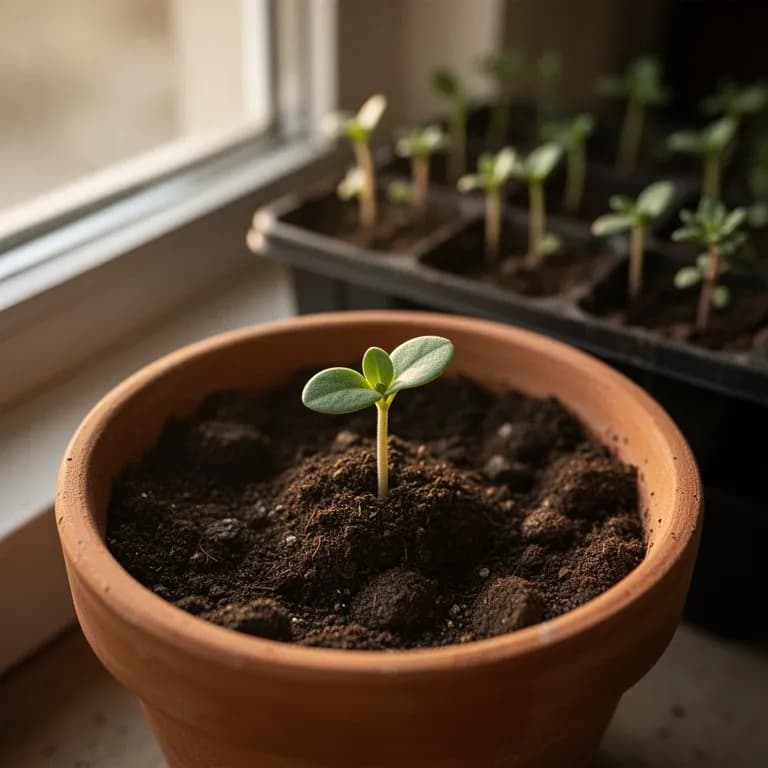
Las semillas del díctamo de Creta son diminutas y necesitan luz para germinar. Siembre las semillas en la superficie de una mezcla fina y bien drenada para semillero y presione suavemente sin cubrir. Mantenga una humedad constante y una temperatura de 18-22 °C. La germinación es lenta e irregular, a menudo tarda entre 2 y 4 semanas, y algunas semillas pueden germinar a lo largo de varios meses.
Establecimiento de plántulas
Las diminutas plántulas emergen con hojas pequeñas y redondeadas que ya muestran la característica textura lanosa. El crecimiento es muy lento durante esta fase y las plántulas son vulnerables al damping-off. Proporcione luz indirecta intensa y una excelente circulación del aire alrededor de las delicadas plantas.
Crecimiento vegetativo
Las plantas desarrollan su característica forma redondeada y almohadillada con hojas lanosas de color verde plateado. Los tallos se vuelven semileñosos en la base y la planta se expande lentamente hacia los lados. Los aceites esenciales aromáticos se vuelven cada vez más prominentes a medida que el follaje madura.
Formación de botones florales
Del follaje emergen delgados tallos florales, cada uno coronado con racimos de botones en desarrollo. Las características brácteas similares al lúpulo comienzan a formarse, inicialmente compactas y verdes. Esta es la ventana óptima para cosechar follaje para secado, ya que el contenido en aceite esencial alcanza su máximo justo antes de la floración.
Floración
Las brácteas florales similares al lúpulo se desarrollan completamente y caen con gracia de los tallos alambrados. De entre las brácteas papiráceas emergen diminutas flores tubulares de color rosa a morado. En esta etapa la planta entera se vuelve muy ornamental y los polinizadores se sienten atraídos por las flores.
Maduración de semillas y final de temporada
Las flores se marchitan y se desarrollan pequeñas semillas dentro de las brácteas secas. La planta comienza a ralentizar su crecimiento activo y redirige la energía hacia su sistema radicular. Las brácteas se secan adquiriendo un color canela papiráceo y pueden recogerse para guardar semillas o dejarse para el interés visual en el jardín de invierno.
Reposo invernal
El crecimiento se ralentiza casi por completo cuando la planta entra en su período de reposo invernal. El follaje lanoso de hoja perenne persiste, manteniendo el interés ornamental durante los meses más fríos. La estructura semileñosa aporta solidez y protege el cuello de la planta de los daños por heladas.
Use un pulverizador fino para mantener la superficie húmeda sin desplazar las diminutas semillas. Una cúpula transparente de humedad mejora significativamente las tasas de germinación.
Cuidar Díctamo de Creta mes a mes
Qué hacer cada mes para tu Díctamo de Creta
Octubre
Mes actualTraslade las plantas en maceta a una posición resguardada antes de las primeras heladas. Aplique una capa superior de gravilla alrededor de las plantas al aire libre para mejorar el drenaje invernal. Detenga todo abonado y reduzca el riego al mínimo.
Ten claro qué hacer en tu huerto, cada mes
Un correo al empezar cada mes: qué sembrar, plantar y hacer ahora mismo — para tu Díctamo de Creta y todo lo que crece alrededor. Más un breve curso inicial para esquivar los errores clásicos.
- Qué hacer ahora mismo
- Ajustado a tu temporada
- Curso inicial incluido
Cosechar Díctamo de Creta
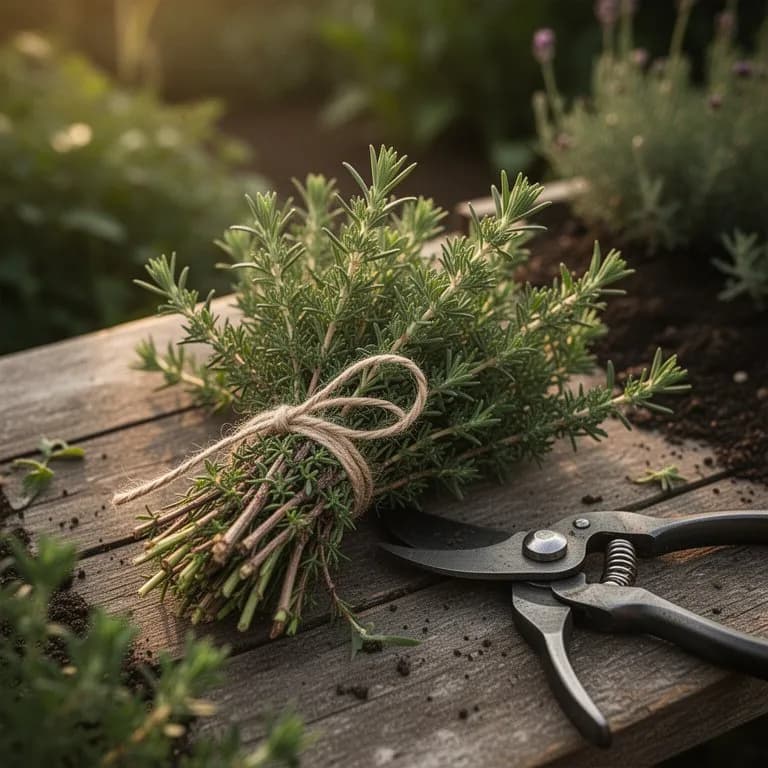
Coseche el díctamo con moderación a partir de plantas establecidas, tomando hojas individuales o pequeñas puntas de tallo. Las aromáticas hojas pueden usarse frescas o secas para hacer infusión, que se consumía medicinalmente en la antigua Grecia. Coseche durante la temporada de crecimiento activo, cuando las plantas pueden regenerarse. Nunca retire más de una cuarta parte del follaje de una vez; el díctamo crece lentamente y se recupera mal de cosechas intensivas. Las brácteas florales ornamentales pueden cortarse para secar cuando tengan el color completamente desarrollado.
se supone que plantas al comenzar el periodo — indica tu fecha real
Cosecha Díctamo de Creta a tiempo y la planta sigue produciendo.
Almacenamiento y conservación
Seque las hojas de díctamo sobre rejillas en un lugar cálido, seco y bien ventilado, o en un deshidratador a 35 °C. Las hojas secas conservan bien su agradable aroma similar al orégano. Guárdelas en pequeños tarros de vidrio herméticos, alejados de la luz, ya que los aceites esenciales se disipan con relativa rapidez. Úselas en un plazo de 6-9 meses para obtener el mejor sabor. Las brácteas florales secas resultan hermosas en pequeñas composiciones de flores secas y conservan su color rosado si se secan rápidamente fuera de la luz solar directa.
Qué falla — y cómo solucionarlo
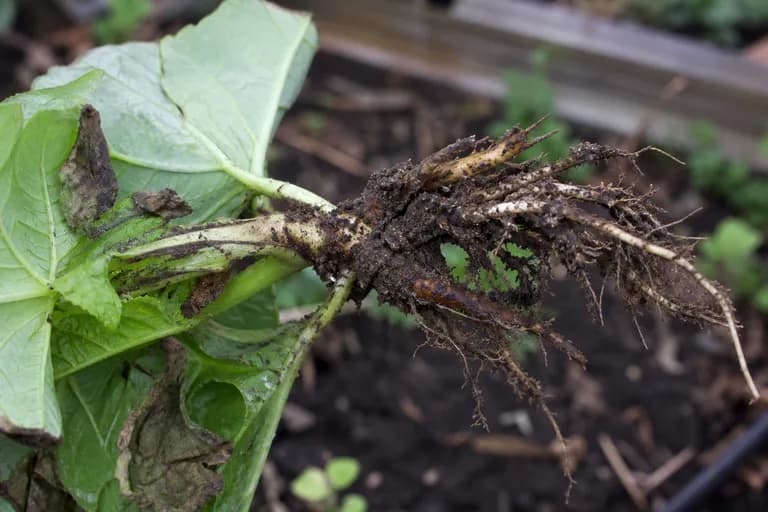
Pudrición de raíz
EnfermedadBases del tallo blandas y pardas, y follaje marchito a pesar de que el sustrato está húmedo. Las hojas lanosas se vuelven fláccidas y decoloradas. Casi siempre resulta fatal.
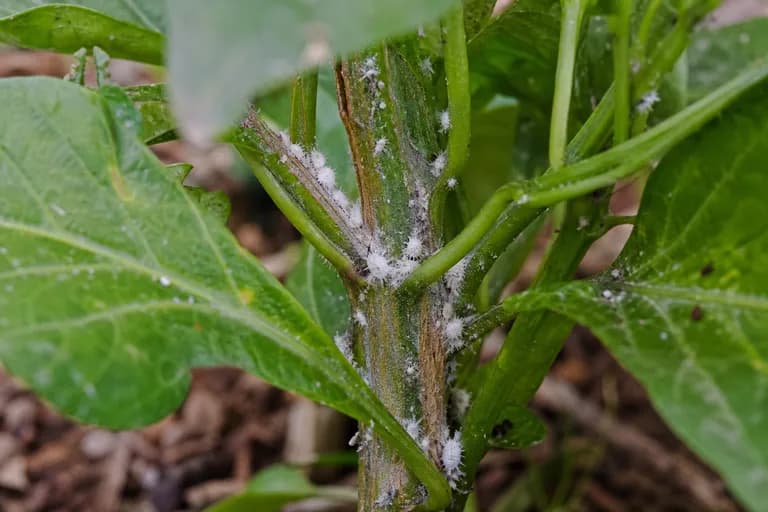
Cochinilla harinosa
PlagaMasas algodonosas blancas en las axilas de las hojas y en los tallos, especialmente en plantas mantenidas en interiores o en invernaderos durante el invierno.
Solución de problemas comunes
La muerte por exceso de riego es con diferencia el problema más habitual. Se trata de una planta alpina/mediterránea especializada que necesita condiciones casi desérticas. Un crecimiento etiolado con entrenudos largos indica luz insuficiente; proporcione la posición más luminosa posible. El frío combinado con la humedad es letal; mantenga la planta seca y libre de heladas en invierno. El crecimiento lento es normal; el díctamo no es una hierba vigorosa. La disponibilidad es limitada; adquiéralo en viveros especializados en plantas alpinas o hierbas mediterráneas.
Consejos de cultivo
- Plante el díctamo en el sustrato con el drenaje más intenso posible, idealmente una mezcla de 50% de material mineral grueso como arena gruesa, perlita o pumita con 50% de sustrato magro para macetas. Los sustratos pesados o que retienen la humedad provocarán rápidamente la pudrición de raíz.
- El pleno sol es fundamental para un crecimiento sano y una producción intensa de aceite esencial. Proporcione al menos 6-8 horas de luz solar directa diaria. En climas cálidos, una ligera sombra vespertina puede ayudar a prevenir la quemadura foliar sin reducir el vigor.
- Riegue con moderación y deje que el sustrato se seque completamente entre riegos. El díctamo es muy tolerante a la sequía una vez establecido y es mucho más probable que sufra por exceso de riego que por estrés hídrico.
- Use acolchado de gravilla o piedra alrededor del cuello de la planta en lugar de acolchado orgánico. Los acolchados orgánicos atrapan la humedad contra los tallos y favorecen las enfermedades fúngicas. Una capa de gravilla de caliza imita el hábitat rocoso nativo de la planta.
- Proteja la planta de la humedad invernal más que del frío. El díctamo puede sobrevivir breves heladas hasta -5 °C, pero sucumbirá rápidamente a un suelo frío y encharcado. Asegure un drenaje excelente o cultive en macetas que puedan resguardarse de la lluvia invernal.
- Propague a partir de esquejes semimaderos tomados a finales del verano para obtener la mejor tasa de éxito. Retire las hojas inferiores, sumerja el extremo cortado en hormona de enraizamiento y coloque en una mezcla de drenaje libre de perlita y vermiculita. Las raíces suelen formarse en 4-6 semanas.
- Pode ligeramente después de la floración para mantener una forma compacta y redondeada y estimular el nuevo crecimiento basal. Retire los tallos florales agotados y recorte los brotes largos, pero evite cortar la madera vieja y desnuda.
- Abone muy ligeramente, o no abone en absoluto. Una única aplicación de fertilizante líquido de algas marinas muy diluido a principios de primavera es suficiente. El abonado intensivo produce un crecimiento exuberante pero sin sabor y debilita la resistencia natural de la planta a la sequía.
- Cultive el díctamo en macetas en climas más fríos que la zona 8 del USDA. Use macetas de terracota con grandes agujeros de drenaje y una mezcla de sustrato muy arenosa. Las macetas permiten trasladar la planta a un refugio libre de heladas en invierno.
- Coloque el díctamo cerca de una pared orientada al sur o en un jardín de rocalla para maximizar el calor reflejado y el drenaje. La planta prospera en el microclima creado por las superficies de piedra que absorben el calor, imitando su hábitat natural en acantilados.
Cultiva tu mejor Díctamo de Creta — y todo lo que la rodea.
Empieza un plan gratis hoy. Diseña tus bancales, coloca tu Díctamo de Creta y deja que PlotMyGarden gestione el momento, el espaciado, las asociaciones y los recordatorios de la semilla a la cesta.
Elige tu Díctamo de Creta
Origanum dictamnus (estándar)
El verdadero díctamo cretense, con hojas redondeadas y lanosas y brácteas florales rosadas similares al lúpulo. Es la única especie denominada propiamente díctamo de Creta.
Híbridos de Origanum x dictamnus
Híbridos entre O. dictamnus y otras especies de Origanum que son ligeramente más fáciles de cultivar y conservan las ornamentales brácteas florales en cascada.
Una sola planta de díctamo de Creta cuesta entre 6 y 12 dólares en viveros especializados y puede producir hojas y flores cosechables durante 8-15 años con los cuidados adecuados. El díctamo seco importado se vende al por menor por 15-30 dólares la onza debido a su rareza y alta demanda, mientras que una planta doméstica bien establecida rinde entre 1 y 3 onzas de hierba seca por temporada. A lo largo de su vida útil, una sola planta puede ahorrarle entre 200 y 600 dólares en compras de díctamo seco. Propagar nuevas plantas a partir de esquejes no cuesta nada y le permite construir una colección sin gasto adicional, lo que convierte esta rara hierba en una planta notablemente económica para cultivar en casa.
Recetas rápidas
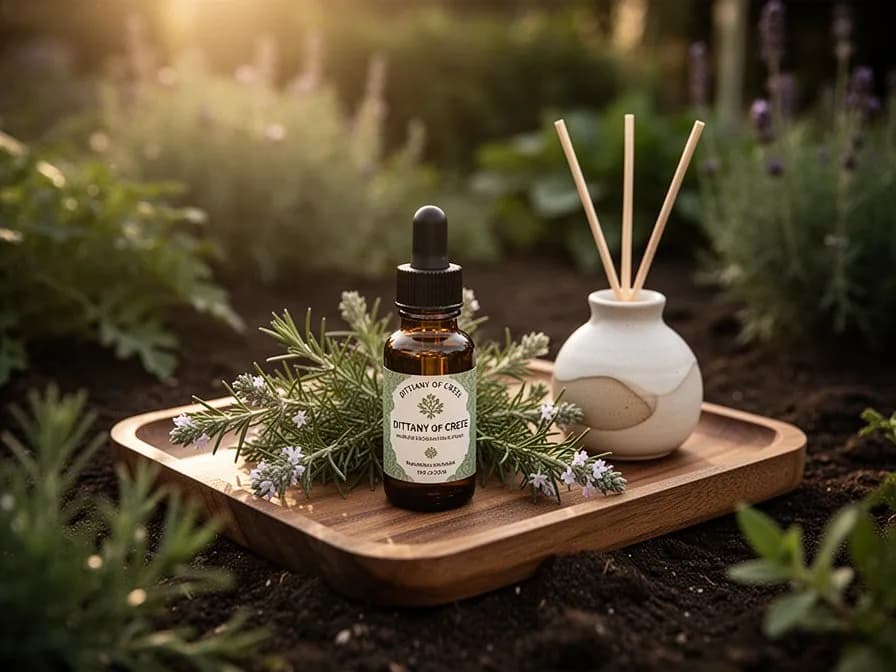
Infusión tradicional cretense de díctamo
10 minutosLa forma más querida de disfrutar el díctamo en Creta, esta reconfortante infusión herbal se ha servido en hogares y cafés de pueblo durante siglos. La infusión tiene un sabor cálido y ligeramente picante con sutiles notas a orégano y florales. Los cretenses la beben tradicionalmente con una cucharada de miel local de tomillo para complementar la dulzura natural de la hierba.
5 ingredientesAceite de oliva infusionado con díctamo
10 minutos + 2 semanas de infusiónUn aromático aceite de acabado que captura la esencia aromática de Creta en una botella. El díctamo fresco o seco infusiona lentamente el aceite de oliva virgen extra con su característica calidez herbal. Vierta sobre pescado a la parrilla, verduras asadas, pan fresco o ensaladas para obtener un auténtico sabor de las montañas cretenses.
5 ingredientesRemedio cretense de díctamo y miel para el dolor de garganta
15 minutosUn remedio tradicional cretense que combina las propiedades antimicrobianas del díctamo con las cualidades calmantes de la miel y el limón. Esta bebida caliente es un tónico reconfortante durante la temporada de resfriados y gripe, y se ha transmitido de generación en generación en las familias cretenses como remedio natural para la garganta y el pecho.
6 ingredientesQué contiene
Beneficios para la salud
- El díctamo de Creta contiene altas concentraciones de carvacrol, un compuesto fenólico con potentes propiedades antimicrobianas que ha demostrado eficacia contra una variedad de bacterias y hongos en estudios de laboratorio.
- La hierba es rica en ácido rosmarínico y otros polifenoles antioxidantes que ayudan a neutralizar los radicales libres y pueden reducir el estrés oxidativo asociado a la inflamación crónica y el envejecimiento celular.
- La medicina cretense tradicional ha utilizado la infusión de díctamo durante siglos para aliviar el malestar digestivo, reducir la hinchazón y favorecer una digestión saludable, usos respaldados por investigaciones modernas preliminares sobre los efectos gastroprotectores de la hierba.
- Las preparaciones tópicas elaboradas con díctamo se han usado desde la antigüedad como cataplasmas cicatrizantes, y estudios han demostrado que los extractos de la planta pueden favorecer la reparación de tejidos y proporcionar una leve protección antiséptica.
- La infusión de díctamo se consume ampliamente en Creta como bebida vespertina relajante, con evidencias anecdóticas y emergentes que sugieren que puede ayudar a reducir el estrés y favorecer el sueño reparador a través de sus compuestos volátiles aromáticos.
- La investigación sobre extractos de Origanum dictamnus ha identificado compuestos antiinflamatorios que pueden ayudar a modular la respuesta inflamatoria del organismo, ofreciendo potencialmente beneficios para las afecciones que implican inflamación crónica de bajo grado.
De dónde viene Díctamo de Creta
El díctamo de Creta (Origanum dictamnus) es endémico de las escarpadas montañas de la isla griega de Creta, donde se aferra a las paredes de caliza de los acantilados, las gargantas y las laderas rocosas a altitudes de entre 300 y 1.500 metros. Esta notable hierba ha estado entrelazada con la cultura cretense y la medicina mediterránea durante más de tres milenios. Se cree que los minoicos, que construyeron una de las civilizaciones avanzadas más antiguas de Europa en Creta hacia el año 2000 a. C., fueron de los primeros en cultivar y comerciar con el díctamo por sus propiedades medicinales. Los escritores griegos de la antigüedad profesaban una estima extraordinaria hacia el díctamo. Aristóteles señaló que las cabras salvajes cretenses buscaban la hierba tras ser heridas, observación que condujo a su uso generalizado como cataplasma cicatrizante. Teofrasto, el padre de la botánica, lo describió con detalle en sus obras botánicas hacia el año 300 a. C., elogiando su potencia aromática y su valor terapéutico. Hipócrates lo recomendó para los trastornos estomacales y como tratamiento del parto difícil, un uso que persistió en la medicina popular durante siglos. Virgilio inmortalizó la hierba en la Eneida, describiendo cómo Venus utilizó díctamo recogido en las montañas de Creta para curar a su hijo Eneas en el campo de batalla. A lo largo del período medieval, el díctamo siguió siendo un ingrediente preciado en las farmacias monásticas de toda Europa, incluido en complejas preparaciones herbales y comercializado por las rutas de las especias a un coste considerable. Los mercaderes venecianos que controlaron Creta entre los siglos XIII y XVII exportaron díctamo seco por todo su imperio comercial. En la propia Creta, la tradición de recoger díctamo silvestre en peligrosas paredes de acantilados se convirtió en un rito de devoción romántica, y los jóvenes se arriesgaban a sufrir graves lesiones para presentar manojos de la fragante hierba a las mujeres que cortejaban. Hoy en día, el díctamo de Creta se cultiva comercialmente en la isla para reducir la presión sobre las vulnerables poblaciones silvestres, y sigue siendo una amada infusión herbal conocida localmente como 'erondas', que se disfruta a diario en los hogares y kafenéia de toda Creta.
Díctamo de Creta: ¿sabías que?
Datos fascinantes sobre Díctamo de Creta
En la mitología griega, la diosa Afrodita usó díctamo para curar las heridas de su amado Eneas tras ser alcanzado por una flecha durante la Guerra de Troya, estableciendo su legendaria reputación como hierba curativa.
Díctamo de Creta: preguntas frecuentes
¿Cuándo debo plantar Díctamo de Creta?
¿Cuáles son buenas plantas acompañantes para Díctamo de Creta?
¿En qué zonas de rusticidad puede crecer Díctamo de Creta?
¿Cuánto sol necesita Díctamo de Creta?
¿A qué distancia debo espaciar Díctamo de Creta?
¿Qué plagas y enfermedades afectan a Díctamo de Creta?
¿Cómo almaceno Díctamo de Creta después de la cosecha?
¿Cuáles son las mejores variedades de Díctamo de Creta para cultivar?
¿Qué suelo necesita Díctamo de Creta?
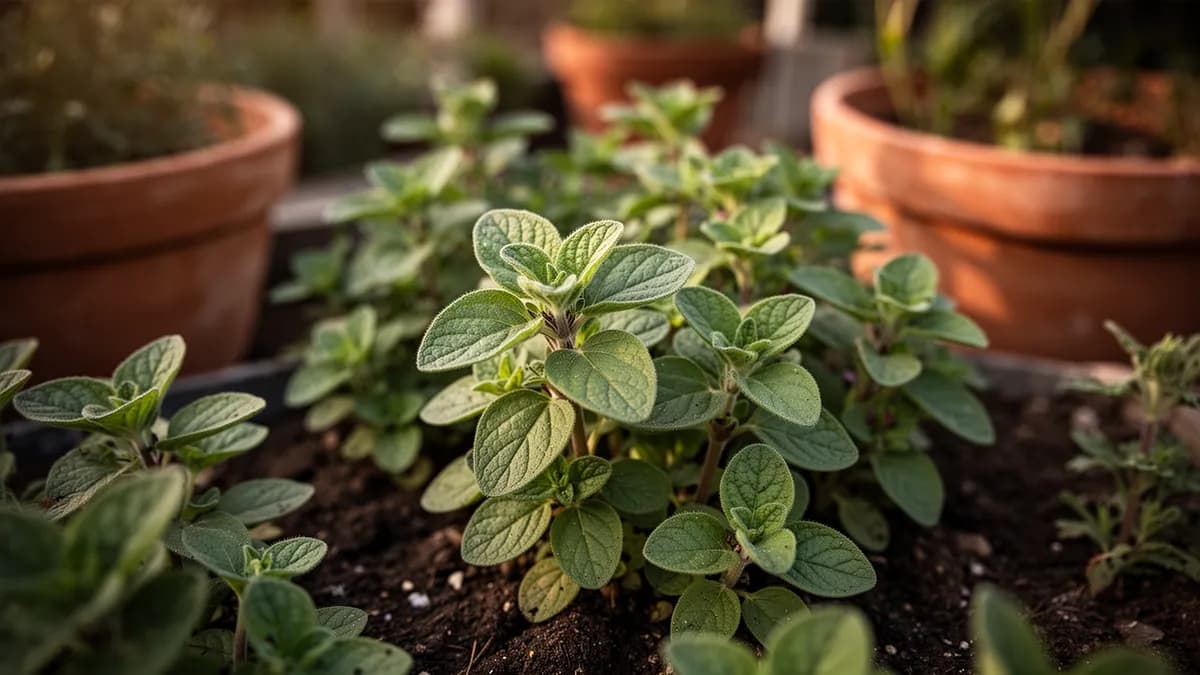
¿Es el díctamo de Creta lo mismo que el orégano?
¿Puedo cultivar díctamo de Creta al aire libre en un clima frío?
¿Cómo cosecho y seco el díctamo de Creta?
¿Por qué las hojas de mi díctamo se vuelven marrones o blandas?
¿Es seguro consumir díctamo de Creta como infusión?
¿Cuánto tiempo tarda el díctamo de Creta en florecer a partir de semilla?
Acabas de leer la teoría. Ahora cultívala en piloto automático.
Todo lo que hace que Díctamo de Creta sea delicado — el momento, el espaciado, las asociaciones, la ventana de cosecha — es justo lo que PlotMyGarden resuelve por ti, para cada planta de tu huerto.
Un plan que conoce tu clima
Indica tu ubicación una vez. Recibe fechas de siembra, abonado y cosecha basadas en tu última helada real y el pronóstico en vivo — sin adivinar con un sobre genérico.
De la sección “Cuándo plantar”Planificador de bancales de arrastrar y soltar
Diseña bancales sobre una cuadrícula. Cada planta encaja con su espaciado correcto y ves toda la temporada antes de gastar un céntimo en semillas.
De la sección “Cultivo”Conflictos de asociación, detectados a tiempo
Más de 200 buenas y malas combinaciones comprobadas en vivo mientras plantas — para que un error que arruine la temporada nunca llegue a la tierra.
De la sección “Asociaciones”Recordatorios que sí vas a seguir
“Riega las judías.” “Recoge hoy antes de que se pase.” Oportunos, concretos y ligados a las plantas que de verdad cultivas.
De la sección “Cosecha”Escalonado, programado
¿Quieres cosechar seis semanas en vez de seis días? Reparte tus siembras automáticamente y te avisa cuando toca el siguiente lote.
De la sección “Cuándo plantar”Un registro que se vuelve más listo
Cada cosecha que registras le enseña tu huerto. El plan del año que viene parte de lo que de verdad funcionó en tu suelo, no en un manual.
De la sección “Resumen”Planta estos junto a Díctamo de Creta
Más Hierbas aromáticas
Cultiva tu mejor Díctamo de Creta — y todo lo que la rodea.
Empieza un plan gratis hoy. Diseña tus bancales, coloca tu Díctamo de Creta y deja que PlotMyGarden gestione el momento, el espaciado, las asociaciones y los recordatorios de la semilla a la cesta.