Cryptomeria
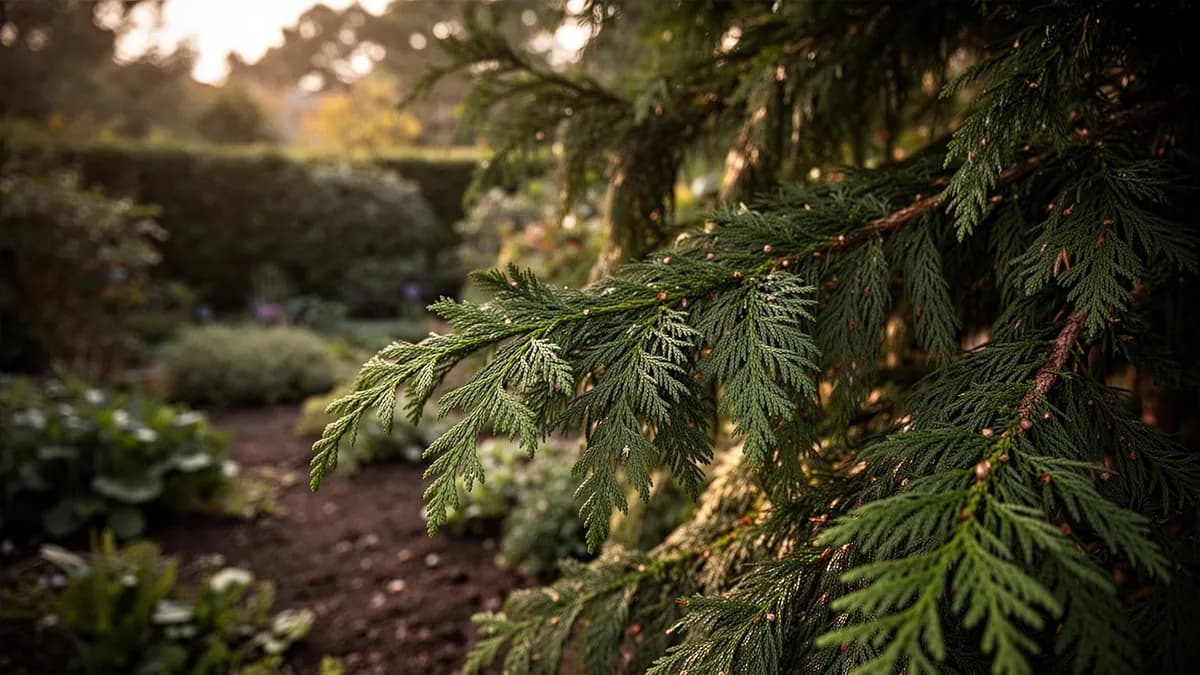
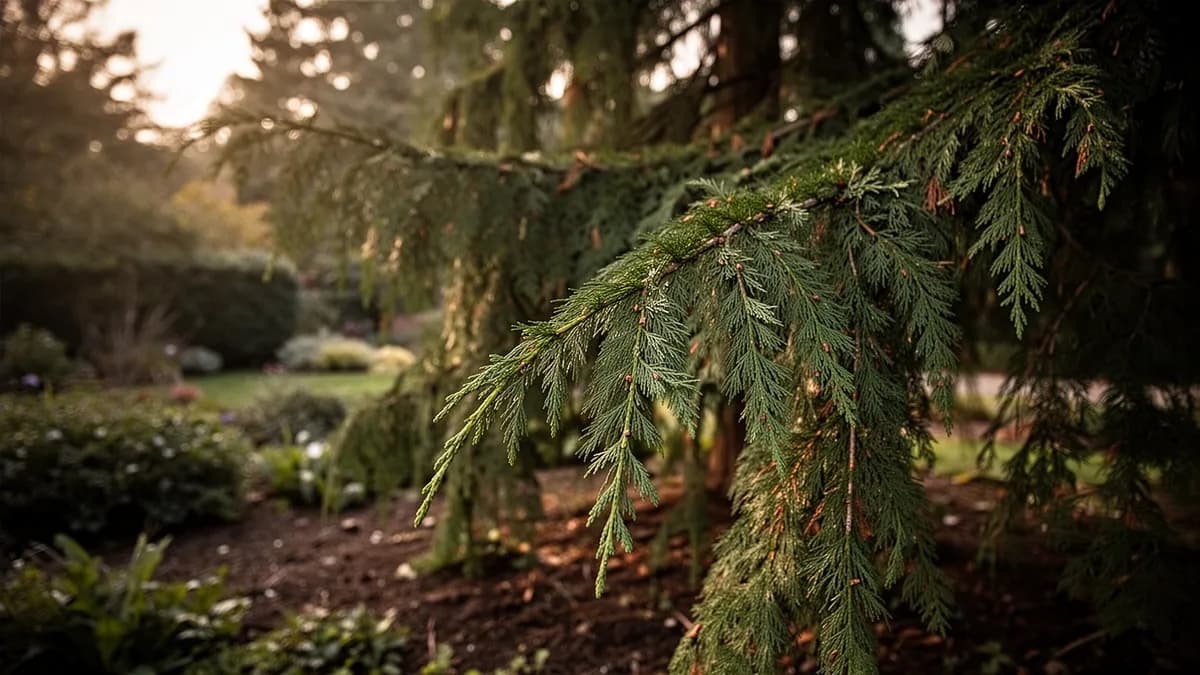
Japan's national tree, a stately conifer with soft, spirally arranged needles and attractive reddish-brown shredding bark.





On this pageOverview
Meet Cryptomeria
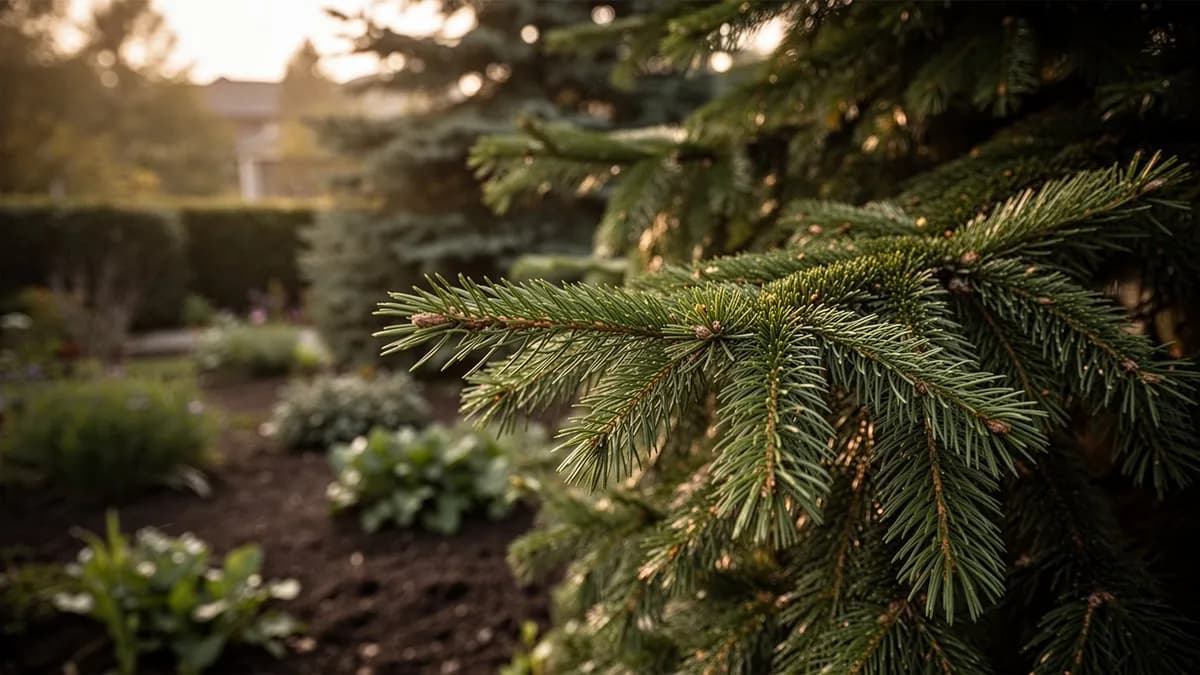
Japan's national tree, a stately conifer with soft, spirally arranged needles and attractive reddish-brown shredding bark. Cryptomeria grows quickly into an elegant pyramidal specimen that can serve as a screen or focal point in the landscape. The foliage may bronze in cold winters, which some find attractive and others dislike, so choose bronze-resistant cultivars for consistently green winter color. Plant in moist, acidic, well-drained soil with protection from harsh winter winds.
When to plant Cryptomeria
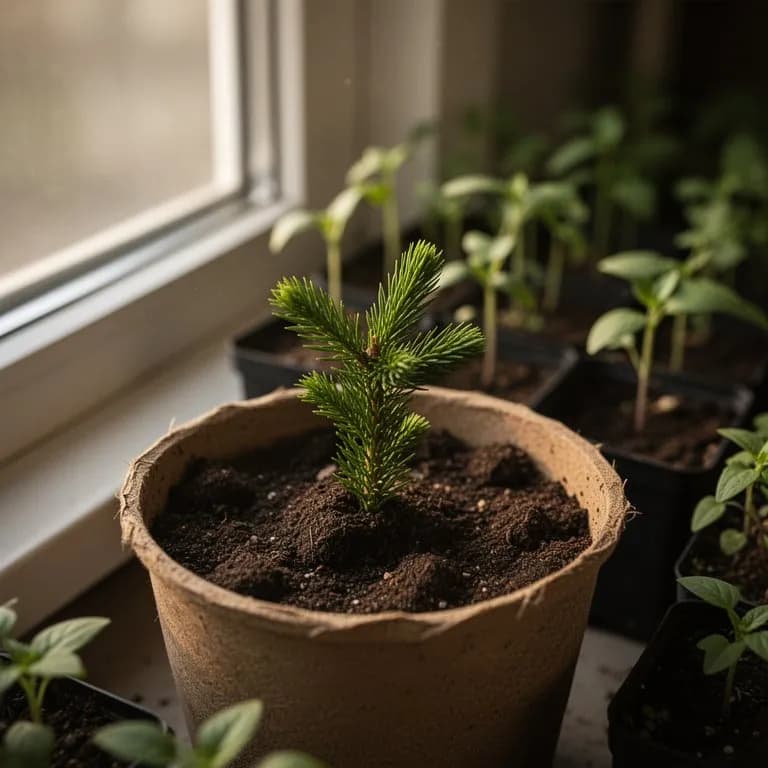
Collect small round cones in fall when they turn brown. Place cones in paper bags at room temperature for 1 to 2 weeks until they open and release seeds. Cryptomeria seeds benefit from 60 to 90 days of cold stratification in moist peat at 35 to 40 degrees Fahrenheit. Sow stratified seeds on the surface of a well-drained seedling mix and cover lightly with fine vermiculite. Keep moist under bright indirect light at 65 to 70 degrees. Germination occurs in 3 to 6 weeks. Seedlings grow moderately and reach 4 to 6 inches in the first year. Many cultivars do not come true from seed and must be propagated from semi-hardwood cuttings taken in late summer or fall.
Your Cryptomeria Year
Composed for Zone 7 · typical seasons · frost passes Apr 2, returns Nov 1
Plant Cryptomeria Mar – Apr, Oct – Nov, pick —. Check the planting methods below and set your climate to personalize these windows.
How to grow Cryptomeria
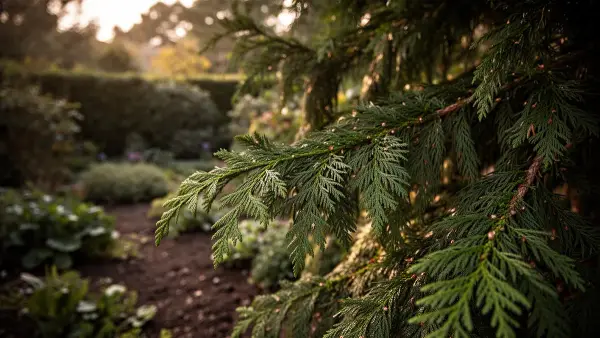
Cryptomeria, also called Japanese cedar, is a fast-growing conifer that adds 2 to 3 feet per year in favorable conditions, quickly forming an elegant pyramidal screen or specimen. Choose a site with full sun to partial shade and moist, acidic, well-drained soil with a pH of 5.0 to 6.5. Protection from harsh winter winds is essential, as desiccating winds cause unsightly foliage browning. Space trees 8 to 15 feet apart for screening or allow 20 feet or more for specimen planting.
Plant balled-and-burlapped or container-grown trees in early spring or fall. Dig the hole 2 to 3 times wider than the root ball and set at the same depth as the nursery. Water deeply at planting and mulch with 3 to 4 inches of acidic organic matter such as pine bark or composted leaves. Maintain consistent moisture throughout the first two growing seasons with weekly deep watering.
Cryptomeria requires minimal pruning; its natural form is symmetrical and attractive. If needed, prune in late spring after new growth emerges. Avoid cutting back into bare wood, as cryptomeria does not regenerate well from old wood. The reddish-brown bark peels in vertical strips on mature trees, adding winter interest. Foliage of some cultivars bronzes in winter, which is reversible and not a sign of damage.
Cryptomeria needs more room than a 4 × 8 ft bed gives
Each Cryptomeria wants 600 cm of elbow room. The planner keeps that spacing for you — every plant, every bed.
Related growing guides
Feed it well
Cryptomeria thrives in moist, acidic, well-drained soil with a pH of 5.0 to 6.5. It does not tolerate alkaline conditions or poor drainage. Amend heavy clay with generous quantities of pine bark fines, compost, and perlite before planting. Mulch annually with 3 to 4 inches of acidic organic matter extending to the drip line. Fertilize in early spring with an acidifying fertilizer formulated for evergreens or azaleas. Avoid late-season fertilization that promotes tender growth vulnerable to frost damage. Established trees in organically rich soil may need little supplemental feeding.
Ideal Temperature
Hardiness Zone Compatibility
From seed to harvest, stage by stage
Seed Germination & Propagation
Cryptomeria seeds require cold stratification for 30-60 days before sowing. Seeds are sown on the surface of moist, well-drained acidic media and kept at 15-20°C after stratification. Germination is slow and irregular, typically taking 30-60 days. Semi-hardwood cuttings taken in late summer are the more common propagation method for named cultivars.
Seedling Establishment
Young cryptomeria seedlings develop a slender central leader with soft, bright green juvenile foliage. Root systems begin establishing with fine fibrous roots. Growth is slow in the first year, typically reaching 15-30 cm in height. Seedlings are sensitive to drying winds and intense direct sun.
Juvenile Growth Phase
From years 2 through 5, cryptomeria enters a more vigorous growth phase, adding 30-60 cm of height per year under favorable conditions. The pyramidal form becomes well defined with a strong central leader. Foliage transitions to the mature awl-shaped needles arranged in characteristic spirals. The root system expands substantially during this phase.
Adolescent Growth
Between years 5 and 15, cryptomeria reaches 5-10 meters in height and develops its signature reddish-brown fibrous bark. The tree begins producing pollen cones and seed cones, with male cones appearing at branch tips in clusters during late winter. Annual growth continues at 30-60 cm per year. The dense canopy provides excellent screening and wind protection.
Mature Specimen
Mature cryptomeria trees reach 15-25 meters in cultivation, though wild specimens in Japan can exceed 50 meters. The crown becomes more open and irregular with age, and the fibrous bark develops deep furrows. Trees produce abundant pollen in late winter to early spring and spherical seed cones that ripen in autumn. Cryptomeria is extremely long-lived, with some specimens in Japan documented at over 2,000 years old.
Ancient Specimen
Ancient cryptomeria trees develop massive trunks with deeply furrowed, exfoliating bark and broad, spreading canopies. The trunk can reach diameters of 3-5 meters in exceptionally old specimens. These venerable trees are often culturally significant and may be designated as protected natural monuments. Growth slows considerably but the trees remain vigorous for centuries.
If propagating from cuttings, take 10-15 cm semi-hardwood stems in late summer and dip in rooting hormone. Maintain high humidity with a misting system or plastic cover. Bottom heat of 18-21°C improves rooting rates significantly.
Caring for Cryptomeria month by month
What to do each month for your Cryptomeria
October
You are hereApply a final deep watering before the ground freezes in cold climates. Add a fresh layer of mulch around the base to insulate roots for winter. Wrap young trees with burlap in exposed locations to protect from desiccating winter winds.
Know exactly what to do in your garden — every month
One email at the start of each month: what to sow, plant, and tackle right now — for your Cryptomeria and everything growing around it. Plus a short starter course that helps you dodge the classic mistakes.
- What to do, right now
- Matched to your season
- Starter course included
Harvesting Cryptomeria
Cryptomeria is not grown for food harvest. The wood is highly valued in Japan for construction, furniture, and traditional crafts due to its light weight, straight grain, and pleasant fragrance. In landscape settings, the aromatic wood trimmings from pruning can be chipped for use as decorative or fragrant mulch. Small round cones can be collected in fall for ornamental use or seed propagation. The attractive exfoliating bark is a notable ornamental feature on mature trees.
assuming you plant when the window opens — set your real date
Pick Cryptomeria promptly and the plant keeps producing.
Storage & Preservation
Cryptomeria wood is naturally resistant to decay and insects due to its aromatic oils. Pruning trimmings can be chipped and used as fragrant mulch, retaining their scent for several months. Fresh foliage cuttings last well in water for floral arrangements, remaining green for 2 to 3 weeks in cool conditions. Seeds should be extracted from dried cones and stored in sealed containers in the refrigerator where they maintain viability for 2 to 3 years.
What goes wrong — and the fix
Leaf Blight
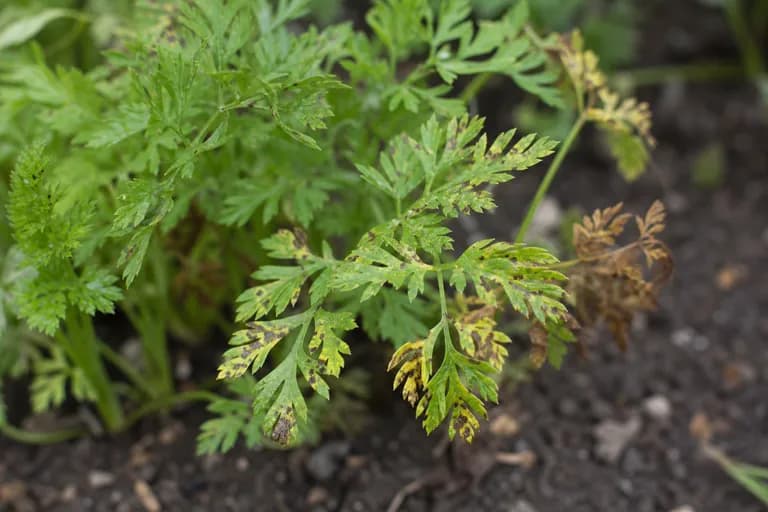
DiseaseSmall reddish-brown spots on needles that enlarge and cause needle browning and drop. Typically worst in the lower interior of the canopy where humidity is highest.
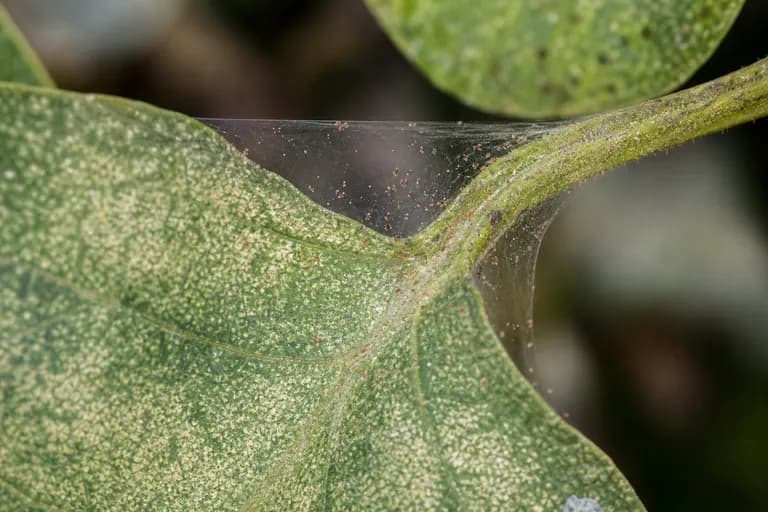
Spider Mites
PestFine stippling and bronzing of needles, especially in hot dry weather. Tiny webbing visible between needles on close inspection. Severe infestations cause needle drop and thin canopy.
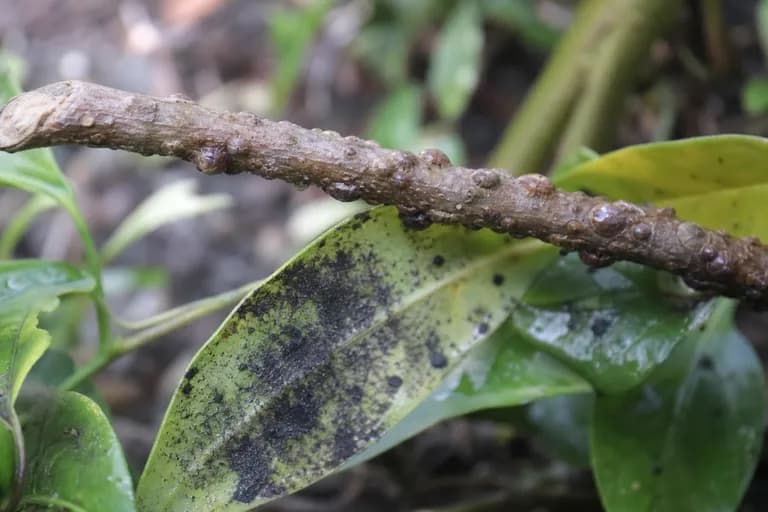
Scale Insects
PestSmall armored or soft scales on needles and branches cause yellowing, reduced vigor, and honeydew secretion that attracts sooty mold. Heavy infestations cause branch dieback.
Troubleshooting Common Problems
Winter foliage bronzing is the most common complaint, especially with the species type and certain cultivars. Select bronze-resistant varieties like Yoshino or Radicans for consistently green winter appearance. Desiccating winter winds cause needle burn and branch dieback on exposed sites. Drought stress during summer leads to needle yellowing and increased susceptibility to spider mites. Trees planted in alkaline soil develop iron chlorosis with yellowing needles. Heavy snow or ice loads can splay open the canopy; shake off heavy snow promptly and consider cabling multi-leader specimens.
Growing Tips
- Plant cryptomeria in acidic to neutral soil with a pH between 5.0 and 6.5 for optimal growth. Amend alkaline soils with elemental sulfur or incorporate generous amounts of peat moss and pine bark at planting time.
- Choose a location with full sun to partial shade and protection from harsh winter winds, which can cause foliage desiccation and browning on exposed sites in cold climates.
- Water deeply and consistently during the first two to three years after planting, providing at least 2-3 cm of water per week during dry periods. Established trees are moderately drought-tolerant but perform best with consistent moisture.
- Maintain a 5-10 cm layer of acidic organic mulch such as pine bark, pine needles, or composted leaves over the root zone, keeping mulch several centimeters away from the trunk to prevent bark rot.
- Avoid heavy pruning of mature cryptomeria as the trees do not regenerate well from old wood. Limit pruning to light shaping of young trees, removal of dead or damaged branches, and maintaining a single central leader.
- Select cultivars appropriate for your space and climate. Compact varieties like Globosa Nana and Black Dragon work well in smaller gardens, while Yoshino and Radicans are excellent choices for tall screens and specimen plantings.
- Fertilize annually in early spring with an acidic slow-release fertilizer formulated for evergreens, applying at the rate recommended on the label within the drip line of the tree.
- Monitor for common pests including bagworms, spider mites, and scale insects. Treat bagworm infestations early with Bacillus thuringiensis (Bt) or hand-pick bags before larvae emerge in spring.
- In regions with heavy snowfall, gently brush accumulated snow from branches to prevent breakage, especially on young trees and cultivars with dense branching habits.
- When planting as a hedge or screen, space trees 1.5-3 meters apart depending on cultivar mature width. Allow adequate spacing from structures and property lines to accommodate the tree's eventual spread.
Grow your best Cryptomeria yet — and everything around it.
Start a free plan today. Lay out your beds, drop in your Cryptomeria, and let PlotMyGarden handle the timing, spacing, companions and reminders from seed to harvest basket.
Pick your Cryptomeria
Yoshino
The most popular screening cultivar, growing 30 to 40 feet tall with a dense columnar habit. Maintains bright green foliage through winter without bronzing. Fast-growing at 3 feet per year.
Radicans
Very similar to Yoshino with slightly broader habit and excellent winter color retention. Tolerates slightly colder conditions and is widely available in the southeastern United States.
Black Dragon
A compact selection with dark green foliage that holds its color well in winter. Grows 10 to 15 feet tall with a dense, rounded to pyramidal form. Excellent for smaller landscapes.
Elegans
A soft-textured form with feathery juvenile foliage that turns rich purple-bronze in winter. Grows 20 to 30 feet tall with a broad, billowy habit. Highly ornamental but requires protection from heavy snow.
Globosa Nana
A dwarf rounded form reaching 3 to 4 feet tall and wide with dense light green foliage. Perfect for foundation plantings, rock gardens, and containers.
A single well-placed cryptomeria can serve as a living privacy screen, windbreak, and noise barrier, potentially saving thousands of dollars compared to constructing a fence or wall. Mature specimens also increase property values by an estimated 7-15%. Additionally, the dense evergreen canopy provides year-round wind protection that can reduce home heating costs by 10-25% when planted on the windward side of a property.
Quick recipes
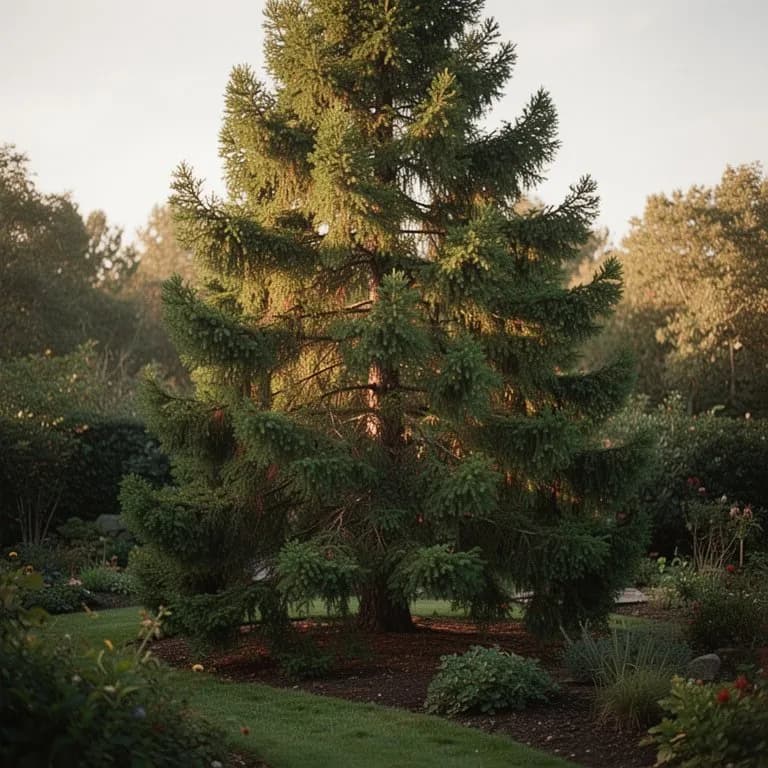
Cryptomeria Wood Chip Smoking Blend
15 minutes preparation, 2-4 hours smokingSugi (cryptomeria) wood chips produce a delicate, subtly sweet smoke that is traditionally used in Japan for smoking fish, tofu, and other foods. The mild cedar-like aroma imparts a clean, woody flavor without overpowering the ingredients.
5 ingredients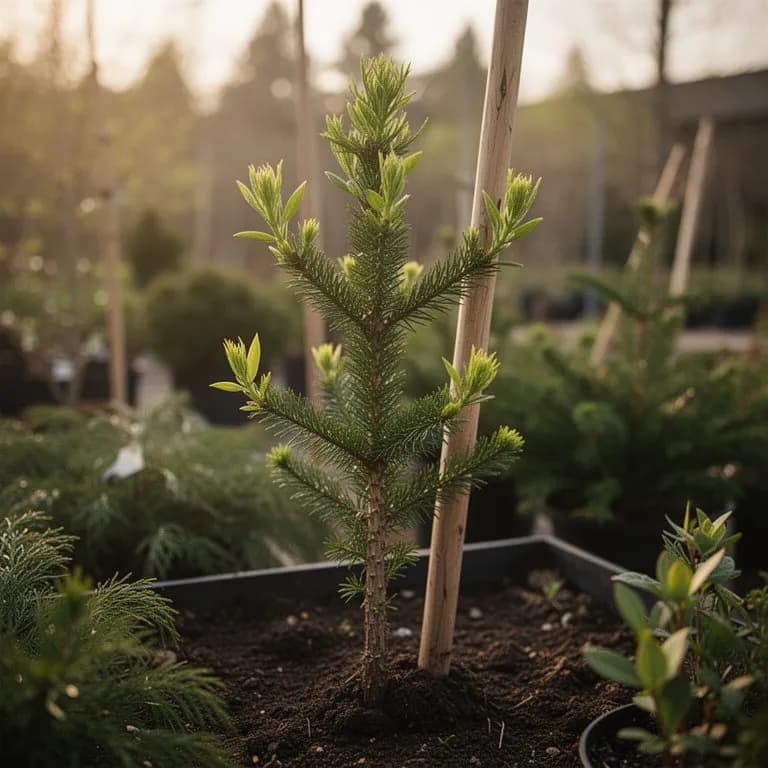
Sugi Leaf Aromatic Sachet
20 minutesFresh cryptomeria foliage has a pleasant, clean cedar scent that can be used to create aromatic sachets for closets and drawers. This traditional Japanese practice uses the natural antimicrobial properties of the essential oils to freshen stored linens and repel moths.
5 ingredientsJapanese Cedar Foot Soak
10 minutes preparation, 20 minutes soakingInspired by the Japanese tradition of forest bathing (shinrin-yoku), this aromatic foot soak uses cryptomeria foliage and wood shavings to create a relaxing, fragrant soak that draws on the calming properties of the tree's natural essential oils.
6 ingredientsWhat's inside
Health Benefits
- Cryptomeria essential oil contains compounds such as eudesmol and elemol that have demonstrated anti-inflammatory properties in laboratory studies, and the oil has been used in traditional Japanese folk medicine for respiratory support.
- The practice of shinrin-yoku (forest bathing) in cryptomeria forests has been scientifically shown to reduce cortisol levels, lower blood pressure, and boost natural killer cell activity, contributing to stress reduction and immune function improvement.
- Cryptomeria wood releases phytoncides, volatile organic compounds that have been shown in studies to have antimicrobial properties and may help purify indoor air when sugi wood is used in construction and furnishings.
- Traditional Japanese medicine has used decoctions of cryptomeria bark and leaves to treat skin conditions, minor wounds, and fungal infections, leveraging the natural antifungal properties of the essential oils.
- Living near or regularly visiting cryptomeria forests provides mental health benefits associated with exposure to green spaces, including reduced anxiety, improved mood, and enhanced cognitive function as documented in environmental psychology research.
- The aromatic compounds released by cryptomeria foliage, particularly alpha-pinene and limonene, have been studied for their potential to improve respiratory function and reduce airway inflammation when inhaled in natural forest settings.
Where Cryptomeria comes from
Cryptomeria japonica, commonly known as Japanese cedar or sugi, is native to Japan and southeastern China, where it thrives in the warm, humid temperate forests of mountainous regions. In Japan, it is found across all four main islands from Aomori Prefecture in the north to Yakushima in the south, growing naturally at elevations between 200 and 1,800 meters. The species holds an unparalleled place in Japanese culture and forestry, having been cultivated since at least the Jomon period. Ancient specimens still standing at shrines and temples across Japan serve as living monuments to centuries of reverence. The most famous planting is the Cryptomeria Avenue of Nikko, established between 1625 and 1651 by the feudal lord Matsudaira Masatsuna as a tribute to the first Tokugawa shogun. Sugi has been the cornerstone of Japanese forestry for centuries, valued for its fast growth rate, straight trunk, and versatile, rot-resistant timber. Cryptomeria plantations currently cover approximately 12 percent of Japan's total forest area, making it the most widely planted tree in the country. The wood has been used for everything from temple construction and shipbuilding to the distinctive wooden casks called taru used in sake and soy sauce production. Cryptomeria was introduced to Western horticulture in the 1840s and 1850s through plant collectors such as Robert Fortune and Philipp Franz von Siebold. It quickly gained popularity as an ornamental specimen in European and American gardens, where dozens of cultivars have been selected for varied growth habits, foliage colors, and sizes ranging from towering timber trees to compact garden dwarfs.
Cryptomeria: did you know?
Fascinating facts about Cryptomeria
Cryptomeria japonica is the national tree of Japan, where it is called 'sugi' and has been cultivated for over 2,000 years for timber, ornamental planting, and spiritual significance at Shinto shrines and Buddhist temples.
Cryptomeria questions, answered
When should I plant Cryptomeria?
What hardiness zones can Cryptomeria grow in?
How much sun does Cryptomeria need?
How far apart should I space Cryptomeria?
What pests and diseases affect Cryptomeria?
How do I store Cryptomeria after harvest?
What are the best Cryptomeria varieties to grow?
What soil does Cryptomeria need?
Why is my cryptomeria turning brown in winter?
How fast does Cryptomeria japonica grow?
Is Cryptomeria japonica the same as a true cedar?
Can I grow cryptomeria in a container?
Does cryptomeria cause allergies?
What is the best cryptomeria cultivar for a privacy screen?
You just read the theory. Now grow it on autopilot.
Everything that makes Cryptomeria fiddly — the timing, the spacing, the companions, the harvest window — is exactly what PlotMyGarden handles for you, for every plant in your garden.
A plan that knows your weather
Set your location once. Get sow, feed and harvest dates built around your real last-frost date and live forecast — no more guessing from a generic seed packet.
From the “When to plant” sectionDrag-and-drop bed planner
Design beds on a grid. Every plant snaps to its proper spacing, and you can see your whole season laid out before you spend a cent on seed.
From the “Growing guide” sectionCompanion conflicts, caught early
200+ good-and-bad pairings checked live as you plant — so a season-wrecking mistake never makes it into the ground.
From the “Companions” sectionReminders you'll actually act on
“Water the beans.” “Pick today before it turns.” Timely, specific, and tied to the plants you're really growing.
From the “Harvest” sectionSuccession, scheduled
Want a harvest for six weeks, not six days? It spaces your sowings automatically and reminds you when each new block is due.
From the “When to plant” sectionA record that gets smarter
Every harvest you log teaches it your garden. Next year's plan starts from what actually worked in your soil, not a textbook's.
From the “Overview” sectionMore Evergreens
Grow your best Cryptomeria yet — and everything around it.
Start a free plan today. Lay out your beds, drop in your Cryptomeria, and let PlotMyGarden handle the timing, spacing, companions and reminders from seed to harvest basket.