Dolgo Crabapple
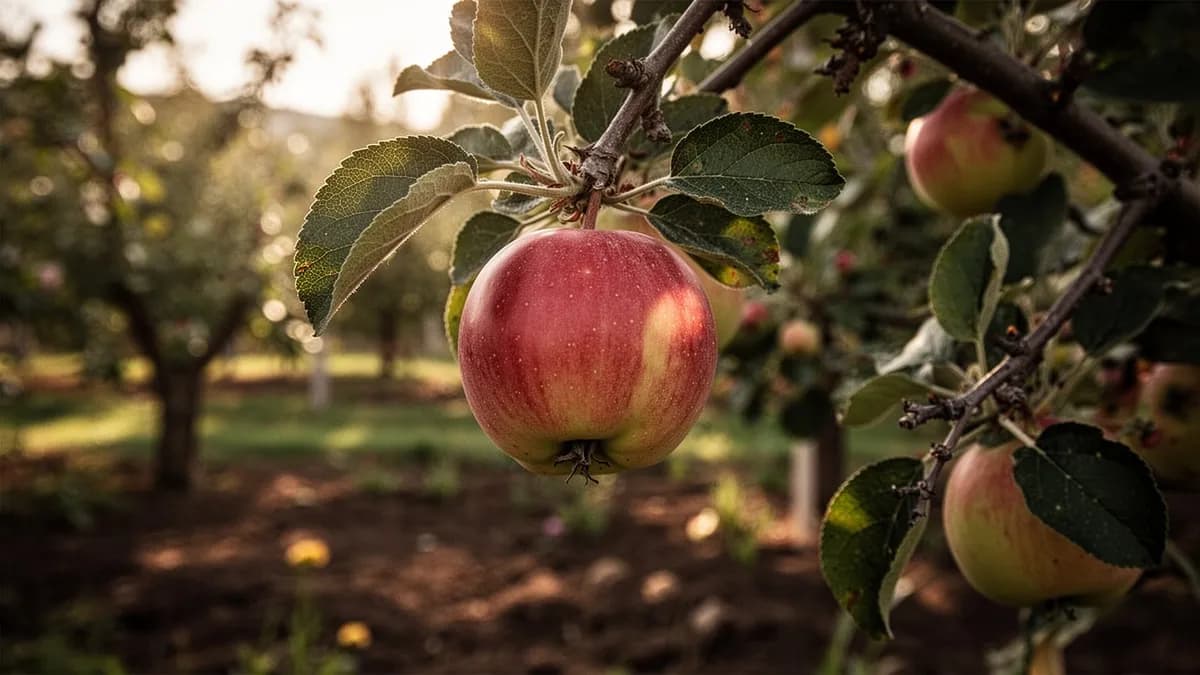
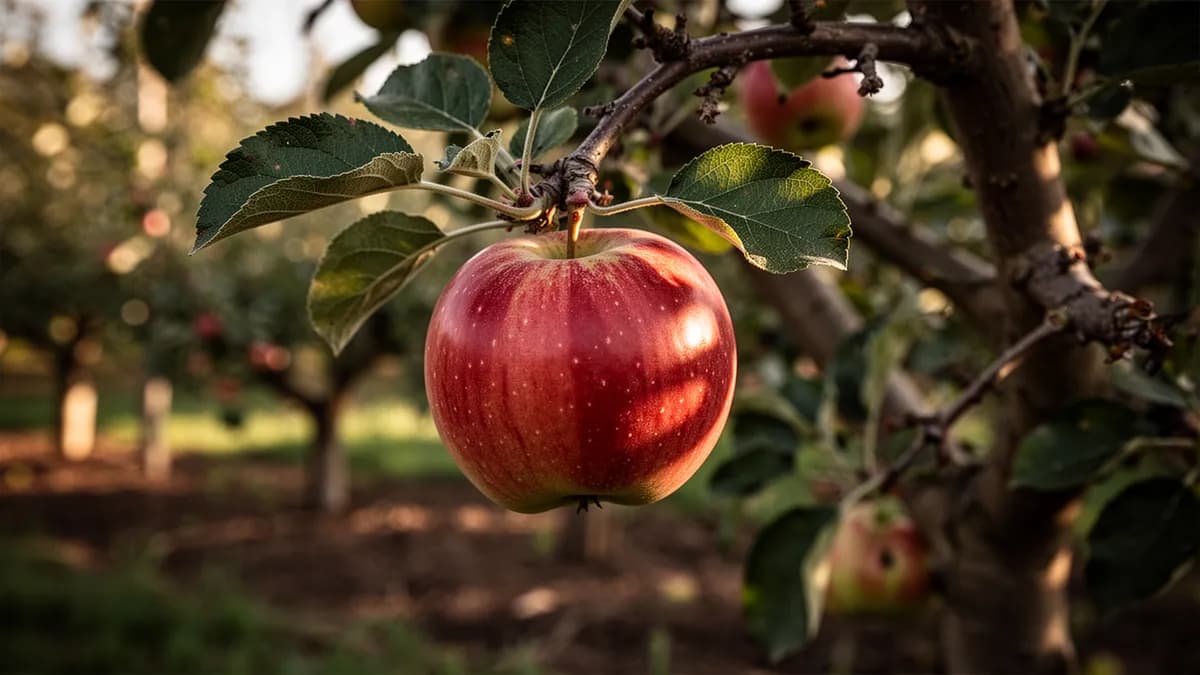
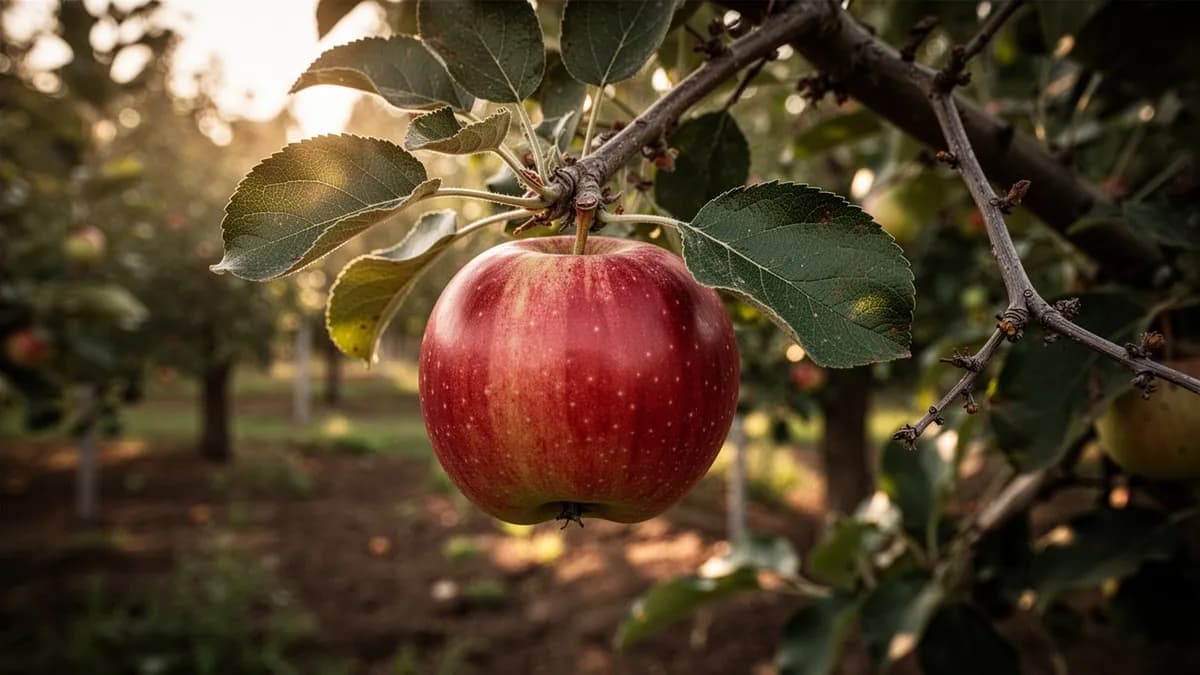
A Russian crabapple producing large, bright red fruits that make a crystal-clear, ruby-red jelly considered among the finest of any apple variety.





On this pageOverview
Meet Dolgo Crabapple
A Russian crabapple producing large, bright red fruits that make a crystal-clear, ruby-red jelly considered among the finest of any apple variety. Dolgo is also an excellent universal pollinizer for other apple varieties, blooming heavily over a long period. The tree is extremely cold-hardy and disease-resistant, with profuse white spring blossoms.
When to plant Dolgo Crabapple
Crabapple seeds require 60 to 90 days of cold stratification at 33 to 40 degrees Fahrenheit before planting. Clean seeds from ripe fruit and stratify in moist peat. Plant one inch deep in spring and expect germination in two to four weeks. Crabapple seedlings are commonly used as hardy rootstock for grafting dessert apple varieties. Seedling trees bear in four to six years but may not match the parent's characteristics. Named varieties are propagated by grafting.
Your Dolgo Crabapple Year
Composed for Zone 7 · typical seasons · frost passes Apr 2, returns Nov 1
Plant Dolgo Crabapple Feb – Mar, pick Aug – Sep. Check the planting methods below and set your climate to personalize these windows.
How to grow Dolgo Crabapple
Plant Dolgo crabapple in late winter or early spring while dormant, in full sun with well-drained soil. This extremely hardy tree thrives in zones 3 through 8, tolerating harsh winter conditions that would kill most fruit trees. Dolgo is an excellent universal pollinizer for other apple varieties, with a long bloom period. Space trees 20 to 25 feet apart for a specimen, or closer for a pollinizer hedge.
Water regularly during the first growing season, then Dolgo requires minimal supplemental irrigation except during severe drought. The tree is remarkably tough and adaptable, growing in poor soils, cold winds, and challenging conditions where other fruit trees fail. It is one of the most disease-resistant crabapples available.
Prune in late winter to maintain shape and remove crossing branches. Dolgo develops a spreading, rounded canopy that needs minimal shaping. The tree is vigorous and productive, bearing heavy crops of bright red crabapples in late August to early September. The profuse white spring blossoms are highly attractive to pollinators and provide cross-pollination for nearby apple trees.
Dolgo Crabapple needs more room than a 4 × 8 ft bed gives
Each Dolgo Crabapple wants 400 cm of elbow room. The planner keeps that spacing for you — every plant, every bed.
Dolgo Crabapple's best neighbours
Dolgo is one of the best universal pollinizers for dessert apple varieties, with its long bloom period overlapping many other cultivars. Plant within 50 feet of apple trees requiring cross-pollination. The profuse blossoms attract bees and other pollinators to the entire orchard. Chives, garlic, and nasturtiums are compatible underplantings. The tree provides excellent wildlife habitat and food for birds.
Gala Apple belongs beside it.
Old growers' knowledge, checked against Dolgo Crabapple's real companion table below — test any plant you're growing.
Try Dolgo Crabapple in a bed — right here
A real planner bed with Dolgo Crabapple already in it. Tap a companion to place it and watch the pairing checks answer — green for good neighbours, red for a clash.


Related growing guides
Feed it well
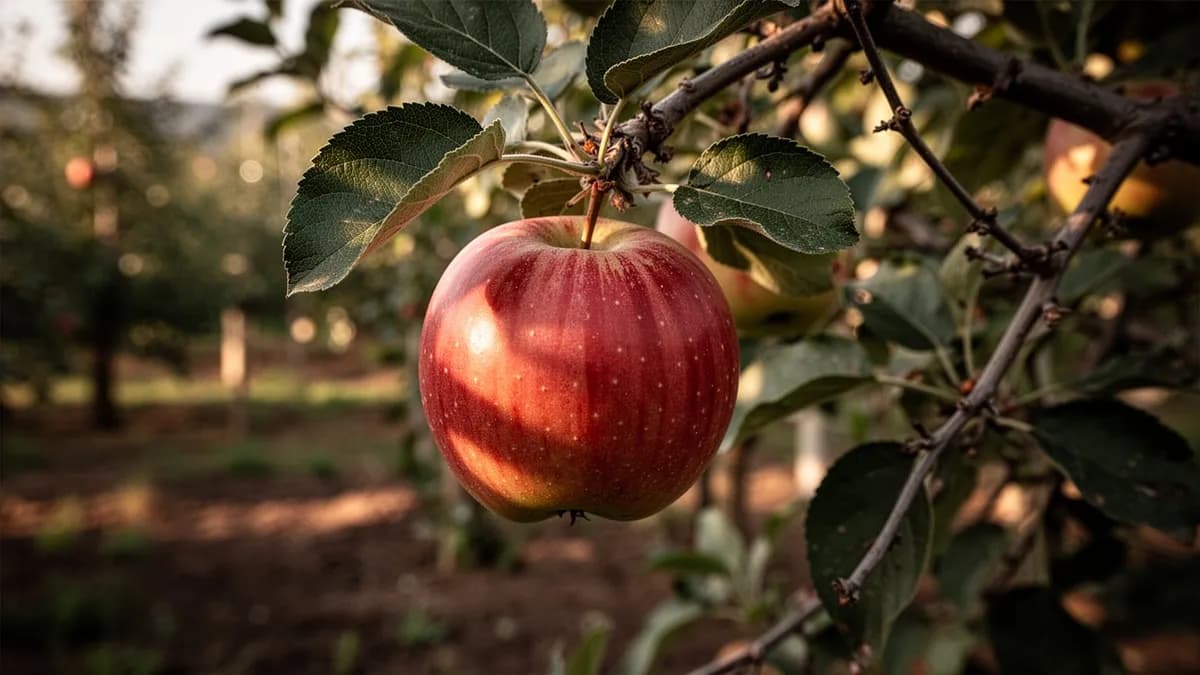
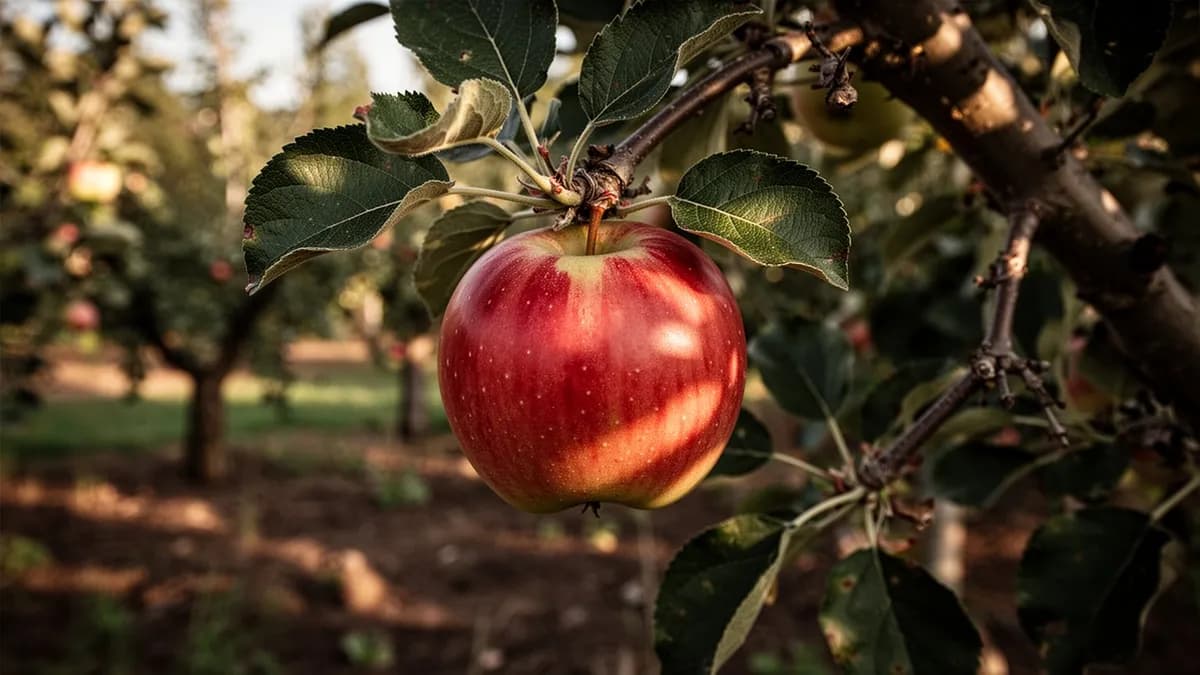
Dolgo crabapple is highly adaptable to various soil conditions including clay, sand, and rocky soils with a pH range of 5.5 to 7.5. The tree is not particular about soil quality and performs well in poor conditions where other fruit trees struggle. Moderate fertilization in spring is sufficient. Avoid heavy nitrogen applications that promote excessive growth. Annual compost mulching benefits the tree without encouraging problematic soft growth.
Ideal Temperature
Hardiness Zone Compatibility
From seed to harvest, stage by stage
Dormancy and Planting
Bare-root Dolgo crabapple trees are planted during the winter dormant period when the tree has shed all leaves and stored its energy reserves in the root system and woody tissue. Dolgo is exceptionally cold-hardy, tolerating winter temperatures down to -40°C (USDA Zone 3), and requires approximately 400-800 chill hours below 7°C to break dormancy properly in spring. This Russian-origin cultivar is well adapted to harsh continental winters.
Bud Break and Flowering
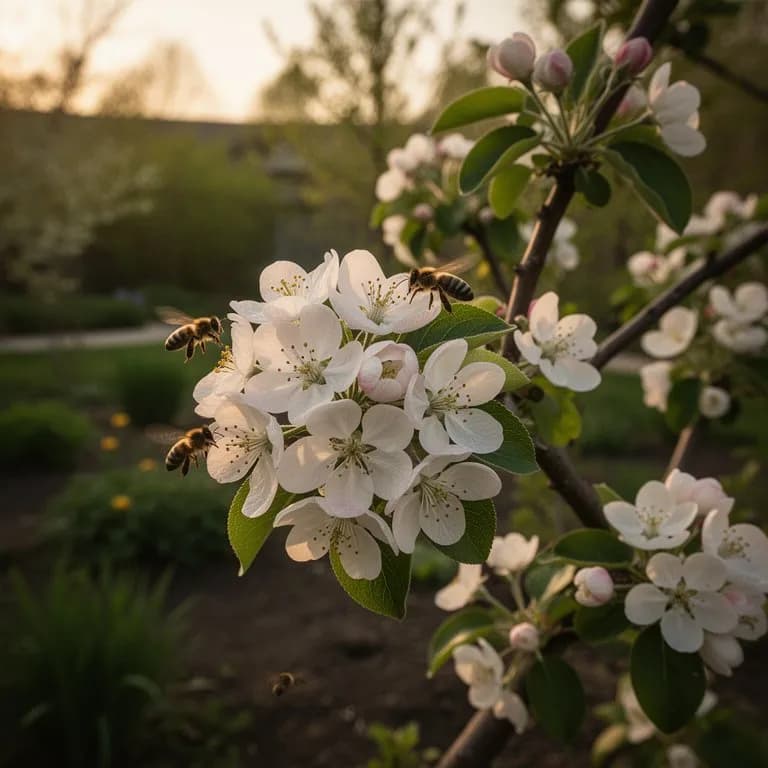
As spring temperatures rise, plump buds swell and burst open to reveal clusters of pure white blossoms with a light, sweet fragrance. Dolgo is renowned for its exceptionally profuse bloom display, producing dense clusters of five-petaled flowers that can completely blanket the canopy. The bloom period lasts approximately 10-14 days and is critically important not only for the Dolgo's own fruit set but also as a cross-pollinator for nearby standard apple trees, as Dolgo produces abundant viable pollen over an extended period.
Fruit Set and Early Development
After successful pollination, tiny green fruitlets form at the base of each fertilized flower. Dolgo is an extremely prolific setter, and the tree often retains more fruit than it can support to full size. Small fruitlets begin elongating into the characteristic oblong shape that distinguishes Dolgo from rounder crabapple varieties. A natural June drop will thin some fruit, but the tree typically still carries a very heavy crop load.
Fruit Sizing and Color Development
Through the summer months, Dolgo fruit grows steadily from small green fruitlets to its mature size of approximately 3-4 cm in length. The oblong fruit transitions from green to yellow and then begins developing the deep crimson-red skin color that is a hallmark of this cultivar. Inside, the flesh turns from white to a pinkish hue as anthocyanin pigments develop. The tree's vigorous upright-spreading canopy provides excellent leaf coverage to fuel fruit development through photosynthesis.
Ripening and Harvest
Dolgo crabapples reach full maturity in late August to early September, depending on climate and growing conditions. Ripe fruit is a uniform deep crimson-red with a slight waxy bloom on the skin. The flesh becomes soft and juicy with a sweet-tart flavor that is considerably more palatable than many crabapple varieties when eaten fresh, though Dolgo is primarily prized for its exceptional jelly-making properties. Ripe fruit drops readily from the tree, so timely harvest is important.
Post-Harvest and Leaf Fall
After the harvest period, any remaining fruit on the tree either drops naturally or persists into early autumn, providing valuable food for birds and wildlife. Dolgo's foliage transitions to attractive golden-yellow autumn color before dropping. The tree begins the process of reabsorbing nutrients from its leaves into the woody tissue and root system in preparation for winter dormancy. Fallen fruit on the ground will attract wildlife and should be managed to prevent disease buildup.
Winter Dormancy
The Dolgo crabapple enters full winter dormancy with no visible above-ground growth. This cultivar is among the hardiest of all fruiting crabapples, surviving sustained temperatures of -40°C without damage, a legacy of its Russian breeding origins. Below the soil surface, roots may continue slow growth whenever soil temperatures remain above 4°C. The accumulation of chill hours during this period is essential for triggering uniform bud break and heavy flowering the following spring.
Plant bare-root trees in late winter or early spring while fully dormant. Dig a hole twice the width of the root spread and deep enough to keep the graft union 10 cm above the soil line. Spread roots naturally without bending or crowding. Water deeply at planting and apply a 10 cm layer of wood chip mulch in a wide ring, keeping it 15 cm from the trunk to prevent crown rot.
Caring for Dolgo Crabapple month by month
What to do each month for your Dolgo Crabapple
October
You are hereRake and remove fallen leaves from beneath the tree to eliminate overwintering apple scab spore reservoirs. Apply a grease band around the trunk at about 60 cm height to trap wingless winter moth females climbing up to lay eggs. Give the tree a final deep watering before the ground freezes if autumn rainfall has been insufficient.
Know exactly what to do in your garden — every month
One email at the start of each month: what to sow, plant, and tackle right now — for your Dolgo Crabapple and everything growing around it. Plus a short starter course that helps you dodge the classic mistakes.
- What to do, right now
- Matched to your season
- Starter course included
Harvesting Dolgo Crabapple
Dolgo crabapples ripen in late August to early September, earlier than most crabapples. The fruit is ready when it turns bright, glossy red and separates easily from the spur when lifted. Harvest for jelly when the fruit is firm and fully colored but not soft. The bright red fruit makes crystal-clear, ruby-red jelly considered among the finest of any apple variety. Shake branches over a tarp for efficient harvesting of the abundant small fruit.
assuming you plant when the window opens — set your real date
Pick Dolgo Crabapple promptly and the plant keeps producing.
Storage & Preservation
Fresh Dolgo crabapples keep in the refrigerator for up to four weeks. The primary use is jelly making, for which they should be processed soon after harvest. The high pectin content makes jelly-making easy without added pectin. The juice produces a stunning ruby-red jelly with a bright, tart-sweet flavor. Crabapples can be frozen whole for later processing. They also make excellent crabapple butter, wine, and vinegar.
What goes wrong — and the fix
Apple Scab
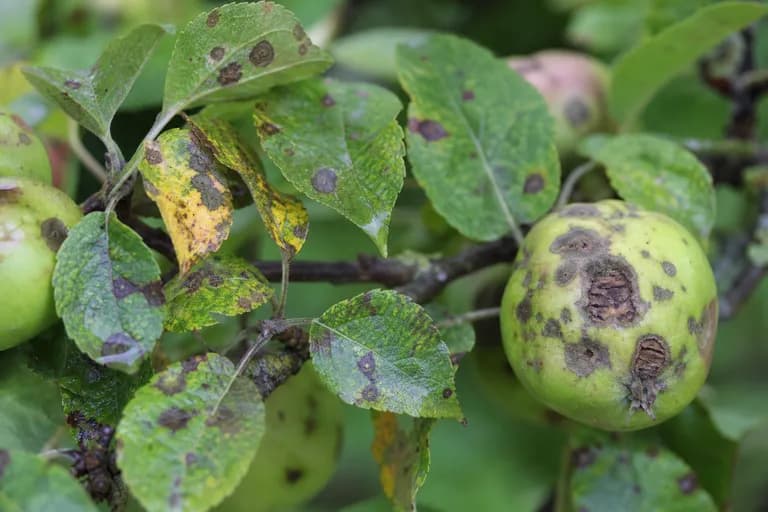
DiseaseOlive-brown spots on leaves and fruit; Dolgo has good resistance but can be affected in extremely wet years.
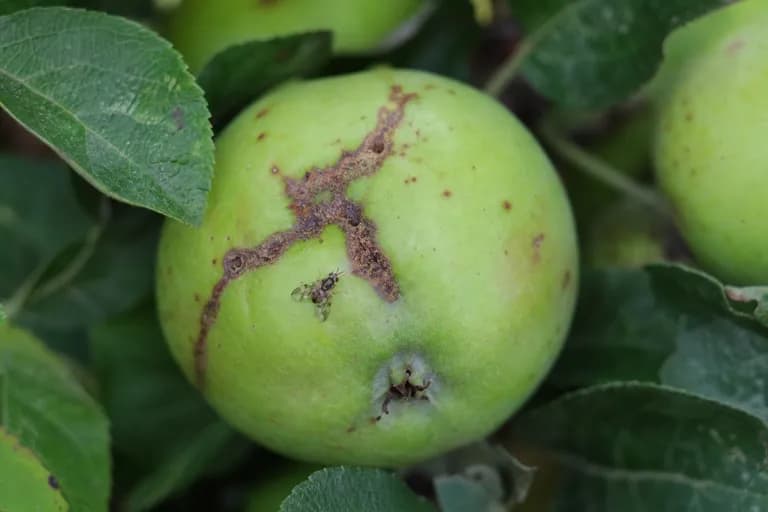
Apple Maggot
PestBrown trails through the flesh just beneath the skin; dimpled fruit surface indicating egg-laying punctures.
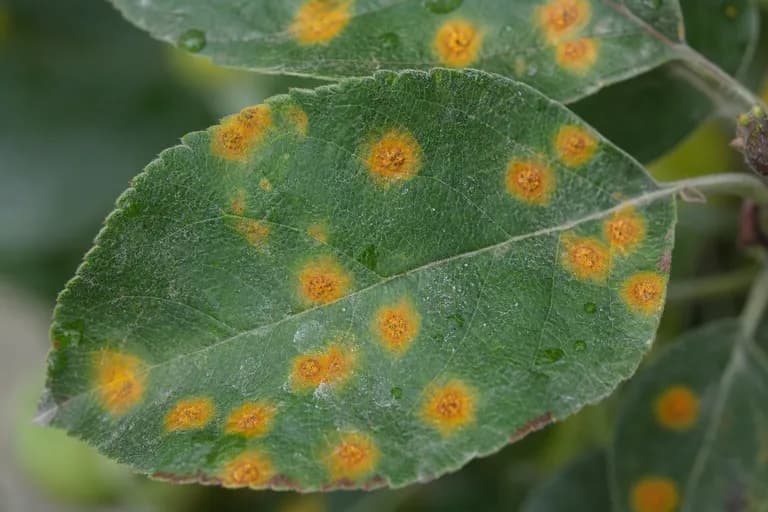
Cedar Apple Rust
DiseaseYellow-orange spots on leaves with spore-producing structures on undersides; possible spots on fruit in severe cases.
Troubleshooting Common Problems
The abundant small fruit can create a significant cleanup burden when unharvested fruit drops. Birds and wildlife consume much of the crop, which some gardeners view as a benefit for attracting wildlife. The fruit is too small and tart for fresh eating but makes outstanding preserves. Suckers may develop from the rootstock if the tree is grafted. In very warm, humid climates, disease resistance may be tested more than in the cold regions where Dolgo excels.
Growing Tips
- Select a planting site with full sun exposure of at least 6-8 hours daily and well-drained soil with a pH between 6.0 and 7.0. Dolgo tolerates a wide range of soil types including clay, loam, and sandy soils, but waterlogged conditions will cause root rot and decline.
- Plant Dolgo crabapple trees at least 6-8 meters apart for standard rootstock or 4-5 meters for semi-dwarf to allow the mature spreading canopy to develop fully without crowding neighboring trees.
- Position the Dolgo within 30 meters of your dessert apple trees to take advantage of its exceptional pollination capabilities, as its profuse bloom and extended flowering period make it one of the most reliable cross-pollinators for home apple orchards.
- Water deeply once per week during the first two growing seasons to establish a strong, extensive root system. Once established, Dolgo is notably drought-tolerant and typically only needs supplemental watering during prolonged dry spells in summer or during fruit-sizing periods.
- Apply a balanced organic fertilizer such as well-rotted compost or granular 10-10-10 in early spring before bud break, broadcasting it in a ring around the drip line. Avoid excessive nitrogen which promotes soft vegetative growth susceptible to fire blight at the expense of fruit production.
- Prune annually during winter dormancy to maintain an open vase or modified central-leader form. Remove water sprouts, suckers from below the graft union, crossing branches, and dead wood. Dolgo naturally develops a vigorous upright-spreading habit that requires only moderate corrective pruning.
- Monitor for fire blight, the most serious bacterial disease of crabapples, by watching for blackened, wilted shoot tips that curl into a shepherd's crook shape. Prune affected branches at least 30 cm below visible infection during dry weather, sterilizing pruning tools with a 10% bleach solution between each cut.
- Harvest fruit promptly when ripe in late August to September, as Dolgo crabapples soften quickly and drop from the tree once fully mature. For the best jelly quality and pectin content, pick fruit when it is fully colored but still slightly firm rather than waiting until it becomes soft.
- Apply a 7-10 cm layer of organic mulch such as wood chips, shredded bark, or well-rotted compost around the tree's root zone, extending from 15 cm away from the trunk out to the drip line. This conserves soil moisture, moderates root temperatures, and suppresses weed competition.
- If growing in USDA Zones 3-4 where extreme cold is common, select a planting site with protection from prevailing winter winds, such as the south side of a building or windbreak. Although Dolgo is rated to -40°C, wind protection reduces desiccation stress on dormant buds and bark.
Grow your best Dolgo Crabapple yet — and everything around it.
Start a free plan today. Lay out your beds, drop in your Dolgo Crabapple, and let PlotMyGarden handle the timing, spacing, companions and reminders from seed to harvest basket.
Pick your Dolgo Crabapple
Dolgo (standard)
The classic Russian crabapple introduced in 1917, prized for extreme cold hardiness, disease resistance, and superior jelly-making fruit.
Chestnut Crab
A related variety with larger fruit and a nutty, sweet flavor suitable for fresh eating as well as preserving.
Centennial Crab
A large-fruited crabapple that approaches dessert apple size while retaining crabapple disease resistance.
A mature Dolgo crabapple tree can produce 80-120 kg of fruit annually, yielding enough crabapples to make 100-150 jars of premium ruby-red jelly each year. At farmers market and specialty food store prices of $6-$10 per jar, this represents a potential value of $600-$1,500 in artisan preserves from a single tree. The initial tree cost of $25-$50 is recouped within the first productive year, and Dolgo trees continue bearing heavily for 40-60 years with minimal maintenance costs. The tree also provides significant ornamental value equivalent to a dedicated landscape specimen, effectively serving double duty as both a productive fruit tree and a stunning flowering ornamental.
Quick recipes
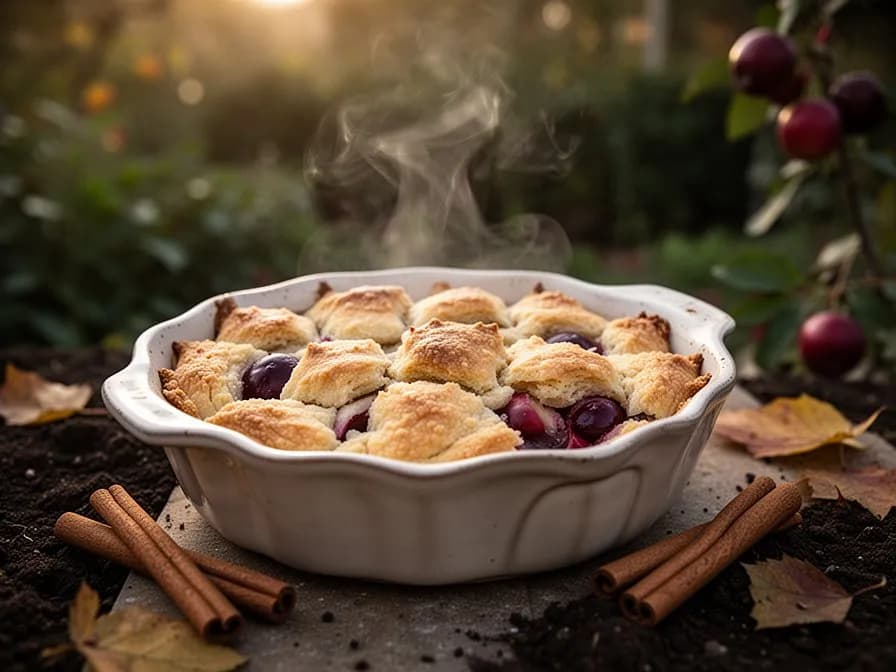
Classic Dolgo Crabapple Jelly
45 minutes active (plus overnight straining)The quintessential crabapple preserve that showcases Dolgo's legendary jelly-making qualities. The naturally high pectin content of the fruit produces a perfectly firm set without added commercial pectin, while the deep crimson skin creates a jewel-like ruby-red color that is unmatched by any other fruit jelly. This recipe produces a sparkling clear preserve with a balanced sweet-tart flavor.
5 ingredientsSpiced Crabapple Butter
30 minutes active (3 hours slow cooker)A richly spiced, velvety spread that concentrates the intense flavor of Dolgo crabapples into a deeply caramelized butter perfect for toast, scones, or cheese pairings. The slow cooking process breaks down the fruit completely, and passing through a food mill removes skins and seeds to yield a smooth, aromatic preserve with warm autumn spice notes.
8 ingredients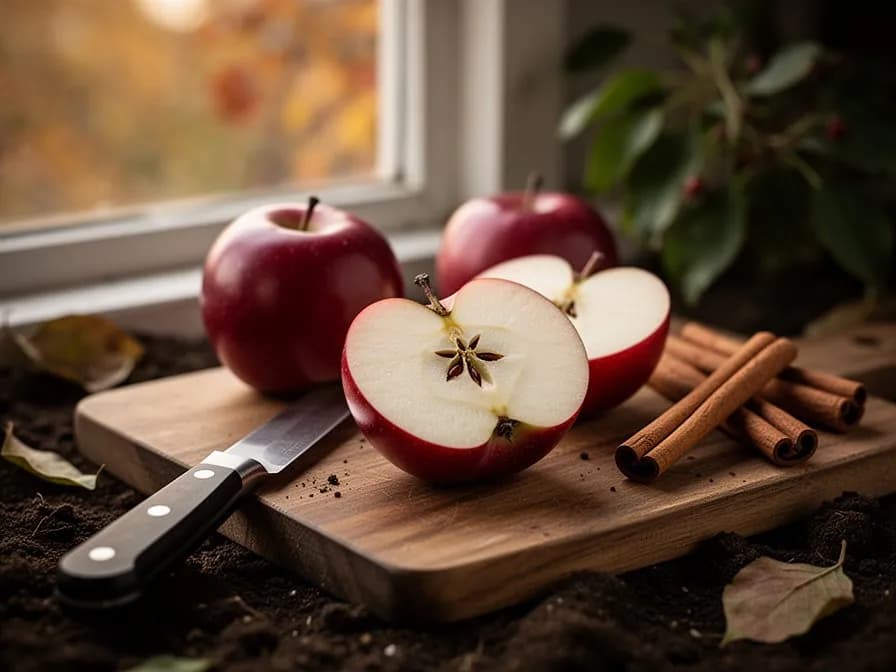
Pickled Crabapples with Warm Spices
35 minutes (plus 2 weeks curing)A traditional condiment that transforms Dolgo crabapples into a tangy, sweet, and aromatic pickle that pairs beautifully with roasted meats, sharp cheeses, and charcuterie boards. The whole fruit is pickled with its stem intact for an elegant presentation, and the warm spice-infused brine creates a complex flavor that improves with age.
9 ingredientsCulinary Uses
Dolgo crabapples produce what many consider the finest crabapple jelly, with a crystal-clear, brilliant ruby-red color and bright tart-sweet flavor. The high pectin content makes jelly-making straightforward. Crabapple butter made from Dolgo has a rich, complex flavor. The juice makes excellent crabapple wine and vinegar. Spiced crabapples preserved in a cinnamon-clove syrup are a classic holiday condiment.
What's inside
Health Benefits
- Extremely rich in natural pectin, a soluble fiber that helps lower LDL cholesterol levels by binding bile acids in the digestive tract, supporting cardiovascular health with regular consumption as part of a balanced diet
- Contains significantly higher concentrations of polyphenol antioxidants than standard dessert apples, including anthocyanins, quercetin, and chlorogenic acid that work synergistically to neutralize free radicals and reduce oxidative stress throughout the body
- Provides abundant malic acid, a natural organic acid that supports energy production at the cellular level through its role in the Krebs cycle and helps maintain healthy pH balance in the body
- The high dietary fiber content of approximately 5.9g per 100g promotes healthy digestive function by adding bulk to stool, feeding beneficial gut microbiota, and supporting regular bowel movements
- Rich in vitamin C at 8mg per 100g, contributing to immune system function, collagen synthesis for healthy skin and connective tissue, and enhanced absorption of non-heme iron from plant-based food sources
- Contains ursolic acid concentrated in the fruit skin, a pentacyclic triterpenoid compound that has demonstrated anti-inflammatory properties in laboratory studies and shows promise for supporting healthy muscle maintenance and metabolic function
Where Dolgo Crabapple comes from
The Dolgo crabapple (Malus x 'Dolgo') traces its origins to the vast wild apple forests of Siberia and the Russian Far East, where wild Malus baccata and related species have evolved over millennia to withstand some of the most extreme winter conditions on Earth. The cultivar was brought to American horticulture in 1897 by Professor Niels Ebbesen Hansen, a Danish-born plant explorer and horticulturist at South Dakota State University, who undertook multiple expeditions to Russia and Central Asia with the specific mission of finding fruit and grain varieties hardy enough for the northern Great Plains. Hansen recognized the Dolgo's exceptional combination of cold hardiness, prolific fruiting, and outstanding jelly-making quality, selecting it from wild and semi-cultivated trees growing in the harsh continental climate of the Russian steppe. The cultivar was officially introduced and named in 1917, with 'Dolgo' derived from the Russian word for elongated, describing the fruit's characteristic oblong shape. Throughout the early and mid-twentieth century, Dolgo became one of the most widely planted crabapple varieties across the northern United States and Canada, valued equally as an ornamental specimen for its spectacular spring bloom display and as a utilitarian fruit tree for home preserving. Its role as an exceptionally effective pollinator for standard apple orchards further cemented its popularity among both commercial growers and home gardeners. During the expansion of the American suburb in the postwar era, Dolgo was extensively planted as a landscape tree in parks, along streets, and in residential yards from Minnesota to Maine. Today, the Dolgo remains widely available from nurseries and is recognized by the horticultural community as one of the finest dual-purpose crabapple cultivars ever introduced, combining remarkable cold hardiness, disease resistance, ornamental beauty, and culinary utility in a single vigorous tree that thrives with minimal care across a vast geographic range.
Dolgo Crabapple: did you know?
Fascinating facts about Dolgo Crabapple
The Dolgo crabapple was introduced to the United States in 1897 by Professor Niels Hansen of South Dakota State University, who collected the original scion wood during a plant exploration expedition to Russia specifically to find fruit trees hardy enough to survive the brutal winters of the northern Great Plains.
Dolgo Crabapple questions, answered
When should I plant Dolgo Crabapple?
What are good companion plants for Dolgo Crabapple?
What hardiness zones can Dolgo Crabapple grow in?
How much sun does Dolgo Crabapple need?
How far apart should I space Dolgo Crabapple?
What pests and diseases affect Dolgo Crabapple?
How do I store Dolgo Crabapple after harvest?
What are the best Dolgo Crabapple varieties to grow?
What soil does Dolgo Crabapple need?
Can you eat Dolgo crabapples fresh off the tree?
How do I make jelly from Dolgo crabapples without added pectin?
Will a Dolgo crabapple pollinate my other apple trees?
Is the Dolgo crabapple resistant to common apple diseases?
How large does a Dolgo crabapple tree grow?
When is the best time to plant a Dolgo crabapple tree?
You just read the theory. Now grow it on autopilot.
Everything that makes Dolgo Crabapple fiddly — the timing, the spacing, the companions, the harvest window — is exactly what PlotMyGarden handles for you, for every plant in your garden.
A plan that knows your weather
Set your location once. Get sow, feed and harvest dates built around your real last-frost date and live forecast — no more guessing from a generic seed packet.
From the “When to plant” sectionDrag-and-drop bed planner
Design beds on a grid. Every plant snaps to its proper spacing, and you can see your whole season laid out before you spend a cent on seed.
From the “Growing guide” sectionCompanion conflicts, caught early
200+ good-and-bad pairings checked live as you plant — so a season-wrecking mistake never makes it into the ground.
From the “Companions” sectionReminders you'll actually act on
“Water the beans.” “Pick today before it turns.” Timely, specific, and tied to the plants you're really growing.
From the “Harvest” sectionSuccession, scheduled
Want a harvest for six weeks, not six days? It spaces your sowings automatically and reminds you when each new block is due.
From the “When to plant” sectionA record that gets smarter
Every harvest you log teaches it your garden. Next year's plan starts from what actually worked in your soil, not a textbook's.
From the “Overview” sectionPlant these alongside Dolgo Crabapple
More Pome Fruits
Grow your best Dolgo Crabapple yet — and everything around it.
Start a free plan today. Lay out your beds, drop in your Dolgo Crabapple, and let PlotMyGarden handle the timing, spacing, companions and reminders from seed to harvest basket.