China Aster
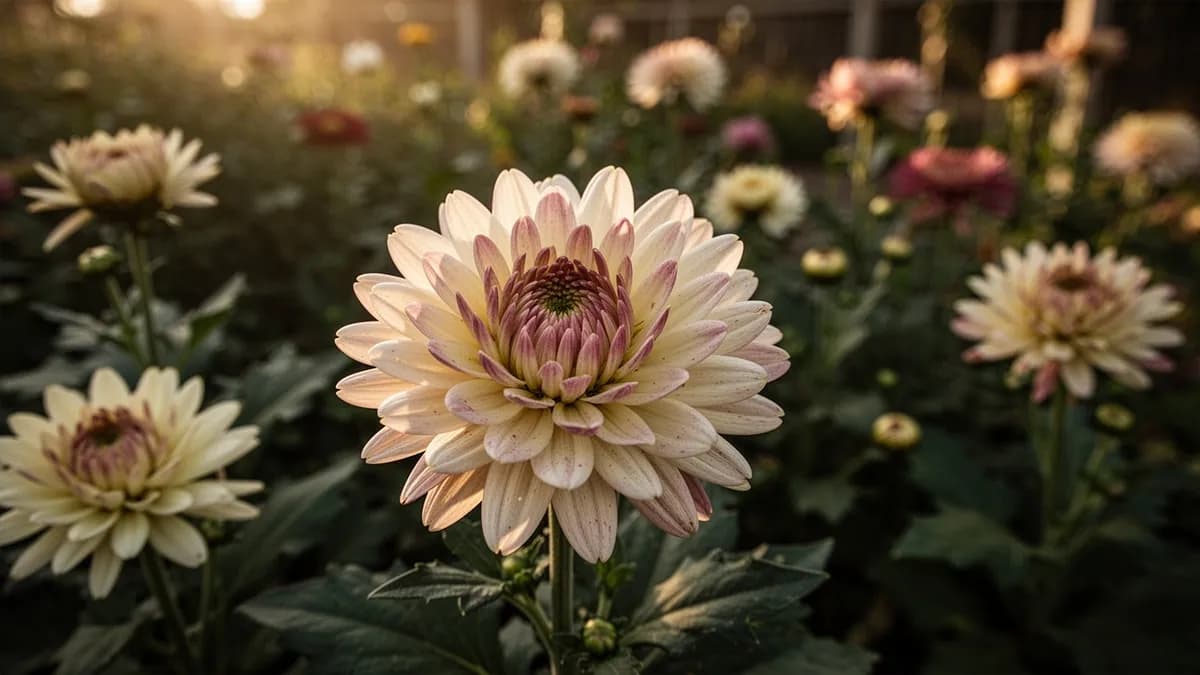
An elegant annual producing large, fully double blooms in shades of purple, pink, blue, and white that rival chrysanthemums in beauty.





On this pageOverview
Meet China Aster
An elegant annual producing large, fully double blooms in shades of purple, pink, blue, and white that rival chrysanthemums in beauty. China asters are susceptible to aster yellows disease, so rotate planting sites annually and control leafhopper populations. They make superb cut flowers lasting up to two weeks in water.
When to plant China Aster
Start seeds indoors 6-8 weeks before the last frost. Sow on the surface of moist seed-starting mix and cover lightly with vermiculite. Keep at 65-70°F (18-21°C) and maintain consistent moisture. Germination takes 8-14 days. Transplant seedlings to individual cells when they have two true leaves. Harden off gradually before planting out after the last frost. For a longer bloom season, make two sowings: one early and one 4 weeks later.
Your China Aster Year
Composed for Zone 7 · typical seasons · frost passes Apr 2, returns Nov 1
Plant China Aster Apr – May, pick Jul – Oct. Check the planting methods below and set your climate to personalize these windows.
How to grow China Aster
China asters provide brilliant late-summer and autumn color when many other annuals are fading. Start seeds indoors 6-8 weeks before the last frost, sowing on the surface of moist seed compost and covering lightly. Germination takes 8-14 days at 70°F (21°C). Transplant outdoors after the last frost, spacing 10-12 inches apart.
Choose a sunny location with rich, well-drained soil. China asters are heavy feeders and benefit from soil generously amended with compost. Consistent moisture is important—keep soil evenly moist but never waterlogged. Mulch around plants to conserve moisture and keep roots cool.
The critical cultural issue is avoiding aster yellows, a devastating disease spread by leafhoppers. Never plant China asters in the same location two years running, and control leafhopper populations with floating row covers or insecticidal soap. Remove any plants showing symptoms (green, deformed flowers; yellowed, stunted growth) immediately to prevent spread.
36 plants fit a 4 × 8 ft bed
Each China Aster wants 25 cm of elbow room. The planner keeps that spacing for you — every plant, every bed.
China Aster's best neighbours
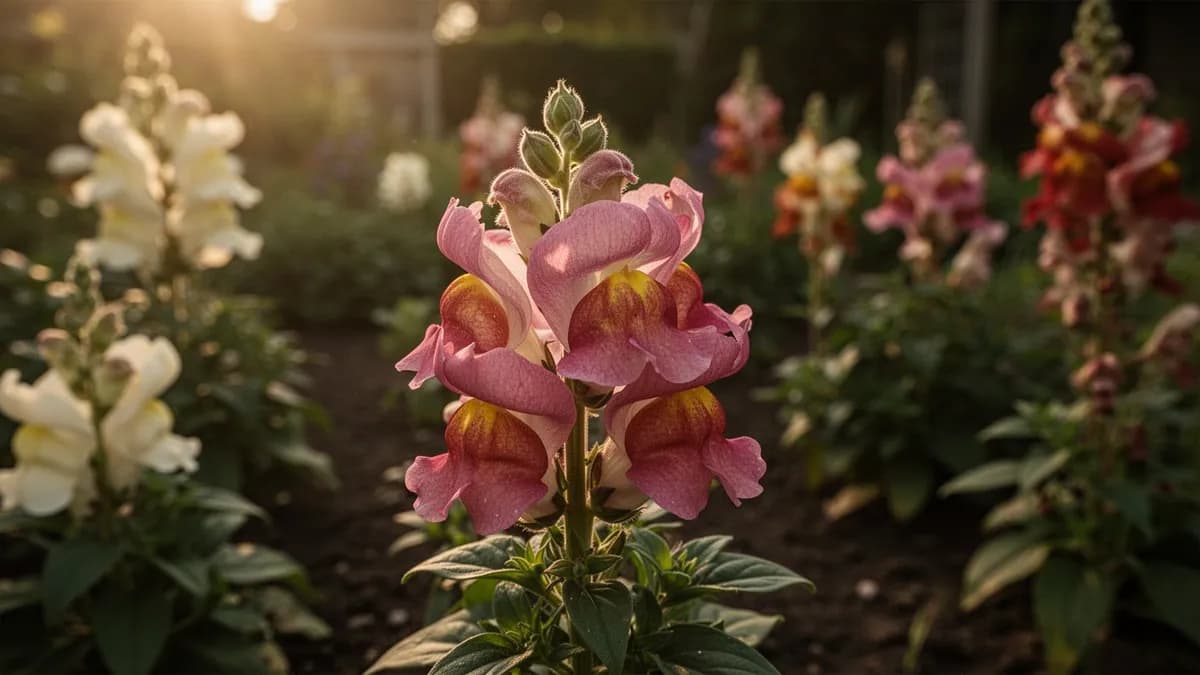
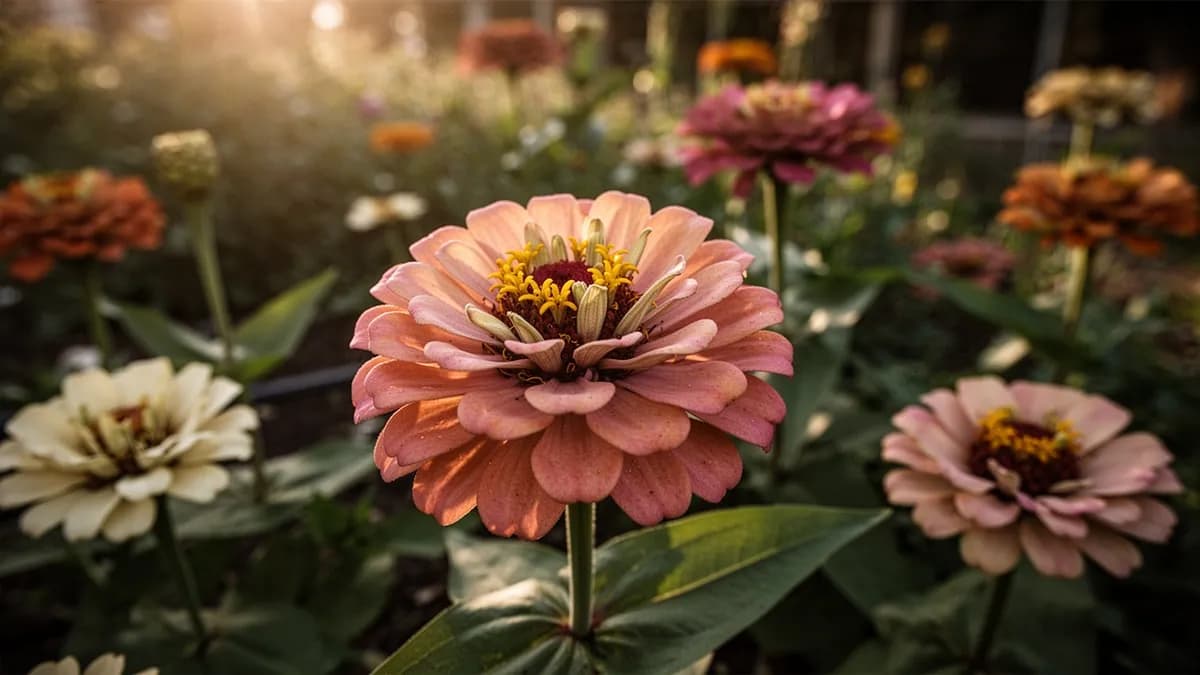
China asters provide late-season color when planted with chrysanthemums, ornamental kale, and autumn-blooming sedums. Earlier in summer, they combine well with zinnias, snapdragons, and marigolds. In the cutting garden, plant alongside dahlias and gladiolus for diverse autumn bouquets. Avoid planting near other aster-family members that may harbor aster yellows or share susceptible pests.
Snapdragon belongs beside it.
Old growers' knowledge, checked against China Aster's real companion table below — test any plant you're growing.
Try China Aster in a bed — right here
A real planner bed with China Aster already in it. Tap a companion to place it and watch the pairing checks answer — green for good neighbours, red for a clash.


Related growing guides
Feed it well
China asters demand rich, fertile, well-drained soil with a pH of 5.5-7.5. They are heavier feeders than most annuals. Amend planting beds generously with compost and work in a balanced granular fertilizer before transplanting. Feed every two weeks with a liquid fertilizer high in phosphorus and potassium to promote flowering. Maintain consistent soil moisture with organic mulch.
Ideal Temperature
Hardiness Zone Compatibility
From seed to harvest, stage by stage
Seed Starting
China aster seeds are sown indoors 6 to 8 weeks before the last expected frost date. Seeds are small and flat, requiring a light covering of fine vermiculite or seed-starting mix. Maintain soil temperature between 18-21°C (65-70°F) for optimal germination, keeping the medium consistently moist but not waterlogged.
Germination & Cotyledon Stage
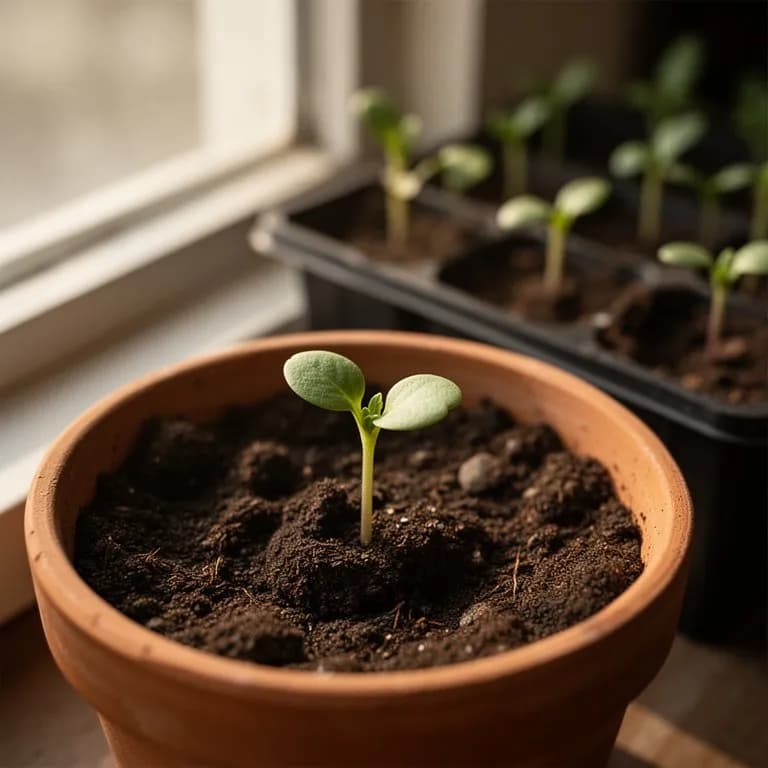
Seedlings emerge with a pair of rounded cotyledon leaves. At this stage the stems are thin and pale green. Provide 14 to 16 hours of bright light daily to prevent leggy growth. Begin light air circulation with a small fan to strengthen stems.
Vegetative Growth
Plants develop a strong central stem with lateral branching and toothed, ovate leaves. The root system expands rapidly during this phase. Transplant hardened-off seedlings outdoors once nighttime temperatures consistently stay above 10°C (50°F), spacing plants 25-30 cm apart.
Bud Formation
Flower buds begin to form at the terminal ends of branches. The buds are initially tight, round, and green, gradually swelling and showing color as petals develop inside. Plants reach their mature height of 30 to 90 cm depending on the cultivar during this stage.
Flowering
Flowers open in succession, each bloom lasting 10 to 14 days on the plant. Depending on the variety, flowers may be single, semi-double, or fully double with forms ranging from pompon to spider to peony-type. Peak bloom occurs in late summer through early autumn.
Seed Setting & Decline
As temperatures cool and day length shortens, flower production slows and pollinated blooms begin to form seed heads. The achene-type seeds develop inside papery receptacles. Foliage may begin to yellow as the annual plant reaches the end of its life cycle.
Use sterile seed-starting mix to prevent damping-off disease, which China asters are particularly susceptible to. Bottom watering helps keep the soil surface drier and reduces fungal problems.
Caring for China Aster month by month
What to do each month for your China Aster
October
You are hereGather remaining seed heads for saving. Pull out finished plants and dispose of any diseased material in the trash rather than compost. Note which varieties performed best for next season.
Know exactly what to do in your garden — every month
One email at the start of each month: what to sow, plant, and tackle right now — for your China Aster and everything growing around it. Plus a short starter course that helps you dodge the classic mistakes.
- What to do, right now
- Matched to your season
- Starter course included
Harvesting China Aster
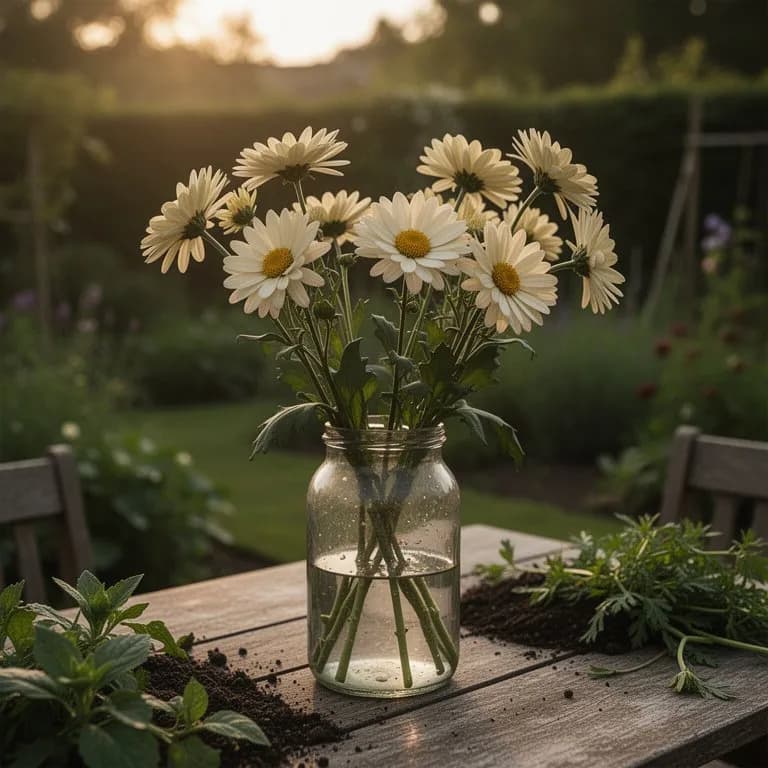
China asters are outstanding cut flowers, lasting up to two weeks in the vase. Cut when flowers are about three-quarters open—they will continue to expand. Cut in the early morning with long stems, strip lower leaves, and place in warm water with floral preservative. The large, fully double blooms rival florist chrysanthemums in beauty and make stunning autumn arrangements.
assuming you plant when the window opens — set your real date
Pick China Aster promptly and the plant keeps producing.
Storage & Preservation
As an annual, China asters do not store as bulbs or roots. Save seed from the best open-pollinated plants by allowing flower heads to dry completely on the plant. Collect dried seeds and store in labeled envelopes in a cool, dry place. Seeds remain viable for 1-2 years. Note that saved seed from F1 hybrids will not come true to the parent variety.
What goes wrong — and the fix
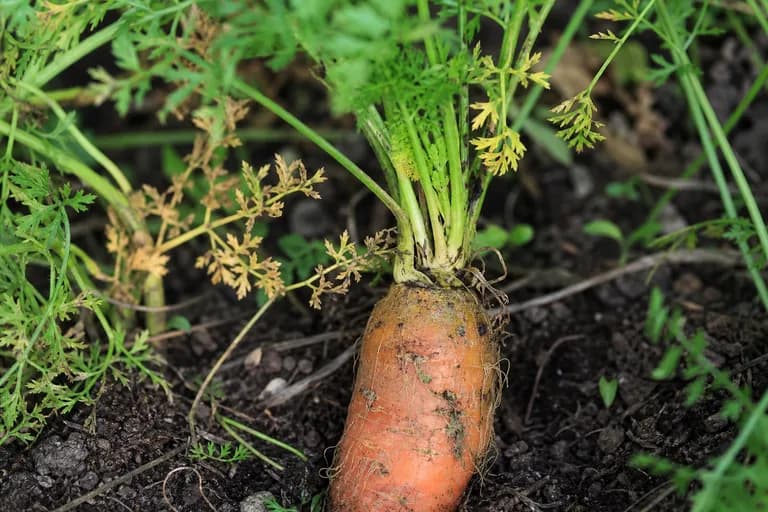
Aster Yellows
DiseaseFlowers become green and deformed. Growth is stunted and bushy. Leaves turn yellow with green veins. The disease is spread by leafhoppers.
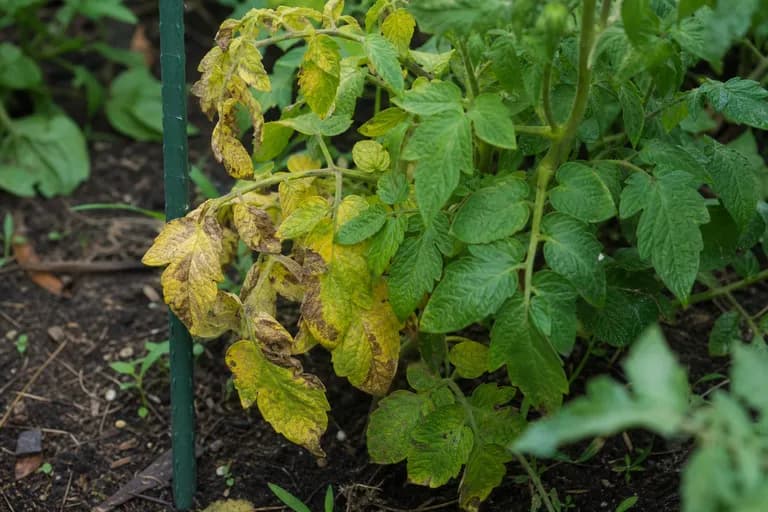
Fusarium Wilt
DiseaseOne side of the plant wilts first. Stems show brown discoloration when cut open. Plants eventually collapse and die.
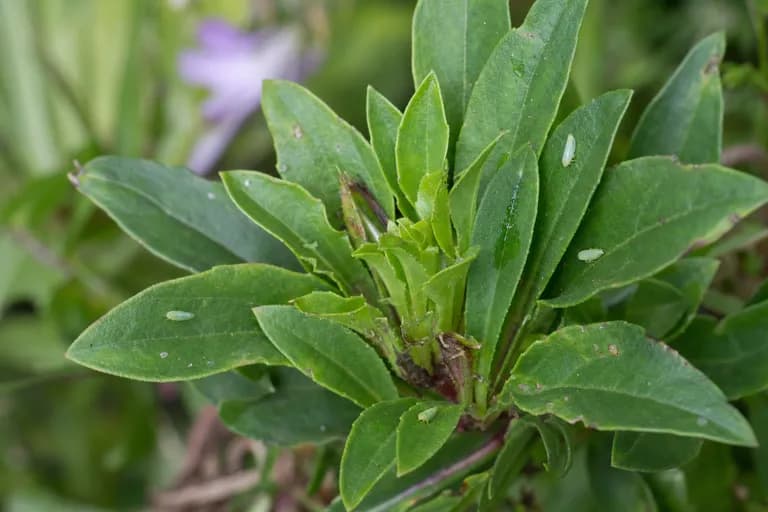
Leafhoppers
PestSmall, wedge-shaped green insects that jump when disturbed. More critically, they vector aster yellows disease.
Troubleshooting Common Problems
Aster yellows is the most devastating problem—once plants are infected, there is no cure. Strict leafhopper control is essential. Fusarium wilt causes sudden collapse; choose resistant varieties and rotate planting sites. Plants that produce small or sparse flowers are usually suffering from insufficient fertility or inconsistent watering. In hot climates, China asters perform best as autumn flowers, planted in late spring for fall bloom.
Growing Tips
- Rotate planting locations annually and avoid growing China asters in the same bed more than once every three to four years to prevent fusarium wilt, the most serious disease affecting this species.
- Choose wilt-resistant cultivars such as the Matsumoto, Standy, Tower, or Serenade series for reliable performance, especially if fusarium has been present in your garden previously.
- Start seeds indoors 6 to 8 weeks before the last frost date for the earliest blooms, or direct sow outdoors after the last frost for a later but equally rewarding display.
- Pinch the central growing tip when plants reach 15 cm in height to stimulate lateral branching and increase the total number of flower stems per plant.
- Water at the base of plants using drip irrigation or a soaker hose rather than overhead sprinklers to minimize leaf wetness and reduce the risk of foliar diseases and aster yellows.
- Control leafhoppers aggressively with insecticidal soap, neem oil, or row covers, as these insects are the primary vectors for aster yellows phytoplasma, a devastating and incurable disease.
- Stake tall varieties (over 60 cm) early in the season using bamboo canes, grow-through supports, or horizontal netting to prevent stems from toppling in wind and rain.
- Sow seeds in two or three successive plantings spaced two to three weeks apart to extend the flowering season from midsummer well into autumn.
- Apply a 5 cm layer of organic mulch such as straw or shredded bark around plants to maintain even soil moisture, moderate root zone temperatures, and suppress competitive weeds.
- Harvest cut flowers early in the morning when stems are fully turgid, cutting just above a leaf node to encourage the plant to produce additional flowering side shoots.
Grow your best China Aster yet — and everything around it.
Start a free plan today. Lay out your beds, drop in your China Aster, and let PlotMyGarden handle the timing, spacing, companions and reminders from seed to harvest basket.
Pick your China Aster
Callistephus 'Crego Giant' Mix
Large, fluffy, chrysanthemum-like flowers with curled and twisted petals. Classic variety for cutting, reaching 24 inches.
Callistephus 'Matsumoto' series
Professional cut flower variety with sturdy stems, wilt resistance, and long vase life. Available in a wide color range.
Callistephus 'Milady' series
Compact 10-12 inch plants with large double flowers. Excellent for containers and bedding. Early blooming.
Callistephus 'Powder Puff' Mix
Rounded, fully double flowers in pastel shades with incurved petals creating a powder-puff effect. Charming and old-fashioned.
A single packet of China aster seeds costs between $2 and $5 and contains 100 to 300 seeds, each capable of producing 10 to 30 cut flower stems over the season. A comparable bouquet of China asters from a florist costs $10 to $25. Growing your own can yield dozens of premium-quality bouquets worth $150 to $400 or more throughout the late summer and autumn season, representing a return of 30 to 80 times the initial seed investment.
Quick recipes
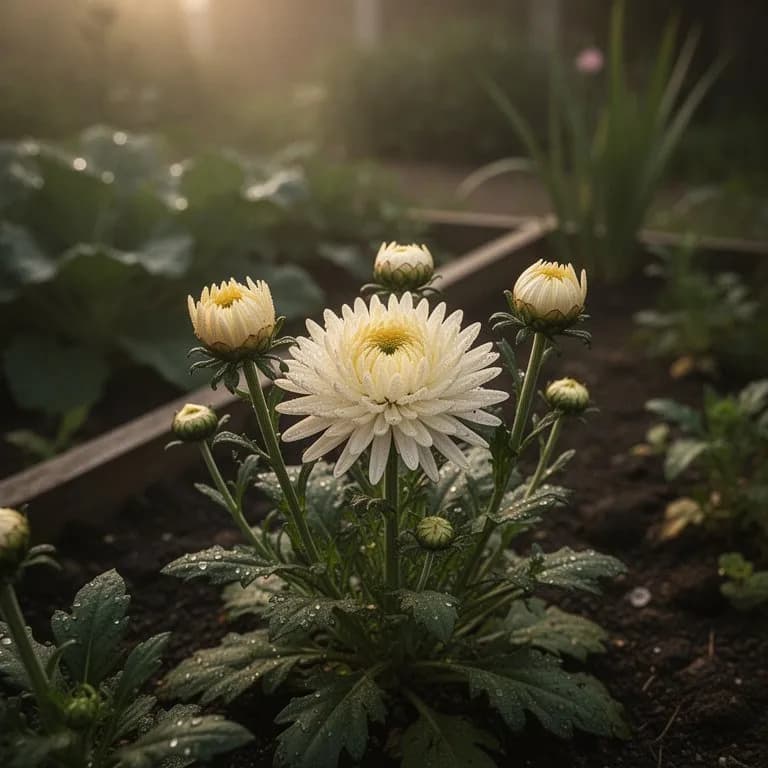
China Aster Pressed Flower Bookmark
15 minutes (plus 2 weeks drying)Preserve the stunning beauty of China aster blooms by pressing individual petals and small flowers between parchment paper and heavy books. Once dried, arrange them on cardstock and seal with clear laminate to create beautiful, long-lasting bookmarks that make thoughtful handmade gifts.
6 ingredientsChina Aster Fresh Cut Flower Arrangement
20 minutesCreate a stunning late-summer floral centerpiece using freshly cut China asters in a range of colors and flower forms. Combine pompon, spider, and peony-type blooms at varying heights for a dynamic and professional-looking arrangement that will last up to two weeks with proper care.
6 ingredientsDried China Aster Petal Potpourri
30 minutes (plus 1 week drying)Harvest China aster petals at peak bloom and air-dry them to create a colorful, long-lasting potpourri. The dried petals retain their vivid hues and can be blended with dried lavender buds, rose petals, and essential oils for a fragrant and visually appealing home decoration.
6 ingredientsWhat's inside
Health Benefits
- Growing China asters provides gentle outdoor exercise through planting, weeding, staking, and harvesting, contributing to improved cardiovascular fitness and joint flexibility.
- Tending a flower garden with colorful China aster varieties has been shown to reduce cortisol levels and alleviate stress, supporting overall mental well-being and mood regulation.
- The vibrant late-season blooms of China asters can combat seasonal mood changes by providing visual stimulation and a sense of accomplishment during the transition from summer to autumn.
- Arranging fresh-cut China asters engages fine motor skills and creative thinking, which research in horticultural therapy links to improved cognitive function and mindfulness.
- China asters attract pollinators such as bees, butterflies, and hoverflies, supporting local ecosystem health and fostering a connection to the natural world that benefits psychological well-being.
- Gardening with flowers like China asters encourages time spent outdoors in natural daylight, which supports healthy vitamin D levels and helps regulate circadian rhythms for better sleep quality.
Where China Aster comes from
China aster (Callistephus chinensis) is native to eastern Asia, with its wild ancestors found growing in meadows, forest margins, and along riverbanks in China, Korea, and parts of Japan. The single-flowered wild form bears daisy-like blooms with a prominent yellow center disc surrounded by a single row of blue, violet, or white ray petals. Chinese gardeners cultivated the plant for centuries before it reached Western horticulture. In approximately 1728, the French Jesuit missionary and botanist Pierre Nicolas le Chéron d'Incarville sent seeds from Beijing to Antoine de Jussieu at the Royal Garden in Paris. The flowers quickly captivated European gardeners, and by the mid-eighteenth century, German, French, and English plant breeders had begun developing the first double-flowered varieties. The famed Swedish botanist Carl Linnaeus initially placed the species in the genus Aster, but French botanist Alexandre Henri Gabriel de Cassini recognized its distinct characteristics and established the monotypic genus Callistephus in 1825. Throughout the nineteenth century, German seed houses, particularly those in Erfurt and Quedlinburg, dominated China aster breeding, producing the Comet, Giant Crego, and Ostrich Plume strains that remain recognizable today. Japanese breeders later contributed important advances, creating the tall, sturdy-stemmed varieties favored by the modern cut flower industry. By the early twentieth century, aster wilt caused by the soil fungus Fusarium oxysporum f. sp. callistephi had become a devastating problem, spurring American breeders at universities including Cornell and the University of Wisconsin to develop resistant strains. Today, China asters remain one of the most commercially important annual cut flowers worldwide, with major production in the Netherlands, Colombia, China, and Japan. Home gardeners on every continent grow them for their spectacular late-season color and reliable performance in borders, beds, and containers.
China Aster: did you know?
Fascinating facts about China Aster
China asters are the only species in the genus Callistephus, making them a truly unique member of the daisy family Asteraceae.
China Aster questions, answered
When should I plant China Aster?
What are good companion plants for China Aster?
What hardiness zones can China Aster grow in?
How much sun does China Aster need?
How far apart should I space China Aster?
What pests and diseases affect China Aster?
How do I store China Aster after harvest?
What are the best China Aster varieties to grow?
What soil does China Aster need?
Why are my China aster leaves turning yellow and the plants wilting even though the soil is moist?
What causes China aster flowers to turn green and become distorted?
Can I save seeds from my China aster plants for next year?
How long do China asters last as cut flowers in a vase?
Are China asters safe to grow around children and pets?
When is the best time to plant China asters for fall color?
You just read the theory. Now grow it on autopilot.
Everything that makes China Aster fiddly — the timing, the spacing, the companions, the harvest window — is exactly what PlotMyGarden handles for you, for every plant in your garden.
A plan that knows your weather
Set your location once. Get sow, feed and harvest dates built around your real last-frost date and live forecast — no more guessing from a generic seed packet.
From the “When to plant” sectionDrag-and-drop bed planner
Design beds on a grid. Every plant snaps to its proper spacing, and you can see your whole season laid out before you spend a cent on seed.
From the “Growing guide” sectionCompanion conflicts, caught early
200+ good-and-bad pairings checked live as you plant — so a season-wrecking mistake never makes it into the ground.
From the “Companions” sectionReminders you'll actually act on
“Water the beans.” “Pick today before it turns.” Timely, specific, and tied to the plants you're really growing.
From the “Harvest” sectionSuccession, scheduled
Want a harvest for six weeks, not six days? It spaces your sowings automatically and reminds you when each new block is due.
From the “When to plant” sectionA record that gets smarter
Every harvest you log teaches it your garden. Next year's plan starts from what actually worked in your soil, not a textbook's.
From the “Overview” sectionPlant these alongside China Aster
More Annuals
Grow your best China Aster yet — and everything around it.
Start a free plan today. Lay out your beds, drop in your China Aster, and let PlotMyGarden handle the timing, spacing, companions and reminders from seed to harvest basket.