Französischer Kerbel
Eine kältetolerante französische Kerbelsorte, die für langsameres Schossen und größere, feiner geschnittene Blätter gezüchtet wurde.





Auf dieser SeiteÜberblick
Französischer Kerbel im Überblick
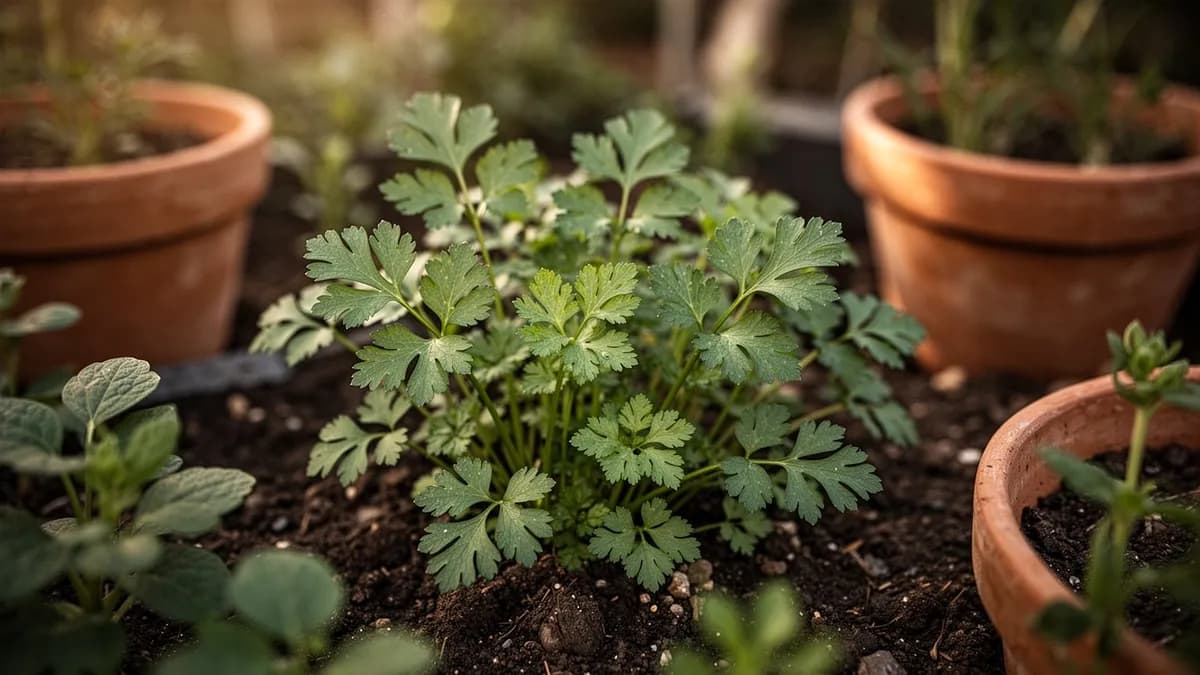
Eine kältetolerante französische Kerbelsorte, die für langsameres Schossen und größere, feiner geschnittene Blätter gezüchtet wurde. Diese Sorte verlängert das Erntezeitfenster in kühlen Klimazonen und ist in Fines-herbes-Mischungen unverzichtbar. Direkt in Halbschatten aussäen und die Blätter frisch verwenden, da das zarte Anis-Petersilien-Aroma beim Trocknen oder Kochen rasch verblasst.
Wann Französischer Kerbel pflanzen
Kerbelsamen werden am besten direkt gesät, da die empfindliche Pfahlwurzel keine Verpflanzung verträgt. Samen einen Vierteldaumen tief in vorbereiteten Boden im frühen Frühjahr oder Spätsommer säen. Samen benötigen Dunkelheit zur Keimung; daher mit einer dünnen Schicht feiner Erde bedecken und gleichmäßig feucht halten. Die Keimung dauert 7 bis 14 Tage bei kühlen Bodentemperaturen von 13 bis 18 °C. Keimlinge auf 15 bis 20 cm Abstand ausdünnen. Für kontinuierliche Ernte alle 3 bis 4 Wochen von frühem Frühjahr bis Mitte Herbst nachsäen, die heißesten Sommermonate überspringen.
Dein Französischer Kerbel-Jahr
Abgestimmt auf Zone 7 · typische Saison · Frost geht um den 2. Apr. und kehrt um den 1. Nov. zurück
Französischer Kerbel Mär – Apr, Sep – Okt pflanzen, Apr – Jun, Okt – Nov ernten. Beachte die Pflanzmethoden unten und wähle dein Klima für passende Zeiträume.
So baust du Französischer Kerbel an
Französischer Kerbel, insbesondere die Sorte 'Brussels Winter', ist eine kältetolerante Varietät, die für verlängerte Ernten in kühlen Klimazonen gezüchtet wurde. Kerbel zählt zu den unverzichtbaren Kräutern der französischen Küche und ist ein Schlüsselbestandteil der klassischen Fines-herbes-Mischung neben Petersilie, Estragon und Schnittlauch. Anders als die meisten Kräuter bevorzugt Kerbel kühle Bedingungen und schießt bei Hitze rasch, was ihn ideal für den Frühjahrs- und Herbstanbau oder als Winterkraut in milden Klimazonen macht.
Samen im frühen Frühjahr direkt ins Freie säen, sobald der Boden bearbeitbar ist, oder im Spätsommer für eine Herbst- und Winterernte. Kerbel besitzt eine empfindliche Pfahlwurzel, die keine Verpflanzung verträgt; daher direkt vor Ort säen und nicht im Haus vorkultivieren. Im Halbschatten bis Vollschatten pflanzen, besonders in wärmeren Klimazonen, mit feuchtem, nährstoffreichem Boden und einem pH-Wert von 6,5 bis 7,5. Abstand 15 bis 20 cm.
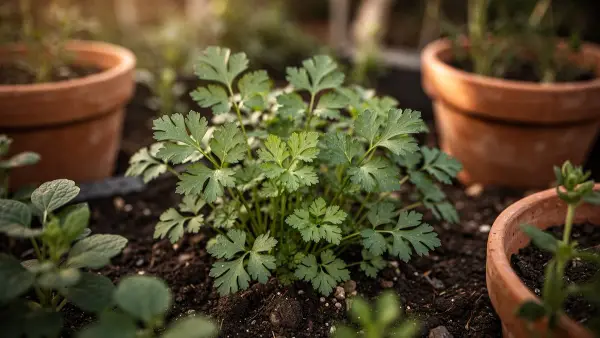
Boden gleichmäßig feucht halten, da Austrocknen das Schossen auslöst. Alle 3 bis 4 Wochen nachsäen für kontinuierliche Ernte. Kerbel wird 30 bis 45 cm hoch und bildet fein geteilte, federartige Blätter ähnlich der glatten Petersilie. Die Sorte 'Brussels Winter' wurde auf langsameres Schossen selektiert und kann bei geringem Schutz milde Winter überstehen. Blätter frisch verwenden, da das zarte Anis-Petersilien-Aroma durch Hitze und Trocknung zerstört wird.
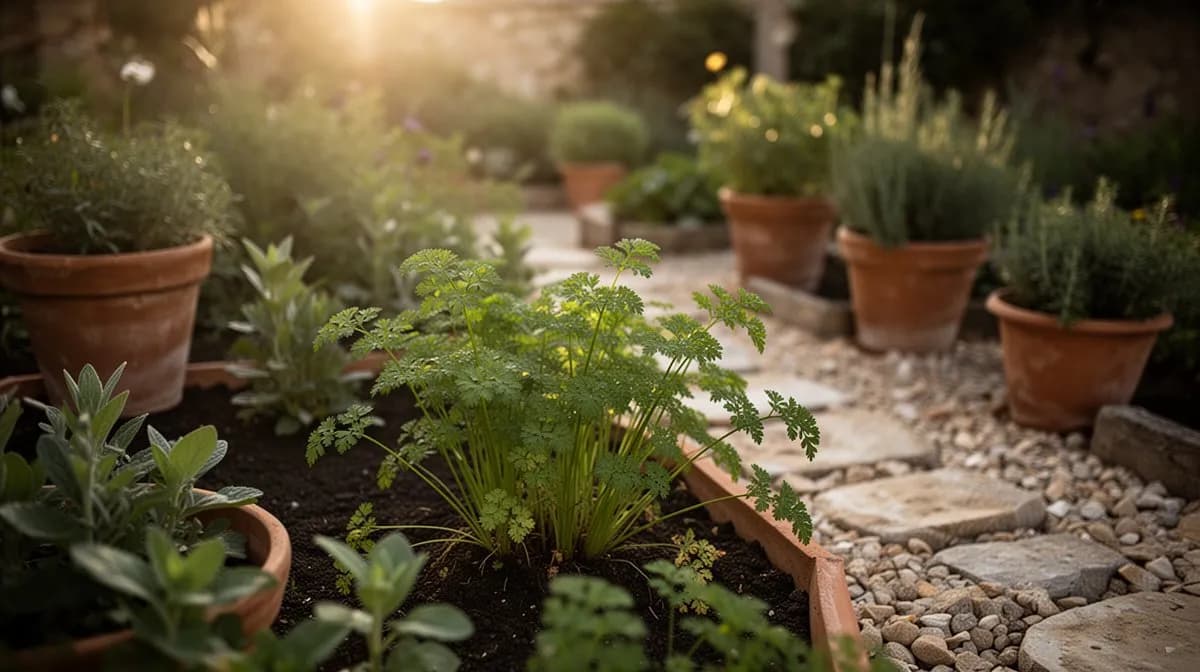
128 Pflanzen passen in ein Beet von 120 × 240 cm
Französischer Kerbel braucht 15 cm Platz pro Pflanze. Der Planer hält diesen Abstand für dich ein — jede Pflanze, jedes Beet.
Die besten Nachbarn für Französischer Kerbel
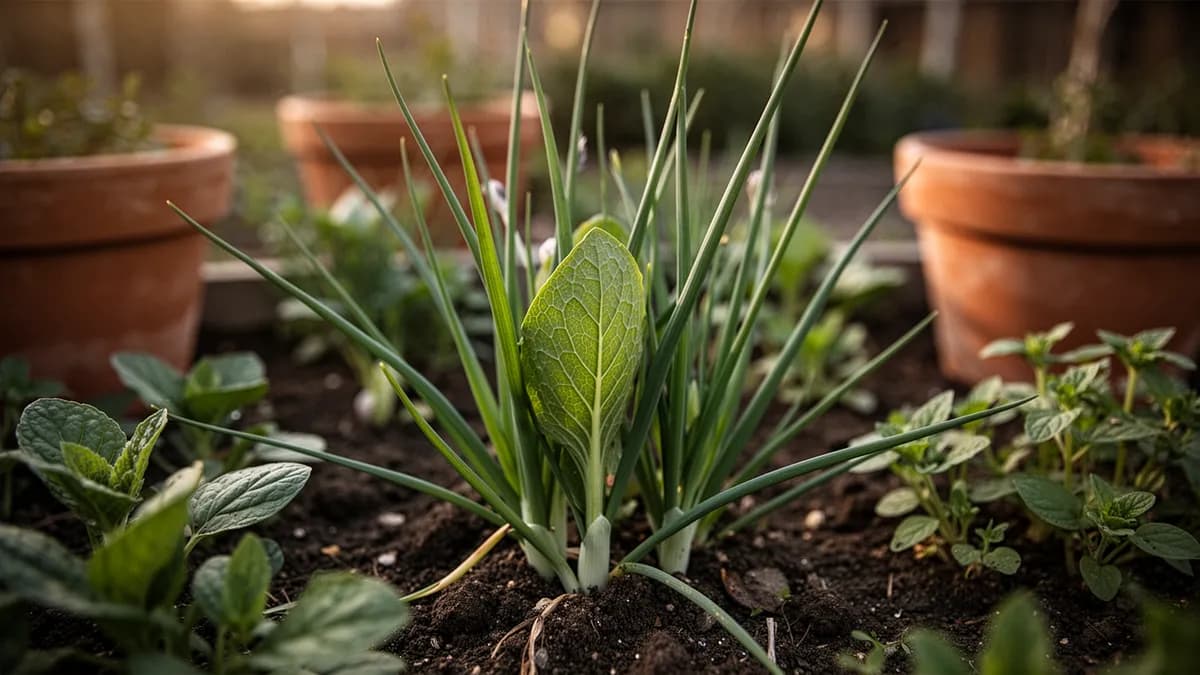
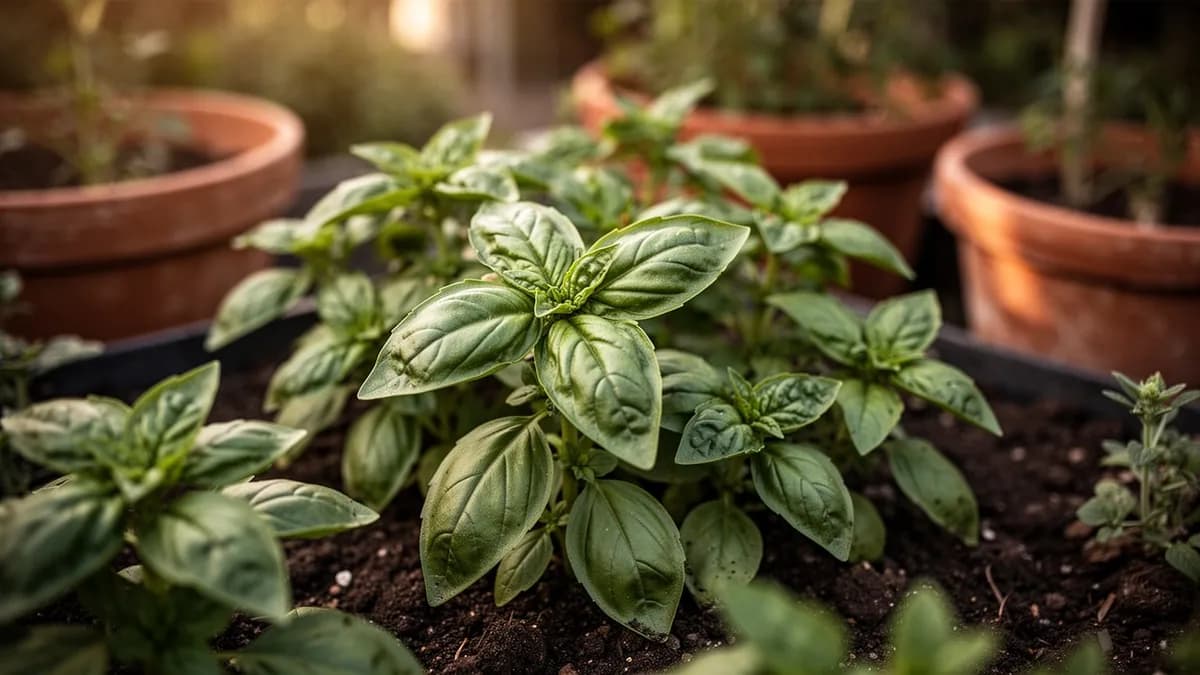
Kerbels Schattentoleranz macht ihn zu einem ausgezeichneten Begleitpflanzen für höhere Kräuter und Gemüse, die natürlichen Schatten spenden. Unter Tomaten, Bohnen oder Mais pflanzen, die den Kerbel bei steigenden Temperaturen beschatten. Er wächst gut mit anderen Kühljahreszeit-Kräutern wie Petersilie, Koriander und Dill. Kerbel soll Schnecken von benachbartem Salat fernhalten und das Wachstum und den Geschmack von Radieschen verbessern, wenn er daneben gepflanzt wird.
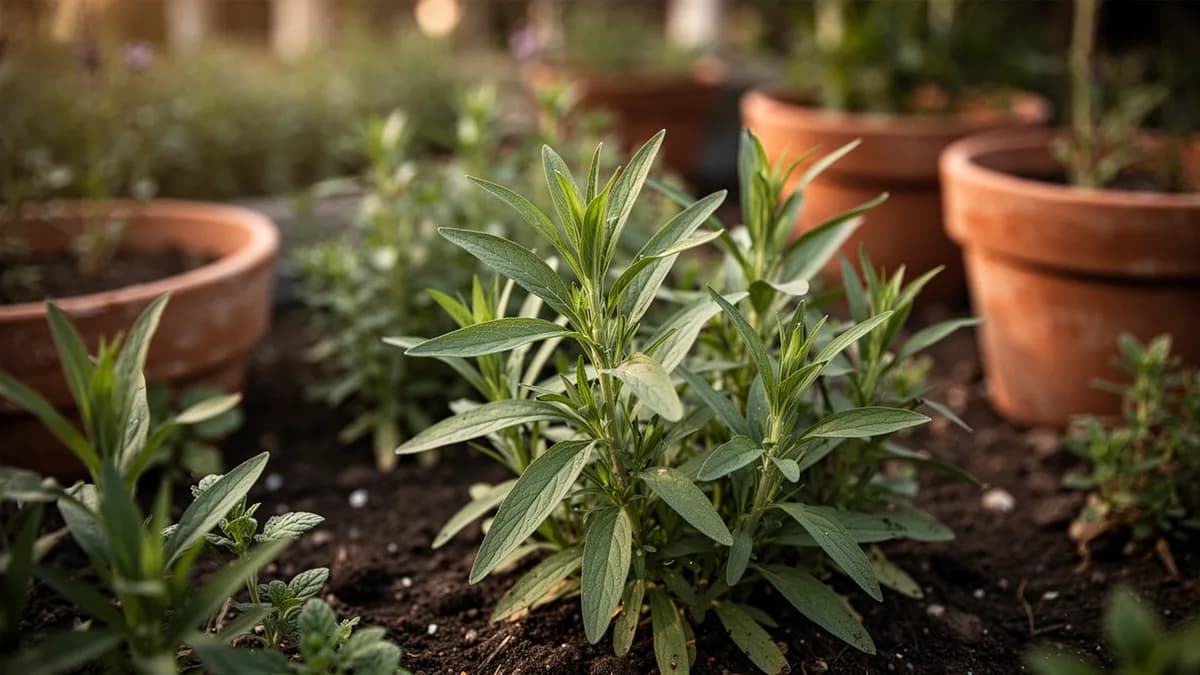
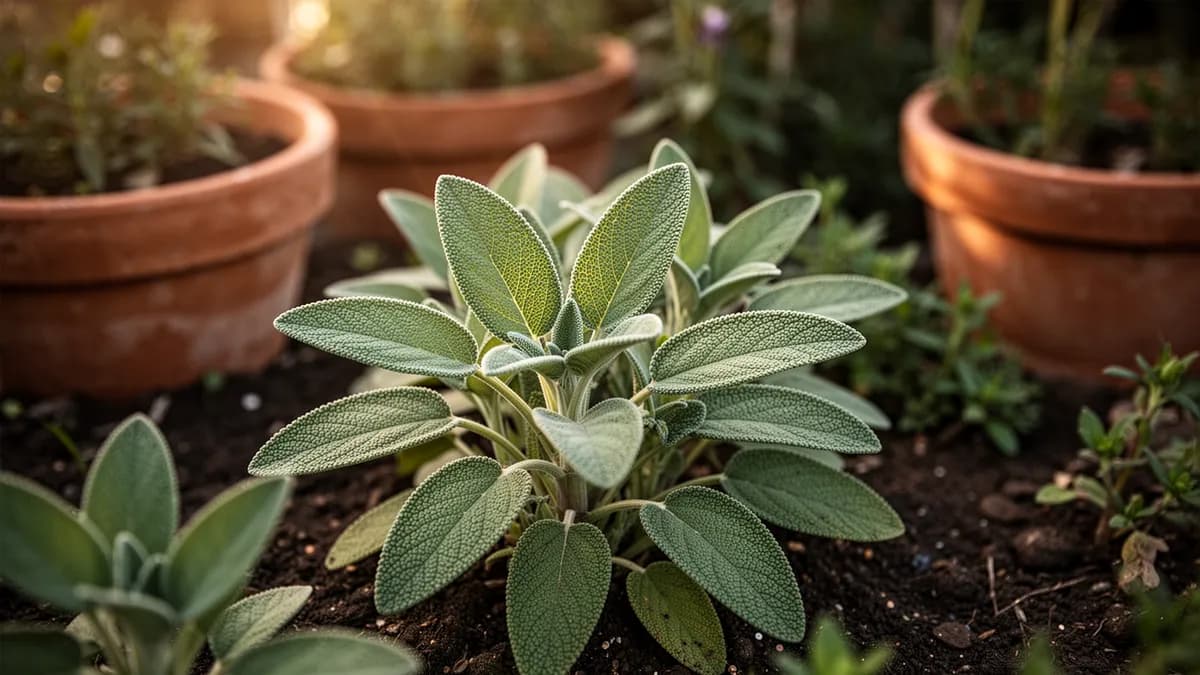
Petersilie gehört daneben. Salbei nicht.
Altes Gärtnerwissen, geprüft an der echten Nachbartabelle von Französischer Kerbel — teste jede Pflanze, die du anbaust.
Probiere Französischer Kerbel direkt hier im Beet
Ein echtes Planer-Beet, Französischer Kerbel steht schon drin. Tippe einen Begleiter an, platziere ihn und sieh, wie die Nachbarschaftsprüfung antwortet — grün für gute Nachbarn, rot bei Streit.


Passende Anbau-Ratgeber
Richtig düngen
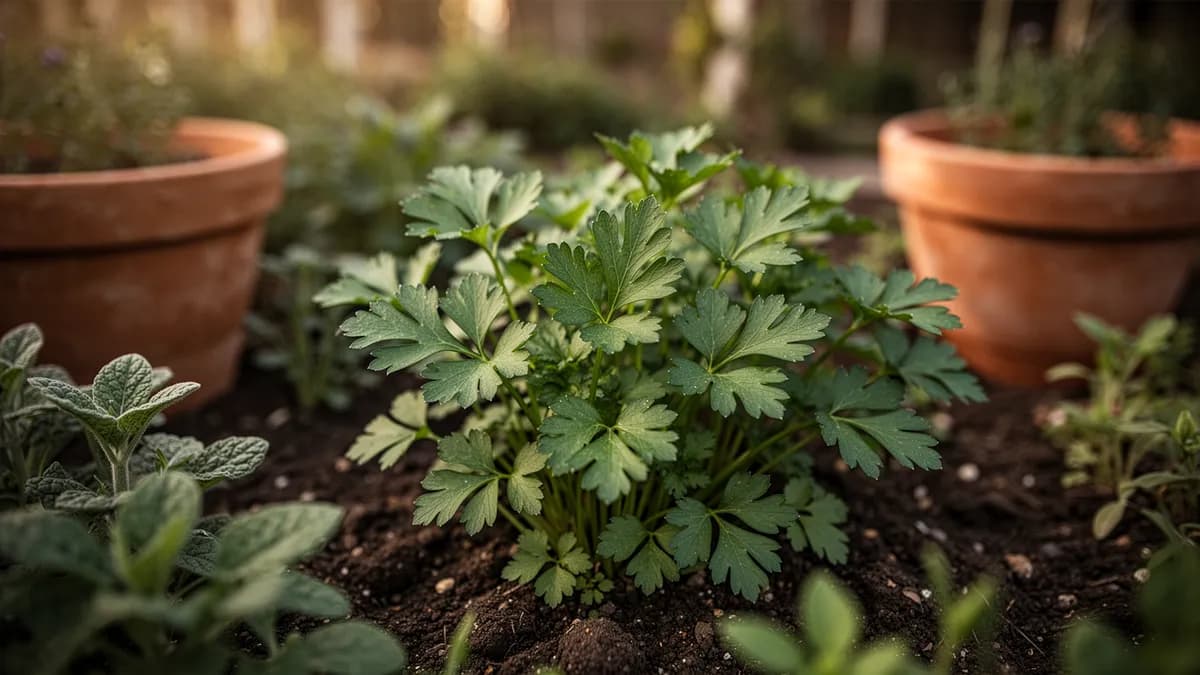
Kerbel bevorzugt feuchten, nährstoffreichen, gut durchlässigen Boden mit einem pH-Wert von 6,5 bis 7,5. Vor der Aussaat mit Kompost verbessern, um die Feuchtigkeitsspeicherung und Fruchtbarkeit zu erhöhen. Eine leichte Kopfdüngung mit ausgewogenem organischem Dünger bei der Pflanzung liefert ausreichend Nährstoffe für den kurzen Wachstumszyklus. Übermäßigen Stickstoff vermeiden, der üppiges Wachstum mit verwässertem Geschmack erzeugt. Gleichmäßige Bodenfeuchte durch leichtes Mulchen aufrechterhalten, besonders wichtig bei Wärmeperioden, die das Schossen auslösen.
Ideale Temperatur
Winterhärtezone-Kompatibilität
Von der Saat zur Ernte, Schritt für Schritt
Samenkeimung
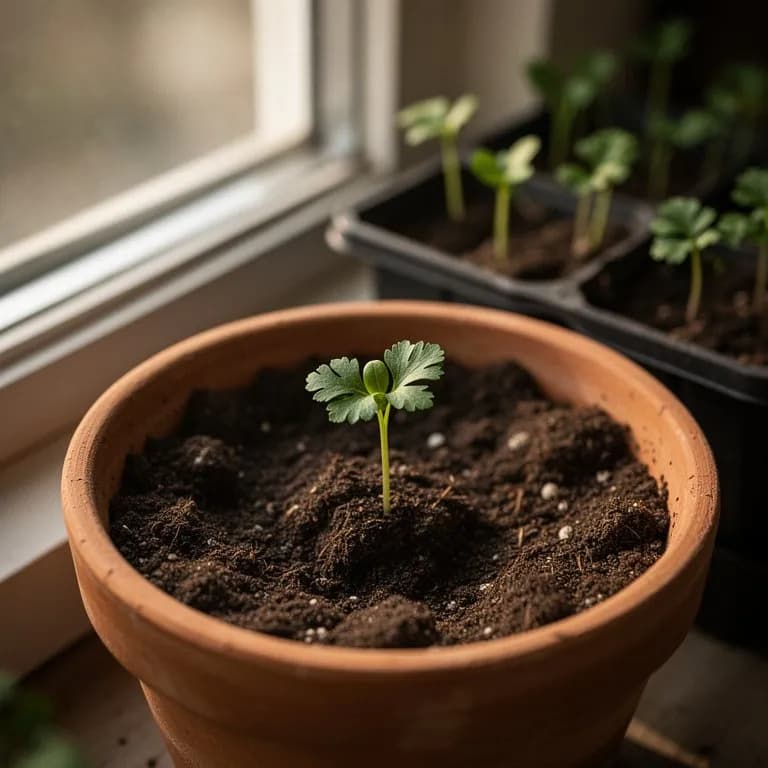
Kerbelsamen keimen langsam und etwas unregelmäßig, typischerweise dauert es 10–14 Tage bis zum Austreiben. Die Samen benötigen Dunkelheit für eine gute Keimung und bevorzugen kühle Bodentemperaturen zwischen 12–18 °C. Frisches Saatgut ist unerlässlich, da die Keimfähigkeit von Kerbelsamen nach dem ersten Jahr stark abnimmt. Das erste sichtbare Wachstum ist ein Paar schmaler, riemenförmiger Keimblätter.
Keimlingsetablierung
Echte Blätter treiben mit der charakteristisch fein geteilten, farnähnlichen Form hervor, die Kerbel von der glatten Petersilie unterscheidet. Die Keimlinge entwickeln eine schlanke Pfahlwurzel und beginnen eine kleine Rosette zu bilden. Das Wachstum ist bei kühlen, schattigen Bedingungen stetig, kommt aber bei direkter Sonne und Hitze zum Stillstand.
Vegetatives Wachstum
Die Pflanze entwickelt sich schnell zu einem üppigen Büschel aus spitzigem, hellgrünem Laub, das 25–35 cm hoch wird. Die Blattproduktion beschleunigt sich und das charakteristische milde Anisaroma wird ausgeprägter. Dies ist die Spitzenzeit für Blattqualität und Geschmack, wobei bei kühlem Wetter die zartesten und aromatischsten Blätter produziert werden.
Spitzenernte
Die Pflanze befindet sich auf voller Produktionskapazität und erzeugt kontinuierlich neue Blätter aus dem Zentrum der Rosette. Der Geschmack ist in diesem Stadium am besten, mit dem zarten Anis-Petersilien-Geschmack, der den französischen Kerbel auszeichnet. Regelmäßiges Schneiden regt frisches Wachstum an und verzögert die Blüte.
Blüte und Samenansatz
Steigende Temperaturen und länger werdende Tage lösen das Strecken des Hauptstängels aus, der verzweigte Triebe mit winzigen weißen schirmförmigen Blütengruppen (Dolden) bildet. Sobald die Blüte beginnt, verlangsamt sich die Blattproduktion drastisch und die verbleibenden Blätter werden zäher und weniger aromatisch. Die Pflanze schließt ihren einjährigen Lebenszyklus ab, indem sie kleine, längliche dunkelbraune Samen ansetzt.
Samen direkt dort säen, wo sie wachsen sollen, da Kerbel wegen seiner empfindlichen Pfahlwurzel keine Verpflanzung verträgt. Samen mit 5–10 mm feiner Erde bedecken, um Licht auszuschließen. Boden gleichmäßig feucht, aber nicht staunass halten. Kältestratifikation (Samen 2 Wochen vor der Aussaat im Kühlschrank aufbewahren) kann die unregelmäßige Keimung verbessern.
Französischer Kerbel Monat für Monat pflegen
Was du jeden Monat für deine Französischer Kerbel tun solltest
Oktober
Aktueller MonatHerbstgezogenen Kerbel in Spitzenqualität ernten – das kühle Wetter produziert das aromatischste, zarteste Laub des gesamten Jahres. Kaltrahmen oder Glocken über Pflanzen aufstellen, um die Saison weit in den Winter zu verlängern. In milden Zonen weiter für die Winterernte aussäen.
Immer wissen, was jetzt im Garten zu tun ist
Eine E-Mail zum Monatsanfang: was du jetzt säen, pflanzen und anpacken solltest — für deine Französischer Kerbel und alles, was drumherum wächst. Dazu ein kurzer Startkurs, der dich vor den klassischen Fehlern bewahrt.
- Was jetzt zu tun ist
- Passend zu deiner Saison
- Startkurs inklusive
Französischer Kerbel ernten
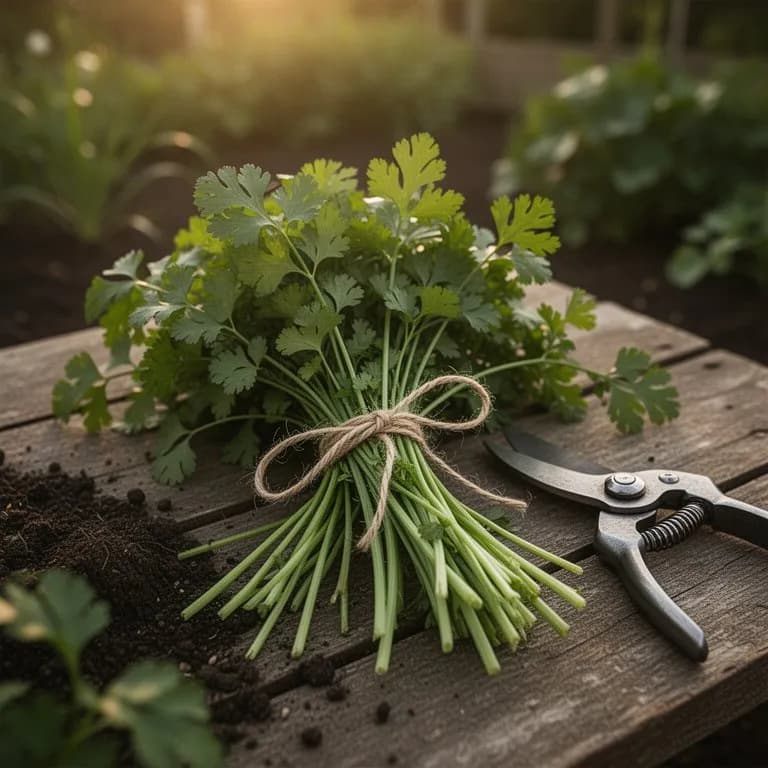
Mit der Kerbelblatternte beginnen, wenn die Pflanzen mehrere Fiederblattpaare entwickelt haben, typischerweise 6 bis 8 Wochen nach der Aussaat. Äußere Blätter einzeln abschneiden oder Zweige von oben ernten und dabei das Wachstumszentrum für weitere Produktion intakt lassen. Morgens ernten für besten Geschmack. Sofort verwenden, da Kerbels zartes Aroma innerhalb weniger Stunden nach dem Schneiden verblasst. Ganze Pflanzen ernten, wenn sie beginnen zu schießen, da die Blätter nach der Bildung von Blütenstielen bitter werden. Für die Samenernte einige Pflanzen blühen und aussamen lassen.
angenommen, du pflanzt zu Beginn des Zeitraums — trage dein tatsächliches Datum ein
Ernte Französischer Kerbel zügig, dann trägt die Pflanze weiter.
Lagerung & Konservierung
Frischer Kerbel ist sehr verderblich und sollte innerhalb von 1 bis 2 Tagen nach der Ernte verwendet werden. Zweige in feuchten Küchentüchern in einem verschlossenen Behälter im Kühlschrank aufbewahren. Kerbel lässt sich nicht gut trocknen; das zarte Anisaroma geht dabei fast vollständig verloren. Einfrieren ist die beste Konservierungsmethode: Blätter hacken und in Eiswürfelformen mit einer kleinen Menge Wasser oder Butter einfrieren. Tiefgefrorener Kerbel behält für 3 bis 6 Monate einen angemessenen Geschmack für die Verwendung in gekochten Gerichten. Kerbelbutter und Kerbelessig sind gute Möglichkeiten, das frische Aroma zu erhalten.
Was schiefgeht — und die Lösung
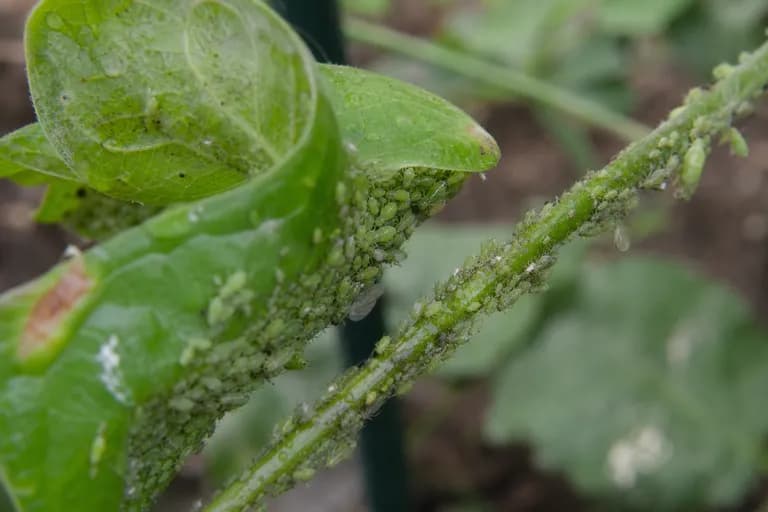
Blattläuse
SchädlingAnsammlungen kleiner grüner Blattläuse an zarten Blättern und Blütenstielen. Blätter können sich einrollen. Meist ein geringfügiges Problem.
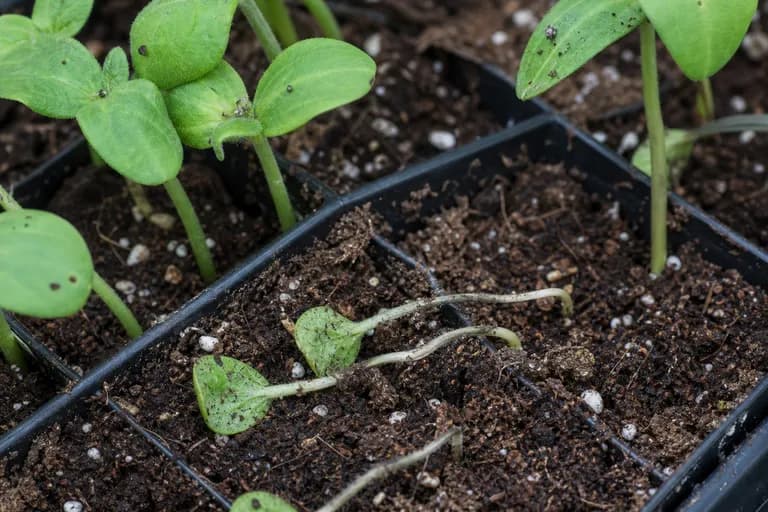
Umfallkrankheit
KrankheitKeimlinge kippen an der Bodenlinie um, der Stängel wirkt eingeschnürt und wassergetränkt. Wird durch Bodenpilze bei kühlen, feuchten Bedingungen verursacht.
Fehlerbehebung bei häufigen Problemen
Schossen bei heißem Wetter ist die größte Herausforderung beim Kerbel. Temperaturen über 21 °C lösen die Bildung von Blütenstielen aus und beenden die nützliche Blatternte. Als Kühljahreszeit-Kultur anbauen und in warmen Klimazonen für Schatten sorgen. Die Pfahlwurzel macht die Verpflanzung unzuverlässig; immer direkt säen. Samen haben eine relativ kurze Keimfähigkeit von 1 bis 2 Jahren; daher frischen Samen verwenden. Kerbel kann mit giftigen Doppelgängern in der Wildnis verwechselt werden, aber im Garten aus zuverlässigen Saatgutquellen angebaute Pflanzen stellen kein Risiko dar.
Anbautipps
- Kerbel immer direkt säen und nicht umpflanzen. Seine empfindliche Pfahlwurzel verträgt keine Störung, und verpflanzte Keimlinge schießen oft vorzeitig oder wachsen schwach. Falls eine Innenaussaat notwendig ist, biologisch abbaubare Töpfe verwenden, die direkt in den Boden gepflanzt werden können, ohne den Wurzelballen zu entfernen.
- Schatten ist nicht optional – er ist unverzichtbar. Im Gegensatz zu den meisten Kräutern verlangt Kerbel Halbschatten und schießt innerhalb von Tagen, wenn er heißer Nachmittagssonne ausgesetzt ist. Auf der Nordseite höherer Kulturen, unter Laubbäumen oder unter 50–70 % Schattiergewebe pflanzen, um die besten Ergebnisse zu erzielen.
- Nur frisches Saatgut verwenden, das im laufenden Jahr gekauft wurde. Die Keimfähigkeit von Kerbelsamen nimmt nach 12 Monaten dramatisch ab, und zwei Jahre altes Saatgut keimt möglicherweise zu weniger als 20 %. Dies ist der häufigste Grund für Kerbel-Keimungsversagen und Frust bei neuen Gärtnern.
- Alle 3 Wochen von frühem Frühjahr bis Spätherbst nachsäen für eine kontinuierliche Versorgung. Kerbel ist ein schnell wachsendes Einjähriges, das relativ schnell schießt, sodass überlappende Pflanzungen die einzige Möglichkeit sind, immer frische Blätter verfügbar zu haben.
- Boden gleichmäßig feucht, aber nie staunass halten. Kerbels flaches Wurzelsystem trocknet schnell aus, besonders bei warmem Wetter. Eine leichte Schicht Stroh oder gehäckselte Blätter hilft, Feuchtigkeit zu speichern, Unkraut zu unterdrücken und die Wurzeln kühl zu halten – alles entscheidend für die Verhinderung vorzeitigen Schossens.
- Durch Schneiden ganzer Stängel an der Basis ernten, anstatt einzelne Blättchen zu pflücken. Das regt die Pflanze an, kräftiges neues Wachstum aus der Mitte der Rosette zu produzieren. Nie mehr als ein Drittel der Pflanze bei einer einzigen Ernte entfernen, um sie produktiv zu halten.
- Jede Saison einige Pflanzen blühen und aussamen lassen. Kerbel sät sich üppig selbst aus, und Wildlingskeimlinge, die im Herbst oder frühen Frühjahr erscheinen, sind oft kräftiger als absichtlich gesäte Pflanzen. Einmal etabliert, kann sich ein selbst aussamender Kerbelbeet mit minimalem Aufwand auf unbestimmte Zeit selbst erhalten.
- Kerbel niemals trocknen – sein zarter Geschmack verdunstet beim Dehydrieren fast vollständig. Stattdessen überschüssigen Kerbel konservieren, indem gehackte Blätter in Eiswürfelformen mit etwas Wasser oder Olivenöl eingefroren werden. Kerbelbutter (in weiche Butter gemischt und in Rollen eingefroren) ist eine weitere ausgezeichnete Konservierungsmethode.
- Kerbel neben Salat, Spinat und anderen schattentoleranten Salatpflanzen anbauen für eine effiziente Nutzung schattiger Gartenflächen. Kerbel ist auch eine ausgezeichnete Begleitpflanze für Radieschen, da er deren Geschmack verbessern und bestimmte Schädlinge abschrecken soll.
- Im Herbst und Winter die Kerbelerntezeit verlängern, indem Pflanzen mit einem einfachen Kaltrahmen, einer Glocke oder einem Tunnel aus klarer Folie abgedeckt werden. Kerbel verträgt Temperaturen bis etwa -5 °C unter Schutz und produziert in vielen Zonen noch weit in den Dezember hinein frische Blätter.
Bau deine beste Französischer Kerbel an — und alles drumherum.
Starte heute kostenlos. Lege deine Beete an, setze deine Französischer Kerbel ein und lass PlotMyGarden Timing, Abstände, Begleiter und Erinnerungen von der Saat bis zum Erntekorb übernehmen.
Finde deine Französischer Kerbel
Brussels Winter
Eine kältetolerante Selektion, die für die Kühljahreszeit-Produktion gezüchtet wurde. Dunklere, feiner geschnittene Blätter als beim Standard-Kerbel. Schießt bei kühlem Wetter außergewöhnlich langsam. Die beste Sorte für Herbst-, Winter- und frühe Frühjahrsernten.
Vertissimo
Eine schossresistente Sorte mit dunkelgrünen, tief eingeschnittenen Blättern. Hält wachstumsfähige Produktion länger in wärmeres Wetter aufrecht als Standardtypen. Gute Wahl zur Verlängerung der Erntesaison.
Glattblättriger Kerbel
Der Standard-Küchenkerbel mit flachen, petersilienähnlichen geteilten Blättern und klassischem Anis-Petersilien-Geschmack. Breiter erhältlich als Spezialsorten, schießt aber bei warmem Wetter schneller.
Ein Päckchen Französischer-Kerbel-Samen kostet 2–4 € und enthält 200–500 Samen – genug für mehrere Folgeaussaaten über ein ganzes Jahr. Frischer Kerbel ist im Einzelhandel eines der teuersten Kräuter und kostet oft 3–6 € für ein winziges 15–20-g-Bündel, das innerhalb von zwei Tagen welkt. Selbst angebaut liefert er für 6–8 Monate des Jahres unbegrenzt frische Zweige (Frühjahr bis früher Winter mit Kaltrahmenabdeckung). Eine einzige Saison selbst angebautem Kerbel ersetzt mühelos Waren im Wert von 50–100 € aus dem Laden, und die Qualität von gartenfrischem Kerbel – Sekunden vor der Verwendung geerntet – ist allem in Geschäften Erhältlichen unvergleichlich überlegen.
Schnelle Rezepte
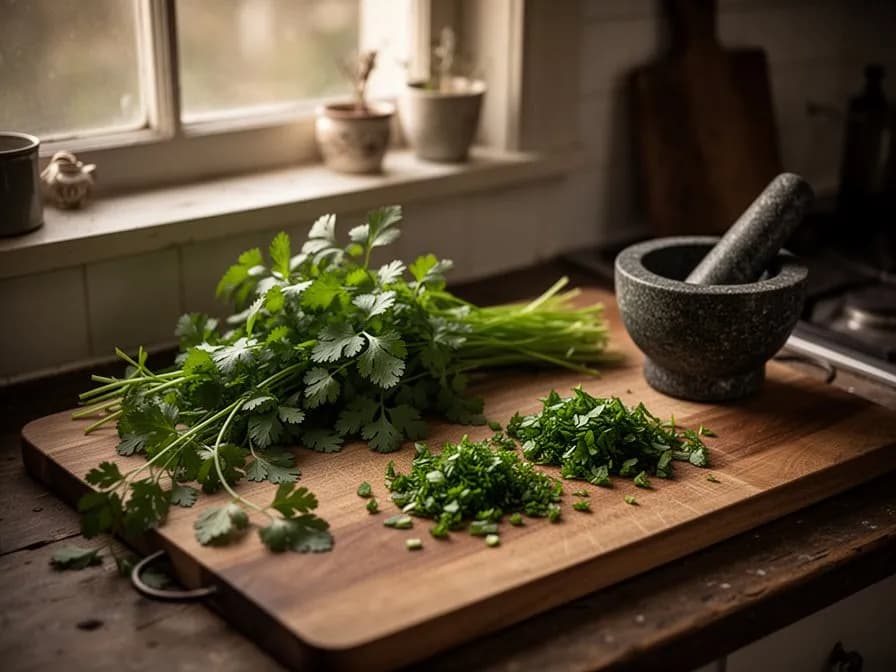
Klassisches französisches Omelette aux Fines Herbes
10 Min.Das schlechthin beste Schaufenster für frischen Kerbel – ein seidiges französisches Omelett, gefaltet um eine Fülle frisch gehackter Fines herbes. Die sanfte Hitze lässt den Kerbel kaum welk werden und bewahrt sein zartes Anisparfüm in jedem Bissen.
7 ZutatenKerbelbutter für Fisch und Gemüse
10 Min. + 30 Min. KühlenEine einfache Kräuterbutter, aromatisiert mit frischem Kerbel, Zitronenschale und einem Hauch Schalotte. Über gegrilltem Fisch, gedünstetem Spargel oder neuen Kartoffeln geschmolzen, verwandelt sie einfache Zutaten in etwas Elegantes und unverwechselbar Französisches.
6 ZutatenFrühlingskerbelsuppe (Potage au Cerfeuil)
30 Min.Eine samtige französische Suppe, in der Kerbel die Hauptrolle spielt und nicht nur als Garnitur dient. Kartoffeln sorgen für Körper, während eine großzügige Menge frischen Kerbels, am Ende eingerührt, der Suppe ihre charakteristische hellgrüne Farbe und sanfte Aniswärme verleiht.
7 ZutatenKulinarische Verwendung
Kerbel ist das zarteste der klassischen französischen Fines herbes mit einem subtilen Anis-Petersilien-Geschmack, der ergänzt ohne zu überdecken. Er ist in Fines herbes neben Schnittlauch, Estragon und Petersilie unverzichtbar. Kerbel erst ganz am Ende des Kochens hinzufügen oder roh verwenden, da Hitze das Aroma zerstört. Klassische Verwendungen umfassen Kerbelsuppe, Sauce béarnaise, Omeletts und Fischgerichte. Über Frühlingsgemüse, neue Kartoffeln und Salate streuen. Kerbelbutter veredelt gegrillten Fisch und gedünstetes Gemüse. Die Franzosen halten ihn für Eiergerichte für unverzichtbar.
Was drinsteckt
Gesundheitsvorteile
- Reich an Vitamin A und Beta-Carotin, das Augengesundheit, Immunfunktion und die Erhaltung gesunder Haut und Schleimhäute bei regelmäßigem Verzehr unterstützt.
- Enthält flüchtige Verbindungen wie Estragol, die traditionell in der europäischen Kräutermedizin zur Linderung von Verdauungsbeschwerden, Reduzierung von Blähungen und Appetitanregung vor den Mahlzeiten verwendet wurden.
- Liefert Vitamin C und Flavonoid-Antioxidantien wie Apigenin und Luteolin, die Zellen vor oxidativem Stress schützen und im Laufe der Zeit die Herzgesundheit unterstützen können.
- Traditionell als mildes Diuretikum in der europäischen Volksmedizin verwendet, das bei regelmäßigem Verzehr als Tee oder frisches Kraut die Nierenfunktion unterstützt und Wassereinlagerungen reduziert.
- Enthält Eisen, Mangan und andere Spurenmineralien, die zur gesunden Blutbildung und zum Energiestoffwechsel beitragen, besonders wertvoll in Kombination mit Vitamin-C-reichen Lebensmitteln für eine verbesserte Aufnahme.
- Die milden entzündungshemmenden Eigenschaften, die den ätherischen Ölverbindungen des Kerbels zugeschrieben werden, können helfen, leichte Hautreizungen bei traditioneller Umschlaganwendung zu lindern, und seine sanfte Wärme fördert die Durchblutung.
Woher Französischer Kerbel stammt
Französischer Kerbel (Anthriscus cerefolium) stammt ursprünglich aus der Kaukasusregion, Südrussland und Westasien, wo er noch heute wild in schattigen Wäldern und entlang von Bachufern wächst. Von dort breitete er sich durch Handel und Migration westwärts aus und erreichte die mediterrane Welt in der Antike. Die alten Griechen kultivierten Kerbel und schätzten ihn sowohl als Suppenkraut als auch als Heilpflanze, nannten ihn Chaerephyllon – das 'Freudenblatt'. Die Römer übernahmen ihn begeistert, und Plinius der Ältere beschrieb seine kulinarischen und medizinischen Verwendungen in seiner Naturgeschichte aus dem ersten Jahrhundert und empfahl ihn bei Verdauungsbeschwerden und Schluckauf.
Nach dem Fall Roms wurde der Kerbelanbau von Klostergemeinschaften in ganz mittelalterlichen Europa gepflegt und erweitert. Karl der Große listete ihn um 800 n. Chr. in seinem Capitulare de villis unter den unverzichtbaren Kräutern auf, die in jedem kaiserlichen Garten angebaut werden sollten. Bis zum Spätmittelalter war Kerbel tief in den kulinarischen Traditionen Frankreichs, der Niederlande und Teilen Deutschlands verwurzelt. Er war eines der Fastenkräuter, die in grünen Suppen und Saucen während der Frühjahrsfastenzeit gegessen wurden, ein Brauch, der in einigen Regionen bis heute fortbesteht.
Das goldene Zeitalter der französischen Küche im 17. und 18. Jahrhundert erhob Kerbel in den Elitestatus. Er wurde ein unverzichtbarer Bestandteil der Fines herbes, der klassischen Mischung zarter frischer Kräuter, die einen Großteil der französischen Küche definiert. Escoffier und spätere französische Kochautoritäten hielten Kerbel für Omeletts, Saucen und Meeresfrüchtegerichte für unverzichtbar. Die spezifische Sorte, die als Französischer Kerbel bekannt ist, wurde über Generationen für ihre fein geschnittenen, aromatischen Blätter und das im Vergleich zu Wildformen relativ langsame Schossen selektiert. Heute bleibt Kerbel in europäischen Küchen – insbesondere französischen, belgischen und niederländischen – weit beliebter als in der englischsprachigen Welt, wo er oft zugunsten seines groberen Verwandten, der glatten Petersilie, übersehen wird. Das Kraut erlebt jedoch eine Renaissance unter Köchen und Hobbygärtnern, die seinen einzigartigen, unersetzlichen Geschmack zu schätzen wissen.
Französischer Kerbel: Schon gewusst?
Faszinierende Fakten über Französischer Kerbel
Französischer Kerbel ist eines der vier unverzichtbaren Kräuter in der klassischen französischen Mischung Fines herbes neben Schnittlauch, Petersilie und Estragon – eine Kombination, die seit mindestens dem 18. Jahrhundert ein Eckpfeiler der französischen Haute Cuisine ist und als unverzichtbar für Omeletts, Fisch und zarte Saucen gilt.
Französischer Kerbel: Fragen & Antworten
Wann sollte ich Französischer Kerbel pflanzen?
Was sind gute Begleitpflanzen für Französischer Kerbel?
In welchen Winterhärtezonen kann Französischer Kerbel wachsen?
Wie viel Sonne braucht Französischer Kerbel?
Welchen Abstand sollte ich zwischen Französischer Kerbel lassen?
Welche Schädlinge und Krankheiten befallen Französischer Kerbel?
Wie lagere ich Französischer Kerbel nach der Ernte?
Was sind die besten Französischer Kerbel-Sorten zum Anbauen?
Welchen Boden braucht Französischer Kerbel?
Warum schießt mein Kerbel so schnell, bevor ich viel ernten kann?
Kann ich Französischen Kerbel in einem Topf oder Behälter auf meinem Balkon anbauen?
Was ist der Unterschied zwischen Französischem Kerbel und normalem Kerbel?
Wie konserviere ich Kerbel, wenn ich ihn nicht sofort frisch verwenden kann?
Ist der Anbau von Kerbel sicher, wenn ich andere ähnlich aussehende Pflanzen in meinem Garten habe?
Warum sind meine Kerbelsamen nicht aufgegangen?
Du hast die Theorie gelesen. Jetzt baue sie auf Autopilot an.
Alles, was Französischer Kerbel knifflig macht — das Timing, die Abstände, die Begleiter, das Erntefenster — genau das übernimmt PlotMyGarden für dich, für jede Pflanze im Garten.
Ein Plan, der dein Wetter kennt
Standort einmal festlegen. Aussaat-, Dünge- und Erntedaten rund um deinen echten letzten Frosttermin und die Live-Vorhersage — kein Raten mehr nach Saattüte.
Aus dem Abschnitt „Pflanzzeit“Beetplaner per Drag & Drop
Beete auf einem Raster gestalten. Jede Pflanze rastet im richtigen Abstand ein, und du siehst die ganze Saison, bevor du einen Cent für Saatgut ausgibst.
Aus dem Abschnitt „Anbau“Begleiter-Konflikte früh erkannt
Über 200 gute und schlechte Kombinationen werden beim Pflanzen live geprüft — so landet ein saisonruinierender Fehler nie in der Erde.
Aus dem Abschnitt „Begleiter“Erinnerungen, nach denen du wirklich handelst
„Gieß die Bohnen.“ „Heute ernten, bevor's umschlägt.“ Pünktlich, konkret und auf deine echten Pflanzen bezogen.
Aus dem Abschnitt „Ernte“Staffel-Aussaat, geplant
Sechs Wochen ernten statt sechs Tage? Die App verteilt deine Aussaaten automatisch und erinnert dich, wenn der nächste Satz fällig ist.
Aus dem Abschnitt „Pflanzzeit“Ein Verlauf, der schlauer wird
Jede protokollierte Ernte bringt der App deinen Garten bei. Der Plan fürs nächste Jahr startet bei dem, was in deinem Boden wirklich funktioniert hat.
Aus dem Abschnitt „Überblick“Pflanze diese neben Französischer Kerbel
Weitere Küchenkräuter
Halte Französischer Kerbel von diesen fern
Bau deine beste Französischer Kerbel an — und alles drumherum.
Starte heute kostenlos. Lege deine Beete an, setze deine Französischer Kerbel ein und lass PlotMyGarden Timing, Abstände, Begleiter und Erinnerungen von der Saat bis zum Erntekorb übernehmen.